Step Exercise
Step Exercise is a versatile way to boost your fitness routine, offering effective options for both beginners and experienced enthusiasts. Whether you're looking to enhance your cardio workouts, improve coordination, or add variety to your training sessions, the right equipment can make all the difference. Explore a range of Step Exercise solutions designed to help you reach your fitness goals and elevate your home gym setup.
Sort


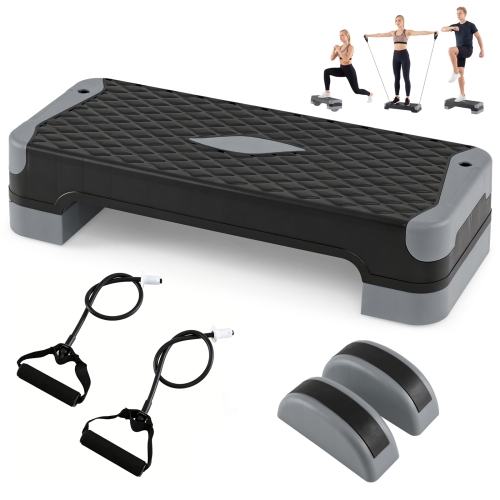

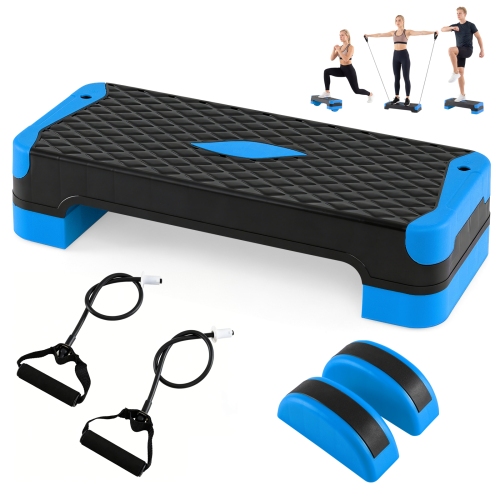
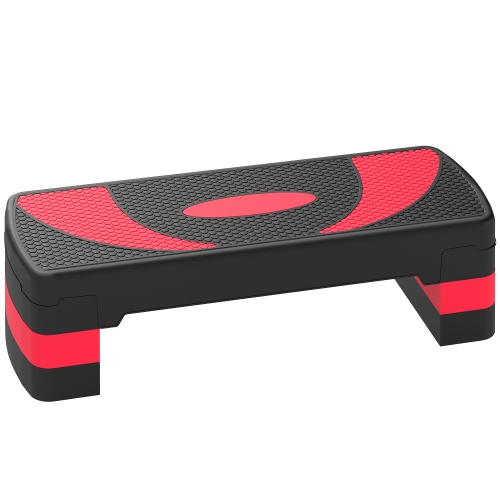

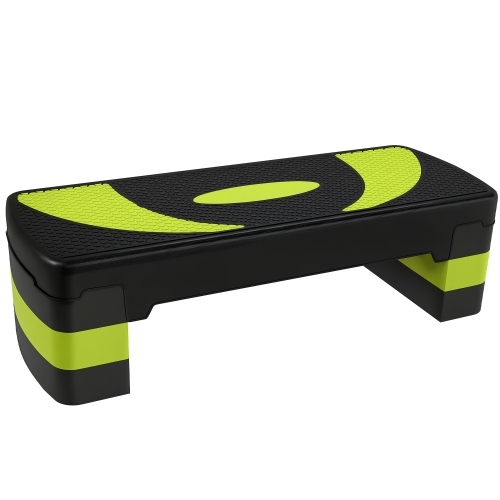

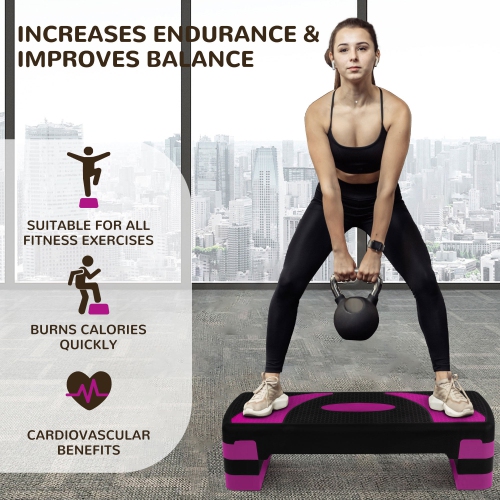


Simple stepping patterns for cardio, strength and balance at home
Step exercise is a practical way to add more movement to a home workout, combining repeated stepping with simple choreography to raise the heart rate and strengthen the lower body. The central piece of equipment is a raised, stable platform that lets you step up and down at a controlled pace. A basic step begins with one foot on the platform, followed by the other, then returns to the floor in the same sequence. Once that pattern feels comfortable, movements such as the V-step, alternating knee lifts, heel digs, hamstring curls and corner taps can add variety without requiring complicated equipment. The steady rhythm makes step exercise appealing for people who enjoy music-led workouts, while the adjustable height on some platforms allows the session to become more or less demanding as fitness and confidence develop. Repeated stepping works the quadriceps, hamstrings, calves and glutes, while changes in direction encourage balance, coordination and core stability. It can also provide an effective cardio workout, with the effort depending on platform height, pace, arm movements, duration and the amount of recovery between combinations. A beginner may start with short intervals of basic stepping, taking time to become familiar with the platform and keeping movements controlled. Someone with more experience may use a higher setting, add upper-body motions or build longer sequences that feel similar to a group fitness class. The compact format suits a living room, spare room or home gym, especially when the platform can be stored beneath a bed, beside a cabinet or in a closet between sessions. During the cooler months, it offers a convenient option for keeping an indoor routine going when outdoor walks are less appealing, and it can fit naturally into a morning, lunch-hour or evening schedule without requiring a trip to a fitness facility.
When choosing step exercise equipment, stability should be the first consideration. Look for a broad, firm surface that stays planted during repeated movement, along with a textured top that helps provide secure footing. The platform should be large enough for comfortable placement of both feet, with enough room to step up and down without crowding the edges. Adjustable height can be especially useful in a shared household, since one person may prefer a lower platform for gentle movement while another wants a more challenging setting. Fixed-height designs can be straightforward and easy to use, while models with stackable risers offer more flexibility as ability changes. Check the recommended user weight and the construction before purchasing, and place the step on a clean, level, hard surface rather than a thick or uneven rug. A clear area around the platform helps reduce the chance of contacting furniture during side steps, turns or travelling combinations. Supportive athletic shoes with secure laces and a well-cushioned sole are generally a better choice than socks or loose footwear, particularly when the workout includes faster transitions. It is also helpful to keep water nearby and leave enough room to step off safely from either side. New users can practise stepping up, stepping down and changing the lead foot before adding arm movements. Starting with the lowest comfortable height and a moderate pace makes it easier to focus on posture, foot placement and smooth weight transfer. Keep the chest lifted, look ahead rather than down at the platform, and place the whole foot securely on the surface. If the knees, ankles or lower back feel strained, reduce the height or pace and consider seeking guidance from a qualified health professional before continuing. For people who want a movement pattern that feels closer to climbing stairs, Stair Steppers provide another category to explore, while raised aerobic platforms are better suited to choreographed step routines and lateral combinations.
Step exercise equipment can suit a wide range of users, from someone building a simple home cardio habit to an experienced exerciser looking for more variety in a strength and conditioning routine. It may also be a thoughtful gift for a friend setting up a home workout space, a family member who enjoys dance-inspired fitness or someone who prefers short sessions that can be fitted around work, school and household responsibilities. The equipment itself is easy to pair with other forms of movement: a few minutes of basic stepping can warm up the legs before resistance training, while lower-height intervals can add gentle cardio between exercises. A typical session might begin with several minutes of easy stepping, continue with alternating lead legs and simple patterns such as the V-step, then progress to knee lifts or corner taps before a gradual cool-down. To build balance and coordination, users can practise switching the lead foot, stepping in different directions and maintaining an even tempo rather than rushing through the sequence. For a lower-impact approach, keep the platform at a modest height, avoid jumping and step down carefully with soft knees. For greater intensity, users can increase the height within the equipment’s safe settings, extend the work intervals or add deliberate arm movements while preserving good form. The most useful setup is one that feels inviting enough to use regularly: a stable platform that can be adjusted to match the user, stored without fuss and kept ready in an open area. As the weather shifts from milder days to cooler ones, having a dependable indoor option can make movement feel less like a chore and more like a familiar part of the day—steady footfalls on the platform, a comfortable rhythm, and enough flexibility to make each session suit the person using it.
Top selling and popular products
-
 Your price for this item is $129.99
-
 Your price for this item is $57.99
-
 Your price for this item is $239.99
-
 Your price for this item is $53.99
-
 Your price for this item is $99.99
-
 Your price for this item is $57.99
-
 Your price for this item is $57.99
-
 Your price for this item is $140.99
Discover more categories related to Step Exercise


Top Collections:
Pokemon Centers, Best Budget Office Chairs, Kindle Devices, Best Cameras for Sports Photography, Pokémon 30th Celebration Cards, Best Laptops for Writers, Canon G7X Cameras, iPhone 15 Apple, Best Cell Phones Under $300, Apple iPhones 16
Some products may be subject to Environmental Handling Fees
(EHF) depending on your province.
Learn more about EHFs.