Food Processors for Cutting Vegetables
A food processor is one of the kitchen workhorses, and its versatility is one of the main reasons why it's so popular. It can chop, slice, grate, and puree almost anything you put in its bowl; and it does so with ease. Here are some of the best food processors for cutting vegetables.
Sort
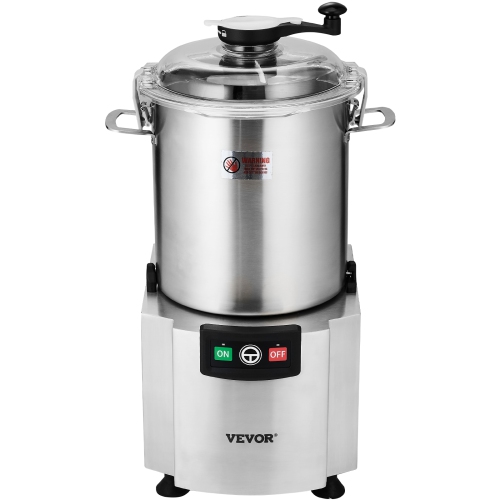
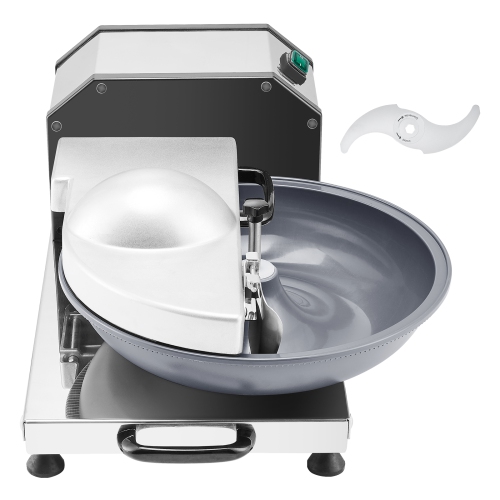
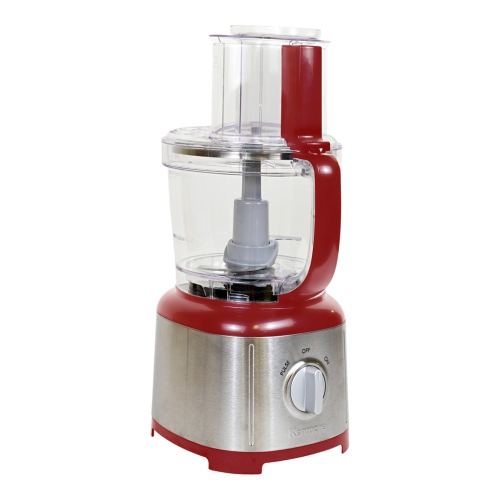
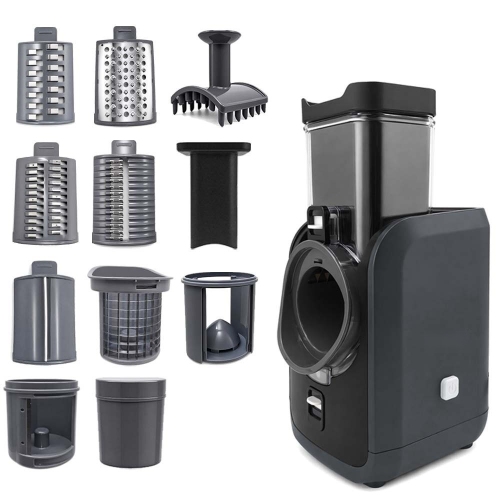
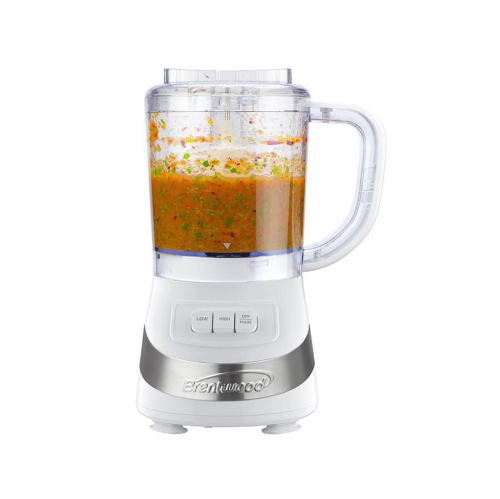
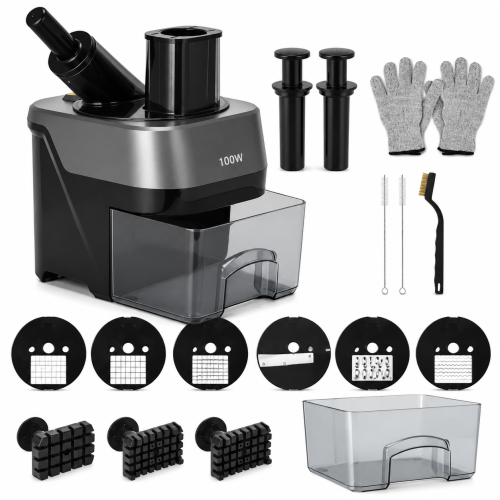
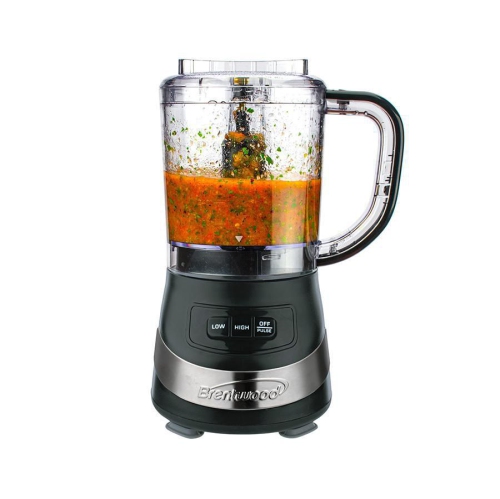
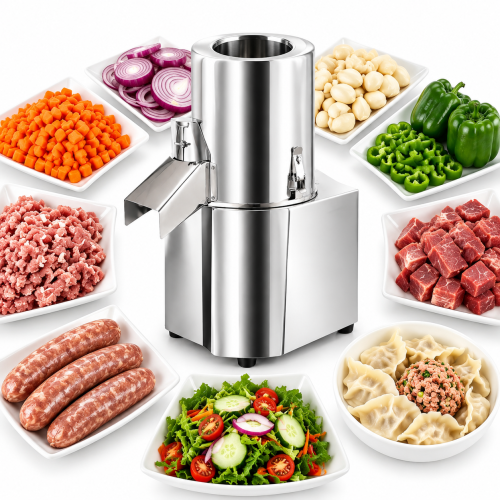

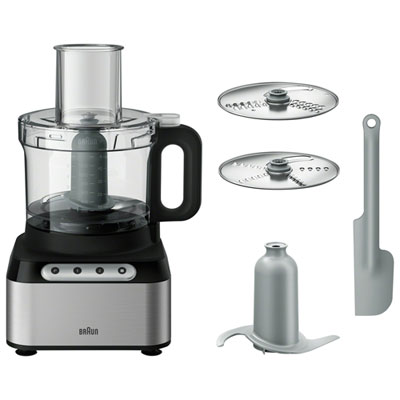
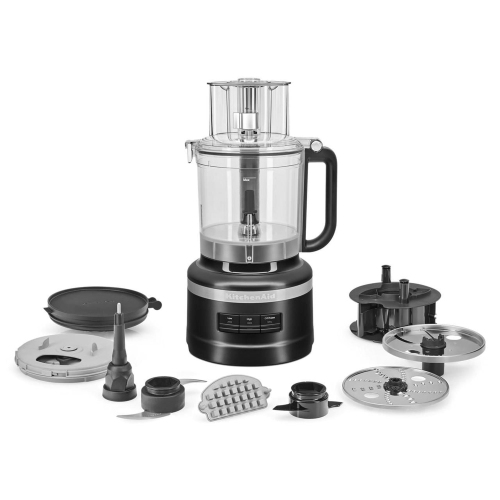
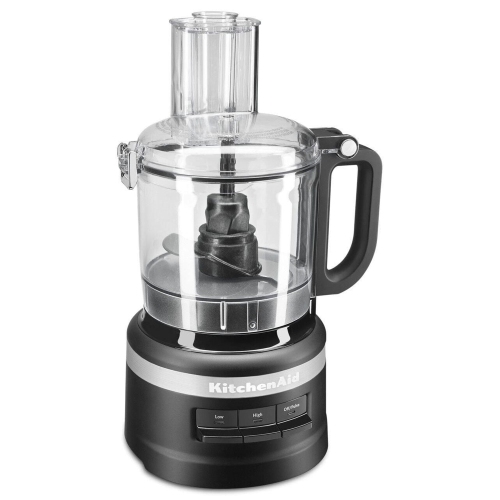
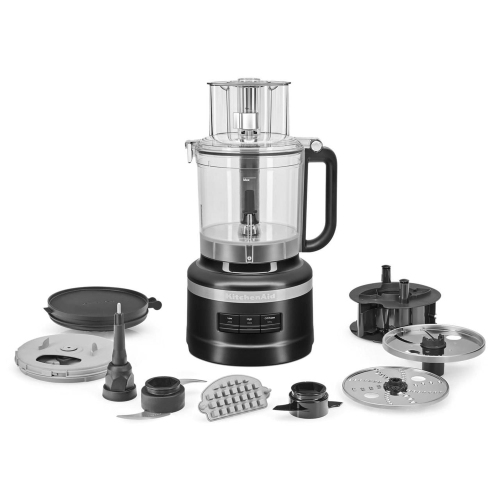
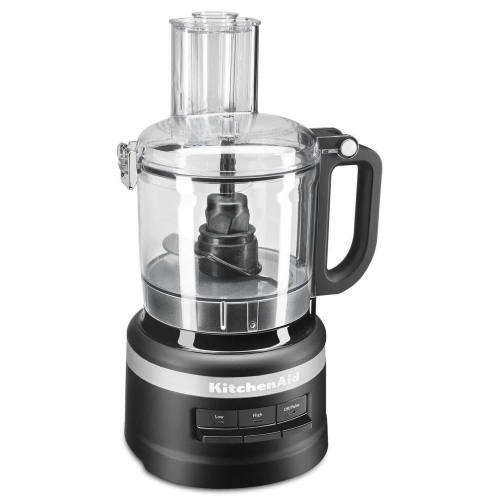
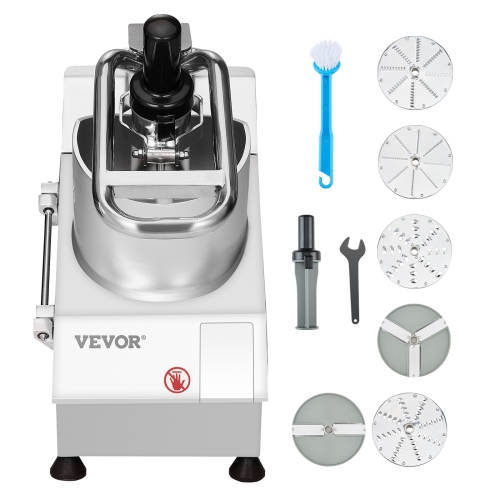
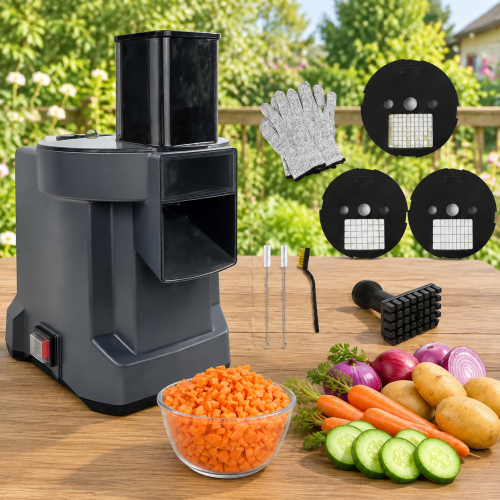
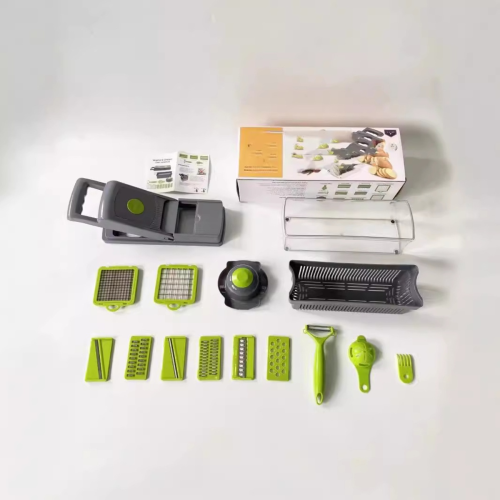
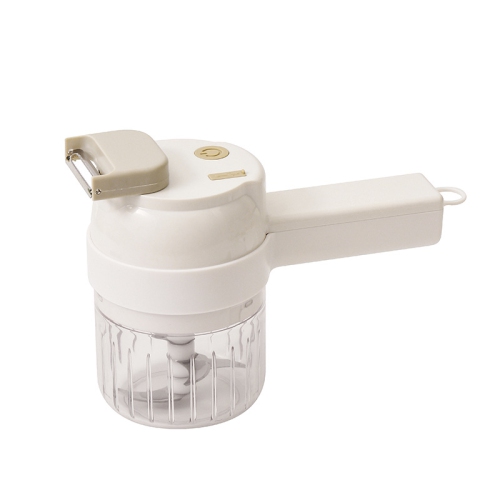
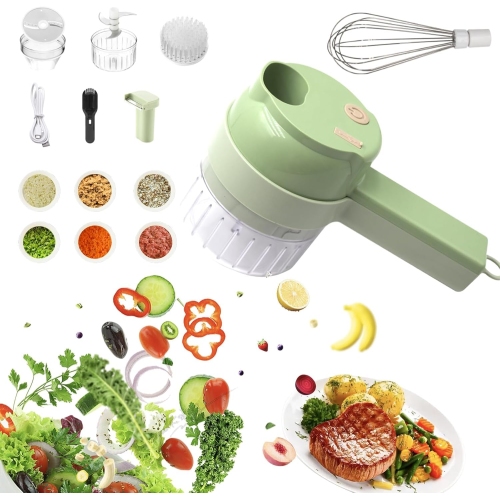
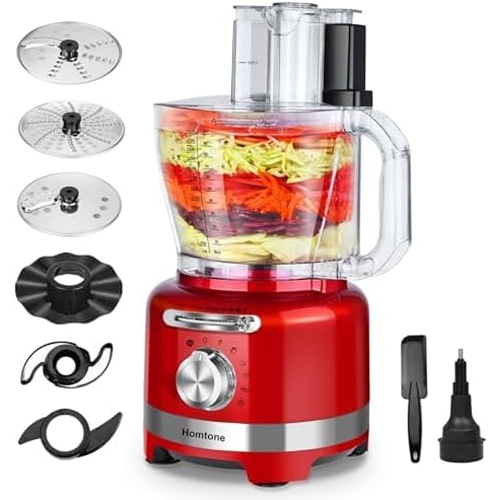
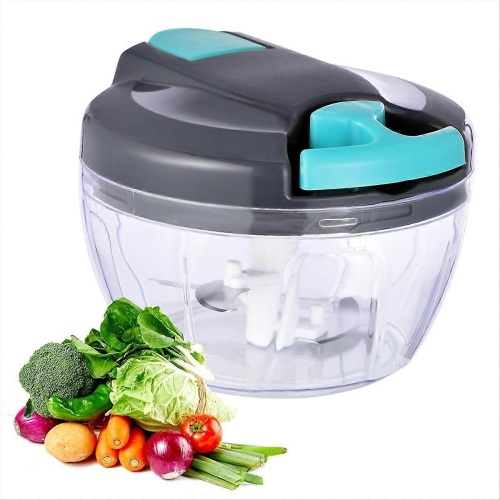
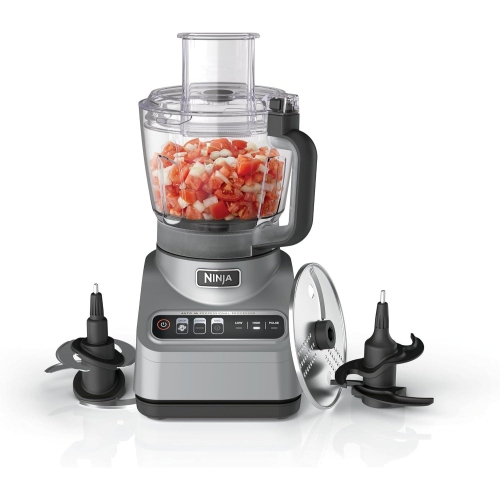
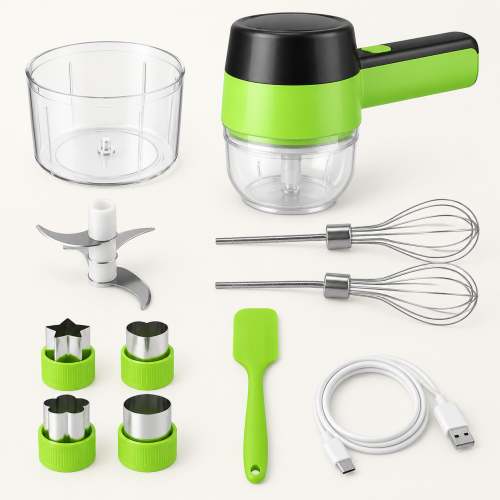
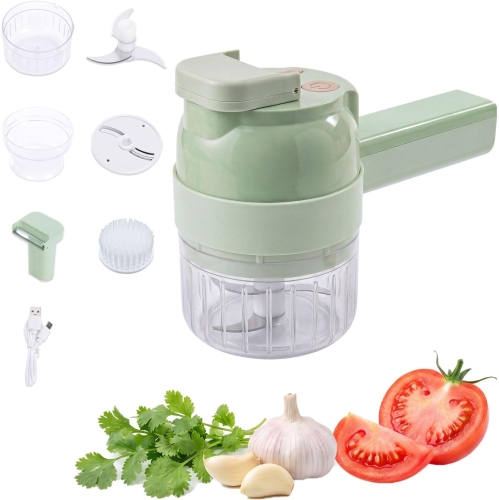
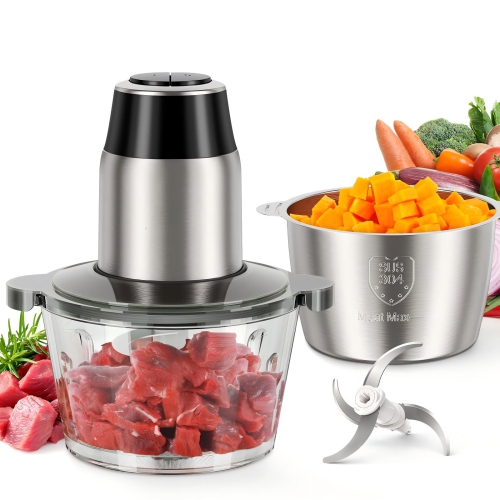
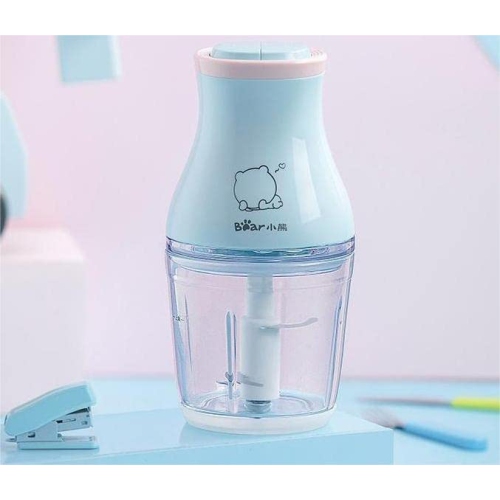
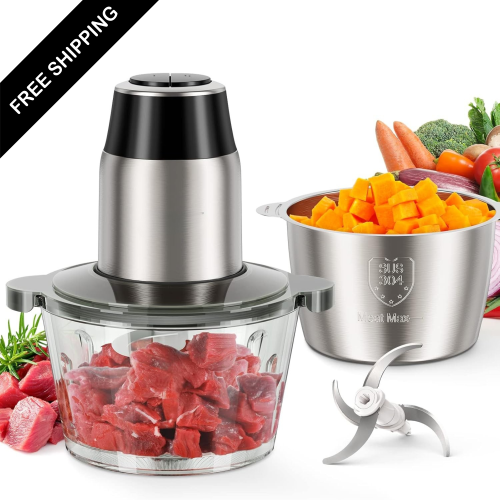
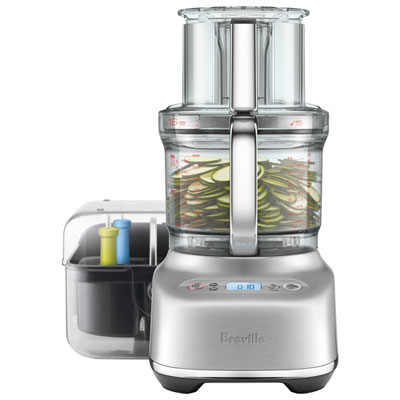
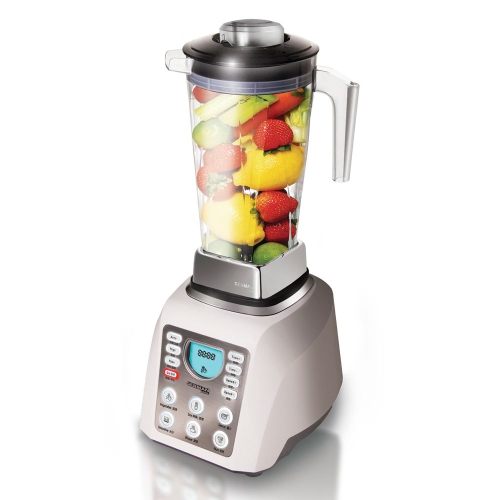
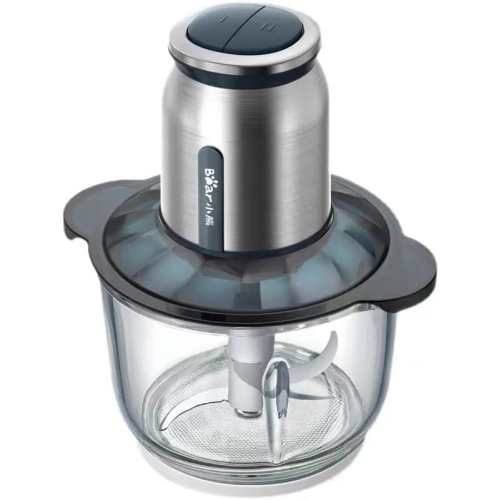
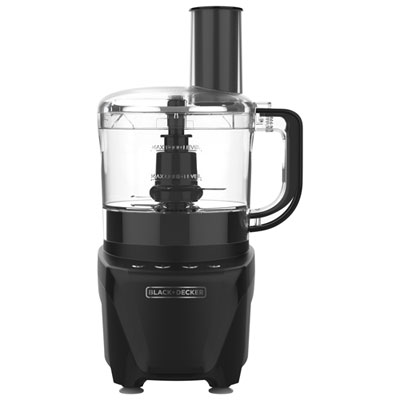
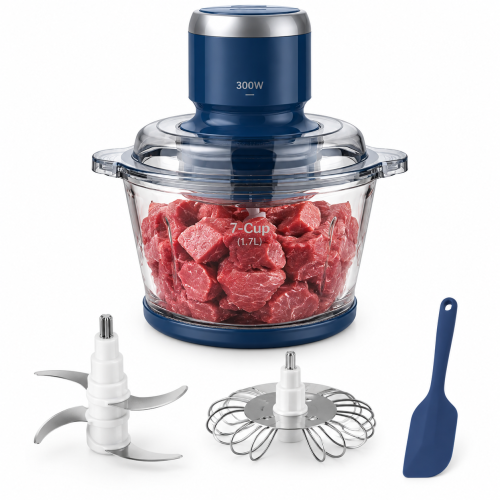
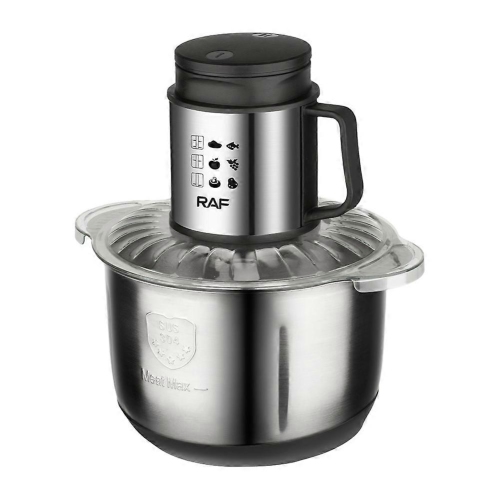
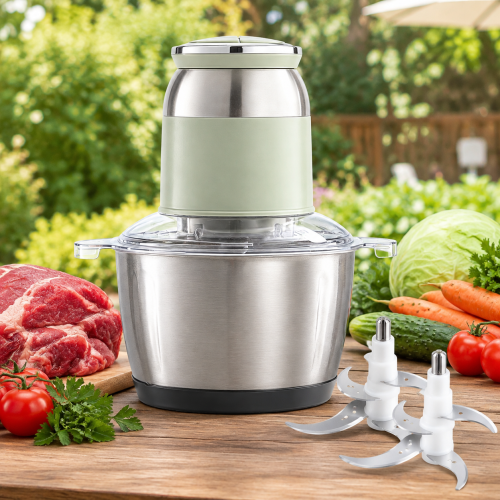
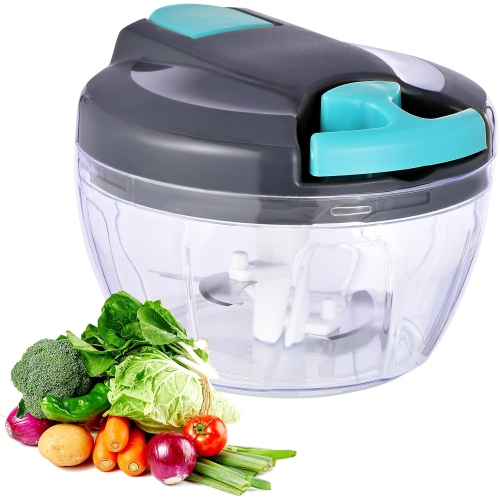
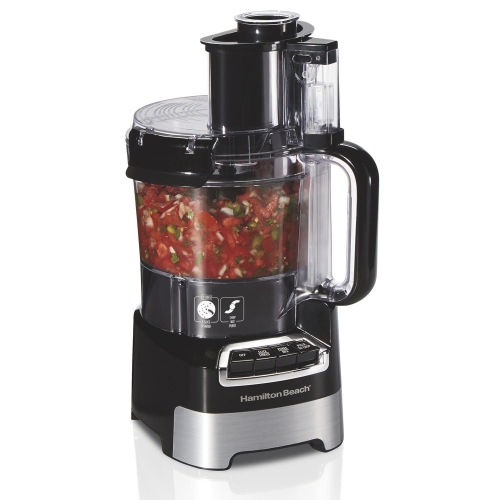
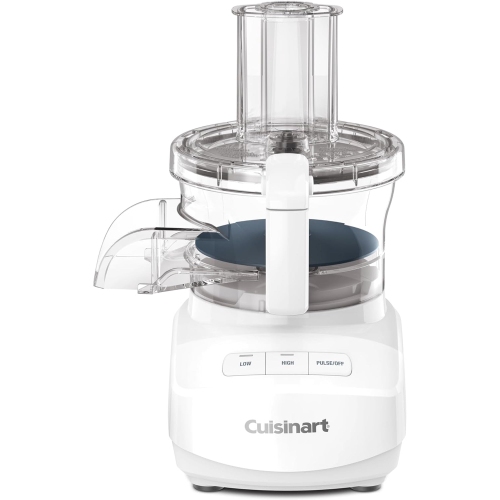
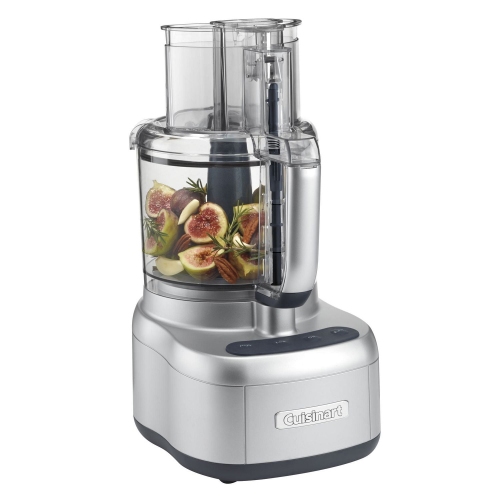
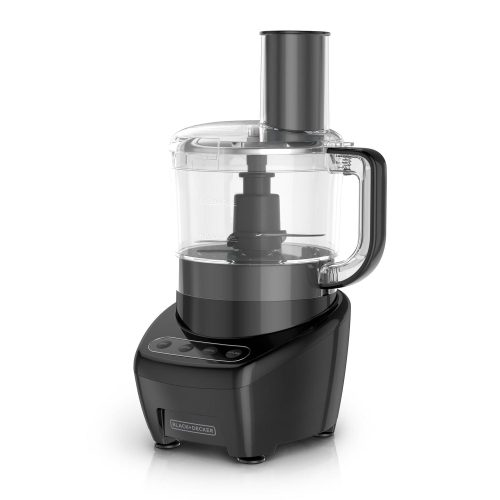
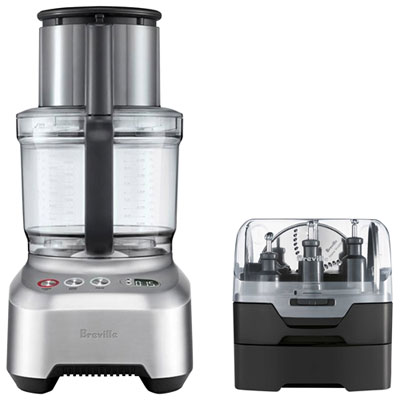
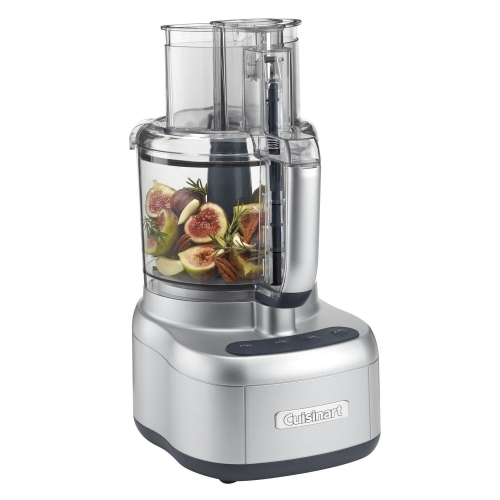
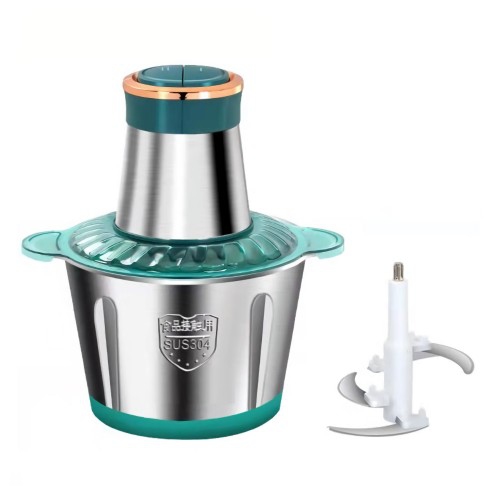
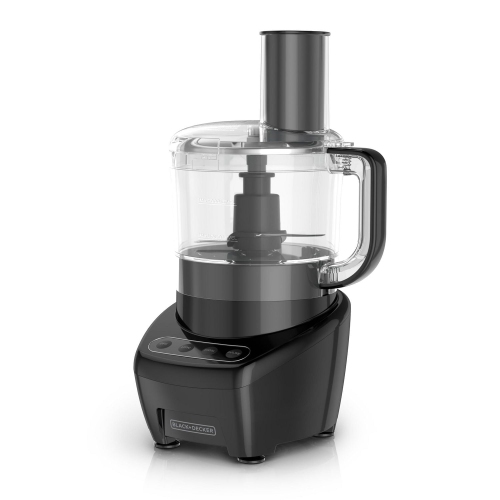
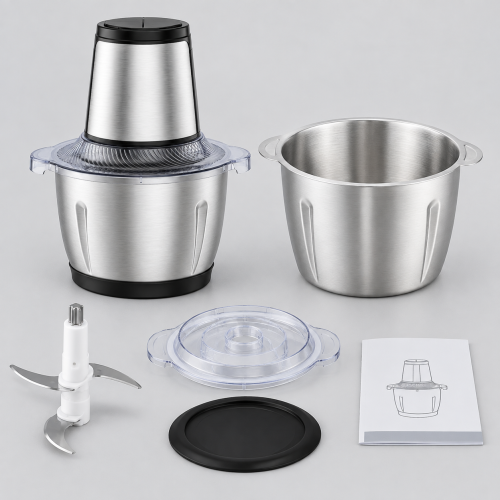
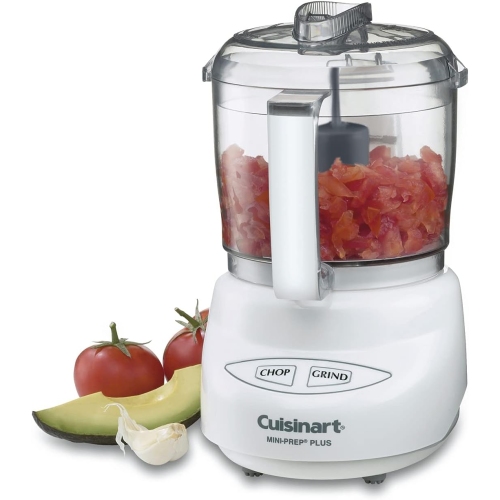
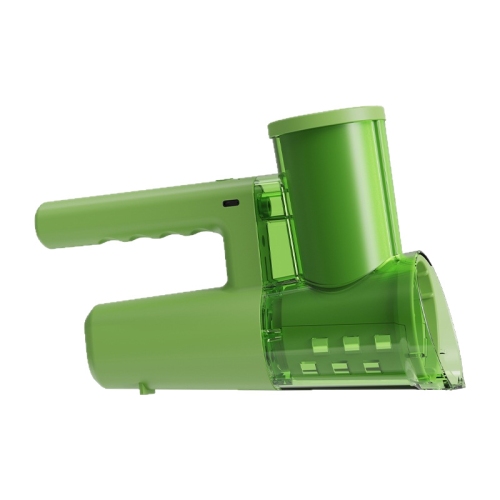
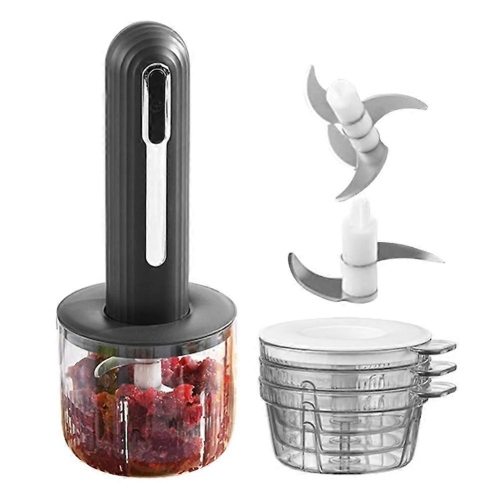
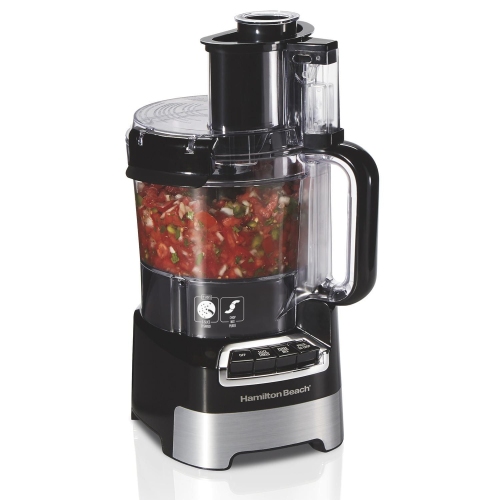
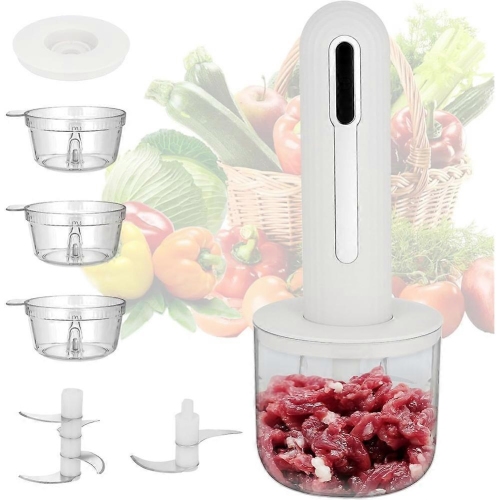
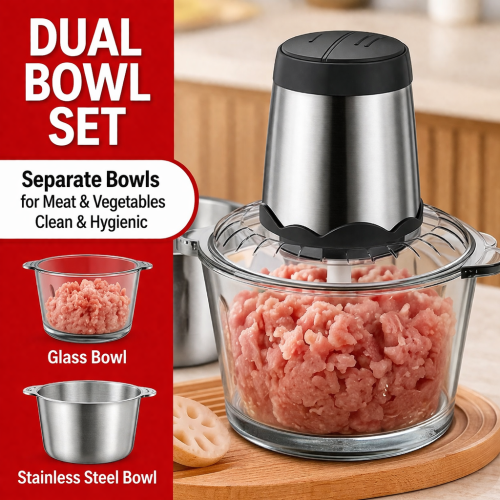
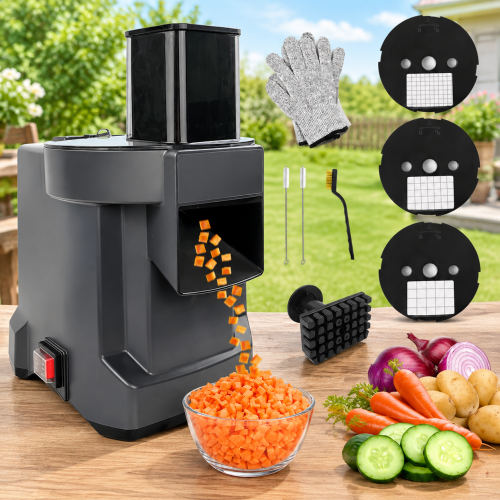
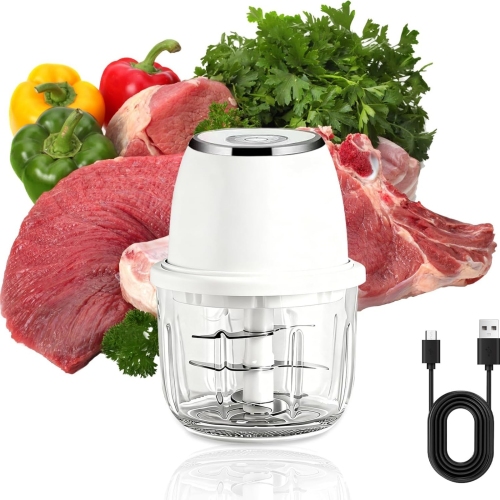
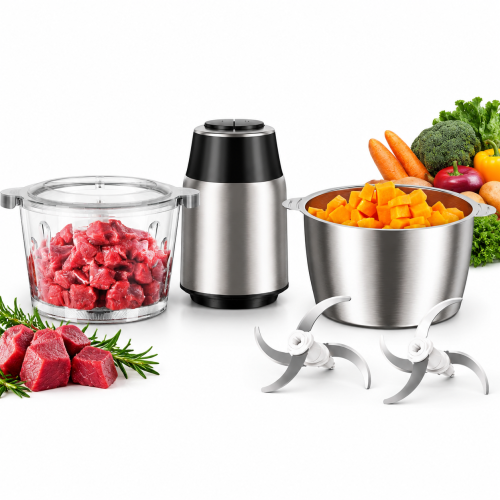
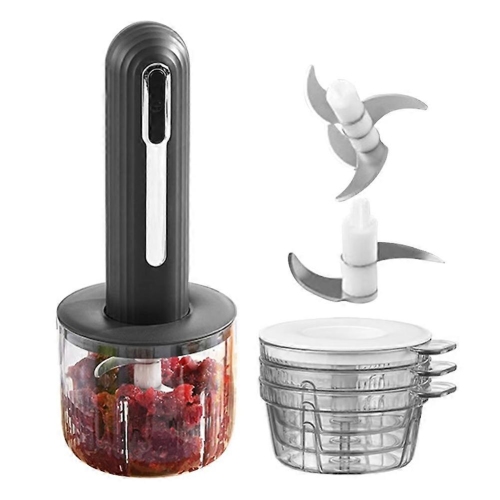
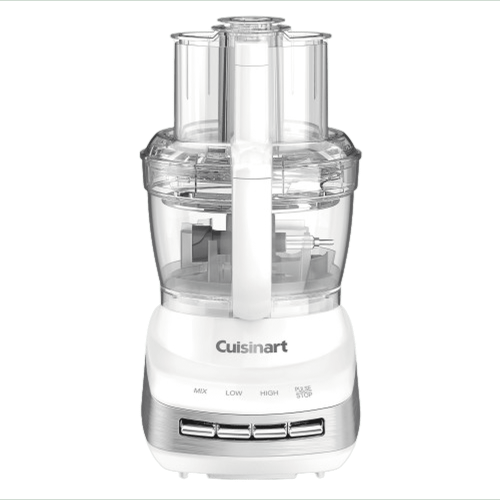
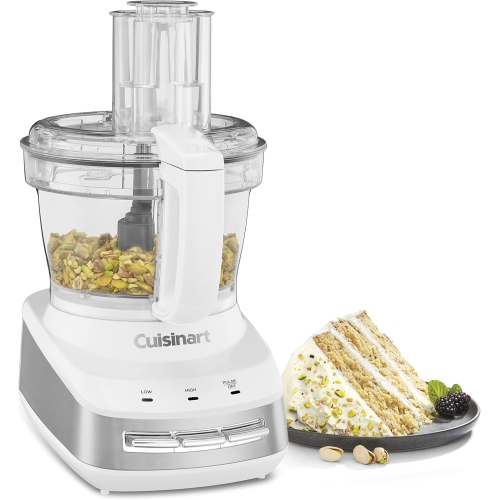
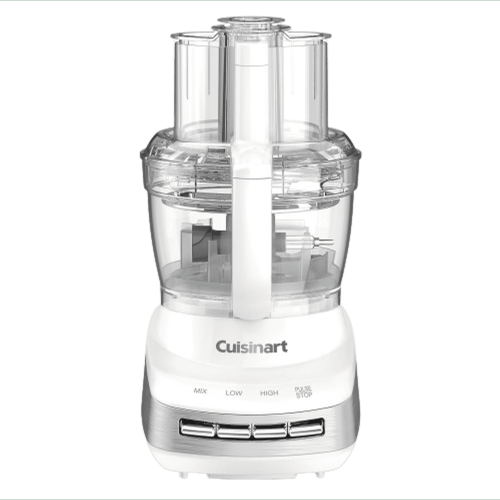
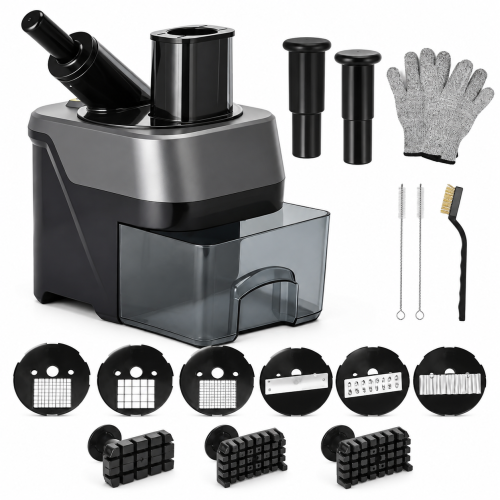
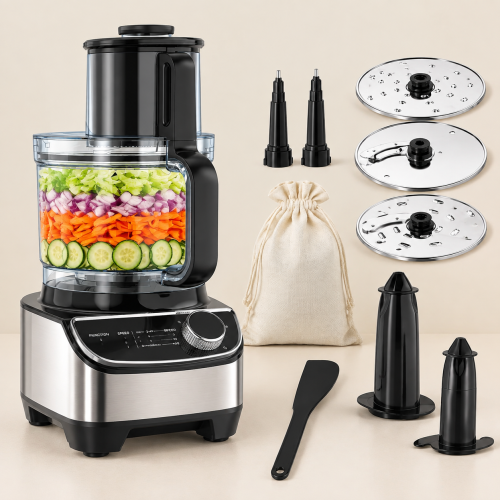
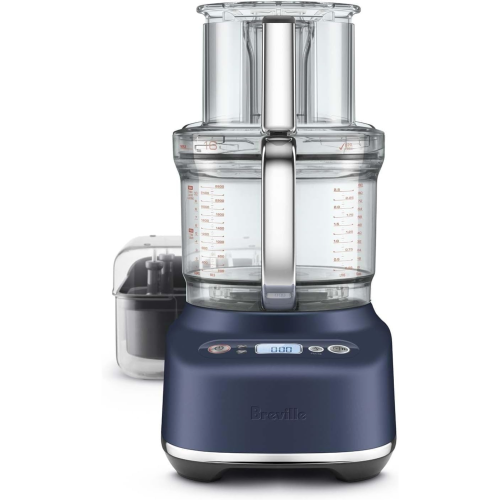
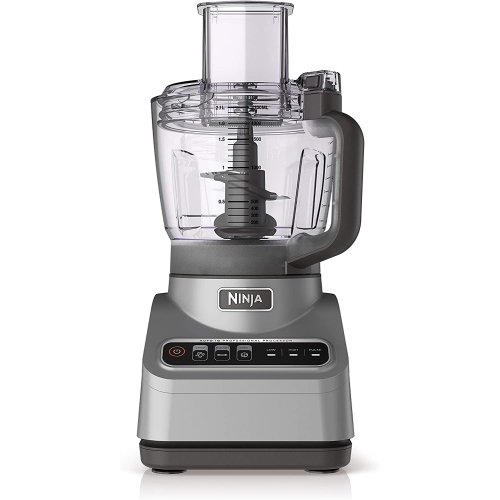
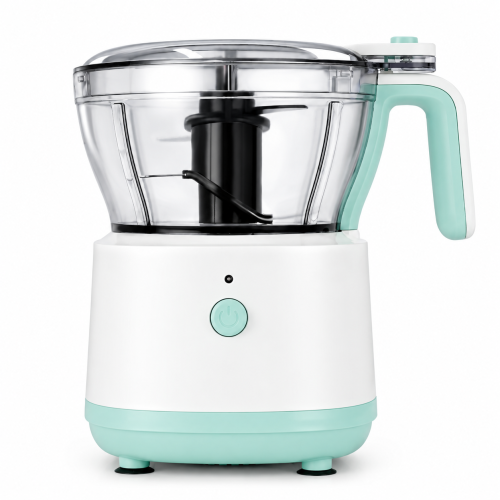
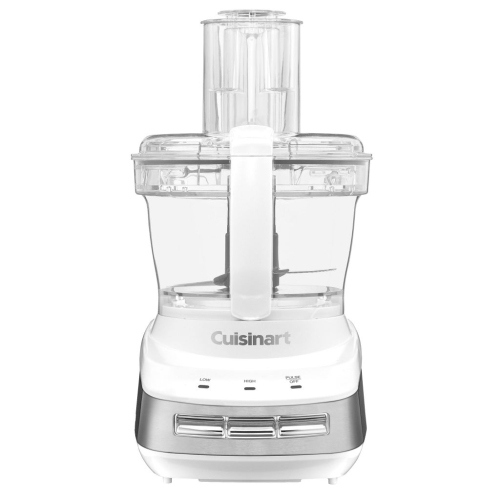
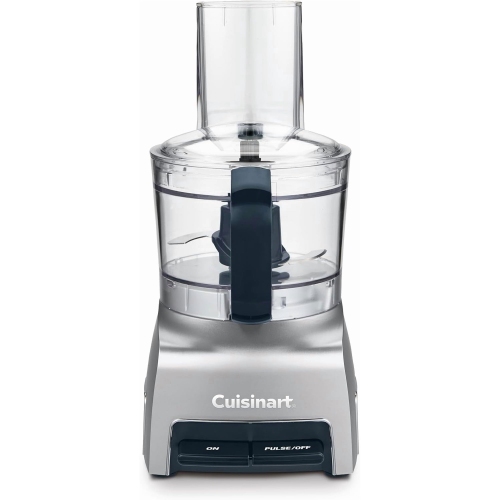

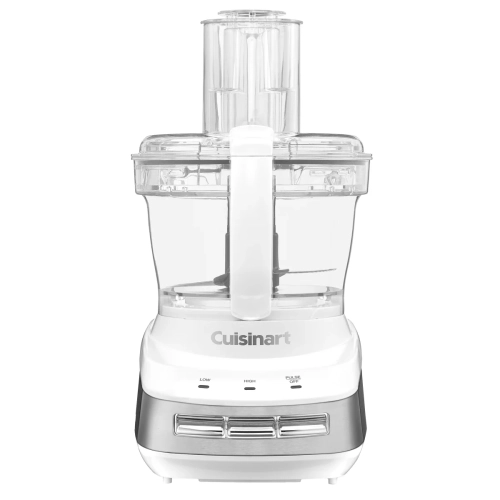
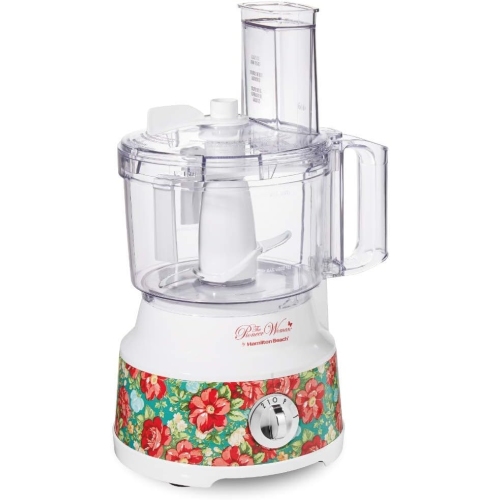
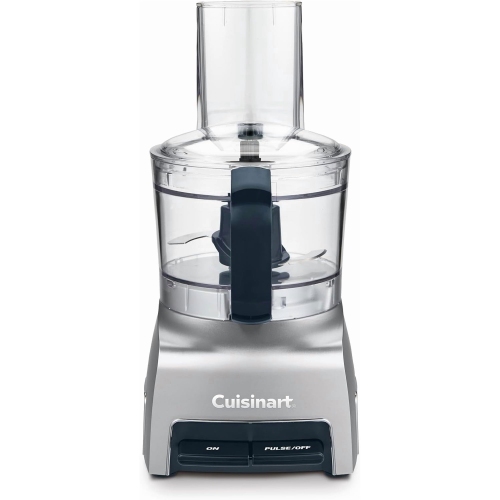
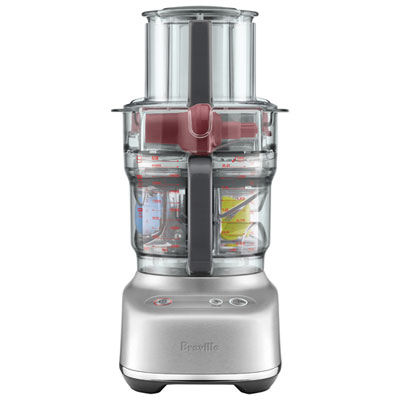
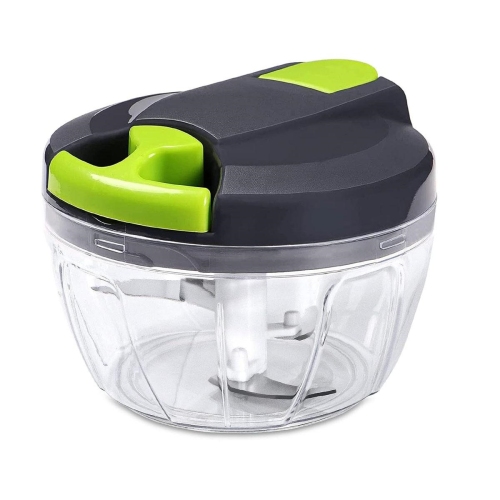
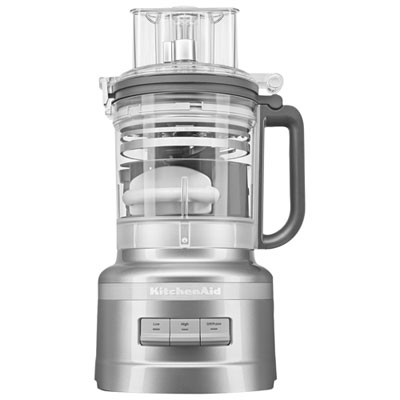
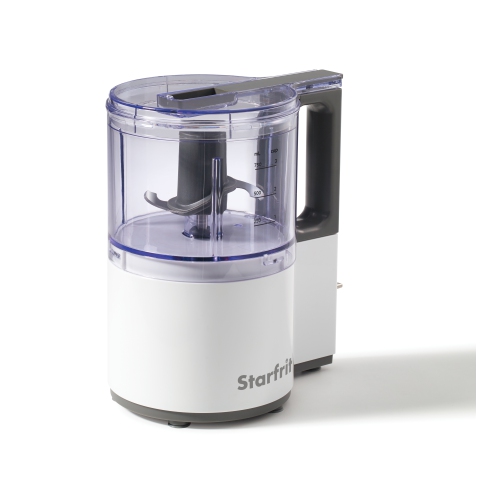
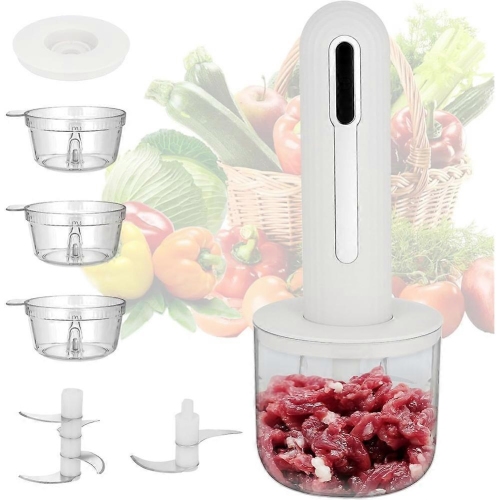
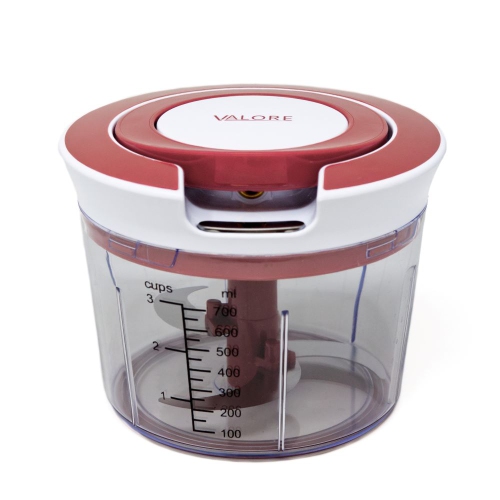
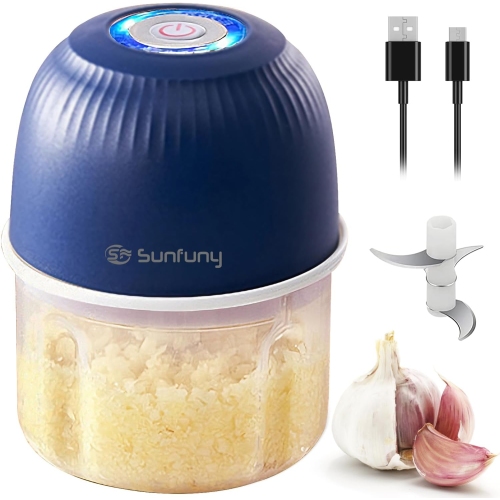
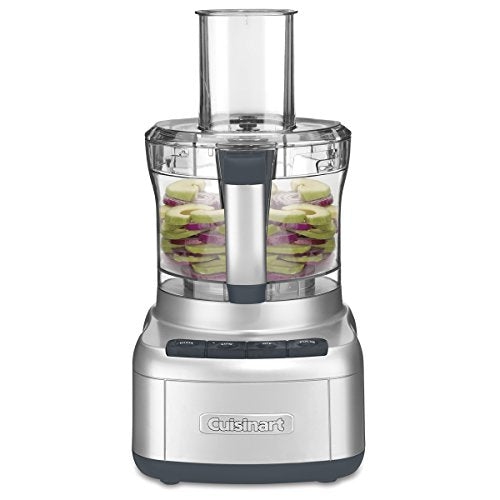
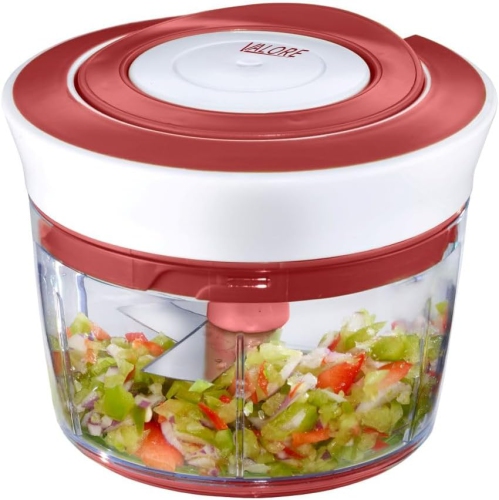
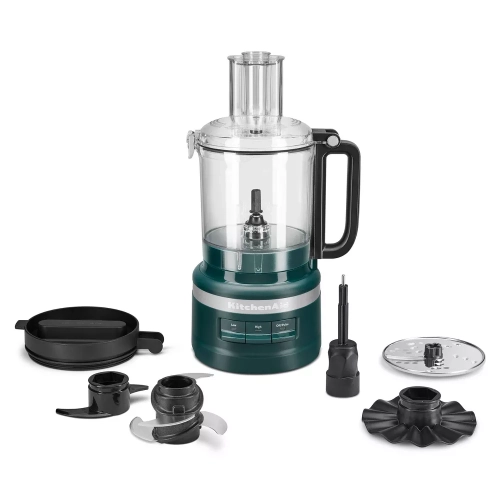
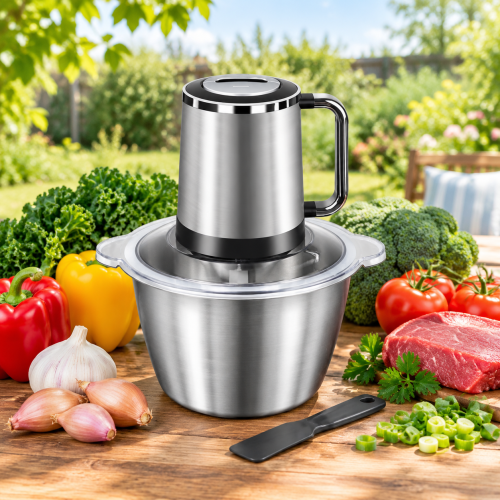
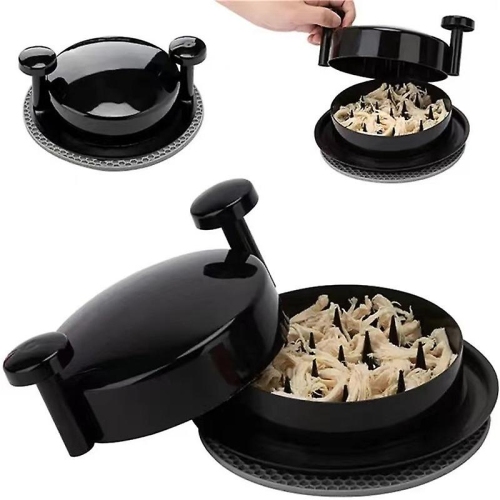
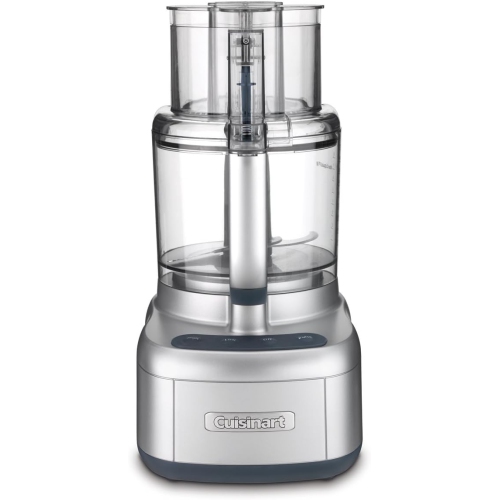

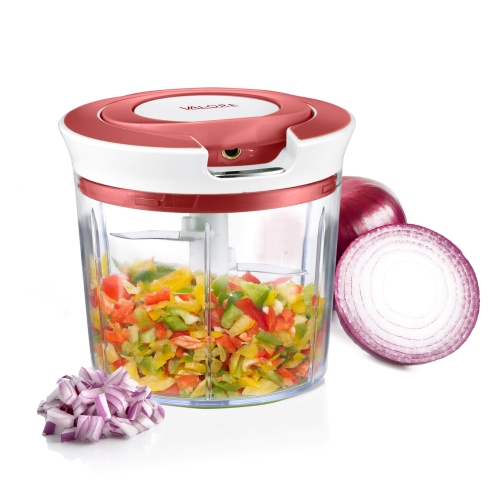
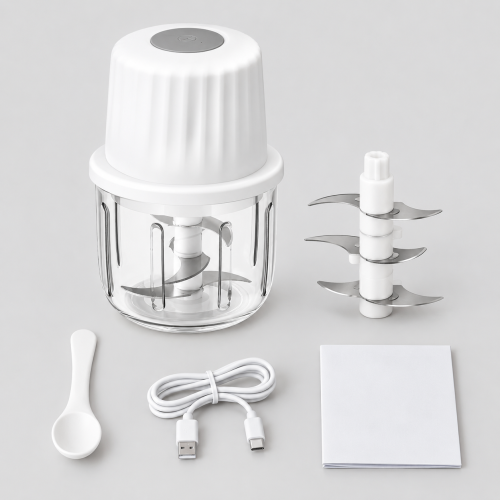
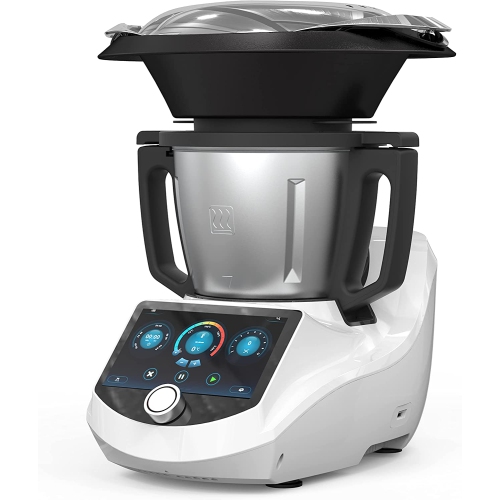
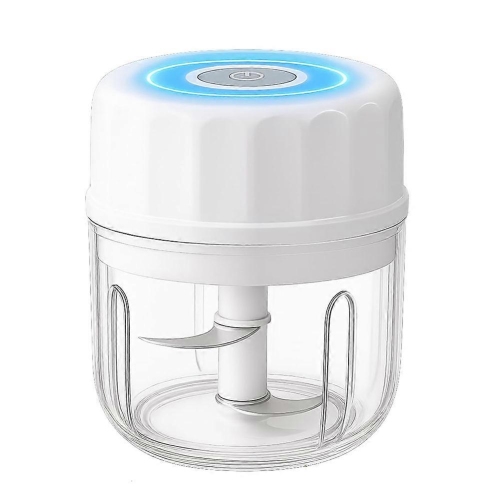
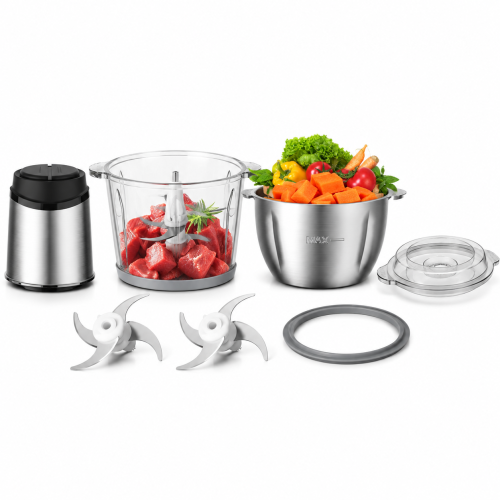
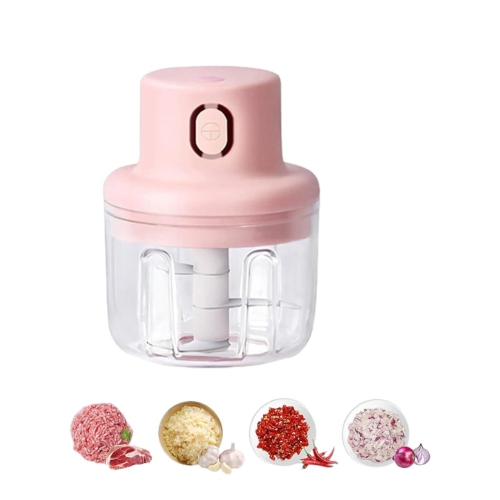
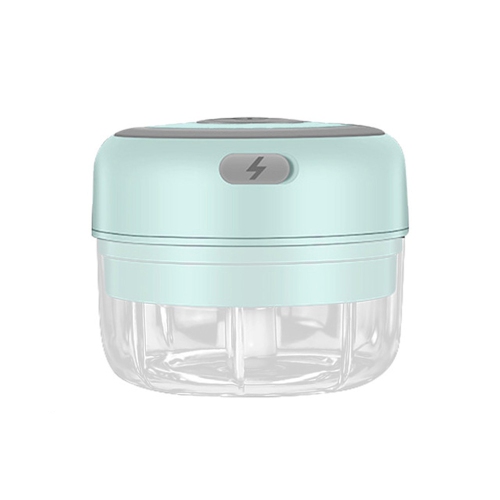
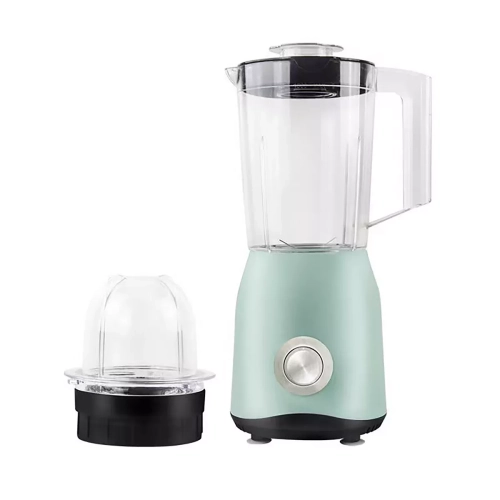
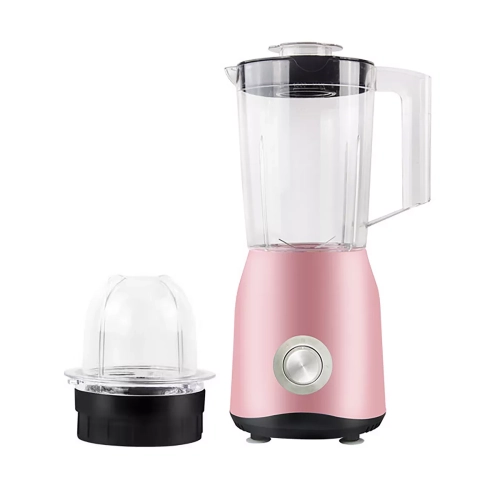
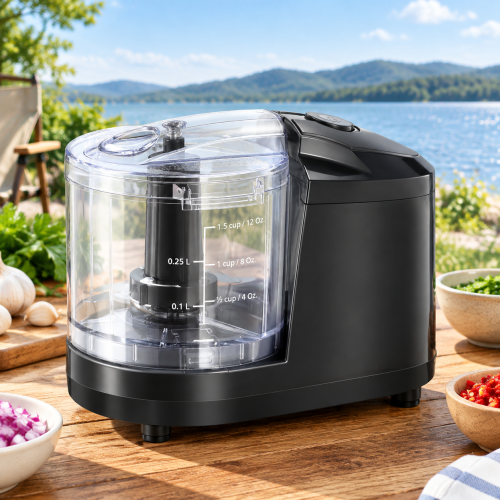
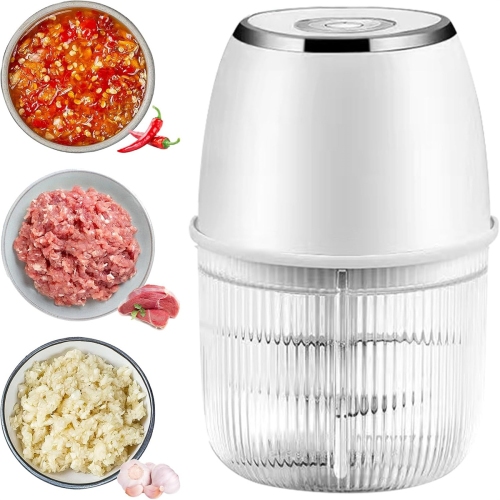
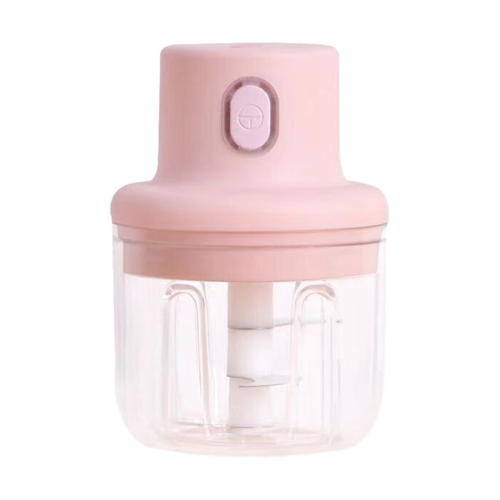
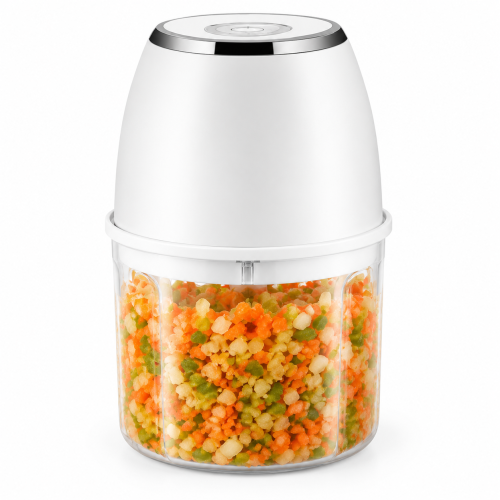
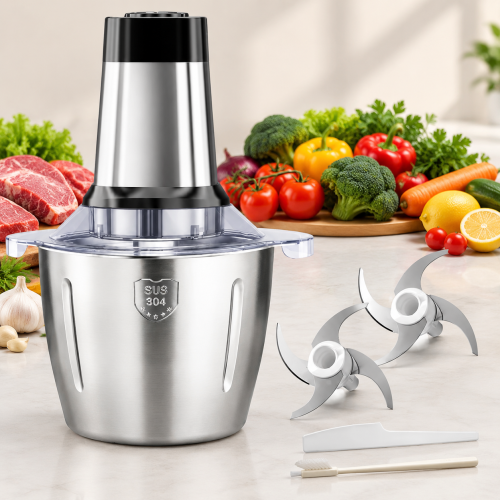
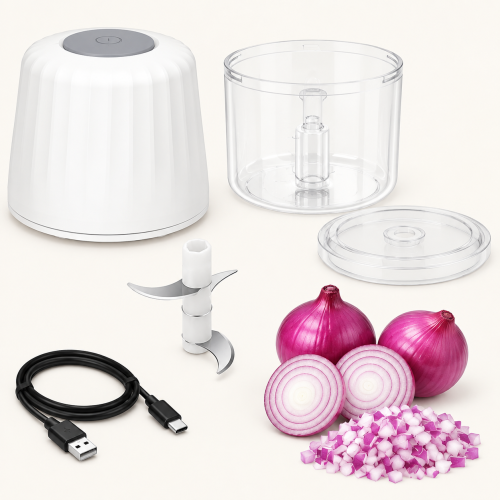
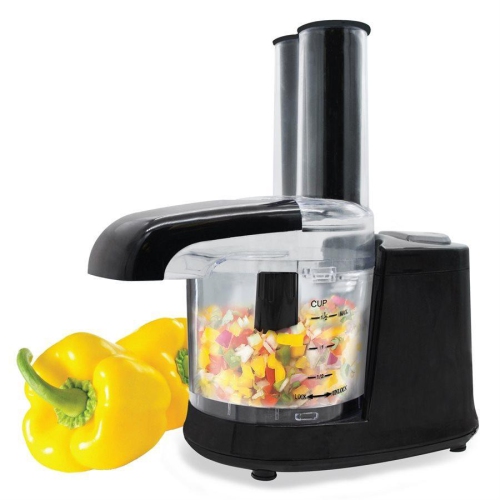
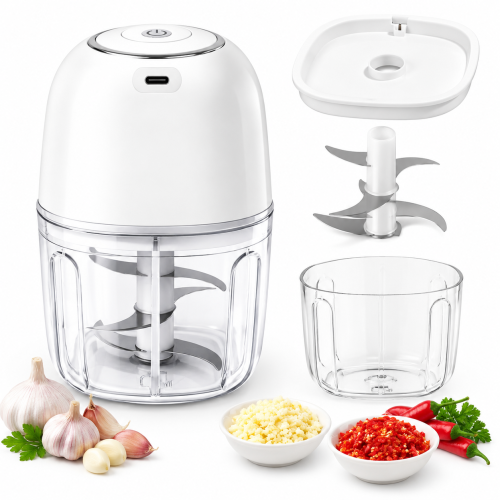
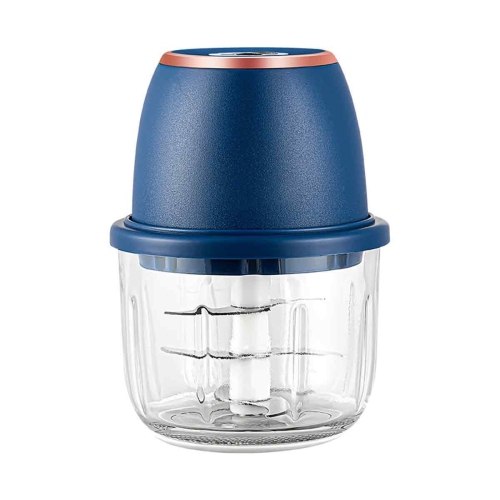
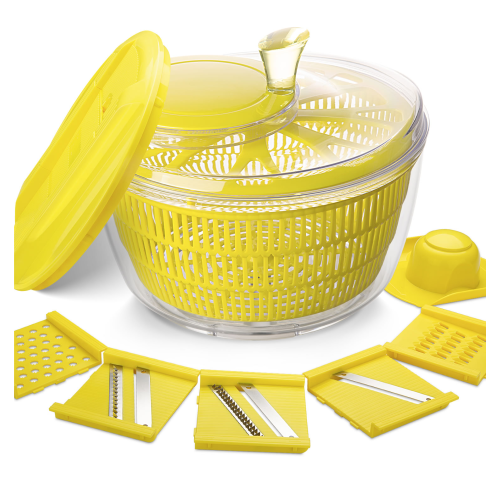
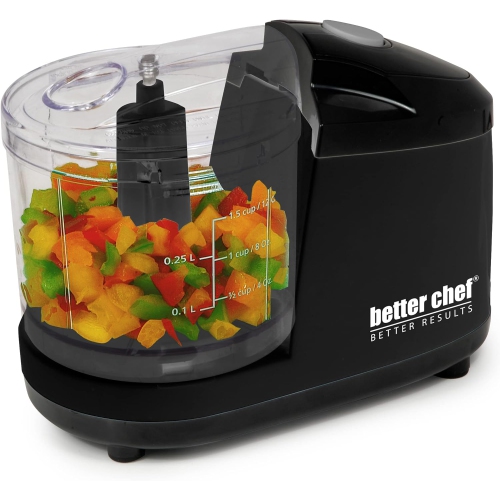
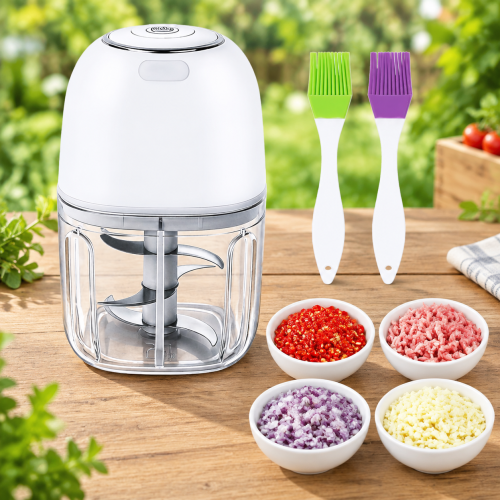
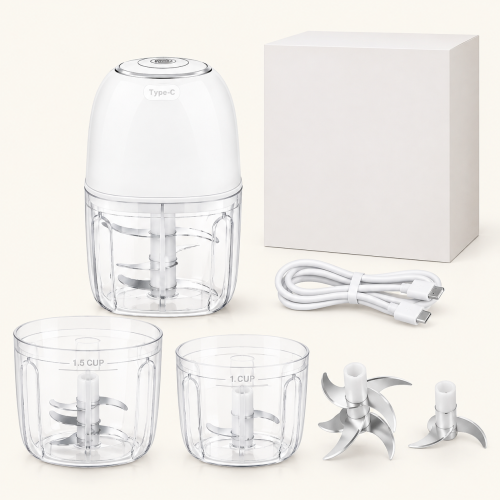
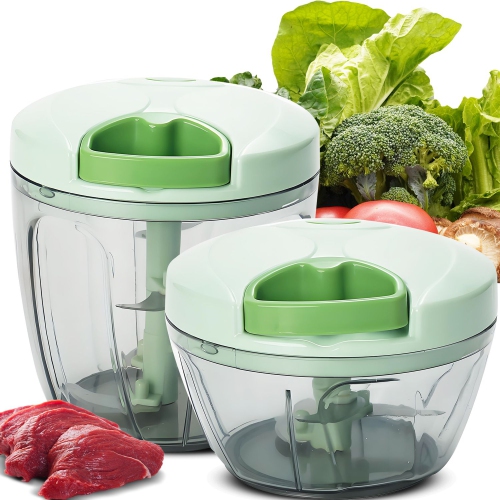
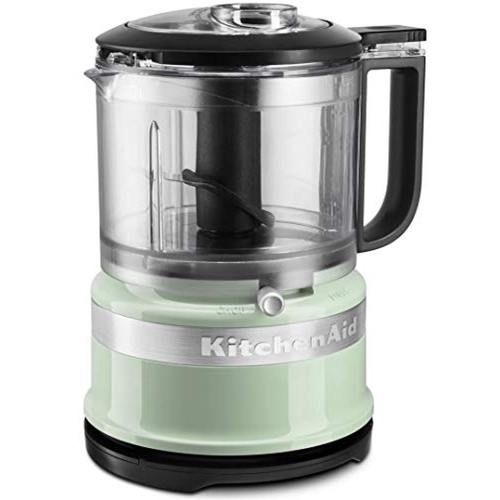
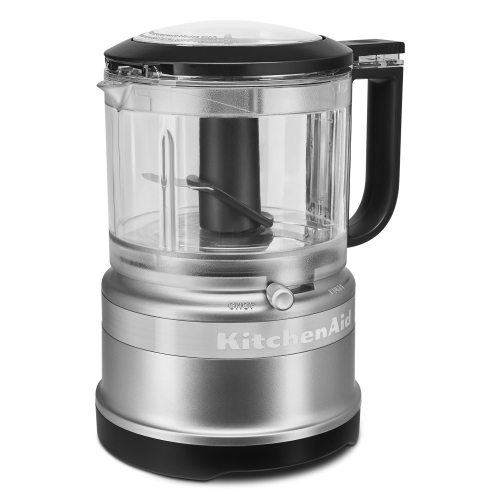
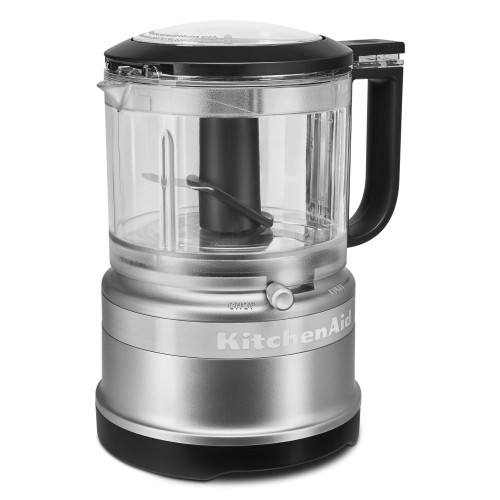
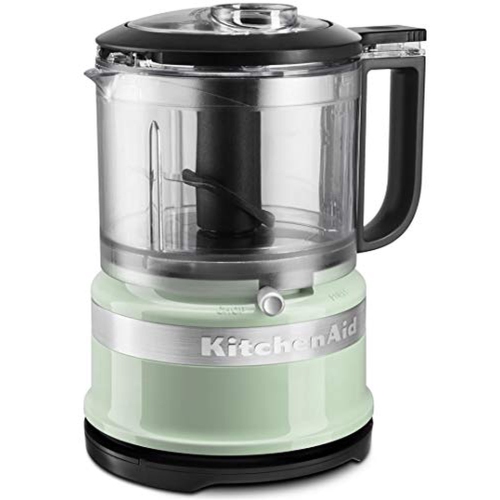
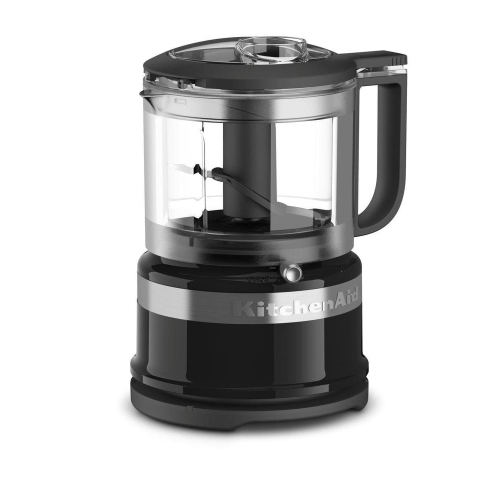
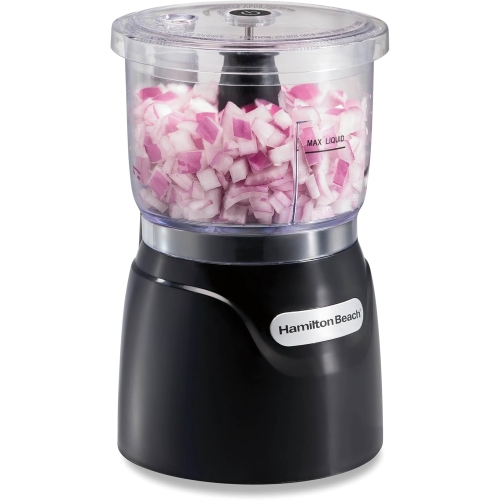
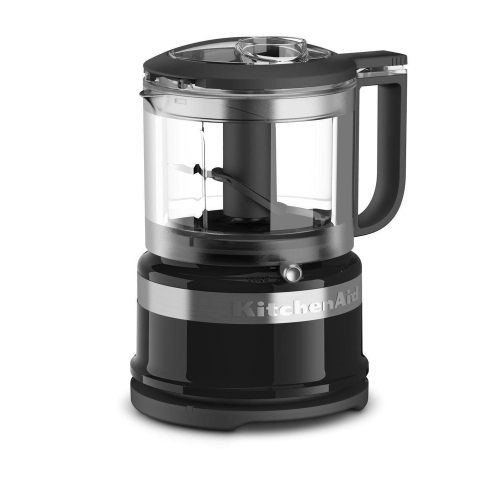
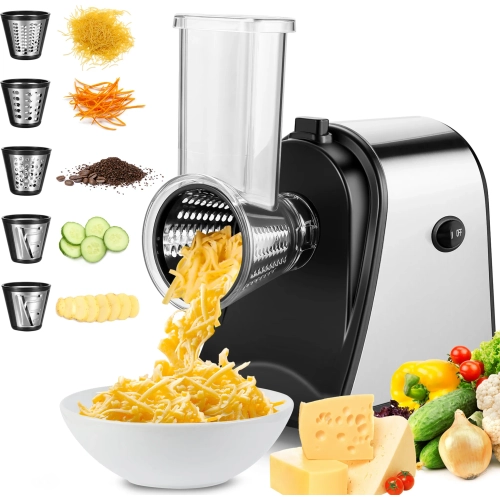
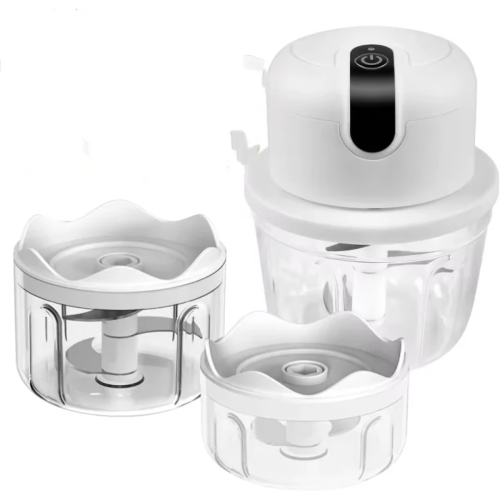
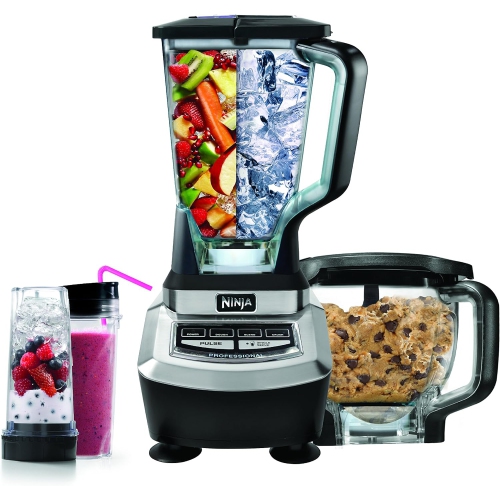
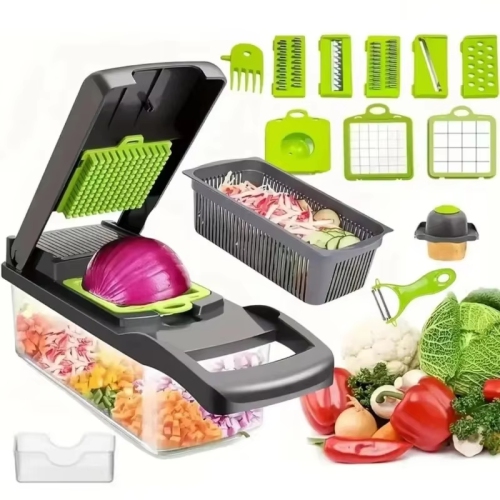
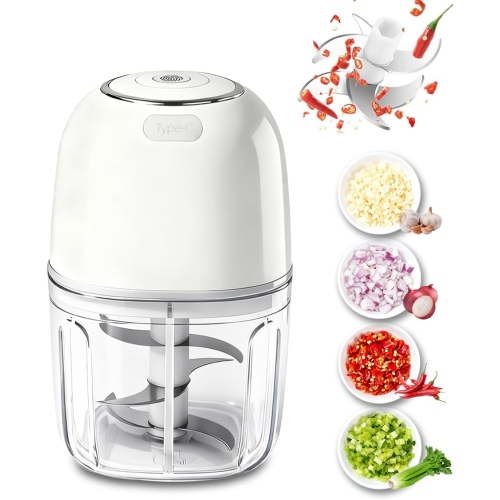
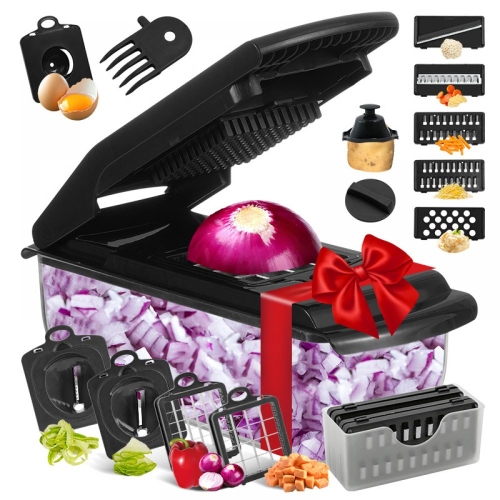
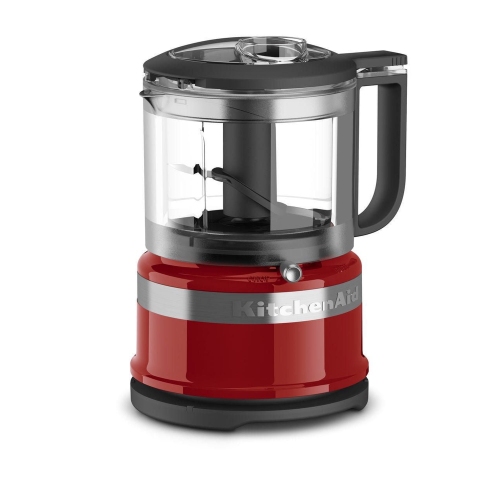
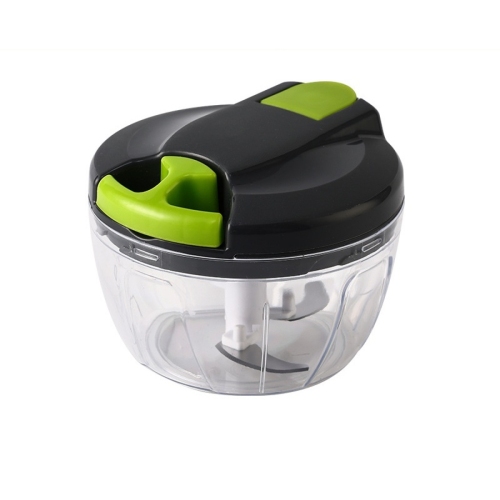
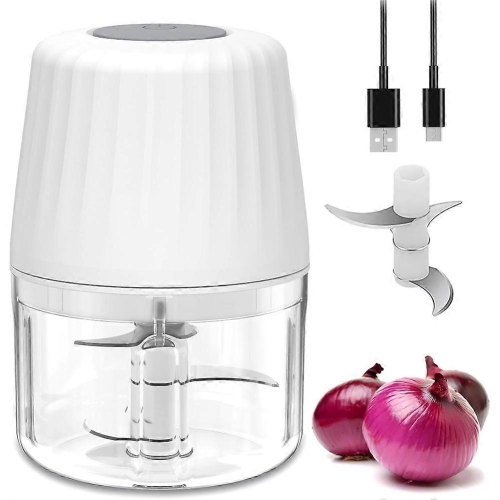
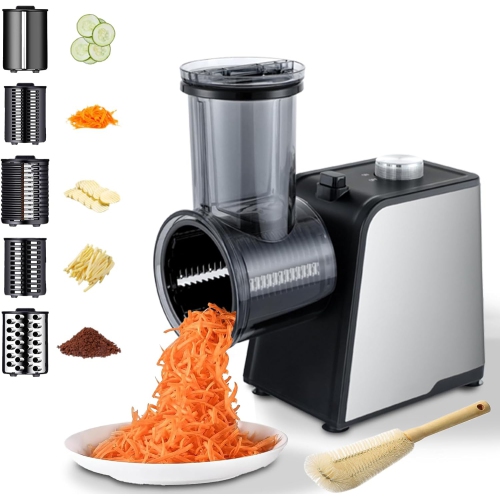
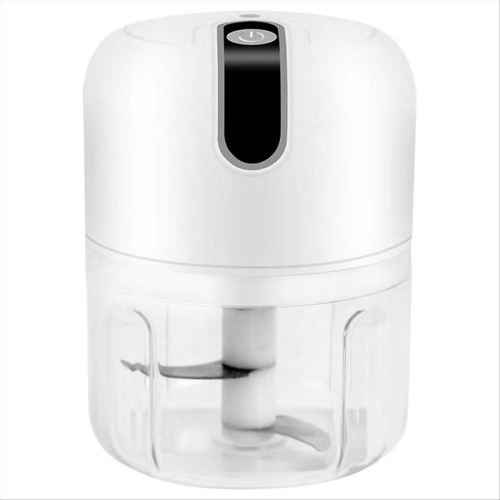
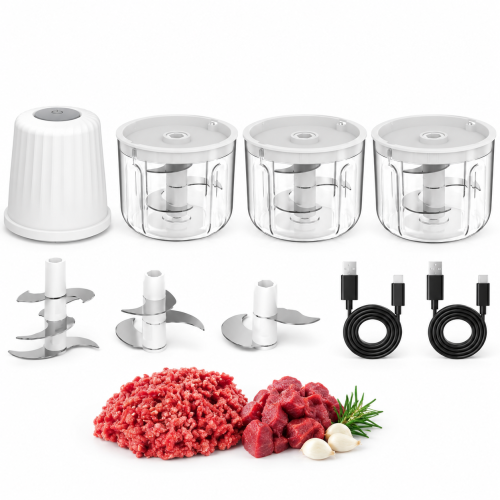
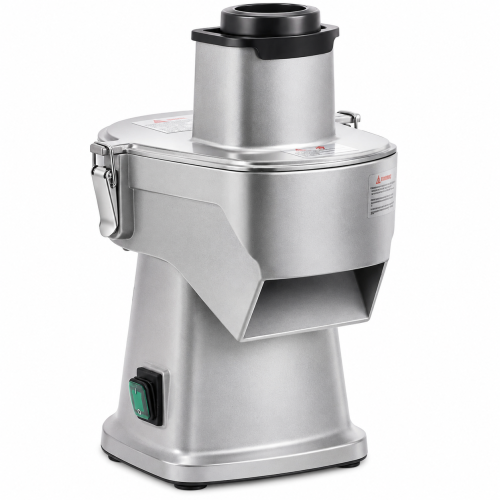
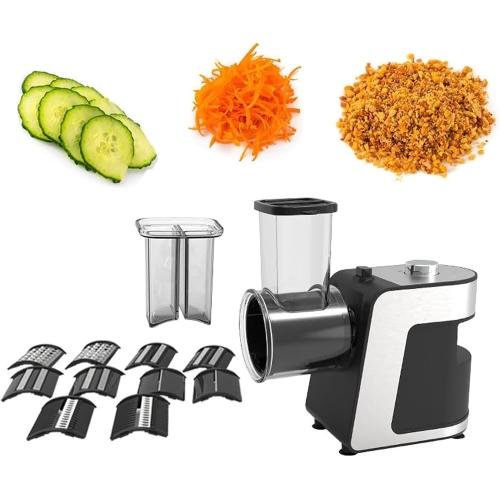
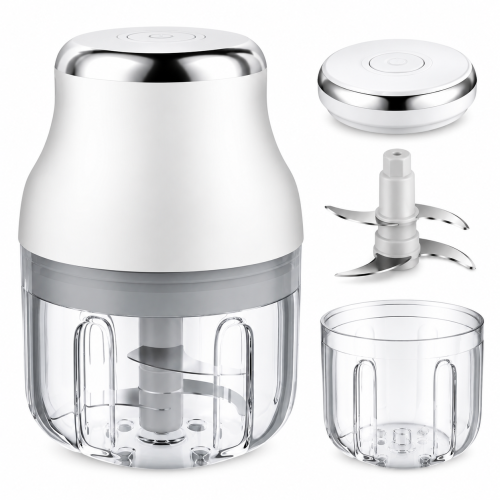
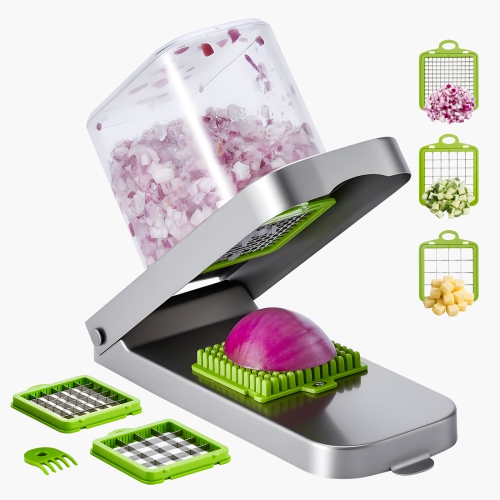
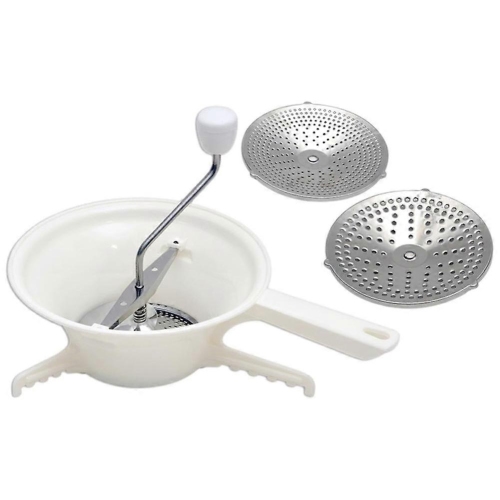
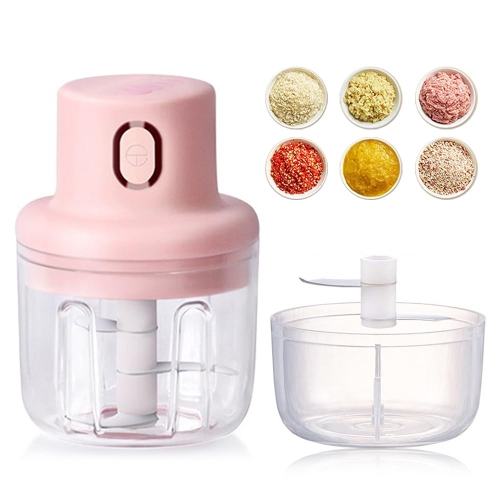
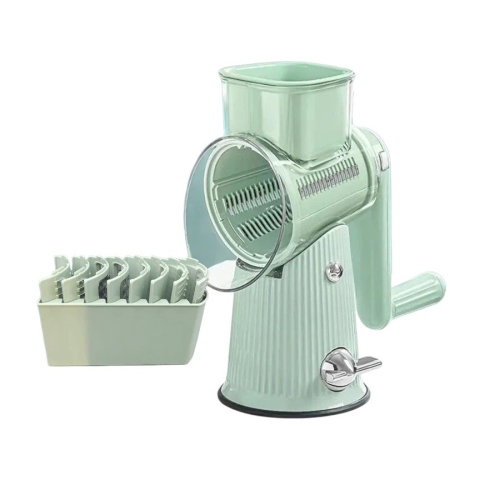
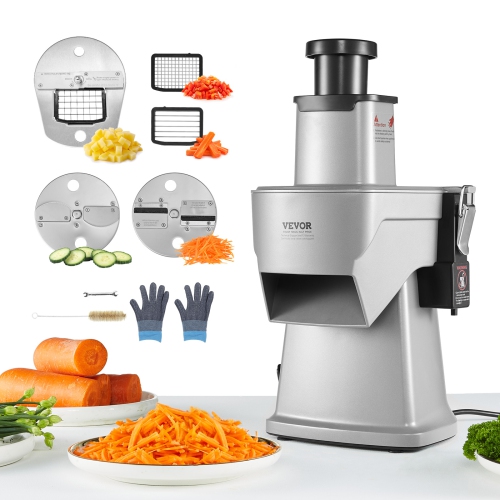
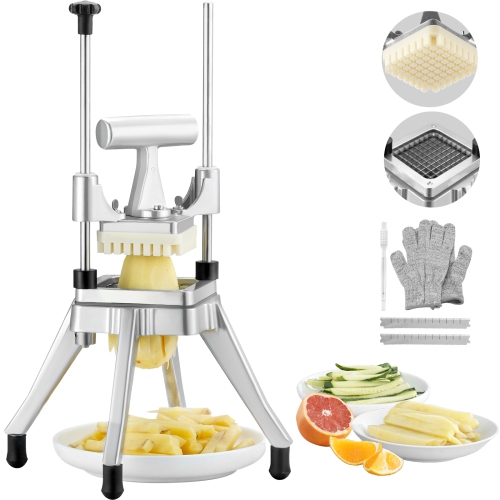
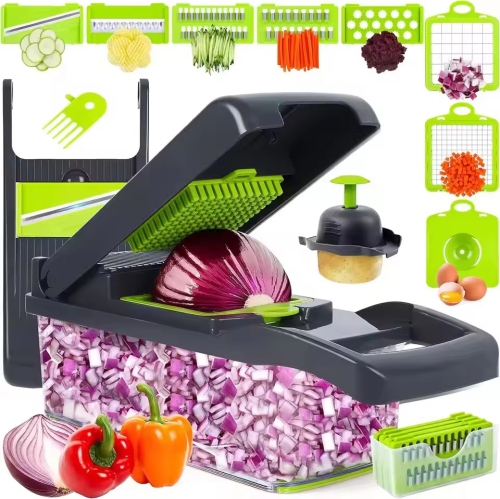
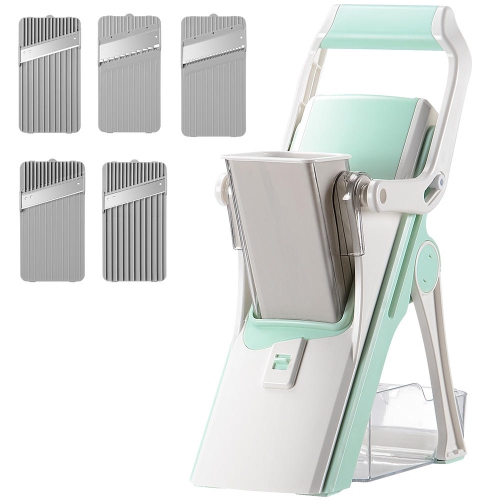
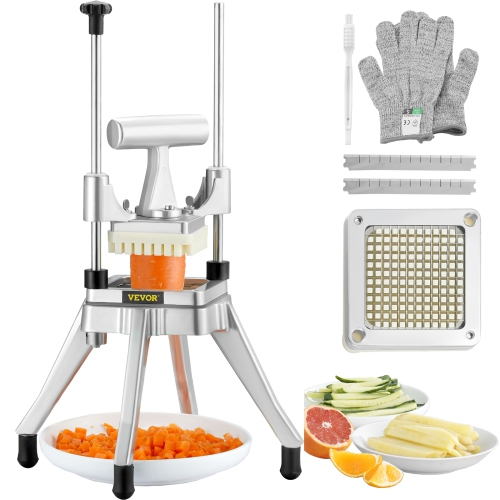
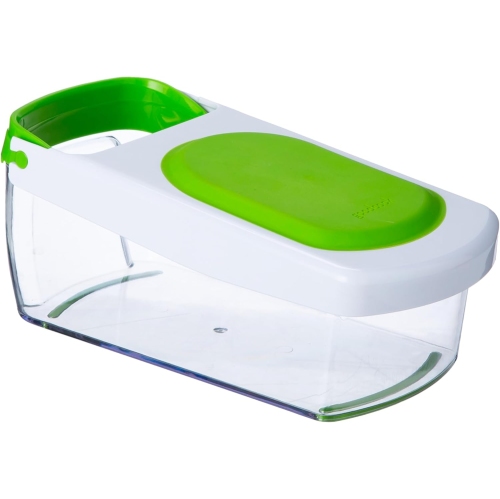
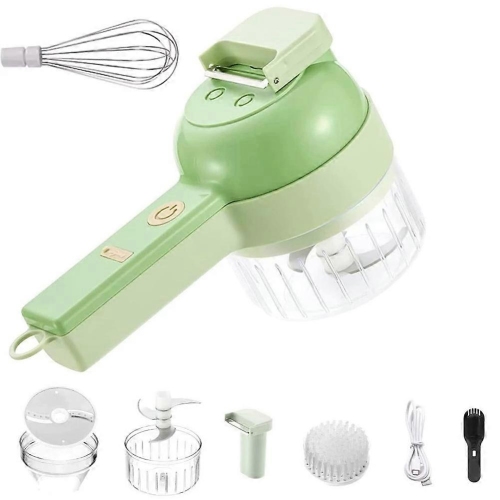
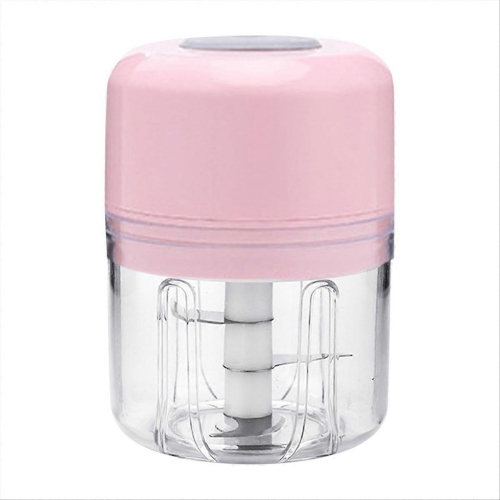
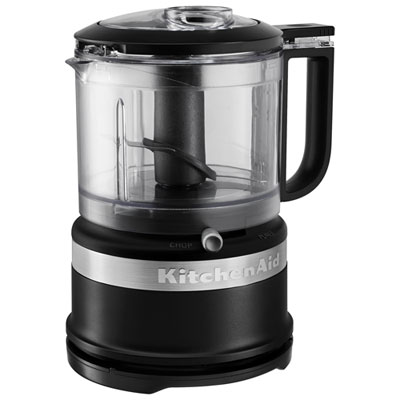
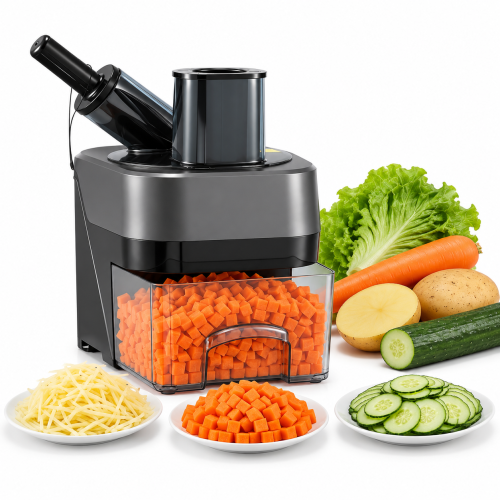
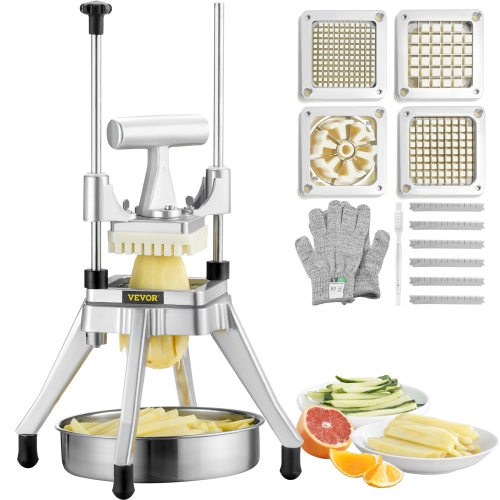
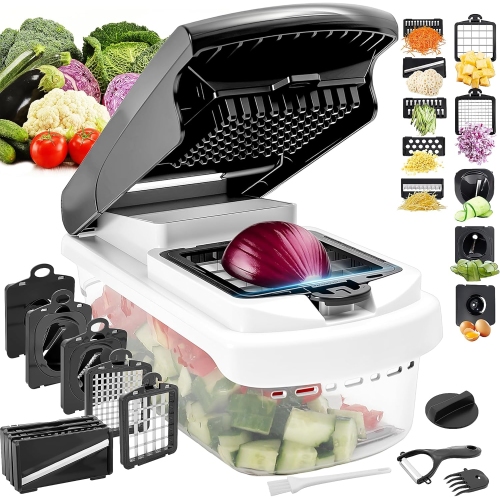
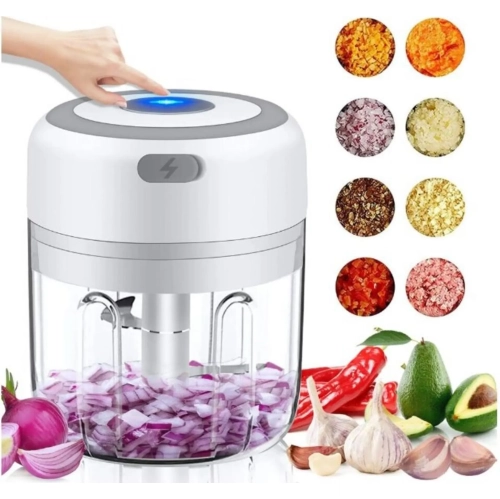
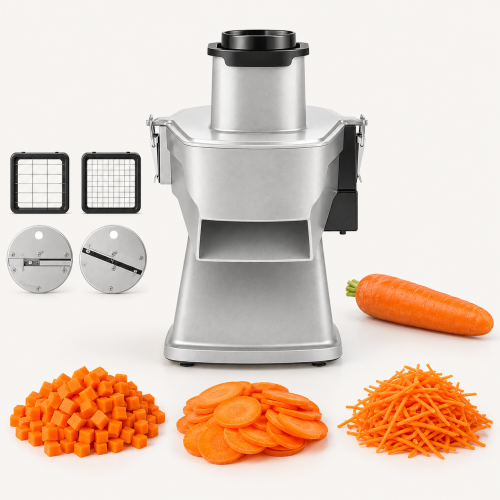
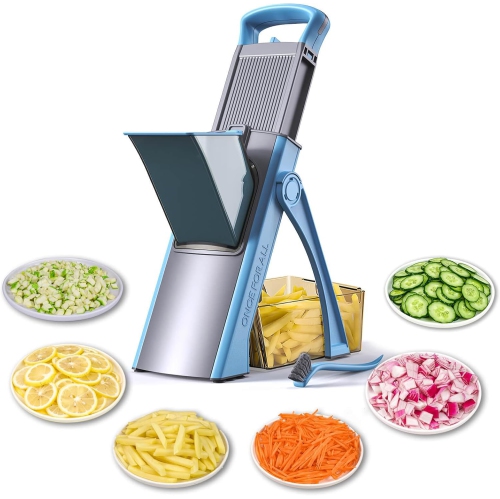
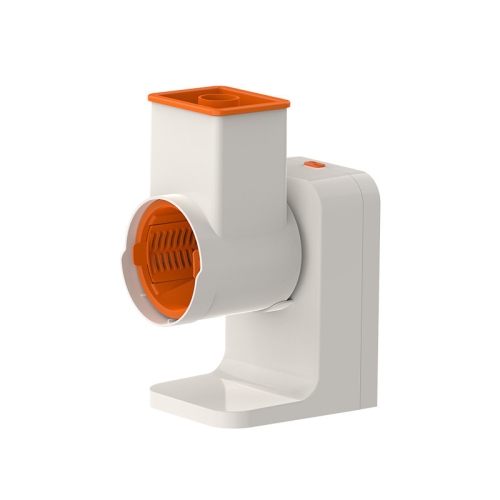
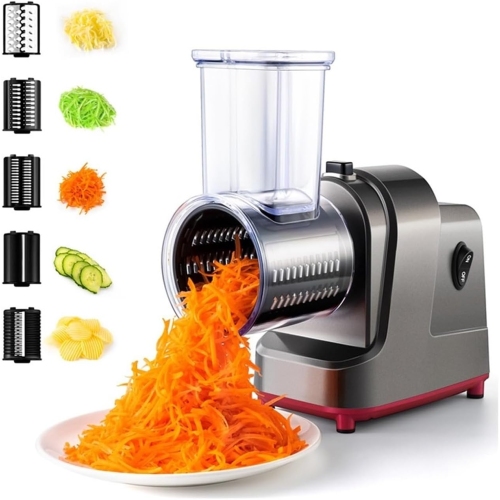
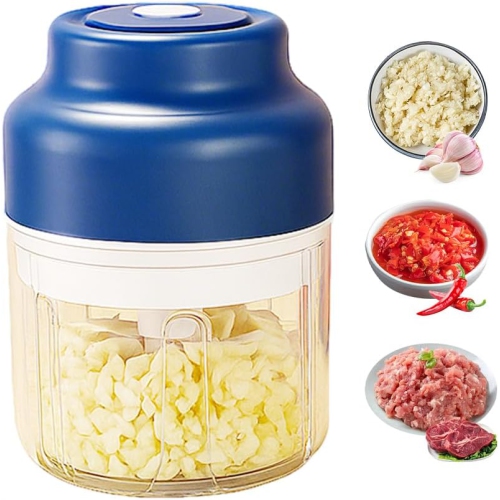
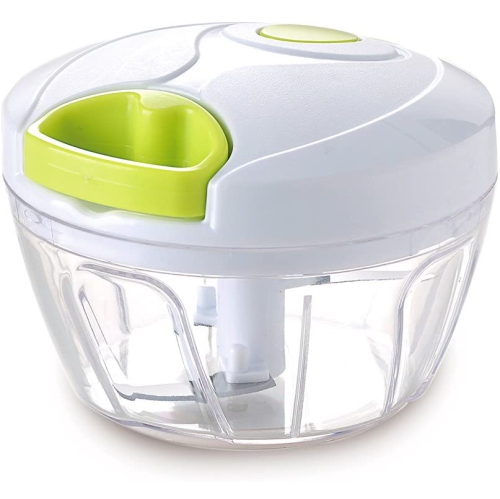
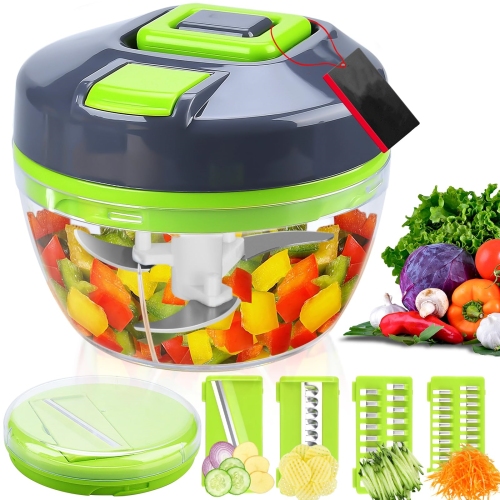
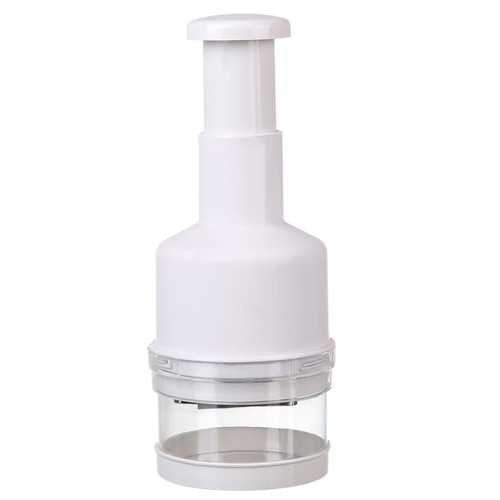
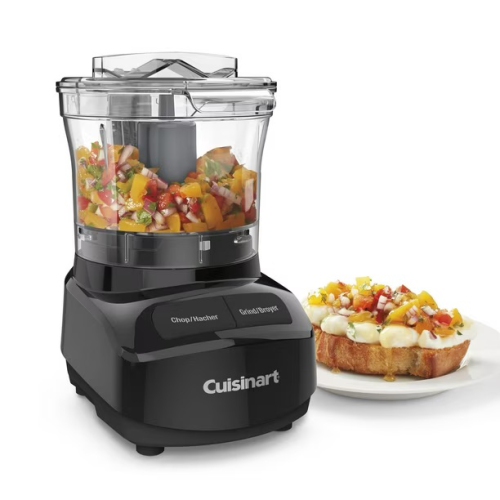
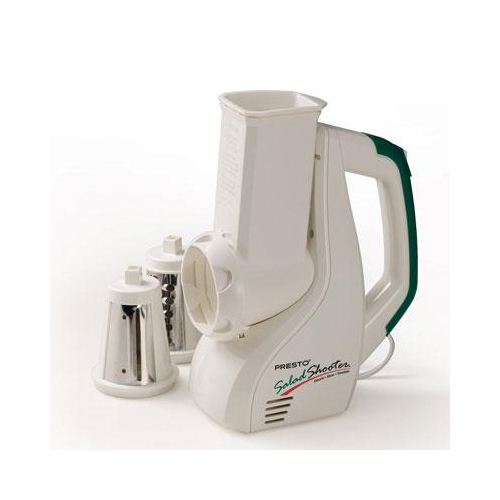
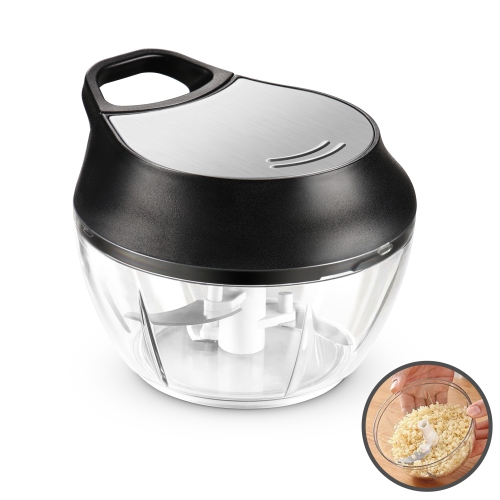
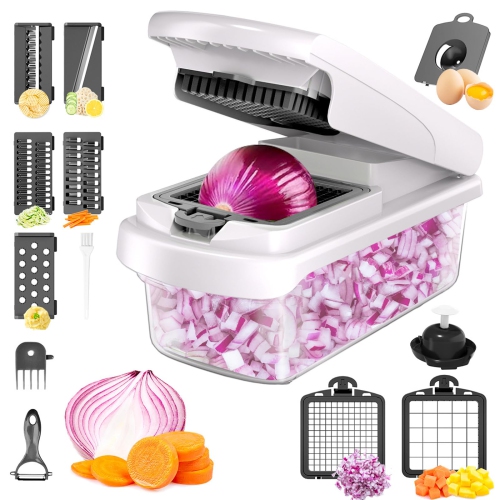
The right attachments simplify everyday vegetable preparation
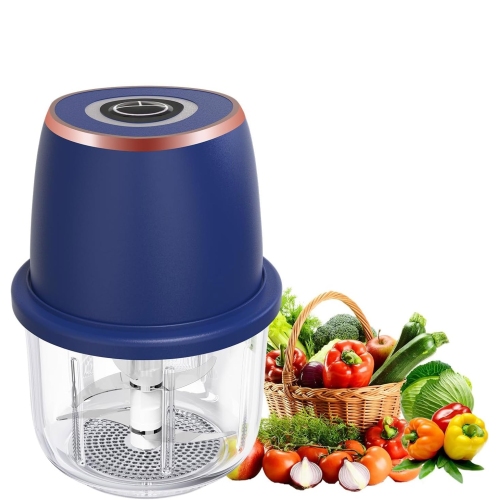
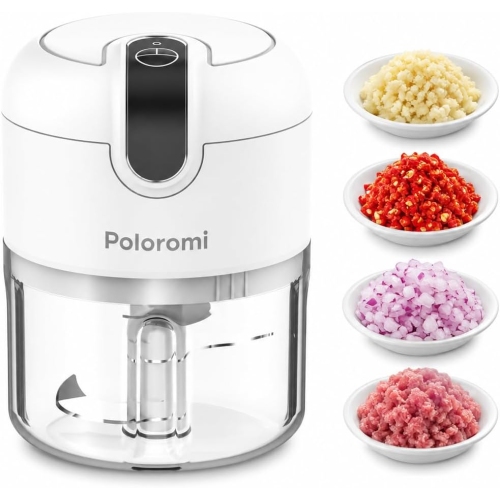
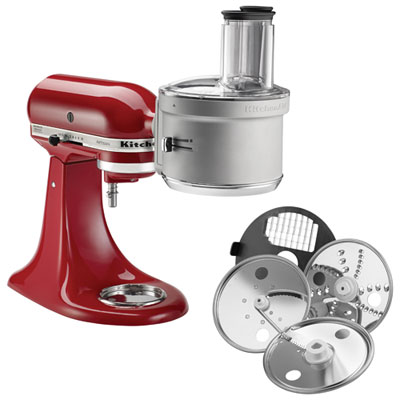
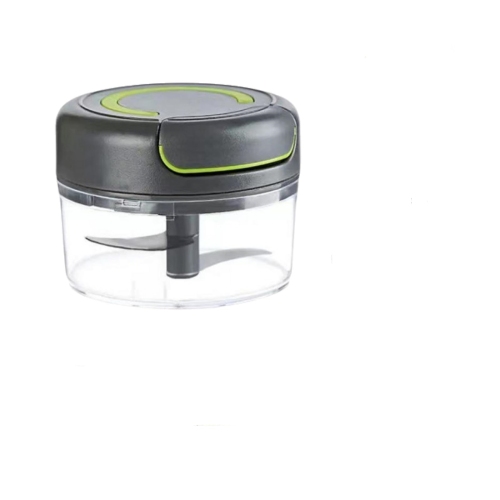
Food processors for cutting vegetables can turn a lengthy preparation job into a much shorter part of cooking, especially when a recipe calls for several onions, carrots, potatoes, cucumbers, peppers, or other fresh ingredients. Depending on the attachments included, a food processor may chop vegetables into rough pieces, slice them into even rounds, shred them for slaws and salads, or dice them into neat cubes for soups, stews, salsas, and casseroles. This makes them useful for cooks who prepare meals in batches, families who regularly serve large portions, and anyone who finds repetitive knife work tiring or time-consuming. A processor with a dedicated dicing kit is particularly helpful when consistency matters, since evenly sized pieces cook at a similar rate and give a dish a more polished appearance. Adjustable slicing discs are useful for changing the thickness of vegetables, from delicate cucumber slices to sturdier potato rounds, while reversible shredding discs can handle ingredients such as carrots, cabbage, zucchini, and cheese. A 3-in-1 feed tube or similarly flexible opening can make it easier to add both smaller vegetables and larger pieces without stopping to change accessories. When the feed tube is compact, cutting larger vegetables into halves or quarters before processing can help them sit securely and produce more even results. For firm vegetables such as potatoes, beets, and carrots, a powerful motor and a stable base can make a noticeable difference, particularly during larger batches. Capacity is another practical consideration: a smaller bowl suits everyday chopping and side dishes, while a bowl of around 10 to 12 cups gives more room for meal preparation, party recipes, and storing several chopped ingredients at once. Controls should also feel straightforward, with clearly marked settings for functions such as chopping, slicing, and pulsing. A pulse button gives better control over texture, helping prevent vegetables from becoming too fine when the goal is a chunky salsa or rustic soup base.
When comparing food processors, it helps to think about the types and quantities of vegetables that appear most often in your kitchen. Someone who mainly prepares a quick dinner for one or two people may prefer a compact design that is easy to place on the counter and clean after a small task. A home cook who prepares lunches for the week may benefit from a larger bowl, a wider feed tube, and multiple discs that reduce the number of separate preparation steps. Dicing attachments are well suited to bulk meal prep, where several onions, peppers, and potatoes need to be prepared in succession, while slicing and shredding discs cover a wide range of everyday recipes without requiring a separate appliance for each job. Look for parts that come apart intuitively and are easy to rinse, since small pieces of carrot, onion, or cabbage can collect around blades and under discs. Dishwasher-safe components can simplify cleanup, although sharp blades should still be handled carefully and dried thoroughly. Storage is worth considering as well. A processor with a generous bowl may offer excellent capacity but require more cupboard space, while a model with a compact footprint can be more convenient in a smaller kitchen. Some cooks prefer to keep the main bowl and blade assembled for frequent use, so a simple locking design and an accessible cord can make the machine easier to reach and put away. Noise level, non-slip feet, and a lid that feels secure are additional details that contribute to a more comfortable experience. The motor rating can provide a general indication of power, but the design of the blades, bowl, and feed tube also affects performance. For reliable results, avoid overfilling the bowl, use vegetables cut to an appropriate size, and process in batches when necessary. A sharp knife may still be faster for one small tomato or a single onion once washing and assembly are taken into account, but a food processor becomes especially valuable when several cups of vegetables need to be cut at once. Exploring the wider selection of Food Processors can make it easier to compare capacities, attachments, controls, and countertop designs in one place.
Food processors for cutting vegetables can also be a thoughtful gift for a new homeowner, a student moving into a first kitchen, or an experienced cook who enjoys making soups, sauces, salads, and freezer meals from scratch. During the cooler months, a large batch of chopped vegetables can form the beginning of a hearty stew, roasted tray dinner, curry, or blended soup, while shredded cabbage, sliced cucumbers, and grated carrots can add freshness to meals throughout the year. The same appliance can help prepare vegetables for entertaining, from finely chopped ingredients for dips and spreads to uniform slices for a colourful platter. For households that cook together, a food processor can make preparation feel more manageable by taking on the repetitive work while someone else measures spices, heats a pan, or prepares the remaining ingredients. It is also useful for people with limited time, reduced hand strength, or a preference for consistent cuts without spending several minutes at the cutting board. Before choosing a model, consider whether the priority is fast chopping, precise dicing, adjustable slicing, shredding, or a combination of all four. Check the included accessories rather than assuming every food processor performs each task in the same way, and consider whether the bowl is large enough for the recipes typically made at home. A processor that is simple to assemble, comfortable to operate, and straightforward to clean is more likely to become a regular part of the cooking routine instead of being stored away after occasional use. With the right capacity and attachments, it can help transform a crowded counter covered with whole vegetables into an organised bowl of evenly prepared ingredients, ready for the pan, pot, oven, or serving platter.
When comparing food processors, it helps to think about the types and quantities of vegetables that appear most often in your kitchen. Someone who mainly prepares a quick dinner for one or two people may prefer a compact design that is easy to place on the counter and clean after a small task. A home cook who prepares lunches for the week may benefit from a larger bowl, a wider feed tube, and multiple discs that reduce the number of separate preparation steps. Dicing attachments are well suited to bulk meal prep, where several onions, peppers, and potatoes need to be prepared in succession, while slicing and shredding discs cover a wide range of everyday recipes without requiring a separate appliance for each job. Look for parts that come apart intuitively and are easy to rinse, since small pieces of carrot, onion, or cabbage can collect around blades and under discs. Dishwasher-safe components can simplify cleanup, although sharp blades should still be handled carefully and dried thoroughly. Storage is worth considering as well. A processor with a generous bowl may offer excellent capacity but require more cupboard space, while a model with a compact footprint can be more convenient in a smaller kitchen. Some cooks prefer to keep the main bowl and blade assembled for frequent use, so a simple locking design and an accessible cord can make the machine easier to reach and put away. Noise level, non-slip feet, and a lid that feels secure are additional details that contribute to a more comfortable experience. The motor rating can provide a general indication of power, but the design of the blades, bowl, and feed tube also affects performance. For reliable results, avoid overfilling the bowl, use vegetables cut to an appropriate size, and process in batches when necessary. A sharp knife may still be faster for one small tomato or a single onion once washing and assembly are taken into account, but a food processor becomes especially valuable when several cups of vegetables need to be cut at once. Exploring the wider selection of Food Processors can make it easier to compare capacities, attachments, controls, and countertop designs in one place.
Food processors for cutting vegetables can also be a thoughtful gift for a new homeowner, a student moving into a first kitchen, or an experienced cook who enjoys making soups, sauces, salads, and freezer meals from scratch. During the cooler months, a large batch of chopped vegetables can form the beginning of a hearty stew, roasted tray dinner, curry, or blended soup, while shredded cabbage, sliced cucumbers, and grated carrots can add freshness to meals throughout the year. The same appliance can help prepare vegetables for entertaining, from finely chopped ingredients for dips and spreads to uniform slices for a colourful platter. For households that cook together, a food processor can make preparation feel more manageable by taking on the repetitive work while someone else measures spices, heats a pan, or prepares the remaining ingredients. It is also useful for people with limited time, reduced hand strength, or a preference for consistent cuts without spending several minutes at the cutting board. Before choosing a model, consider whether the priority is fast chopping, precise dicing, adjustable slicing, shredding, or a combination of all four. Check the included accessories rather than assuming every food processor performs each task in the same way, and consider whether the bowl is large enough for the recipes typically made at home. A processor that is simple to assemble, comfortable to operate, and straightforward to clean is more likely to become a regular part of the cooking routine instead of being stored away after occasional use. With the right capacity and attachments, it can help transform a crowded counter covered with whole vegetables into an organised bowl of evenly prepared ingredients, ready for the pan, pot, oven, or serving platter.
Top selling and popular products
-
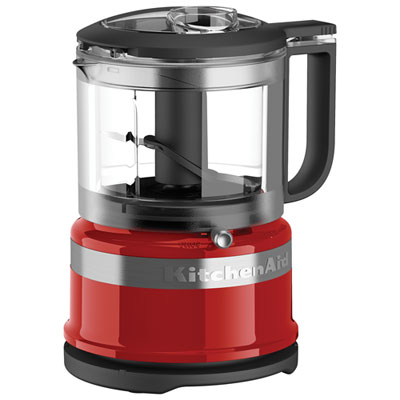 Your price for this item is $49.99
 -
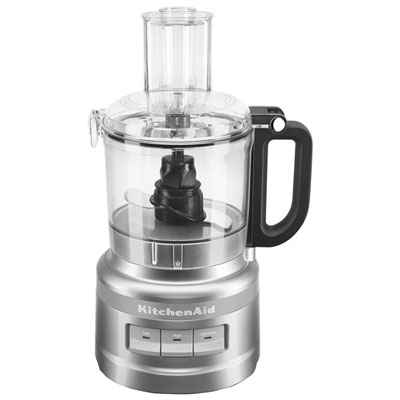 Your price for this item is $134.99
 -
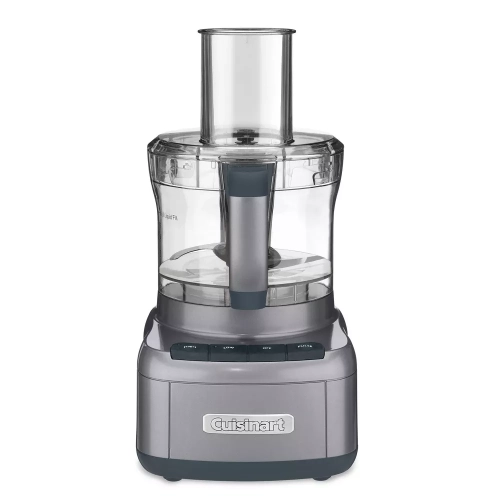 Your price for this item is $317.89
 -
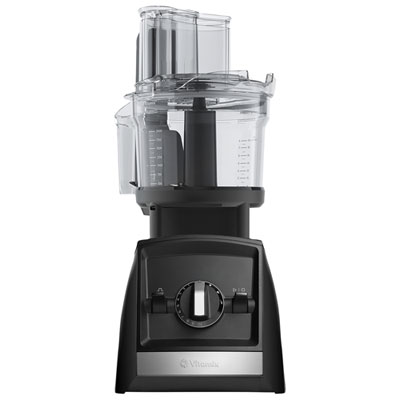 Your price for this item is $349.99
 -
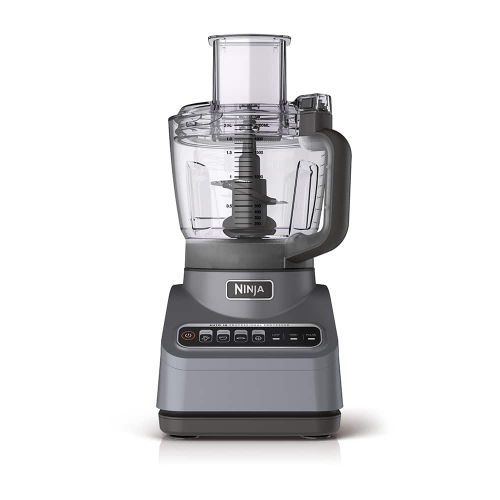 Your price for this item is $210.06
 -
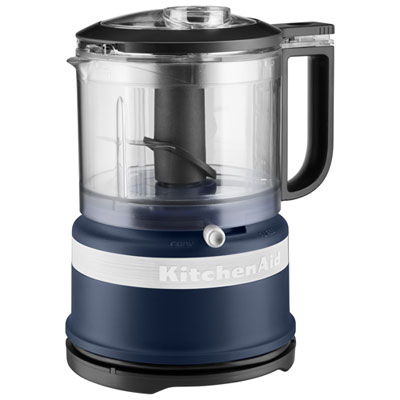 Your price for this item is $49.99
 -
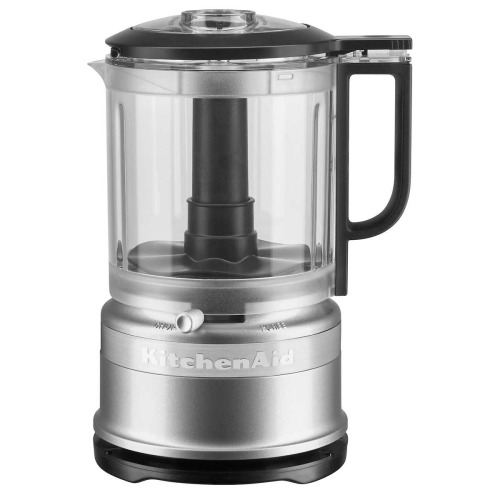 Your price for this item is $159.99
 -
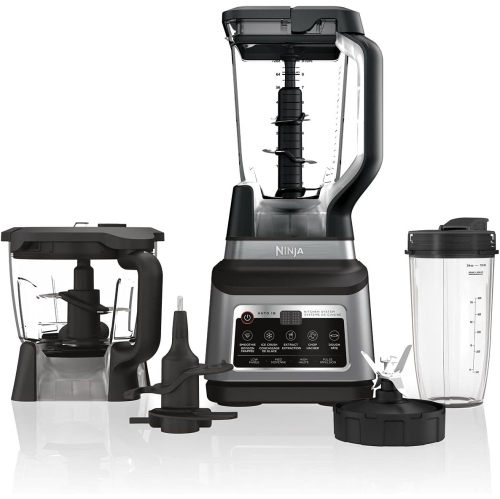 Your price for this item is $289.99
Discover more categories related to Food Processors for Cutting Vegetables
Top Collections:
Pokemon Centers, Kindle Devices, Best Budget Office Chairs, Canon G7X Cameras, Apple iPhones 16, Samsung Galaxy Phones, Refurbished Apple Laptops, Laptops for Students, iPhone 15 Apple, Budget Smartphones
Some products may be subject to Environmental Handling Fees
(EHF) depending on your province.
Learn more about EHFs.