Freezers on Top

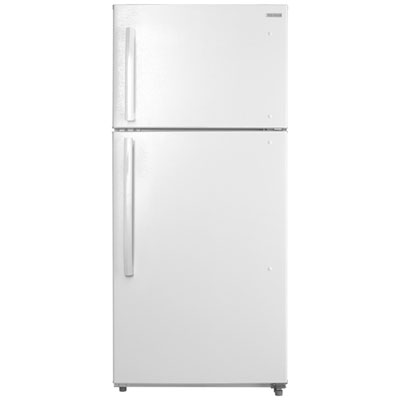
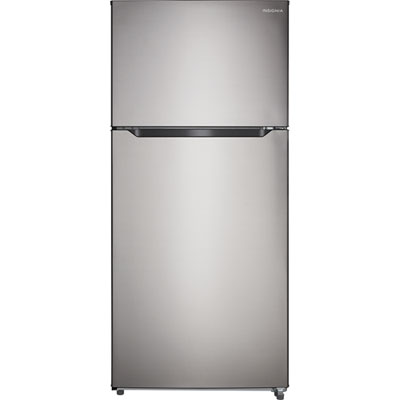
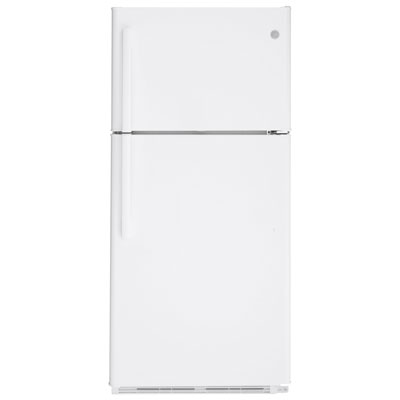
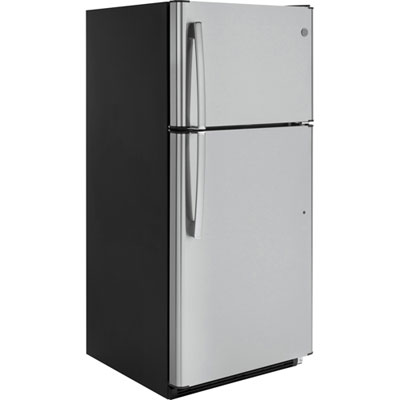
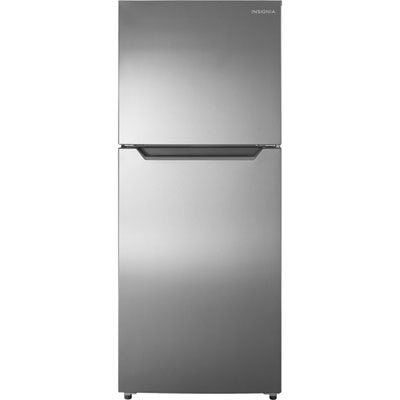
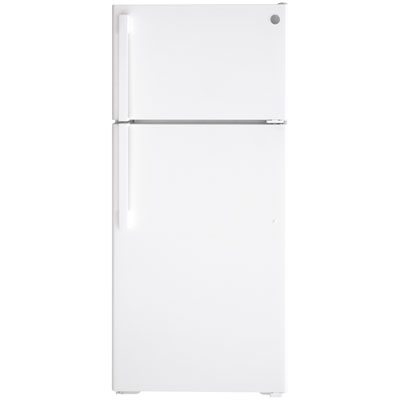
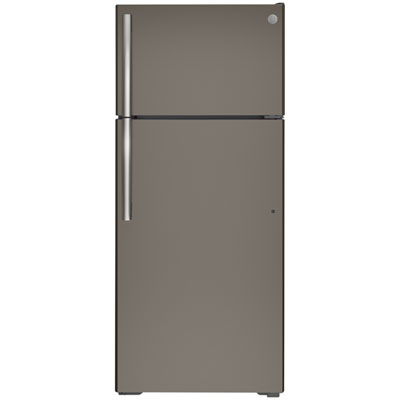
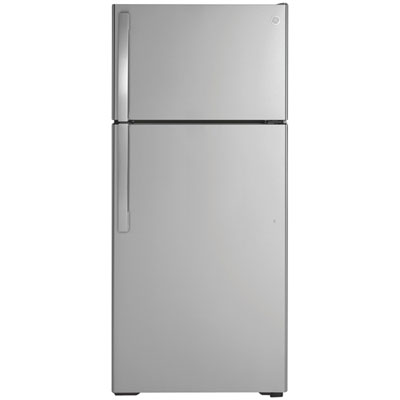
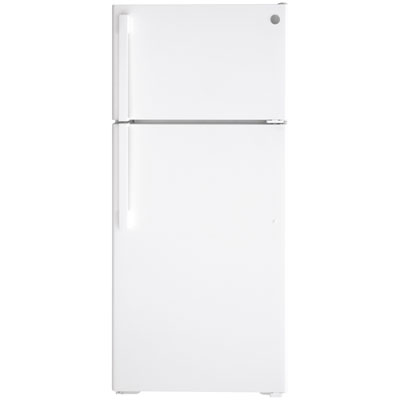
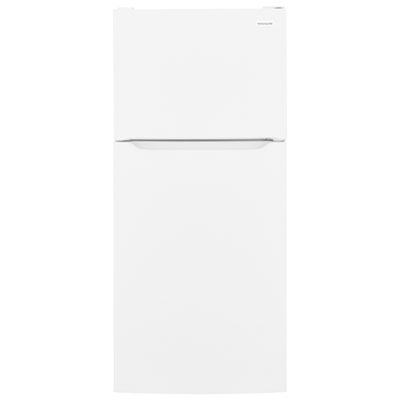
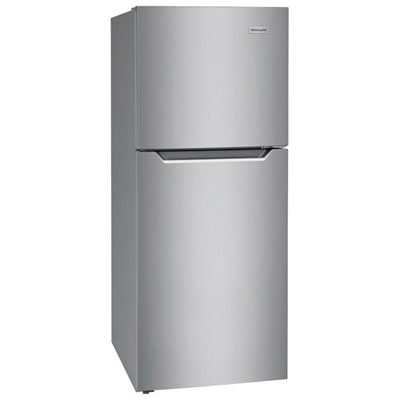
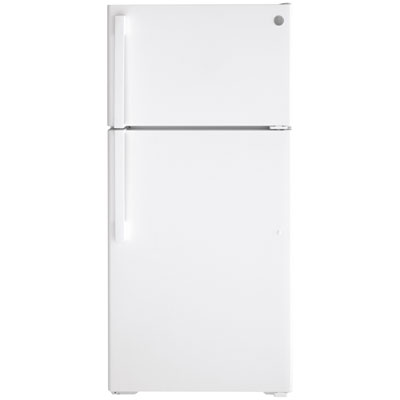
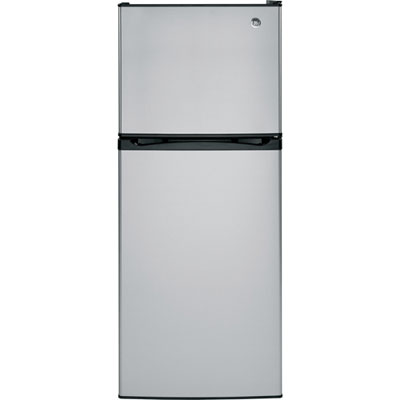
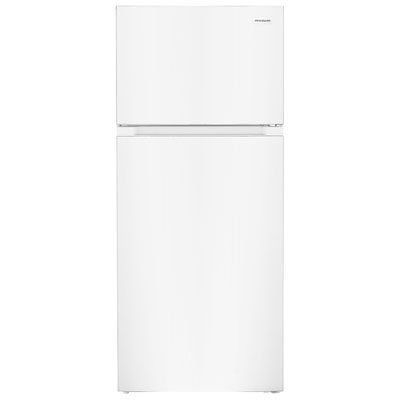
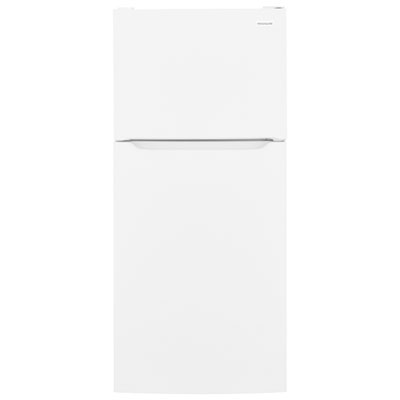
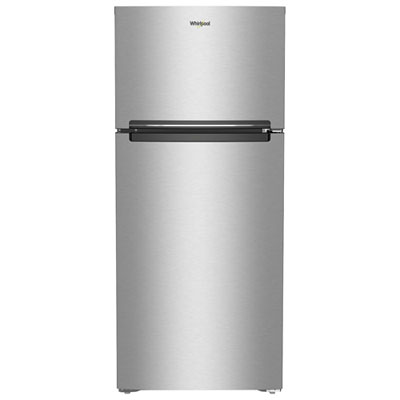
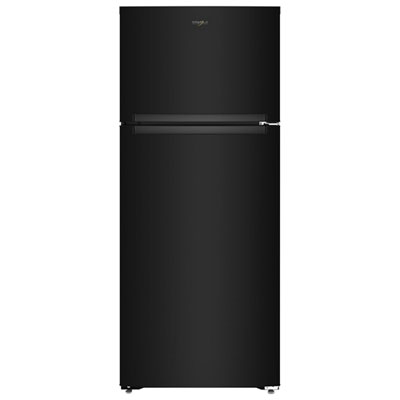
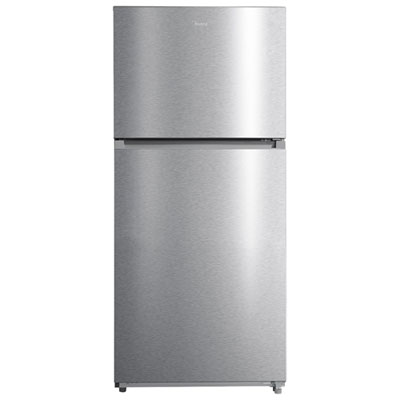
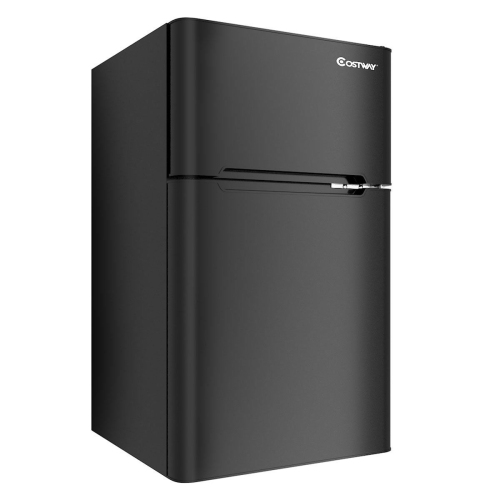
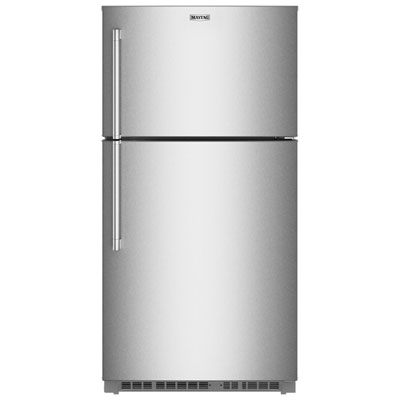
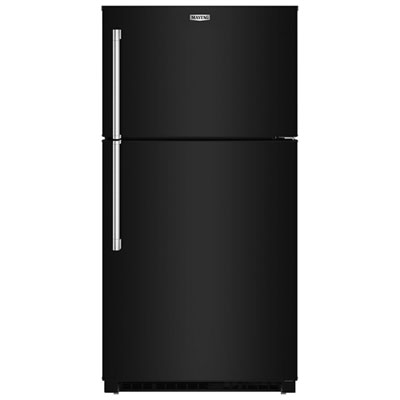
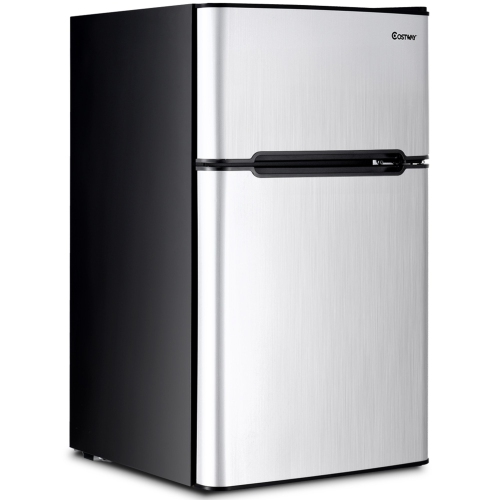
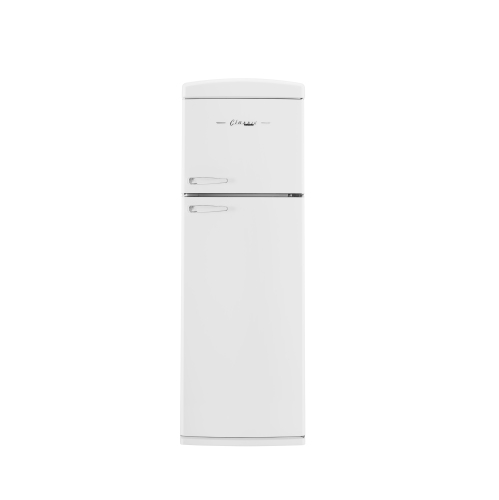
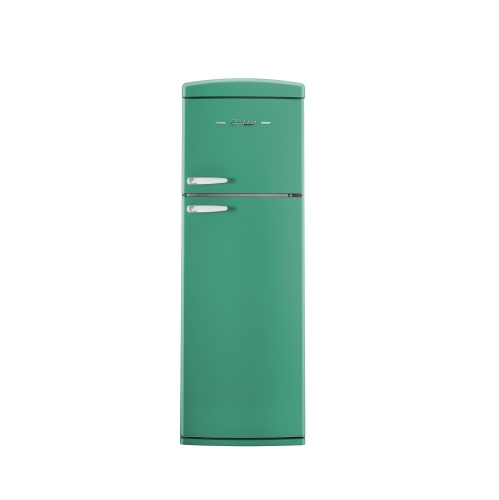
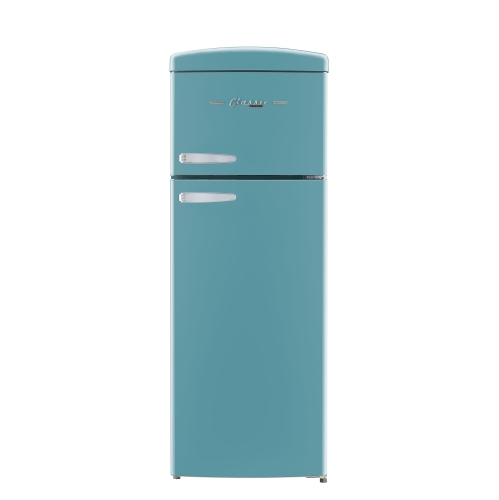
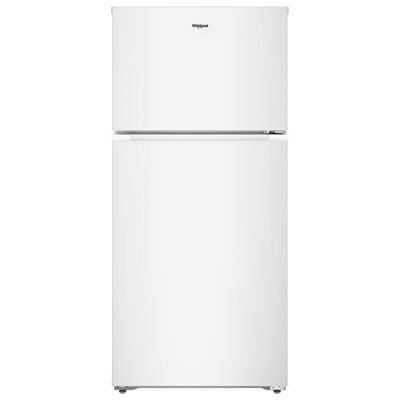
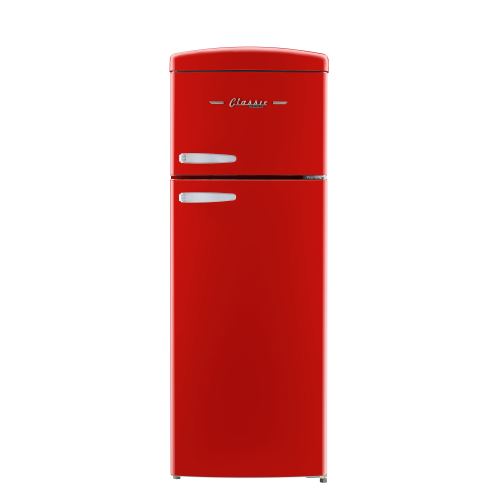
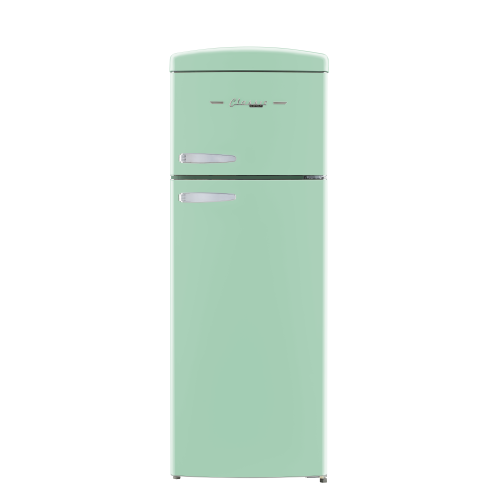
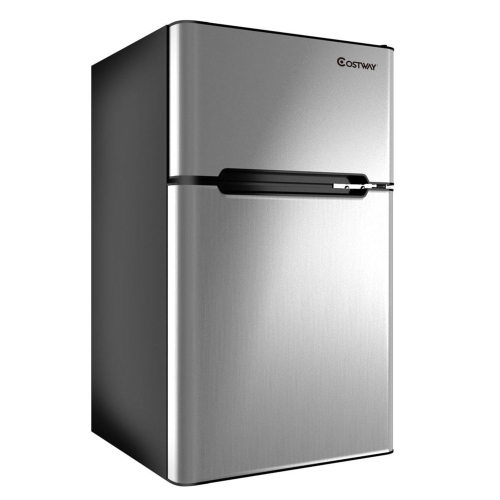
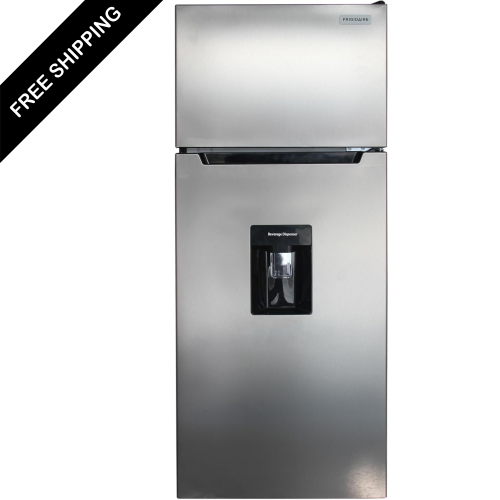
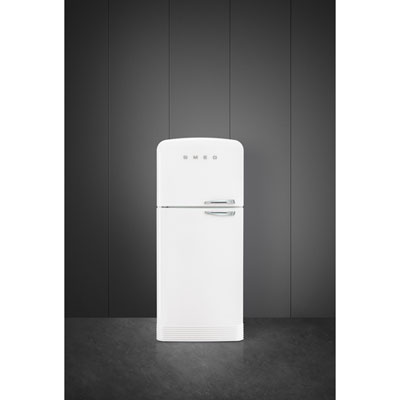
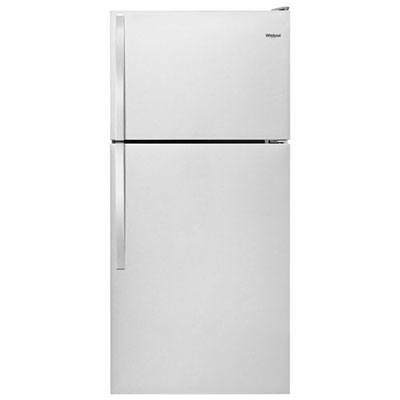
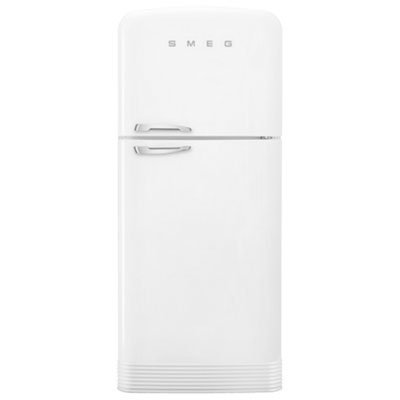
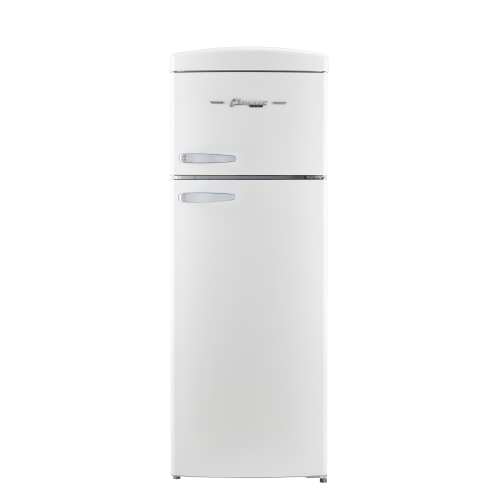
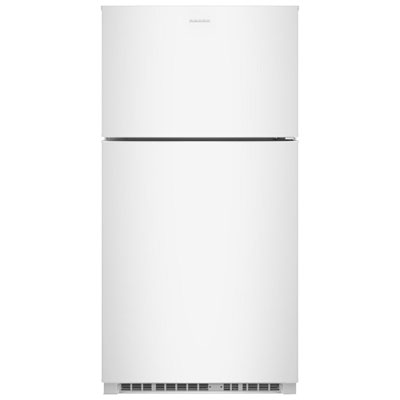
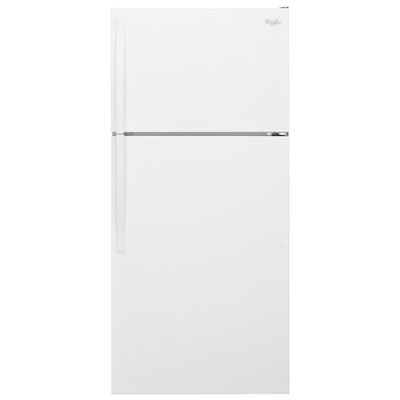
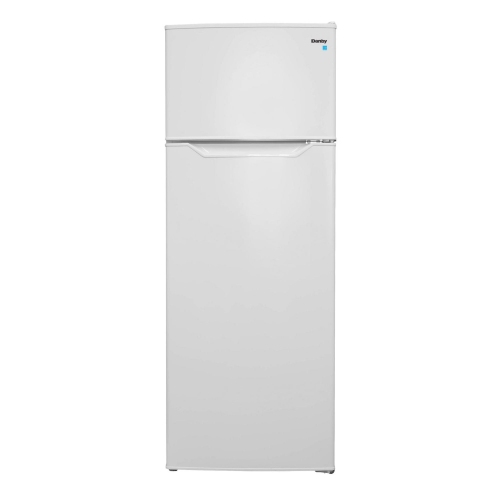
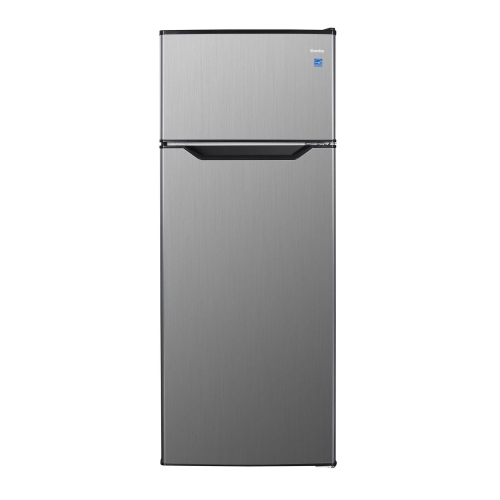
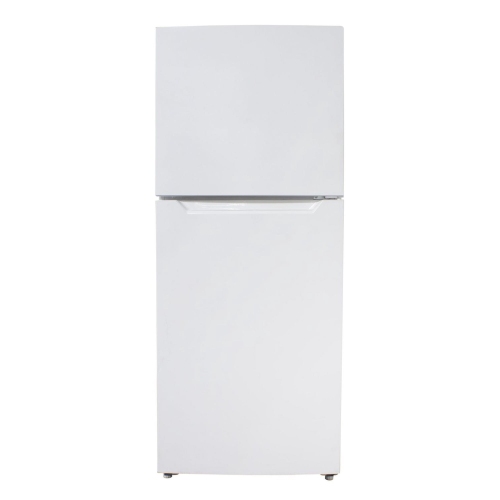
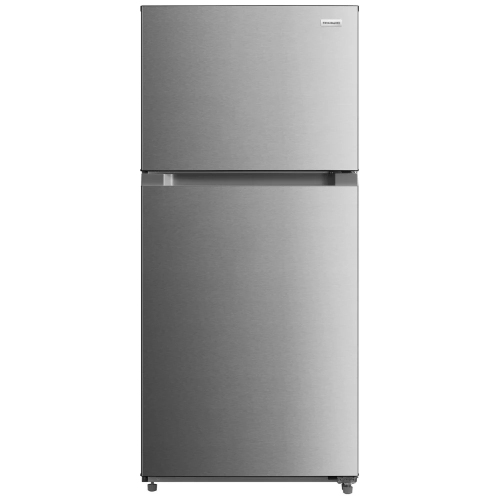
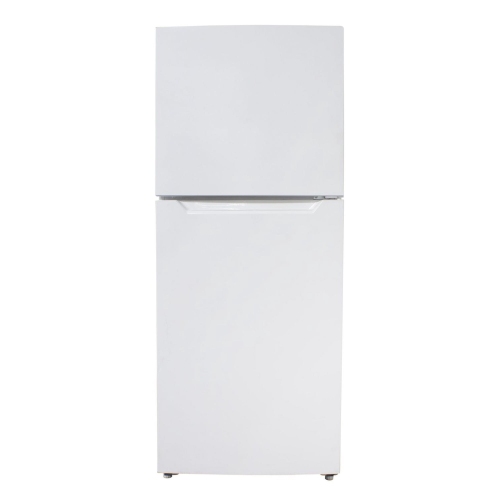
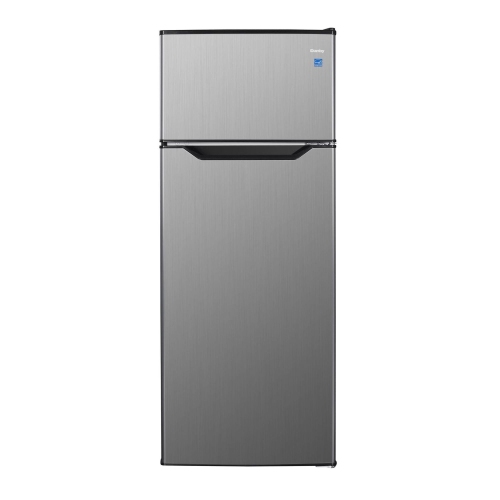
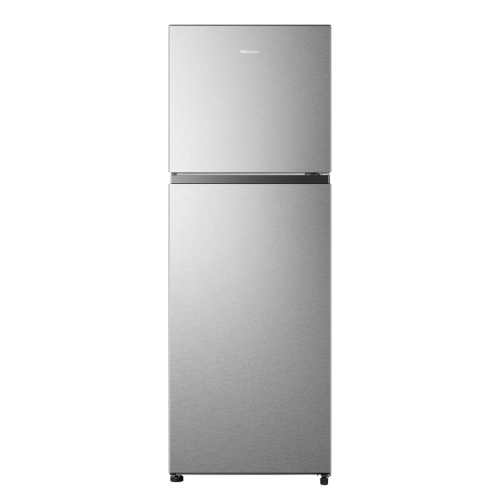
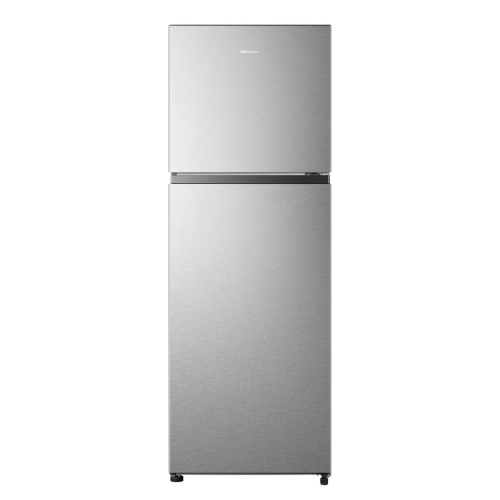
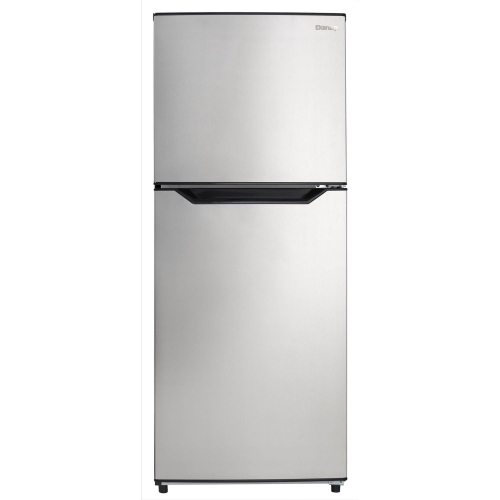
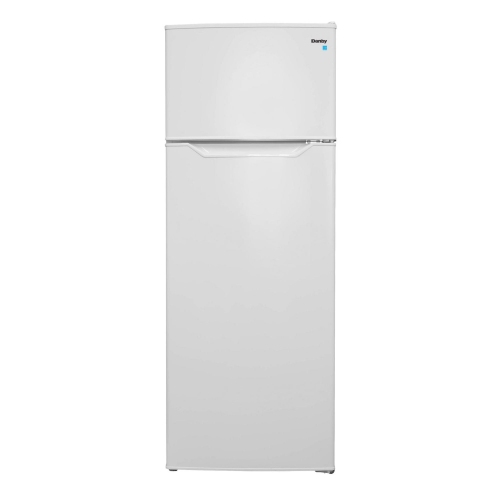
Shop refrigerators with freezers on top for a familiar layout that keeps frozen food in an upper compartment and fresh groceries below. Compare top-freezer refrigerators by overall dimensions, storage capacity, and interior layout to find a fit for your kitchen and everyday food storage needs.

Read More

Sort

Frozen food within reach and fresh groceries below

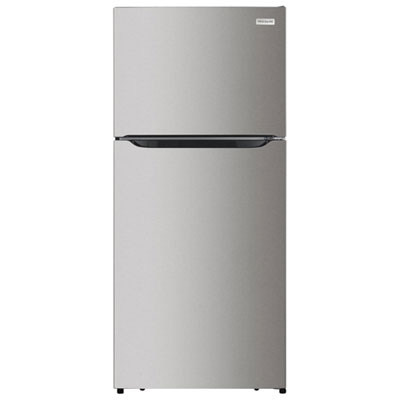
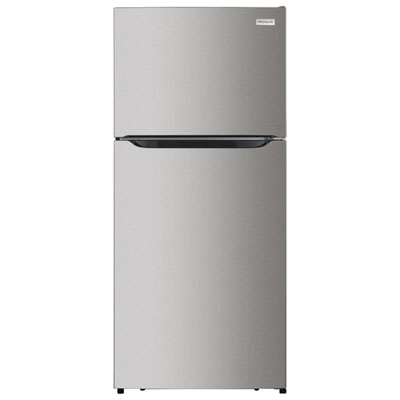
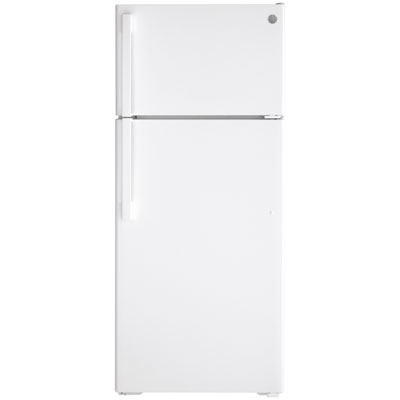
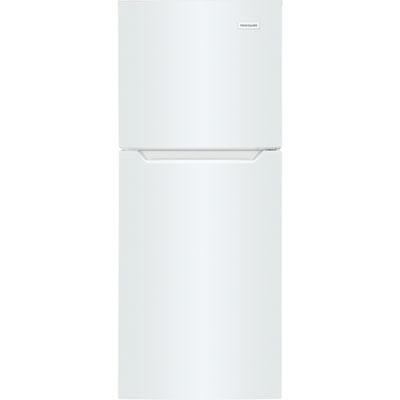
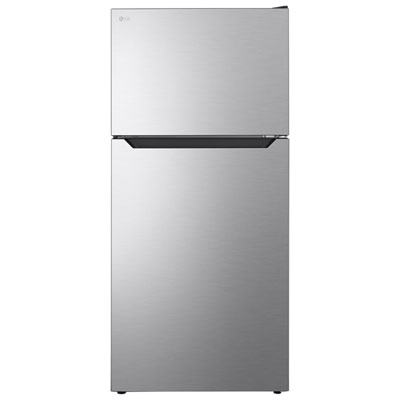
Top-freezer refrigerators have a freezer compartment above the fresh-food compartment, with separate exterior doors for each section. This familiar layout keeps frozen food within easy reach while dedicating most of the appliance to everyday groceries below. It suits households that want straightforward food storage, whether that means keeping breakfast ingredients together, making space for a large pot of soup, or separating frozen vegetables from containers of prepared meals. Unlike a standalone upright freezer, a top-freezer refrigerator combines chilled and frozen storage in one appliance footprint. The arrangement can work well in apartments, condos, family kitchens, and secondary food-storage spaces, provided the appliance is designed for the intended location. Total capacity is usually expressed in cubic feet, but the division between the refrigerator and freezer matters just as much as the overall number. A household that shops frequently for fresh produce may prefer more refrigerator space, while someone who freezes portions of homemade meals may need a roomier freezer with shelving that keeps containers visible. For layouts that place a greater emphasis on fresh-food storage, explore Fridges With Small Freezer On Top. Interior proportions also affect how useful that capacity feels: a wide shelf may accommodate a serving platter, while a deeper bin may hold bulky vegetables without crowding the shelf above. The freezer’s position reduces the need to bend down for frozen ingredients, although reaching items at the back of an upper compartment can be less comfortable for shorter users. Fresh-food drawers sit lower in this configuration, making their accessibility worth considering for anyone who uses them throughout the day. For couples, smaller families, or shared households, a clearly divided interior can make it easier to keep everyday essentials separate from ingredients saved for later. The appeal lies in a practical arrangement that is easy to understand and adaptable to many grocery routines.

A comfortable fit involves more than matching the refrigerator’s stated width to an opening between cabinets. Height, depth, door clearance, and the ventilation space specified by the manufacturer all influence how the appliance sits and functions in a kitchen. Measurements should account for overhead cupboards, nearby walls, baseboards, and handles, as well as the space needed to open the doors far enough to remove drawers and shelves. A refrigerator that fits neatly into an alcove may still be awkward to use if a wall prevents the door from swinging fully. Delivery access matters too, particularly where the route includes a narrow entrance, a staircase, or a tight turn into the kitchen. Reversible doors, where supported, offer flexibility when arranging the appliance beside a counter or pantry, but hinge options and installation requirements differ by model. Inside, adjustable shelves can help accommodate a tall beverage container one week and stacked lunch containers the next. Tempered-glass shelves provide a flat surface for smaller containers, while raised shelf edges on some designs help contain minor spills. Door bins offer convenient storage for condiments and other foods suited to that location, though their weight limits should be respected. Crisper drawers help organize produce, and adjustable humidity controls, where included, allow separate settings for different types of fruits and vegetables. In the upper compartment, a shelf can separate flat frozen packages from taller containers so that smaller foods do not disappear beneath a pile. Anyone who regularly stores large baking dishes or wide meal-preparation containers will benefit from checking usable shelf dimensions rather than relying on capacity alone. Exterior finishes, including painted metal and stainless steel, create different looks alongside cabinetry and other appliances. Handle shape, finish texture, and the visibility of fingerprints can also influence how the refrigerator feels in daily use, especially in a busy kitchen where the doors are opened repeatedly.

Everyday performance depends on both the refrigerator’s features and the way its storage space is used. Air needs room to circulate, so tightly packing food against interior vents can interfere with consistent cooling. A refrigerator thermometer can help confirm that the fresh-food compartment stays at 4°C or below and the freezer at approximately −18°C. These are food-storage settings, not a substitute for following the appliance manual or safe food-handling practices. Clear containers and dated freezer packages make leftovers easier to identify, while leaving a little room around frequently used foods helps prevent rummaging with the door open. Frost-free operation reduces the need for routine manual defrosting; appliances without that feature require defrosting according to the manufacturer’s directions. Care is generally centred on prompt spill cleanup, regular washing of removable components, and attention to the door seals. Shelves and bins should be cleaned with suitable mild products, and cold glass should be allowed to warm before washing to avoid sudden temperature changes. Stainless steel finishes may require a cleaner approved for that surface, while abrasive pads can damage finishes and interior parts. Keeping seals clean helps the doors close properly, and checking that containers do not obstruct closure is a simple habit that supports reliable operation. Accessible condenser areas may also need cleaning if the manufacturer specifies it. For a secondary kitchen or garage installation, the permitted operating conditions are especially important; not every refrigerator is designed for an unheated space. Sound levels and the placement of the appliance can matter in open-plan homes, where a kitchen shares space with conversation or television viewing. Optional conveniences such as interior lighting, separate controls, or an ice maker should be considered alongside the storage they occupy and any installation needs. A well-matched top-freezer refrigerator makes ordinary routines feel less cramped, with room for groceries, practical access to frozen food, and an interior that remains manageable through regular use and cleaning.
Read More

FAQ

Some products may be subject to Environmental Handling Fees (EHF) depending on your province. Learn more about EHFs.