Modern Wood Dressers
A modern wood dresser is a great addition to any home. It can be used as a nightstand, a place to set your alarm clock, or even as extra storage. A modern wood dresser can be made from many different types of wood. These dressers are also available in a variety of colors. Here are some great options for modern wood dressers available today.
Sort






















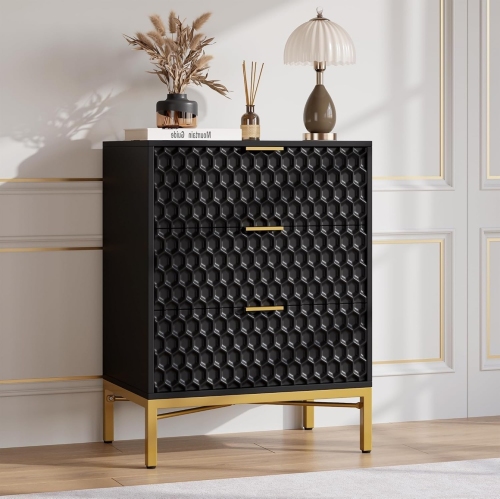
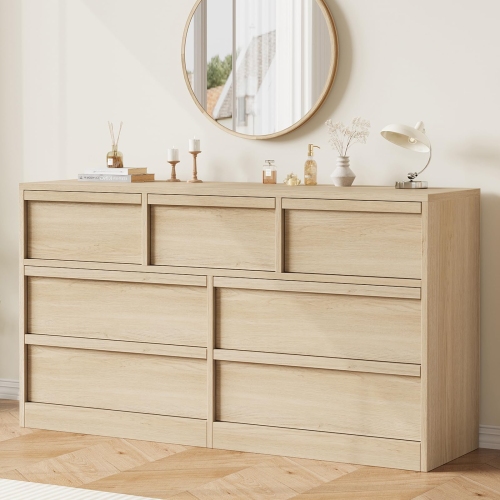
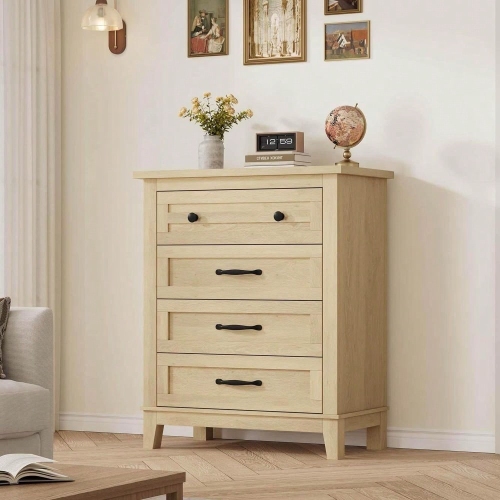
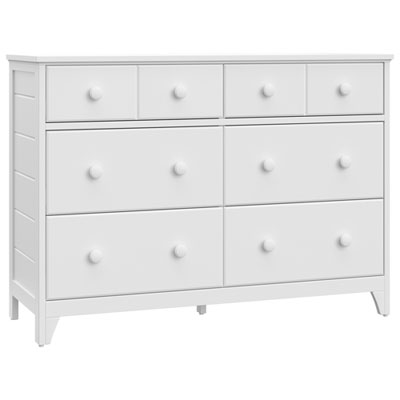



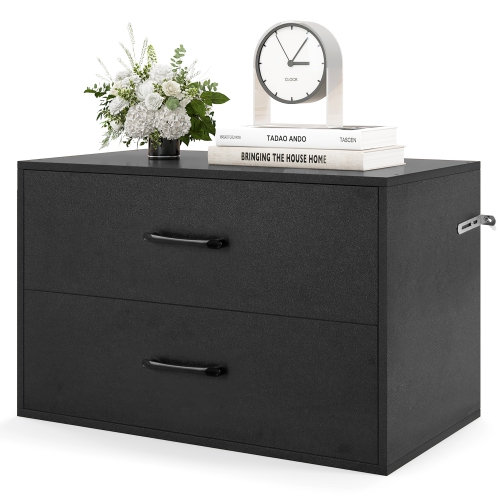
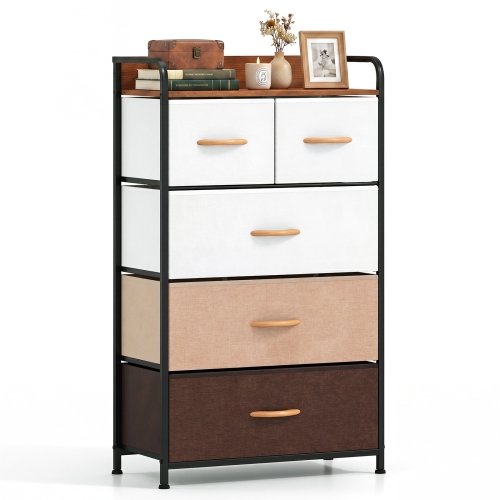
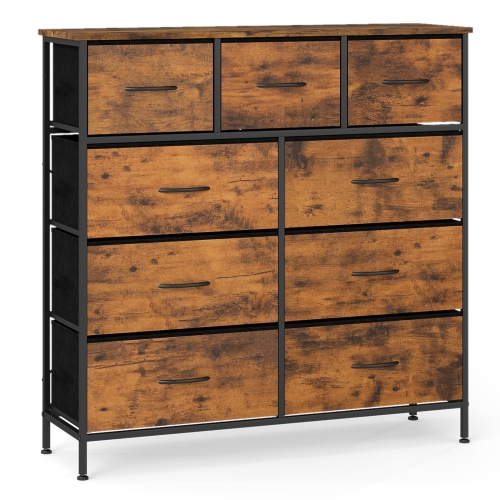
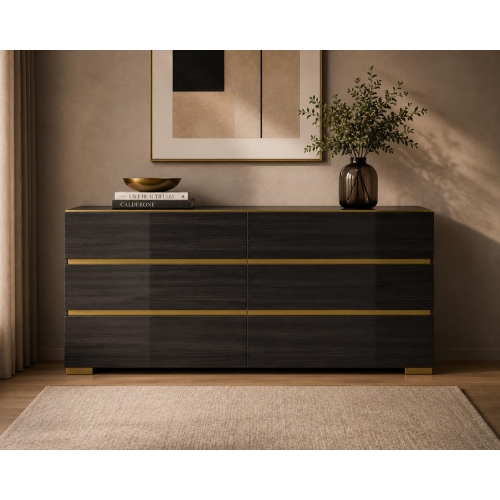











Why wood grain and drawer dimensions both matter
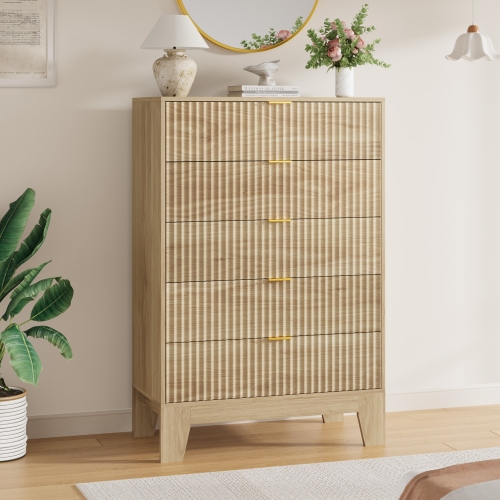
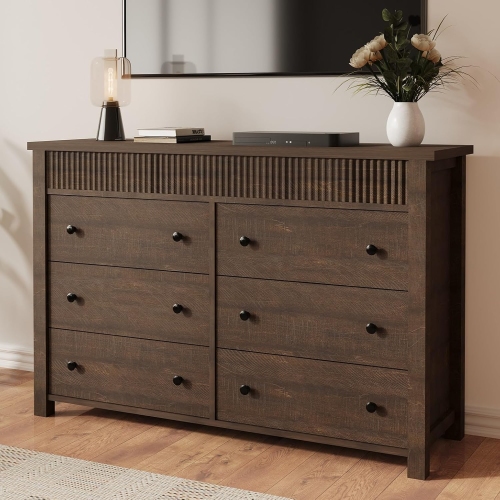
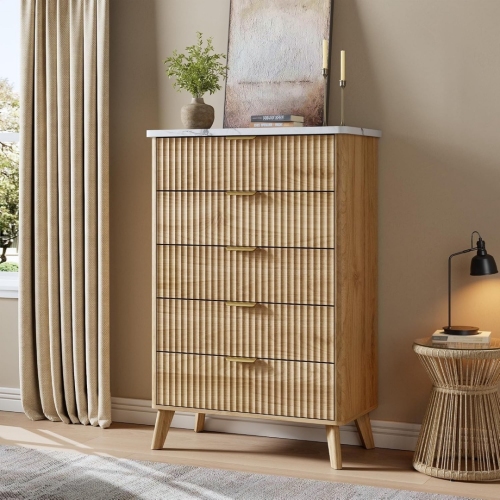
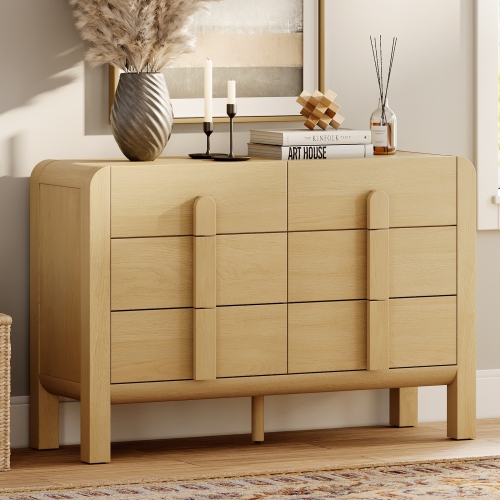
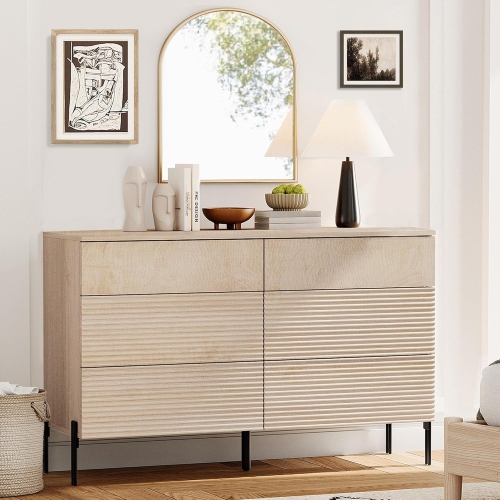
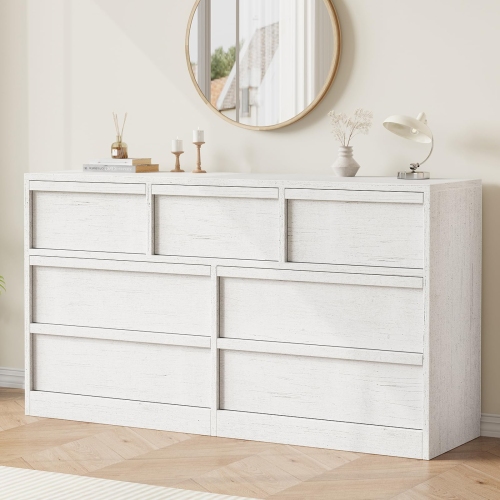
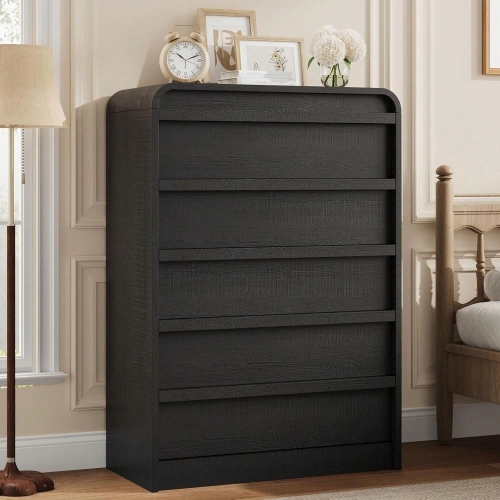
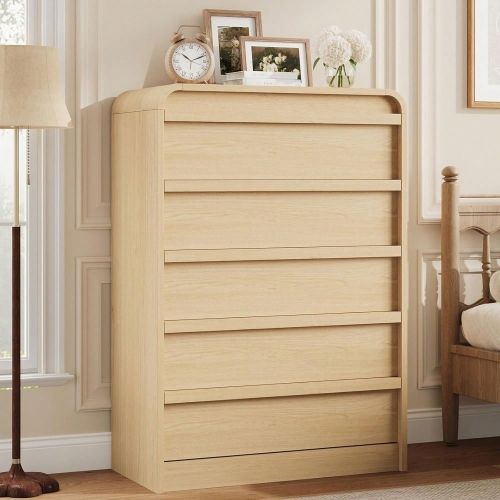
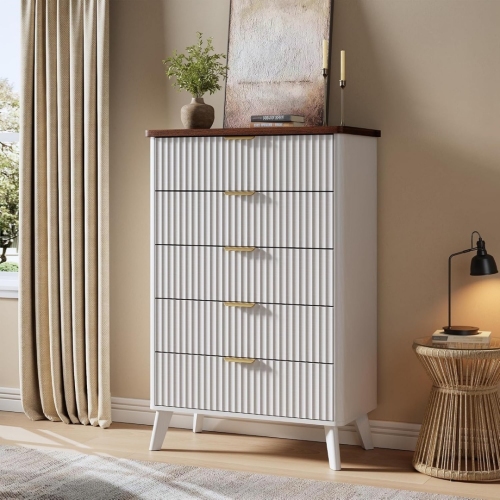
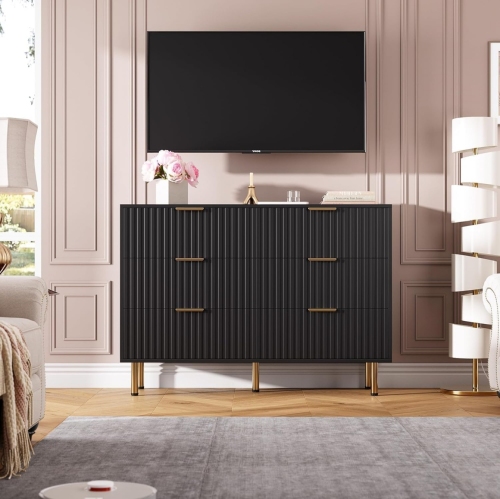
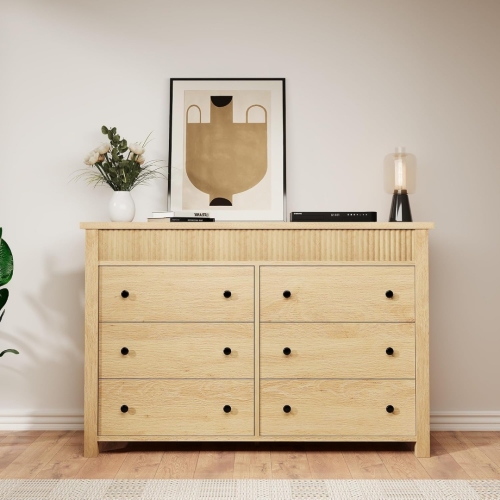
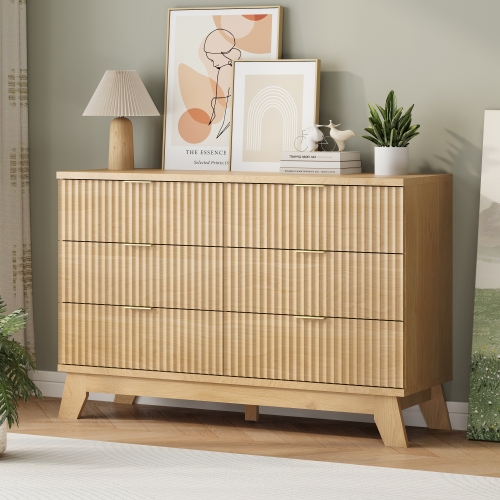
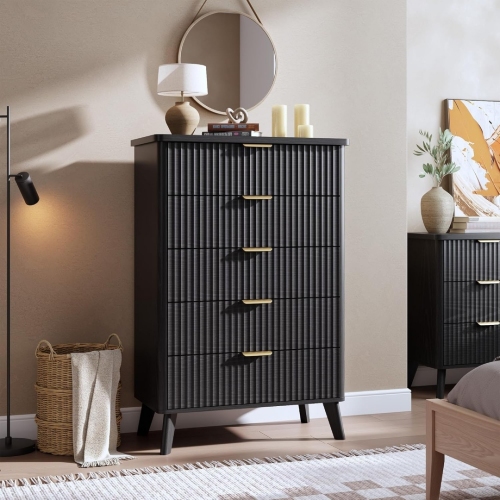
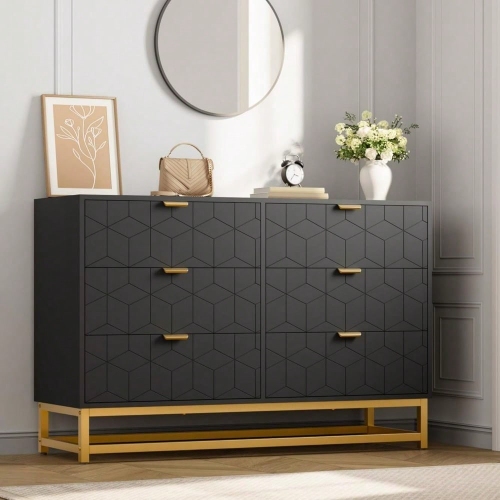
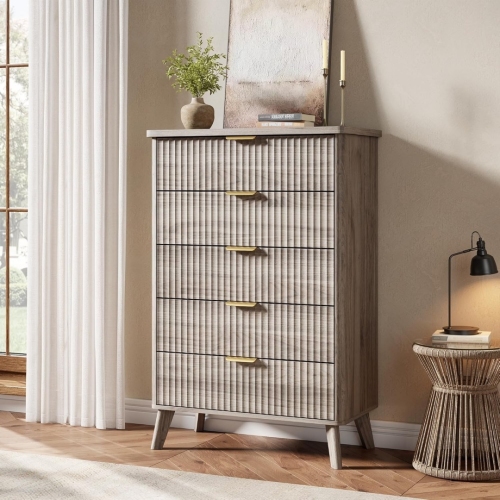
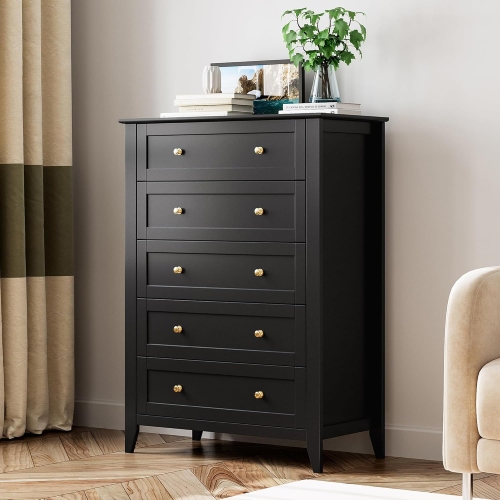
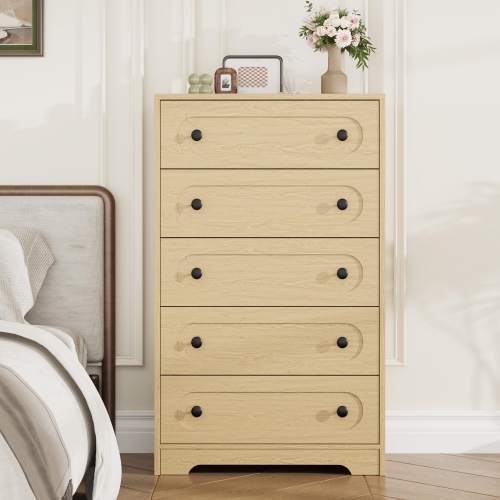
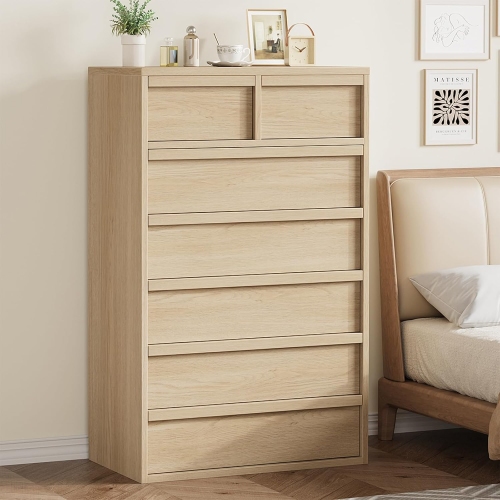
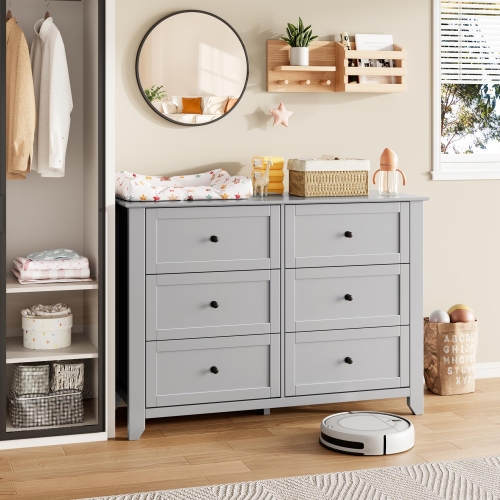
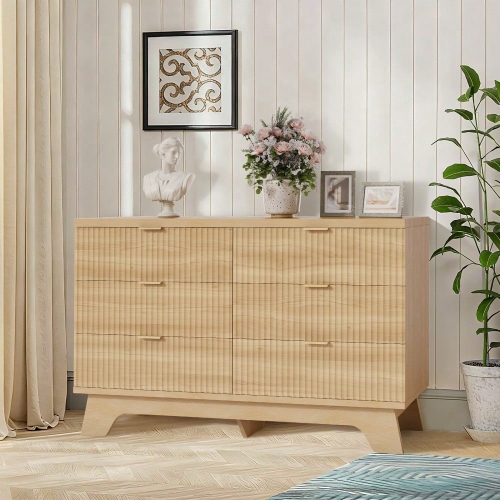
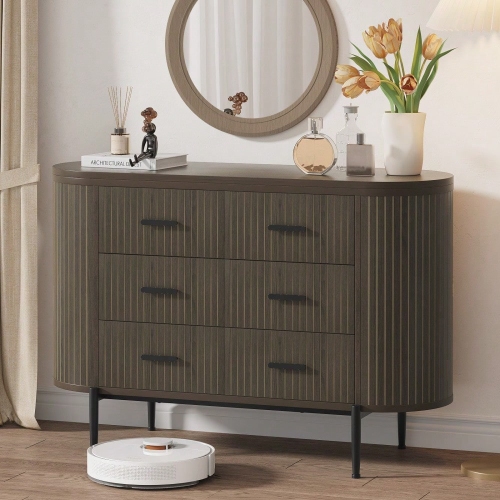
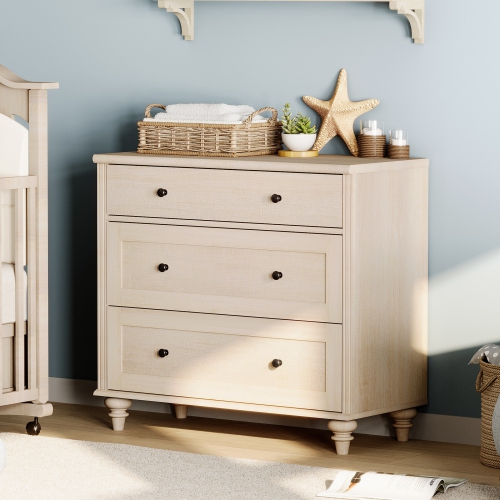
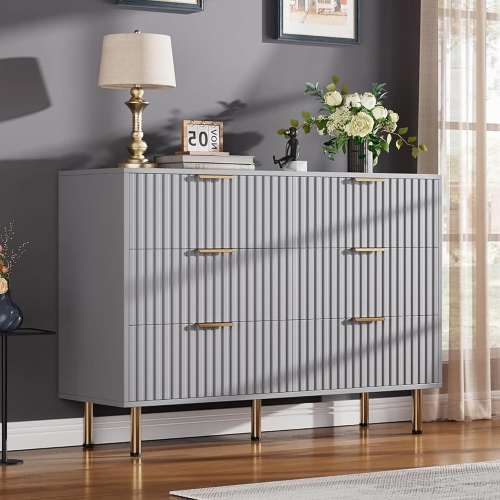
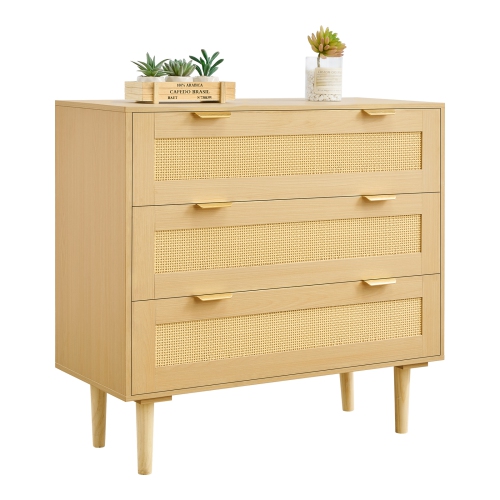
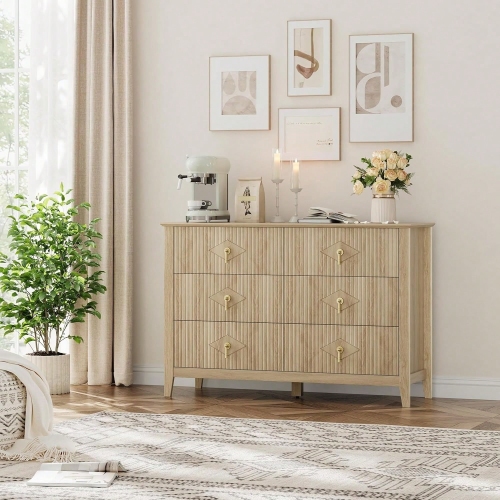
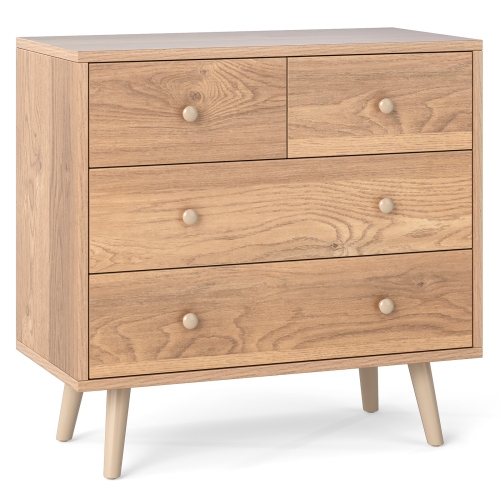
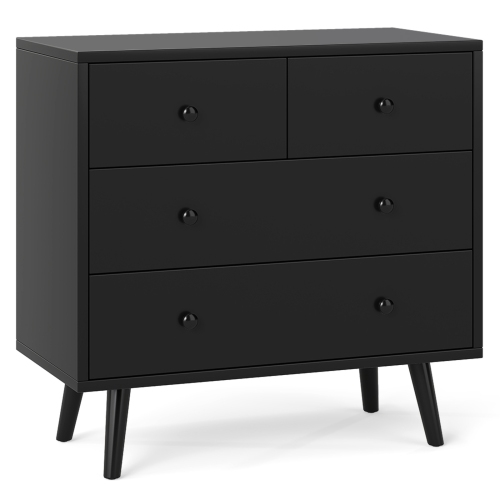
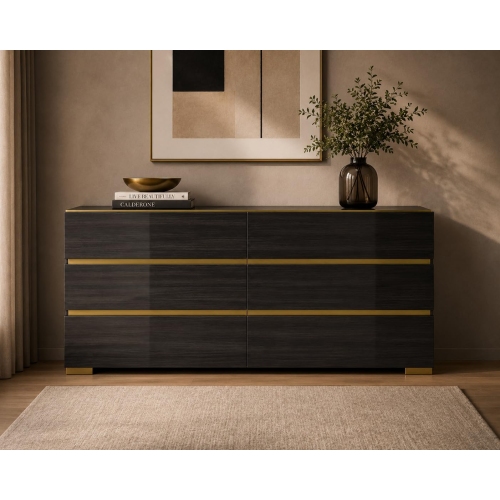
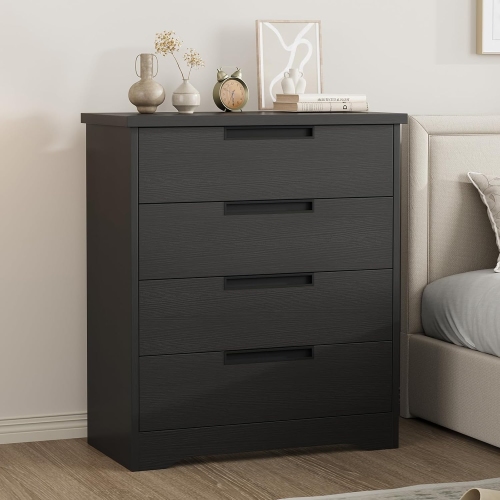
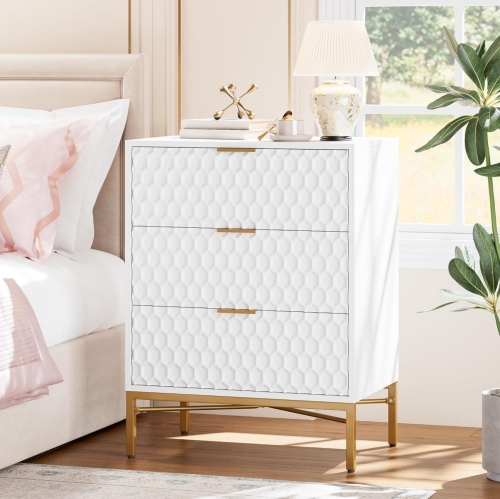
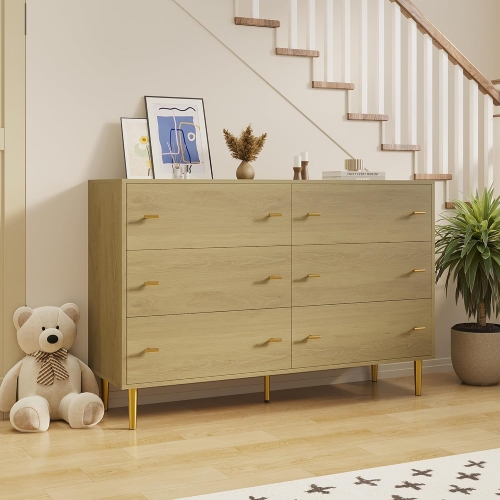
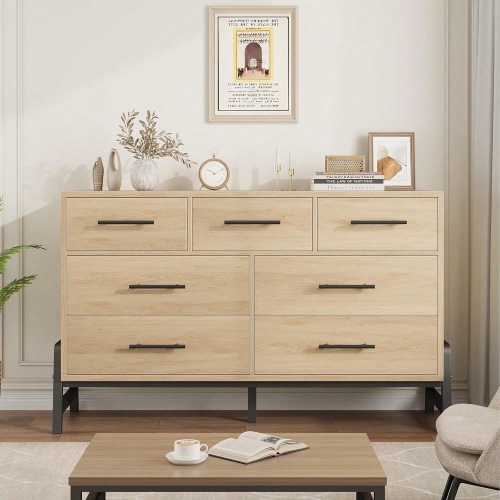
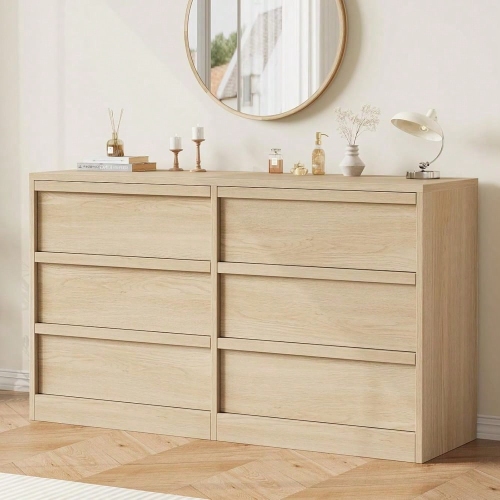
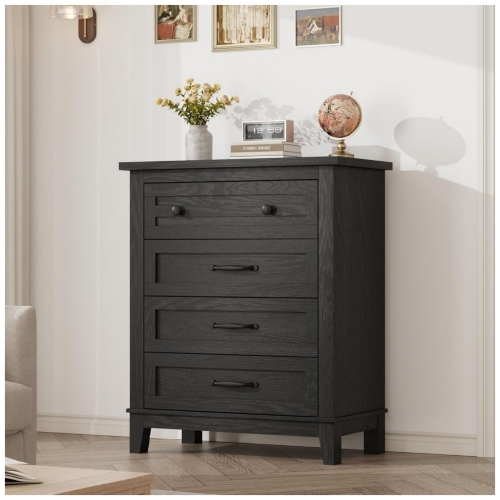
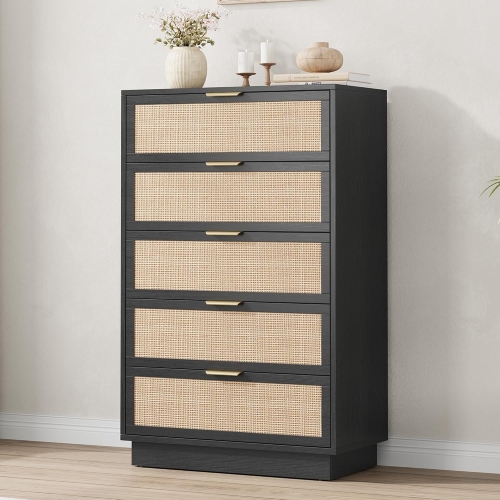
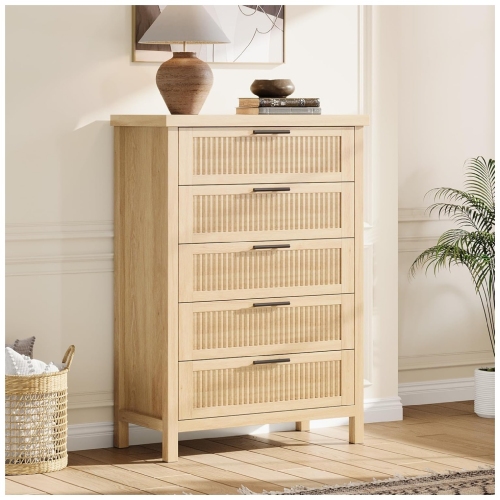
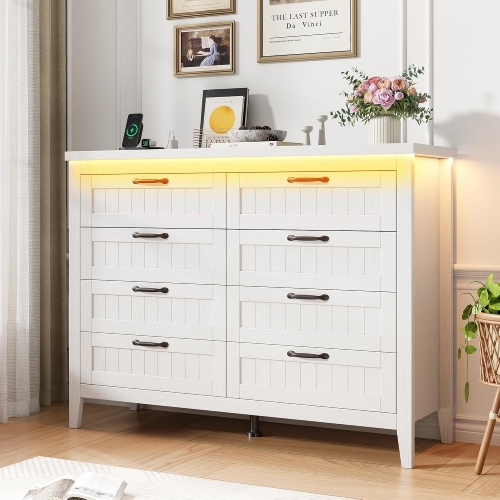
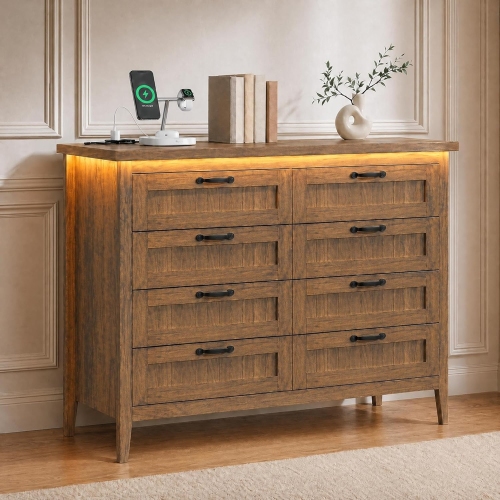
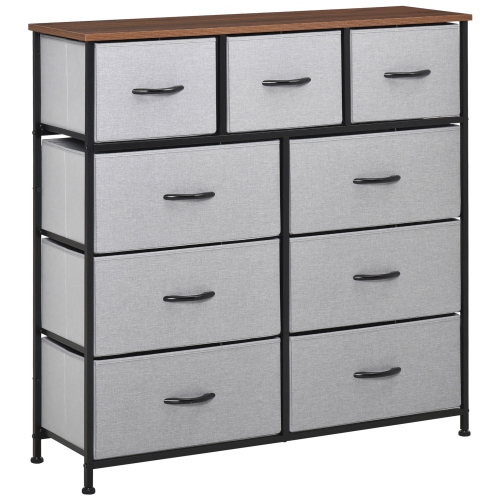
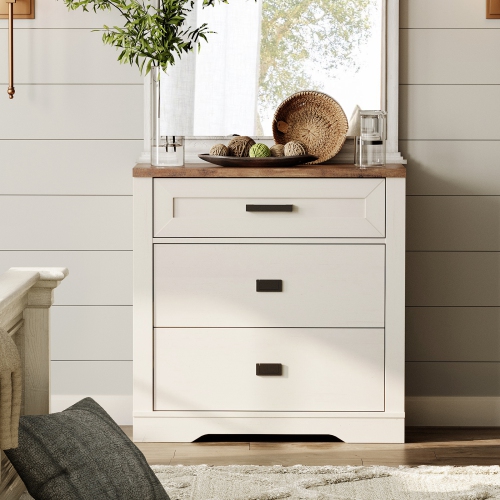
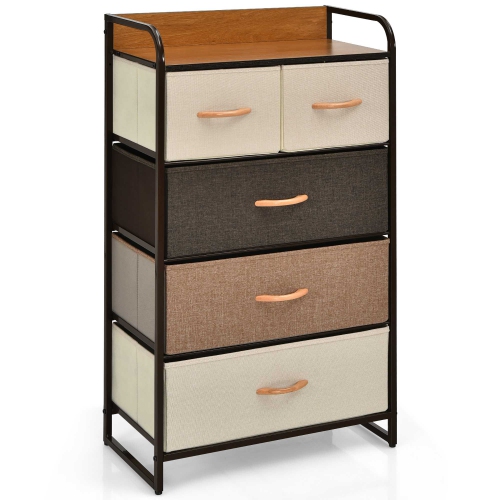
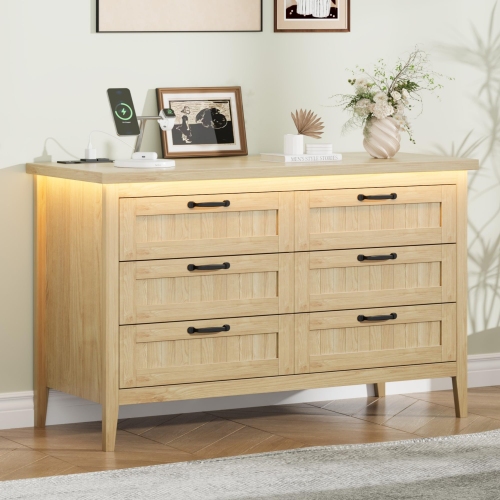
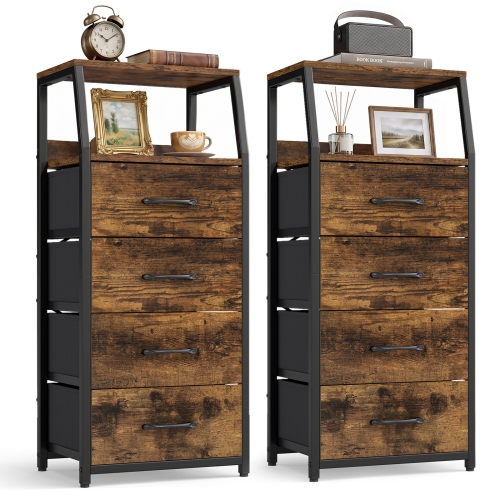
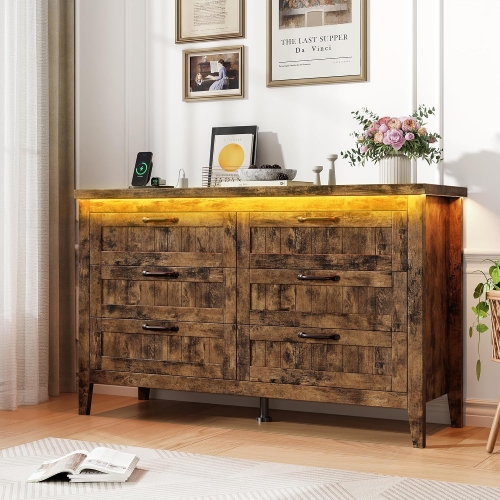
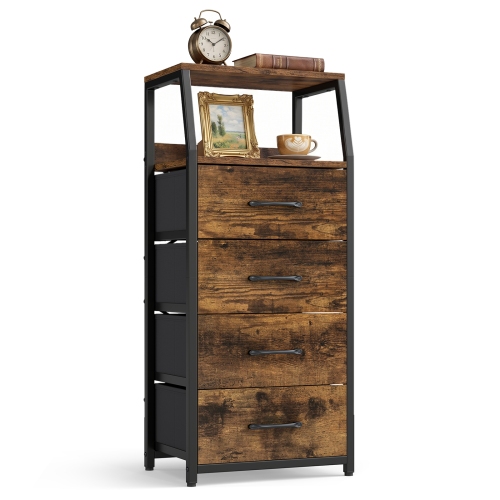
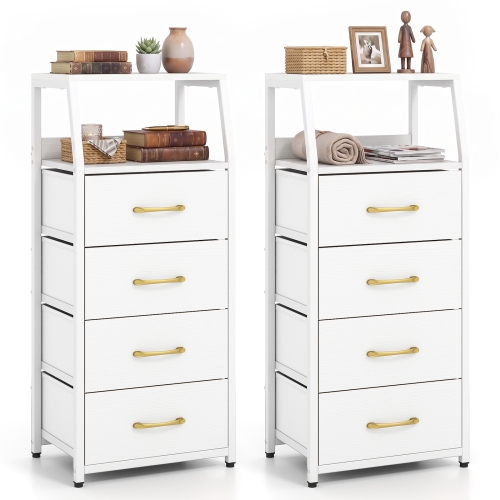
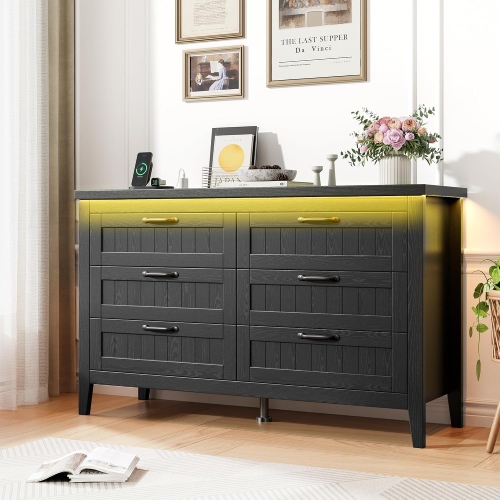
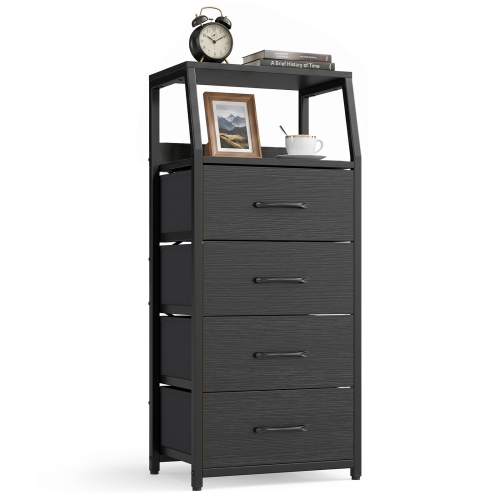
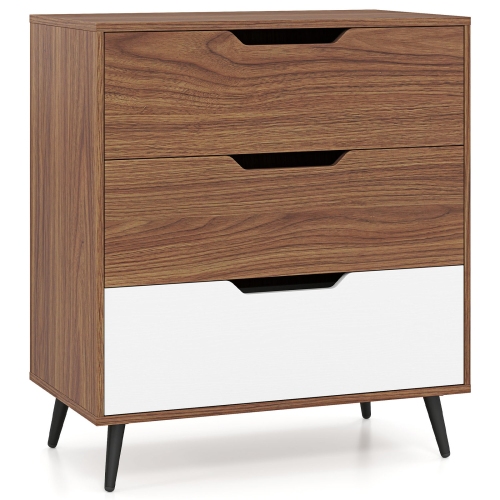
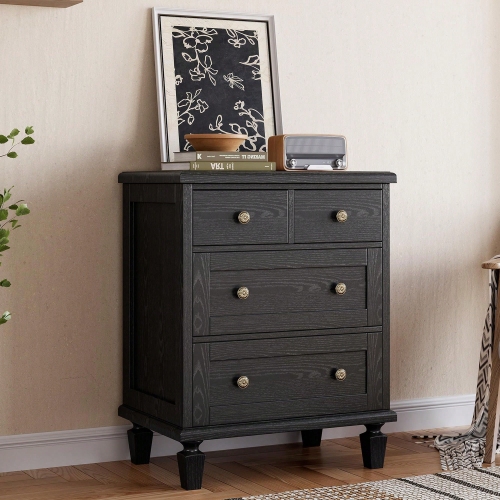
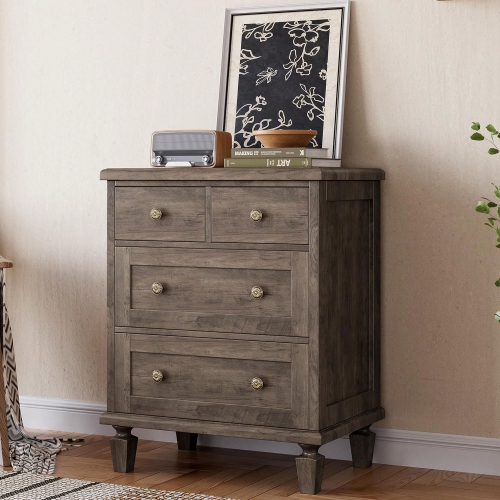
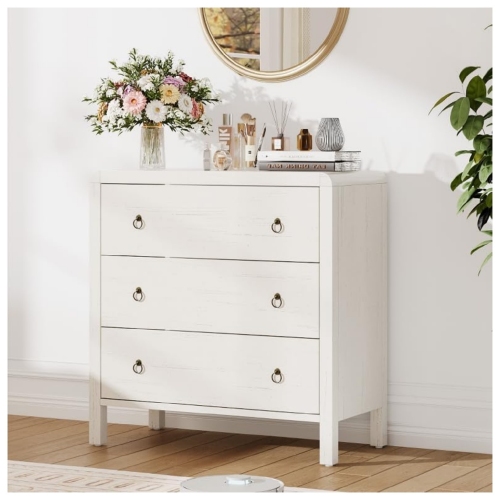
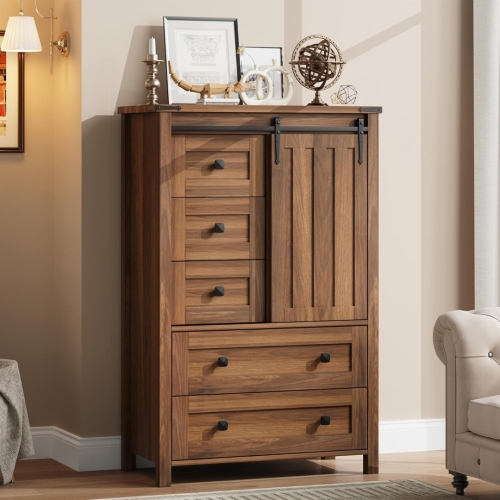
Modern wood dressers combine clean-lined shapes with the warmth of wood grain, creating practical storage that feels at home in a contemporary bedroom. Typical features include simple drawer fronts, understated hardware, and finishes that allow the texture of the wood to remain part of the design. Mid-century modern styles often have tapered legs and a low, wide profile, while Scandinavian-inspired designs tend towards pale finishes, slim proportions, and minimal ornamentation. Japandi styles bring together restrained shapes, warm wood tones, and subtle detailing. Fluted drawer fronts, rounded corners, and recessed pulls offer different ways to add character without making a room feel busy. Light oak tones can sit comfortably beside white bedding and woven fabrics, while walnut tones bring depth to rooms with cream upholstery, black accents, or brushed metal lighting. The material beneath the finish matters as much as the colour. Solid wood, wood veneer, and engineered wood describe different forms of construction, and the appearance alone does not always reveal which is used. Solid wood has natural variations in grain and can respond to changes in indoor humidity. Wood veneer is a thin layer of real wood applied over a supporting core, offering a genuine wood surface with its own care requirements. Engineered wood may have a veneer, laminate, or another decorative finish, so checking the material description helps distinguish a wood surface from a printed wood-look surface. For shoppers who prioritize solid timber construction, Solid Wood Dressers offer a related category to explore. Even within that category, drawer bottoms, backs, and other components may use different materials. Oak and ash often show pronounced grain, while maple can have a more even appearance and pine may feature visible knots. A clear finish highlights these differences; a stained or painted finish changes how strongly they appear. Neither a darker colour nor a heavier-looking silhouette alone establishes durability, which also depends on construction, finish, and everyday handling.
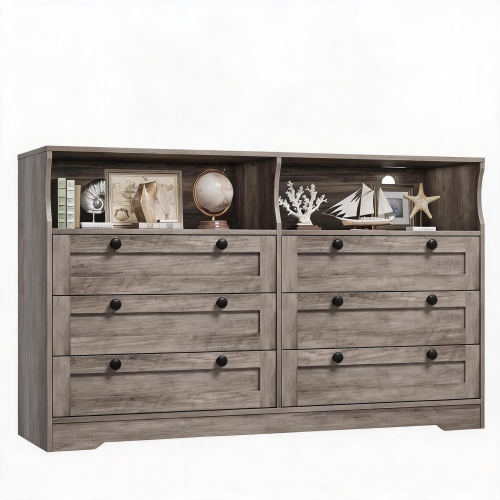
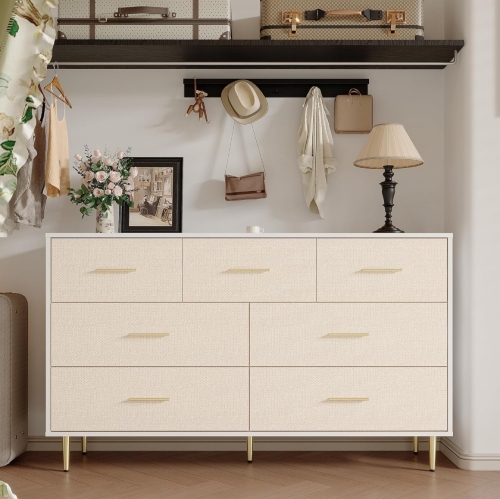
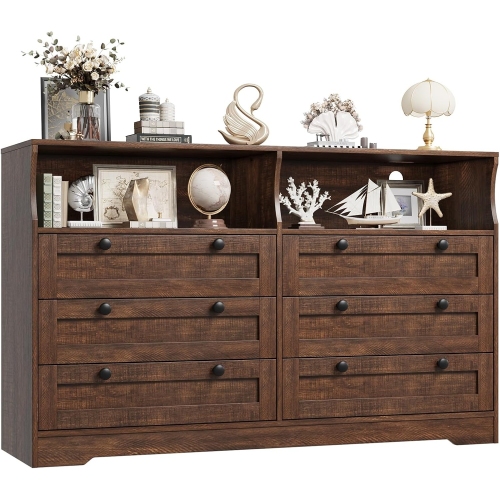
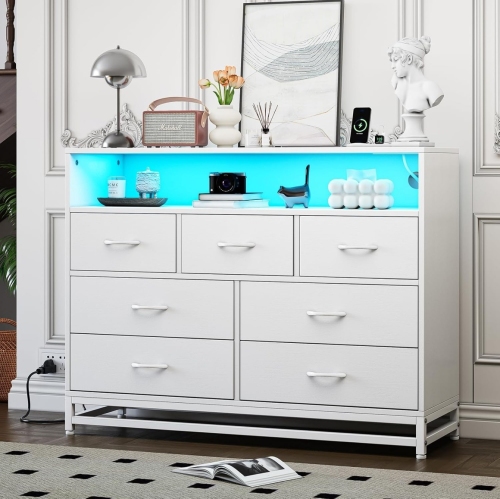
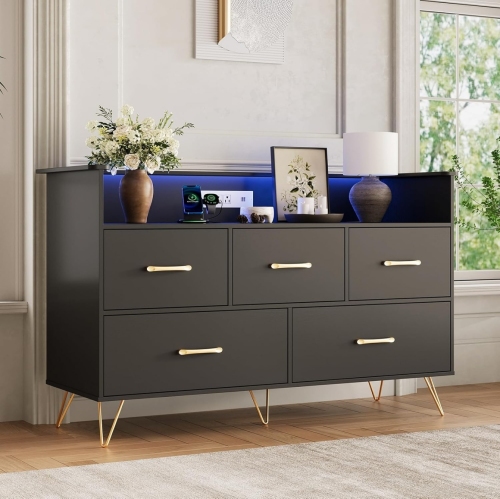
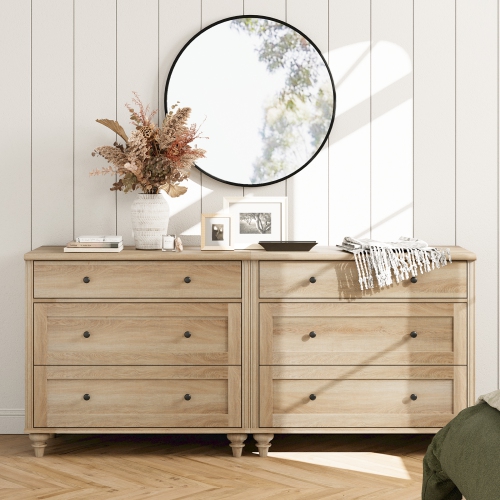
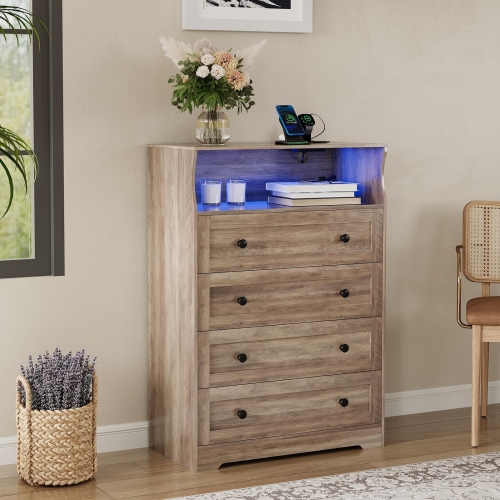
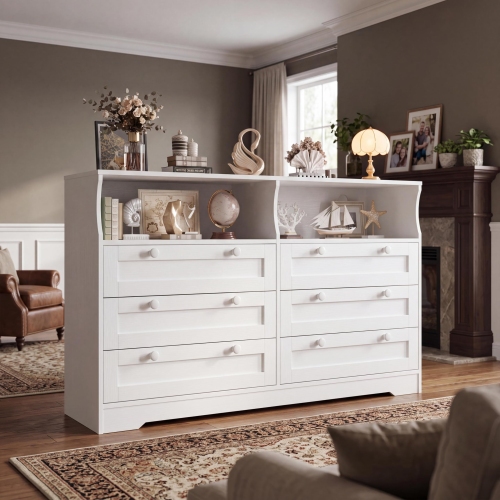
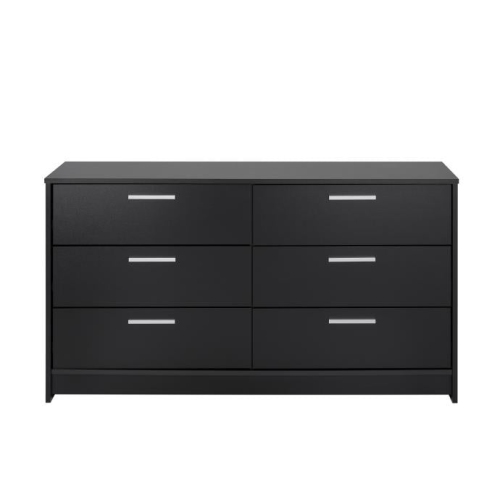
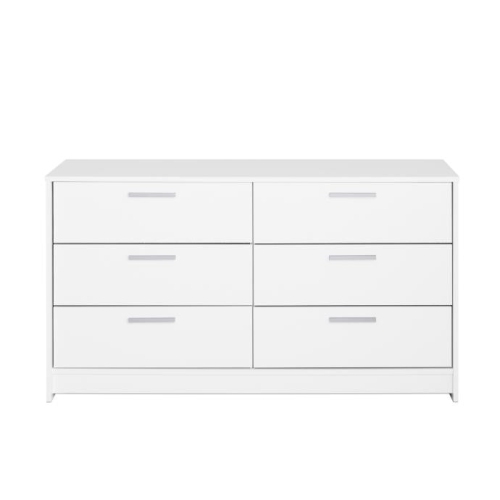
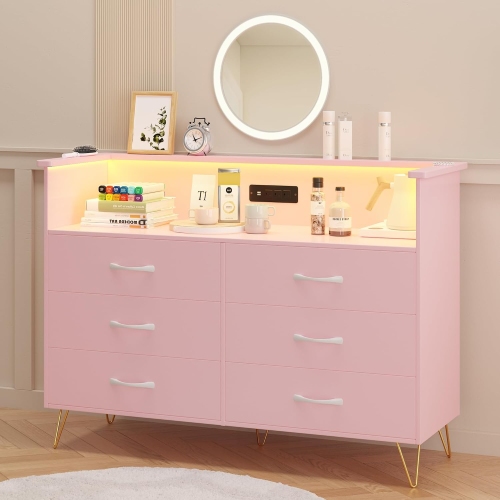
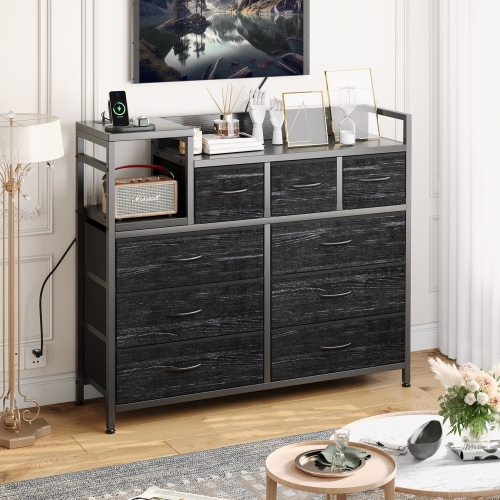
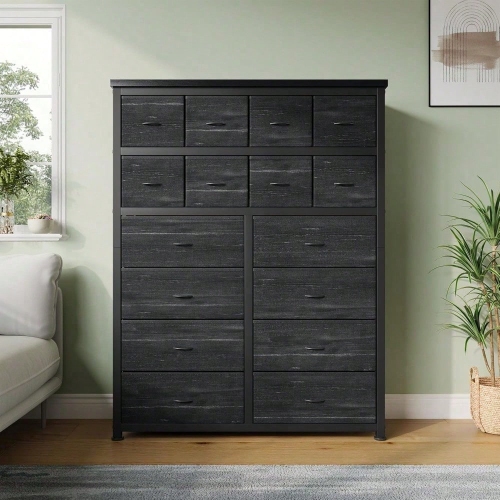
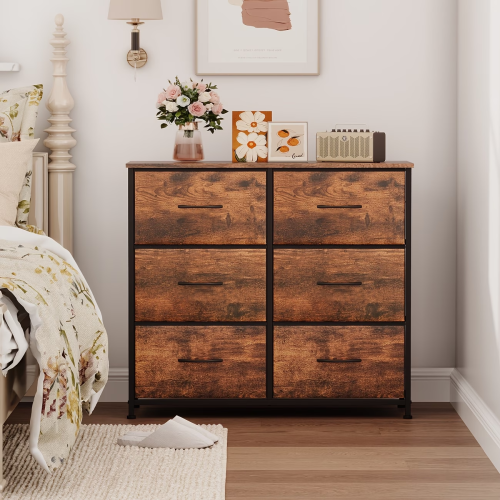
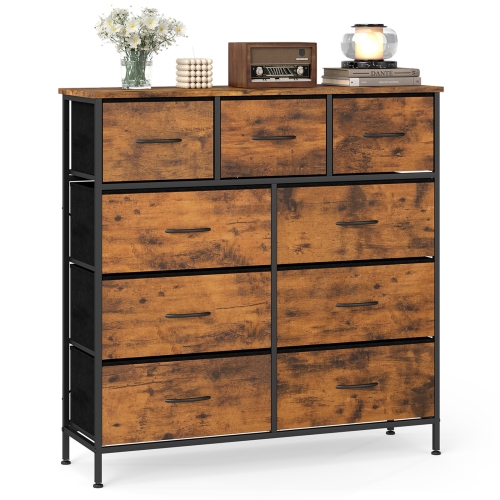
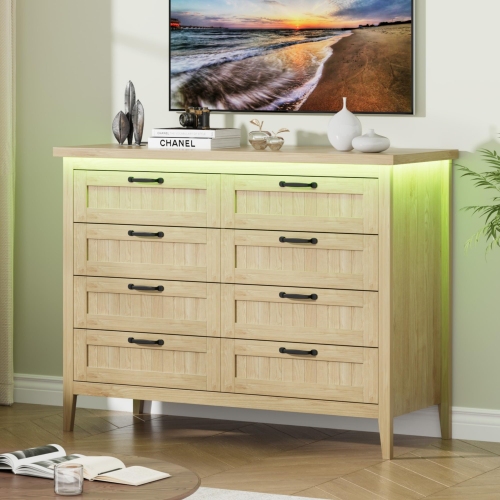
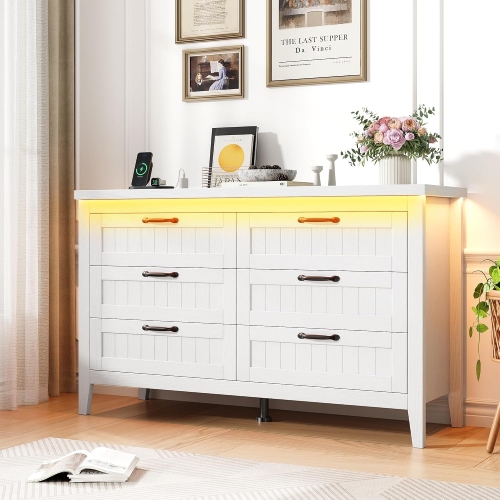
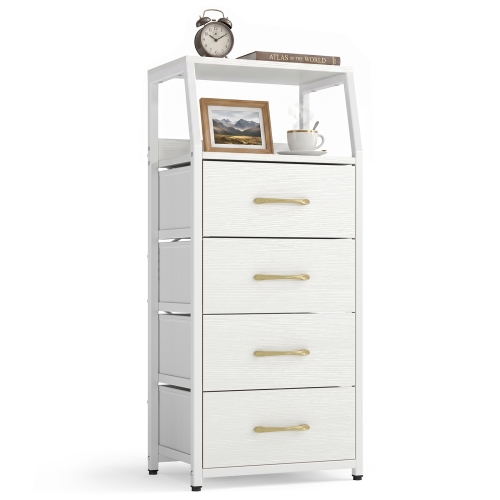
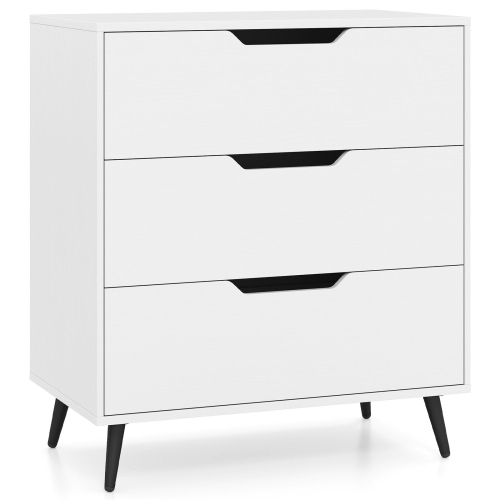
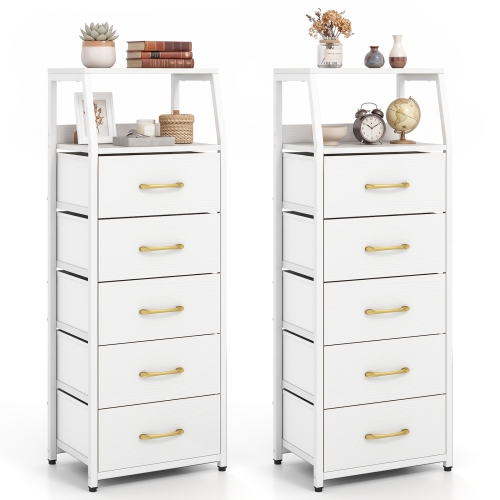
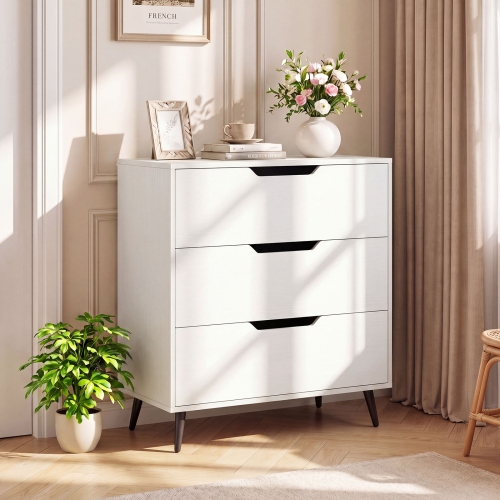
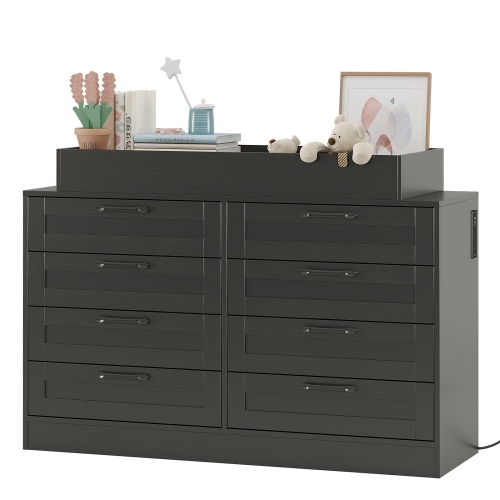
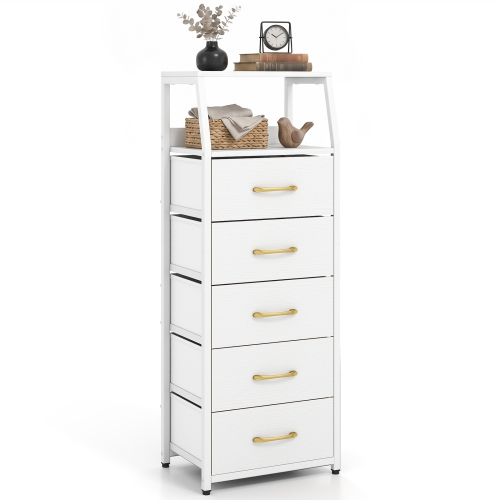
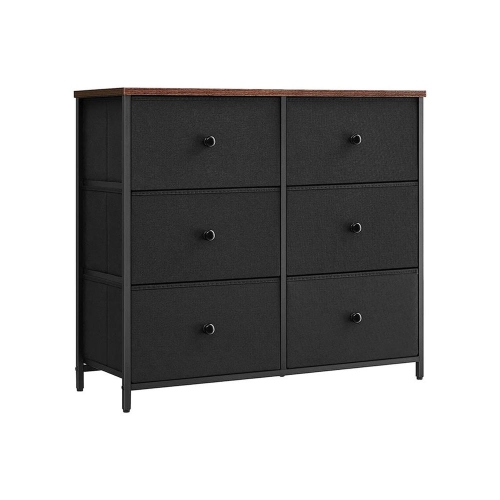
The right proportions make a modern wood dresser feel like part of the room rather than an obstacle within it. A low, wide dresser provides a generous top surface and spreads storage across several drawers, making it useful beneath a wall-mounted mirror or along an uninterrupted bedroom wall. A narrower, taller design uses less floor area, although its height and drawer arrangement change how easily different belongings can be reached. Three-drawer configurations can suit lighter storage needs, while six-drawer layouts often provide more separation for clothing shared between two people or divided by type. Drawer count is only one measure of capacity: usable interior width, depth, and height determine whether a drawer comfortably holds folded jeans, knitwear, or smaller clothing. Deep drawers accommodate bulkier garments, while shallower drawers can make socks and accessories easier to see without searching through layers. Dividers help organize small belongings, but they also occupy space, so interior measurements matter when adding them. In a compact bedroom, the clearance in front of the dresser deserves as much attention as its footprint. Drawers need room to open without striking a bed frame, and the person using them needs space to stand comfortably. Nearby closet doors, bedroom doors, and baseboard heaters can further affect placement. Measuring the delivery route, including stair turns and narrow doorways, helps avoid a fit problem before the dresser reaches its intended wall. Raised legs create a lighter visual profile and may provide access for cleaning, depending on their height. A plinth base gives a more grounded appearance but offers less access underneath. Hardware also affects everyday use: projecting handles are easy to grasp but extend beyond the drawer front, while recessed pulls keep the profile compact. Smooth drawer travel, secure handles, and drawers that sit evenly within the frame are useful construction details to look for. Soft-close mechanisms, where included, reduce abrupt closing, but their presence does not replace checking the overall quality of the drawer assembly.
Modern wood dressers suit a range of routines, from furnishing a first apartment to creating more organized storage in a shared bedroom. In a guest room, a few clear drawers give visitors somewhere to unpack rather than live out of a suitcase. In a child’s bedroom, accessible drawers can make putting away clothing more manageable, with heavier belongings stored low and furniture securely anchored. A dresser can also provide enclosed storage in a larger entryway or living space when its dimensions and intended use suit the location. Its top works best with a restrained arrangement: a shallow tray for everyday accessories, a lamp, or a few decorative objects can leave enough clear surface to remain useful. Heavy objects should stay within the manufacturer’s stated limits, and a dresser should not be treated as a television stand or changing table unless it is specifically designed and rated for that purpose. Anti-tip hardware is an important safety feature, and installation needs to follow the manufacturer’s instructions using fixings appropriate for the wall. Opening one drawer at a time and keeping children from climbing on drawers further supports safer use. Care is usually straightforward but should match the surface finish. A soft cloth removes dust without unnecessary abrasion, and spills are best wiped up promptly before moisture reaches seams or unfinished edges. Coasters and protective pads help prevent rings and scratches, especially beneath plant pots, lamps, and decorative containers. Harsh cleaners, excess water, and unapproved oils or polishes can damage some finishes, so the care instructions should take priority over a general wood-cleaning routine. Keeping the dresser away from direct heat and prolonged strong sunlight can help limit uneven fading or movement in wood components. Handles and assembly fittings may need occasional checking, particularly after a move. With suitable placement, careful assembly, and storage that respects drawer weight limits, a modern wood dresser can remain a useful, visually cohesive part of a room as bedding, wall colours, and other furnishings change.
Top selling and popular products
-
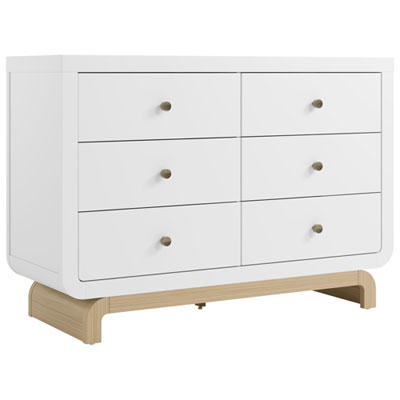 Your price for this item is $899.99
-
 Your price for this item is $699.98
-
 Your price for this item is $699.99
-
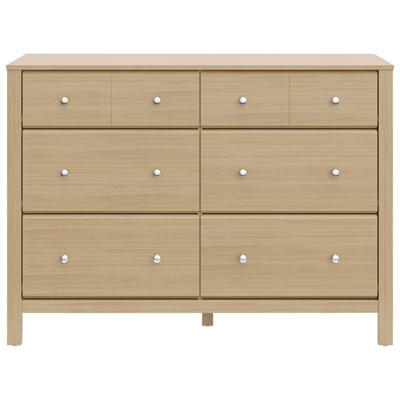 Your price for this item is $399.99
-
 Your price for this item is $496.99
-
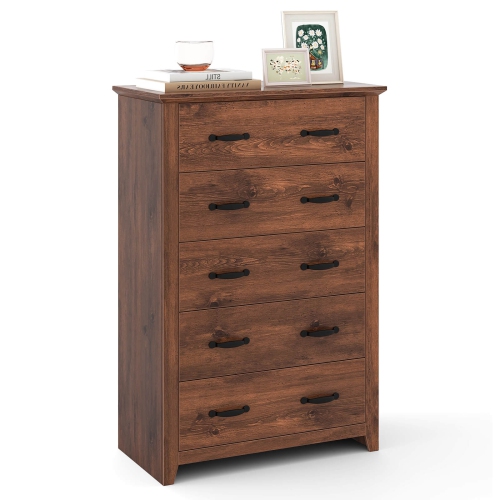 Your price for this item is $344.99
-
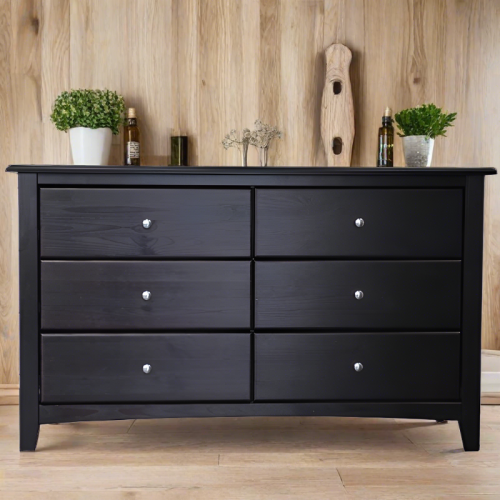 Your price for this item is $575.95
-
 Your price for this item is $299.99
Discover more categories related to Modern Wood Dressers


Top Collections:
Pokemon Centers, Best Black Friday Deals This Year, Best Black Friday Deals On Electronics, Kindle Devices, Best Budget Office Chairs, Best Black Friday Deals On Apple Products, Best Cameras for Sports Photography, Pokémon 30th Celebration Cards, Dyson Airwrap, Canon G7X Cameras
Some products may be subject to Environmental Handling Fees
(EHF) depending on your province.
Learn more about EHFs.