Good Keyboard Brands
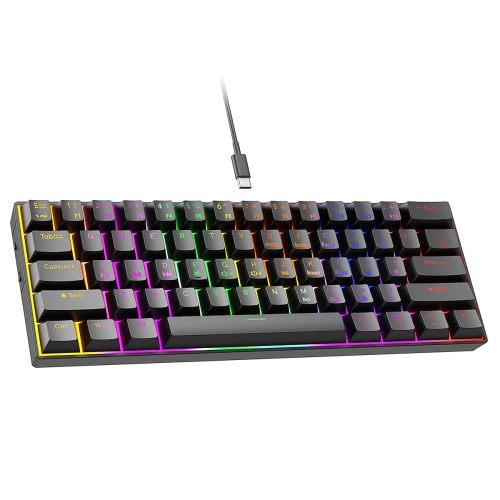
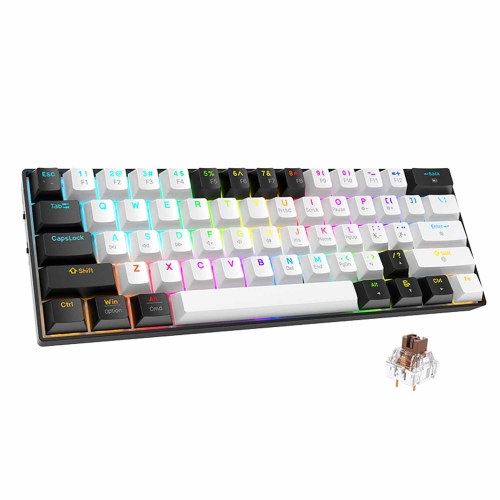
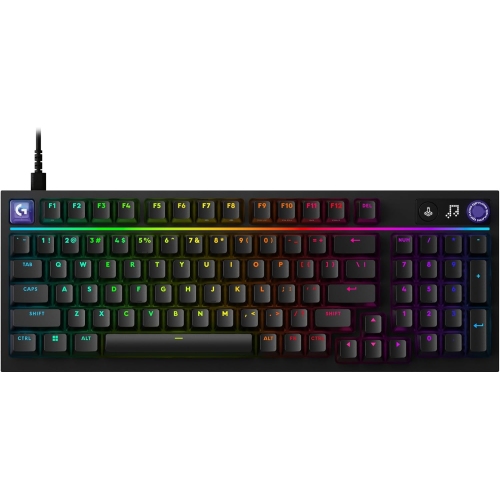
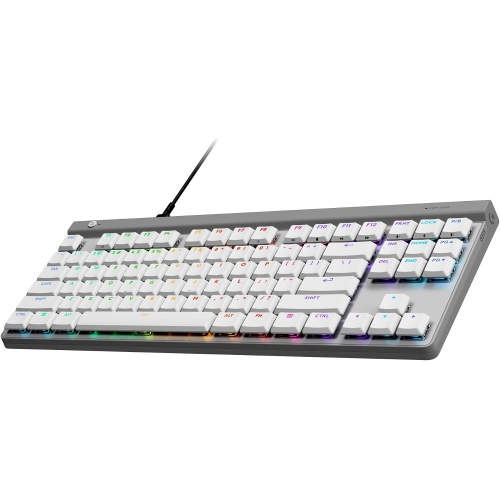
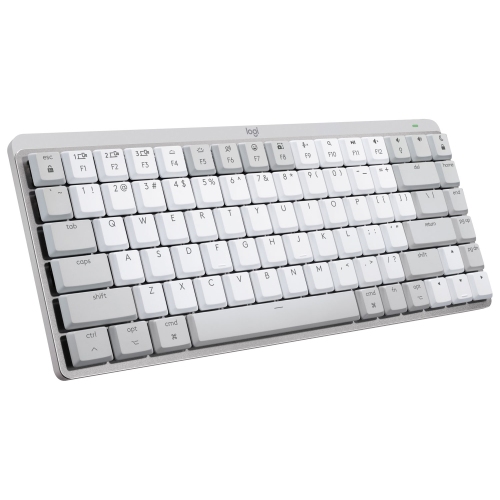
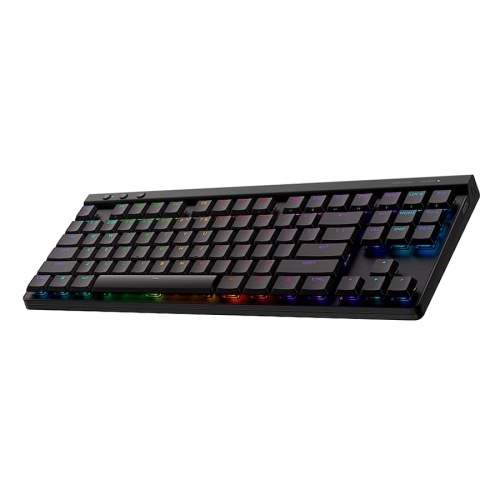
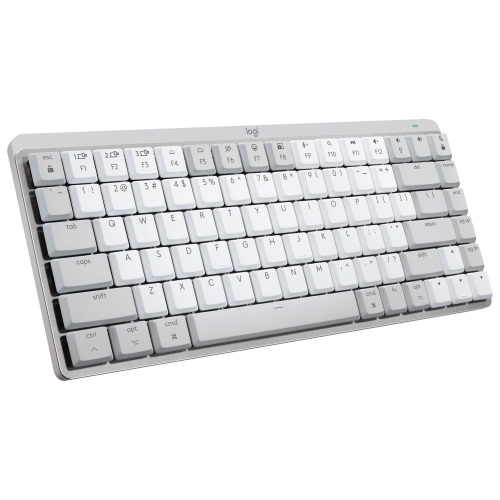
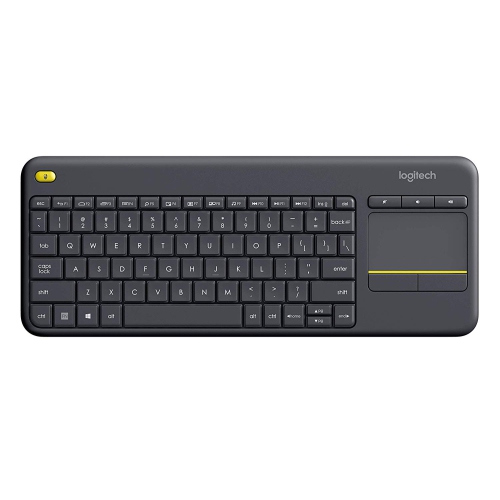
Compare good keyboard brands by typing feel, layout, and compatibility with your computer. Explore keyboards for work, gaming, and everyday use, and narrow your search by features such as wired or wireless connectivity, key switches, and a full-size or compact design to find a fit for your desk and typing habits.






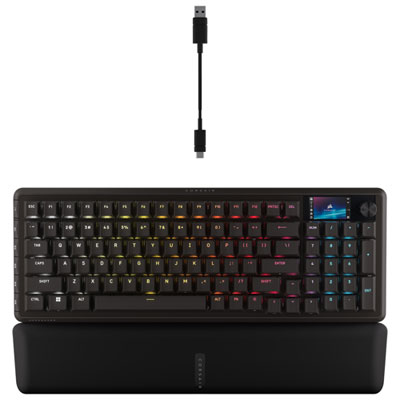
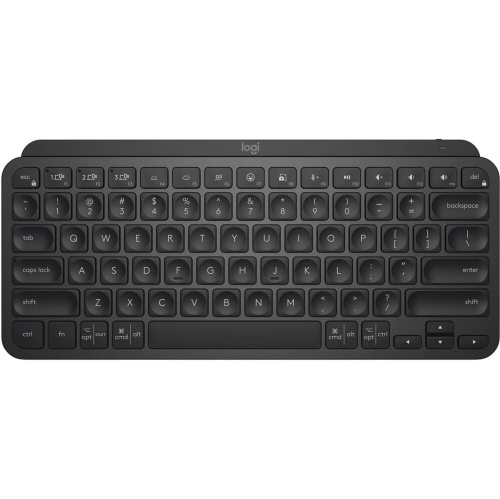
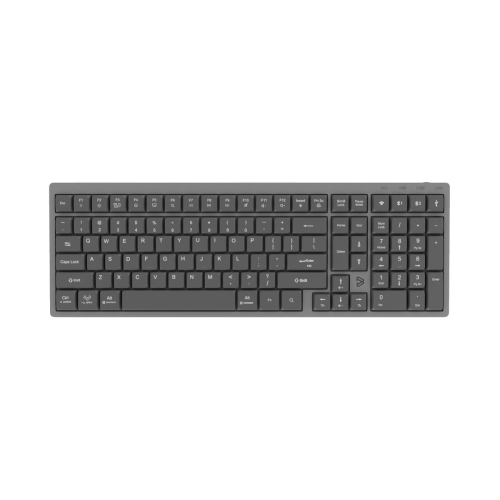
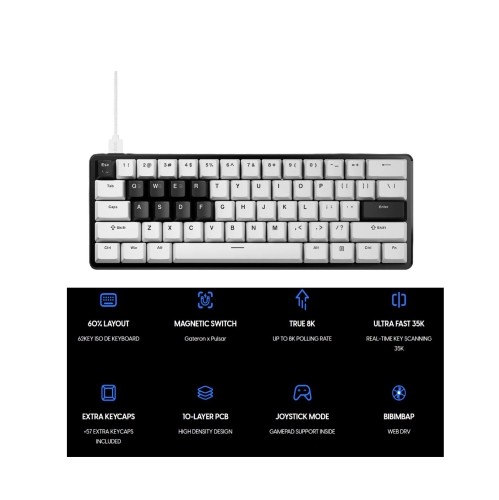



FAQ
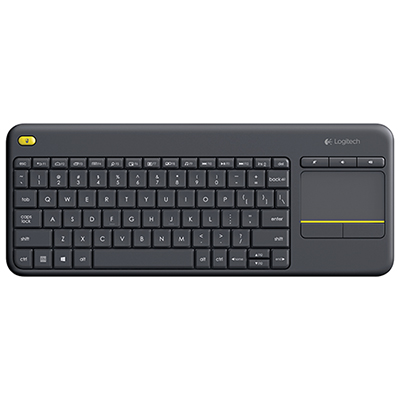
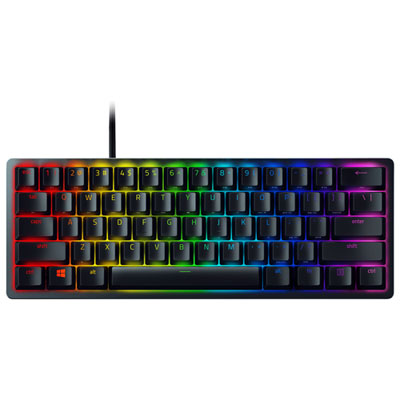
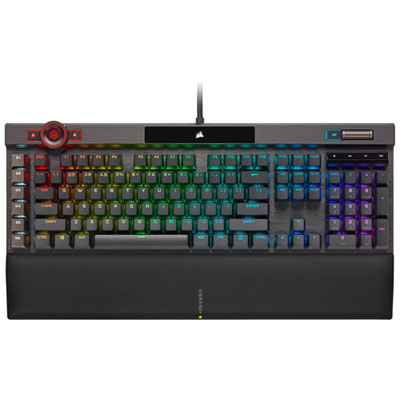
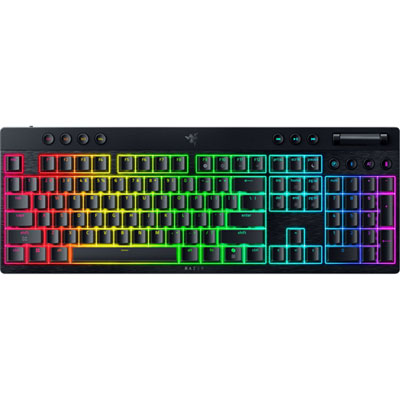
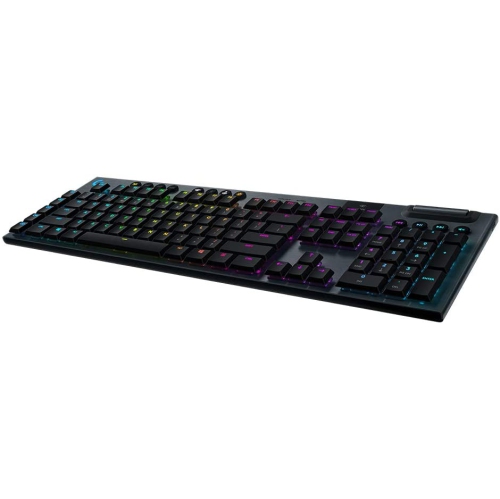
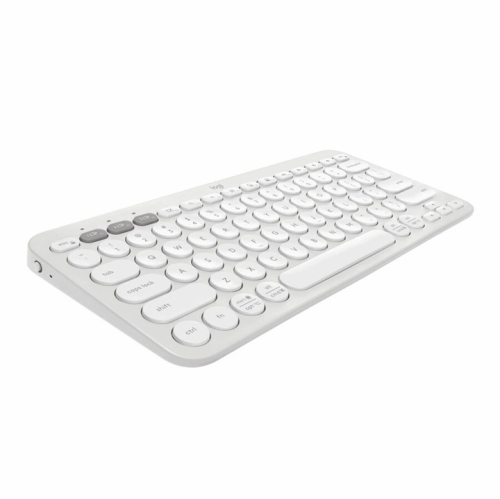
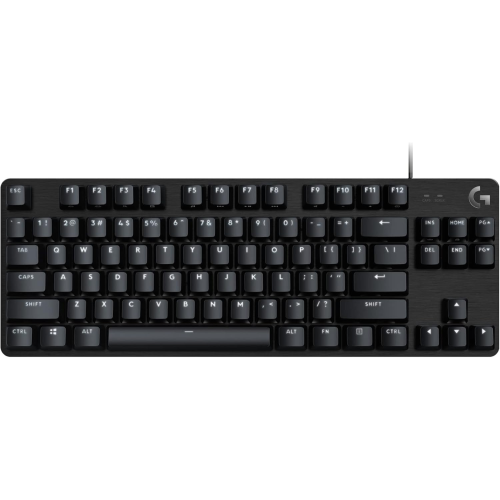
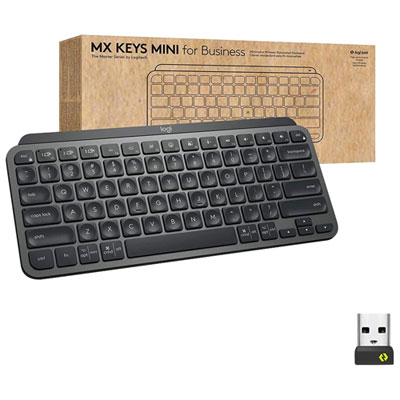
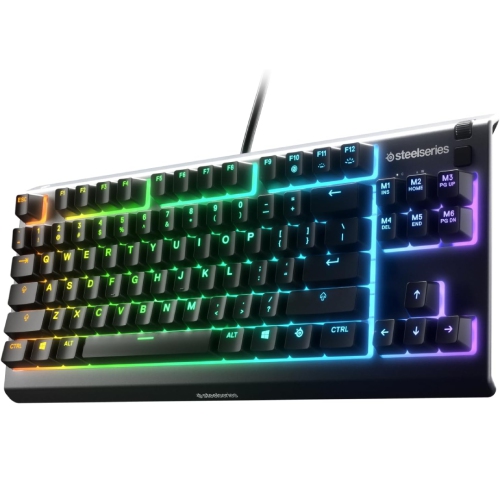
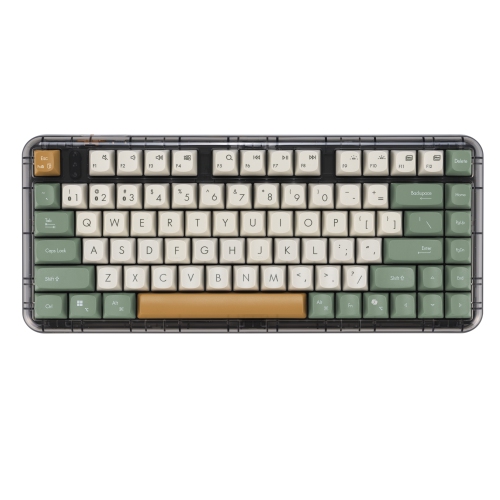
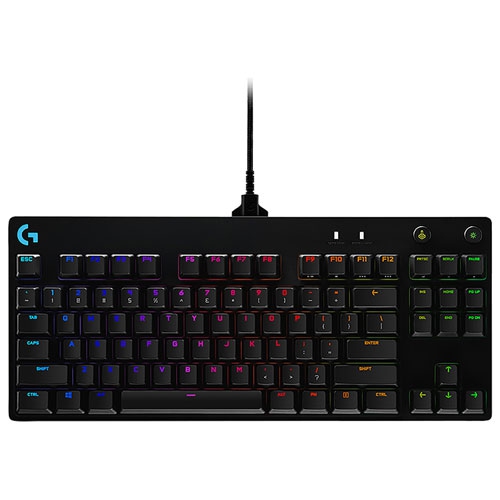
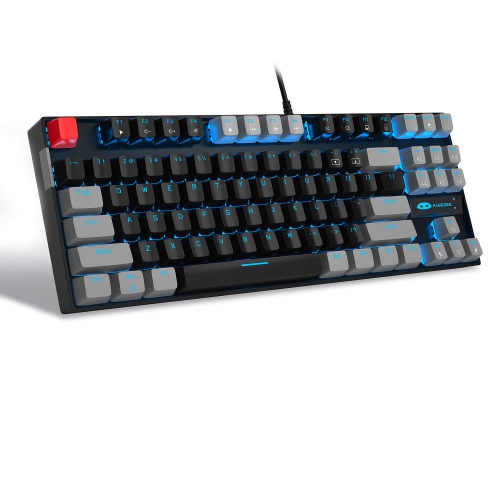
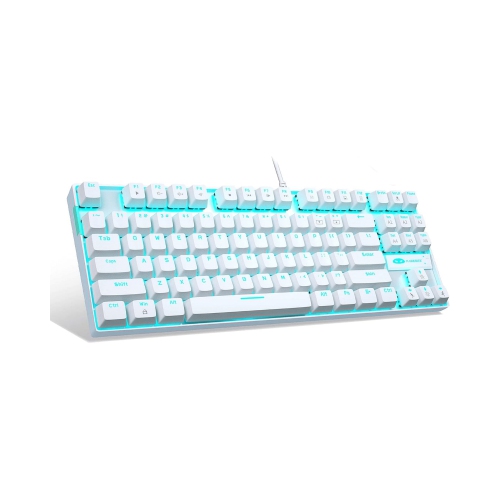
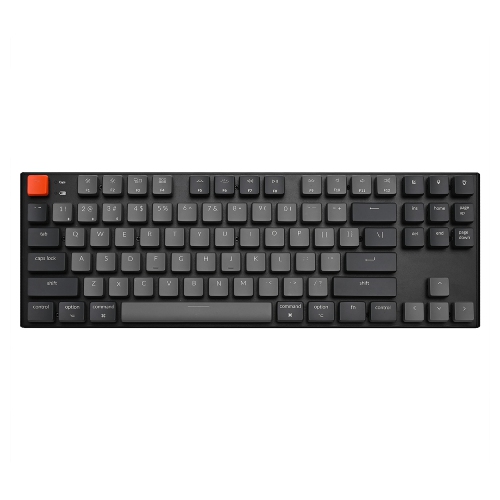
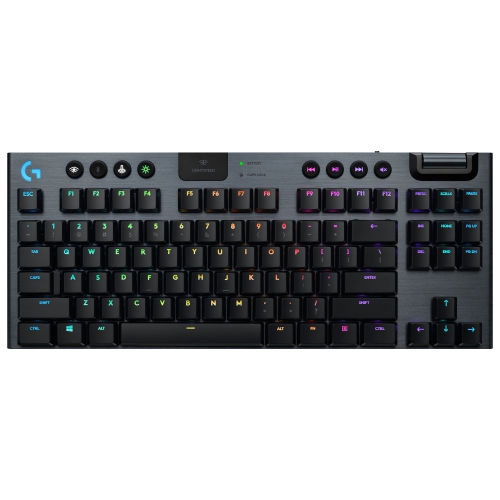
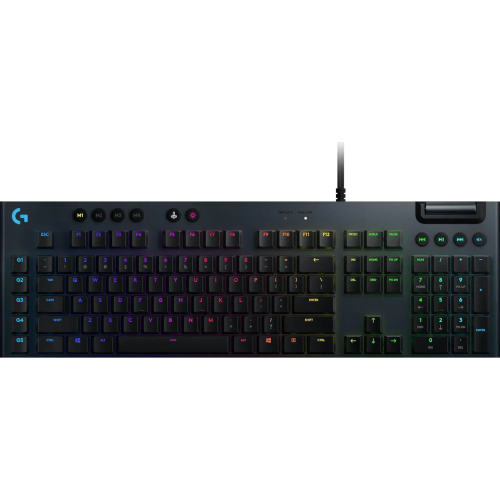
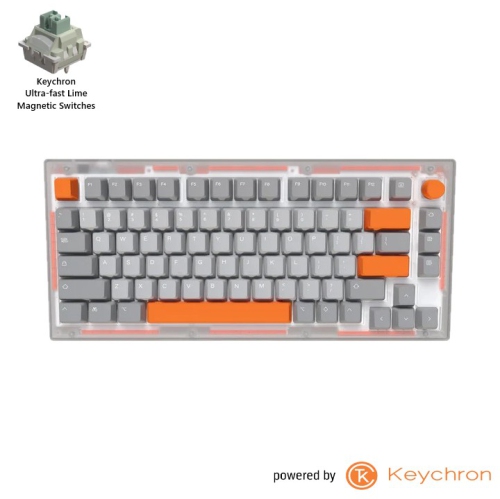
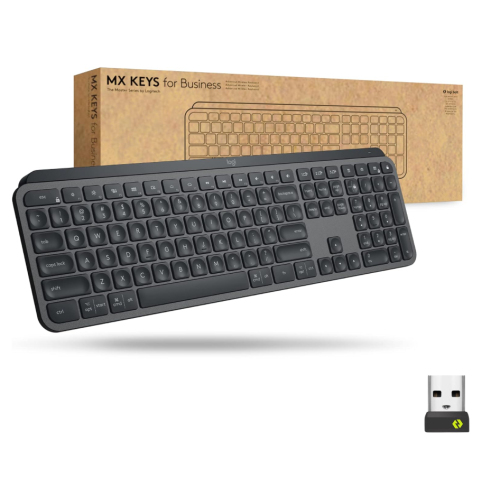
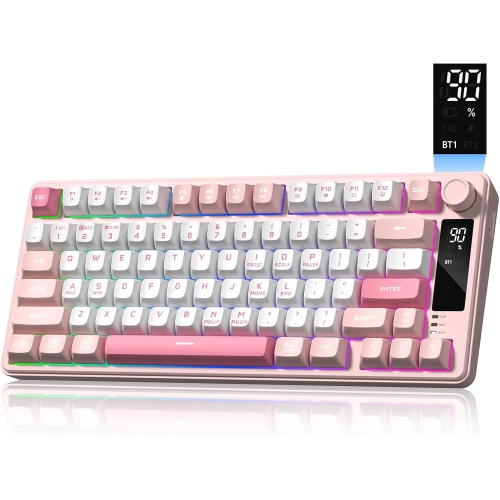
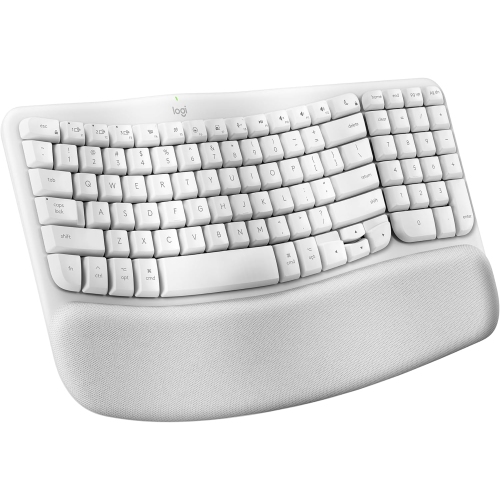
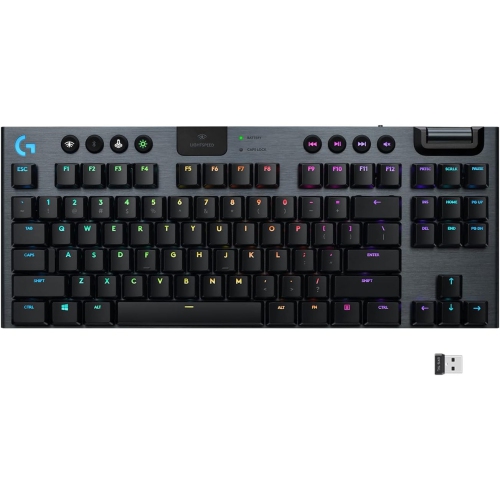
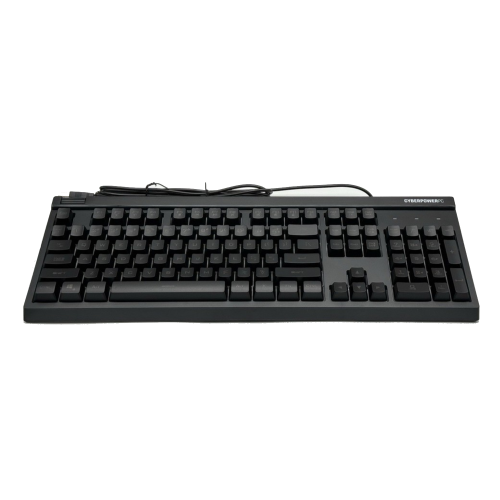
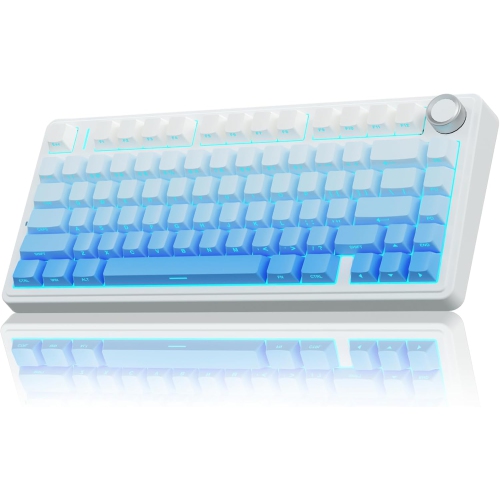
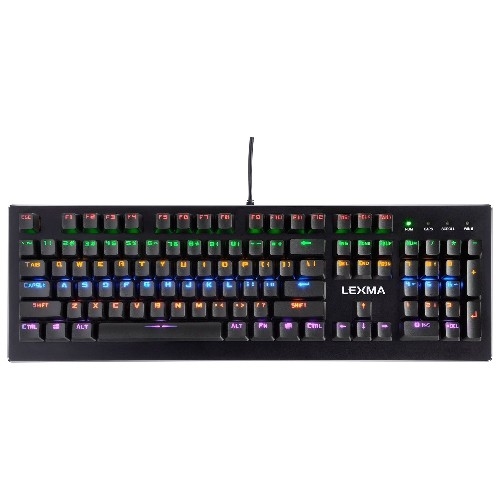
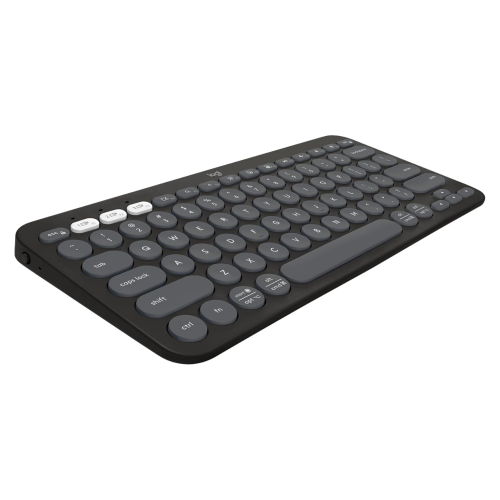
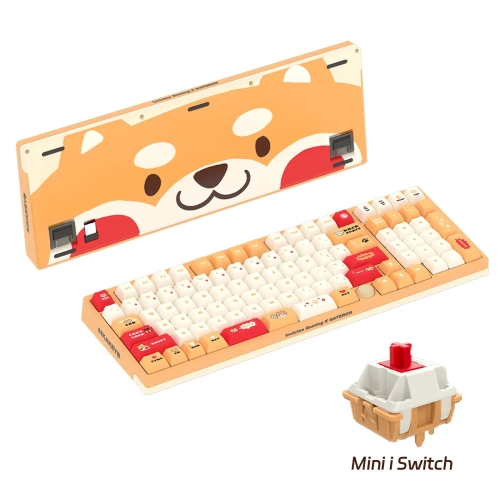
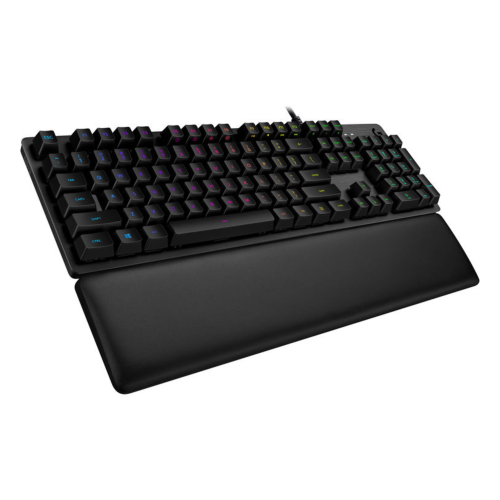
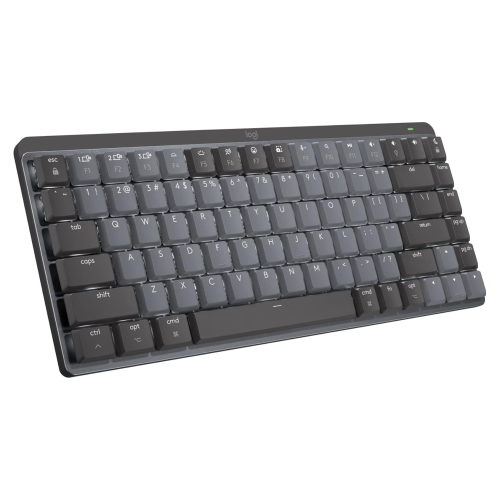
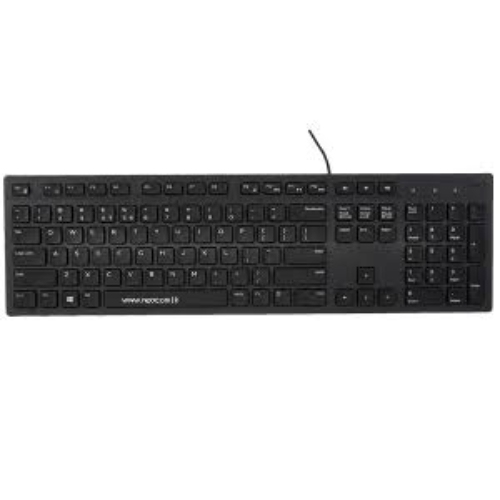
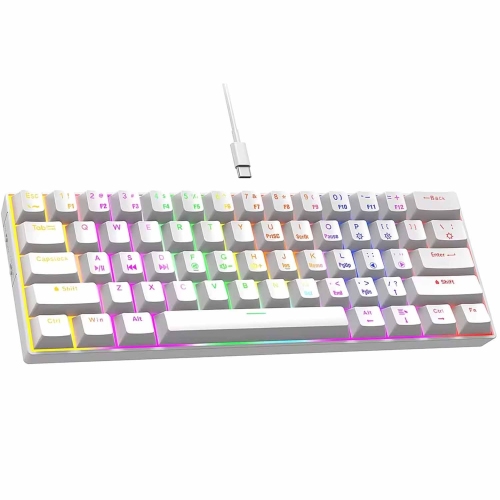
Logitech, HP and Dell are familiar options for everyday typing and office use. Corsair, Razer and SteelSeries offer gaming-focused keyboards, while Keychron offers a range of mechanical keyboards. Compare individual models for switch type, connectivity, compatibility and customization rather than choosing by brand alone.
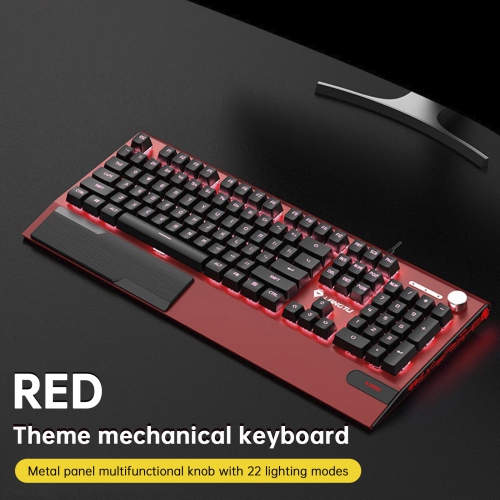
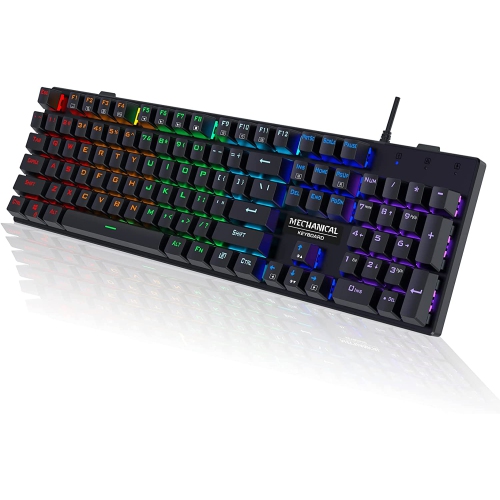
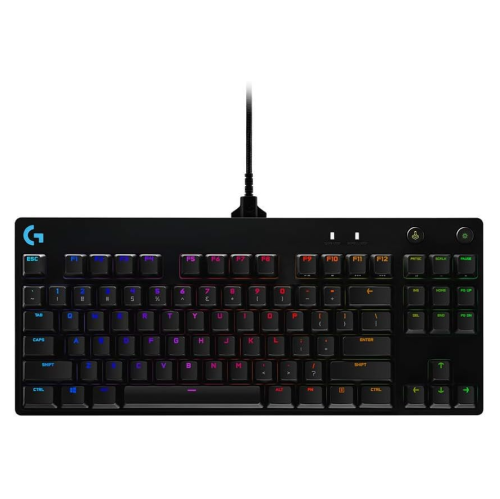
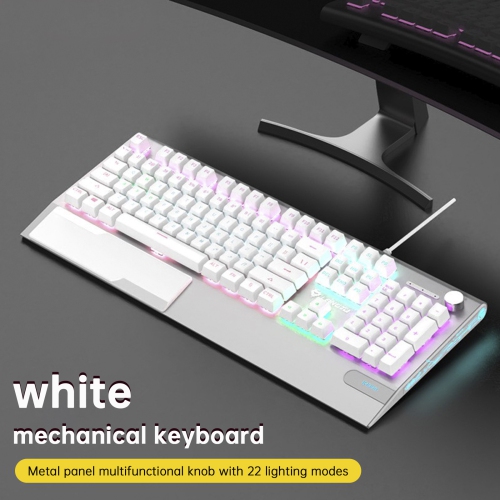
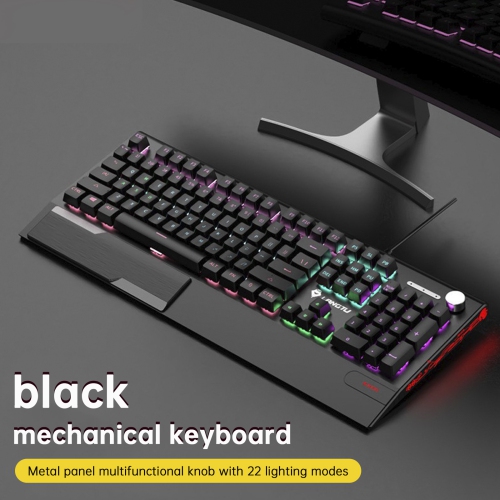
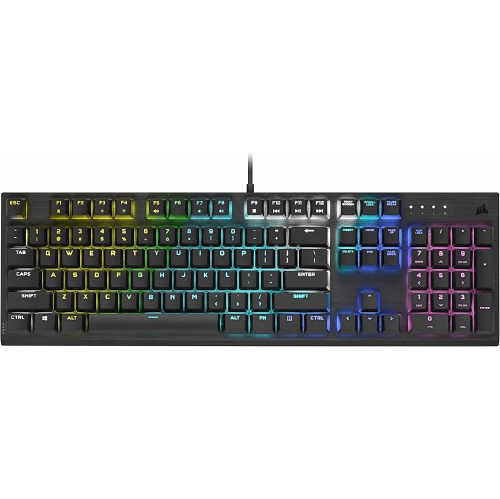
Many keyboard brands offer both, while some focus on mechanical designs. Mechanical keyboards use individual switches beneath the keys, with linear, tactile and clicky options. Membrane keyboards typically use a flexible membrane layer to register key presses. The choice comes down to your preferred typing feel and sound.
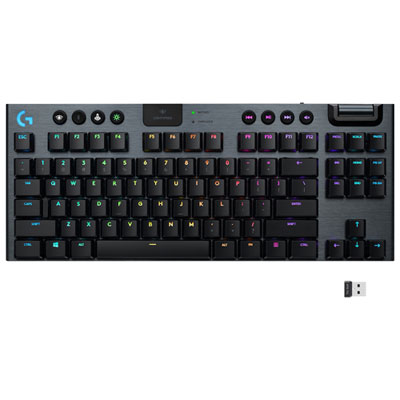
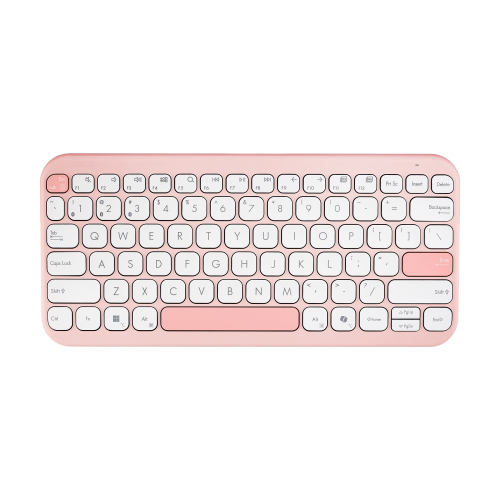
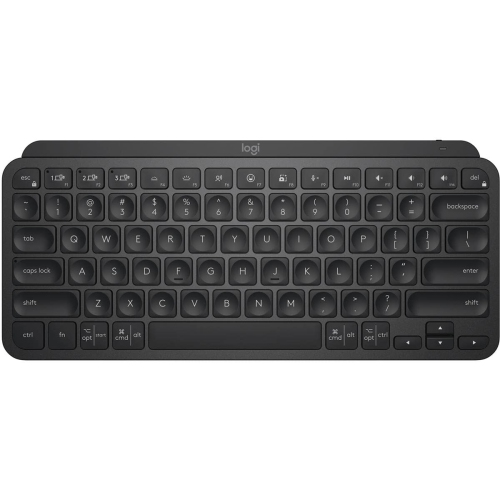
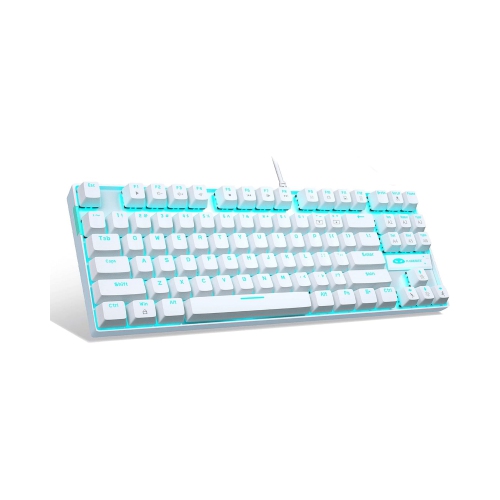
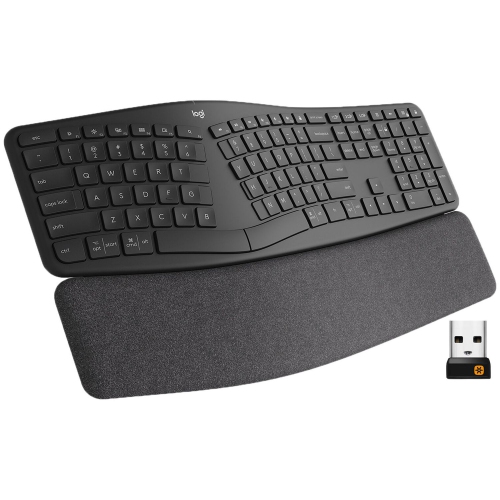
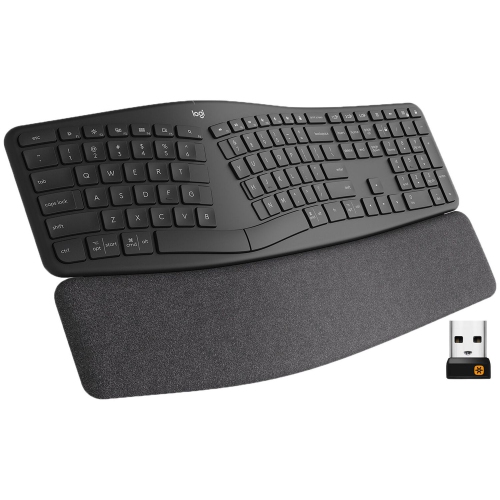
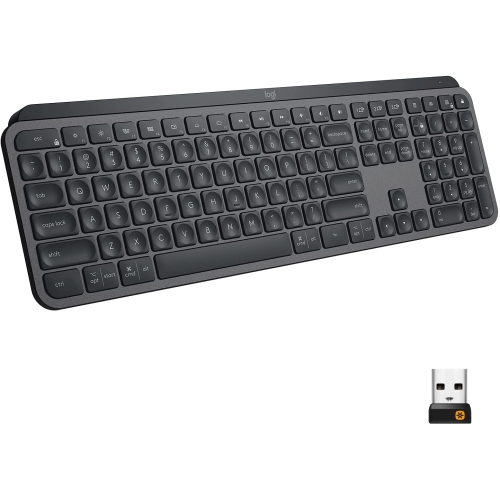
Common options include wired USB, Bluetooth and wireless connections through a USB receiver. Some keyboards support more than one connection method or let you switch between paired devices. Check whether a receiver is included and which connection types your computer supports.
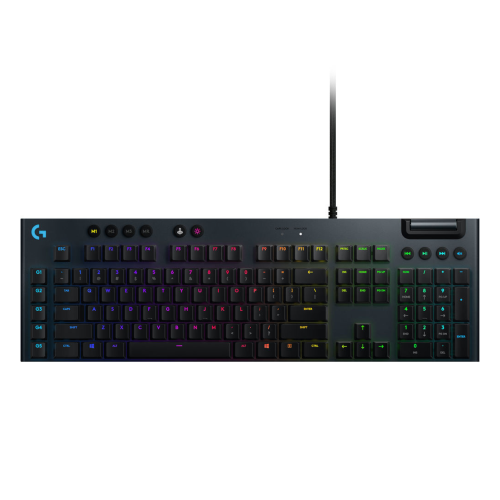
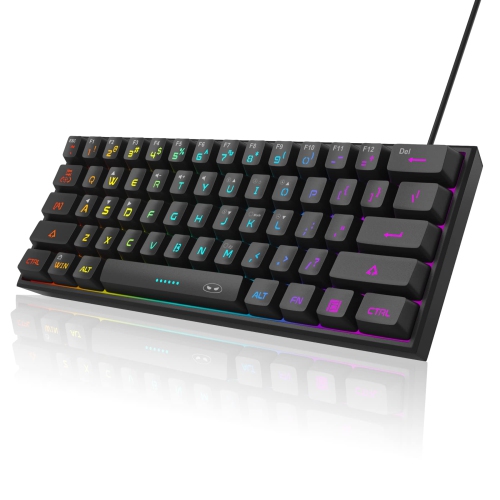
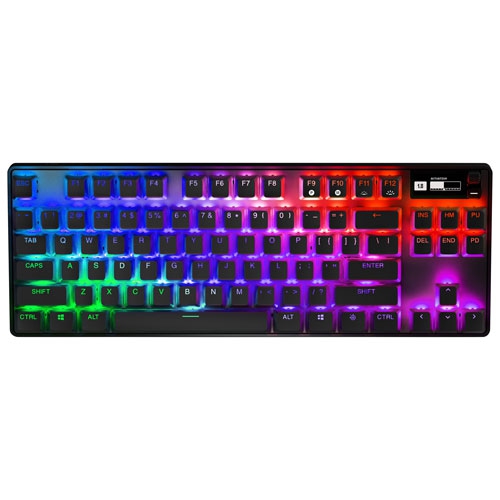
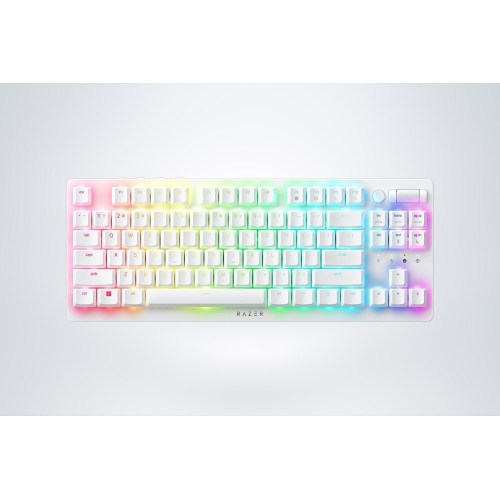
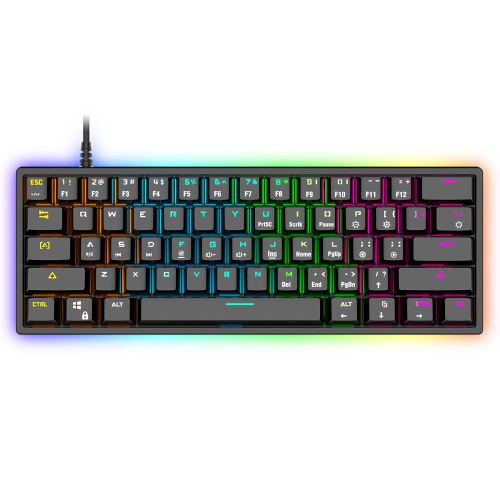
Depending on the model, customization options may include remappable keys, programmable shortcuts, adjustable backlighting and saved profiles. Some mechanical keyboards also support interchangeable keycaps or hot-swappable switches. Companion software and onboard controls vary by brand and model.
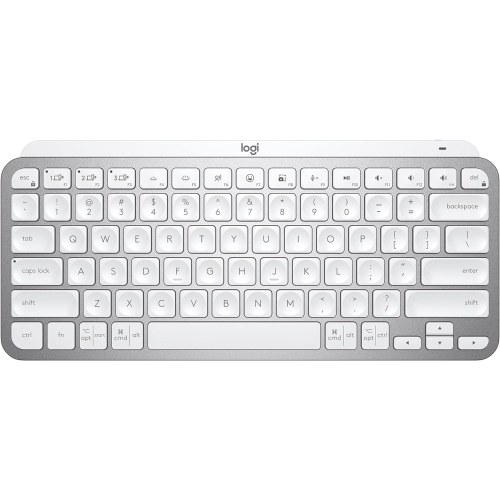
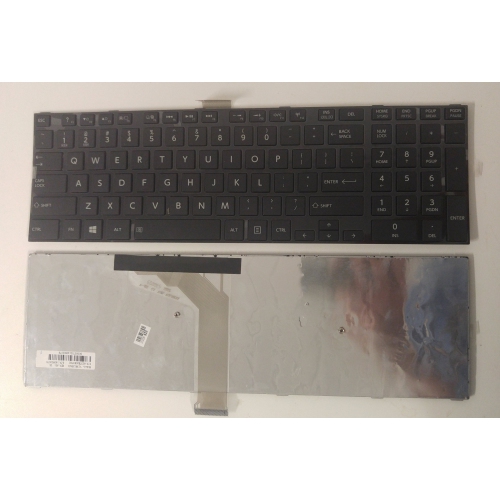
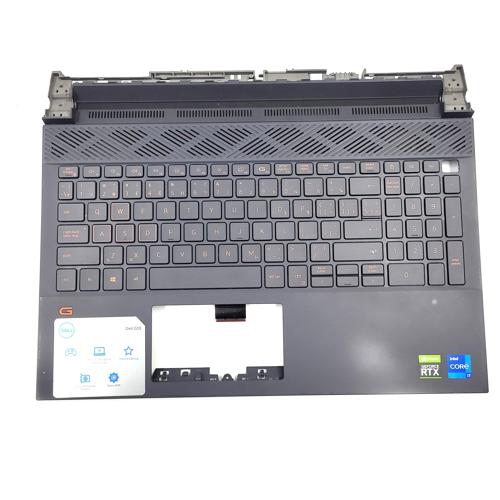
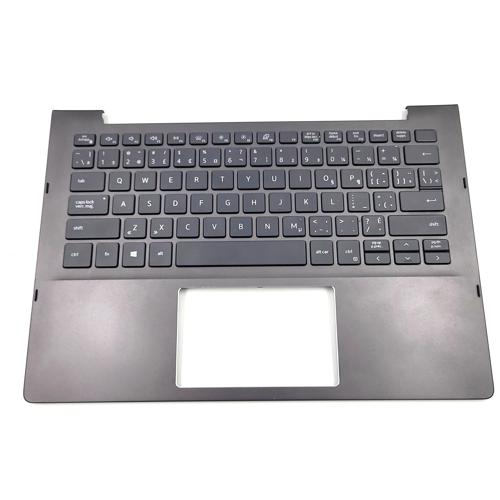
Many keyboards support multiple operating systems, but key labels, shortcut functions and customization software can differ. Look for stated compatibility with Windows, macOS, ChromeOS or Linux, as applicable. If you type in English and French, also check the keyboard layout and language support.
Top selling and popular products
Discover more categories related to Good Keyboard Brands

Some products may be subject to Environmental Handling Fees (EHF) depending on your province. Learn more about EHFs.