Colorful Headphones
Immerse yourself in a world of vibrant sound with our collection of colorful headphones. Whether you're a music enthusiast, a gamer, or simply someone who enjoys high-quality audio, these head-turning accessories are designed to elevate your listening experience to new heights. With a wide range of eye-catching hues and sleek designs, you can find the perfect pair to match your personal style and make a statement wherever you go. From wireless options that offer seamless connectivity to noise-canceling technology that blocks out distractions, our colorful headphones combine functionality with fashion-forward appeal. Explore our diverse selection and discover the perfect pair that adds a pop of color to your everyday soundtrack.
Sort


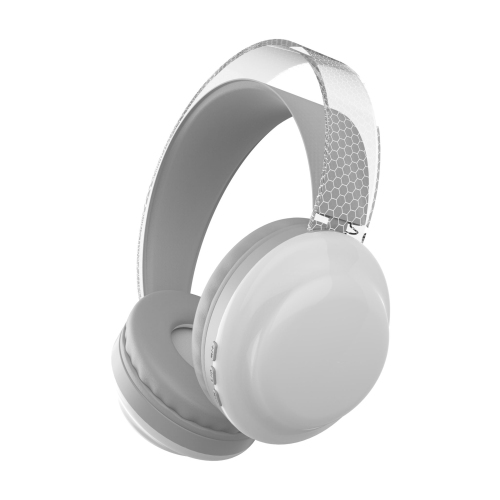


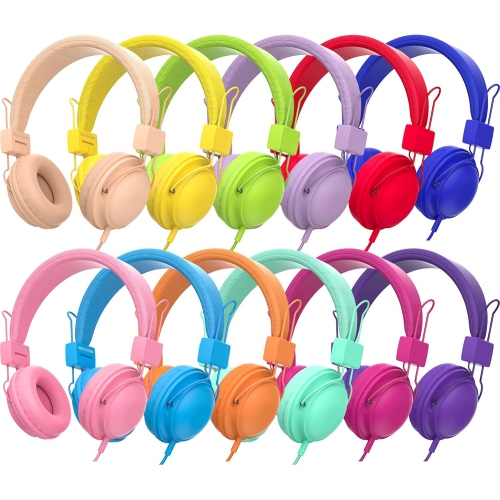


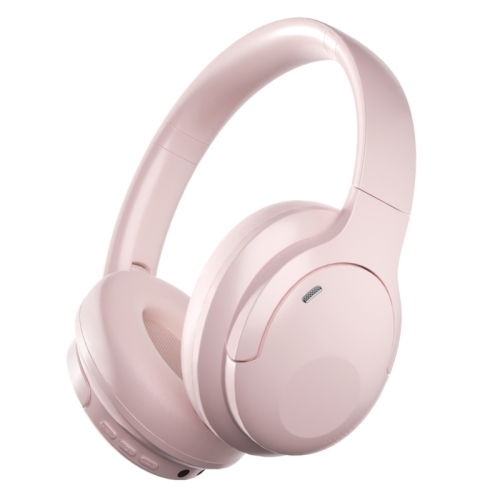


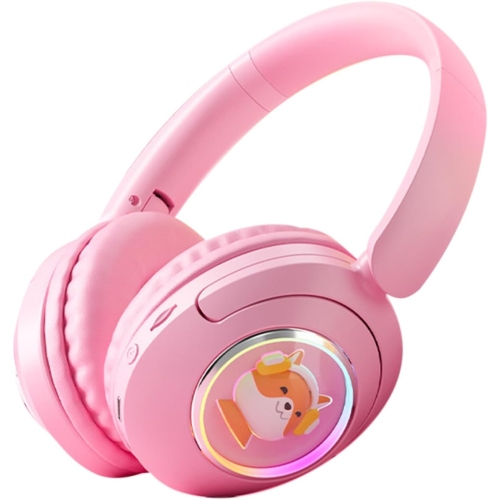


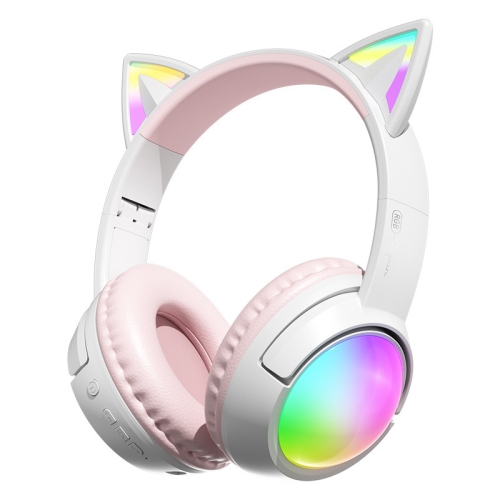


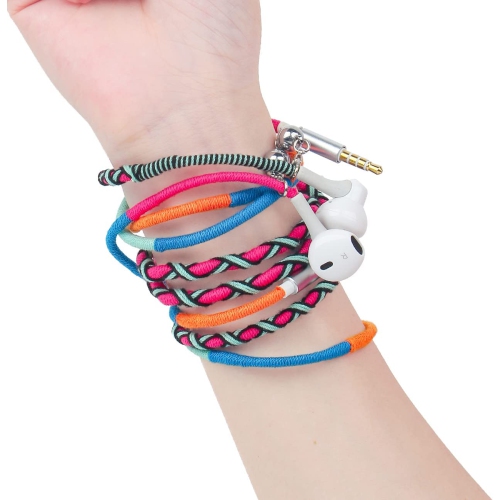





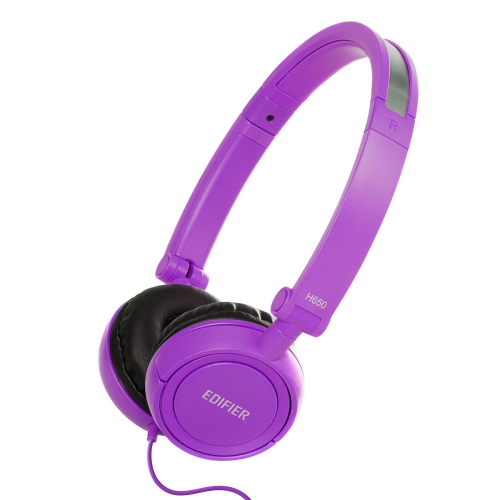

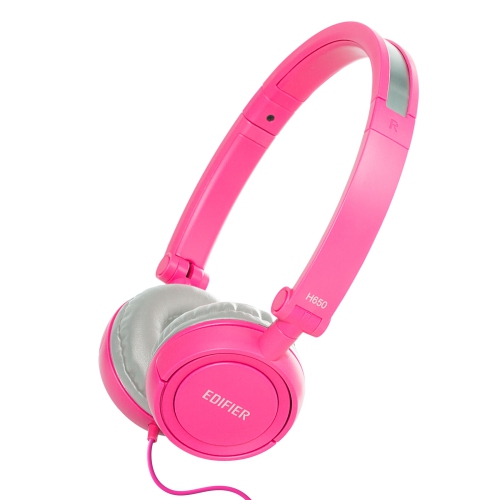
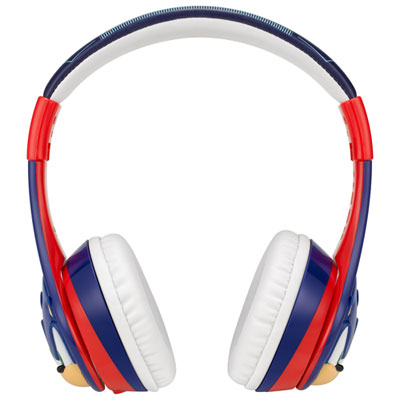


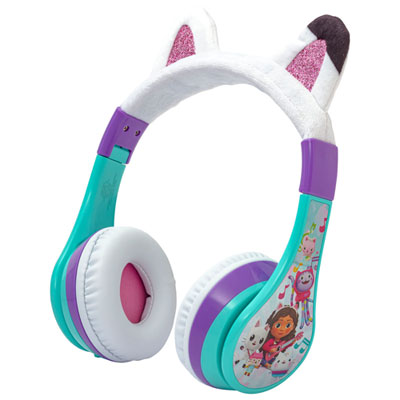
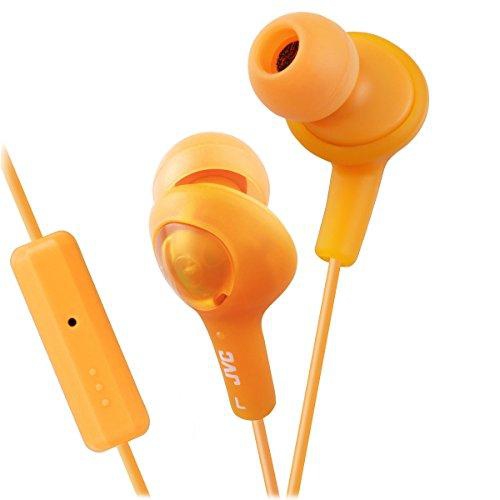

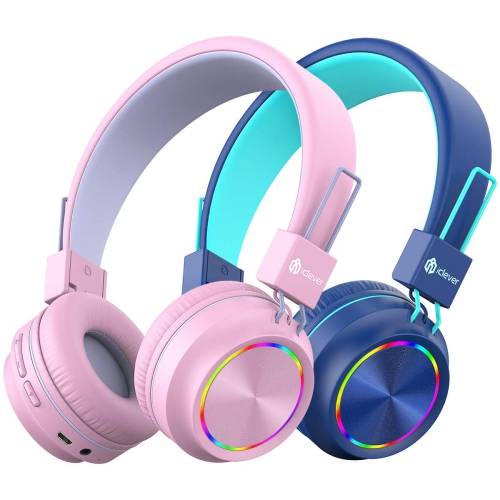

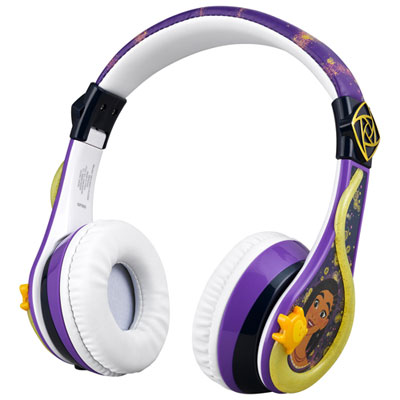


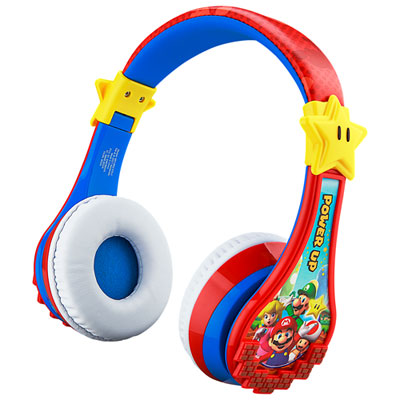
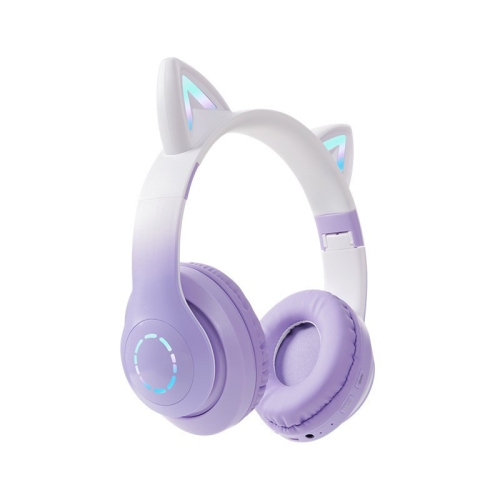

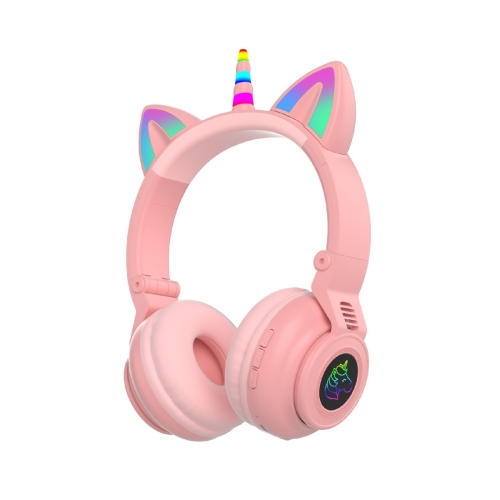





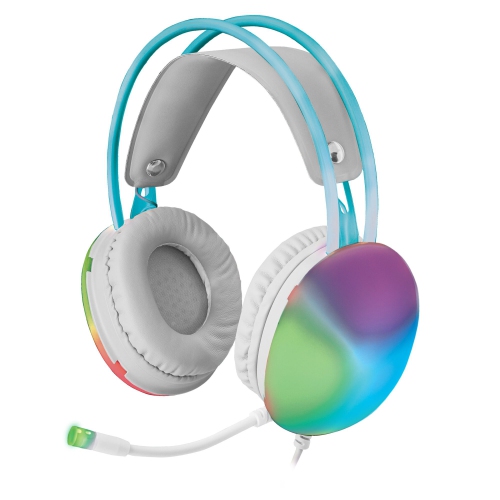
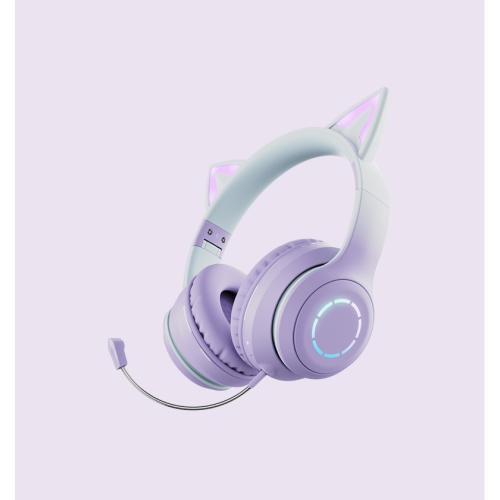


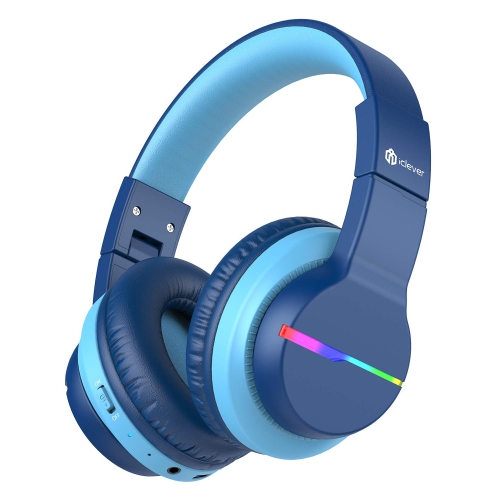
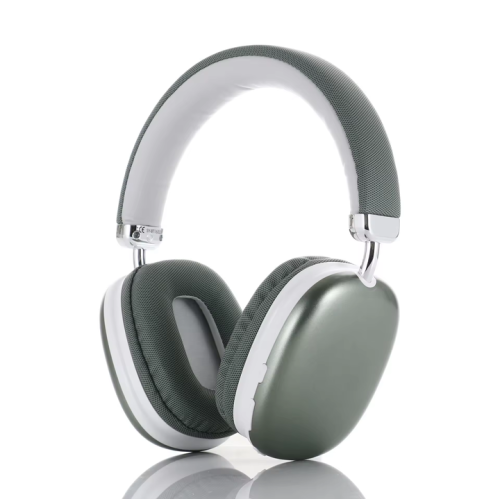


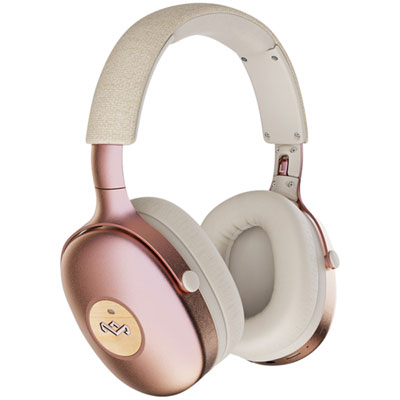

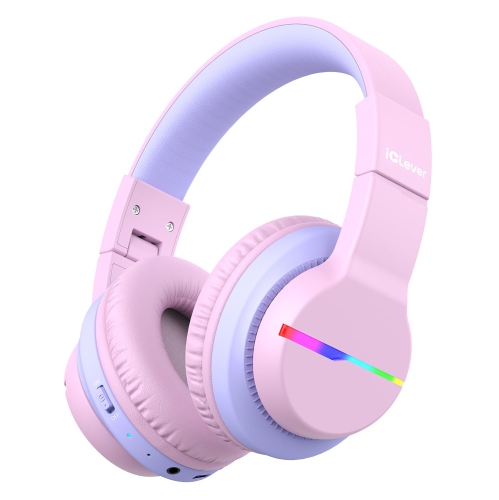

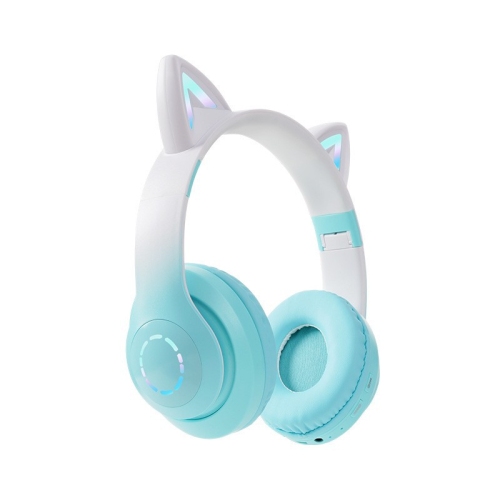
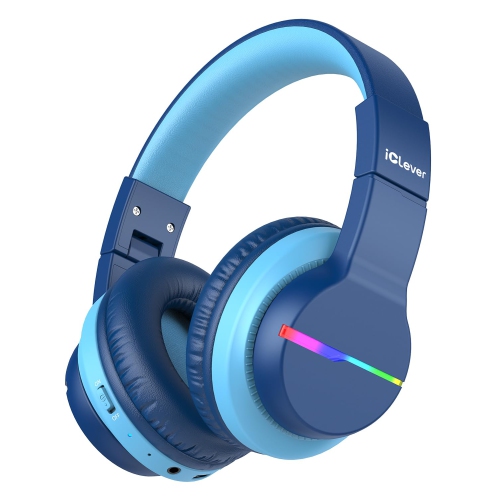
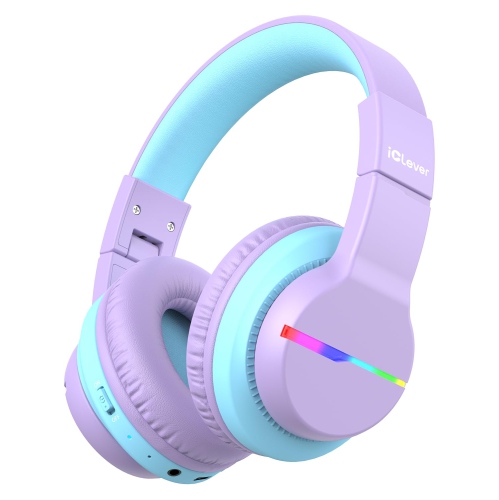
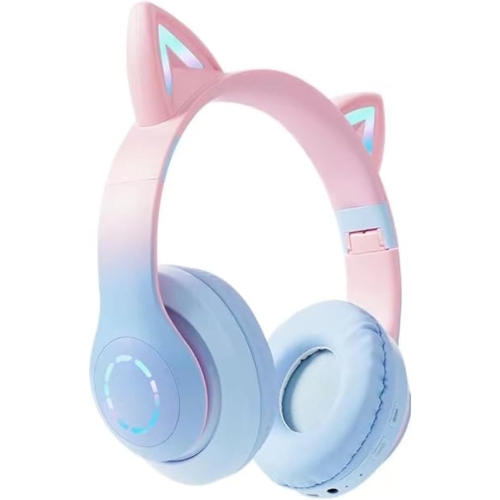
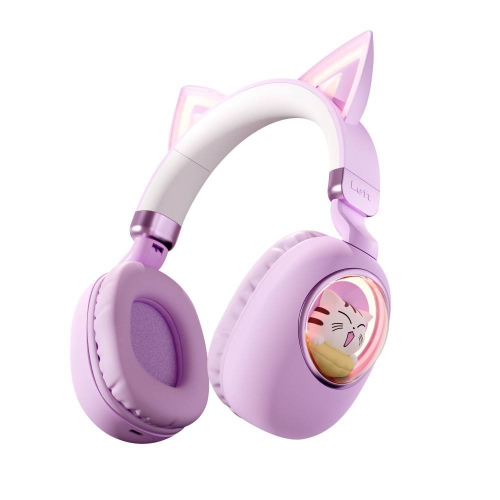
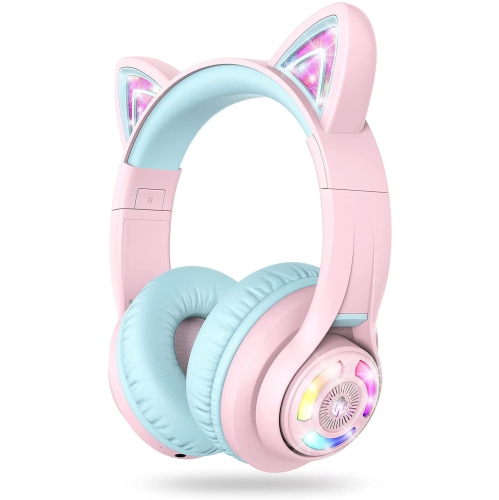

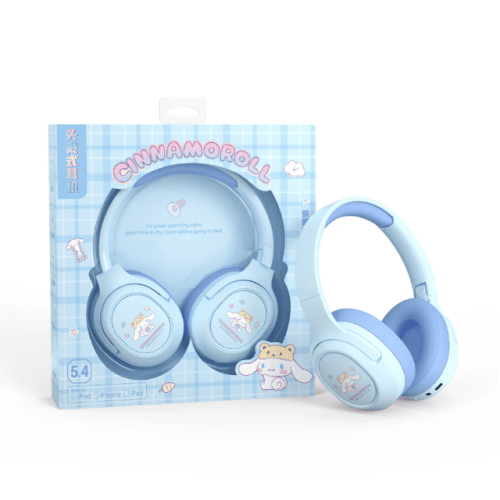


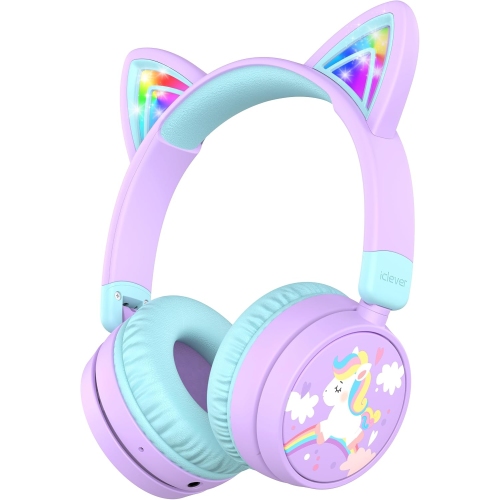


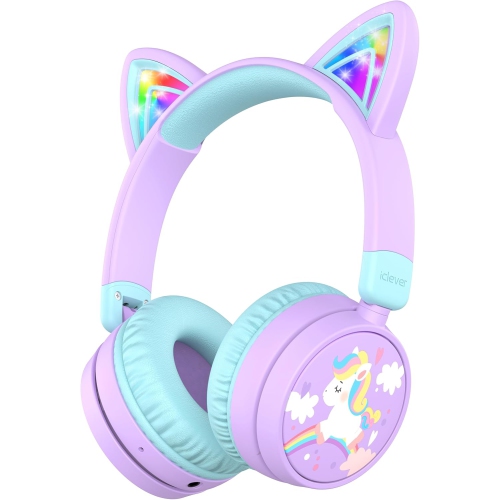


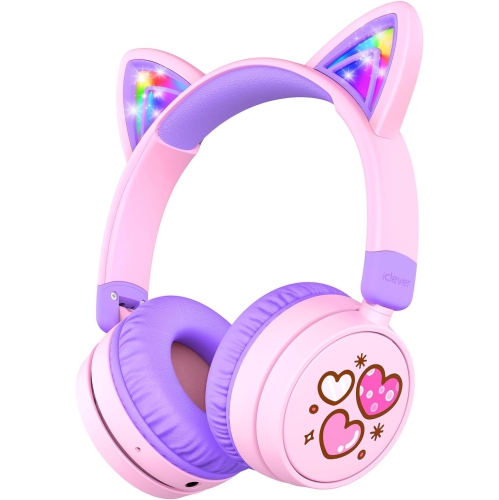
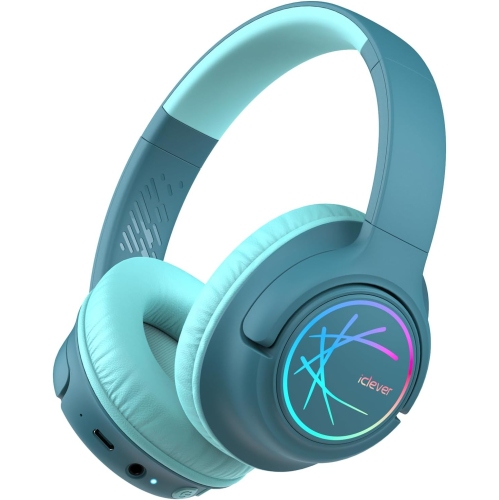

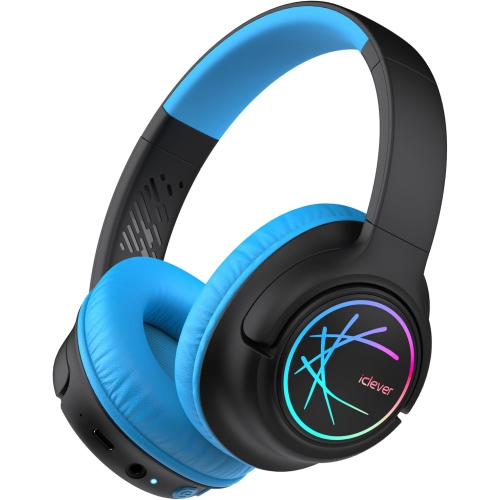
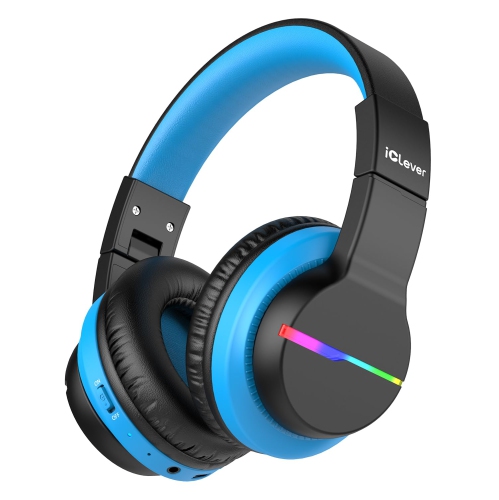

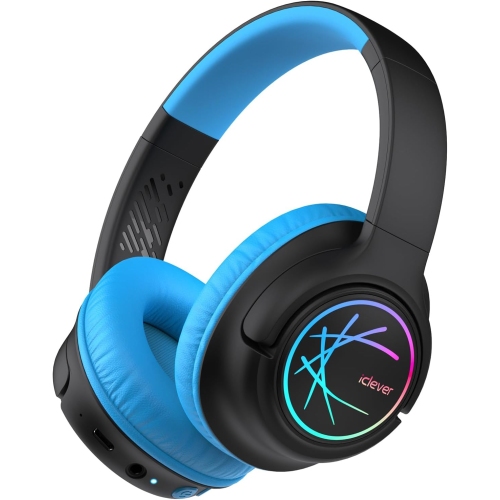

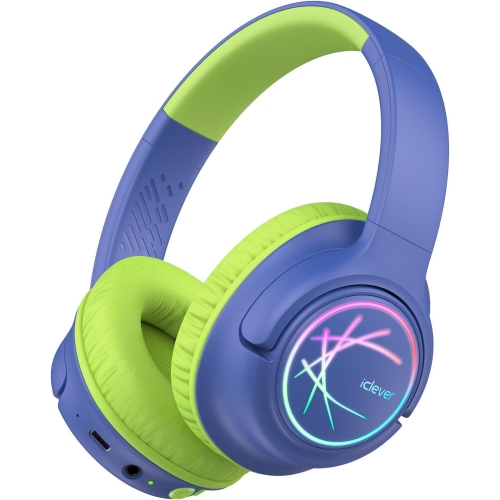


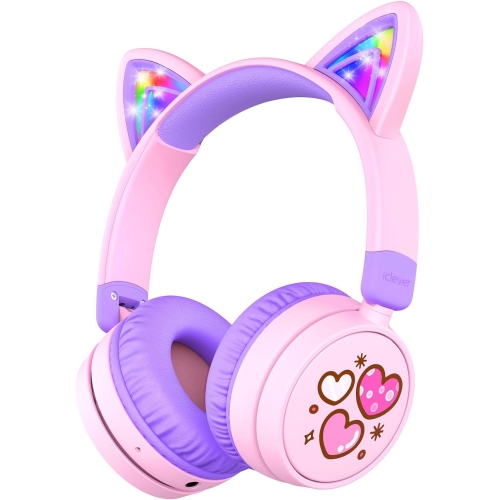
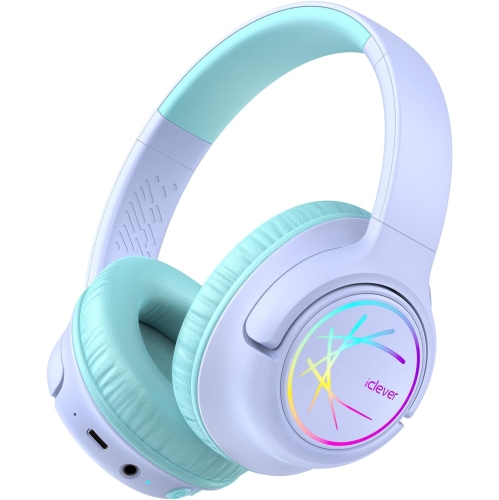
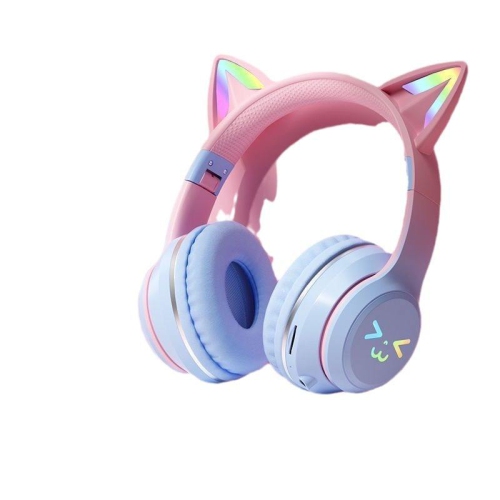
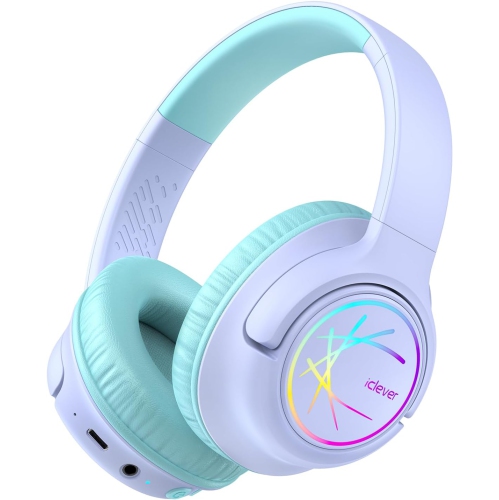
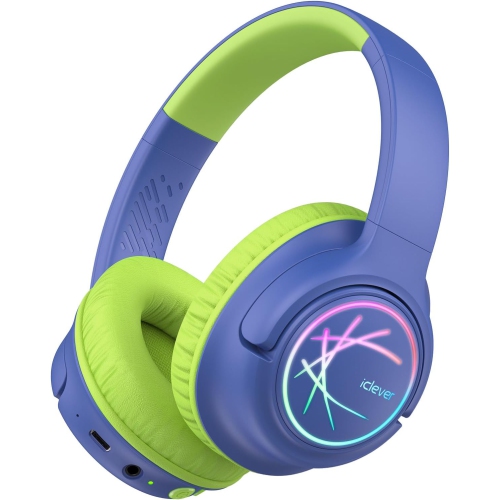


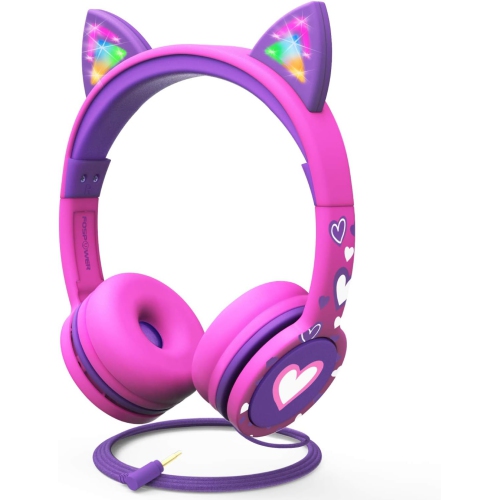
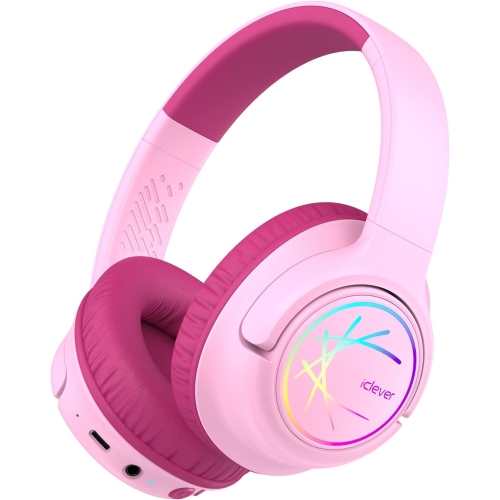
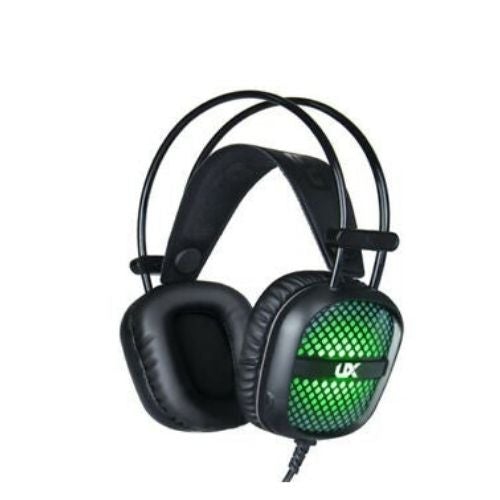
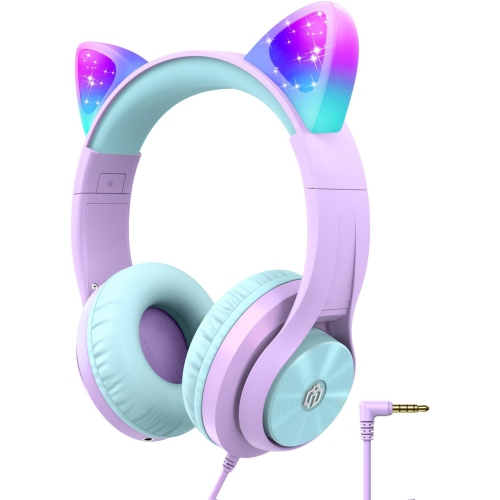


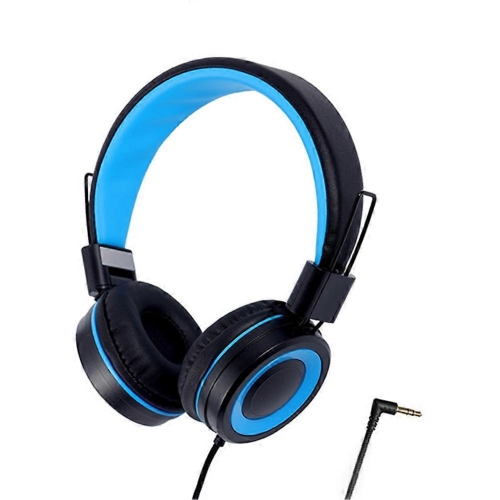
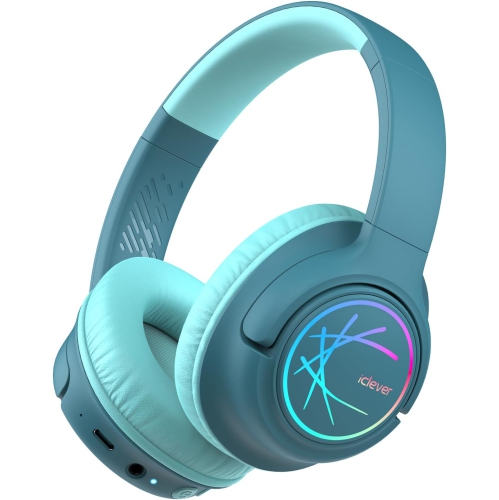

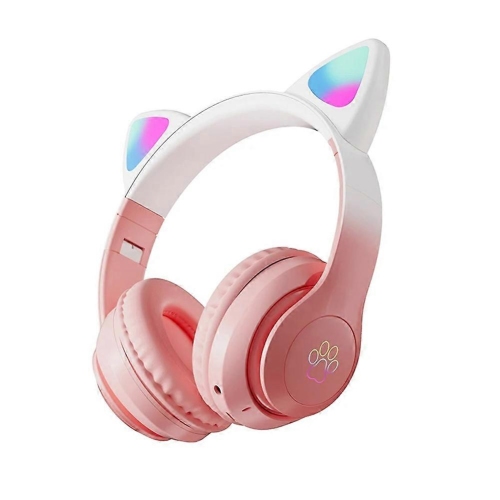
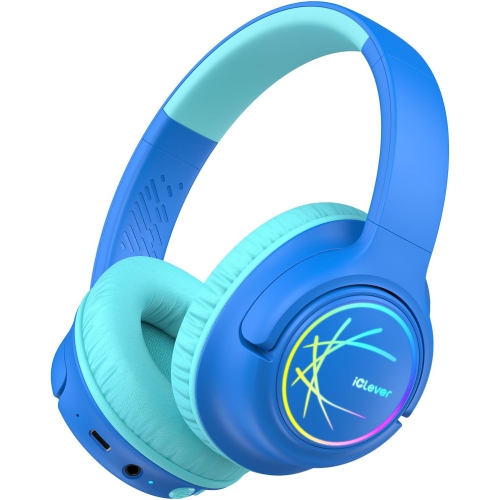

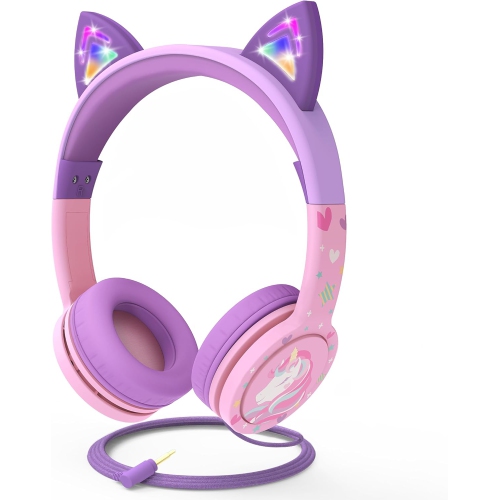

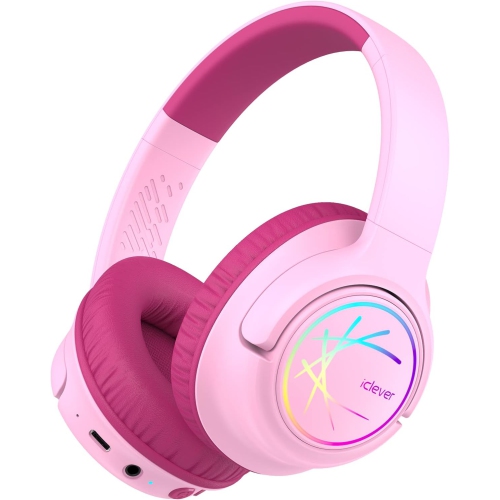
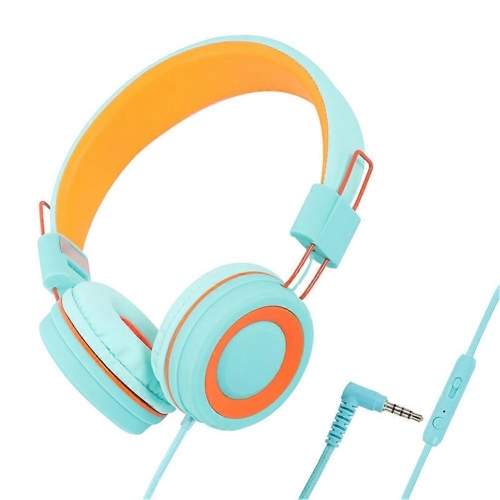
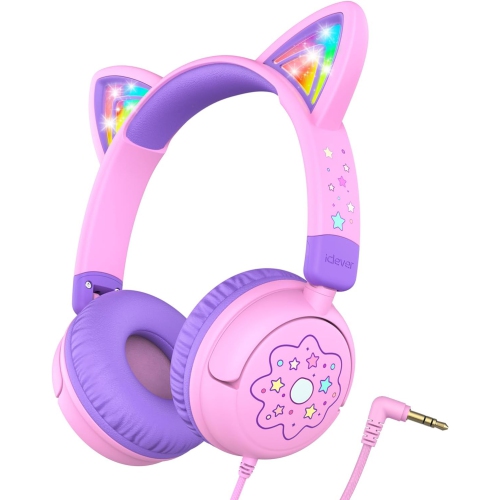
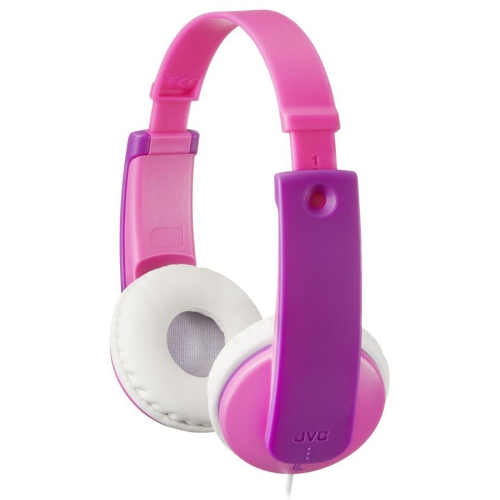
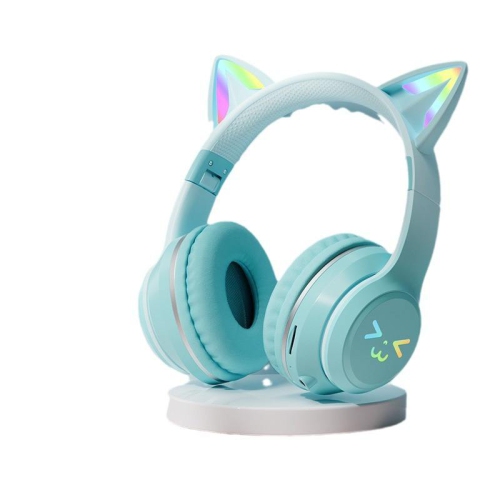
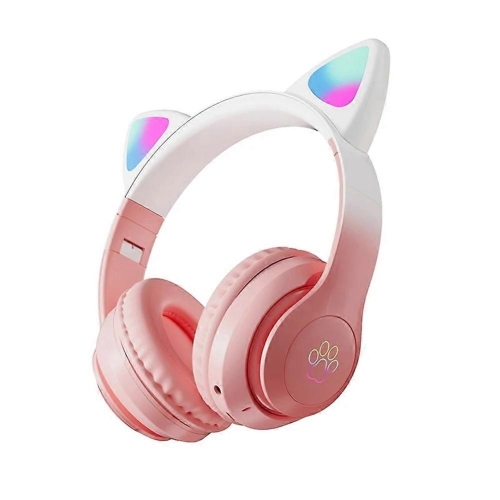
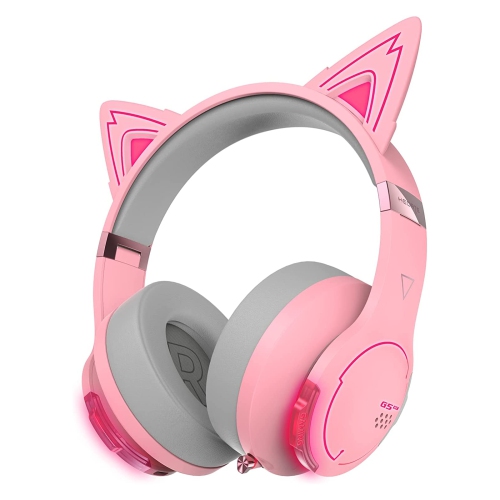
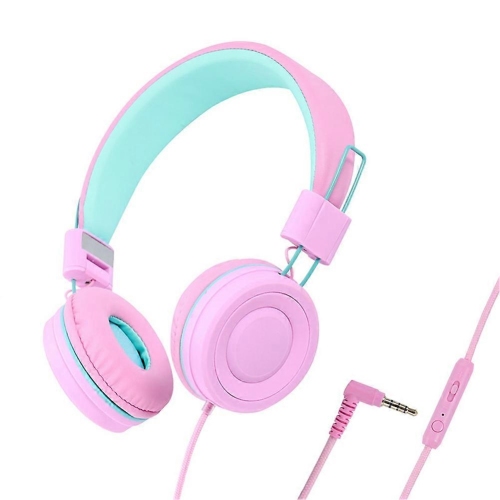



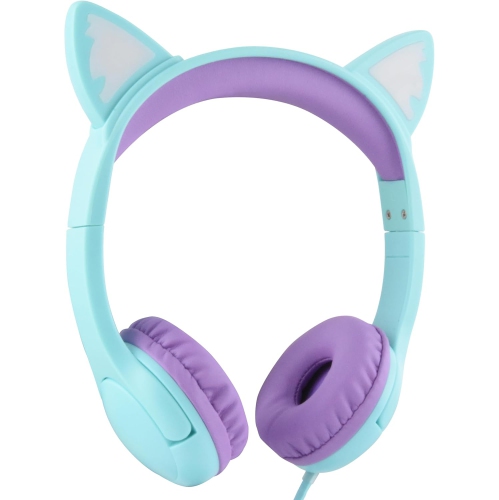
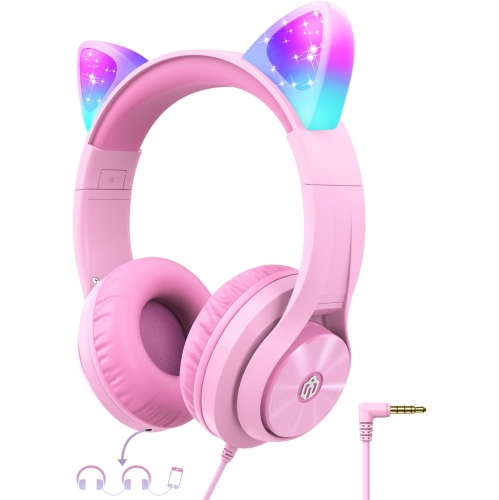


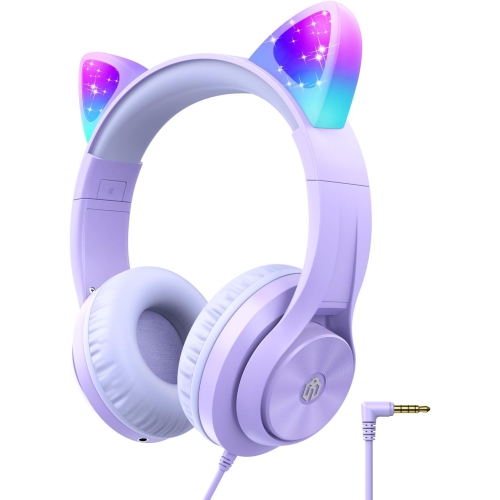
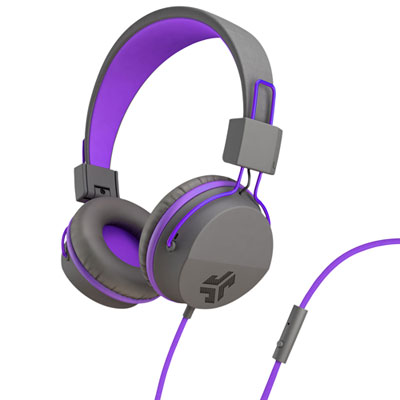
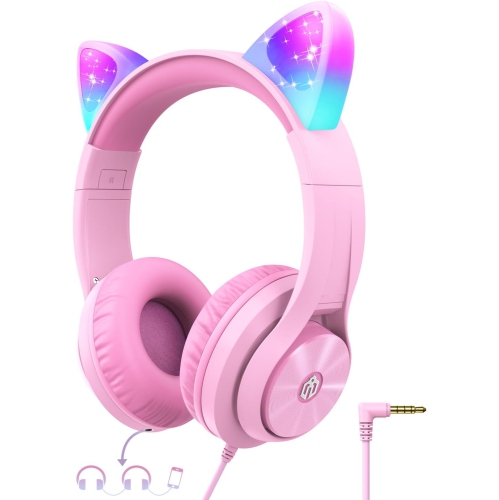
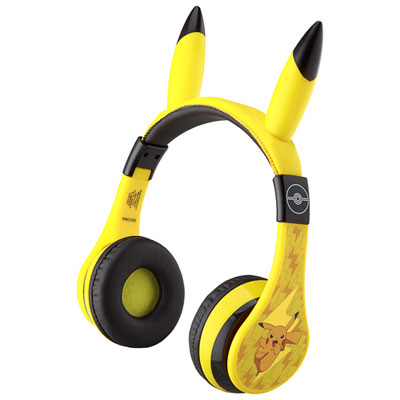

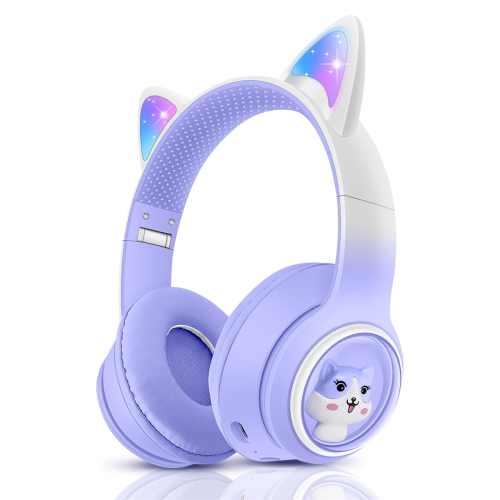


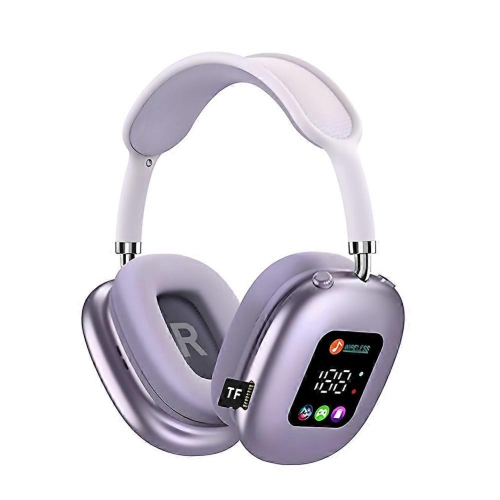

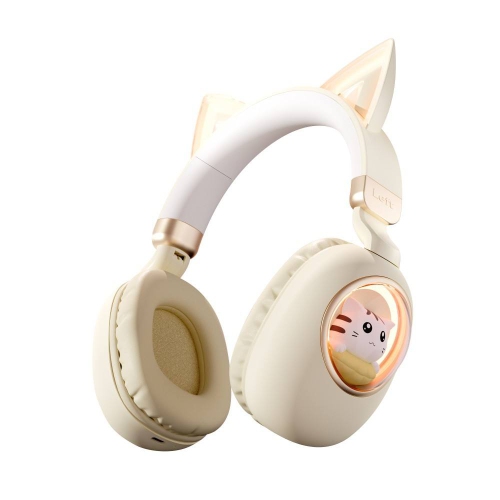

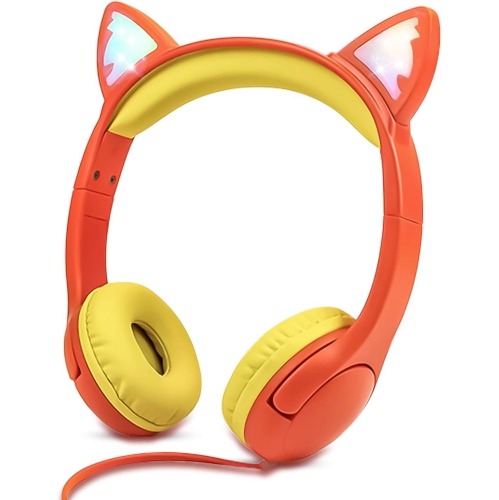

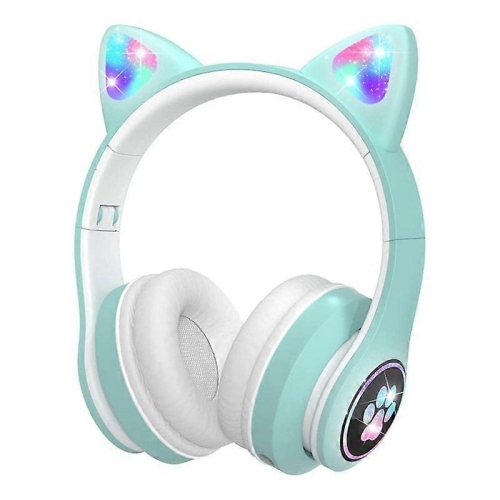


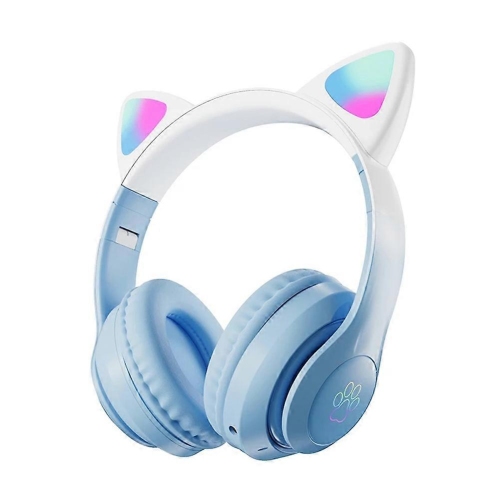

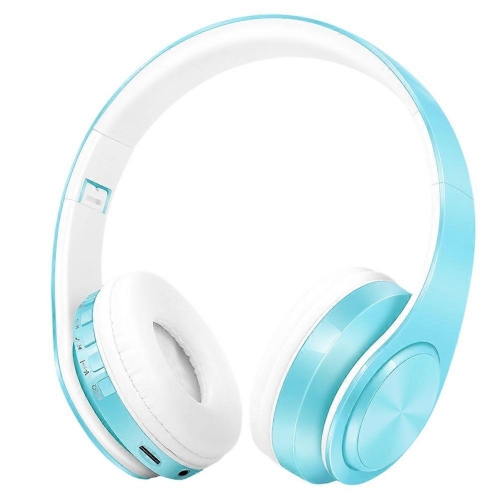

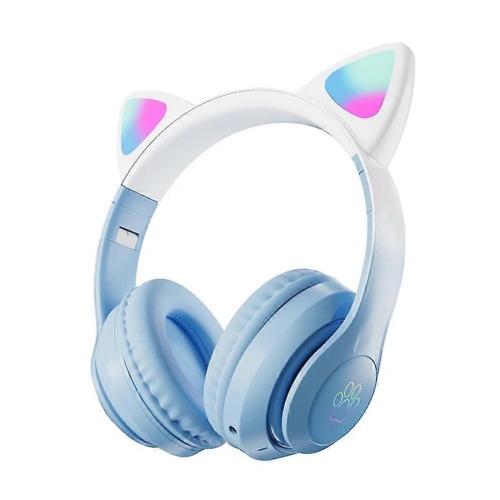
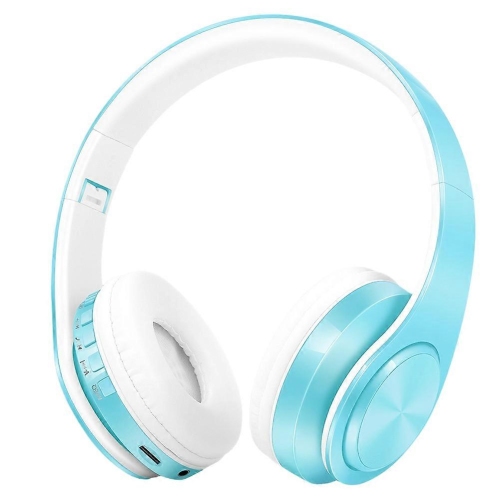
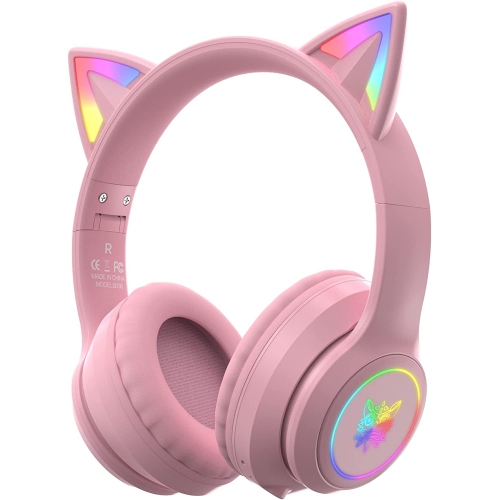

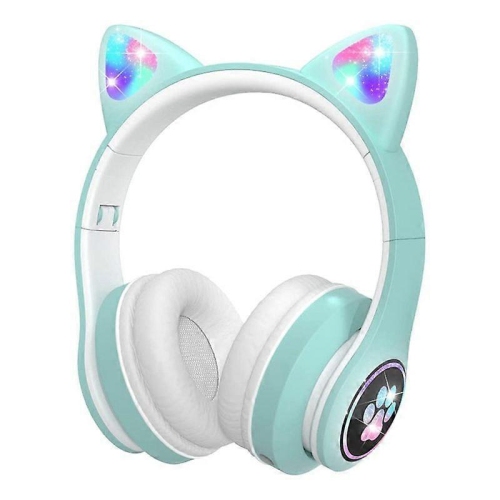
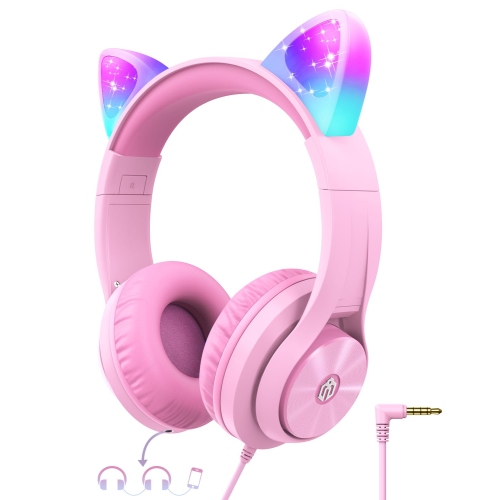


Headphone colour tells only part of the story
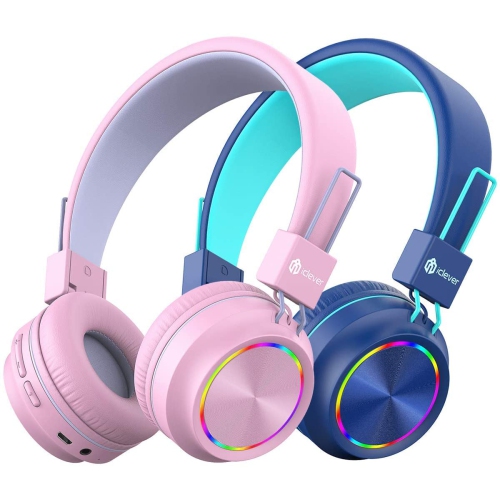
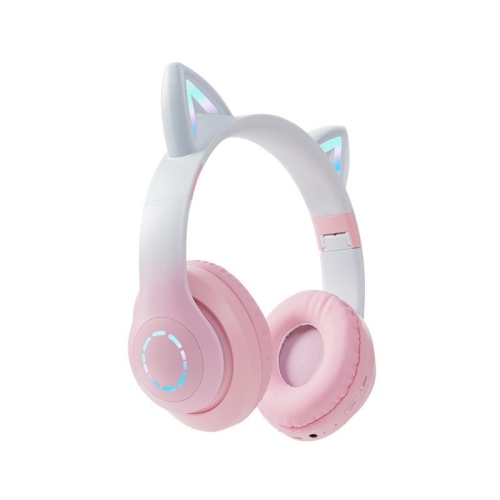
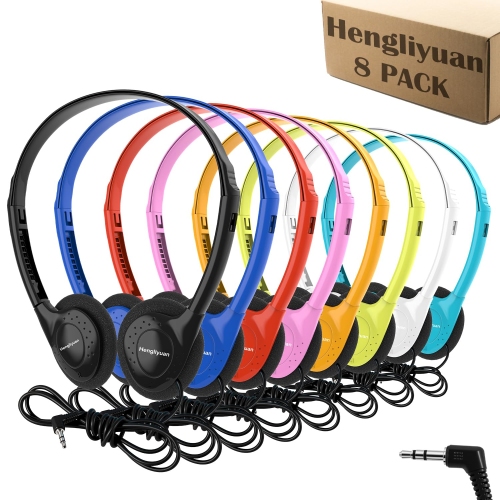
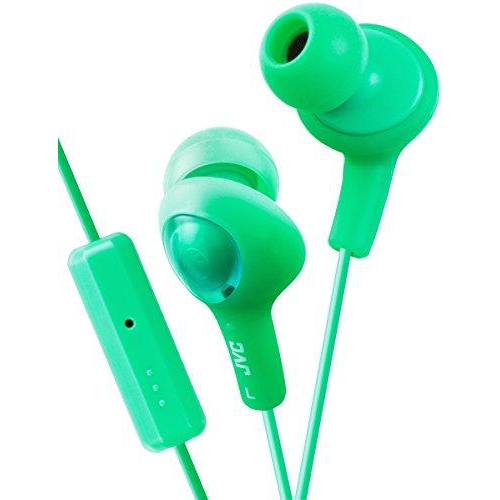
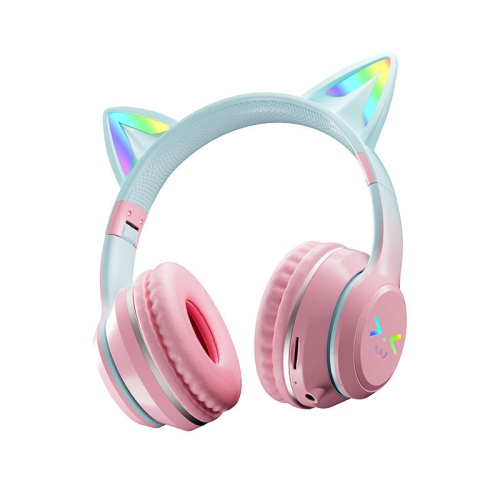
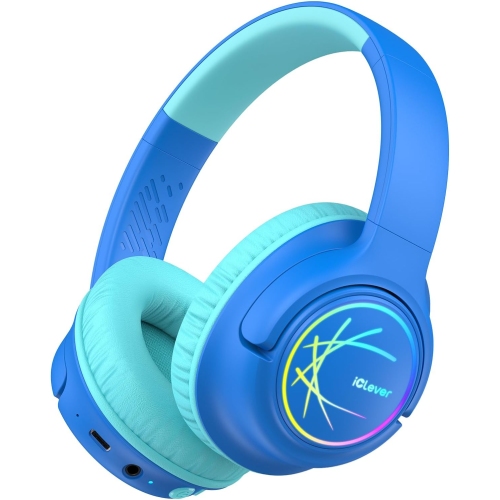
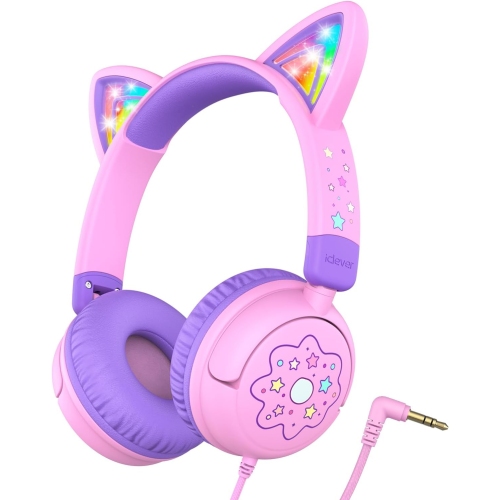
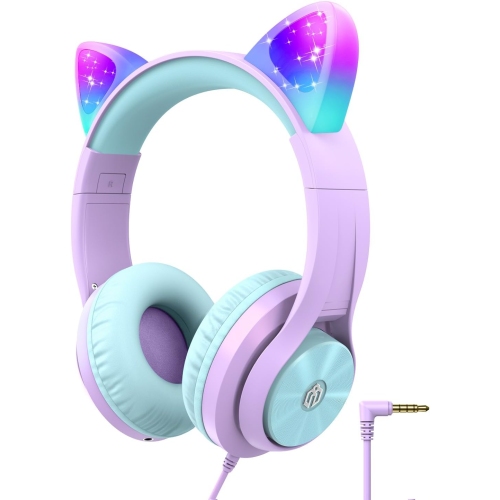
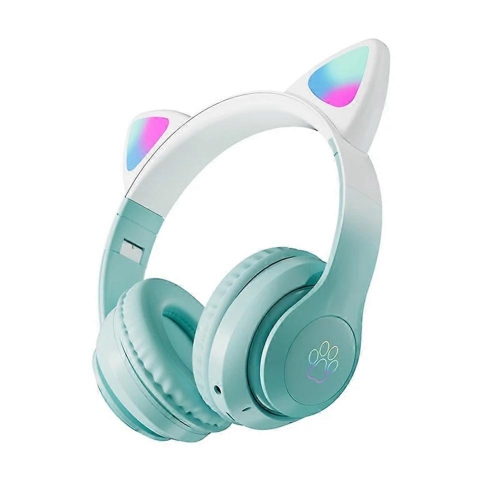
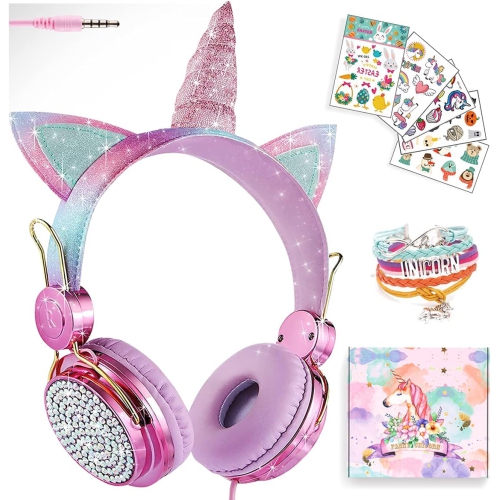
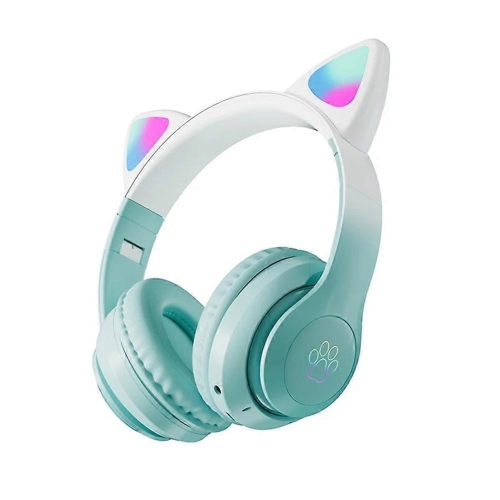
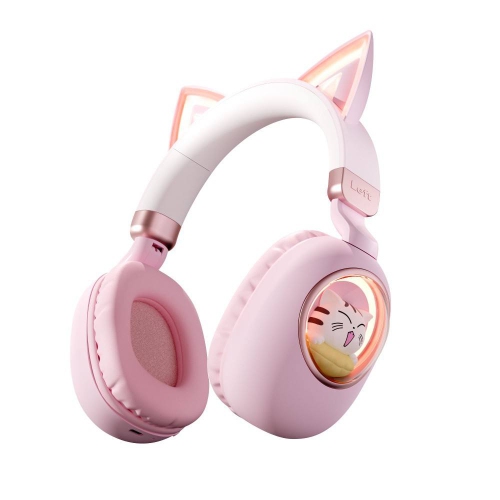
Colourful headphones bring personal style to everyday listening through bright solid shades, soft pastels, contrasting accents, patterned finishes, and, on some designs, illuminated details. The category includes wired and wireless headphones in over-ear and on-ear shapes, with styles suited to adults, teens, and children. A bold purple headband or a pair of pink ear cups can make a familiar accessory feel more personal, while muted blue, lilac, or mint offers a gentler alternative to traditional black and white. Colour can be the main feature or a smaller detail, appearing on cushions, hinges, cables, or the inside of the headband. Some designs combine several shades; others use a single colour across the entire frame for a more uniform appearance. Matte surfaces tend to create a soft, understated look, while glossy sections catch the light and make saturated colours stand out. For listeners who enjoy a more playful style, some headphones feature RGB lighting, light-up accents, or decorative shapes. Lighting controls and power requirements vary by design, so illuminated details may operate separately from audio playback or affect battery life. These visual differences do not, on their own, indicate sound quality, comfort, or durability, but they can make headphones feel like a natural extension of someone’s wardrobe, gaming setup, or workspace. A distinctive colour can also make a pair easier to recognize among shared household accessories or inside a busy school bag. Headphones with contrasting ear cups and headbands create a different effect from a monochromatic finish, especially when paired with a similarly colourful phone case or laptop sleeve. For a look that combines several shades rather than relying on one dominant colour, Multi Colored Headphones offer another way to express that preference. Whether the appeal is cheerful, understated, sporty, or playful, colour adds character to an accessory that often accompanies music, podcasts, calls, and games throughout the day.
Beneath the finish, colourful headphones serve many of the same listening needs as more neutral designs. Over-ear headphones surround the ears with cushions and can create a sense of separation from nearby conversations, while on-ear headphones rest against the ears and often have a smaller profile for carrying between home, school, and work. Neither shape guarantees a particular sound or level of comfort; ear-cup dimensions, weight, cushioning, and headband pressure all influence the experience. Wireless headphones reduce the need for a cable between the listener and a compatible device, which can be convenient when moving around a desk or travelling on public transit. Battery runtime, charging connections, and the ability to use a wired audio connection differ between designs. A charging port does not necessarily support wired listening, and some headphones require power even when an audio cable is attached. Wired headphones avoid the need to recharge for basic playback, although the plug must match the source device or work with a compatible adapter. For someone moving between a phone, laptop, and game console, connection compatibility matters more than matching colours across every device. Microphones can support calls, online classes, and multiplayer chat, but microphone performance and console compatibility depend on the connection and headphone design. Noise cancelling uses microphones and electronic processing to reduce certain surrounding sounds, particularly steady background noise; it does not remove every sound. A transparency or ambient listening mode, where included, can make nearby voices easier to hear without taking the headphones off, though it is not a substitute for paying attention to surroundings. Physical buttons and touch controls also create different everyday experiences. Raised buttons may be easier to identify by feel, while touch surfaces can offer a less cluttered appearance. Sound preferences remain personal: some listeners enjoy a stronger bass presence, while others prefer clearer vocal emphasis for spoken audio. Colour is a useful starting point for personal expression, with fit, connections, and listening features shaping how well headphones suit a daily routine.
Materials and construction affect how colourful headphones feel after an hour of listening and how they hold up to regular handling. Many designs combine moulded plastic shells with metal reinforcement at selected points, along with foam cushions covered in fabric or synthetic leather. Plastic can help keep weight manageable, while the strength of hinges, sliders, and attachment points is important for headphones that are frequently folded or packed away. Fabric cushions may feel different against the skin from smooth synthetic coverings, and both need care suited to their materials. Over-ear cushions should leave enough room around the ears without creating uncomfortable pressure, while an adjustable headband helps distribute weight across the top of the head. Glasses, earrings, and hairstyles can change how the cushions sit, making fit individual rather than something determined by age alone. For children, a smaller adjustable frame and clearly documented volume-limiting features can be more relevant than a playful finish. Volume limits vary in how they operate, and responsible listening still involves moderate levels, breaks, and adult oversight where appropriate. Headphones intended for exercise need an explicitly stated level of sweat or water resistance; a sporty colour or rubberized detail does not establish that protection. For everyday care, a soft cloth used according to the manufacturer’s instructions can help remove fingerprints and surface dirt without damaging coloured coatings. Charging ports, speaker openings, and cushion seams should be kept free of moisture, and abrasive cleaners can damage finishes or coverings. A protective case helps prevent scratches and reduces pressure on the ear cups inside a backpack. Cables last better when loosely gathered rather than tightly wound around a headband, and unplugging by the connector avoids unnecessary strain. Replaceable ear pads, where supported, can help maintain comfort as cushions wear. As a gift, colourful headphones can feel thoughtfully chosen when the recipient’s preferred shades are paired with the right fit and device connections. A student carrying headphones between classes, a commuter listening to podcasts, and a gamer chatting with friends may share a favourite colour while needing quite different features.
Top selling and popular products
-
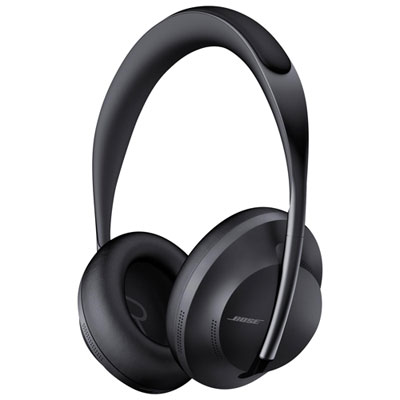 Your price for this item is $479.97
-
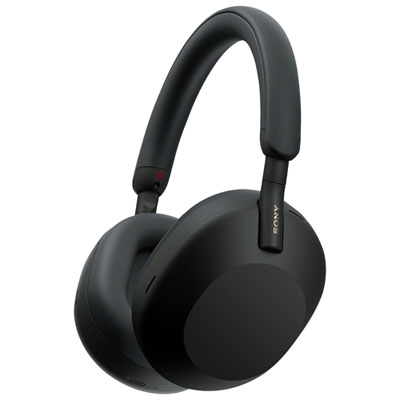 Your price for this item is $499.99
-
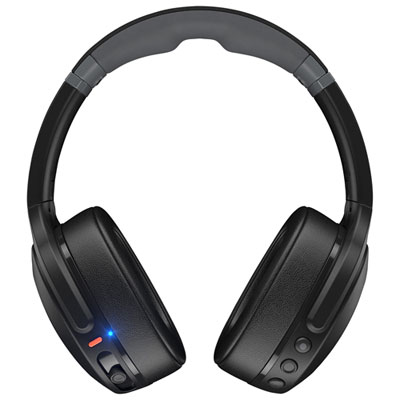 Your price for this item is $199.99
-
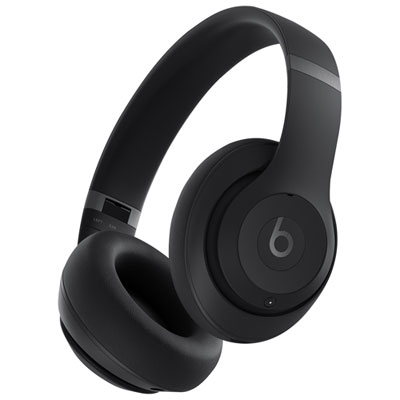 Your price for this item is $399
-
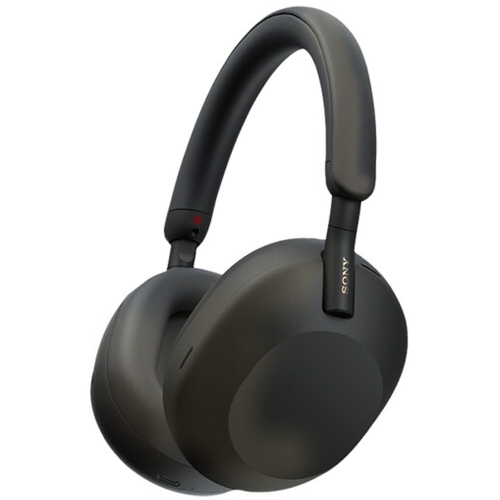 Your price for this item is $438
-
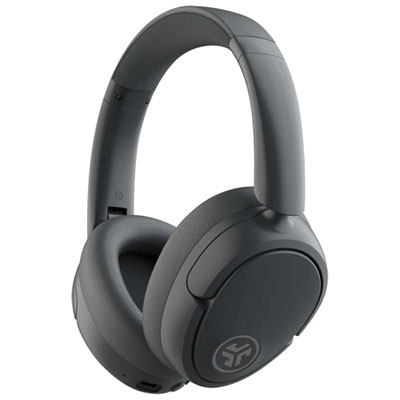 Your price for this item is $119.99
-
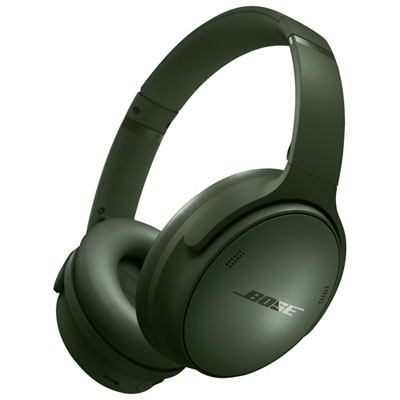 Your price for this item is $479.99
-
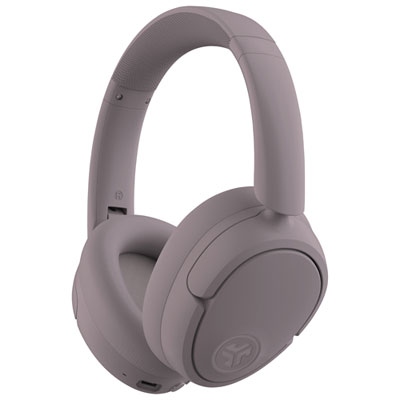 Your price for this item is $119.99
Discover more categories related to Colorful Headphones
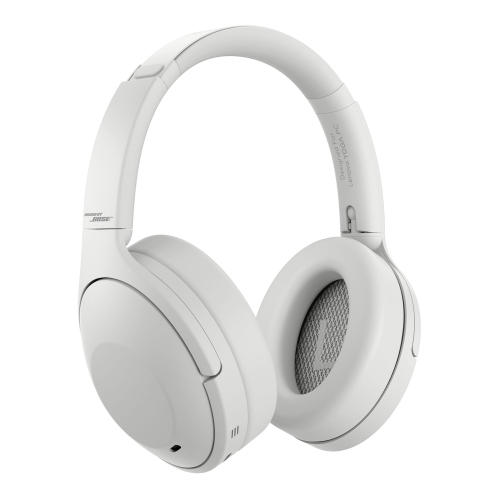
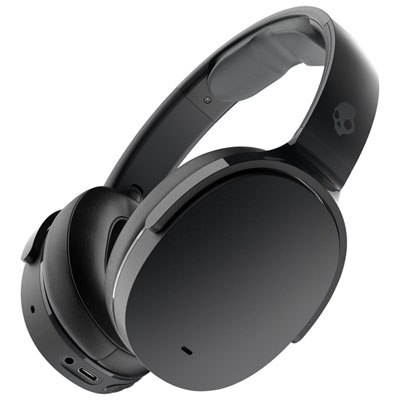

Top Collections:
Pokemon Centers, Best Cameras for Sports Photography, Kindle Devices, Samsung Galaxy Phones, Canon G7X Cameras, Pokémon 30th Celebration Cards, Refurbished Apple Laptops, iPhone 15 Apple, Laptops for Students, Budget Smartphones
Some products may be subject to Environmental Handling Fees
(EHF) depending on your province.
Learn more about EHFs.