Dolby Atmos Over Ear Headphones
Dolby Atmos is a new audio format that creates a three-dimensional sound experience. It allows you to hear sounds that are above, below, and besides you. It's like having a speaker in each corner of your room. The technology is impressive, but so are the headphones that deliver it. Here are some of the best over-ear headphones with Dolby Atmos technology.
Sort
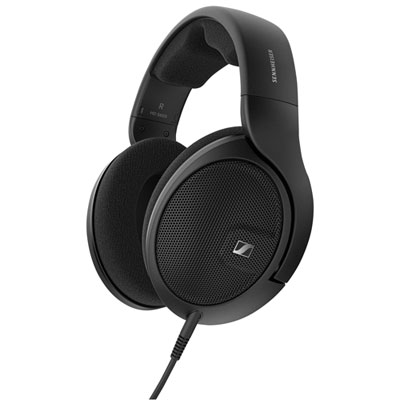


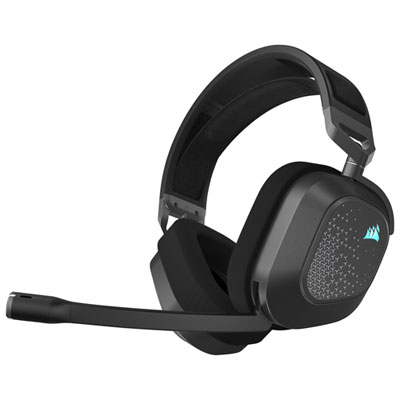
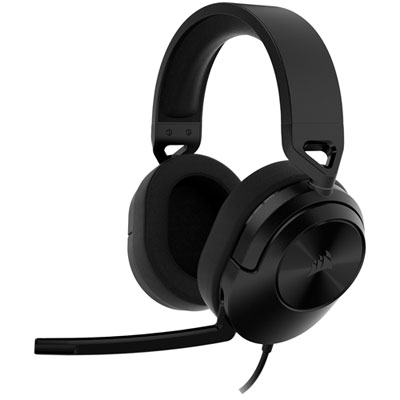
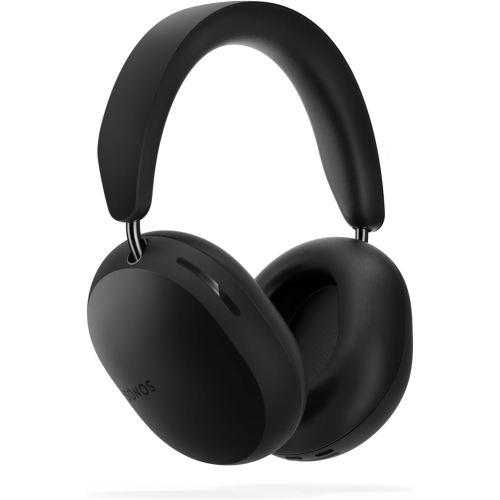
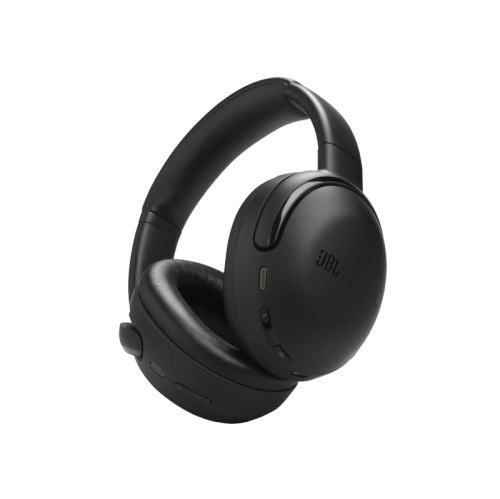
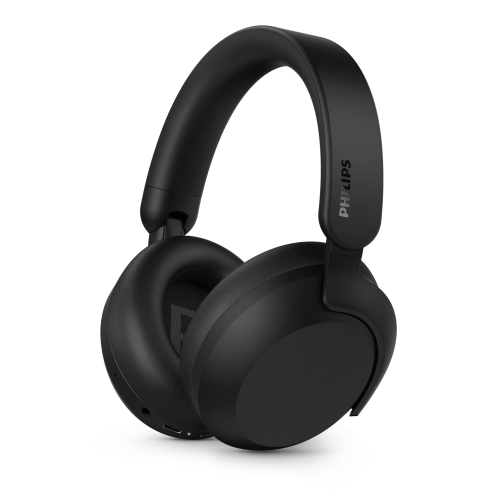
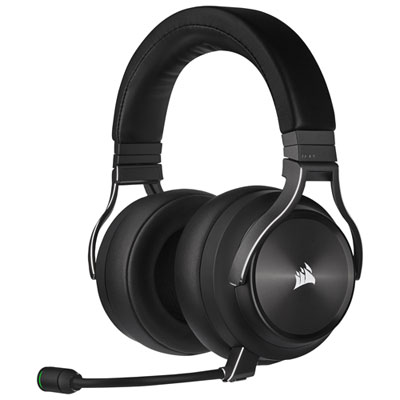
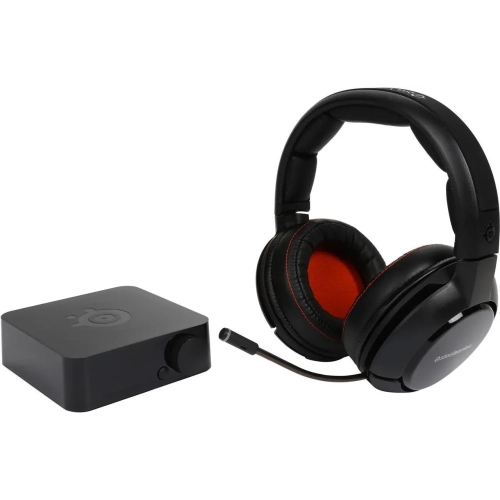
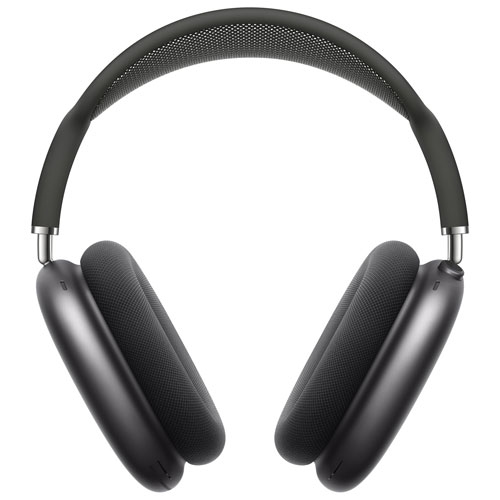


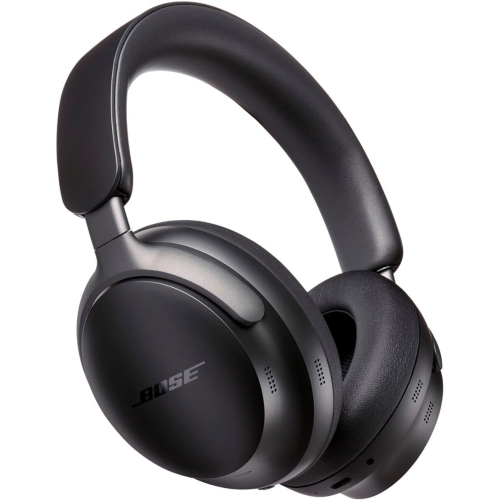


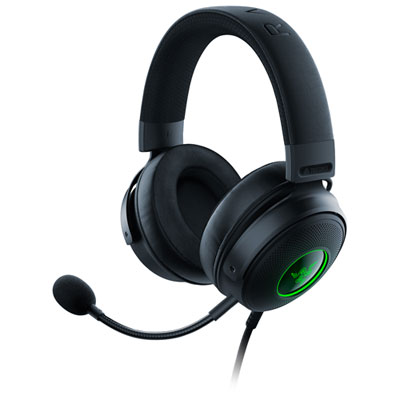


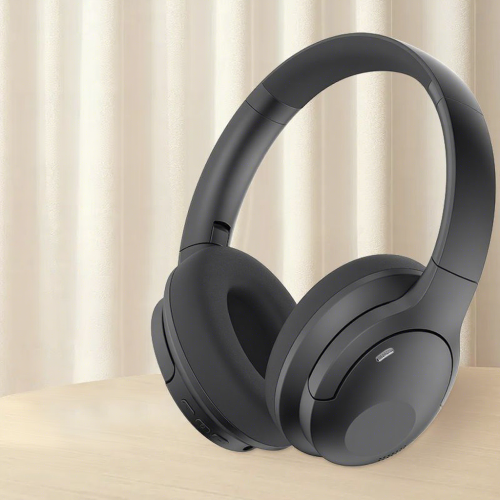



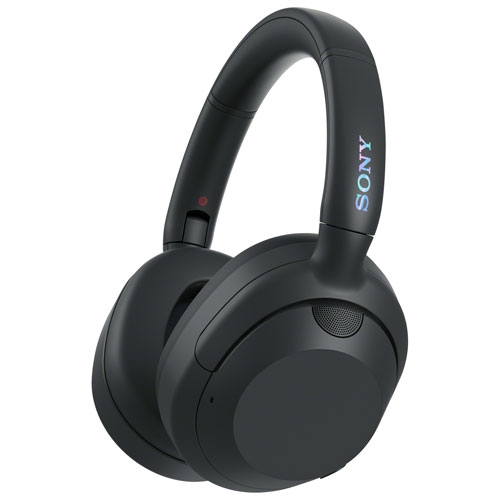


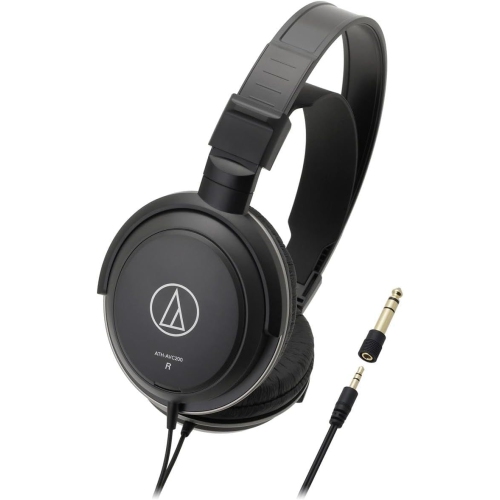
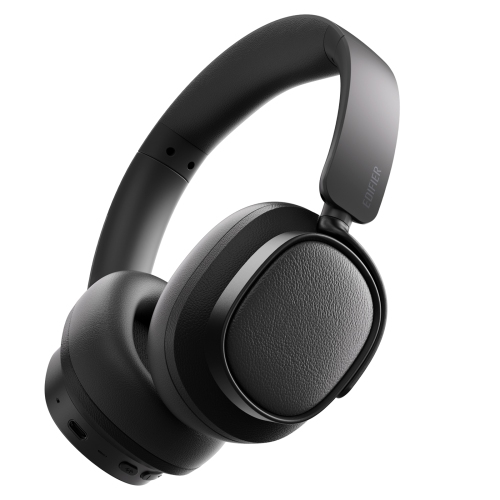
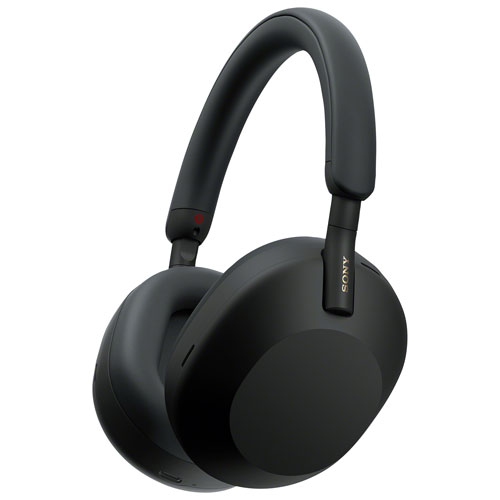
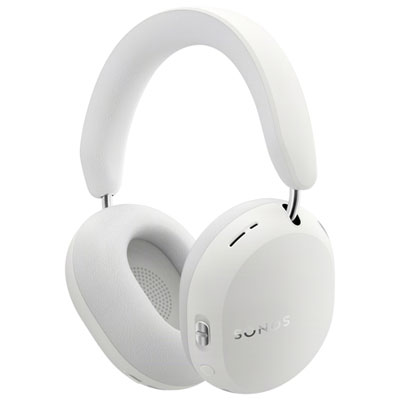
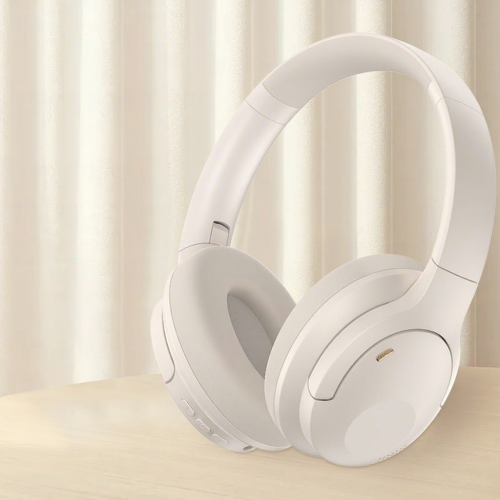
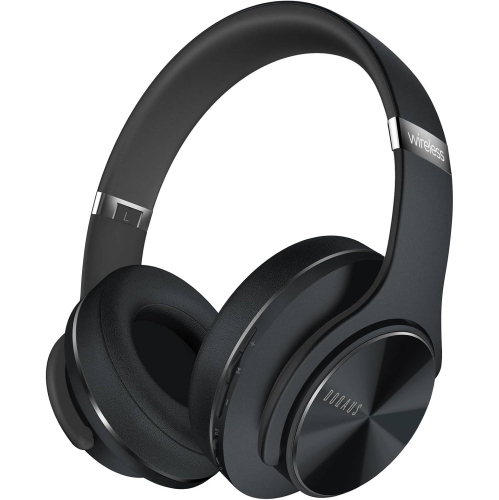

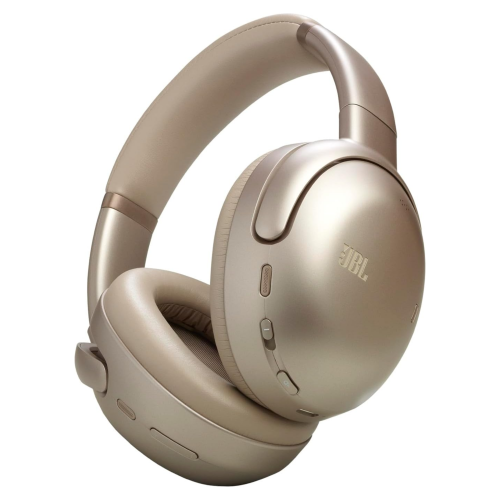






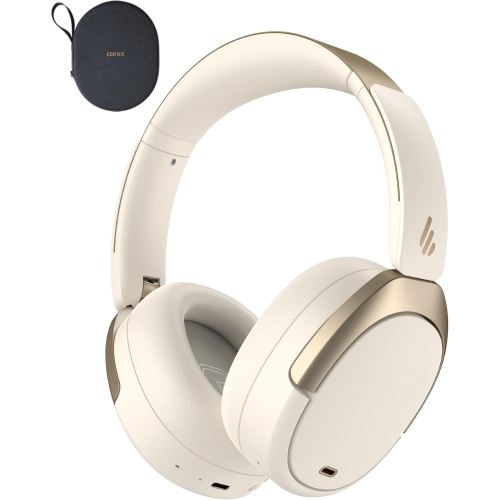

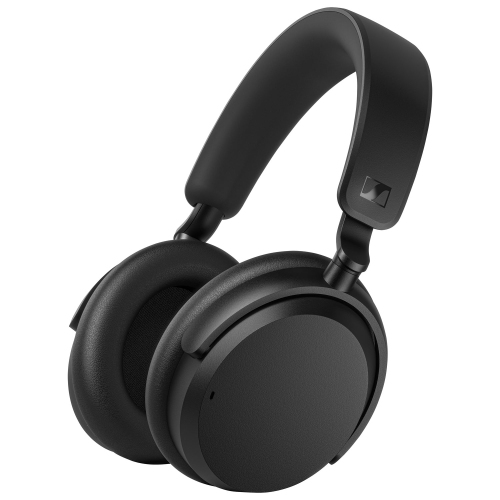
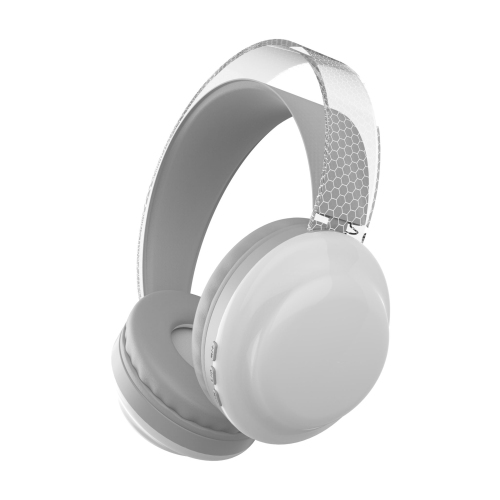


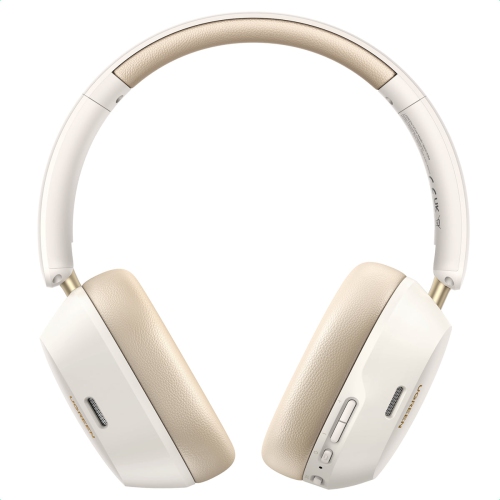
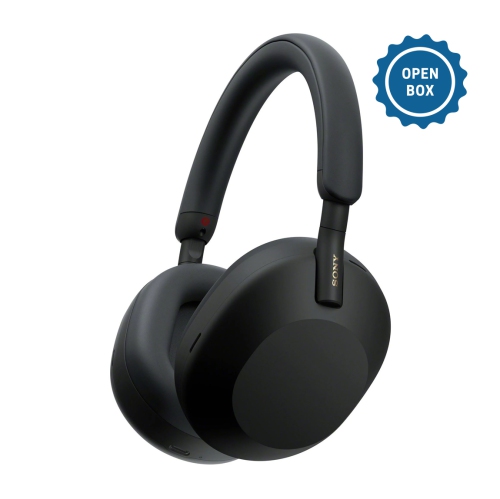

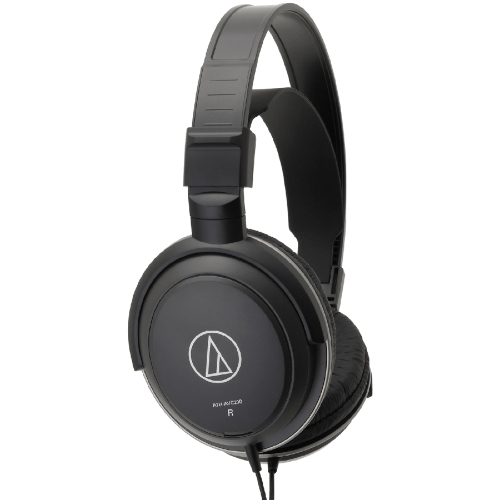
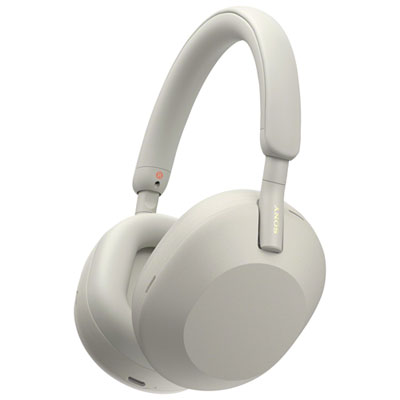


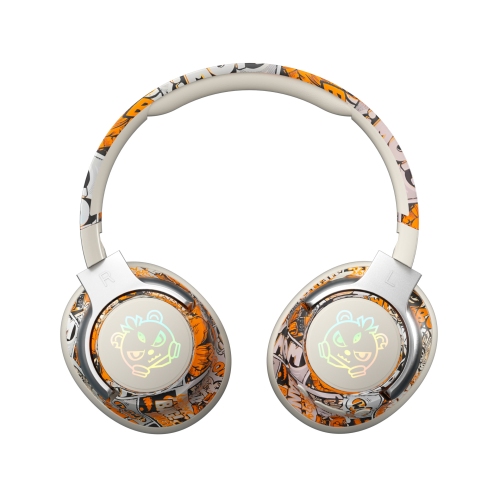

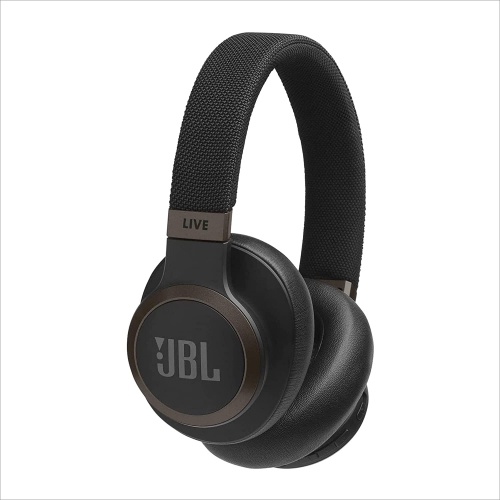
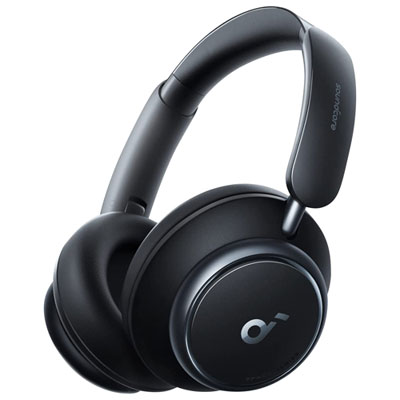

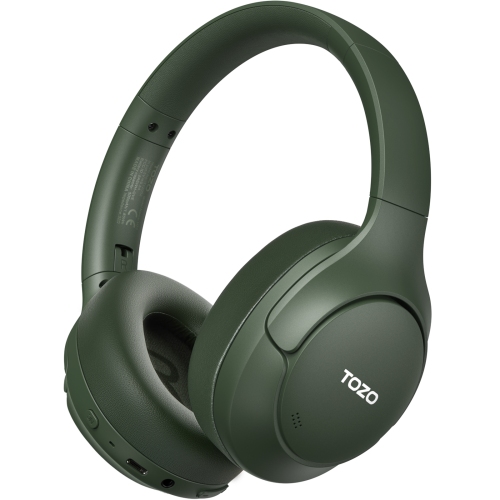


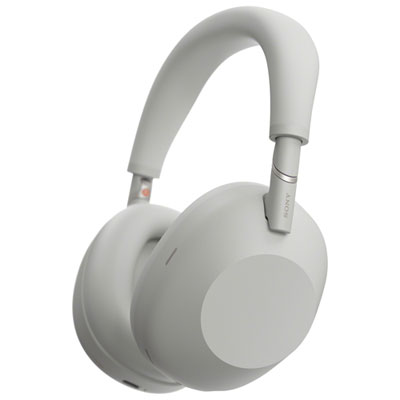
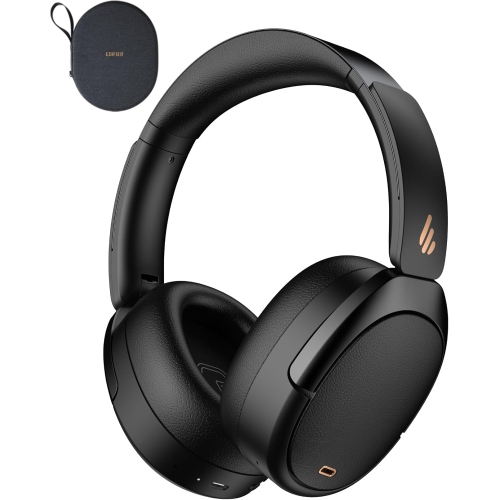
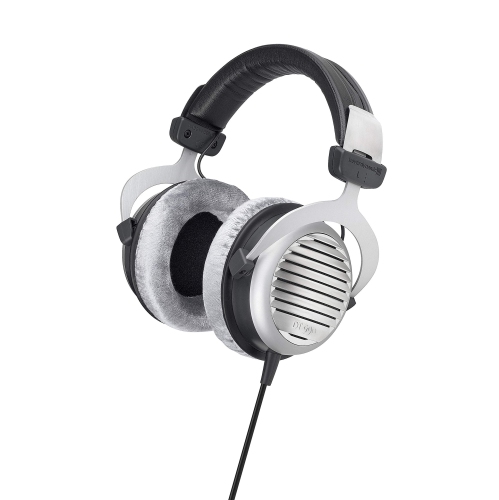
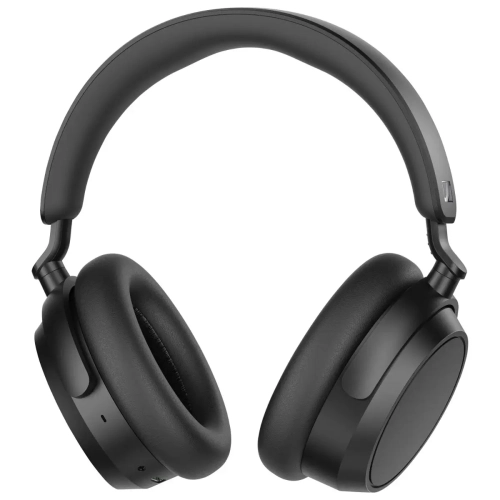
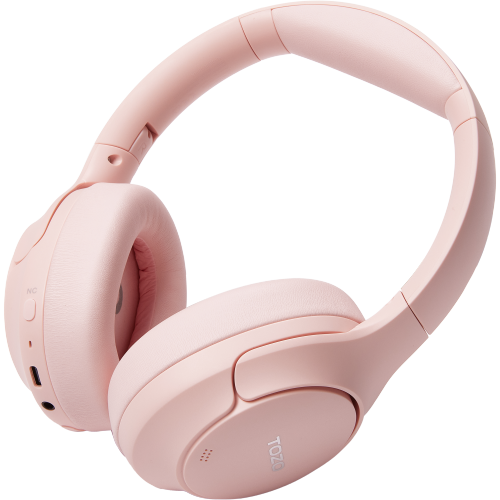


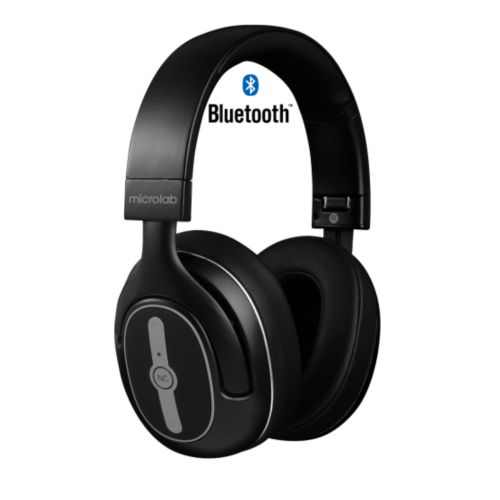


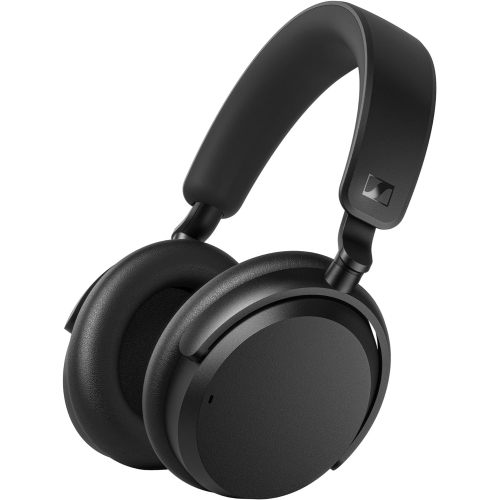

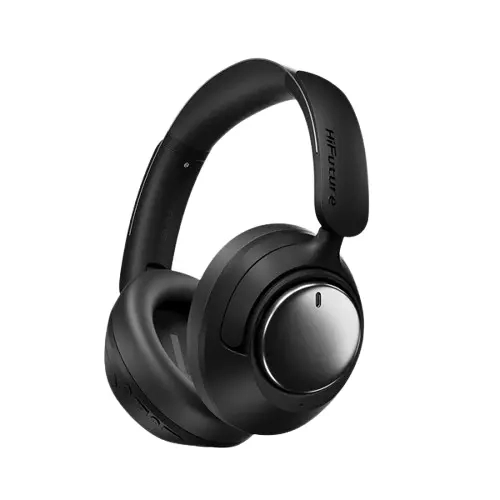


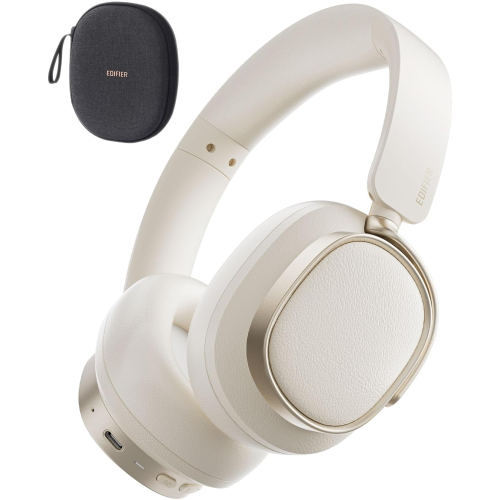


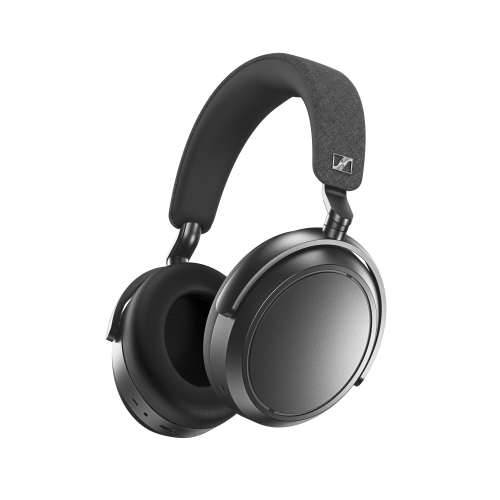
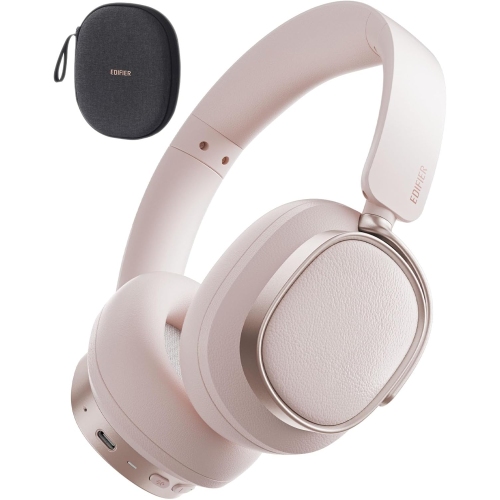

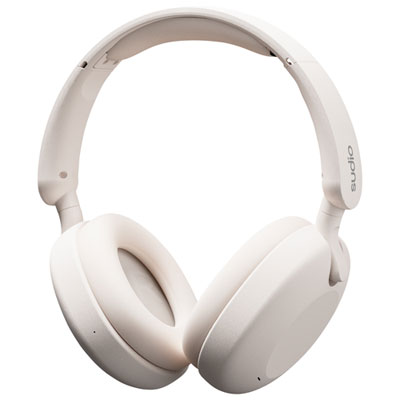
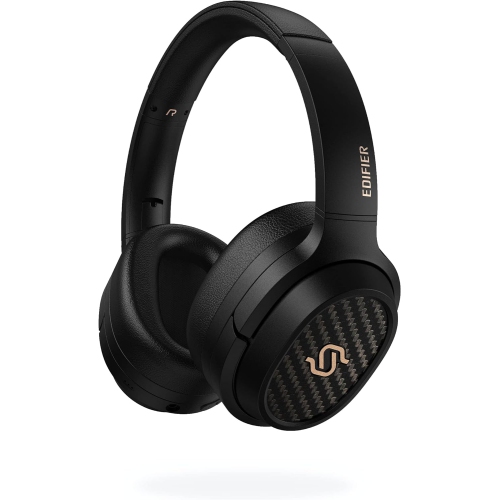

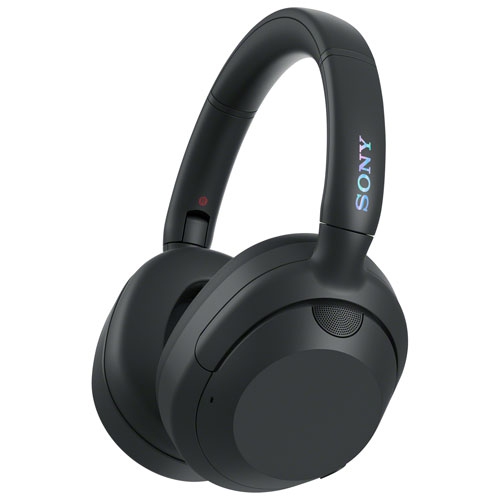
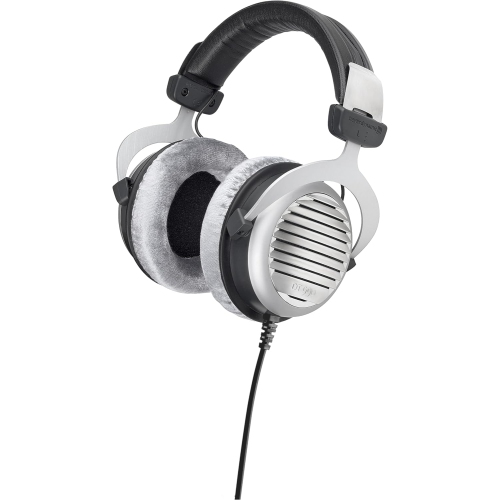
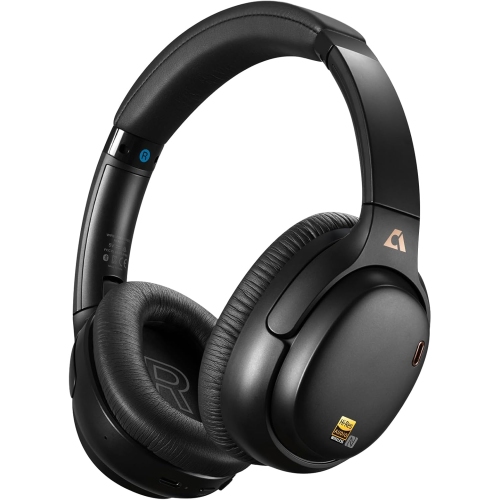
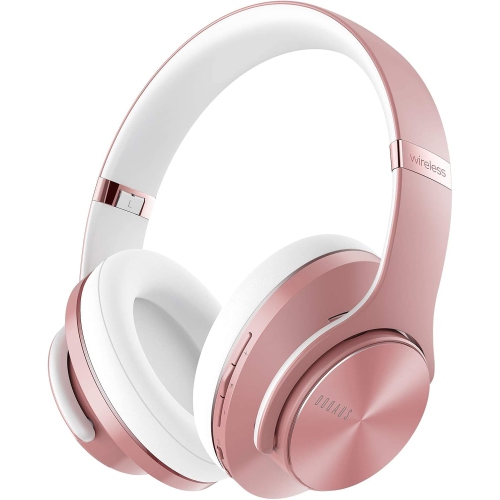


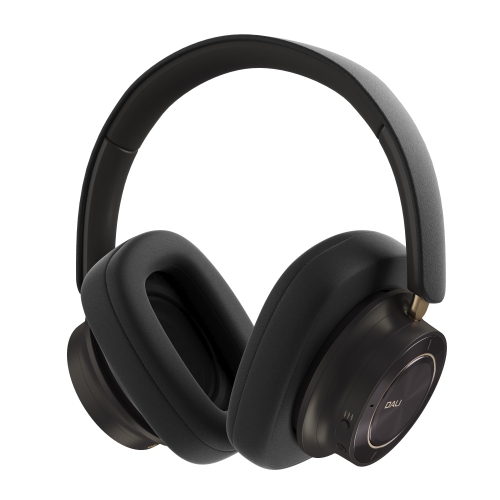

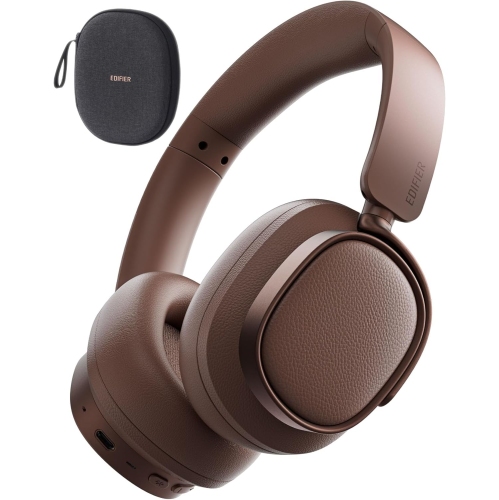


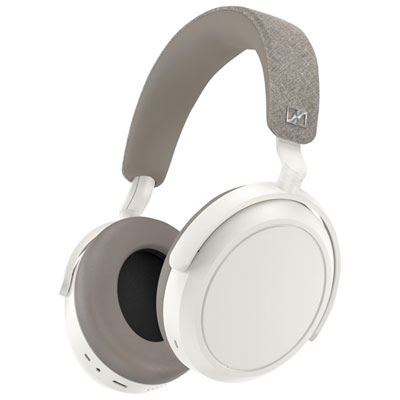
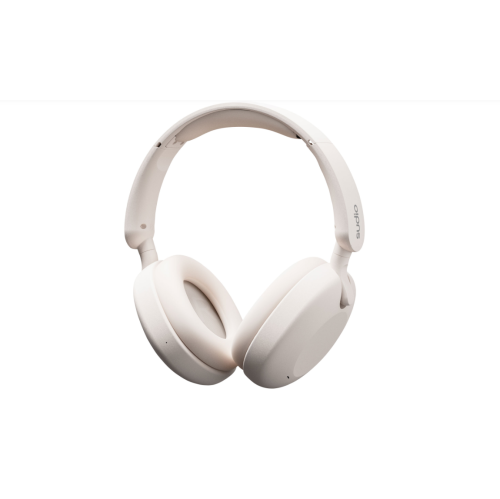
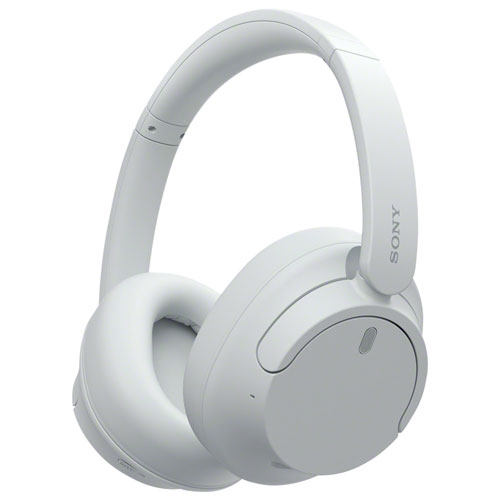
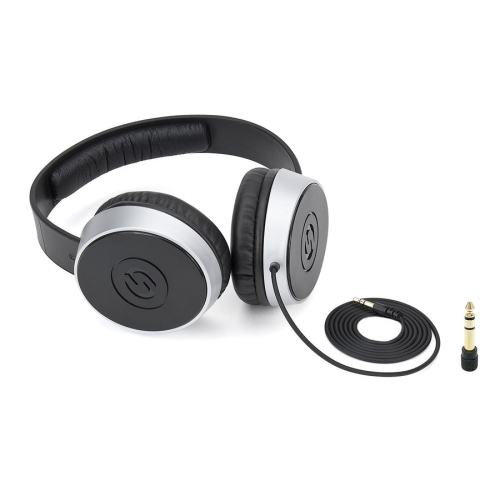


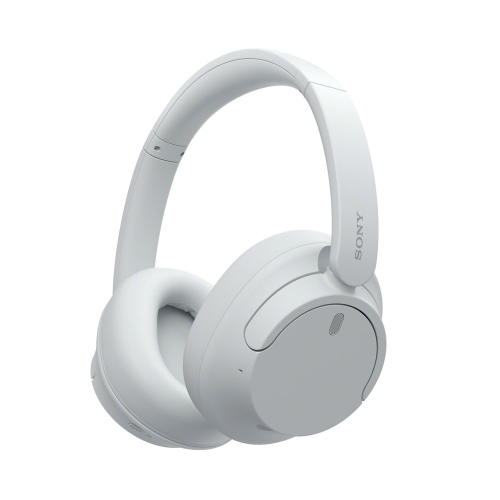
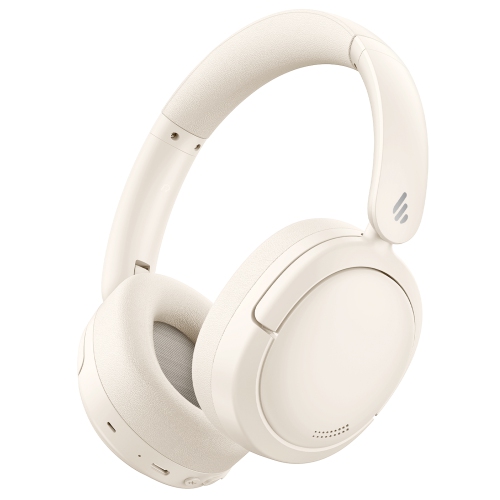


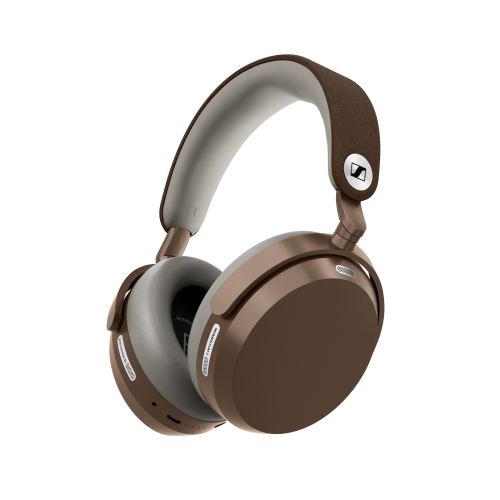


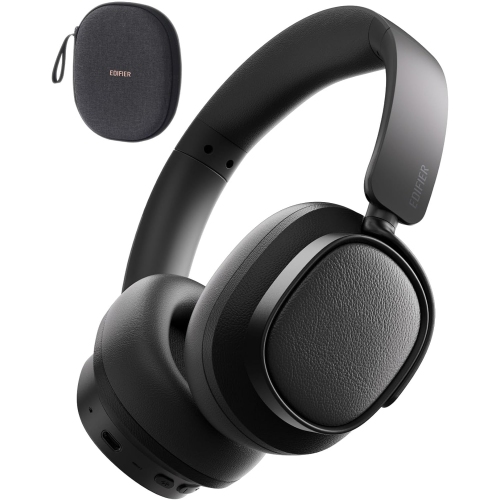


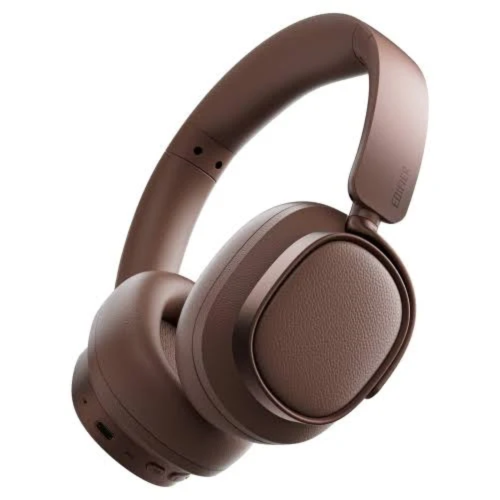


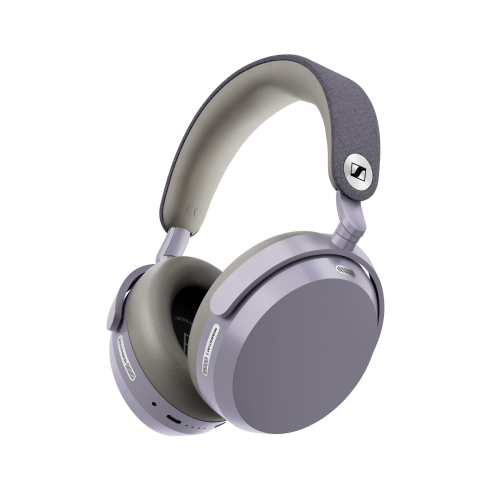







How spatial audio transforms films, games, and music
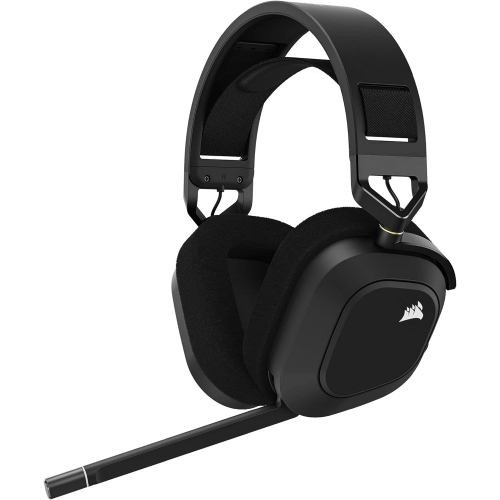
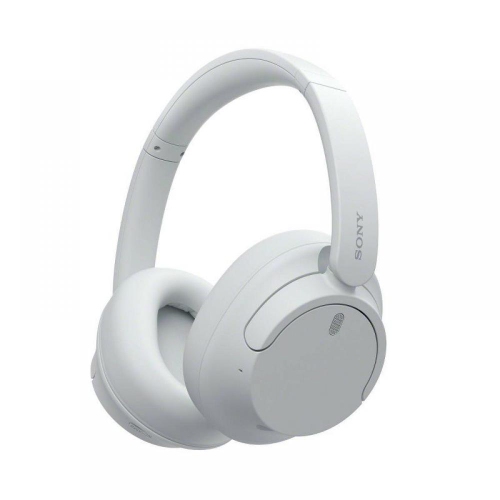
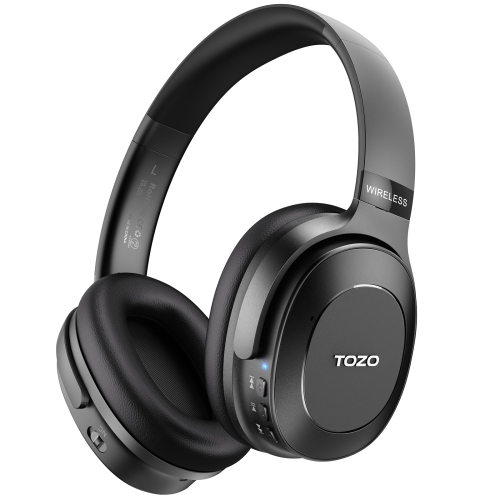
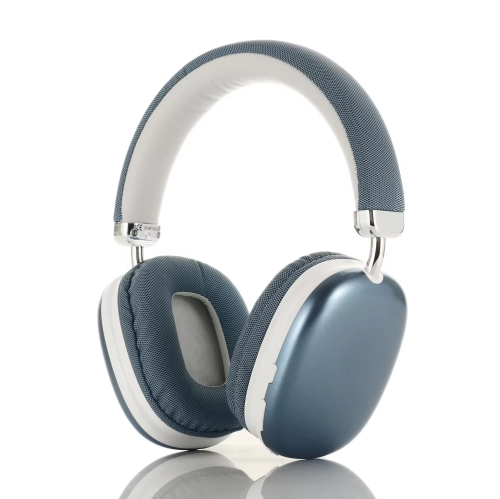
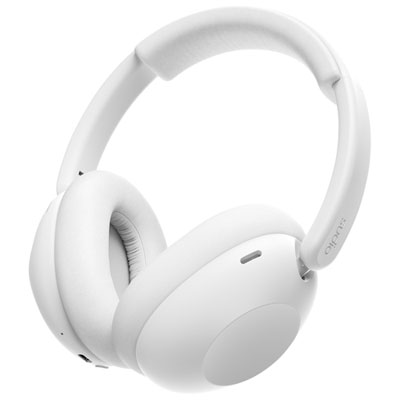
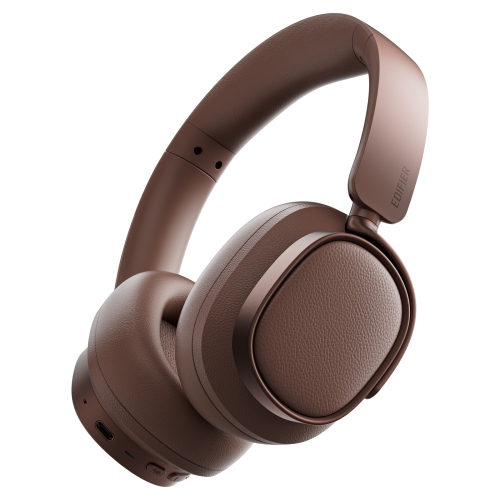
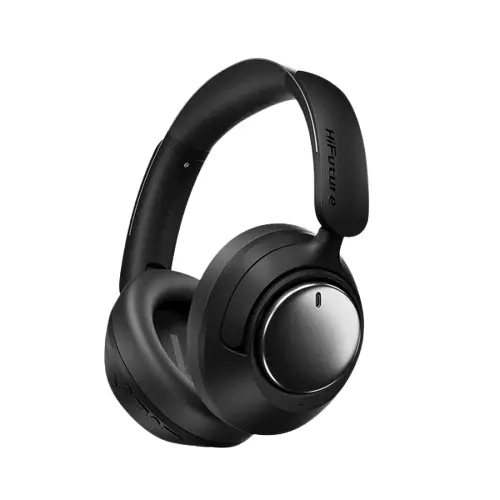
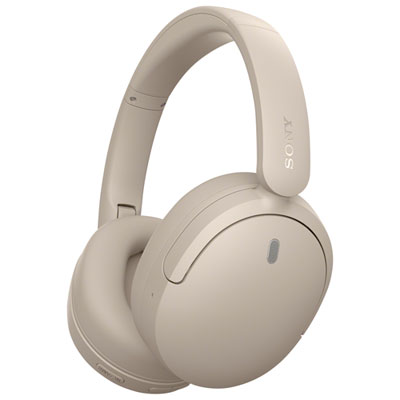
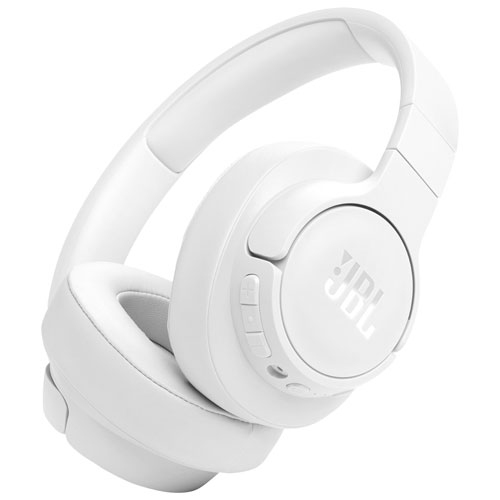
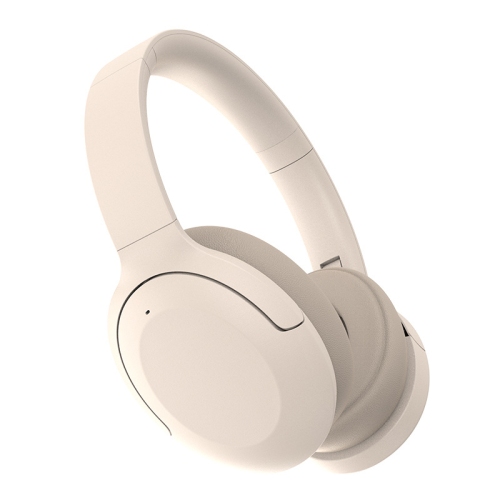
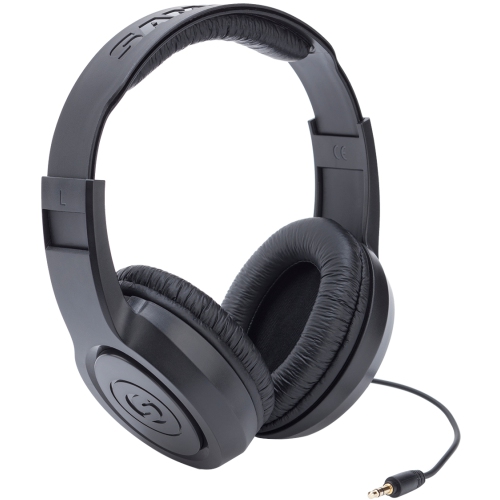
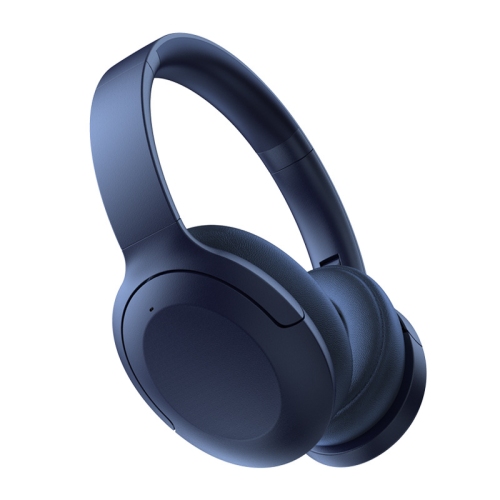
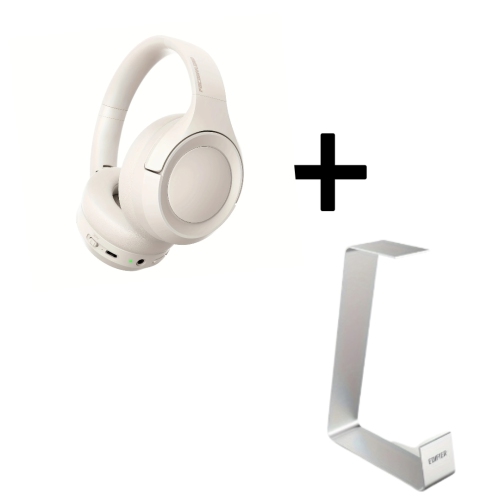
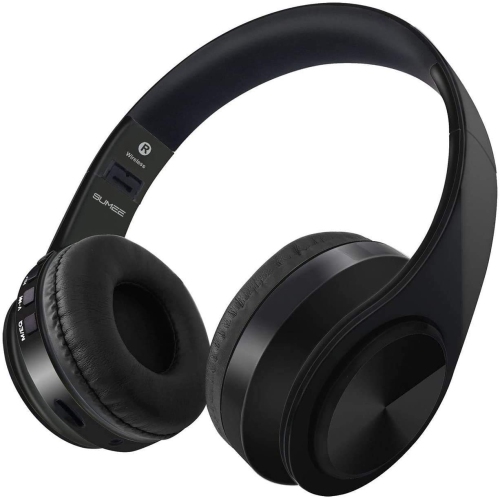
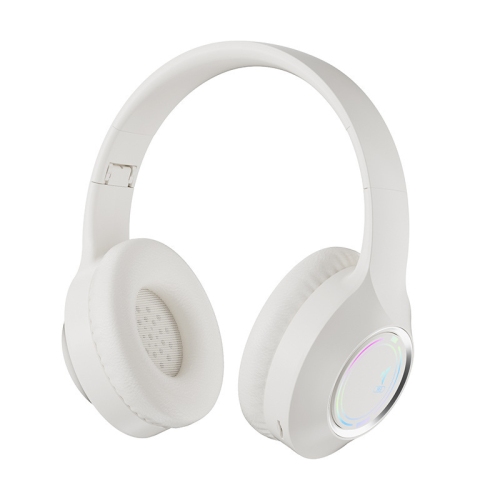
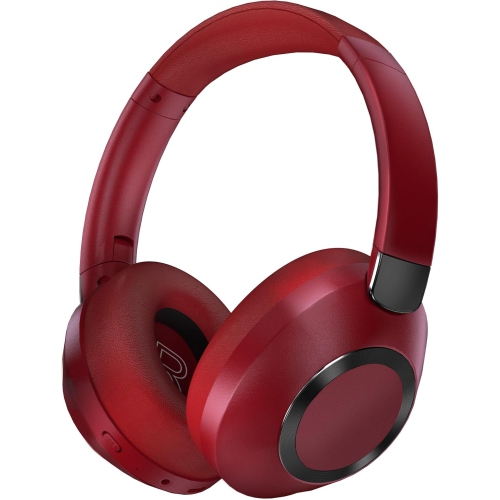
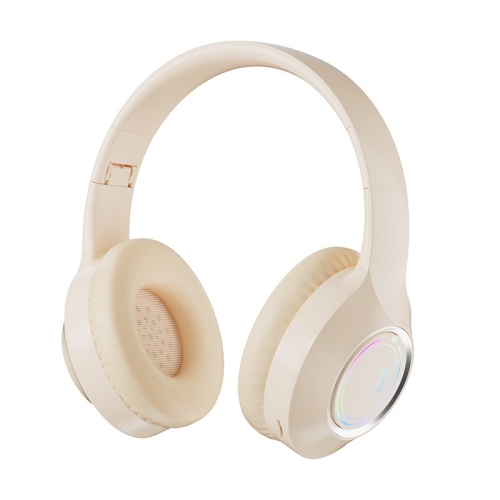
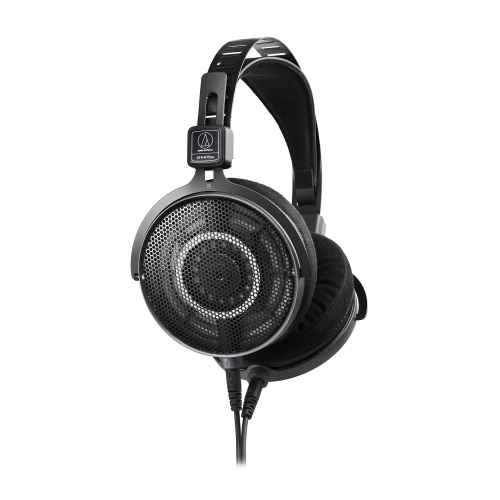
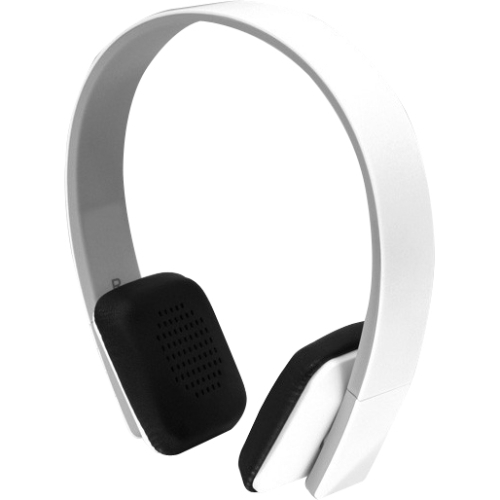
Dolby Atmos over-ear headphones are designed to make sound feel more spacious, layered, and lifelike than a conventional left-and-right stereo presentation. Instead of keeping every sound on a flat line between the earcups, compatible Dolby Atmos content can create the impression that audio is positioned around you, above you, or at varying distances in front and behind. This can make a film soundtrack feel more like a cinema experience, with dialogue held near the screen, music spread across a wider soundstage, and effects moving through the scene with greater height and direction. In games, spatial audio can help place footsteps, vehicles, environmental details, and other action around the listener. With music, the effect can range from a more open concert-hall presentation to a carefully separated mix where individual instruments are easier to follow. Over-ear designs are particularly well suited to immersive listening because their larger earcups surround the ears, helping create a consistent seal and reducing distractions from the room. They are a practical choice for evening movie sessions, long gaming marathons, focused listening at a desk, or travel when a private, detailed listening experience is preferred. For more options focused on film and television, explore Atmos Headphones for Movies.
It is useful to understand how Dolby Atmos works with headphones before choosing a pair. In most cases, Atmos is not produced by placing separate height speakers inside the earcups. Instead, a compatible phone, computer, game console, streaming service, app, or operating system processes the spatial audio information and renders it into a headphone signal. The headphones then reproduce that signal through their drivers, allowing the listener’s brain to interpret differences in timing, volume, and tone as sound coming from different positions. Compatibility can therefore matter as much as the headphones themselves. Check whether the intended source supports Dolby Atmos, whether the feature requires a subscription or additional software, and whether it works with the connection you plan to use. A Windows computer may handle Atmos through system or gaming software, while a mobile device or television may use its own audio settings and supported streaming apps. Console compatibility can vary between platforms, games, and connection methods, so it is worth confirming the details before buying. Some advanced headphones also include head tracking. When enabled, this feature monitors small head movements and adjusts the audio image so that voices or sound effects can remain anchored to the screen or virtual position rather than moving with your head. This can make a film scene or game world feel more stable and natural, although not every listener prefers the effect. Look for a model with a companion app or clear controls if you want to adjust spatial processing, head tracking, equalizer settings, microphone behaviour, or the balance between outside sound and playback.
Comfort and everyday practicality are just as important as immersive audio features. Over-ear headphones should sit securely without pressing uncomfortably against the sides of your head, and the ear cushions should fully surround your ears for a good seal. Weight, headband padding, hinge design, and clamp force become more noticeable during a long flight, an extended gaming session, or a film that runs late into the evening. Active noise cancellation can reduce the low hum of an aeroplane cabin, air conditioner, or busy household, while an ambient or transparency mode lets you hear conversations, announcements, or nearby activity without removing the headphones. Wireless connectivity provides freedom to move around, but battery life and charging time should match your routine; a wired option can be useful for a computer, controller, or listening session when the battery is low. If gaming is a priority, consider microphone clarity, chat controls, platform support, low-latency performance, and whether the headset offers a comfortable fit with glasses. For music and movies, pay closer attention to tonal balance, dialogue clarity, bass control, and the quality of the spatial processing. A gift recipient who enjoys films, gaming, frequent travel, or detailed music listening may appreciate the privacy and immersion of over-ear Dolby Atmos headphones, especially when the controls are simple and the headphones work with their existing devices. During the warmer months and into cooler-season evenings, they can be used for quiet listening at home, while travelling, or in a shared space where a personal cinema-like experience is more convenient than speakers. Choosing with the listener’s main device, favourite content, comfort preferences, and typical listening environment in mind will help ensure that the spatial audio features are genuinely useful rather than simply impressive on paper.
Top selling and popular products
-
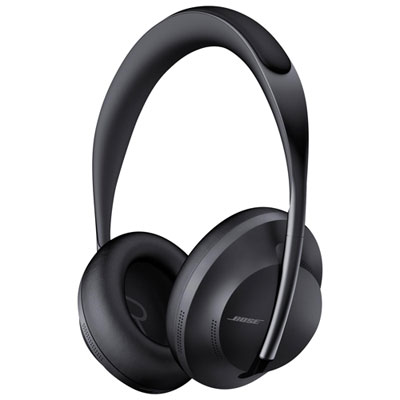 Your price for this item is $479.97
-
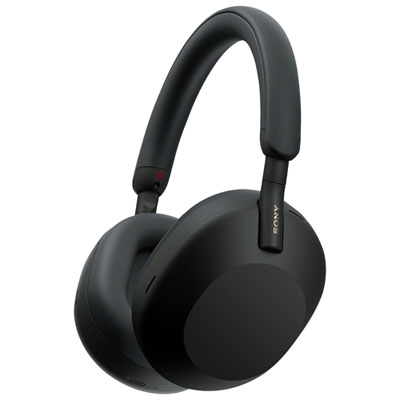 Your price for this item is $499.99
-
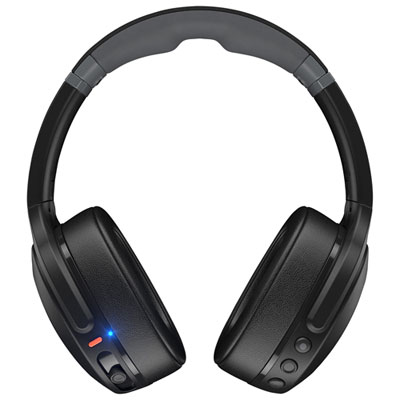 Your price for this item is $199.99
-
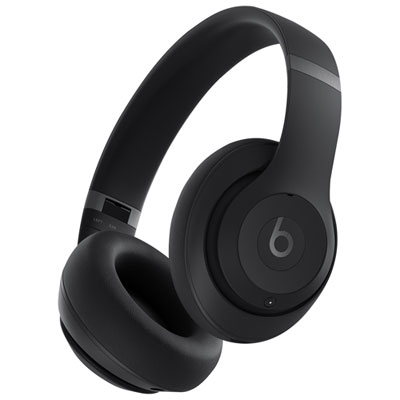 Your price for this item is $399
-
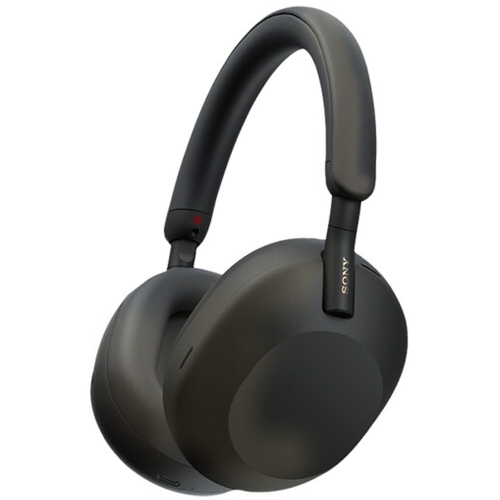 Your price for this item is $438
-
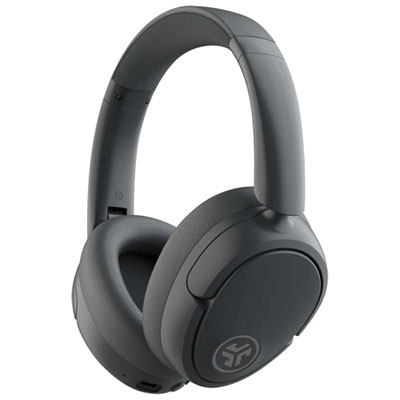 Your price for this item is $119.99
-
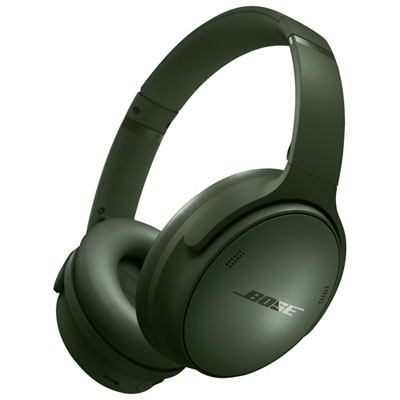 Your price for this item is $479.99
-
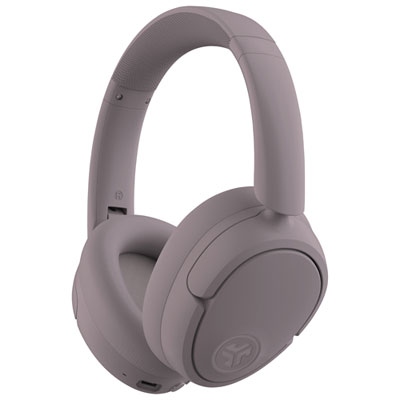 Your price for this item is $119.99
Discover more categories related to Dolby Atmos Over Ear Headphones

Top Collections:
Pokemon Centers, Kindle Devices, Best Cameras for Sports Photography, Pokémon 30th Celebration Cards, Apple iPhones 16, Canon G7X Cameras, iPhone 15 Apple, Flip Phones, Samsung Galaxy Phones, Alarm Clock
Some products may be subject to Environmental Handling Fees
(EHF) depending on your province.
Learn more about EHFs.