Headphones for Classical Music
Listening to classical music is a truly immersive experience, where every note and delicate nuance holds the power to transport you to another world. To truly appreciate the intricate details and rich harmonies of classical compositions, you need a pair of headphones that can capture the essence of each instrument with precision and clarity. Whether you're a seasoned classical music enthusiast or just starting to explore this timeless genre, our collection of headphones for classical music is carefully curated to enhance your listening pleasure. From impeccable sound quality to comfortable designs that allow for hours of uninterrupted enjoyment, these headphones are designed to elevate your classical music experience to new heights.

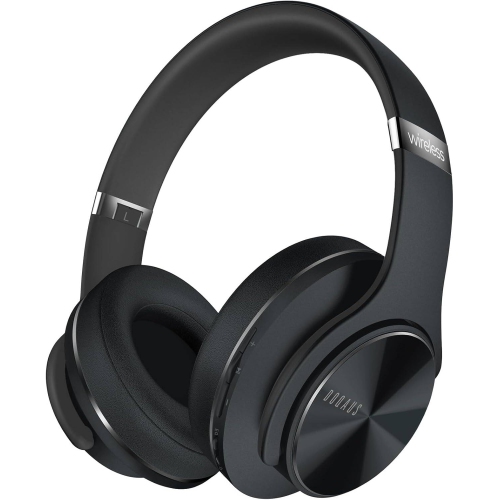
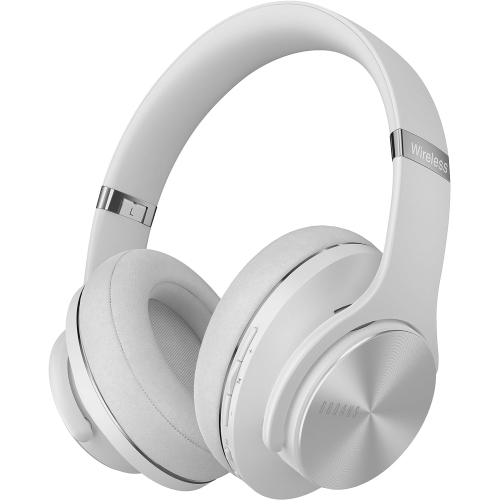
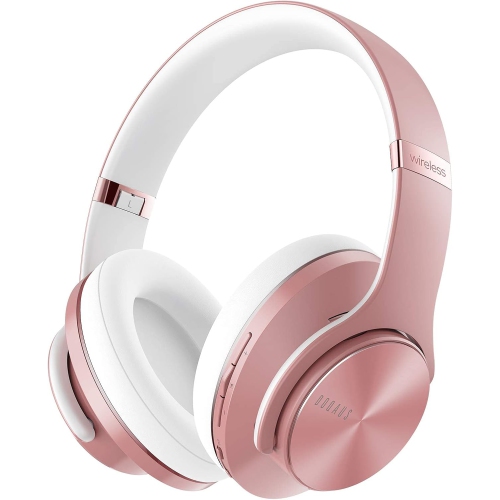
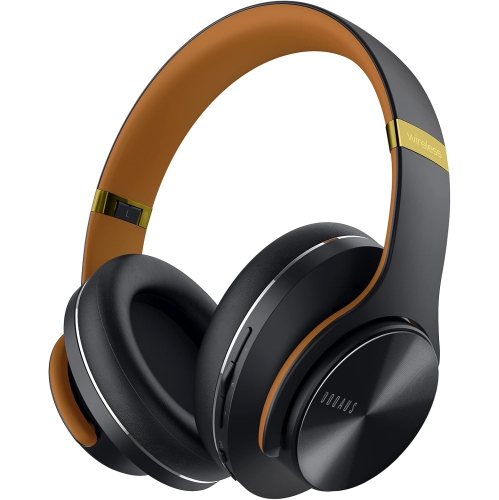
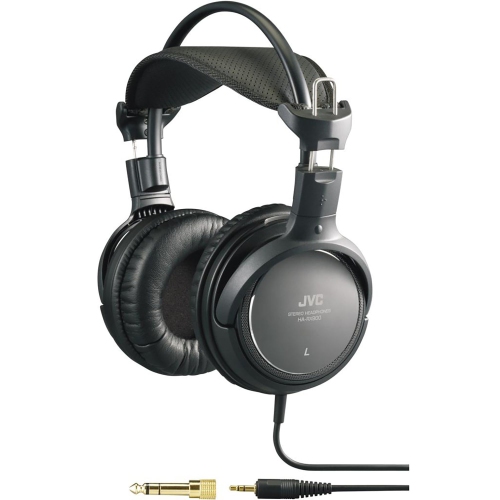

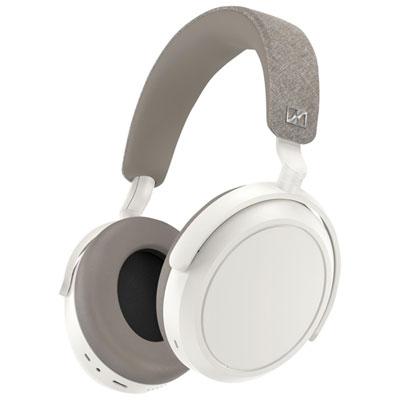

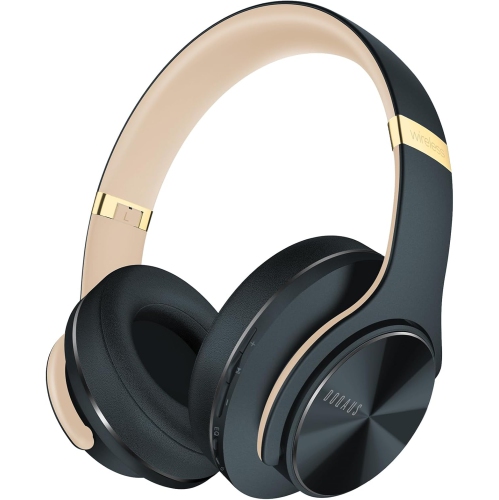
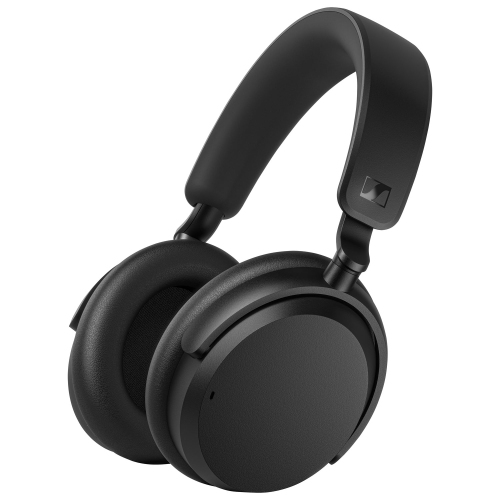
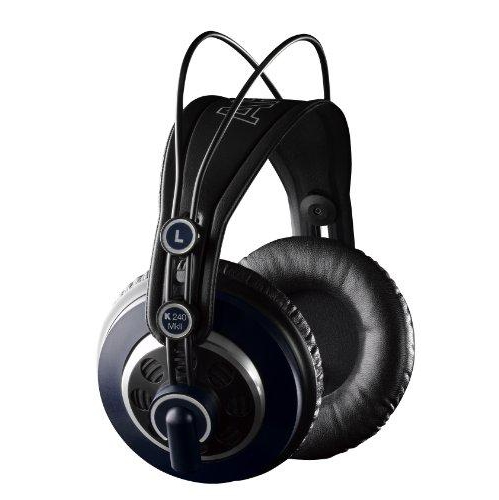
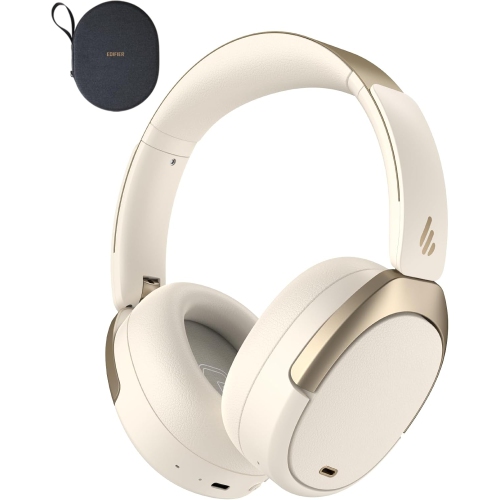
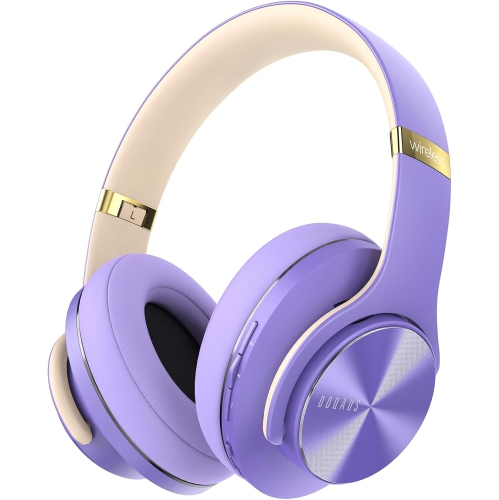
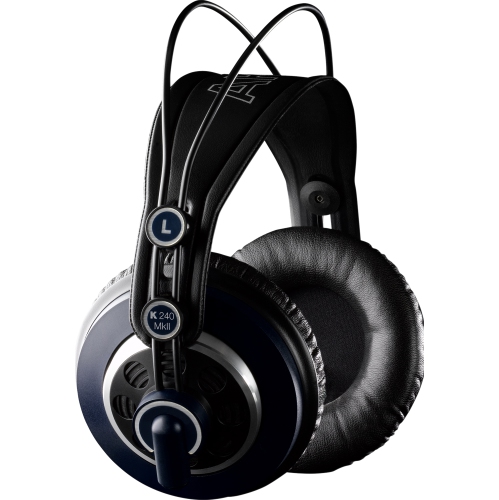
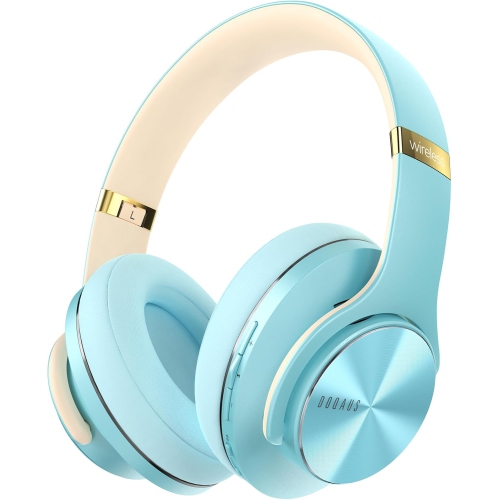
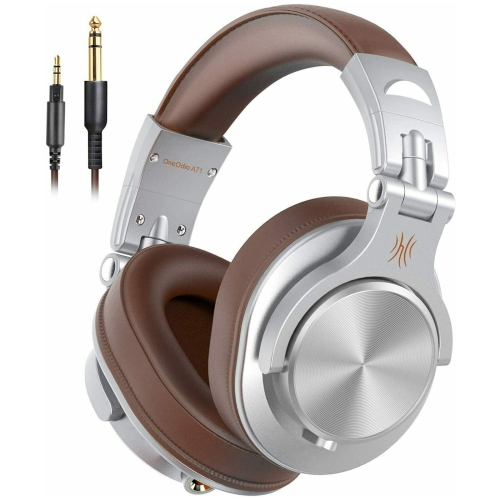
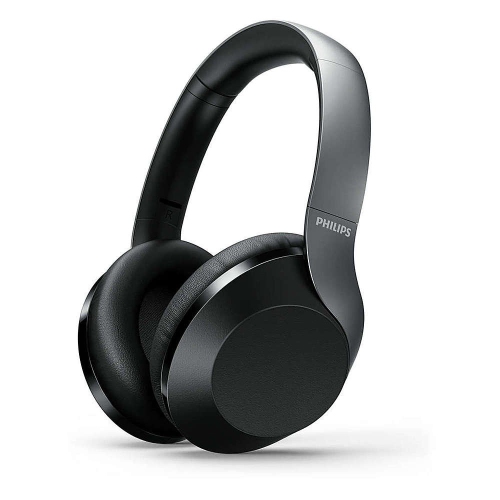
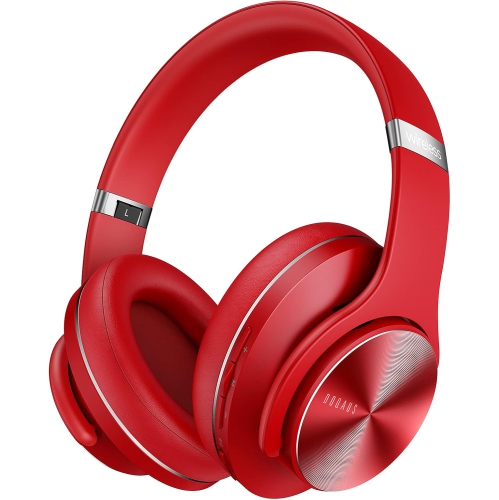
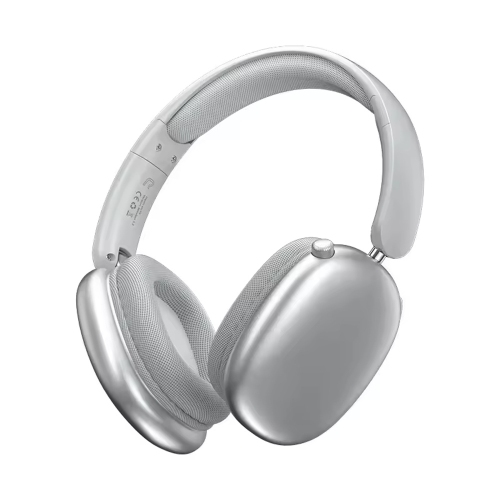
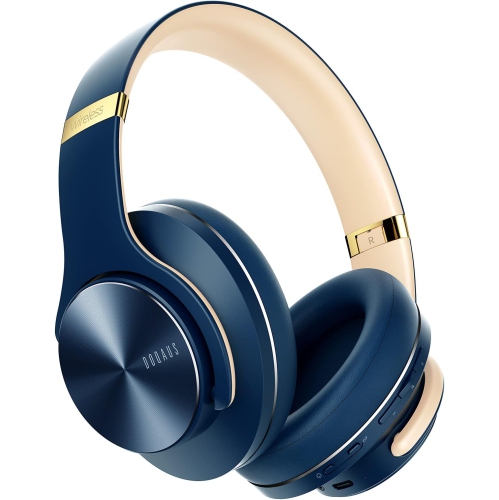

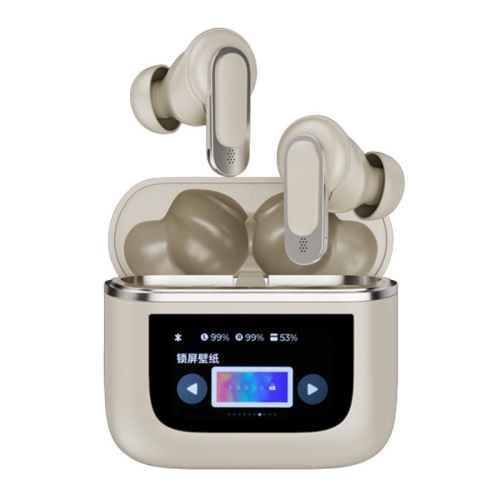
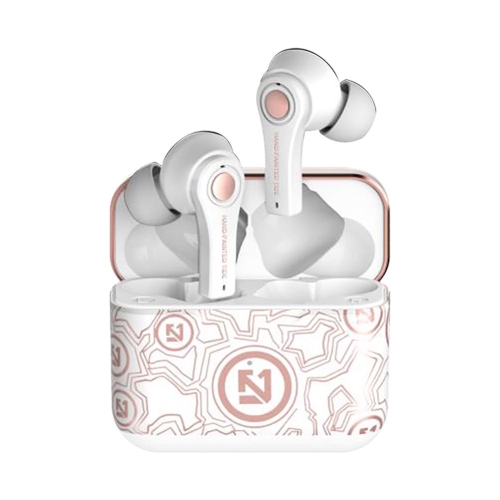
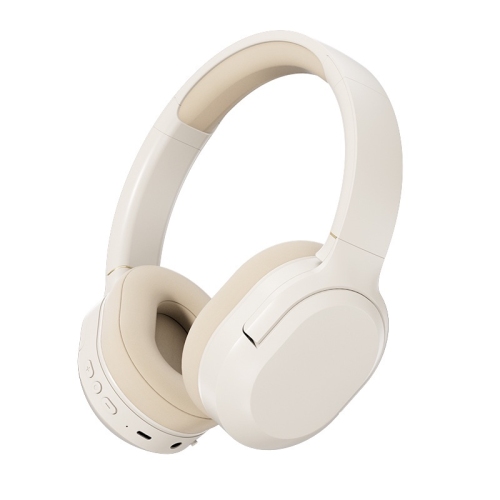
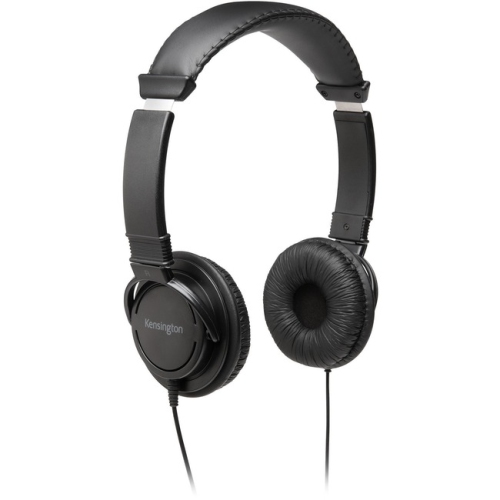
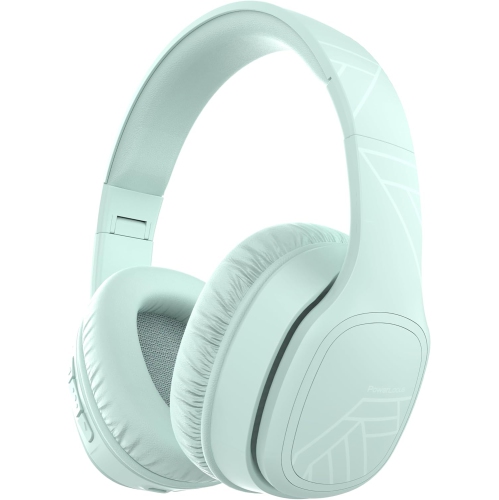

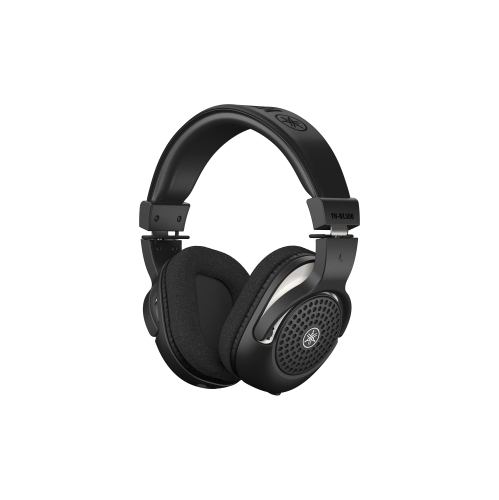
![GREEN SCENIC [Yunyan Baiyu] Hi-Fi Stereo Headphones | Protein Leather Zero-Pressure Earmuffs | Enc Call Noise Reduction | Type-C Fast Charging](https://multimedia.bbycastatic.ca/multimedia/products/500x500/192/19274/19274268.jpeg)
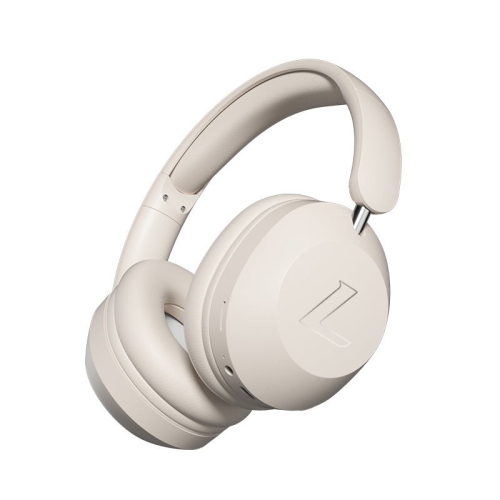



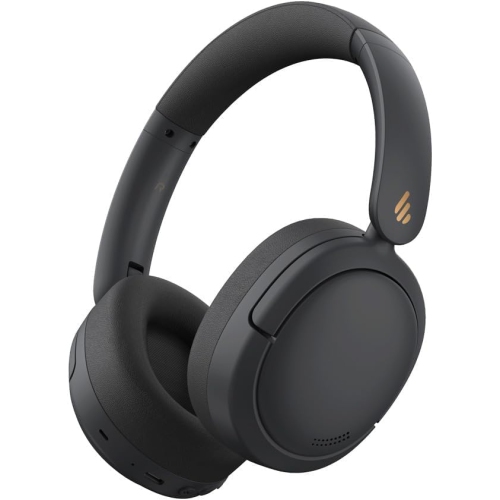
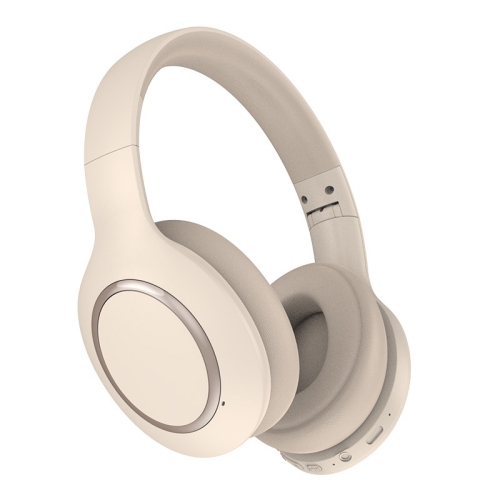
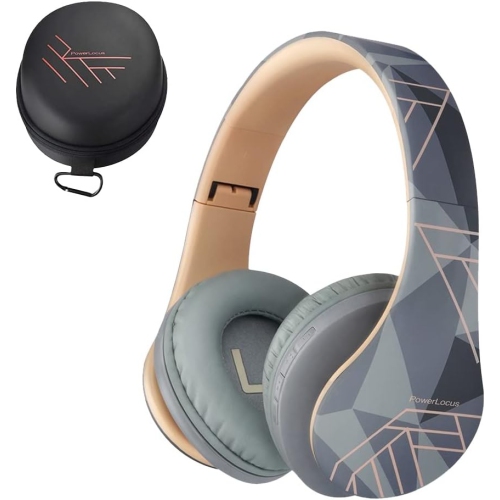
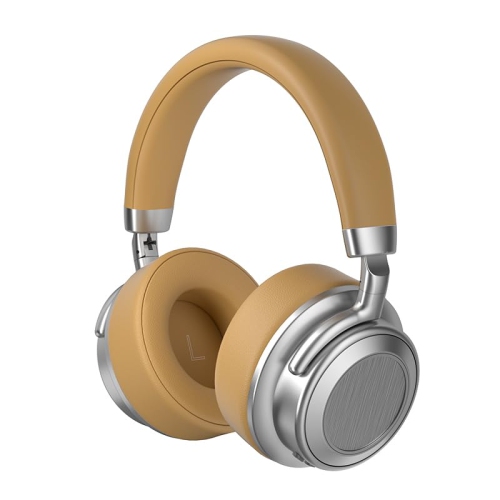


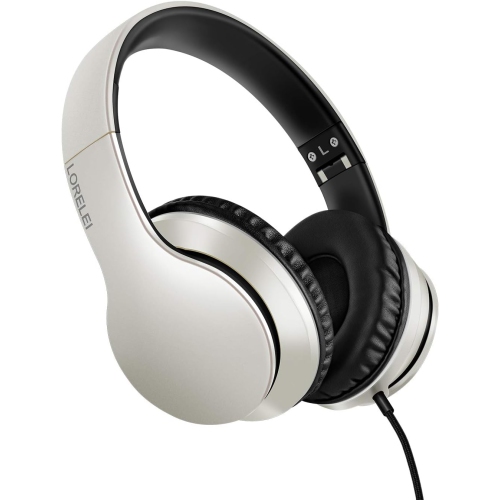
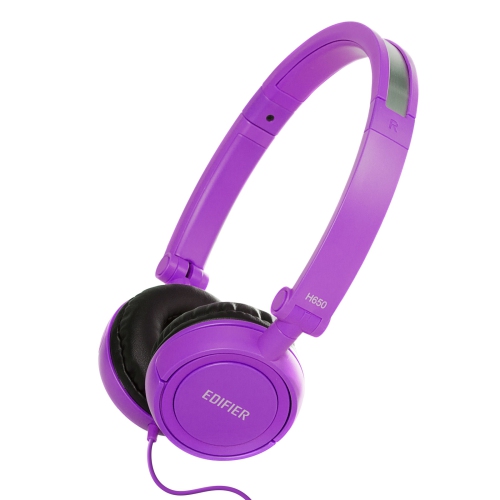
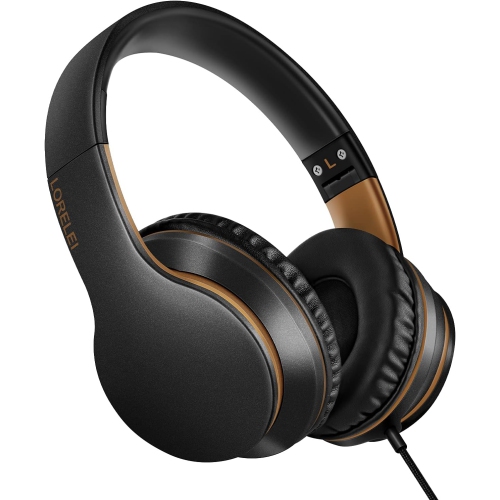
![GREEN SCENIC [Liu Ya Qing] Study And Office Headphones | 85Db Safe Volume | Light As 220G | Cross-Platform Compatibility | Exclusive for Online](https://multimedia.bbycastatic.ca/multimedia/products/500x500/192/19274/19274292.jpeg)
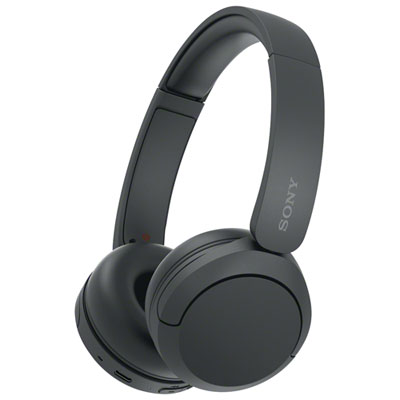
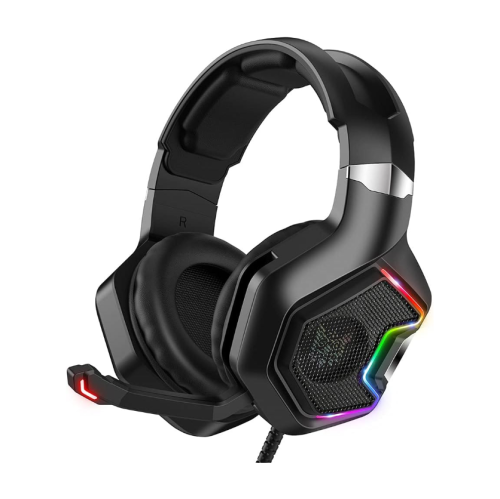
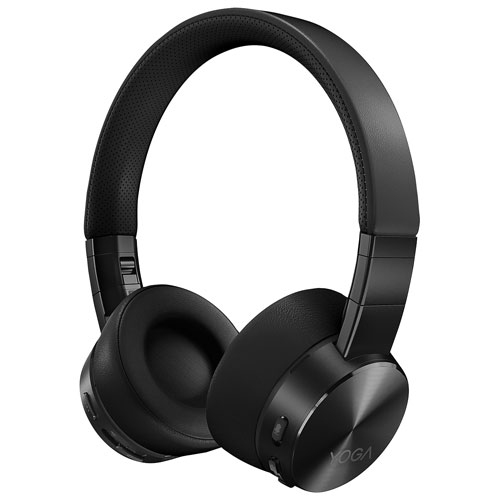
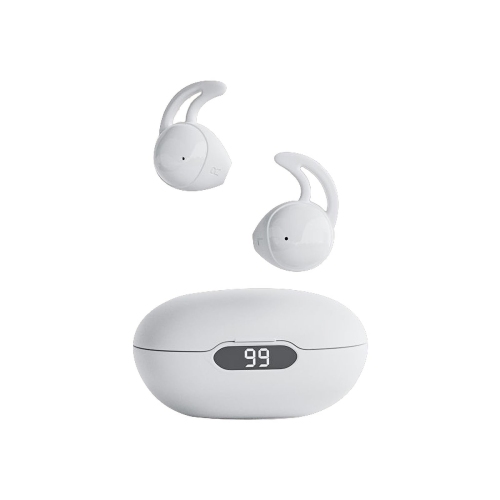
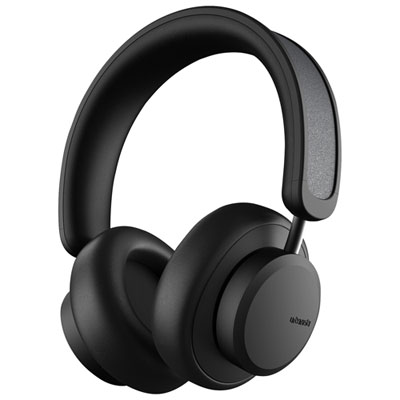
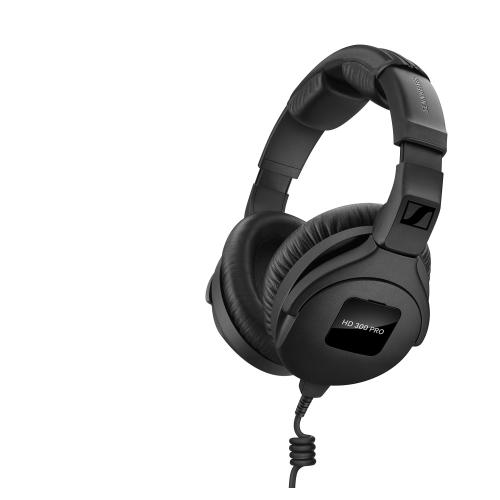
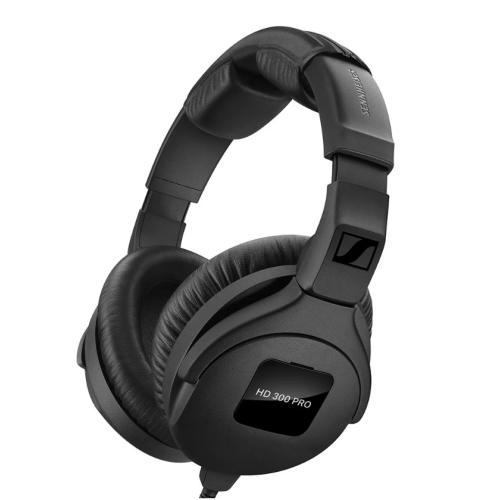
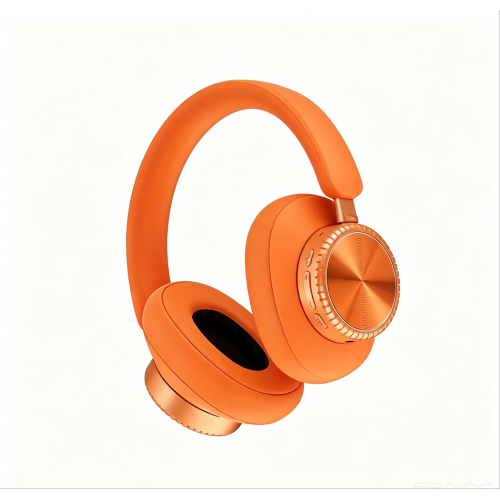
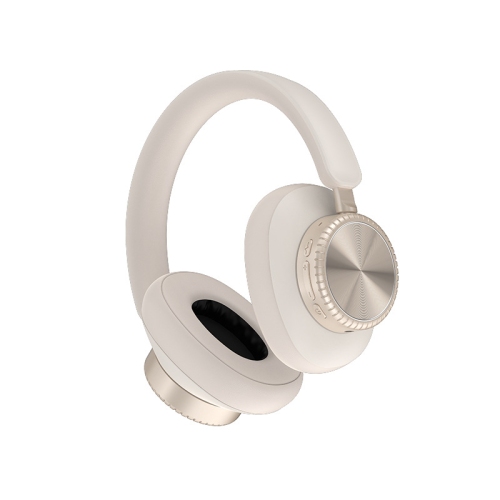
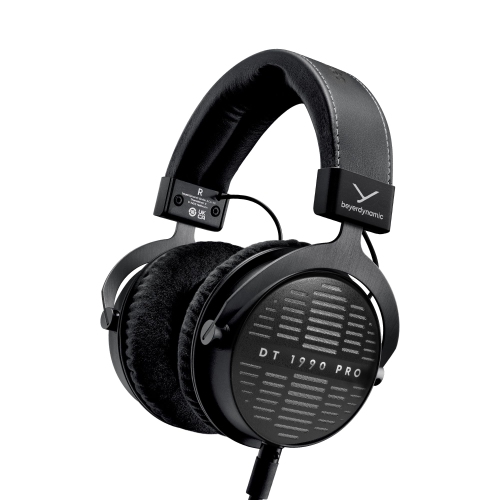
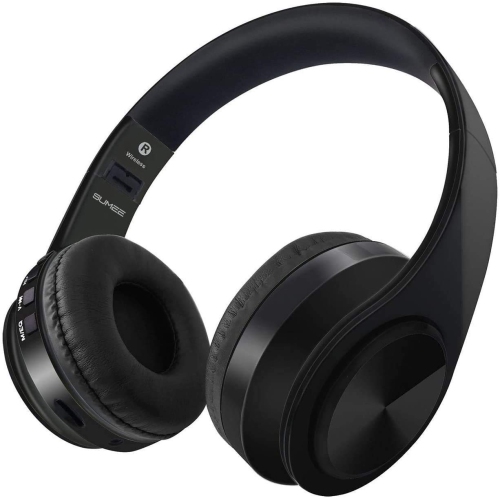
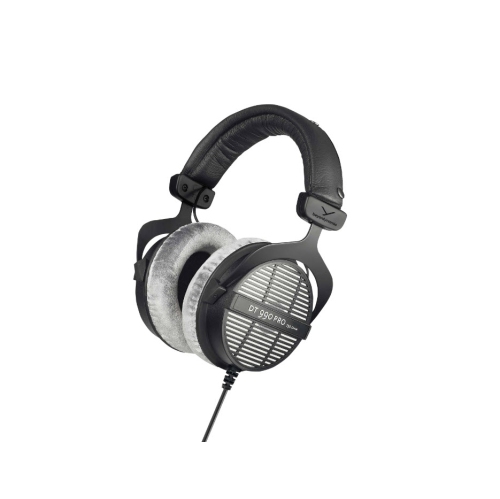
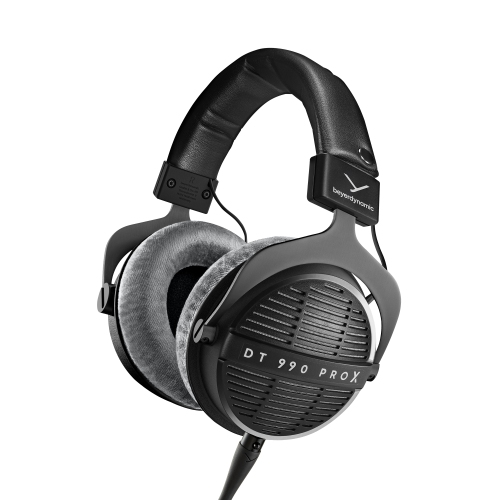
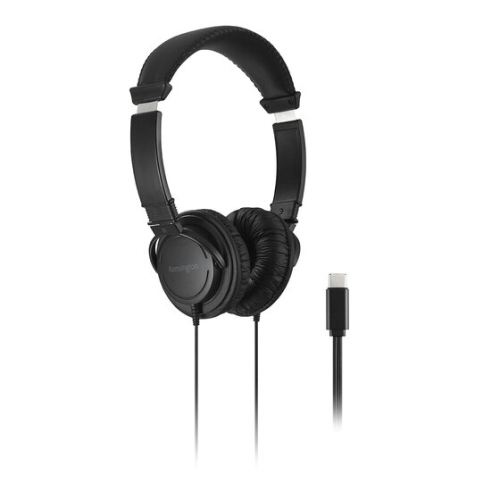

Balanced sound and spacious comfort for extended listening
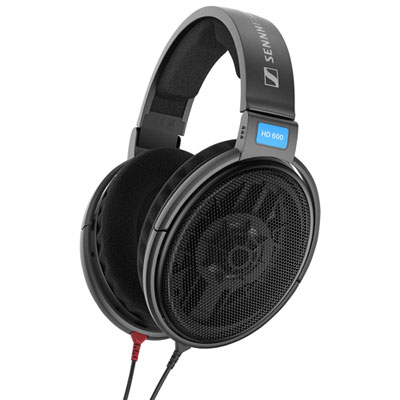
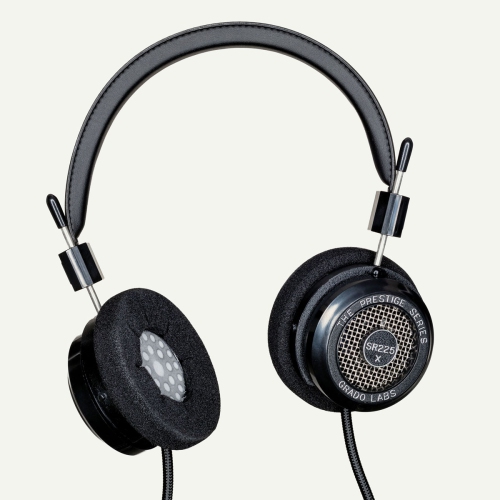
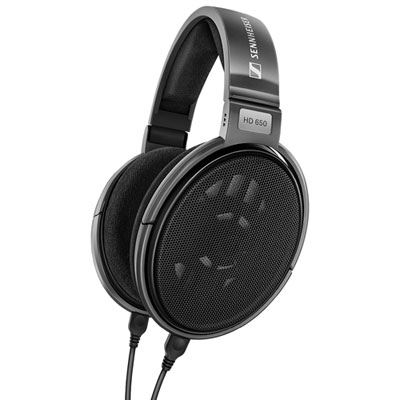
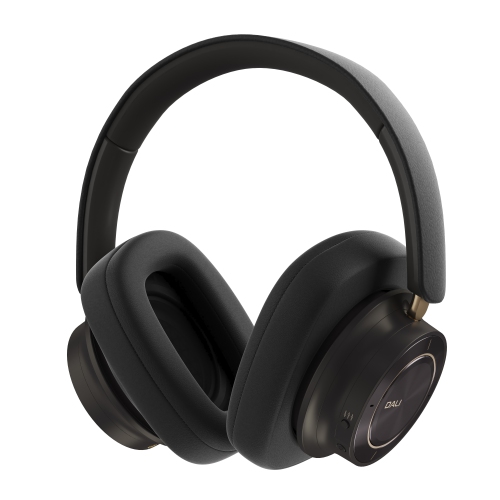
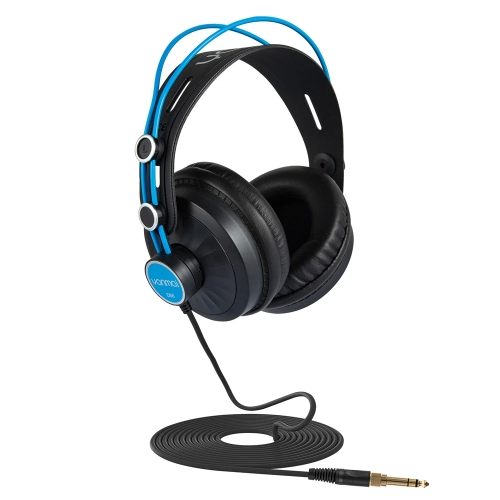
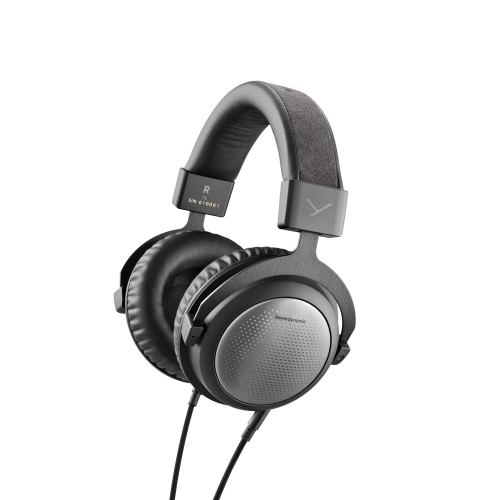
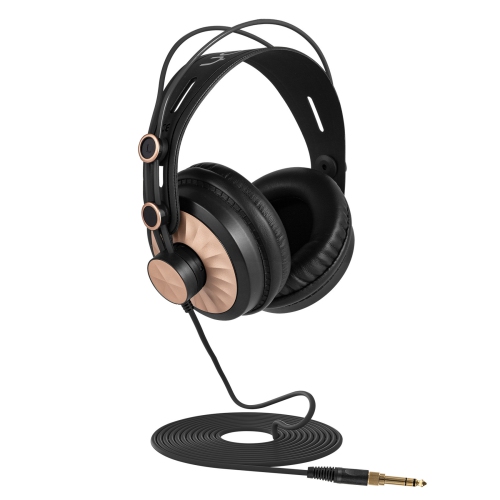
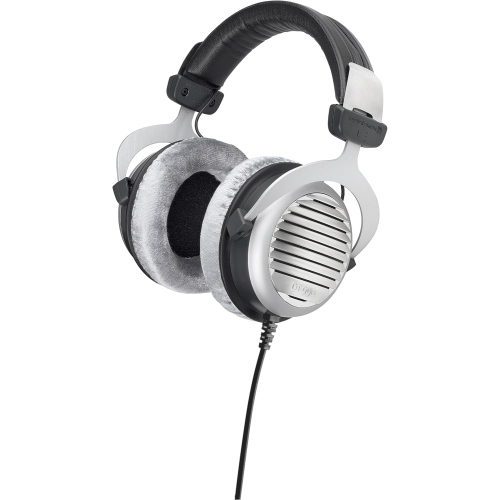
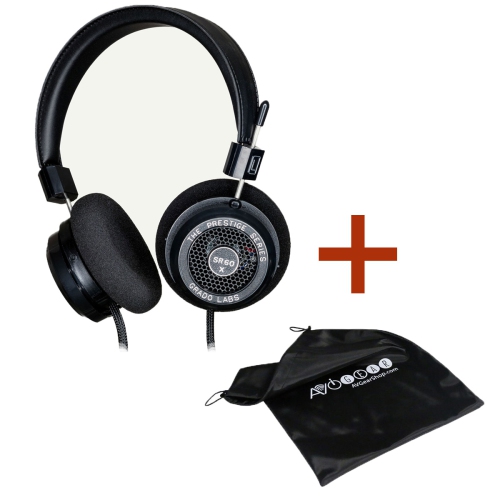
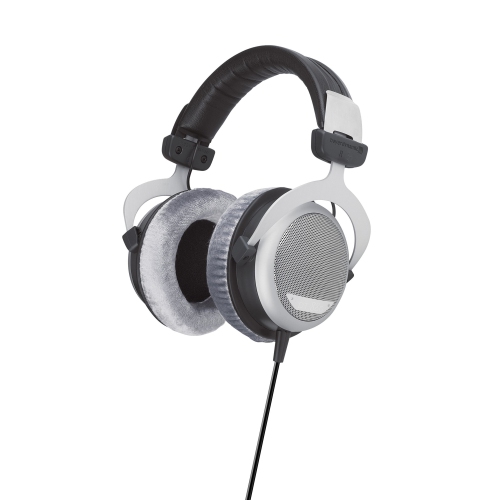
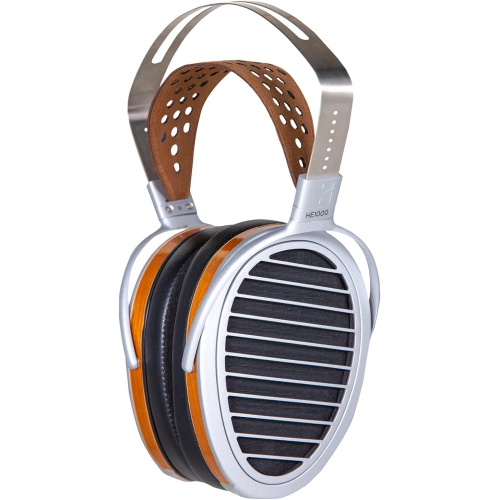
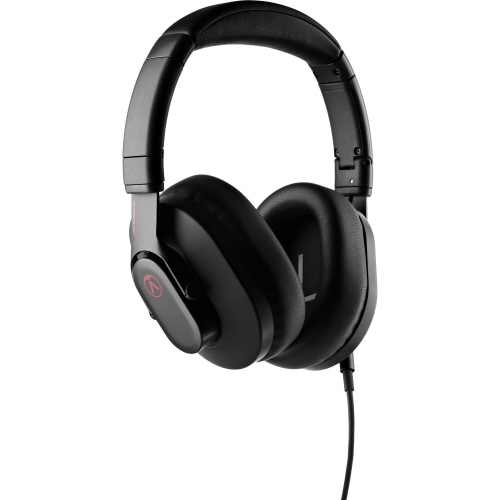
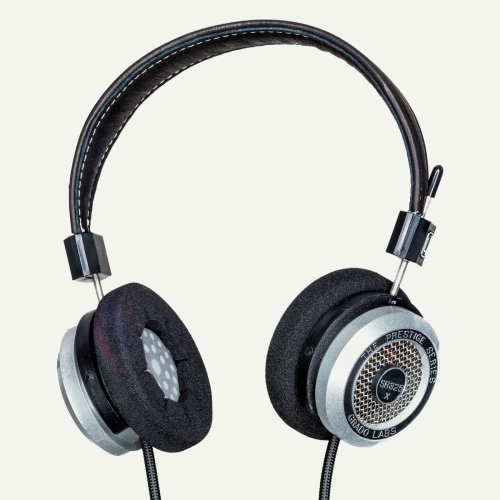
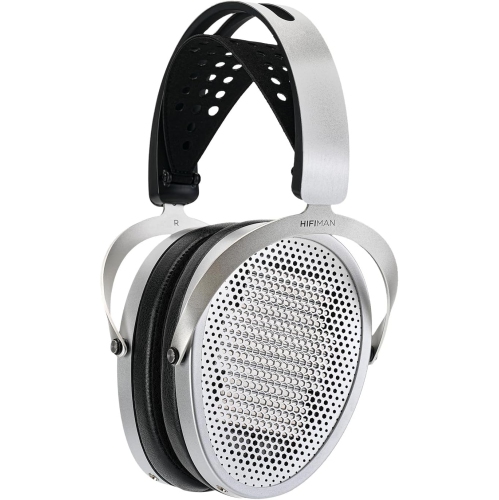
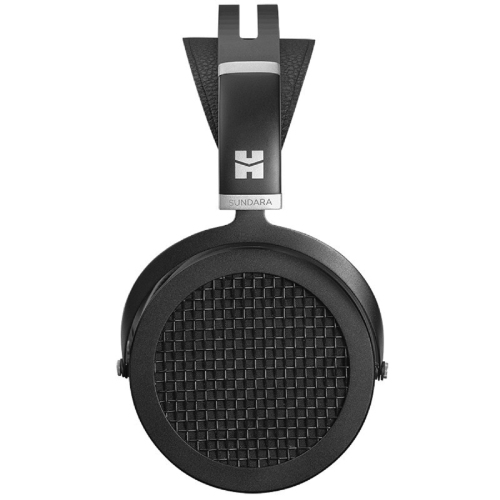
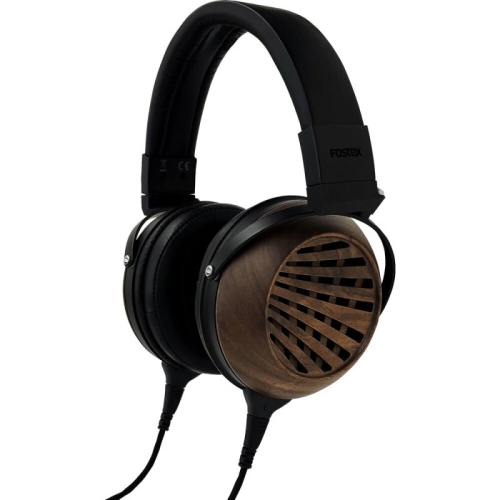
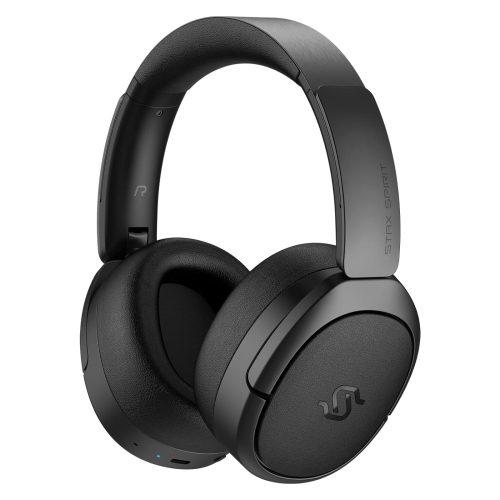
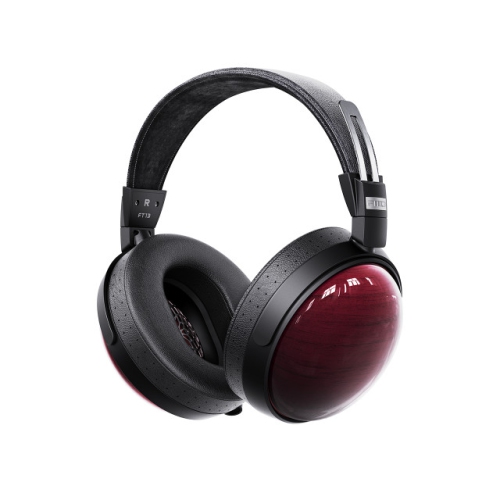
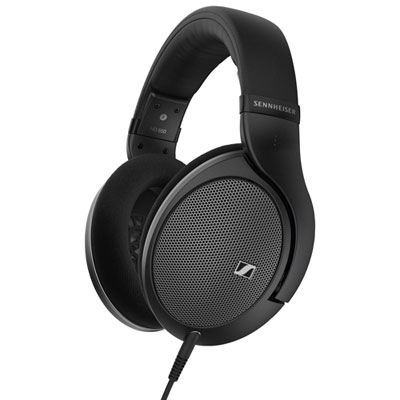
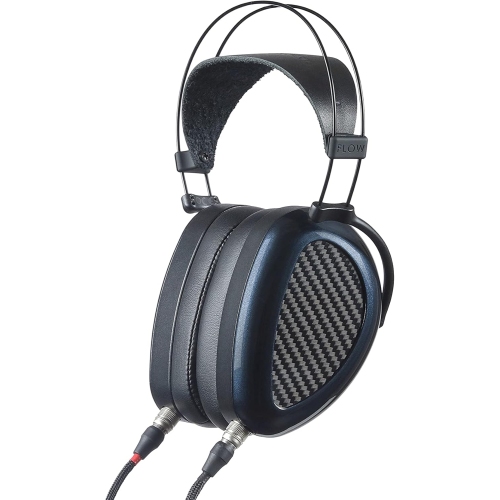
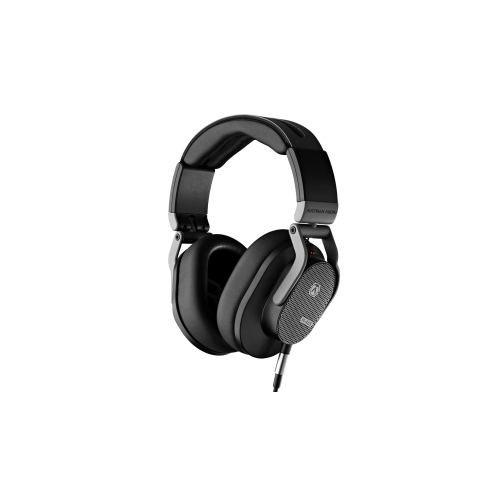
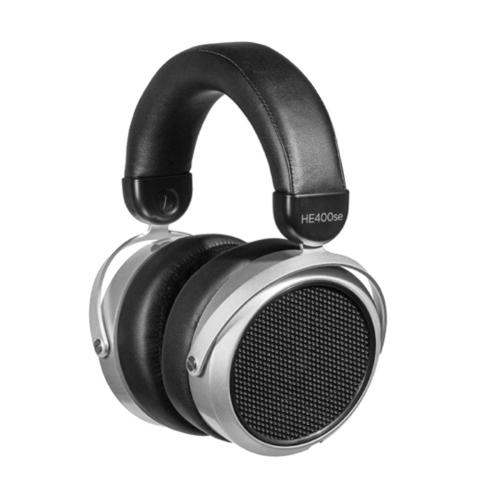
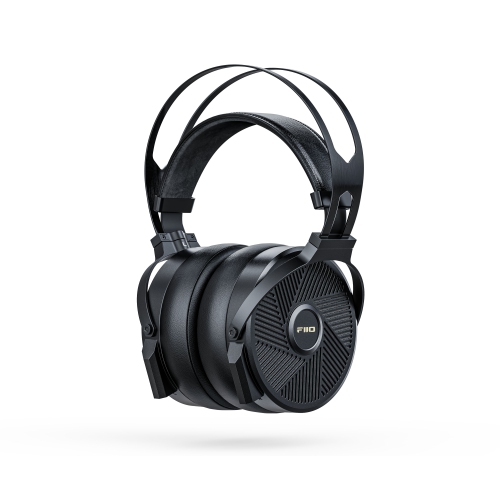
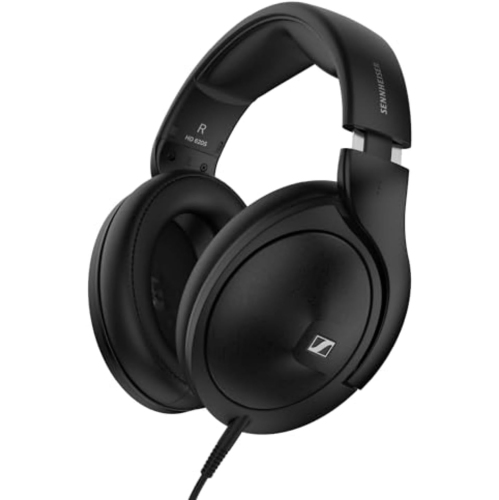
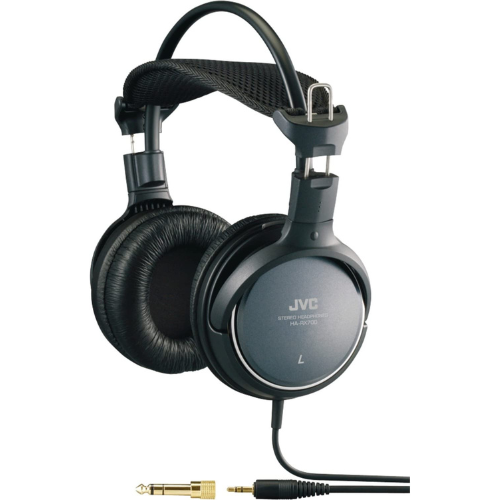
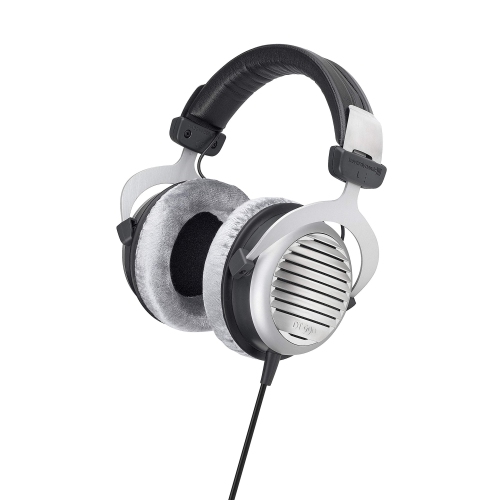
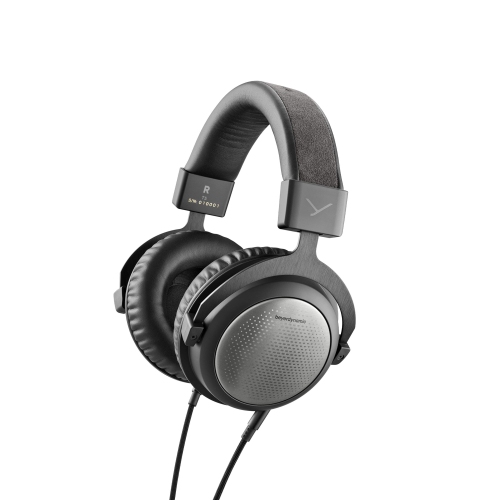
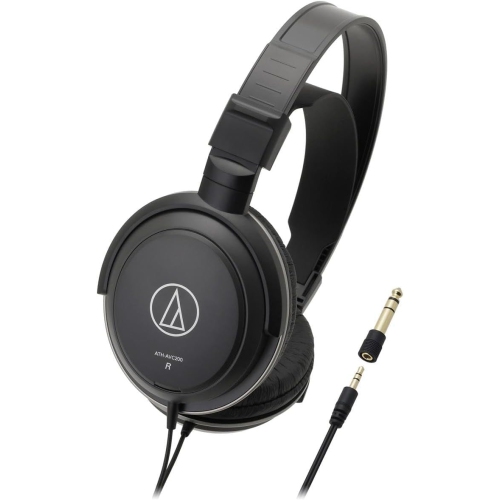
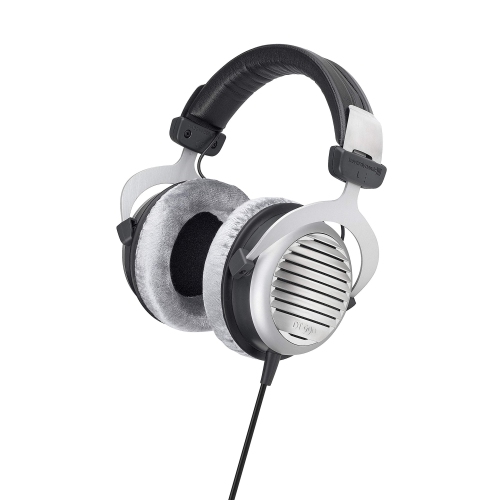
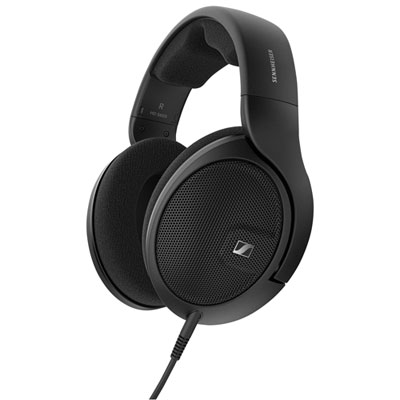
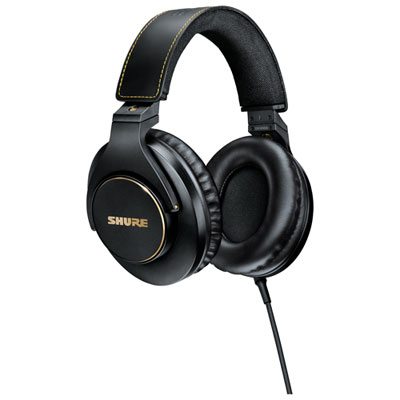
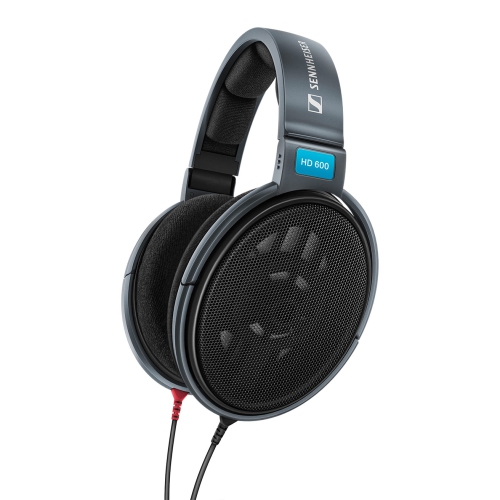
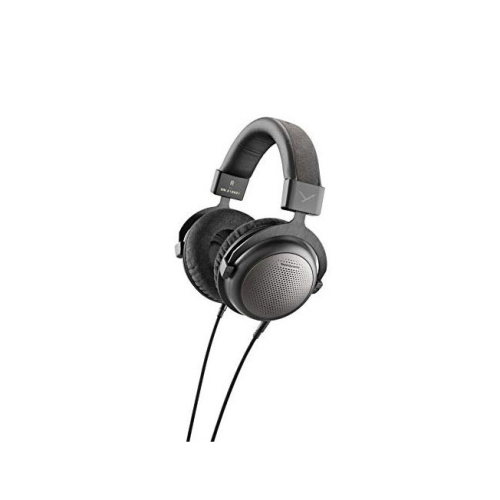
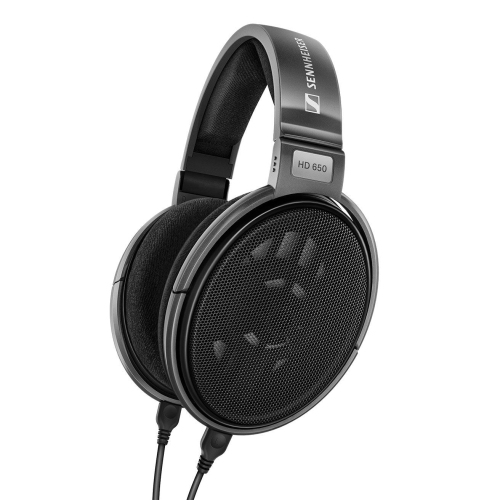
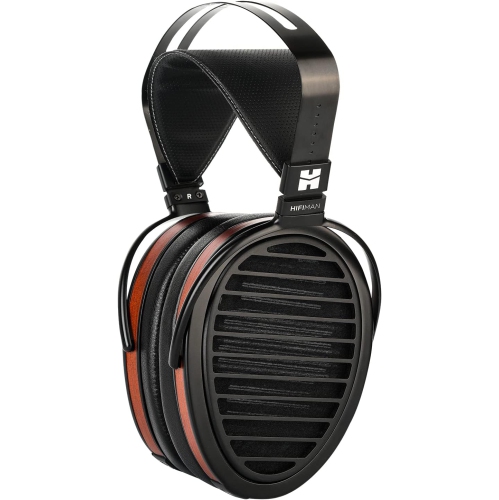
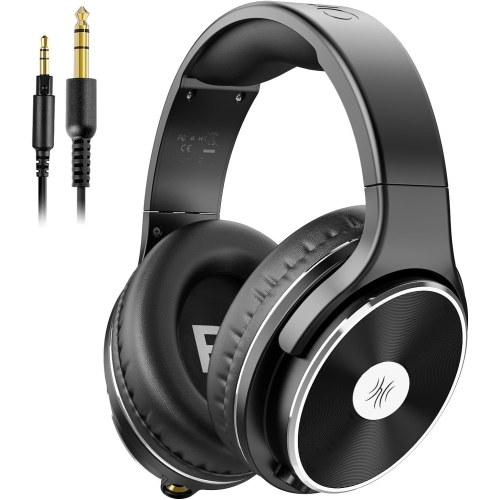
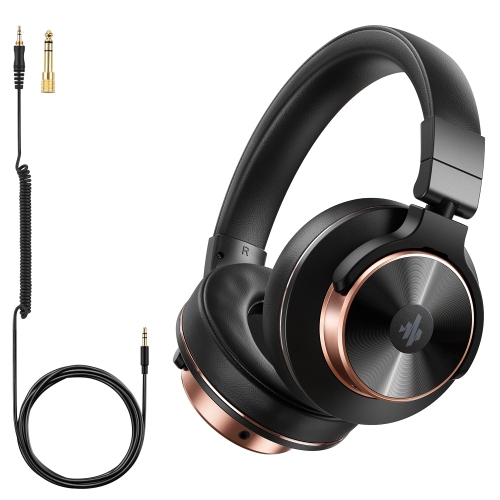
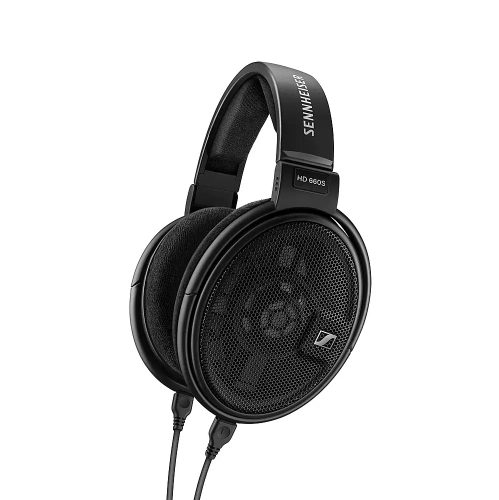
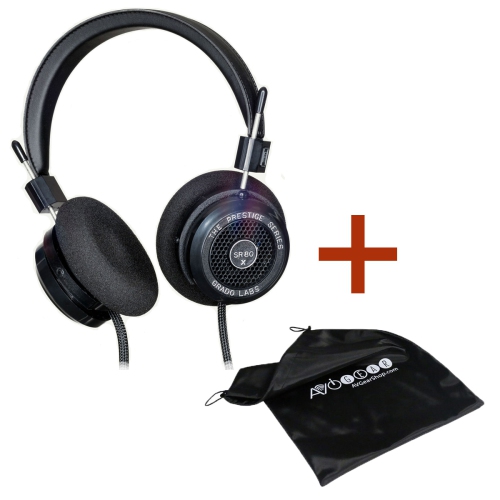
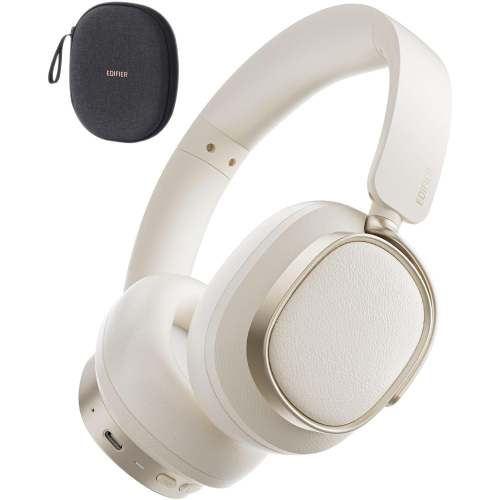
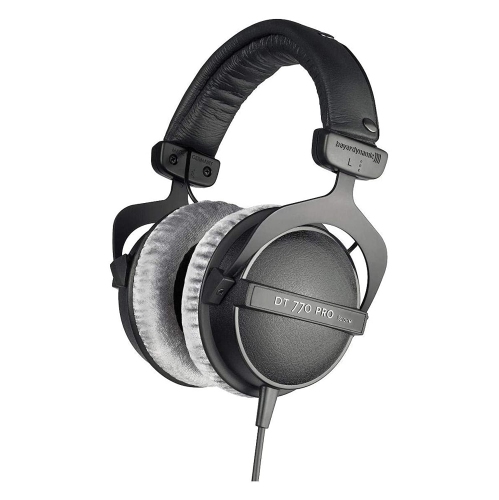
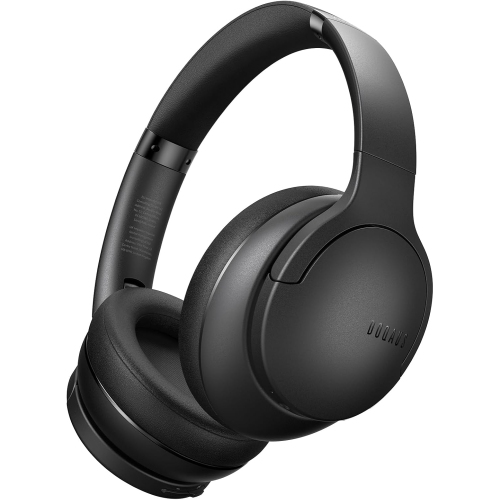
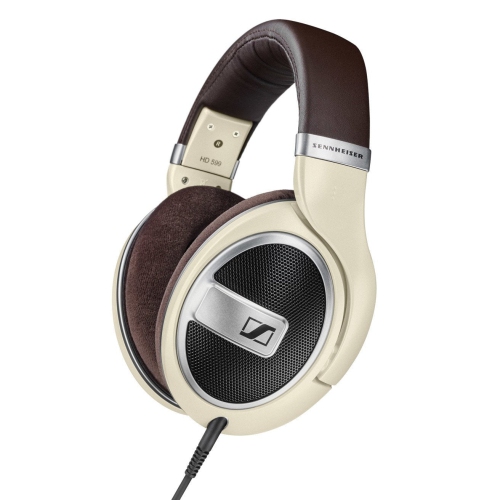
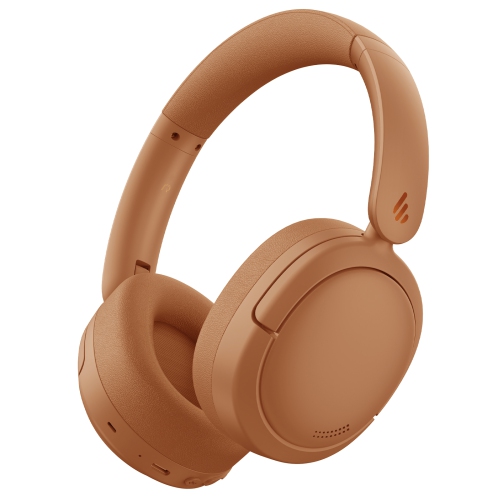
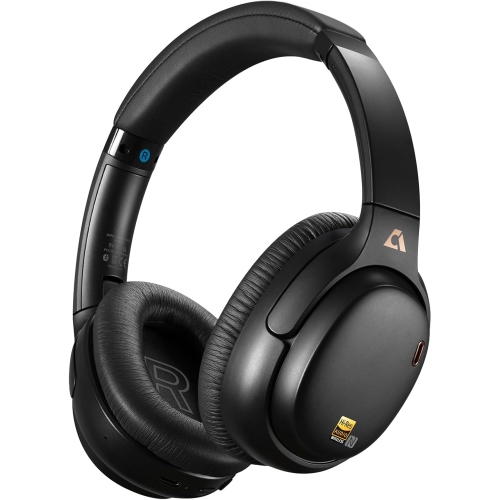
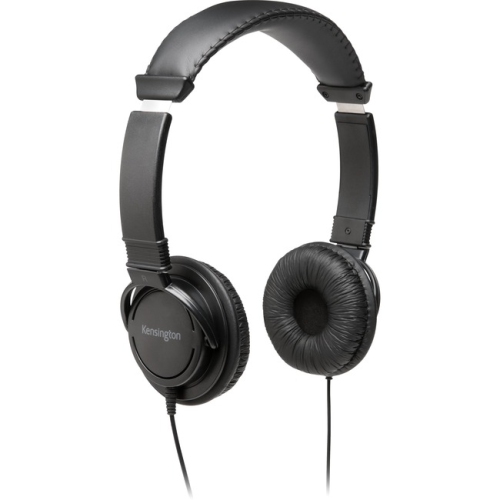
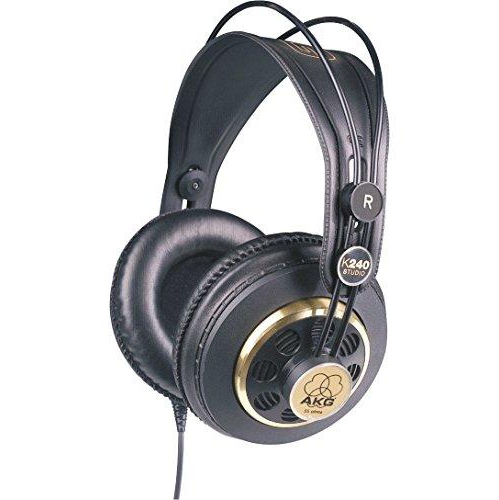
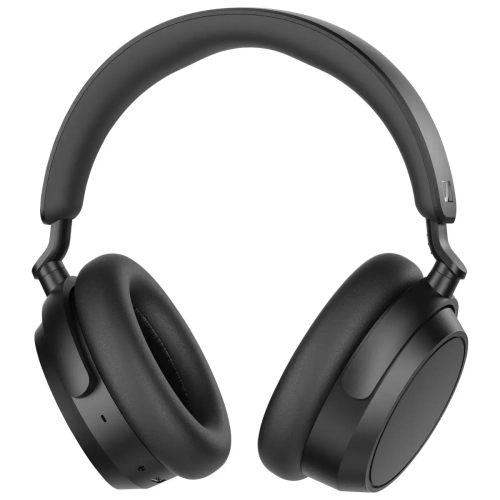
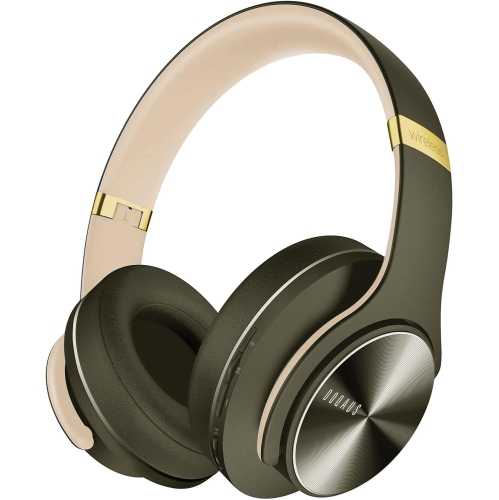
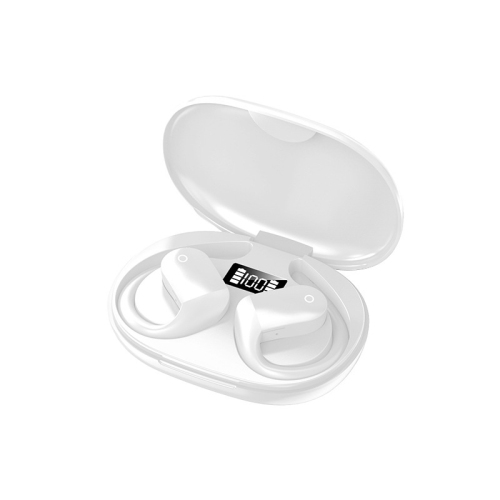
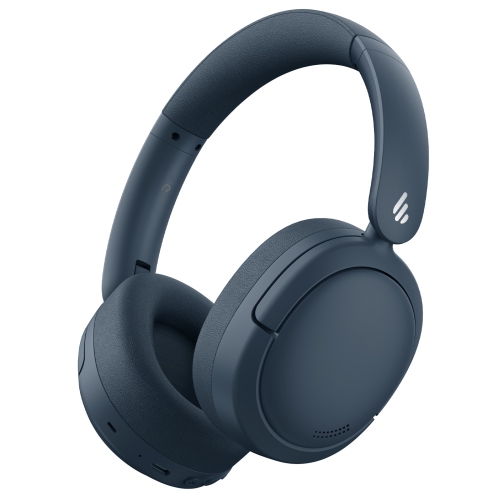
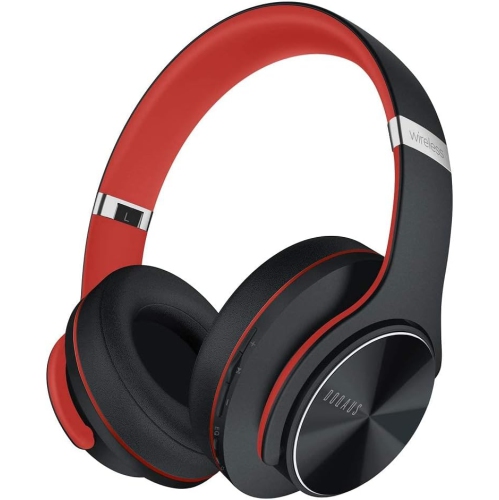
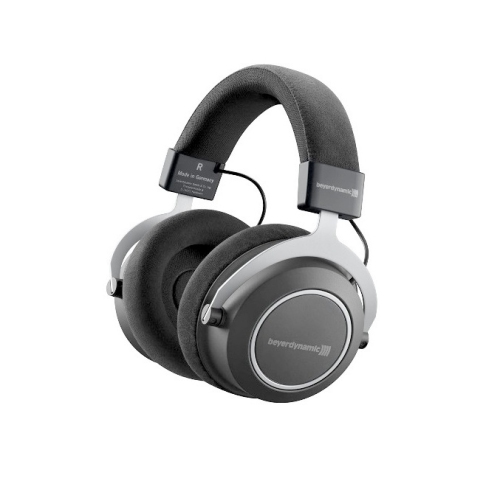
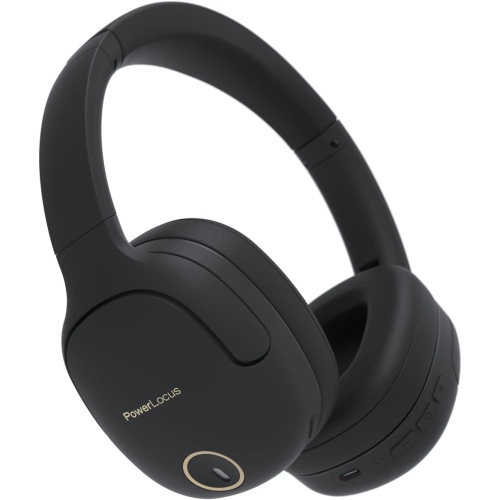
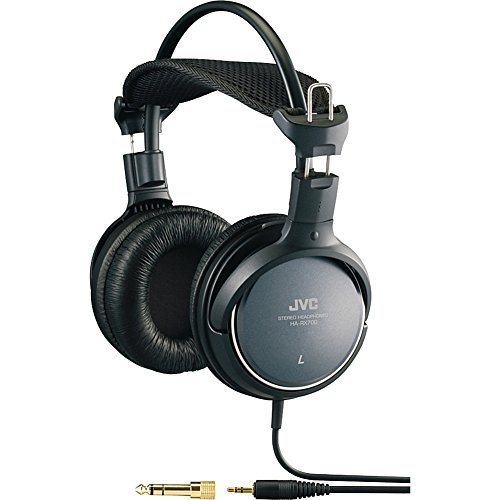
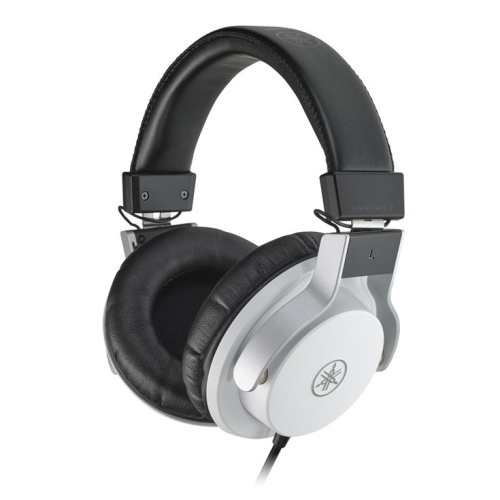
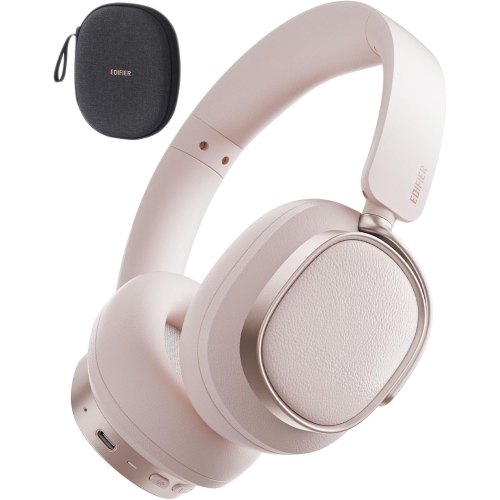
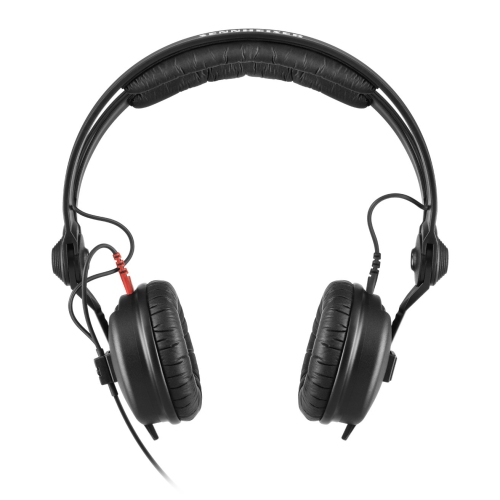
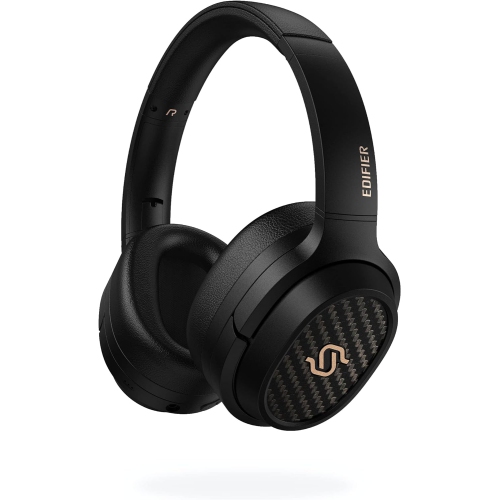
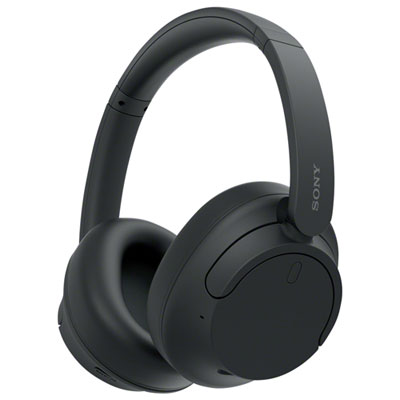
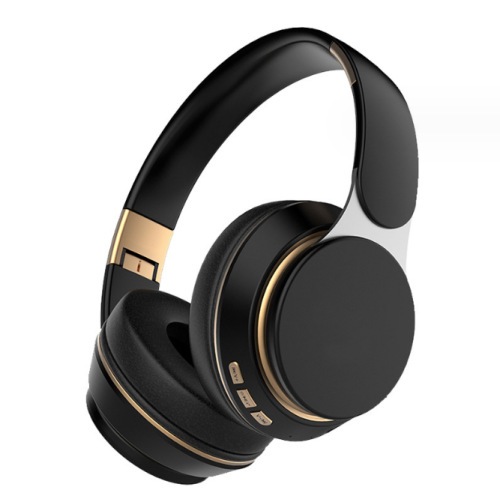
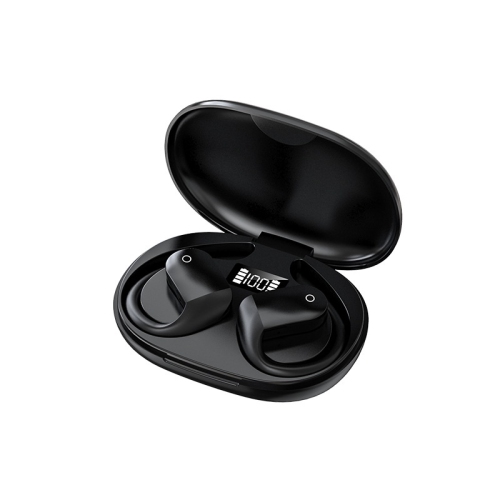
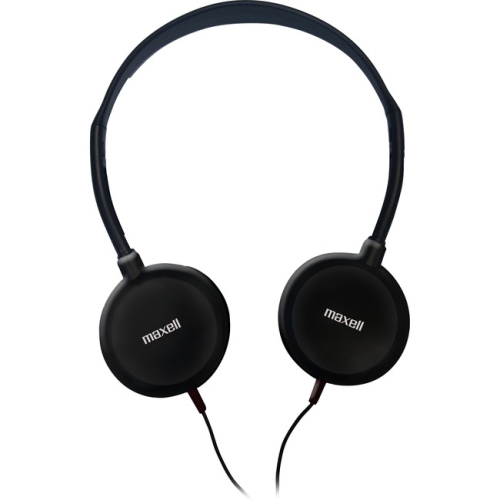
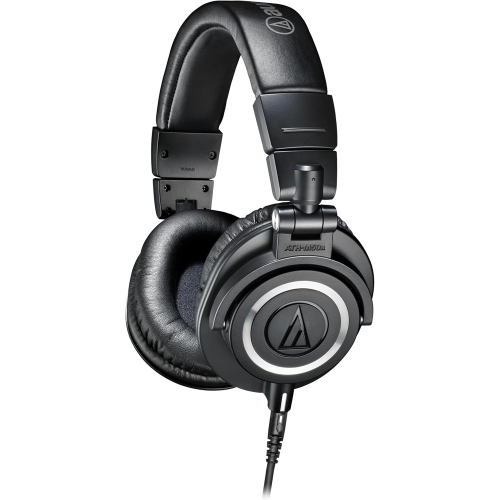
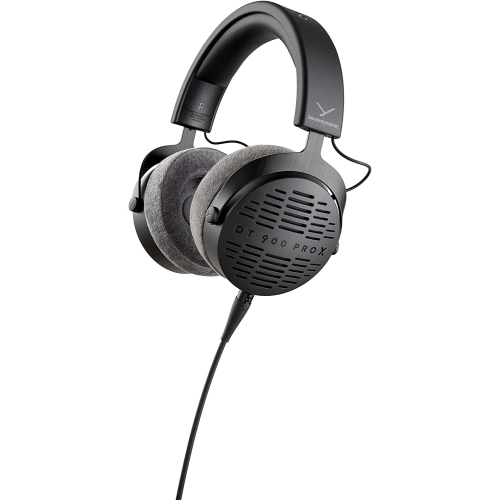
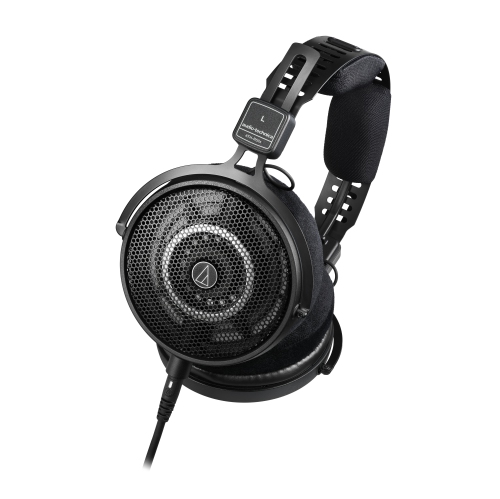
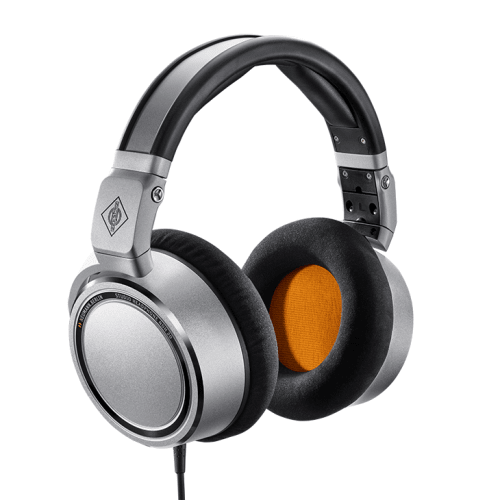
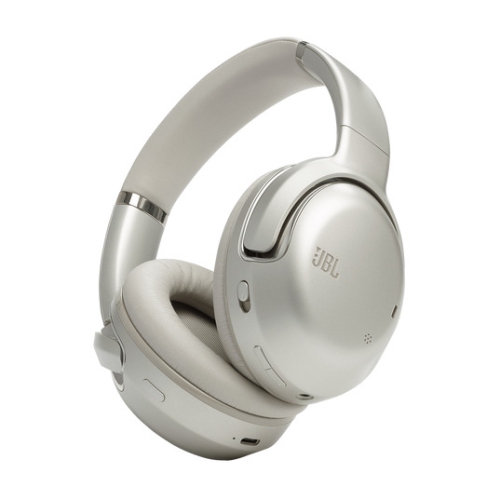
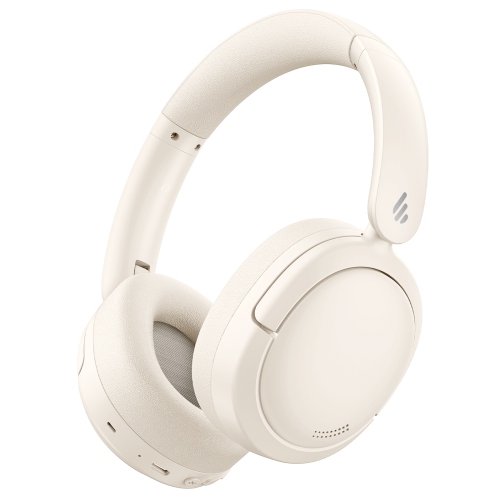
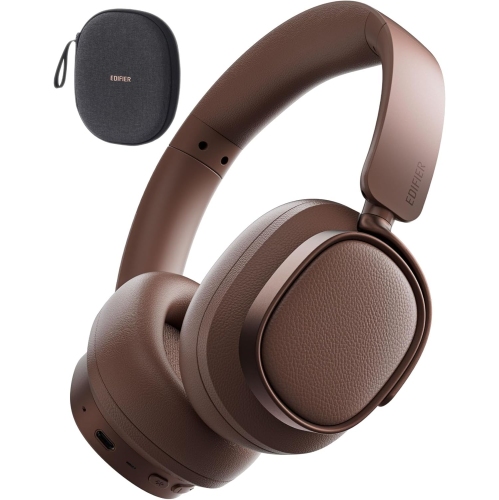
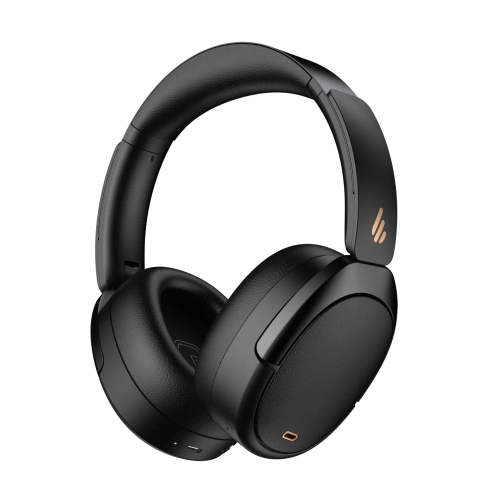
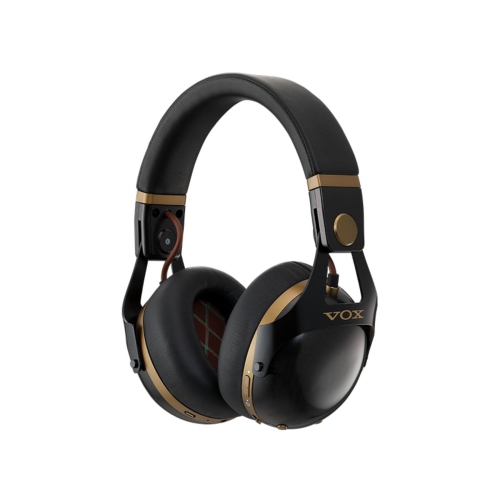
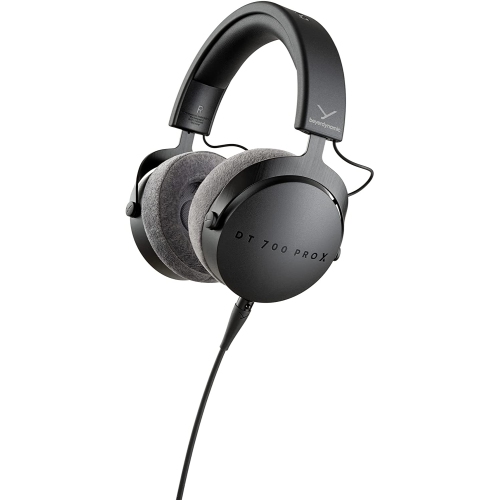
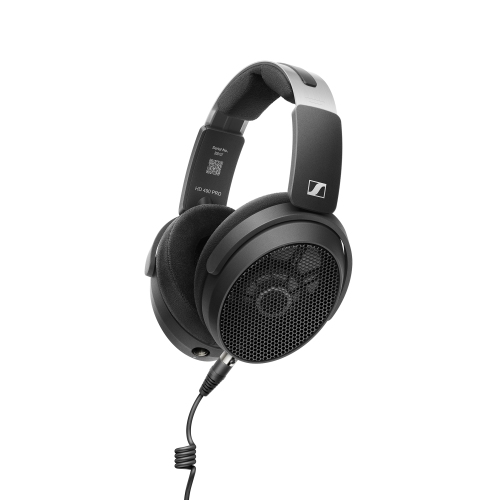
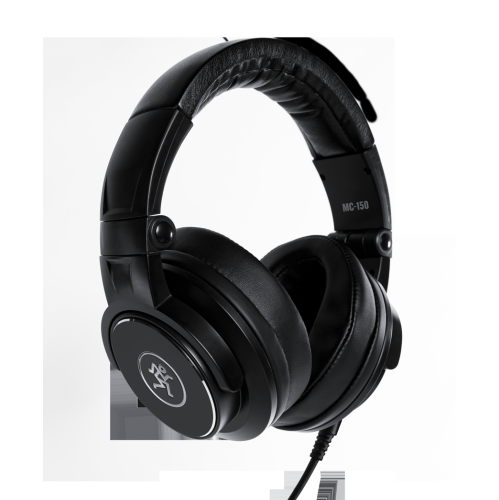
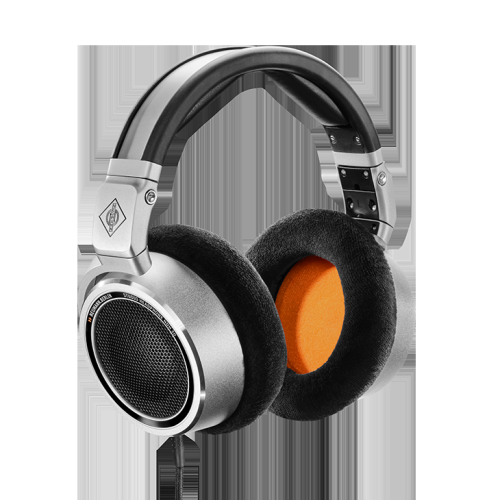
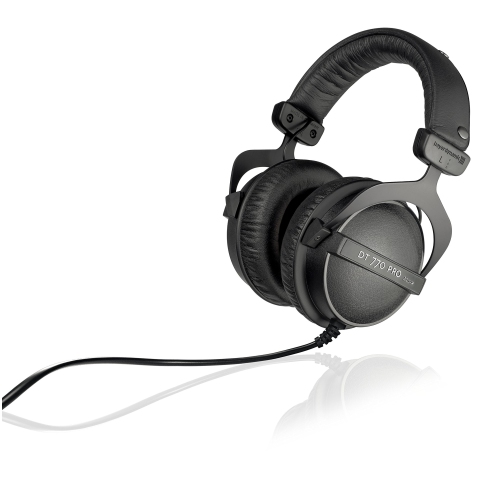
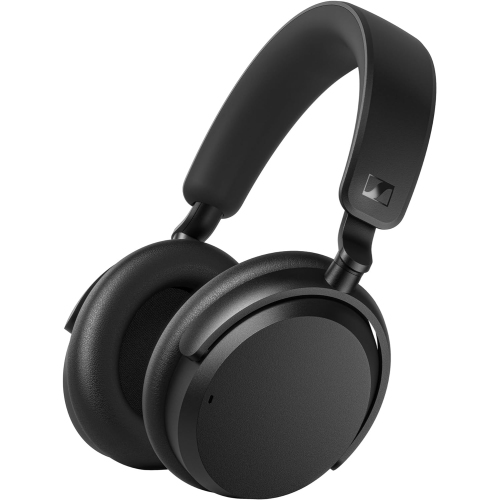
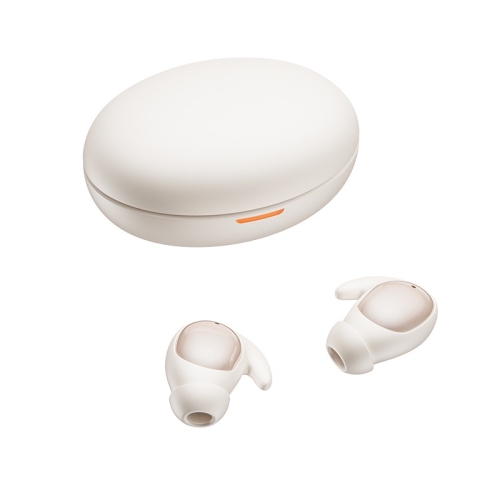
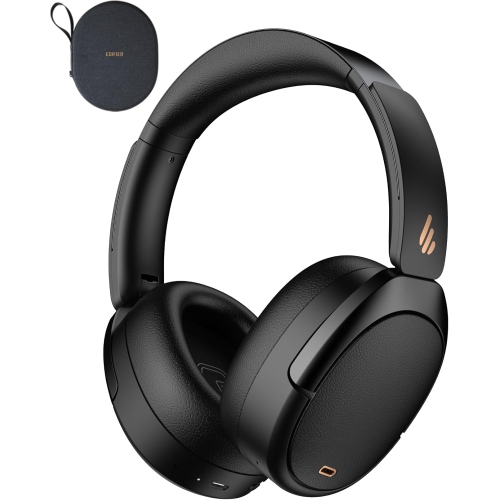
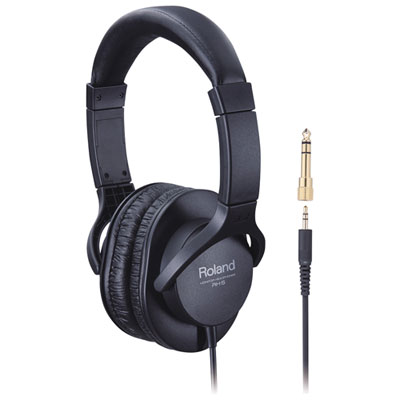
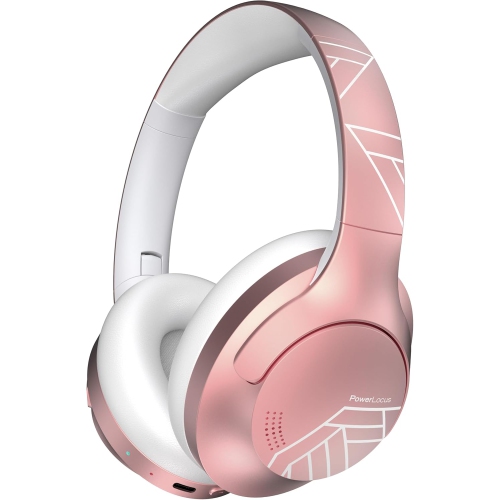
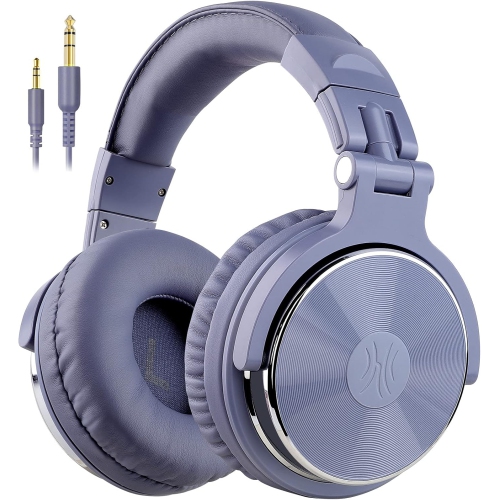
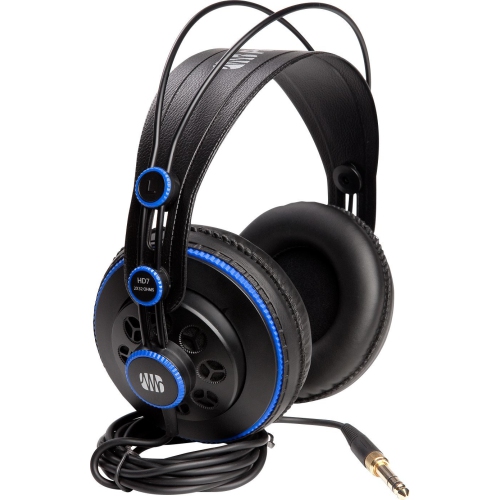
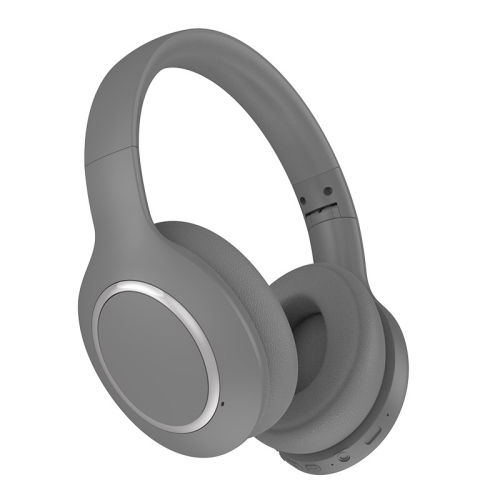
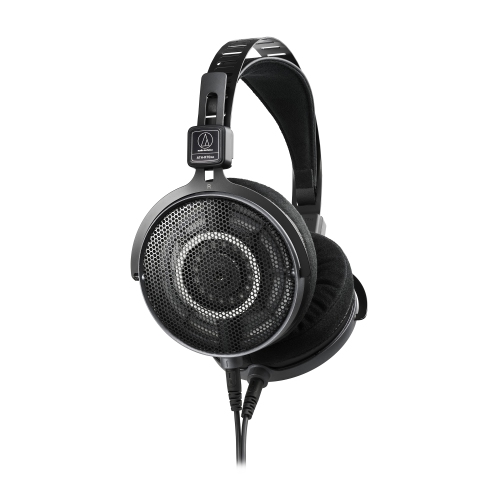
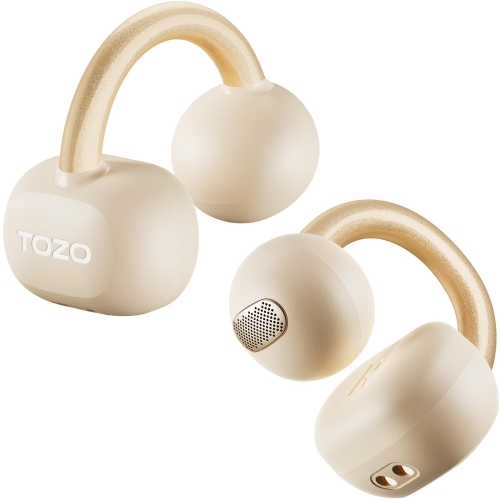
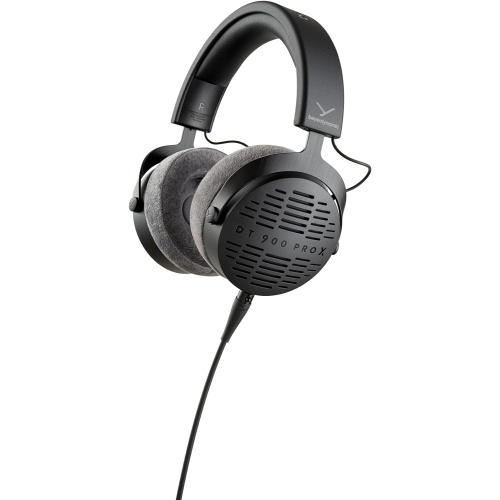
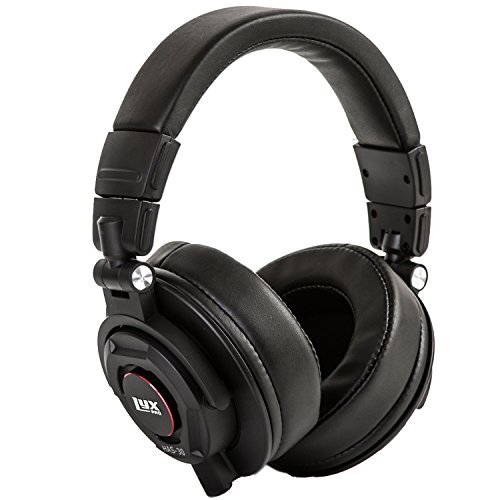
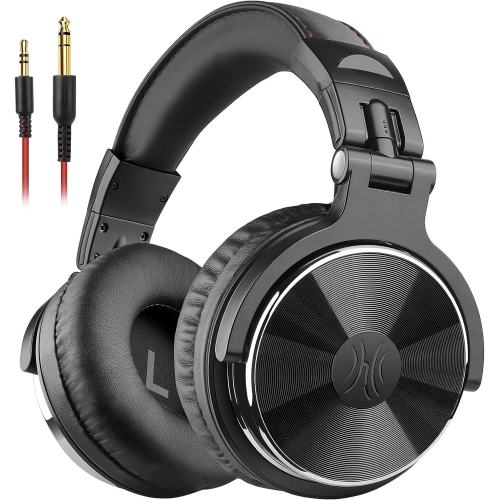
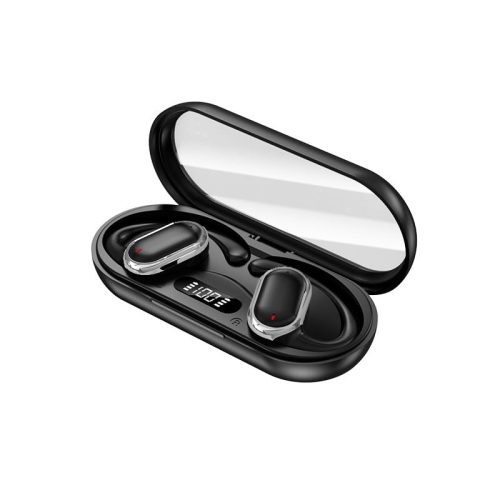
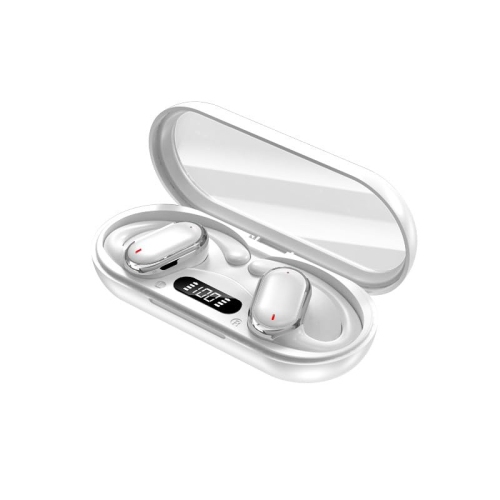
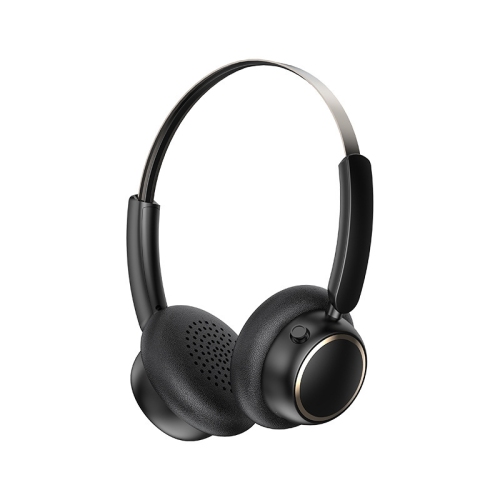
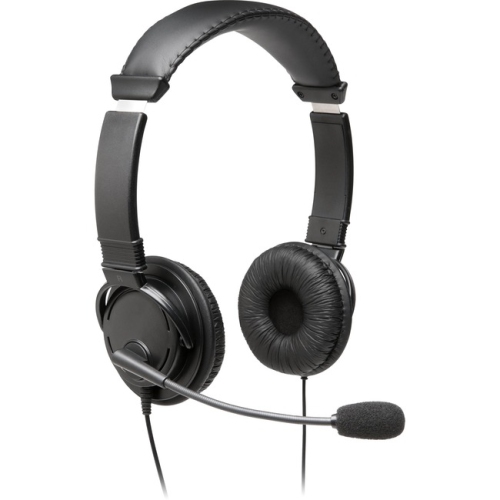
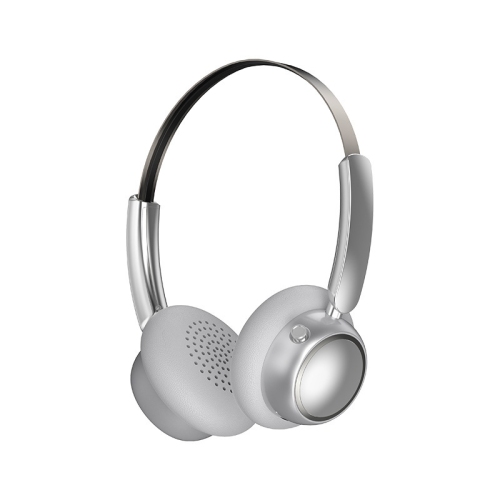
Open-back headphones are often considered a strong choice for classical music because their perforated or vented earcups allow air to move more freely around the drivers. This can produce an airy, spacious presentation with a more natural sense of separation between sections of an orchestra. They are particularly enjoyable in a quiet room, where the listener can settle into a long album, opera, or multi-movement work without feeling closed in by the sound. Open-back designs do allow sound to pass in and out, so they are less suitable for shared spaces, public transit, offices, or late-night listening beside someone who is sleeping. Closed-back headphones provide greater isolation and can be more practical for commuting, studying, or enjoying music in a busy home. Some closed-back models create an impressively open presentation through careful tuning, while wireless headphones with active noise cancellation can reduce surrounding noise and make subtle instrumental details easier to hear. For the most direct and consistent connection, wired headphones remain a popular option, particularly with a dedicated music player, computer, amplifier, or headphone amplifier. Check impedance and sensitivity before choosing, since some higher-impedance headphones may perform best with a source that can deliver additional power. Wireless models offer freedom from cables and can be a convenient choice for moving between rooms, although listeners should consider Bluetooth support, battery life, control placement, and whether the headphones continue to work with a cable when the battery is low. Listeners who prefer a smaller, more portable design can also explore Earbuds for Classical Music for a compact alternative.
Comfort matters just as much as technical performance when a recording can last an hour or more. Padded earcups, a well-balanced headband, breathable materials, and moderate clamping force can make the difference between finishing a complete symphony and taking the headphones off halfway through the second movement. Consider the shape and size of the earcups, particularly if you wear glasses, and look for controls that are easy to use without interrupting the music. A detachable cable can be convenient for storage or replacement, while a longer cable may suit a listening chair near a home audio system. Those buying headphones for a student, pianist, choir member, conductor, music teacher, or serious concert listener may want to consider how the recipient typically listens: a wired open-back pair can be an excellent addition to a quiet practice room, while a wireless noise-cancelling design may fit someone who listens while travelling or working in a shared environment. Headphones for classical music can also be a thoughtful gift for someone discovering a new composer, building a vinyl or digital collection, or revisiting familiar performances with greater detail. During the warmer seasons, a lightweight design with breathable padding can feel comfortable during extended listening, while during the cooler months a secure over-ear fit can be inviting for evenings spent with a favourite concerto or opera. Matching the headphones to the listener’s space, equipment, and habits is the best way to enjoy the subtle balance classical recordings have to offer, from the quietest pianissimo to the full, resonant impact of a symphonic finale.
Top selling and popular products
-
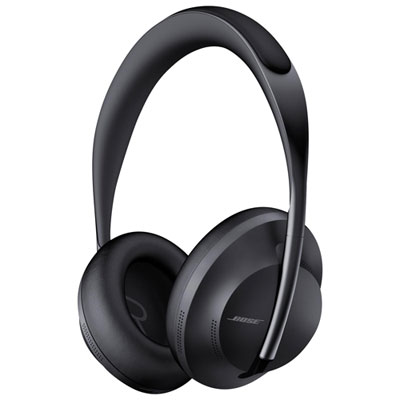 Your price for this item is $479.97
 -
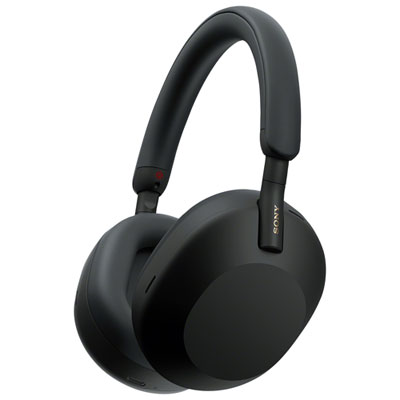 Your price for this item is $499.99
 -
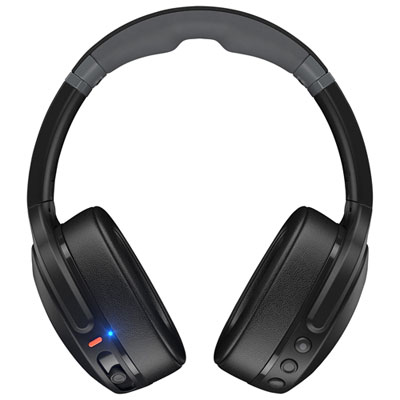 Your price for this item is $199.99
 -
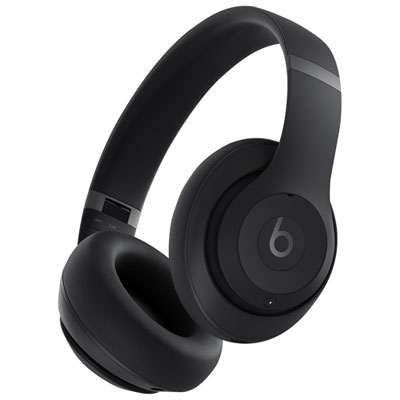 Your price for this item is $399
 -
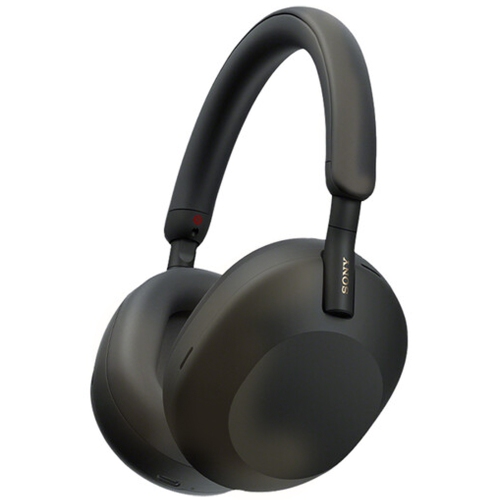 Your price for this item is $438
 -
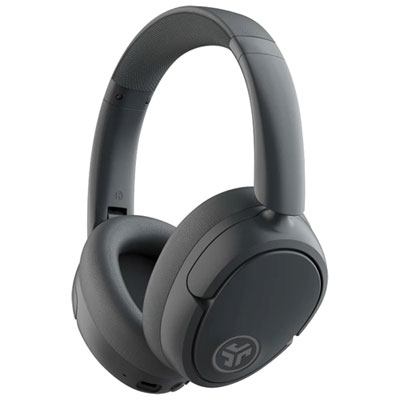 Your price for this item is $119.99
 -
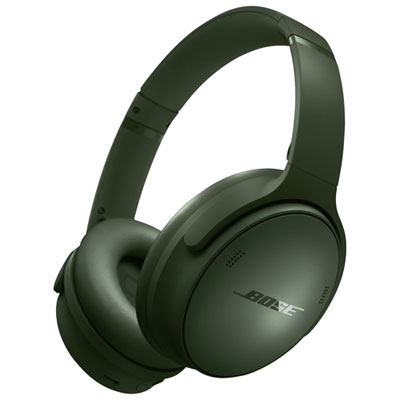 Your price for this item is $479.99
 -
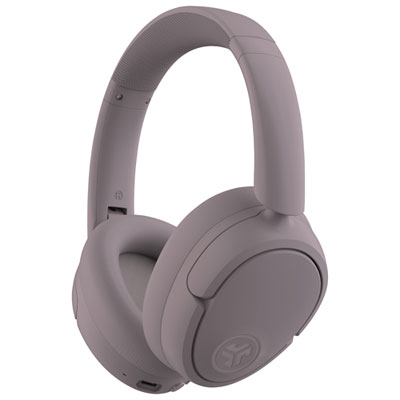 Your price for this item is $119.99