Stereo Headphones
Immerse yourself in the world of music with our collection of stereo headphones. Whether you're a music lover, a gamer, or simply seeking a private audio experience, these headphones deliver exceptional sound quality and comfort. Designed to provide an immersive audio experience, our stereo headphones offer crisp highs, deep bass, and clear vocals that will elevate your listening pleasure. With a variety of styles and features to choose from, you can find the perfect pair to suit your personal preferences and elevate your audio experience to new heights.
Sort

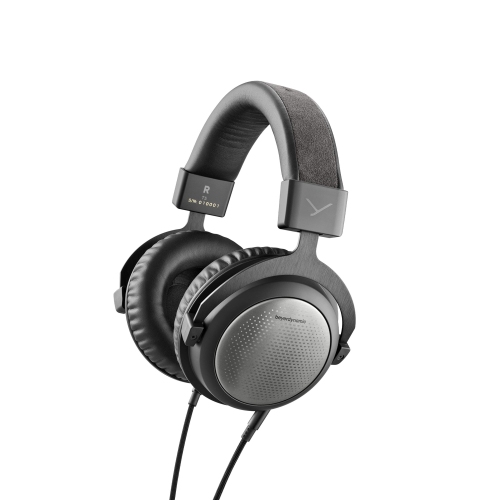
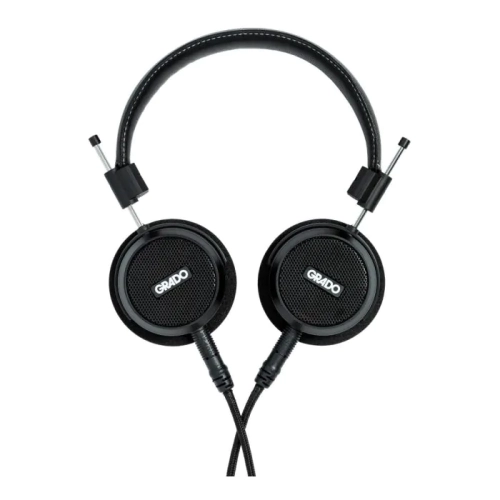
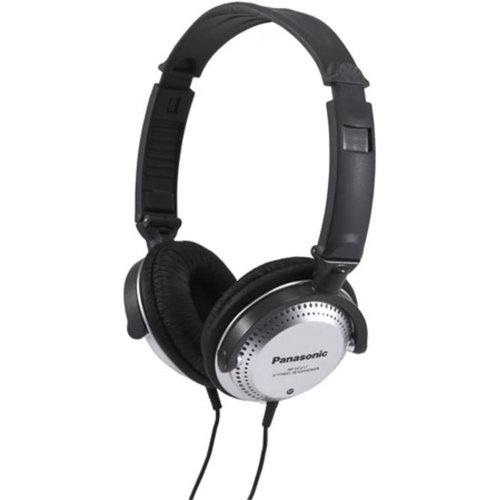

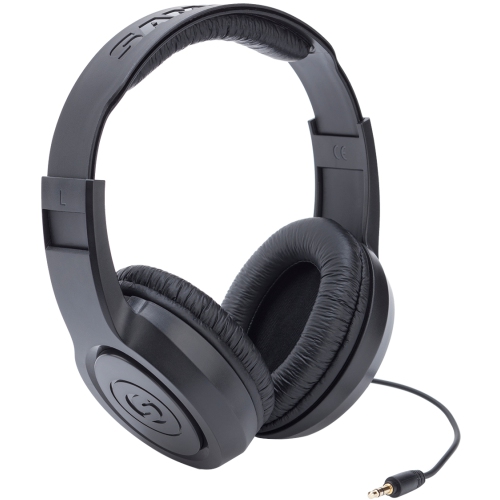
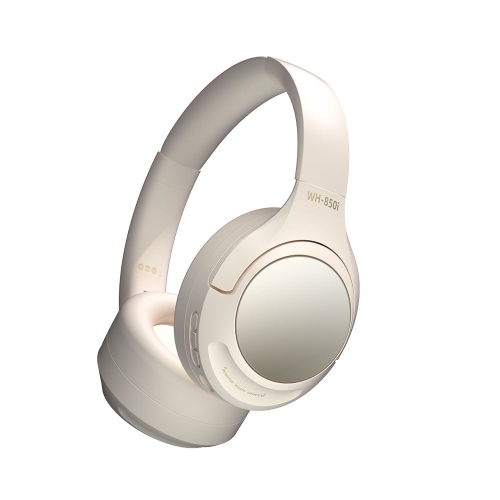
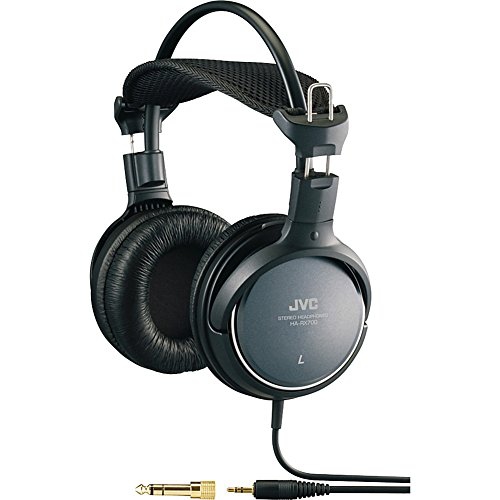
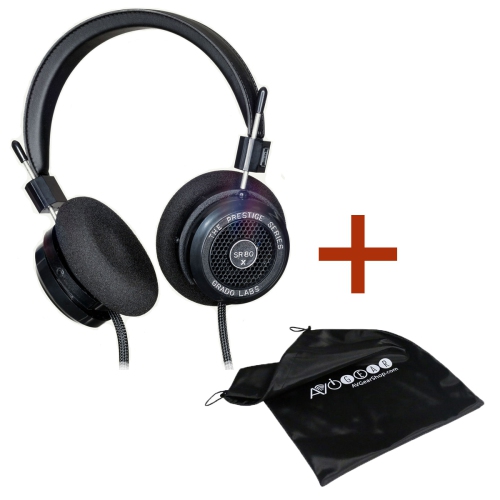


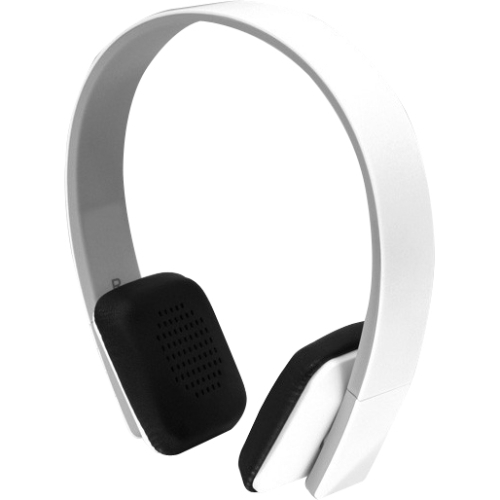
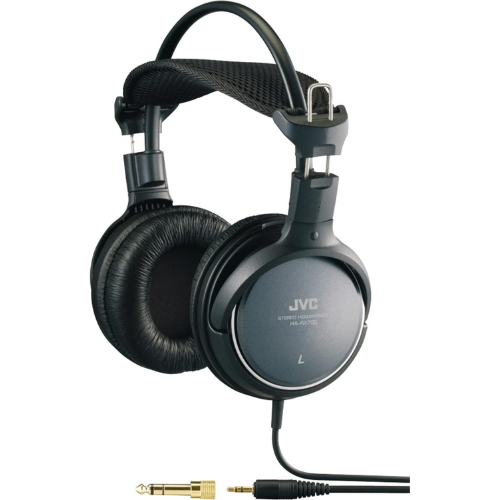
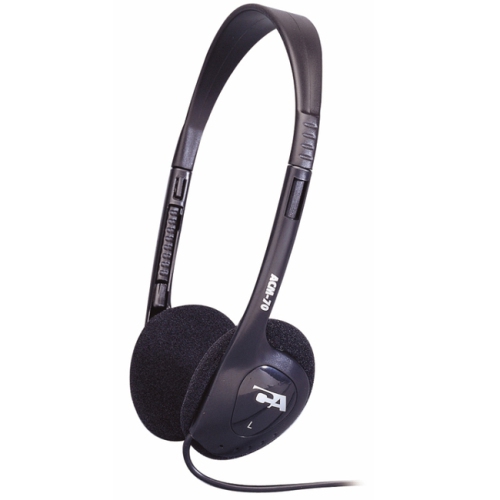
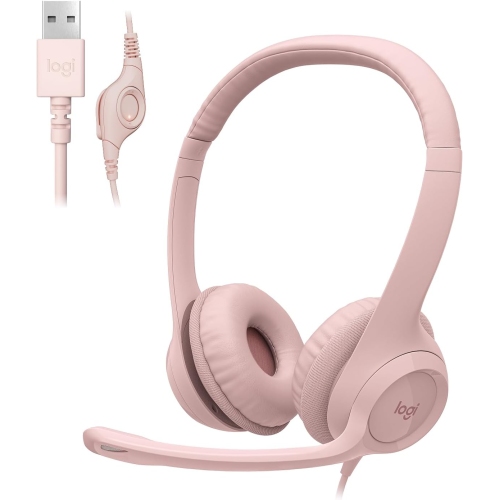

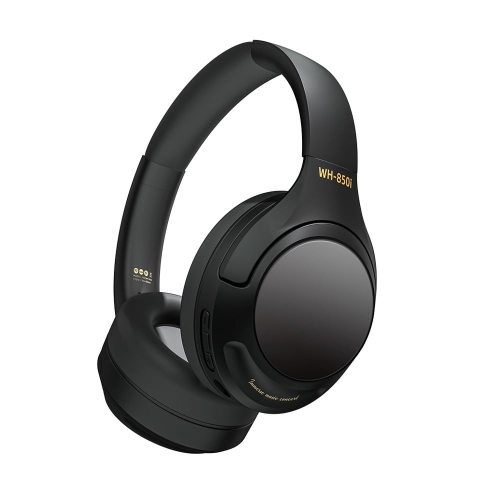


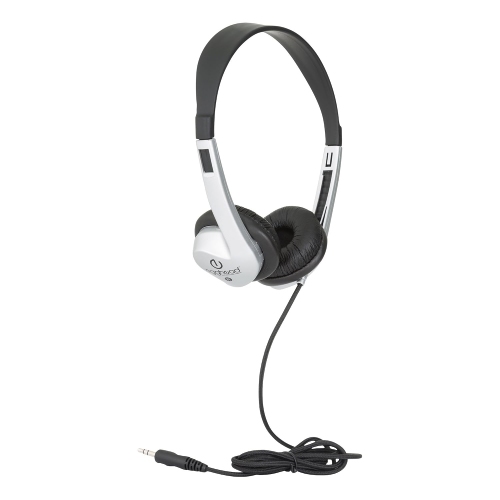
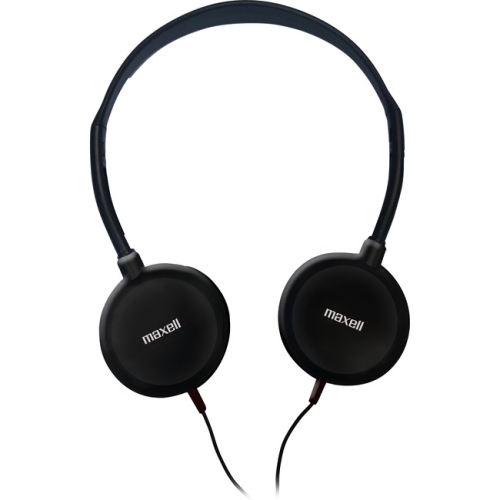
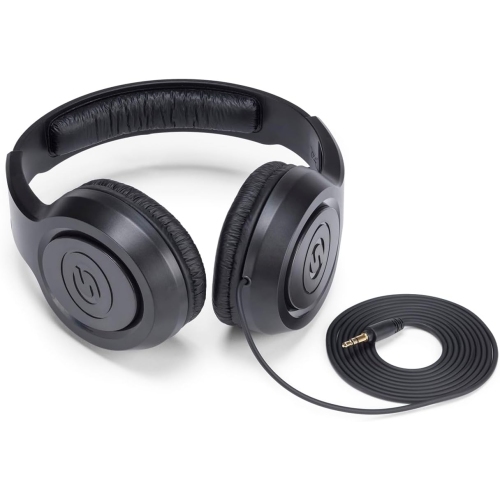


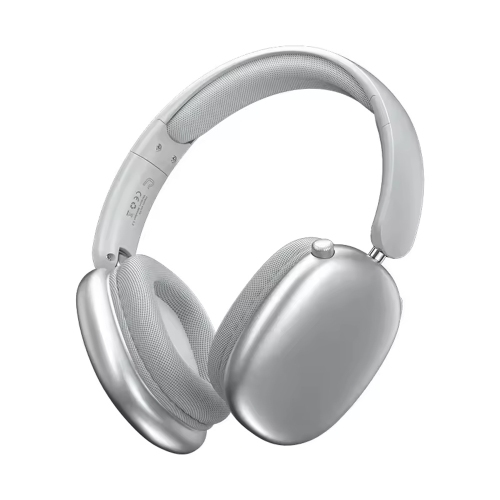
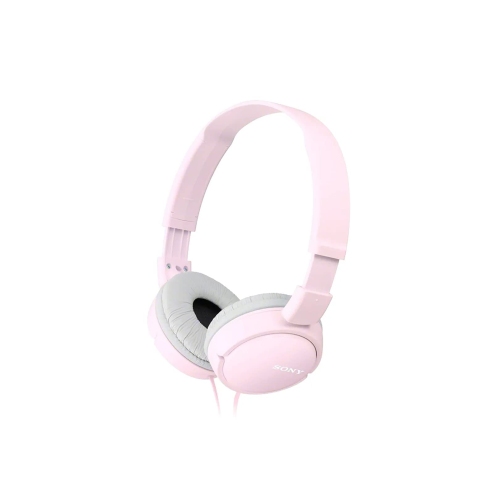
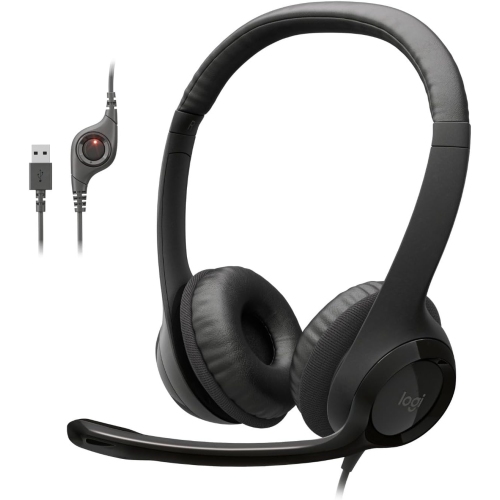
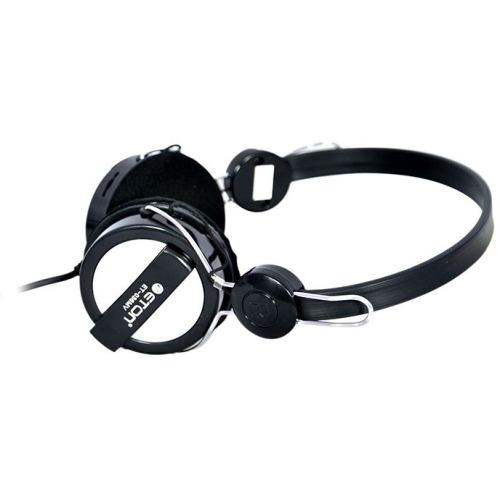


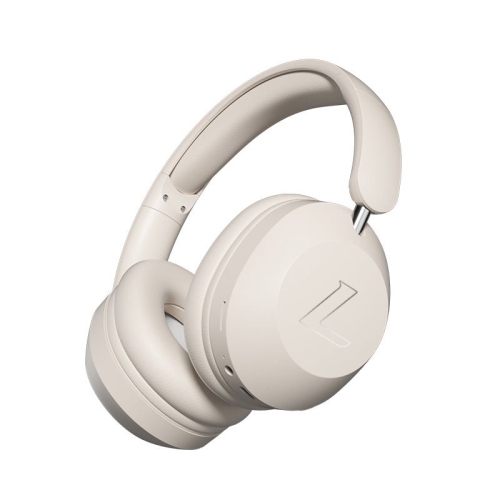


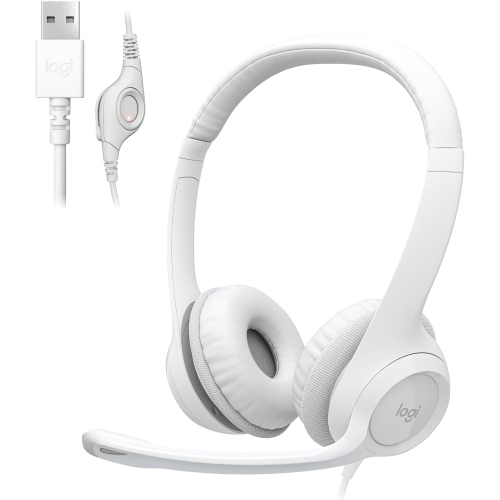


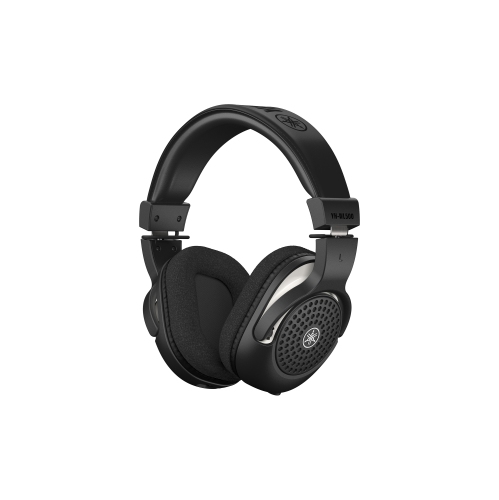
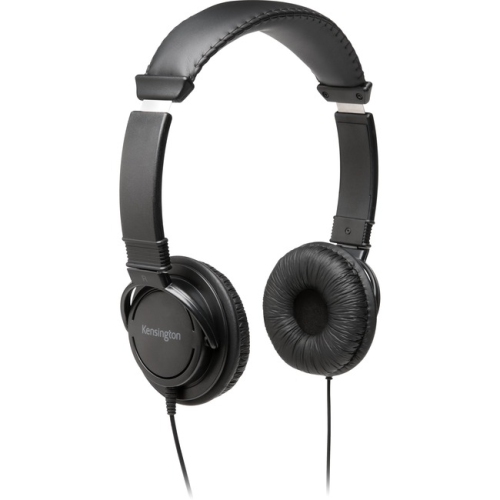
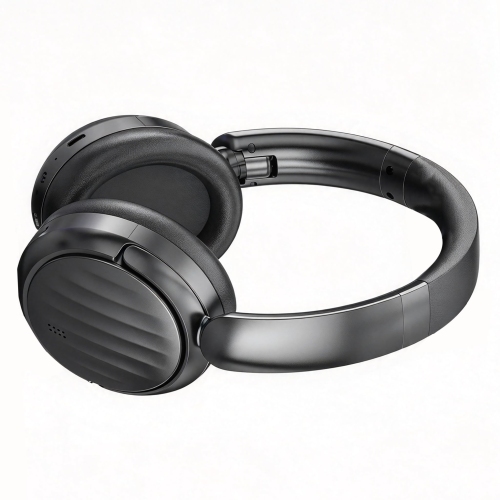


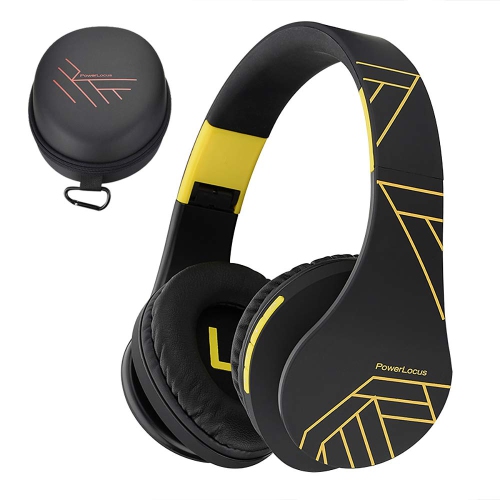

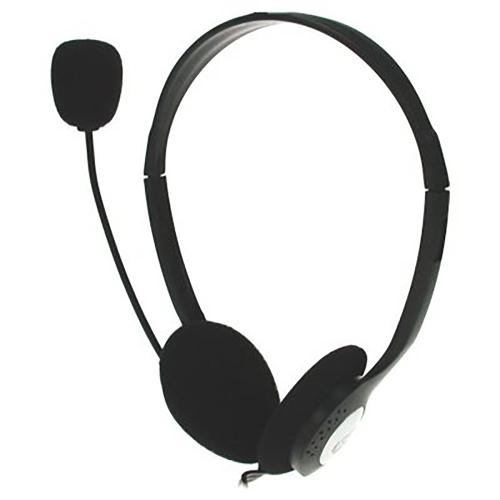


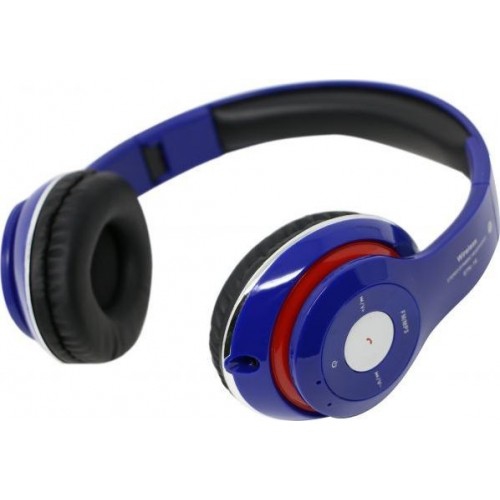

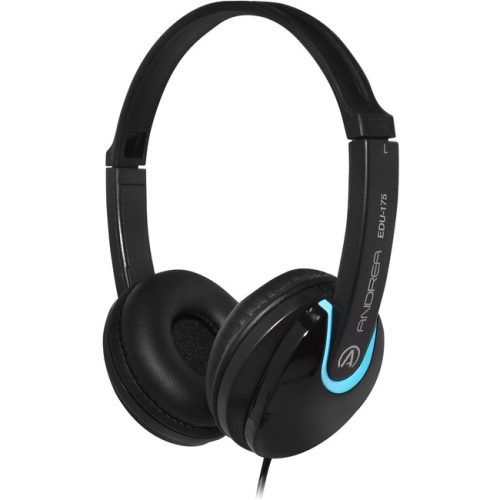
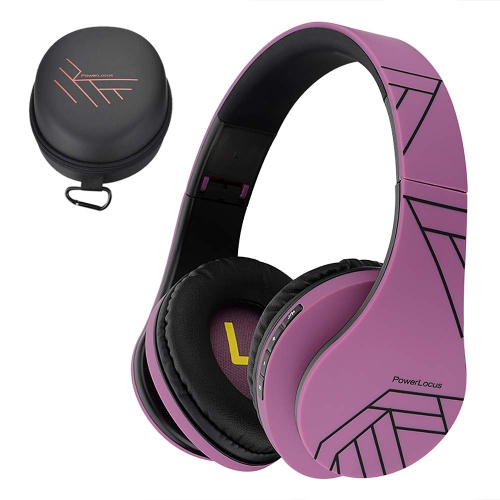
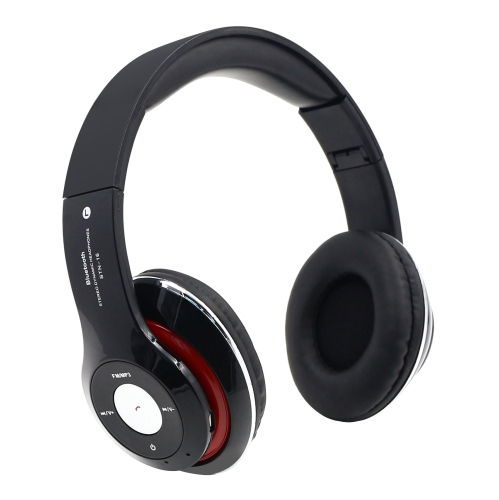

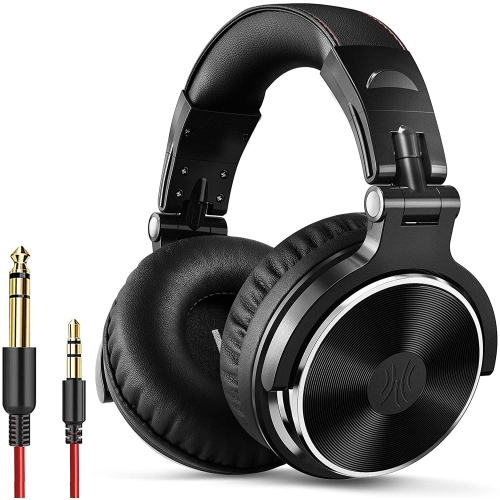


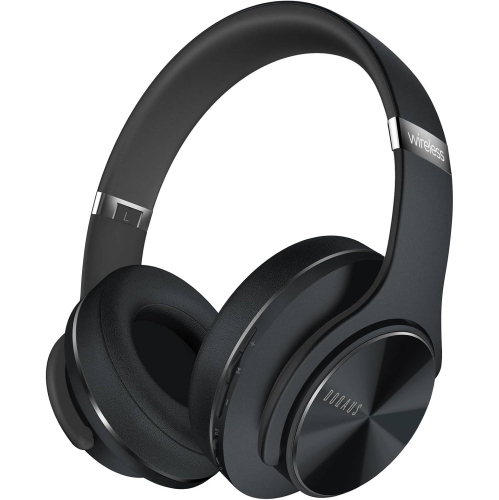

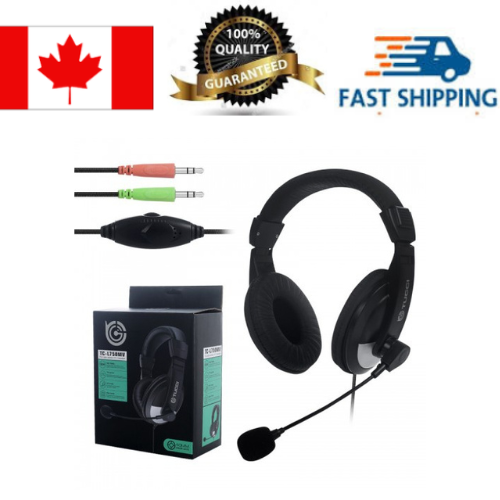


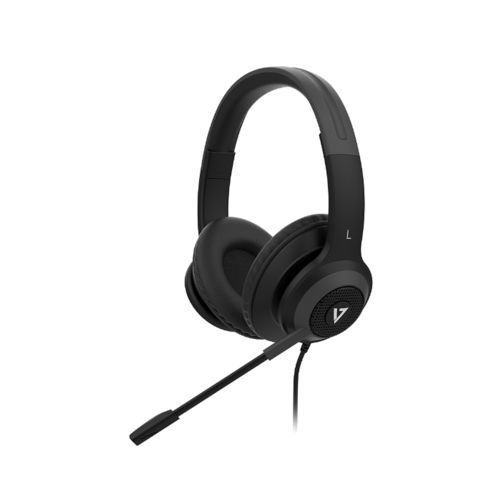
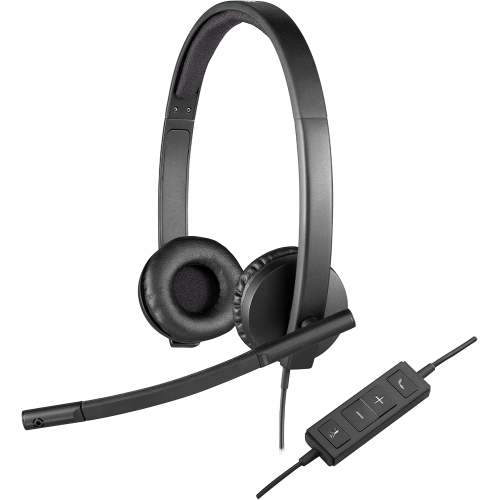

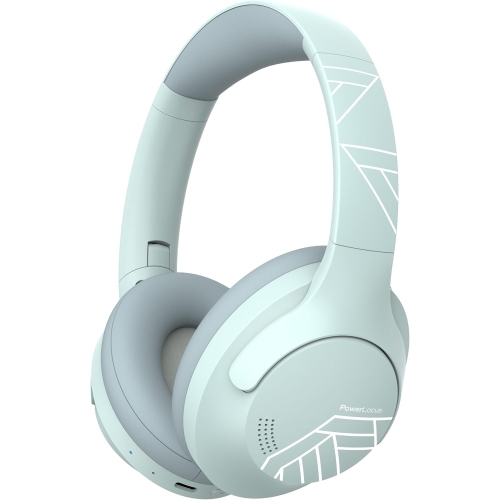
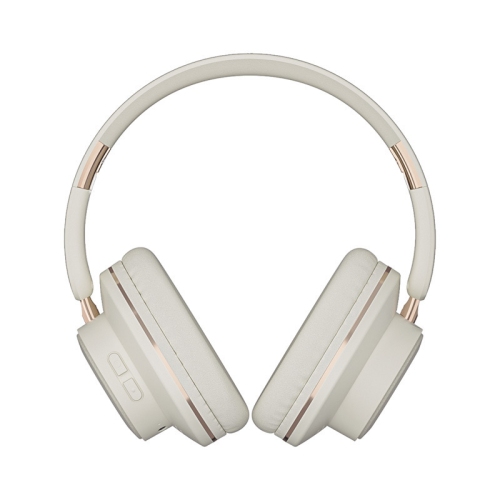
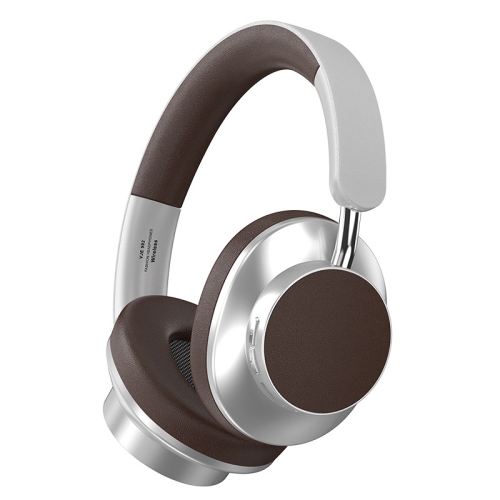
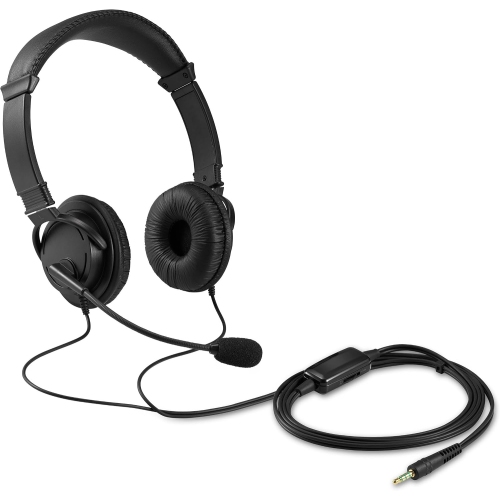
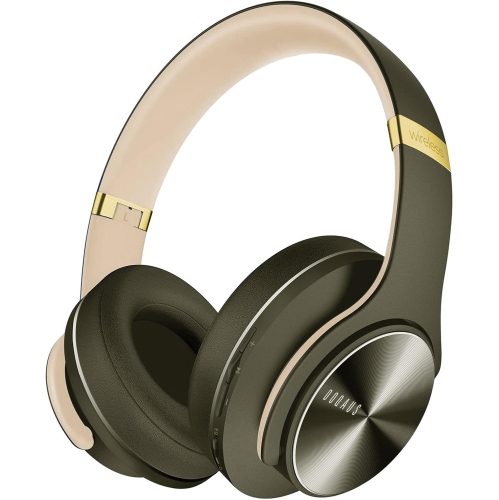

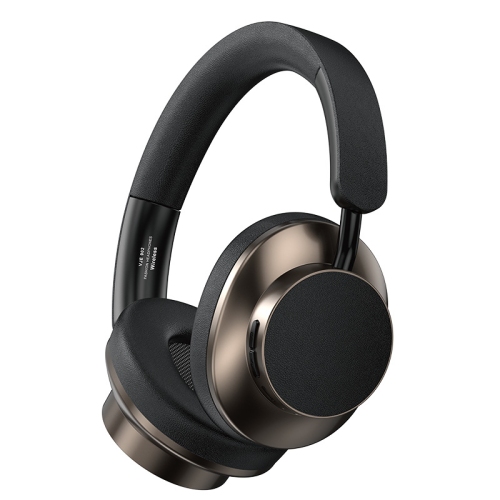
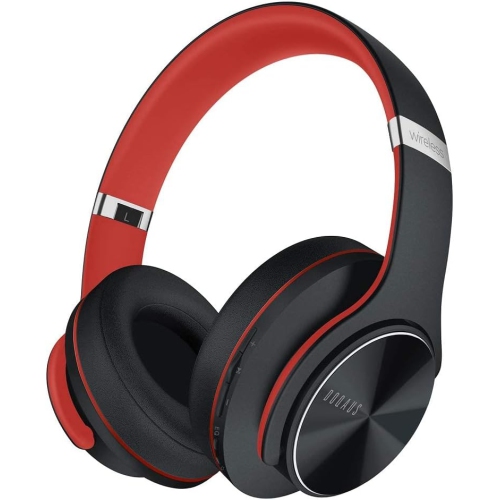
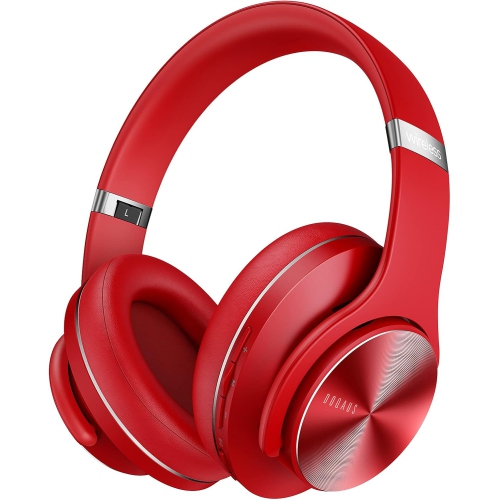


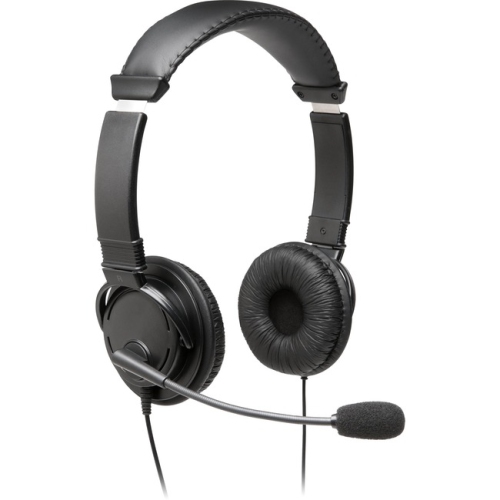
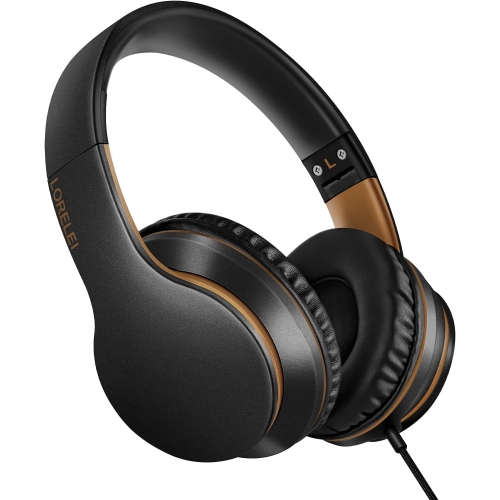


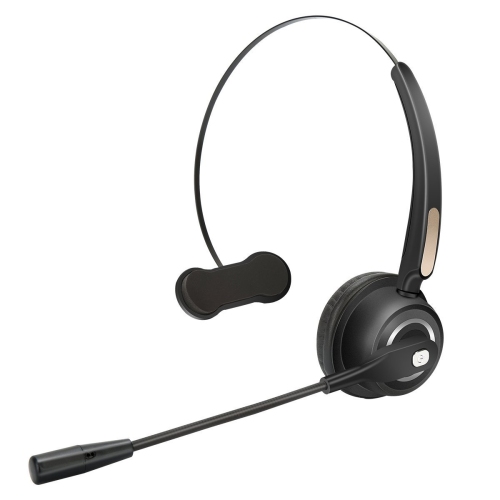
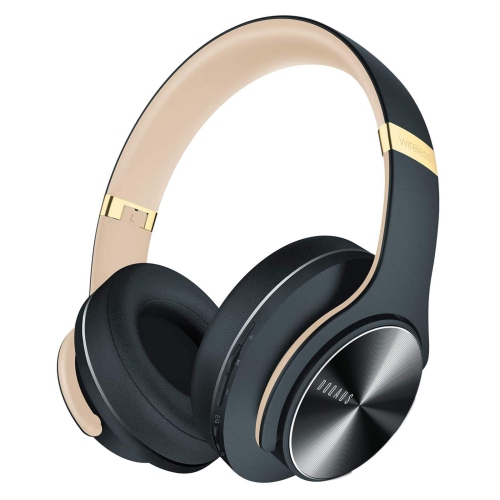
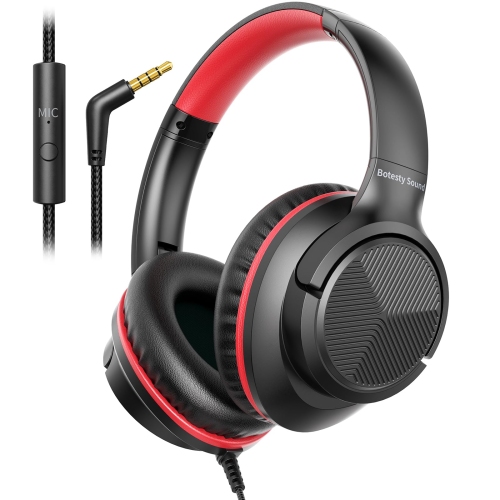


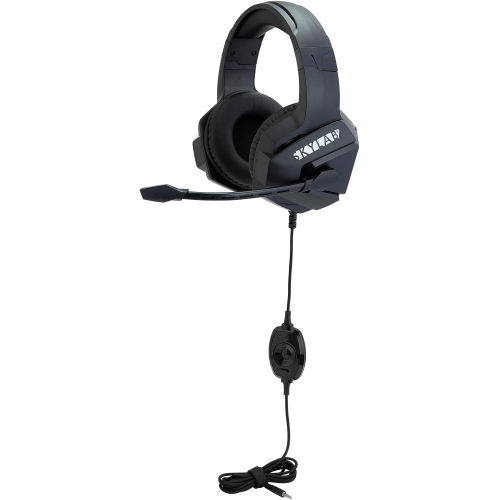
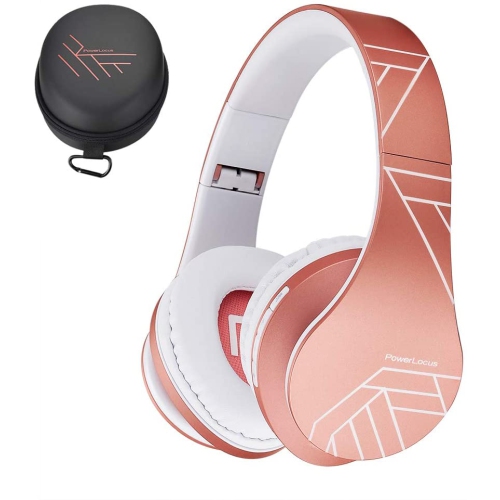


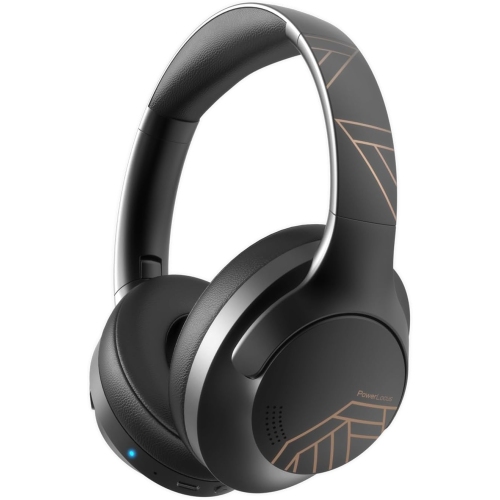






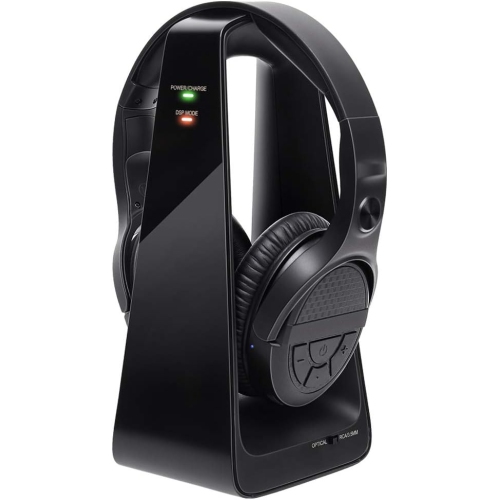

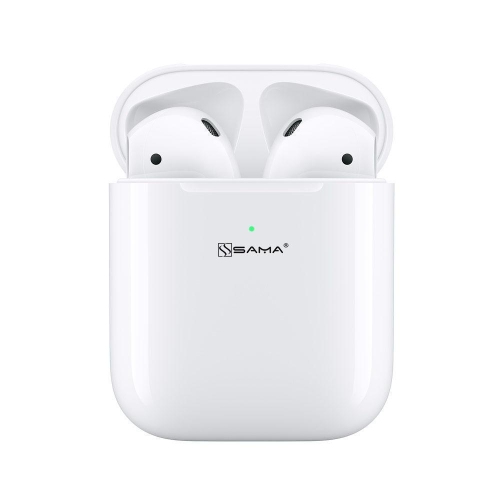
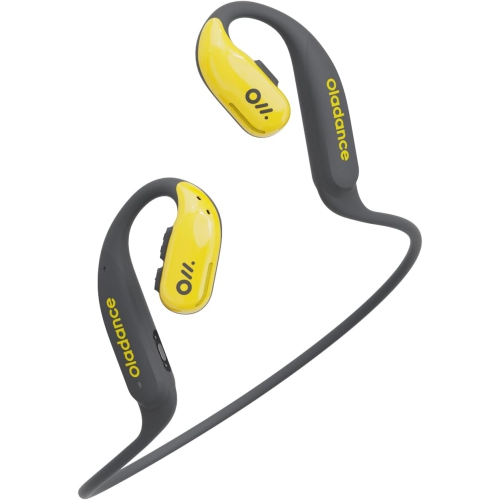
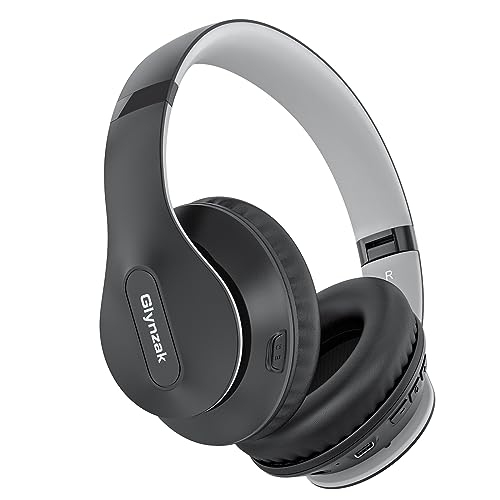

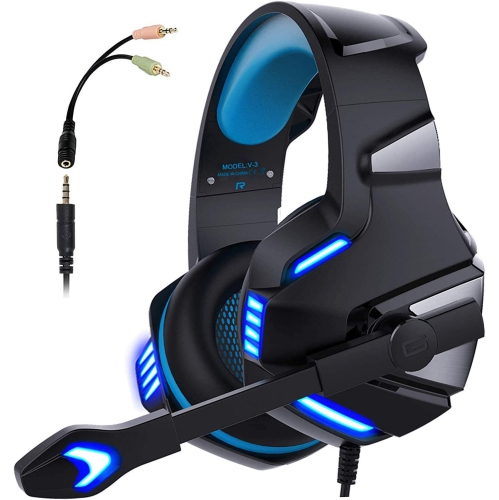
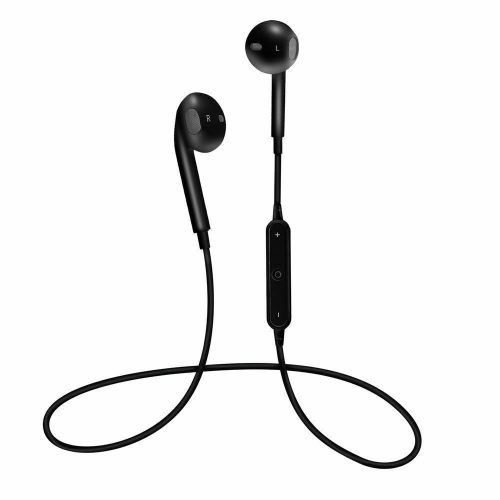
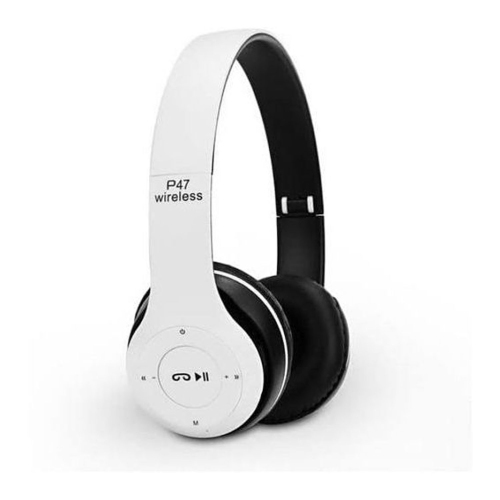
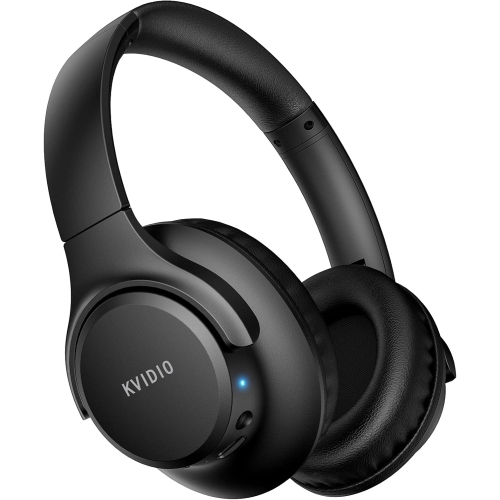


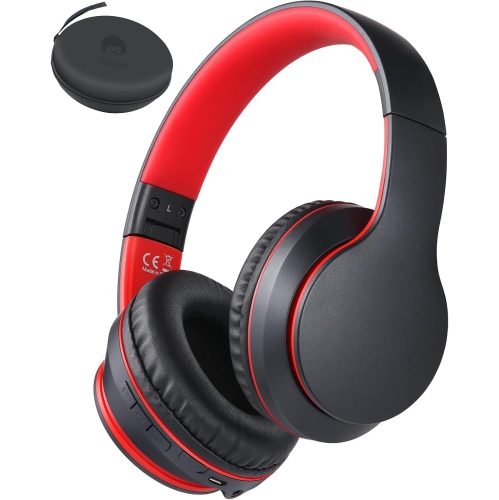


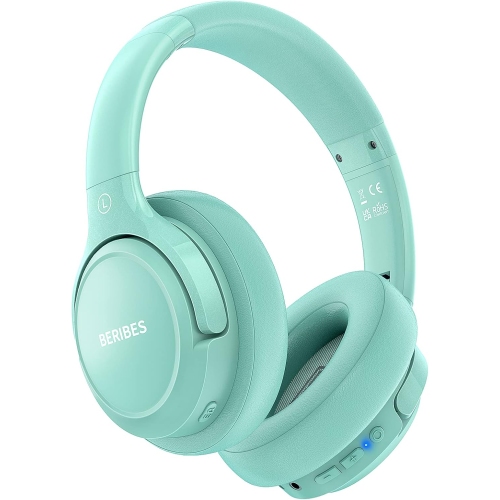
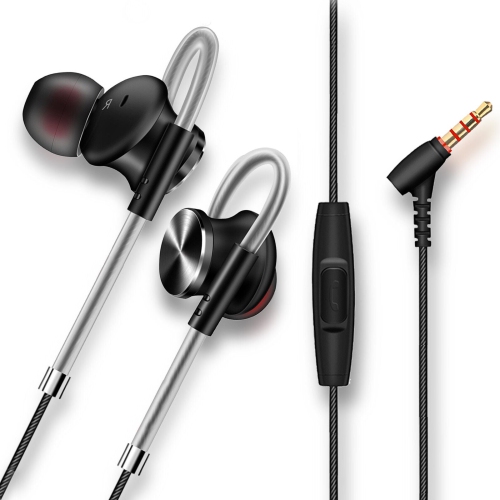
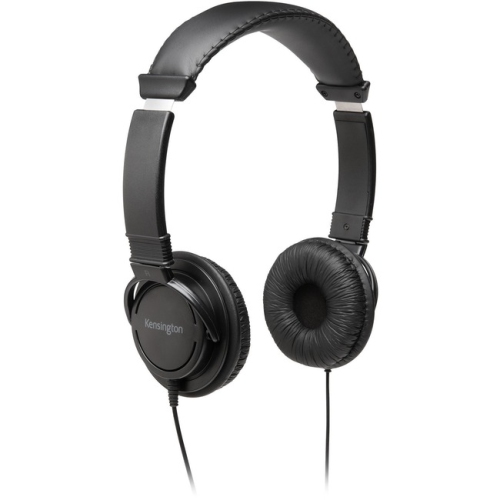


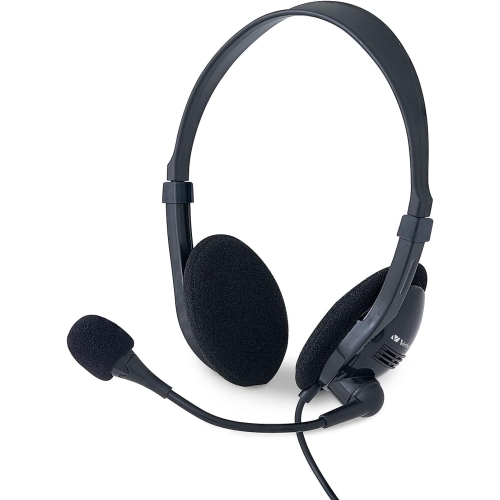


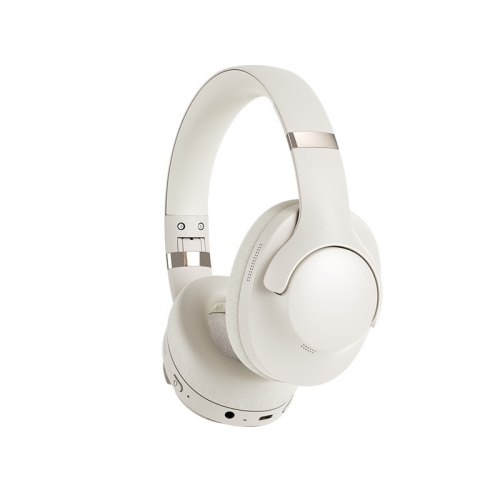

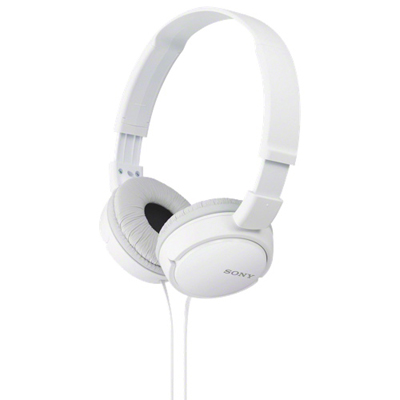
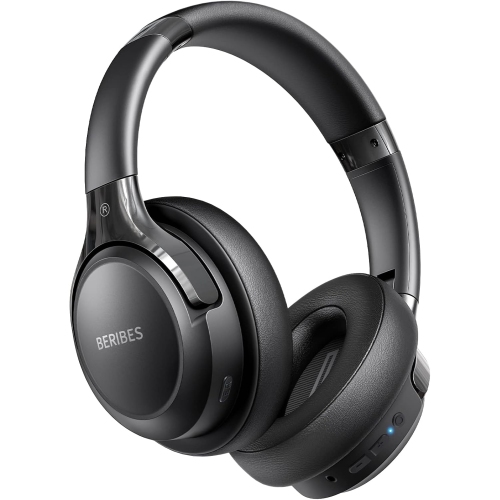




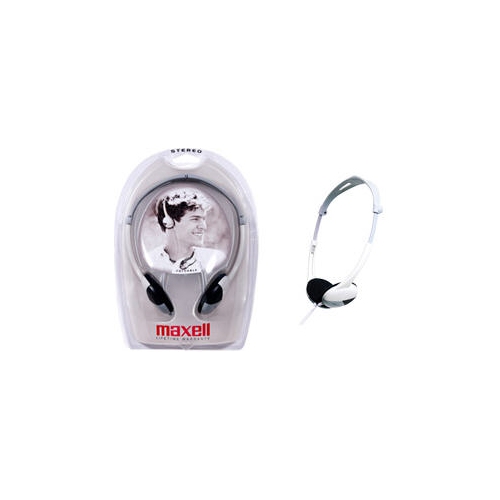

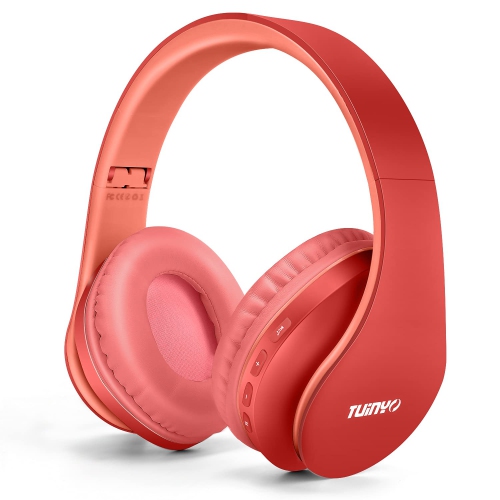

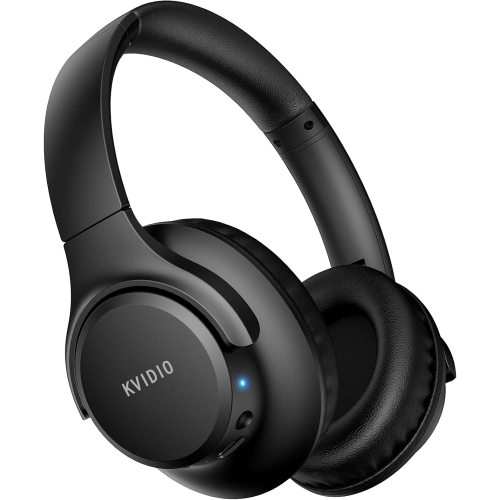
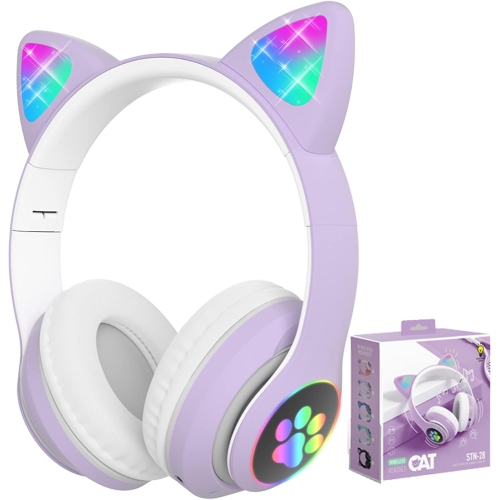
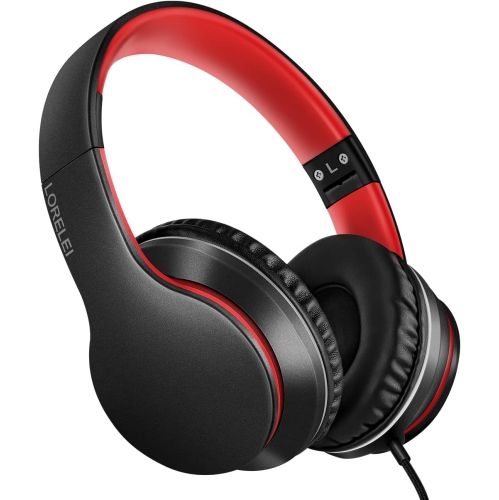

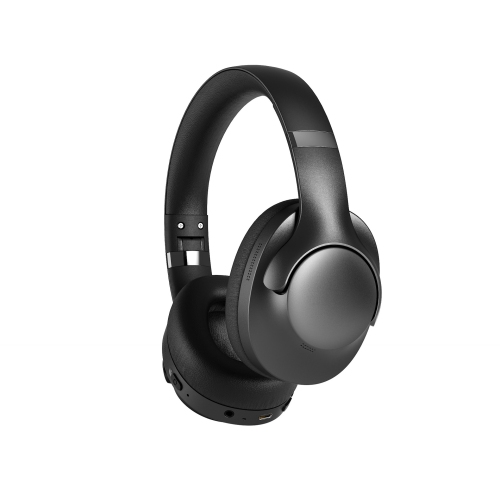
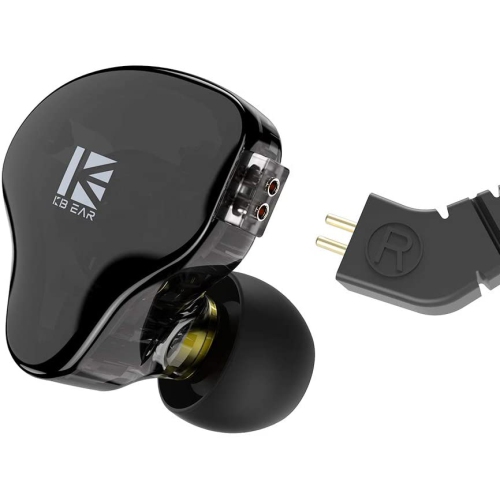
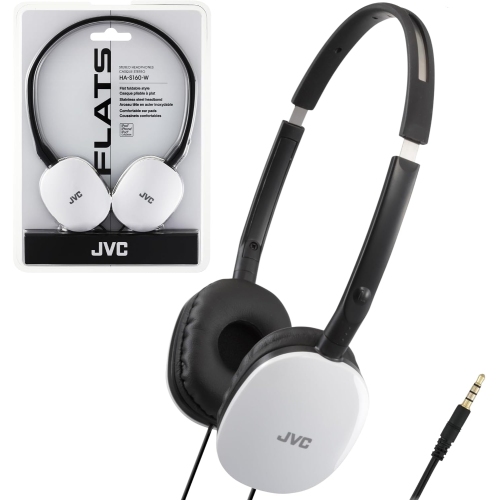
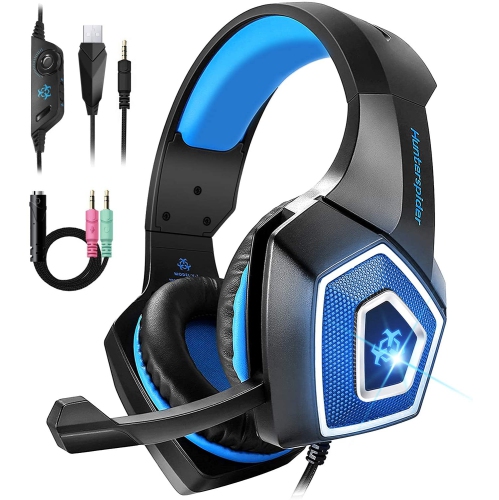
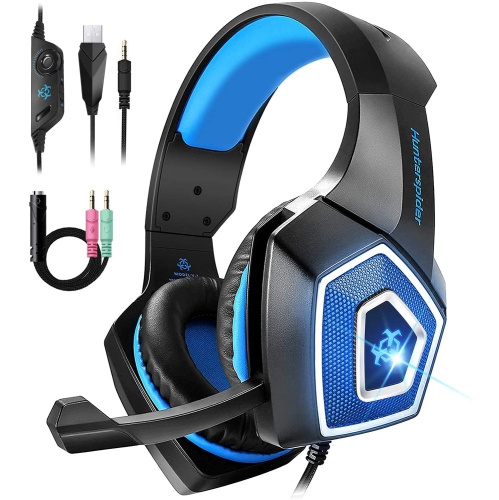

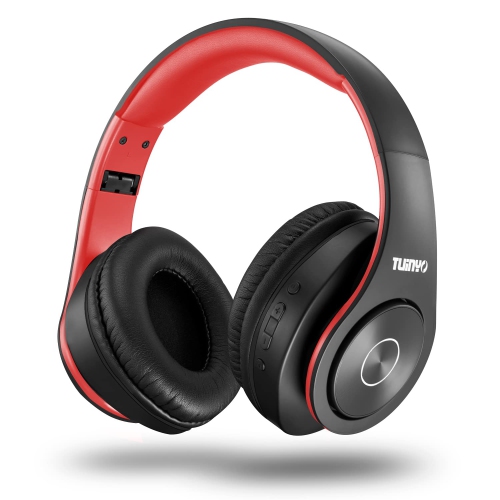

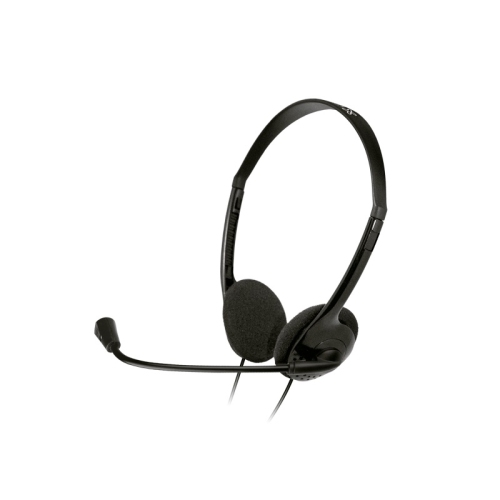
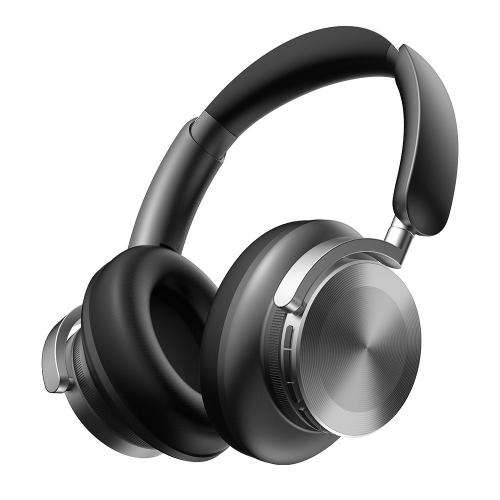


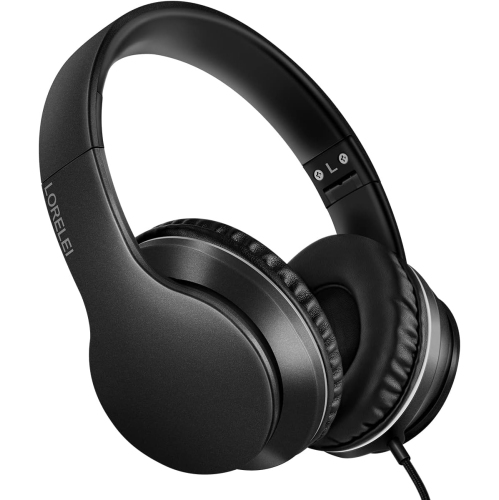
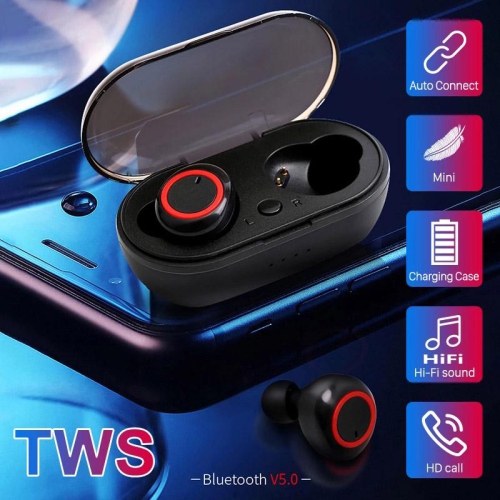

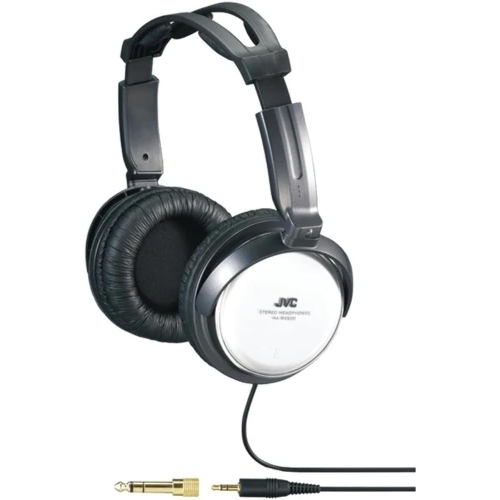


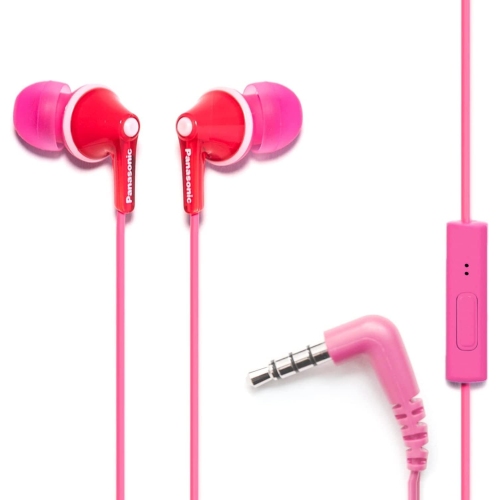


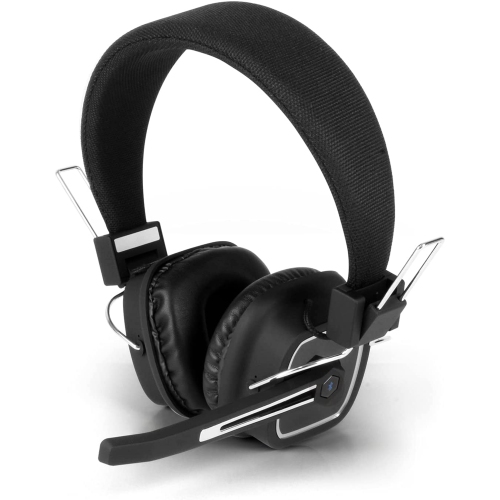
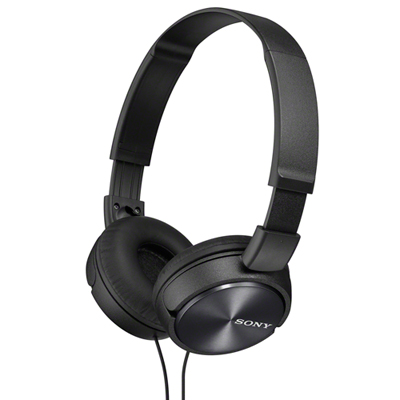
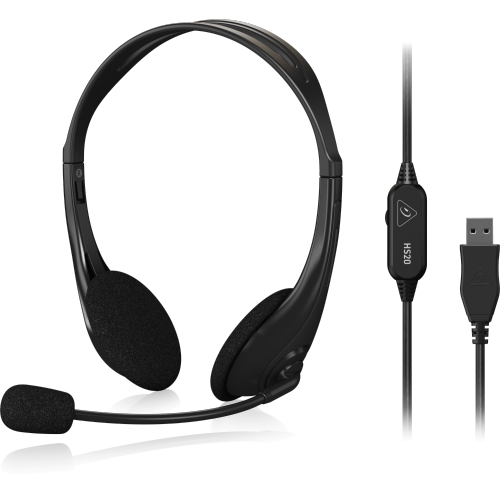
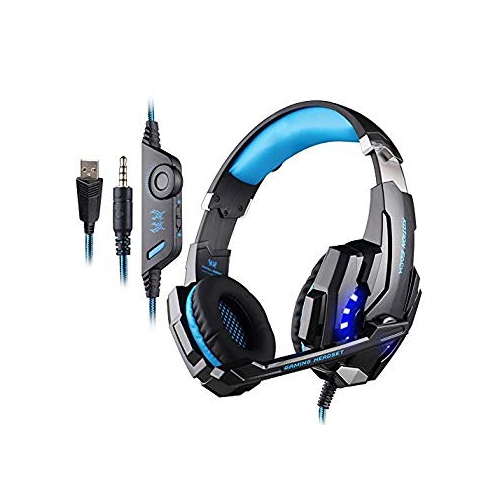


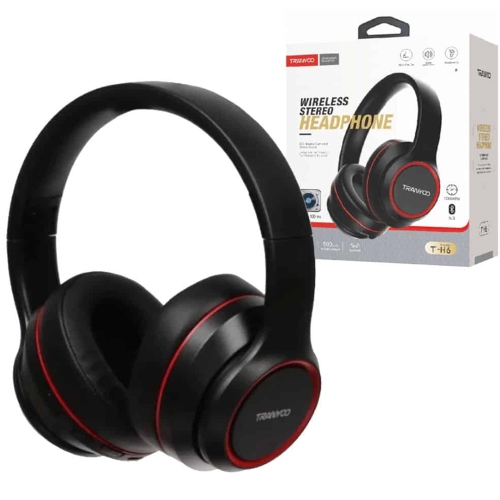

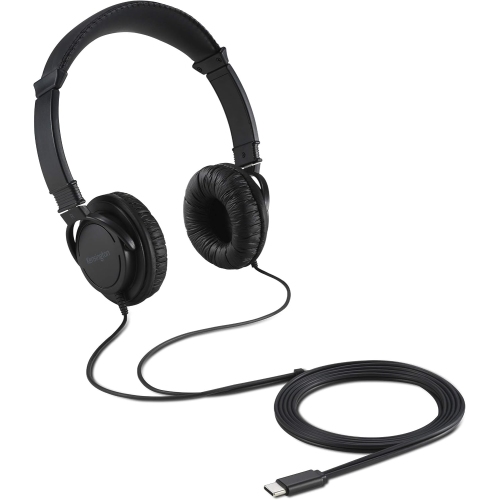
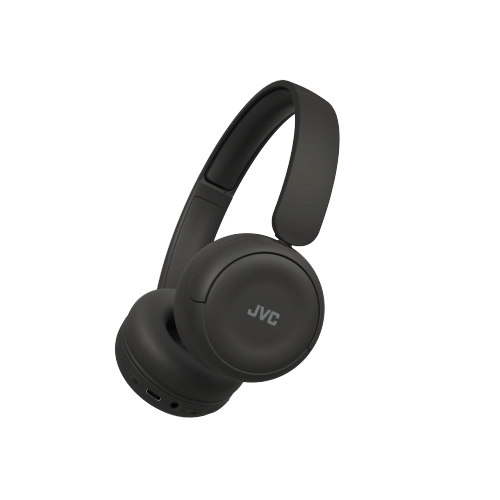
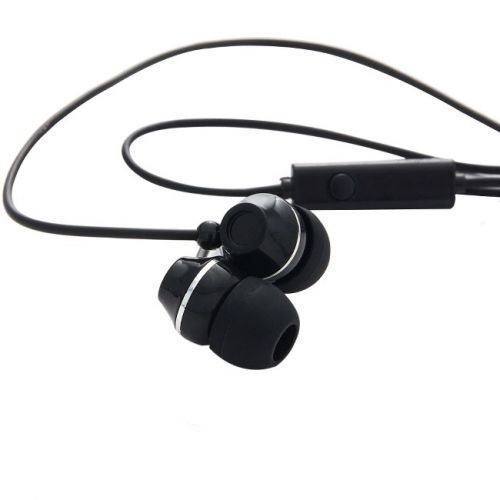
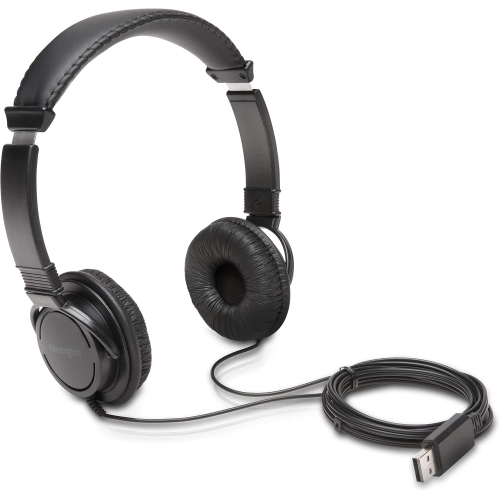

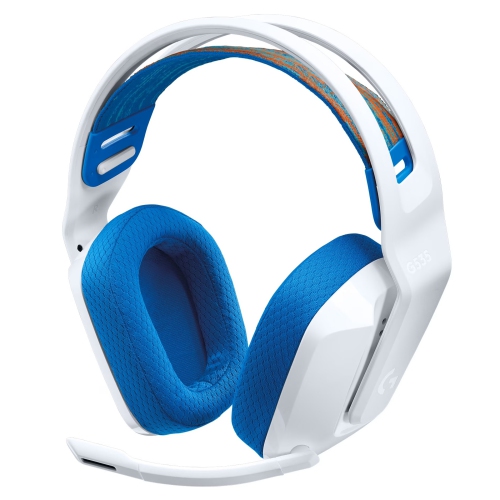
How separate audio channels give familiar recordings more space
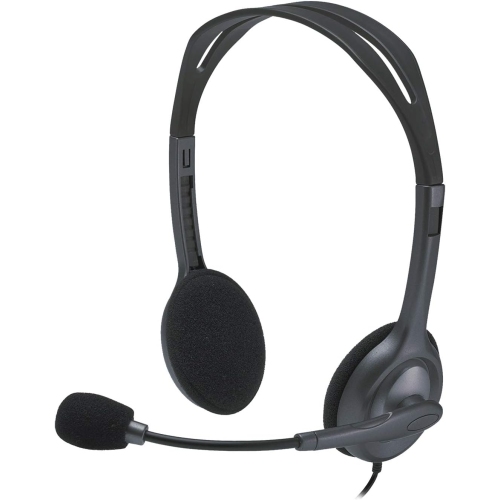
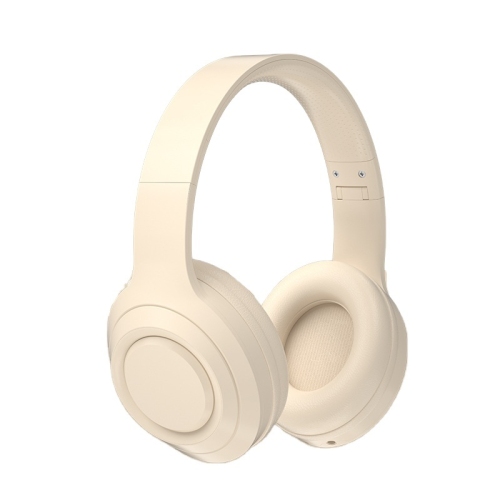
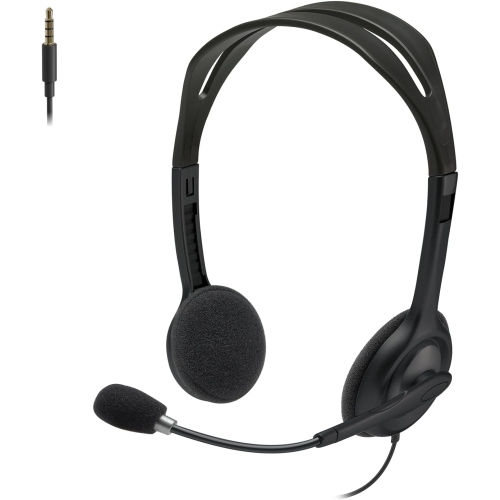
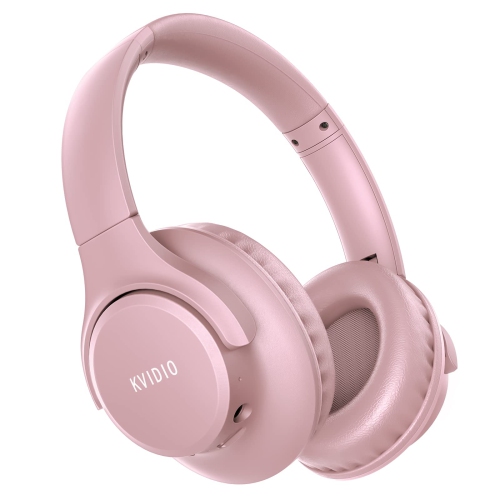
Stereo headphones reproduce separate left and right audio channels, giving music, films, and games a sense of placement beyond a single point of sound. A guitar can sit to one side of a mix while backing vocals spread across the other, making familiar recordings feel more spacious and layered. The term stereo describes how audio is presented; it does not, by itself, indicate whether headphones are wired, wireless, noise cancelling, or equipped with a microphone. Those features shape how a pair fits into everyday listening, from an album played at a desk to a film watched without disturbing someone nearby. Over-ear headphones have cushions designed to surround the ears, while on-ear headphones rest against them and often have a smaller profile. Actual comfort depends on the size and depth of the ear cups, the headband adjustment, and how firmly the headphones grip. Someone who wears glasses may notice pressure where the cushions meet the frames, especially during longer sessions. Soft fabric coverings can feel different against the skin than leather or leather-like finishes, while padding density affects both support and the seal around the ears. Closed-back designs help limit sound escaping into a shared room and can reduce some outside noise through their physical construction. Open-back designs allow more sound to pass through the ear cups, which can create an airy presentation but makes them less suited to quiet offices or listening beside another person. Sound preferences matter as much as construction: stronger bass can give electronic music extra weight, while clear midrange reproduction helps bring voices and acoustic instruments forward. Driver size alone does not establish sound quality, and a wide stated frequency range is not a complete description of what a listener will hear. Tuning, fit, the quality of the audio source, and the way the ear cushions sit all contribute to the experience.
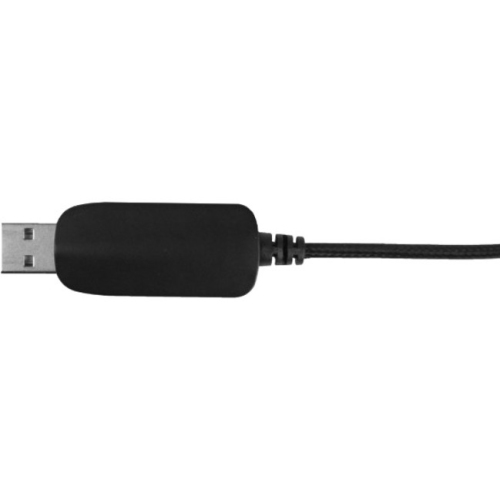
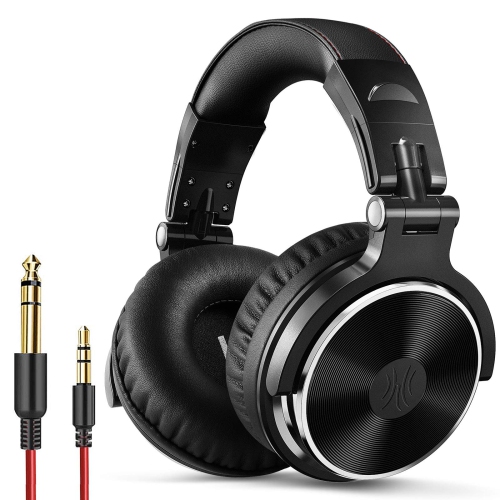
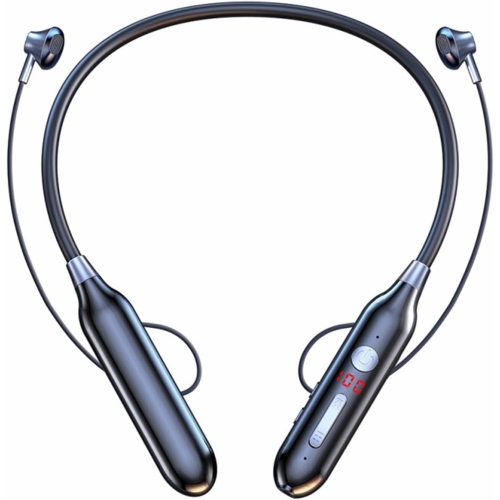
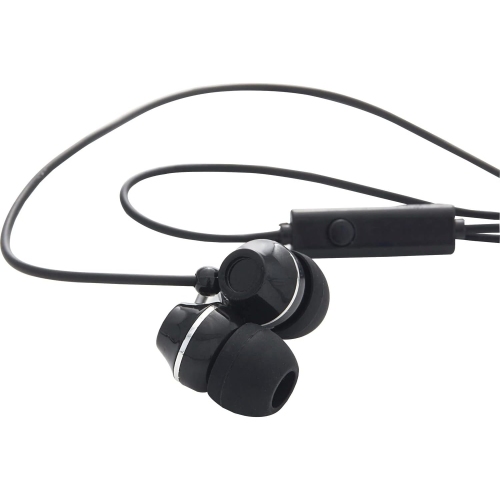
Wired and wireless stereo headphones suit different listening routines. A wired connection can be convenient at a computer, musical instrument, or home audio setup because it does not require a Bluetooth connection, and passive wired models do not need battery power for basic playback. The connector still needs to match the source: a 3.5 mm plug, a larger headphone socket, and a USB connection are not interchangeable without the appropriate support or adapter. Some phones and tablets require an adapter with audio conversion built in, while USB headphones depend on compatibility with the connected device. Cable length also changes the experience. A short cable stays more manageable beside a laptop, whereas a longer one can provide room to move near an amplifier or television setup. Wireless headphones remove the cable between the listener and the source, making it easier to move around a room or keep a phone tucked away during a commute. Battery life, charging time, and whether listening is possible while charging are practical details for frequent use. Some wireless models offer an optional wired connection, although microphone functions, controls, or sound settings may work differently in that mode. For video calls, an integrated microphone and conveniently placed mute control can matter more than elaborate sound adjustments. For gaming, a compatible wired connection or dedicated wireless system may provide more consistent audio timing than standard Bluetooth, depending on the equipment. Active noise cancellation can reduce certain steady background sounds, such as ventilation or engine noise, but it does not remove every voice or sudden sound. It is separate from the passive isolation supplied by the ear cups and cushions. Ambient listening modes, where offered, let some outside sound through for brief conversations or greater awareness. Neither feature replaces sensible volume levels or attention to surroundings, particularly near traffic or in places where announcements need to be heard.
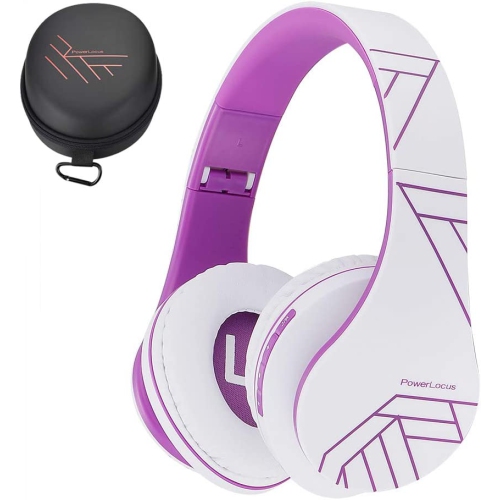
The best fit for everyday use often comes down to small physical details that become noticeable after an hour rather than a minute. A broad, padded headband can spread weight across the head, swivelling ear cups can accommodate different angles, and accessible controls can make pausing a programme easier without reaching for a screen. For people carrying headphones between home, school, and work, folding hinges and a protective case can simplify packing, although moving joints still benefit from careful handling. A detachable cable may be easier to replace if it becomes damaged, and replaceable ear cushions can help maintain comfort as padding wears. Metal reinforcement, flexible adjustment points, and securely attached cushions all play a part in durability, but no single material guarantees a longer service life. Regular care is straightforward: disconnect or power off the headphones before cleaning, follow the manufacturer’s instructions, and use a soft cloth rather than allowing liquid to collect around openings. Cushions should dry fully before the headphones are put away, and cables are better stored in loose loops than tightly wrapped around the headband. Keeping them in a case also helps protect ear pads from sharp objects and prevents the cable from catching on other belongings. For exercise, secure fit and a stated water-resistance rating are more relevant than stereo playback alone; sweat protection should never be assumed from appearance. The Active Headphones category is a related option for listening during movement. Stereo headphones can also make a thoughtful gift for a student, a music enthusiast, or someone who enjoys private listening in a shared home. Matching the recipient’s devices and habits is more useful than choosing by appearance alone. A person who listens mainly at a desk may appreciate cushioned ear cups and a simple cable connection, while someone moving between calls and music may value wireless operation and clear microphone pickup. Comfortable fit, manageable controls, and suitable connections help turn headphones into something used regularly rather than left in a drawer.
Top selling and popular products
-
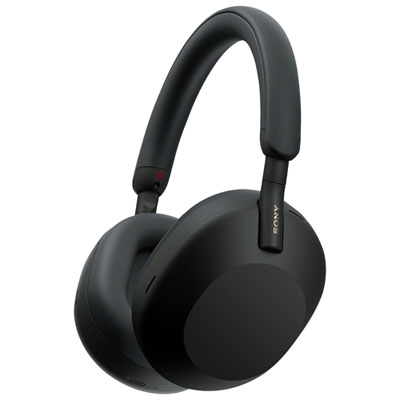 Your price for this item is $499.99
-
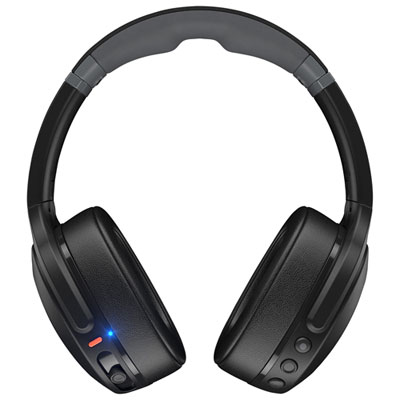 Your price for this item is $159.98
-
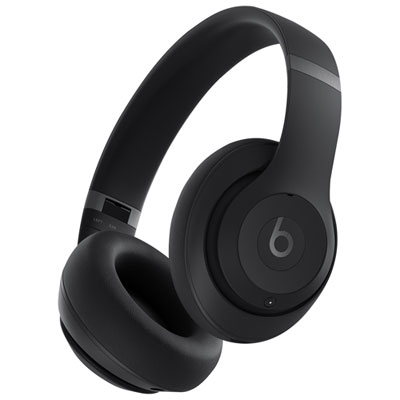 Your price for this item is $399.99
-
 Your price for this item is $359
-
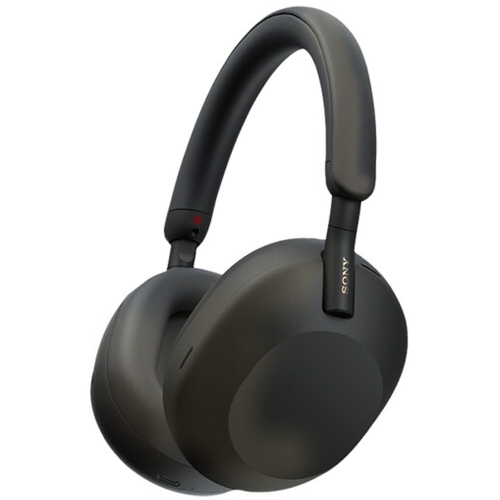 Your price for this item is $349
-
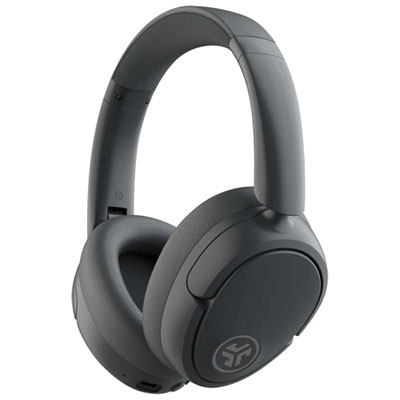 Your price for this item is $59.99
-
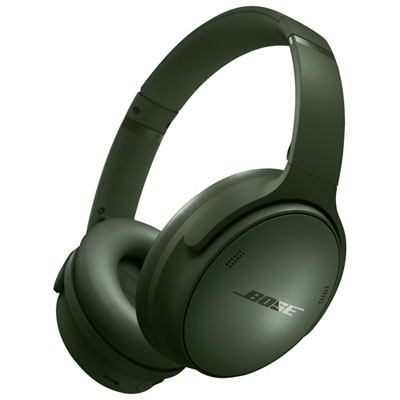 Your price for this item is $249
-
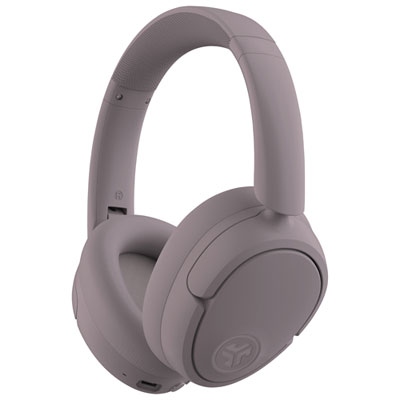 Your price for this item is $59.99
Discover more categories related to Stereo Headphones


Top Collections:
Best Black Friday Deals This Year, Best Black Friday Deals On Electronics, Kindle Devices, Pokemon Centers, Best Black Friday Deals On Apple Products, Best Cameras for Sports Photography, Dyson Airwrap, Pokémon 30th Celebration Cards, Apple iPhone 17 Pro, Canon G7X Cameras
Some products may be subject to Environmental Handling Fees
(EHF) depending on your province.
Learn more about EHFs.