Athletic Insoles
Enhance your performance and comfort with athletic insoles, designed to provide the perfect support for all your physical activities. Whether you're a seasoned athlete or just starting your fitness journey, these insoles can help reduce fatigue and improve your overall foot health. Explore our diverse selection to find the ideal fit that caters to your specific needs, ensuring every step you take is cushioned and supported. Elevate your workout experience with athletic insoles that prioritize both comfort and durability.
Sort
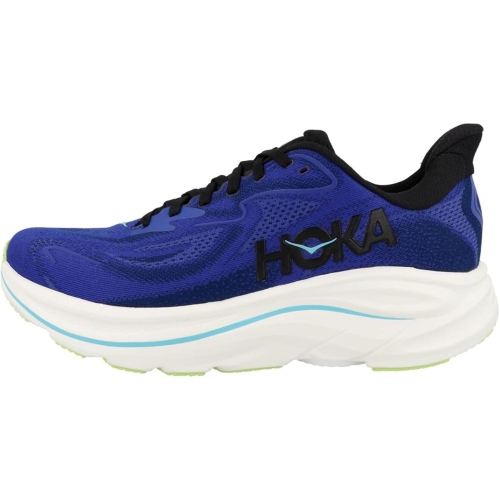
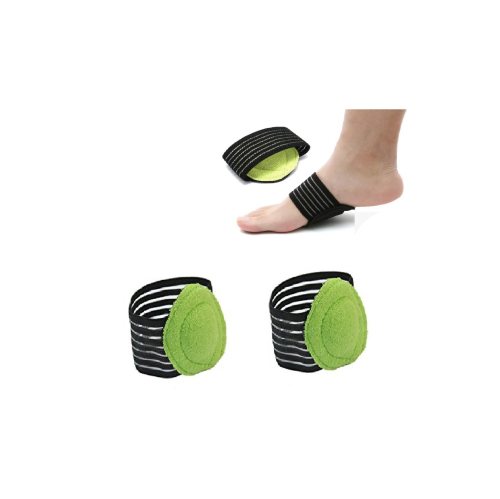
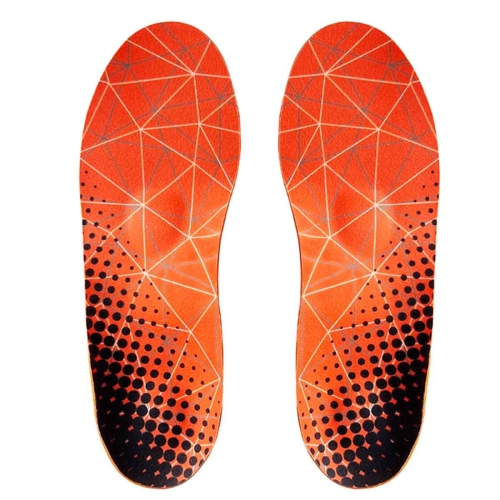
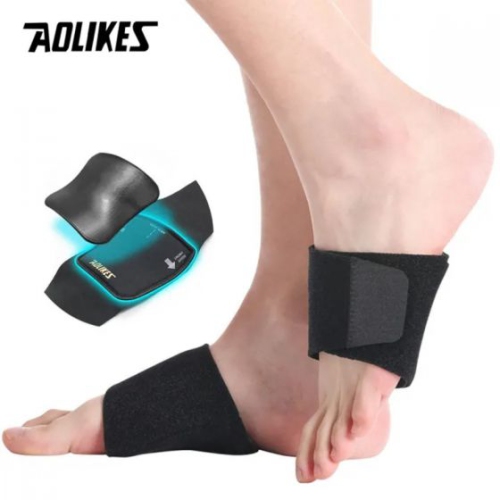
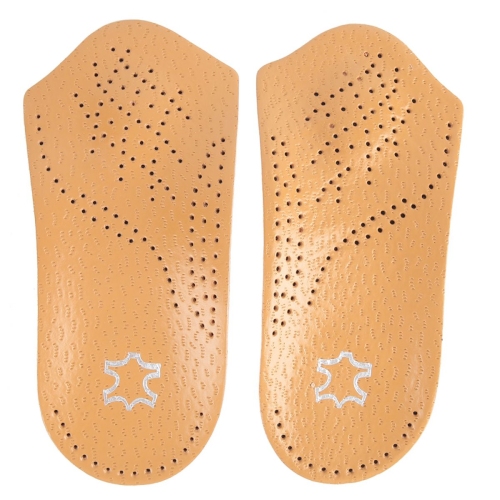
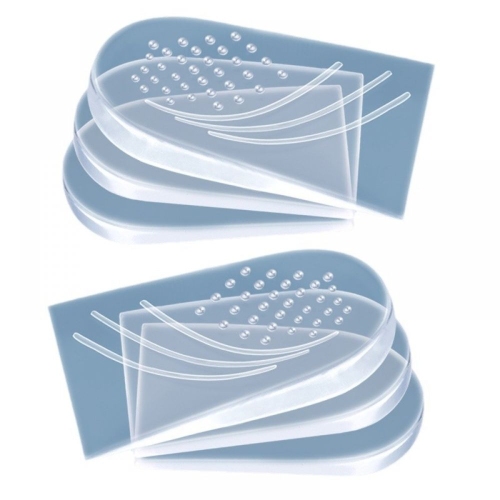
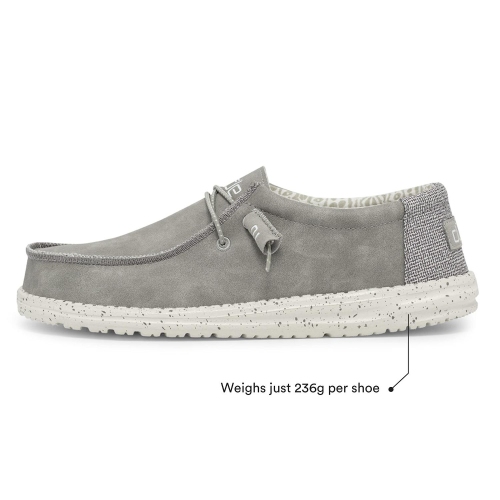

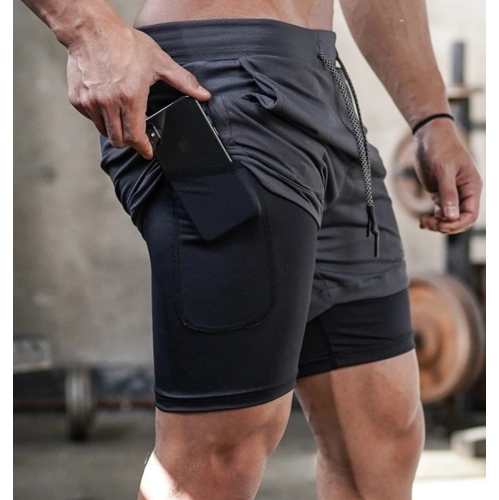
Supportive cushioning for training, court sports, and active days
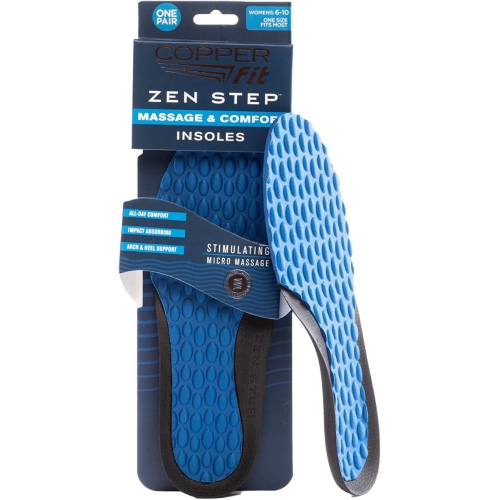
Athletic insoles are designed to complement the fit and feel of sports footwear, whether you spend your time running on pavement, training at the gym, playing court sports, walking trails, or staying active through everyday routines. A well-chosen pair can add cushioning under the heel and forefoot, help manage impact, and provide a more supportive platform inside compatible shoes. The right option depends on your activity, foot shape, shoe design, and personal comfort preferences. Runners may appreciate responsive cushioning and a profile that supports a smooth stride, while people who play basketball, tennis, volleyball, or other court sports may prefer a more structured insole with a secure heel cup for repeated stops, starts, jumps, and lateral movements. For high-impact workouts, look for materials that help soften landings without making the shoe feel unstable. For walking, light training, or longer days on your feet, a balanced combination of cushioning and arch support may be more comfortable than an overly rigid design. Arch shape is another important consideration: low, neutral, and high arches can each feel best with different insole profiles. The goal is not to force the foot into a particular position, but to find a shape that feels supportive while allowing natural movement. If heel comfort is a primary concern, explore Heel Support Insoles for options intended to add support in that area. Athletic insoles can also be useful for people who alternate between sports and casual footwear, provided the insole is compatible with the shoe and leaves enough room for the foot. They may make a thoughtful gift for a runner, student athlete, recreational player, fitness enthusiast, or anyone preparing for a more active routine, especially when you choose based on the recipient’s sport, shoe type, and preferred level of cushioning rather than relying on appearance alone. During cooler months, when indoor training, winter walks, and layered footwear become part of many routines, supportive insoles can help make familiar shoes feel more comfortable for longer periods. They are also convenient for replacing worn inserts in frequently used training shoes, although they should not be treated as a substitute for properly fitting footwear or professional advice when persistent discomfort is present.
Before installing athletic insoles, check the construction and available space inside your shoes. In many cases, the original factory insole should be removed first so the replacement sits flat and does not make the shoe too tight; however, some footwear has a permanently attached footbed, so check the shoe and insole instructions before making changes. Place the new insole inside the shoe to assess the heel position, arch placement, and toe room, then trim it carefully only if the design allows trimming. Use the existing insole as a guide when possible, or follow the printed toe guidelines on the underside, cutting gradually so the insole fits without bunching at the front. A properly fitted insole should lie flat, keep the heel settled, and avoid creating pressure along the toes or sides of the foot. Give your feet time to adjust by wearing the shoes for shorter activities before using them for a long run, tournament, hike, or full day of errands. Pay attention to how the insole feels during movement rather than judging it while standing still: the arch should feel supported but not sharply pressured, the heel should remain comfortably contained, and the forefoot should have enough flexibility for your activity. Match the insole length and shape to the shoe whenever possible, since a slim running shoe, a roomy training shoe, and a supportive hiking shoe may require different profiles. Consider moisture management, durability, and ease of cleaning if the insoles will be used for frequent workouts, and look for cushioning that suits your body weight, activity level, and the surfaces you use most often. A softer insole is not automatically better, and a firmer model is not automatically more supportive; comfort, stability, and fit should work together. Replace an insole when it becomes compressed, uneven, cracked, or no longer provides the feel it had when new. With the right match, athletic insoles can help refresh a favourite pair of shoes and create a more comfortable foundation for training, recreation, commuting, and active days as the weather changes.
Before installing athletic insoles, check the construction and available space inside your shoes. In many cases, the original factory insole should be removed first so the replacement sits flat and does not make the shoe too tight; however, some footwear has a permanently attached footbed, so check the shoe and insole instructions before making changes. Place the new insole inside the shoe to assess the heel position, arch placement, and toe room, then trim it carefully only if the design allows trimming. Use the existing insole as a guide when possible, or follow the printed toe guidelines on the underside, cutting gradually so the insole fits without bunching at the front. A properly fitted insole should lie flat, keep the heel settled, and avoid creating pressure along the toes or sides of the foot. Give your feet time to adjust by wearing the shoes for shorter activities before using them for a long run, tournament, hike, or full day of errands. Pay attention to how the insole feels during movement rather than judging it while standing still: the arch should feel supported but not sharply pressured, the heel should remain comfortably contained, and the forefoot should have enough flexibility for your activity. Match the insole length and shape to the shoe whenever possible, since a slim running shoe, a roomy training shoe, and a supportive hiking shoe may require different profiles. Consider moisture management, durability, and ease of cleaning if the insoles will be used for frequent workouts, and look for cushioning that suits your body weight, activity level, and the surfaces you use most often. A softer insole is not automatically better, and a firmer model is not automatically more supportive; comfort, stability, and fit should work together. Replace an insole when it becomes compressed, uneven, cracked, or no longer provides the feel it had when new. With the right match, athletic insoles can help refresh a favourite pair of shoes and create a more comfortable foundation for training, recreation, commuting, and active days as the weather changes.
Top selling and popular products
-
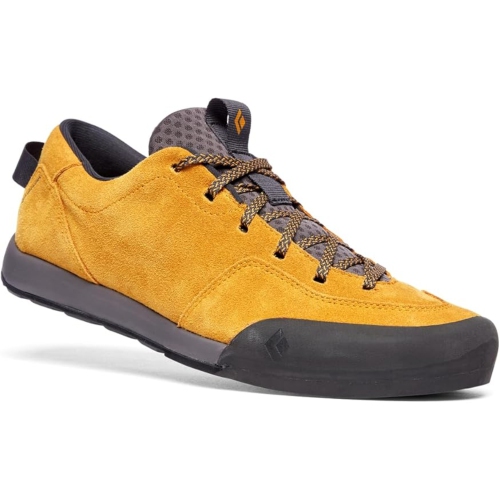 Your price for this item is $170.05
 -
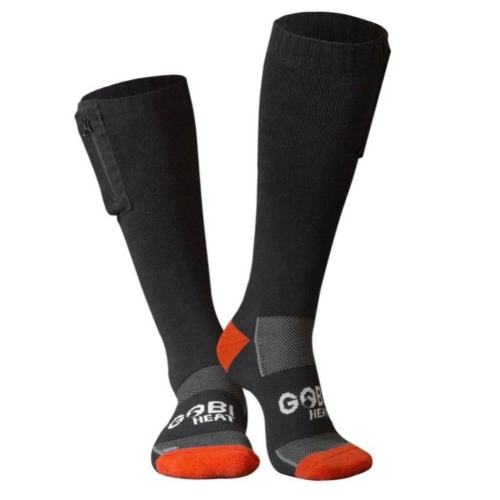 Your price for this item is $250
 -
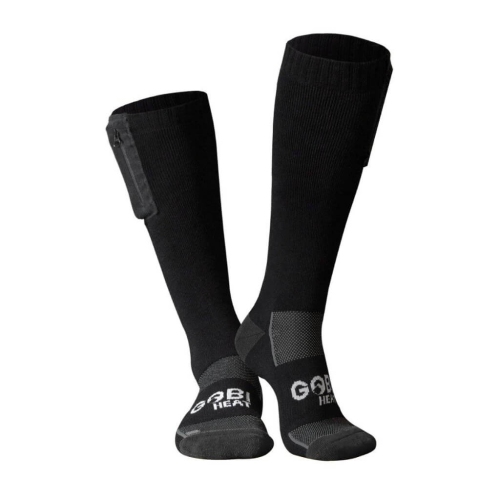 Your price for this item is $250
 -
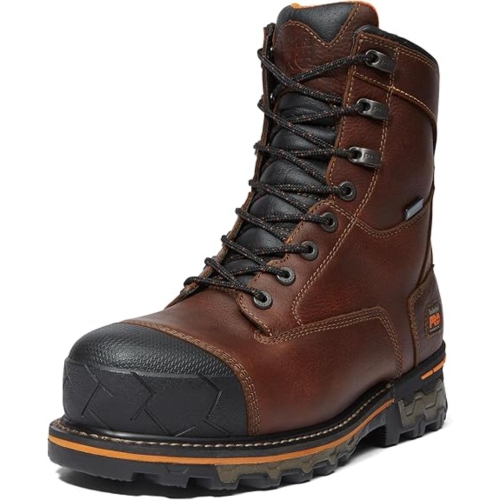 Your price for this item is $379.05
 -
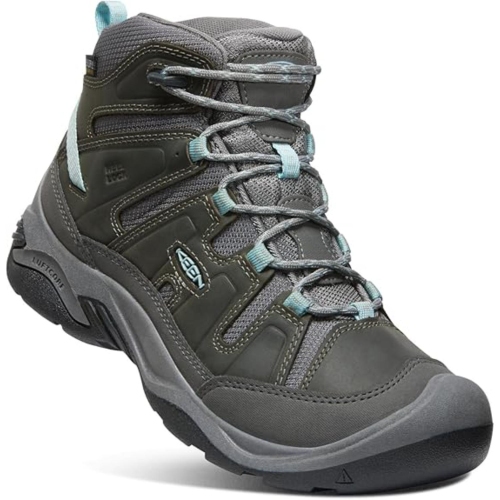 Your price for this item is $160.55
 -
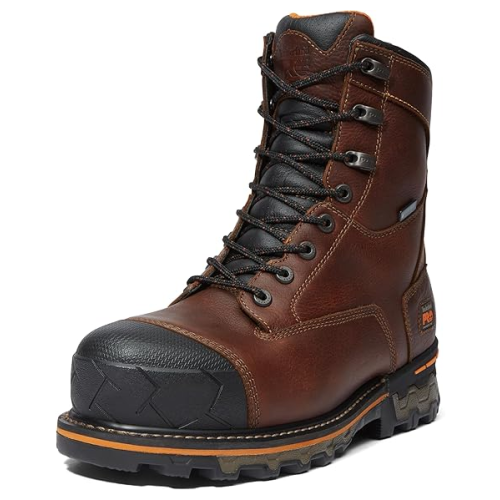 Your price for this item is $350.55
 -
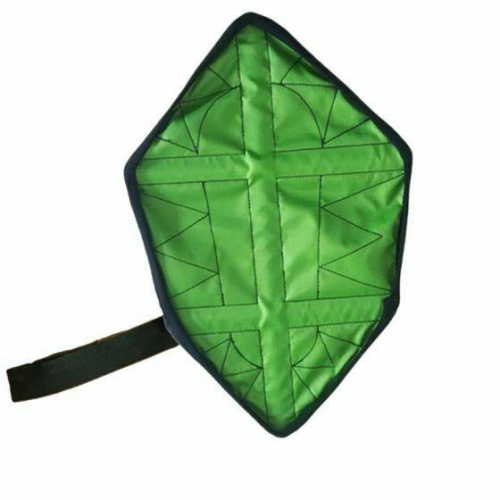 Your price for this item is $55
 -
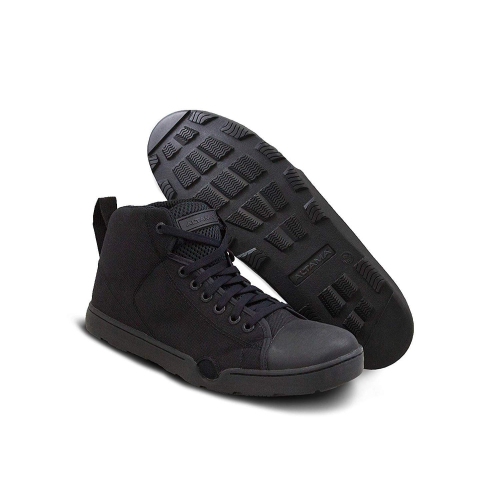 Your price for this item is $328.21
Discover more categories related to Athletic Insoles
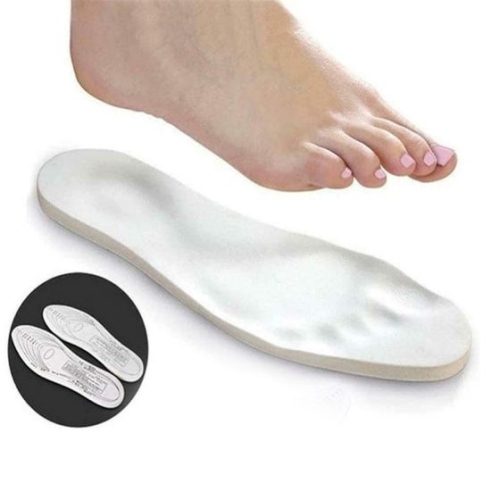
Top Collections:
Pokemon Centers, Kindle Devices, Best Budget Office Chairs, Apple iPhones 16, Canon G7X Cameras, iPhone 15 Apple, Alarm Clock, Refurbished Apple Laptops, Flip Phones, Best Laptops for Writers
Some products may be subject to Environmental Handling Fees
(EHF) depending on your province.
Learn more about EHFs.