Headset Earmuff
Headset Earmuff options offer a comfortable and secure fit for any audio experience, whether you're gaming, working, or enjoying your favorite music. Designed to provide optimal sound isolation and enhance your listening sessions, these accessories are ideal for reducing distractions and improving focus. Explore a wide selection of Headset Earmuff choices to find the perfect match for your needs and elevate your daily routine with quality audio performance.
Sort
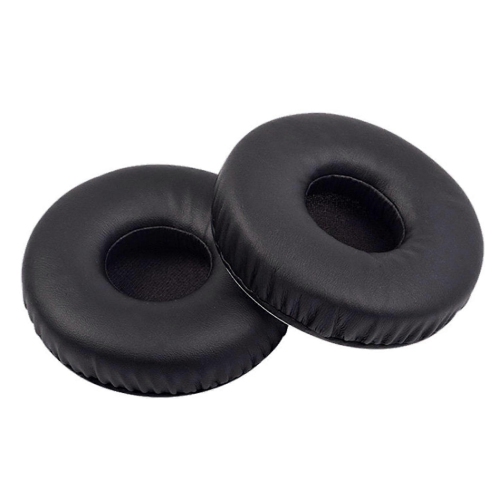
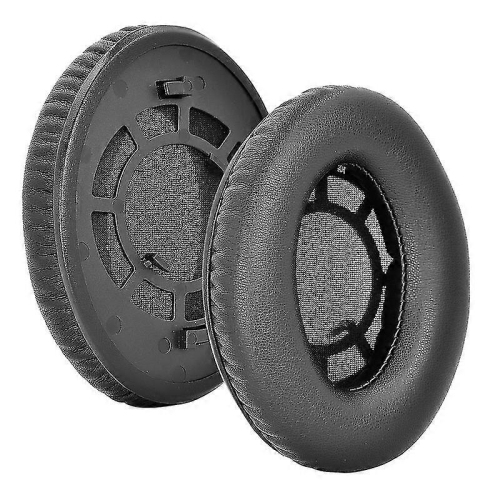
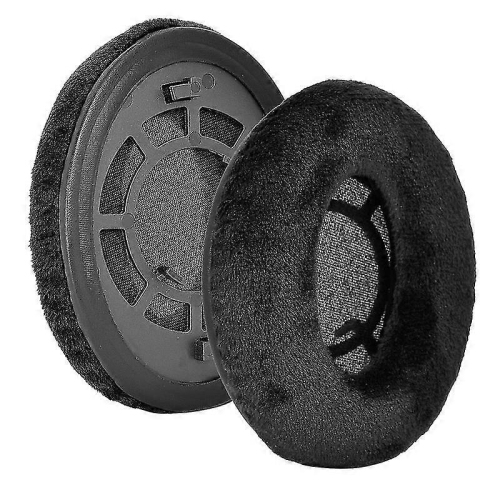
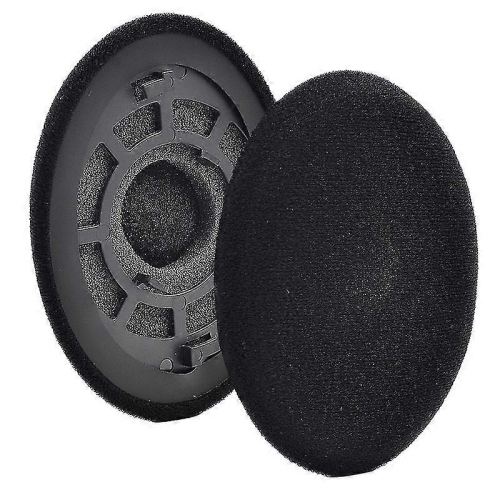
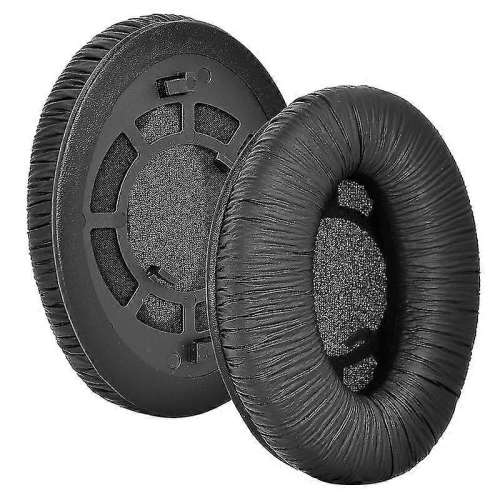
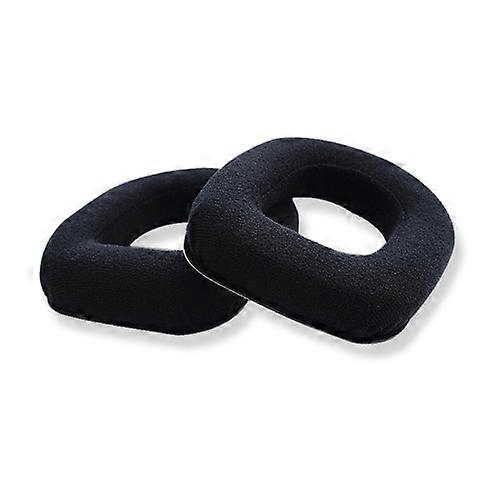
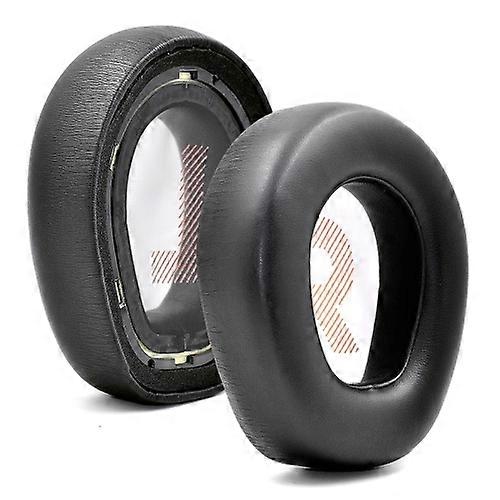
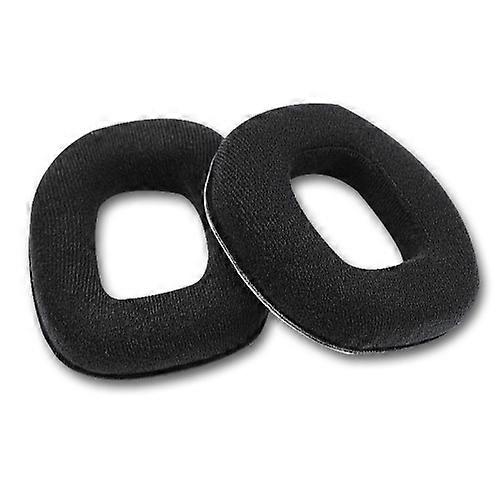
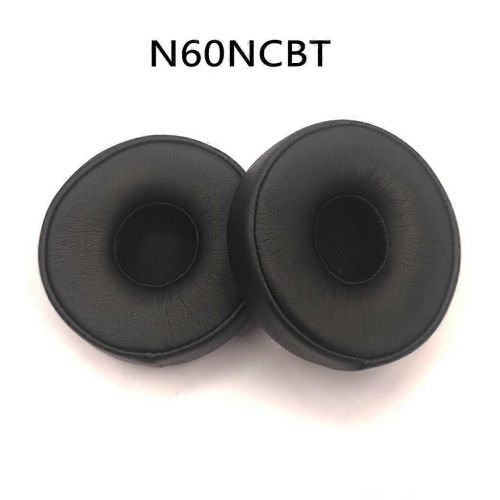
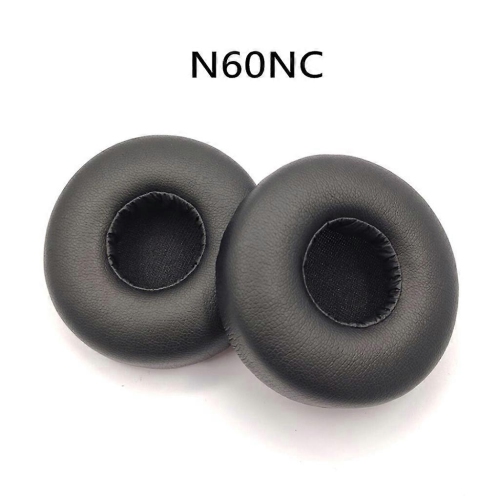
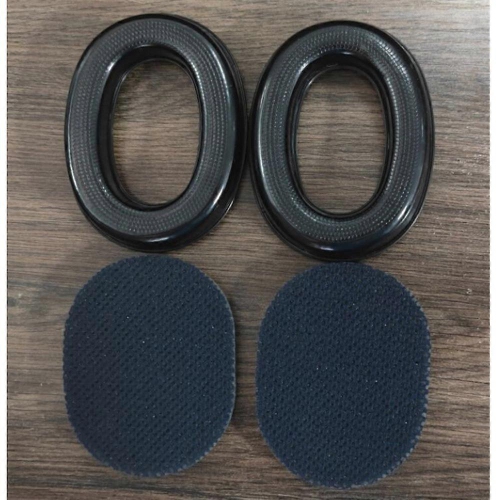
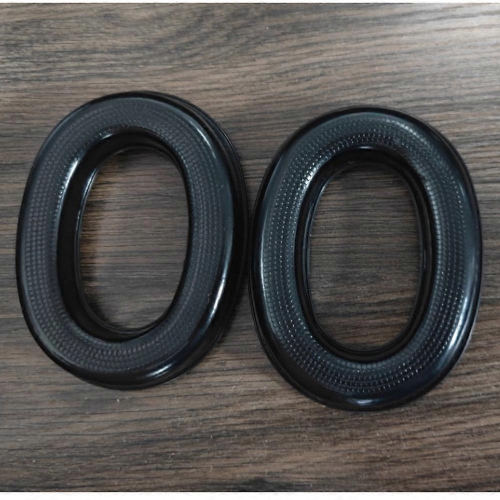
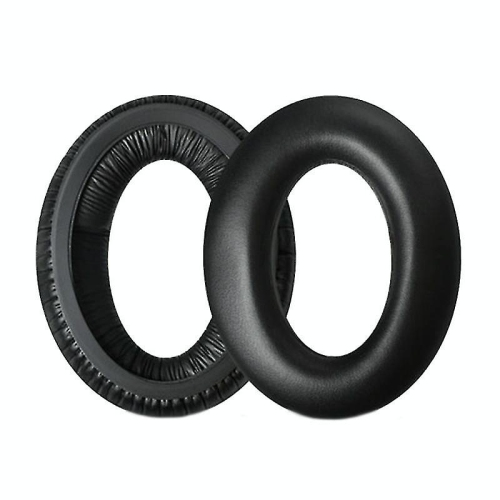
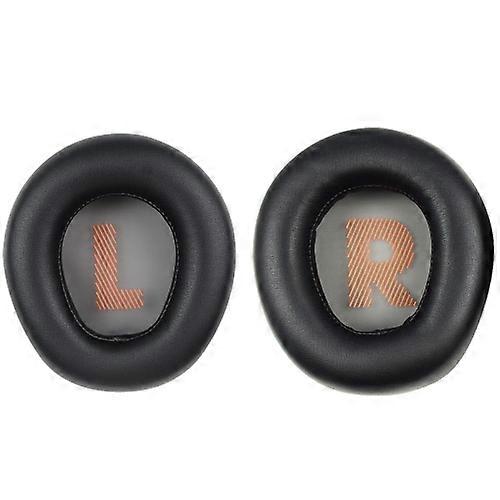
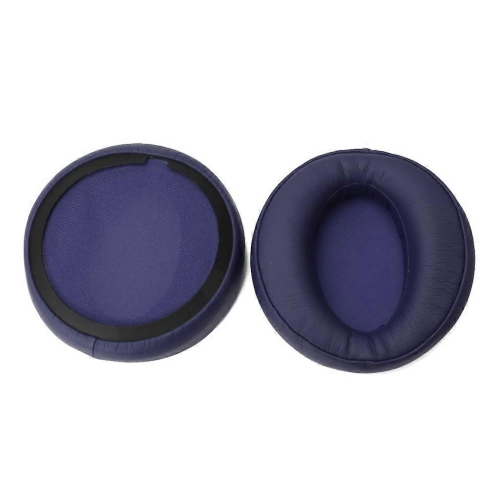
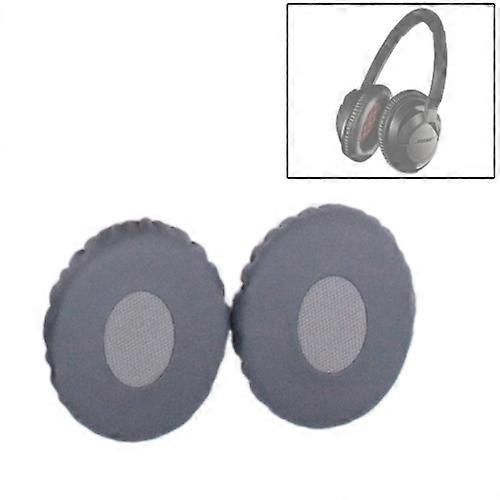
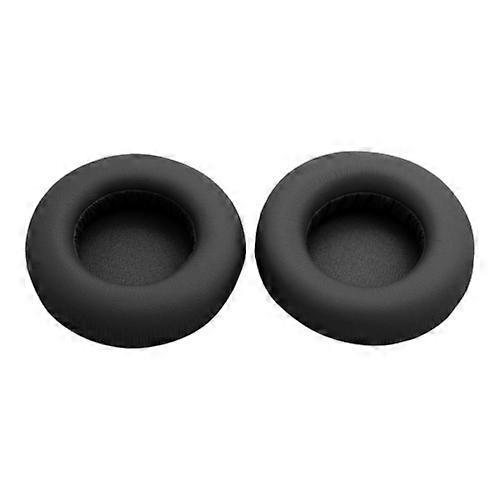
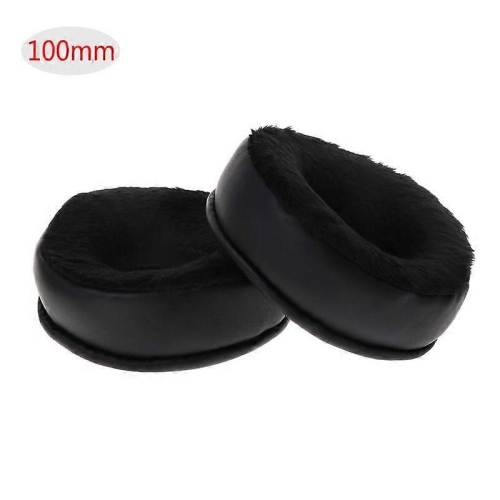
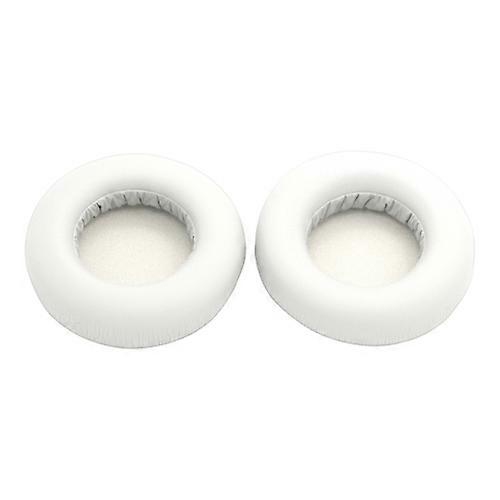
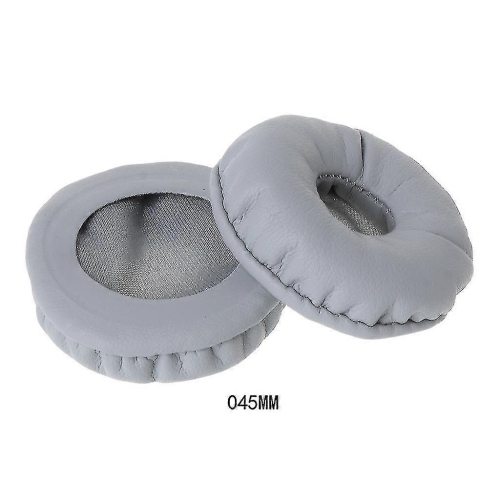
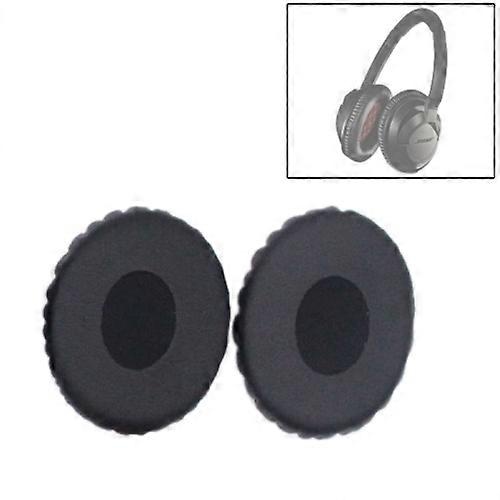
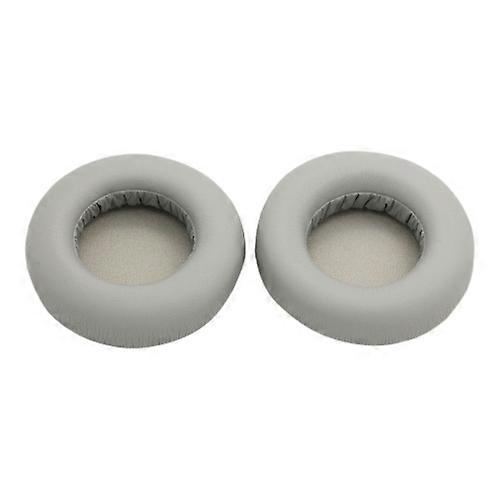
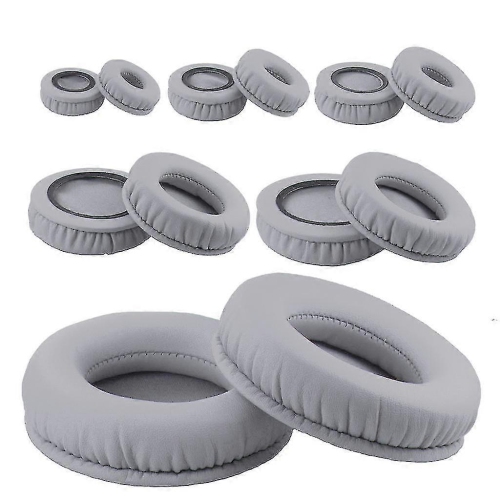
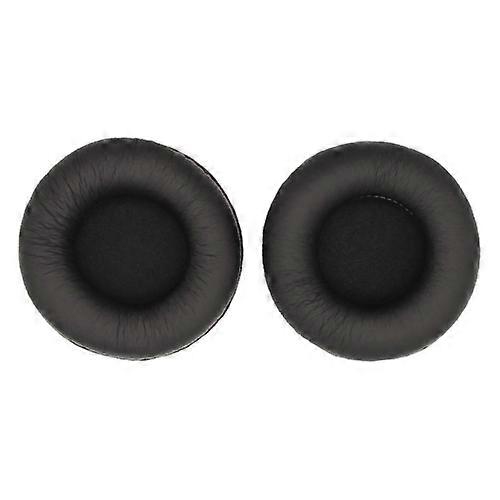
Headphone cushions and hearing protectors serve different purposes
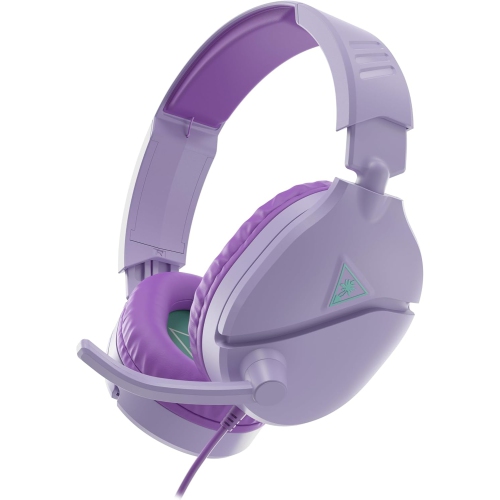
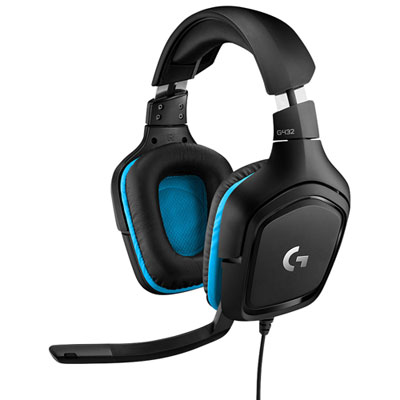
Headset earmuffs can refer to replacement ear cushions for audio headphones and communication headsets, or to over-ear hearing protectors designed to reduce exposure to noise. These categories can look similar, but their purposes are different: headphone cushions support comfort and the intended sound of a compatible headset, while protective earmuffs need a stated hearing-protection rating appropriate to their use. For replacement cushions, compatibility is the starting point. The outside shape alone does not establish a match, since two oval pads can have different mounting rings, attachment tabs, depths, or openings. Some cushions stretch over a retaining lip, while others use a clip-in backing or an adhesive attachment. A compatible replacement should sit securely without covering microphones, vents, or controls. The ear opening also matters, particularly for someone who wears a headset through several meetings or a long gaming session. A deeper cushion may provide more space around the ear, but changing the distance between the ear and the speaker can affect sound, so the original design remains an important reference. Materials bring their own trade-offs. Smooth synthetic leather is generally straightforward to wipe clean and can help maintain the seal around the ear; fabric, mesh, and velour surfaces have a different feel and may allow more airflow, though their cleaning requirements vary. Memory foam conforms gradually under pressure, while other foams may feel firmer or spring back more quickly. Neither softness nor thickness alone guarantees comfort. A cushion that feels plush in the hand can still press against the arm of a pair of glasses after an hour at a desk. For people who use a boom microphone, well-fitting replacement pads can help restore the intended wearing position, but they will not repair a damaged microphone or worn headband. Matching the attachment, dimensions, material, and intended headset is more useful than choosing by appearance alone, whether the headset is used for calls, music, gaming, or recording.
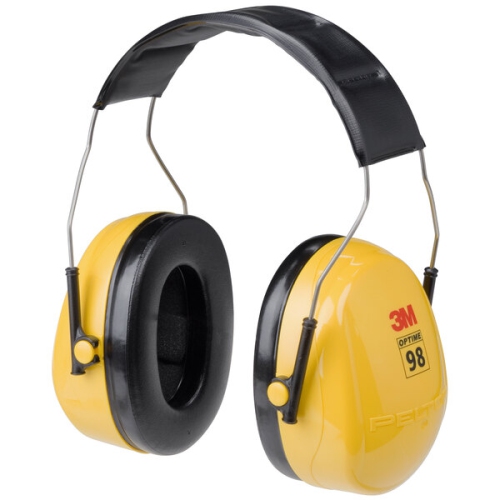
Protective headset earmuffs serve a different role in places where sound levels call for hearing protection, such as workshops, certain workplaces, and loud recreational settings. Their ear cups typically combine an outer shell with sound-absorbing material and a cushioned sealing ring. Performance depends on the complete assembly and how well it fits, not simply on the thickness of the padding. Look for the stated noise reduction rating, the intended applications, and any requirements that apply to the task or workplace. A published rating comes from controlled testing; actual protection depends on correct fitting, consistent use, and the condition of the earmuffs. The cups should surround the ears rather than sit partly on them, and the cushions should make continuous contact with the head. Hair, hat edges, jewellery, and glasses can interfere with that seal, making fit especially important for someone who also needs protective eyewear. Passive earmuffs reduce sound through their physical construction. Some electronic hearing protectors also provide controlled listening or communication functions, but those features do not replace the need to confirm the protection rating and follow the manufacturer's instructions. Likewise, active noise cancellation in ordinary audio headphones is not a substitute for hearing protection rated for the activity. Someone operating loud equipment needs protection suited to that task, rather than a headset that merely makes surrounding sound less noticeable. For families attending loud events, Noise Reduction Earmuffs designed and labelled for a child's age range are a more relevant starting point than adult-sized audio headsets. A suitable fit still needs checking, and protective earmuffs do not remove the need to limit exposure, take breaks away from loud sound, or move farther from the source. Children should be supervised during use, with attention to whether the cups remain correctly positioned. The right choice follows the wearer and activity: a communication feature may matter on a job site, while straightforward adjustment and comfortable sealing cushions may matter more for an occasional event.
Fit, upkeep, and construction influence how well either type of headset earmuff holds up to regular use. A headband should adjust evenly and keep both cups in position without excessive pressure at the temples or the top of the head. Swivelling cups can help accommodate different head shapes, while folding joints make storage easier but add moving parts that deserve occasional inspection. For someone who carries a headset between home and work, a protective case can prevent the cushions from being crushed against a charger or other objects in a bag. At home, storing the headset without stretching it across an oversized stand helps avoid unnecessary strain on the headband. Cleaning should follow the manufacturer's directions, especially where removable fabric covers, coated surfaces, foam inserts, or electronic components are involved. A lightly dampened cloth may be suitable for some surfaces, but soaking pads or applying strong cleaners can damage materials or leave moisture trapped inside. Let cleaned parts dry completely before reassembly or use, and do not assume that removable cushions are machine washable. Flattened foam, flaking coverings, split seams, and loose attachments are signs to inspect the pads more closely. On hearing protectors, cracked sealing rings or damaged cups can compromise protection; replacement parts should be approved for that model rather than improvised from similar-looking audio cushions. On an audio headset, worn pads may change comfort and the acoustic seal even when the speakers still work. These details also matter when choosing a practical gift for a gamer, musician, remote worker, or someone who regularly wears hearing protection. Knowing the recipient's headset model, wearing habits, and intended activity is far more useful than guessing at size or style. A properly matched cushion or suitable pair of protective earmuffs should address a clear need, whether that means restoring comfortable listening or supporting hearing protection for a particular task.
Top selling and popular products
-
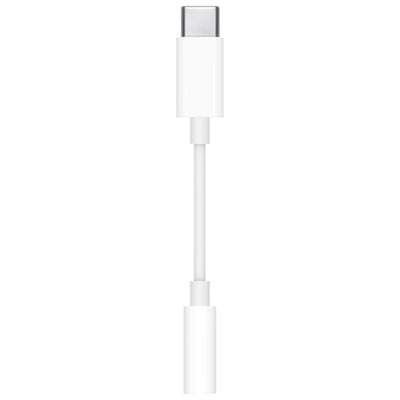 Your price for this item is $10
-
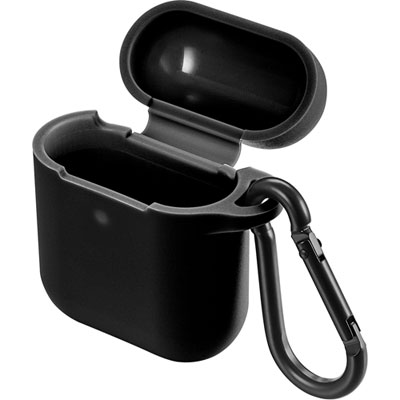 Your price for this item is $19.97
-
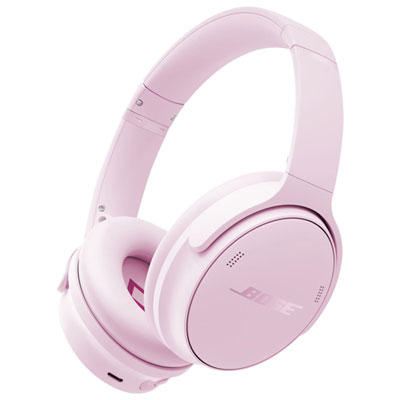 Your price for this item is $249
-
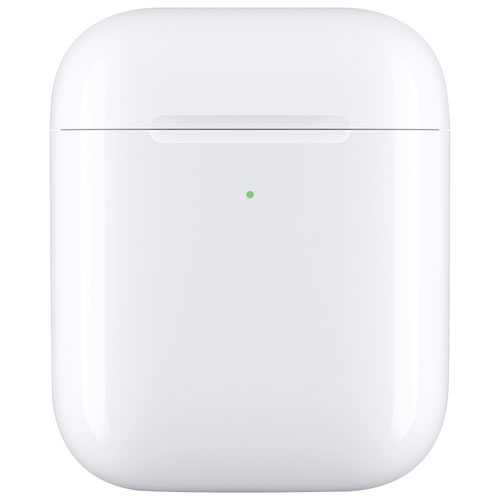 Your price for this item is $59.99
-
 Your price for this item is $4.99
-
 Your price for this item is $124.95
-
 Your price for this item is $98.99
-
 Your price for this item is $49.99
Discover more categories related to Headset Earmuff
Top Collections:
Best Black Friday Deals This Year, Best Black Friday Deals On Electronics, Kindle Devices, Dyson Airwrap, Best Cameras for Sports Photography, Best Budget Office Chairs, Canon G7X Cameras, PS5 Pro Consoles, Best Black Friday Deals On Apple Products, XBOX One S Consoles
Some products may be subject to Environmental Handling Fees
(EHF) depending on your province.
Learn more about EHFs.