Electric Treadmills for Home Use
Electric treadmills for home use offer a convenient way to stay active and maintain your fitness routine without leaving the comfort of your house. Whether you’re looking to boost your cardio workouts or simply enjoy walking indoors, these treadmills are designed to fit seamlessly into any home setting. Explore a wide selection of electric treadmills for home use and find the perfect option to help you reach your health and wellness goals.
Sort
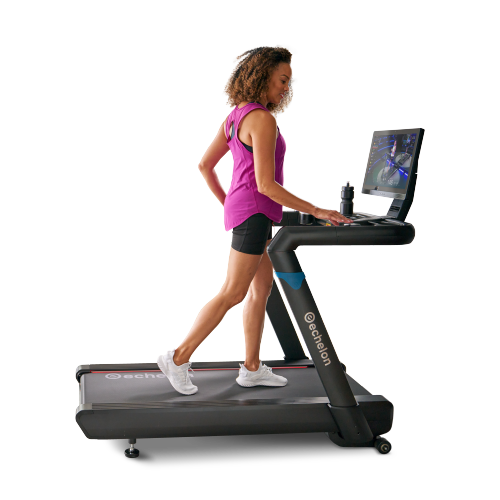
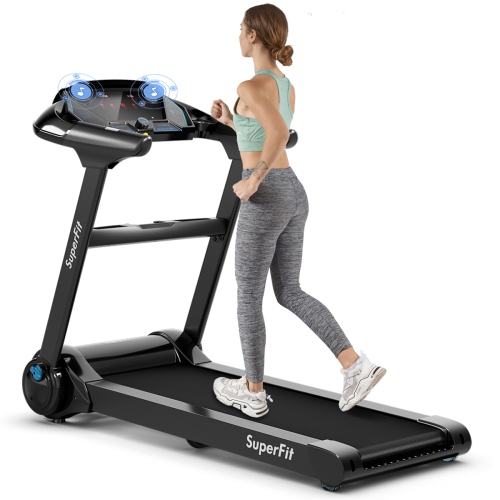
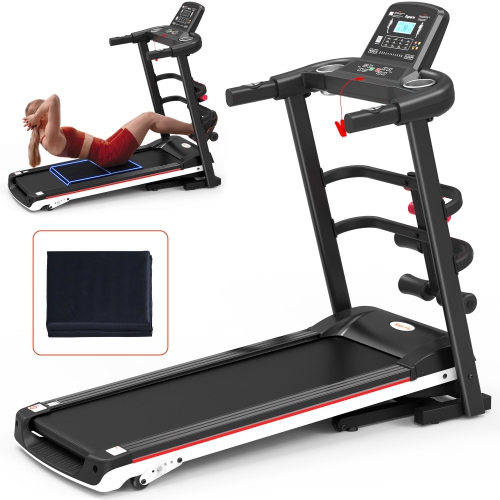
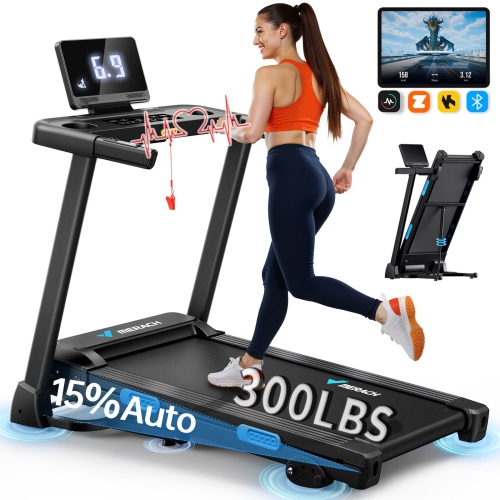
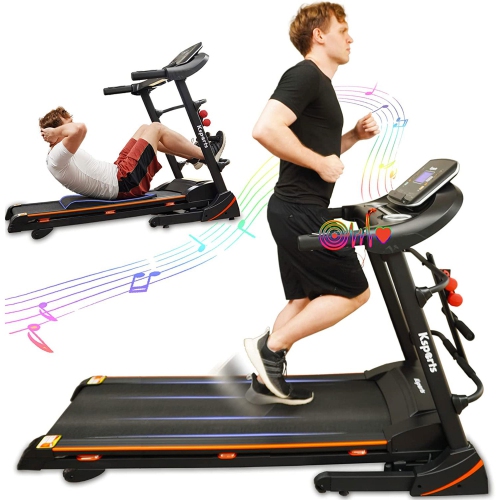
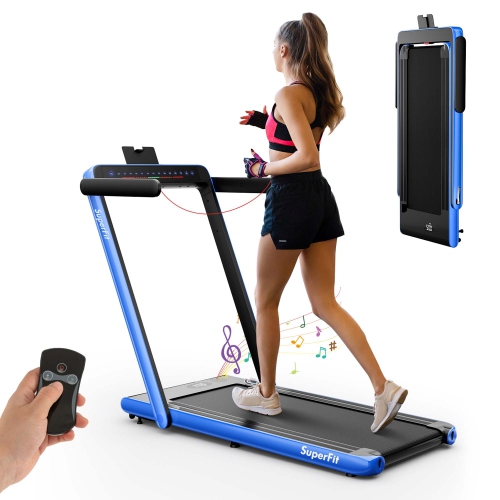
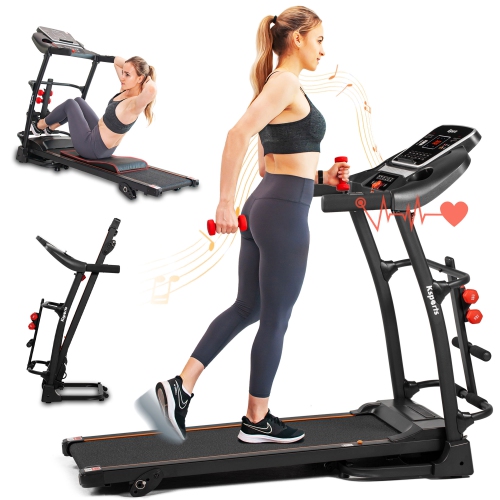

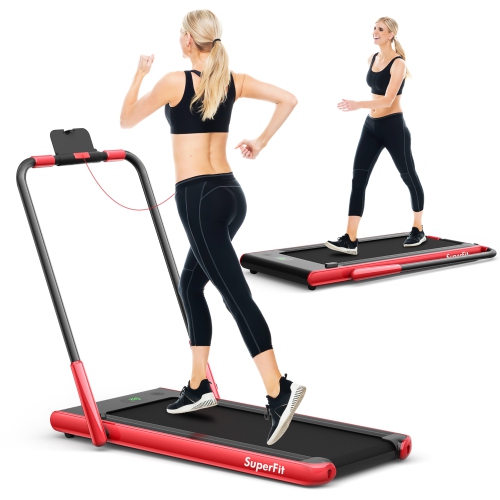
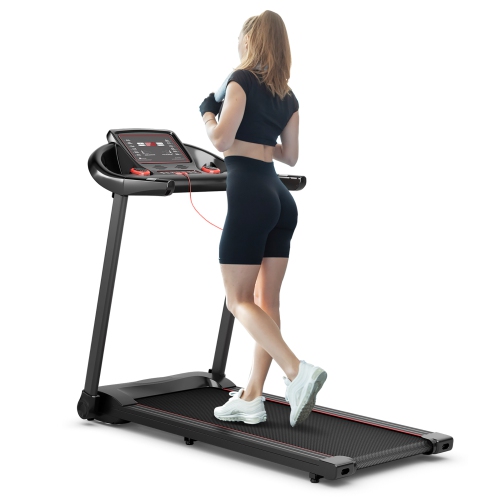
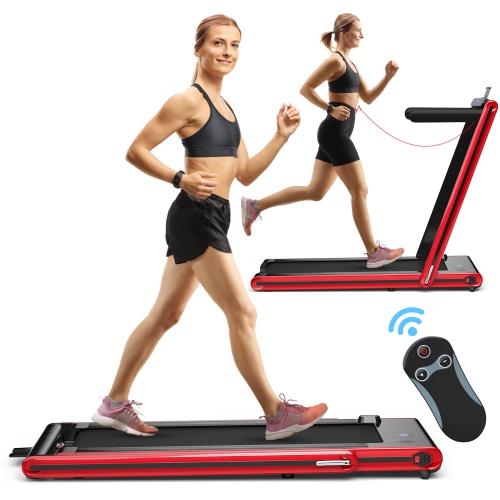
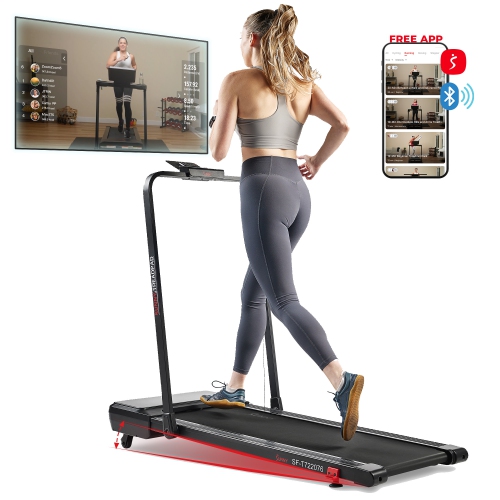
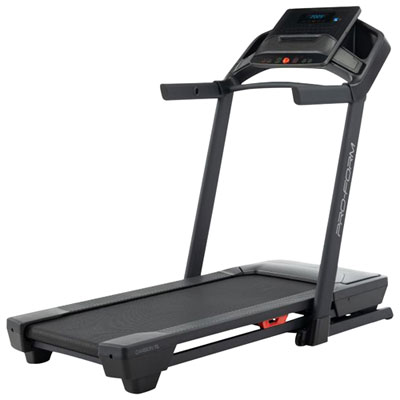
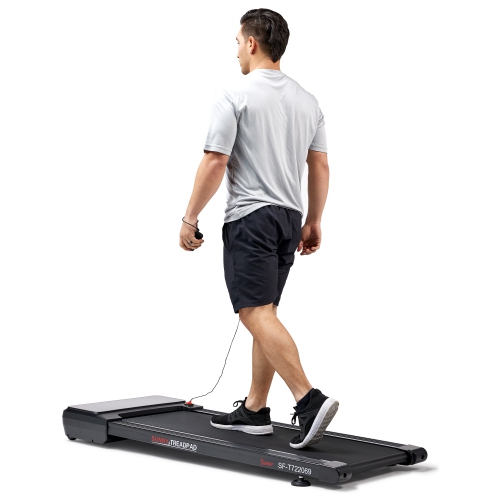
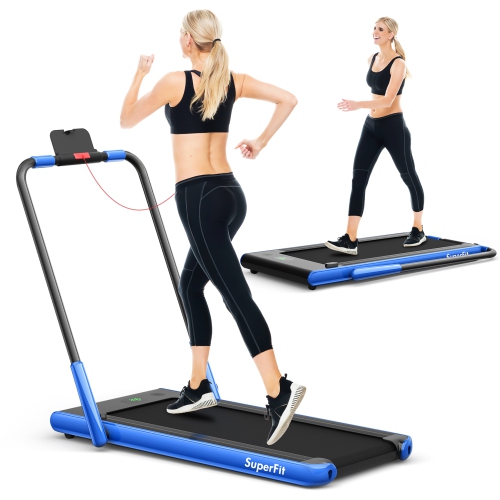
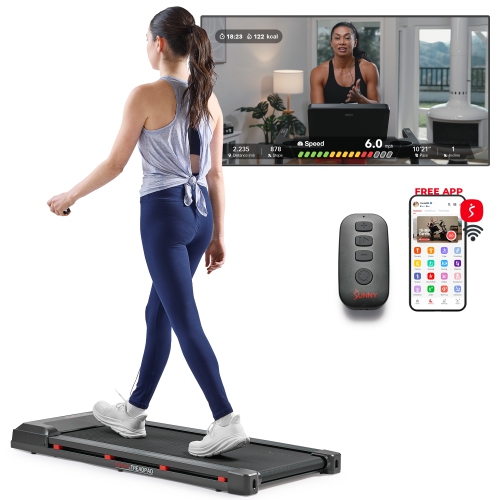
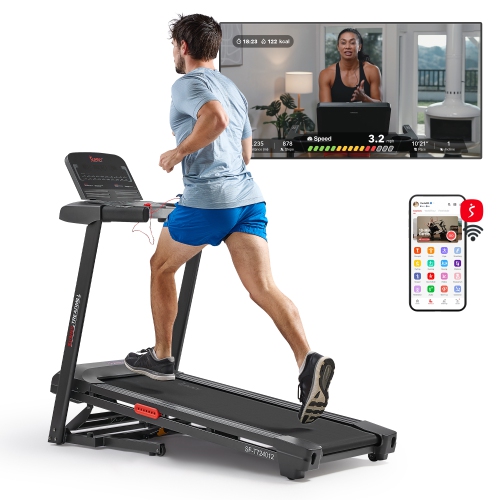
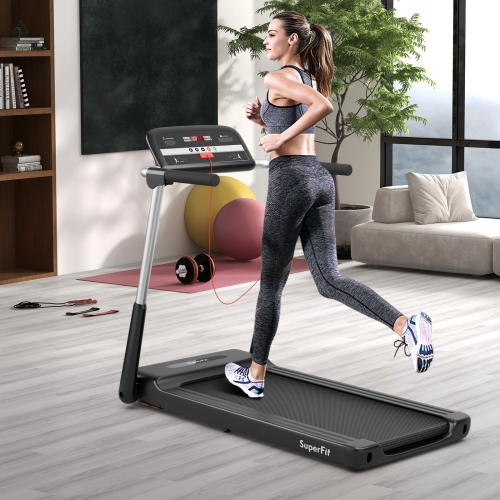
Why walking and running call for different treadmills
Electric treadmills for home use bring walking, jogging, and running into a dedicated space, with a motor-driven belt that maintains a selected pace. Unlike manual treadmills, which rely on the user’s movement to turn the belt, electric models let you adjust speed through a console, buttons, or other controls. The range includes low-profile walking pads for gentle movement, folding treadmills for shared rooms, and larger machines designed for regular running. Each serves a different routine: a walking pad may suit someone adding movement between desk tasks, while a full-size treadmill with handrails and a longer deck is better suited to purposeful exercise sessions. Running requires a machine specifically rated for that use; a compact walking treadmill should not be treated as a running model simply because its belt is motorized. Speed range, usable belt space, motor performance, and incline capability all help distinguish these formats. Motor specifications may include continuous horsepower, often written as CHP, or peak horsepower, which describes a different measure. Those figures are not interchangeable, and neither tells the whole story without the machine’s intended use and operating limits. A higher maximum speed matters most when the routine calls for faster running, while smooth operation at lower speeds can be more important for steady walking. Motorized incline adds another way to vary effort without increasing pace, although some treadmills use manual incline adjustments or have a fixed deck. Incline percentages describe the slope rather than an angle in degrees, so a 10% incline is not the same as a 10-degree incline. The broader Treadmills for Home selection offers context for comparing these different formats. For households with more than one user, a useful match is a treadmill that accommodates everyone’s stride, preferred pace, and expected session length, rather than one chosen around a single headline specification. Someone taking a short lunchtime walk has different needs from a runner logging longer sessions several times a week.
The fit of a home treadmill involves both the person using it and the room around it. Belt dimensions describe the moving surface, not the machine’s full footprint, and a console, motor housing, and side rails can add considerably to the overall size. A 20-by-60-inch belt is a useful reference point when comparing running surfaces, but comfort also depends on stride length, gait, and pace. A wider belt can provide more room for natural side-to-side movement, while additional length becomes especially helpful for taller users or longer running strides. The stated user weight capacity is another essential specification, alongside any limits on session duration or continuous operation. For the room itself, account for the treadmill’s assembled dimensions, the manufacturer’s required clearances, and enough space to get on and off safely. Ceiling height matters too, particularly when a raised deck and an incline position add to the user’s standing height. A folding deck can free up floor space between sessions, but folded dimensions and transport-wheel placement determine how practical storage will feel in everyday use. Some treadmills fold upright; others have a flatter profile intended for storage in a suitable open space. Moving either style may still require considerable effort, especially across thresholds or between floors. Steel frames, sturdy deck supports, and well-fitted handrails contribute to a stable feel, while plastic housings protect components and keep controls within reach. Deck cushioning can soften the feel underfoot compared with a firm surface, though it does not eliminate impact or make every treadmill suitable for every user. In a condo or shared household, the sound of footfalls and vibration through the floor can matter as much as motor noise. A suitable equipment mat may help protect flooring and reduce some vibration, but it cannot make a treadmill silent or replace a level, structurally appropriate surface. Placement near a television or beside a home workout area can make the machine feel like a natural part of the room without crowding access routes.
Controls and connected features shape the experience once the treadmill becomes part of a regular routine. Clear speed and incline buttons are useful when changing effort mid-session, especially when they are easy to reach without leaning forward. A readable display can keep elapsed time, distance, speed, and incline visible at a glance, while preset programmes offer structured changes for users who prefer not to adjust every setting themselves. Distance may appear in kilometres or miles depending on the machine and its settings. Touchscreens, Bluetooth connections, speakers, and app compatibility vary, and a connected display does not necessarily support unrestricted streaming or every fitness app. Some interactive workouts require a separate account or subscription, so built-in functions and optional connected services are worth distinguishing. Device shelves and bottle holders are simpler details that can make a noticeable difference during an ordinary session, provided a phone or tablet does not obscure important controls. For a runner using interval sessions, responsive adjustments may matter more than a large screen; for someone taking a steady walk while watching a programme, an uncomplicated console may be entirely sufficient. Long-term durability also depends on care. Dust and pet hair can collect around the belt and motor housing, while perspiration can leave residue on rails and controls. Regular cleaning, belt alignment checks, and lubrication where required help support dependable operation, with the manufacturer’s maintenance schedule taking priority because some decks use different lubrication systems. Electrical requirements also vary, so the treadmill needs a suitable outlet and a setup that follows its supplied instructions. An accessible stop control and, where fitted, a safety key provide important safeguards; the key’s clip belongs on the user’s clothing during exercise. Children and pets should stay clear of the moving belt, and the treadmill should be secured against unintended use between sessions. These everyday details support a home exercise space that is straightforward to use, maintain, and share.
Top selling and popular products
-
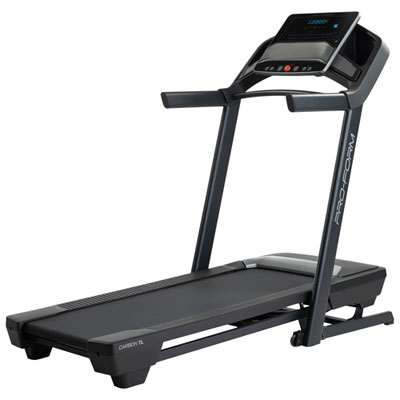 Your price for this item is $699.98
-
 Your price for this item is $2729.99
-
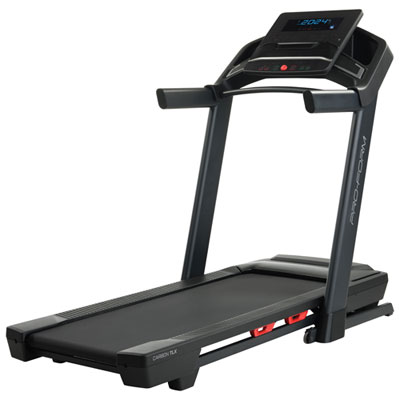 Your price for this item is $1399.99
-
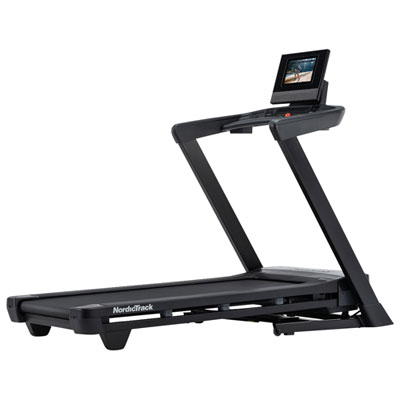 Your price for this item is $1399.98
-
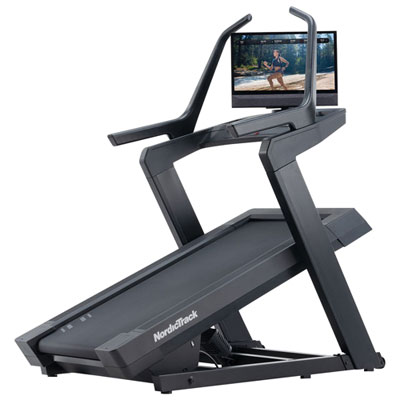 Your price for this item is $3998.98
-
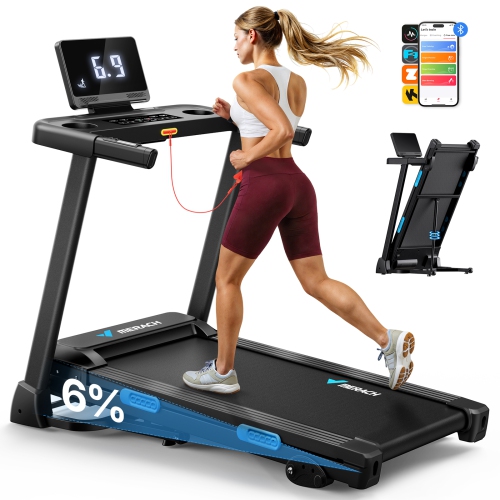 Your price for this item is $429.99
-
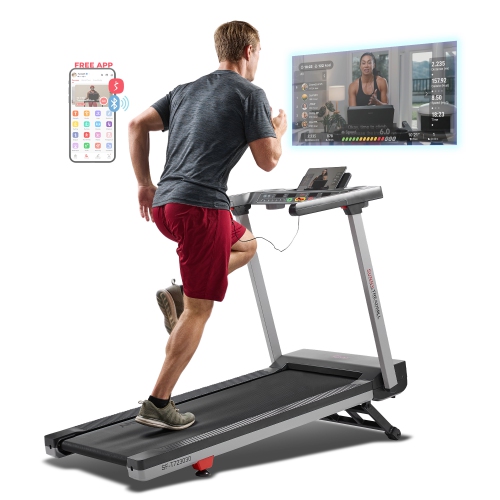 Your price for this item is $1199.99
-
 Your price for this item is $3289.98
Discover more categories related to Electric Treadmills for Home Use
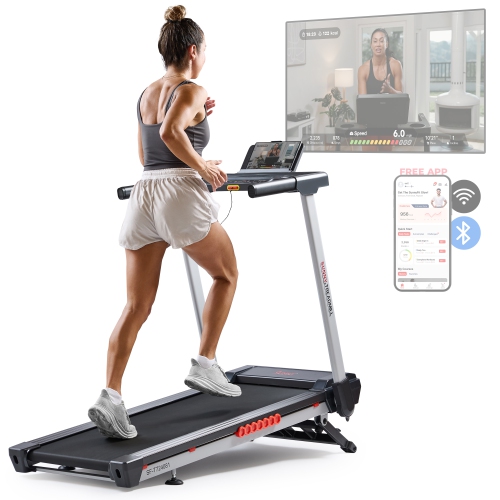
Top Collections:
Best Black Friday Deals This Year, Best Black Friday Deals On Electronics, Kindle Devices, Dyson Airwrap, Best Cameras for Sports Photography, Best Black Friday Deals On Apple Products, PS5 Pro Consoles, Portable Snow Blowers, Canon G7X Cameras, Pokémon 30th Celebration Cards
Some products may be subject to Environmental Handling Fees
(EHF) depending on your province.
Learn more about EHFs.