Electric Treadmills for Walking and Running
Electric treadmills for walking and running offer a convenient way to stay active from the comfort of your home. Whether you’re looking to maintain a daily walking routine or push your limits with a challenging run, these versatile machines are designed to support a variety of fitness goals. With options suitable for different spaces and preferences, finding the right electric treadmill can help you enjoy effective workouts year-round. Explore the selection of electric treadmills for walking and running to discover models that fit your lifestyle and exercise needs.
Sort

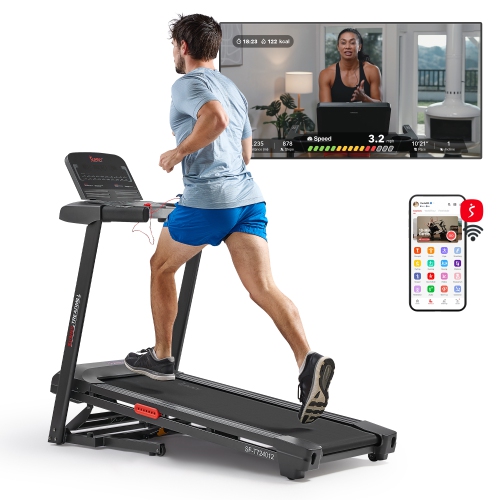
Why your pace matters when comparing treadmills
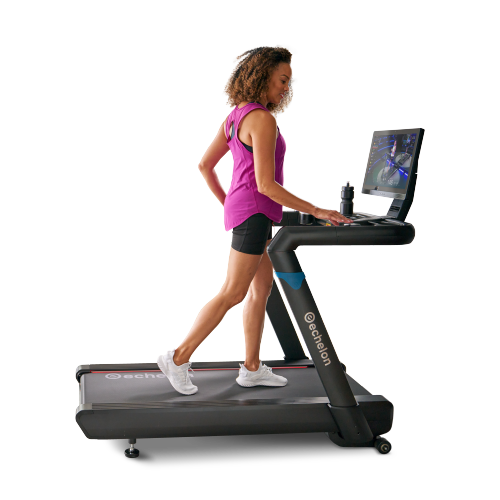
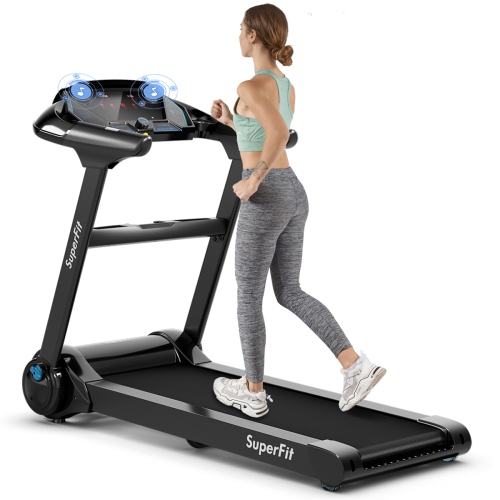
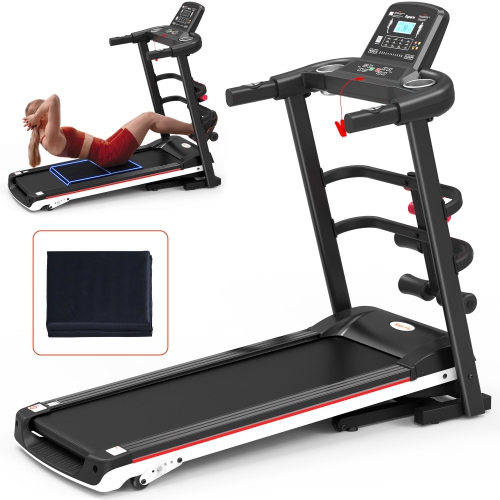
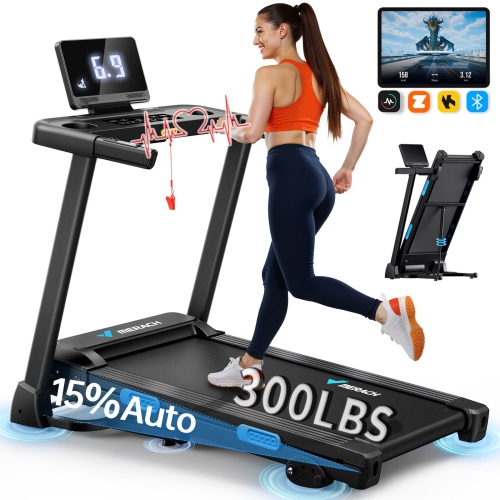
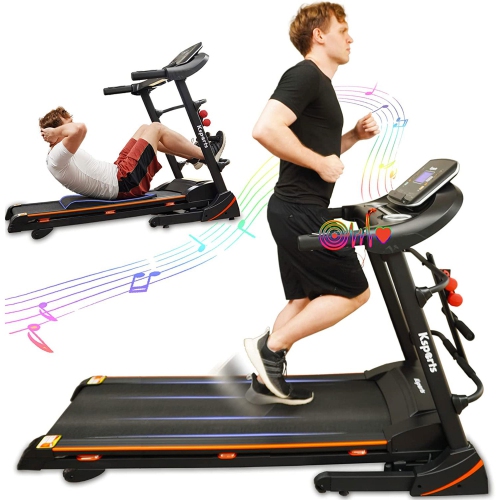
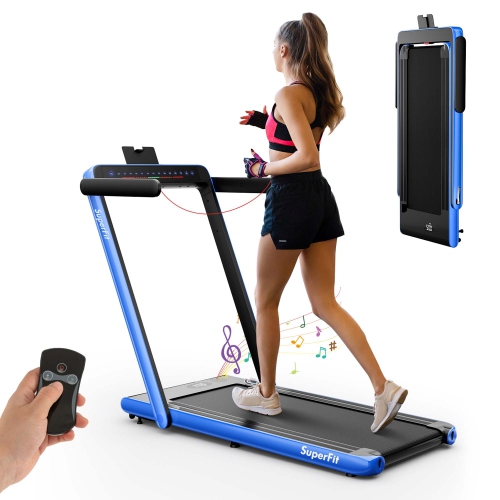
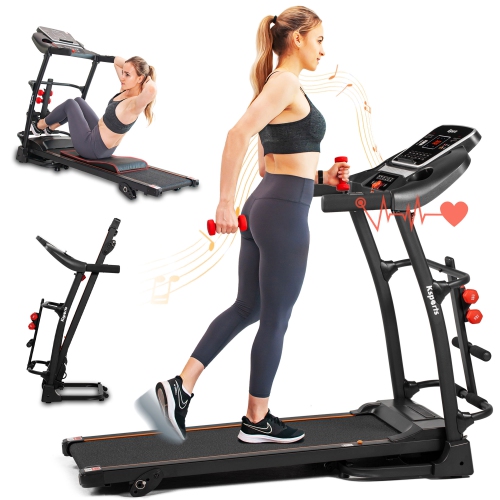
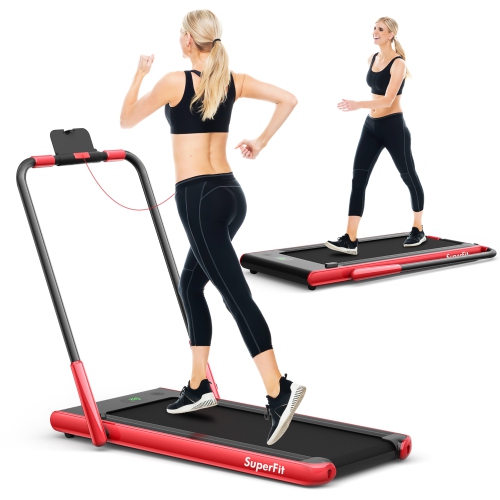
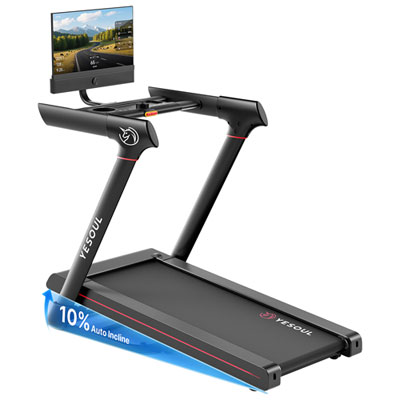
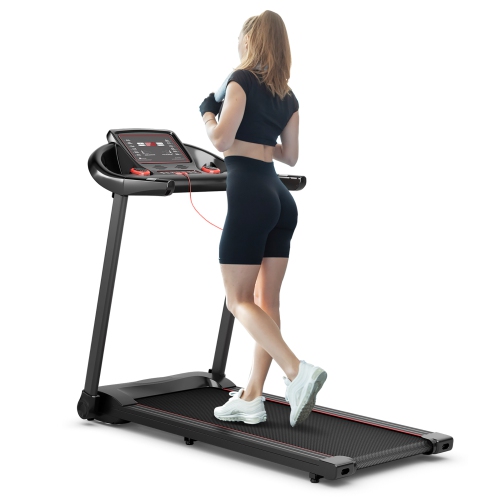
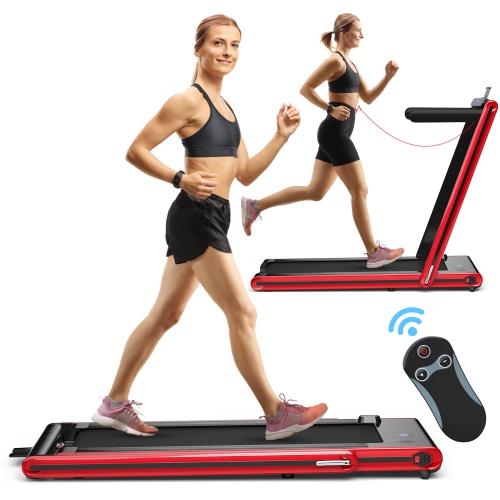
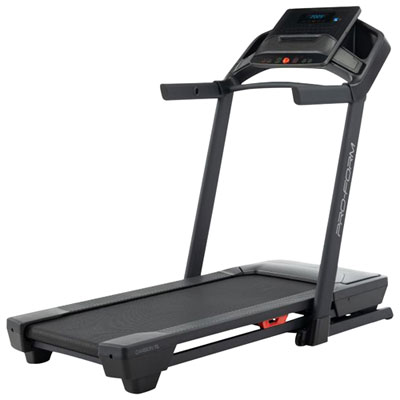
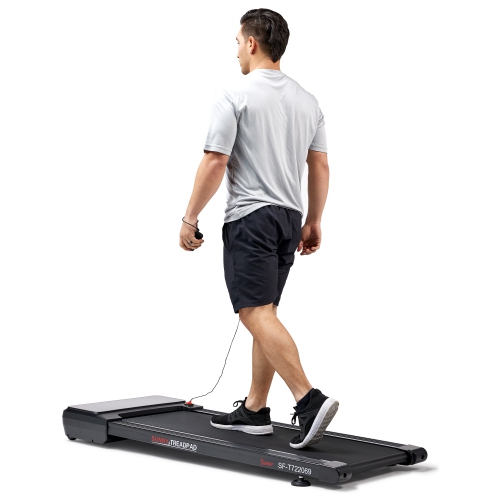
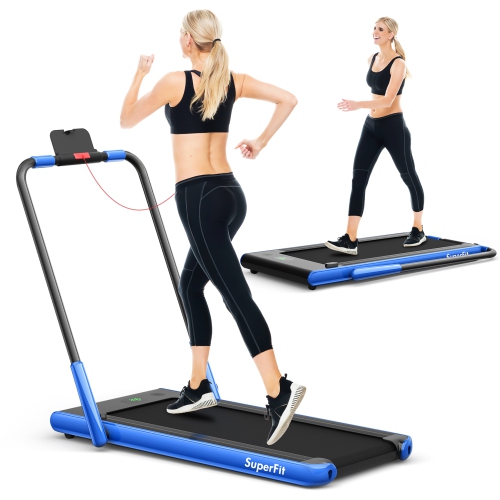
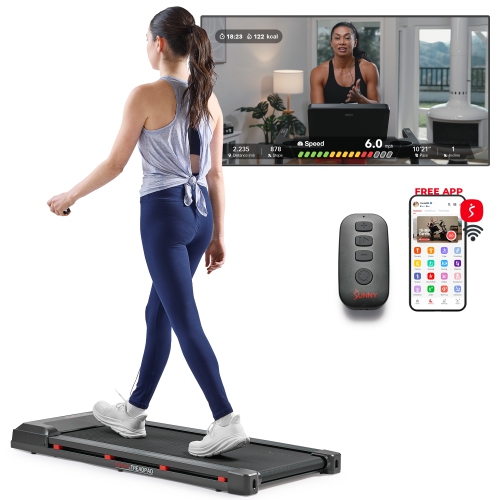
Electric treadmills for walking and running use a motor to move the belt at a selected speed, creating a consistent surface for exercise at home. The category spans compact walking machines, under-desk walking pads, and full-size treadmills designed for jogging or sustained running. These formats serve different routines: a walking pad can suit light movement at a compatible standing desk, while an upright treadmill with handrails, a console, and a larger running deck can accommodate more structured sessions. Not every electric treadmill supports both walking and running, so the manufacturer’s stated use and speed range matter more than appearance alone. A walking-only machine should not be treated as a running treadmill, even if its belt feels comfortable at a brisk pace. For routines centred on steady steps rather than jogging, Basic Treadmills for Walking provide a focused alternative. Mixed-use households may need a machine that accommodates a relaxed walk for one person and a longer run for another. Belt length and width are especially important here: a taller user or someone with a long running stride generally needs more room than a person taking shorter walking steps. Enough usable space helps prevent a workout from feeling cramped, particularly as pace increases and foot placement varies. The stated maximum user weight is another essential specification, alongside any limits on session length or continuous operation. A treadmill intended for occasional walking may not suit repeated running workouts shared by several people throughout the day. Beginners building a regular movement habit, experienced runners adding indoor sessions, and people who prefer exercising close to home can all have different priorities. The most suitable format reflects the actual pace, stride, and frequency of use rather than the number of programmes on the console. For someone alternating walking and short jogging intervals, easy speed adjustments and a deck rated for running can matter more than advanced training features.
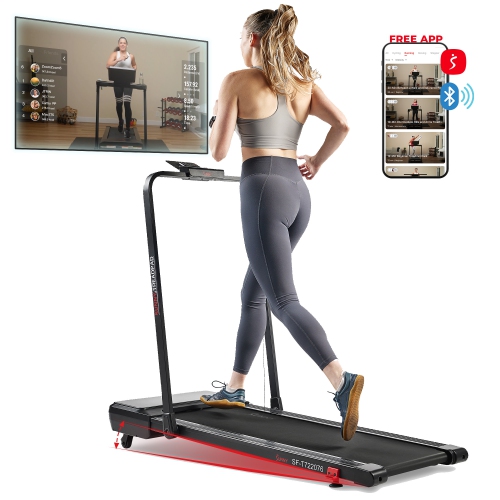
The feel of an electric treadmill comes from the whole machine, not just its motor rating. Motor output, belt construction, deck support, and frame stability all contribute to how it performs underfoot. Continuous-duty and peak motor ratings describe different things and should not be treated as interchangeable when comparing specifications. A sturdy steel frame can provide a stable foundation, while the quality of hinges, upright supports, and handrail connections also matters, especially on folding designs. The belt should offer secure footing with suitable exercise shoes, and the deck needs enough support for the intended activity. Cushioning can change how firm or forgiving each step feels, although it does not make every treadmill equally comfortable for every user or guarantee protection from injury. Someone taking a steady walk may value a predictable belt speed and simple controls; a runner changing pace between intervals may place more importance on responsive adjustments and a stable platform. Incline adds another dimension by raising the front of the deck, allowing a walking session to become more demanding without necessarily increasing speed. Motorized incline can usually be adjusted through the controls, while manual incline generally requires stopping and repositioning the deck according to the instructions. Console design also affects everyday usability. Clear readouts for time, speed, and distance make it easier to repeat a familiar session, and accessible buttons reduce the need to reach awkwardly while moving. Built-in programmes, Bluetooth connections, Wi-Fi features, and compatible fitness apps may add variety, but their usefulness depends on the routine. Some connected functions require an account or subscription, and device compatibility can vary. Hand-grip pulse sensors and other fitness readings are best understood as workout references rather than medical measurements. For shared use, straightforward controls and easily adjusted settings can be more practical than a complicated screen that takes several minutes to set up before each walk.
An electric treadmill also needs to fit the room as comfortably as it fits the workout. The listed footprint is only part of the space required: there must also be the manufacturer’s specified clearance around the machine, particularly behind the moving belt. Ceiling height deserves attention when the treadmill has an elevated deck or incline, since the user stands above floor level throughout the session. A folding deck can free up floor space between workouts, but the folded dimensions, locking mechanism, and lifting requirements determine how practical that feature will be. Transport wheels help with repositioning on suitable surfaces; they do not necessarily make a heavy treadmill easy to move between rooms or carry upstairs. In a home office, the relationship between a walking pad, desk height, and available legroom matters as much as the machine’s storage size. In an apartment or shared home, motor sound and footfall vibration are separate considerations. A suitable equipment mat may help protect compatible flooring and reduce some vibration, but it will not make running silent. The floor must be level and capable of supporting the machine and user, and the electrical connection should meet the manufacturer’s requirements. Everyday care helps preserve reliable operation: wipe away perspiration as directed, keep the belt area clear of dust and debris, and follow the specified schedule for belt alignment, tension checks, and lubrication where required. Not all belts need the same treatment, so adding lubricant without checking the manual can cause problems rather than prevent them. Safe use includes keeping children and pets away from the moving belt, using the safety key or stop system where provided, and stepping on or off only as instructed. A treadmill selected as a gift is most useful when the recipient’s preferred activity, available space, and comfort with the controls are already understood. Whether it supports a short daily walk or a regular running schedule, a well-matched electric treadmill should make the intended routine feel practical to repeat.
Top selling and popular products
-
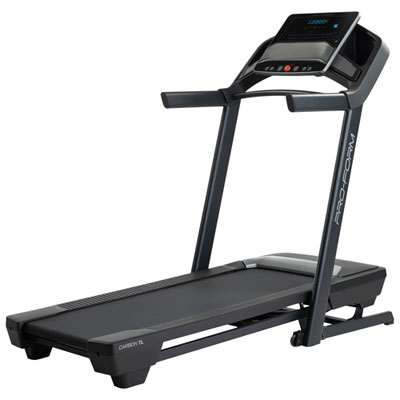 Your price for this item is $699.98
-
 Your price for this item is $2729.99
-
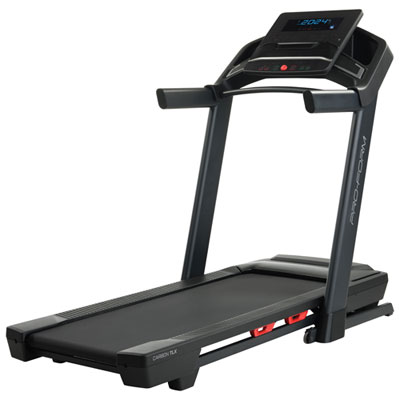 Your price for this item is $1399.99
-
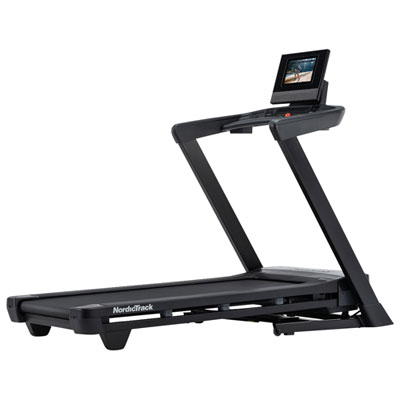 Your price for this item is $1399.98
-
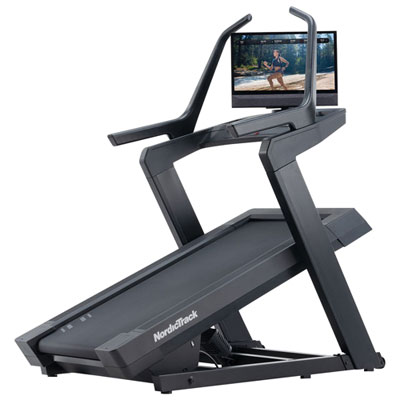 Your price for this item is $3998.98
-
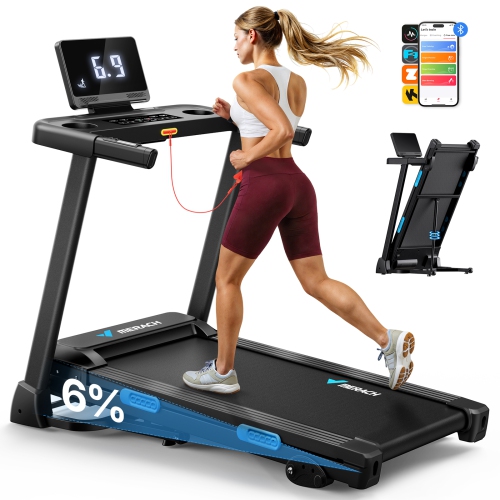 Your price for this item is $429.99
-
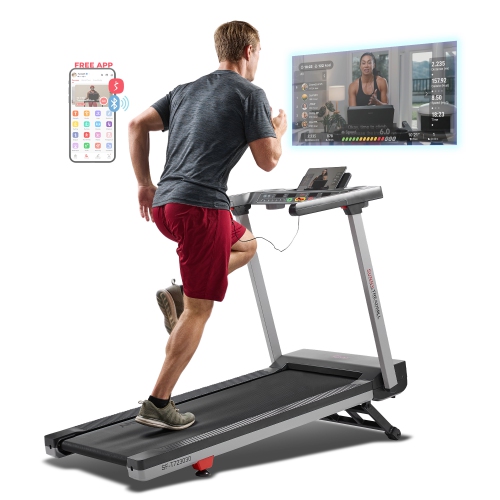 Your price for this item is $1199.99
-
 Your price for this item is $3289.98
Discover more categories related to Electric Treadmills for Walking and Running
Top Collections:
Best Black Friday Deals This Year, Best Black Friday Deals On Electronics, Kindle Devices, Dyson Airwrap, Best Cameras for Sports Photography, Best Black Friday Deals On Apple Products, PS5 Pro Consoles, Portable Snow Blowers, Canon G7X Cameras, Pokémon 30th Celebration Cards
Some products may be subject to Environmental Handling Fees
(EHF) depending on your province.
Learn more about EHFs.