Exercise Ropes
Explore our collection of exercise ropes designed to enhance your strength training and cardio workouts. Whether you're a beginner looking to kickstart your fitness journey or a seasoned athlete wanting to intensify your regimen, these exercise ropes are perfect for improving endurance, increasing muscle tone, and boosting overall fitness levels. Dive into our selection of high-quality exercise ropes that cater to various fitness levels and goals, and take your workouts to the next level.
Sort













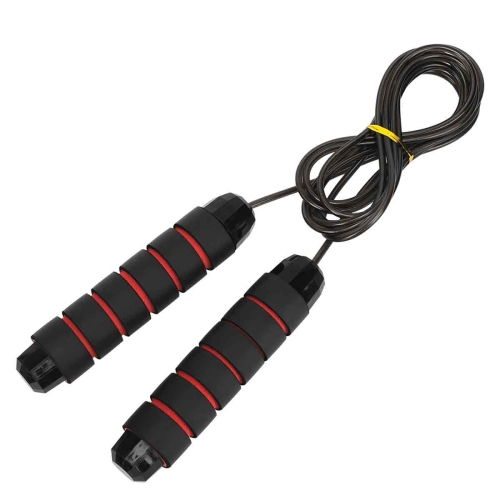
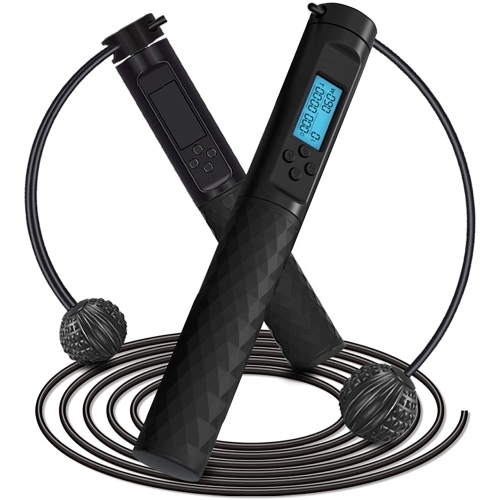
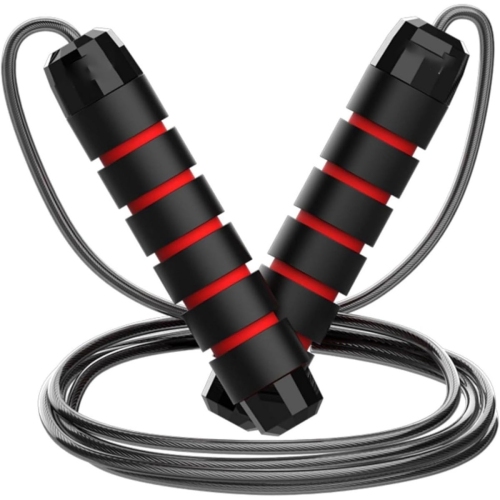


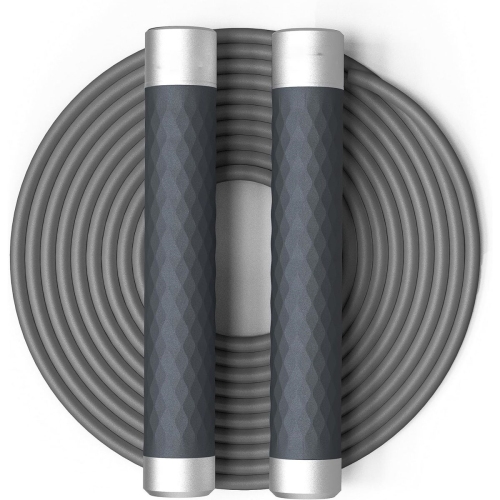











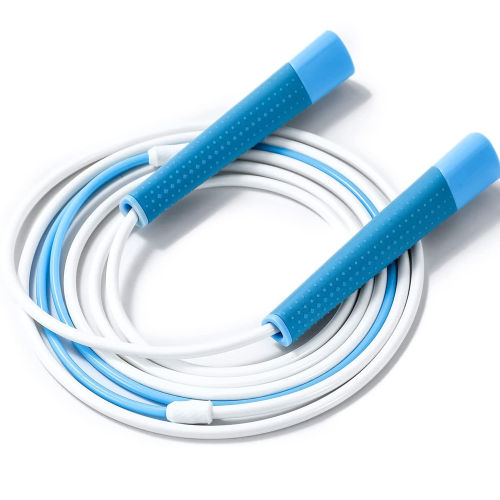
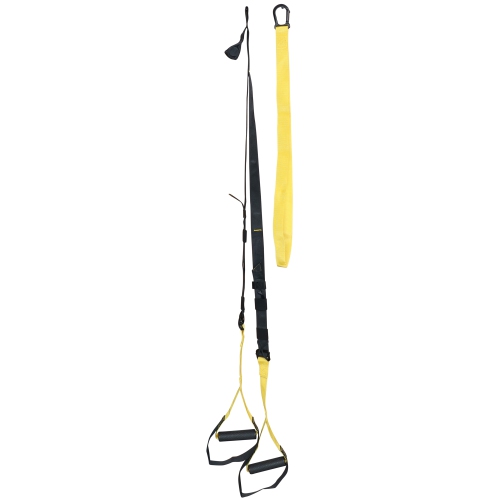
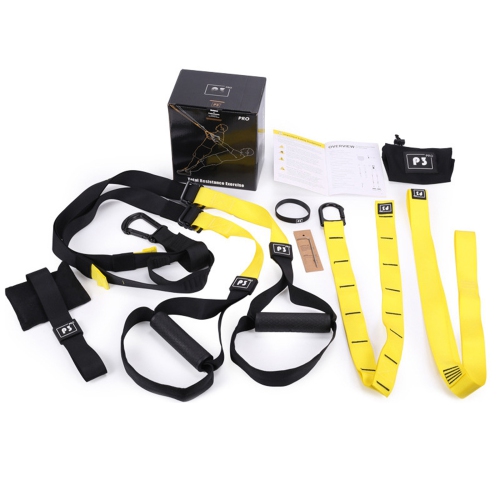
Full-body conditioning that turns every wave into progress
Exercise ropes, often called battle ropes, are versatile conditioning tools for building cardiovascular fitness, muscular endurance, grip strength, and full-body coordination. A typical session involves anchoring the rope securely and moving the ends in controlled patterns to create waves, slams, circles, or side-to-side motions. Although the arms and shoulders do much of the visible work, effective rope training also involves the legs, hips, back, and core. Maintaining an athletic stance with a slight bend in the knees helps distribute effort throughout the body, while steady foot pressure and an engaged midsection help keep each movement controlled. Alternating waves are a practical starting point: move one arm up as the other moves down, sending continuous waves towards the anchor. Double waves use both arms together for a more demanding rhythm, while slams involve lifting the rope and driving it down with the legs and core. Side winders, circles, and other patterns can add variety as coordination improves. These exercises can be performed as short intervals between strength movements, as part of a high-intensity interval training routine, or as a focused conditioning workout on their own. A few rounds can quickly raise the heart rate, making exercise ropes useful for efficient home workouts, garage gyms, training studios, athletic facilities, and outdoor fitness spaces. They can also bring a more active feel to a routine that has become repetitive, adding the satisfying sound and visible motion of each wave while encouraging consistent effort from start to finish.
Choosing the right exercise rope begins with considering available space, training goals, and the user’s experience level. Length affects how the rope moves and how much room is needed, so measure the intended workout area before buying. Longer ropes generally allow broader waves and can suit users who have access to a larger room, driveway, patio, or training area. Shorter options may be easier to manage in a compact home gym, although the anchor point and the user’s movement still need enough clearance. Diameter also influences the feel: thicker ropes tend to provide more resistance and can make a session especially demanding for the hands, forearms, shoulders, and upper back, while a lighter rope may be easier for beginners to move for longer intervals. Handles should feel comfortable and secure, with a shape that supports a firm grip without encouraging excessive squeezing. Durable outer construction and well-finished ends are useful for regular training, particularly when the rope will be moved across a mat, gym flooring, concrete, or another approved surface. An anchor point is equally important. It should be strong, stable, and installed or positioned according to the manufacturer’s instructions, with no loose hardware or sharp edges that could damage the rope. Leave a clear area around the user and remove nearby furniture, weights, pet toys, and other obstacles before beginning. For outdoor use, check that the surface is even and that the rope is appropriate for the conditions; for related utility and boating applications, browse Marine Ropes separately, as those products are designed for different purposes than exercise ropes. A proper exercise mat can add comfort and help define the training space, while supportive footwear can make it easier to maintain balance during repeated waves and slams.
Exercise ropes can suit a wide range of people, from someone building a first home workout area to experienced athletes looking for a challenging conditioning finisher. Beginners can start with short work intervals, lighter movement, and generous recovery periods, concentrating on smooth waves rather than trying to move the rope as forcefully as possible. A simple approach is to work for a brief period, rest until breathing settles, and repeat for several rounds. As stamina and technique develop, users can increase the duration, reduce rest, add movement such as stepping or squatting, or combine patterns within the same session. More experienced users may use ropes to complement running, cycling, weight training, martial arts, team sports, or other activities that benefit from repeated bursts of effort. They are also a thoughtful gift for an active family member, a friend setting up a garage gym, or someone who enjoys trying new ways to stay fit during the cooler months. Unlike equipment that requires complicated programming, exercise ropes offer an immediately visible way to measure effort: a higher wave, steadier rhythm, or longer interval can mark progress over time. Good form remains more valuable than speed. Keep the shoulders relaxed rather than shrugging, brace the core, bend through the hips and knees, and let the whole body contribute to the motion. Stop if pain, dizziness, or unusual discomfort develops, and allow recovery between demanding sessions. When stored in a dry, uncluttered place and checked regularly for fraying, loose components, or other signs of wear, exercise ropes can become a dependable part of a balanced fitness setup through changing seasons, whether used for quick indoor sessions, outdoor circuits, or energetic training when the weather makes other activities less convenient.
Top selling and popular products
-
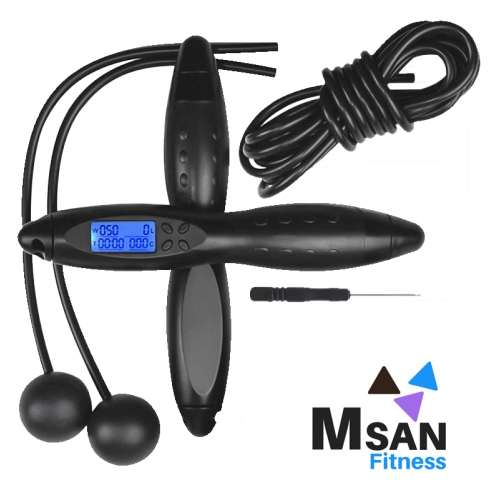 Your price for this item is $38.99
-
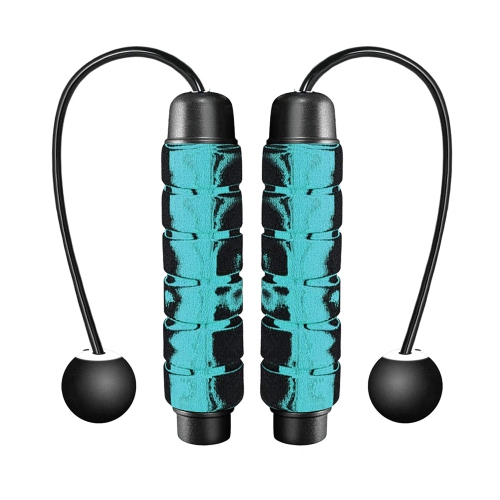 Your price for this item is $15.99
-
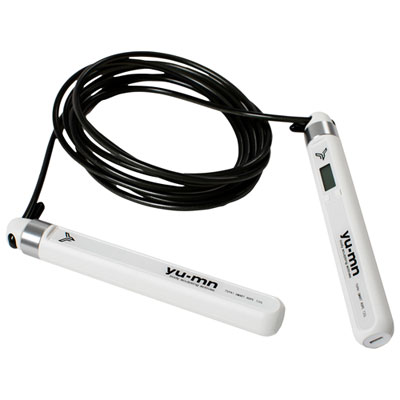 Your price for this item is $44.99
-
 Your price for this item is $19.65
-
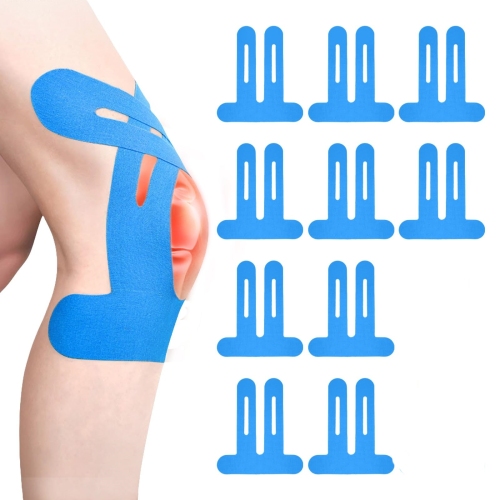 Your price for this item is $22.98
-
 Your price for this item is $9.99
-
 Your price for this item is $11.99
-
 Your price for this item is $49.99
Discover more categories related to Exercise Ropes
Top Collections:
Pokemon Centers, Best Cameras for Sports Photography, Kindle Devices, Samsung Galaxy Phones, Canon G7X Cameras, Pokémon 30th Celebration Cards, Refurbished Apple Laptops, iPhone 15 Apple, Laptops for Students, Budget Smartphones
Some products may be subject to Environmental Handling Fees
(EHF) depending on your province.
Learn more about EHFs.