Battle Training Rope
Battle training ropes are an effective tool for athletes, fitness enthusiasts, and martial artists looking to increase their strength, agility, and endurance. These ropes are designed to provide resistance, allowing users to perform exercises that target specific muscle groups and improve their overall performance. Here are some great options available.
Sort
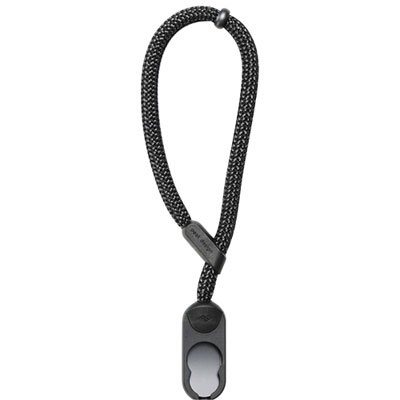
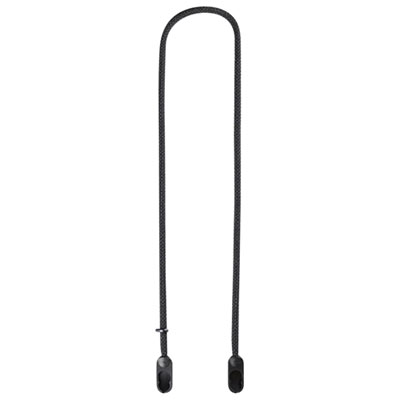
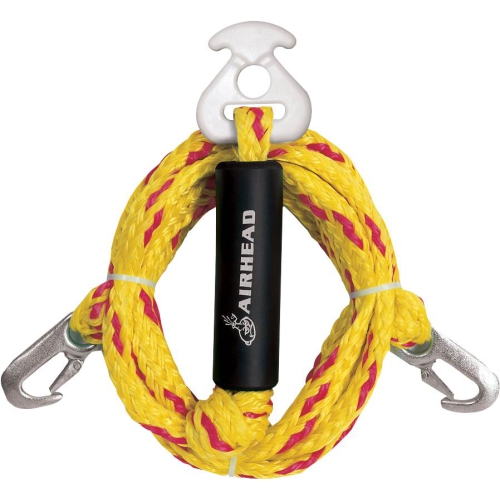
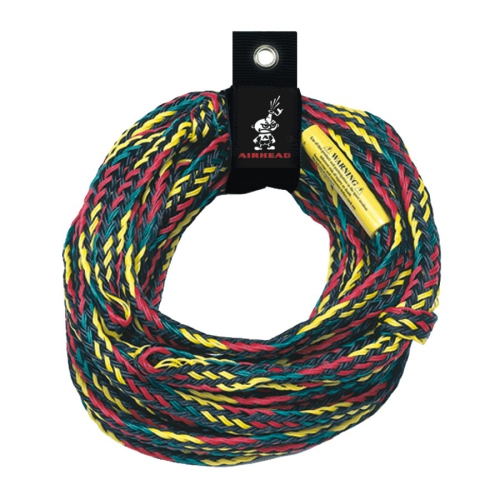
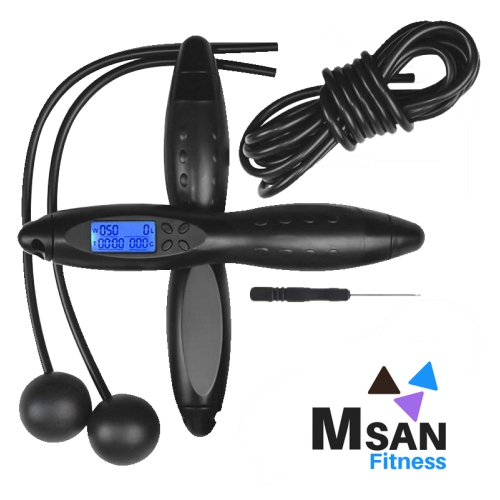
Anchored full-body conditioning with waves and slams
Battle training ropes are substantial fitness tools designed for high-intensity conditioning, strength work, and full-body movement. Unlike a conventional skipping rope, a battle rope stays anchored at one end while you create waves, slams, pulls, circles, and other controlled patterns through its length. The repeated motion engages the arms, shoulders, back, core, hips, and legs, while the continuous effort can raise your heart rate quickly. This makes a battle training rope a practical choice for home gyms, garage workout spaces, personal training studios, school athletic facilities, and outdoor exercise areas. It can support short bursts of interval training, longer conditioning sessions, warmups, finishers, and circuit workouts without requiring a large collection of machines. Many people appreciate the straightforward feel of the workout: grip the handles, settle into an athletic stance, and put steady force into the rope as each wave travels toward the anchor. After a few rounds, the movement becomes a satisfying rhythm of foot pressure, braced muscles, and rolling waves. Battle ropes can also be useful for people who want to add variety to familiar strength routines, including squats, lunges, pushups, kettlebell exercises, and bodyweight circuits. They may appeal to athletes building sport-specific conditioning, fitness enthusiasts seeking a demanding cardio option, or beginners who prefer simple equipment with adjustable intensity. Since the user controls the pace, range of motion, and work interval, the same rope can suit different training styles and experience levels.
When comparing battle training ropes, start with the intended space and the type of workout you expect to do. Rope length affects the amount of room required and the feel of each wave. Longer ropes generally provide more distance for the wave to travel and can create a smoother, more demanding pattern, while shorter ropes can be easier to manage in a compact home gym. Thickness also matters: a thicker rope may feel more challenging to grip and move, whereas a slimmer option can be more approachable for new users or for longer sessions. Consider the material and construction as well. Durable synthetic fibres such as nylon or poly Dacron are commonly selected for their strength, flexibility, and ability to handle repeated movement. Protective sleeves can help reduce friction where the rope passes across a floor or other surface, and textured or heat-shrunk handles may offer a more secure, comfortable grip during sweaty workouts. Before choosing a rope, measure the available training area and allow enough clearance to move safely without striking walls, furniture, vehicles, or other equipment. Indoor users may want to think about floor protection and ceiling height, while outdoor users should consider where the rope will be stored between sessions and whether the anchor point is suitable for repeated use. An anchor should be attached securely to a heavy, stable object such as a properly rated wall mount, squat rack, or other purpose-built fixture; avoid relying on a lightweight chair, loose table, or movable object. A useful place to explore related options is Heavy Duty Ropes, particularly when comparing construction and intended use.
Using a battle training rope effectively begins with a stable setup and controlled body position. Secure one end firmly, stand with your feet about shoulder-width apart, bend slightly through the knees and hips, and brace your core without holding your breath. Keep a little slack in the rope rather than pulling it completely tight; that small amount of give helps the rope move smoothly and allows each wave to travel toward the anchor. Beginners can start with short work periods and comfortable movements, such as alternating arm waves, before gradually increasing the duration or intensity. Strong, even waves usually come from coordinated movement through the legs and torso rather than from lifting only with the shoulders. Other common patterns include double-arm waves, rope slams, side-to-side waves, circles, and alternating pulls, although the appropriate choice depends on the user’s space, training goals, and comfort. The handles should be held firmly but not squeezed so tightly that the forearms fatigue before the rest of the body. Regular inspection is worthwhile: check the rope, handles, protective sleeve, connection points, and anchor hardware for fraying, splitting, looseness, or unusual wear before each session. After outdoor workouts, storing the rope in a dry, protected location can help keep it ready for the next use. Battle training ropes can make a thoughtful gift for someone building a home gym, preparing for athletic training, or looking for an engaging way to stay active during the cooler months when outdoor routines become less convenient. They are also a useful addition to a shared workout space, where different people can adjust the pace and exercise pattern to match their own abilities. With the right length, thickness, construction, and anchor setup, a battle rope can bring a focused, energetic training experience to a surprisingly simple workout area.
When comparing battle training ropes, start with the intended space and the type of workout you expect to do. Rope length affects the amount of room required and the feel of each wave. Longer ropes generally provide more distance for the wave to travel and can create a smoother, more demanding pattern, while shorter ropes can be easier to manage in a compact home gym. Thickness also matters: a thicker rope may feel more challenging to grip and move, whereas a slimmer option can be more approachable for new users or for longer sessions. Consider the material and construction as well. Durable synthetic fibres such as nylon or poly Dacron are commonly selected for their strength, flexibility, and ability to handle repeated movement. Protective sleeves can help reduce friction where the rope passes across a floor or other surface, and textured or heat-shrunk handles may offer a more secure, comfortable grip during sweaty workouts. Before choosing a rope, measure the available training area and allow enough clearance to move safely without striking walls, furniture, vehicles, or other equipment. Indoor users may want to think about floor protection and ceiling height, while outdoor users should consider where the rope will be stored between sessions and whether the anchor point is suitable for repeated use. An anchor should be attached securely to a heavy, stable object such as a properly rated wall mount, squat rack, or other purpose-built fixture; avoid relying on a lightweight chair, loose table, or movable object. A useful place to explore related options is Heavy Duty Ropes, particularly when comparing construction and intended use.
Using a battle training rope effectively begins with a stable setup and controlled body position. Secure one end firmly, stand with your feet about shoulder-width apart, bend slightly through the knees and hips, and brace your core without holding your breath. Keep a little slack in the rope rather than pulling it completely tight; that small amount of give helps the rope move smoothly and allows each wave to travel toward the anchor. Beginners can start with short work periods and comfortable movements, such as alternating arm waves, before gradually increasing the duration or intensity. Strong, even waves usually come from coordinated movement through the legs and torso rather than from lifting only with the shoulders. Other common patterns include double-arm waves, rope slams, side-to-side waves, circles, and alternating pulls, although the appropriate choice depends on the user’s space, training goals, and comfort. The handles should be held firmly but not squeezed so tightly that the forearms fatigue before the rest of the body. Regular inspection is worthwhile: check the rope, handles, protective sleeve, connection points, and anchor hardware for fraying, splitting, looseness, or unusual wear before each session. After outdoor workouts, storing the rope in a dry, protected location can help keep it ready for the next use. Battle training ropes can make a thoughtful gift for someone building a home gym, preparing for athletic training, or looking for an engaging way to stay active during the cooler months when outdoor routines become less convenient. They are also a useful addition to a shared workout space, where different people can adjust the pace and exercise pattern to match their own abilities. With the right length, thickness, construction, and anchor setup, a battle rope can bring a focused, energetic training experience to a surprisingly simple workout area.
Top selling and popular products
-
 Your price for this item is $29.99
 -
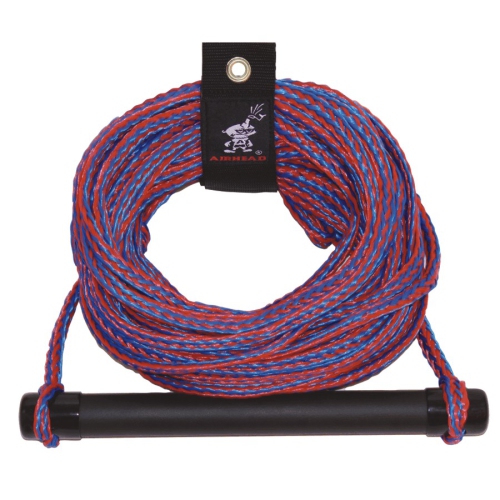 Your price for this item is $40.66
 -
 Your price for this item is $52.98
 -
 Your price for this item is $19.08
 -
 Your price for this item is $346.99
 -
 Your price for this item is $44.95
 -
 Your price for this item is $90.99
 -
 Your price for this item is $56.44
Discover more categories related to Battle Training Rope
Top Collections:
Pokemon Centers, Best Cameras for Sports Photography, Kindle Devices, Samsung Galaxy Phones, Canon G7X Cameras, Pokémon 30th Celebration Cards, Refurbished Apple Laptops, iPhone 15 Apple, Laptops for Students, Budget Smartphones
Some products may be subject to Environmental Handling Fees
(EHF) depending on your province.
Learn more about EHFs.