Thermal Imaging Cameras
Our thermal imaging cameras utilize advanced technology to capture and display heat signatures, allowing you to see the invisible and gain valuable insights in a variety of applications. Whether you're a professional in need of a reliable tool for building inspections, electrical troubleshooting, or wildlife observation, or an avid outdoor enthusiast looking to enhance your camping or hunting experience, our collection of thermal imaging cameras has something for everyone. Discover the power of thermal imaging and unlock a whole new level of perception with our range of high-quality cameras designed to meet your unique needs.
Sort


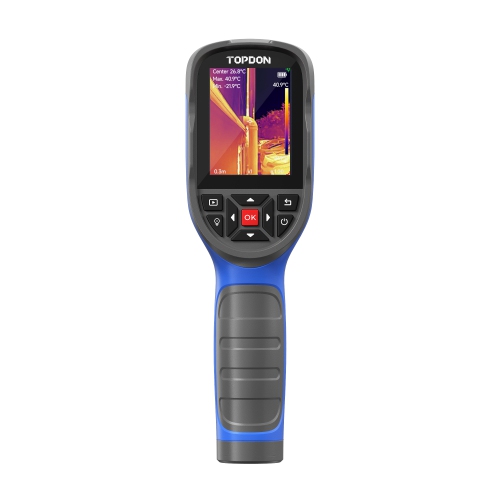

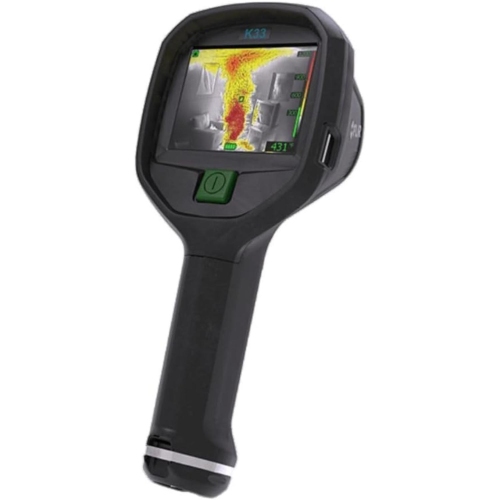


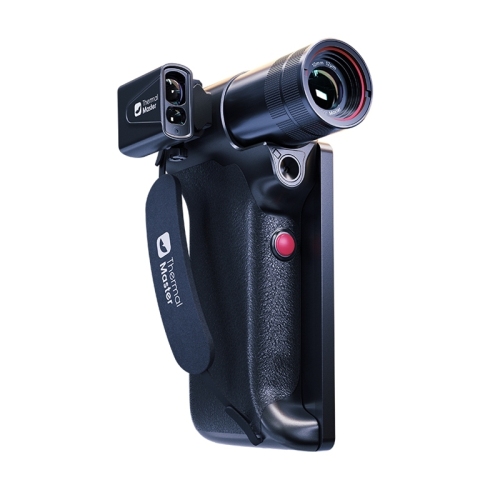


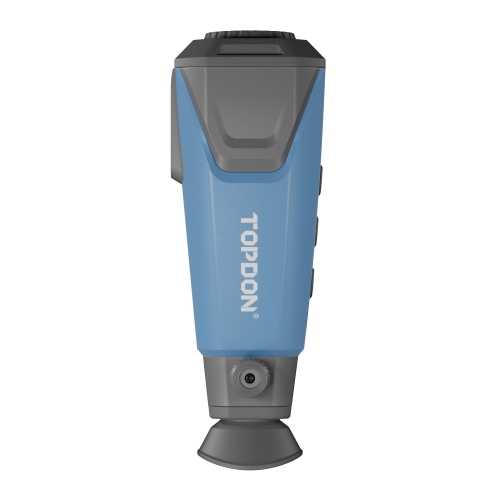



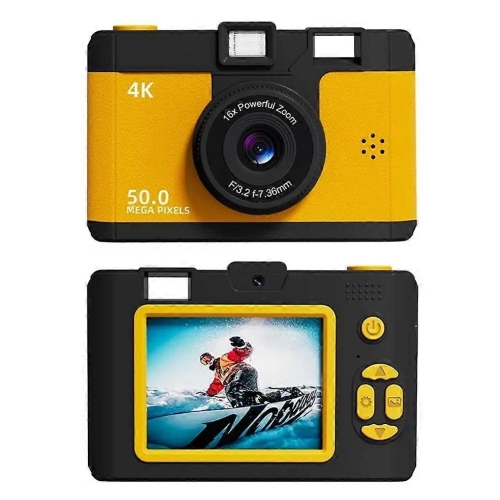


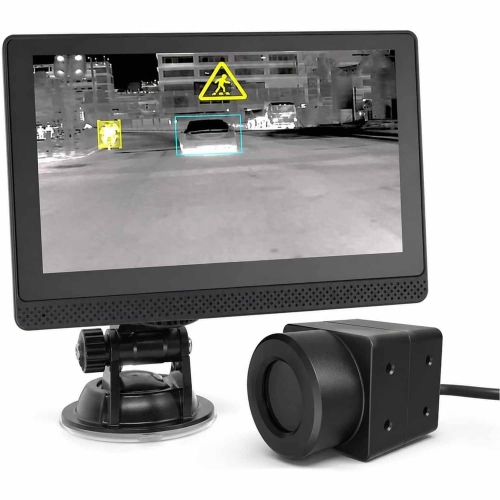

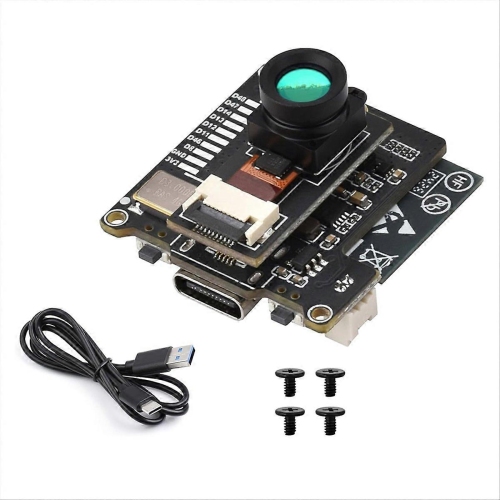
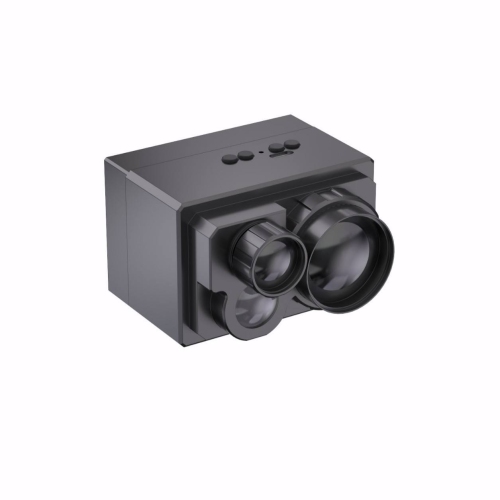






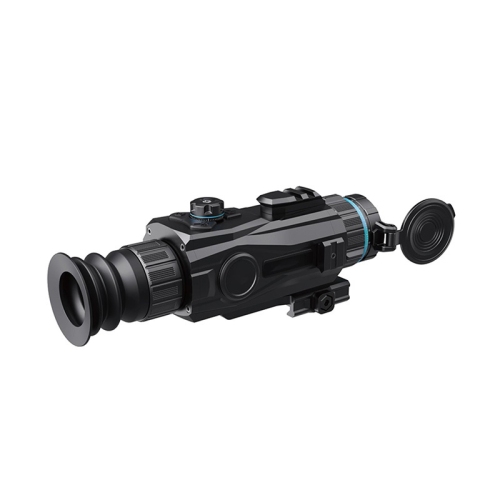

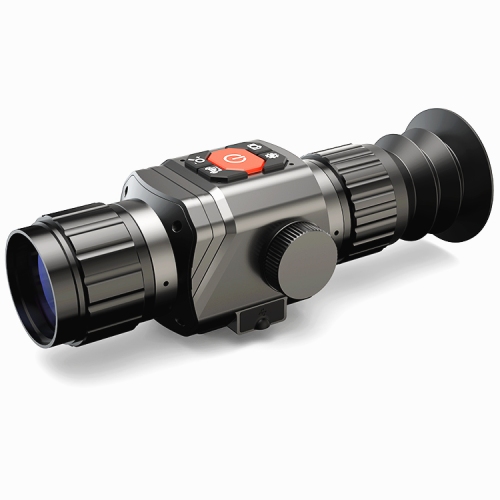
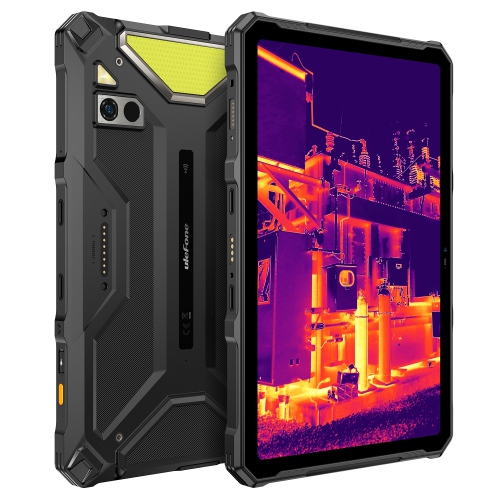

What heat patterns reveal and what they cannot
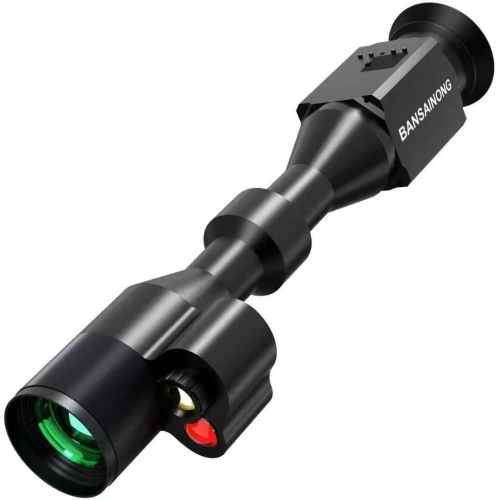
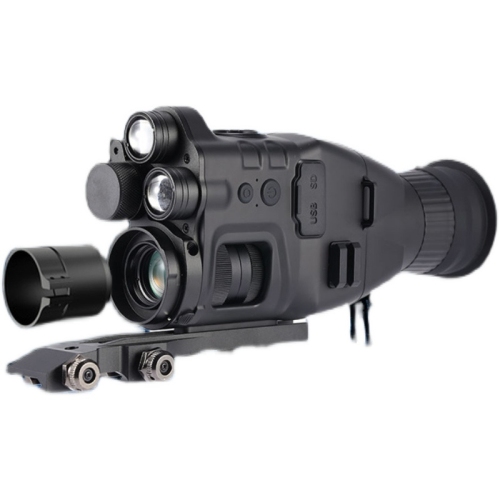
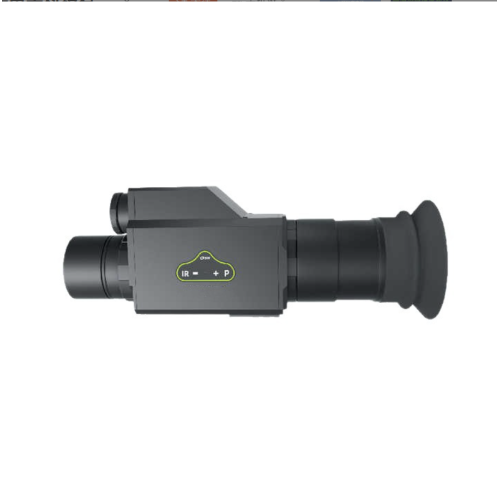
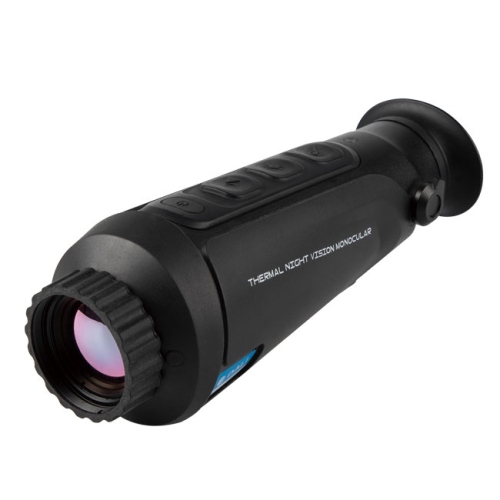
Thermal imaging cameras detect infrared radiation emitted by surfaces and convert it into an image that shows differences in apparent temperature. Instead of relying on visible light, they use a thermal sensor to reveal patterns that an ordinary camera cannot capture, such as a warm electrical connection, uneven heating across a radiator, or a cooler patch around a window frame. Colours represent different readings within the displayed range; a bright area does not automatically indicate a fault, and the same surface can appear in different colours when the image scale changes. This makes thermal imaging useful for locating areas that deserve closer inspection rather than identifying every problem on sight. Electricians, HVAC technicians, building inspectors, maintenance teams, and homeowners may use these cameras to investigate heat loss, check equipment, or document changes over time. In a home, a distinct line along a ceiling might suggest an insulation gap, while an unusual pattern near a pipe could help narrow down where further testing is needed. Moisture itself is not directly visible in a thermal image, although the temperature differences associated with damp materials can sometimes provide clues. Thermal imaging belongs to the broader family of infrared cameras, but it differs from night-vision cameras that illuminate a scene with infrared light. That distinction matters when the intended purpose is measuring surface heat rather than viewing people or objects in darkness. Standard thermal cameras cannot see through walls, and ordinary window glass generally shows its own surface temperature or reflected infrared energy rather than a clear thermal view of what lies beyond it. Understanding those limits helps set realistic expectations, whether the camera is intended for occasional household checks or regular professional inspections. A thermal pattern is most useful when considered alongside the material, the operating conditions, and other observations from the same area. A warmer component may be working normally under load, while an unexpectedly cool section may be just as informative as a hot spot.
The detail a thermal imaging camera can capture depends on several specifications working together. Thermal sensor resolution describes the number of infrared sensing points used to form the image, which affects how clearly small features can be distinguished. A high-resolution colour display does not necessarily mean the thermal sensor captures an equally detailed image. For a technician examining closely spaced connections or a homeowner comparing sections of pipe, the underlying thermal resolution is especially relevant. Thermal sensitivity describes the ability to distinguish small temperature differences, while measurement accuracy describes how closely a reported reading matches the actual surface temperature under specified conditions. These are separate characteristics, and neither should be confused with the camera’s overall measurement range. A range suited to building inspections may not cover every industrial process. Field of view, focus options, and minimum focusing distance also shape everyday use: a wider view can make it easier to scan a wall, while close-focus capability is useful for examining small components. Adjustable emissivity helps account for how different materials emit infrared energy. Painted surfaces, bare metal, and shiny fittings can behave quite differently, and reflections from nearby heat sources may affect interpretation. Some cameras combine a visible-light photograph with thermal information, making it easier to identify the exact switch, pipe junction, or section of wall shown in the image. Spot readings, measurement boxes, adjustable colour palettes, and temperature alerts can make repeated checks easier to compare when those functions are included. Image refresh rate also affects how smoothly the display follows movement during a scan. For documentation, saved thermal images with retained measurement data offer more flexibility than a simple screenshot, provided compatible software supports later review. These capabilities are particularly useful when an inspection needs a clear visual record, such as showing the same radiator before and after servicing. Meaningful comparisons depend on consistent settings, viewing angles, and operating conditions, not just a striking colour pattern.
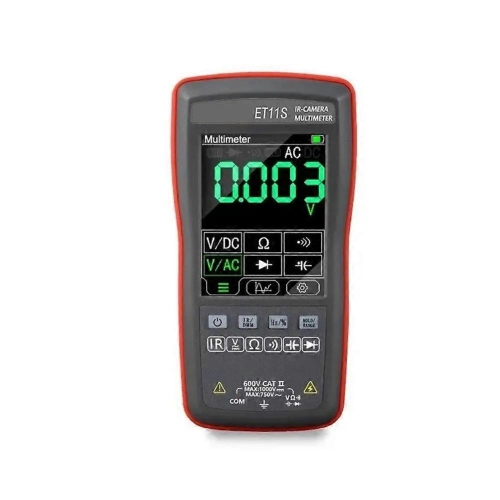
Physical design matters as much as imaging performance when a camera will be carried between rooms, used on a ladder, or handled throughout a workday. Handheld designs offer a self-contained screen and controls, while phone-connected thermal cameras use a compatible mobile device for viewing and, in some cases, power. With a phone-connected format, connector type, operating-system support, app requirements, and clearance around a protective phone case all affect fit and usability. A comfortable grip, balanced weight, accessible buttons, and a secure wrist strap can help with steady positioning, particularly when taking several images from the same location. Rubberized grips and reinforced housings may improve handling and durability, but resistance to dust, water, and drops depends on the stated ratings rather than appearance alone. A protective case helps prevent knocks during transport, and covered connectors can reduce exposure to debris. Battery runtime, charging arrangements, and whether batteries are replaceable are practical considerations for longer inspections. Storage capacity and transfer options also matter when images need to move into reports; USB connections, memory cards, and Wi-Fi can support different workflows where offered. Care centres on protecting the thermal lens and following the manufacturer’s cleaning instructions, since its materials and coatings may differ from those on a conventional camera lens. A suitable soft cloth and approved cleaning method are preferable to household cleaners or abrasive wiping. Direct exposure to intense sources such as the sun or lasers can damage some thermal sensors, so the operating guidance deserves close attention. For electrical work, a thermal camera does not replace safe access procedures, protective equipment, or a qualified professional. For household investigations, its strongest role is often helping identify where another check belongs, whether that means using a moisture meter, arranging a repair assessment, or comparing heat distribution after maintenance. The most useful format is one that matches those tasks comfortably, produces interpretable images, and makes findings straightforward to save and review.
Top selling and popular products
-
 Your price for this item is $114.99
-
 Your price for this item is $109.99
-
 Your price for this item is $159.99
-
 Your price for this item is $189.99
-
 Your price for this item is $1710
-
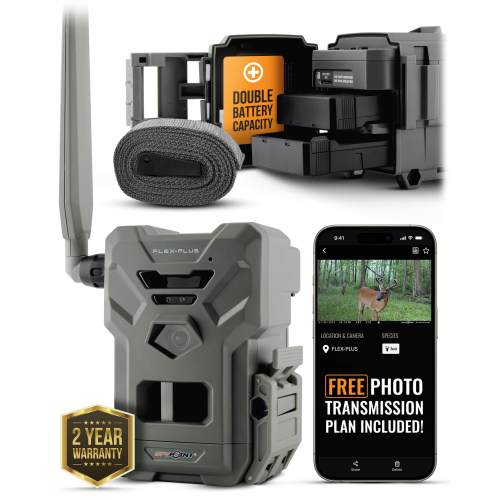 Your price for this item is $149.99
-
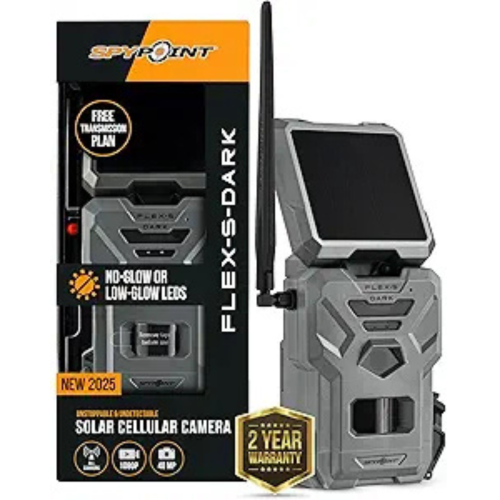 Your price for this item is $269.99
-
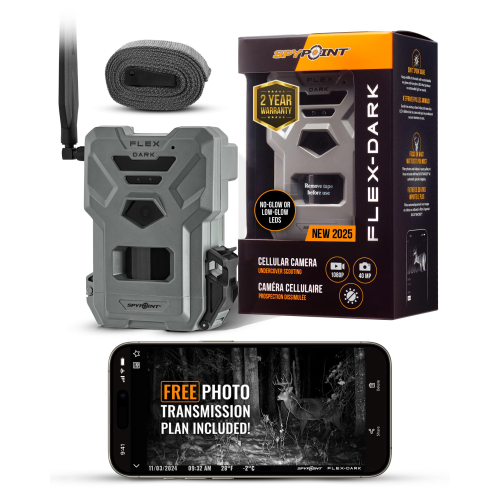 Your price for this item is $189.99
Discover more categories related to Thermal Imaging Cameras
Top Collections:
Pokemon Centers, Kindle Devices, Best Cameras for Sports Photography, Pokémon 30th Celebration Cards, Apple iPhones 16, Canon G7X Cameras, iPhone 15 Apple, Flip Phones, Samsung Galaxy Phones, Alarm Clock
Some products may be subject to Environmental Handling Fees
(EHF) depending on your province.
Learn more about EHFs.