Listening Devices
Enhance your audio experience with our selection of listening devices that cater to all your sound needs. Whether you're a music enthusiast, a podcast lover, or simply looking to immerse yourself in your favorite movies and games, our range of high-quality headphones and earbuds offers something for everyone. From wireless options for on-the-go convenience to noise-canceling technology for uninterrupted listening pleasure, discover the perfect companion for your auditory adventures here at Best Buy.
Sort













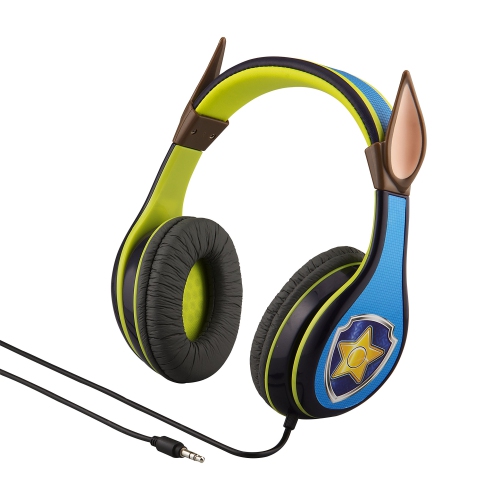
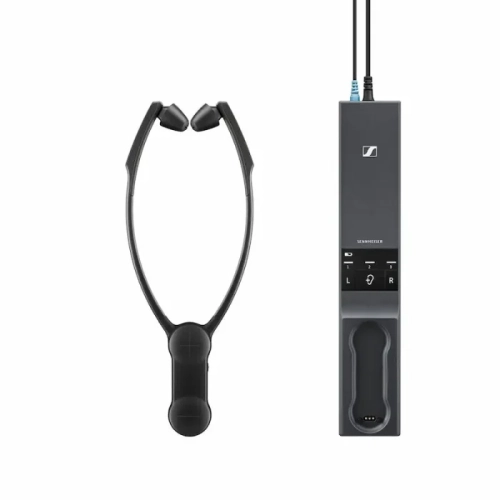

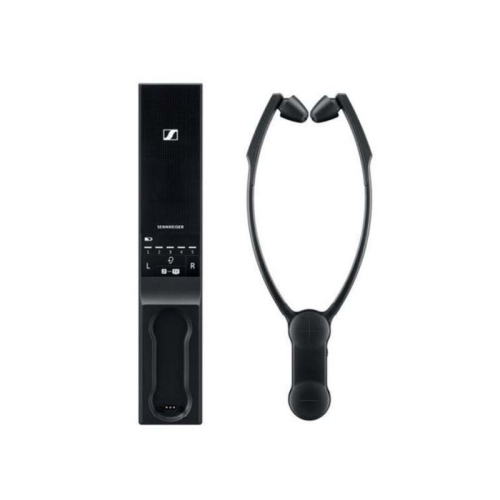
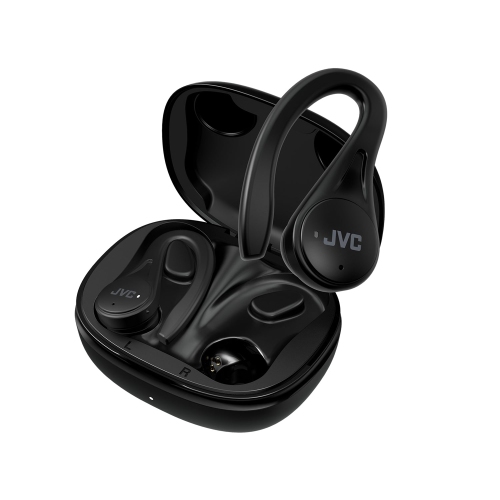










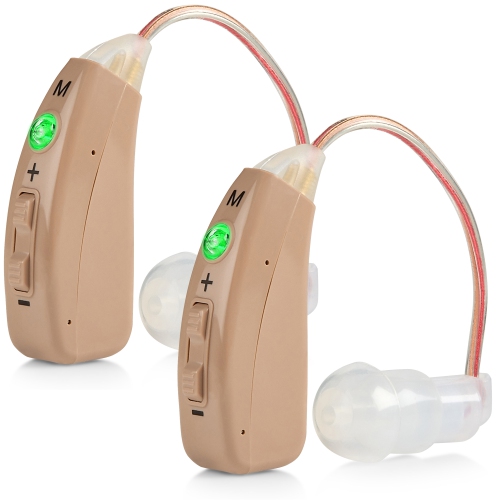

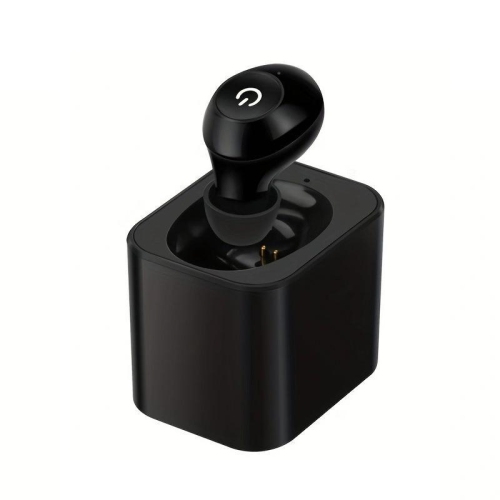
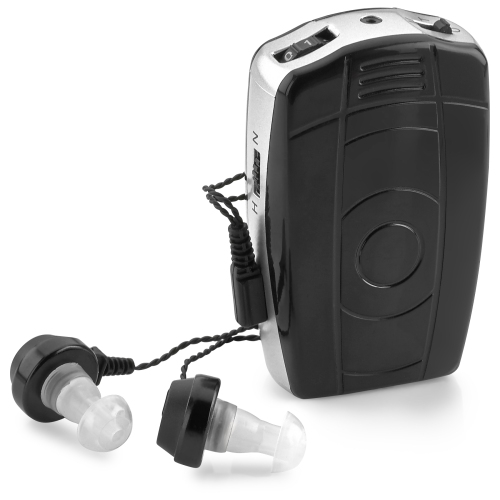
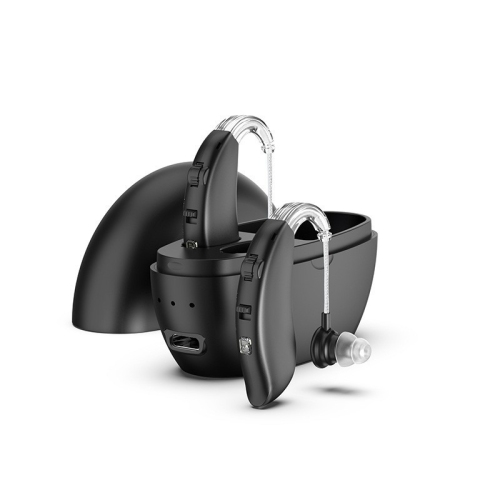
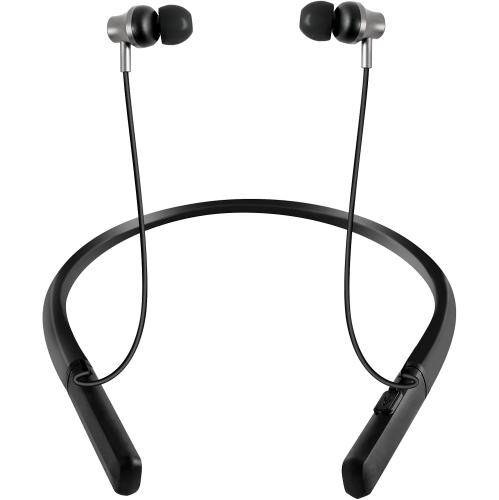
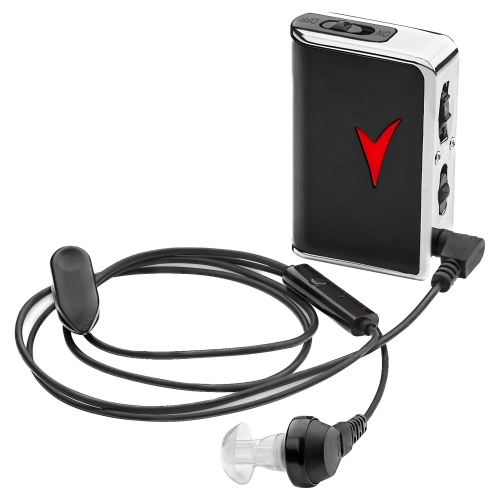

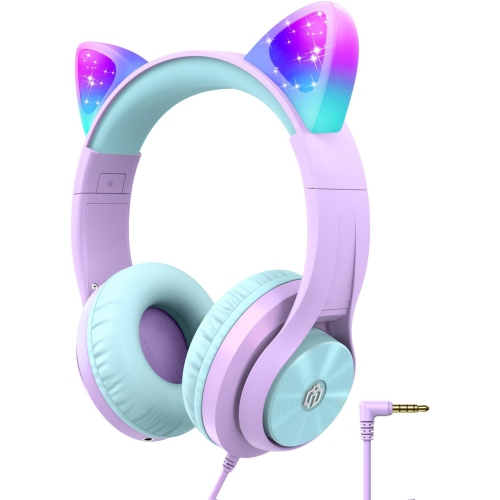
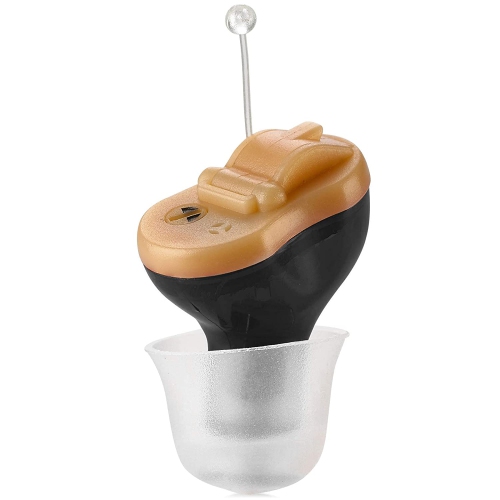

















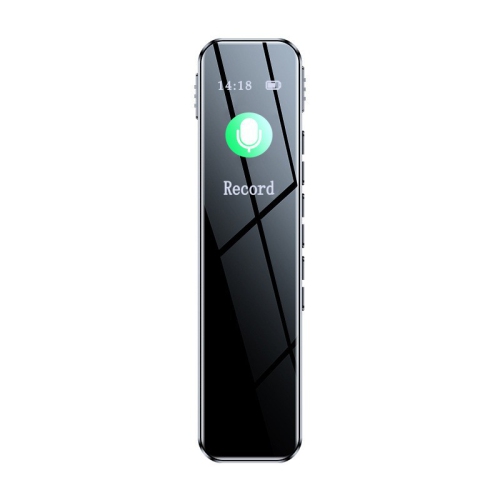

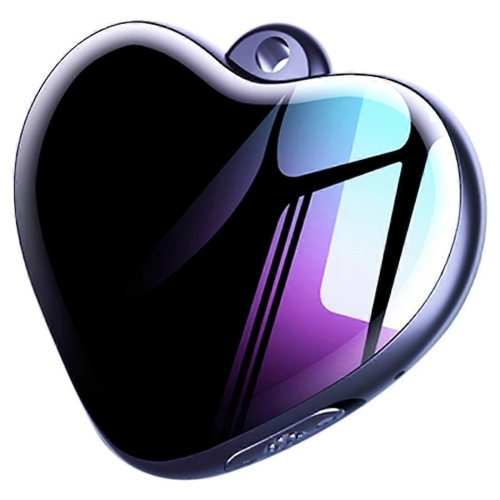
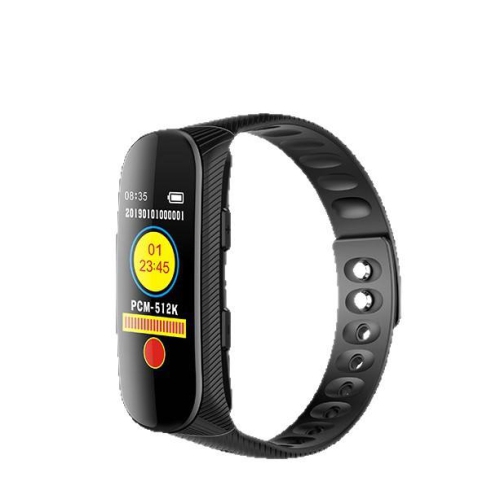
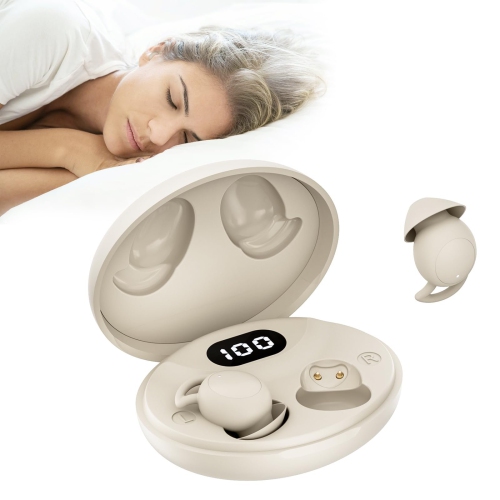
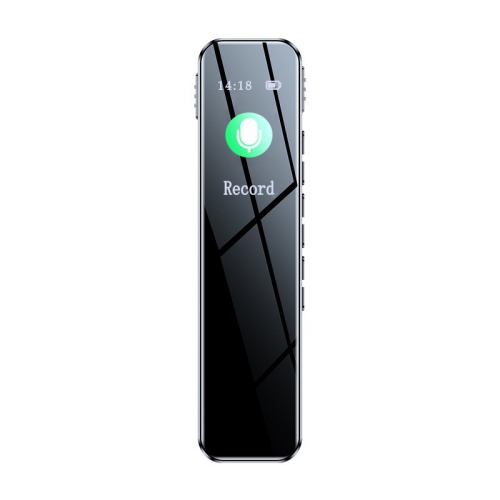
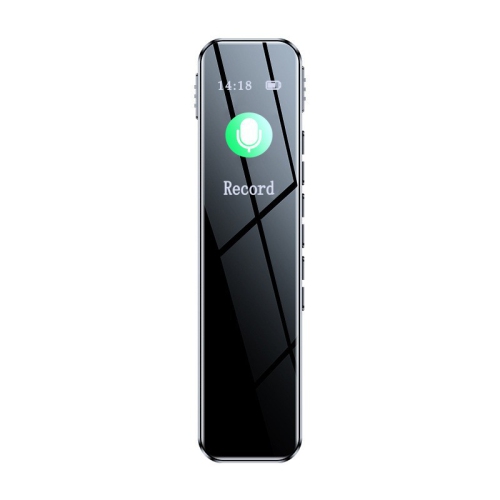
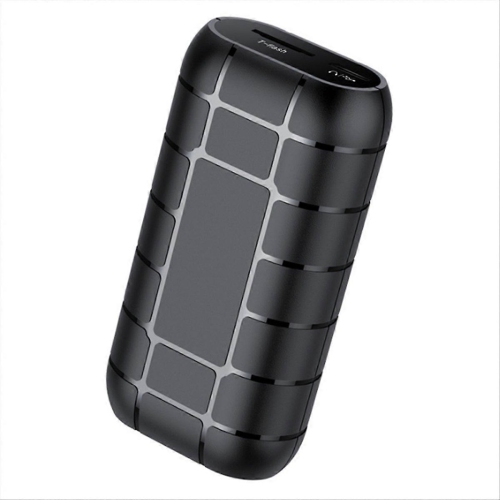
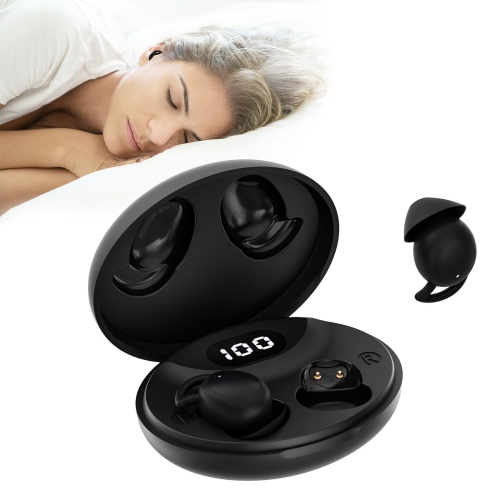
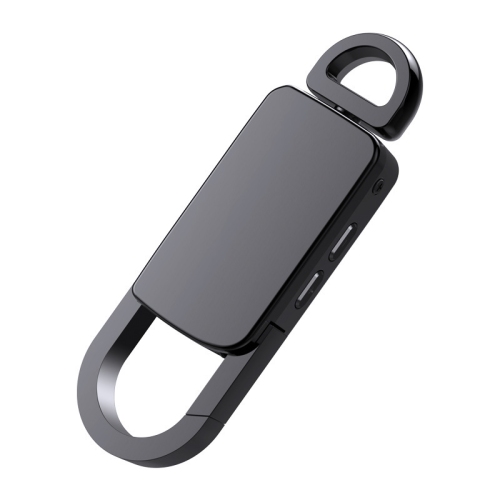
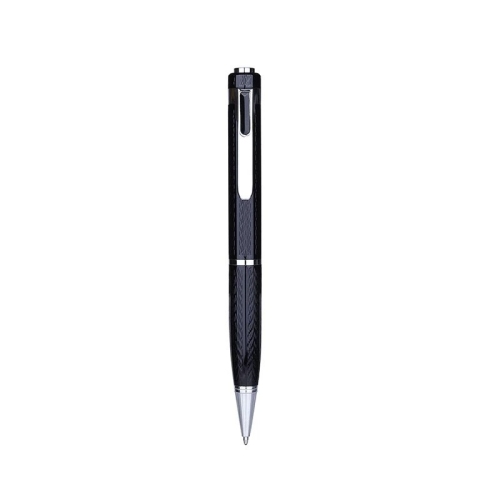


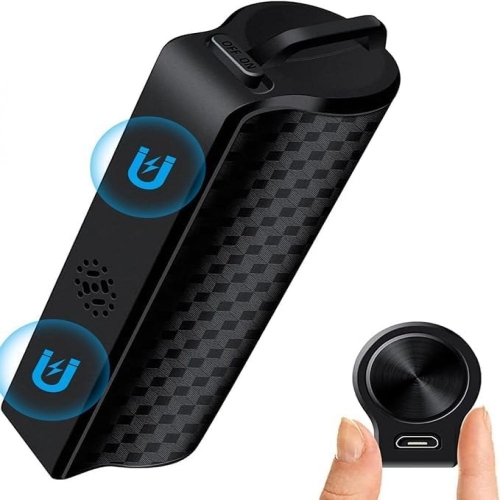
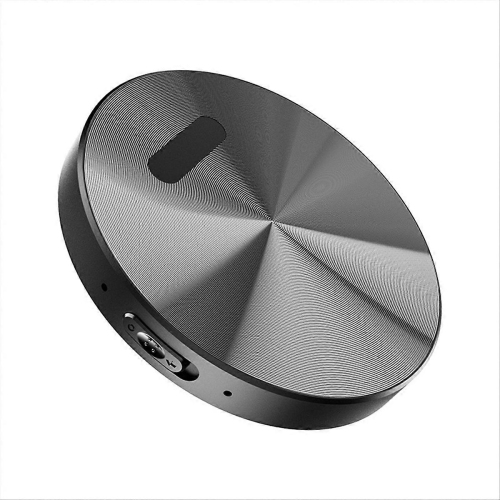
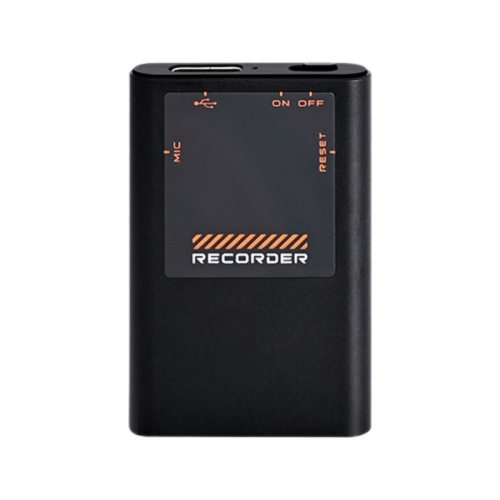

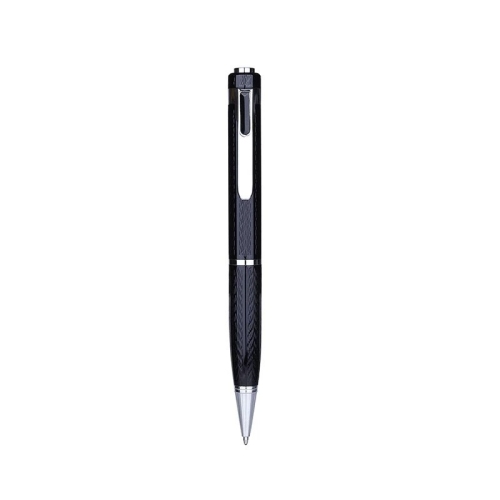
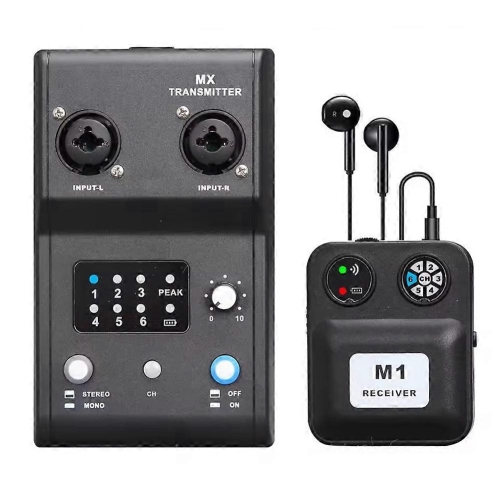


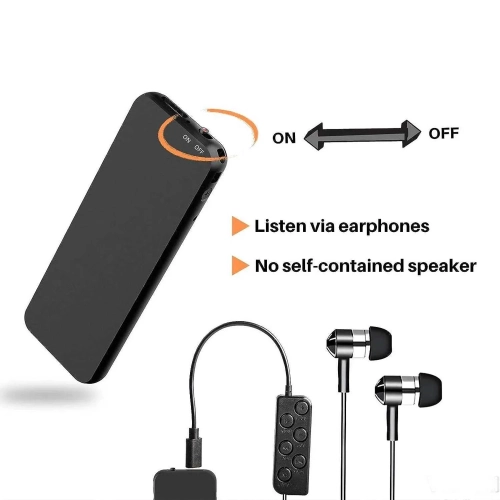


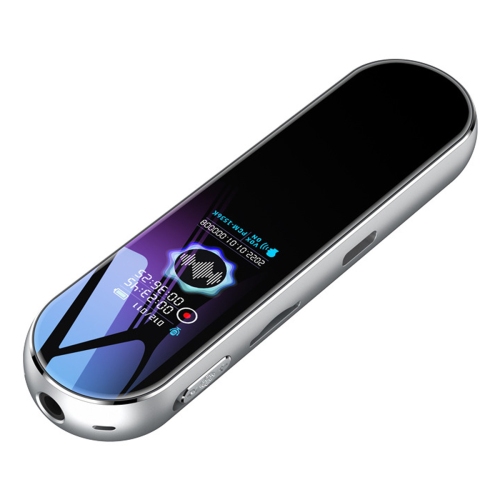
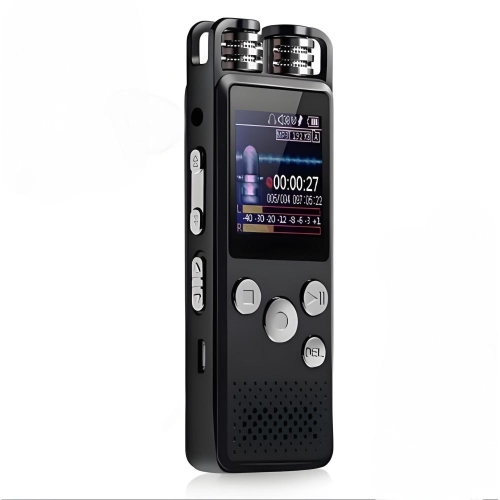
How recording differs from amplification and live listening
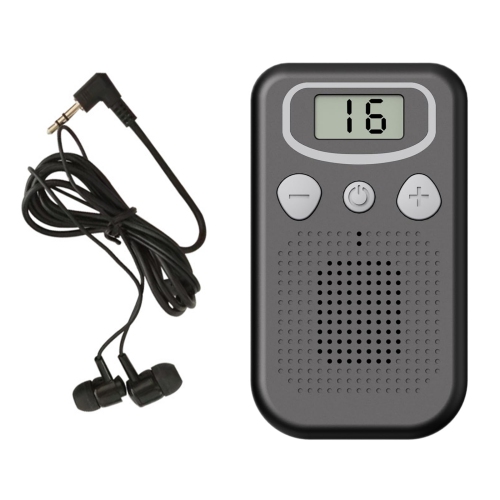
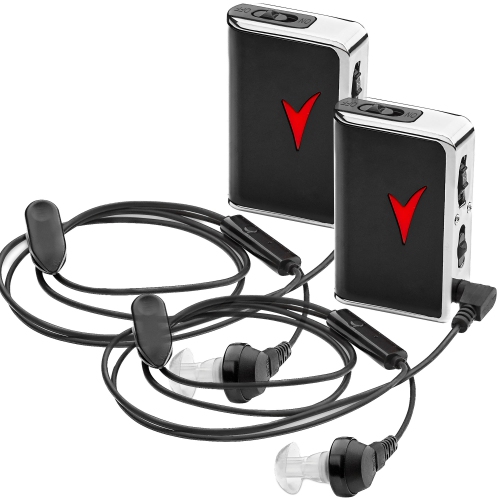
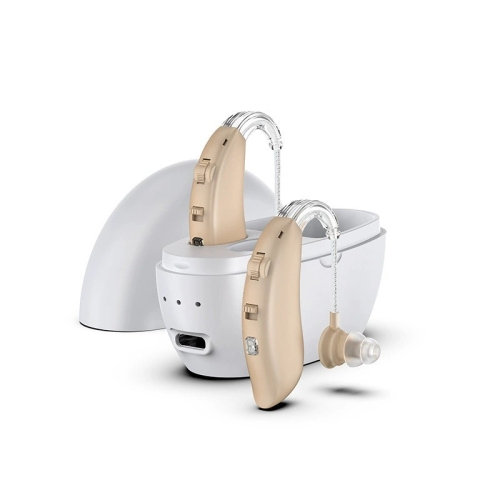
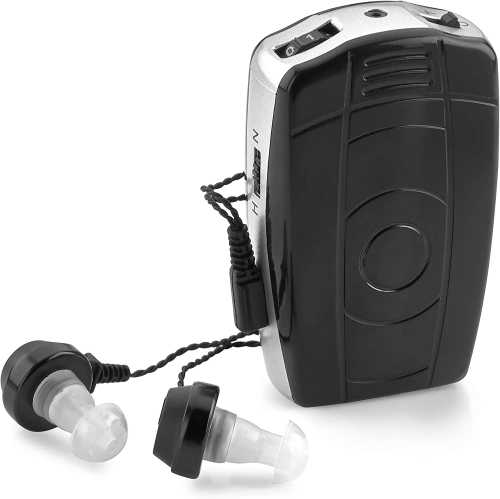
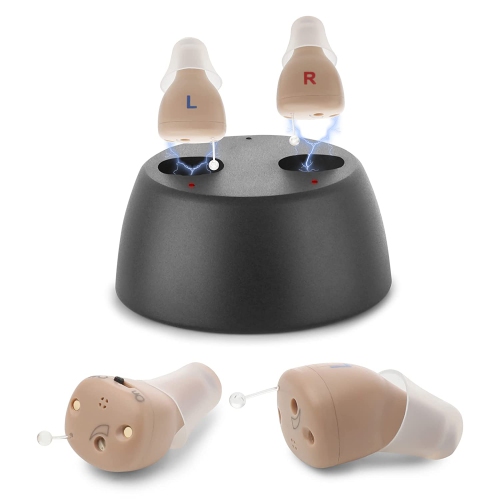
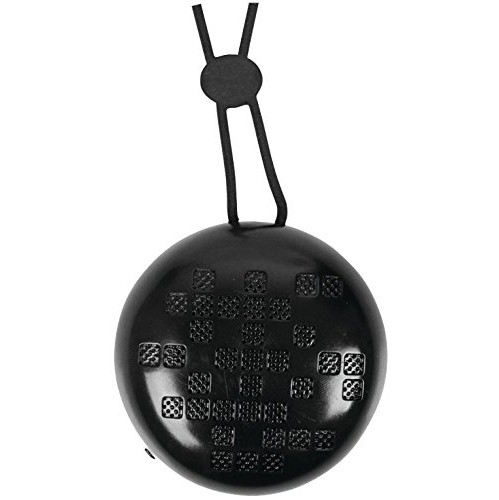
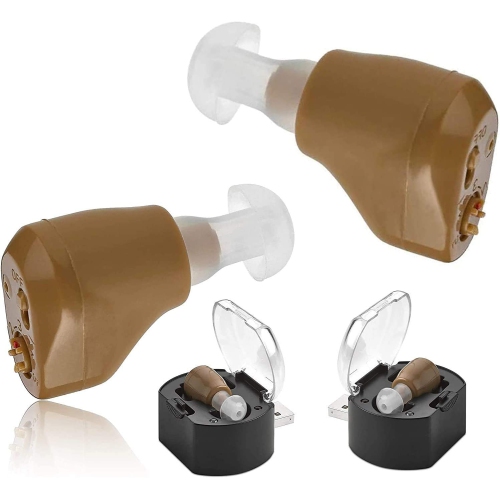
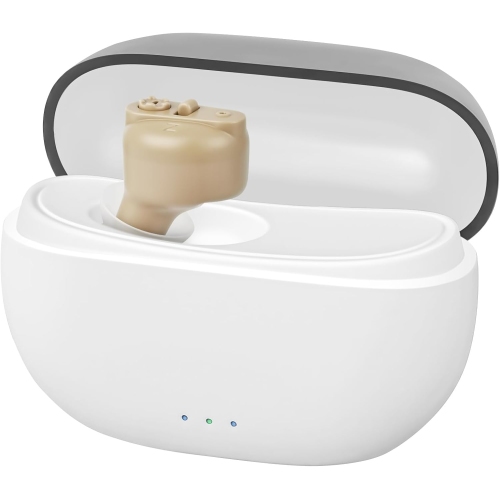
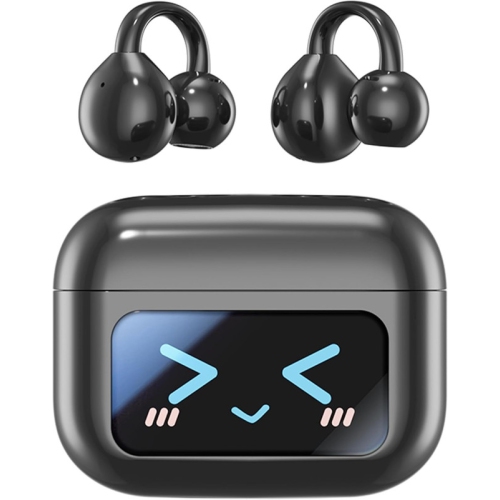
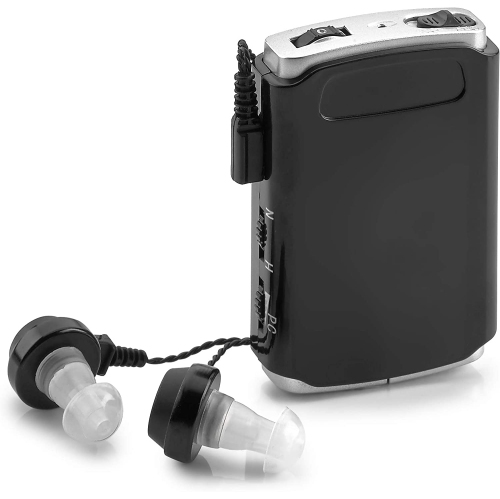
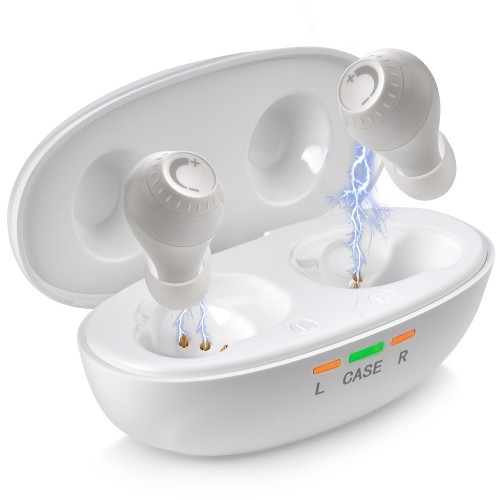
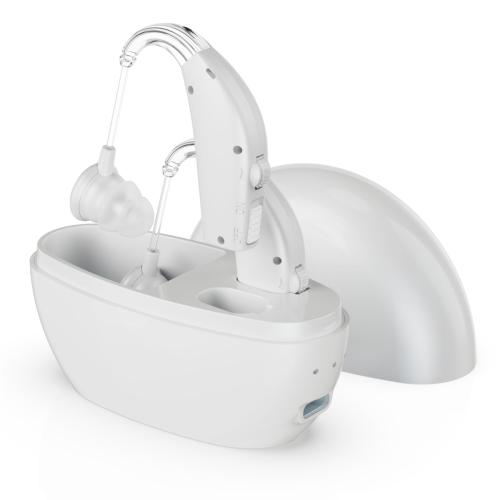
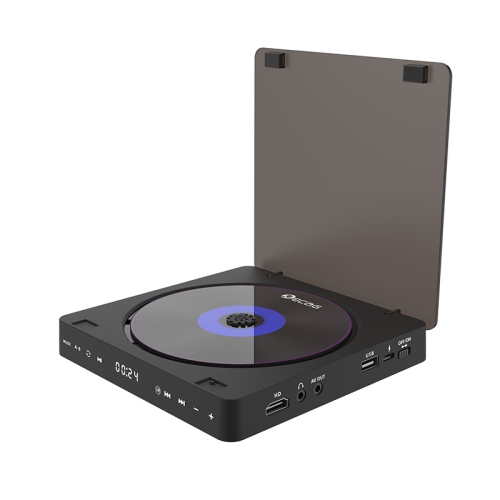
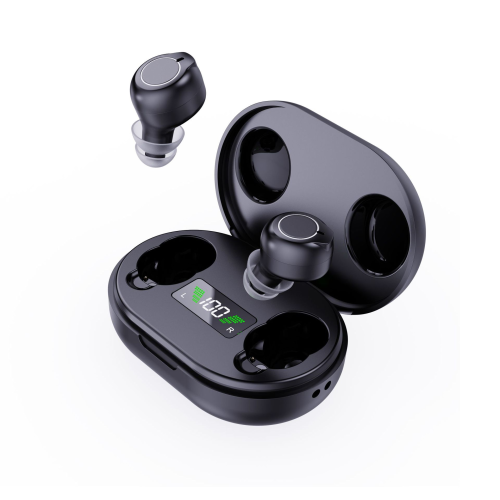
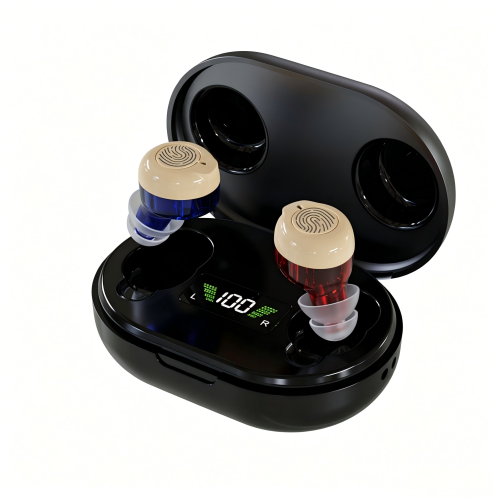
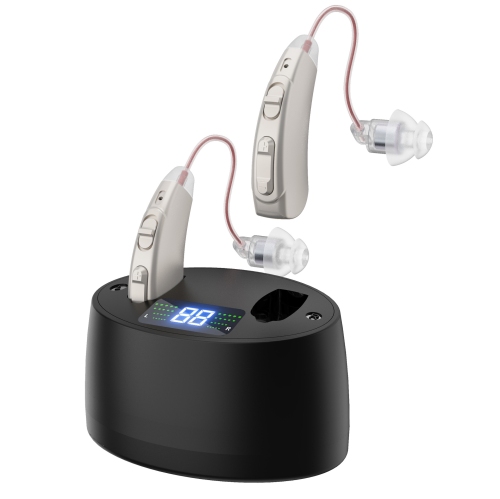
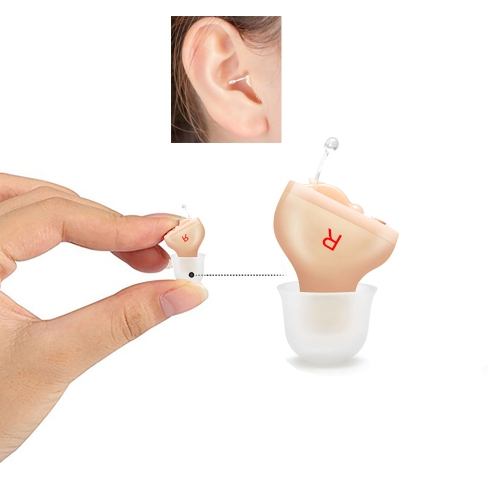
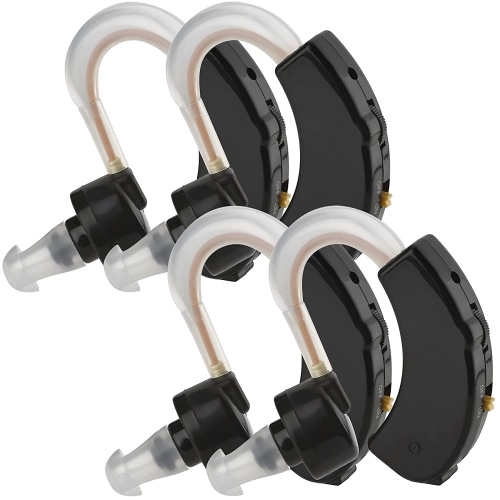
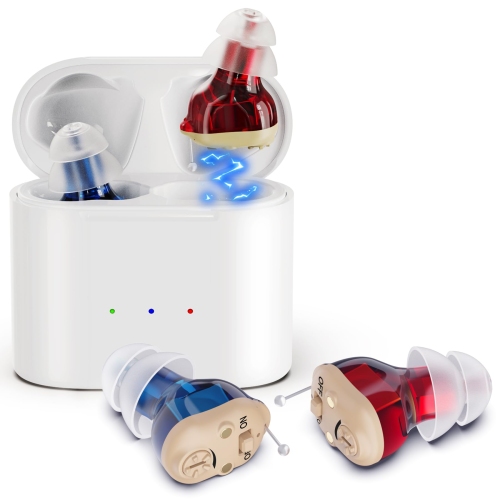
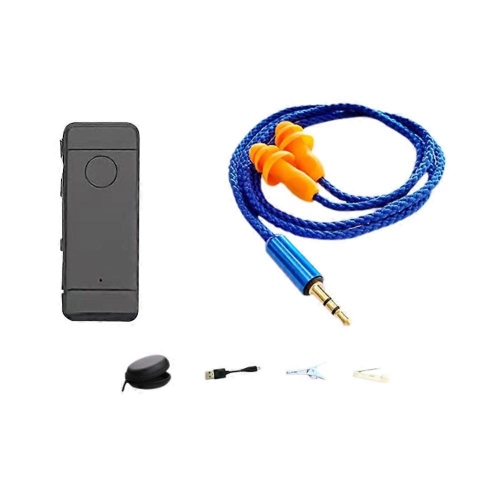
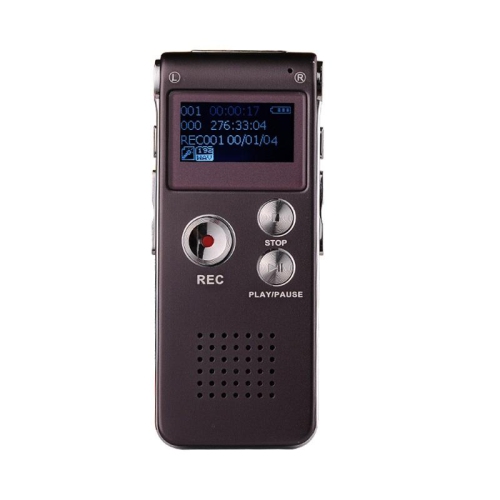
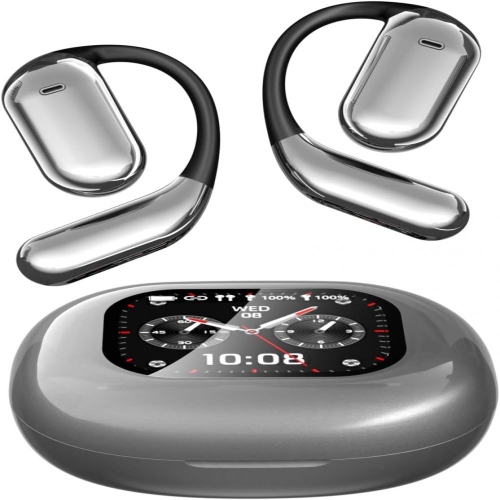
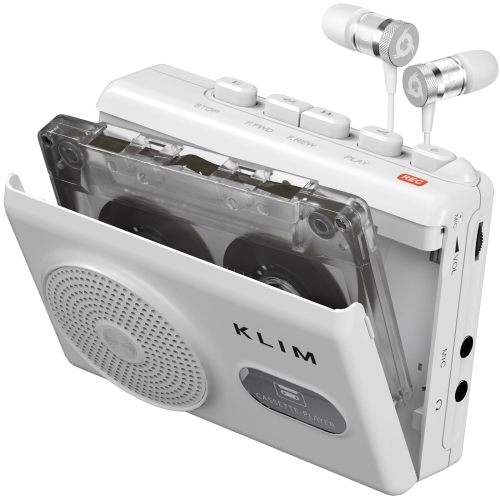
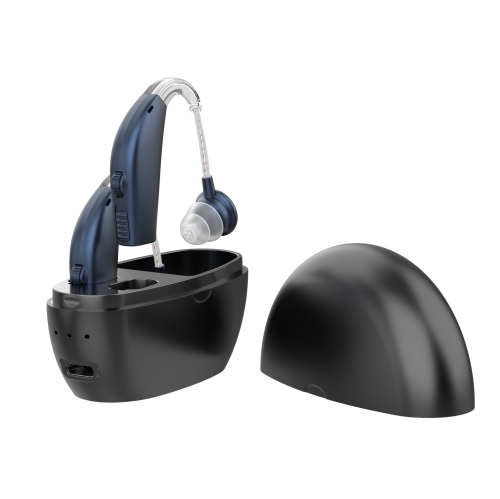
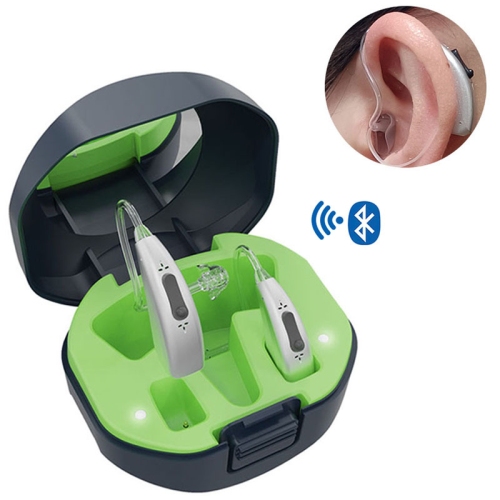
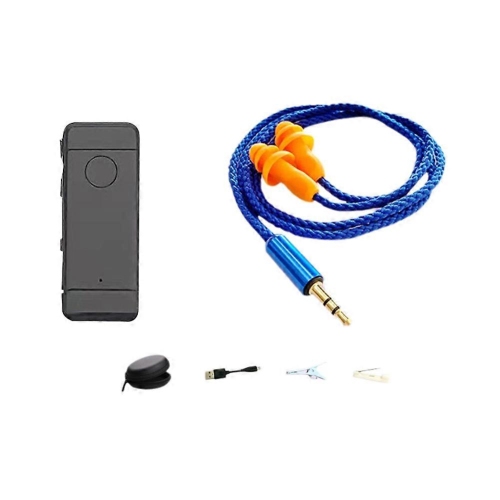
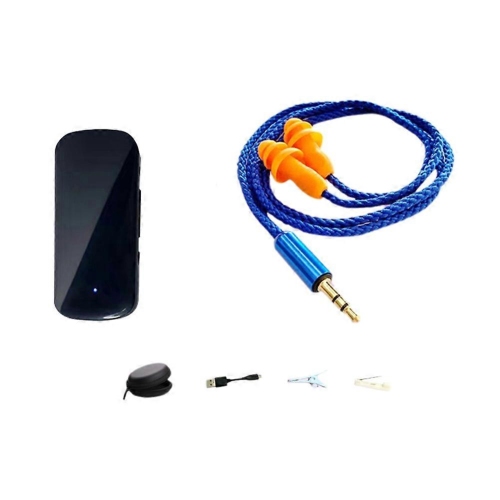
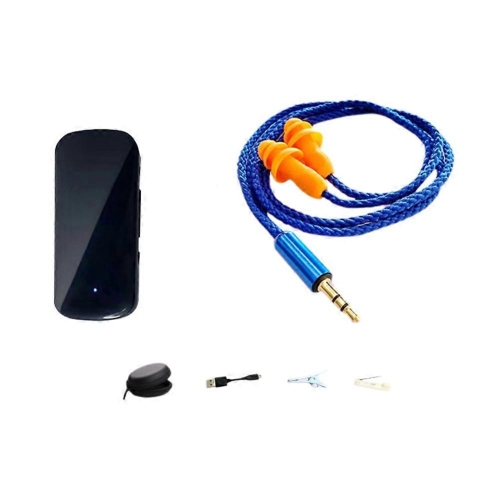
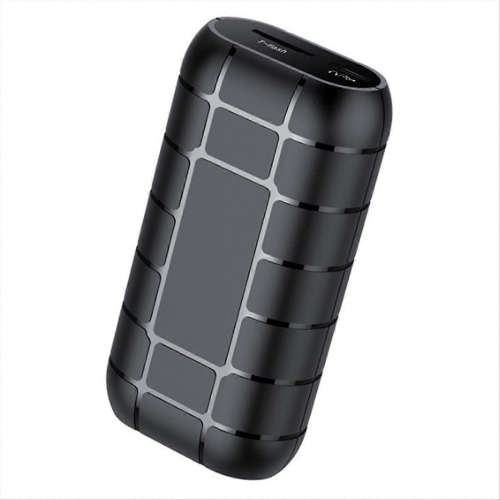
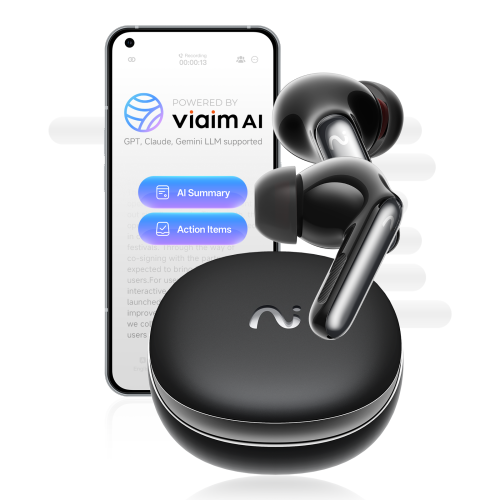
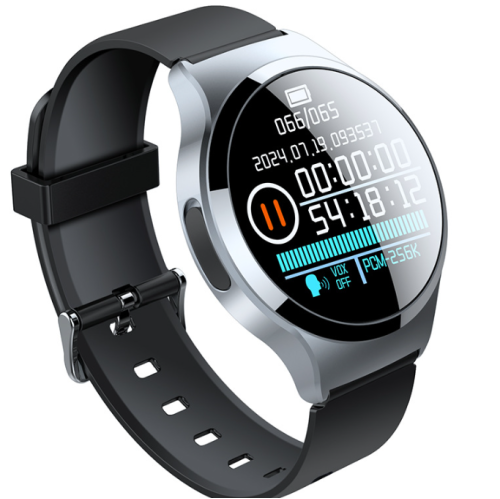
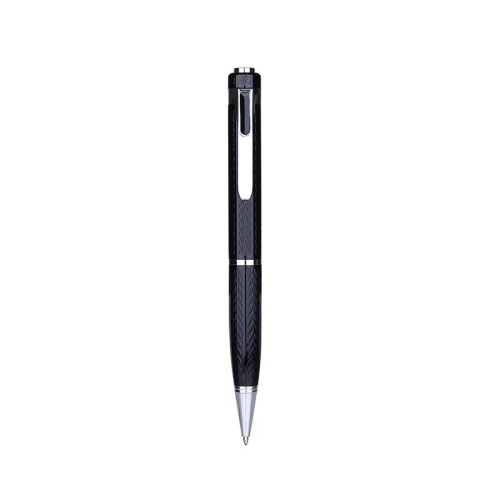
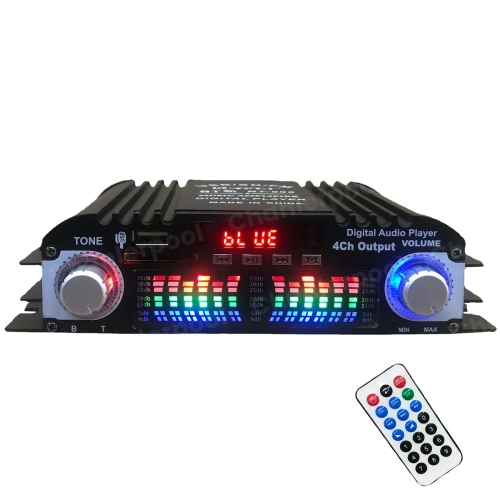
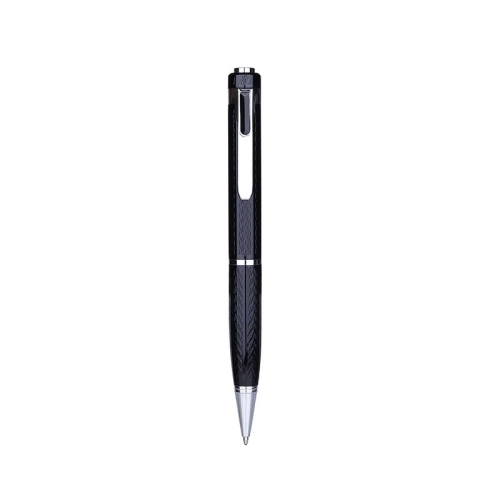
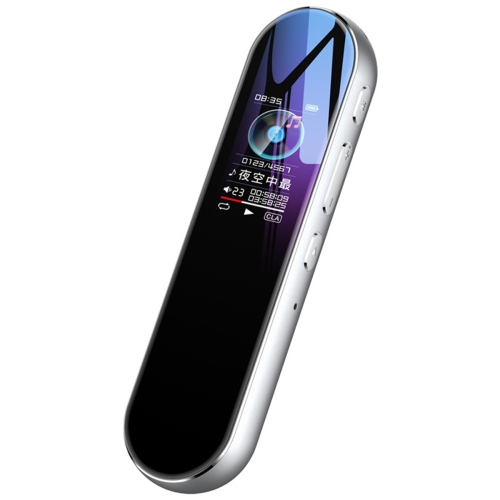
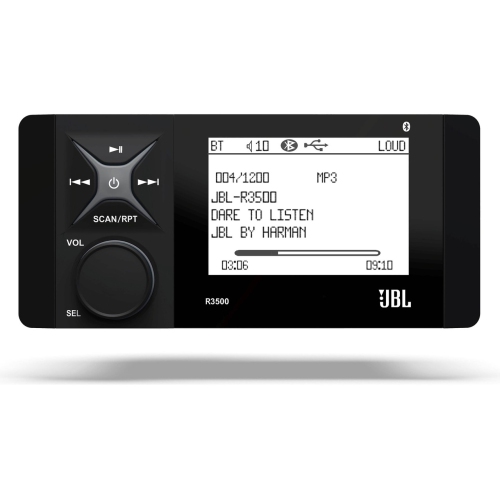
Listening devices are electronic tools that capture, amplify, record, or transmit sound, with designs suited to different tasks. Some preserve spoken information for later playback, while others bring a voice closer or let an authorized listener hear audio in real time. The main categories include digital voice recorders, personal sound amplifiers, assistive listening systems, wireless audio transmitters, and directional microphones. A recorder stores audio in internal memory or on a compatible memory card; it does not necessarily transmit what it captures. An audio transmitter sends sound to a receiver or connected device, but recording may be a separate function. Assistive listening equipment helps make speech easier to hear by bringing the microphone closer to the person speaking and delivering that signal to headphones, an earpiece, or compatible hearing equipment. These differences matter in everyday use. A student reviewing a lecture needs intelligible speech and an easy way to find important passages, while someone following a conversation across a table may care more about comfortable listening and straightforward volume controls. An interviewer might need a microphone connection and convenient file transfers, and a person documenting birdsong may need a directional microphone rather than a general-purpose recorder. Microphone placement often has as much influence on clarity as the device itself. A microphone near the speaker usually captures a more useful voice signal than one at the far end of a busy room. Directional microphones favour sound arriving from a particular direction, while omnidirectional microphones pick up sound around them, making them useful for group discussions. Parabolic microphones use a dish to focus sound towards a microphone and can help capture distant subjects in suitable conditions, but they do not make every faraway sound equally clear. Distance, obstacles, surrounding noise, and the pitch of the sound all affect the result. For meetings, interviews, shared spaces, or monitoring applications, permission and privacy belong alongside audio quality as essential considerations. Recording and monitoring requirements depend on the location and circumstances, so confirming applicable rules and obtaining appropriate consent helps keep use respectful and lawful.
For voice recording, the most useful features are often the ones that make a recording easy to capture, locate, and understand. Clearly marked controls, a visible recording indicator, and a button lock can prevent an important session from being interrupted by an accidental press inside a bag. Voice activation can reduce stretches of silence, although a poorly matched sensitivity setting may miss quiet speech or the beginning of a sentence. Adjustable microphone sensitivity helps accommodate different speaking levels, while a headphone connection allows a listener to check the signal when live monitoring is supported. Noise reduction may make steady background sound less distracting, but it cannot reliably restore words that were never captured clearly. In a discussion around a table, keeping the microphone away from shuffling papers, tapping fingers, and vibrating surfaces can make a noticeable difference. Recording format also affects daily use: compressed files generally take up less storage, while uncompressed formats use more space and may offer greater flexibility for editing. Storage capacity should be considered together with the selected audio settings, since a quoted recording duration may apply only at a lower quality level. Battery life deserves the same attention. Continuous recording, wireless transmission, and headphone playback can place different demands on a battery, so the relevant runtime is the one that matches the intended task. Rechargeable designs need a practical charging routine, while models with replaceable batteries require the correct battery type and a secure compartment. For wireless listening devices, connection compatibility is just as important as stated range. Walls, interference, receiver placement, and network conditions can affect performance, and some systems need a dedicated receiver rather than a phone. File transfer methods, supported operating systems, and accessible playback controls influence how easily recordings move into a study or work routine. For a separate approach to spoken learning through compatible services, Audio Learning Smart Speakers centres on listening to audio content rather than capturing conversations. Distinguishing playback equipment from recording and amplification equipment helps match the technology to the task.
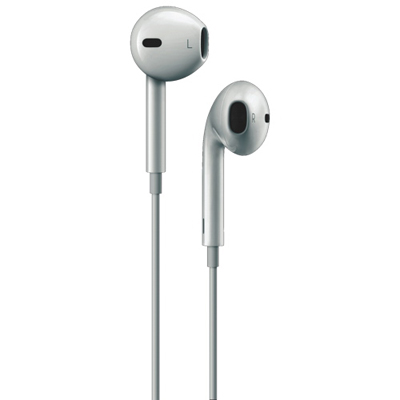
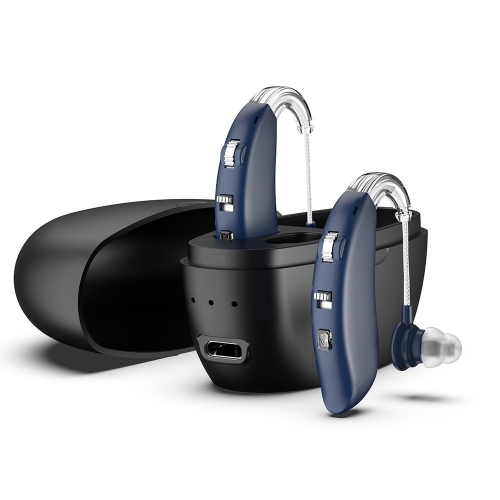
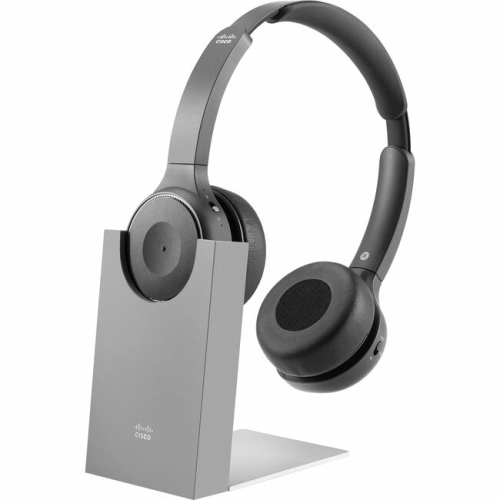
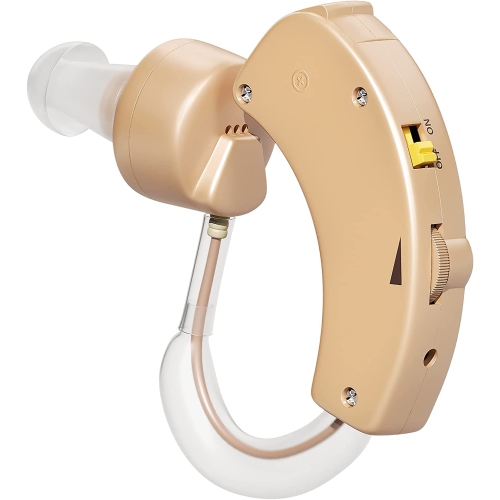
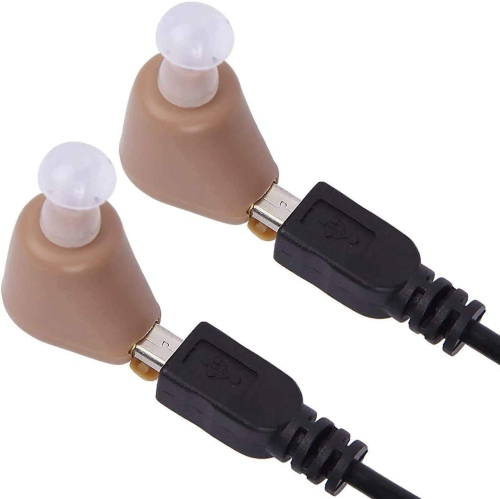
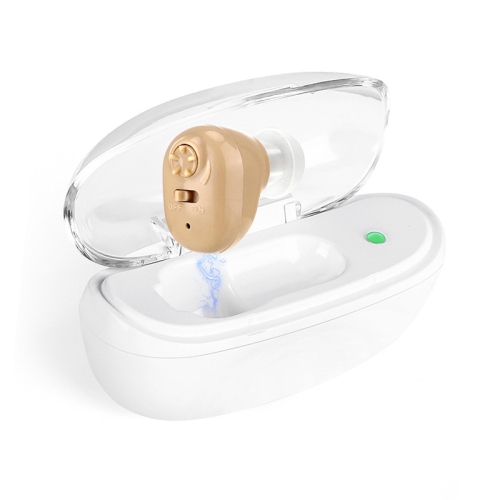
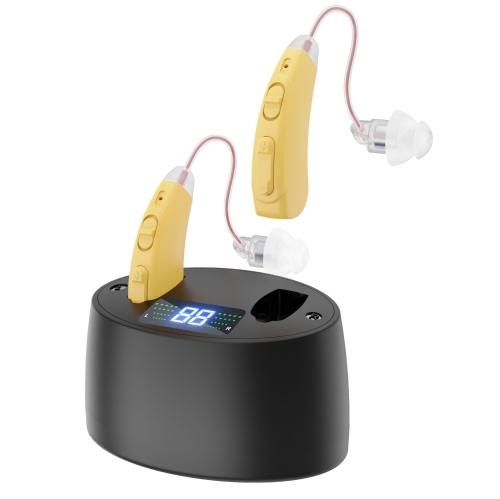
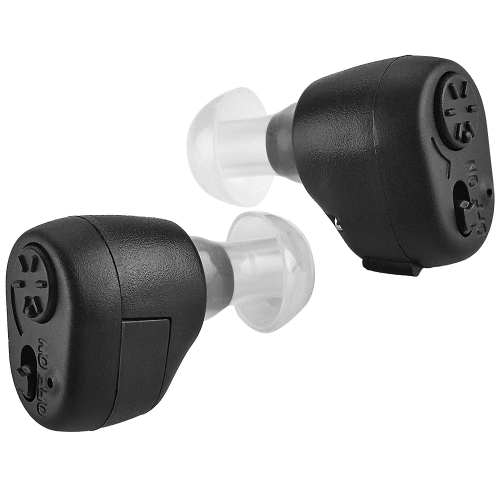
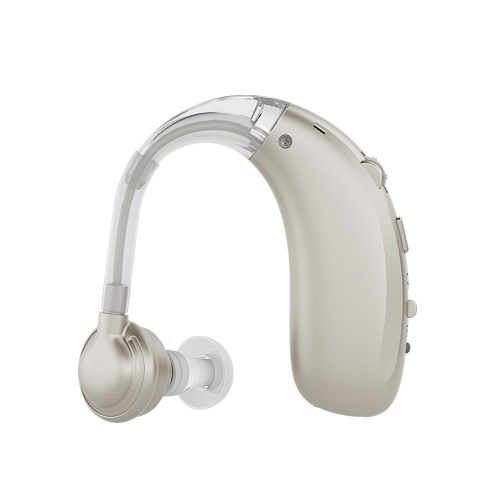
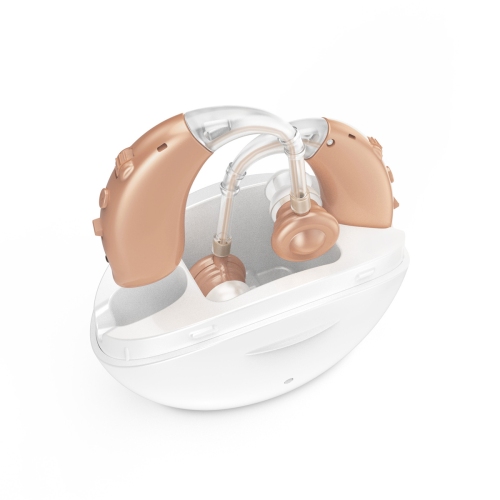
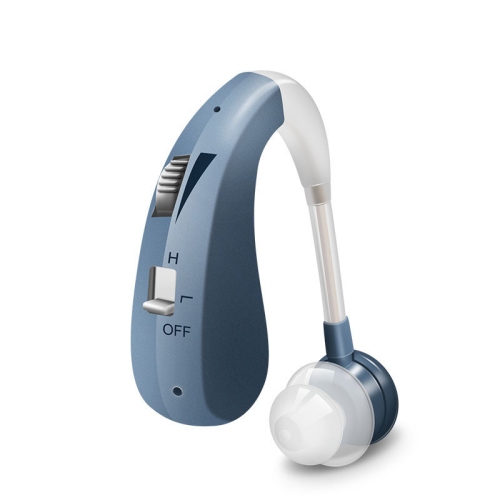
Comfort, construction, and care become especially important when listening equipment is used regularly. A handheld recorder should feel secure without being cumbersome, with controls that remain easy to distinguish by touch. Lightweight plastic housings can be comfortable to carry, while metal housings may offer a firmer feel; neither material alone establishes how well a device will withstand a drop. Secure clips, protected microphone openings, and well-supported cable connections are useful details for equipment carried between classrooms, meeting rooms, and home. A protective case can keep loose objects from pressing buttons or scratching a display, and cables stored without tight bends are less likely to develop strain at their connectors. For personal amplifiers and assistive listening receivers, earpiece fit matters as much as the size of the main unit. Ear tips should sit comfortably without forcing the fit, and over-ear cushions should distribute pressure rather than pinch. Someone who wears glasses may prefer a different headband or earpiece shape from someone who does not, making comfort a personal consideration rather than a universal specification. Large controls, readable displays, tactile markings, and simple charging arrangements can make daily use easier for people with limited vision or dexterity. Compatibility with hearing aids or cochlear implants must be confirmed for the particular connection method; a headphone socket does not automatically provide that compatibility. Personal sound amplifiers are not substitutes for a hearing assessment or professionally selected hearing aids, and persistent difficulty understanding speech warrants advice from a qualified hearing care professional. Listening should begin at a low, comfortable volume, with adjustments made gradually rather than using extra loudness to overcome a poor microphone position. Routine care usually means wiping exterior surfaces with a soft, dry cloth, keeping liquid away from ports, and cleaning removable ear tips only as directed by the manufacturer. Microphone openings should not be probed with sharp objects. For a student, researcher, or relative who has expressed interest in listening support, equipment can be a thoughtful gift when its purpose, controls, and fit suit the recipient. The strongest match is a device that handles the intended listening task clearly and remains comfortable and manageable enough to use consistently.
Top selling and popular products
-
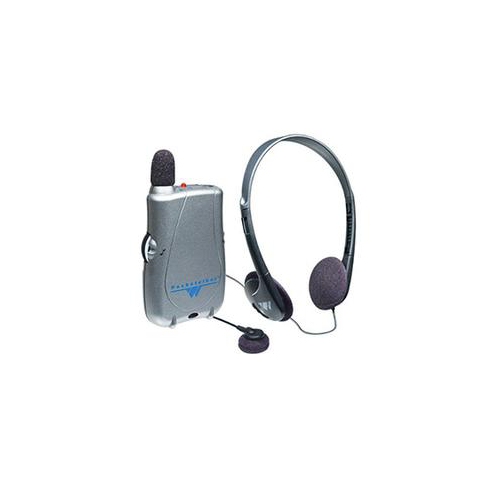 Your price for this item is $331.22
-
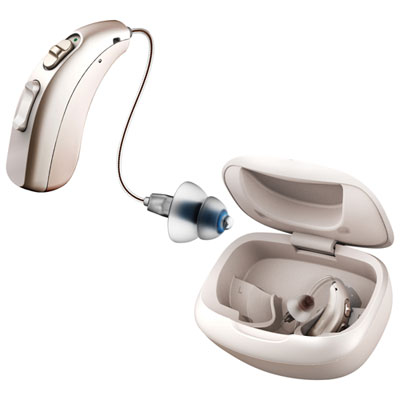 Your price for this item is $499.99
-
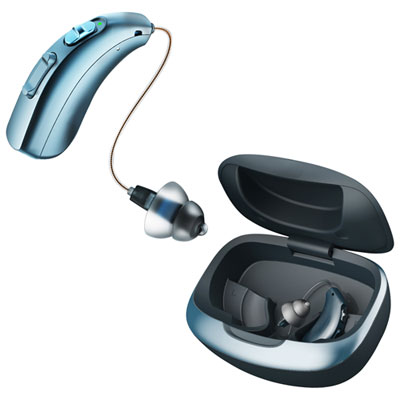 Your price for this item is $349.99
-
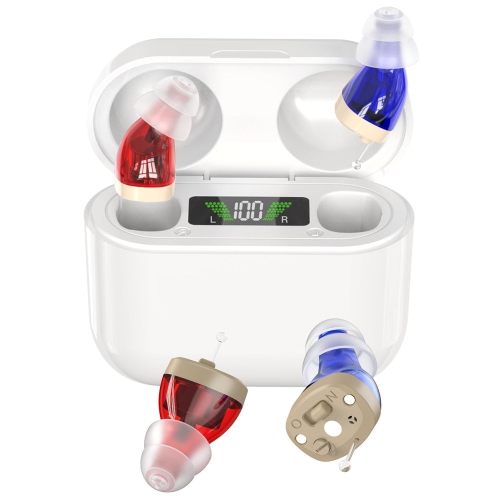 Your price for this item is $289.99
-
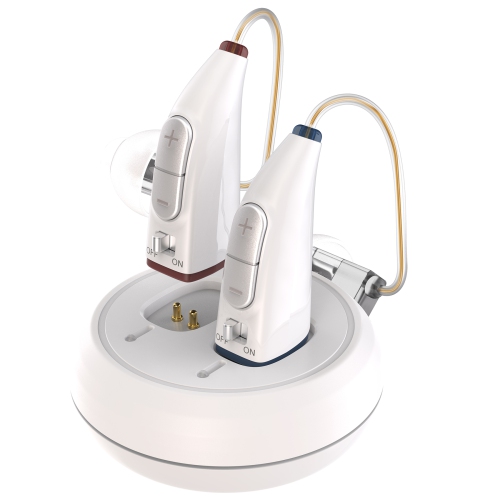 Your price for this item is $259.99
-
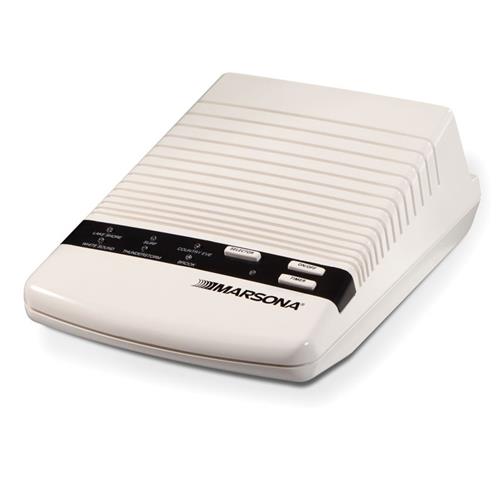 Your price for this item is $36.24
-
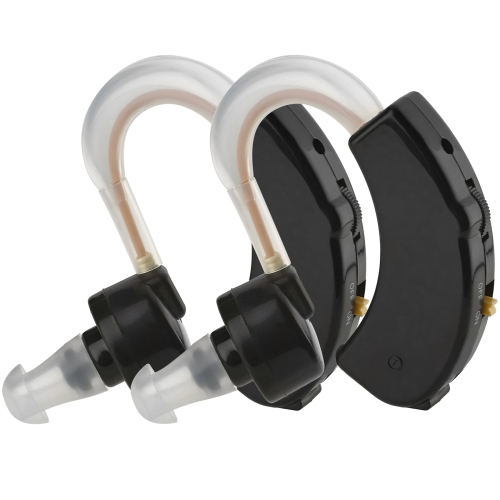 Your price for this item is $49.99
-
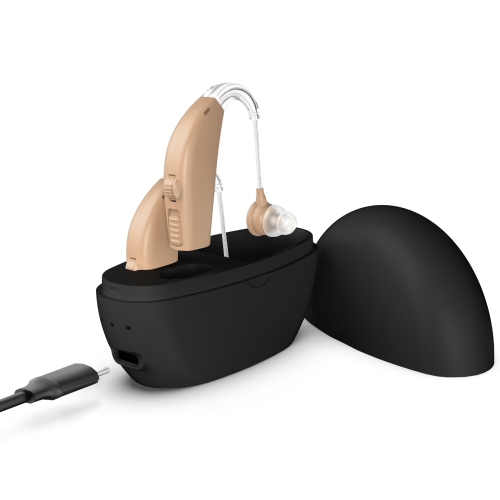 Your price for this item is $82.99
Discover more categories related to Listening Devices
Top Collections:
Pokemon Centers, Best Cameras for Sports Photography, Kindle Devices, Samsung Galaxy Phones, Canon G7X Cameras, Pokémon 30th Celebration Cards, Refurbished Apple Laptops, iPhone 15 Apple, Laptops for Students, Budget Smartphones
Some products may be subject to Environmental Handling Fees
(EHF) depending on your province.
Learn more about EHFs.