Treadmills for Sprinting
If you're looking for a way to get fit and stay in shape, a treadmill is a great option. Not only do they provide a safe, convenient way to run, but they also let you set your own pace and stop and start as needed. For those looking to take their training to the next level, a treadmill can be a great tool for sprinting. Here are the suggested treadmills for the comfort of your home.
Sort
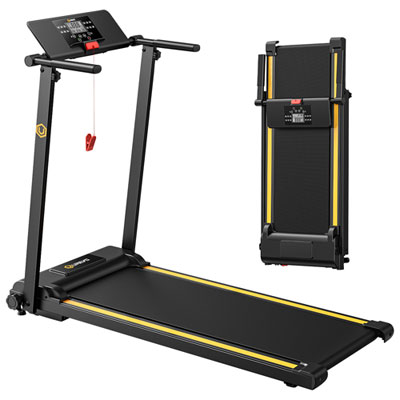
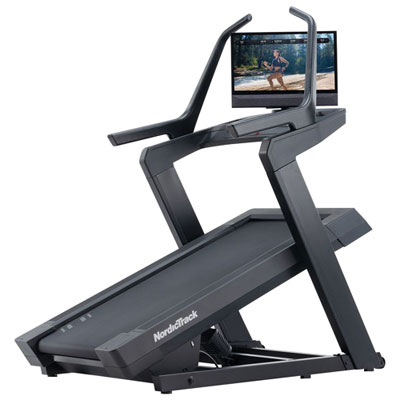
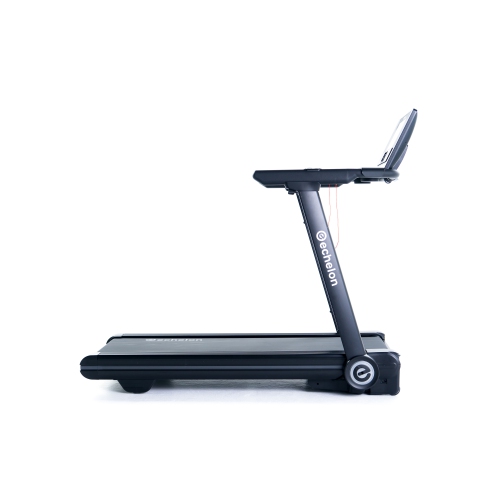
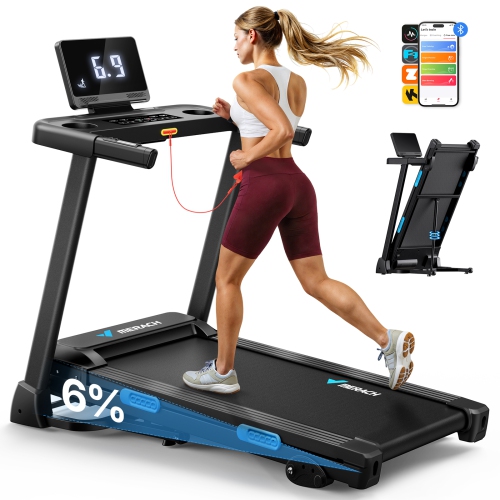
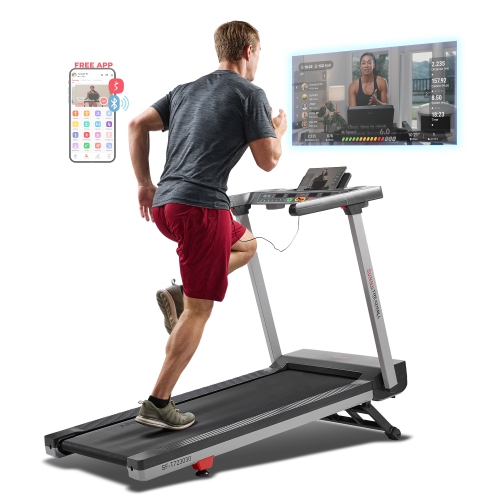
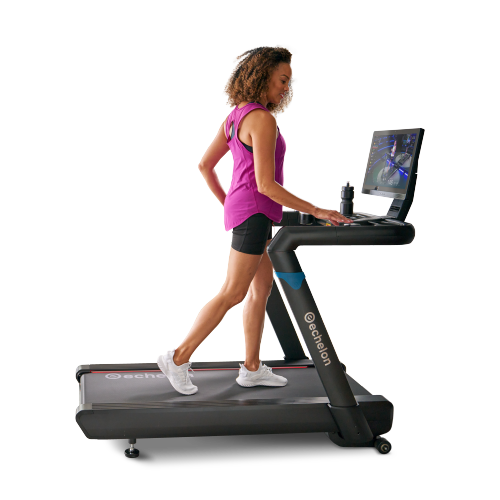

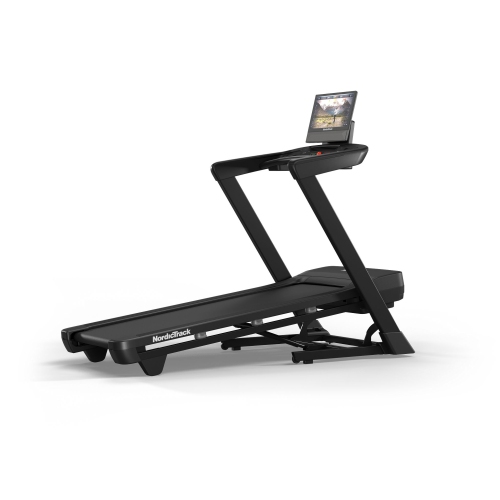
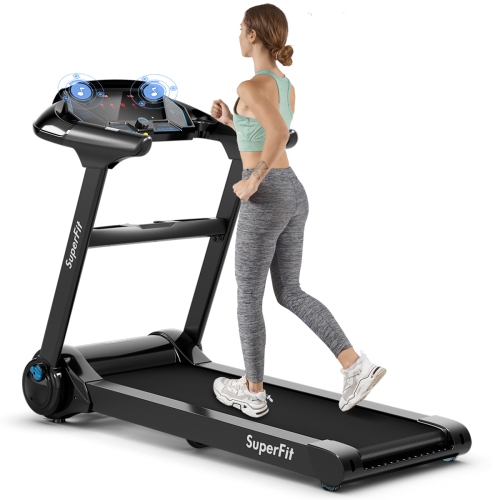
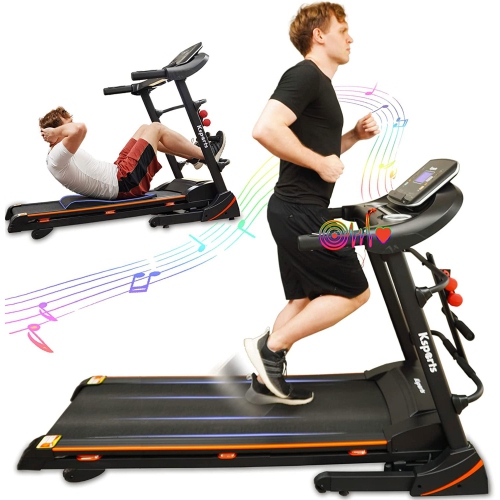
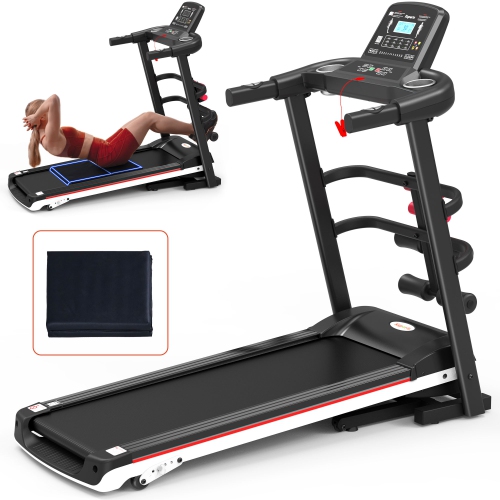
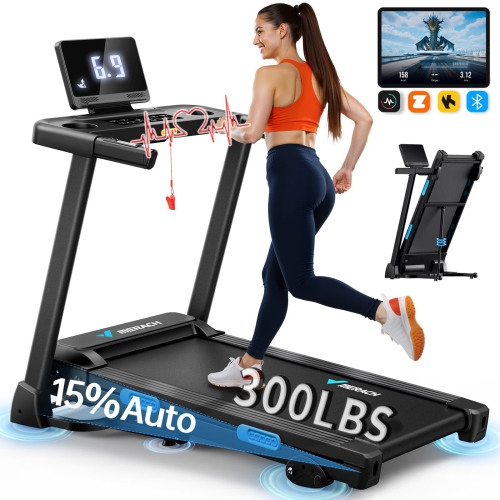


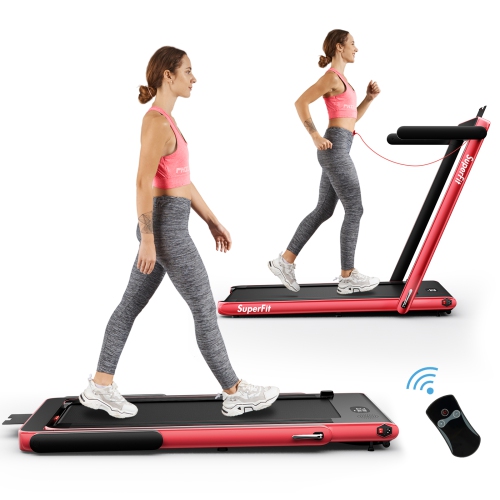
Built for speed work, intervals and powerful strides
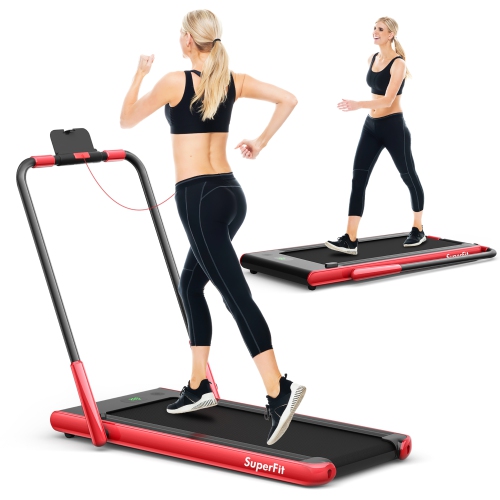
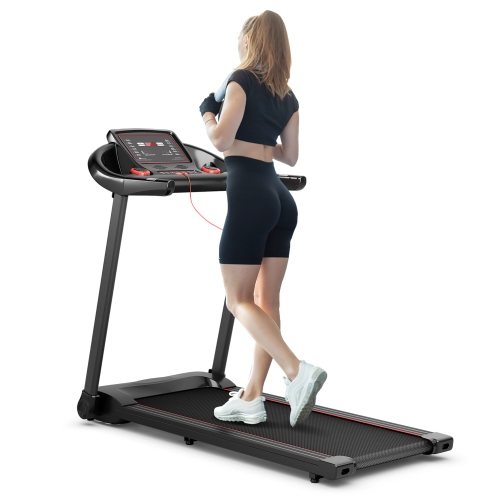
Treadmills for sprinting are designed for runners who want to practise speed, power and high-intensity intervals in a controlled indoor setting. They can be useful for competitive sprinters, field-sport athletes, personal trainers, fitness enthusiasts and anyone building short bursts of effort into their regular routine. A treadmill can make sprint training more convenient when outdoor conditions are unpredictable, when a track is not nearby or when you want a consistent surface with clearly measured speed and time. It also gives you the flexibility to train during the cooler months or whenever daylight, traffic and uneven paths make outdoor running less practical. When browsing treadmills for sprinting, consider how the machine handles rapid acceleration, repeated intervals and frequent changes in pace. Motorized models with powerful motors, sturdy frames and higher maximum speeds are often suited to runners who want to perform timed sprints, while curved manual treadmills respond directly to the runner’s movement and do not require the belt to accelerate before each effort. A manual curved design can encourage a more active running style, with the user controlling the belt through foot placement and force. Since there is no motor setting limiting the belt to a preset top speed, the treadmill responds instantly as you increase or reduce your effort. Motorized treadmills, on the other hand, can be a practical choice for structured workouts that call for specific speeds, timed recoveries and repeatable intervals. Look for quick-adjust controls that make it easy to move between walking, jogging and sprinting without searching through complicated menus. A generously sized running surface can also provide more confidence when your stride lengthens, while a solid frame helps the treadmill remain stable during powerful foot strikes.
The right treadmill for sprinting should match your training space, experience and intended workout style. Before choosing a model, measure the available area and account for clearance around the machine, especially if it will be installed in a home gym, basement or multipurpose room. Pay attention to the maximum user weight, belt dimensions, cushioning and the machine’s overall construction. A heavier frame may feel more planted during fast running, while a well-cushioned deck can reduce some of the impact associated with repeated high-speed efforts. Motorized models intended for sprint work commonly have a continuous-duty motor rated around 3.0 CHP or higher, although motor specifications should be considered alongside the frame, belt and warranty rather than viewed in isolation. A treadmill that reaches 12 to 15 miles per hour may suit advanced speed training, whereas a lower top speed may be sufficient for warmups, tempo runs, hill work and shorter accelerations. Incline adjustment can add variety, but steep incline sprinting places extra demand on the calves, hamstrings and Achilles tendon, so it should be introduced gradually. Curved manual treadmills are often selected by athletes who value immediate speed changes and a self-powered belt, while motorized treadmills may be preferable for households where several people want to use the same machine for walking, jogging and running. If your needs are centred on comfortable daily running rather than maximum-speed intervals, explore Basic Treadmills for Running for machines that may be better suited to straightforward, moderate-paced workouts. Features such as interval programming, heart-rate readings, cooling fans, device shelves and workout tracking can add convenience, but the most important considerations for sprinting remain stability, speed control, running space and dependable performance under repeated bursts.
Safe setup and disciplined technique are especially important when using a treadmill for sprinting. Begin with a gradual warmup that may include easy walking, relaxed jogging and dynamic movements before attempting a fast interval. Stand with your feet on the non-moving side rails when starting a motorized treadmill, set a manageable speed and step onto the belt only after it is moving steadily. During recovery, reduce the speed and allow the belt to slow before moving to the side rails; avoid jumping off a fast-moving belt, as a misstep can lead to a serious fall. Keep your posture tall, your gaze forward and your arms moving naturally rather than gripping the handrails while sprinting. A forefoot or midfoot landing, quick ground contact and a controlled forward drive can support efficient form, but technique should remain comfortable and appropriate to your experience. New runners may begin with short efforts separated by generous walking or jogging recoveries, while experienced athletes may use repeated intervals with carefully planned work-to-rest ratios. Allow the treadmill to cool and follow the manufacturer’s maintenance instructions, including checking belt alignment, cleaning the deck and keeping the surrounding floor clear. Treadmills for sprinting can also make a thoughtful gift for a runner preparing for a race, a student athlete training through changing weather or a household creating a more versatile home fitness area. The best choice is one that fits the runner’s goals without overwhelming the available space or requiring features they will rarely use. Whether it is used for a few explosive accelerations, a complete interval session or a steady run between faster workouts, a suitable treadmill can bring the rhythm of a track workout indoors, with the belt humming beneath each stride and the next effort ready whenever the training plan calls for it.
The right treadmill for sprinting should match your training space, experience and intended workout style. Before choosing a model, measure the available area and account for clearance around the machine, especially if it will be installed in a home gym, basement or multipurpose room. Pay attention to the maximum user weight, belt dimensions, cushioning and the machine’s overall construction. A heavier frame may feel more planted during fast running, while a well-cushioned deck can reduce some of the impact associated with repeated high-speed efforts. Motorized models intended for sprint work commonly have a continuous-duty motor rated around 3.0 CHP or higher, although motor specifications should be considered alongside the frame, belt and warranty rather than viewed in isolation. A treadmill that reaches 12 to 15 miles per hour may suit advanced speed training, whereas a lower top speed may be sufficient for warmups, tempo runs, hill work and shorter accelerations. Incline adjustment can add variety, but steep incline sprinting places extra demand on the calves, hamstrings and Achilles tendon, so it should be introduced gradually. Curved manual treadmills are often selected by athletes who value immediate speed changes and a self-powered belt, while motorized treadmills may be preferable for households where several people want to use the same machine for walking, jogging and running. If your needs are centred on comfortable daily running rather than maximum-speed intervals, explore Basic Treadmills for Running for machines that may be better suited to straightforward, moderate-paced workouts. Features such as interval programming, heart-rate readings, cooling fans, device shelves and workout tracking can add convenience, but the most important considerations for sprinting remain stability, speed control, running space and dependable performance under repeated bursts.
Safe setup and disciplined technique are especially important when using a treadmill for sprinting. Begin with a gradual warmup that may include easy walking, relaxed jogging and dynamic movements before attempting a fast interval. Stand with your feet on the non-moving side rails when starting a motorized treadmill, set a manageable speed and step onto the belt only after it is moving steadily. During recovery, reduce the speed and allow the belt to slow before moving to the side rails; avoid jumping off a fast-moving belt, as a misstep can lead to a serious fall. Keep your posture tall, your gaze forward and your arms moving naturally rather than gripping the handrails while sprinting. A forefoot or midfoot landing, quick ground contact and a controlled forward drive can support efficient form, but technique should remain comfortable and appropriate to your experience. New runners may begin with short efforts separated by generous walking or jogging recoveries, while experienced athletes may use repeated intervals with carefully planned work-to-rest ratios. Allow the treadmill to cool and follow the manufacturer’s maintenance instructions, including checking belt alignment, cleaning the deck and keeping the surrounding floor clear. Treadmills for sprinting can also make a thoughtful gift for a runner preparing for a race, a student athlete training through changing weather or a household creating a more versatile home fitness area. The best choice is one that fits the runner’s goals without overwhelming the available space or requiring features they will rarely use. Whether it is used for a few explosive accelerations, a complete interval session or a steady run between faster workouts, a suitable treadmill can bring the rhythm of a track workout indoors, with the belt humming beneath each stride and the next effort ready whenever the training plan calls for it.
Top selling and popular products
-
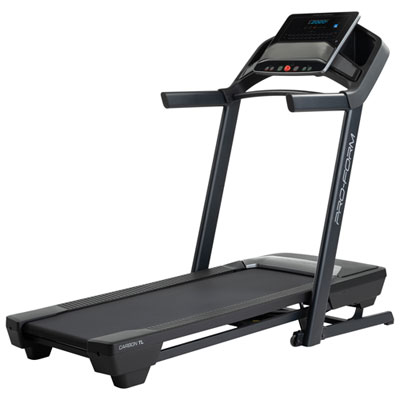 Your price for this item is $1099.98
 -
 Your price for this item is $2901.98
 -
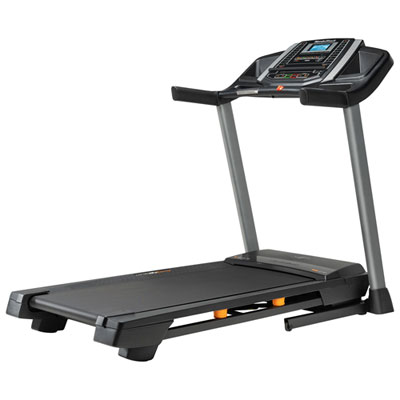 Your price for this item is $995.98
 -
 Your price for this item is $1278.98
 -
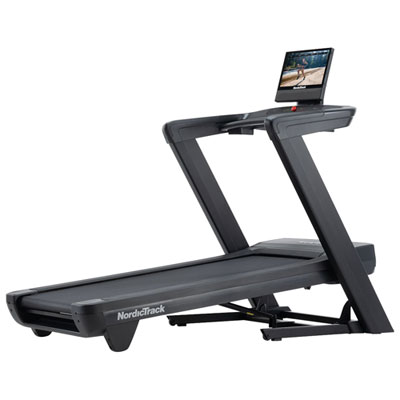 Your price for this item is $2501.98
 -
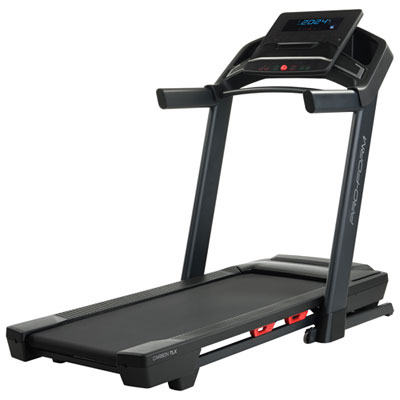 Your price for this item is $1399.99
 -
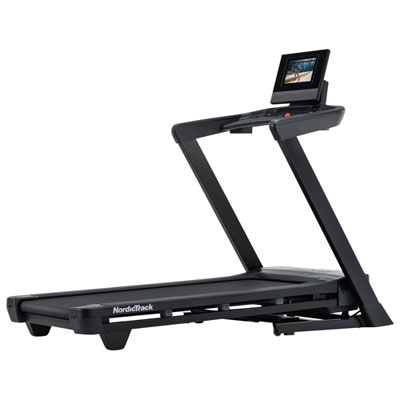 Your price for this item is $1799.99
 -
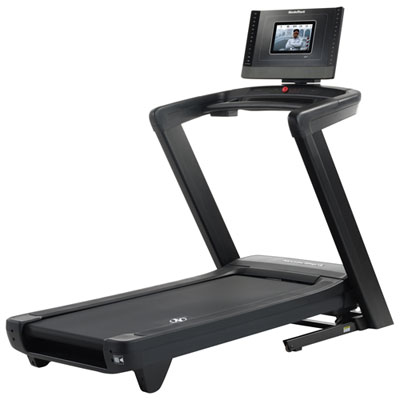 Your price for this item is $2698.98
Discover more categories related to Treadmills for Sprinting
Top Collections:
Pokemon Centers, Best Cameras for Sports Photography, Kindle Devices, Samsung Galaxy Phones, Canon G7X Cameras, Pokémon 30th Celebration Cards, Refurbished Apple Laptops, iPhone 15 Apple, Laptops for Students, Budget Smartphones
Some products may be subject to Environmental Handling Fees
(EHF) depending on your province.
Learn more about EHFs.