Smart TV Speakers
If you're looking for a way to improve your TV viewing experience, a smart TV speaker system is an easy way to do it. These systems combine a smart TV with a set of speakers that can be controlled by the TV. This allows you to enjoy your favorite movies and shows with better sound quality and more control than ever before. Here are some smart TV speakers available.
Sort

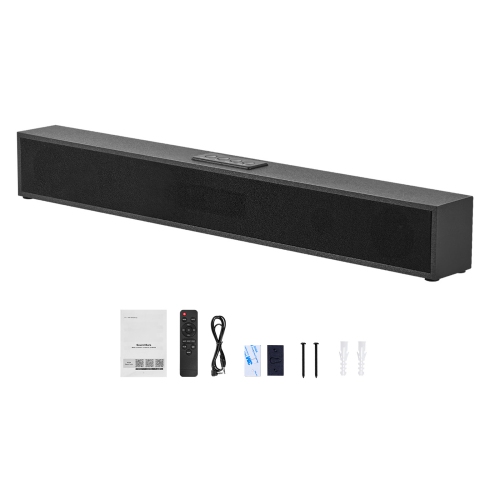
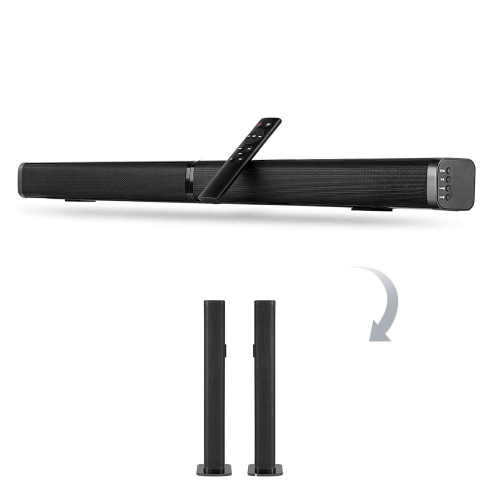
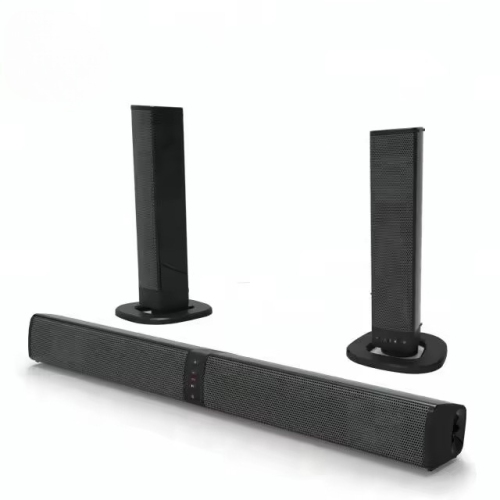
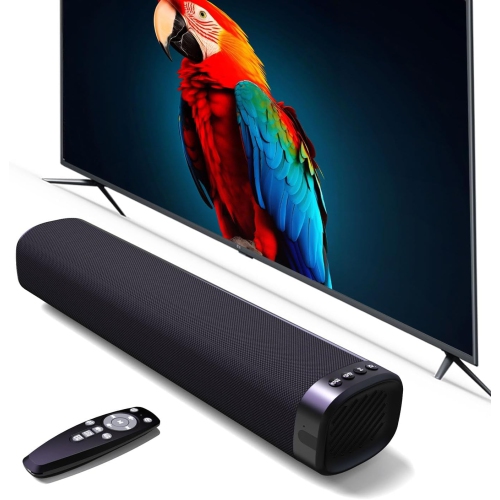



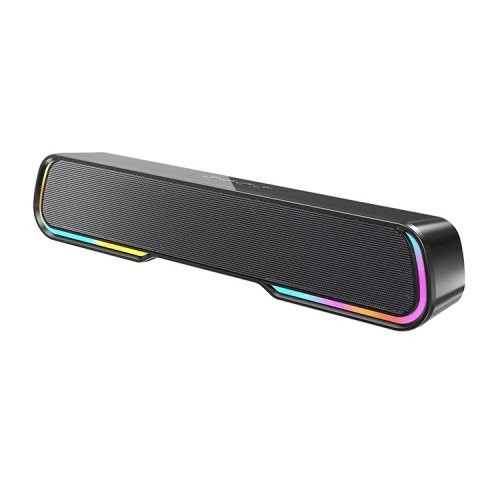

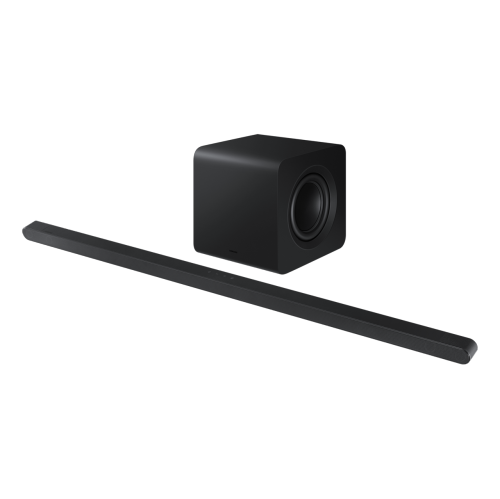

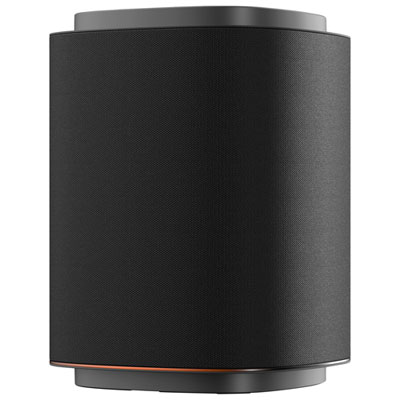

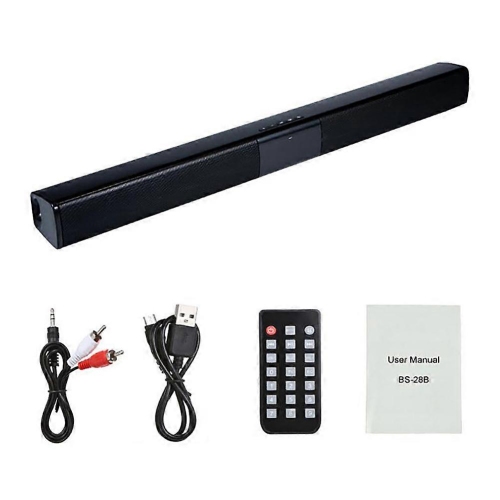






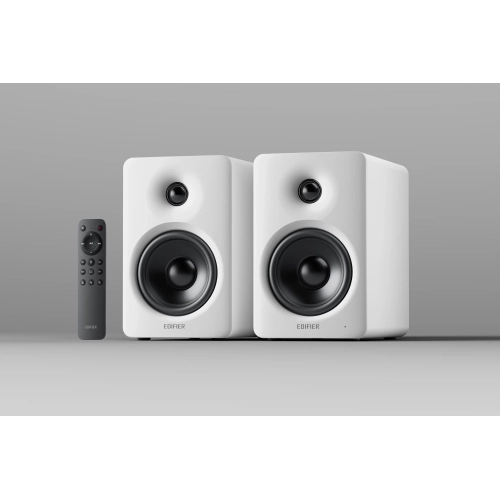


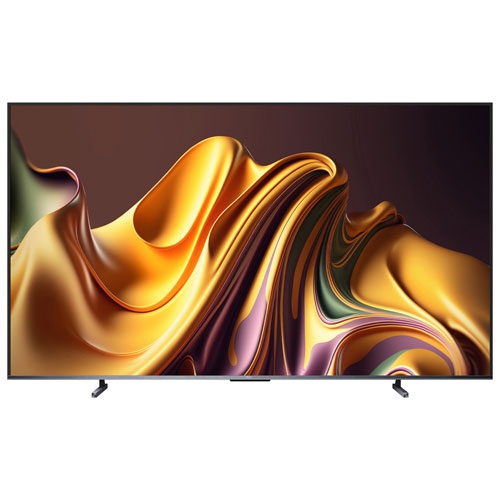
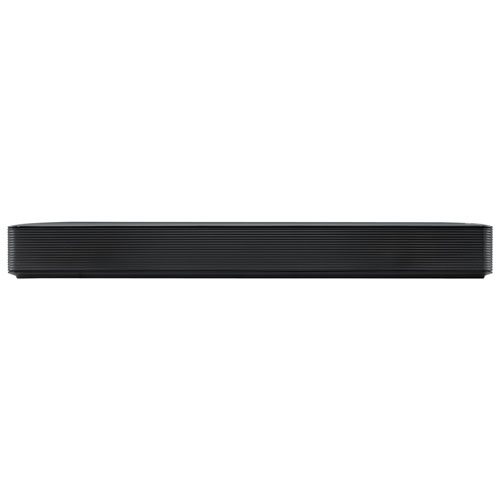

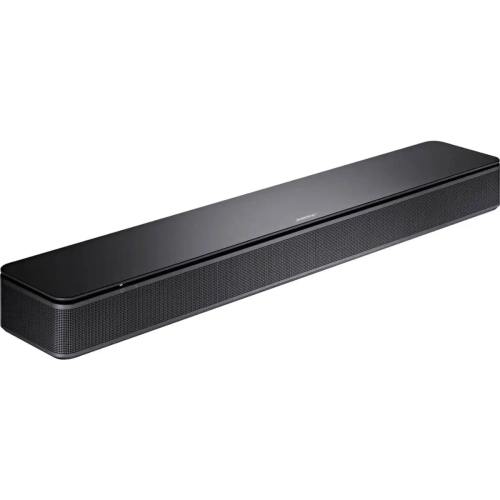


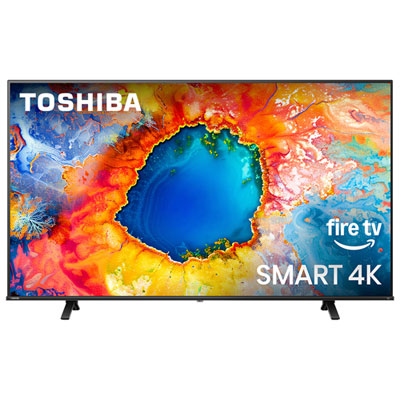
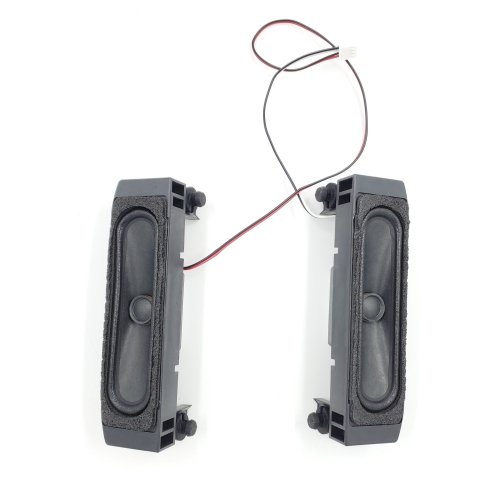

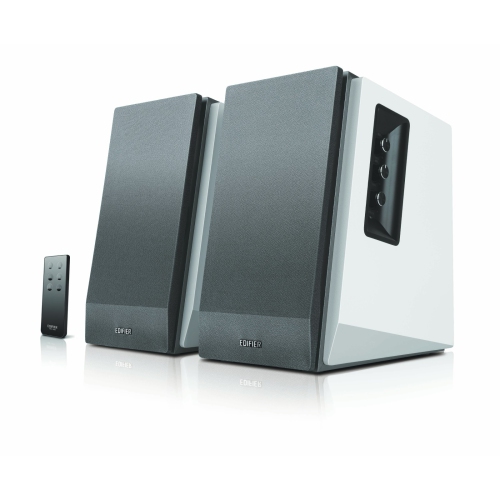
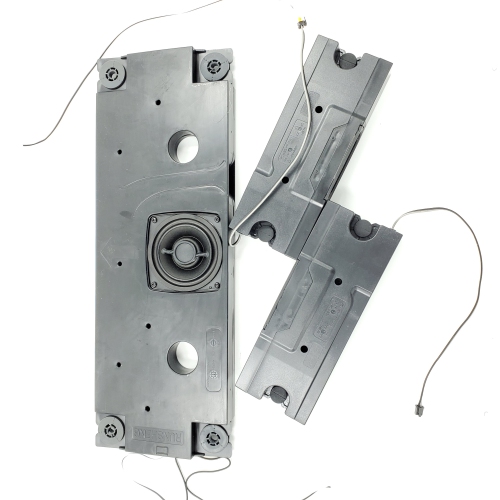

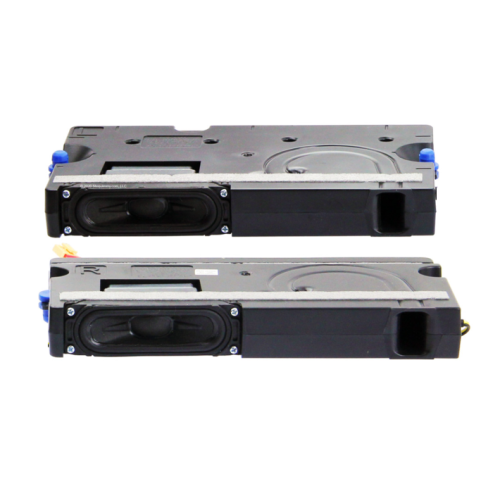
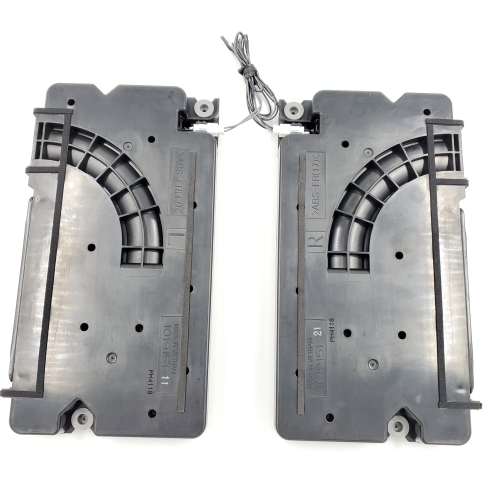

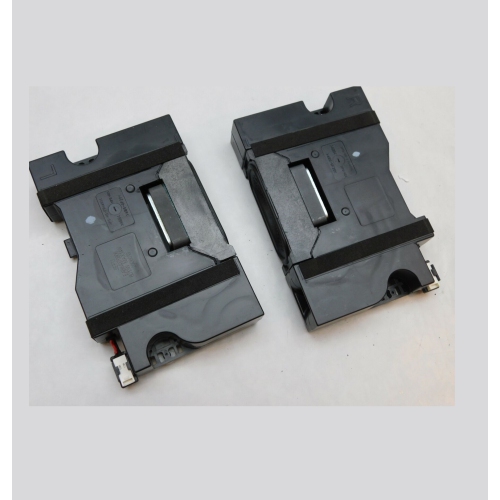
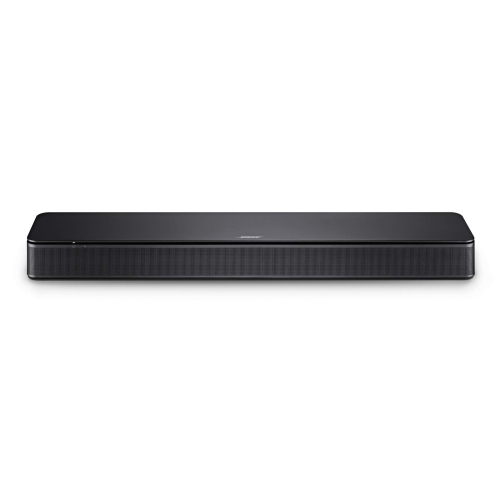
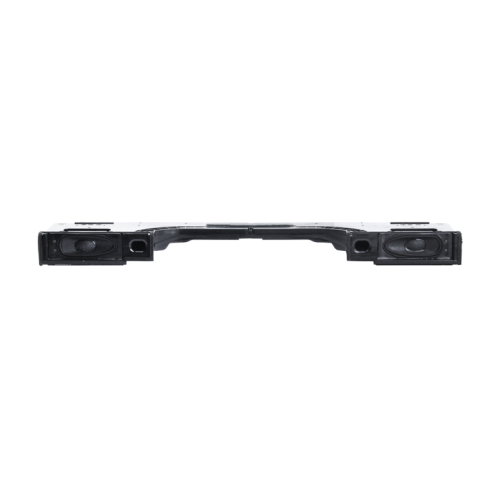

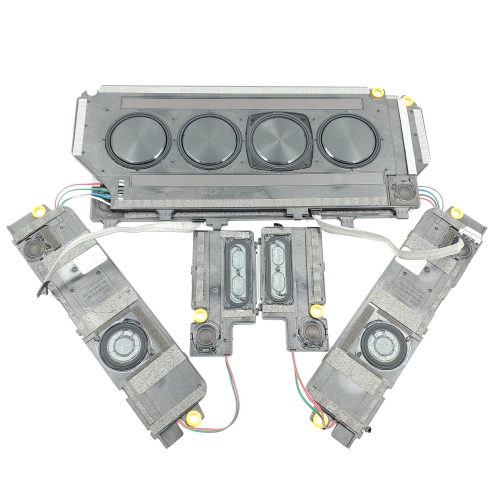

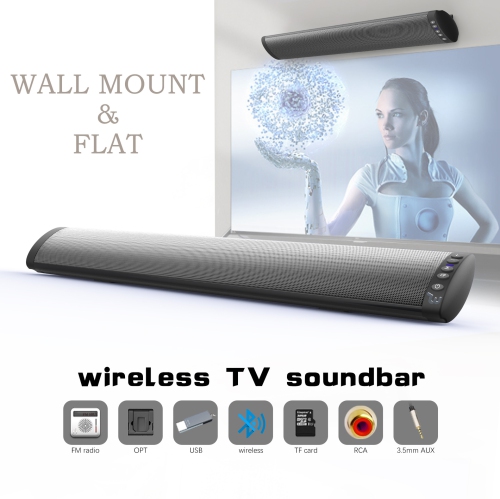
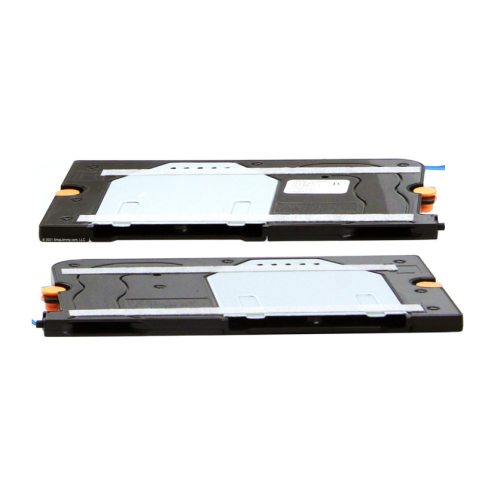
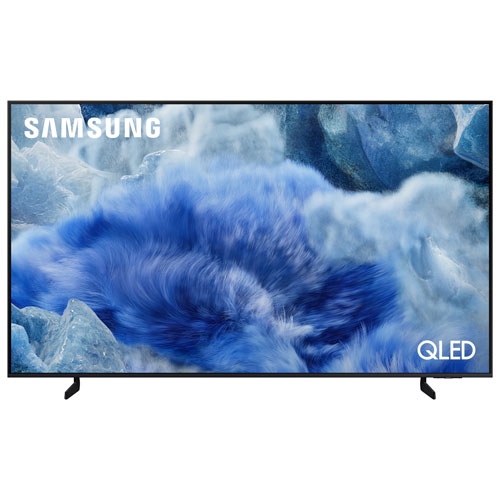


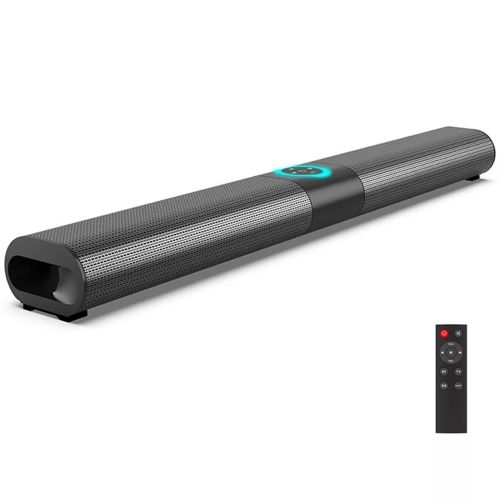
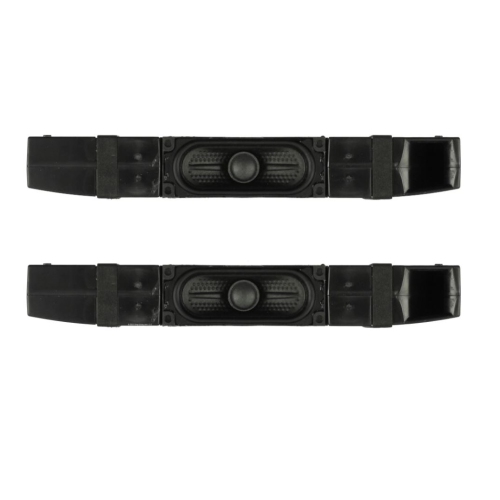





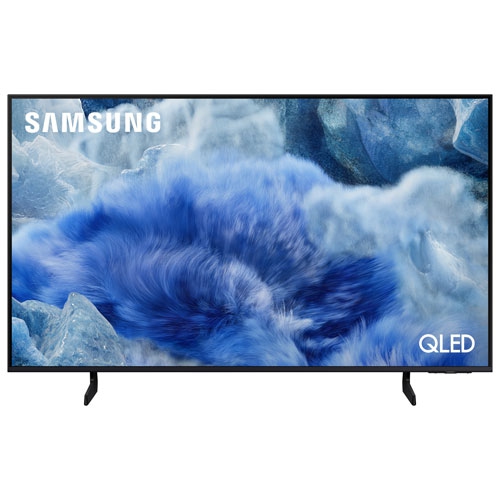

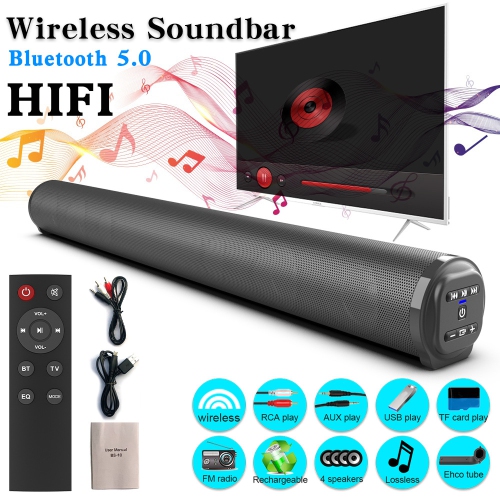
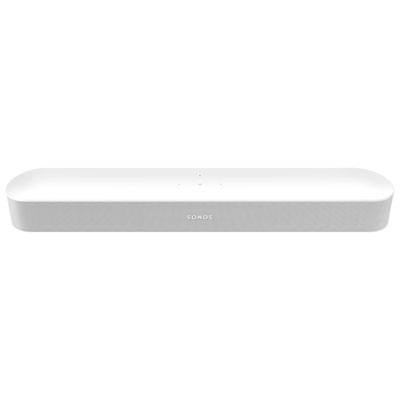


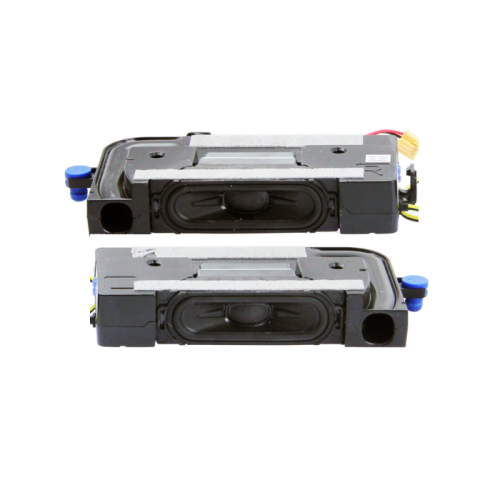
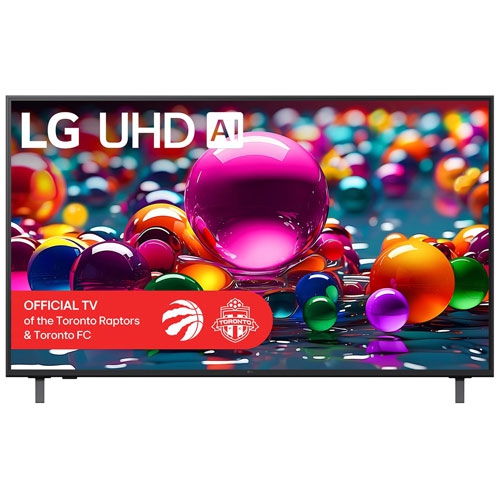

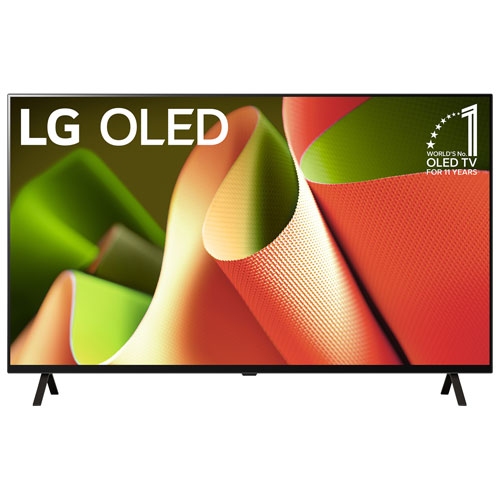
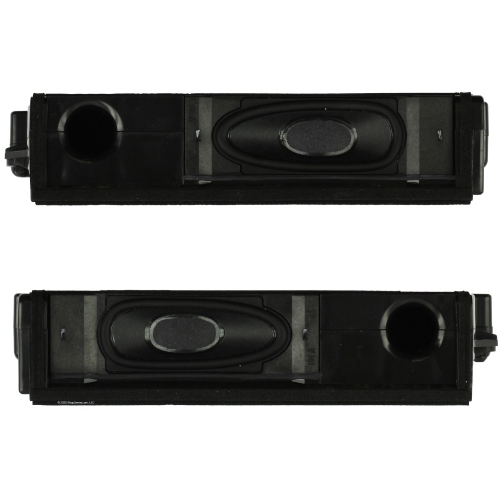

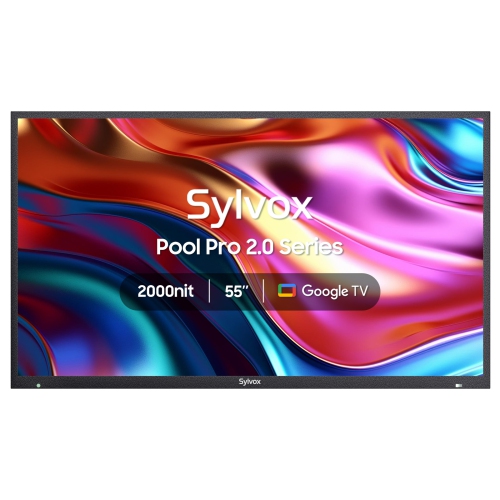
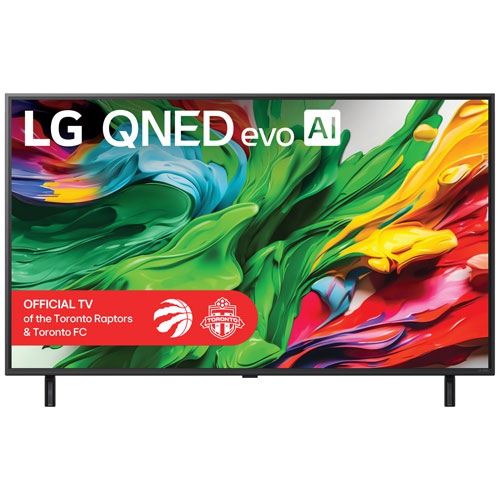
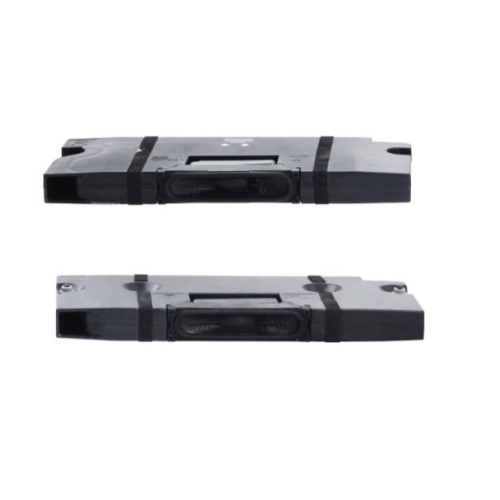
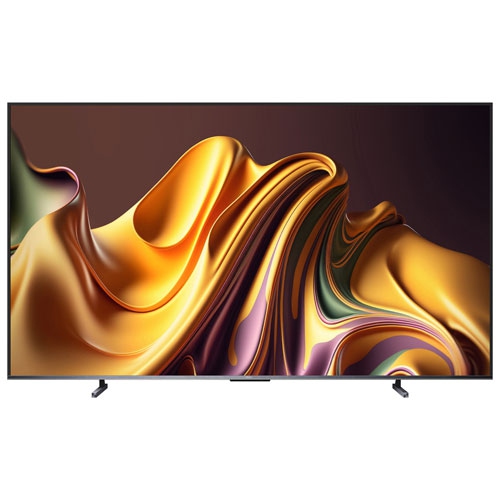
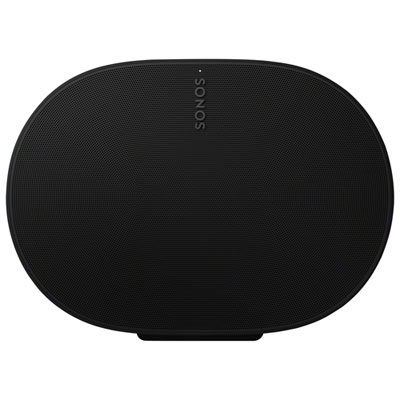






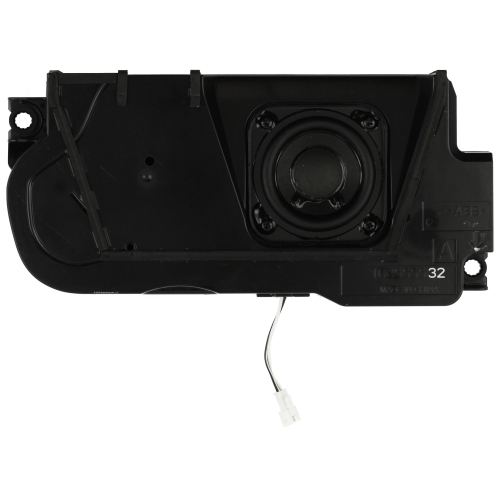

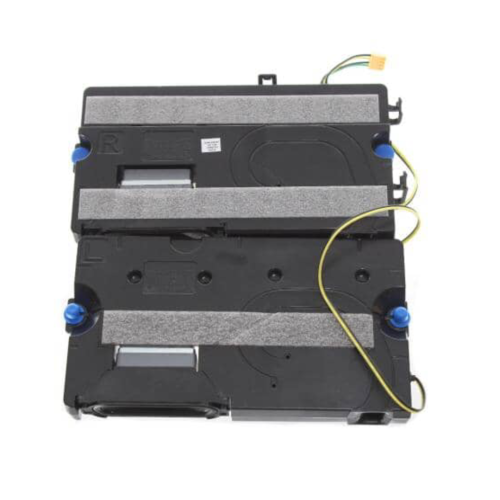

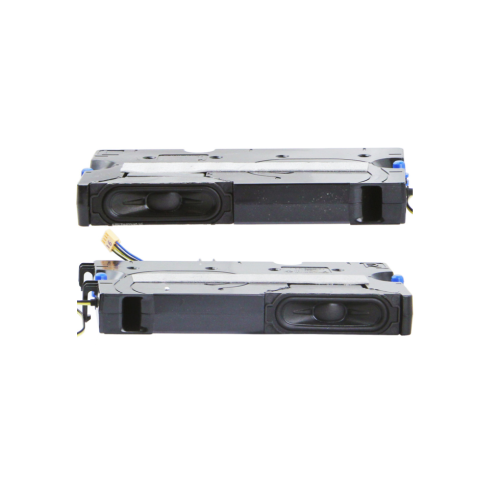


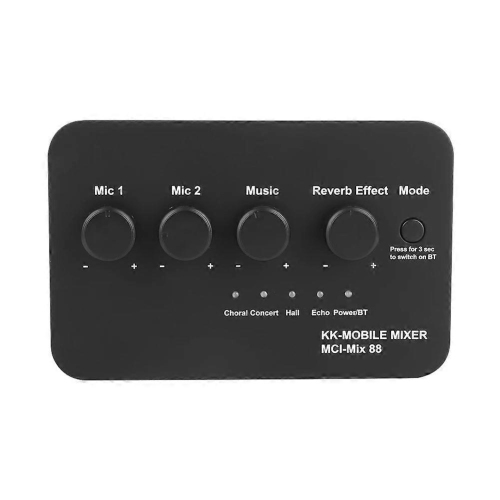
Better dialogue, fuller sound and simpler TV connections
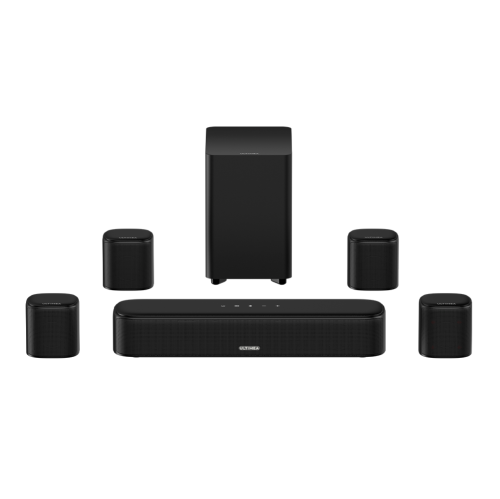
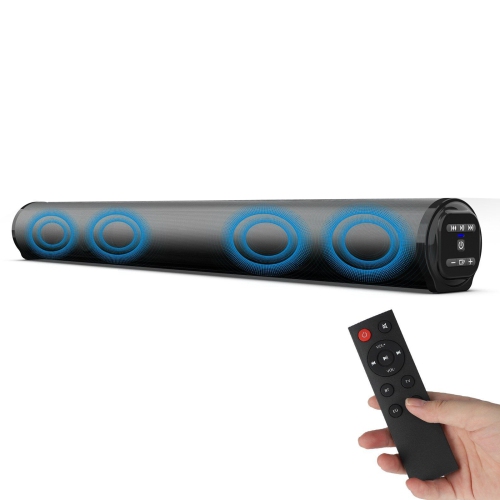
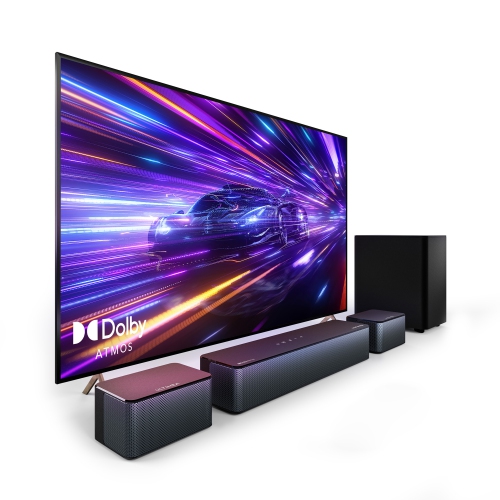
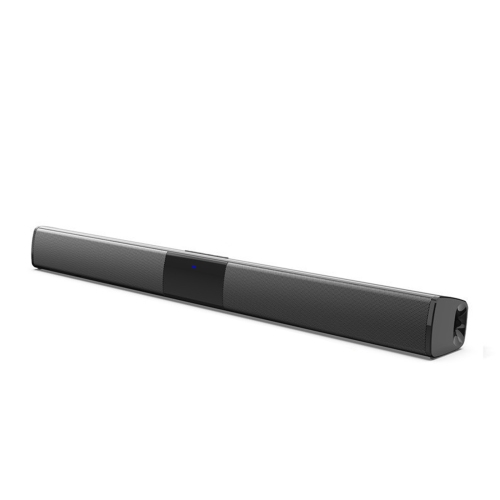
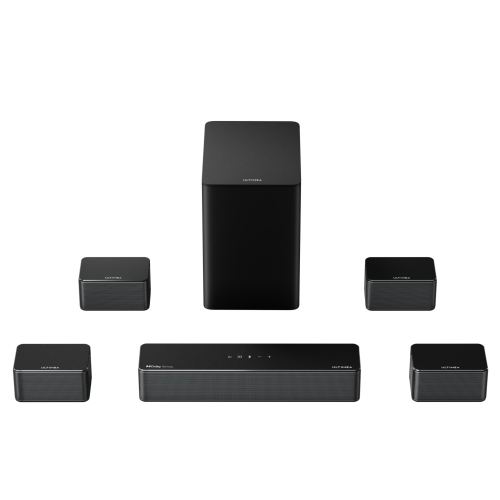
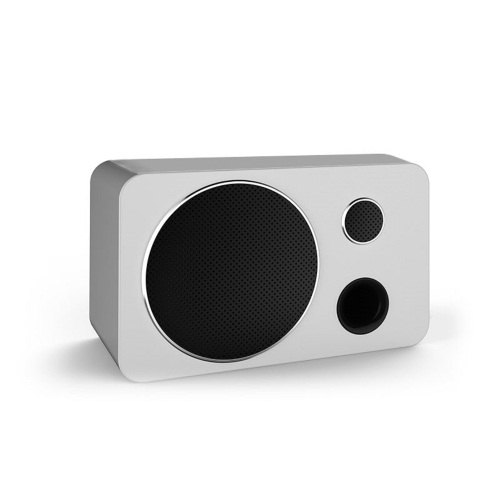
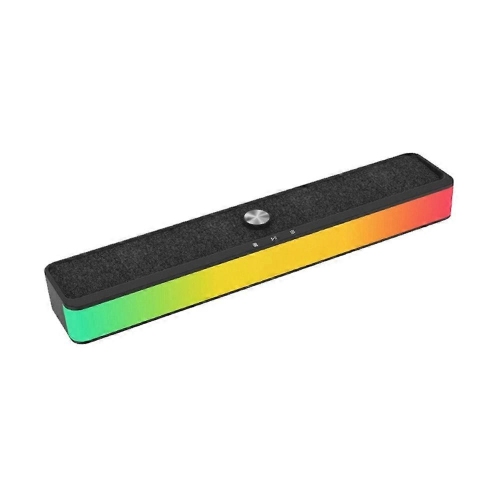
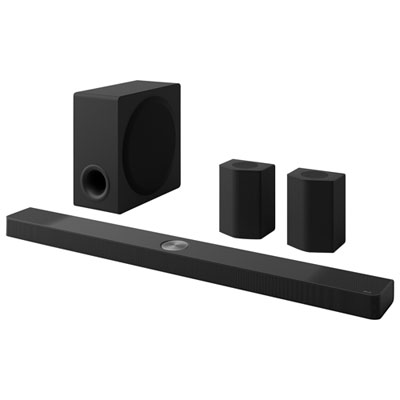
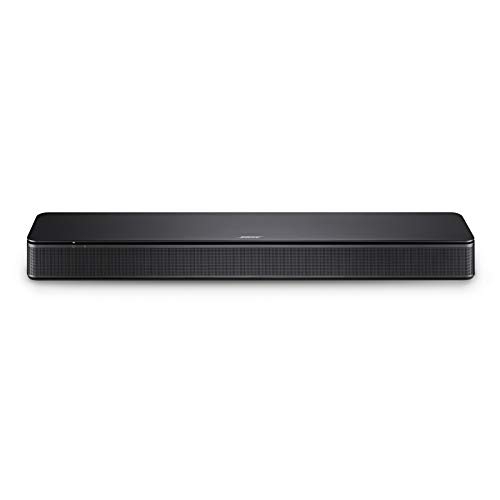
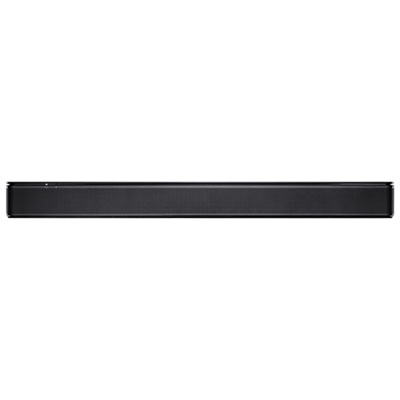
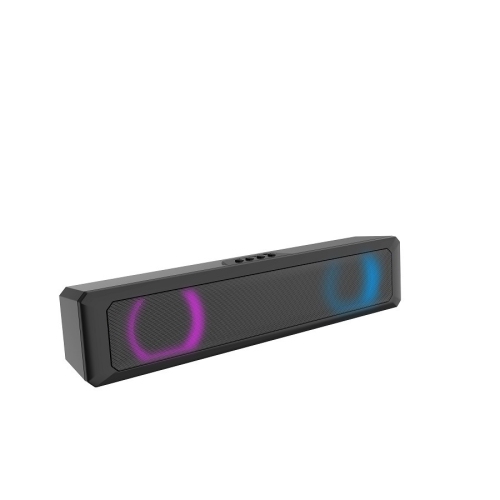
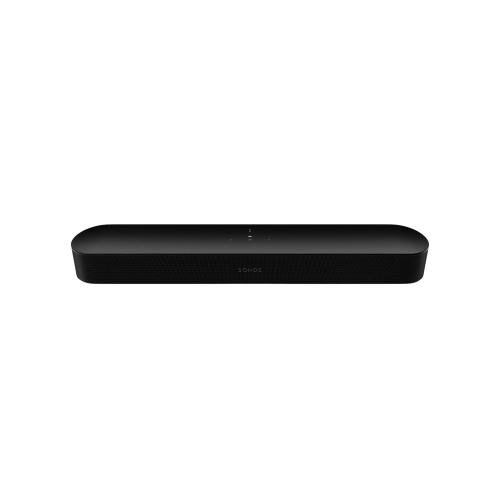
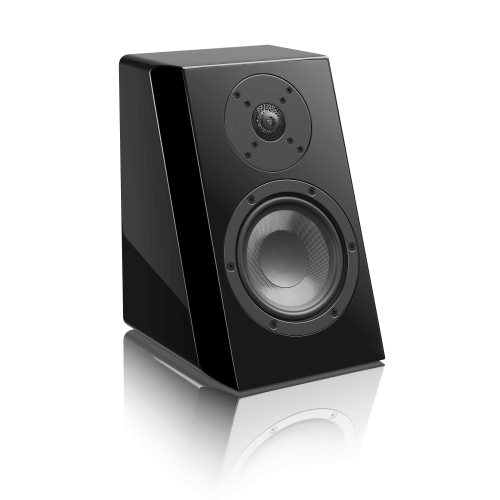
Smart TV speakers can make a noticeable difference to the way movies, television shows, sports, music and streamed content sound at home. Many modern televisions have slim designs that leave limited room for large built-in speaker drivers, which can result in audio that feels quiet, thin or difficult to understand, especially during dialogue-heavy scenes. Adding an external audio system gives voices greater presence, music more detail and sound effects a fuller sense of space. The right choice depends on the size and layout of the room, the position of the television, the types of content you enjoy and how much equipment you want around your screen. An all-in-one soundbar is a popular option for a clean, straightforward setup: it can sit on a media console beneath the TV or be mounted on the wall, while built-in processing helps separate dialogue, music and effects. Some soundbars include a separate wireless subwoofer for deeper bass, making action films, concerts and sporting events feel more energetic. Multi-speaker systems can create a wider, more immersive presentation with rear speakers placed behind the seating area, while bookshelf-style speakers may suit listeners who want a traditional stereo arrangement for both television and music. Compact speakers can work well in bedrooms, offices, dens and smaller living rooms, whereas larger rooms may benefit from a system with more power, a dedicated subwoofer or additional surround speakers. Smart TV speakers can also be a thoughtful gift for someone settling into a new home, upgrading a family room or creating a more enjoyable entertainment space during the cooler months. They are especially useful for viewers who regularly watch films with quiet conversations, listen to streamed playlists or find that the TV's built-in audio gets lost when people are seated farther from the screen.
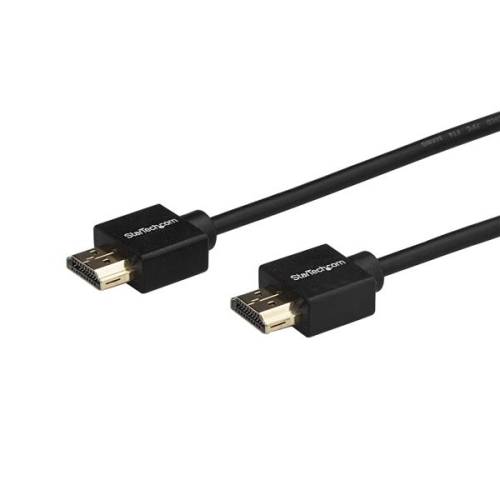
Compatibility and connection options are important when choosing speakers for a smart TV. HDMI ARC, or Audio Return Channel, is often the most convenient connection because it sends audio from the television to the speaker system through a single HDMI cable. When supported by both devices, HDMI eARC can carry higher-quality audio formats and is well suited to compatible home theatre systems. Connecting through the HDMI ARC or eARC port may also allow the TV remote to adjust the speaker volume, reducing the need to manage several remotes. A digital optical connection is another dependable choice, particularly when a television or speaker system does not include HDMI ARC. Optical connections support digital audio, although they may not carry every advanced format available through eARC. After connecting an optical cable, the TV's sound menu may need to be changed from “TV Speaker” to “Audio System” or “External Speaker”; selecting PCM can help when a speaker system does not properly decode the incoming signal. Bluetooth can be useful for compatible televisions and wireless speakers, especially when you want a simple connection without running a cable across the room. However, Bluetooth audio may introduce a slight delay between the picture and sound on some TV and speaker combinations. For regular television viewing, HDMI ARC or optical audio is generally a better choice when available. Before purchasing, check the ports on the TV, the included cables, the supported audio formats and whether the system requires a separate power outlet. It is also worth considering whether the speaker will block the bottom edge of the screen or interfere with the TV's remote sensor. Wall mounting, tabletop placement and speaker height can all affect the listening experience, so measure the available space and review the manufacturer’s placement recommendations. If you enjoy voice assistants, hands-free control or music playback away from the TV, you may also want to explore Wireless Smart Speakers as a separate audio option for other rooms.
Features that improve everyday usability can be just as valuable as maximum volume. A dedicated dialogue or voice mode can bring speech forward without requiring you to turn up the entire system, which is helpful when watching dramas, documentaries, news or late-night programming. Night modes may reduce sudden peaks in explosions and sound effects, making it easier to watch without disturbing other people in the home. A subwoofer can add satisfying low-end impact, but it may be less suitable for an apartment, condo or shared living space if bass travels through floors and walls. Wireless rear speakers can reduce visible cabling, although they still need careful placement and, in some cases, access to power. For a more traditional stereo experience, left and right speakers should be positioned at a similar height and angled toward the main seating position. For surround sound, rear speakers generally perform best behind or beside the seating area rather than directly beside the television. Keep the soundbar centred with the screen whenever possible, and avoid placing it inside a closed cabinet where the audio may sound muffled. Once the system is connected, use the television’s audio settings to select the external speaker output, disable the internal TV speakers if necessary and adjust audio delay if the dialogue does not match the picture. Smart TV speakers can turn an ordinary evening into a more engaging experience, from hearing the quiet footsteps in a mystery to feeling the crowd swell during a live game. As the weather warms or the evenings become cooler, a well-matched audio setup can support everything from casual family viewing to weekend movie nights, playlist listening and entertaining friends. Choosing the right system means balancing sound quality, room size, connection type, placement, controls and the way you actually watch and listen at home.
Top selling and popular products
-
 Your price for this item is $299.95
-
 Your price for this item is $51.99
-
 Your price for this item is $4000
-
 Your price for this item is $304.99
-
 Your price for this item is $138
-
 Your price for this item is $57.68
-
 Your price for this item is $48.99
-
 Your price for this item is $1400
Discover more categories related to Smart TV Speakers
Top Collections:
Pokemon Centers, Best Cameras for Sports Photography, Kindle Devices, Samsung Galaxy Phones, Canon G7X Cameras, Pokémon 30th Celebration Cards, Refurbished Apple Laptops, iPhone 15 Apple, Laptops for Students, Budget Smartphones
Some products may be subject to Environmental Handling Fees
(EHF) depending on your province.
Learn more about EHFs.