Butcher Block Dining Tables
Looking to add a touch of rustic charm and timeless elegance to your dining space? Look no further than our collection of butcher block dining tables. Crafted with precision and attention to detail, these stunning pieces are the perfect blend of functionality and style. With their natural beauty and durable construction, these tables are sure to become the focal point of your dining area.
Sort
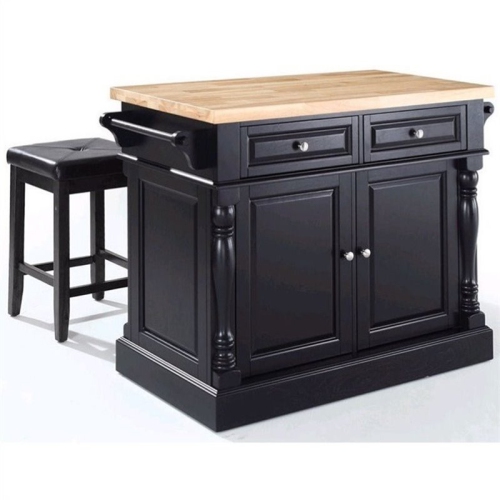
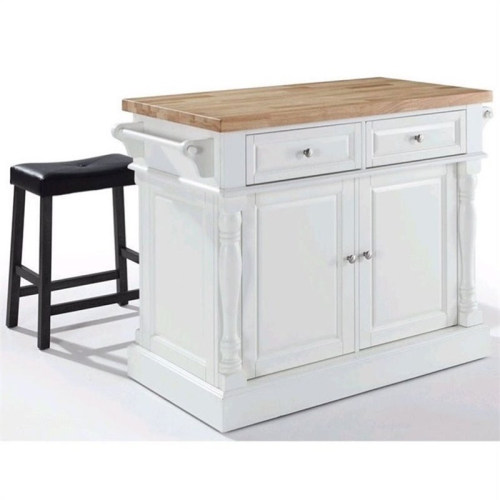

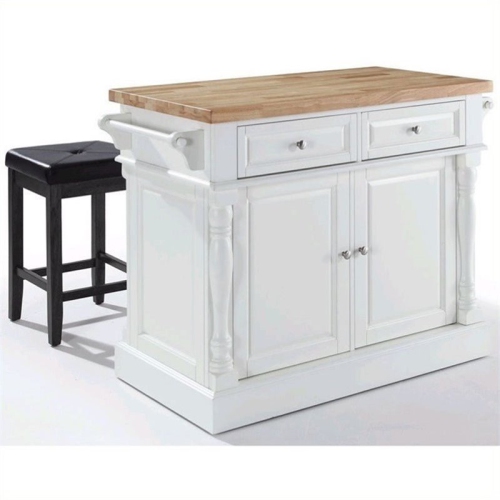
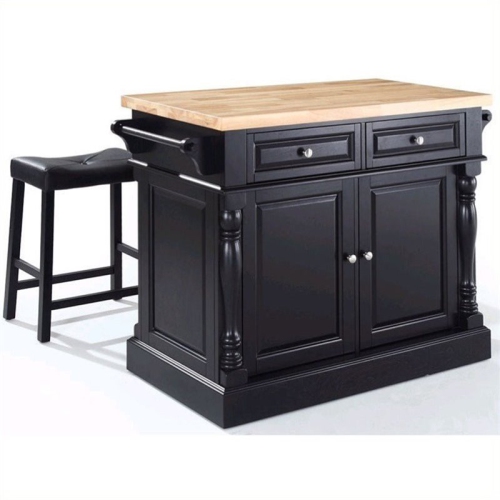
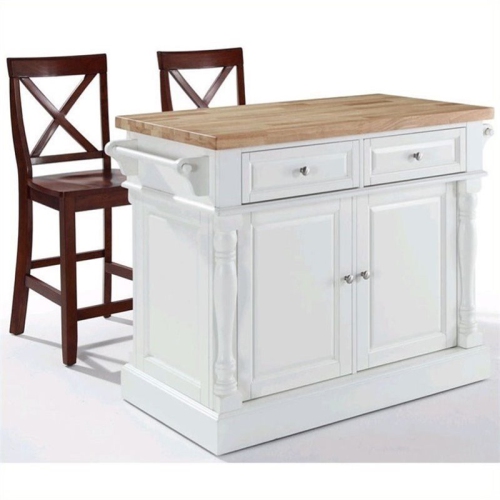
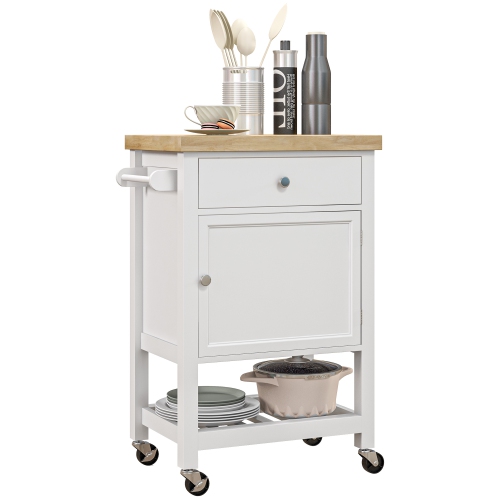
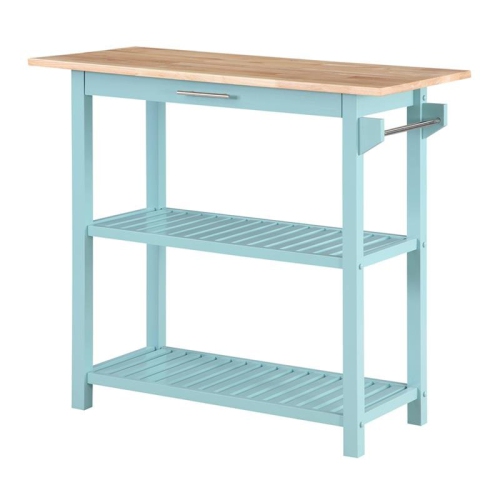
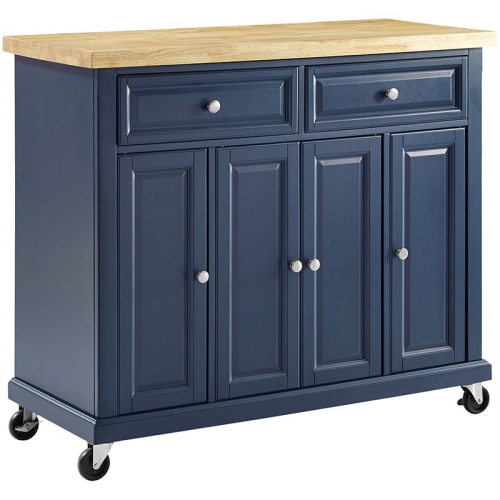
The practical details behind a warm dining centrepiece
Butcher block dining tables bring the visual warmth of a traditional workbench into a space designed for everyday meals, conversation, homework, games, and celebrations. Their defining feature is a substantial wood top made from bonded strips or blocks of hardwood, creating a distinctive pattern that can range from clean and contemporary to richly rustic. Maple, oak, cherry, walnut, and other hardwoods are common choices, with each offering a different colour, grain pattern, and overall character. Some tables use edge-grain construction, where the long edges of the boards form the surface, while others feature end-grain construction, which creates a more textured checkerboard appearance. The thickness of the top can also influence the look: a generous, weighty surface makes a strong statement in an open dining area, while a slimmer profile may suit a condo, apartment, or smaller breakfast nook. Butcher block dining tables can be paired with wood legs for a coordinated farmhouse feel, metal legs for an industrial-inspired room, or pedestal bases that leave more space for chairs and make it easier for people to move around the table. When comparing the options on this page, consider how the table will relate to your existing flooring, cabinetry, lighting, and seating. A warm wood top can soften a room with tile or painted finishes, while a darker stain can anchor a bright, open space. For a related way to bring the same practical wood aesthetic into your kitchen, explore Butcher Blocks.
Size is one of the most important considerations when choosing a butcher block dining table. A standard dining table is approximately 30 inches high, but the right dimensions depend on the room, the number of people who will use it, and the amount of space needed for chairs and walkways. As a general planning guideline, allow roughly 23 to 30 inches of table width along the long side for each seated person, depending on the chair size and how comfortably you want place settings to fit. A table that seats four may work well in a compact dining area, while a six- or eight-person table can provide the flexibility needed for family dinners, visiting relatives, or casual entertaining during the cooler months. Round and square tables encourage an intimate arrangement and can make conversation easier, while rectangular tables often provide more seating capacity and work naturally in longer rooms. Measure the full footprint, including the chairs pulled back from the table, before making a decision. It is also helpful to account for nearby buffets, kitchen islands, doors, and heating vents. Some ready-made dining sets include matching benches or stools, which can be useful when you want a coordinated look or need flexible seating for children. Separate table-and-chair combinations let you choose upholstery, seat height, and style independently. A sturdy butcher block table may be a thoughtful housewarming or wedding gift for someone moving into a new home, especially when their dining area is still taking shape, and it can become a central gathering spot for shared meals, board games, craft projects, or studying. For families, look for a stable base and a finish that can be wiped clean without requiring delicate daily care. For people who entertain often, consider whether the shape and leg placement will leave enough room for guests to sit comfortably at the ends as well as along the sides.
The finish and construction will influence how much care your table requires over time. Some butcher block dining tables have a sealed coating that helps protect the wood from everyday spills and makes routine cleaning straightforward. Others have an oil or wax finish that keeps the surface feeling natural but may need periodic reapplication, particularly in households where the table sees frequent use. Always follow the care instructions supplied with the table, and use coasters, placemats, and trivets when appropriate to reduce exposure to moisture, heat, and staining foods. Wipe spills promptly with a soft, slightly damp cloth rather than allowing liquid to sit around seams or along the edges. Avoid soaking the surface or using abrasive cleaners unless the manufacturer specifically recommends them. Wood can respond to changes in indoor humidity, so keeping the table away from direct heat sources and maintaining a reasonably consistent indoor environment can help reduce the likelihood of excessive movement, splitting, or warping. Small marks can become part of the table’s lived-in character, while a more formal dining room may benefit from a smoother finish and a consistent stain. Pay attention to the wording of the product details as well: a table described as solid wood may have different care needs than one with a butcher block-style top, veneer, or mixed-material construction. Weight capacity, assembly requirements, adjustable feet, extension leaves, and clearance beneath the tabletop are practical details that can make a noticeable difference once the table is in daily use. Whether it becomes the setting for quick breakfasts before school, lingering dinners with friends, or a welcoming surface for seasonal gatherings, a well-chosen butcher block dining table adds a durable focal point and a sense of occasion to ordinary routines.
Size is one of the most important considerations when choosing a butcher block dining table. A standard dining table is approximately 30 inches high, but the right dimensions depend on the room, the number of people who will use it, and the amount of space needed for chairs and walkways. As a general planning guideline, allow roughly 23 to 30 inches of table width along the long side for each seated person, depending on the chair size and how comfortably you want place settings to fit. A table that seats four may work well in a compact dining area, while a six- or eight-person table can provide the flexibility needed for family dinners, visiting relatives, or casual entertaining during the cooler months. Round and square tables encourage an intimate arrangement and can make conversation easier, while rectangular tables often provide more seating capacity and work naturally in longer rooms. Measure the full footprint, including the chairs pulled back from the table, before making a decision. It is also helpful to account for nearby buffets, kitchen islands, doors, and heating vents. Some ready-made dining sets include matching benches or stools, which can be useful when you want a coordinated look or need flexible seating for children. Separate table-and-chair combinations let you choose upholstery, seat height, and style independently. A sturdy butcher block table may be a thoughtful housewarming or wedding gift for someone moving into a new home, especially when their dining area is still taking shape, and it can become a central gathering spot for shared meals, board games, craft projects, or studying. For families, look for a stable base and a finish that can be wiped clean without requiring delicate daily care. For people who entertain often, consider whether the shape and leg placement will leave enough room for guests to sit comfortably at the ends as well as along the sides.
The finish and construction will influence how much care your table requires over time. Some butcher block dining tables have a sealed coating that helps protect the wood from everyday spills and makes routine cleaning straightforward. Others have an oil or wax finish that keeps the surface feeling natural but may need periodic reapplication, particularly in households where the table sees frequent use. Always follow the care instructions supplied with the table, and use coasters, placemats, and trivets when appropriate to reduce exposure to moisture, heat, and staining foods. Wipe spills promptly with a soft, slightly damp cloth rather than allowing liquid to sit around seams or along the edges. Avoid soaking the surface or using abrasive cleaners unless the manufacturer specifically recommends them. Wood can respond to changes in indoor humidity, so keeping the table away from direct heat sources and maintaining a reasonably consistent indoor environment can help reduce the likelihood of excessive movement, splitting, or warping. Small marks can become part of the table’s lived-in character, while a more formal dining room may benefit from a smoother finish and a consistent stain. Pay attention to the wording of the product details as well: a table described as solid wood may have different care needs than one with a butcher block-style top, veneer, or mixed-material construction. Weight capacity, assembly requirements, adjustable feet, extension leaves, and clearance beneath the tabletop are practical details that can make a noticeable difference once the table is in daily use. Whether it becomes the setting for quick breakfasts before school, lingering dinners with friends, or a welcoming surface for seasonal gatherings, a well-chosen butcher block dining table adds a durable focal point and a sense of occasion to ordinary routines.
Top selling and popular products
-
 Your price for this item is $169.98
 -
 Your price for this item is $219.99
 -
 Your price for this item is $219.99
 -
 Your price for this item is $359.99
 -
 Your price for this item is $360.49
 -
 Your price for this item is $485.85
 -
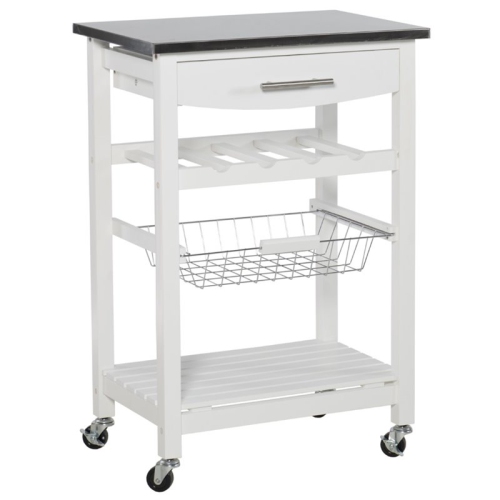 Your price for this item is $304.93
 -
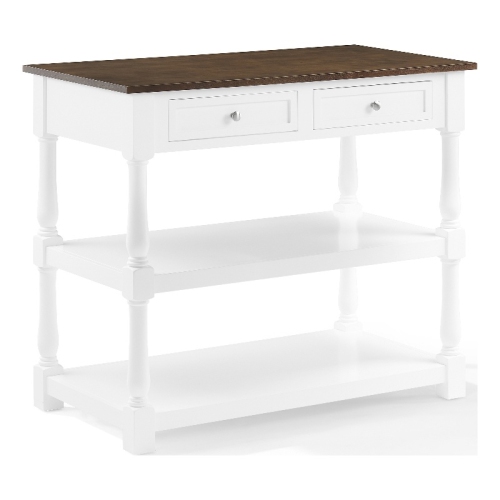 Your price for this item is $694.97
Discover more categories related to Butcher Block Dining Tables

Top Collections:
Pokemon Centers, Budget 4K TVs, Kindle Devices, Canon G7X Cameras, Apple iPhones 16, iPhone 15 Apple, Laptops for Business Work, Flip Phones, Xiaomi Phones, Refurbished Apple Laptops
Some products may be subject to Environmental Handling Fees
(EHF) depending on your province.
Learn more about EHFs.