Vegetable Slicers
If you're looking to add some convenience and versatility to your kitchen, look no further than these vegetable slicers. These handy tools are designed to make slicing and dicing vegetables a breeze, allowing you to create delicious meals in less time. Whether you're looking to make uniform slices for salads, julienne strips for stir-fries, or spiralize veggies for healthier pasta alternatives, these vegetable slicers have got you covered.
Sort
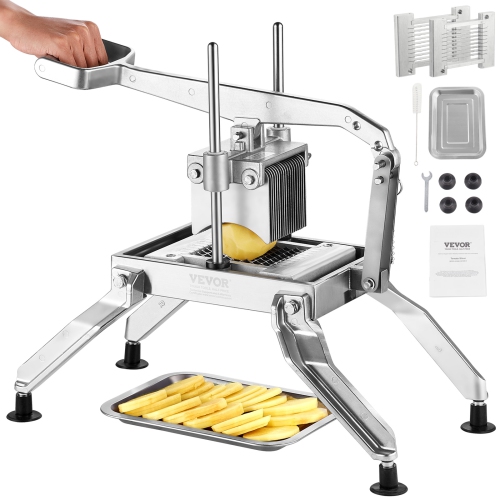
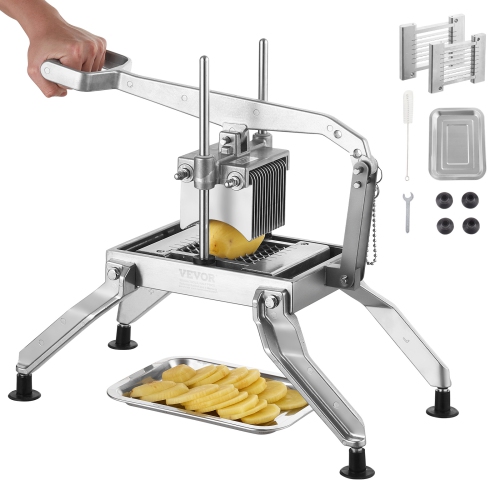
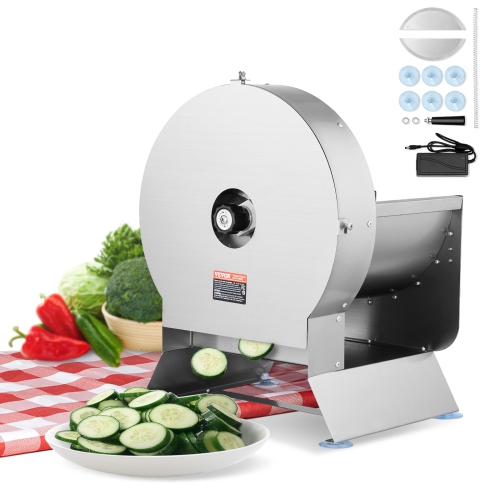
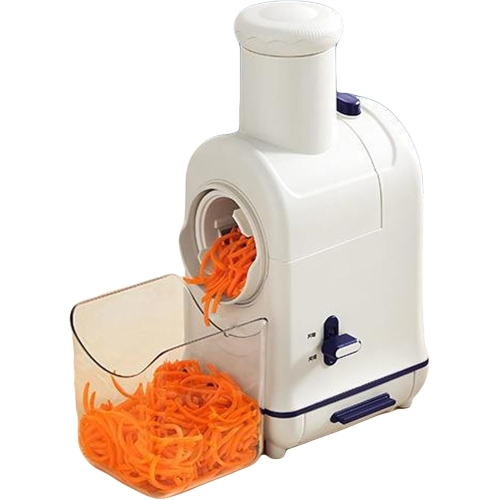
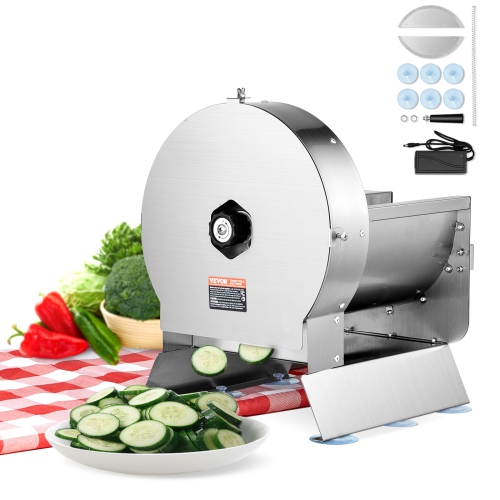
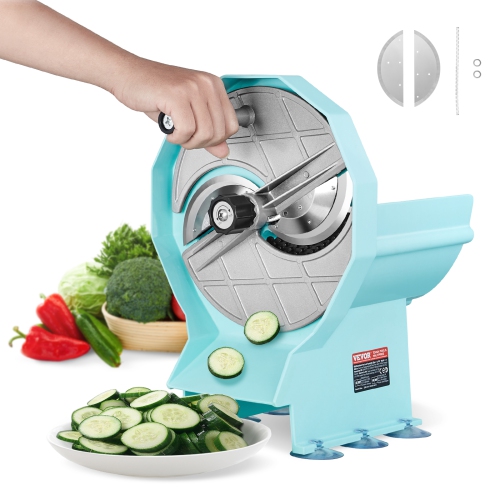
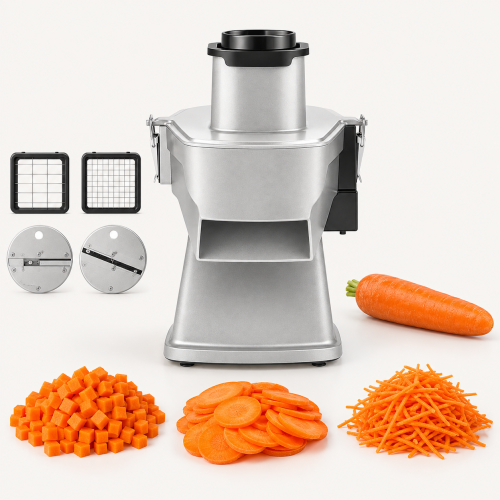
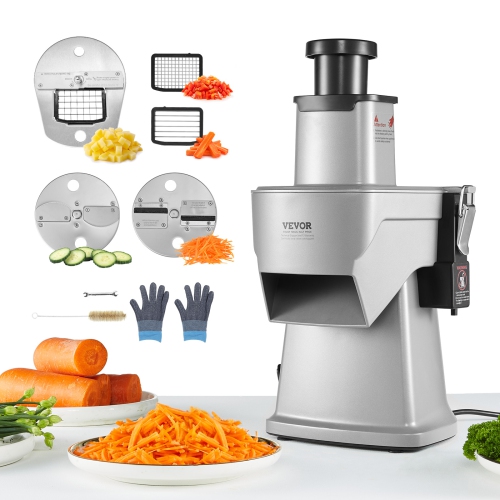





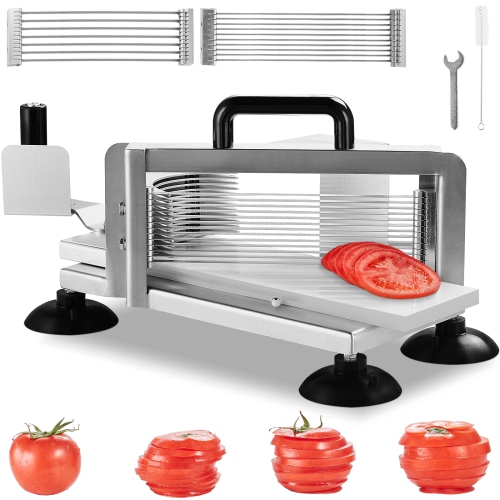

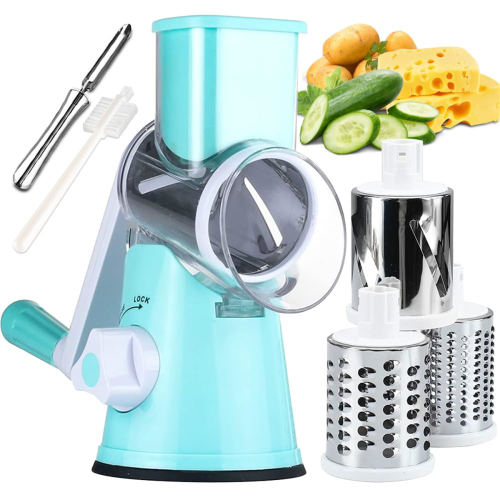

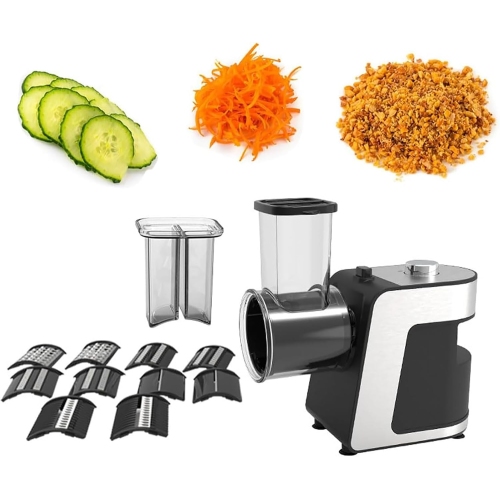


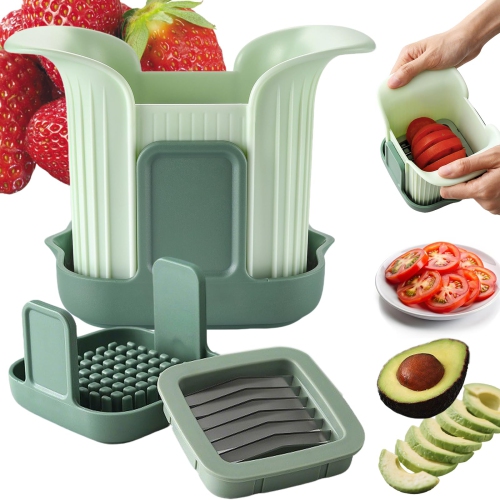
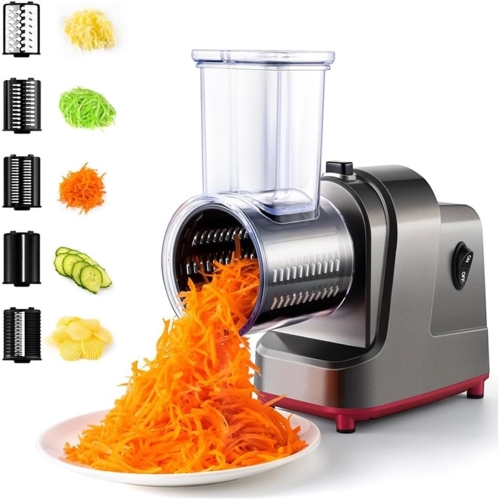
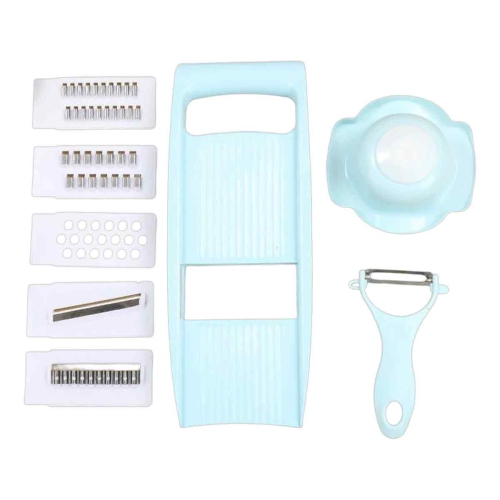

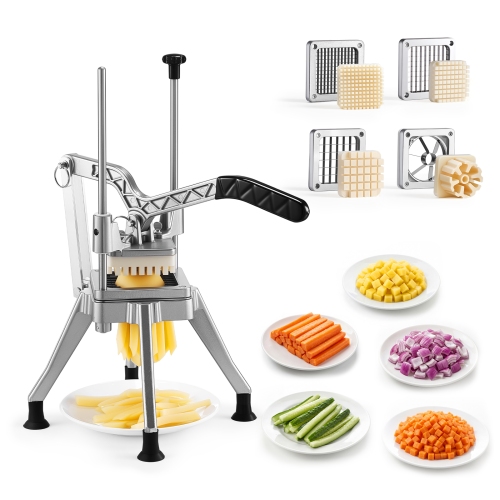
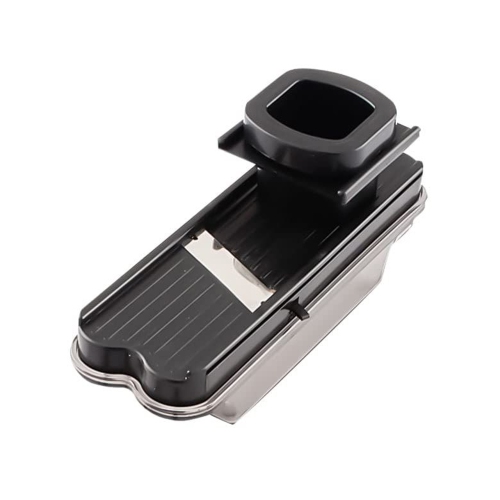
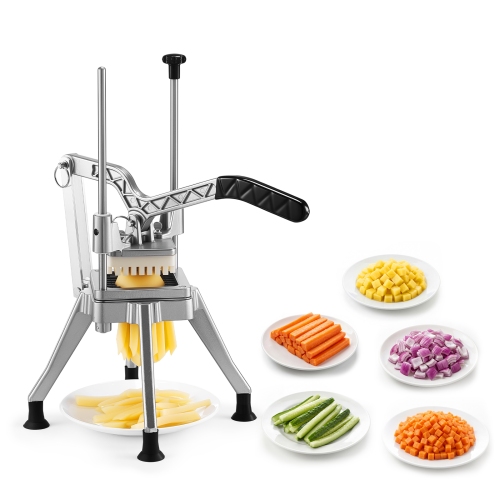
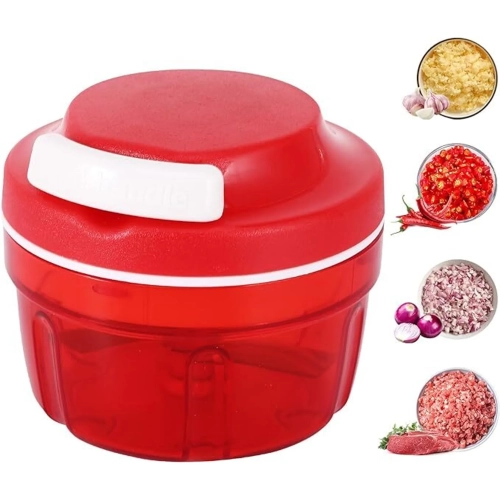
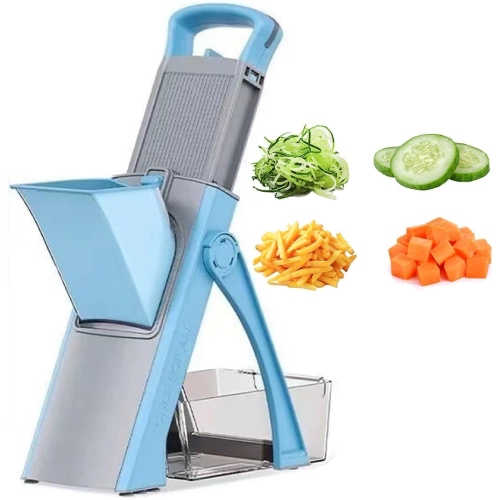
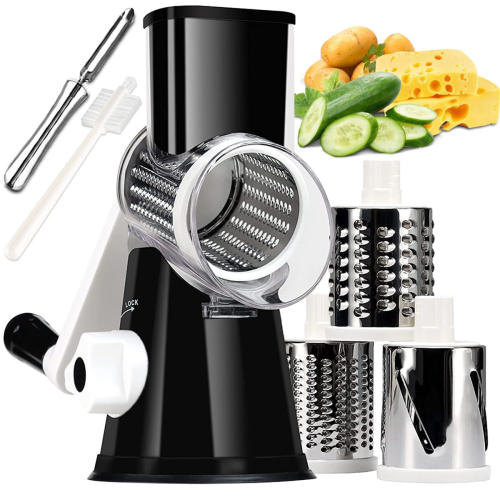
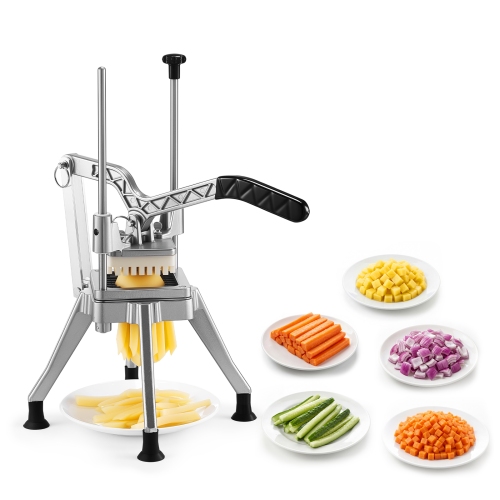
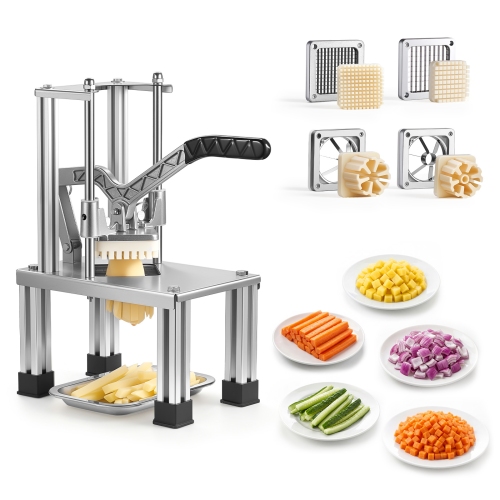

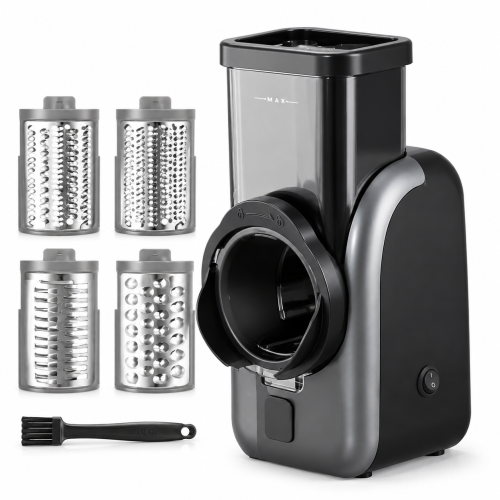
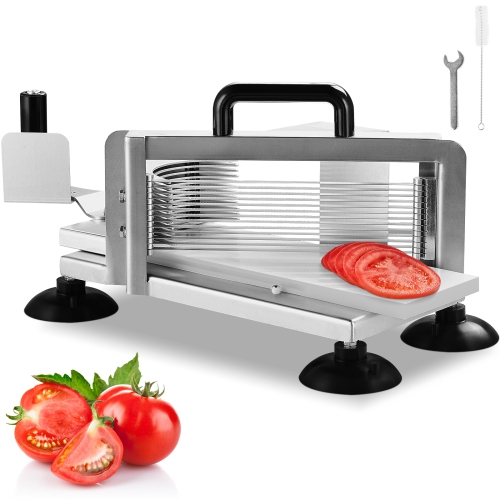

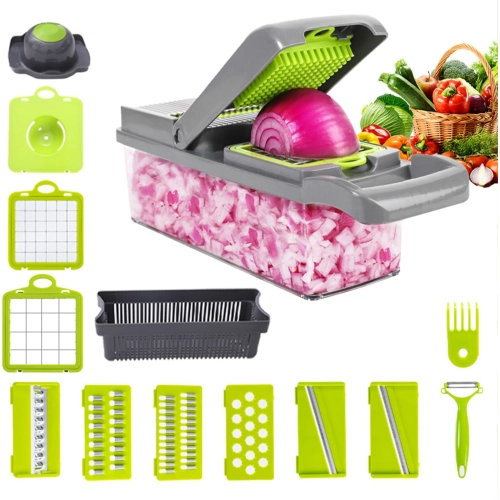
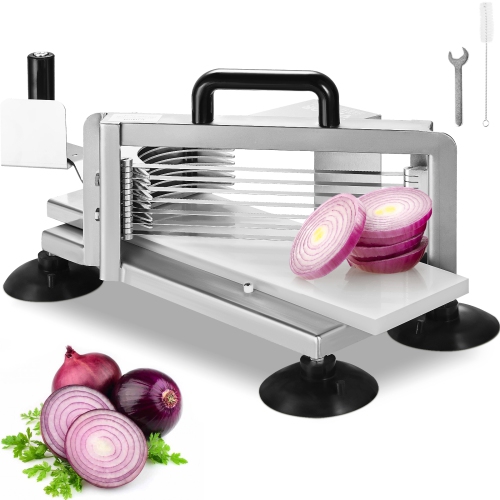
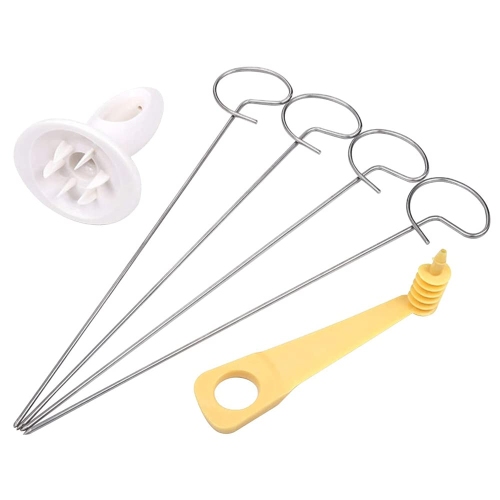
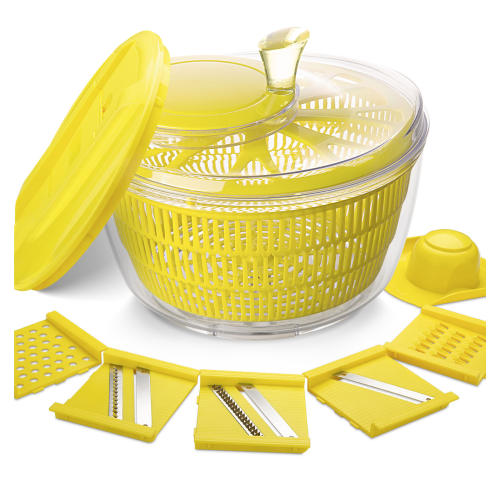

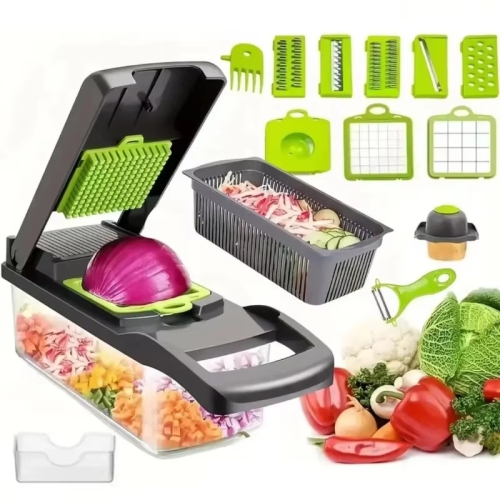
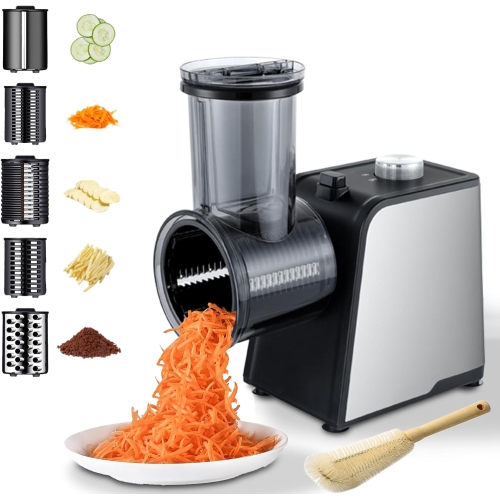



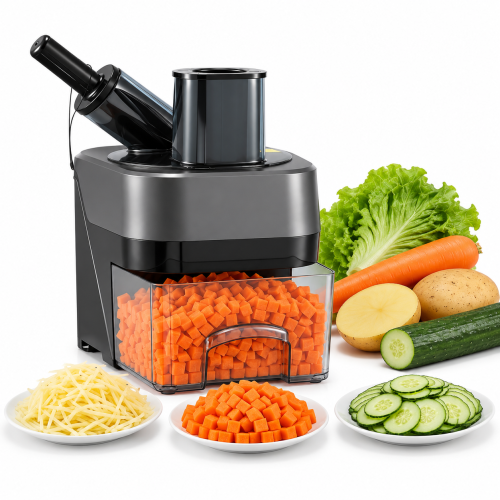


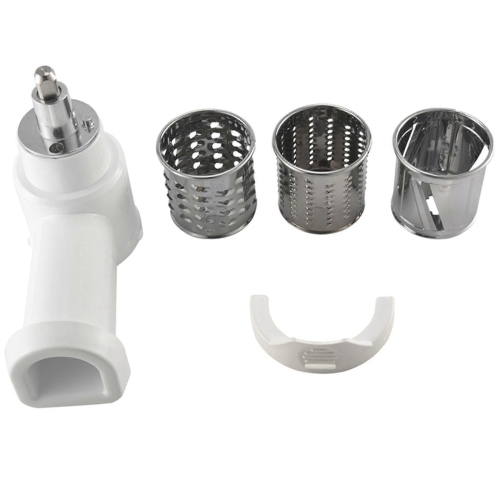
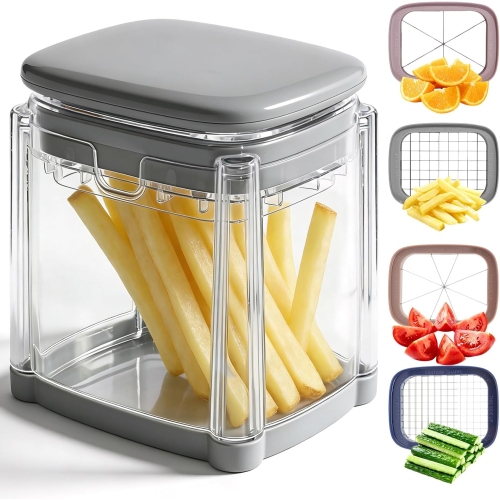

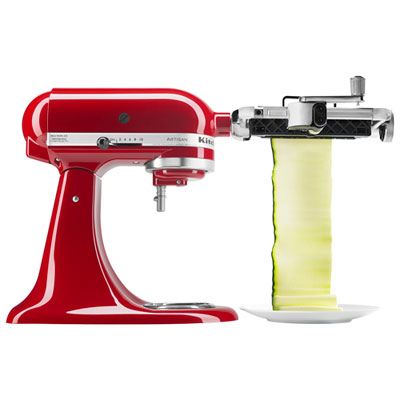
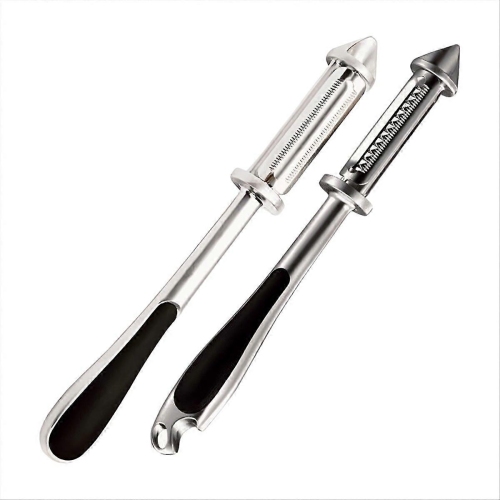
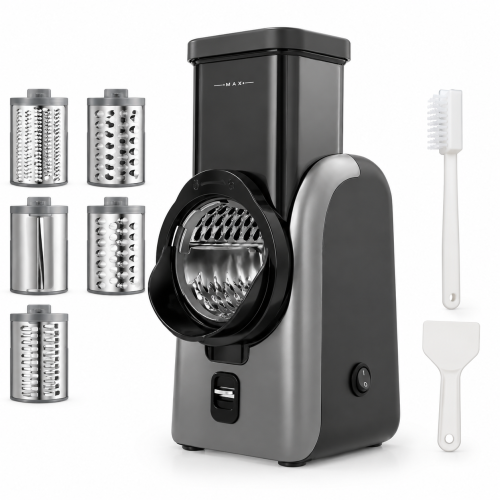


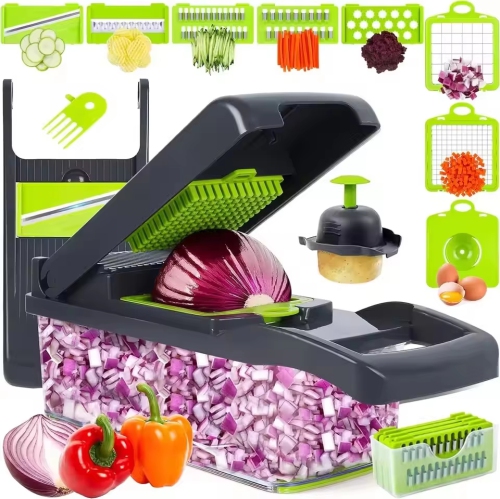

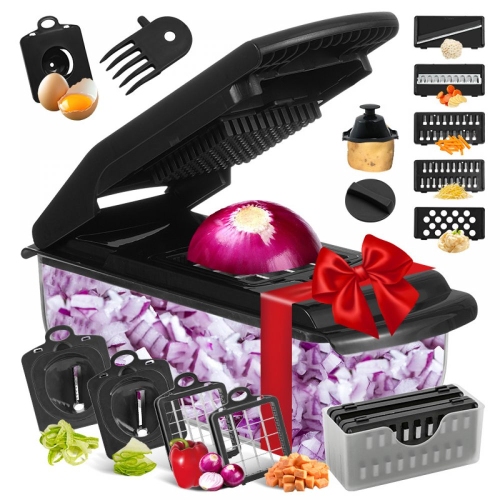
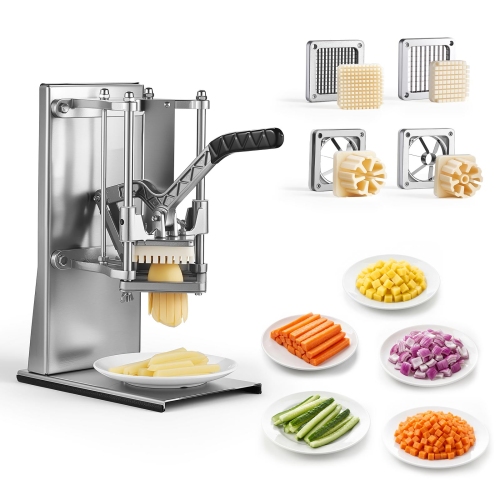
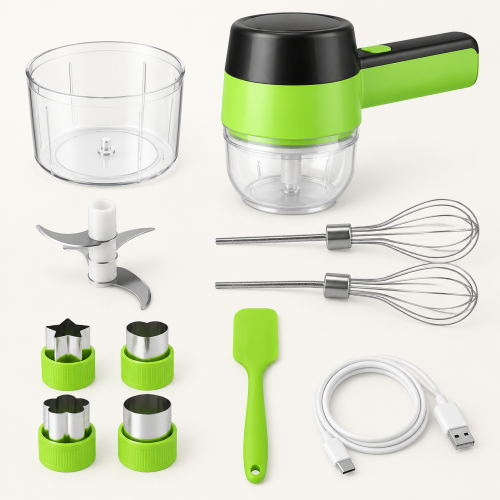
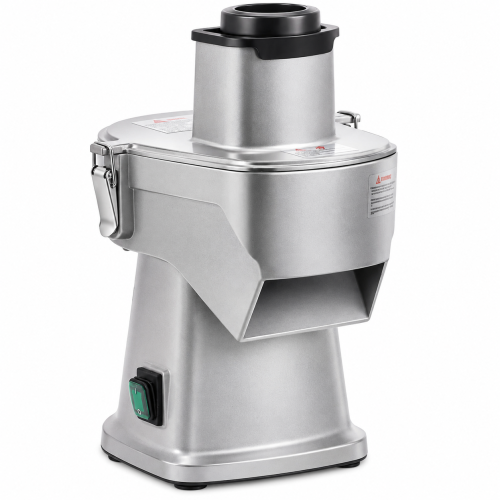
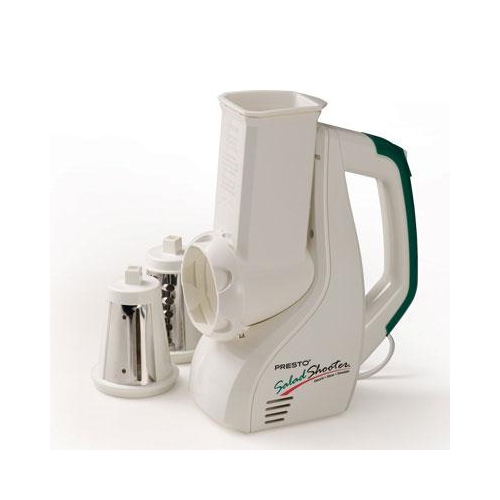
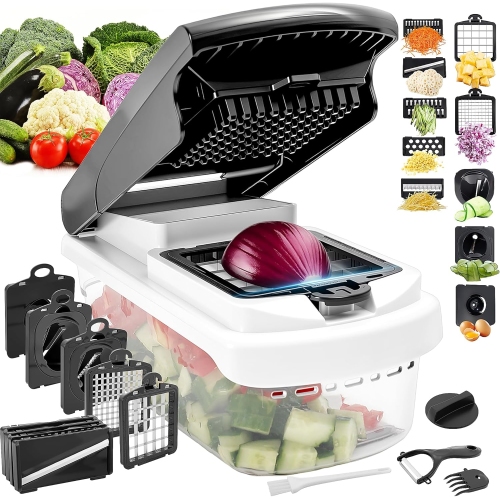

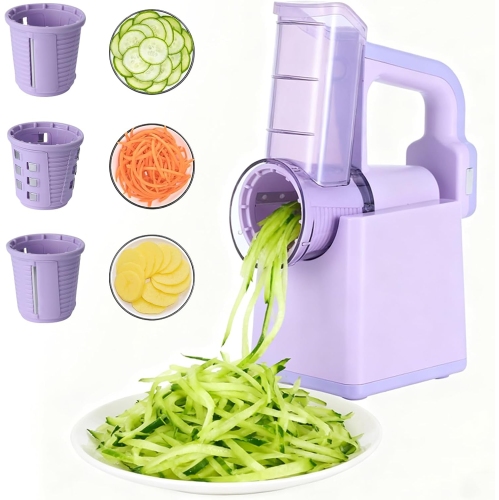
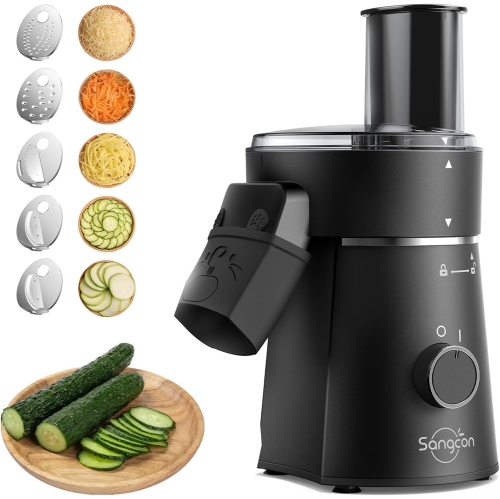
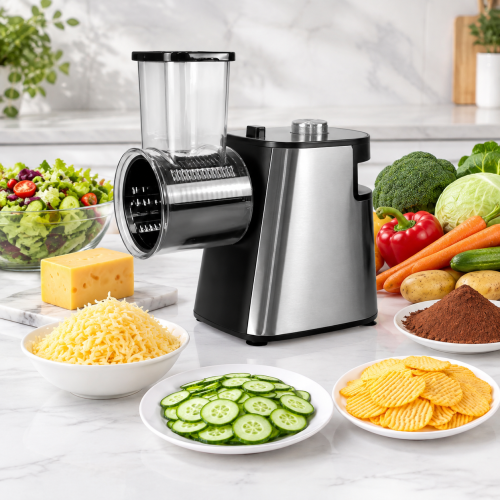
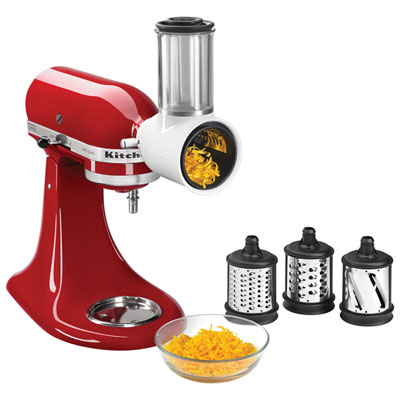
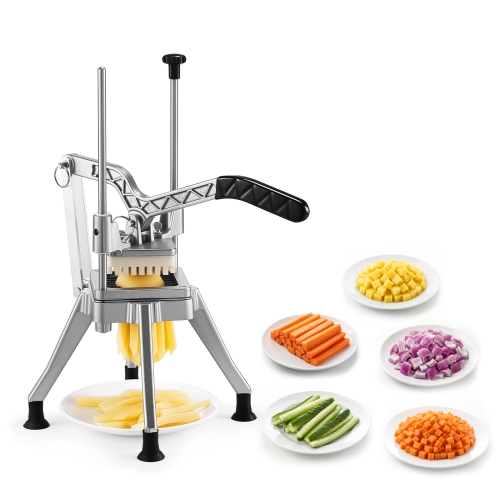

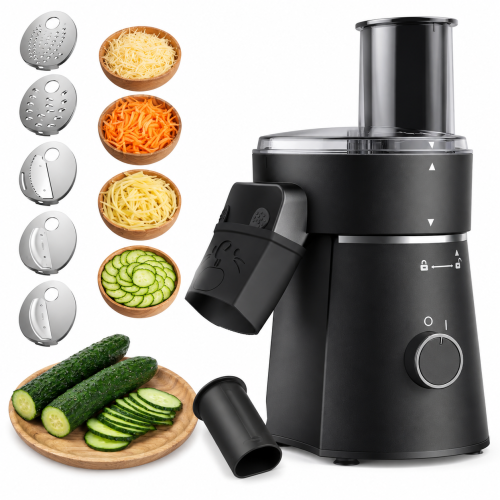
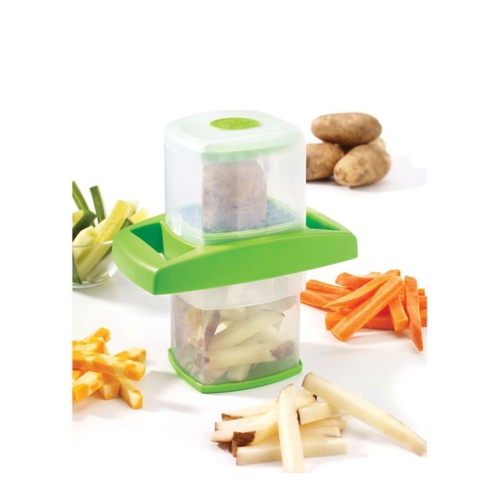
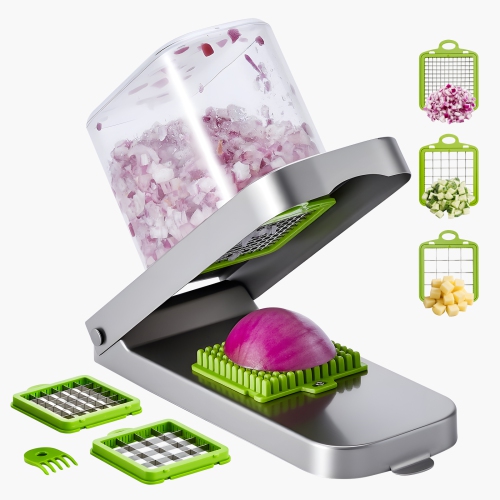
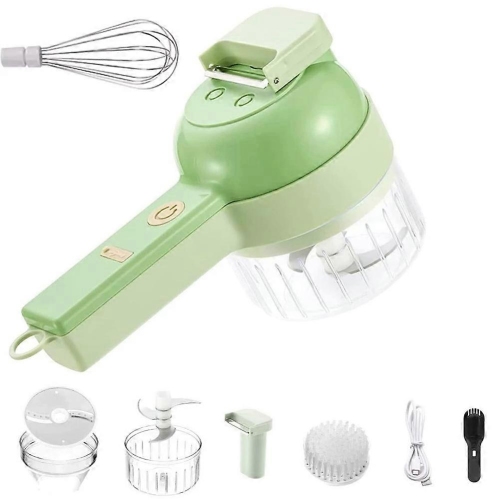
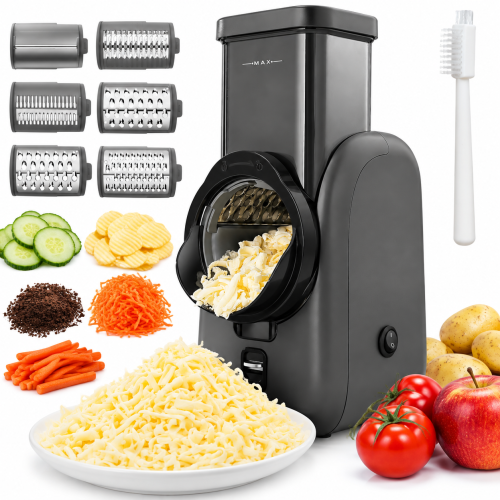


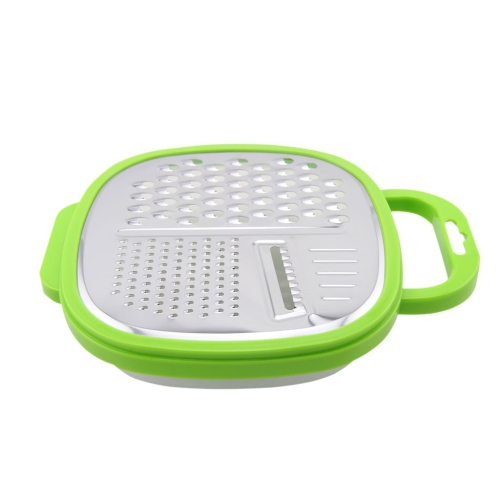

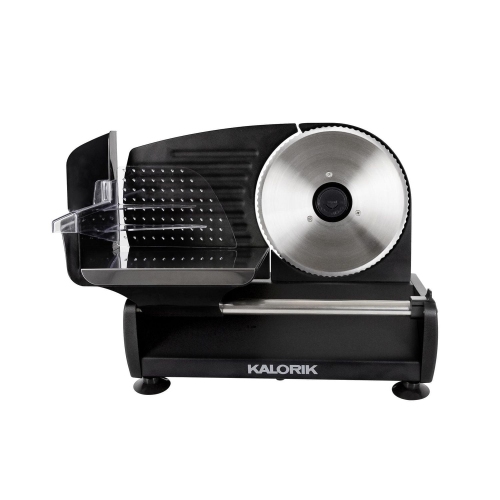
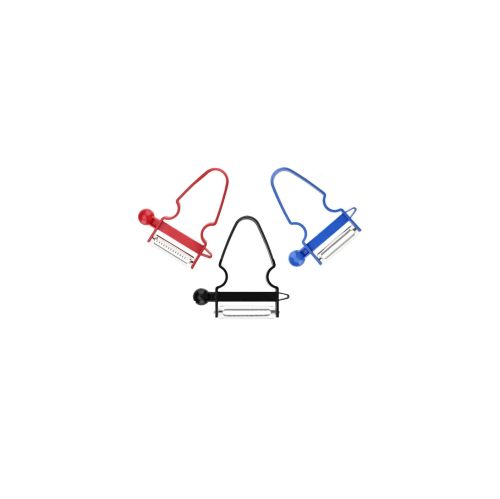
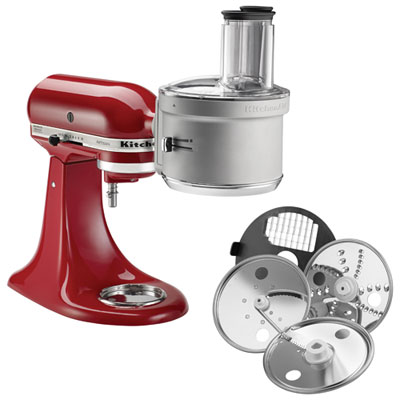



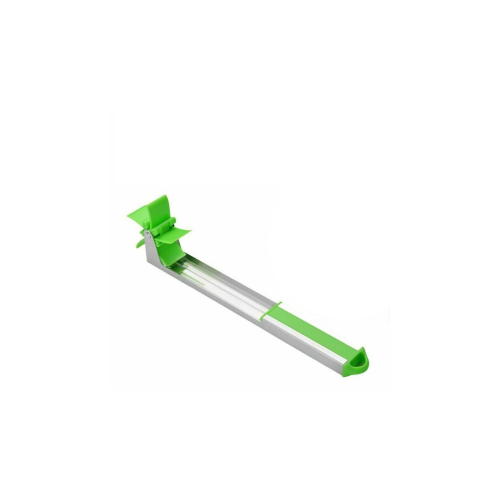
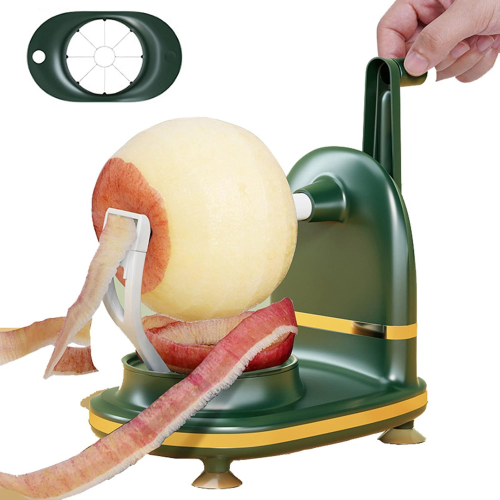
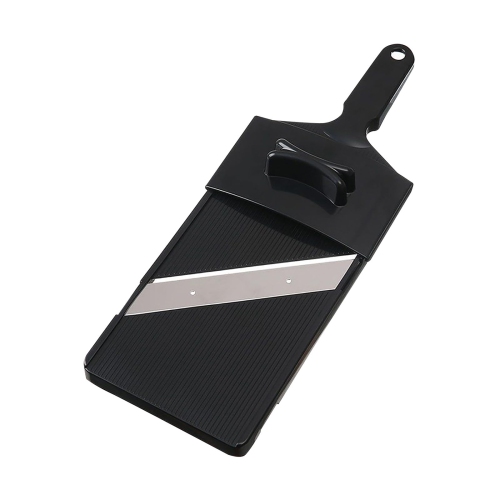
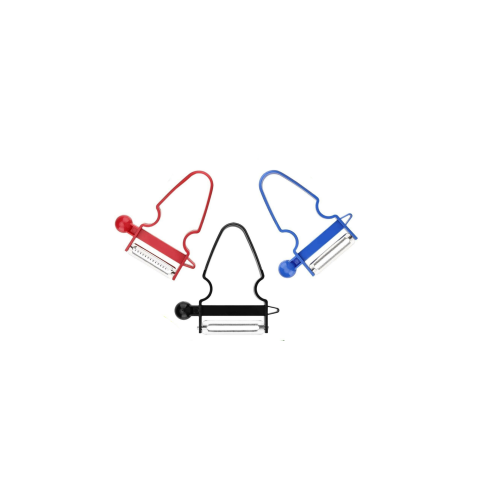
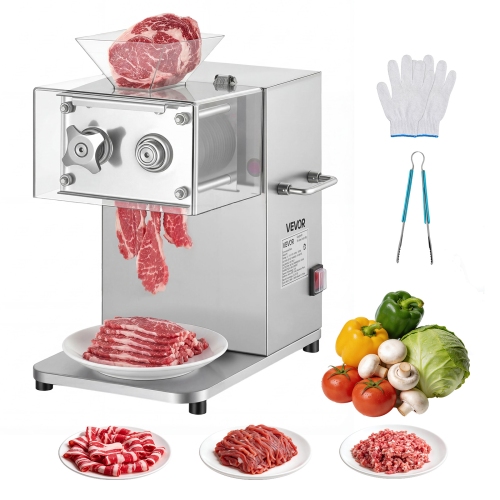
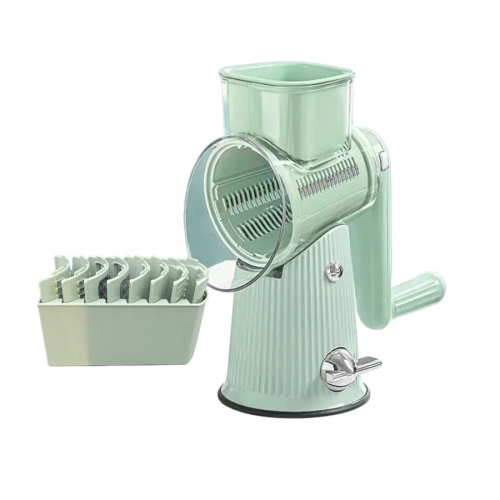
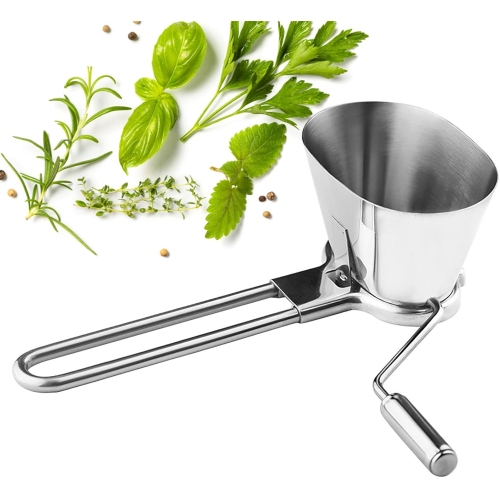
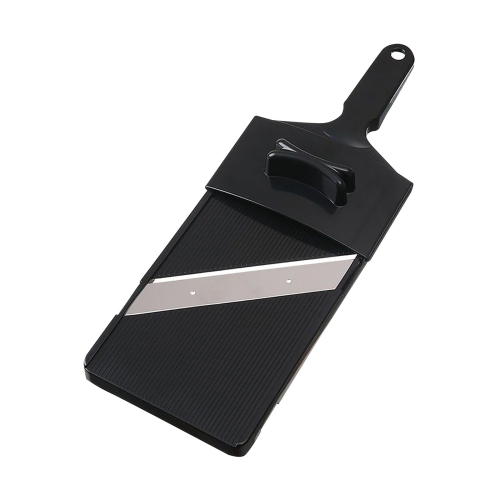

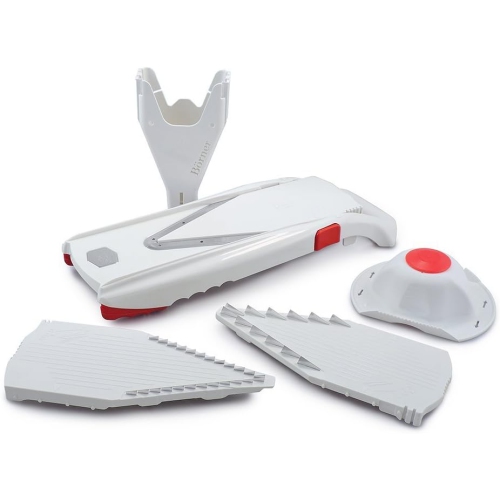
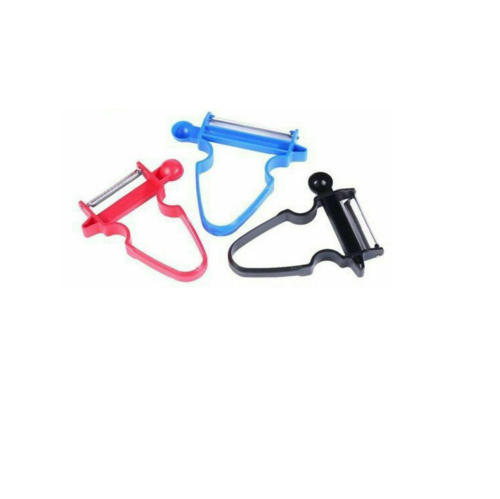
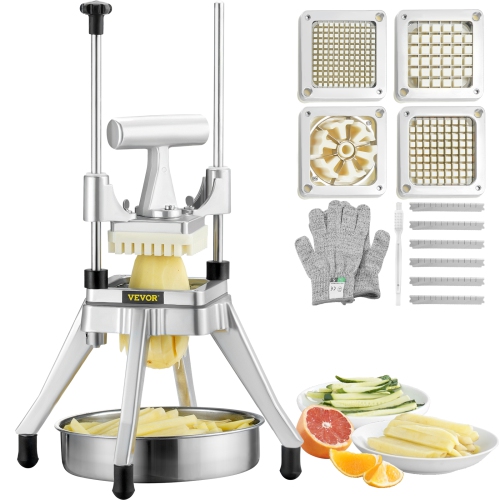

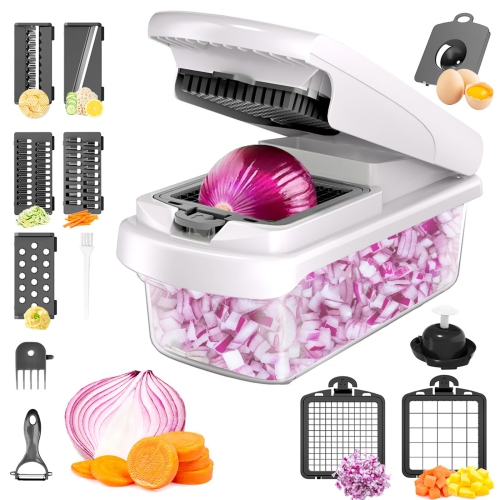
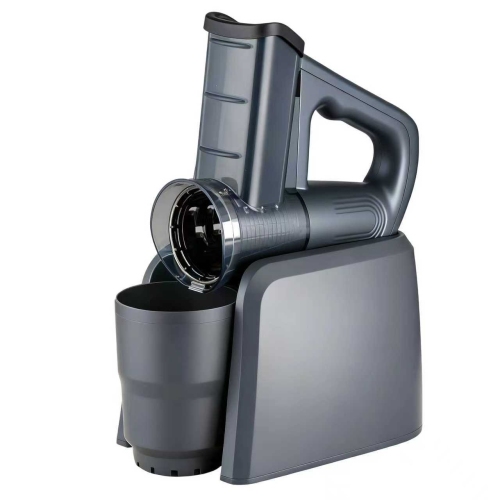

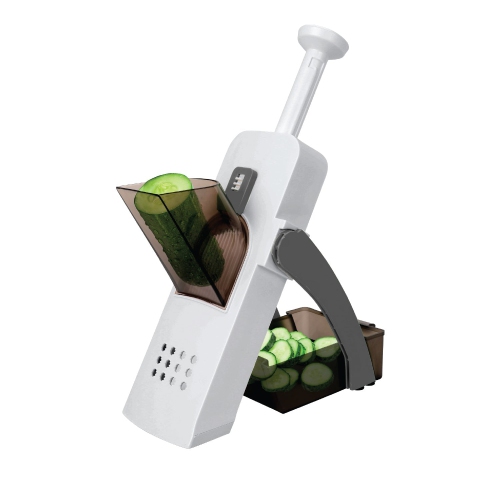
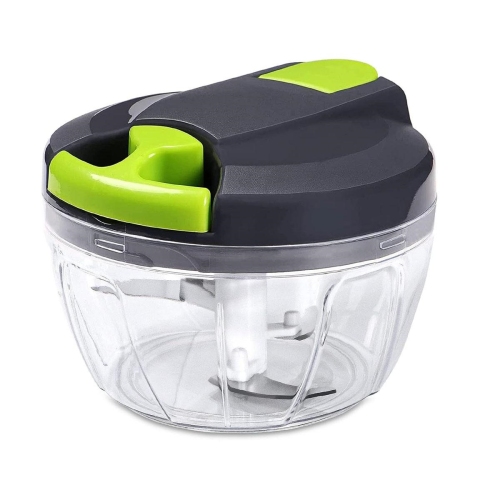


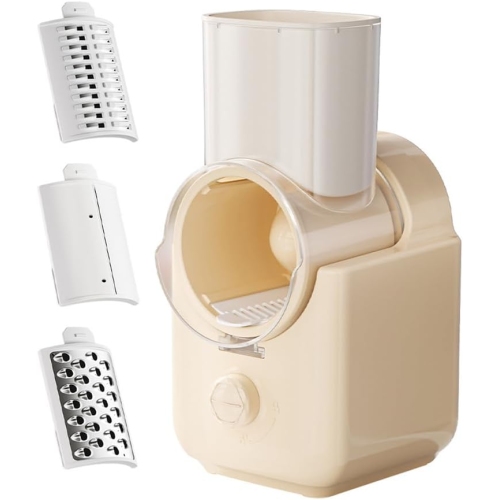


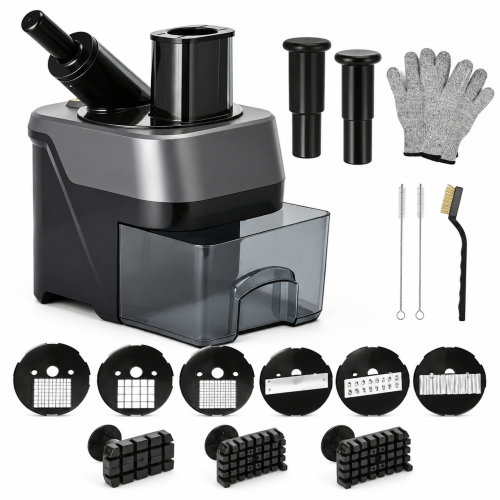
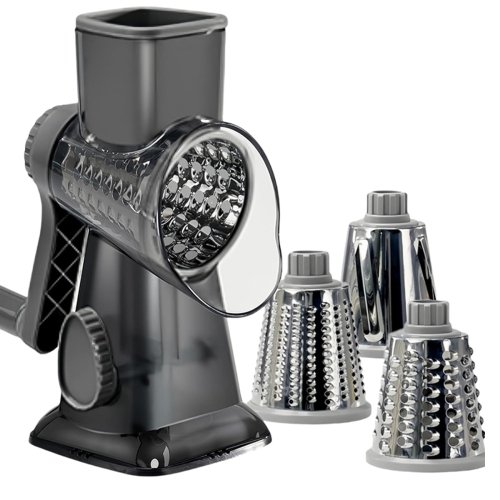



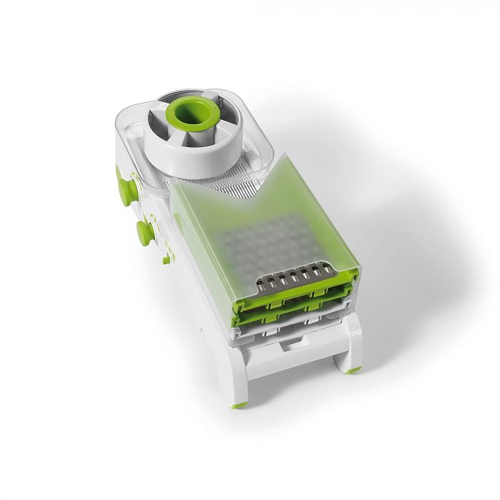

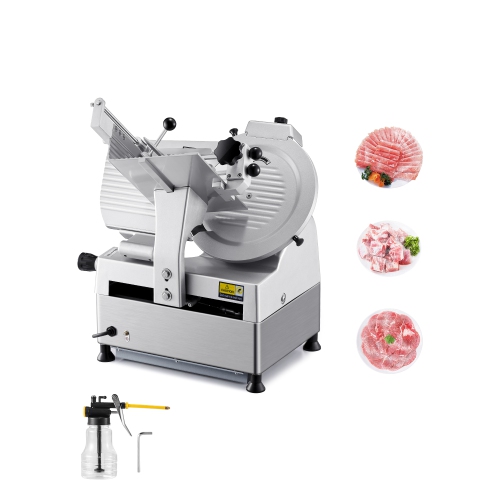
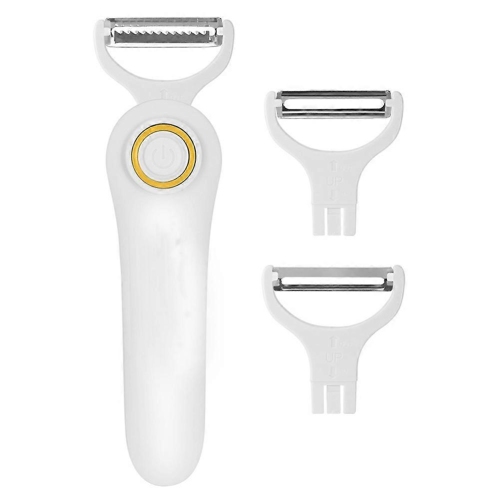

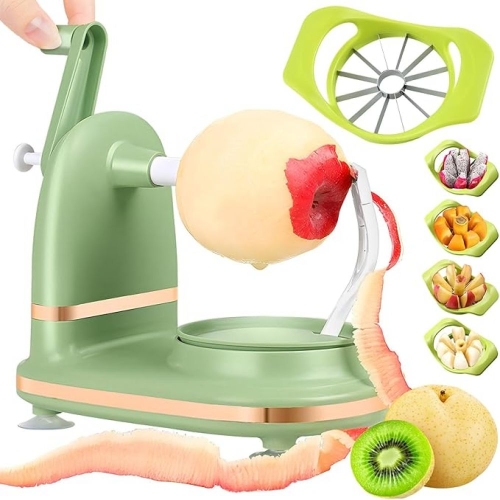

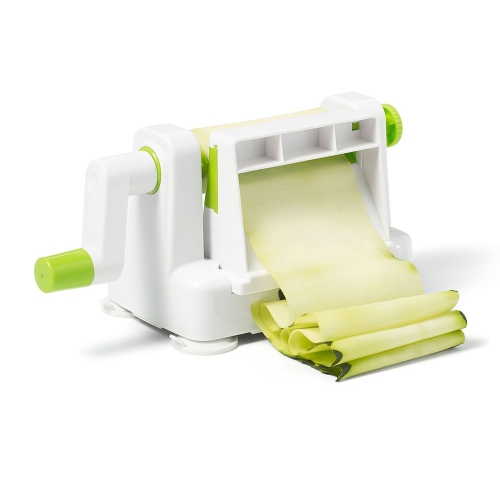
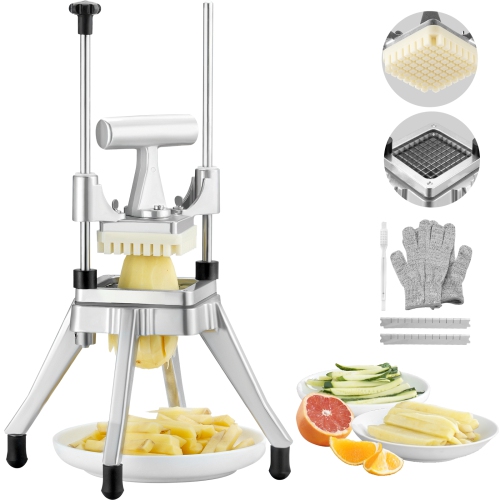
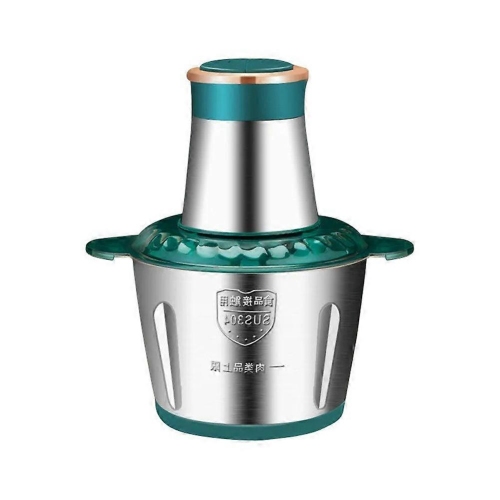
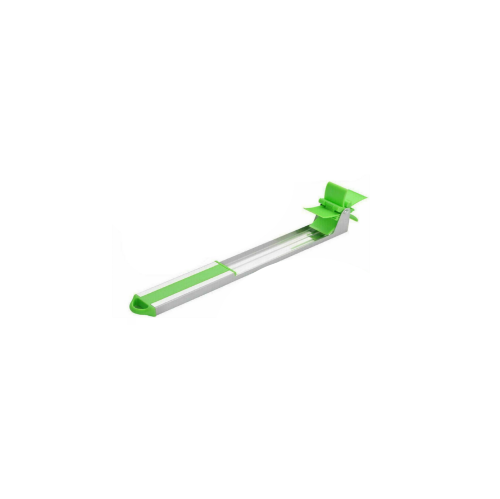
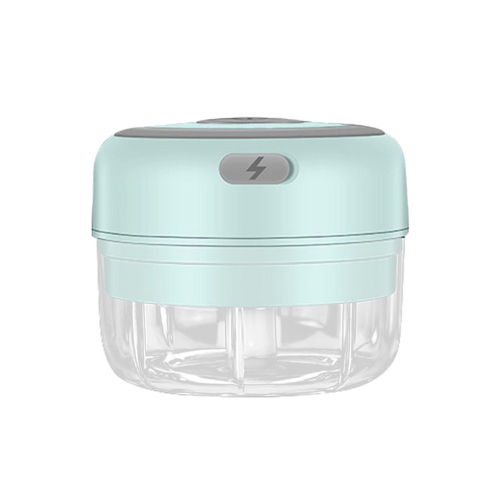
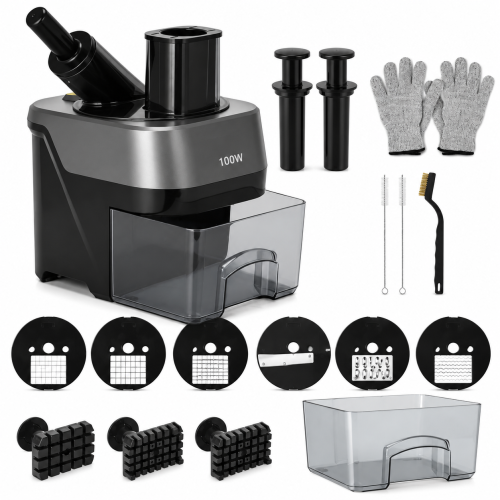
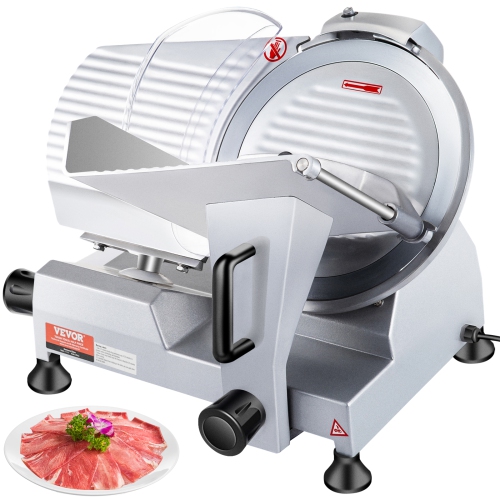

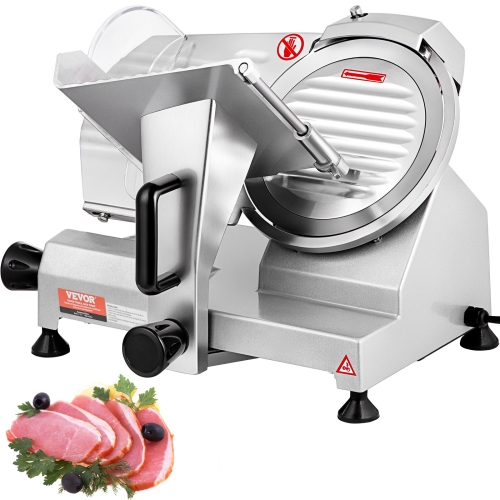
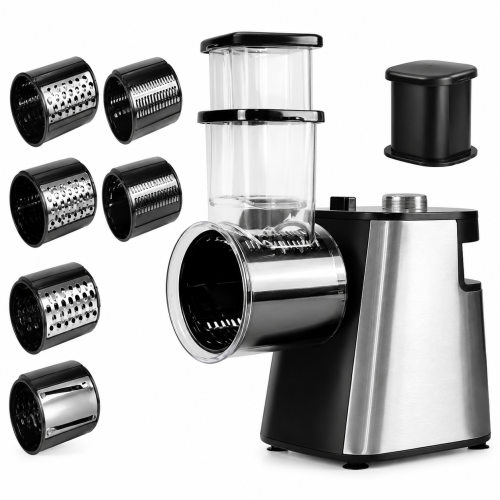
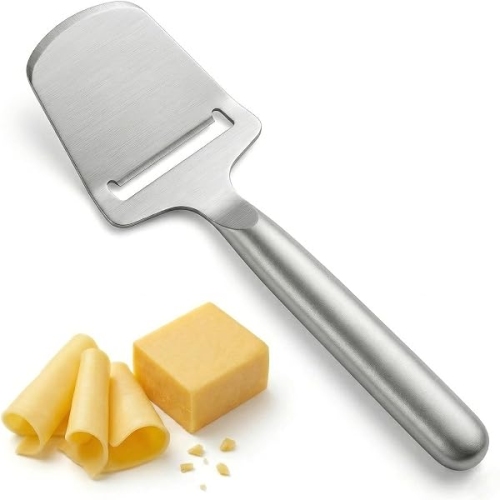
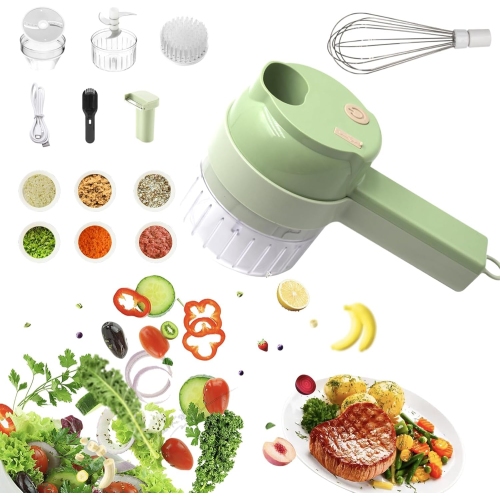
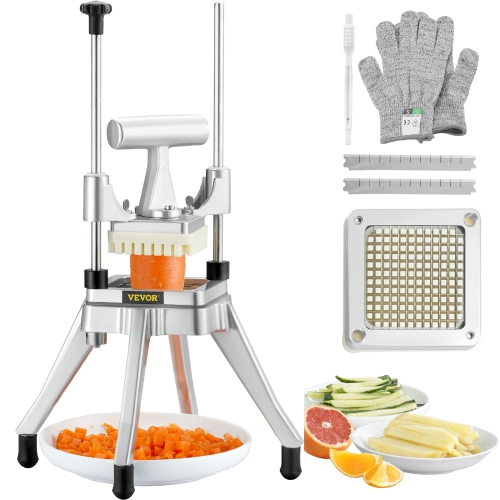

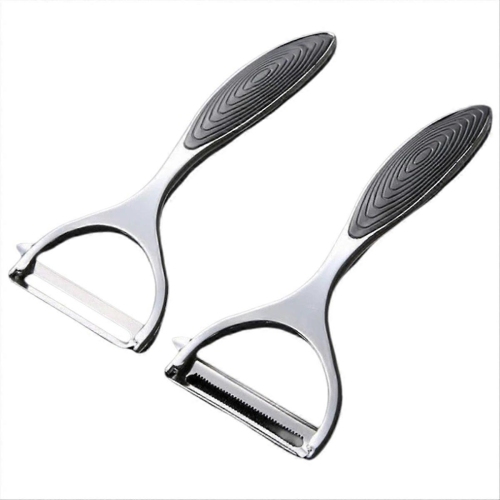
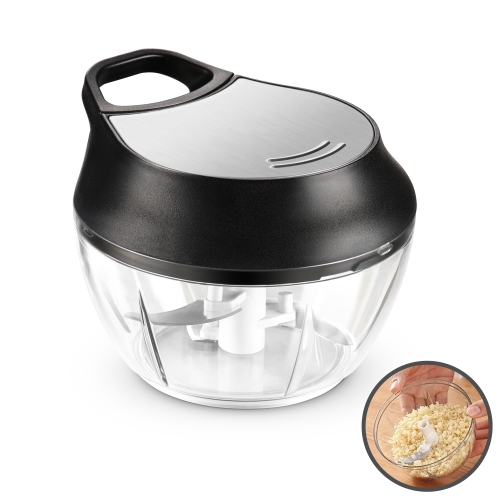
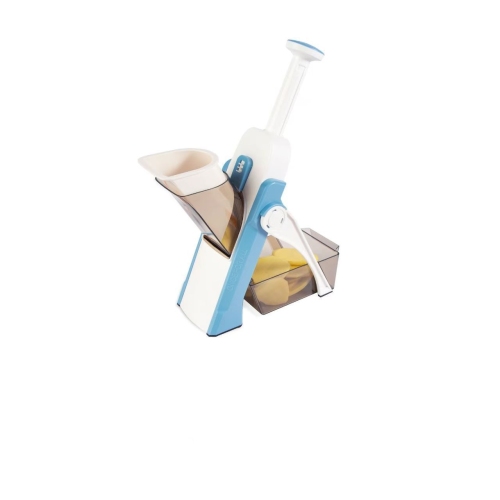
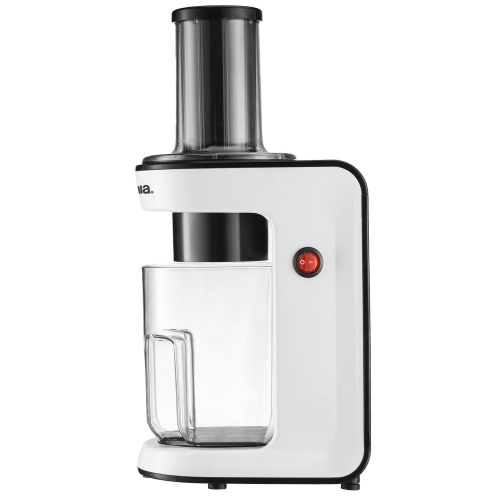


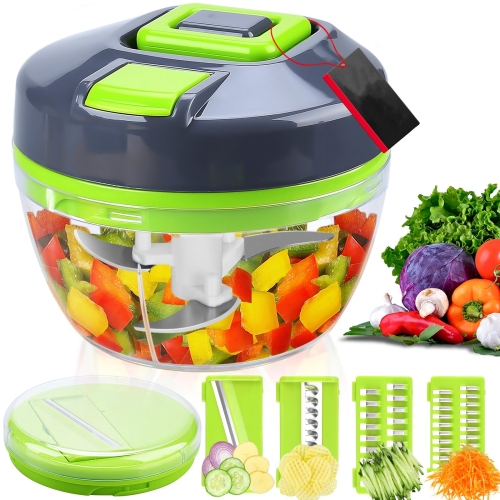
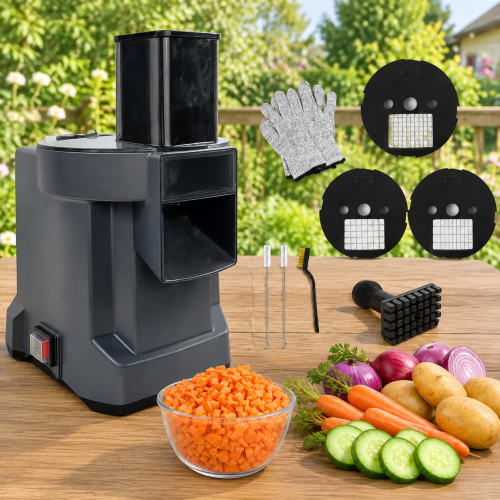


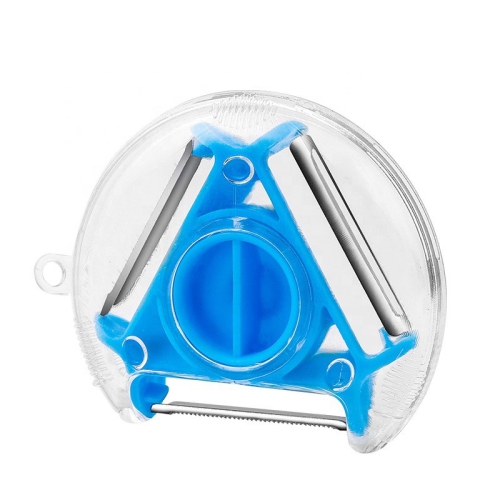

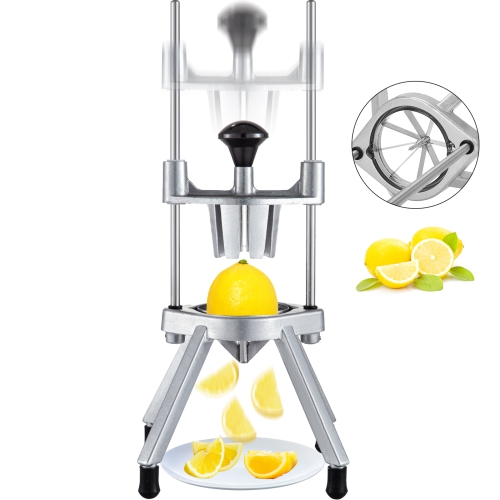

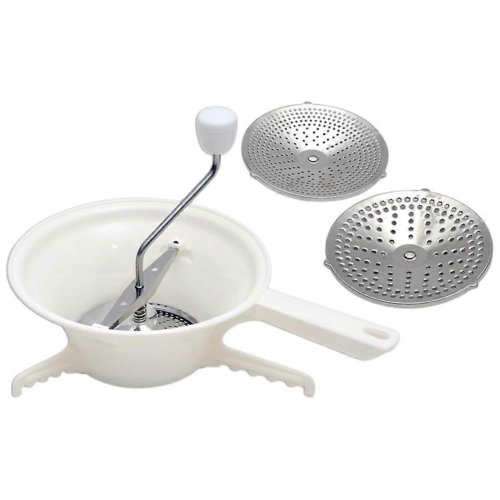
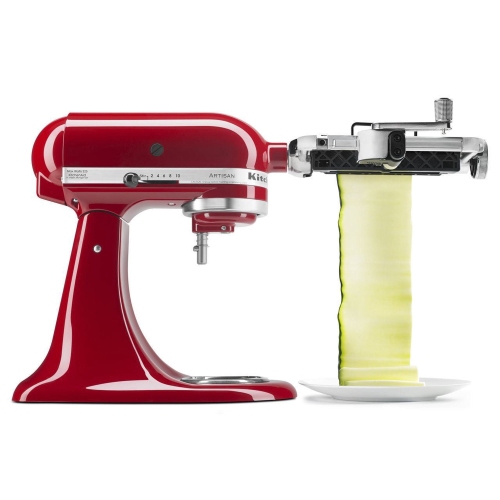
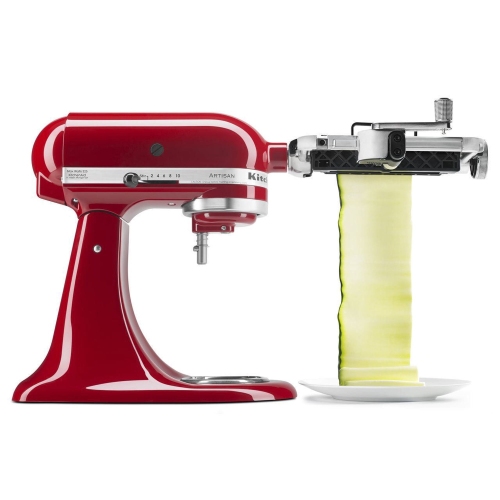
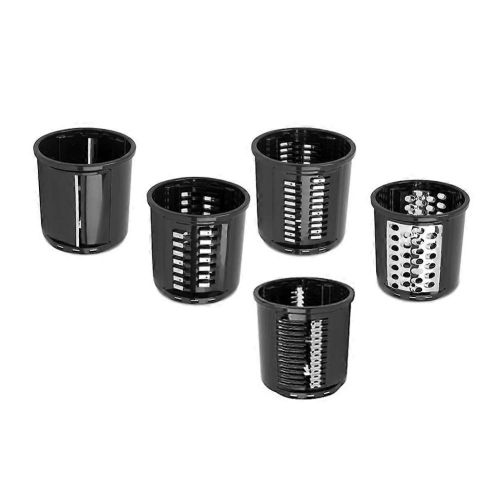
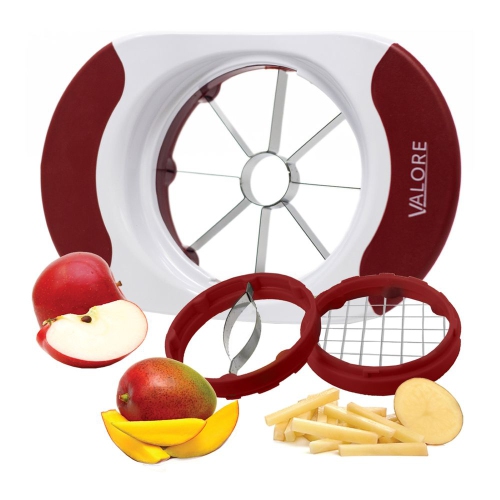
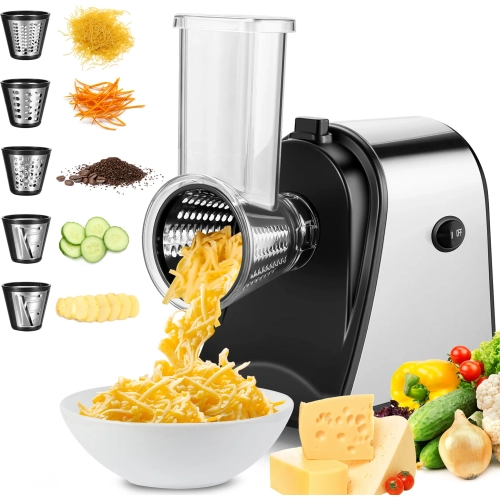
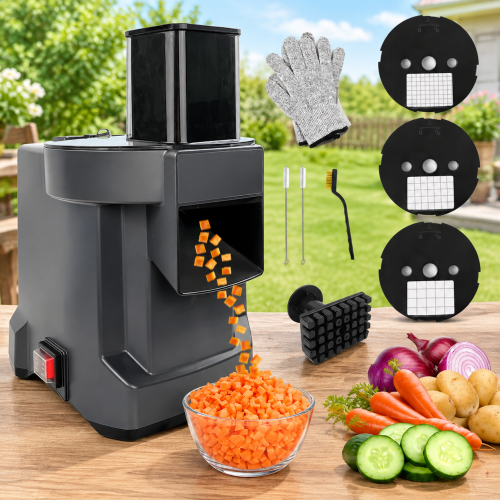
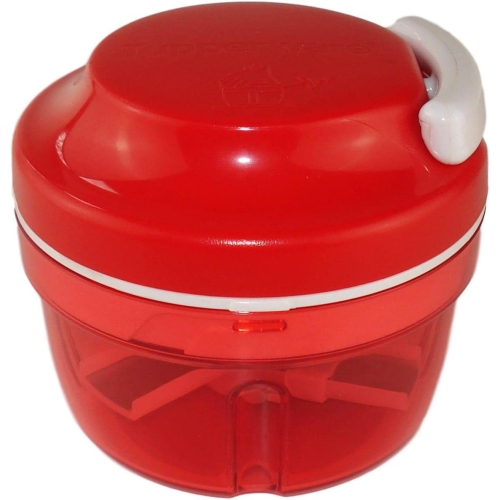
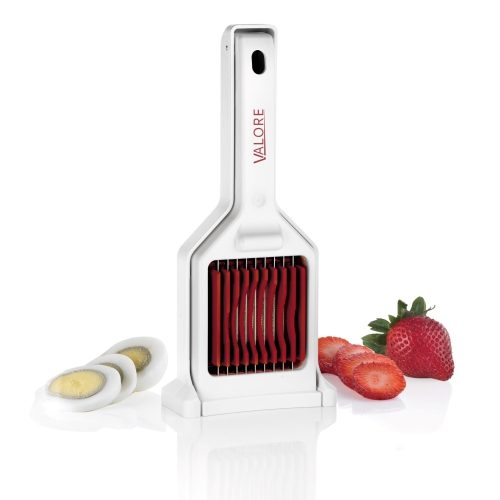
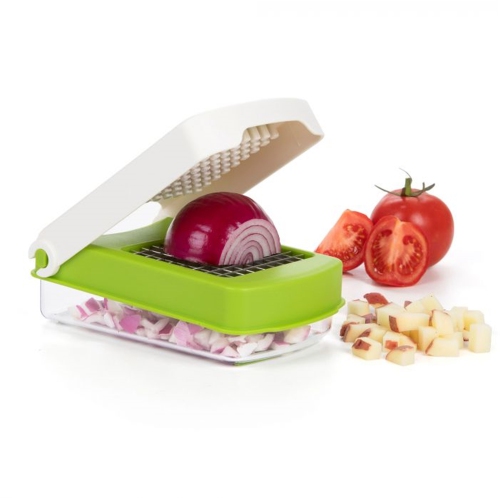



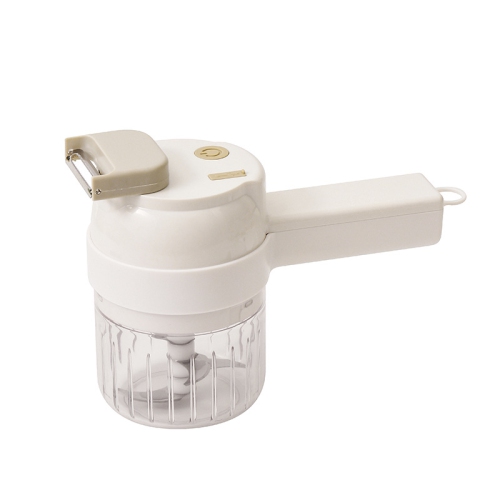
Even vegetable slices with less knife work
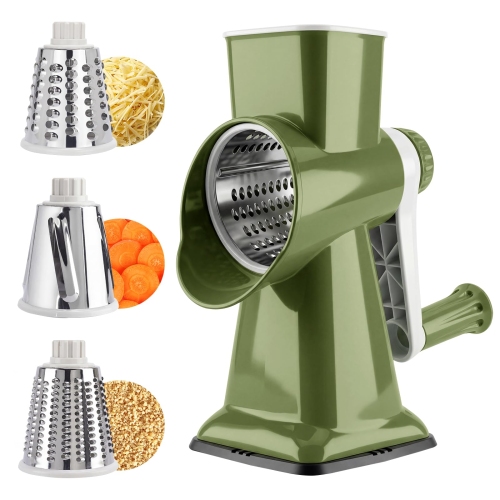
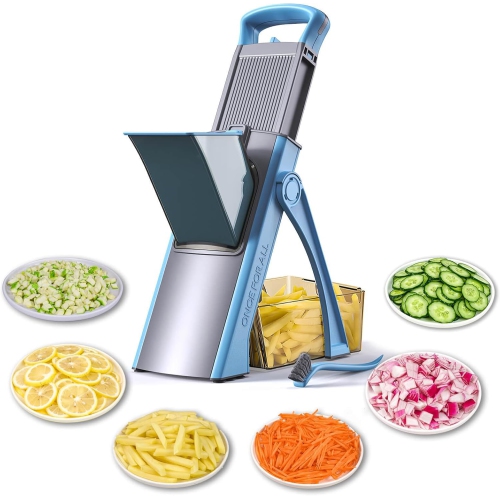
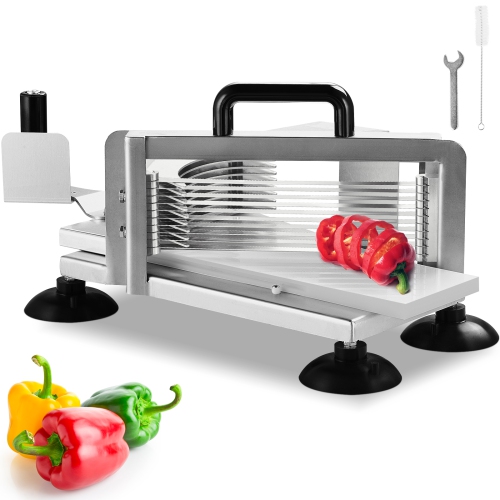
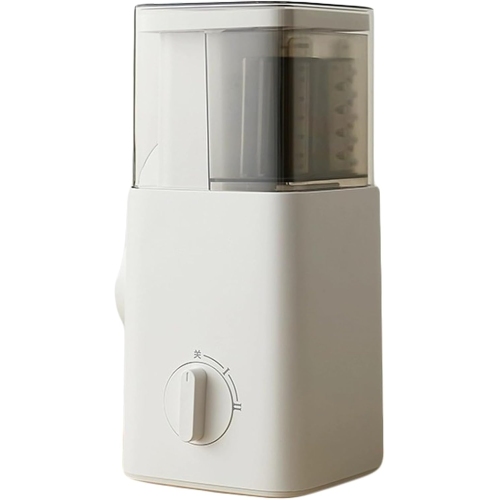
Vegetable slicers are kitchen tools that cut vegetables into consistent pieces, helping with everything from cucumber rounds for sandwiches to thin potato slices for a gratin. Their main purpose is to make repeated cuts more uniform while reducing the amount of knife work involved in everyday food preparation. The category includes handheld slicers, adjustable mandolines, enclosed push-style slicers, rotary designs, and electric vegetable cutters. Each format handles ingredients differently. A handheld slicer can rest across a bowl for a small batch of radishes, while a countertop mandoline provides a supported cutting surface for repeated passes over a blade. Enclosed designs use a food chamber and pusher to keep ingredients contained during cutting. Rotary slicers typically feed vegetables through a hopper towards a turning cutting drum, and electric models use a motor to move a blade or cutting disc. Depending on the design and included attachments, vegetable slicers may produce straight slices, julienne strips, shreds, ribbons, or other shapes. Dicing requires a suitable dicing mechanism rather than a standard slicing blade, so the type of cut matters as much as the tool’s overall format. Thin, even slices work well for layered vegetable dishes, quick-pickled onions, and neatly arranged salad toppings. Thicker slices offer more substance for casseroles, stir-fries, and vegetable platters. Julienne attachments create narrow strips for slaw or noodle-style dishes, while shredding attachments suit cabbage, carrots, and similar ingredients. Consistent thickness also helps pieces of the same vegetable cook at a similar rate, although different vegetables still have different cooking requirements. Within the wider family of Food Slicers, vegetable-focused tools are especially relevant to home cooks who regularly prepare fresh produce. Their usefulness comes from matching the cutting action to the ingredients and quantities involved, whether that means a few slices for lunch or a larger batch for several meals.
Blade material, body construction, and the way a slicer fits into the kitchen all influence its everyday usefulness. Stainless steel is common for blades because it offers a practical combination of sharpness, strength, and resistance to corrosion, though blade quality and care still affect long-term performance. Some slicers use ceramic blades, which resist corrosion but can chip if struck or used outside their intended purpose. Plastic bodies can keep handheld tools light and easy to move, while metal frames may provide a more substantial feel on the counter. Neither material alone determines durability: secure blade fittings, a rigid cutting platform, and sturdy adjustment controls are important details. Adjustable thickness settings allow one tool to handle delicate cucumber slices and more substantial potato rounds, while fixed-thickness designs offer a simpler format for a narrower range of tasks. Interchangeable blades add variety, but they also need protected storage and careful handling. For a small kitchen, a slim slicer that fits in a drawer may be more practical than a larger appliance with several attachments. A foldable stand can reduce storage space, provided it locks securely during use. Bowl notches, non-slip feet, and comfortable handles help a tool stay supported, but compatibility depends on the size and shape of the bowl or work surface. Feed openings matter too: a narrow chute may require a large potato or cucumber to be cut into smaller sections before slicing. Collection containers can keep cut vegetables together and help contain moisture, although their capacity needs to suit the batch size. Electric models add considerations such as counter space, access to an outlet, motor noise, and the number of components that need washing. A household preparing a small side salad has different needs from one regularly slicing vegetables for several packed lunches. Grip strength, hand comfort, and the effort required to move firm ingredients are also worth considering, particularly for anyone who finds repeated knife work tiring.
Care and safe handling are central to keeping a vegetable slicer useful over time. Exposed blades remain sharp during use, cleaning, and storage, and a food holder or pusher is an important part of the tool rather than an optional accessory. A well-designed holder grips the ingredient securely while keeping fingers away from the cutting edge. Cut-resistant gloves can offer added protection where appropriate, but they do not replace the supplied guard or the manufacturer’s operating directions. Short pieces and irregularly shaped vegetables can be harder to hold securely, so a slicer’s ability to grip the remaining portion matters. Suitability also varies by ingredient: a firm carrot, a slippery tomato, and a leafy piece of cabbage behave differently against a blade. Not every vegetable slicer is intended for very hard produce, frozen ingredients, pits, or seeds, and forcing an unsuitable ingredient can damage the tool or cause it to slip. Cleaning requirements differ between models and components. Some parts may be dishwasher-safe, while others require handwashing; blade assemblies, electric housings, and removable containers should not be assumed to share the same care instructions. Small crevices around blade mounts and cutting grids can trap fibres, making accessible parts and a suitable cleaning brush useful features. Electric slicers need to be disconnected from power before removable cutting parts are handled, and motor housings require the cleaning method specified by the manufacturer. Thorough drying helps protect metal components, while a blade cover or dedicated storage compartment keeps sharp edges separated from other utensils. These practical details can make the difference between a tool used frequently and one left at the back of a cupboard. Vegetable slicers can also be thoughtful gifts for someone setting up a kitchen, an enthusiastic home cook, or a person who enjoys making salads, slaws, and vegetable-based dishes from scratch. The most suitable format reflects the recipient’s cooking habits, available storage, and comfort with sharp kitchen equipment. For regular use, straightforward assembly, dependable support, and manageable cleaning are often just as valuable as a wide selection of cutting attachments.
Top selling and popular products
-
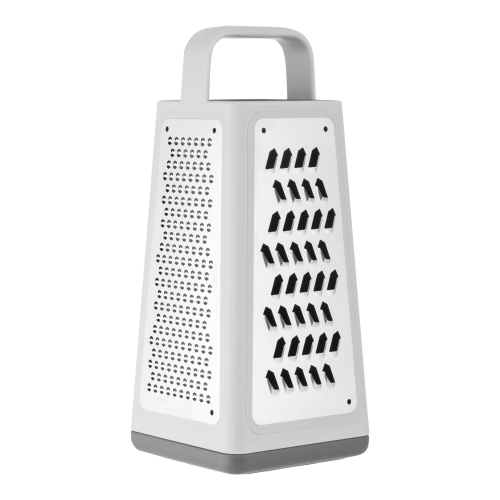 Your price for this item is $49.99
-
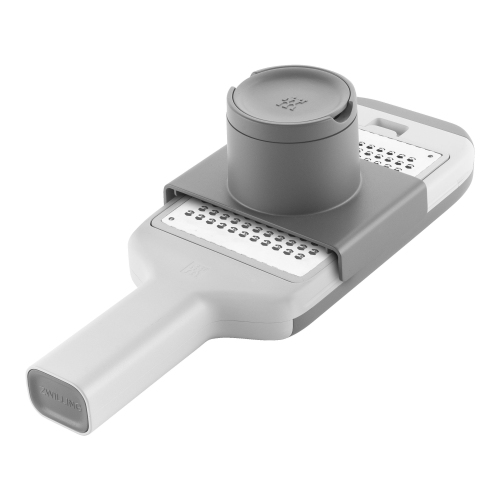 Your price for this item is $49.99
-
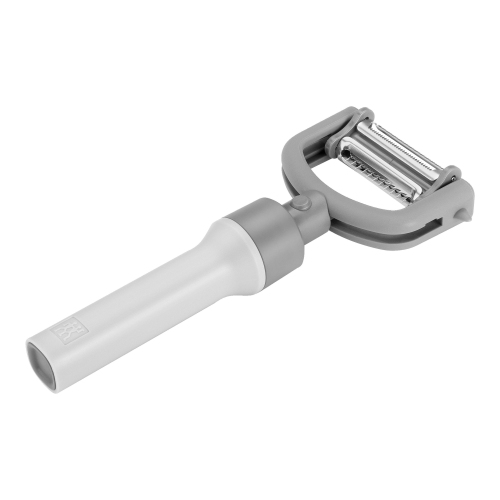 Your price for this item is $24.99
-
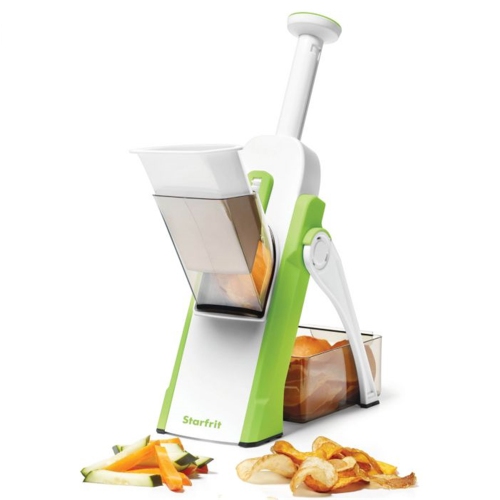 Your price for this item is $44.97
-
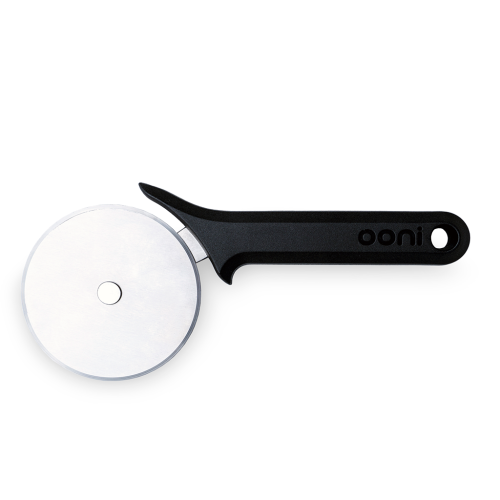 Your price for this item is $18.99
-
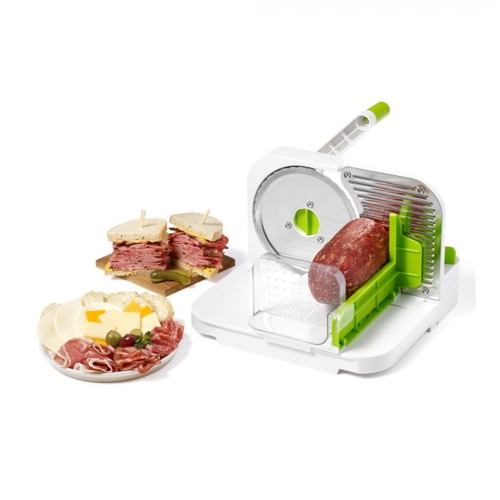 Your price for this item is $48.97
-
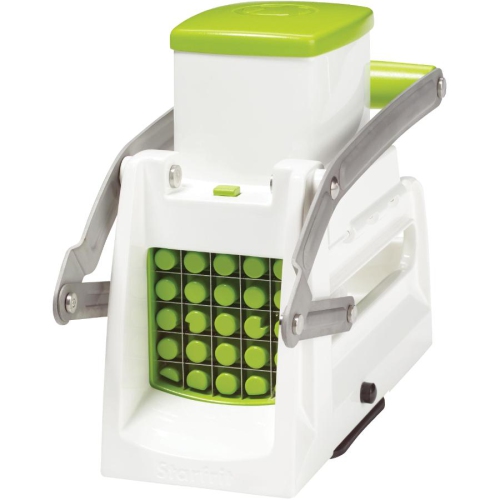 Your price for this item is $29.99
-
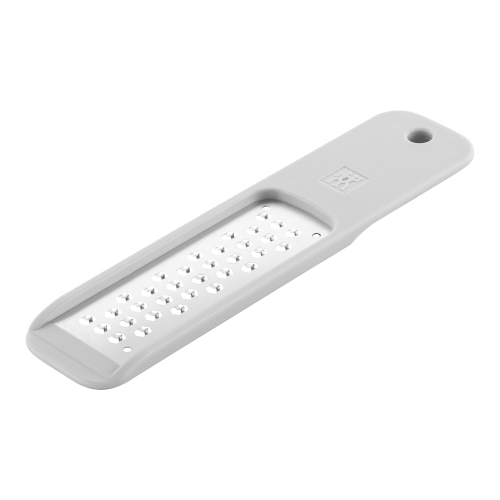 Your price for this item is $9.99
Discover more categories related to Vegetable Slicers

Top Collections:
Pokemon Centers, Best Cameras for Sports Photography, Kindle Devices, Samsung Galaxy Phones, Canon G7X Cameras, Pokémon 30th Celebration Cards, Refurbished Apple Laptops, iPhone 15 Apple, Laptops for Students, Budget Smartphones
Some products may be subject to Environmental Handling Fees
(EHF) depending on your province.
Learn more about EHFs.