Cool Kitchen Gadgets
Kitchen gadgets are a great way to add function and fun to your kitchen. They can help you make dinner more enjoyable or help you get things done more efficiently. Here are some of the best options available.
Sort
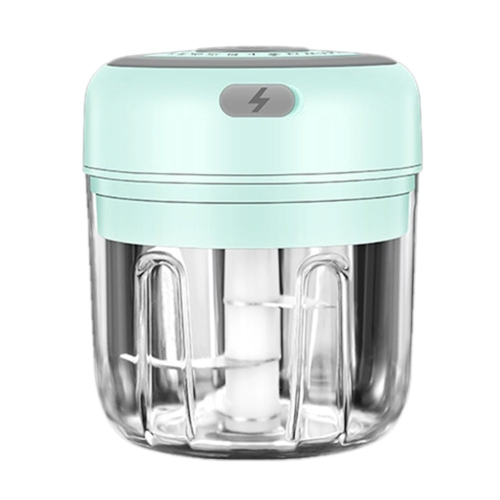

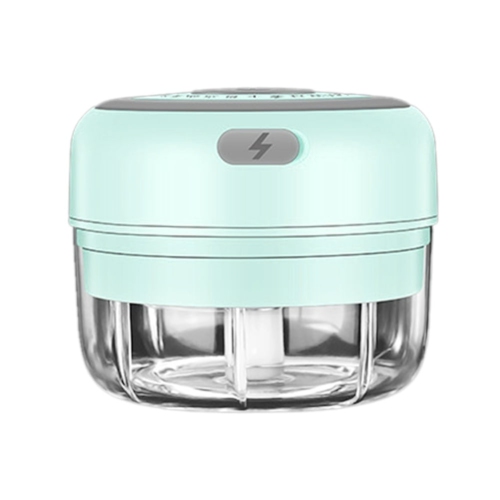
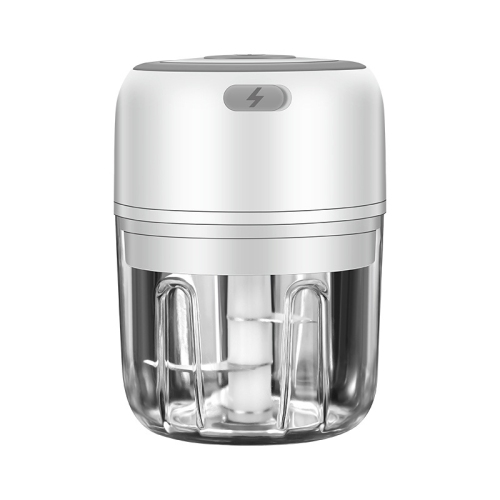
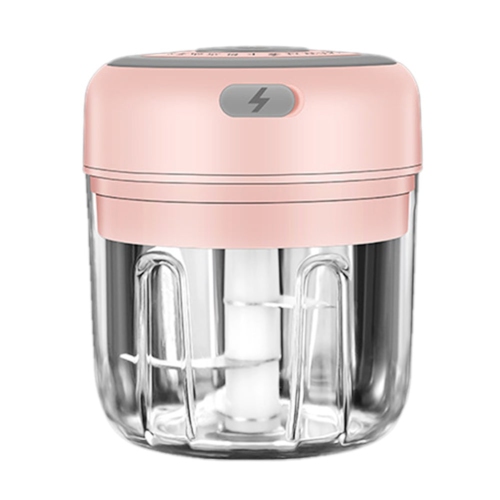
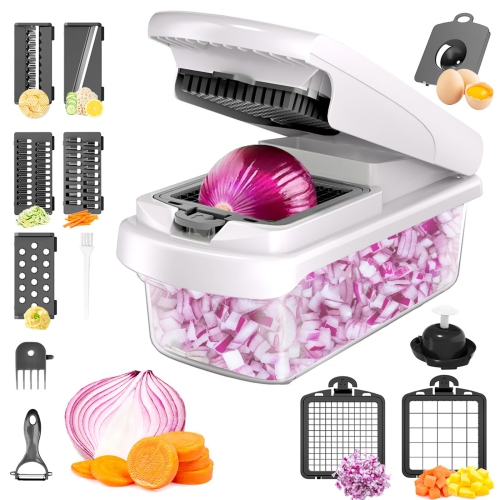
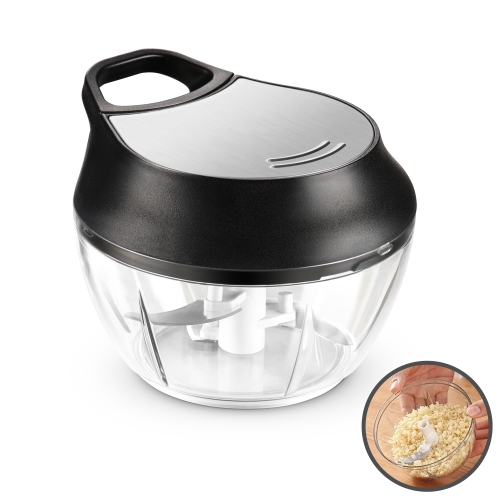

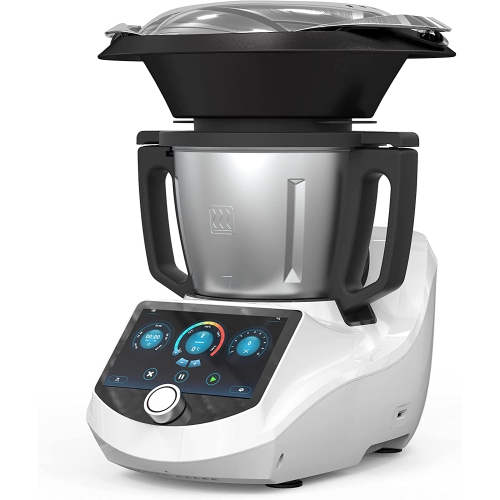

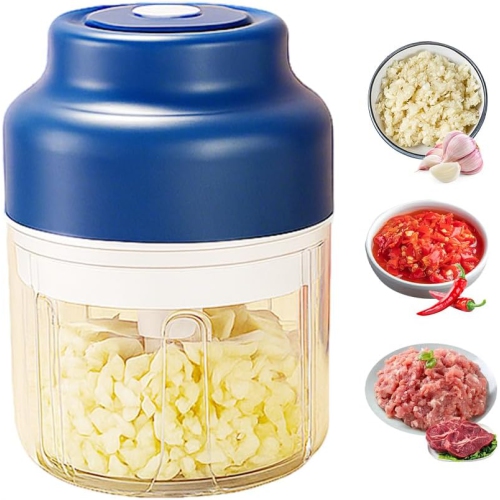

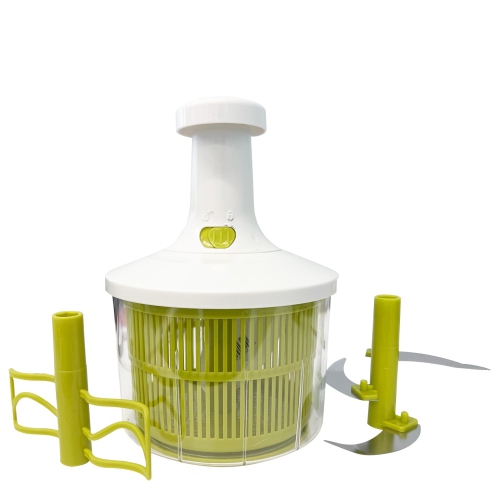
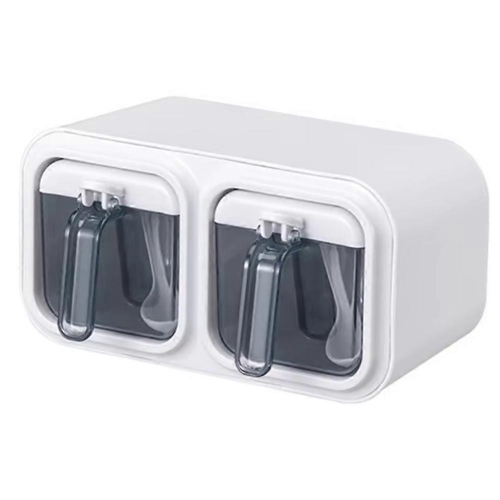
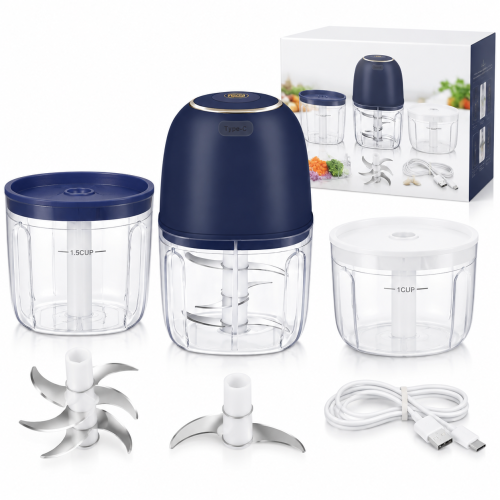
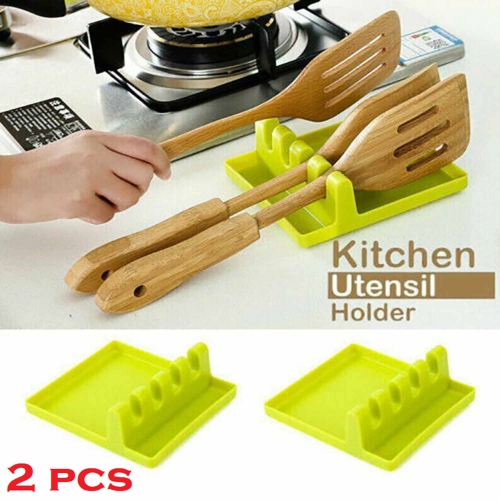
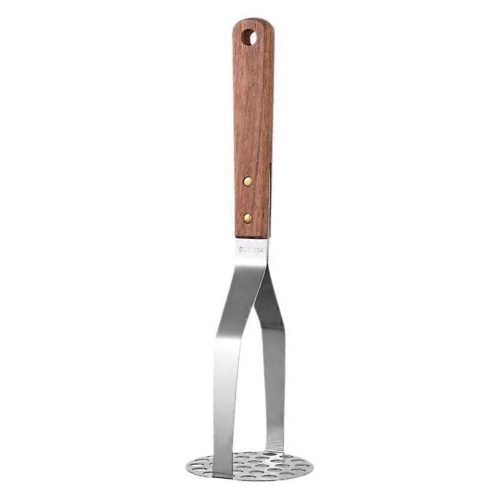
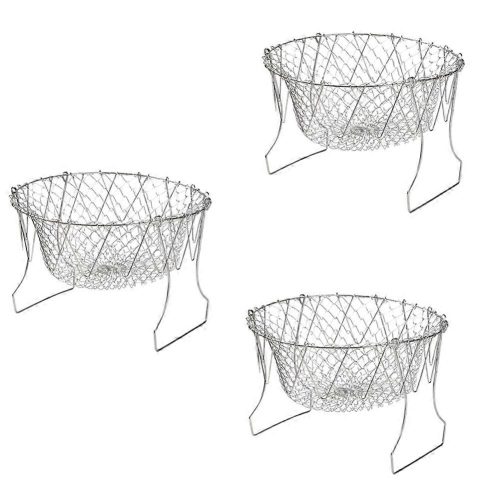
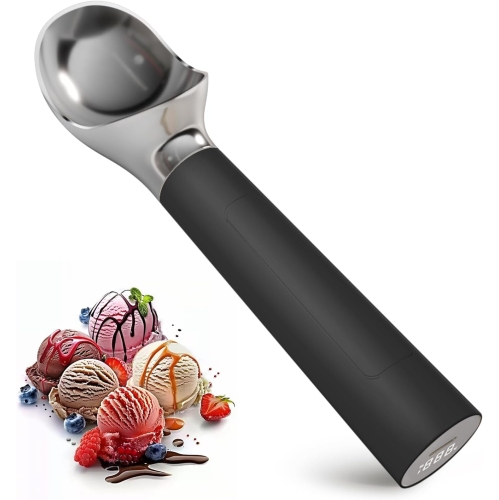

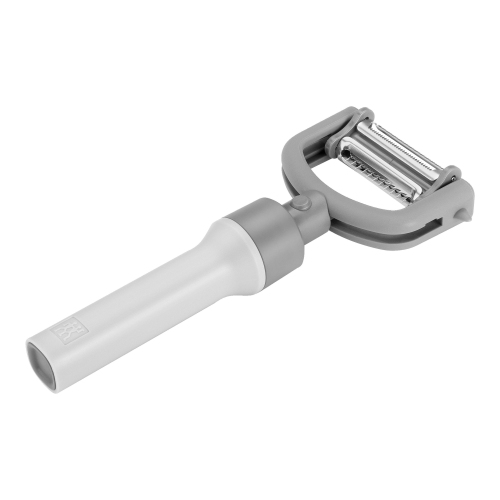
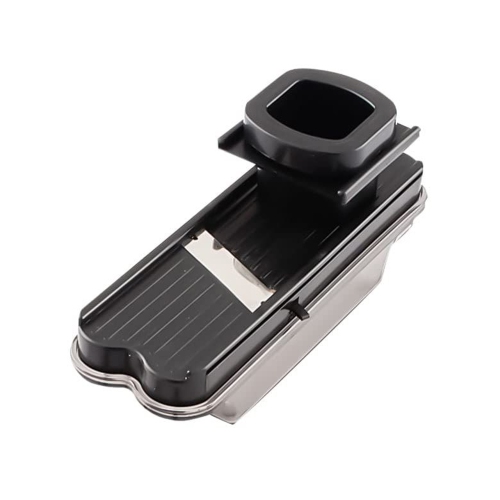
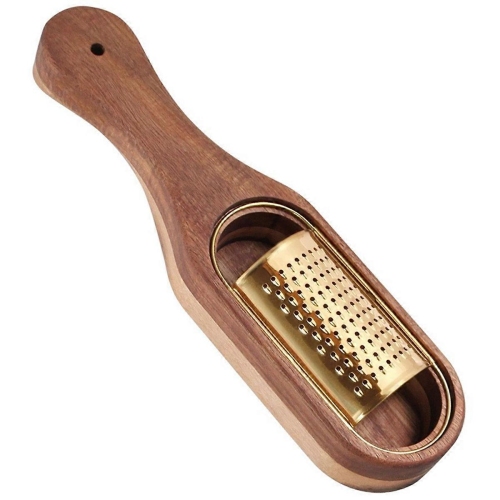


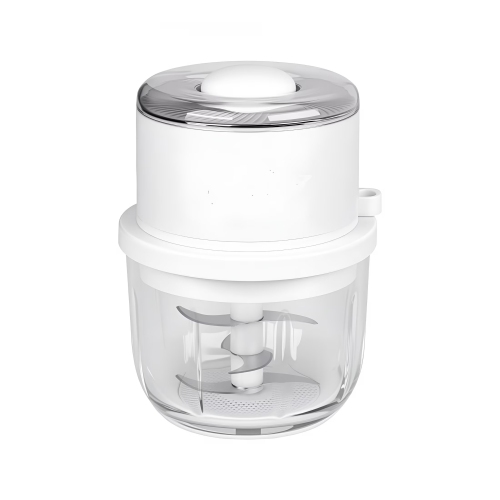
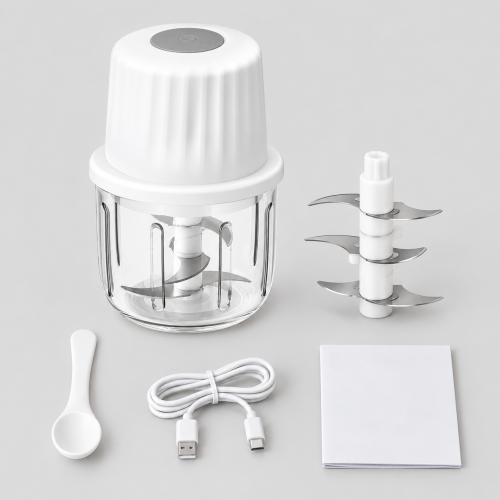

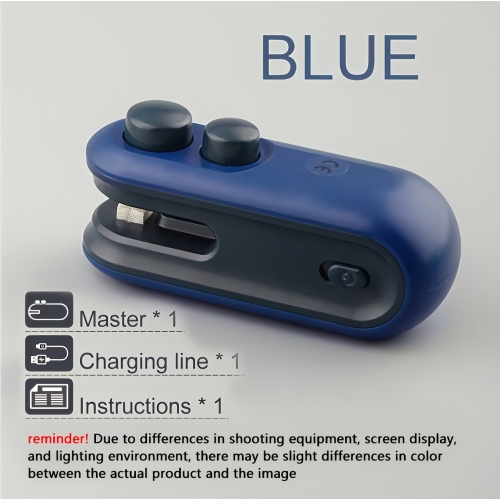
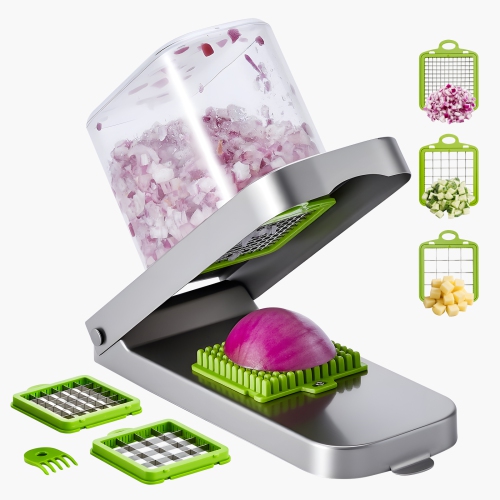


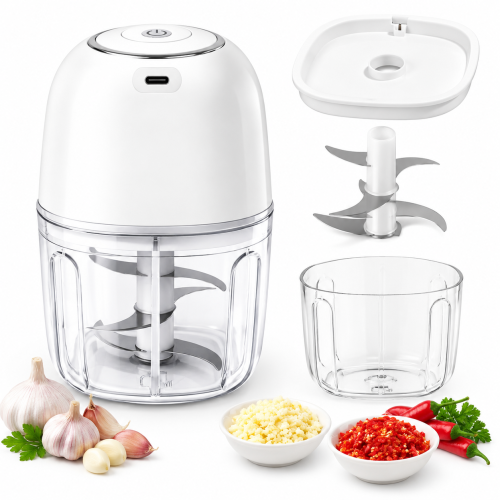

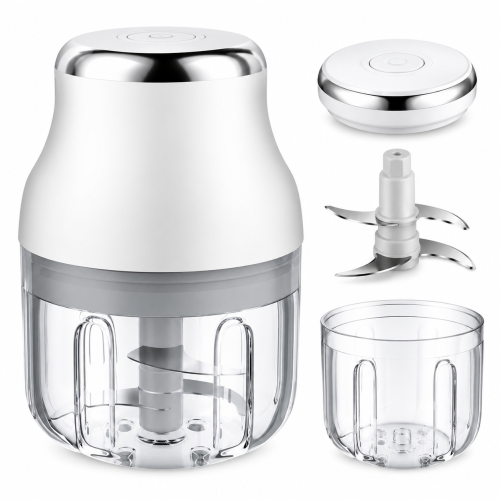
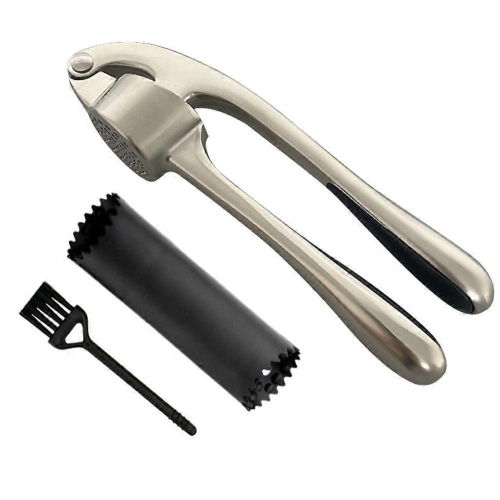
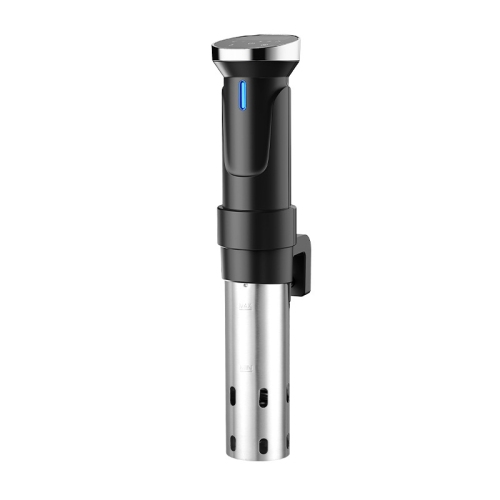
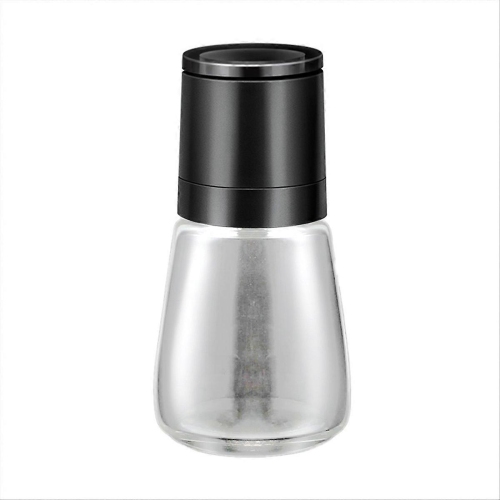
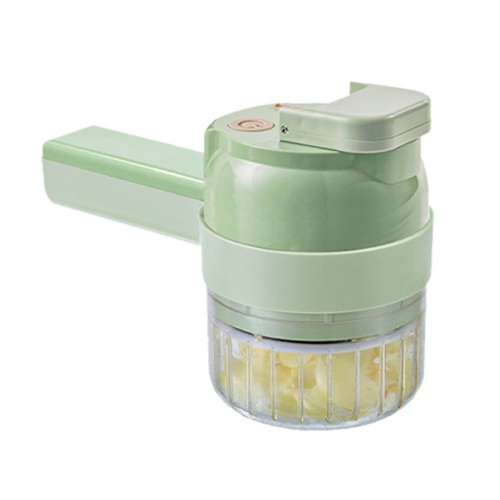

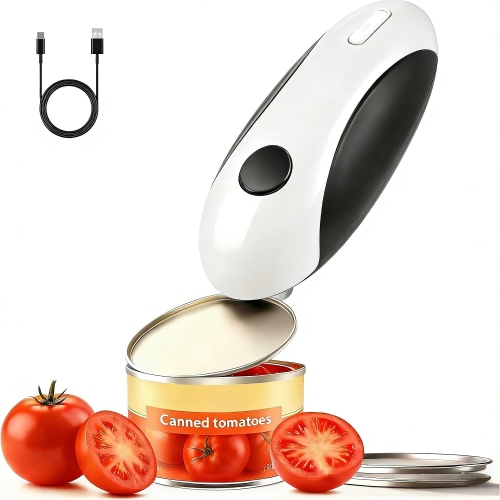


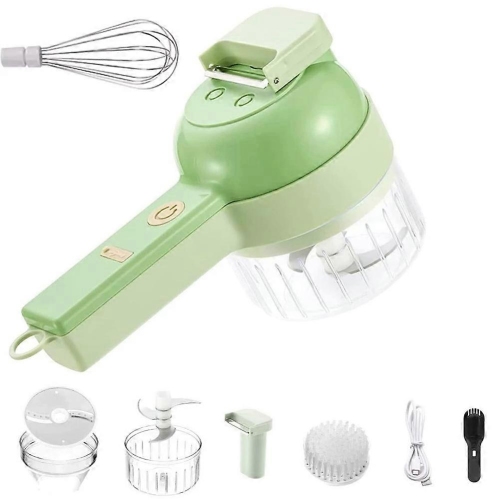
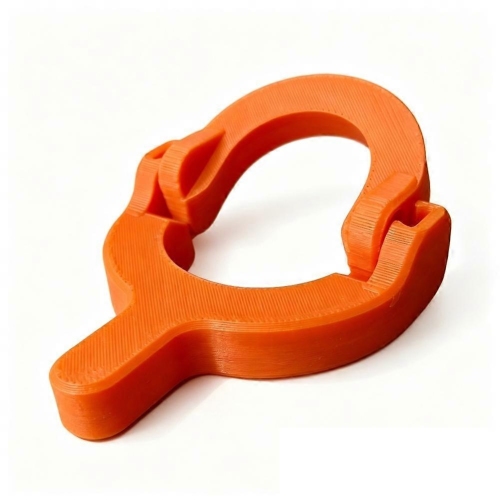
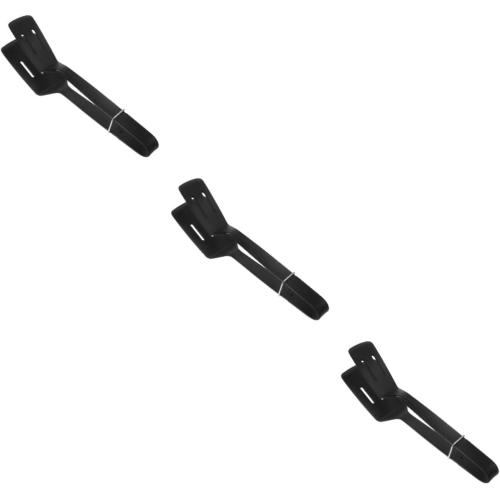
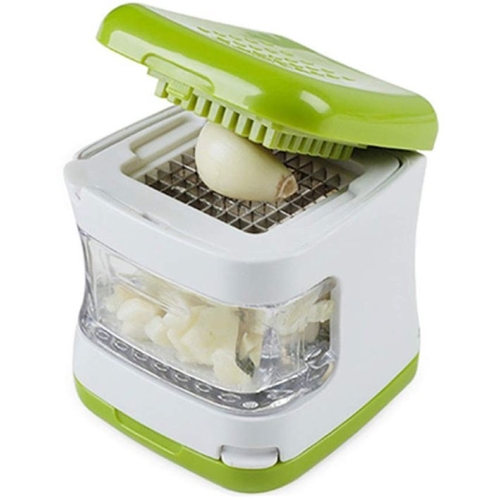
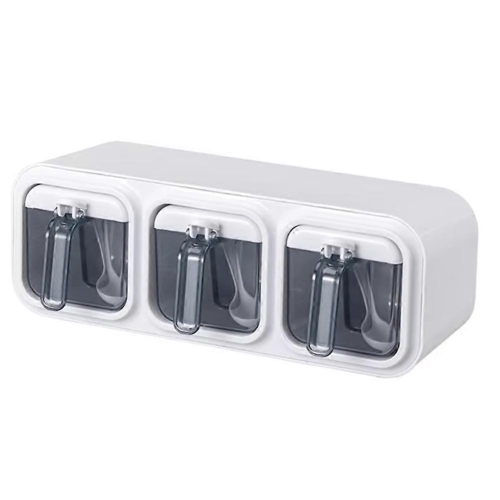
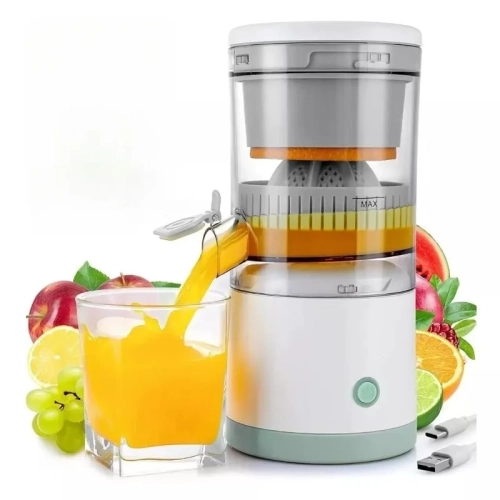
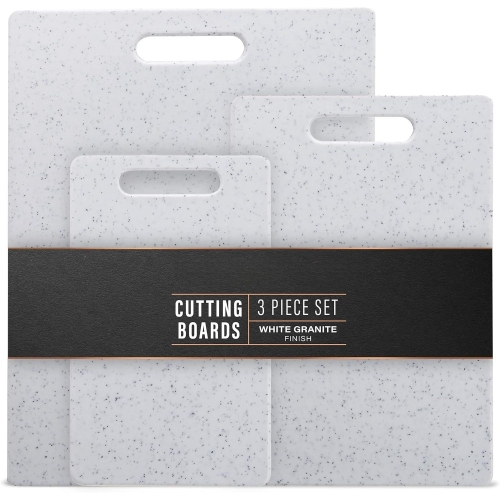


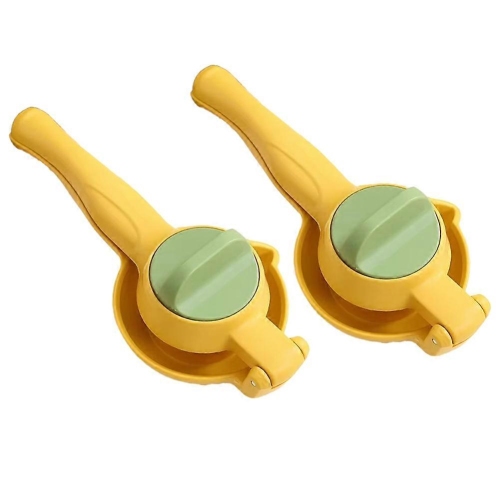
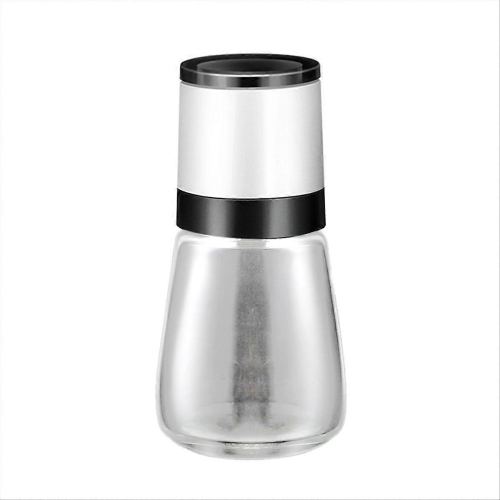
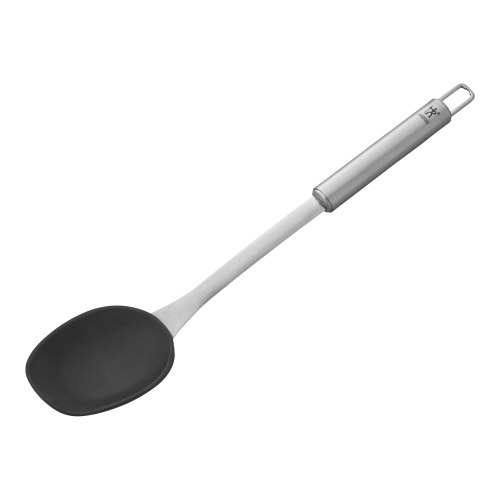
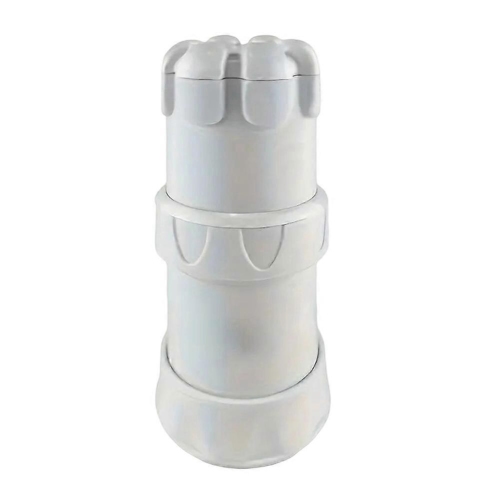
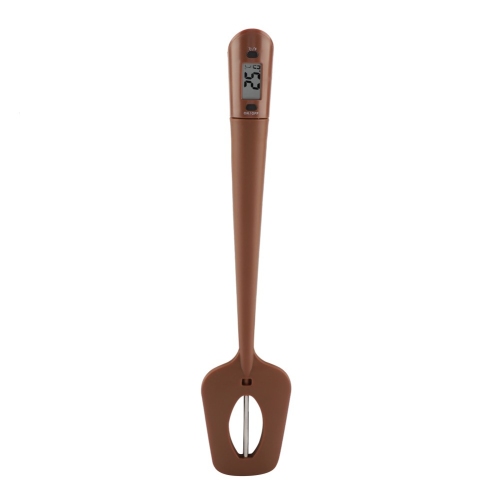
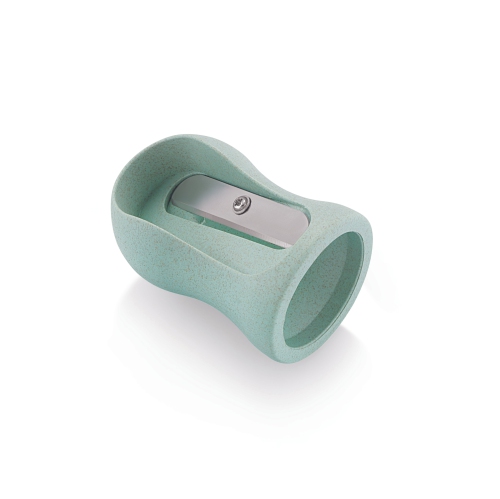
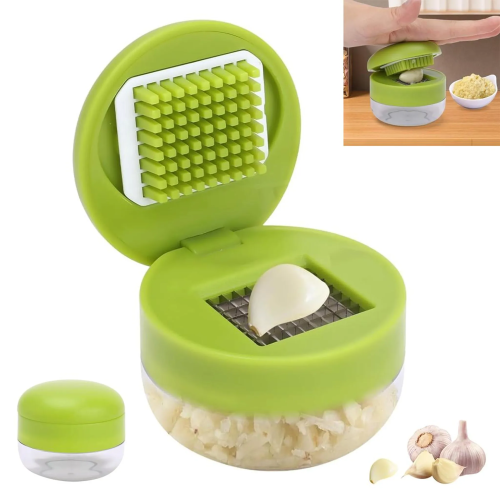


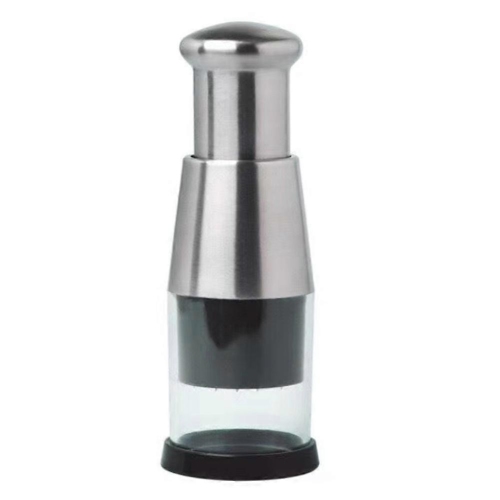




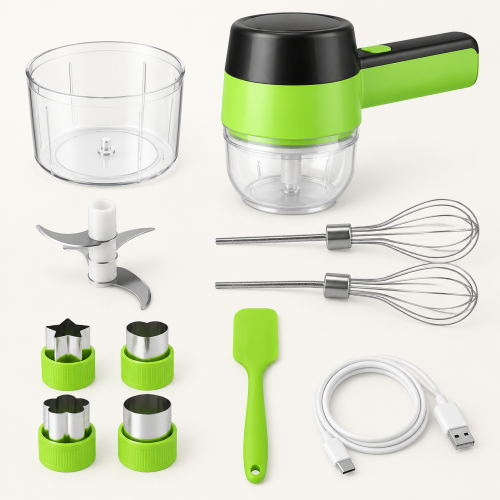
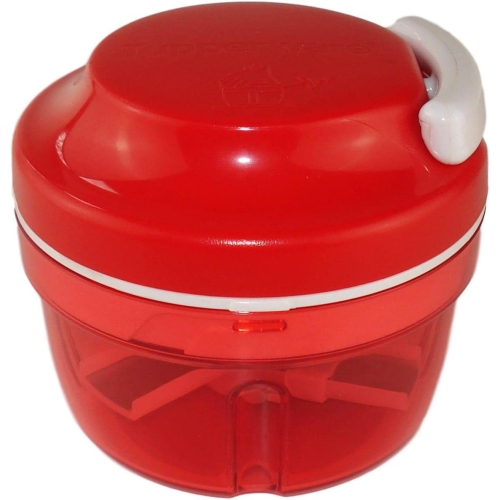
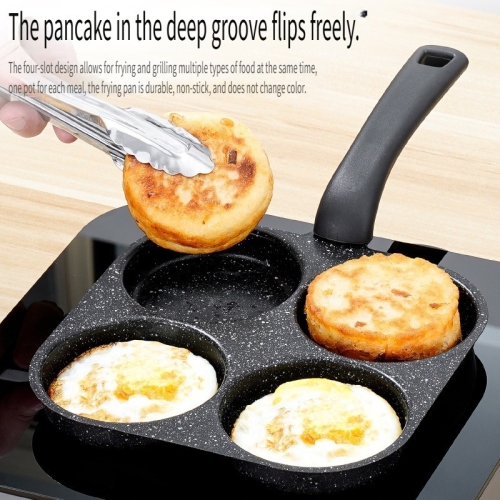
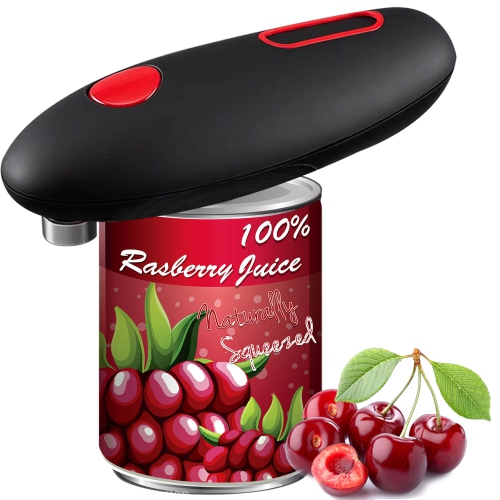


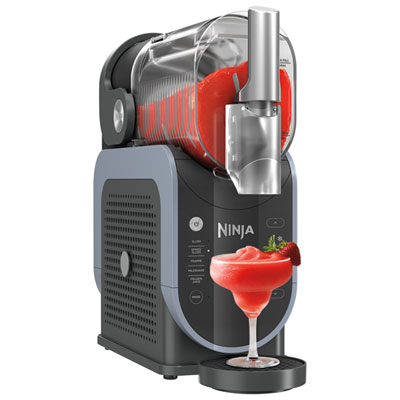
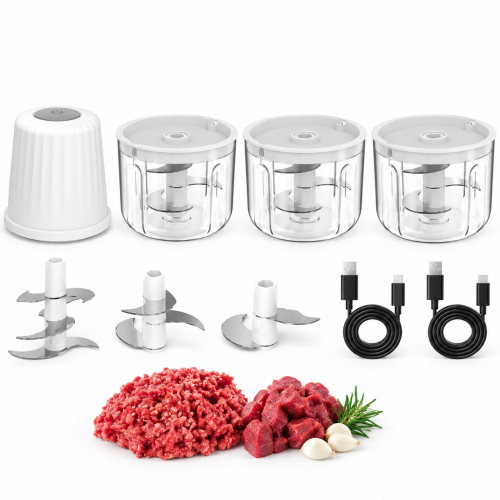
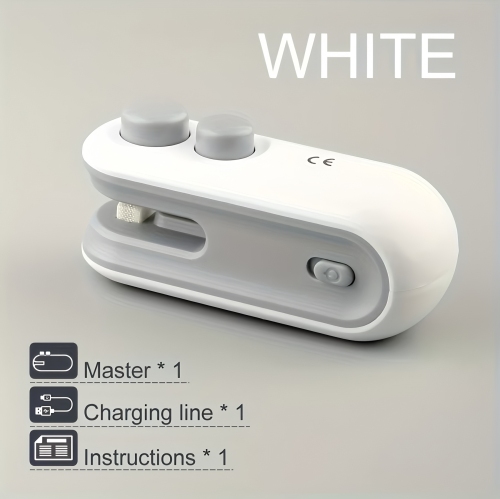
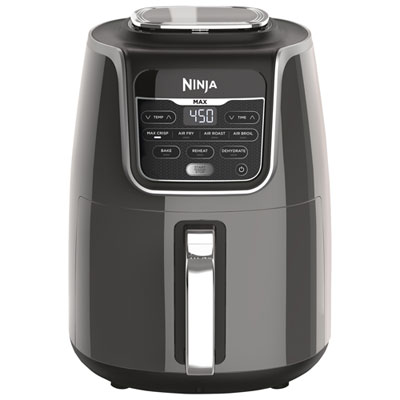
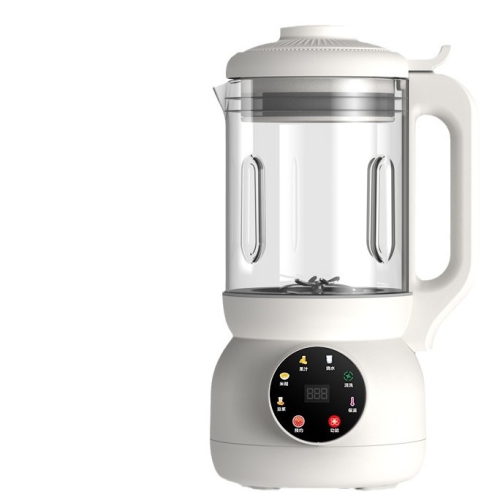

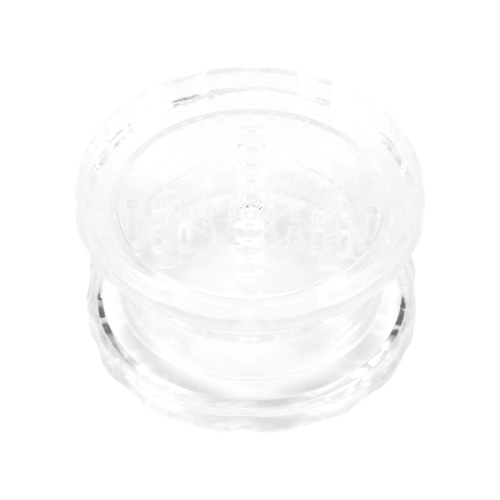

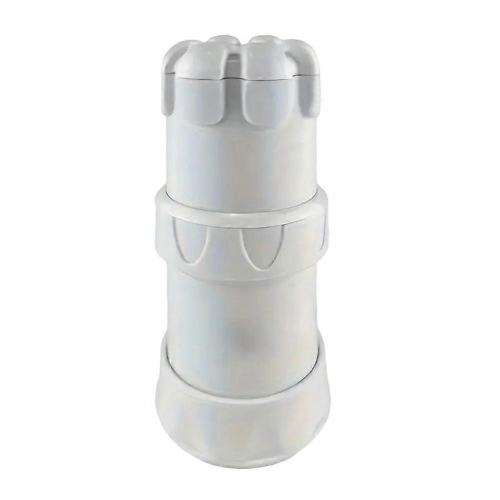
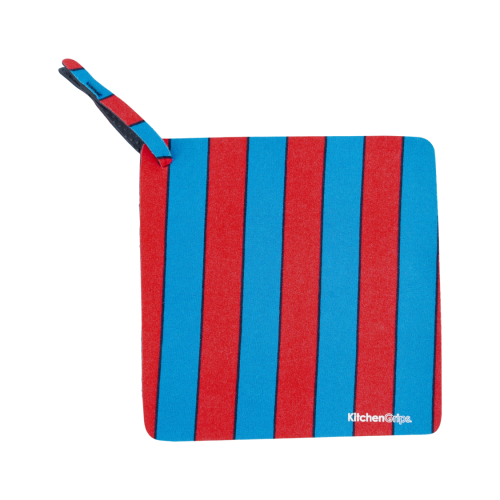
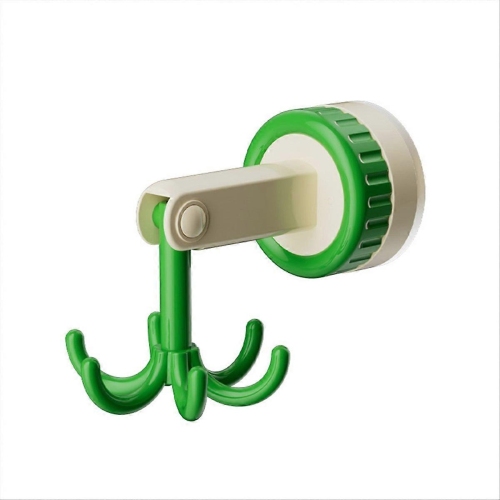


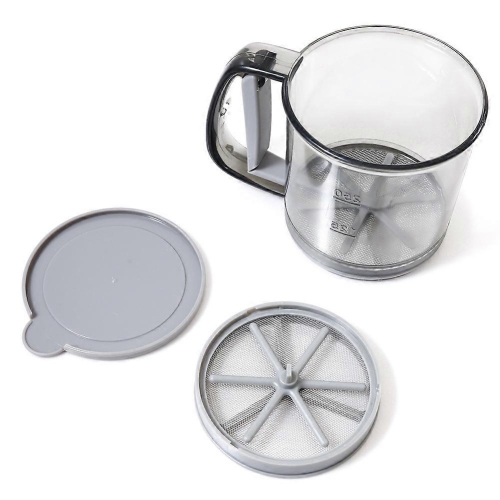
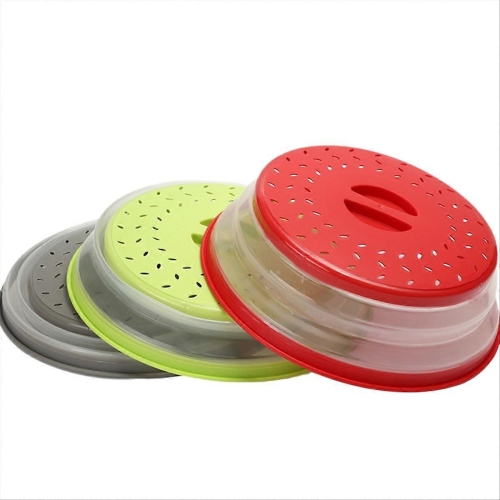
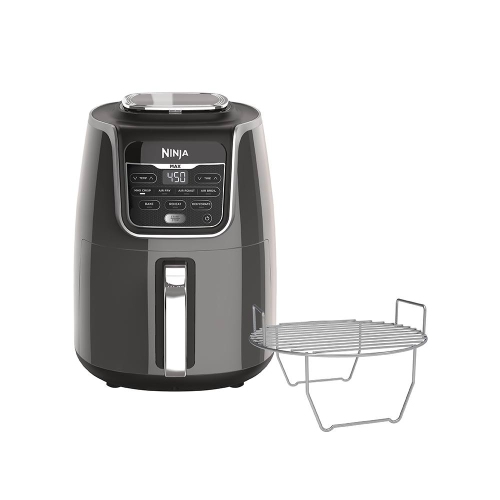
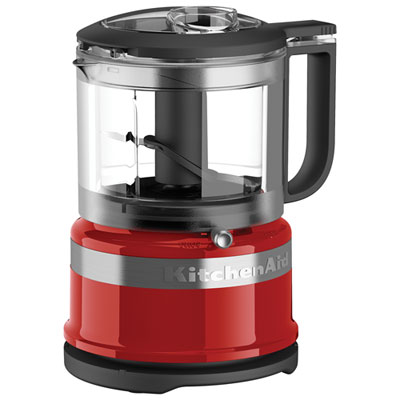
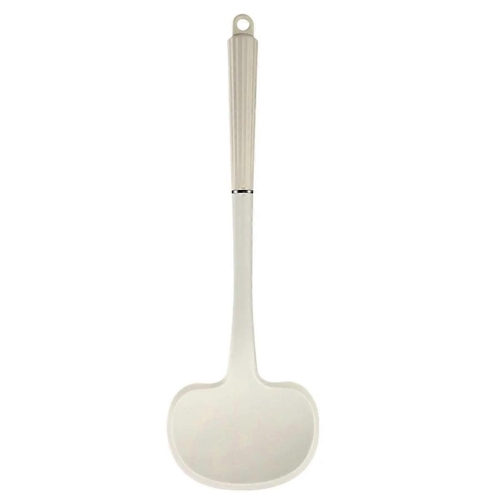


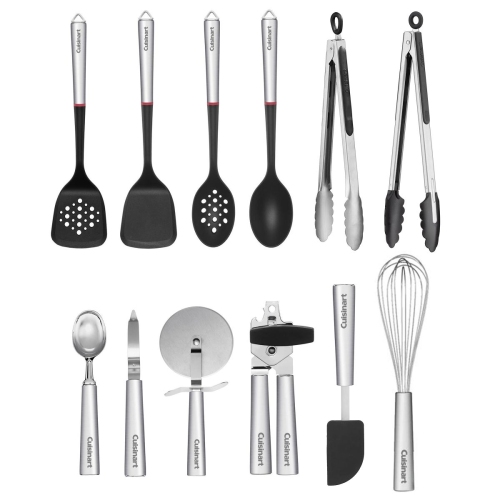


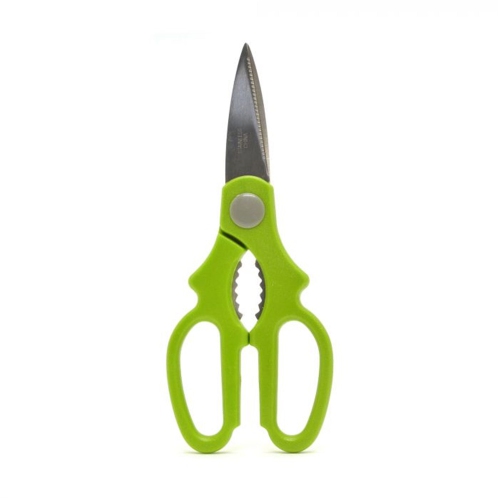
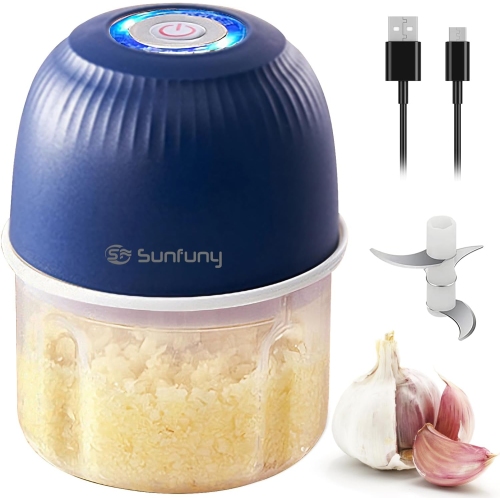
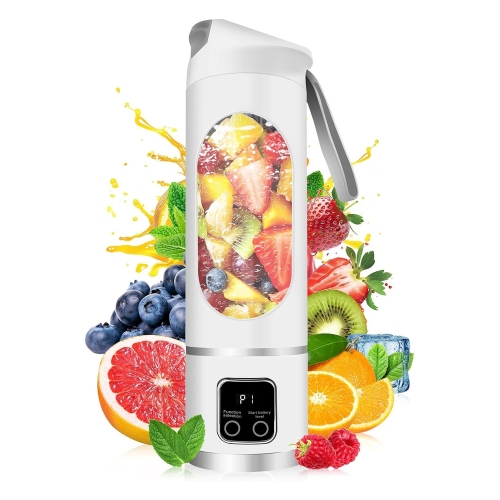

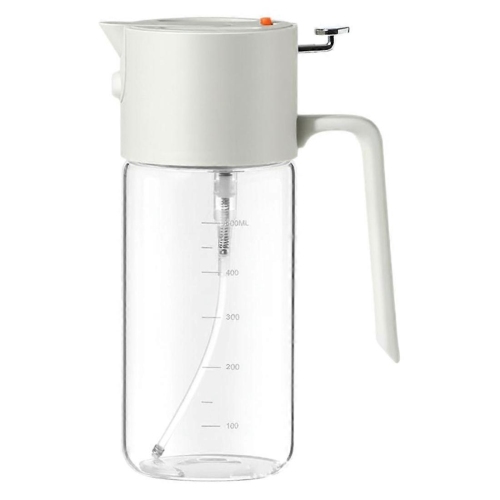


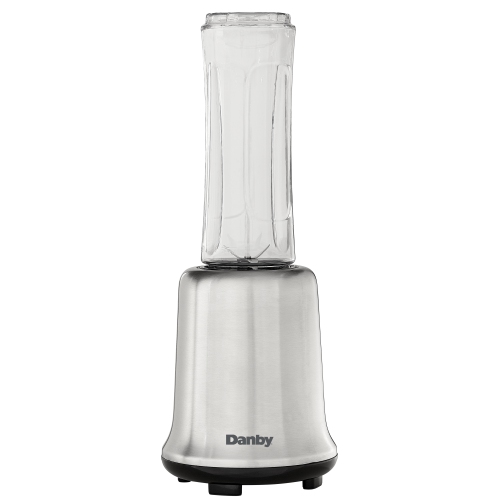
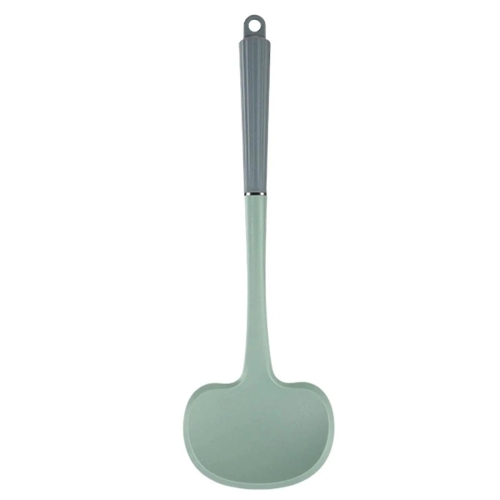
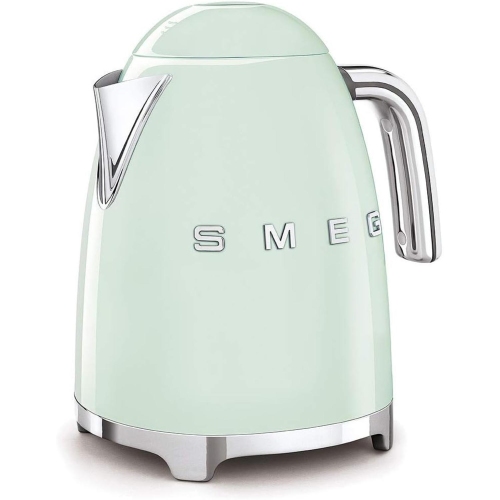
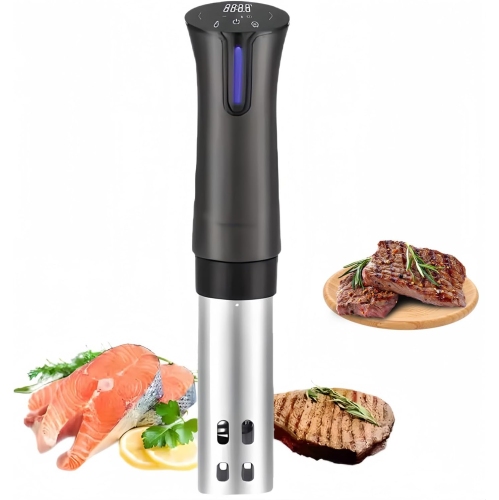
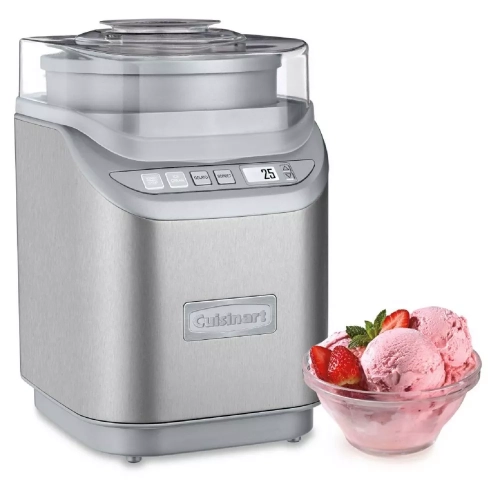

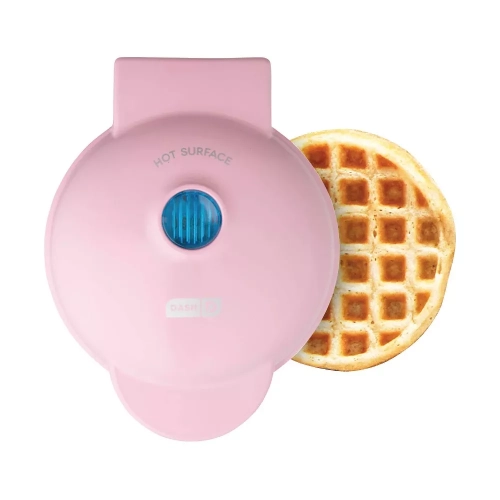

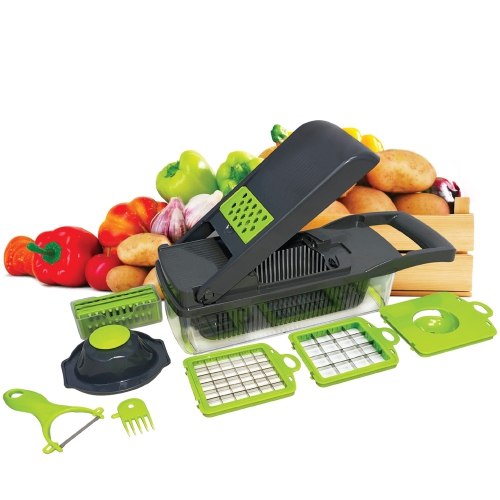
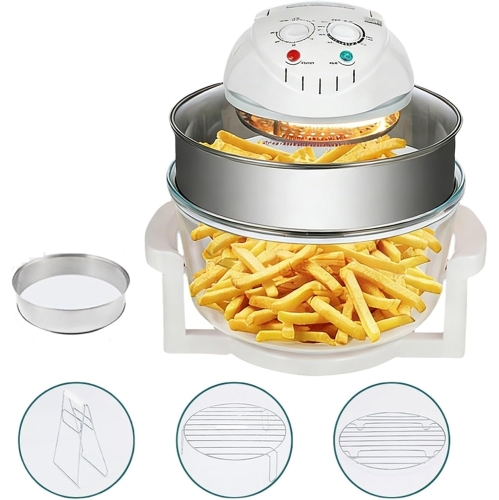
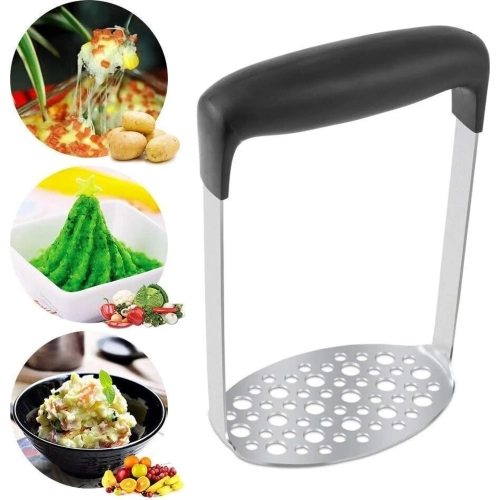





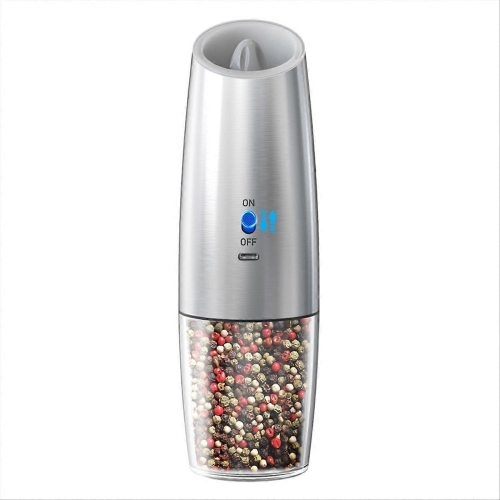
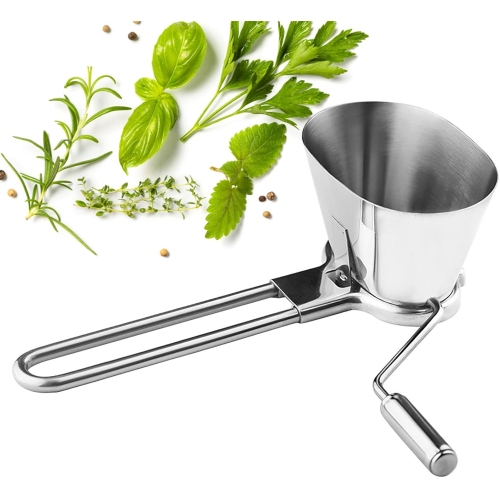

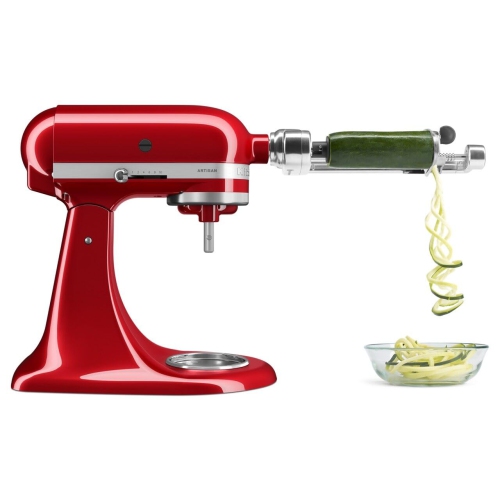
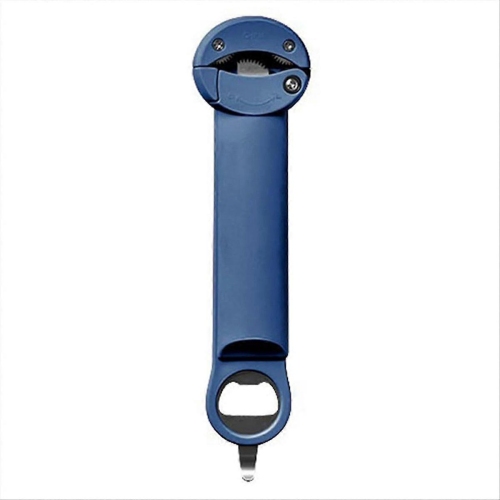
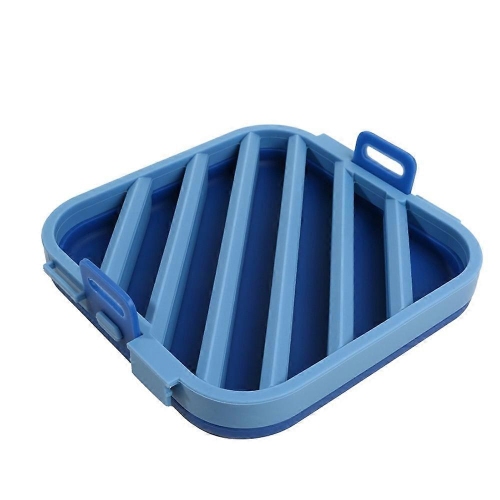

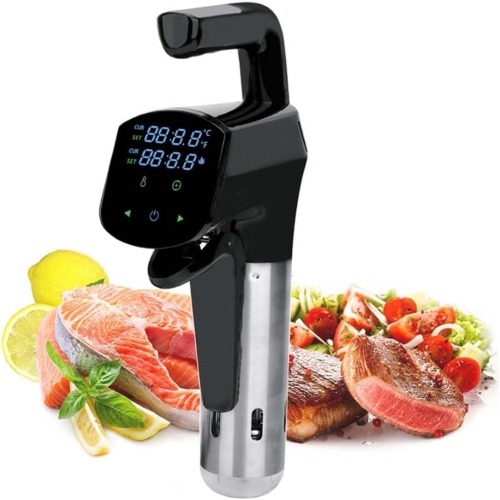

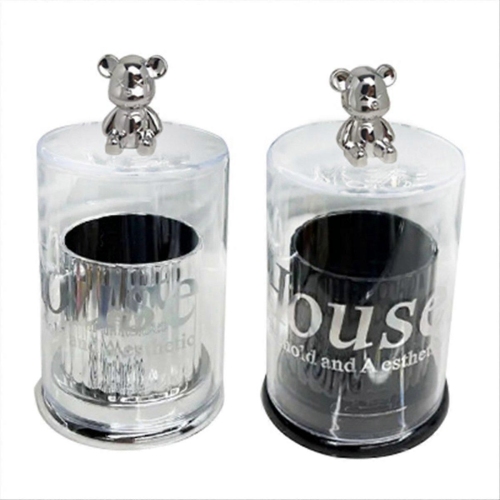

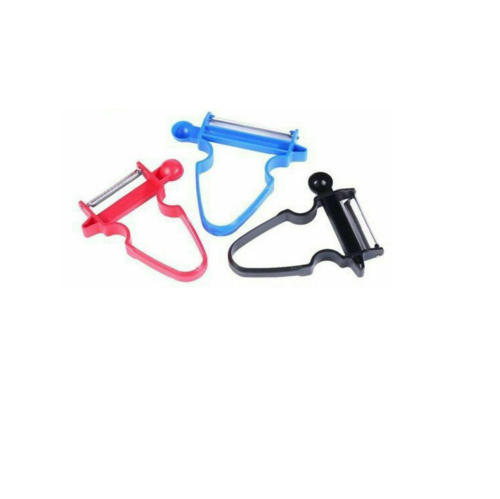
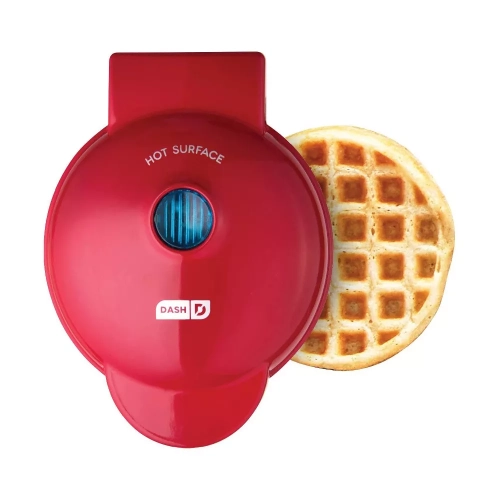
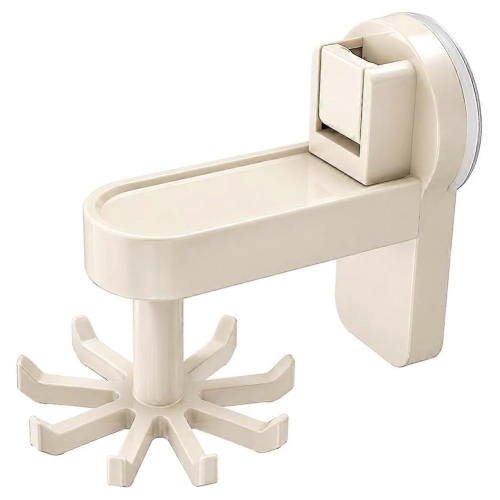
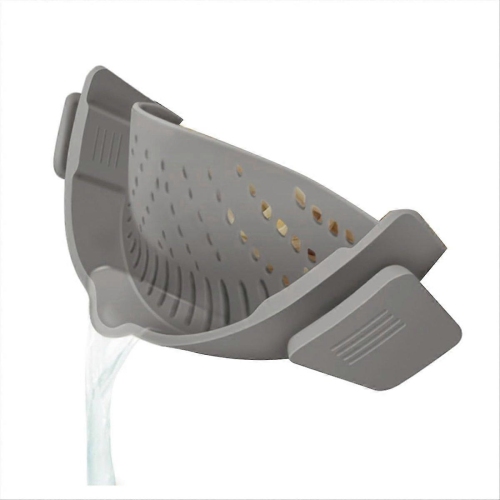
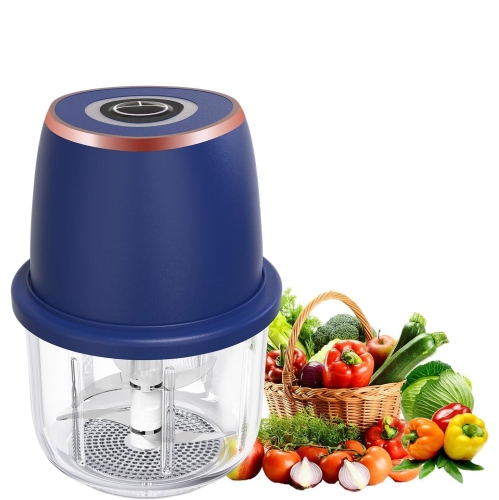
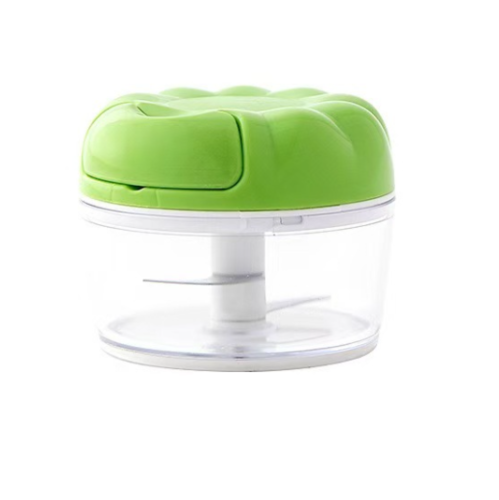


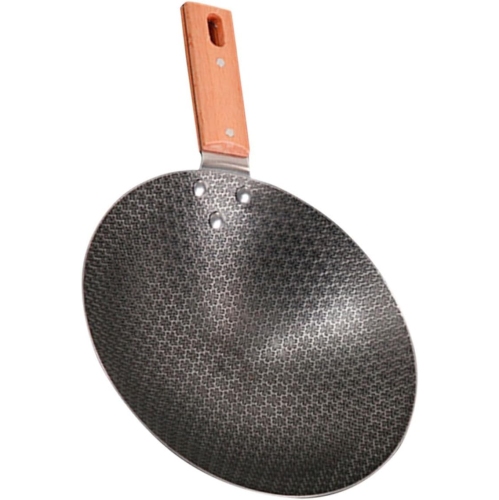
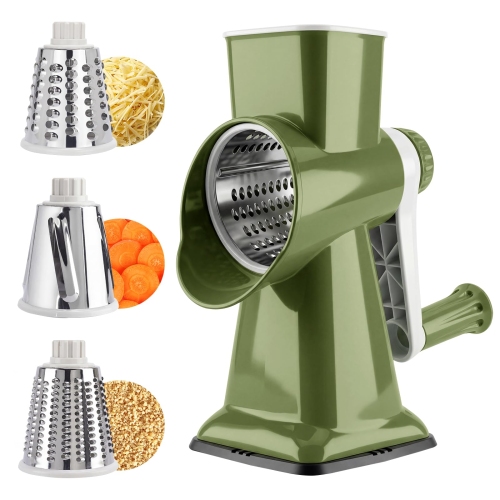
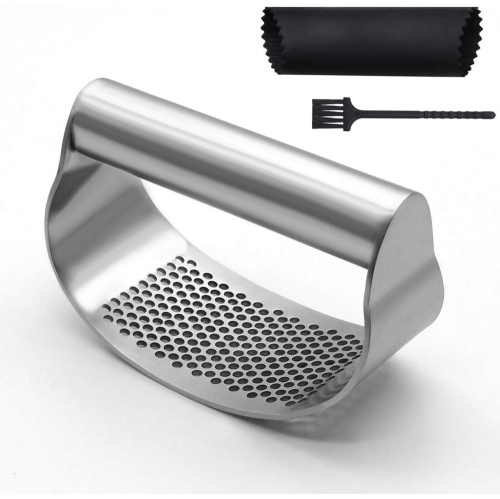
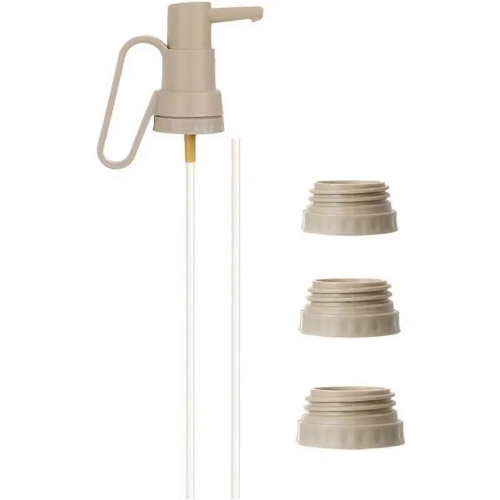
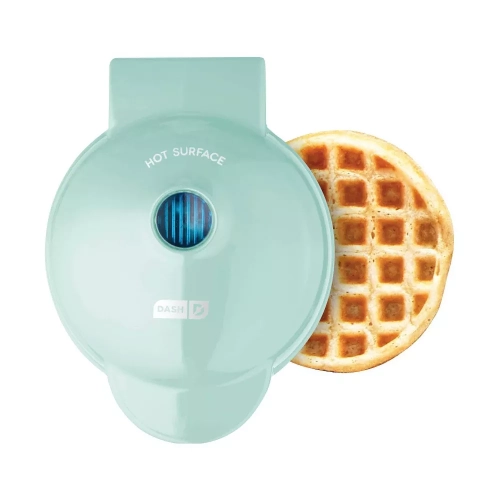

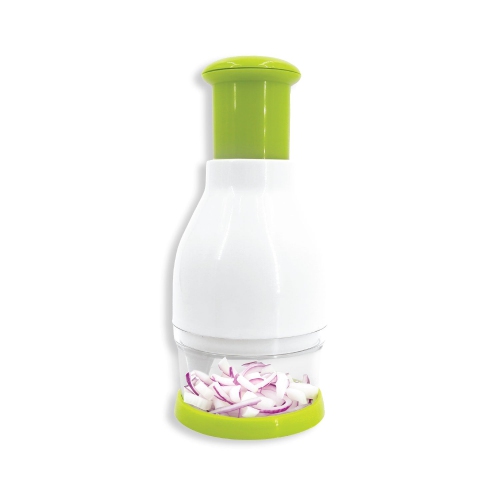


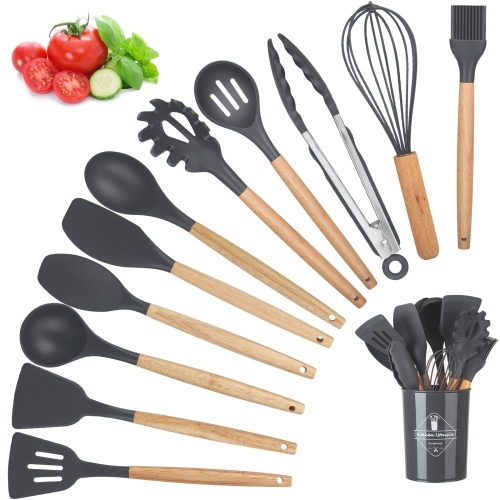
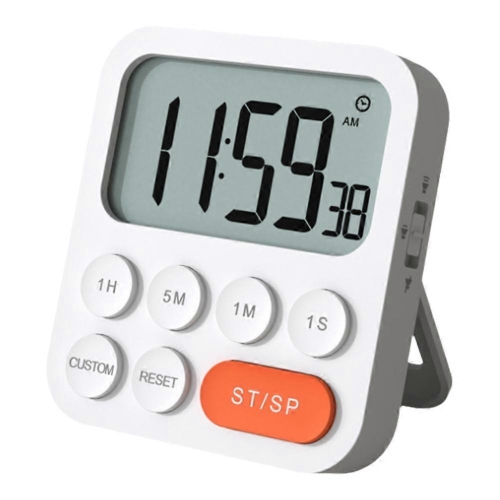
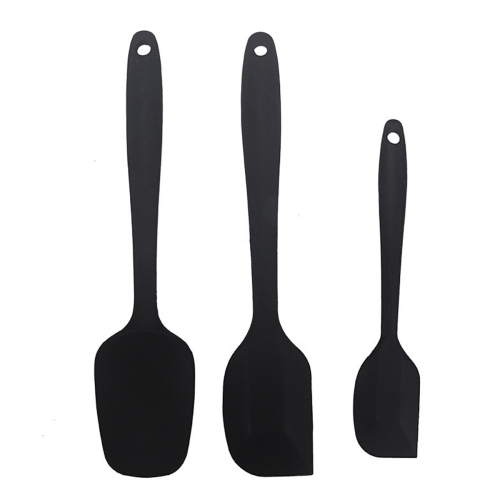

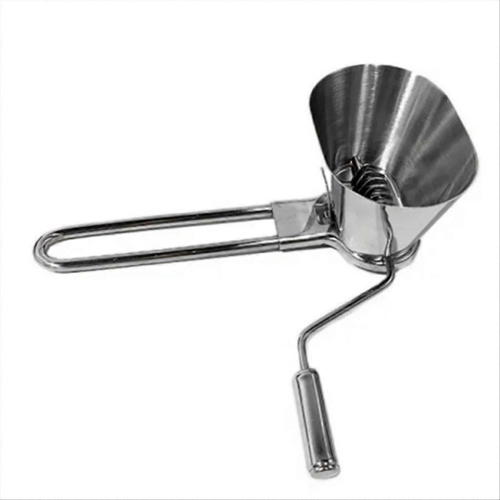
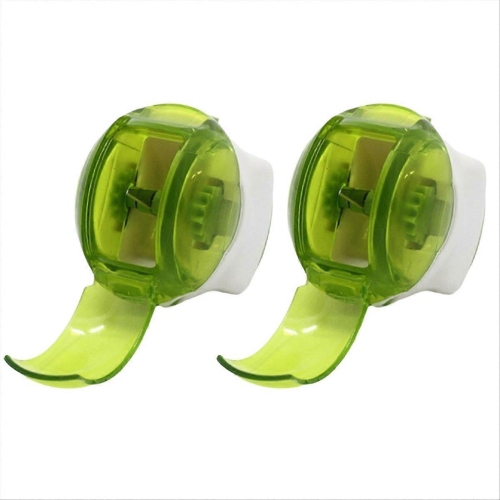



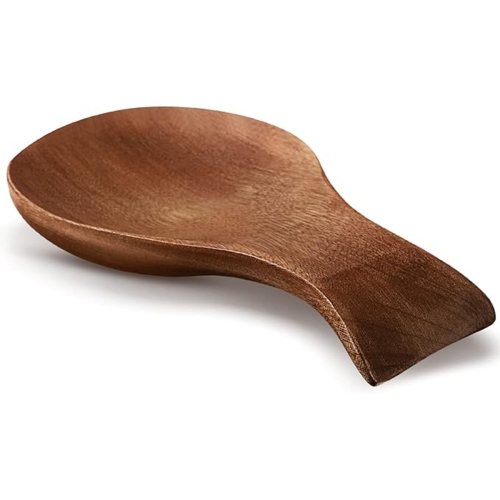
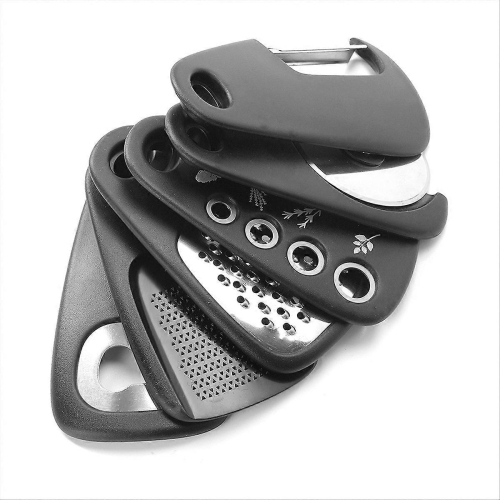

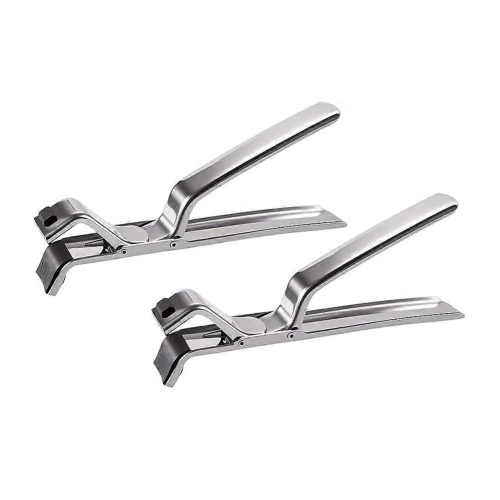
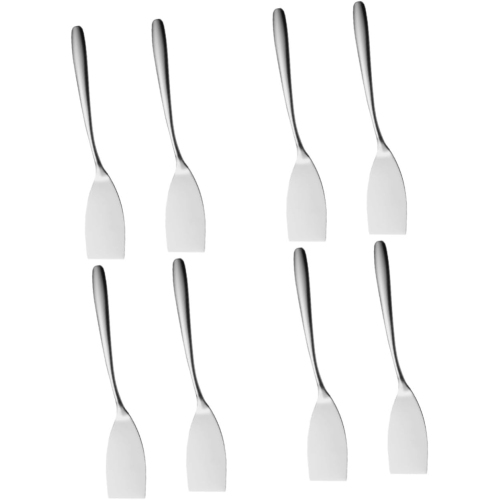
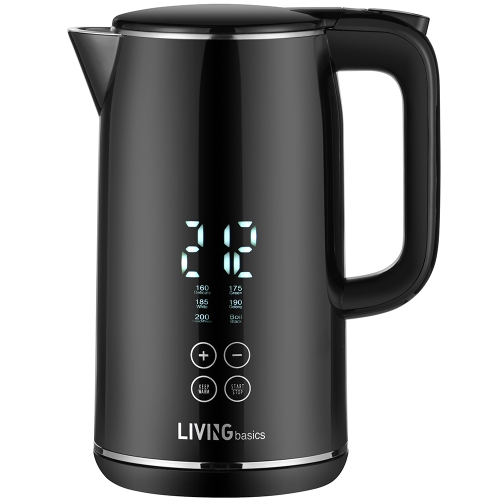
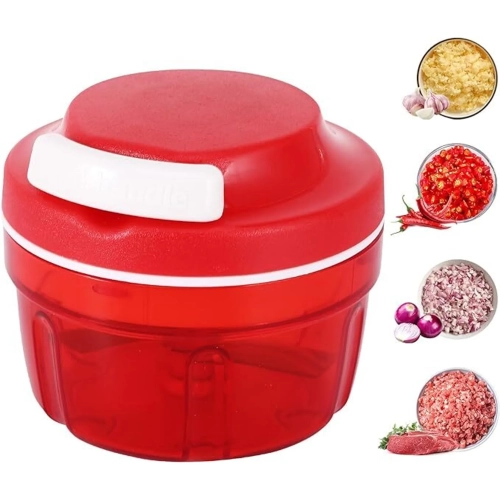
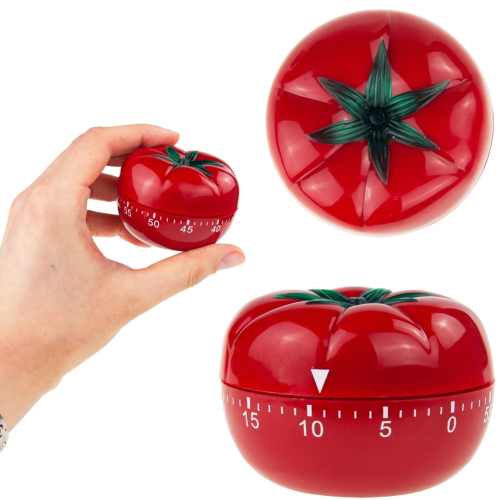

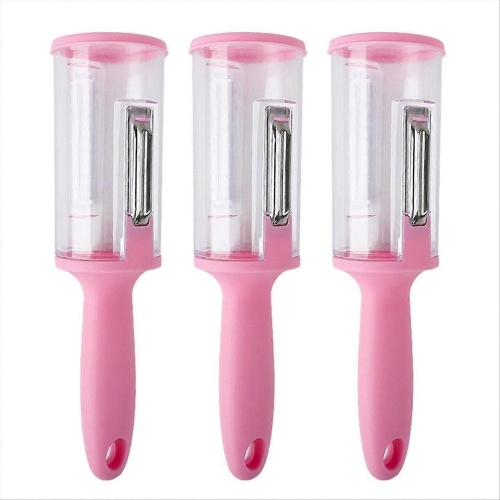
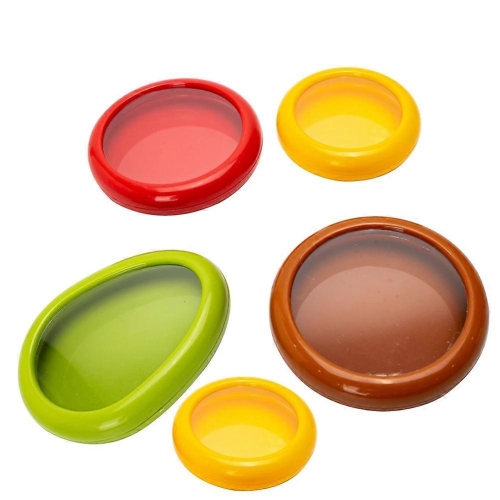
Small design details that solve everyday cooking frustrations
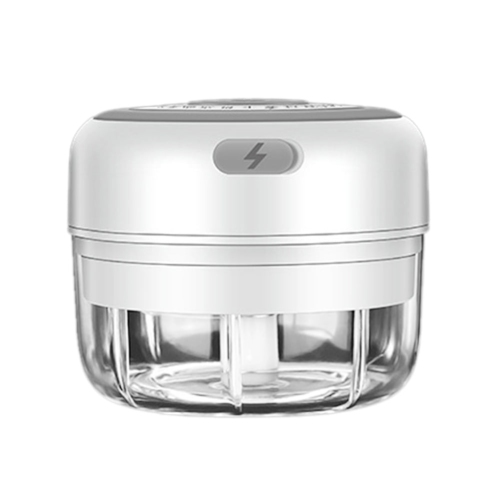
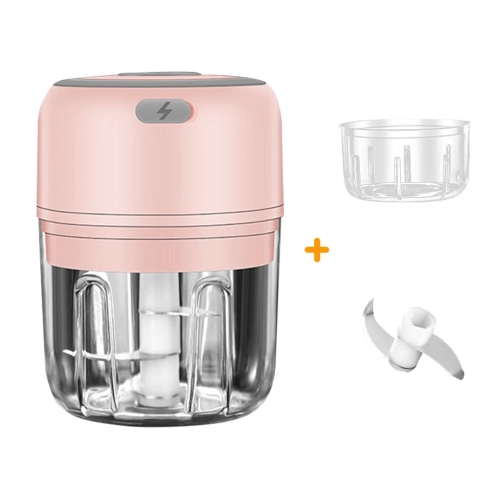
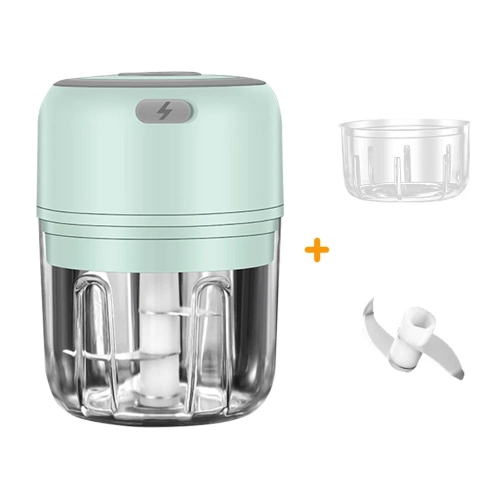
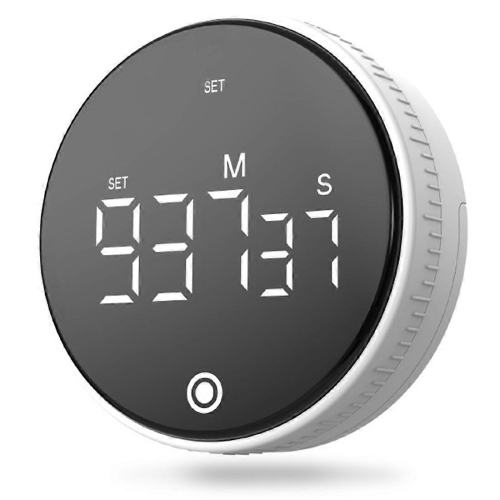
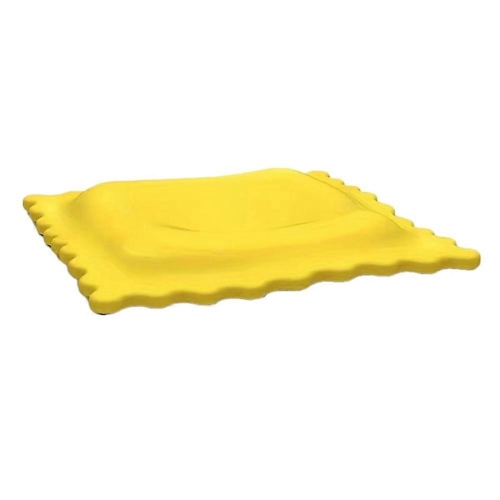
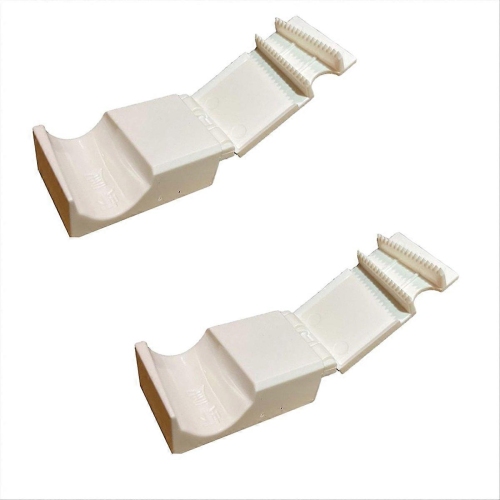
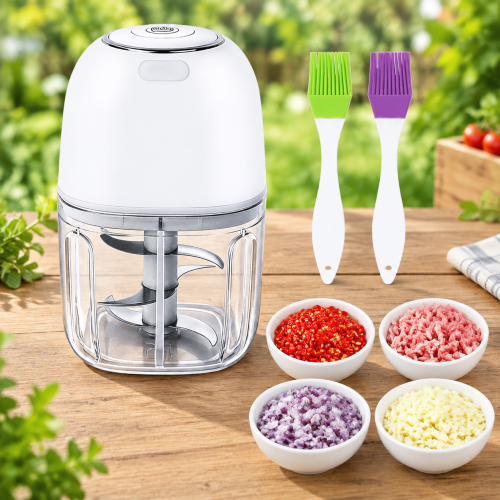
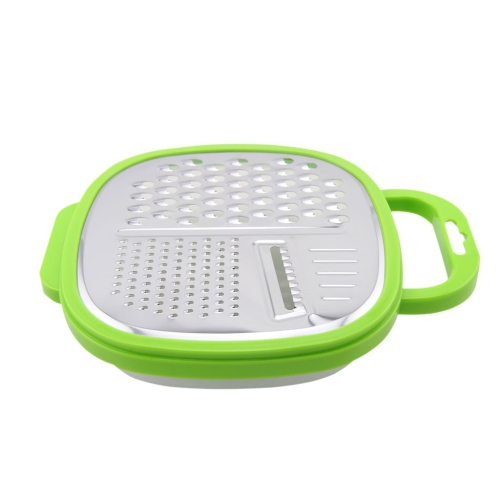
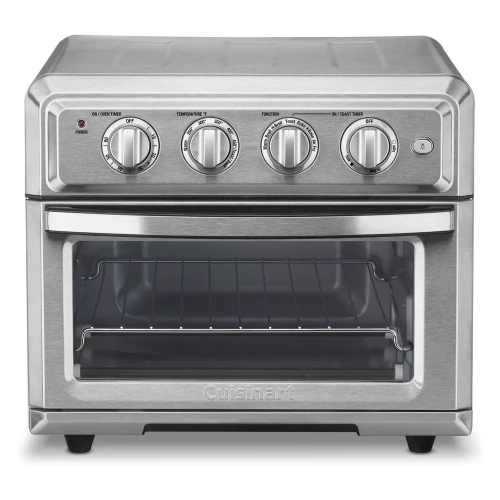
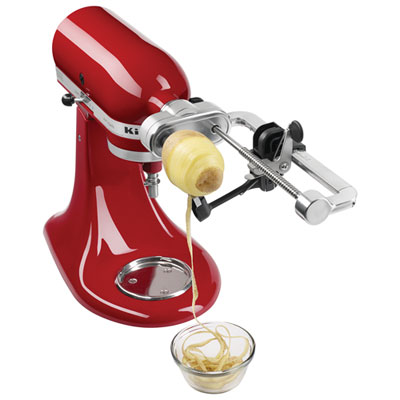
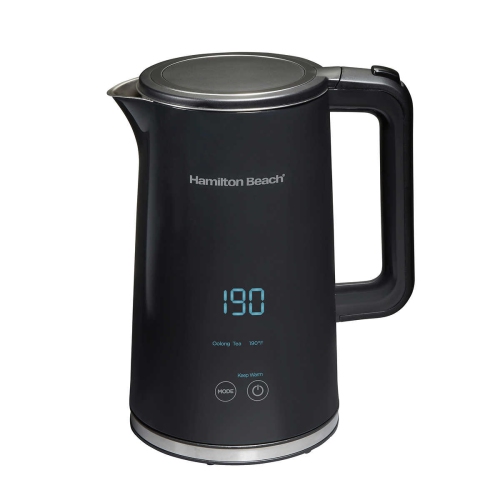
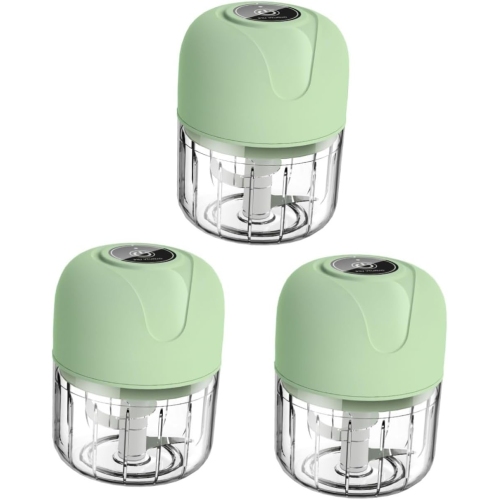
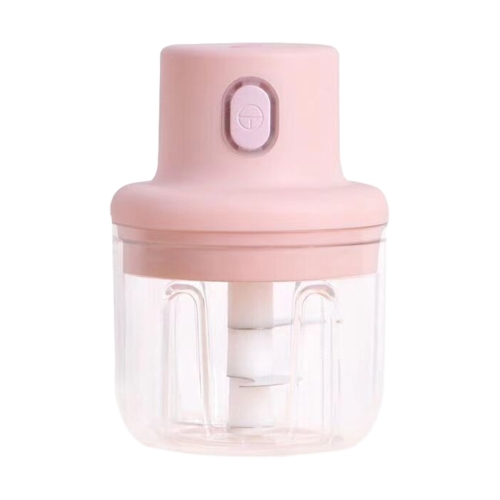
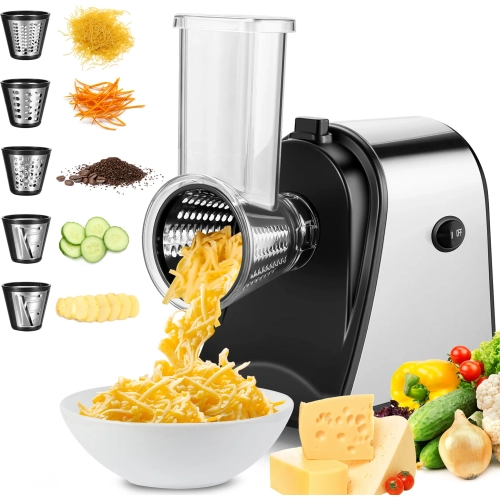
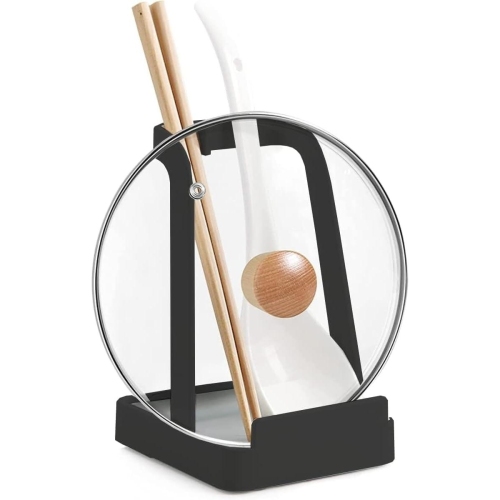
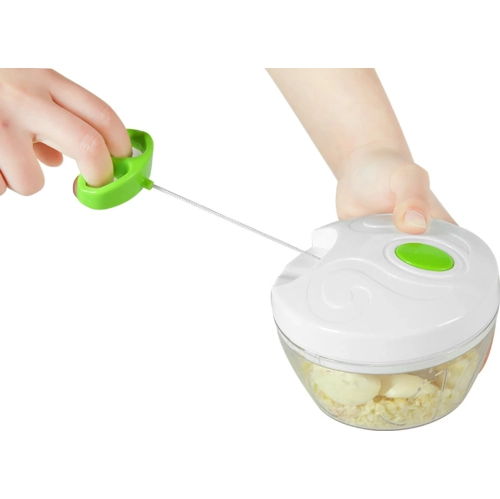
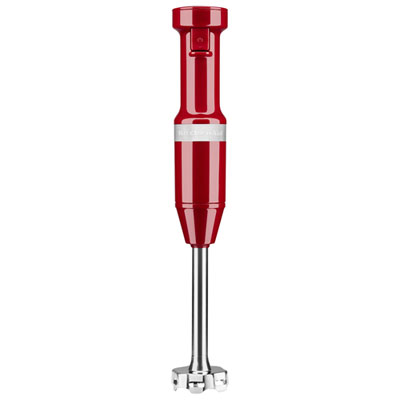
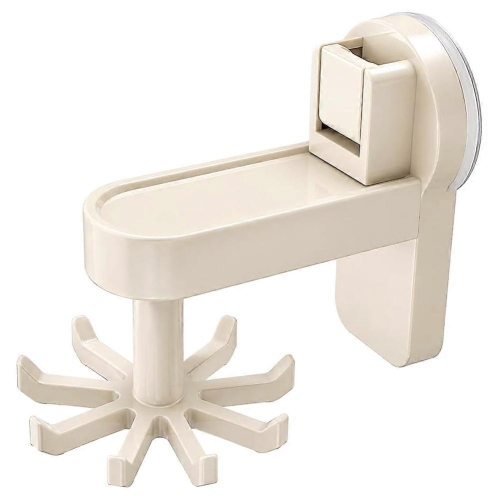
Cool kitchen gadgets are practical tools and compact appliances that bring clever design to everyday food preparation, cooking, baking, and serving. Their appeal comes from making a familiar task less awkward, more precise, or simply more enjoyable. A well-designed handheld tool can make short work of repetitive chopping, while a digital measuring tool can help bring consistency to recipes that depend on accurate quantities. Other gadgets address small frustrations: ingredients scattering across a work surface, sticky mixtures clinging to utensils, or dressings dripping down the side of a container. The most useful features have a clear purpose, whether that means a comfortable grip, a stable base, an easy-to-read display, or a shape that reaches into the corners of a mixing bowl. For someone preparing lunches each day, convenience might mean fewer steps between washing vegetables and packing a meal. For a keen baker, it might mean weighing ingredients directly into one bowl or portioning dough more evenly. Curious home cooks may appreciate tools that make unfamiliar techniques feel more approachable, while experienced cooks often value a simple improvement to a task they repeat constantly. Manual gadgets offer direct control and do not require a power outlet, making them practical for a prep area away from the main counter. Electric designs can reduce repeated hand movements, although their size, controls, and cleaning requirements are part of the experience too. A gadget does not need multiple attachments to be useful; a single-purpose tool can earn its drawer space when it handles a frequent task particularly well. Equally, a thoughtfully designed multipurpose tool may suit a smaller kitchen where every utensil needs a reason to stay. The common thread is a good match between the design and the way someone actually cooks, rather than novelty alone. A playful shape or bright colour can add personality, but comfort, control, and dependable results give that personality lasting appeal.
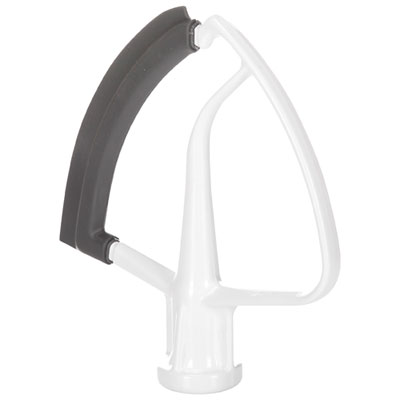
Materials and construction influence how kitchen gadgets feel in the hand, how they interact with cookware, and how well they stand up to repeated use. Stainless steel is common in blades and working surfaces because it offers strength and resistance to corrosion, though cutting edges still need appropriate handling and care. Silicone can provide a flexible edge for scraping bowls or working around curved surfaces, with suitability for heated cookware depending on the tool’s stated temperature rating. Plastic components can keep a gadget light and comfortable to hold, while clear sections can make contents or measurement markings easier to see. Wood brings a different feel and generally needs gentle washing and thorough drying rather than prolonged soaking. The details matter as much as the main material: a secure handle connection, a smooth operating mechanism, and markings that remain legible all affect everyday usability. Fit also extends beyond overall size. A handle should allow a comfortable grip without forcing the wrist into an awkward position, and a tool used over a bowl or pan needs enough reach to work safely around the rim. People with smaller hands or limited grip strength may find broad handles and low-effort mechanisms easier to manage, although comfort varies from person to person. In compact kitchens, drawer depth, cupboard height, cord storage, and access to outlets can determine whether a gadget becomes part of the daily routine or stays tucked away. Cleaning is another practical consideration, especially when food can collect around hinges, blades, seals, or narrow openings. Removable parts may improve access, but dishwasher suitability should always follow the manufacturer’s directions. Sharp components need careful washing and storage, and electrical bases should be cleaned only as directed rather than immersed. Drying parts fully before reassembly helps keep tools ready for their next use. Durable design is not necessarily heavy or complicated; often it is a straightforward mechanism, firmly attached components, and surfaces that are easy to inspect and maintain.
Kitchen routines give these tools their real context. Someone who enjoys making sauces may value controlled pouring and smooth mixing, while a household preparing several meals at once may benefit more from comfortable, repeatable preparation and easy cleanup. Enthusiastic bakers often appreciate precision, particularly when dividing mixtures or working with recipes that give quantities by weight. People learning to cook may find clearly marked measurements and uncomplicated controls more helpful than a large number of settings. For shared kitchens, recognizable colours and compact storage can make frequently used tools easier to locate and put away. Keeping the immediate work area clear also gives a gadget room to function as intended, whether it needs a stable surface or space for a turning handle. Connected features can add convenience to some appliances, but their usefulness depends on compatible devices, straightforward setup, and a benefit that suits the cooking task. Basic functions should be easy to understand, especially when several people use the same kitchen. The distinction between home-use tools and Commercial Kitchen Gadgets matters when preparation becomes more frequent or serves larger groups; capacity, cleaning requirements, and suitability for the intended setting deserve attention rather than assumptions based on appearance. As gifts, cool kitchen gadgets work best when they reflect an existing interest or a familiar frustration. A thoughtful choice for someone settling into a first home may focus on versatility and manageable storage, while a gift for an enthusiastic cook can relate to a favourite technique. Recipients who enjoy hosting may appreciate tools that make preparation and serving feel more organized without adding complicated upkeep. Personal habits matter more than kitchen size or cooking experience. A gadget that feels comfortable, cleans without a struggle, and performs a relevant task reliably can become part of the rhythm of making a sandwich, preparing a family meal, or spending an unhurried afternoon baking.
Top selling and popular products
-
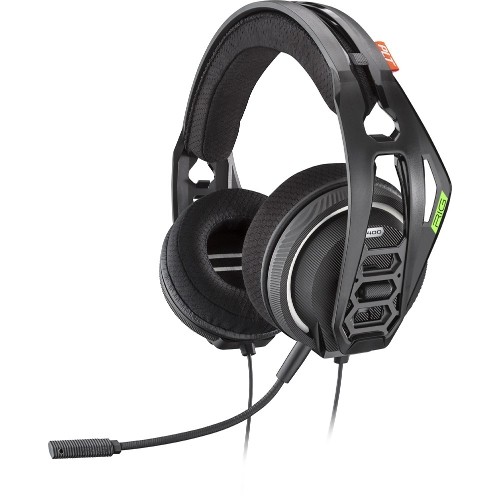 Your price for this item is $69.95
-
 Your price for this item is $130
-
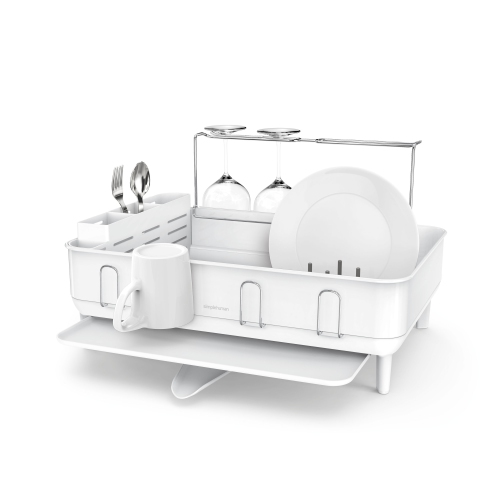 Your price for this item is $150
-
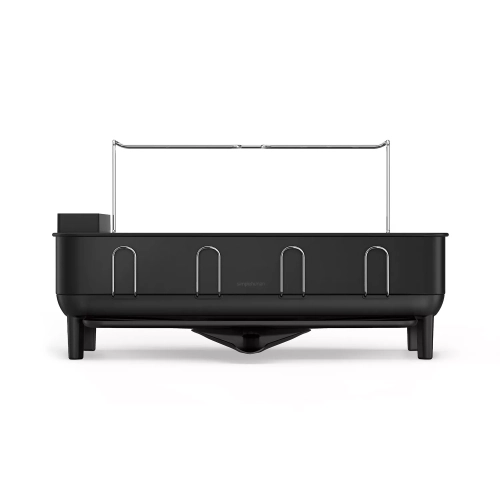 Your price for this item is $150
-
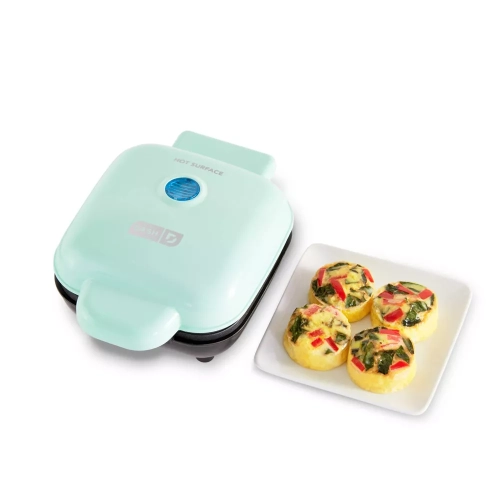 Your price for this item is $119.89
-
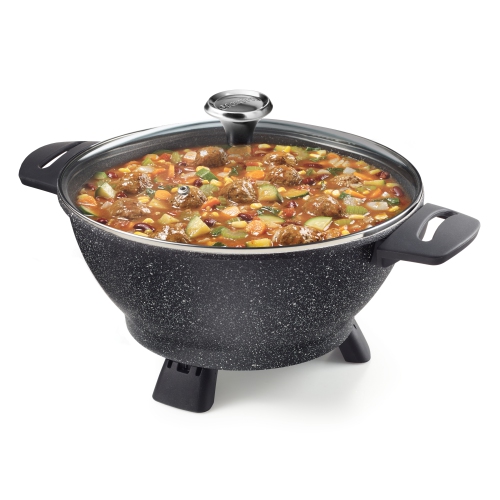 Your price for this item is $79.99
-
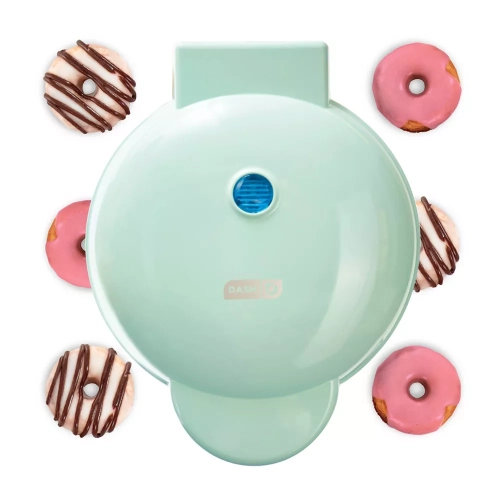 Your price for this item is $95.91
-
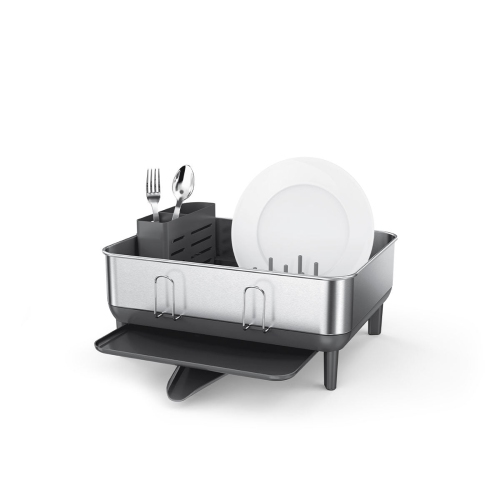 Your price for this item is $100
Discover more categories related to Cool Kitchen Gadgets


Top Collections:
Pokemon Centers, Kindle Devices, Best Cameras for Sports Photography, Pokémon 30th Celebration Cards, Canon G7X Cameras, Samsung Galaxy Phones, iPhone 15 Apple, Best Black Friday Deals On Electronics, Jackery Power Stations, Solar Generators for Home
Some products may be subject to Environmental Handling Fees
(EHF) depending on your province.
Learn more about EHFs.