Corner Racks
Looking to maximize your space while adding a touch of style to your home? Look no further than our selection of corner racks. These versatile storage solutions are designed to make the most of those hard-to-reach corners, transforming them into functional and organized spaces. Whether you need extra storage for books, decorative items, or everyday essentials, our corner racks offer the perfect blend of practicality and aesthetics. Here are some great options available.
Sort
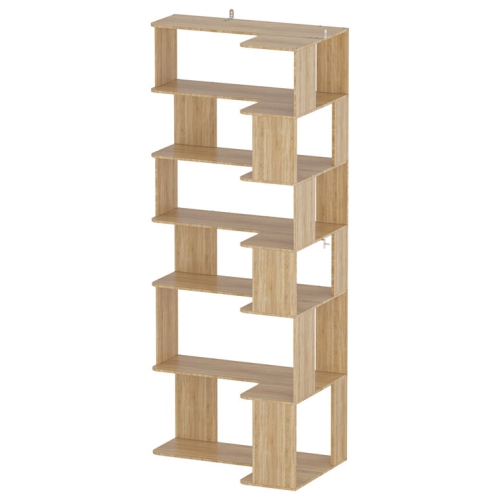
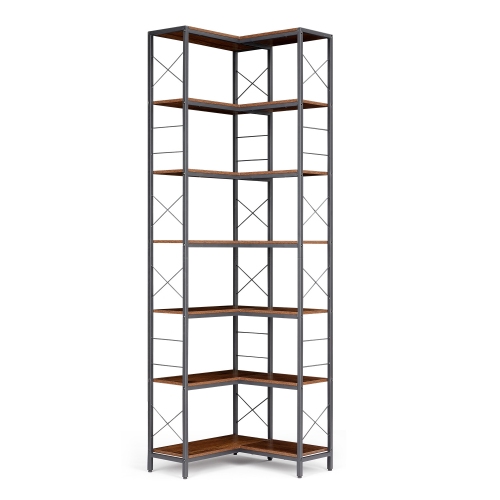
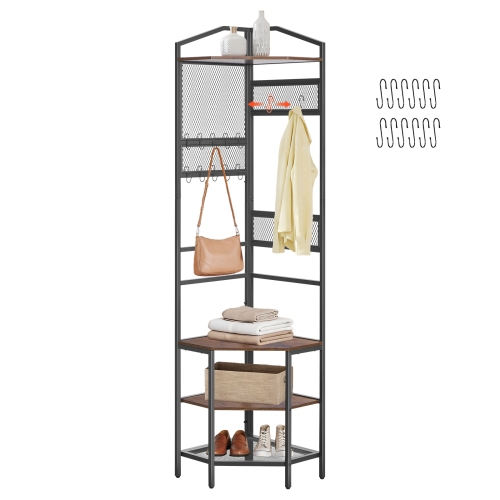
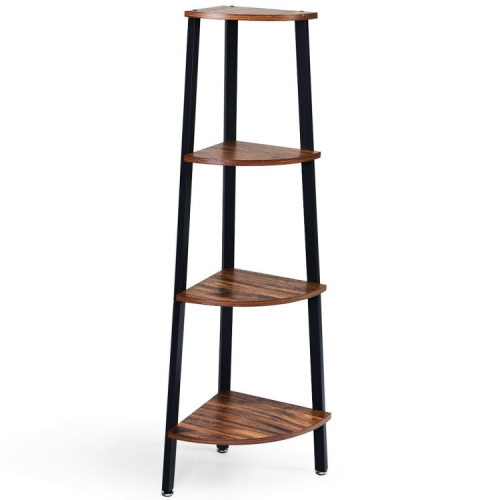
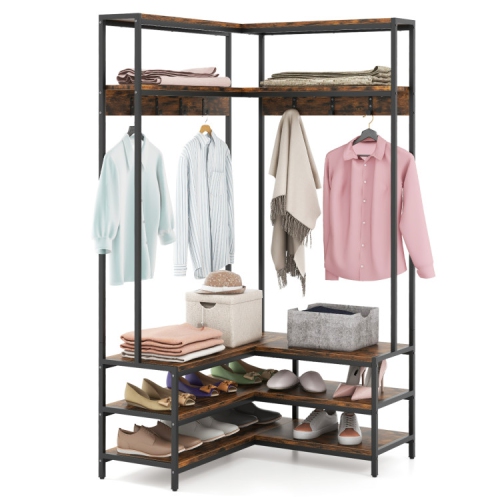
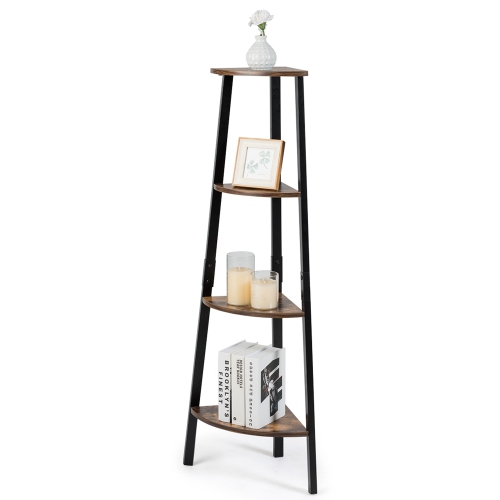
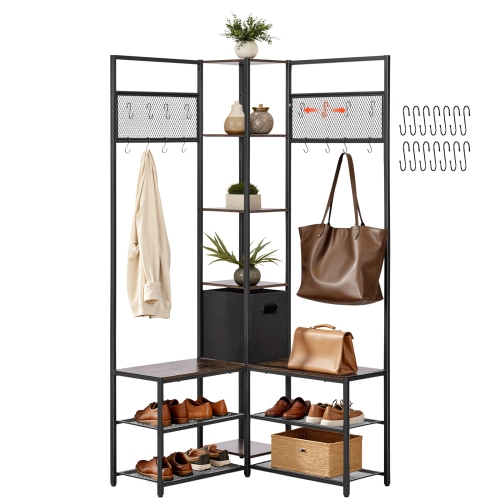
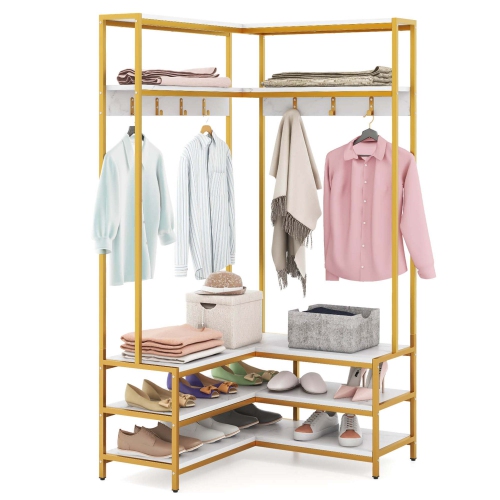
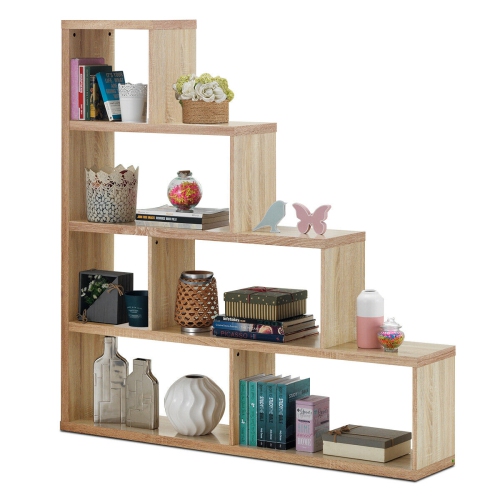
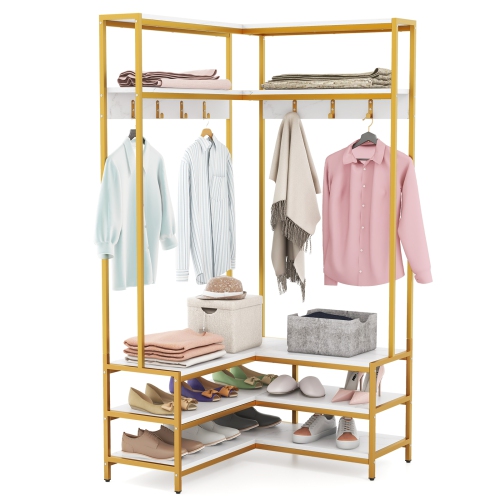
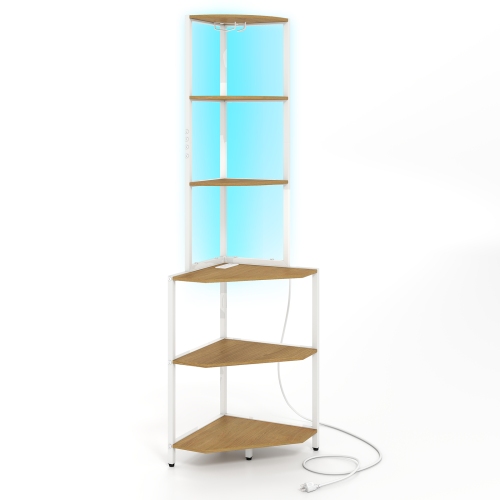
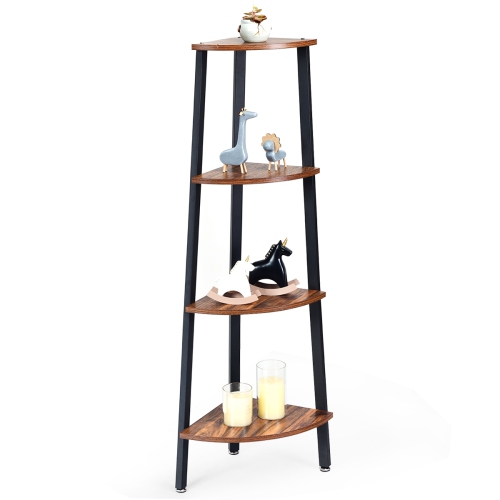
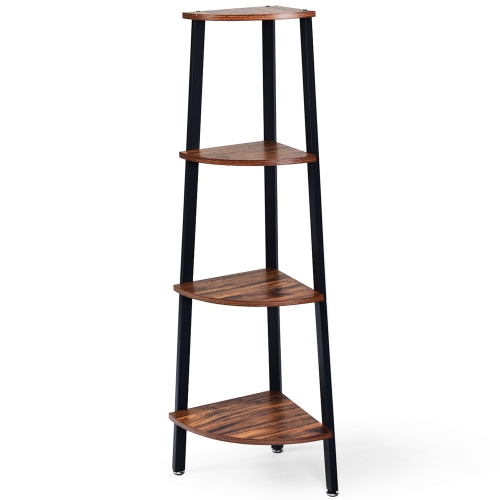
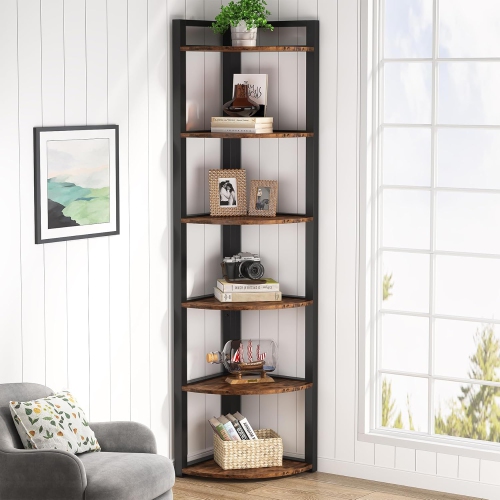
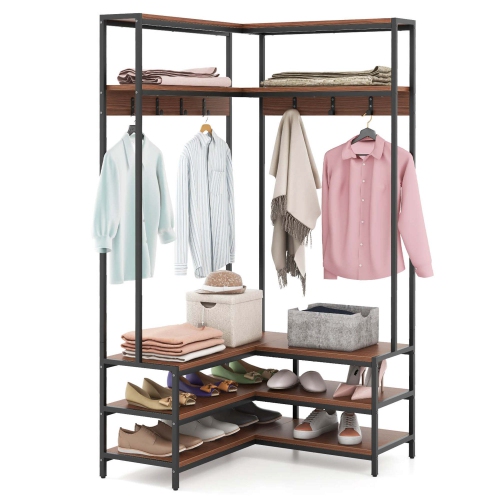
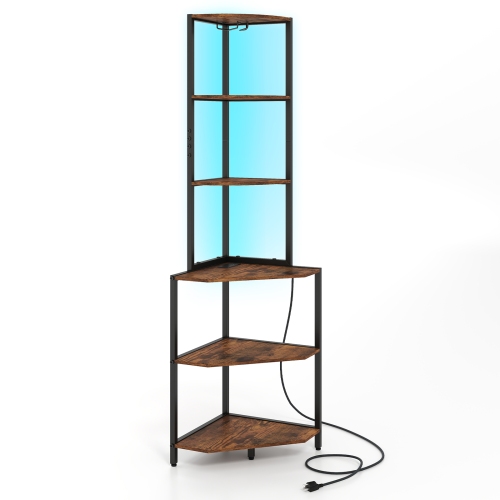
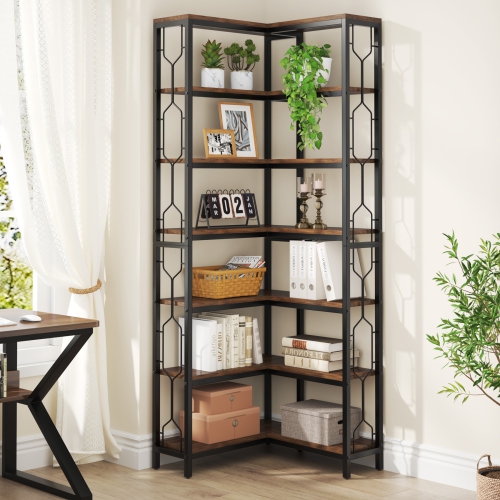
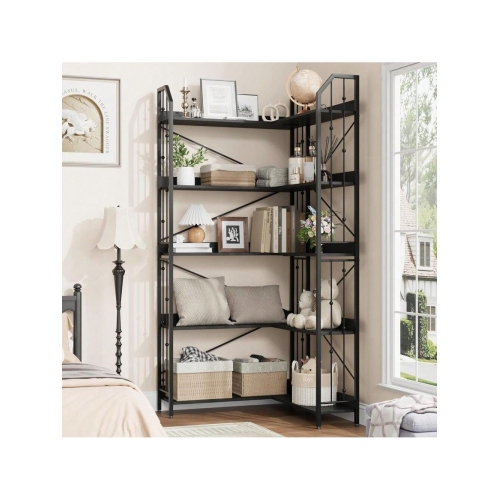
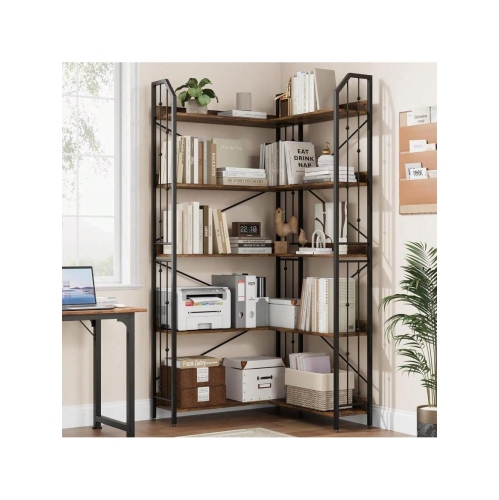
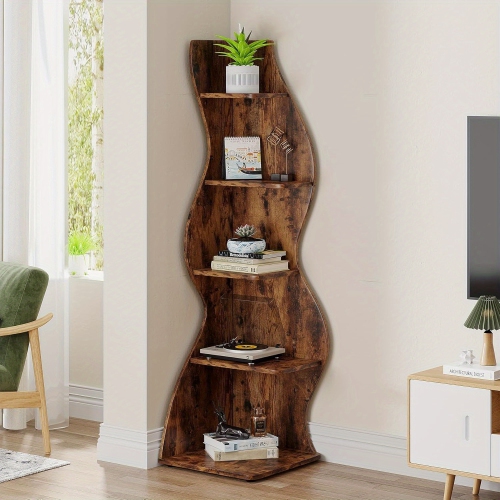
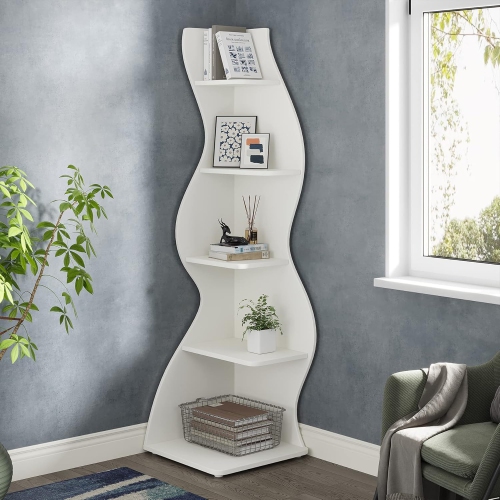
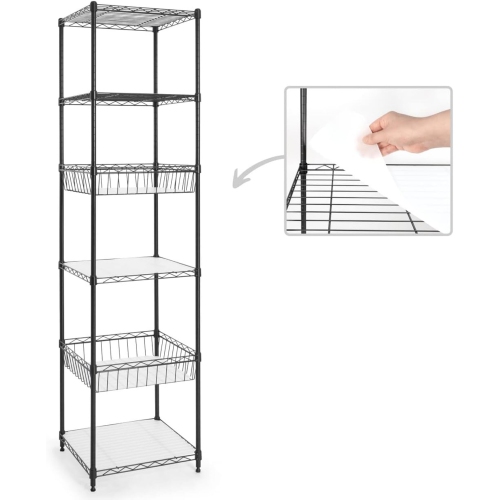
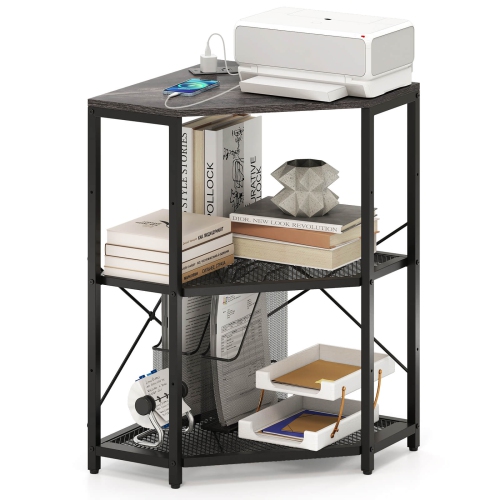
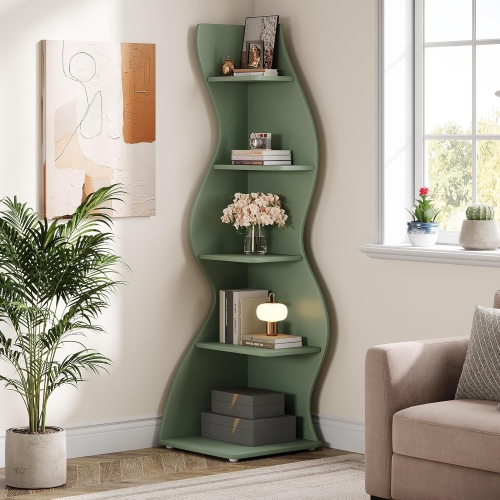
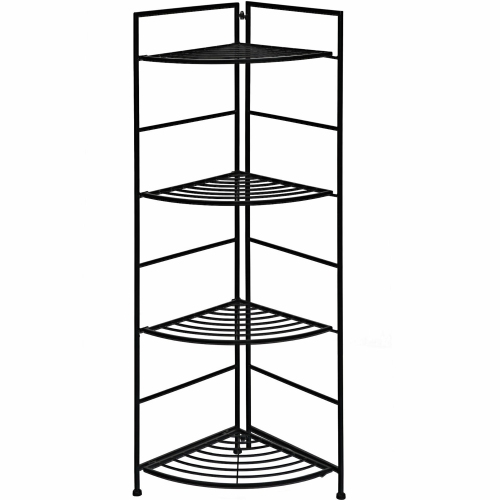
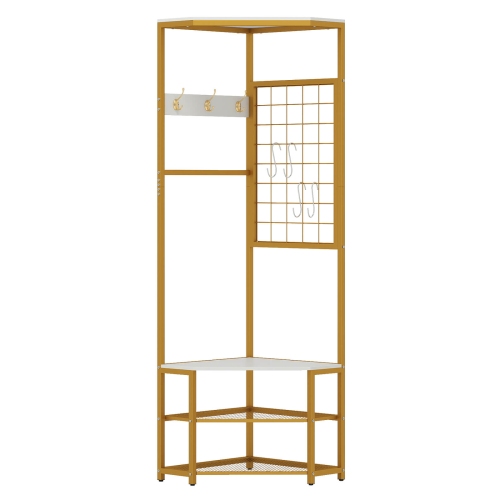
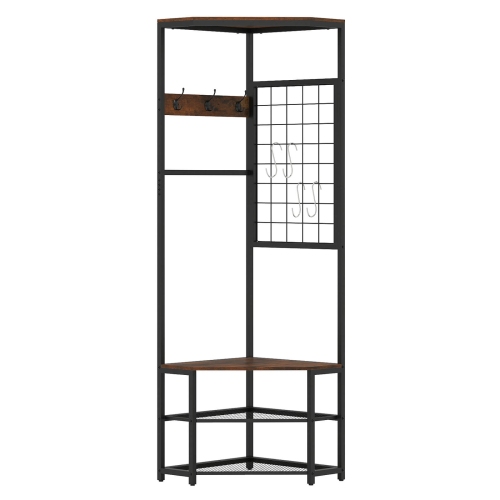
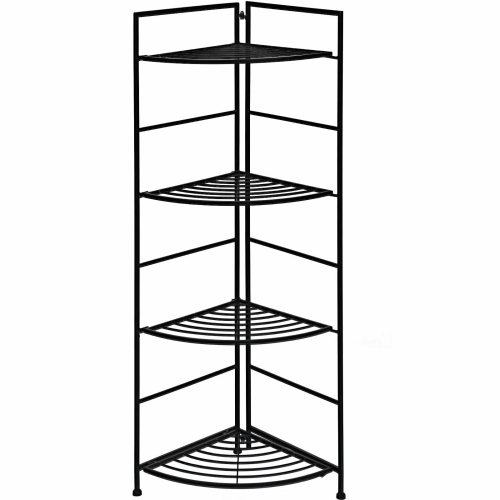
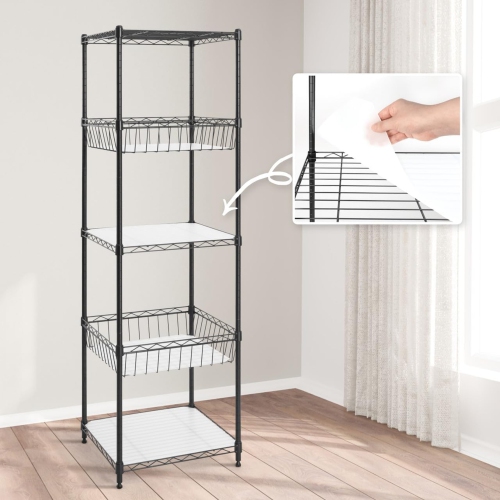
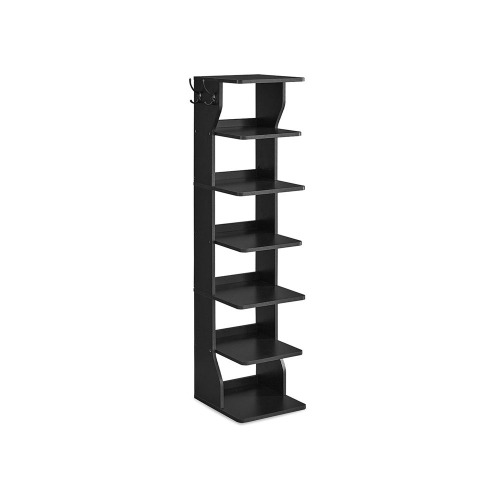
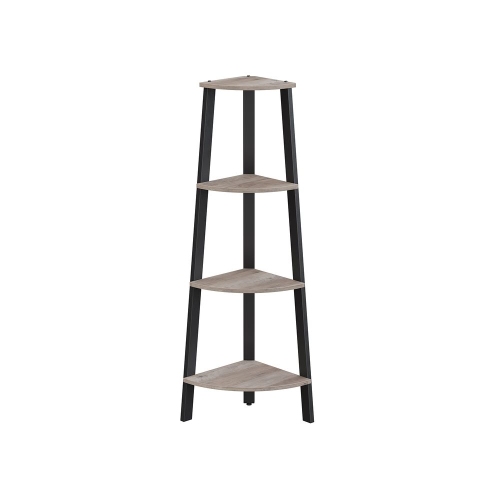

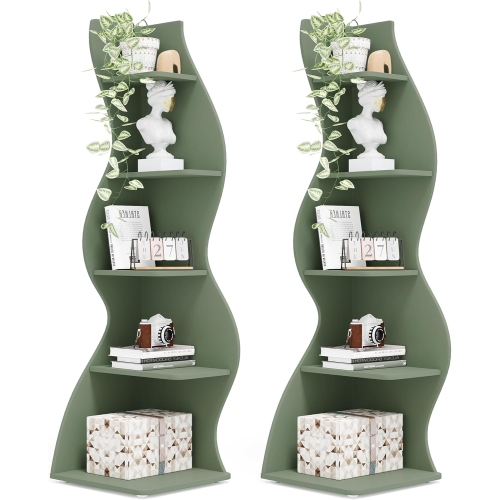
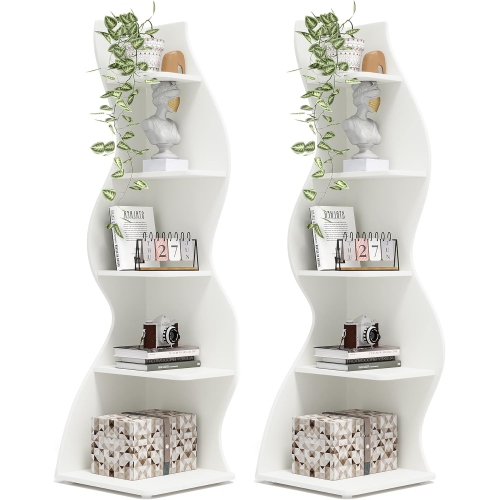
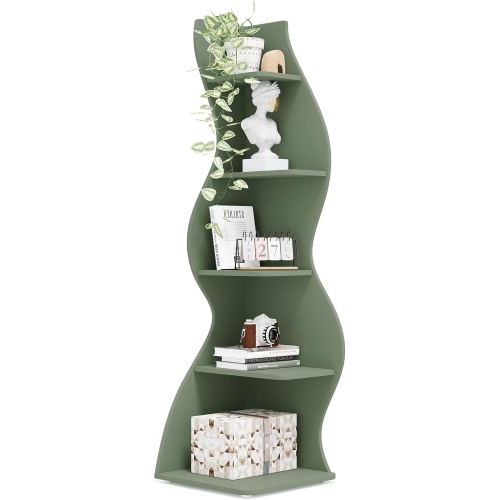
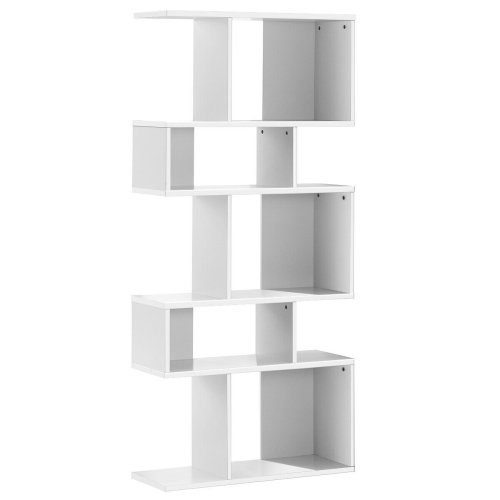
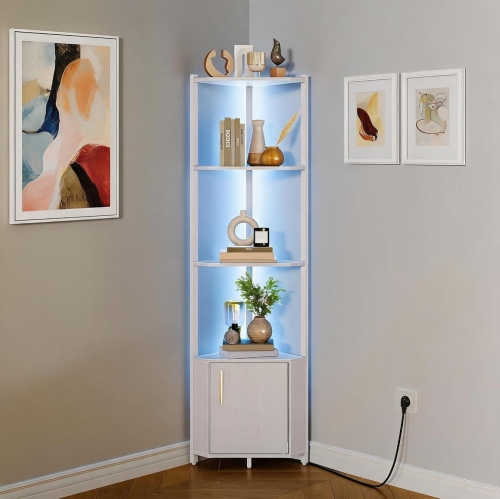
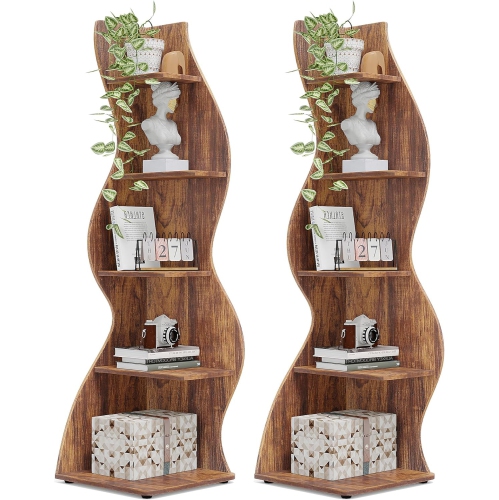
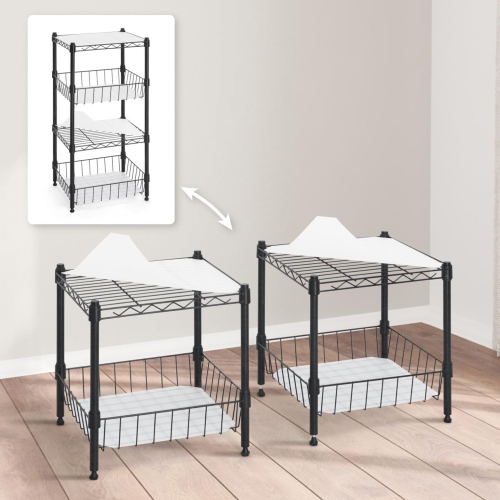
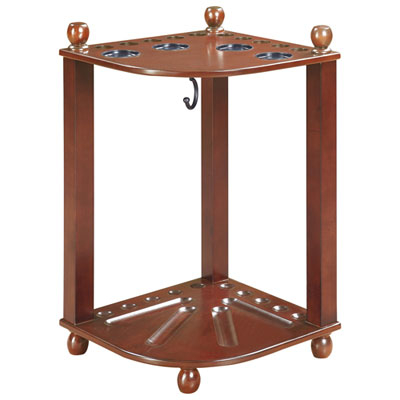
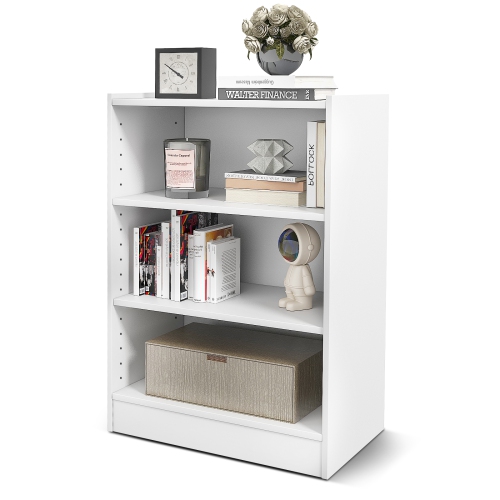
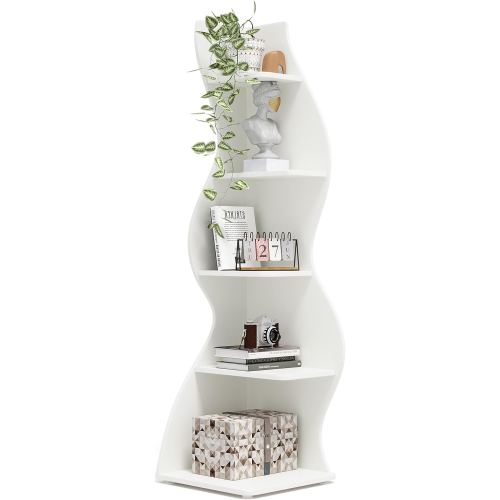
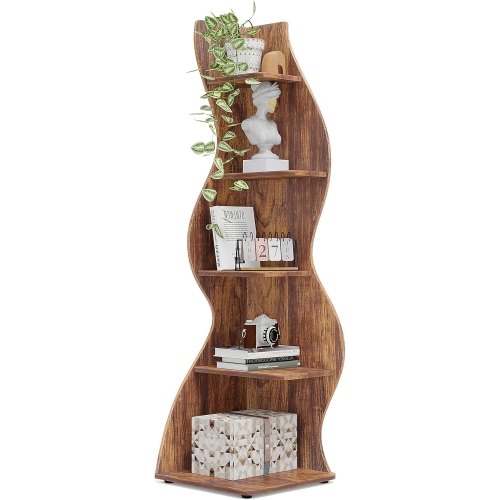

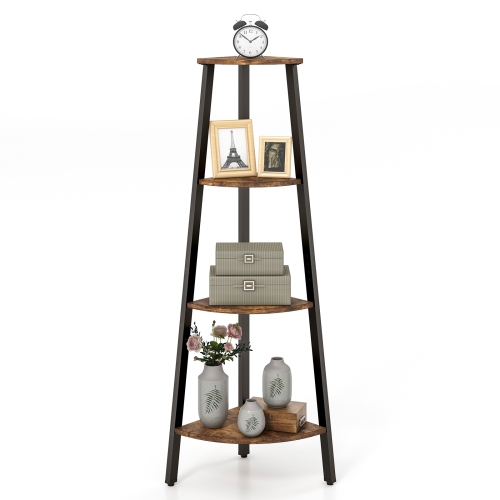
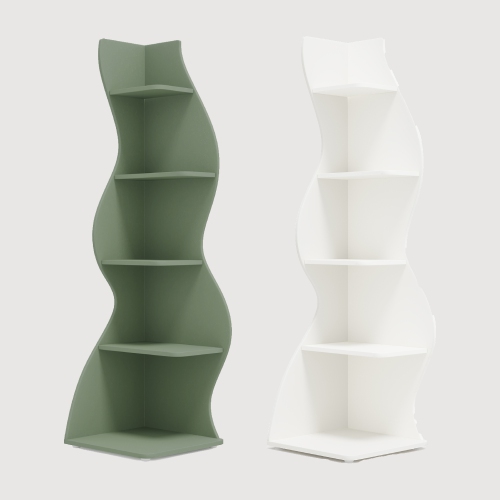
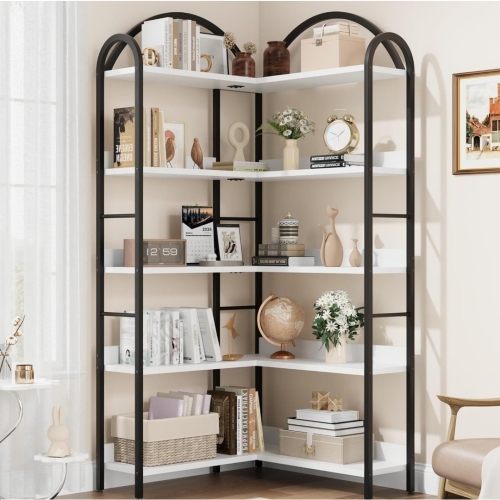
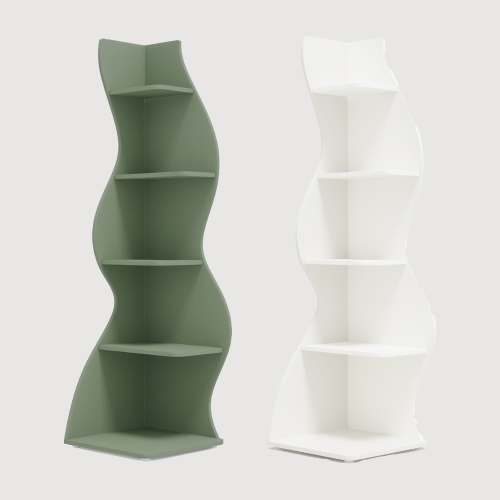
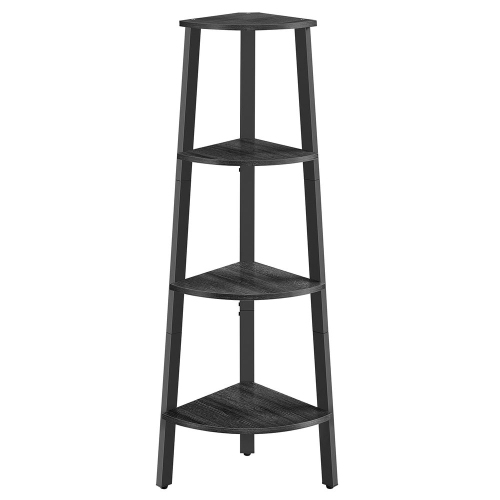
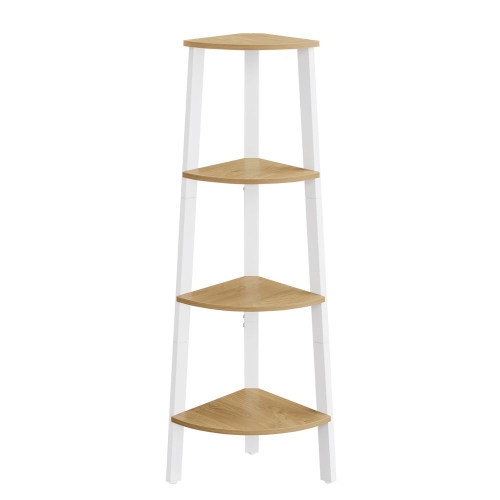
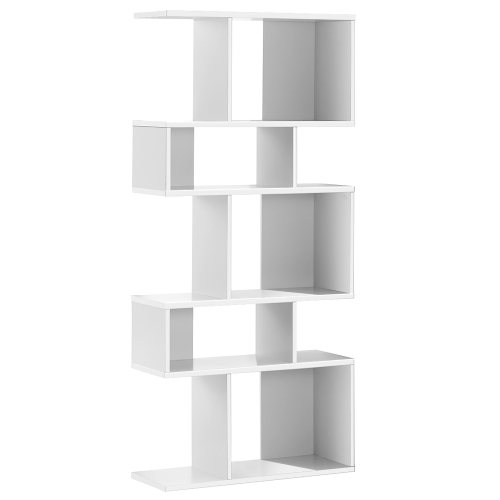
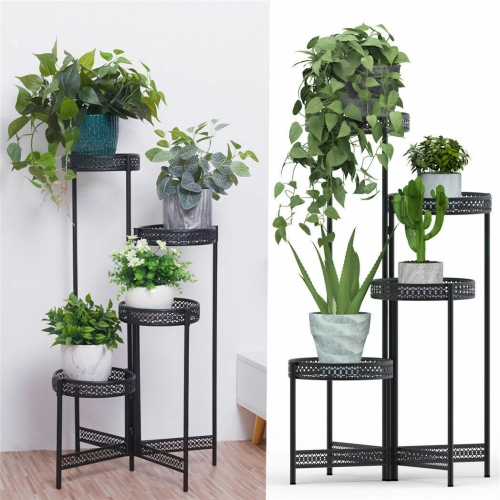
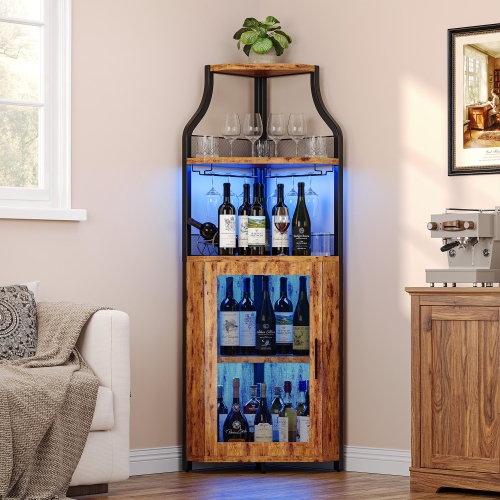
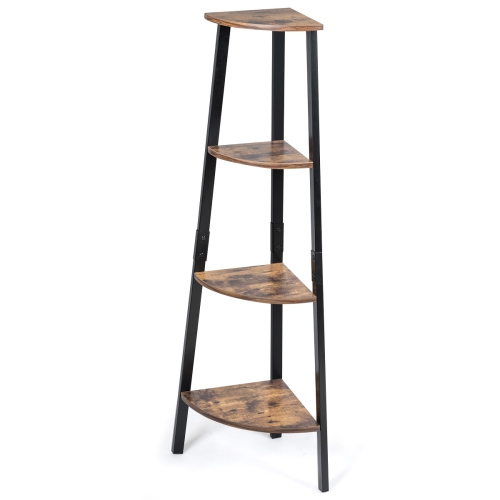
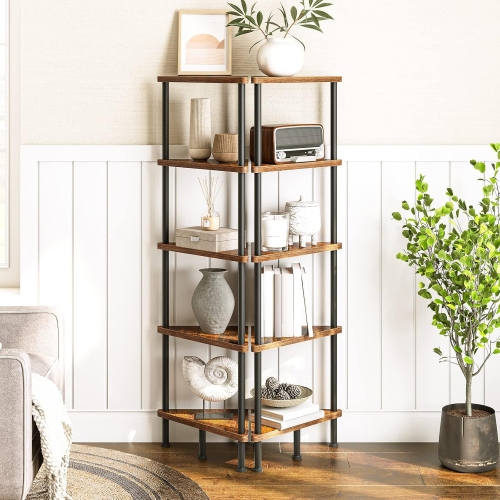
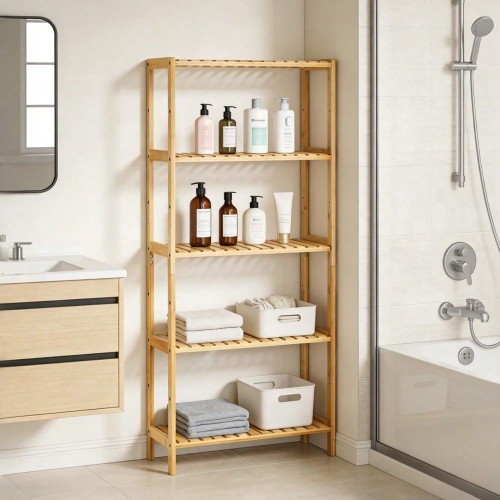
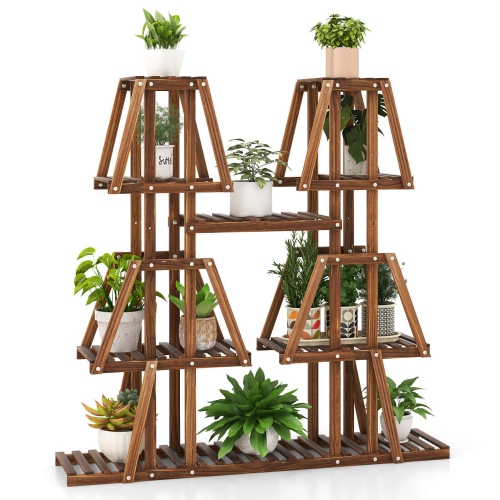
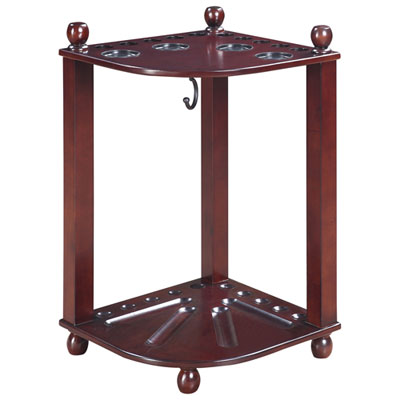
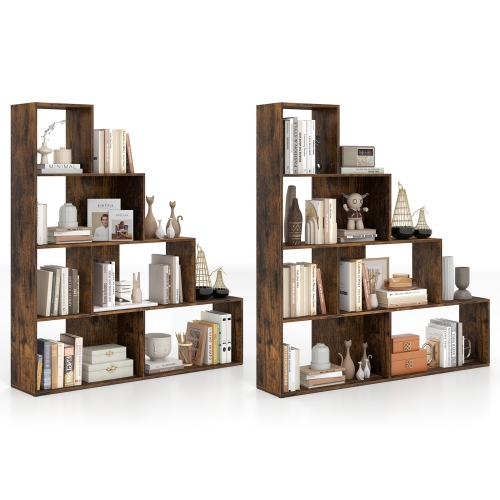
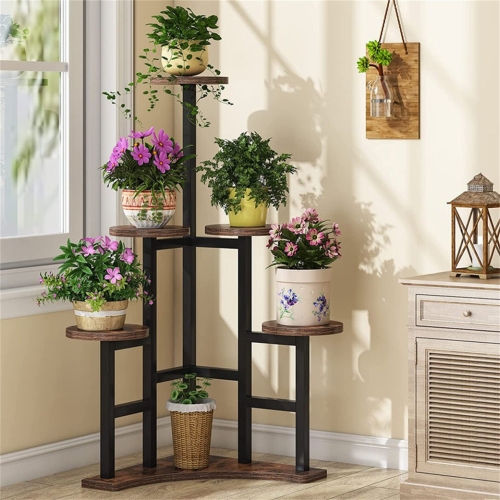
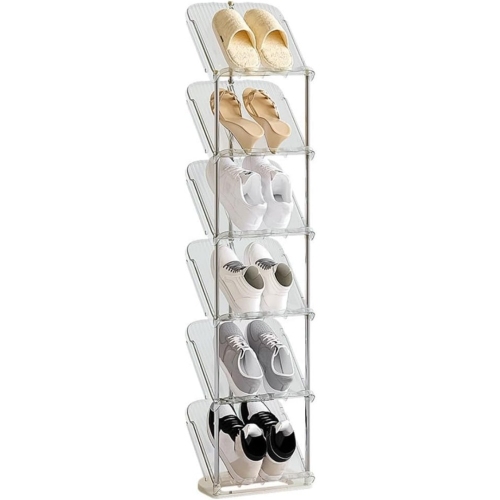
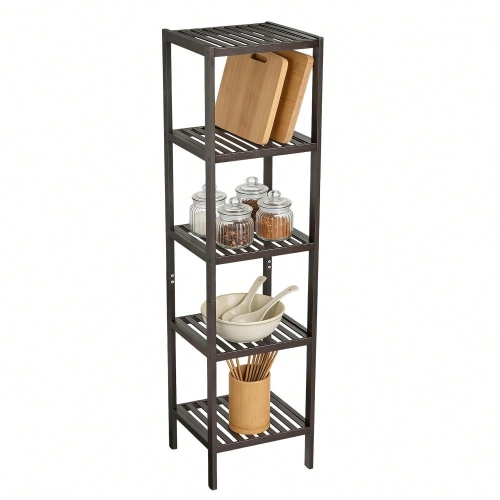
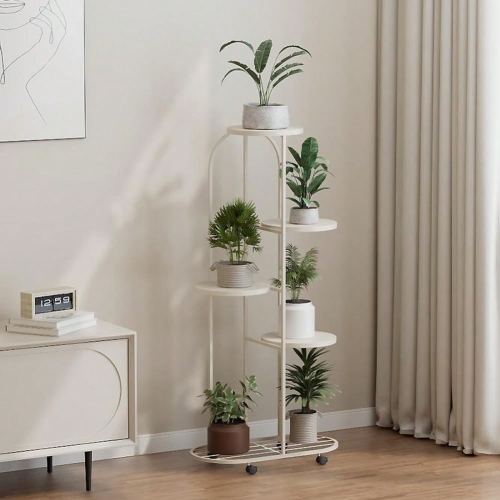
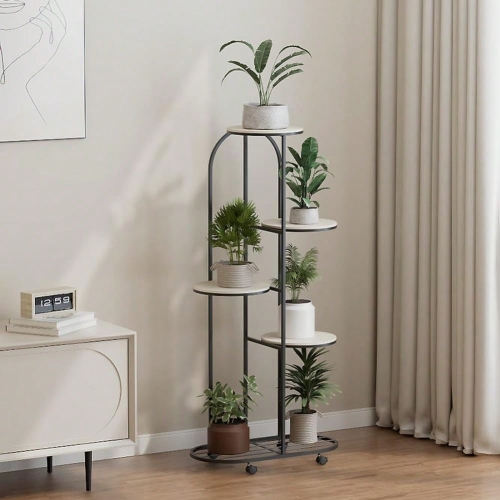
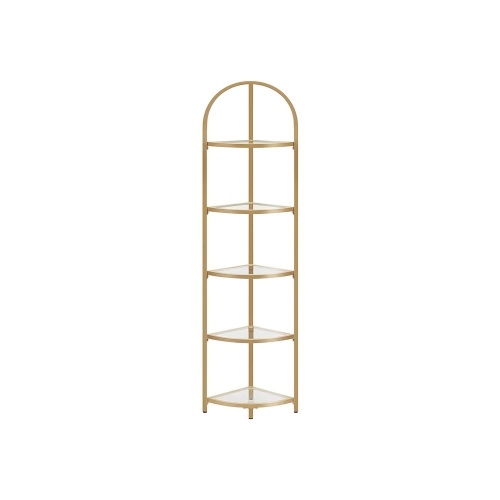
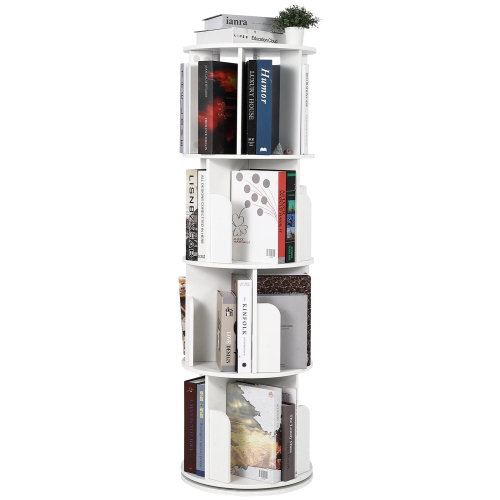
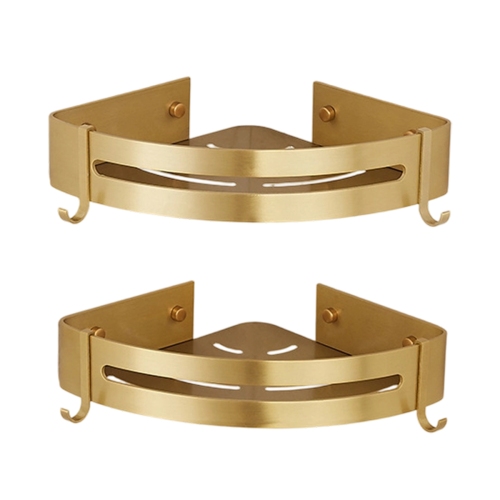
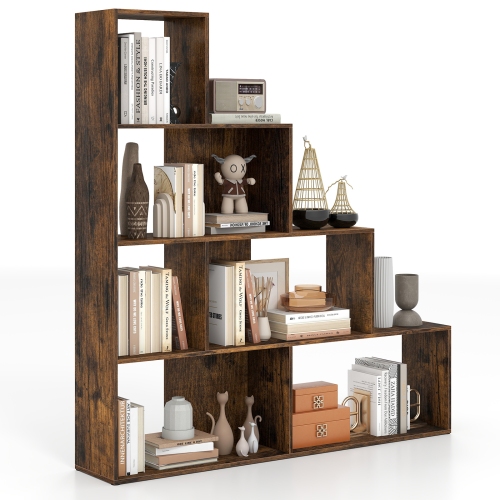
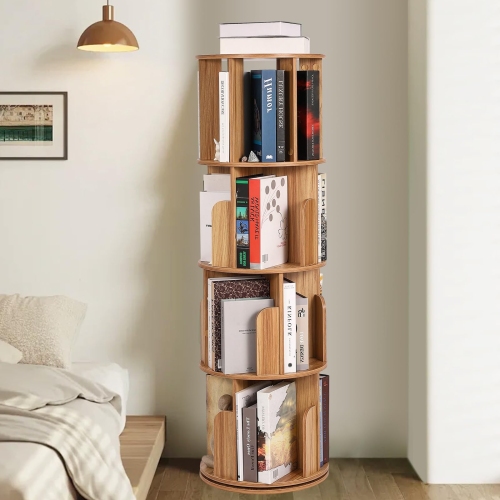
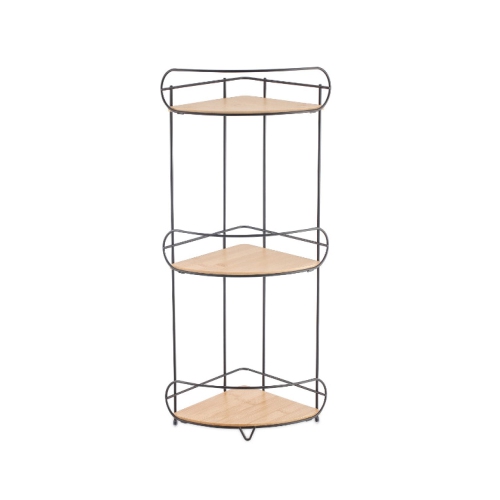
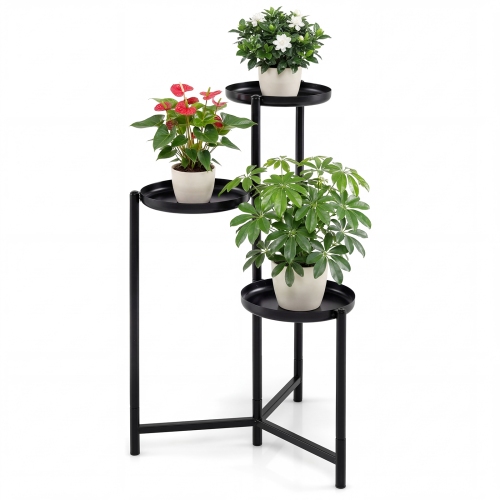
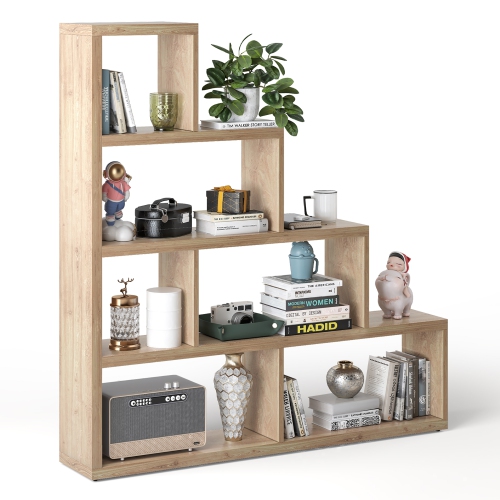
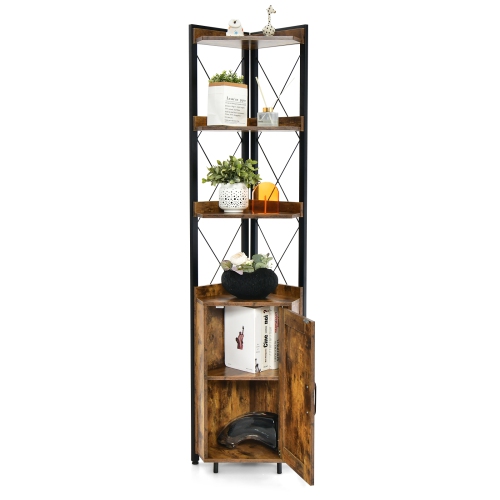
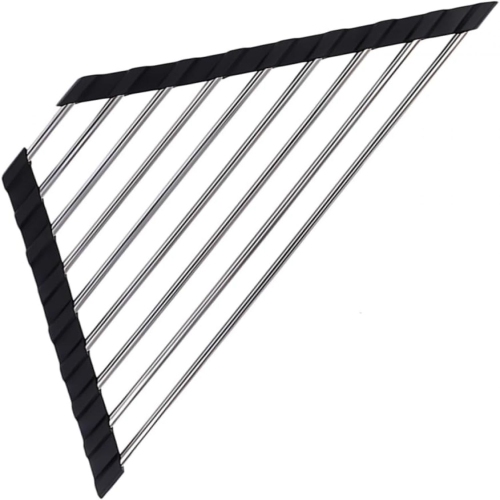
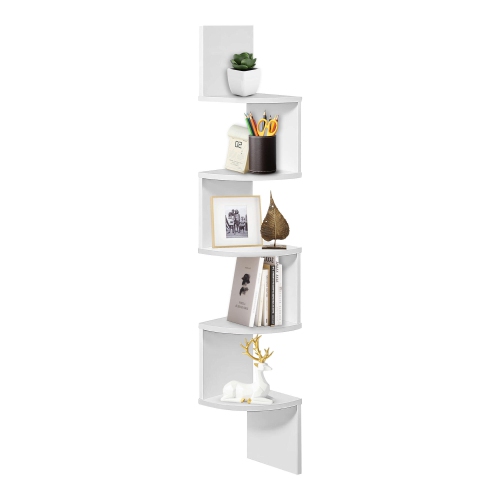
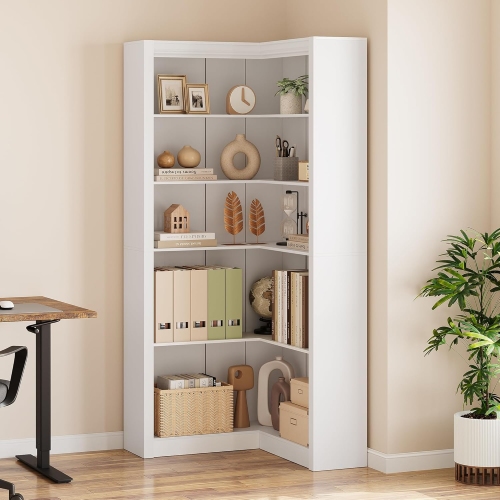
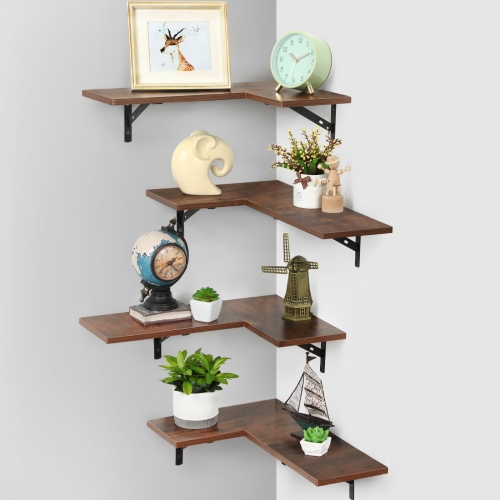
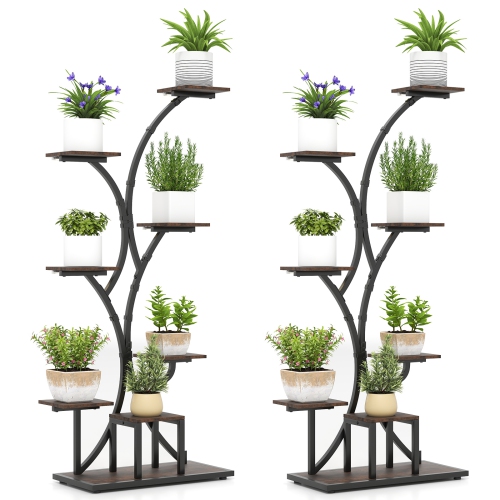
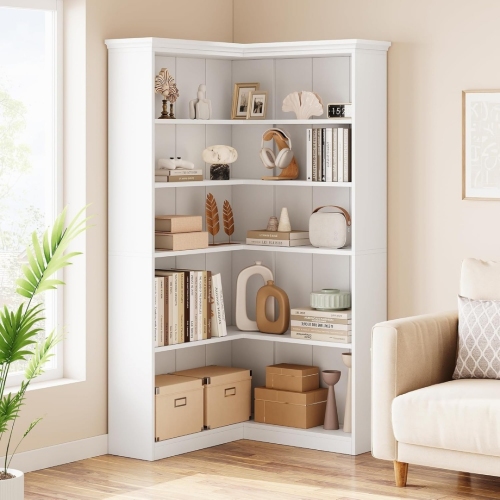
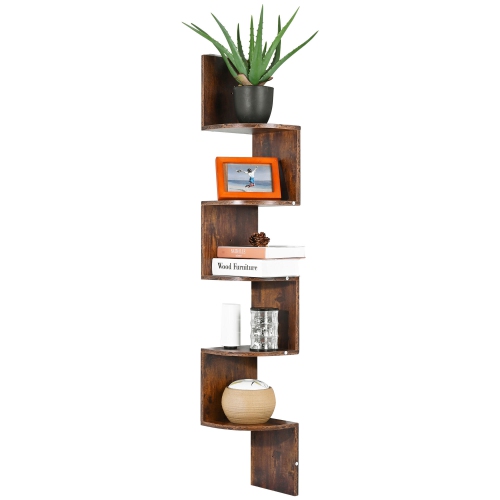
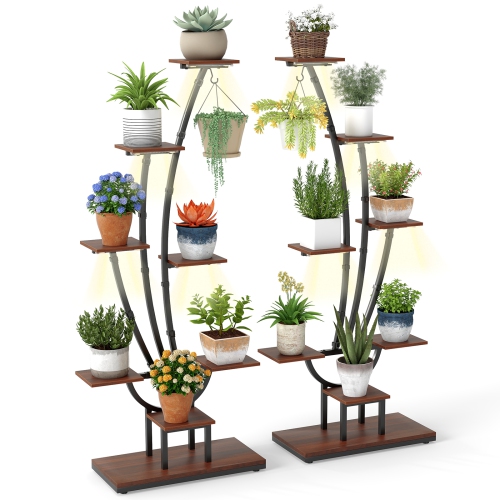

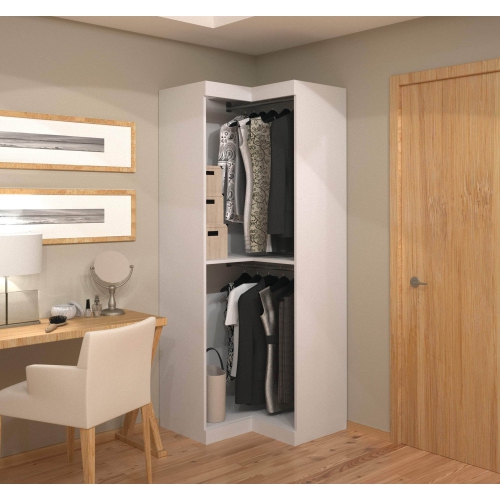
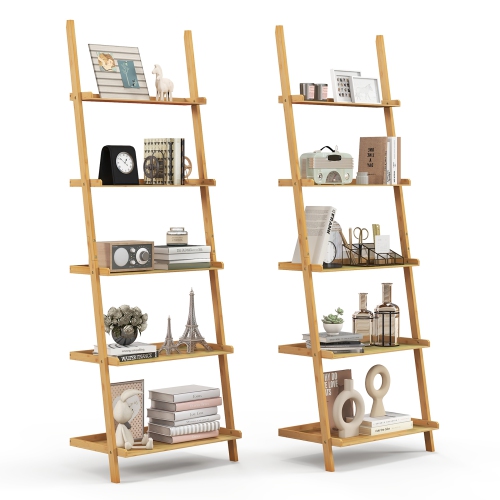
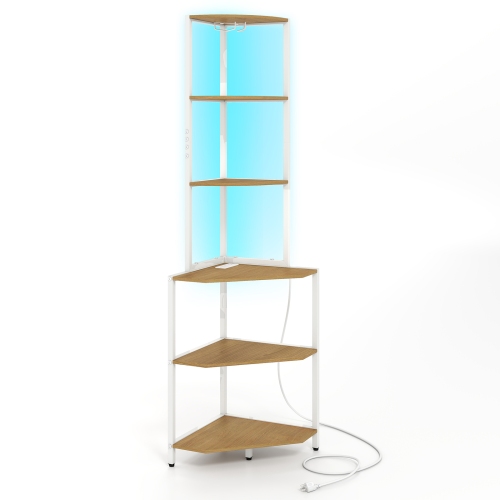
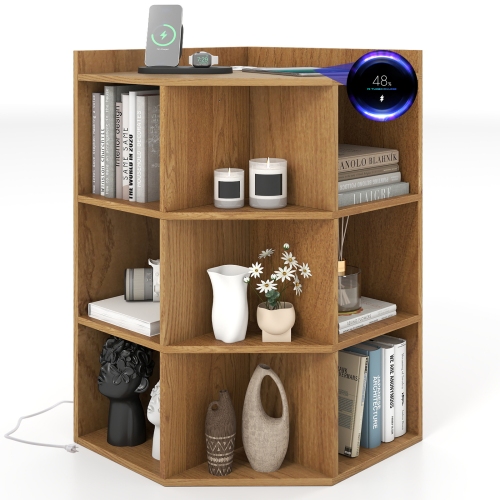
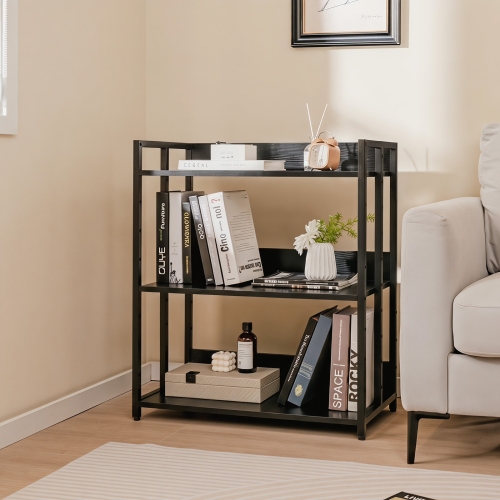
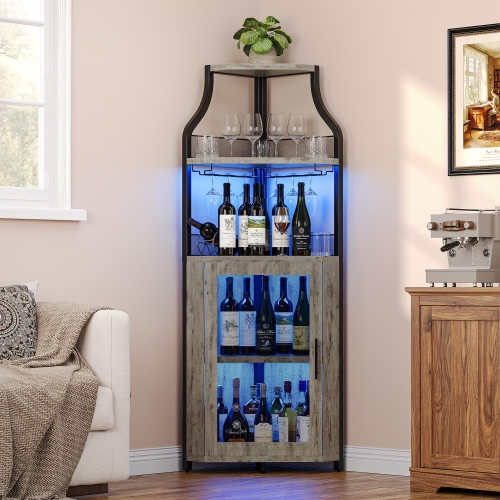
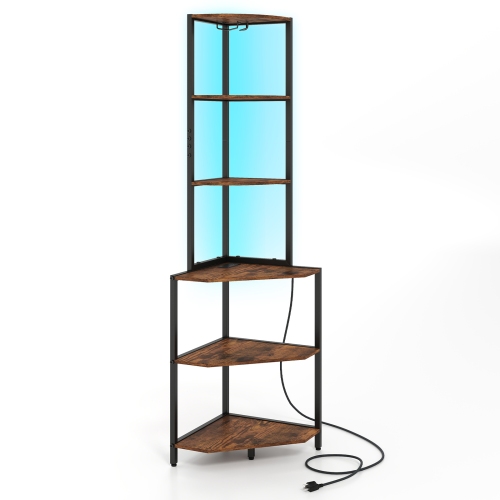
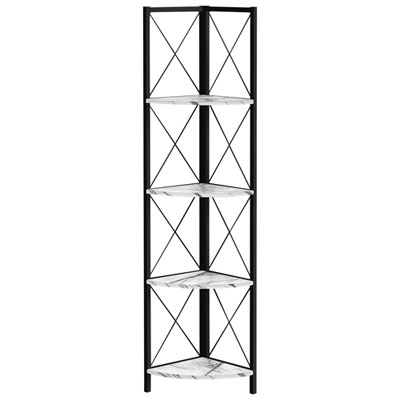
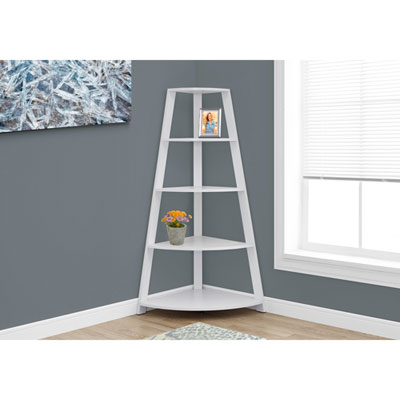
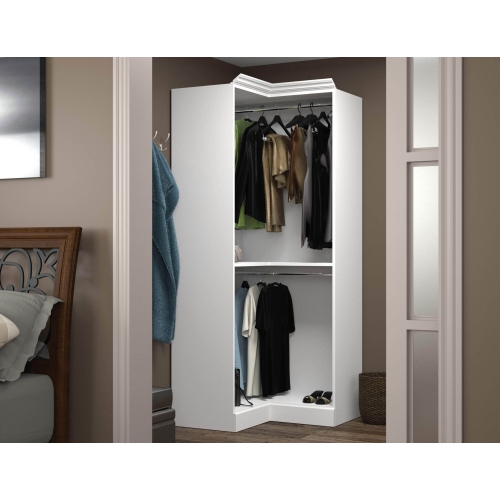
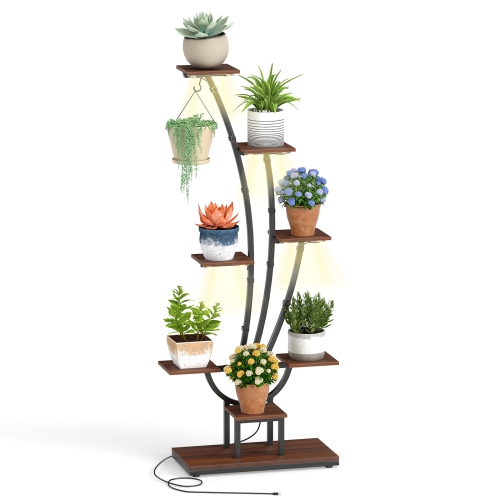

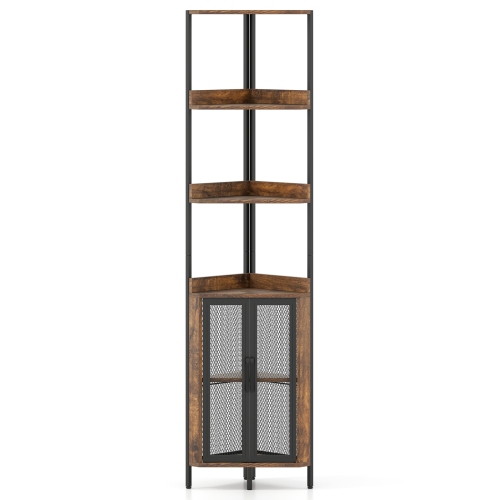
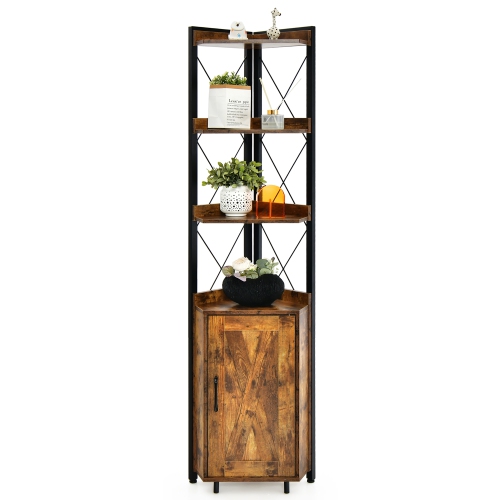
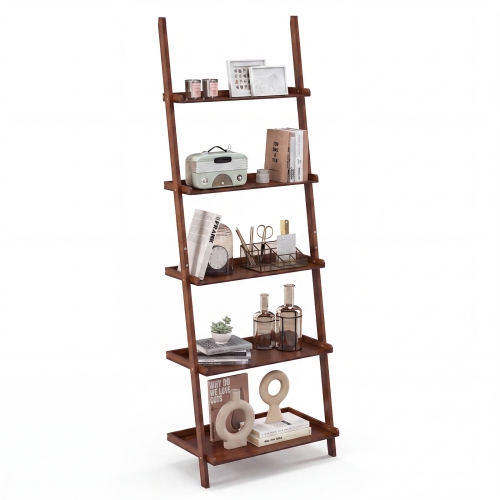
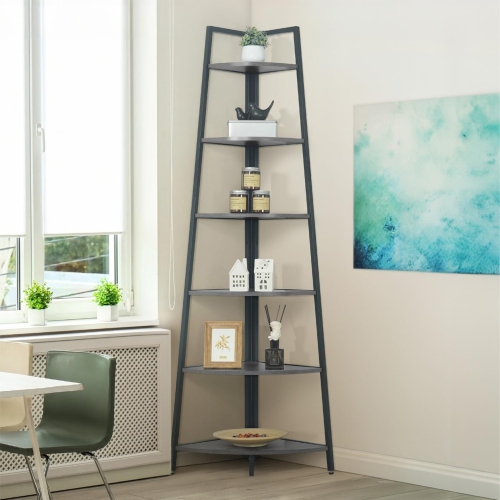
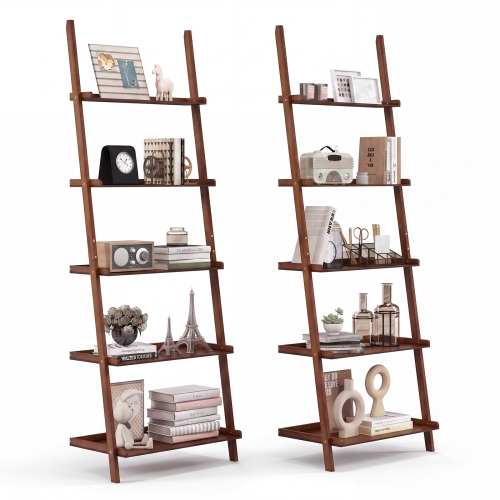
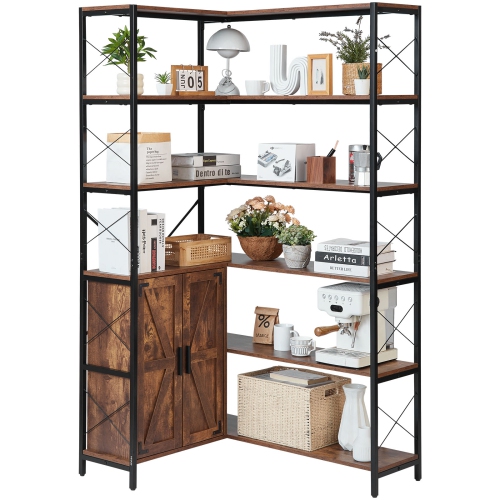
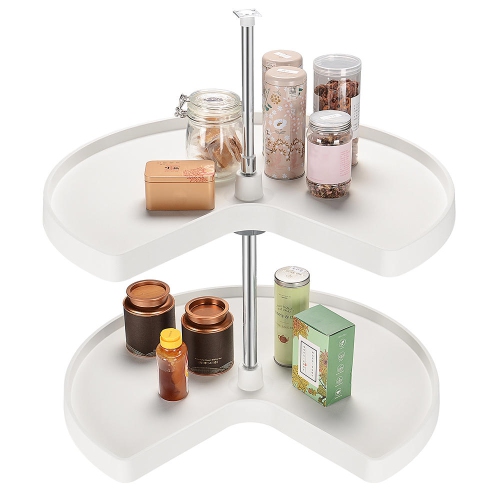
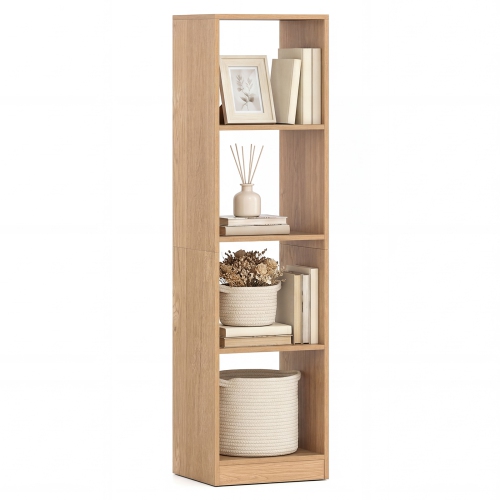
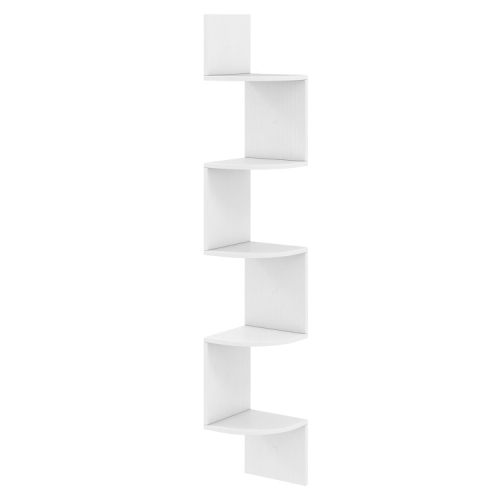
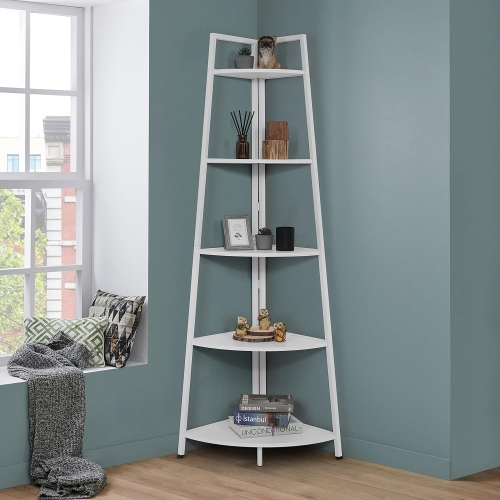
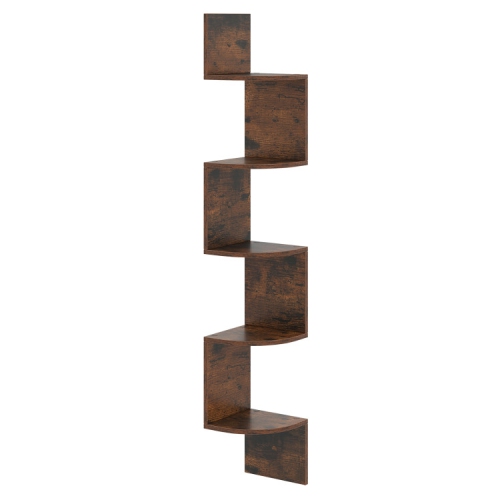
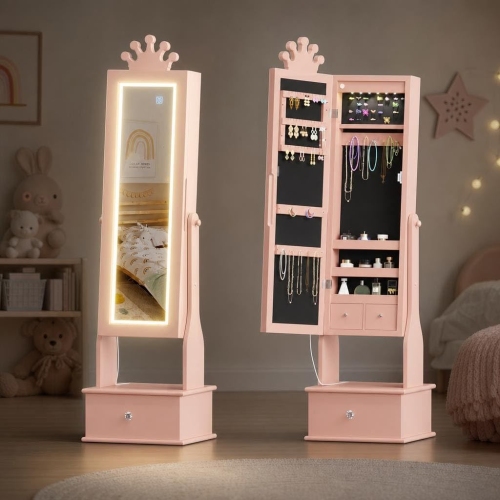
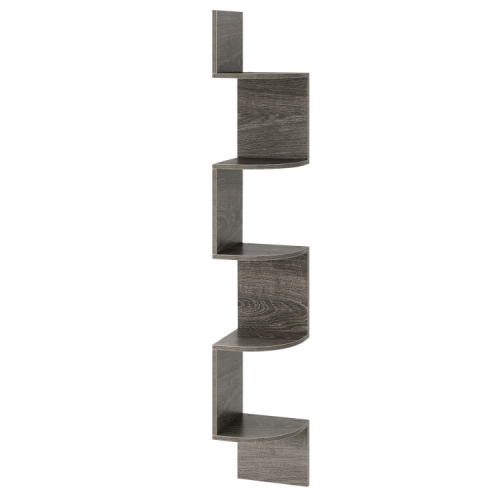
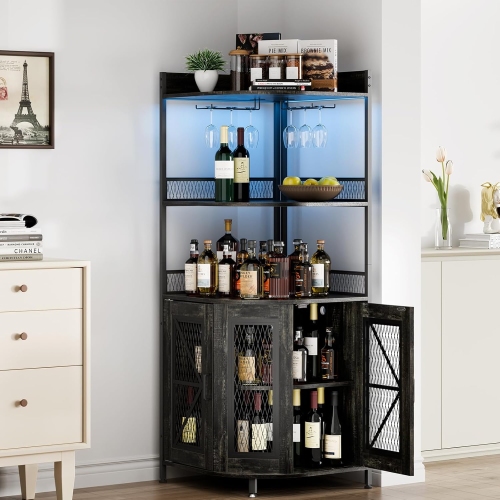
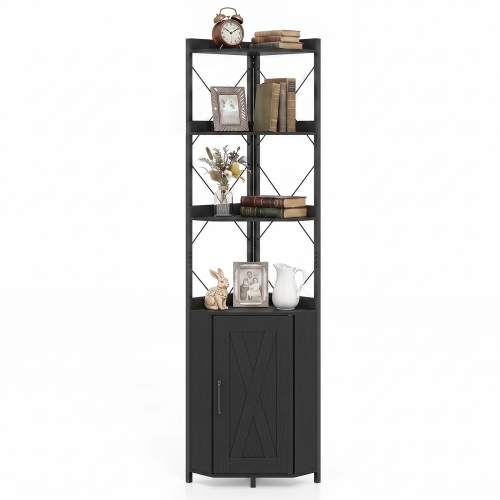
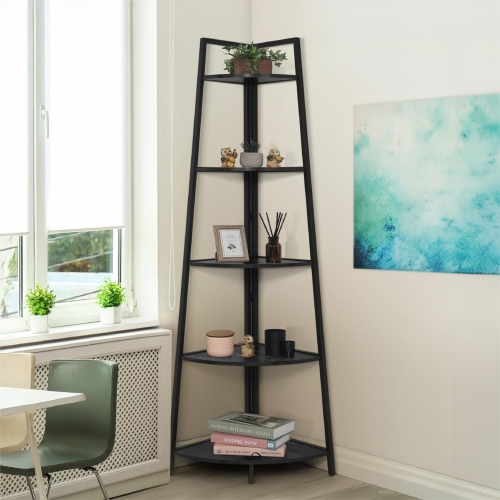
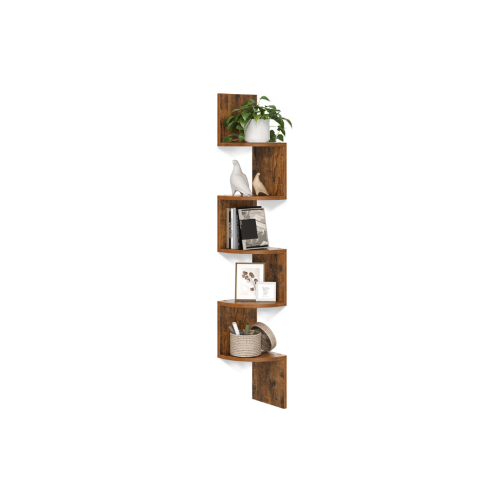
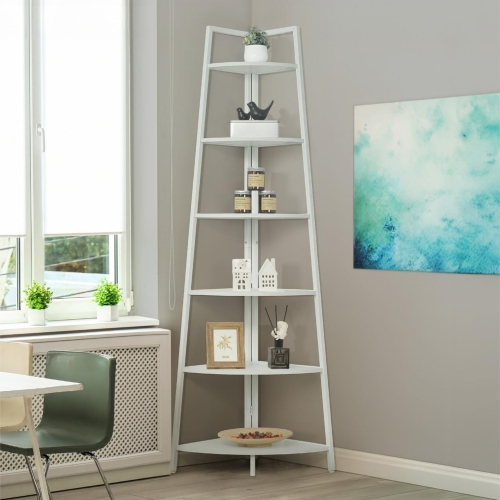

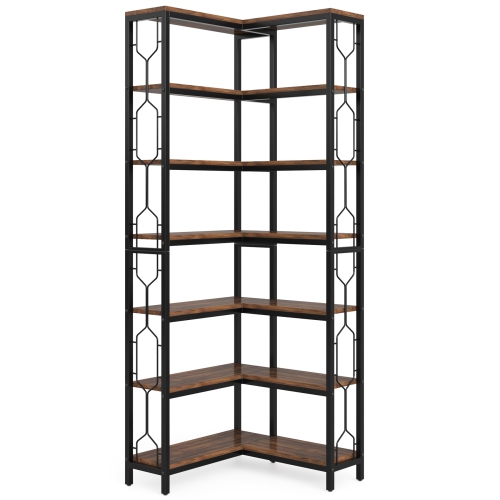
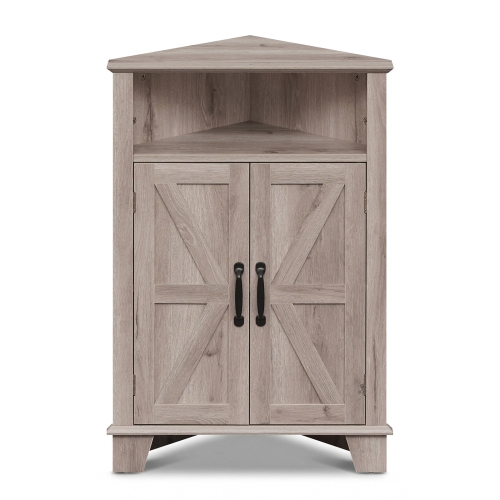
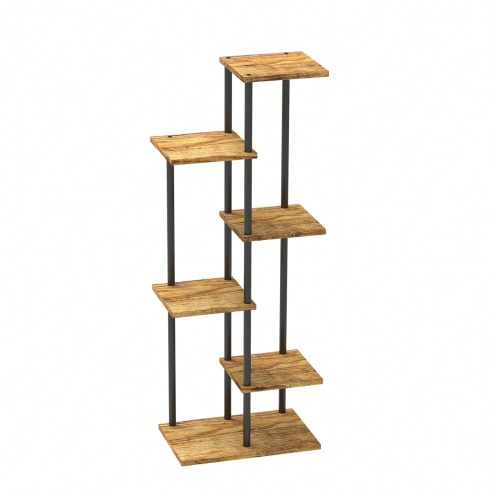
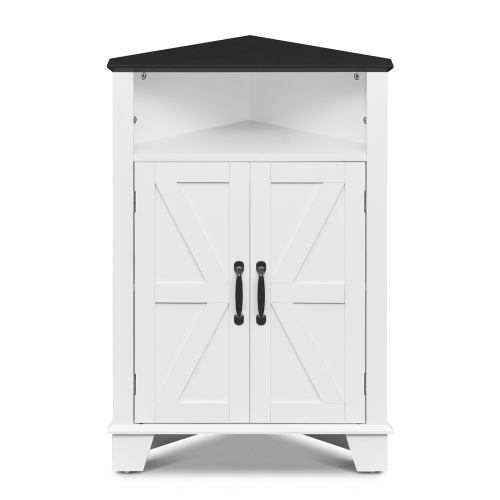
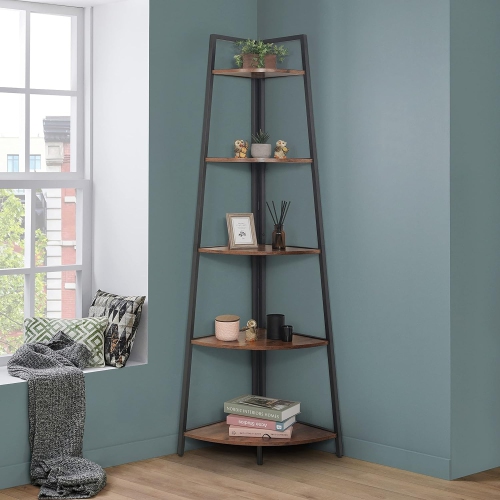
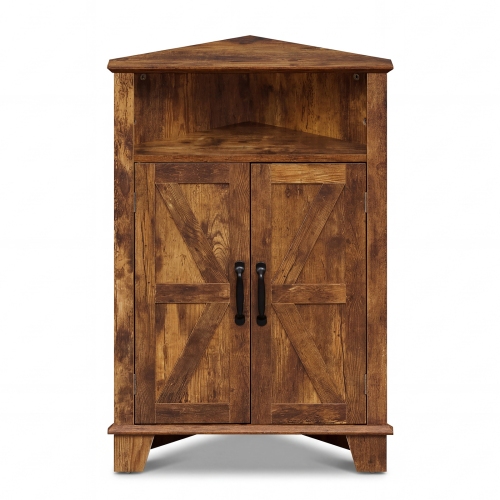
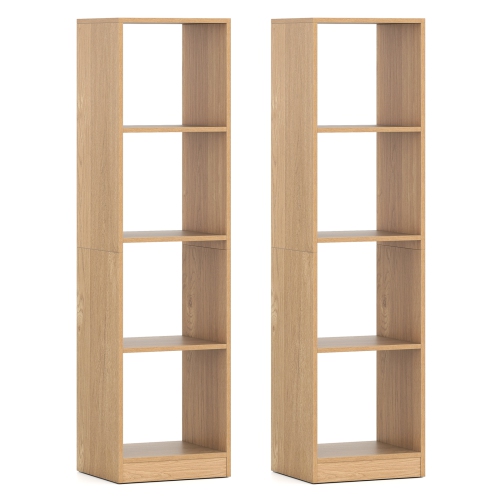
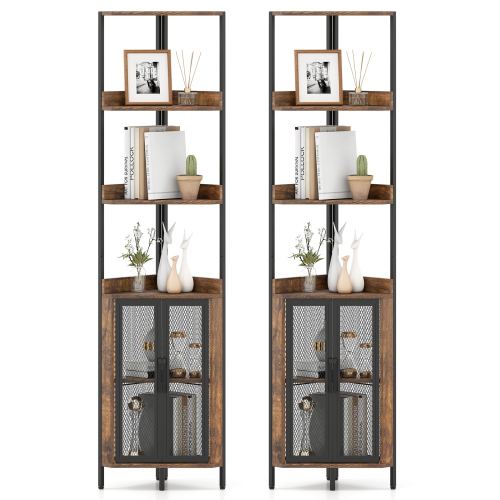
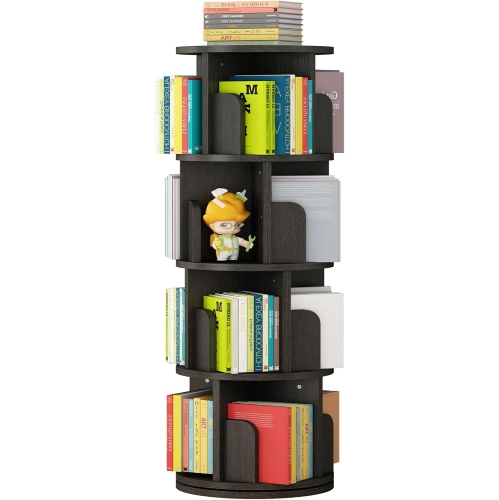
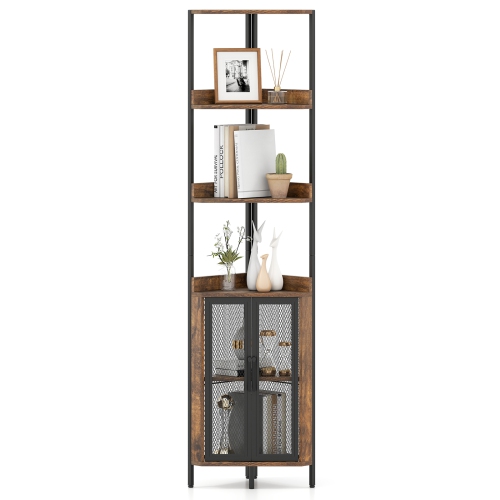
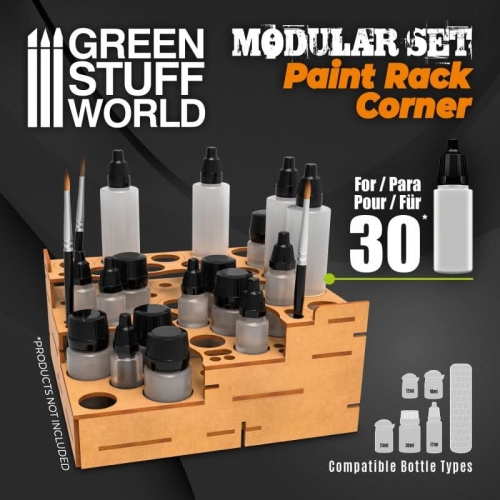
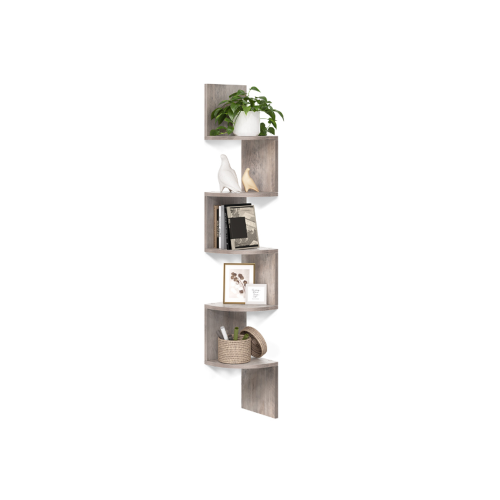
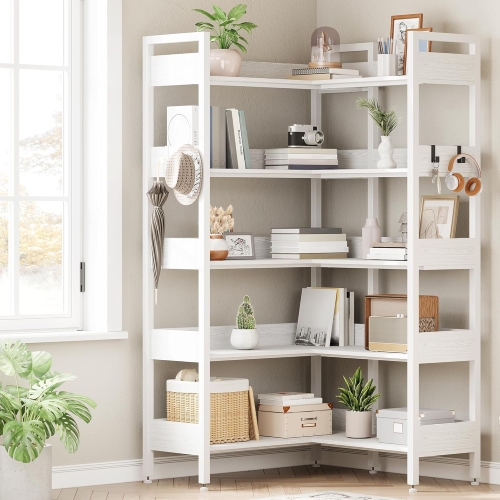
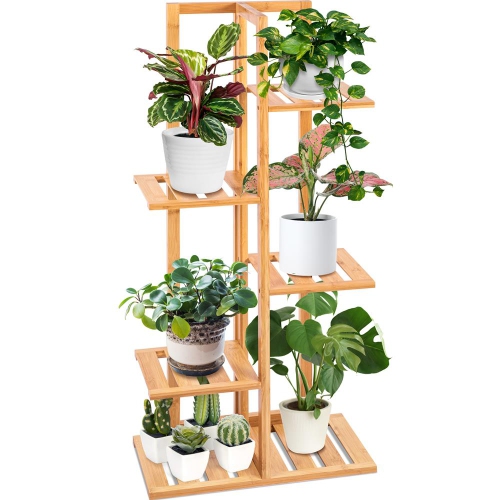
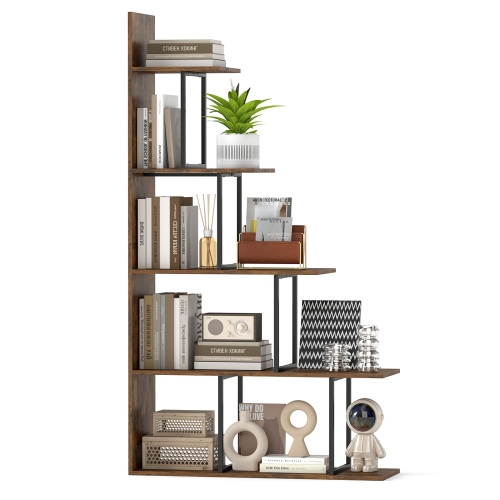
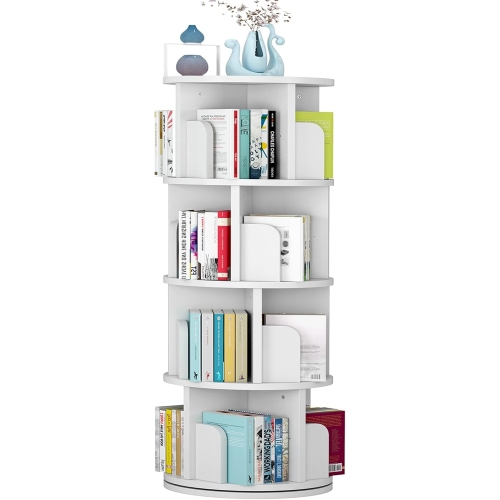
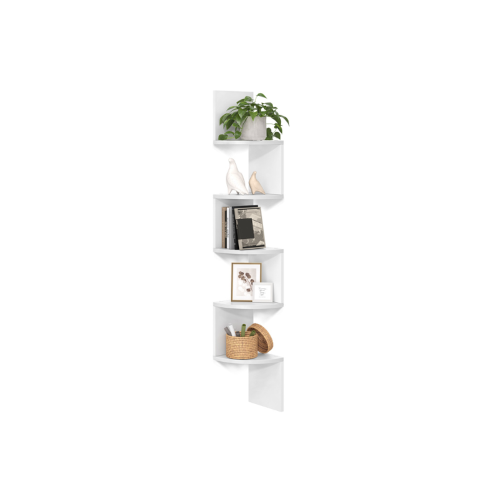
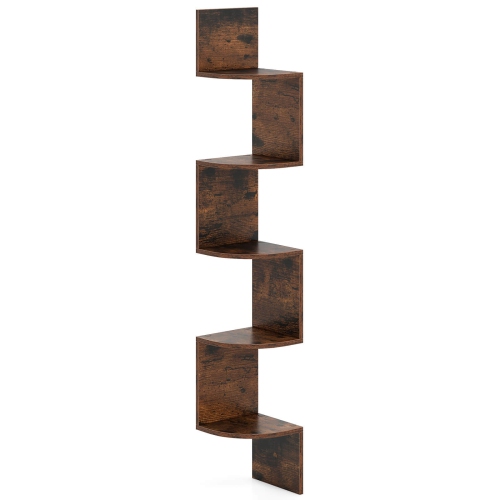
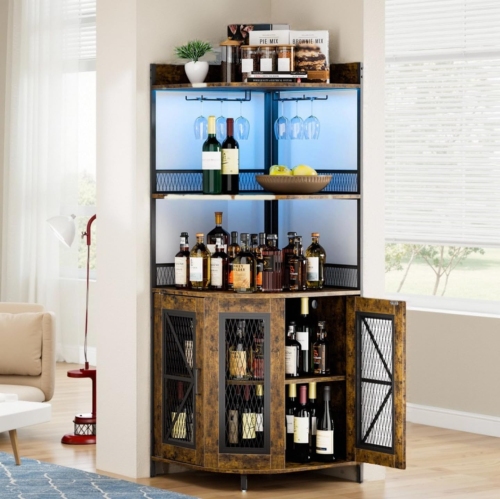
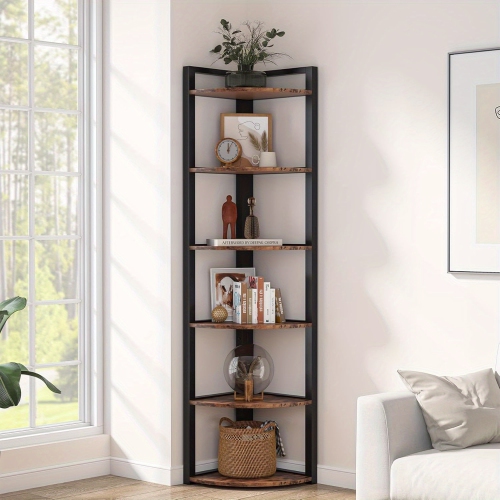
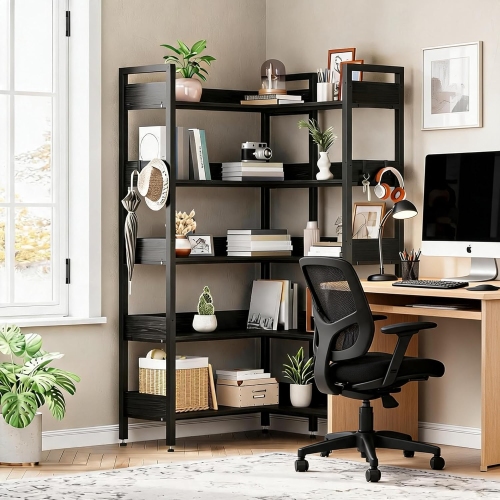
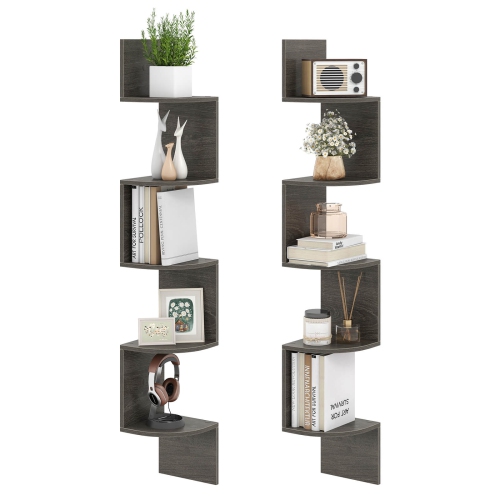
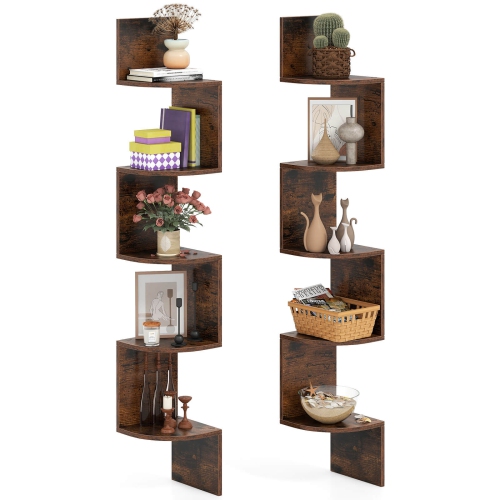
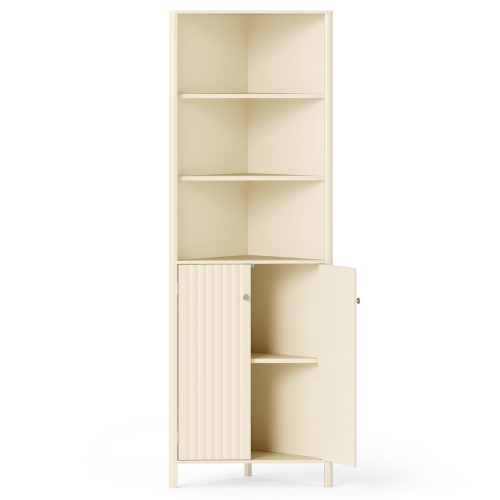
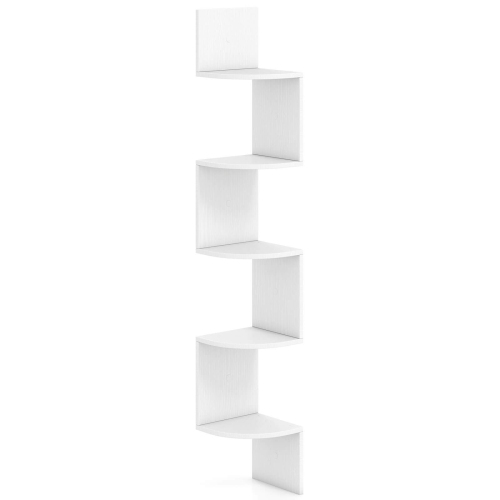
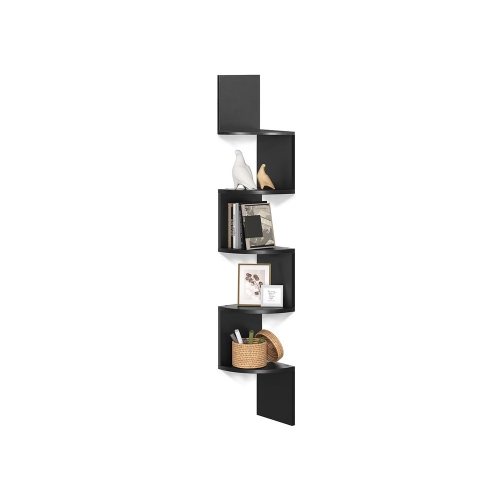
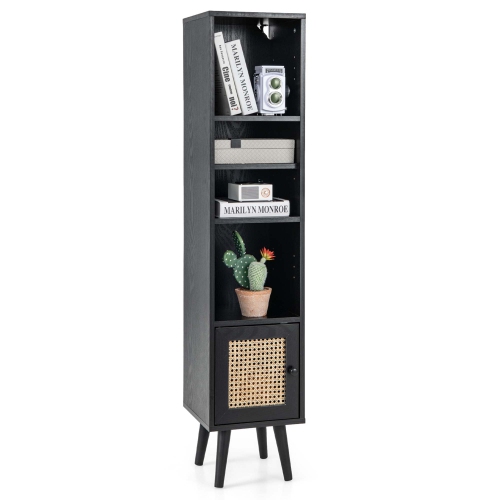
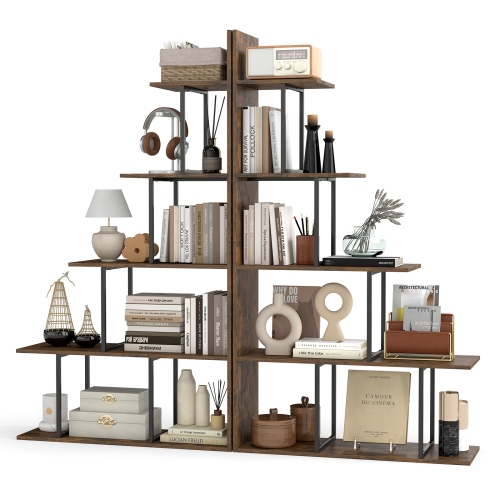
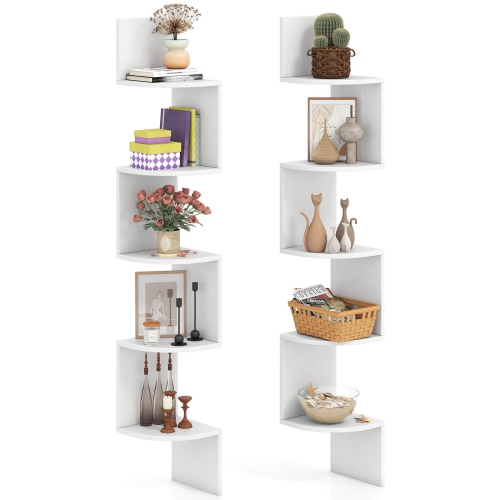
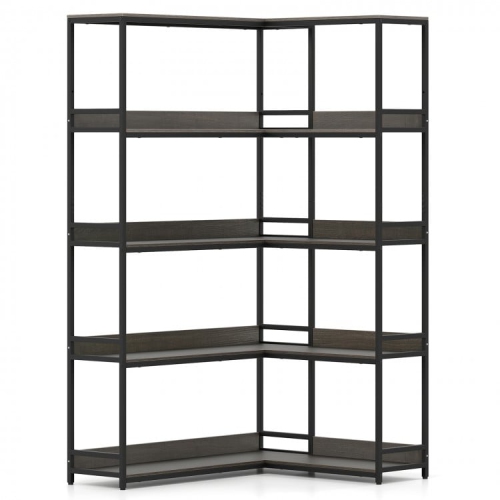
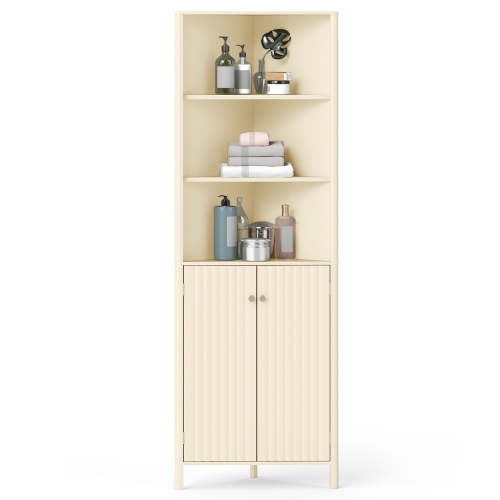
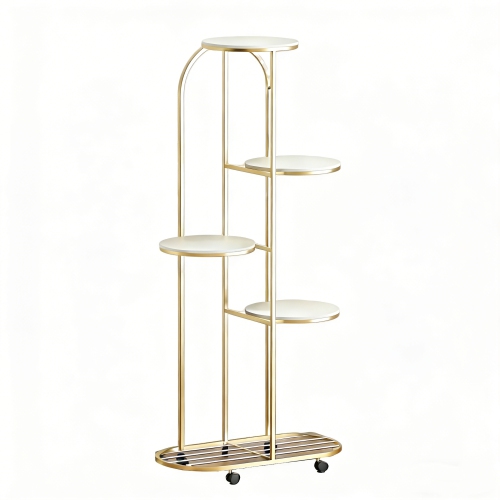
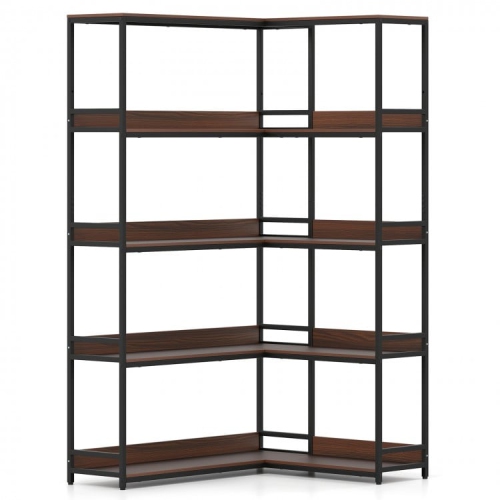
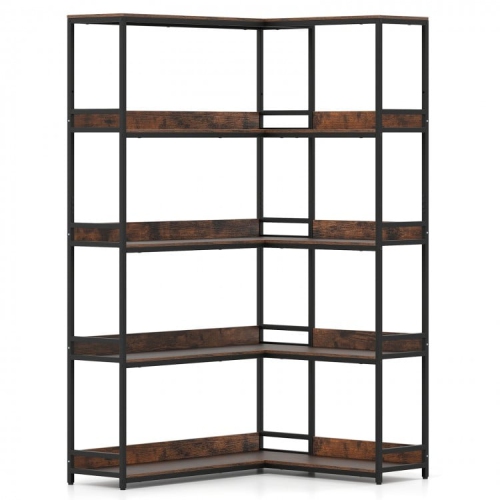
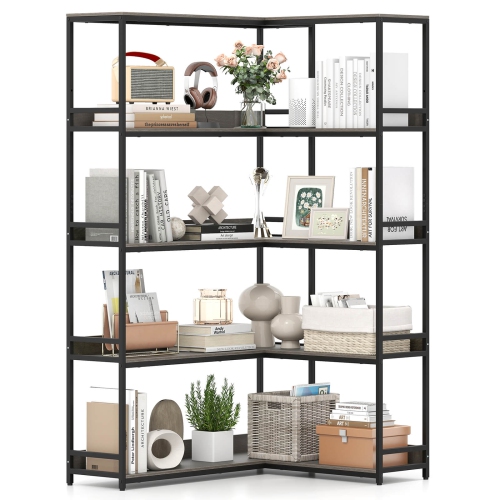
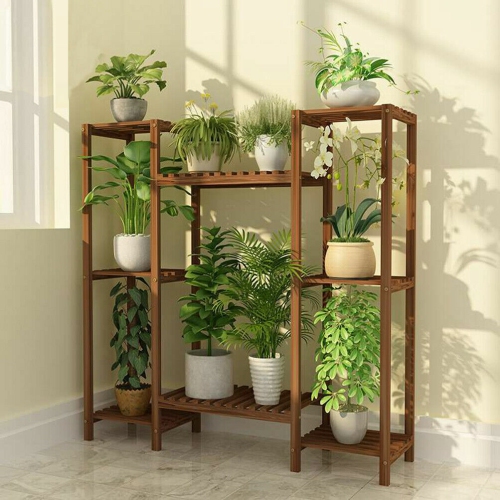
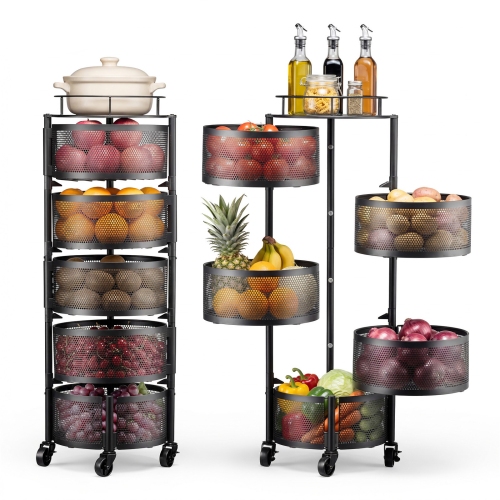
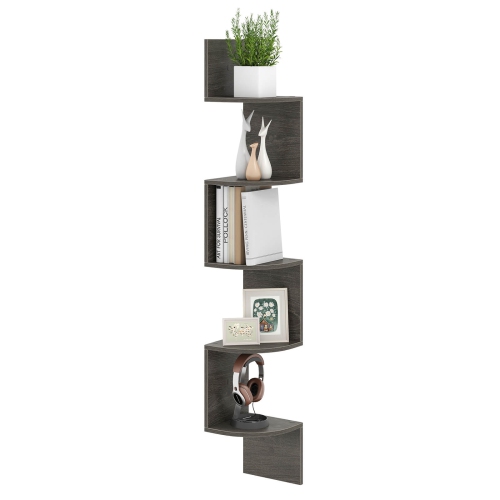
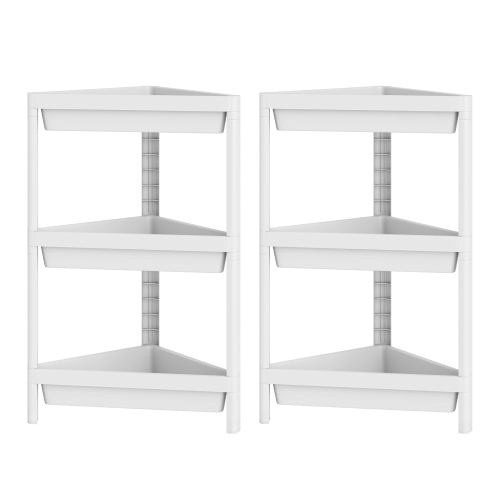
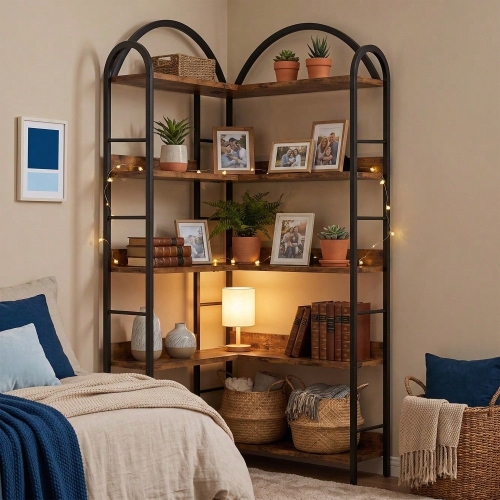
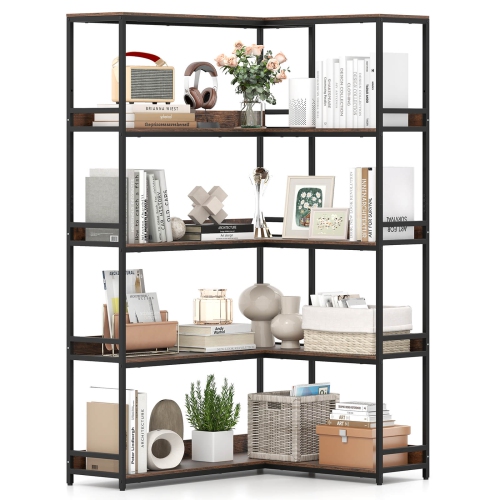
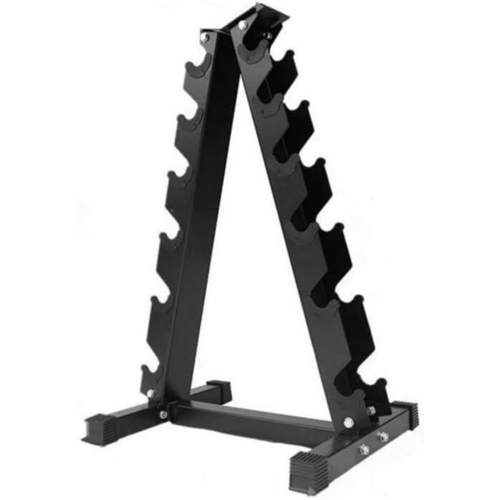
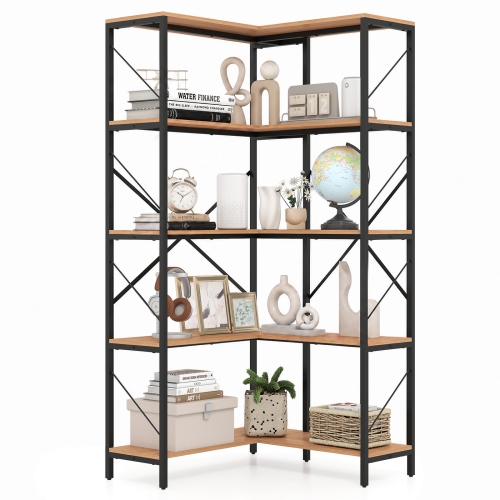
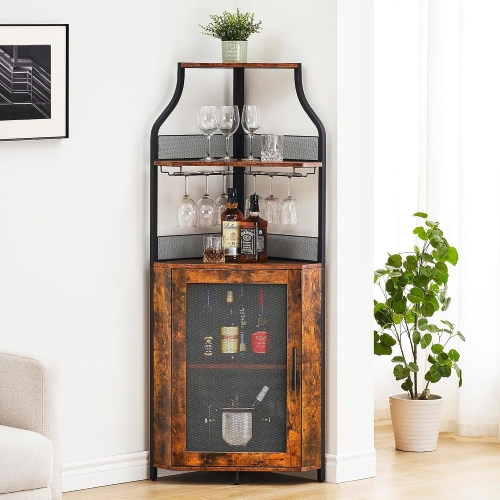
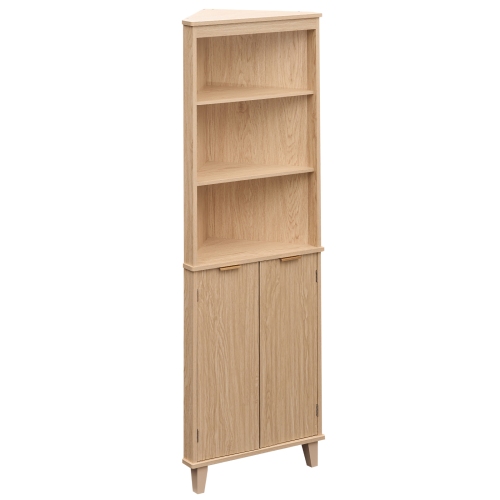
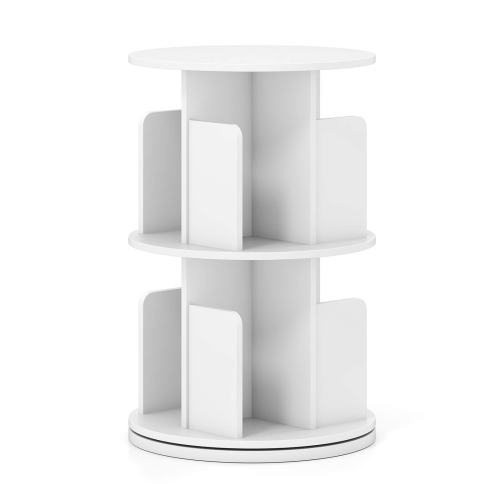
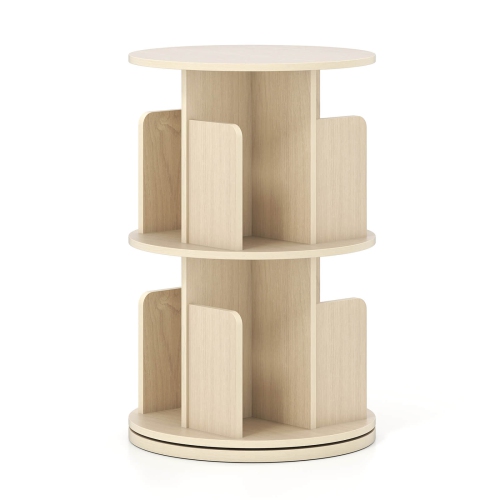
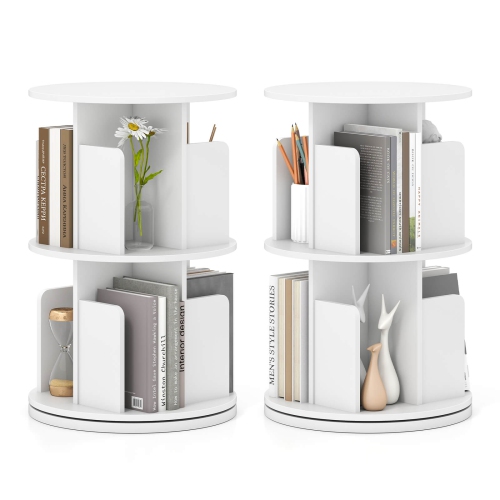
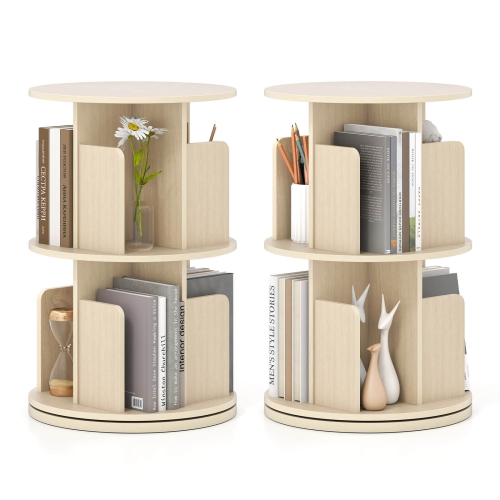
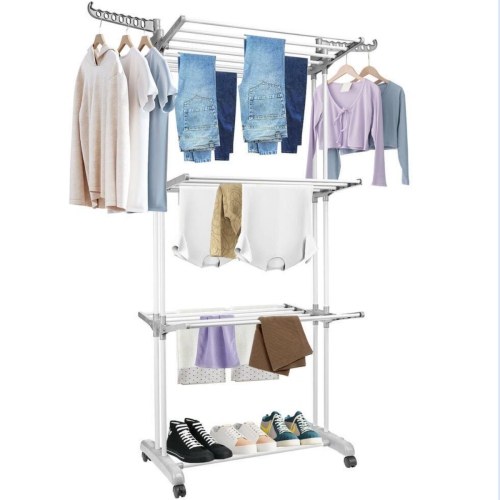
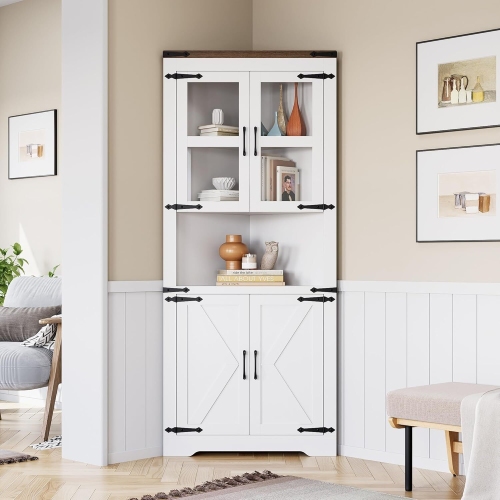
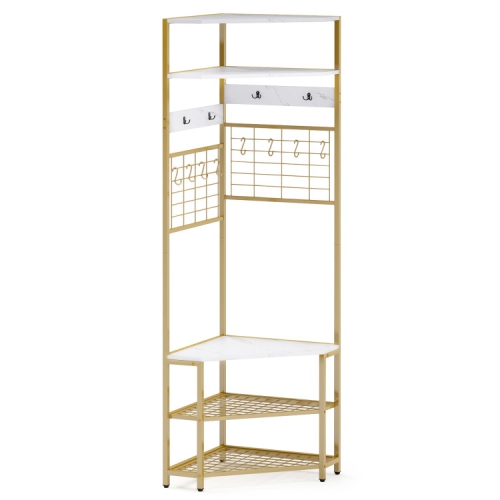
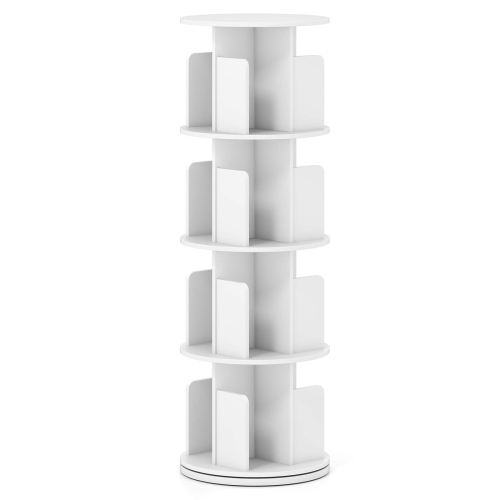
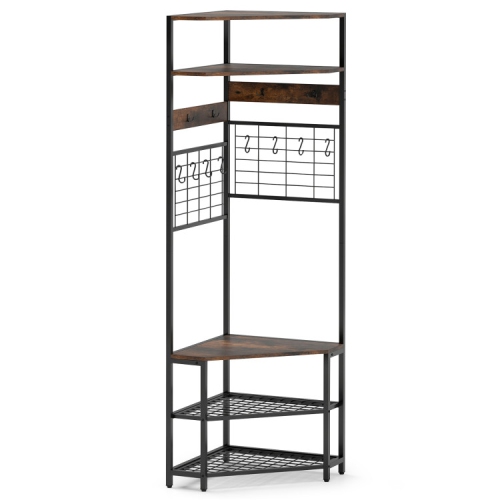
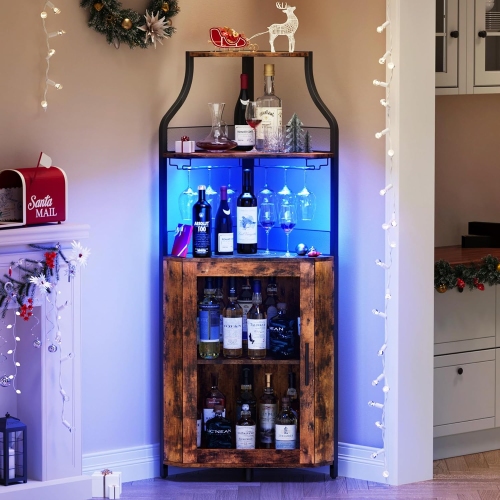
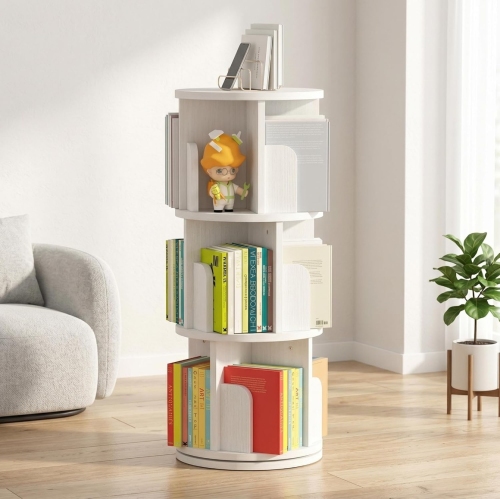
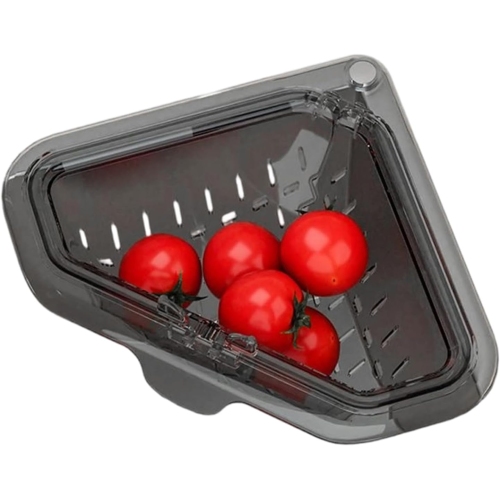
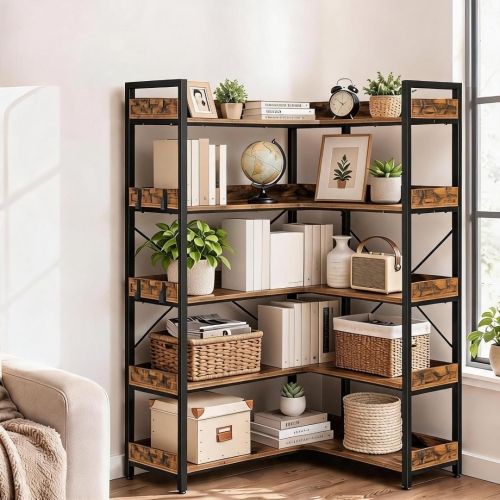
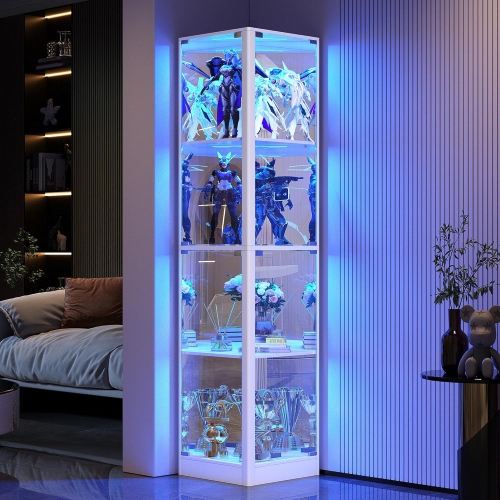
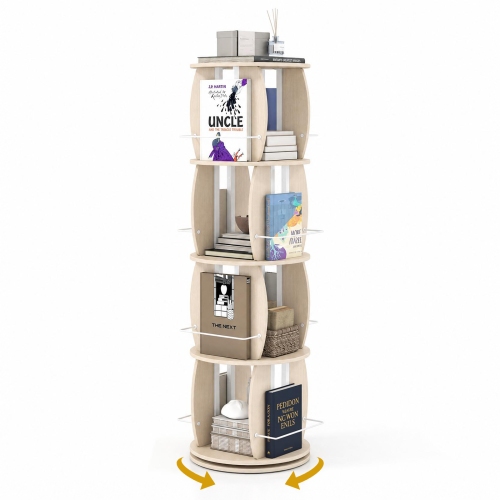
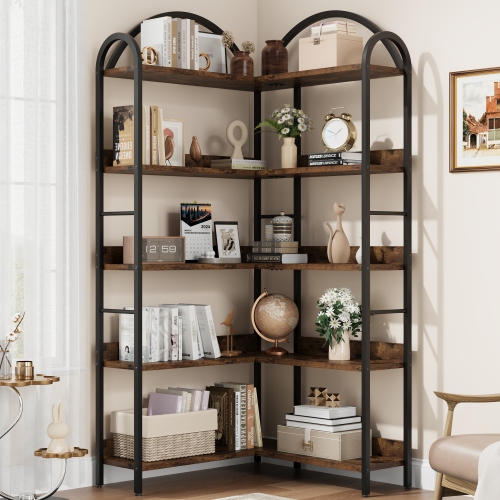
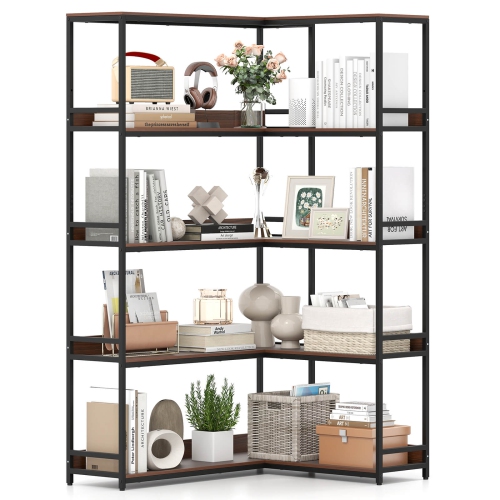
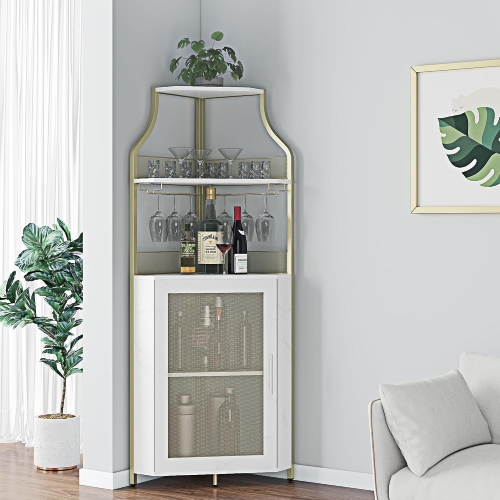
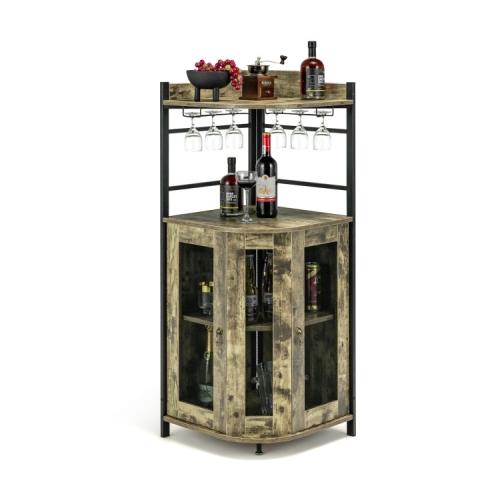
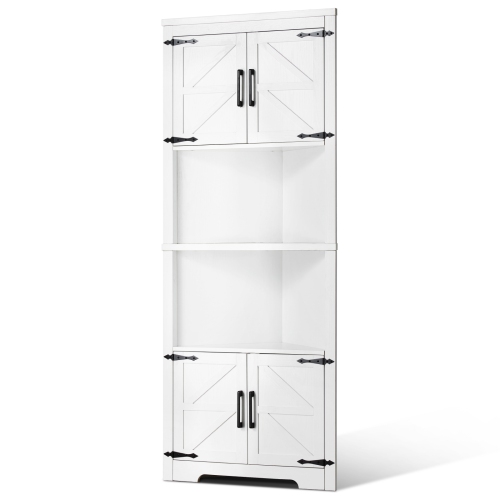
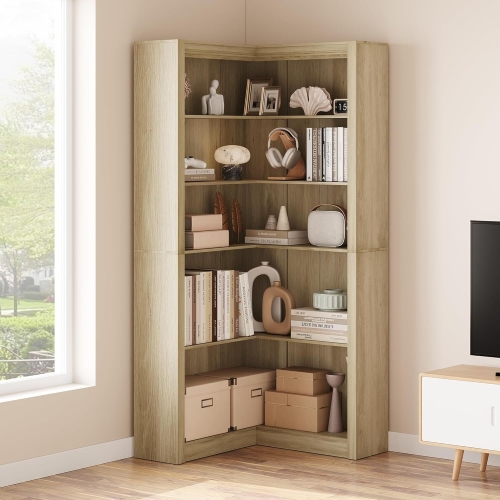
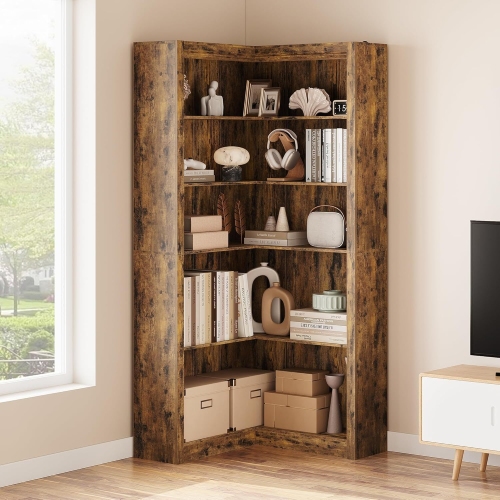
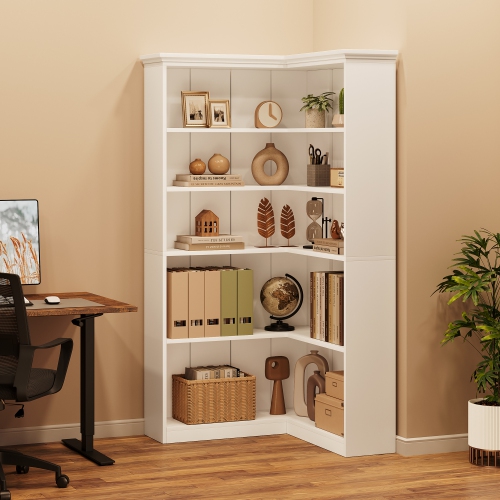
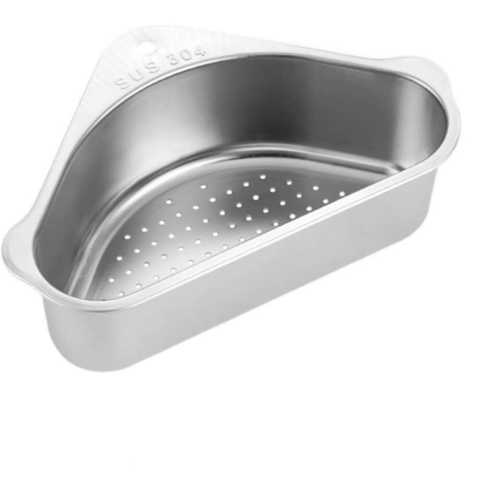
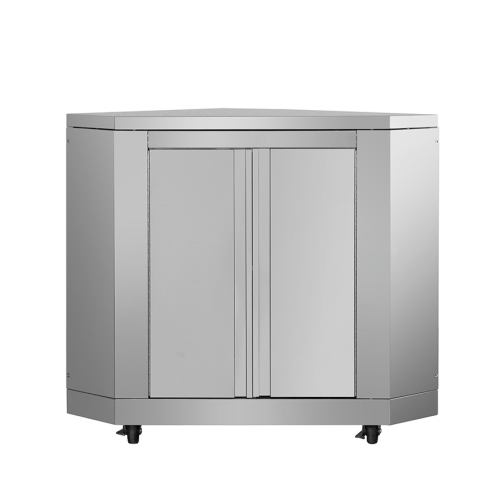
Unused corners become practical storage without crowding the room
Corner racks are shelving or storage units shaped to fit where two walls meet, turning an often-unused part of a room into a practical place for everyday essentials or decorative displays. Their compact footprint makes them especially useful in apartments, smaller homes, and rooms where a full-width bookcase or cabinet would interrupt the layout. Common designs include freestanding racks, wall-mounted corner shelves, and tiered units with triangular, curved, or fan-shaped shelves. Freestanding designs provide several levels of storage without requiring each shelf to be attached separately to a wall, although the unit may still need anchoring for safety. Wall-mounted designs leave the floor clear and can sit above a desk, countertop, or other furniture when installed with suitable hardware. Open shelving keeps contents visible and easy to reach, while raised shelf edges can help contain smaller belongings. In a living room, a corner rack can bring books, framed photographs, and a small plant together without crowding the main seating area. Beside a desk, it can hold notebooks and office supplies that would otherwise spread across the work surface. Kitchen corner racks can make good use of countertop space for mugs, spice jars, or frequently used cooking essentials, provided their dimensions leave enough room for food preparation and clearance from heat sources. In a bathroom, a moisture-suitable rack can keep toiletries and folded towels within reach without taking over the vanity. An entryway unit offers a place for keys, small baskets, and other belongings that tend to collect near the door. The best arrangement depends on what the rack needs to hold: broad shelves suit baskets and larger objects, while closely spaced tiers work well for smaller containers. Visually, a rack can either blend into the room or give the corner a distinct purpose. A simple frame keeps attention on the contents, while a more substantial wooden structure can add warmth alongside upholstered furniture. Open space between displayed objects helps the corner feel intentional rather than crowded.
Material affects a corner rack’s appearance, weight, care requirements, and suitability for different rooms. Solid wood brings visible grain and a substantial feel, with finishes ranging from pale tones to deeper colours. It suits many living rooms, bedrooms, and home offices, though standing water and prolonged dampness can damage the surface or affect joints. Engineered wood can provide a smooth, consistent finish, but its durability depends partly on the quality of the surface coating, edge sealing, and construction. Spills are best wiped up promptly, especially around exposed edges and fasteners. Metal racks often have slimmer frames and an open appearance that works with contemporary or industrial-style furnishings. Powder-coated or plated surfaces can help protect the metal, but moisture resistance varies; suitability for a dry bathroom corner does not necessarily mean a rack is intended for direct shower spray. Scratches or chipped finishes also deserve attention because exposed metal may be more vulnerable to corrosion. Glass shelves offer a light, unobtrusive look and allow light to pass through the unit, although fingerprints and water marks may be more noticeable. Glass shelving needs to be used within its stated load limits and protected from impacts, particularly along the edges. Plastic racks are generally lightweight and easy to wipe clean, making them practical for some utility spaces and bathroom storage when designed for that use. Their rigidity and weight capacity vary, so heavier contents require particular attention to the manufacturer’s specifications. Across materials, sturdy shelf supports, well-fitted joints, and a level base contribute to everyday durability. A rack used for books faces a different load from one displaying a few photographs, even if both occupy the same amount of floor space. Routine care usually involves dusting, wiping with a suitable soft cloth, and drying surfaces after cleaning, with the manufacturer’s directions taking priority. Open racks also benefit from accessible shelf spacing: enough room to lift out a basket or wipe beneath a container makes regular cleaning much easier than a tightly packed arrangement.
Fit involves more than checking the height of a corner rack. The distance it extends along each wall, the depth of each shelf, and the shape of its front edge all affect how comfortably it sits in the room. A curved front may soften the outline beside a walkway, while a deeper triangular shelf can accommodate larger belongings but project farther into the space. Baseboards, uneven floors, wall trim, nearby outlets, and door swings can all influence placement. A rack that looks compact in an empty corner may feel quite different once a bathroom door opens beside it or a dining chair is pulled out nearby. Shelf spacing matters just as much: taller bottles, upright books, and storage baskets need sufficient clearance, including room to grasp and remove them. Published weight limits should be checked for both individual shelves and the complete unit, with heavier belongings kept lower to help maintain stability. Tall freestanding racks should be anchored as directed by the manufacturer, and wall-mounted designs need fixings suited to the wall construction and expected load. This is particularly important in homes with children or pets, where shelves can be bumped, pulled, or climbed. Frequently handled belongings are most practical at a comfortable reach, while delicate displays are better placed away from busy routes through the room. For a graduated profile, Corner Ladder Shelves offer a related shelving style that commonly pairs wider lower shelves with narrower upper levels, creating space for larger storage below and smaller displays above. Whatever the shape, a corner rack works best when its purpose is clear rather than simply filling an empty spot. A reading corner might need room for books and a small basket, while a bathroom may benefit more from wipe-clean shelves and access to daily toiletries. Corner racks can also make thoughtful housewarming gifts or additions to a first apartment when the recipient’s room dimensions, preferred finish, and storage needs are known. A well-proportioned rack gives those belongings a place without making the surrounding room harder to use.
Top selling and popular products
-
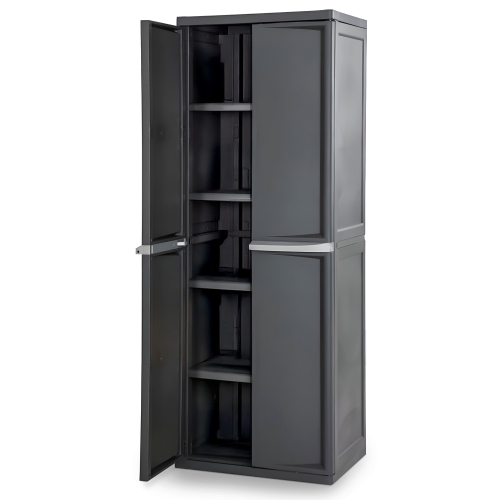 Your price for this item is $577.99
-
 Your price for this item is $1167.99
-
 Your price for this item is $353.99
-
 Your price for this item is $208.99
-
 Your price for this item is $171.99
-
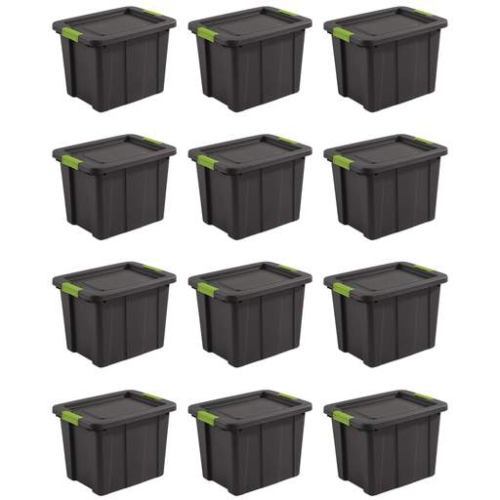 Your price for this item is $592.99
-
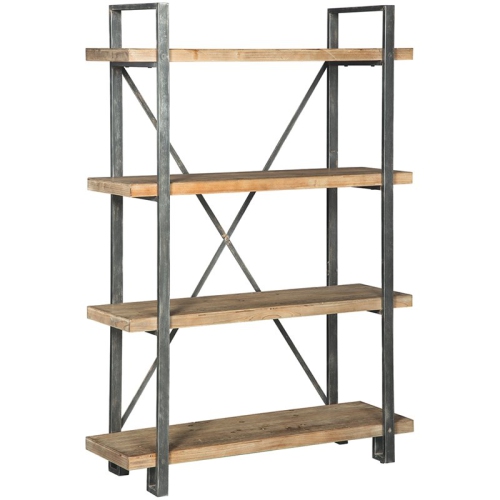 Your price for this item is $599
-
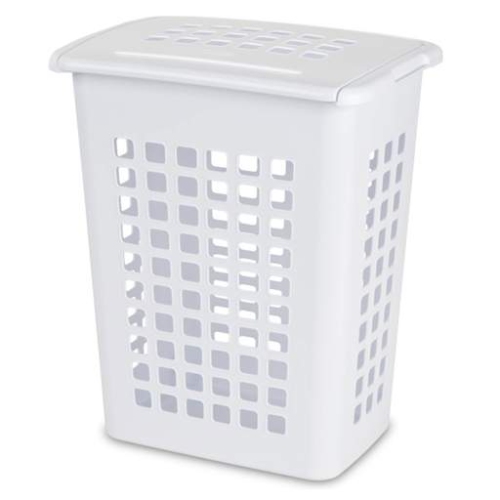 Your price for this item is $737.99
Discover more categories related to Corner Racks
Top Collections:
Best Black Friday Deals This Year, Best Black Friday Deals On Electronics, Kindle Devices, Dyson Airwrap, Best Cameras for Sports Photography, Best Black Friday Deals On Apple Products, PS5 Pro Consoles, Portable Snow Blowers, Canon G7X Cameras, Pokémon 30th Celebration Cards
Some products may be subject to Environmental Handling Fees
(EHF) depending on your province.
Learn more about EHFs.