Diy Wall Panels
Transform your living space with our collection of DIY wall panels. Whether you're looking to add a touch of elegance, create a cozy atmosphere, or make a bold statement, our selection of wall panels offers endless possibilities for enhancing the aesthetic appeal of your home. From sleek and modern designs to rustic and textured finishes, these easy-to-install panels are perfect for DIY enthusiasts and homeowners alike. Explore our range of options and unleash your creativity to give your walls a fresh new look that will impress guests and elevate your interior decor.
Sort
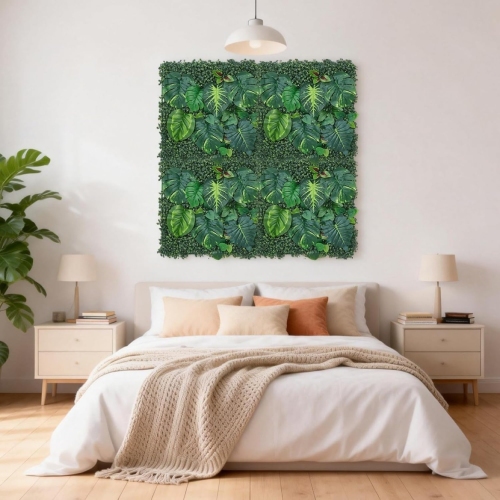
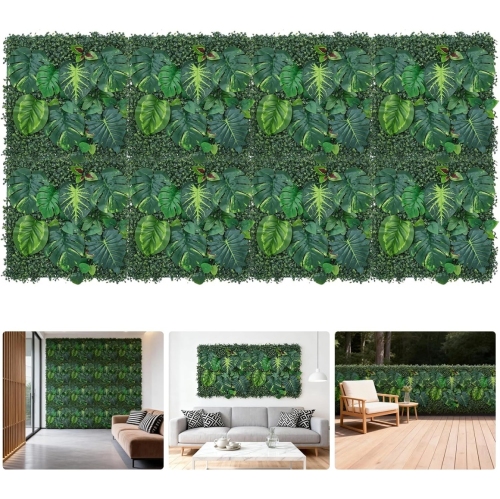
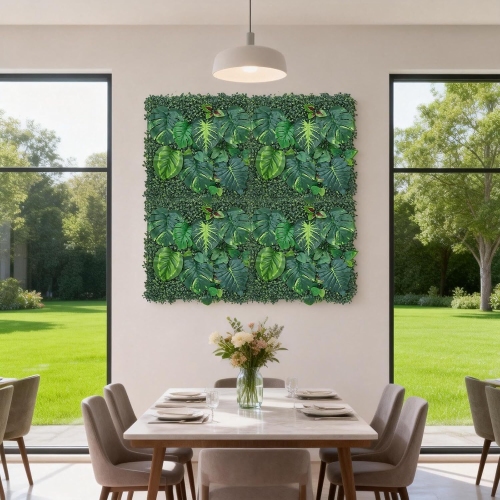
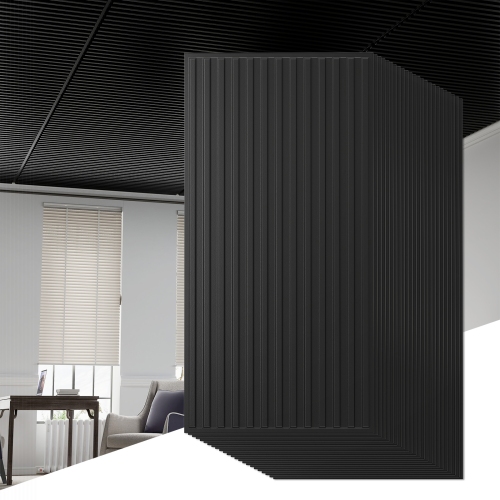

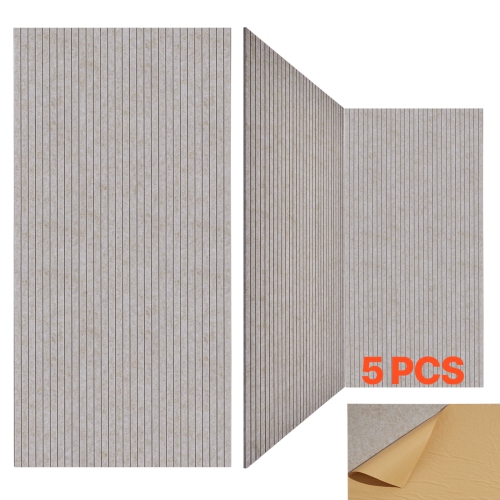
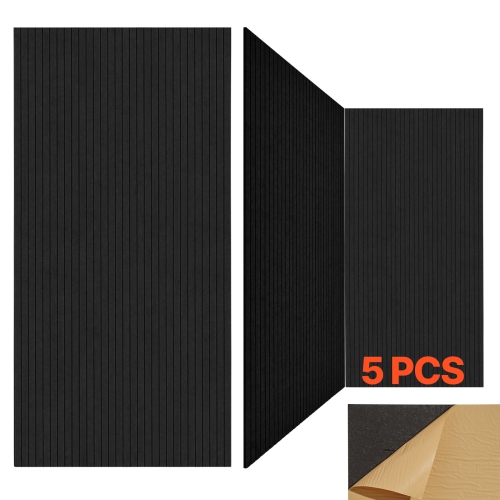
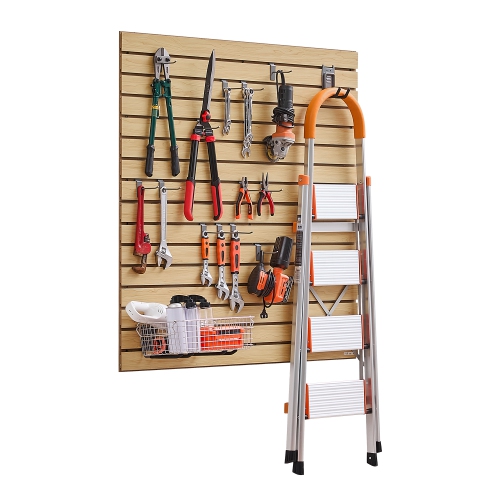
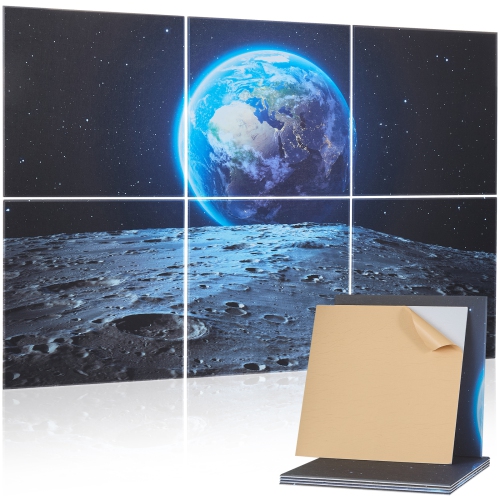
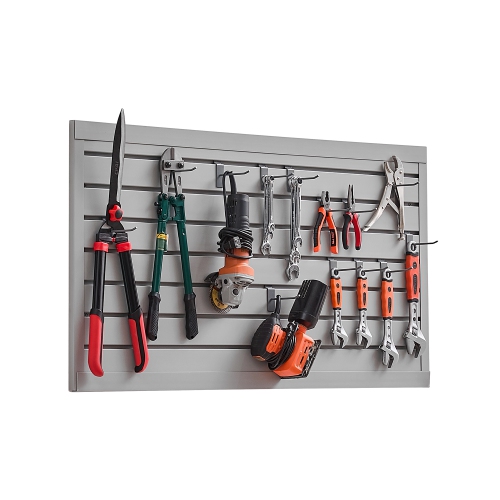
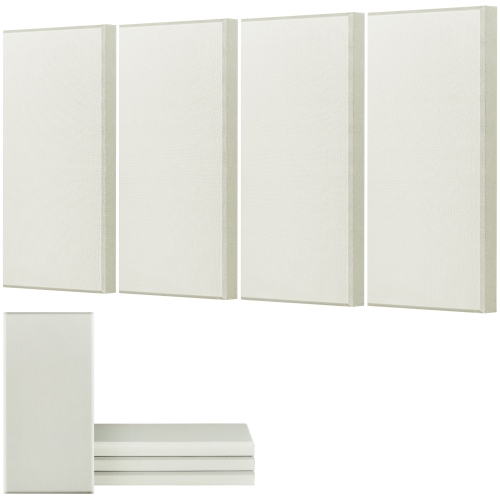
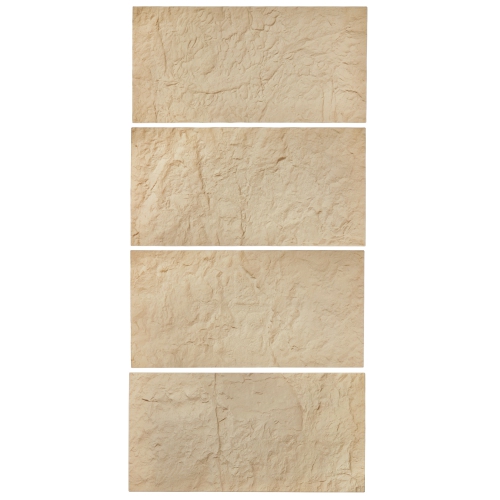
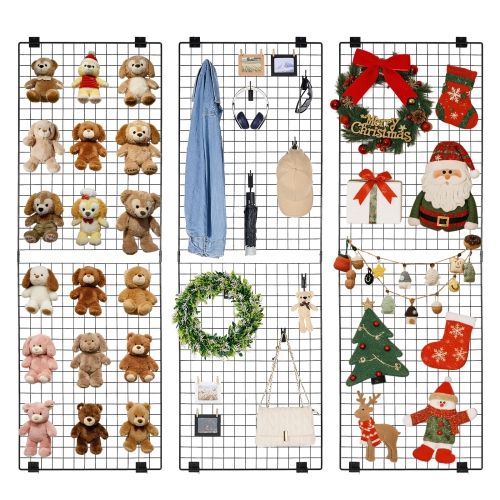
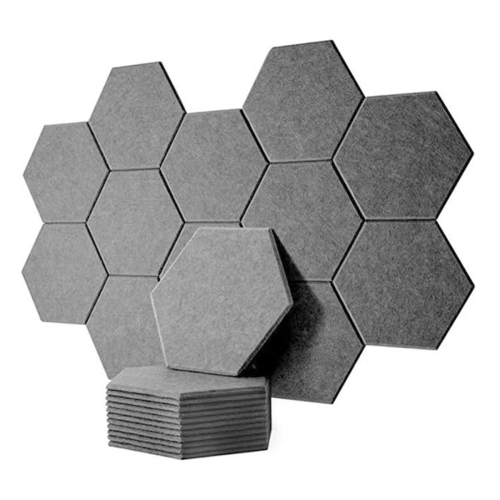
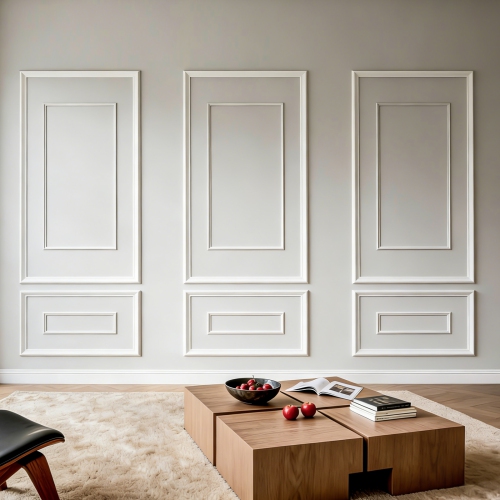
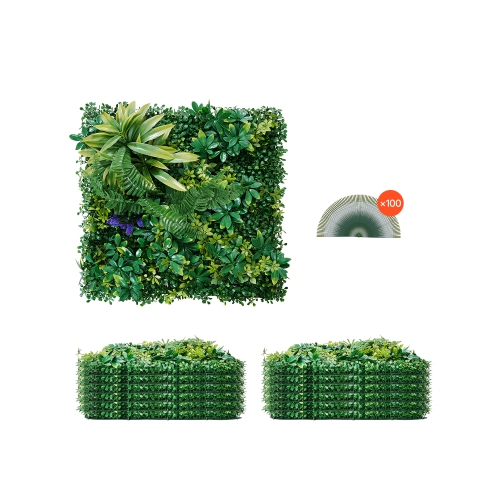
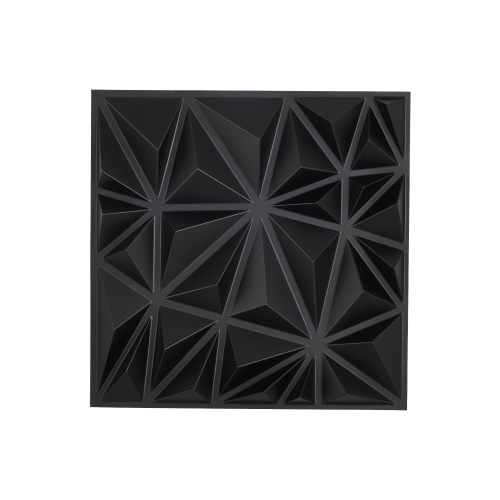
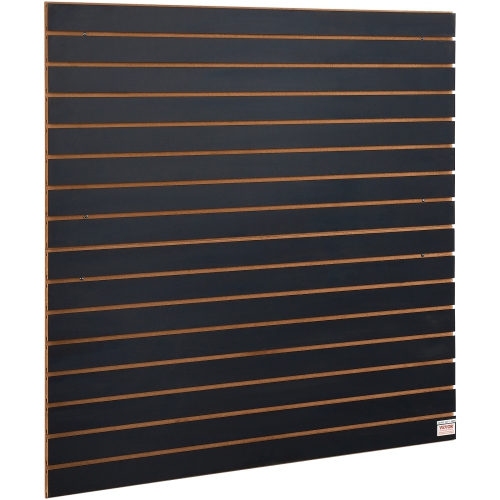
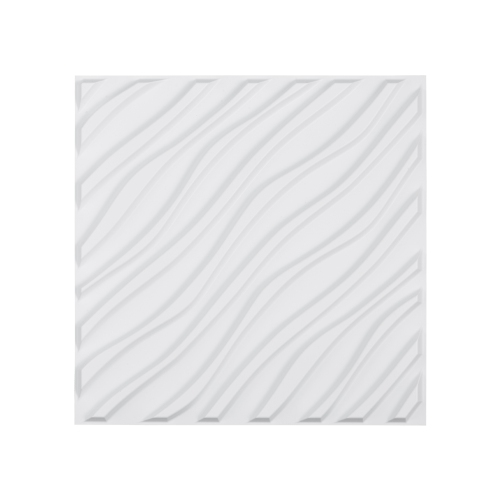

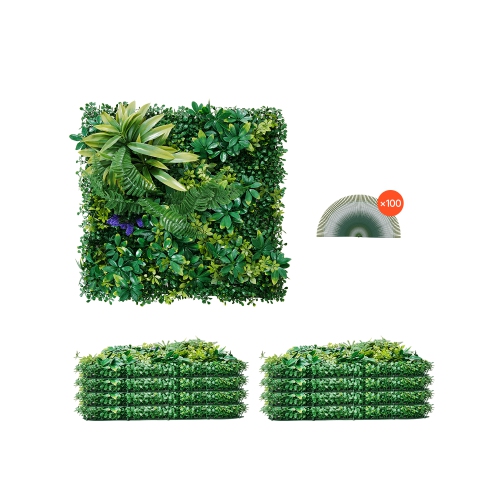

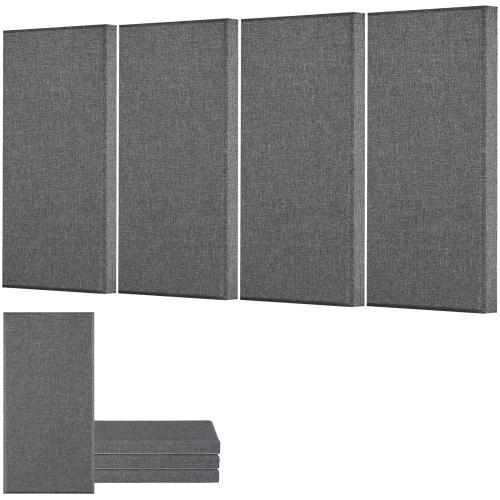

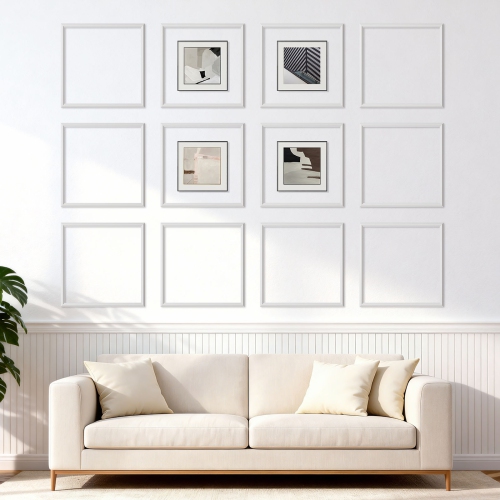
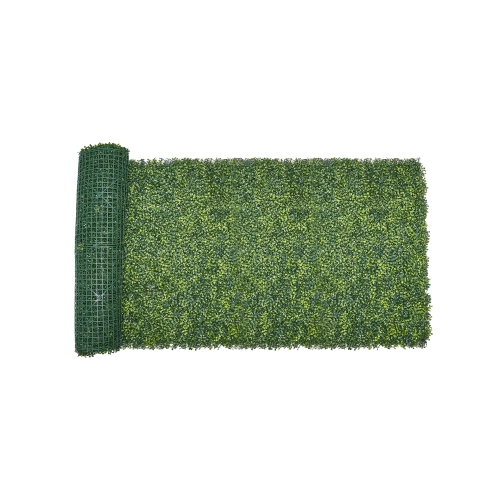
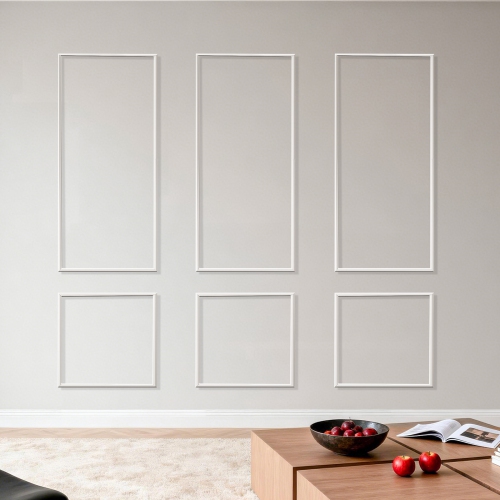
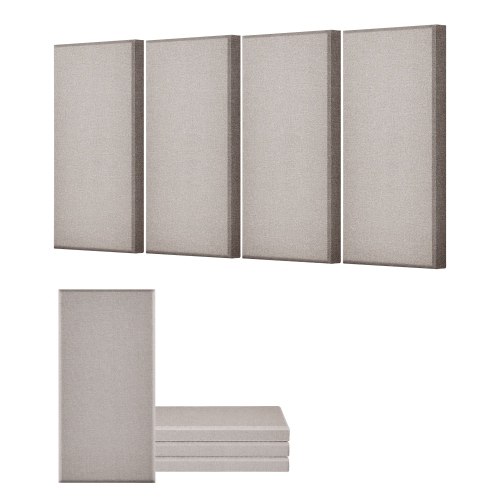
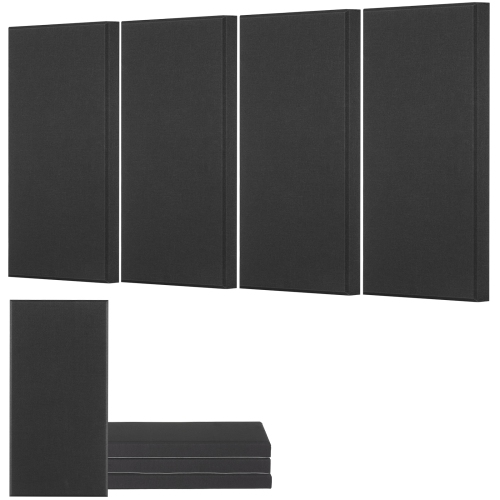
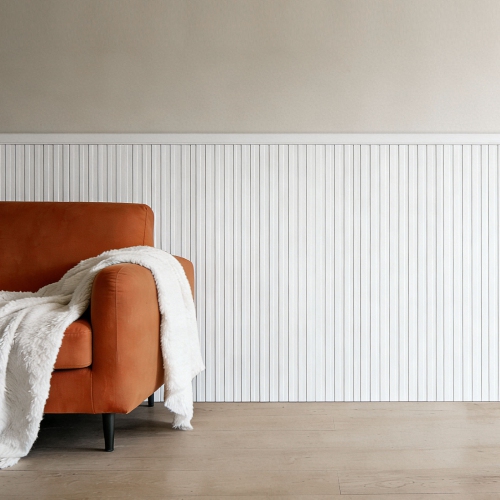
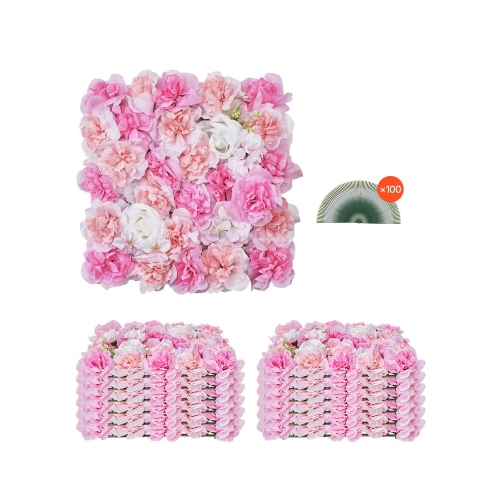




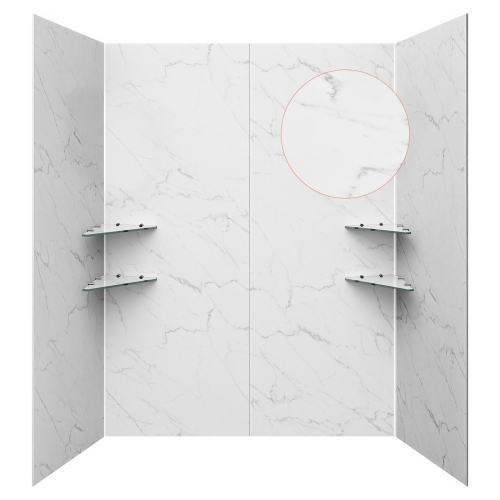
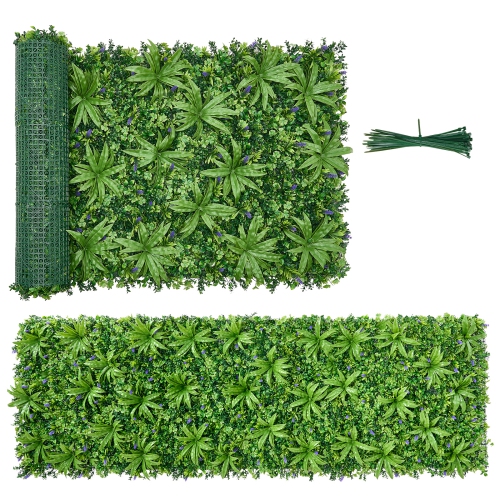
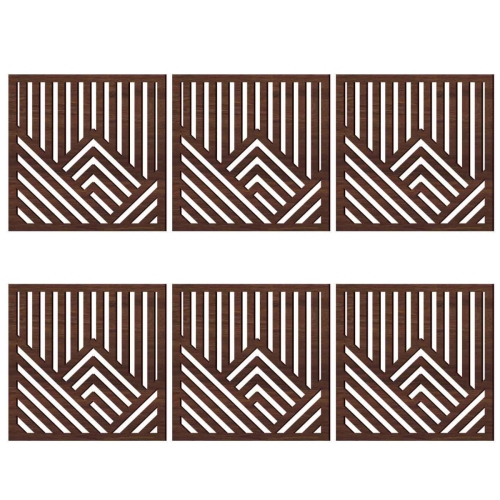



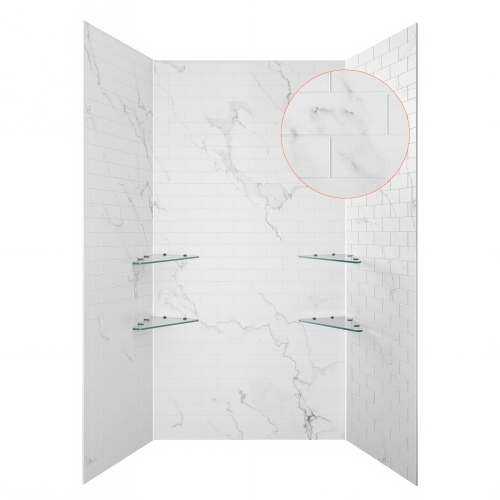
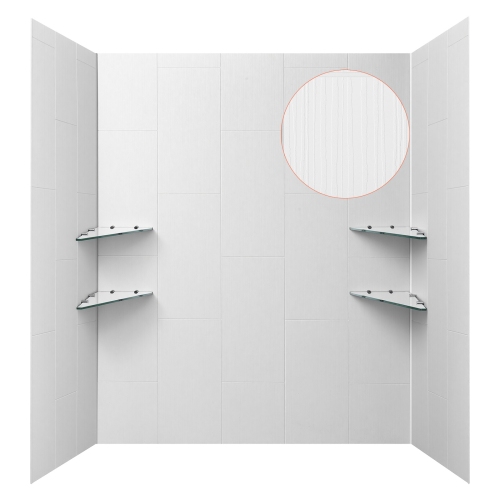
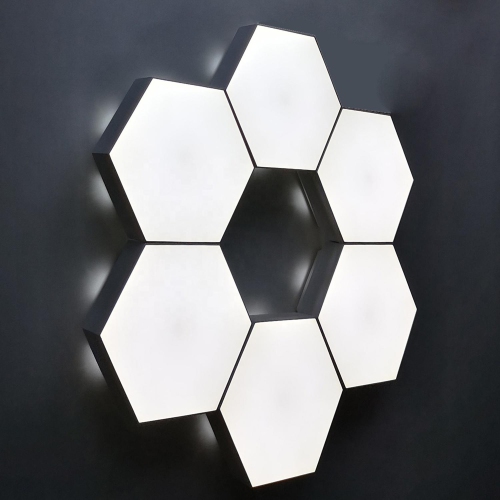
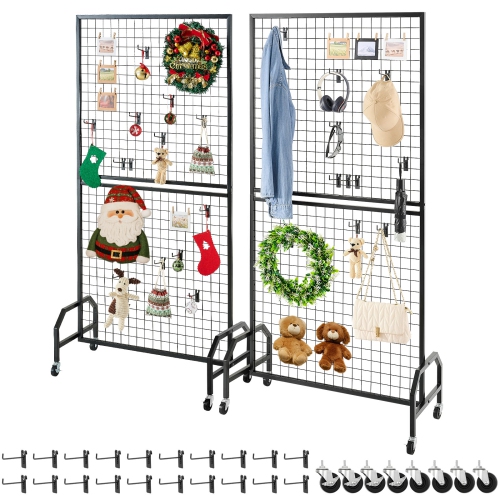
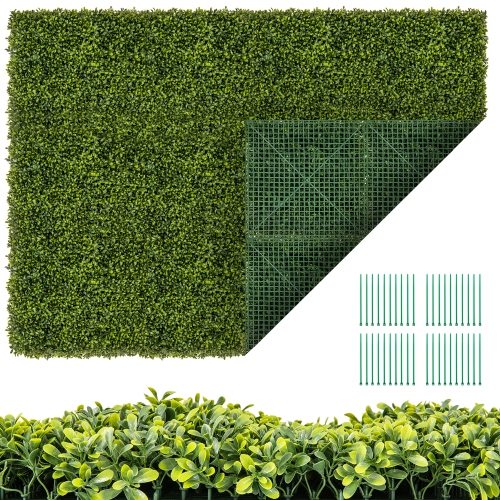
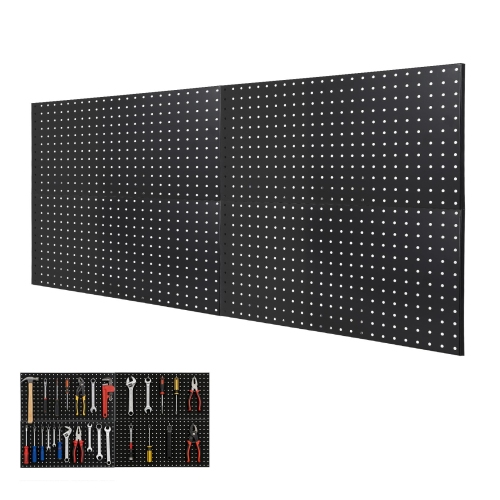
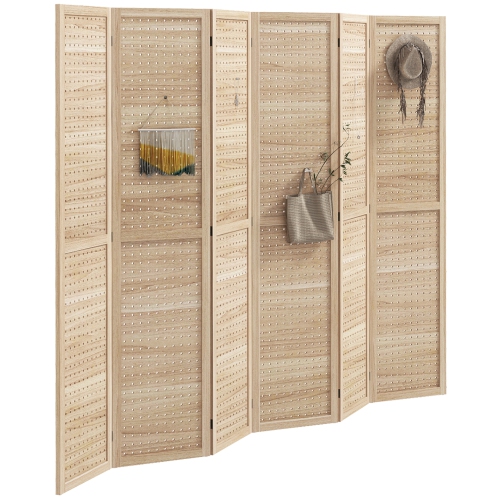
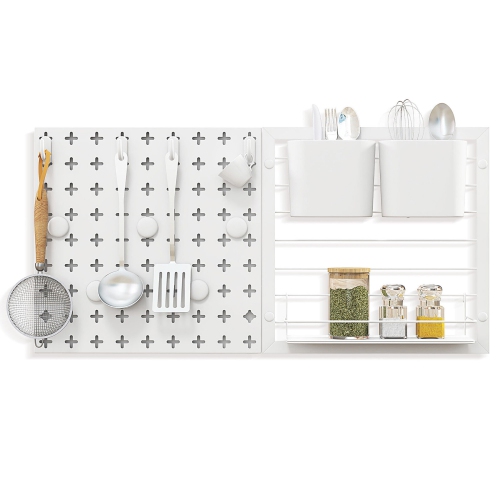
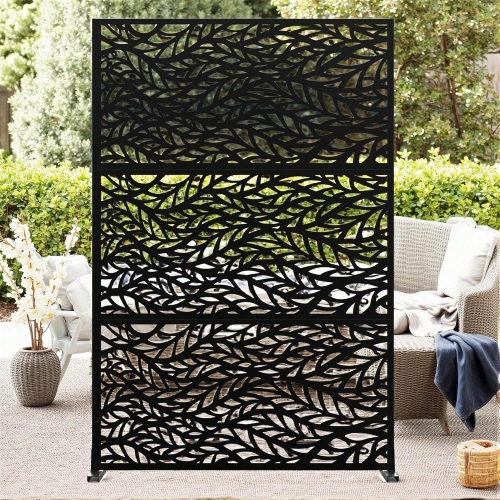




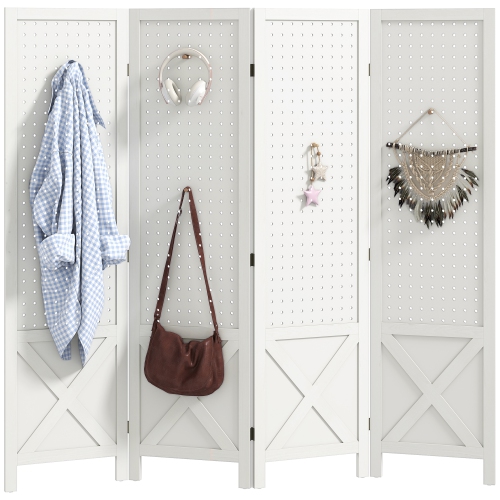
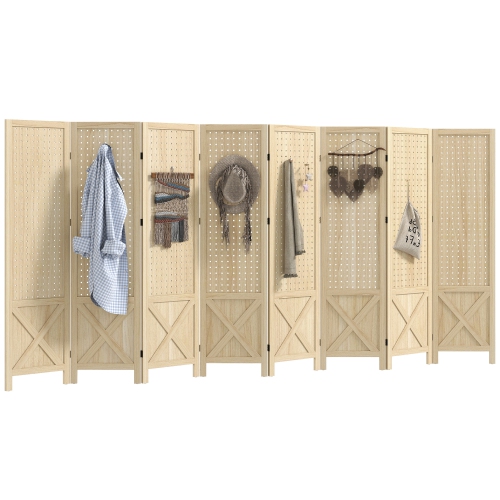


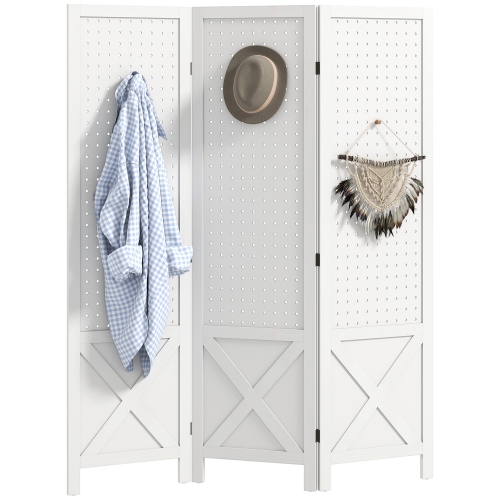
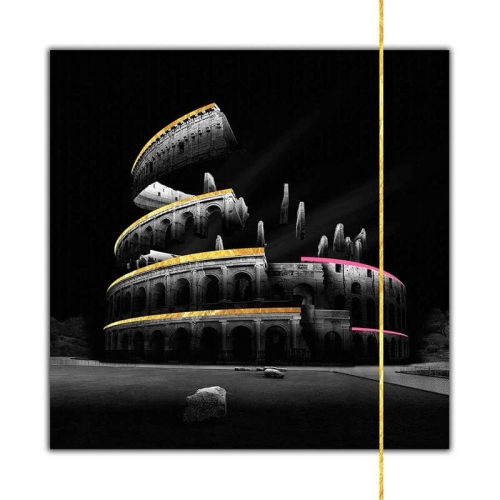
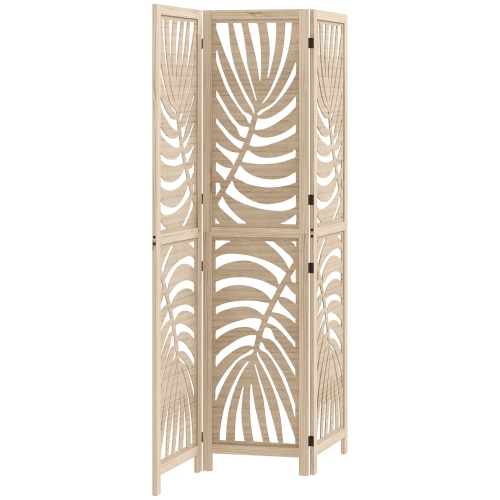
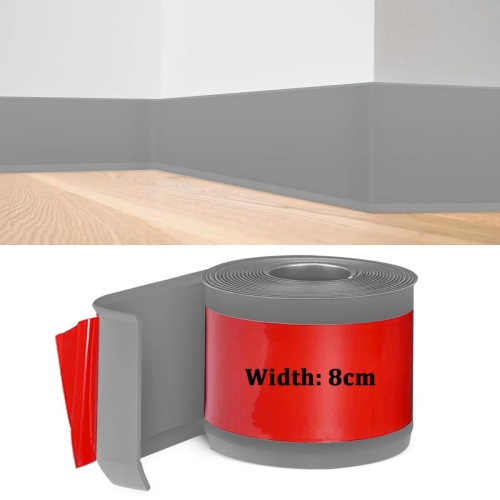
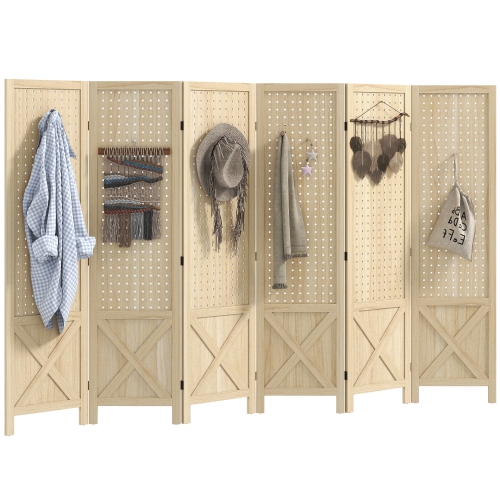
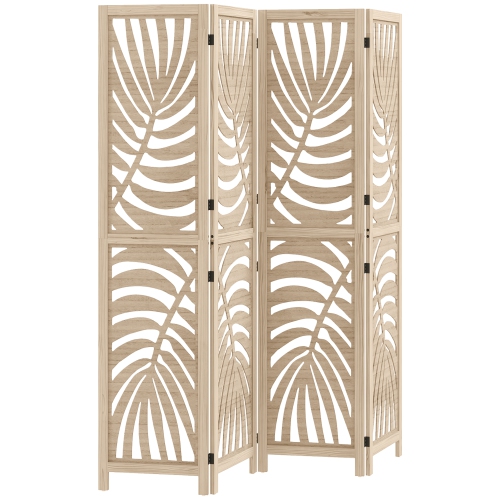
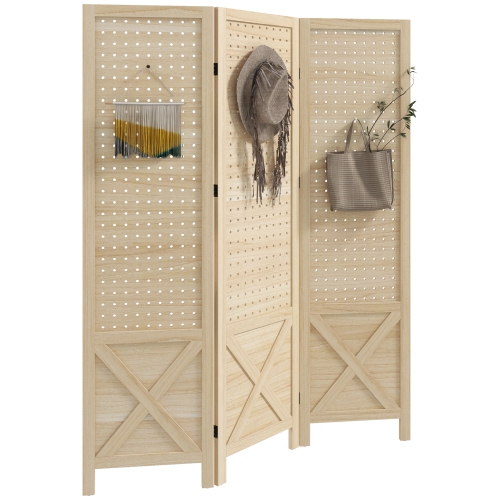
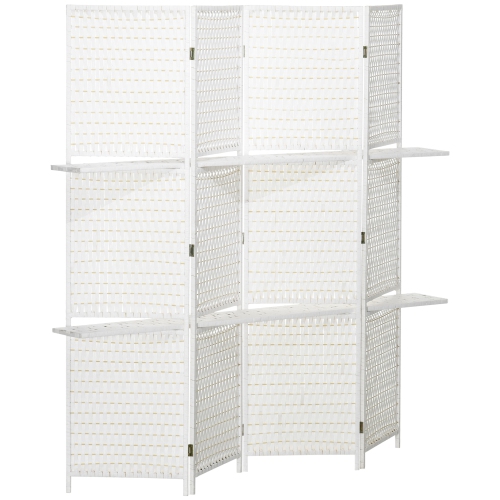
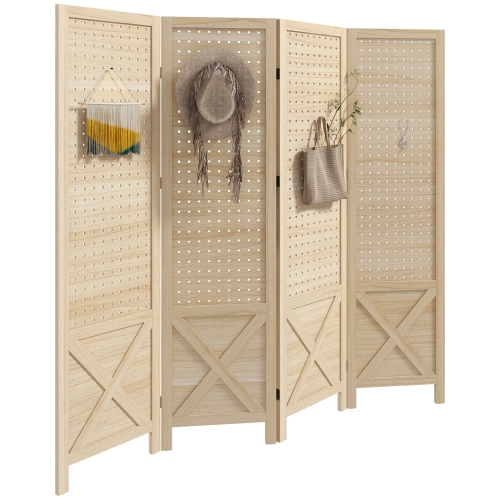
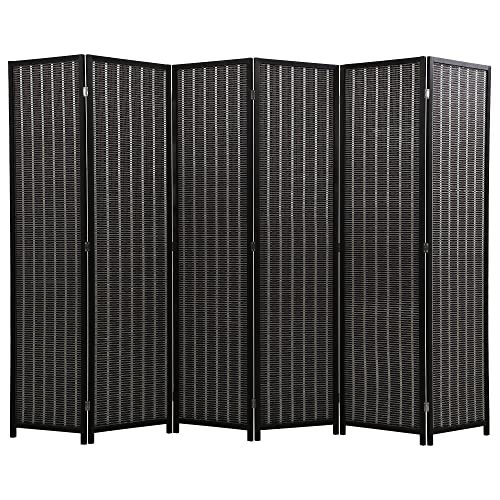


How panel profiles give plain walls more definition
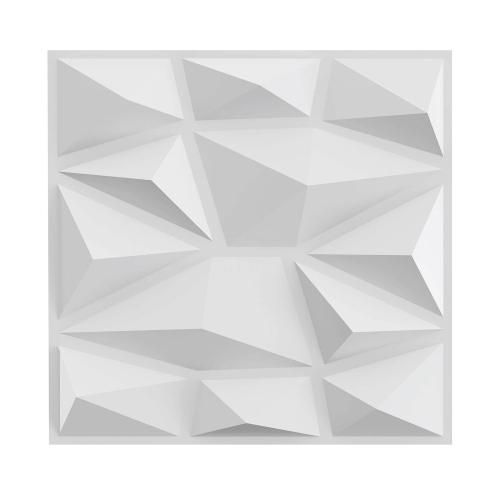
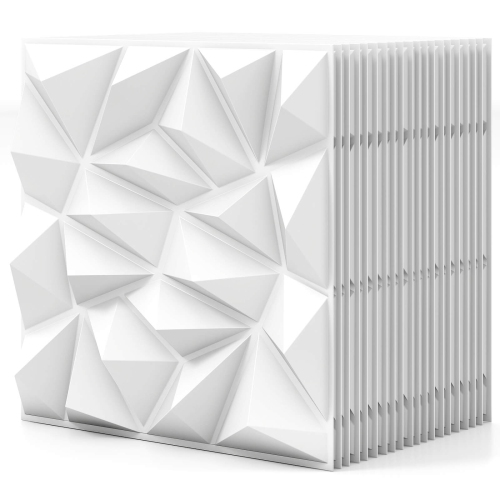
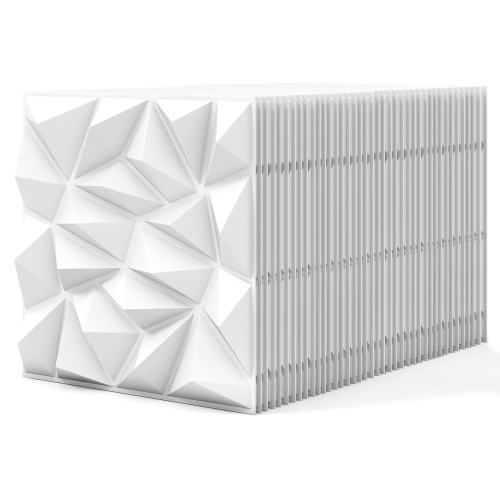
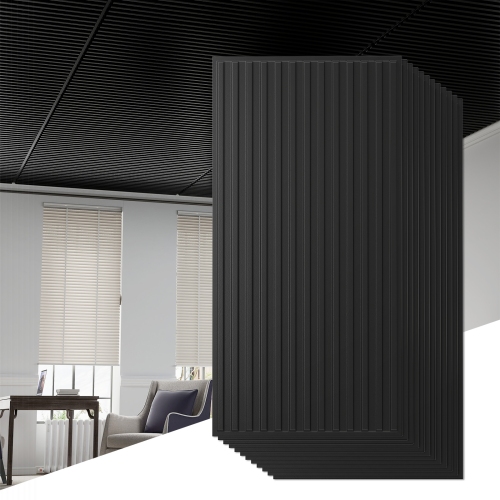
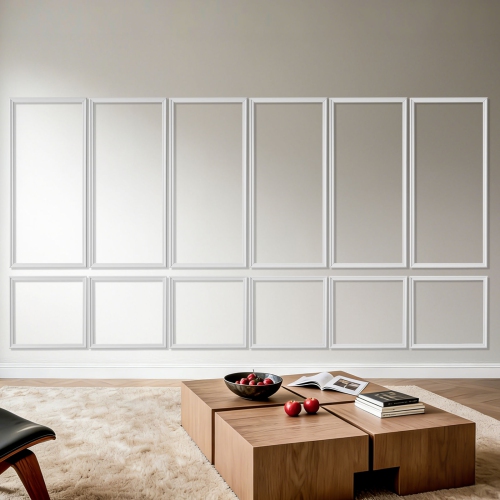
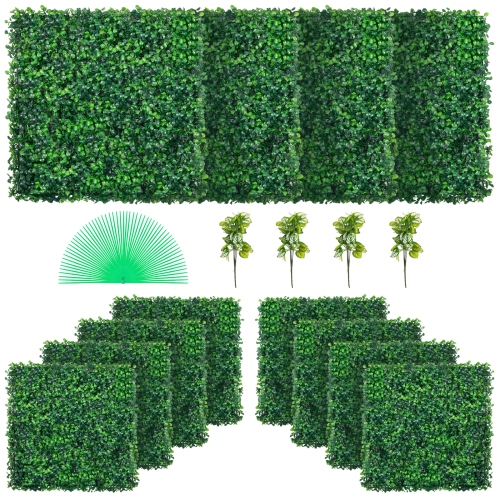
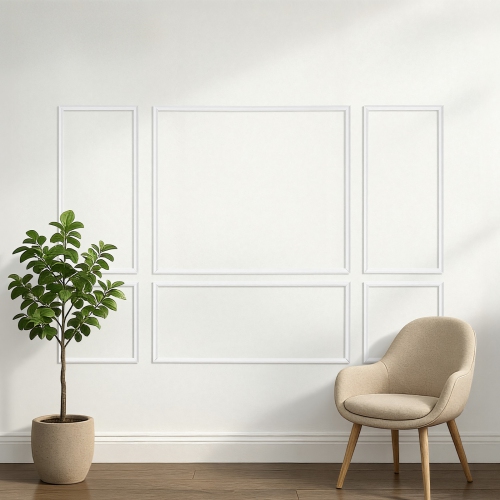
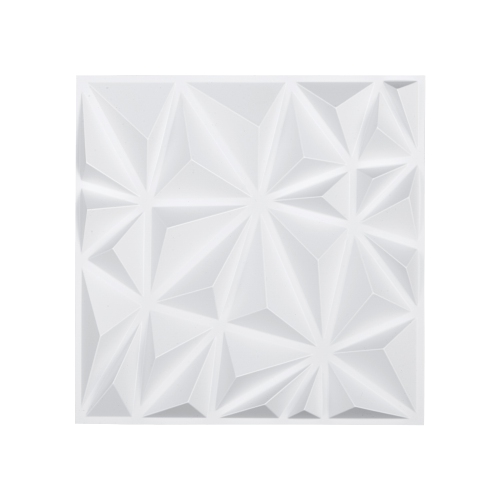
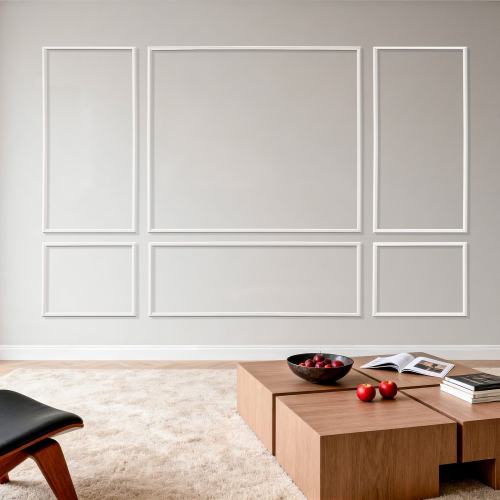
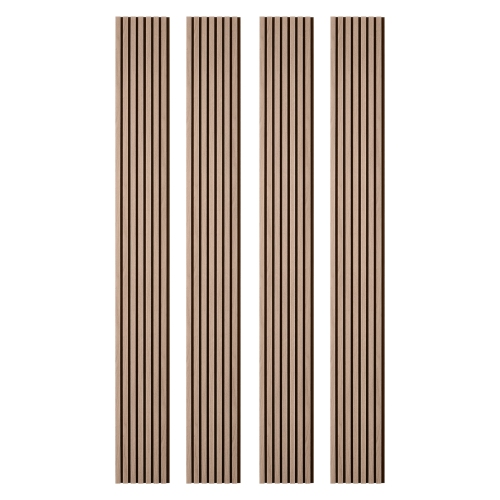
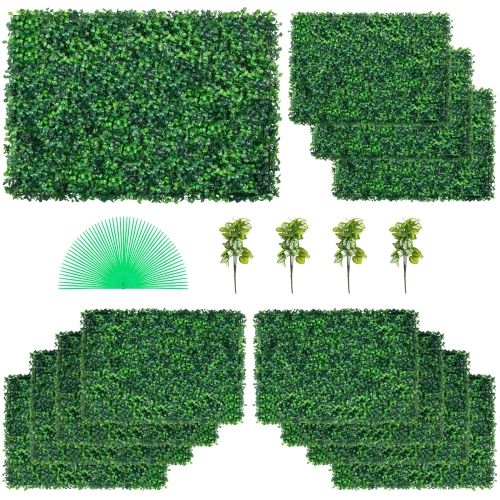
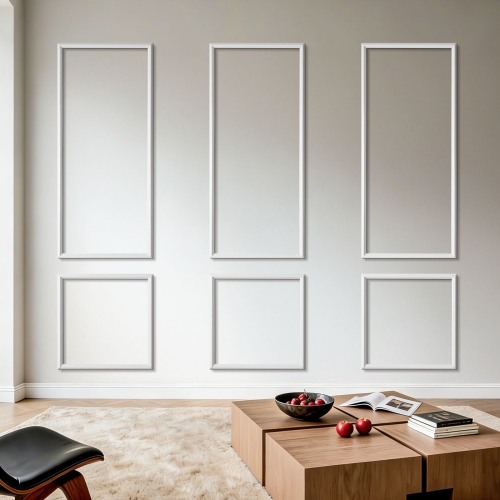
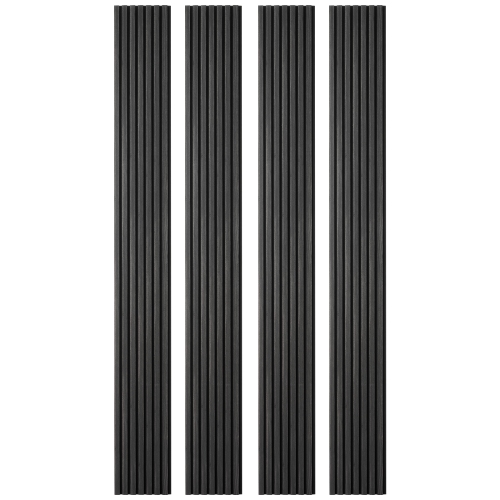
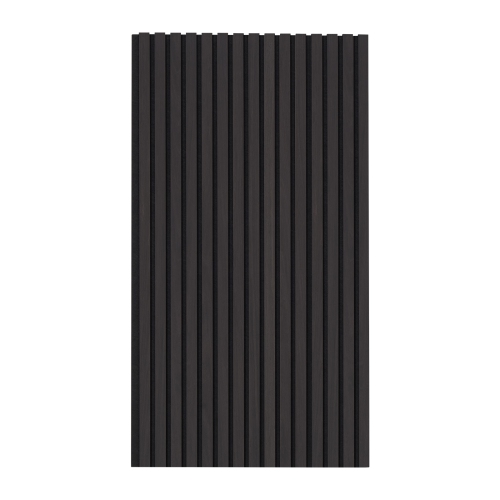
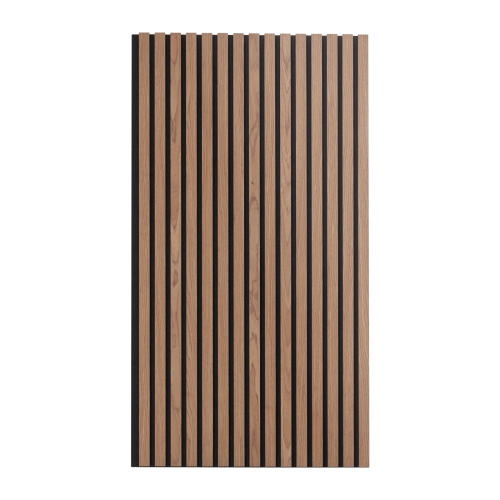
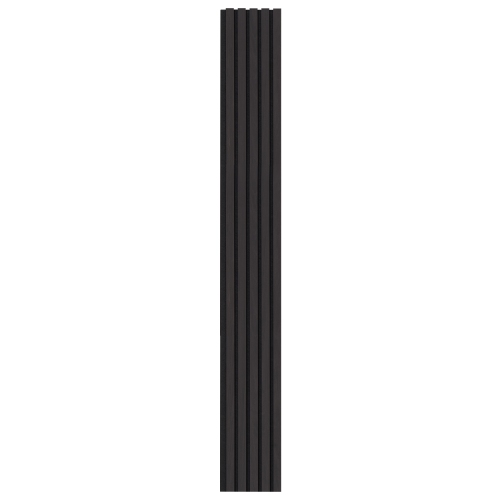
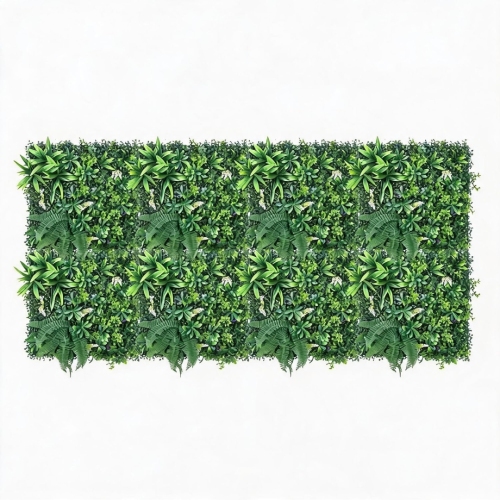
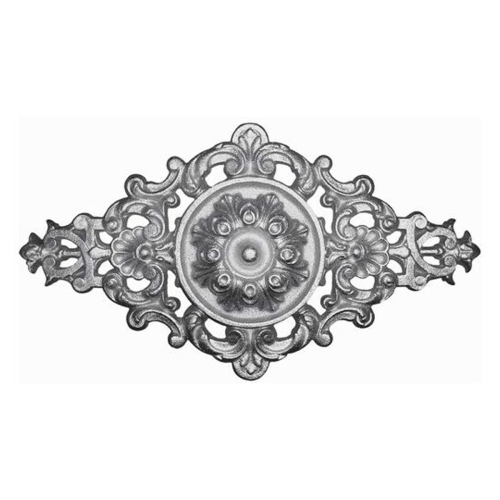
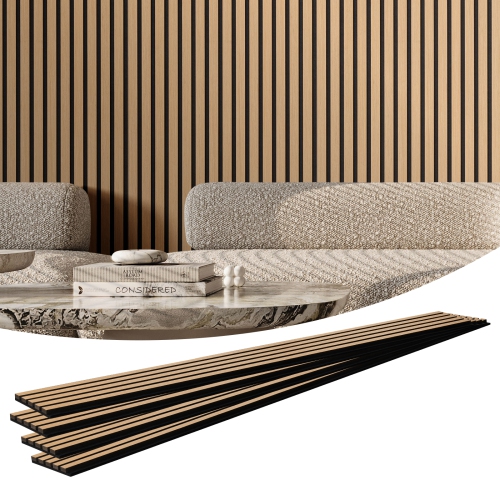
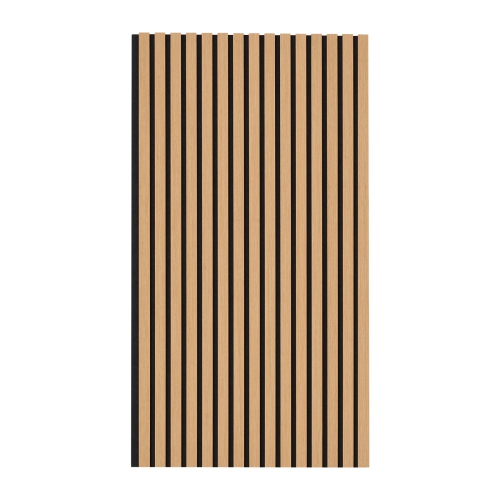
DIY wall panels are interior wall coverings or trim components that add depth, texture, and architectural detail to a room. They can form a full-height feature wall, a lower section of wainscoting, or a series of framed shapes that give a plain surface more definition. The category includes solid panels, individual planks, narrow slats, and moulding kits, each with a different visual effect and level of assembly. Board-and-batten styles combine broad, flat areas with raised strips for a structured appearance, while beadboard has closely spaced grooves that suit relaxed kitchens, hallways, and cottage-inspired rooms. Shaker-style layouts use simple rectangular frames, making them a natural fit for spaces with clean-lined furniture. Wood-look slats bring a more linear texture, and raised geometric panels can turn an otherwise quiet wall into the room’s focal point. The right style often depends as much on the surrounding details as on the wall itself. A low panelled section can sit comfortably beneath framed artwork in a dining room, while a full-height arrangement behind a bed can create a headboard-like backdrop without taking up much floor space. In a compact entryway, shallow profiles preserve clearance around doors and walkways; in a larger living room, wider spacing can keep a feature wall from looking crowded. Vertical lines tend to draw attention towards ceiling height, whereas horizontal planks emphasize the width of a wall. Colour and light matter, too: a painted finish close to the wall colour creates subtle shadows, while a contrasting wood grain makes the pattern more prominent. A broader look at Wall Paneling can help put these styles in context, especially when matching a new feature to existing baseboards, flooring, and furniture. For homeowners personalizing a newer space or refreshing an older room, DIY wall panelling offers anything from a restrained finishing detail to a clearly defined feature area.
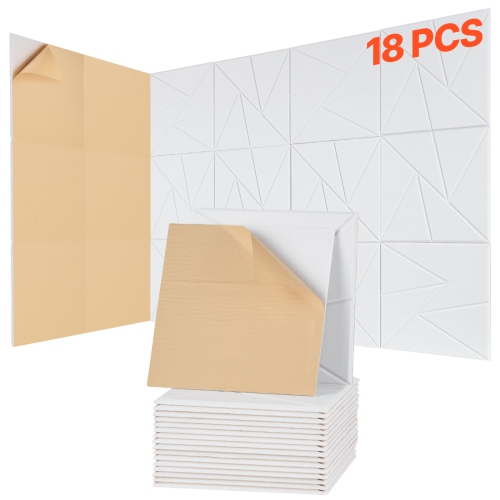
Material choice affects the finished appearance, the weight of the panels, and how well they suit their intended room. Medium-density fibreboard, commonly called MDF, has a smooth, consistent surface that works well for painted frames, battens, and moulded profiles. It does not have the grain variation of solid wood, which is useful when the goal is an even painted finish across several adjoining sections. Standard MDF is generally intended for dry interior spaces, and exposed edges can swell if they absorb moisture. Solid wood offers natural variation in grain and colour, along with the option to refinish some surfaces, depending on their treatment. It can also expand and contract as indoor humidity changes, making the manufacturer’s acclimation and spacing requirements important. Wood-veneer panels provide a real wood surface over a supporting core, but their suitability for sanding or refinishing depends on the thickness and finish of the veneer. PVC and other polymer panels may suit spaces where a wipeable surface or greater moisture resistance is useful, provided the particular material is rated for that location. A water-resistant face alone does not make an entire installation waterproof, especially around seams, cut edges, and fittings. For bathrooms, laundry areas, and walls near sinks, the stated use rating matters more than appearance alone. Surface finish also influences everyday wear. A busy hallway may benefit from a finish that tolerates occasional scuffs and cleaning, while a bedroom feature wall might place more emphasis on texture and colour. Deep grooves can hold dust, and softer surfaces may show dents from chair backs or moving furniture. Panels with felt backing or sound-absorbing construction may help reduce reflected sound when supported by suitable test information, but ordinary wall panelling should not be assumed to soundproof a room. Near fireplaces, heaters, or cooking appliances, heat ratings and required clearances remain essential considerations, regardless of whether the surface looks like wood, stone, or tile.
Fit is about more than matching the stated panel dimensions to the width of a wall. Overall coverage, profile depth, edge design, and pattern repeat all influence how neatly separate sections come together. The dimensions of an individual panel may differ from its usable coverage once tongue-and-groove joints or overlapping edges are connected. Kits also vary in what they contain: some supply complete wall sections, while others provide trim pieces that use the existing wall as the background. This distinction affects both the finished look and the amount of cutting, filling, and painting involved. Around a doorway, window, or off-centre electrical outlet, a balanced arrangement may require smaller sections or additional finishing pieces. Existing skirting boards and cornices can affect where the panelling begins and ends, and thicker panels may require suitable adjustments around electrical boxes by a qualified professional. Wall condition is another practical consideration. Adhesive-backed panels generally need a clean, dry, sound surface that meets the manufacturer’s requirements; heavily textured paint, loose plaster, or uneven walls can prevent a secure, flush fit. Larger or heavier sections may need mechanical fixings rather than adhesive alone. Peel-and-stick construction is convenient in some settings, but it does not automatically mean damage-free removal, so renters should consider both permission and the likely effect on the underlying paint. For a first home project, manageable panel sizes and straightforward edges may be more comfortable to work with than heavy sheets or intricate repeating patterns. Prefinished surfaces reduce finishing work, while unfinished or primed materials offer more control over the final colour. Once fitted, care should follow the material and finish: routine dusting and gentle wiping may be suitable, while excess water, abrasive pads, and harsh cleaners can damage some surfaces. Wall panels are a finishing layer, not a remedy for dampness, cracks caused by movement, or other underlying problems. A well-matched selection balances the room’s character with realistic expectations for fitting and upkeep, whether the result is a quiet backdrop for a home office or a textured gathering space during the cooler months.
Top selling and popular products
-
 Your price for this item is $49.99
-
 Your price for this item is $51.99
-
 Your price for this item is $69.99
-
 Your price for this item is $48
-
 Your price for this item is $49.99
-
 Your price for this item is $125.99
-
 Your price for this item is $167.99
-
 Your price for this item is $107.99
Discover more categories related to Diy Wall Panels

Top Collections:
Best Black Friday Deals This Year, Best Black Friday Deals On Electronics, Kindle Devices, Dyson Airwrap, Best Cameras for Sports Photography, Best Black Friday Deals On Apple Products, PS5 Pro Consoles, Portable Snow Blowers, Canon G7X Cameras, Pokémon 30th Celebration Cards
Some products may be subject to Environmental Handling Fees
(EHF) depending on your province.
Learn more about EHFs.