Ergonomic Memory Foam
Ergonomic memory foams are a type of foam that is designed to provide support and comfort to the body while seated. These foams are made from a combination of materials that provide a unique blend of softness and firmness, allowing the user to stay comfortable for extended periods of time. Here are some great options available.
Sort

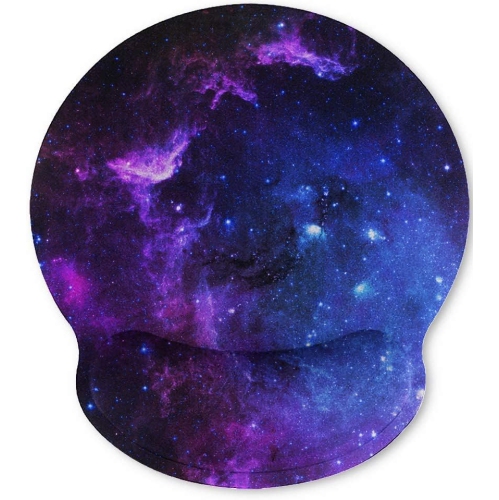
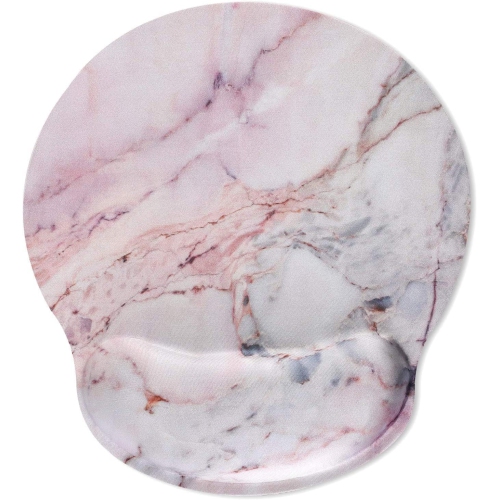
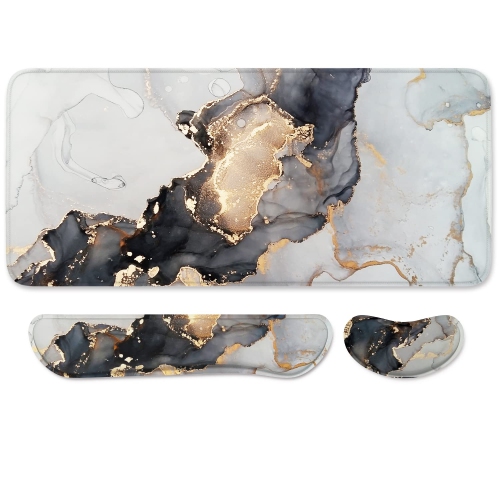


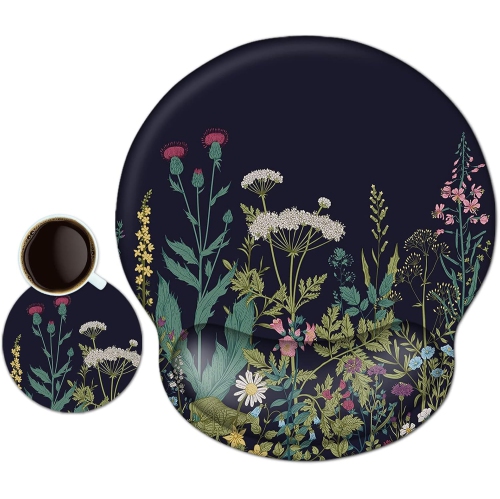

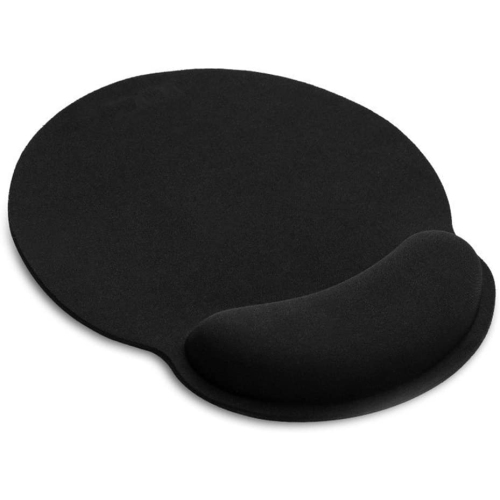
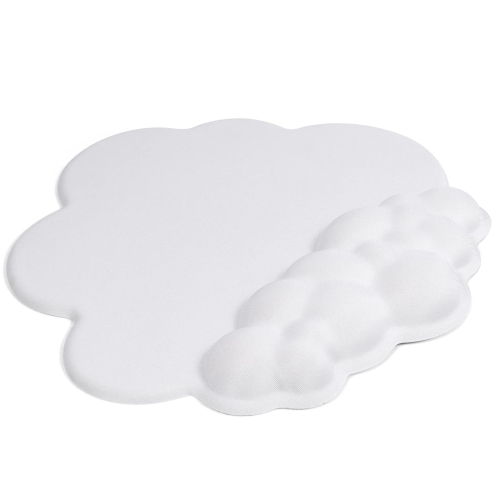
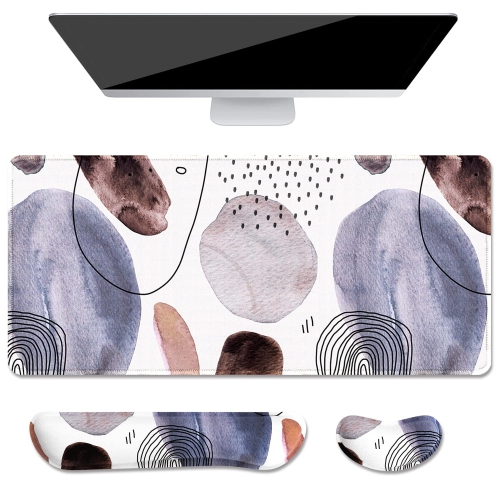
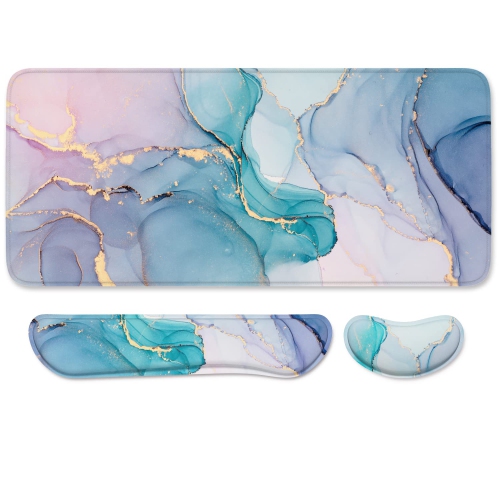
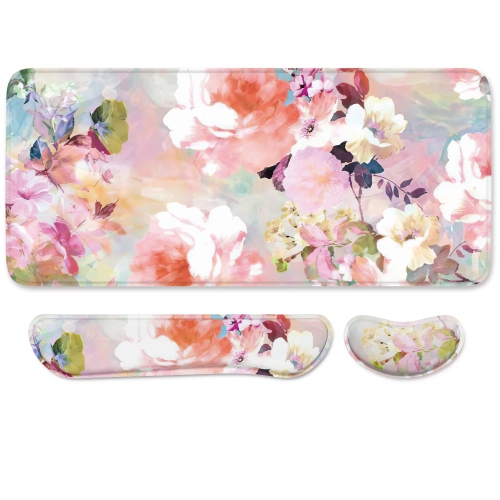
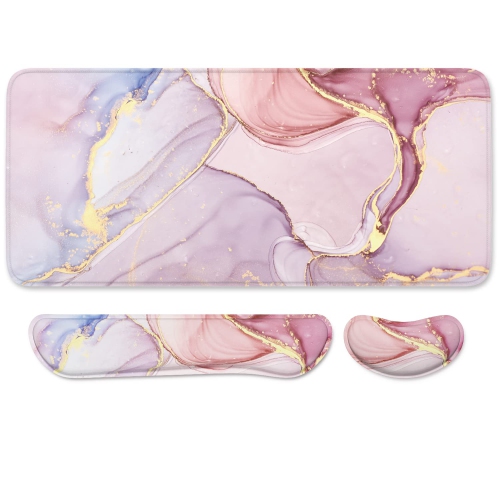
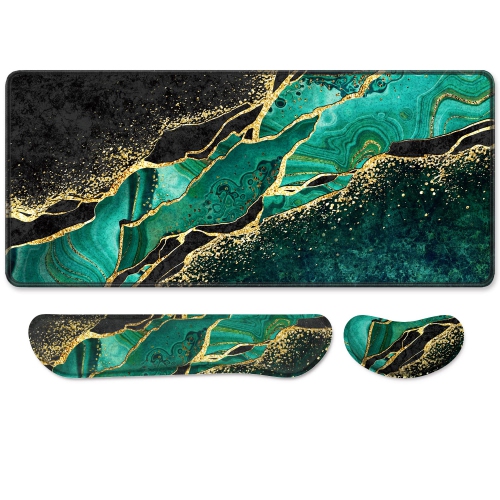
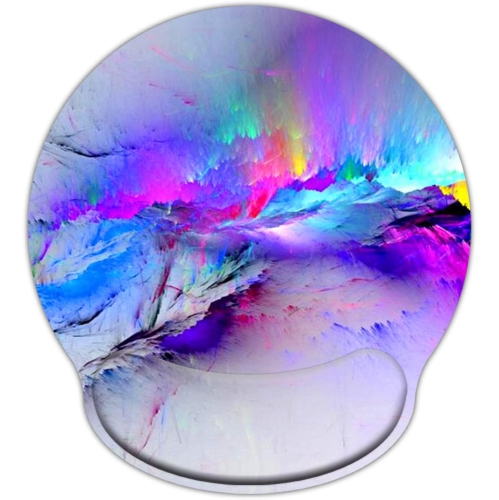

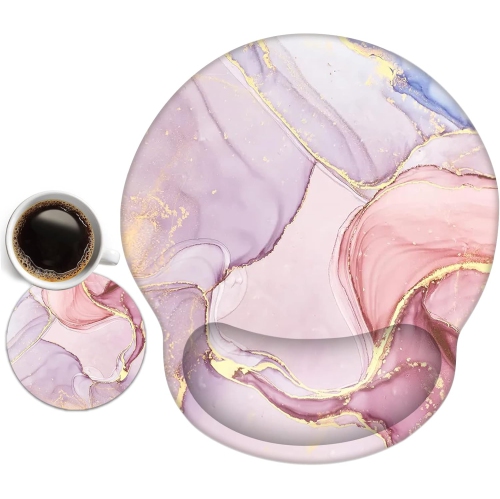
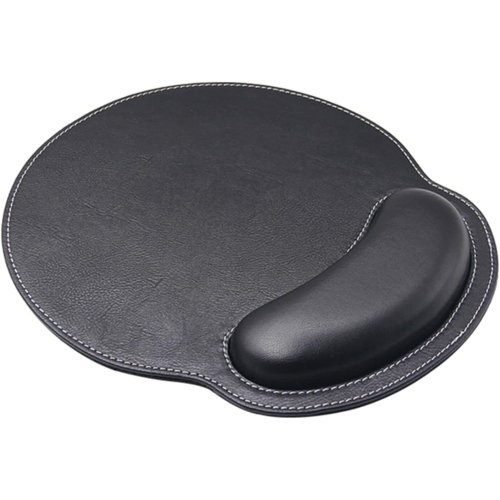


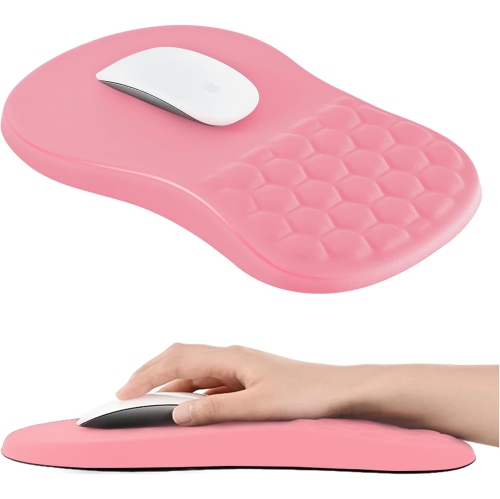
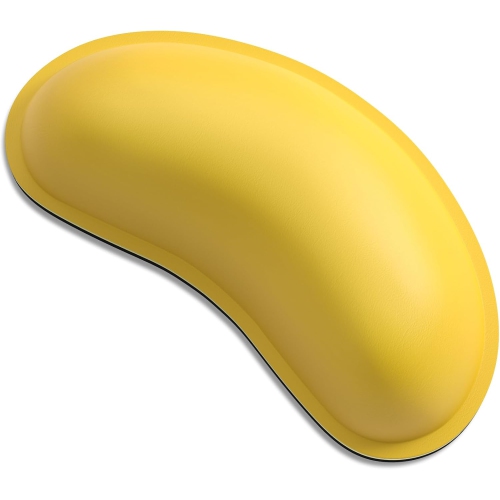
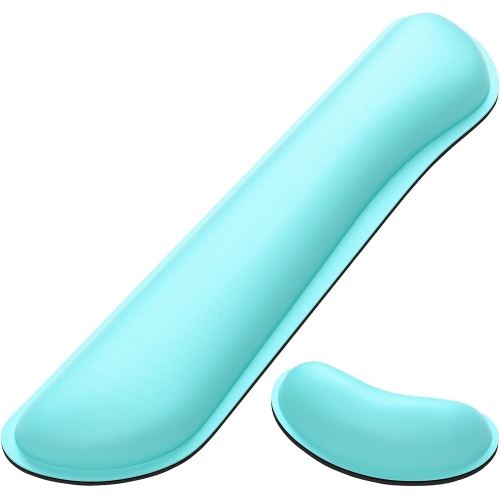
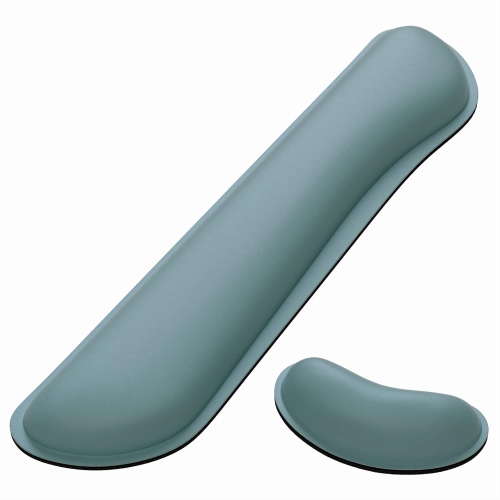
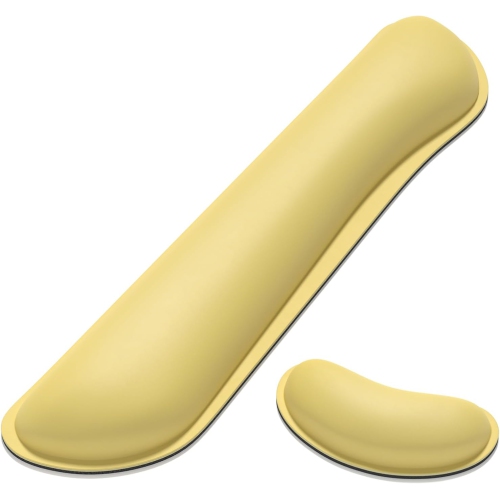
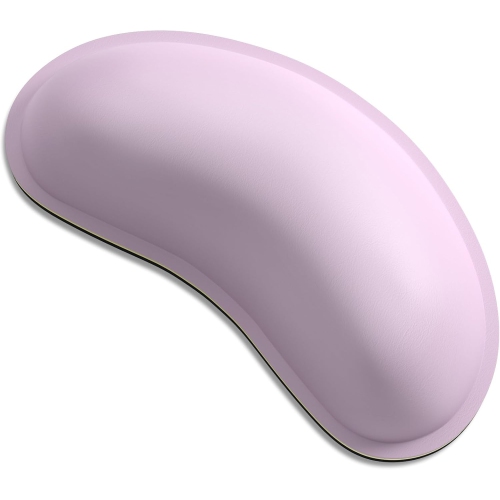
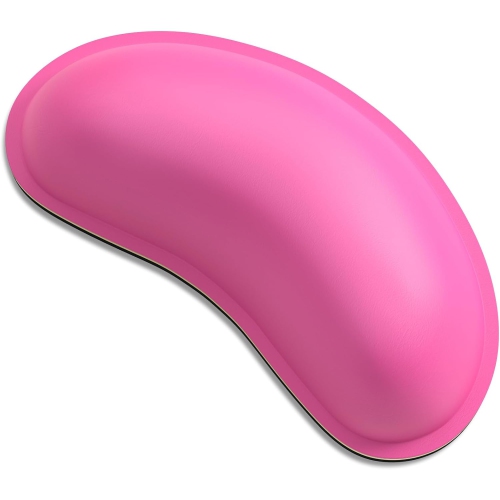
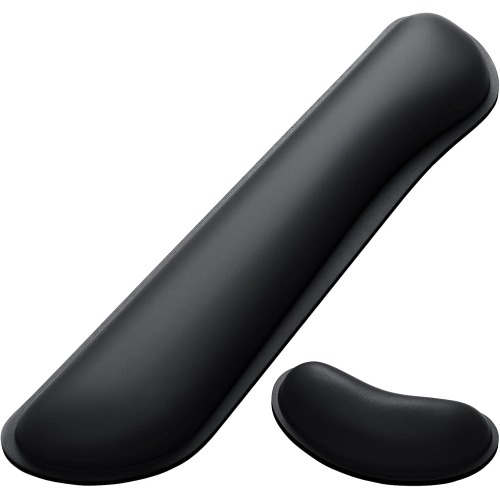
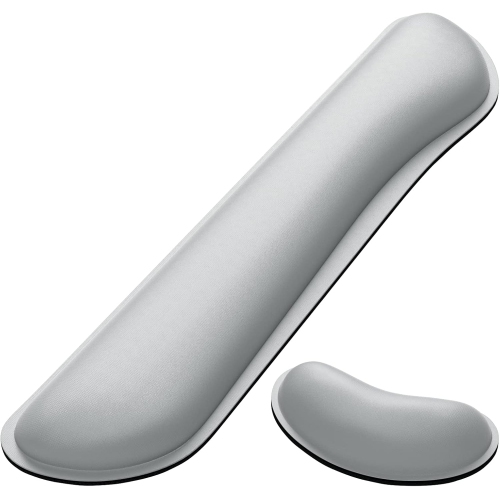
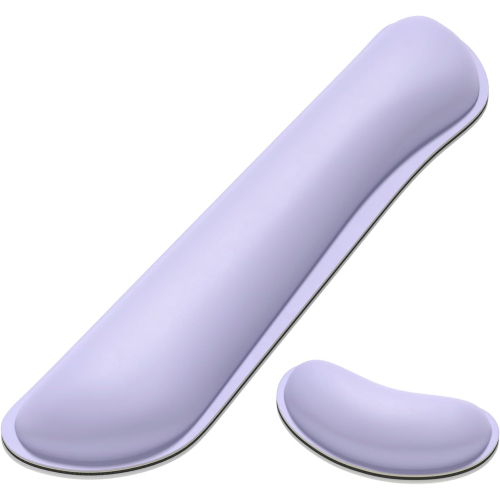
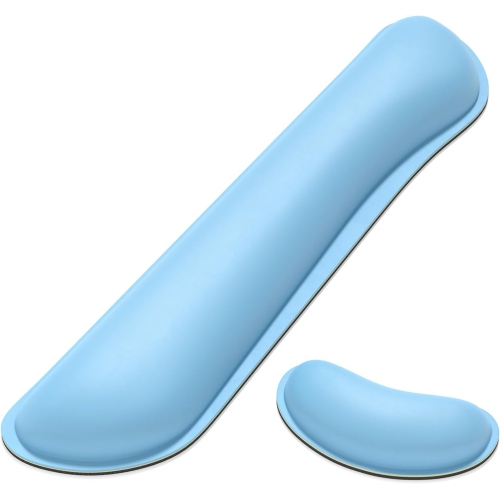
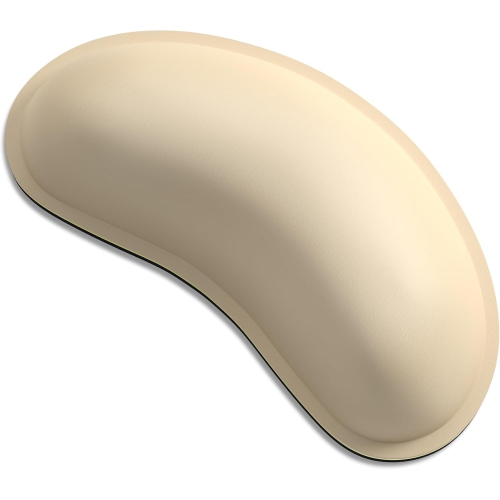
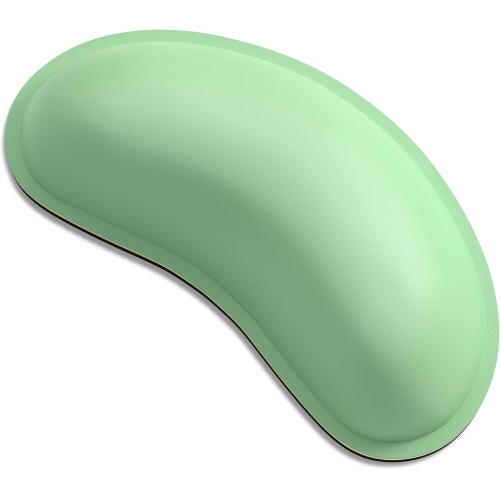
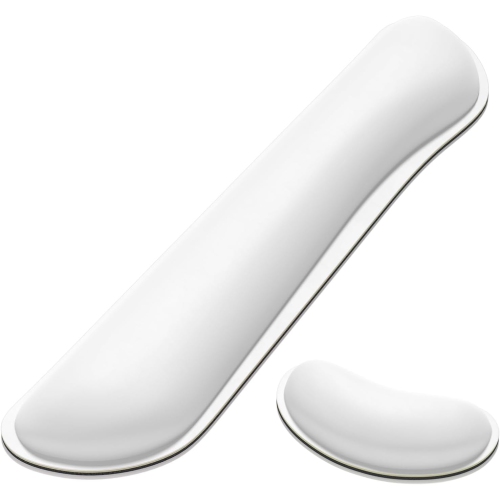


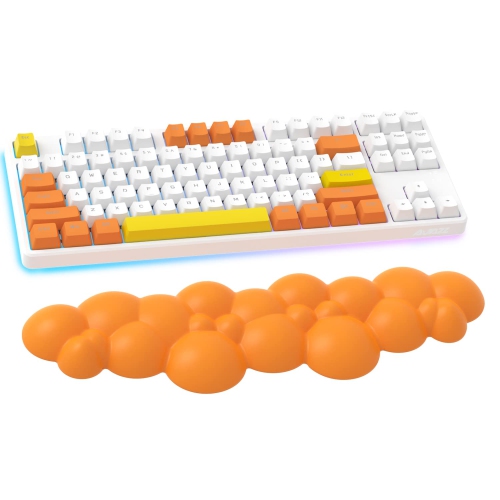
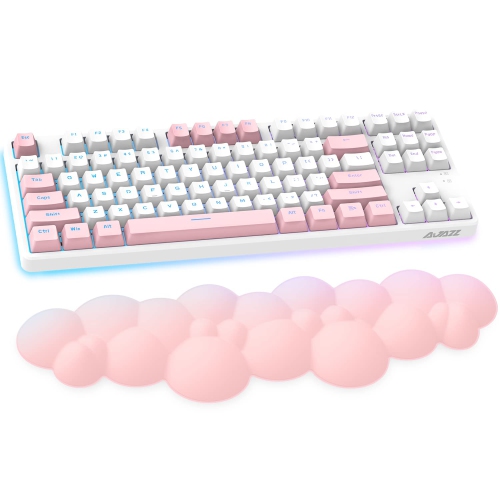
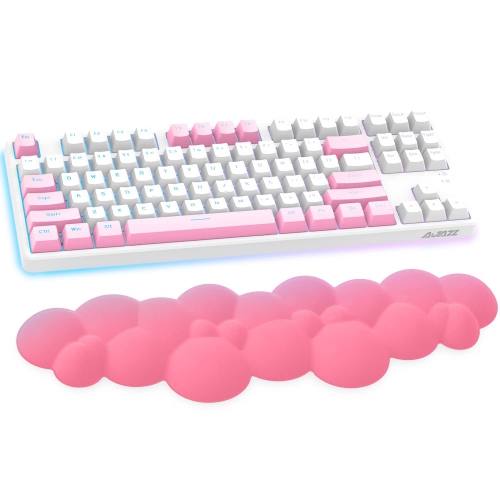
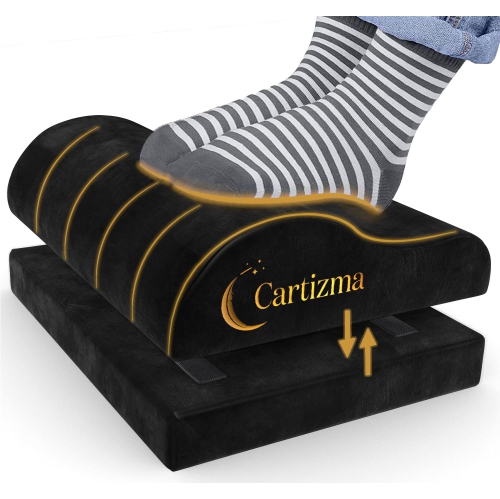
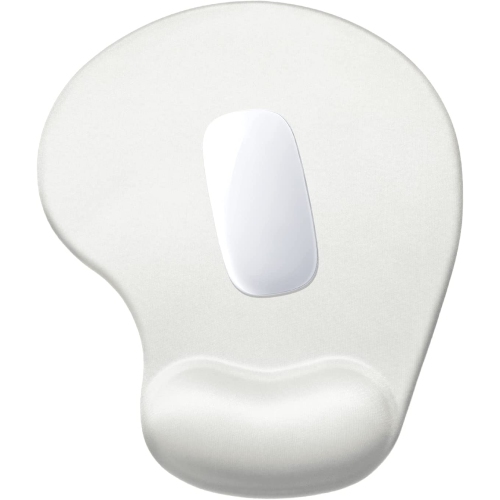
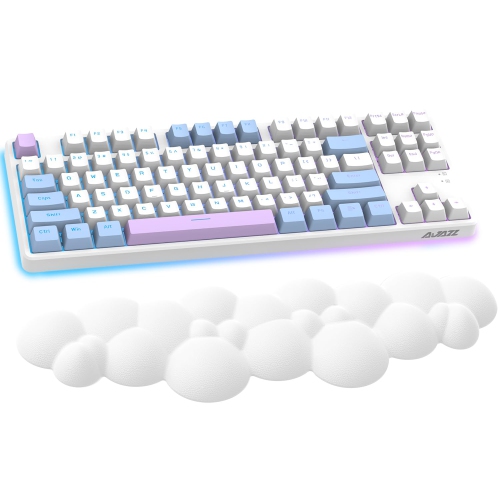
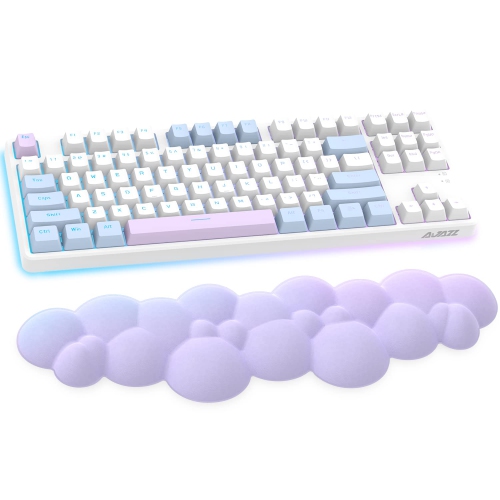
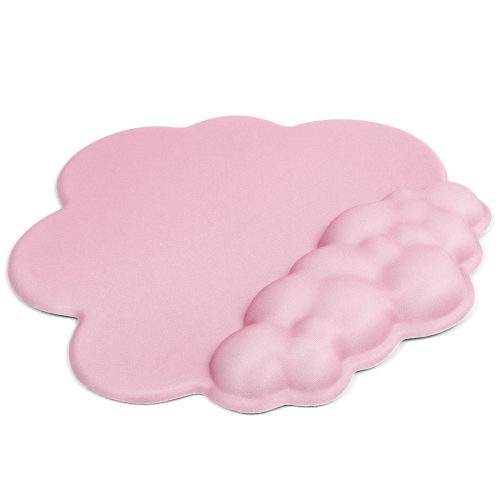
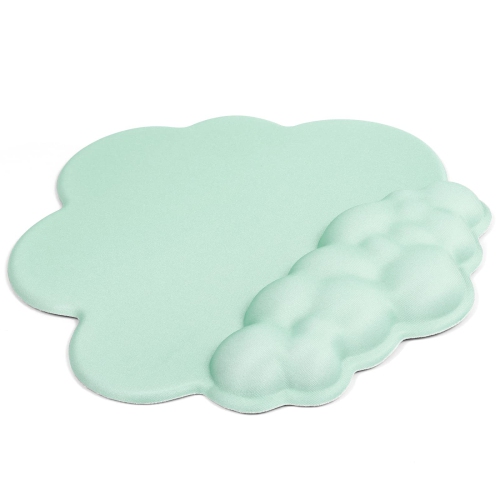

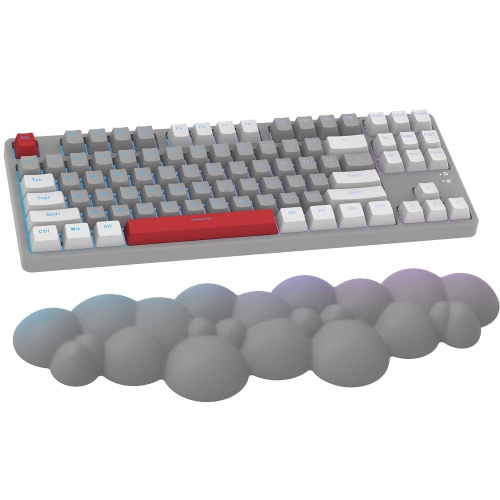
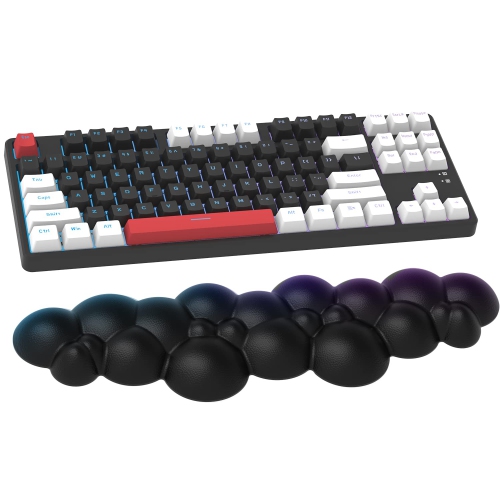
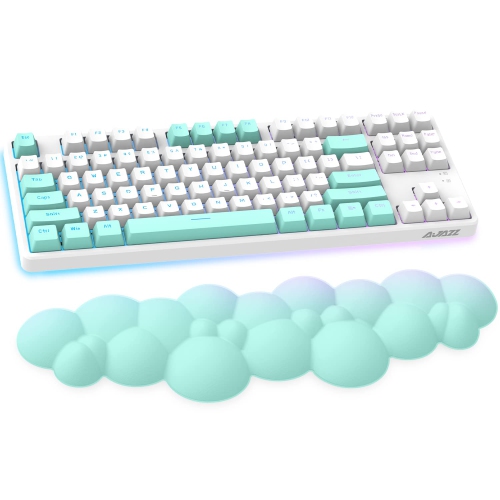
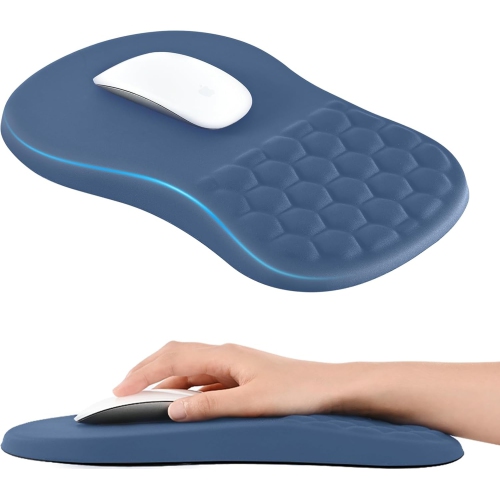
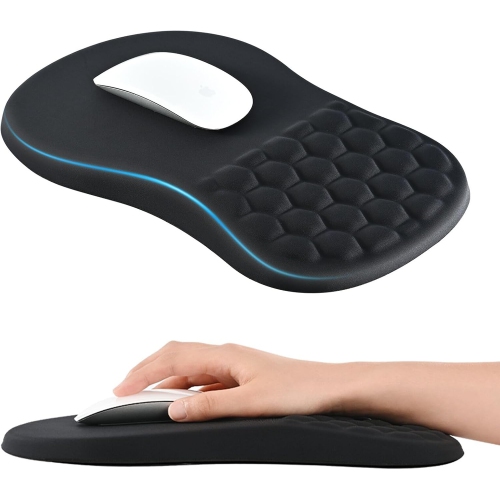
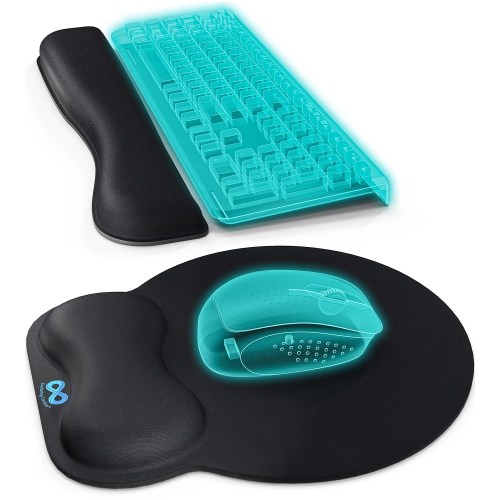
Why foam comfort depends on shape and fit
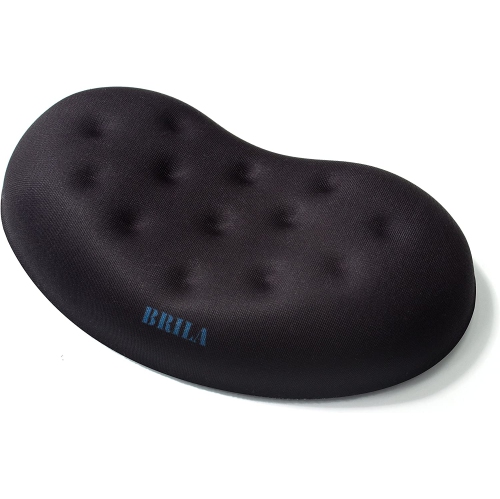
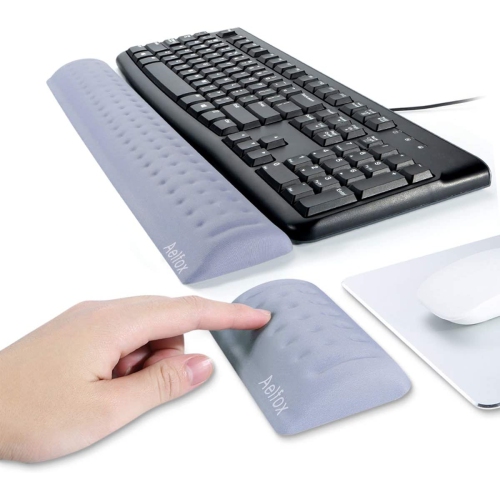
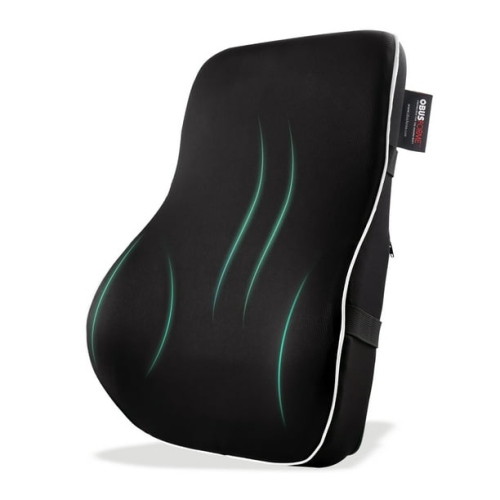
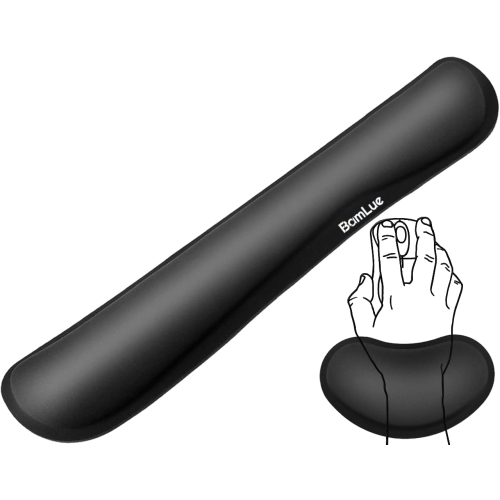
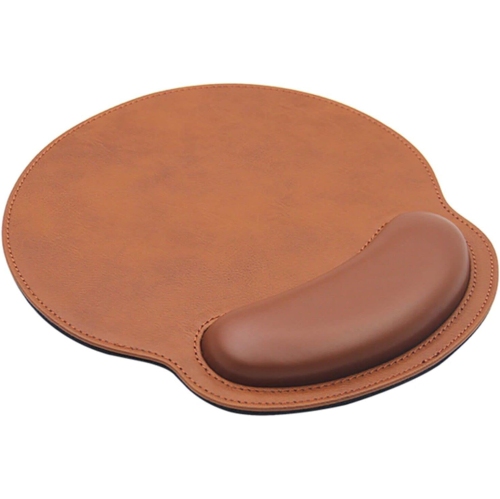
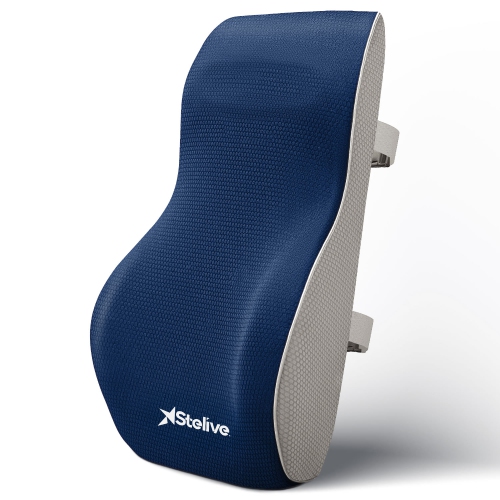
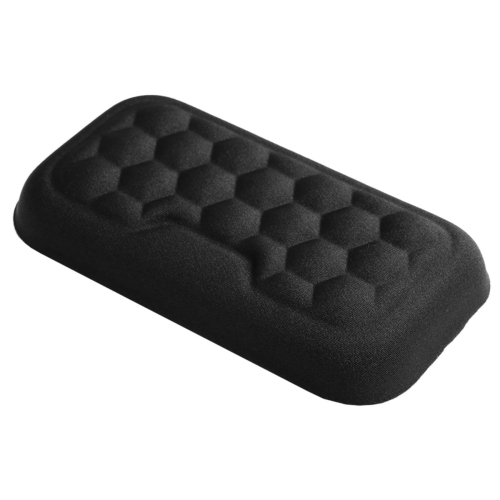
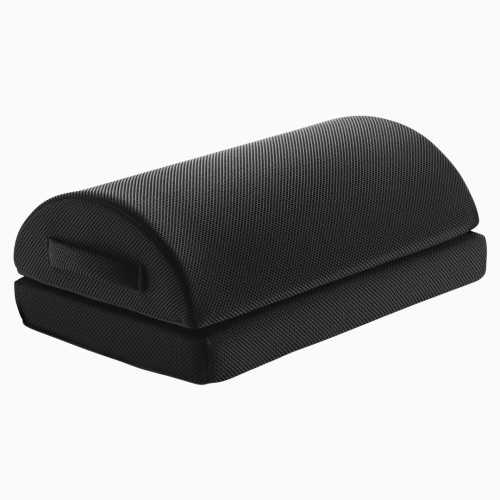
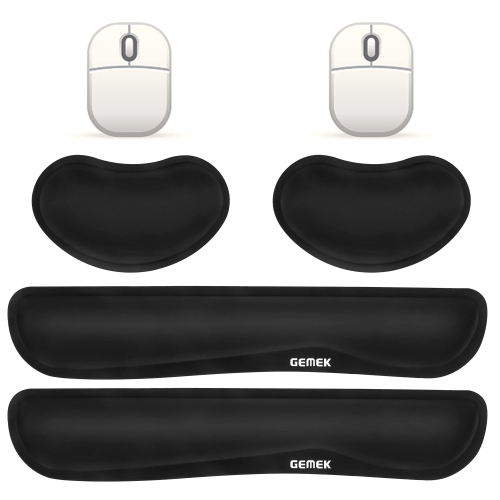
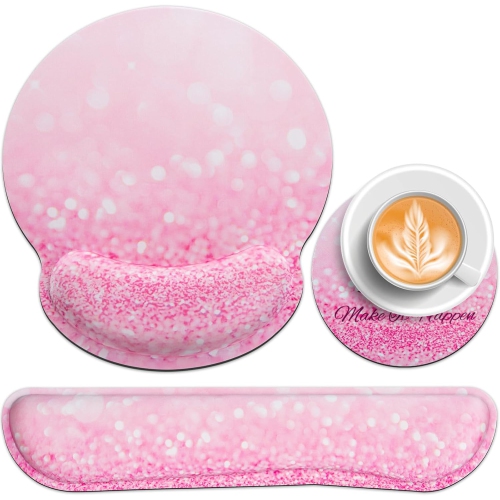
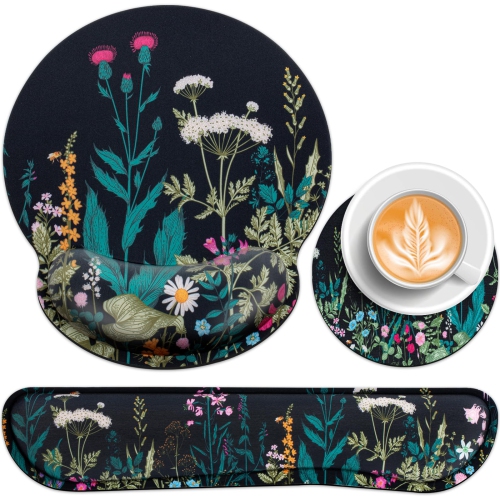
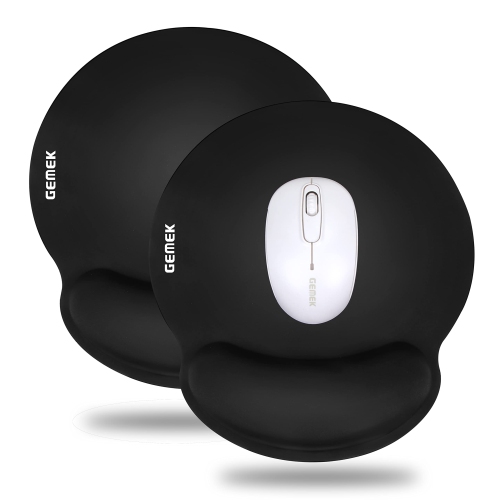
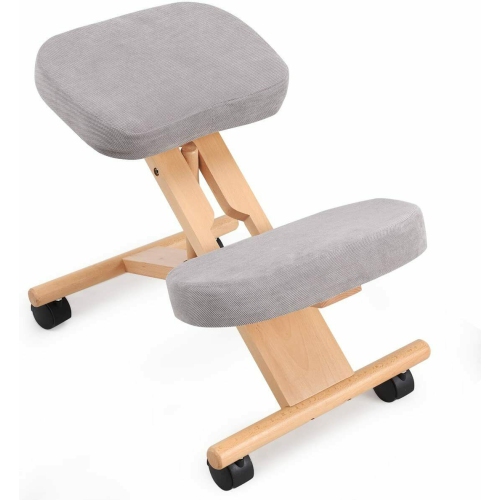
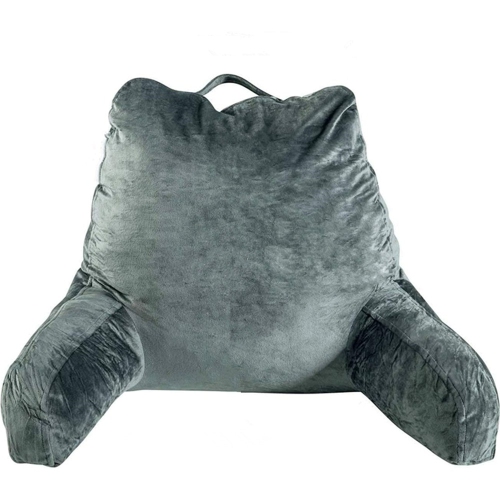
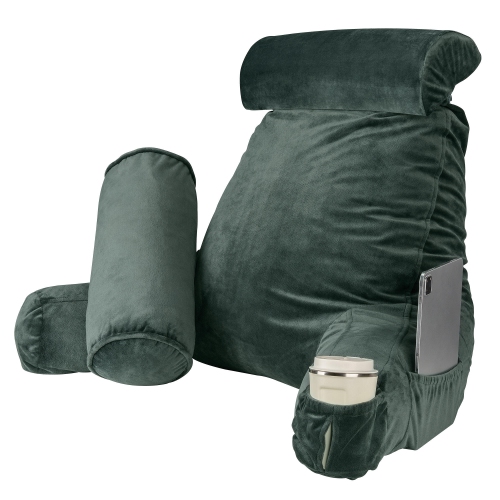
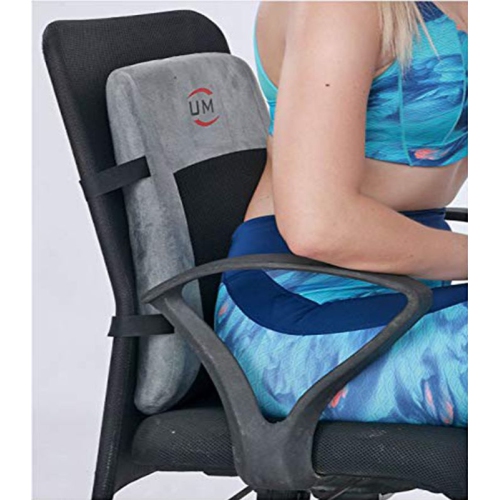
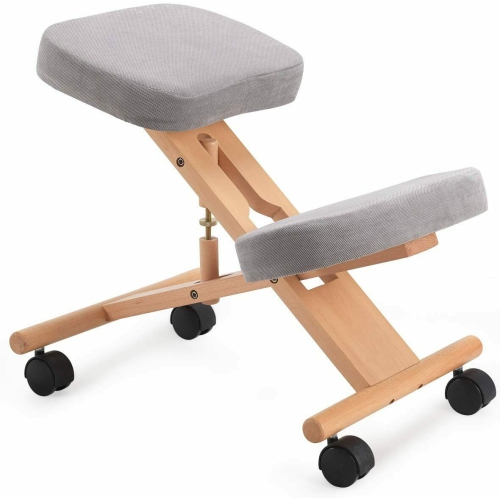
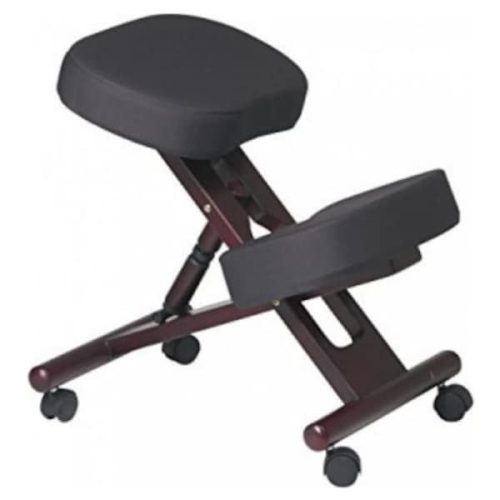
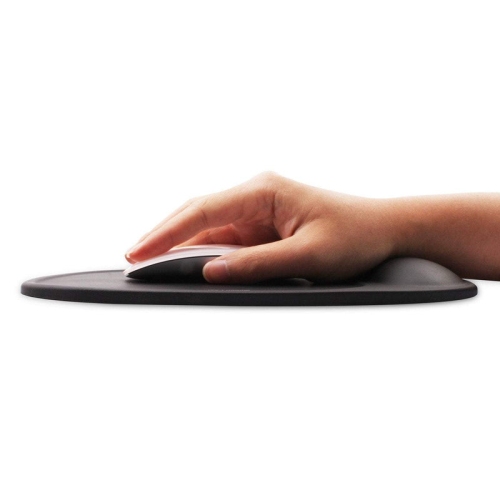
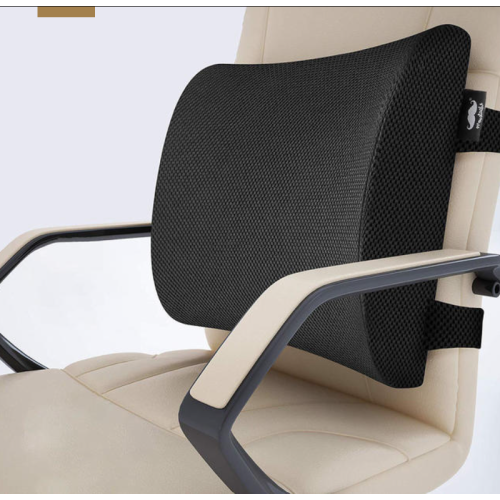
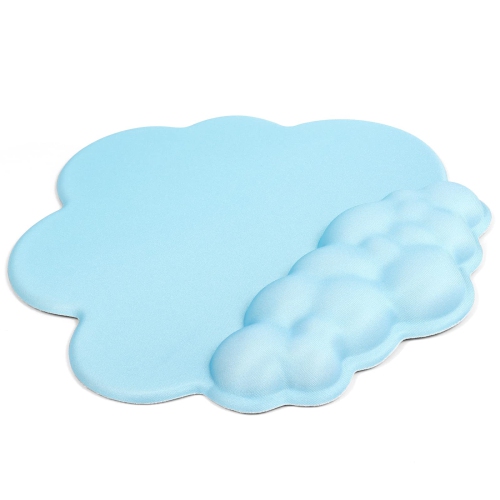
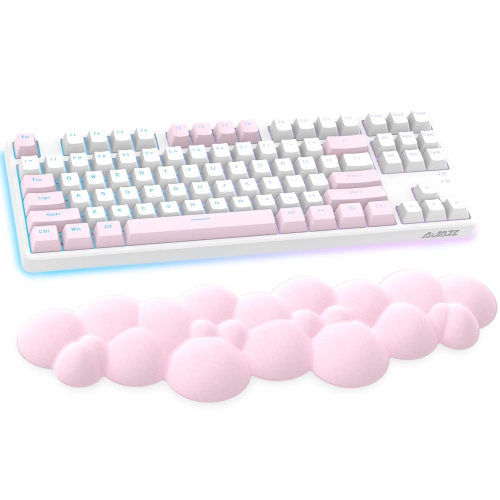
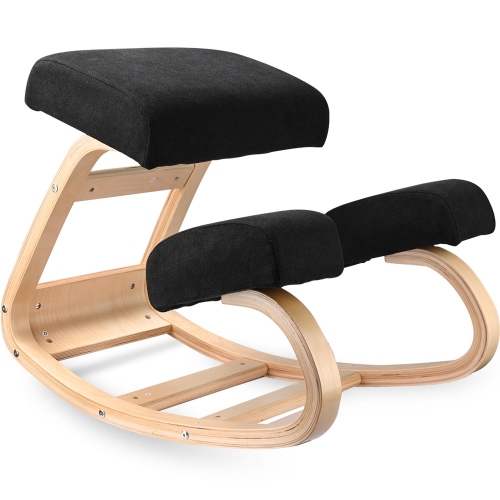
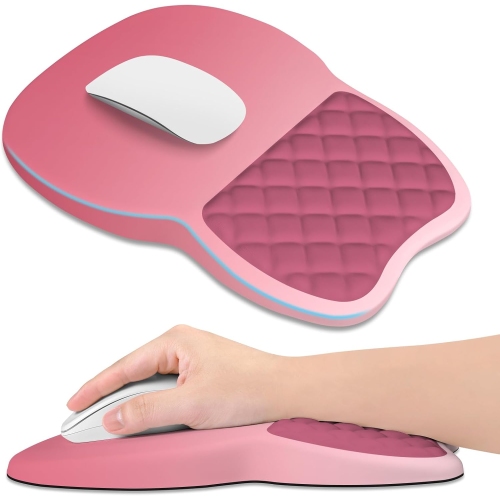
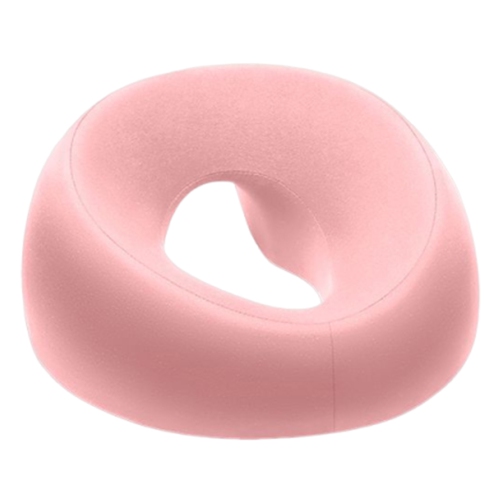
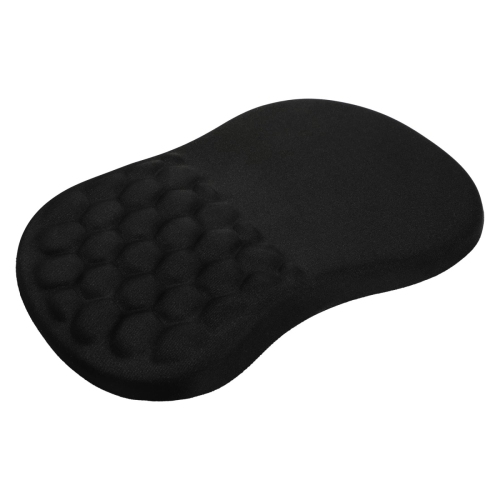
Ergonomic memory foam combines cushioning material with shapes designed to support the body during sleep, seated work, travel, and everyday rest. Memory foam is a viscoelastic polyurethane foam that responds to pressure and body heat, gradually moulding around the area resting against it. This close contact helps spread weight across a broader surface rather than concentrating it in a few small spots. The ergonomic aspect comes from the product’s contour, height, and placement: a curve beneath the neck, a shaped cushion under the hips, or a support against the lower back. Foam alone does not make a product ergonomic, and a shape that feels comfortable for one person may not suit another. Body proportions, preferred positions, and the surface underneath all influence the fit. For seated use, an ergonomic memory foam seat cushion can add padding to a firm chair, while a lumbar cushion can help fill the space between the lower back and the chair back. Some seat cushions have a rear cut-out intended to reduce direct contact beneath the tailbone; others use a shallow central dip or raised edges to help position the hips. Cushion thickness matters because adding height changes how the whole workstation fits. Feet should remain supported by the floor or a footrest, with enough room beneath the desk and no uncomfortable pressure behind the knees. A cushion that slides forward or makes a chair feel too narrow is unlikely to provide lasting comfort, even if the foam feels soft at first. Non-slip bases and adjustable straps can help keep supports in place, provided they fit the chair’s dimensions and finish. These details are useful for a student working through an assignment, someone spending several hours at a home office desk, or a hobbyist seated at a craft table. Memory foam can make the contact surface more comfortable, but it does not replace a well-adjusted chair, changes in position, or regular movement breaks.
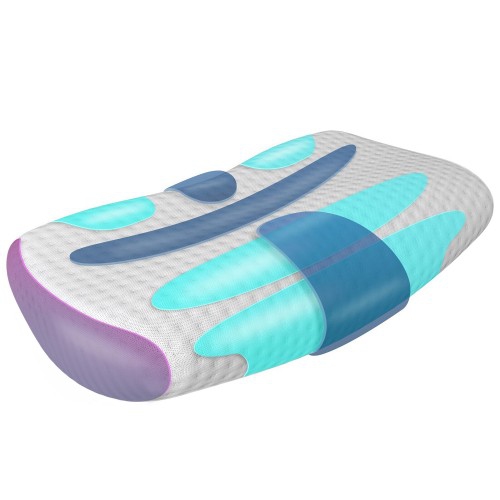
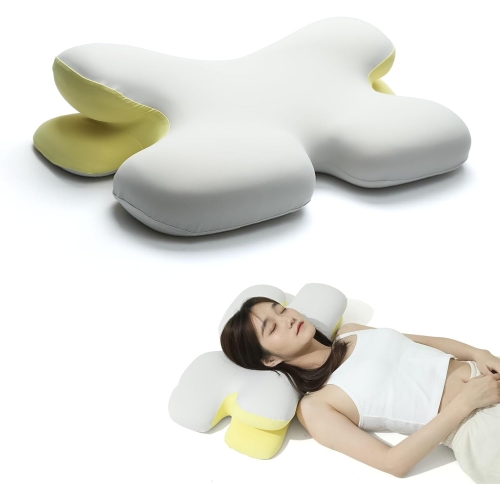
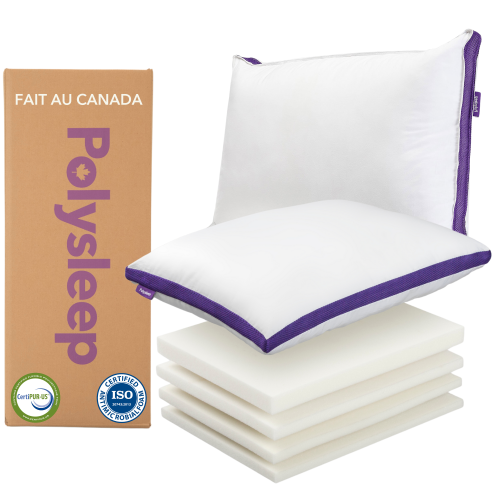
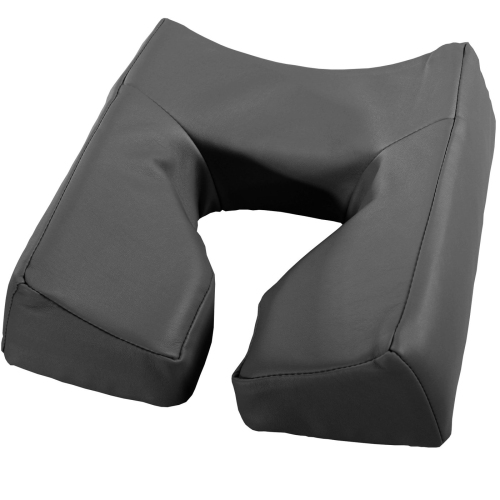
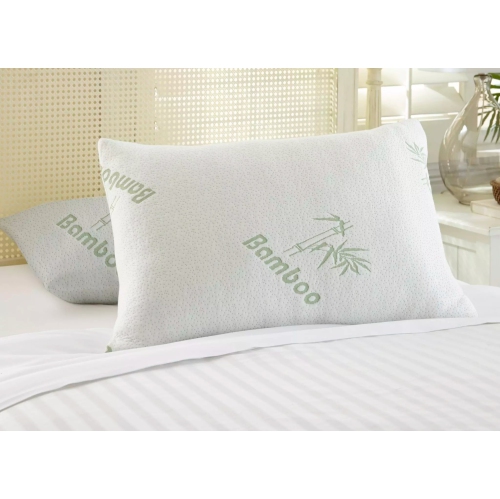
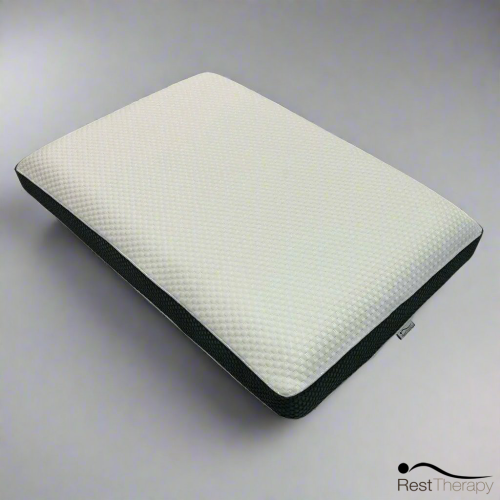
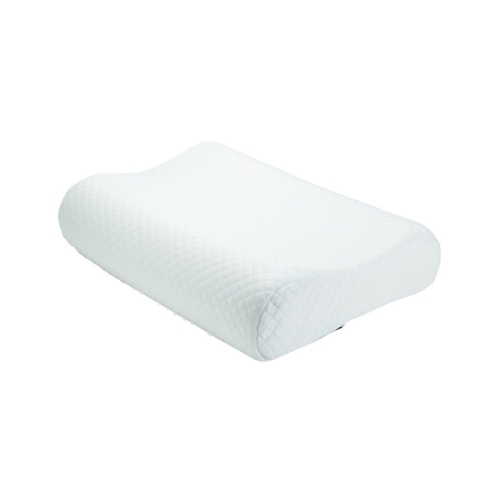
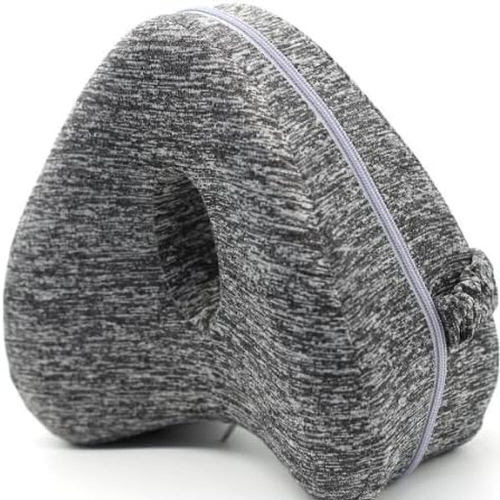
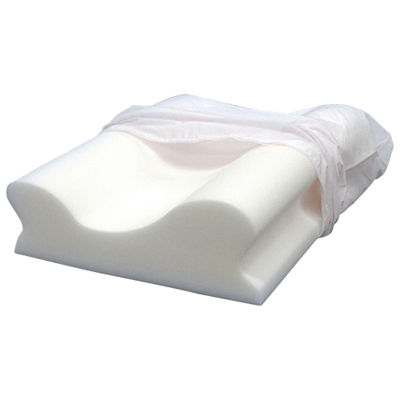
For sleep, ergonomic memory foam pillows are designed to support the head and neck in relation to the shoulders and mattress. A contour pillow usually has a shaped surface with a dip for the head and a raised section beneath the neck, although the depth and height vary. The goal is a comfortable, relatively neutral position rather than forcing the neck into a pronounced upward or downward angle. Side sleepers often need enough pillow height to fill the space between the shoulder and head, while back sleepers may prefer a lower profile that supports the neck without pushing the chin towards the chest. Stomach sleepers generally need less height, since a thick pillow can increase neck extension in an already turned position. Mattress firmness also affects the fit: when the shoulder sinks farther into a softer mattress, the gap beneath the head may be smaller than it is on a firmer surface. The Sleep Memory Foam Pillows category brings this type of cushioning into the bedroom, where loft, contour, and feel are particularly personal considerations. Solid foam typically provides a more consistent shape, while shredded foam can feel more adjustable and easier to reshape. Designs with removable fill allow the height to be changed, though not every shredded-fill pillow offers that feature. Someone who shifts between back and side sleeping may find a gentler contour easier to settle onto than a deeply sculpted shape. A knee pillow can provide separation between the legs during side sleeping, while a compact neck support may be useful when resting upright on a journey. In each case, the support should fit the intended position without creating a new point of pressure. Memory foam is a comfort material, not a treatment for persistent neck or back pain, and a firmer feel does not automatically mean better support. Comfort depends on how the shape works with the sleeper, not simply how substantial the pillow looks.
Materials and construction influence how ergonomic memory foam feels over an evening or a full night, as well as how it holds up to repeated use. Foam density and firmness describe different qualities: density refers to the amount of material within a given volume, while firmness describes resistance to compression. A denser foam is not necessarily harder, and thickness alone does not establish durability. Consistent support, well-finished seams, a secure cover, and foam that regains its shape after unloading are useful characteristics to consider. Temperature can affect the feel, too. Traditional memory foam may seem firmer in a cool room and soften as it warms against the body. Because it moulds closely around the user, it can also retain warmth. Perforations, airflow channels, gel layers, and breathable covers may help manage that sensation, but they do not guarantee a cool sleeping or sitting surface. Cover texture deserves attention where skin makes frequent contact: a smooth knit may feel softer against the cheek, while a more textured cover may be practical for a seat cushion. Removable, washable covers make routine care simpler, especially for supports used daily or carried between home and work. The foam core often requires different care from the cover and should only be cleaned as directed on its care label. Many memory foam cores are not suitable for machine washing or tumble drying; soaking can leave moisture trapped inside, and high heat can damage the material. Gentle spot cleaning, where permitted, followed by thorough air drying helps protect the cushion’s shape. Keeping foam away from damp storage and checking for persistent flattening, crumbling, or uneven areas can help identify when support has changed. Portability also matters for shared workspaces, longer visits, or travel, where a manageable size and protective carry bag can make a support easier to bring along. As a gift, ergonomic memory foam may suit someone setting up a study space or refreshing their bedding, especially when their preferred dimensions and firmness are known. The most useful choice is one that fits naturally into the recipient’s routine, with a shape they find comfortable and care requirements they can easily maintain.
For sleep, ergonomic memory foam pillows are designed to support the head and neck in relation to the shoulders and mattress. A contour pillow usually has a shaped surface with a dip for the head and a raised section beneath the neck, although the depth and height vary. The goal is a comfortable, relatively neutral position rather than forcing the neck into a pronounced upward or downward angle. Side sleepers often need enough pillow height to fill the space between the shoulder and head, while back sleepers may prefer a lower profile that supports the neck without pushing the chin towards the chest. Stomach sleepers generally need less height, since a thick pillow can increase neck extension in an already turned position. Mattress firmness also affects the fit: when the shoulder sinks farther into a softer mattress, the gap beneath the head may be smaller than it is on a firmer surface. The Sleep Memory Foam Pillows category brings this type of cushioning into the bedroom, where loft, contour, and feel are particularly personal considerations. Solid foam typically provides a more consistent shape, while shredded foam can feel more adjustable and easier to reshape. Designs with removable fill allow the height to be changed, though not every shredded-fill pillow offers that feature. Someone who shifts between back and side sleeping may find a gentler contour easier to settle onto than a deeply sculpted shape. A knee pillow can provide separation between the legs during side sleeping, while a compact neck support may be useful when resting upright on a journey. In each case, the support should fit the intended position without creating a new point of pressure. Memory foam is a comfort material, not a treatment for persistent neck or back pain, and a firmer feel does not automatically mean better support. Comfort depends on how the shape works with the sleeper, not simply how substantial the pillow looks.
Materials and construction influence how ergonomic memory foam feels over an evening or a full night, as well as how it holds up to repeated use. Foam density and firmness describe different qualities: density refers to the amount of material within a given volume, while firmness describes resistance to compression. A denser foam is not necessarily harder, and thickness alone does not establish durability. Consistent support, well-finished seams, a secure cover, and foam that regains its shape after unloading are useful characteristics to consider. Temperature can affect the feel, too. Traditional memory foam may seem firmer in a cool room and soften as it warms against the body. Because it moulds closely around the user, it can also retain warmth. Perforations, airflow channels, gel layers, and breathable covers may help manage that sensation, but they do not guarantee a cool sleeping or sitting surface. Cover texture deserves attention where skin makes frequent contact: a smooth knit may feel softer against the cheek, while a more textured cover may be practical for a seat cushion. Removable, washable covers make routine care simpler, especially for supports used daily or carried between home and work. The foam core often requires different care from the cover and should only be cleaned as directed on its care label. Many memory foam cores are not suitable for machine washing or tumble drying; soaking can leave moisture trapped inside, and high heat can damage the material. Gentle spot cleaning, where permitted, followed by thorough air drying helps protect the cushion’s shape. Keeping foam away from damp storage and checking for persistent flattening, crumbling, or uneven areas can help identify when support has changed. Portability also matters for shared workspaces, longer visits, or travel, where a manageable size and protective carry bag can make a support easier to bring along. As a gift, ergonomic memory foam may suit someone setting up a study space or refreshing their bedding, especially when their preferred dimensions and firmness are known. The most useful choice is one that fits naturally into the recipient’s routine, with a shape they find comfortable and care requirements they can easily maintain.
Top selling and popular products
-
 Your price for this item is $9.99
 -
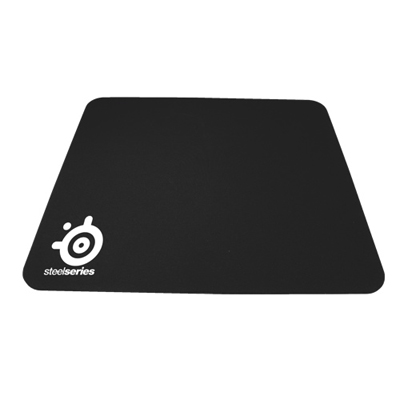 Your price for this item is $14.99
 -
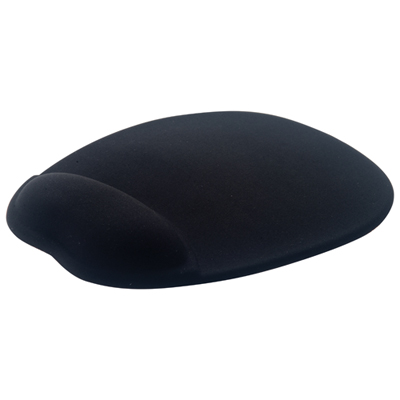 Your price for this item is $19.99
 -
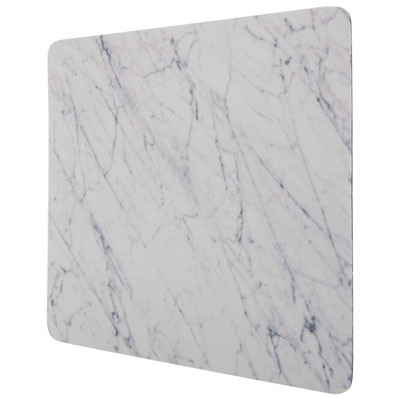 Your price for this item is $9.99
 -
 Your price for this item is $7.99
 -
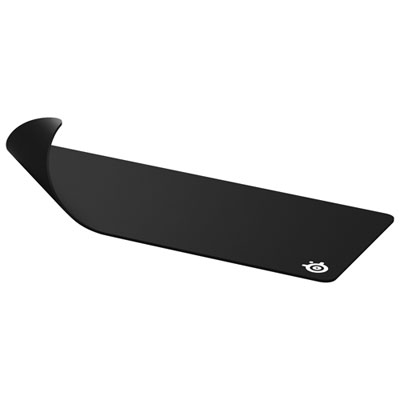 Your price for this item is $49.99
 -
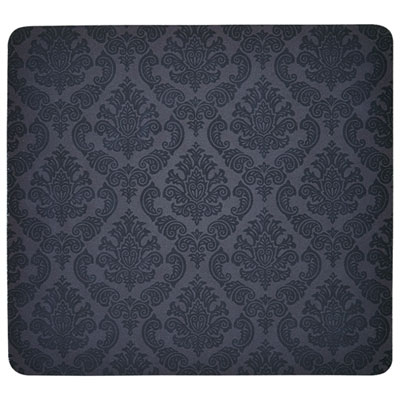 Your price for this item is $7.99
 -
 Your price for this item is $19.99
Discover more categories related to Ergonomic Memory Foam
Top Collections:
Pokemon Centers, Budget 4K TVs, Kindle Devices, Canon G7X Cameras, Apple iPhones 16, iPhone 15 Apple, Laptops for Business Work, Flip Phones, Xiaomi Phones, Refurbished Apple Laptops
Some products may be subject to Environmental Handling Fees
(EHF) depending on your province.
Learn more about EHFs.