Gardening Equipment Storage
Organize your gardening space with this selection of storage solutions designed to keep your equipment tidy and easily accessible. From sturdy tool sheds to versatile storage racks, we offer a range of options to help you declutter and maximize your outdoor workspace. Whether you're a seasoned gardener or just starting out, having a well-organized storage system can make a world of difference in maintaining your tools and supplies. Explore this collection of gardening equipment storage solutions to find the perfect fit for your needs and create a functional and efficient gardening setup.
Sort
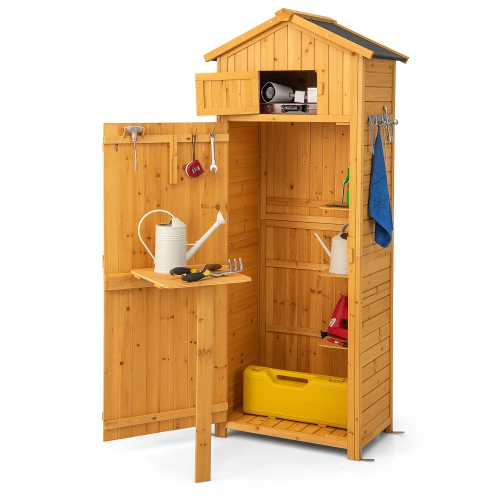
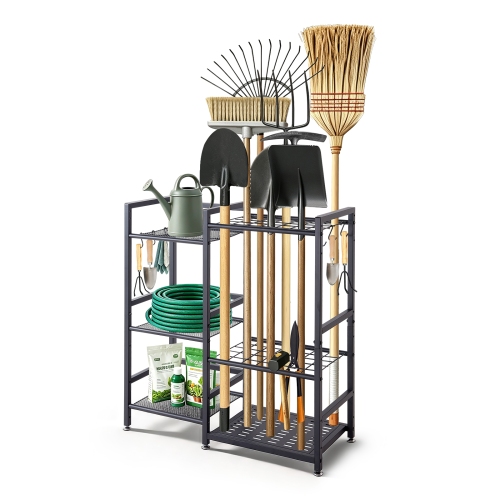
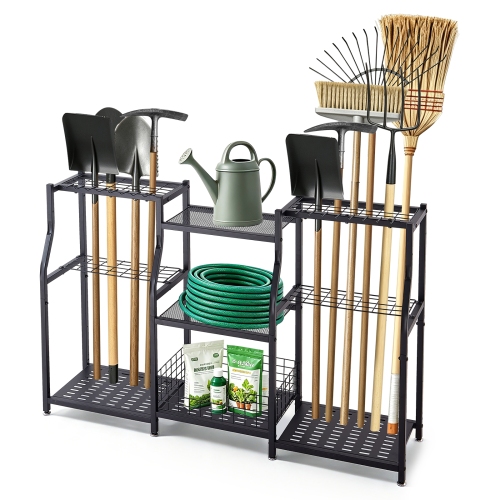
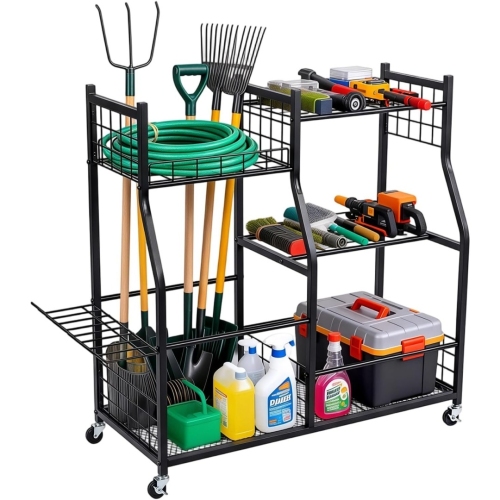
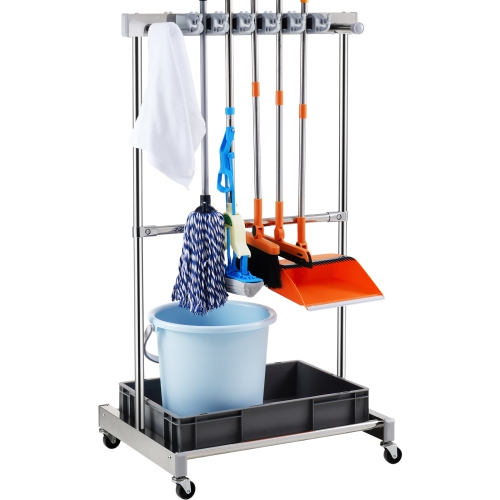
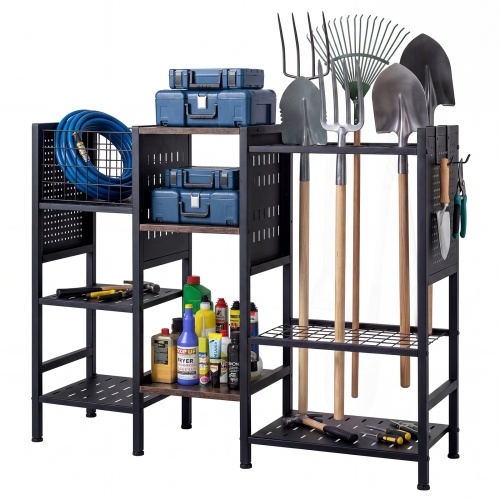
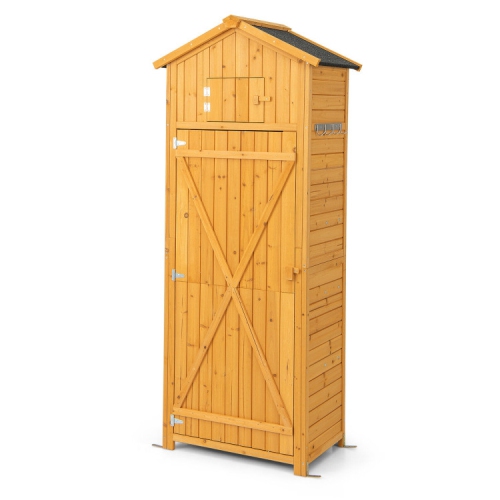
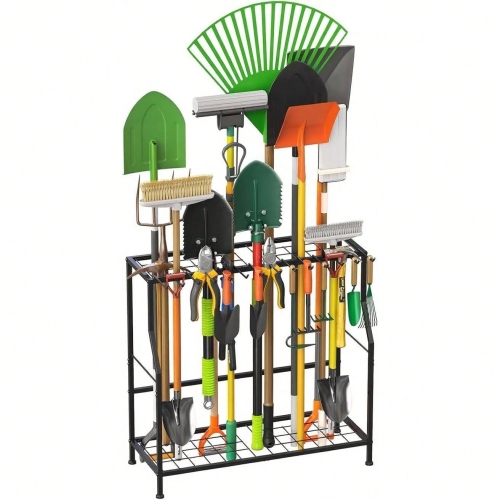
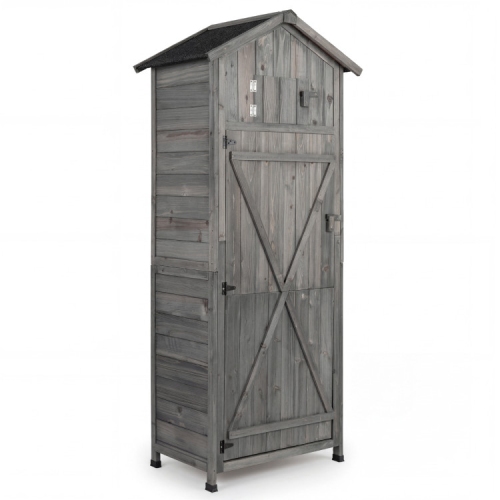
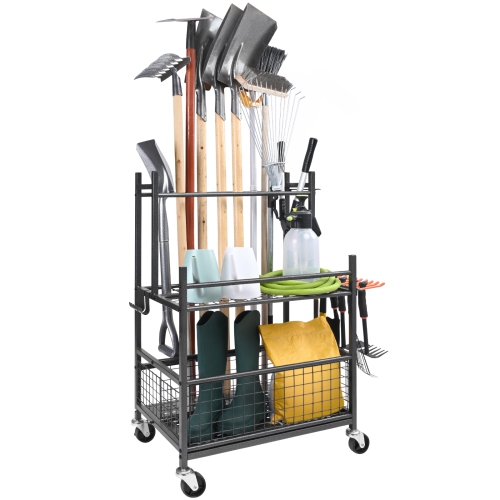
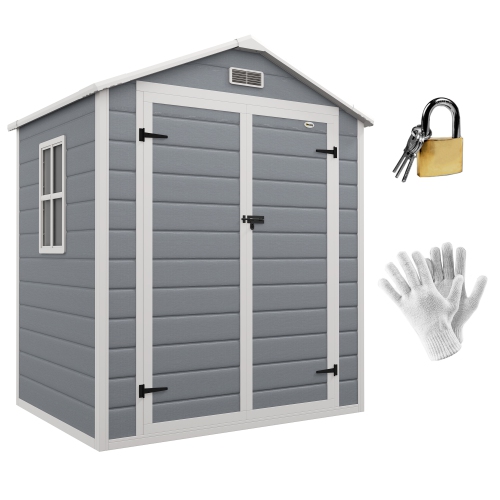
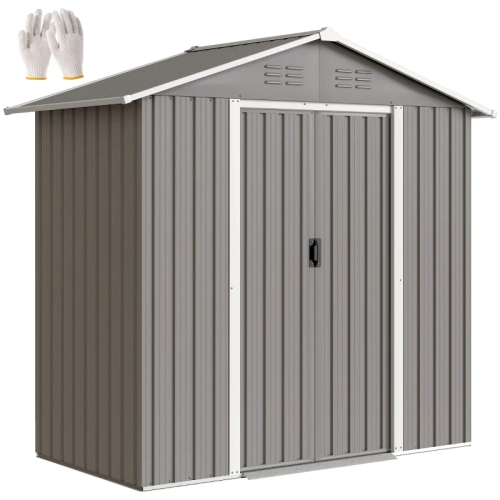
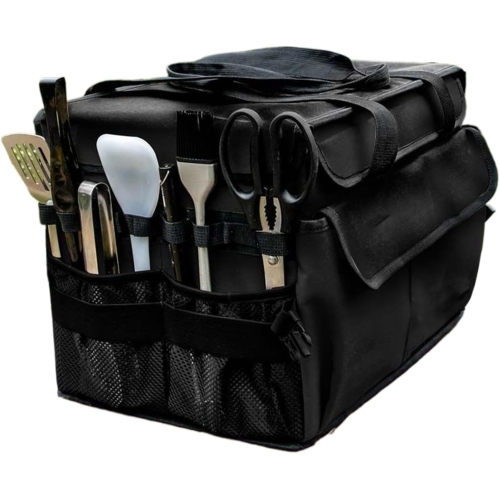
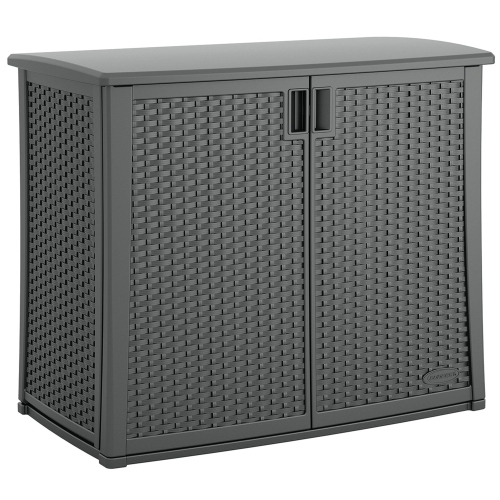
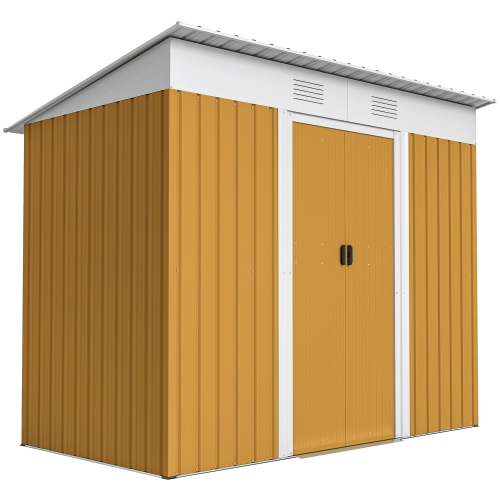
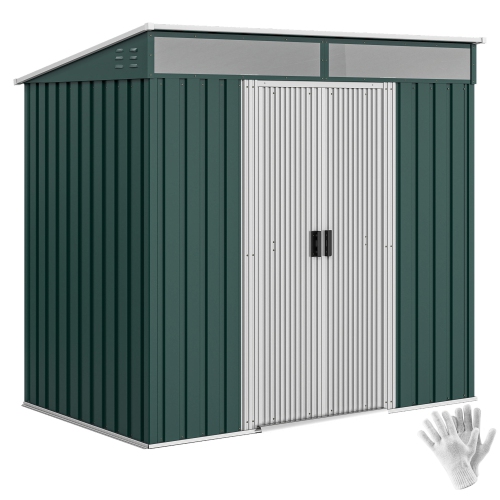
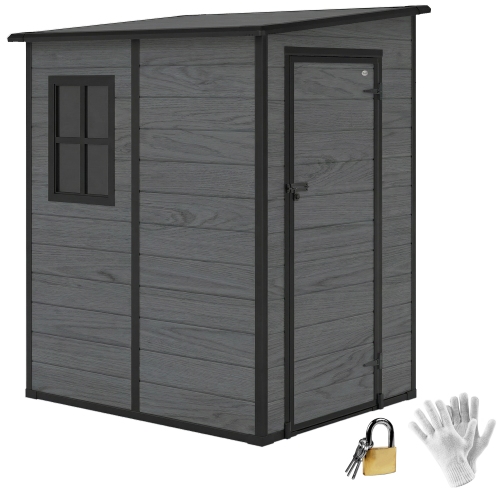
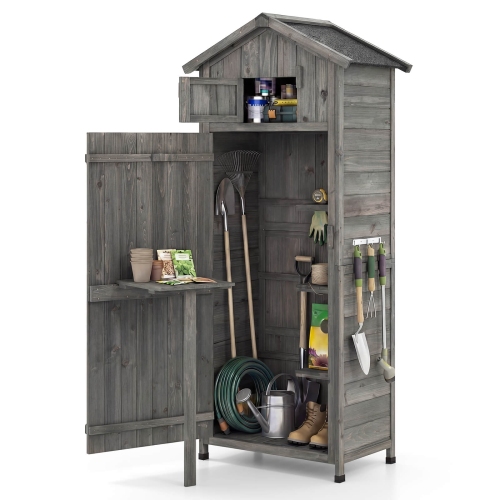
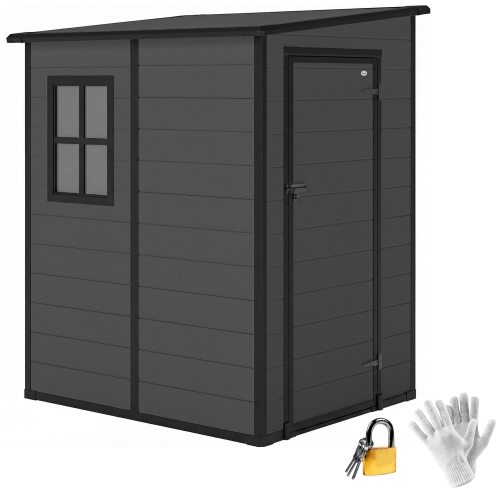
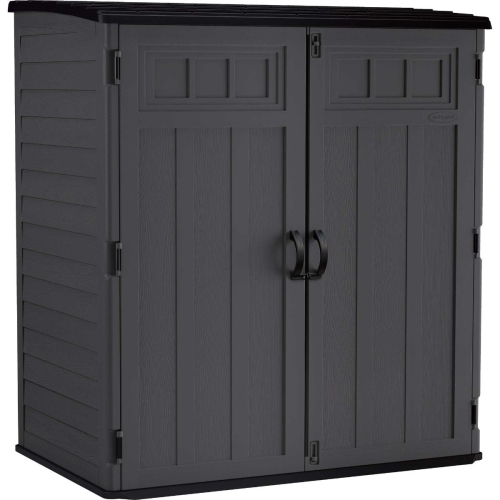
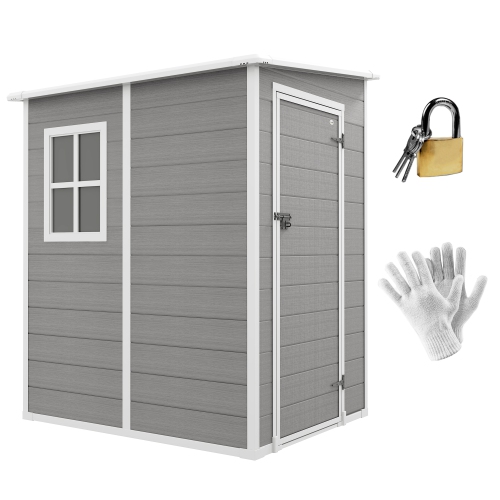
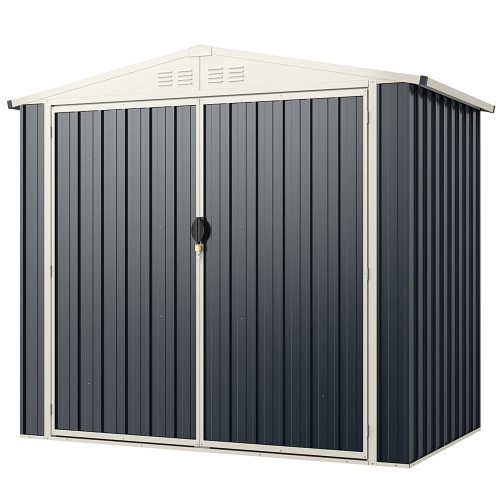
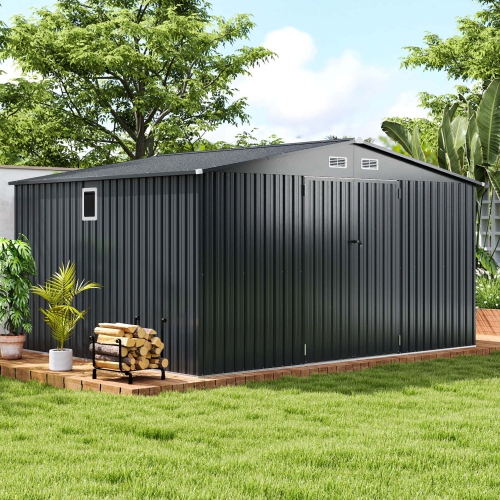
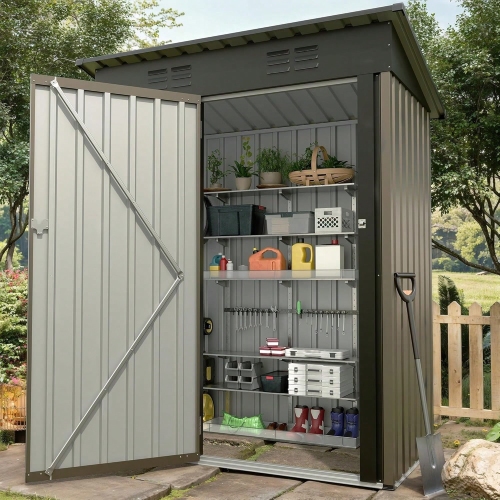
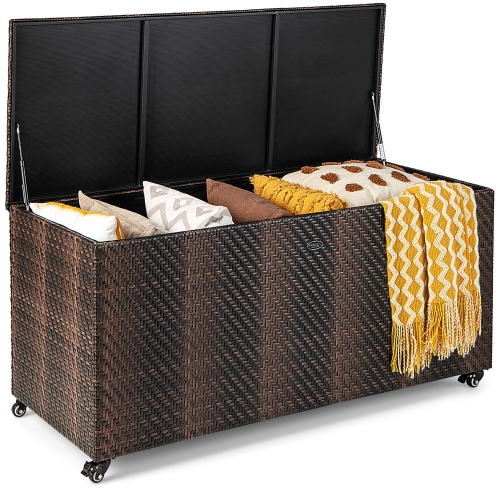
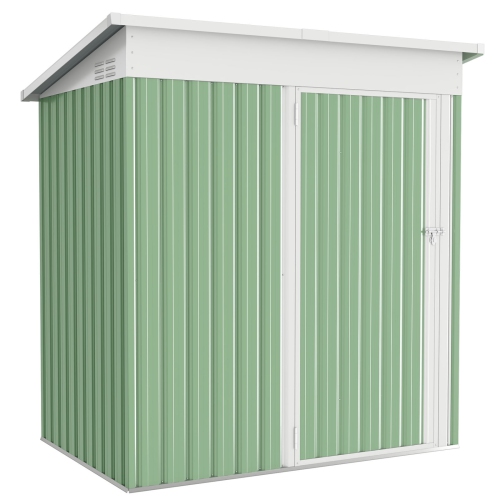
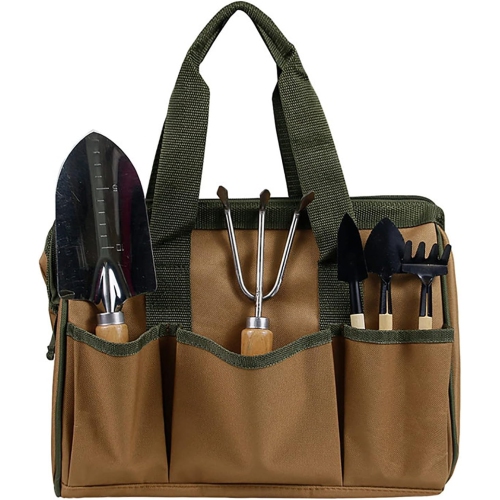
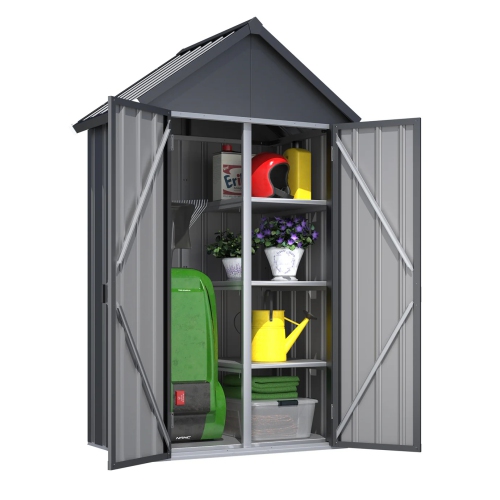
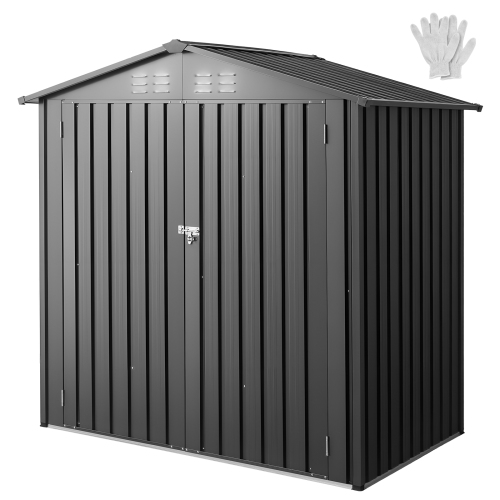
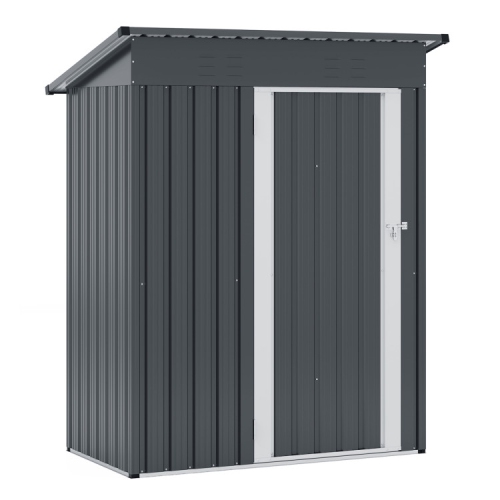
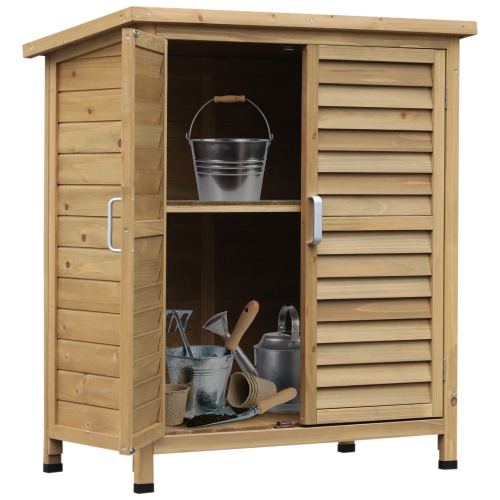
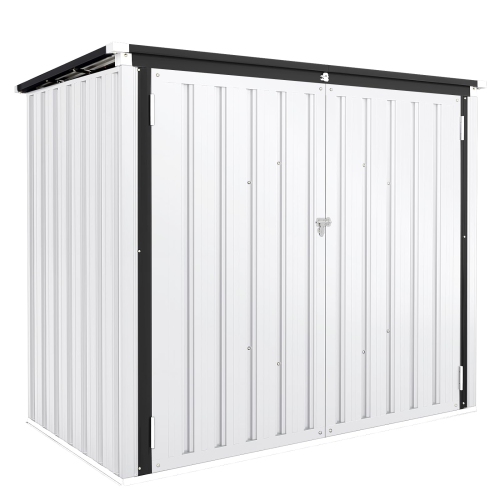
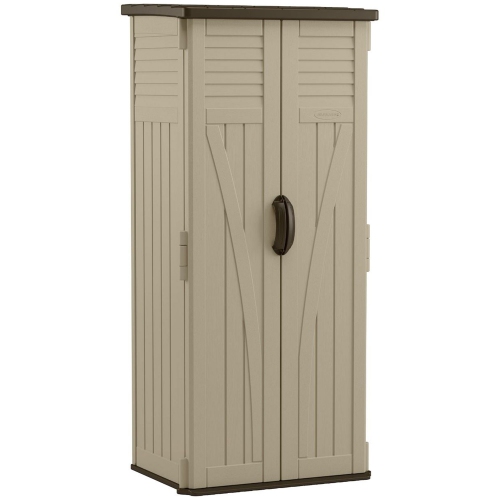
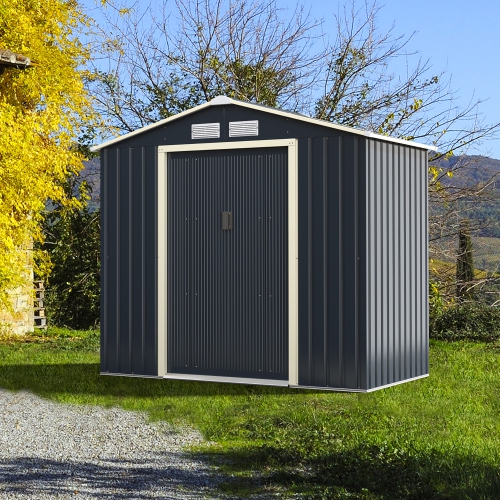
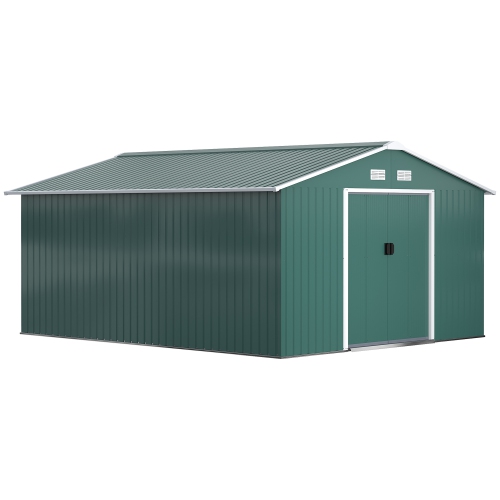
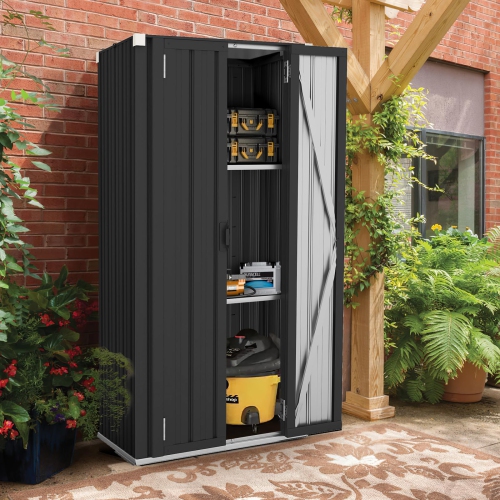
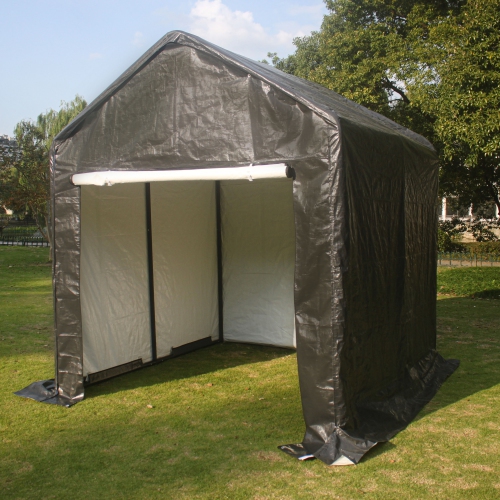
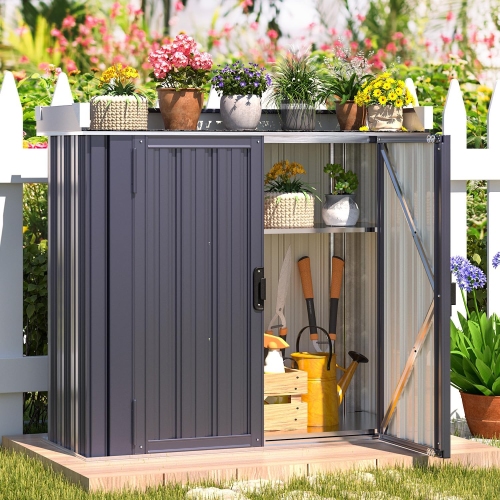
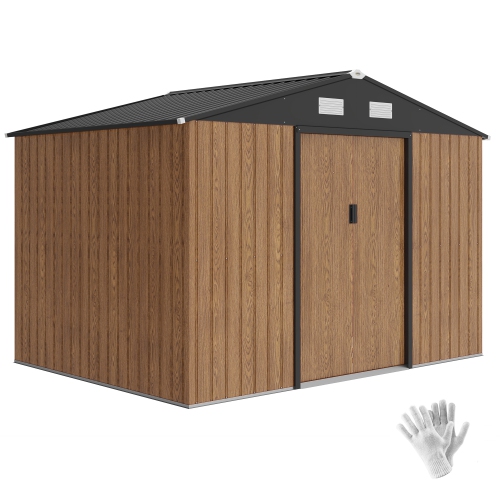
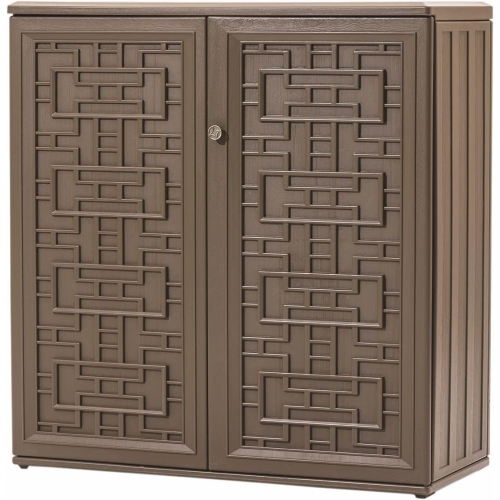
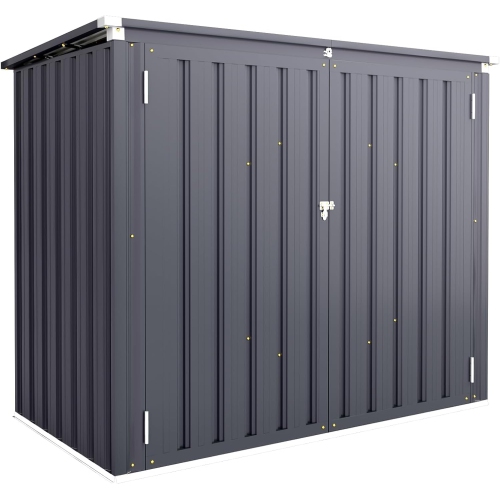
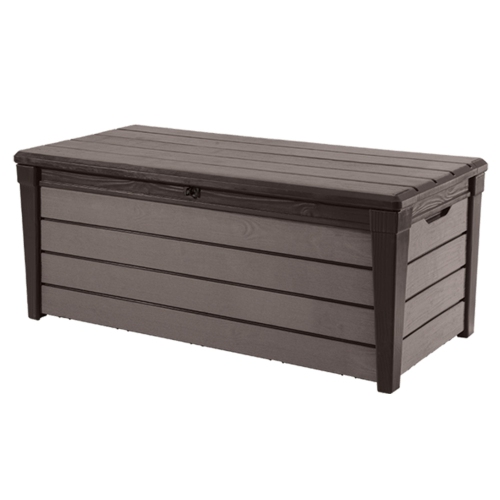
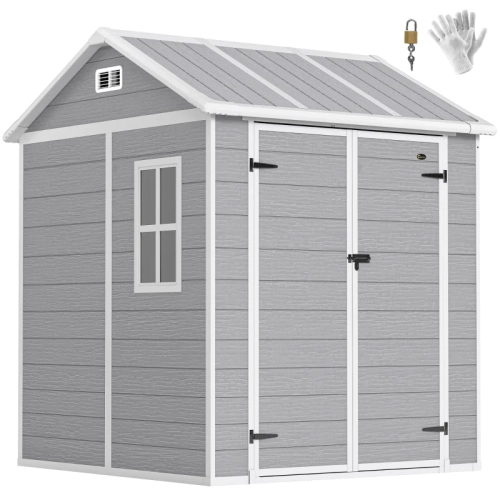
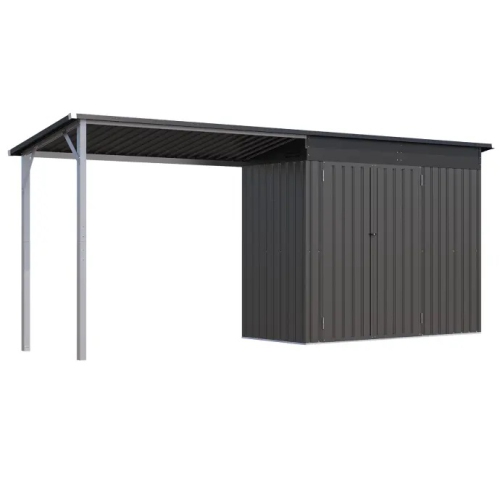
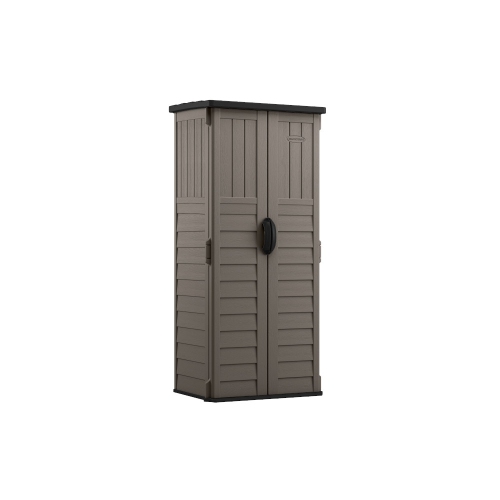
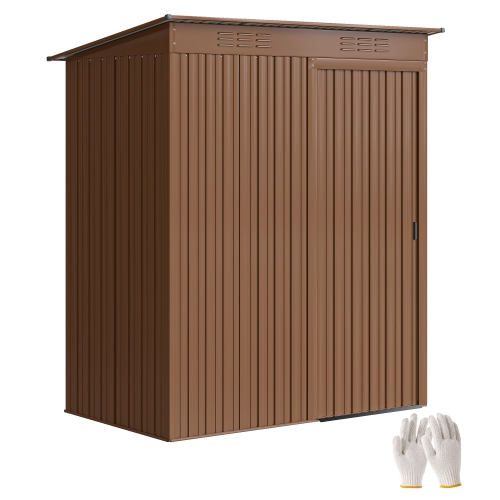
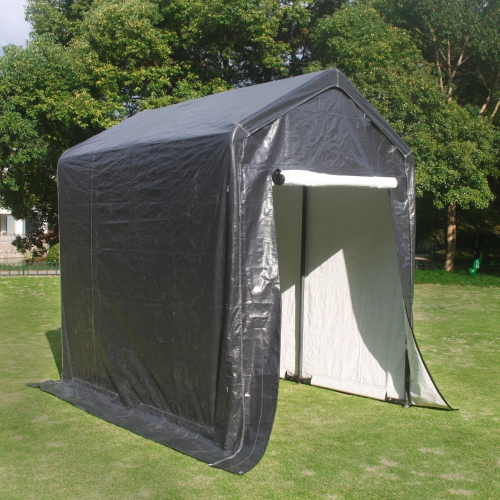
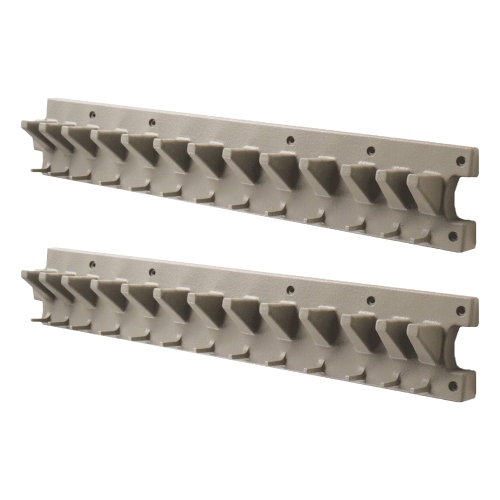
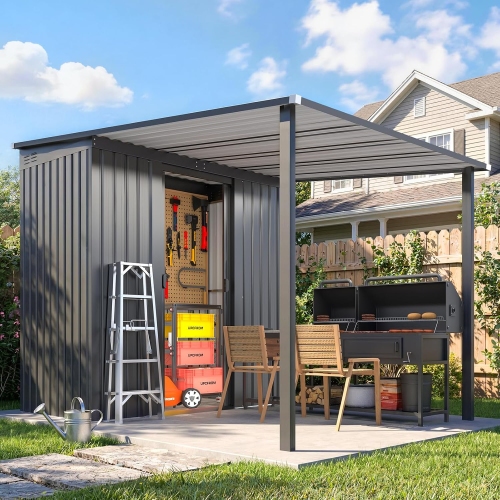
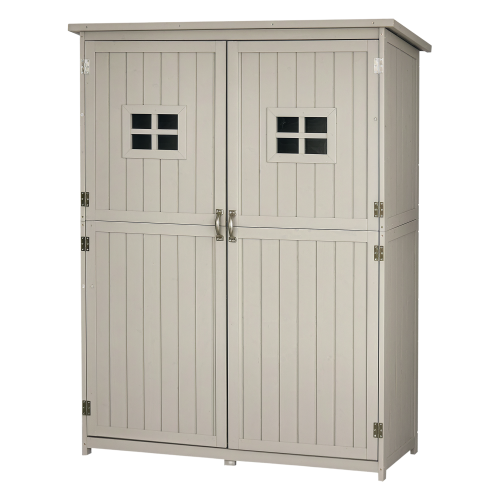
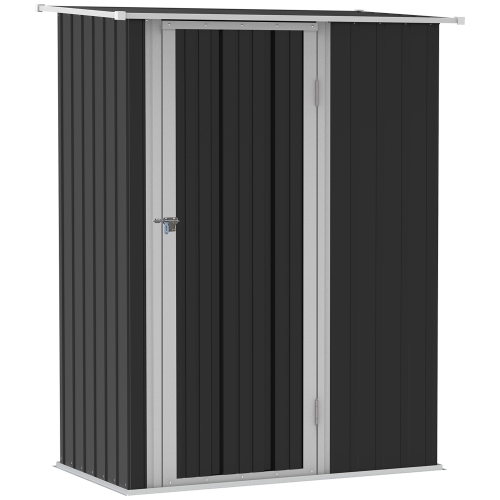

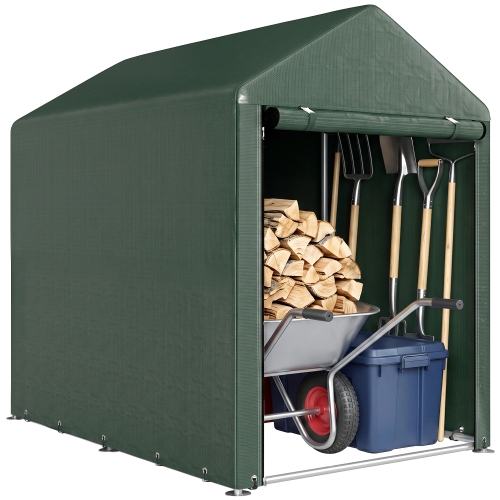
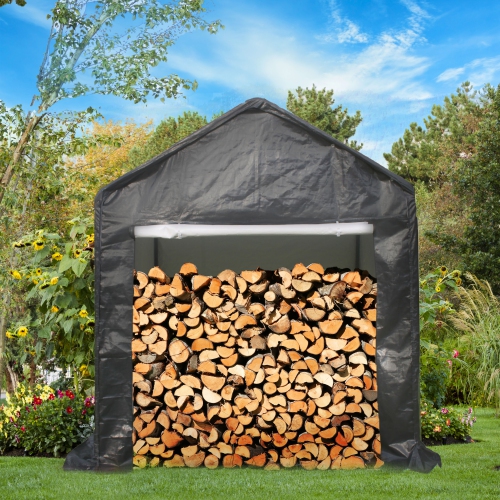
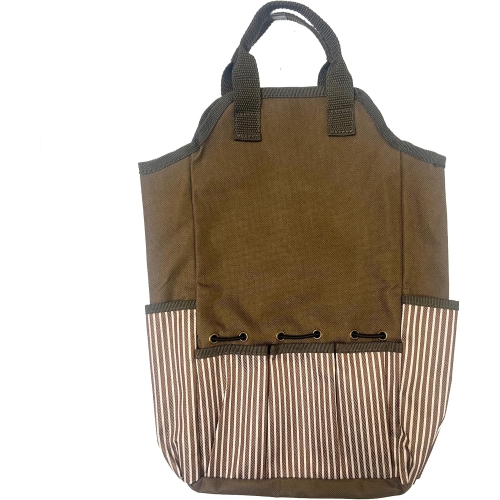
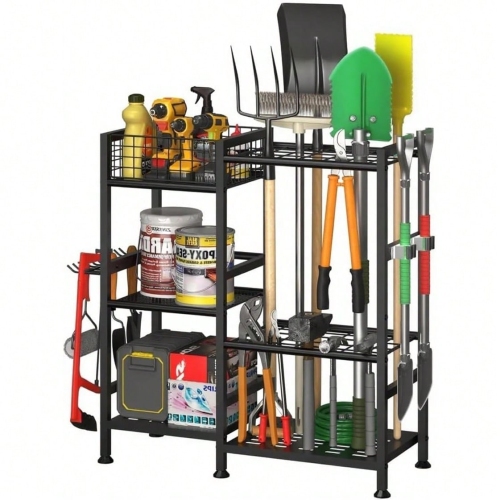
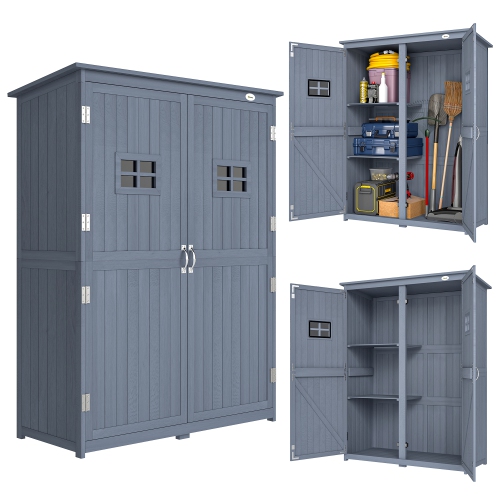
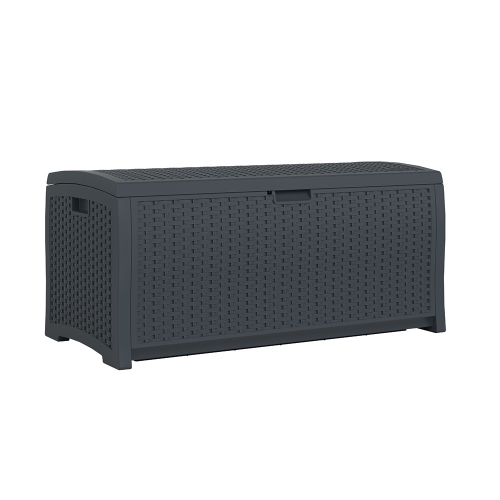

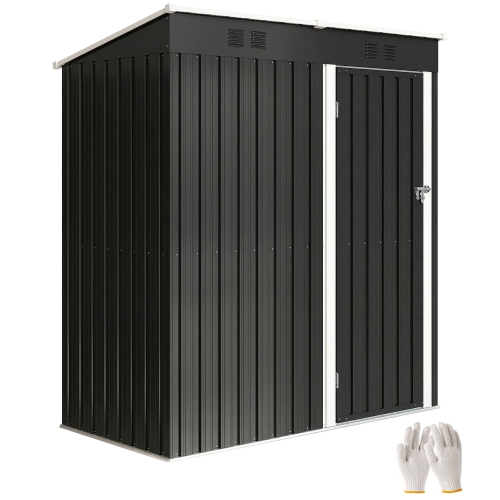
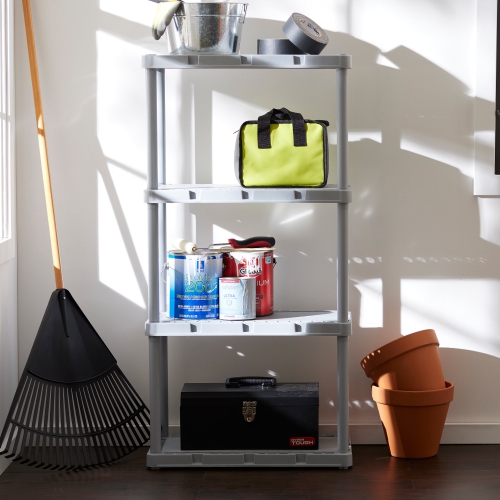
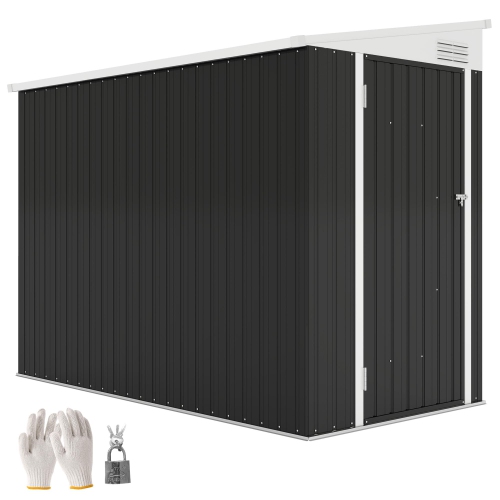
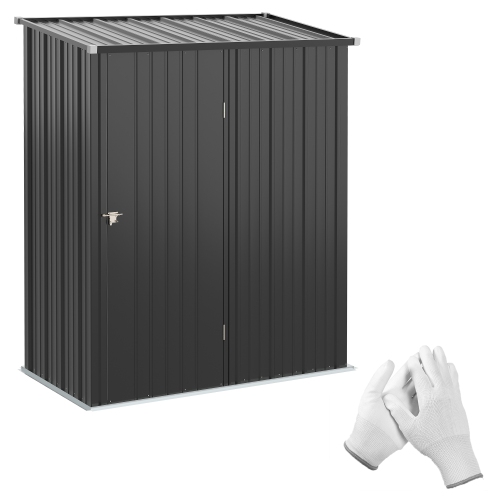
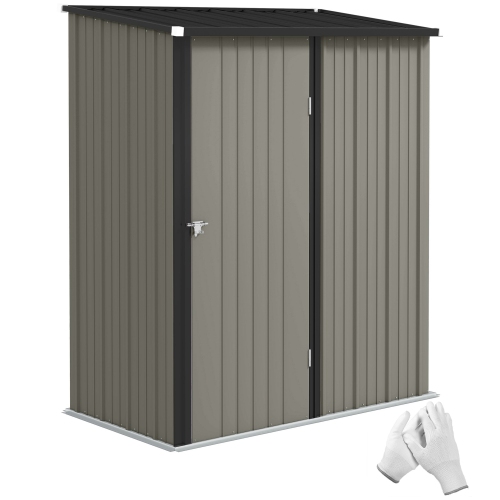
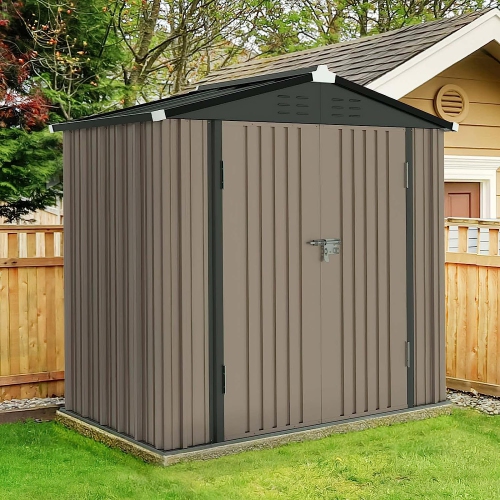
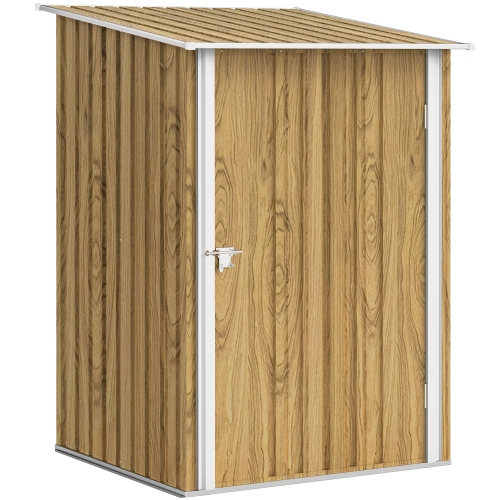
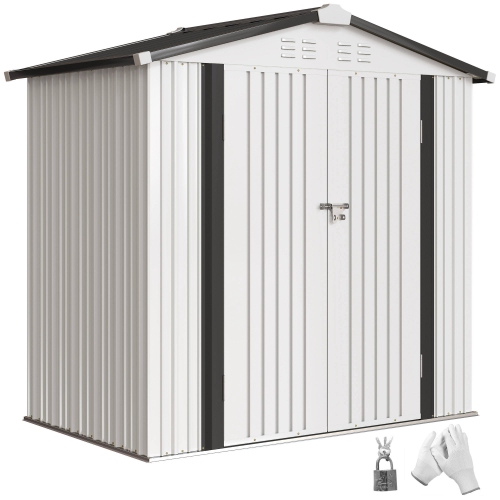
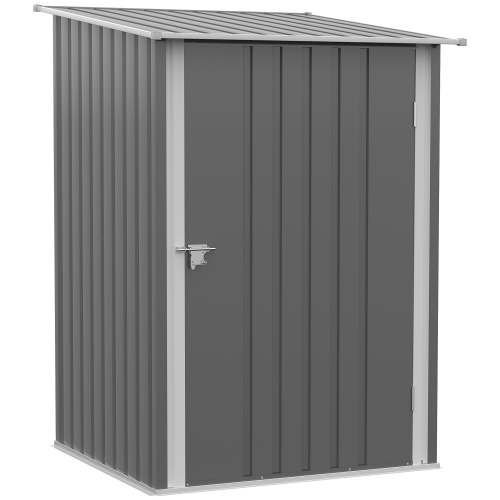
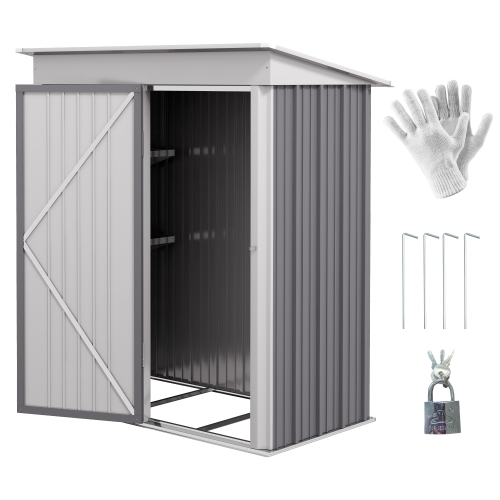
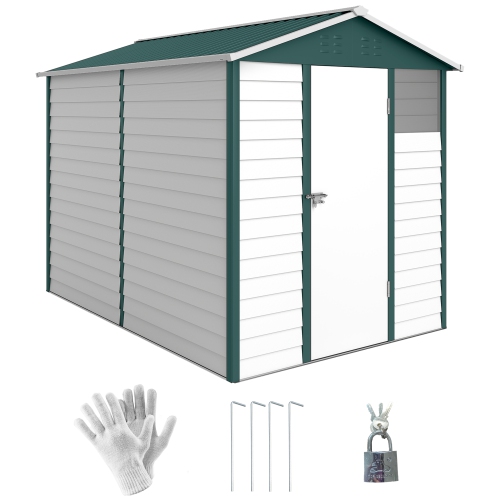

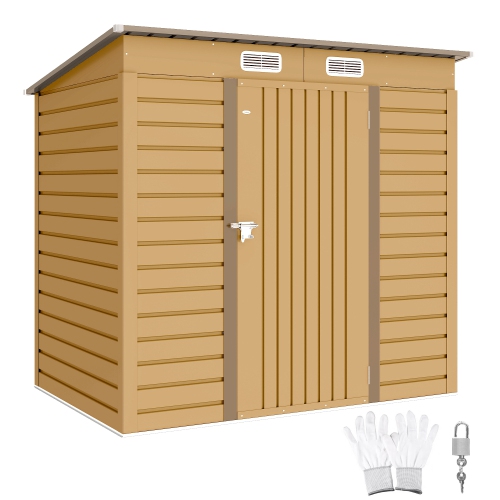
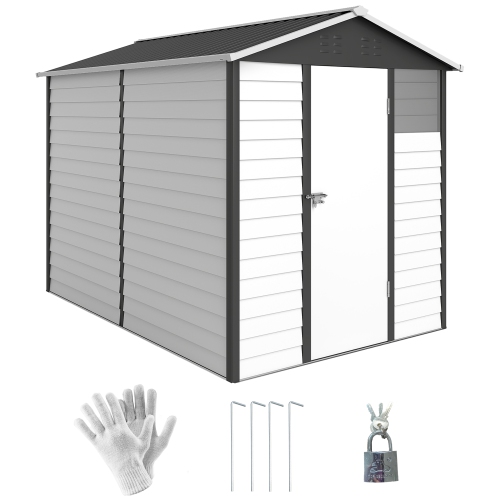
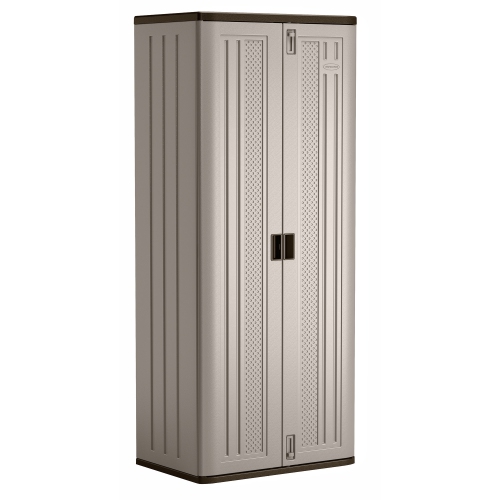
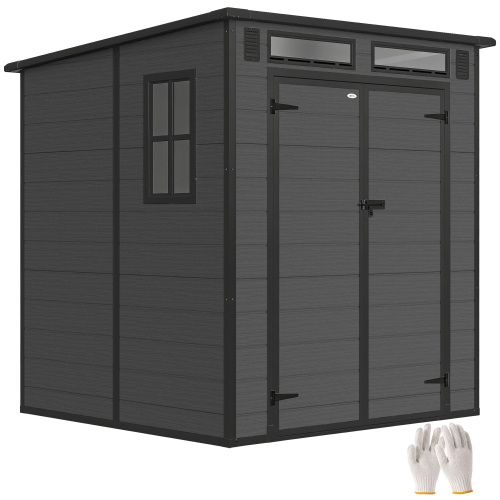
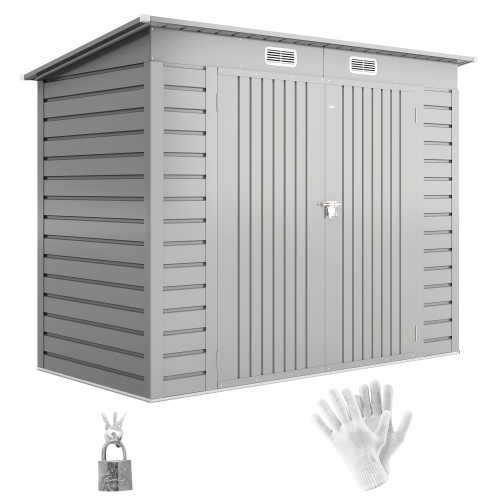
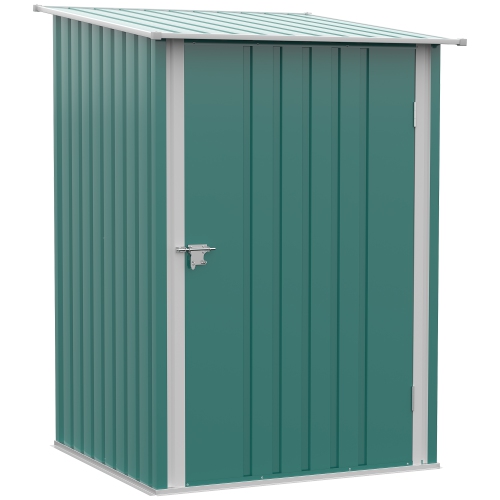
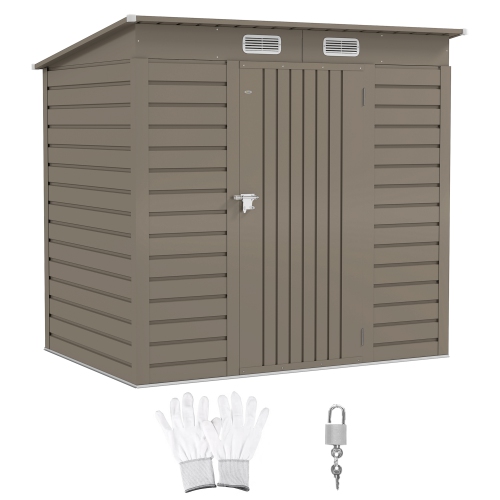
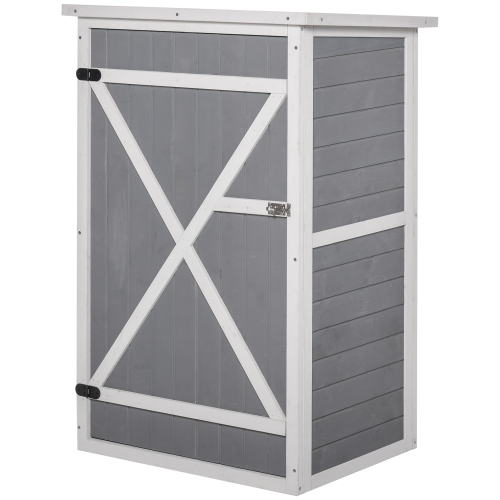
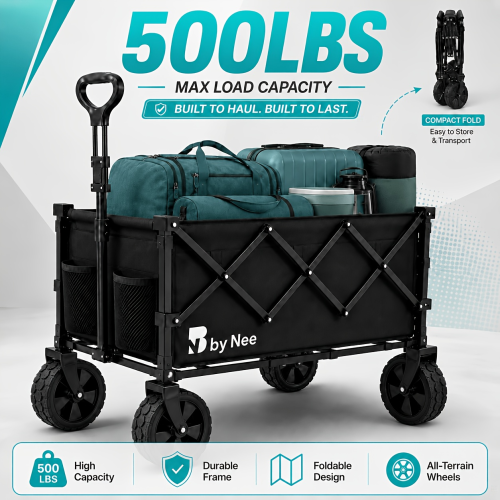
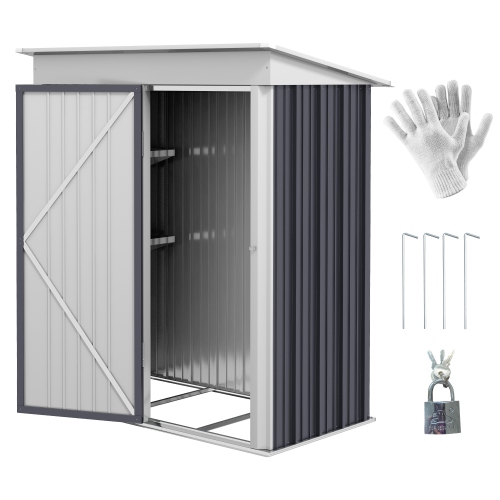
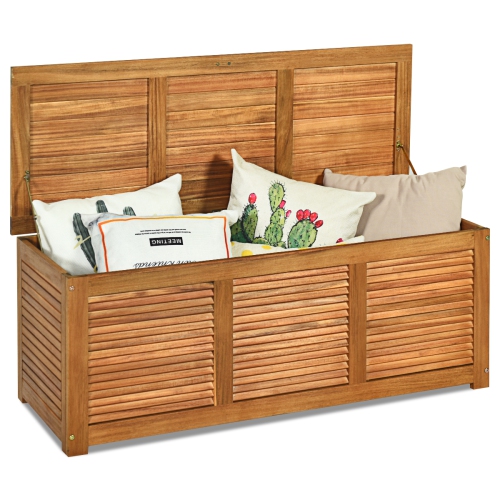
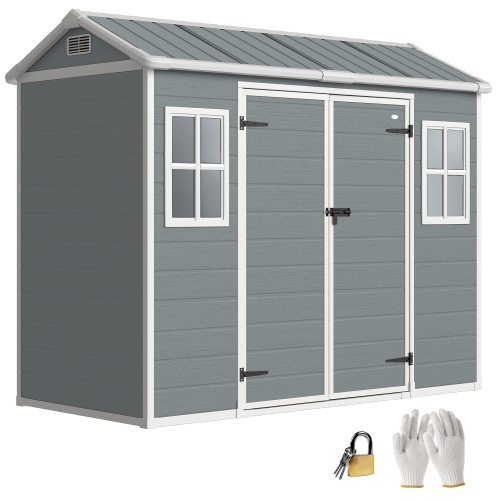
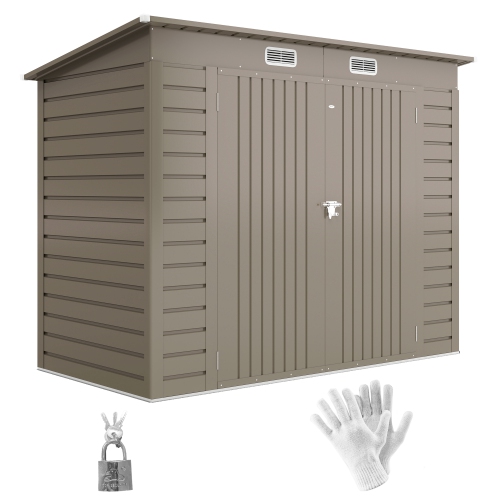
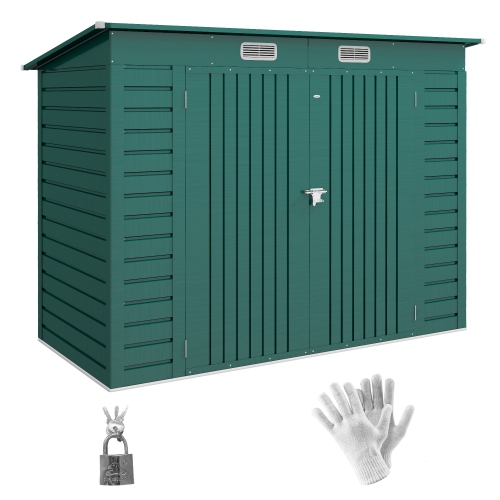
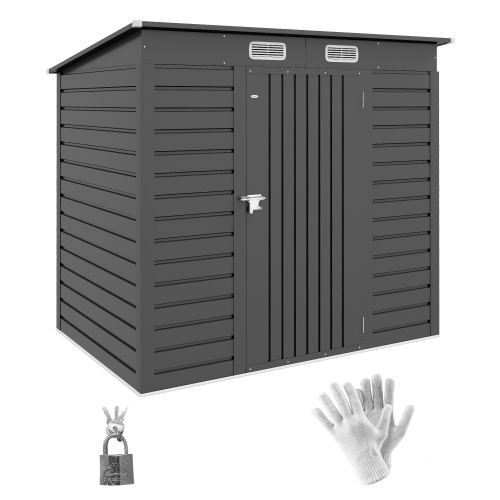
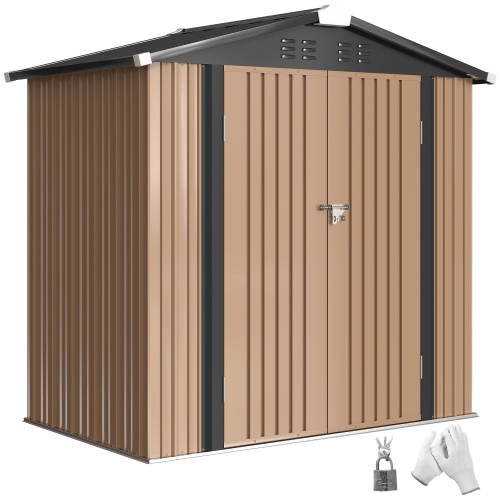
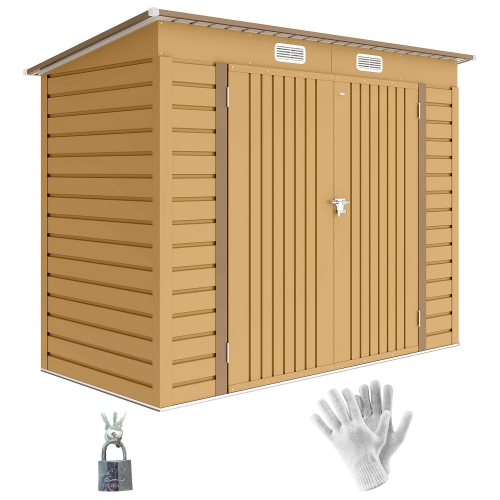
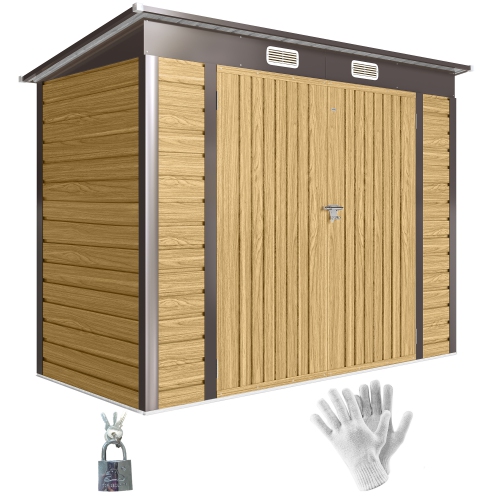
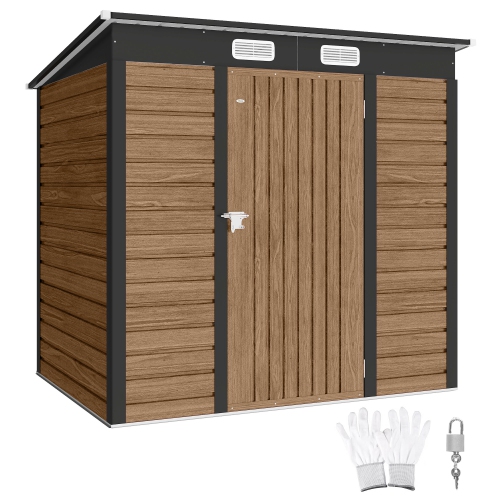
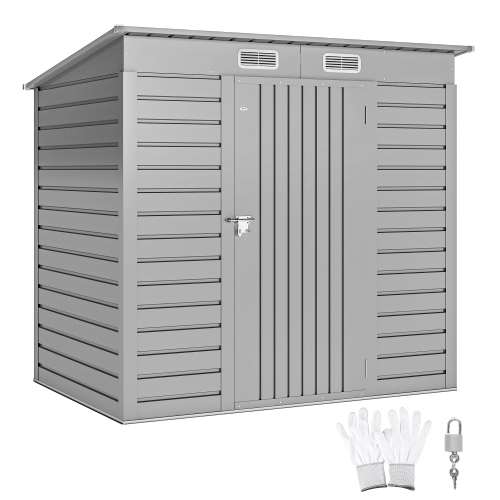

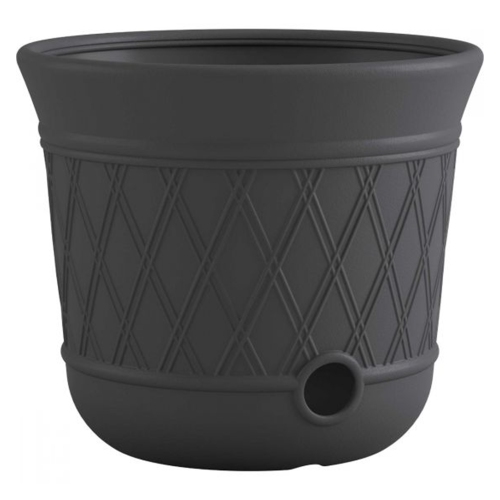
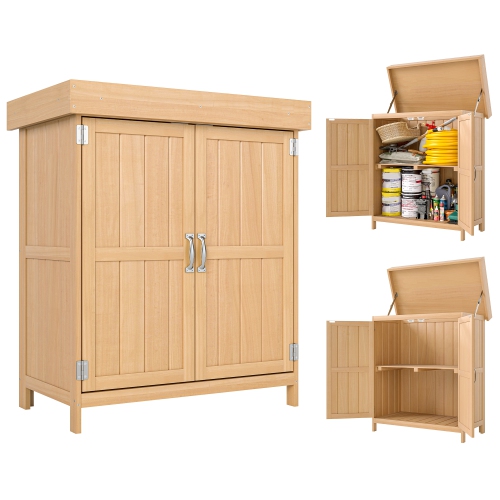
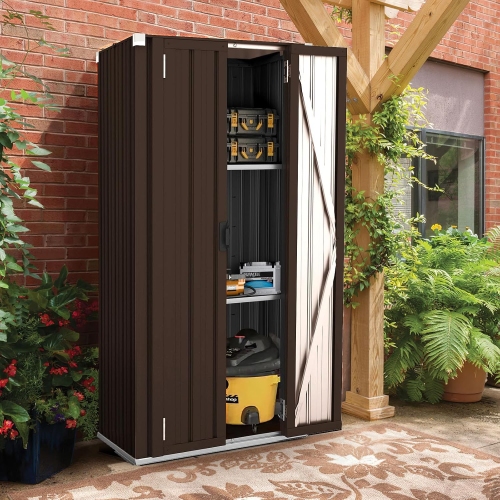
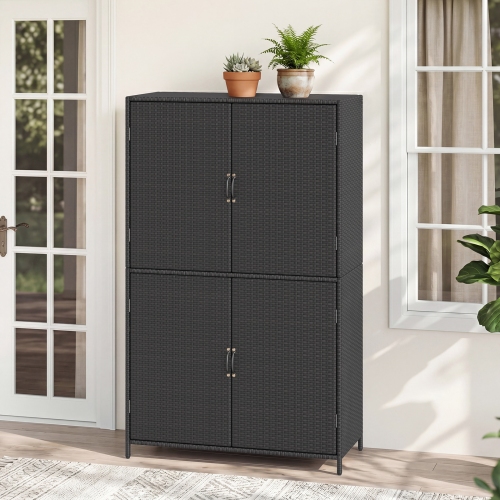
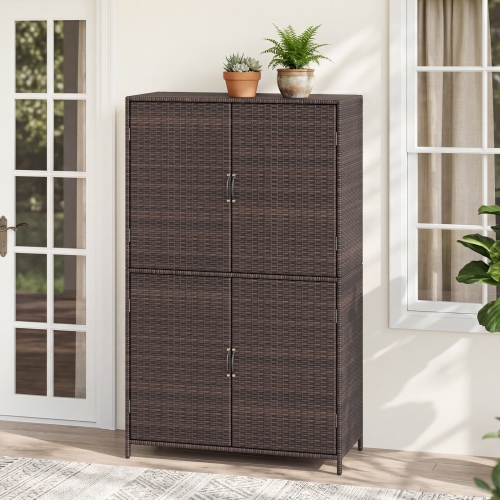
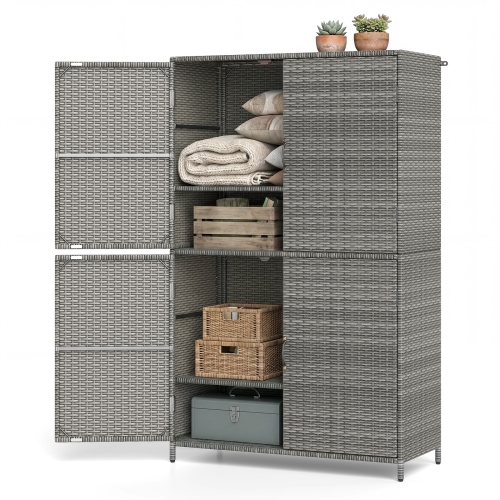
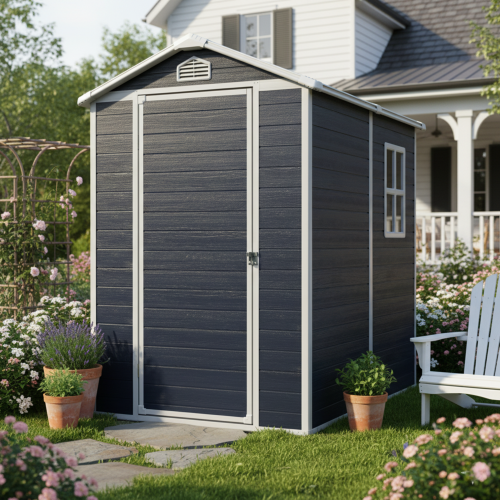
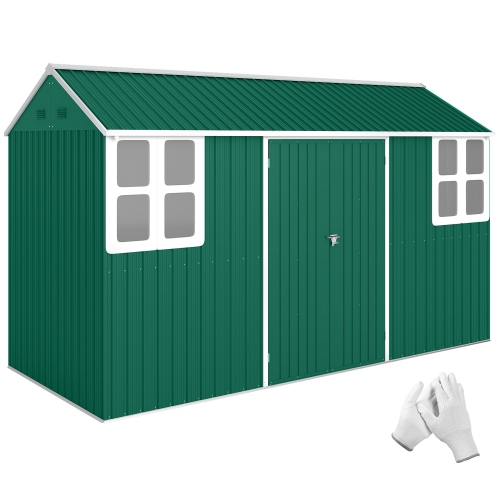
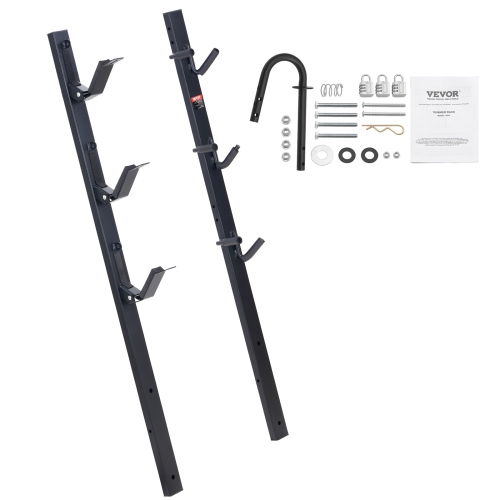

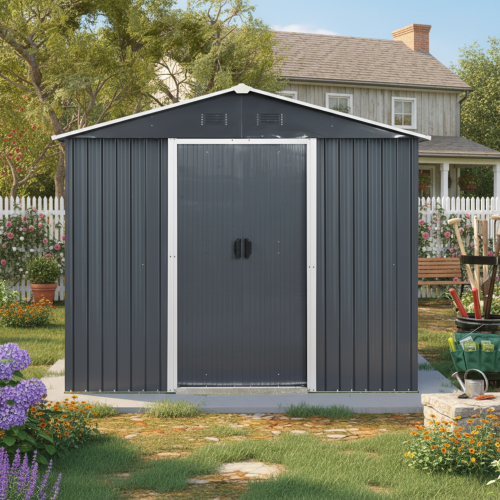
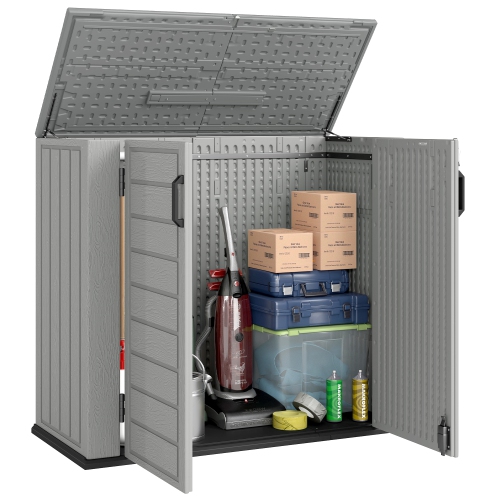
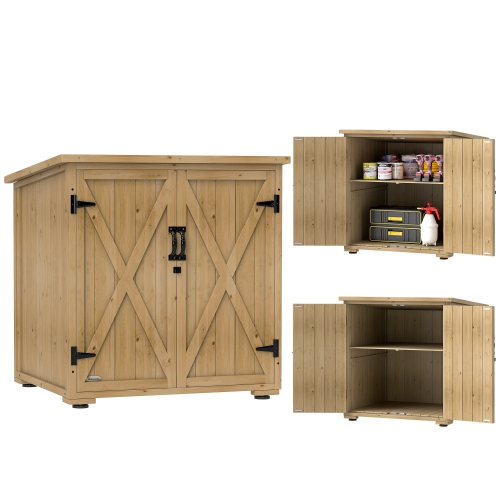
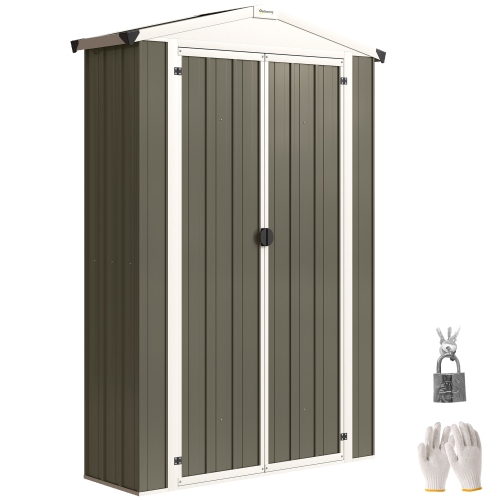
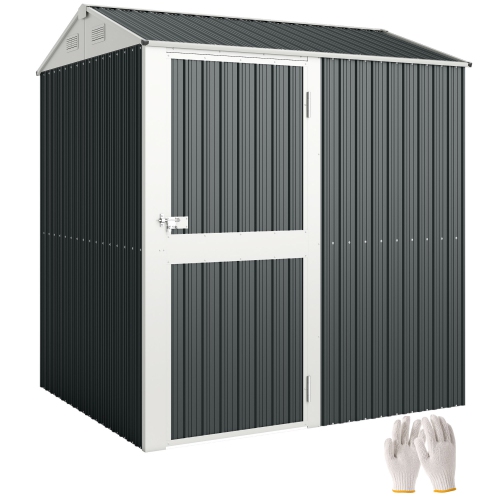
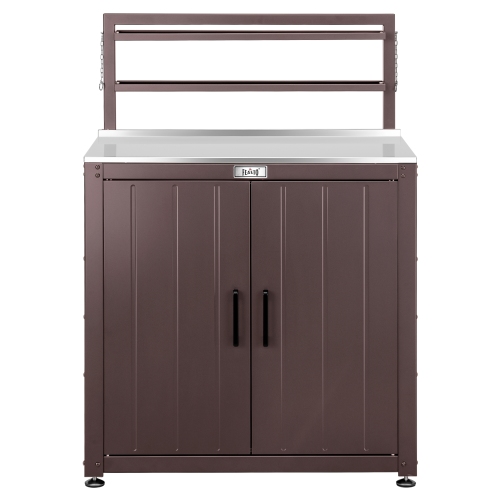
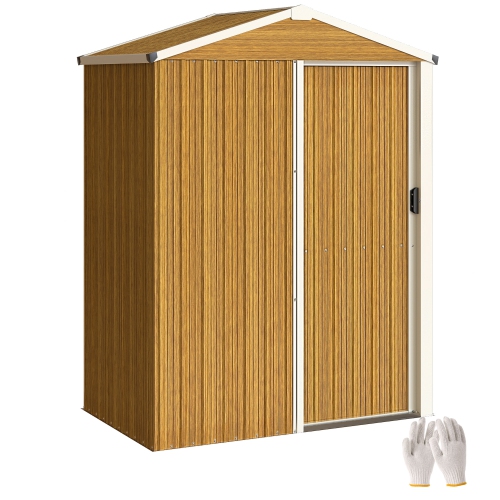
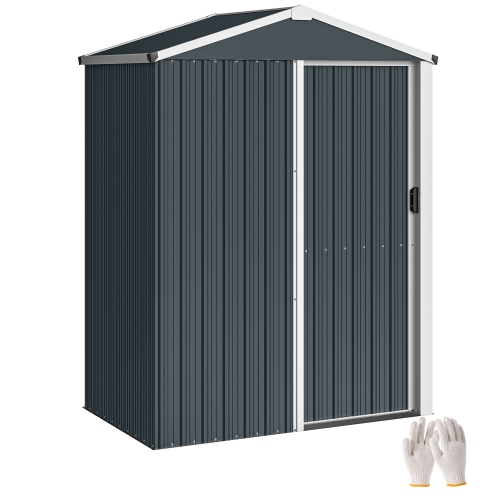
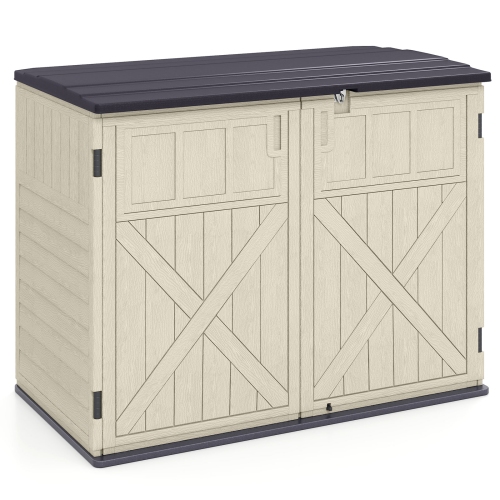
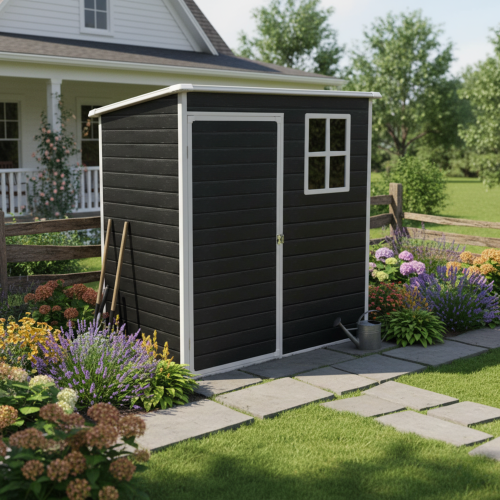
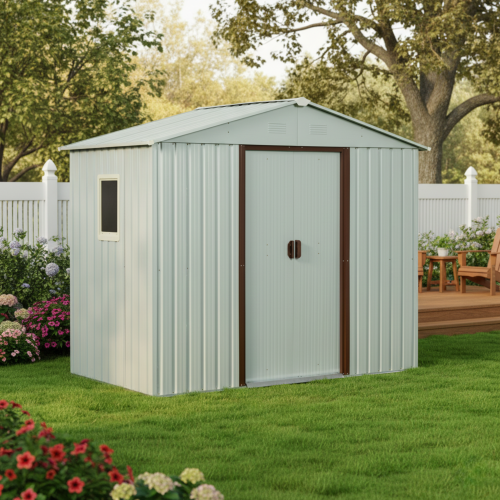
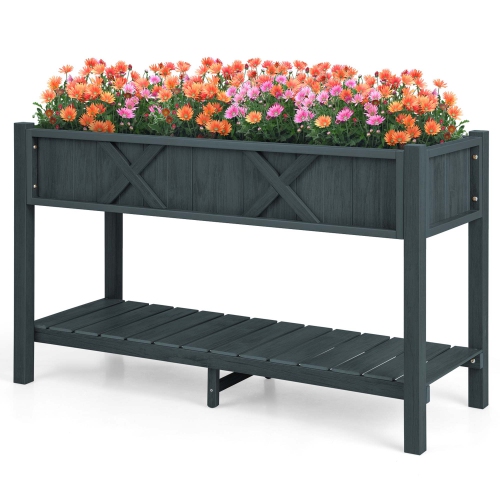
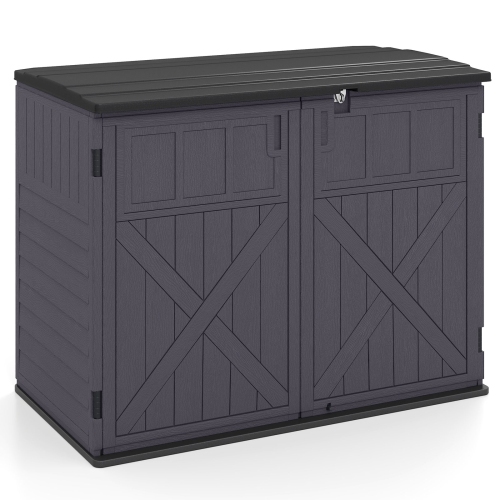
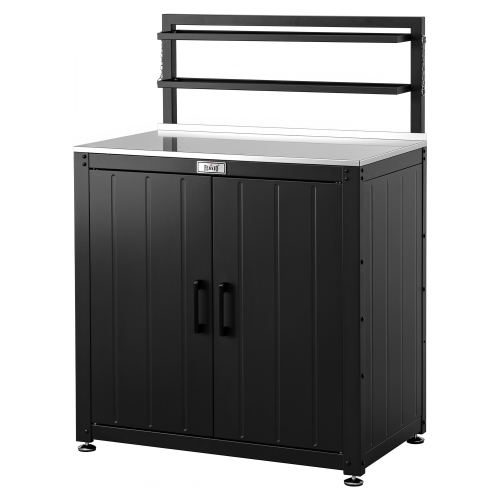
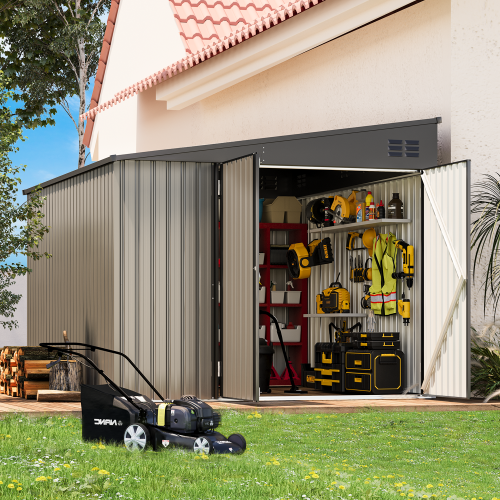

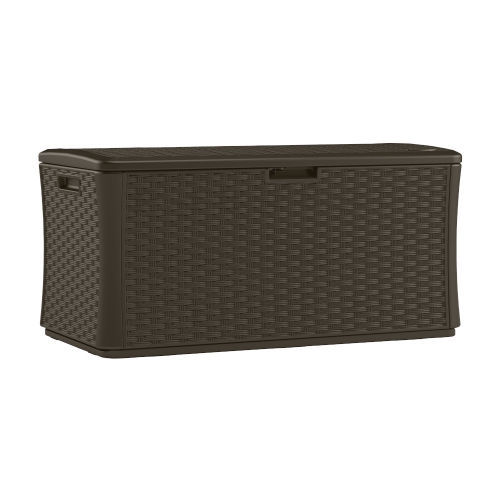
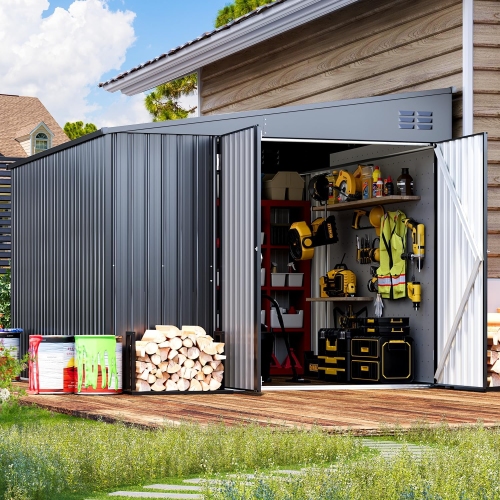
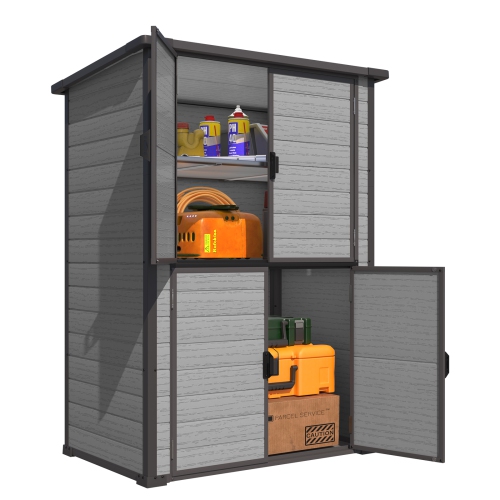
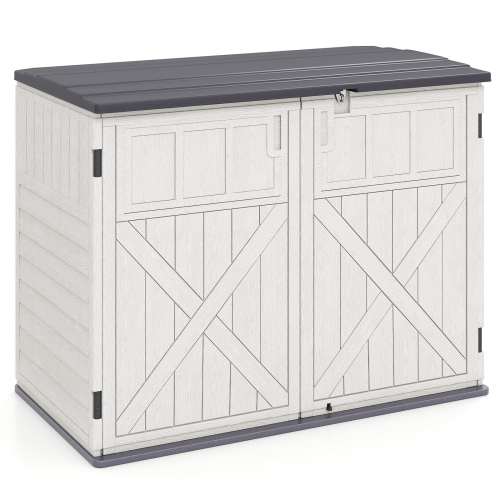
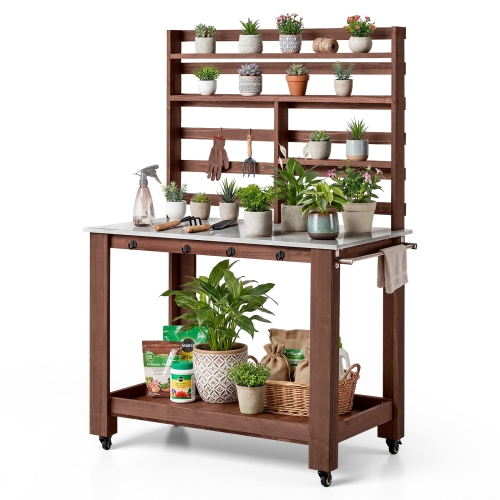
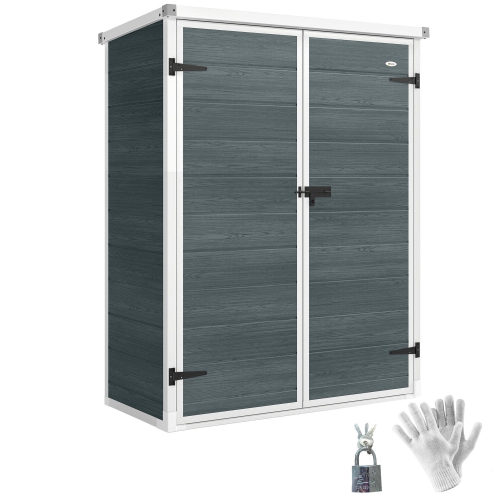
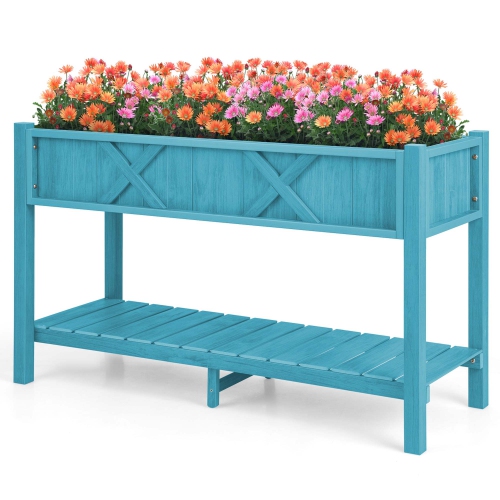
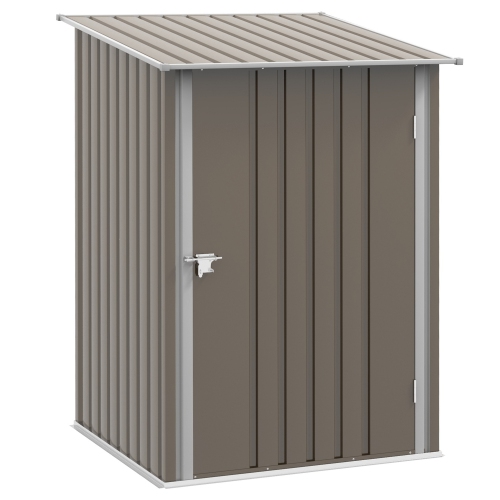
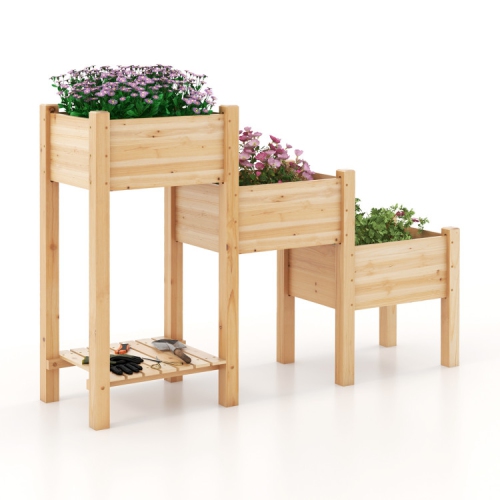

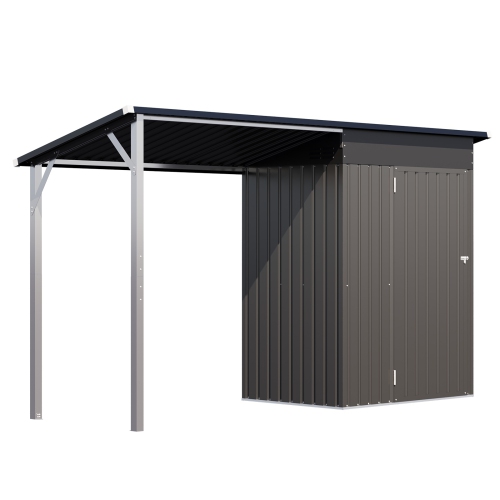
Better tool storage starts with the right fit
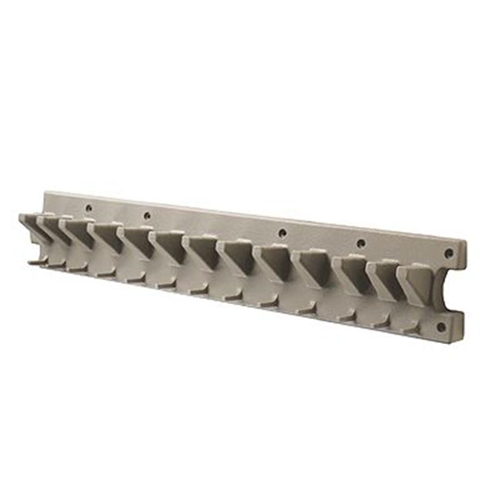
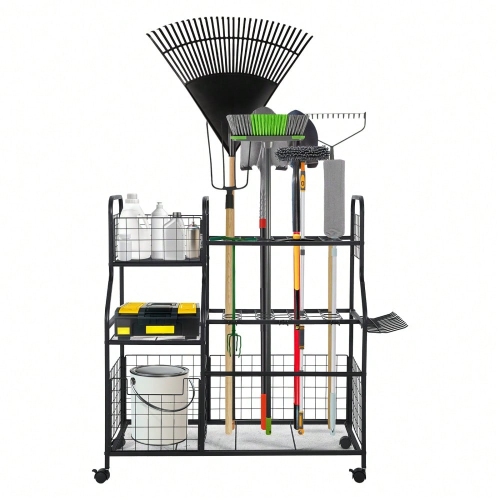
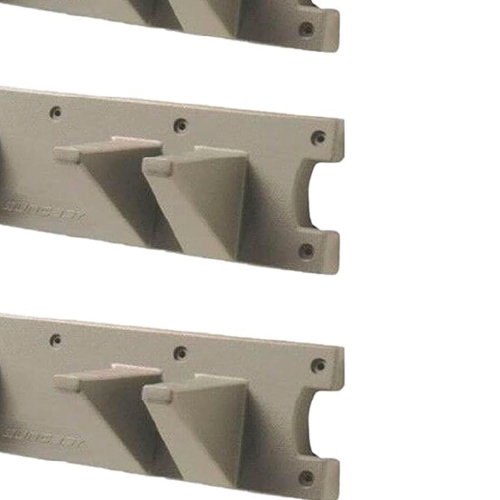
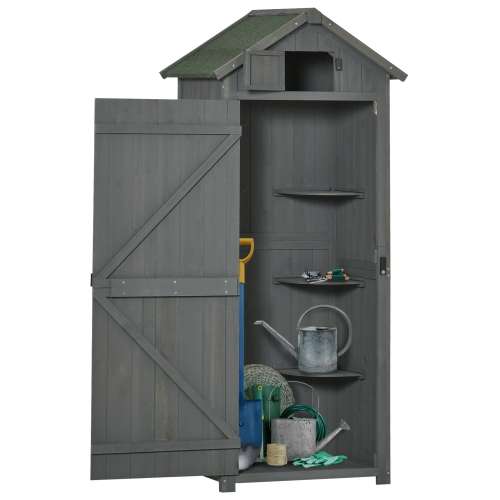
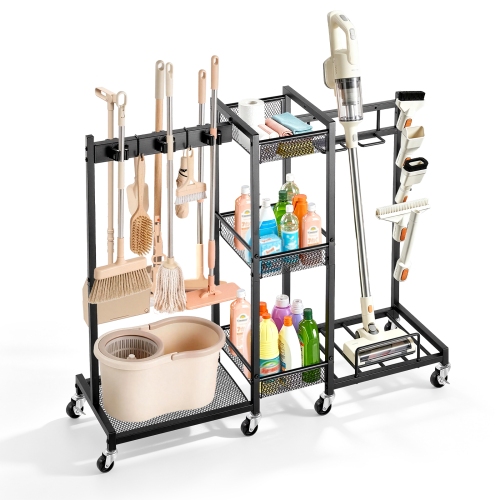
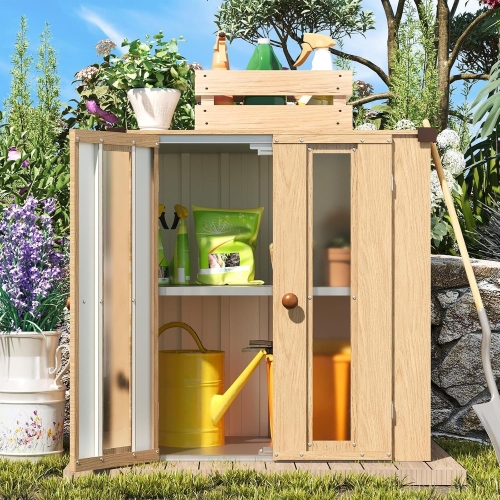
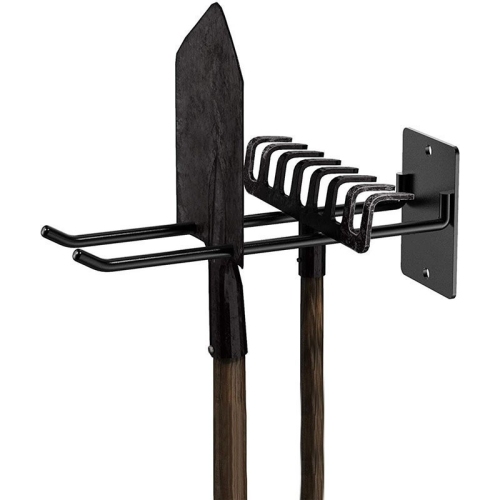
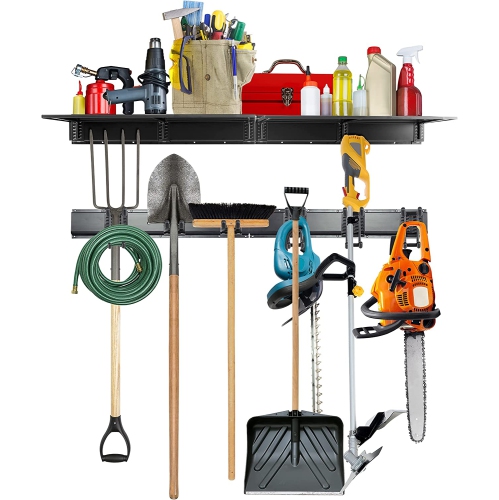
Gardening equipment storage keeps tools organized, accessible, and separated from the floor, helping reduce clutter and prolonged contact with moisture. Wall-mounted racks, pegboards, freestanding organizers, storage cabinets, and sheds serve different purposes, from holding a few hand tools beside a potting bench to organizing long-handled equipment in a garage. The most useful arrangement reflects the tools being stored rather than simply the number of hooks or compartments. A shovel needs enough clearance for its blade and handle, while a broad rake head can take up more wall space than its narrow shaft suggests. Racks with individual holders help keep handles from tangling, and adjustable hooks accommodate a mix of shaft diameters and tool shapes. Pegboards and track systems offer flexible layouts for smaller tools, gloves, brushes, and accessories, with the option to reposition compatible fittings as storage needs change. Their capacity depends on the complete installation, including the wall structure, fasteners, panels, and hooks; a sturdy-looking bracket alone does not establish how much weight the system can safely carry. Freestanding organizers suit spaces where wall mounting is impractical, provided their footprint leaves room to walk past and remove tools comfortably. A wide base and evenly distributed weight help support stability, while wheeled designs can make it easier to move equipment between a storage area and a nearby workspace. Locking castors help keep a mobile unit stationary when tools are being retrieved. Open storage also makes missing equipment easier to notice: an empty holder is more obvious than a pair of pruning shears buried beneath gloves and twine. For a shared garage or compact utility area, that visibility can make everyday tidying simpler. Storage depth matters just as much as width, particularly where projecting handles, rake heads, or hooks could interfere with a doorway, parked vehicle, or frequently used passage. Rounded hook ends and protective sleeves can also reduce scraping where tool handles rest against their supports.
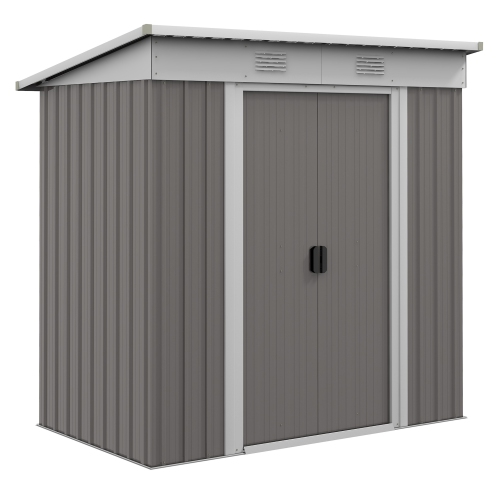
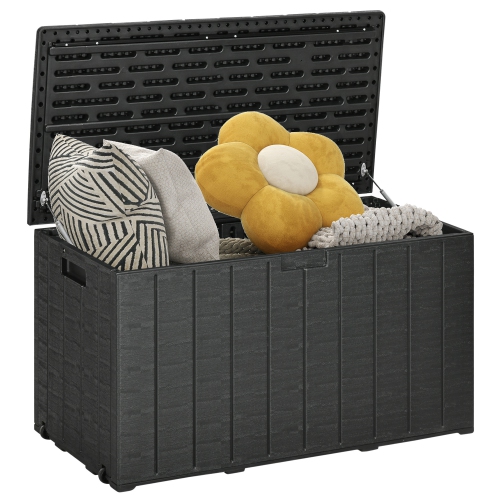
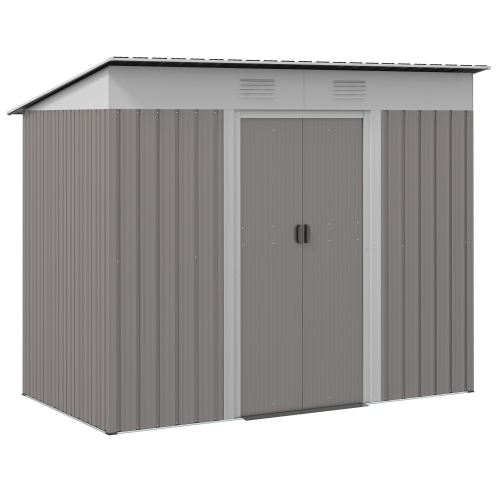
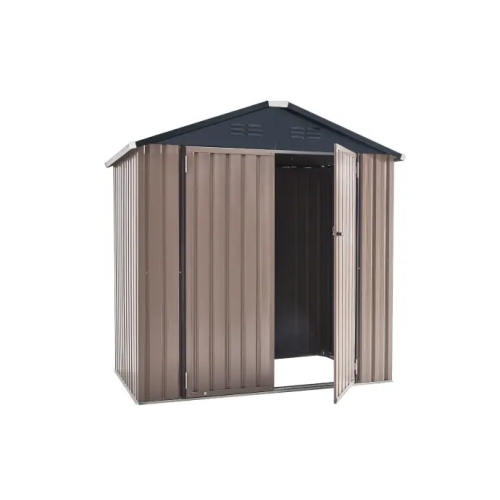
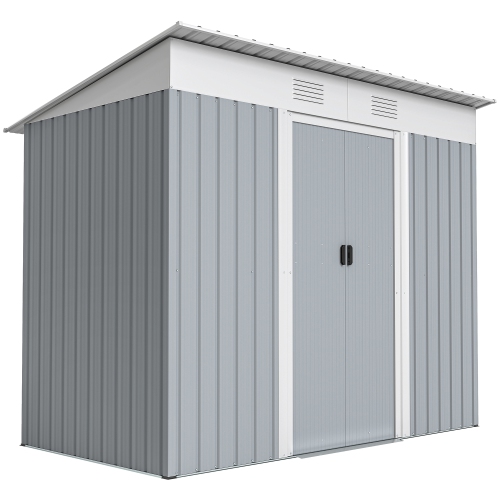
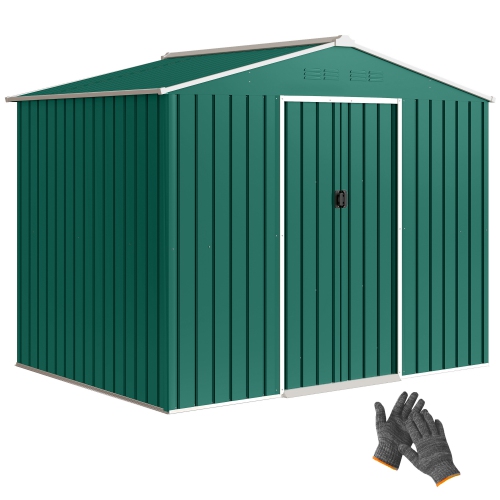
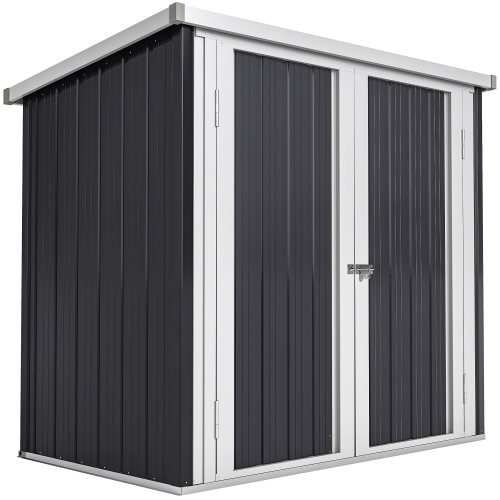
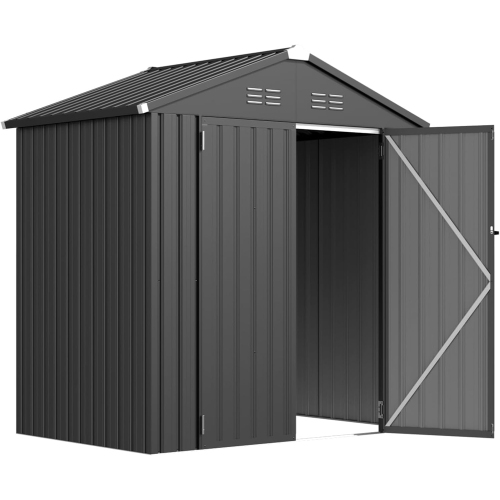
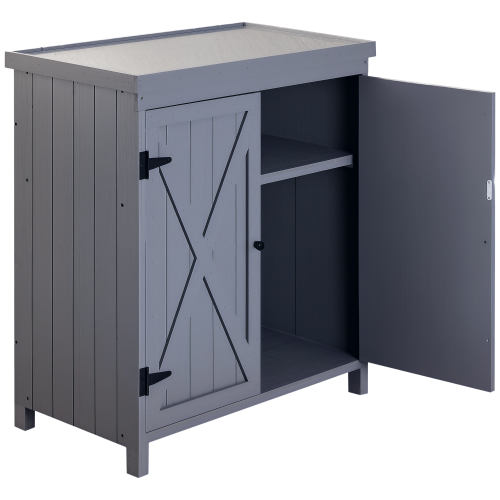
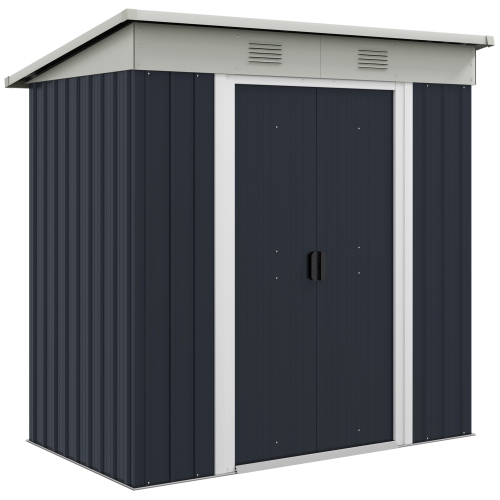
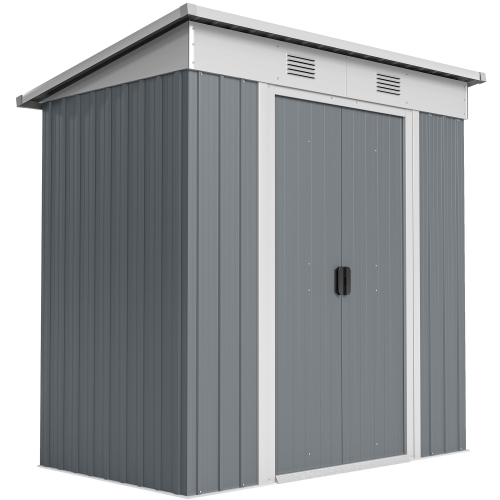
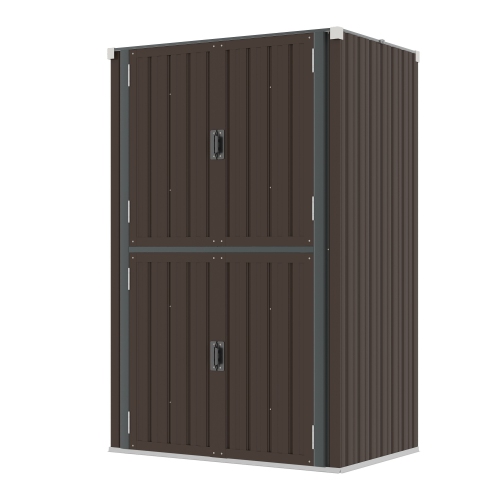
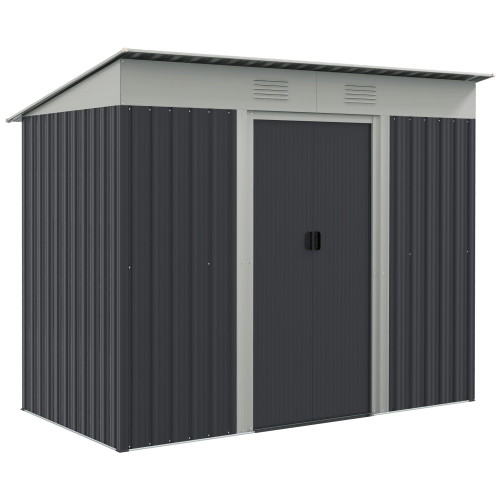
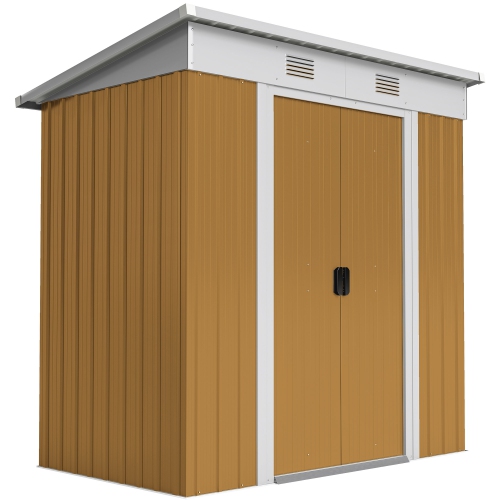
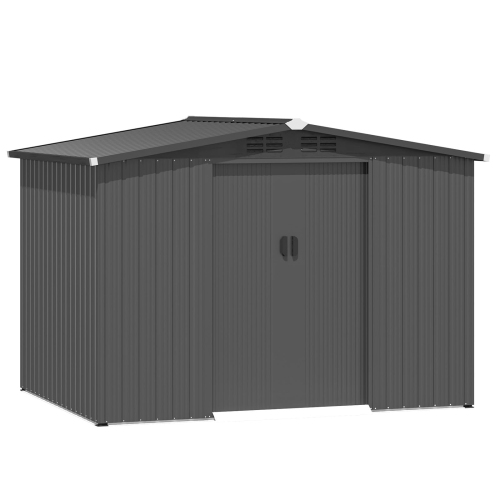
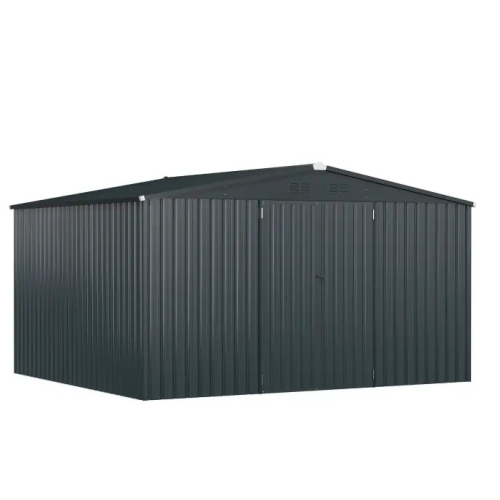
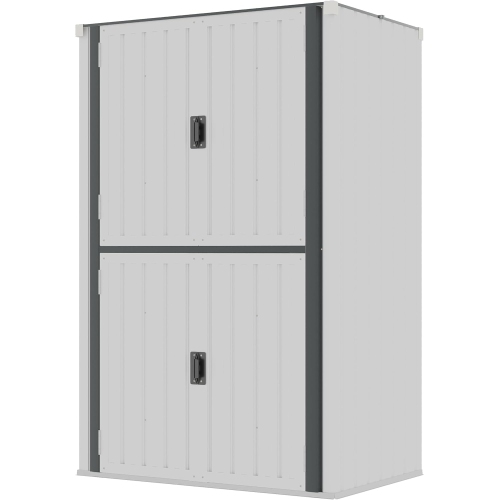
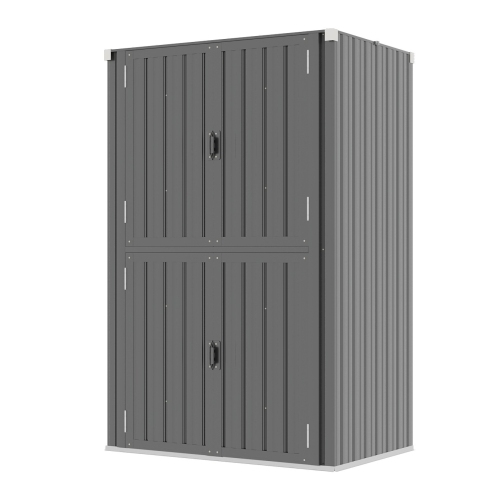
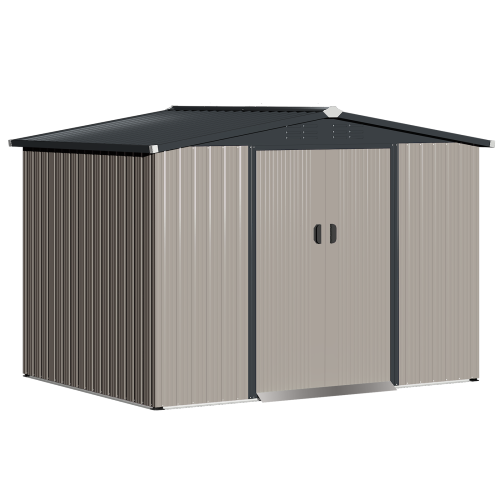
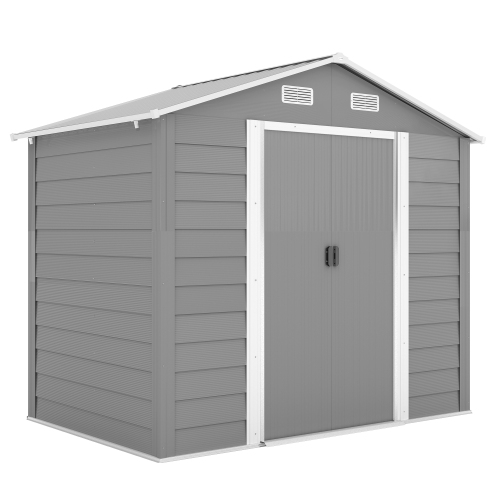
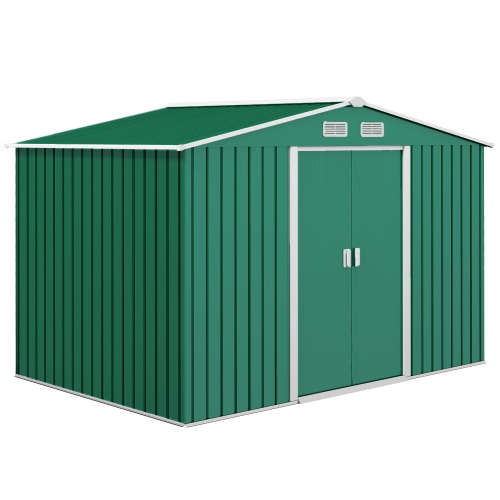
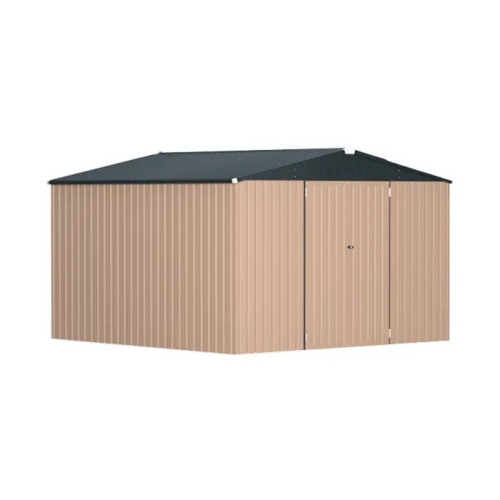
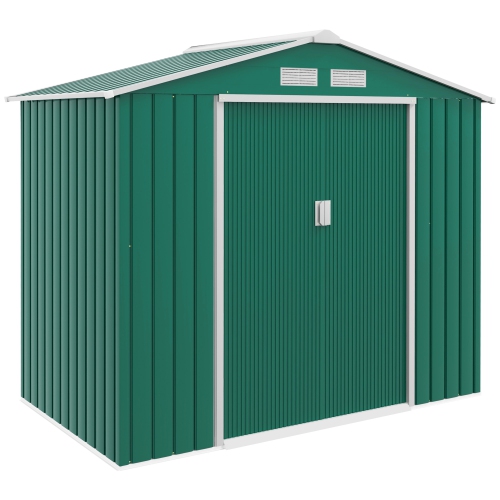
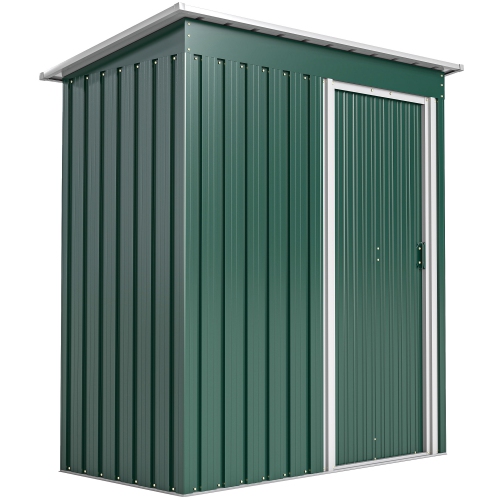
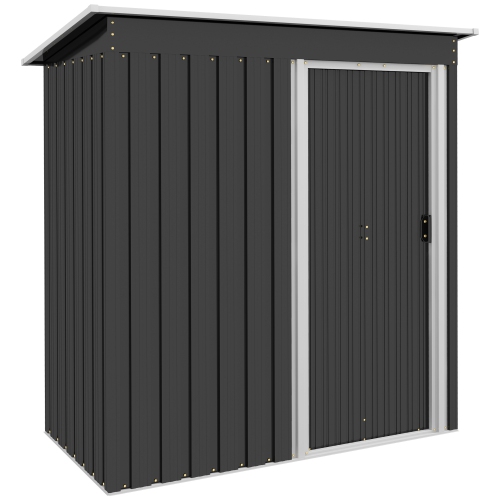
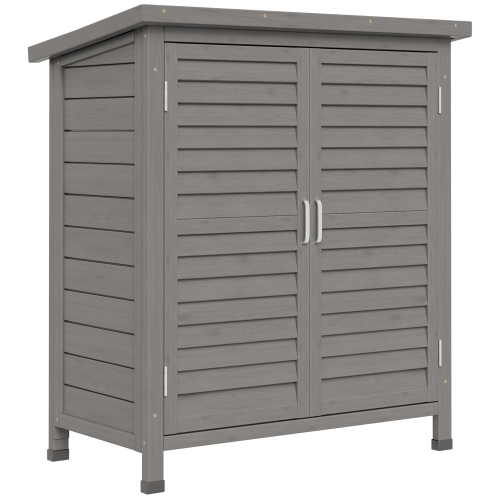
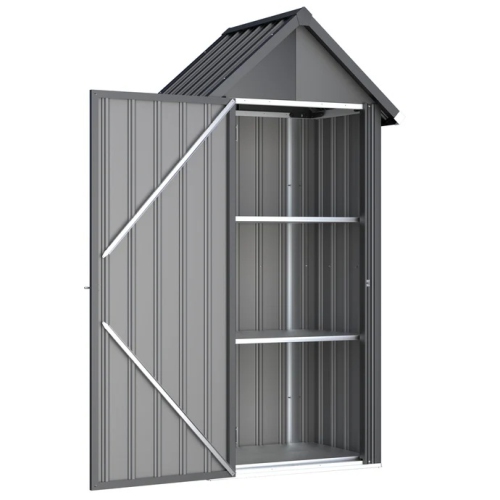
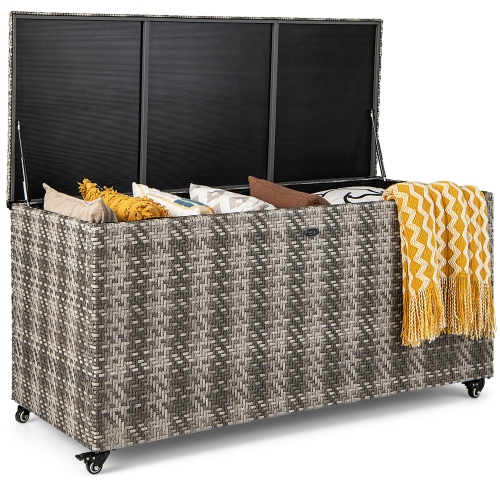
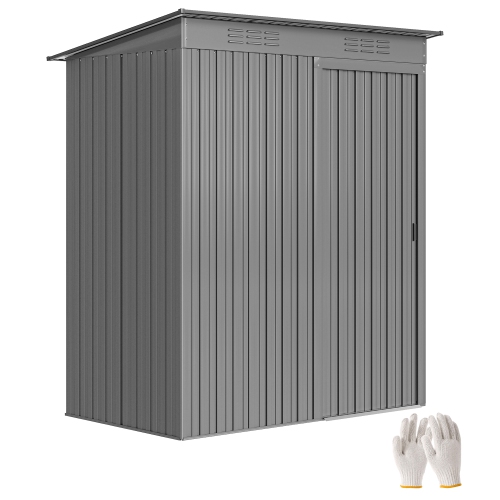
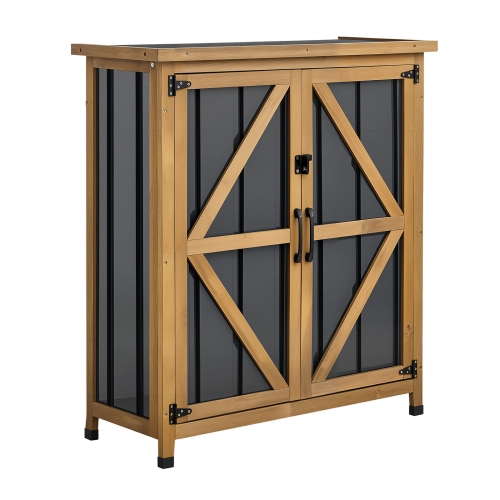
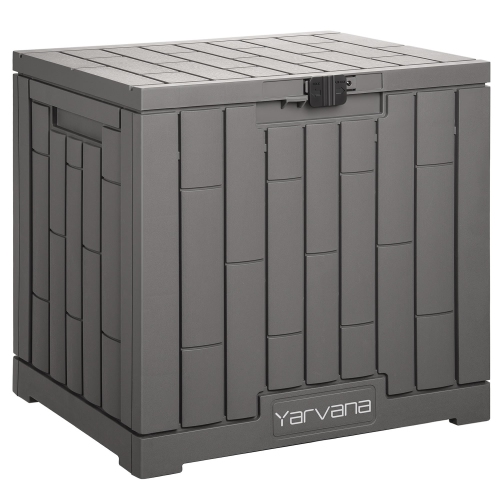
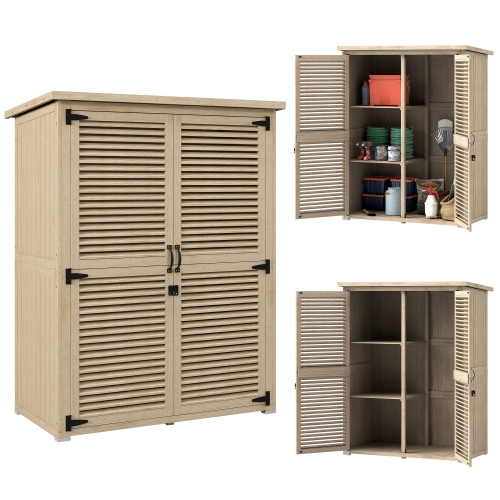
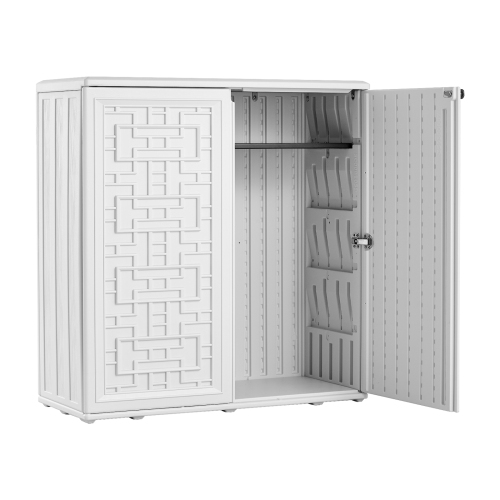
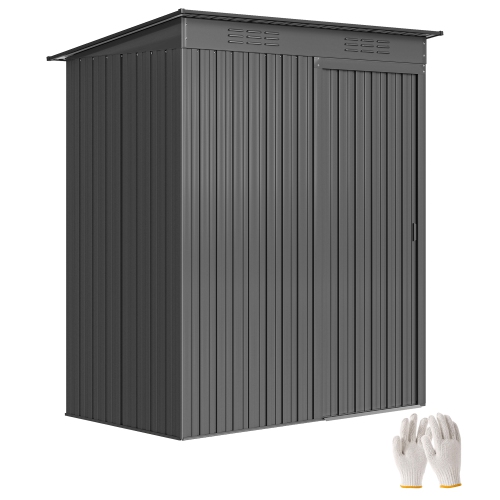
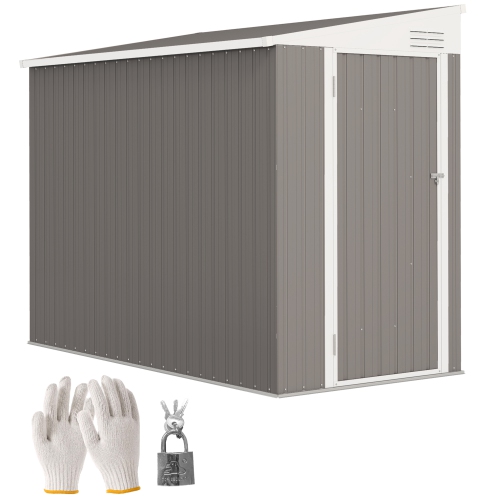
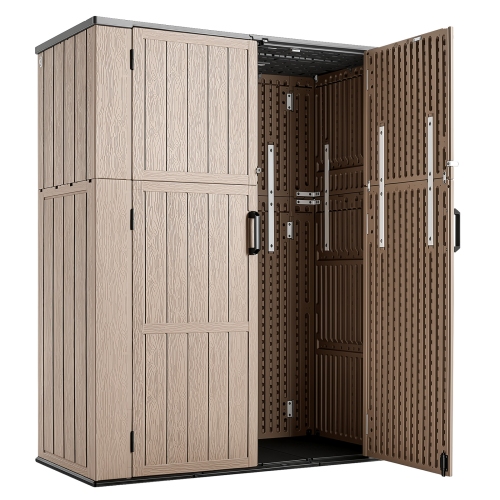
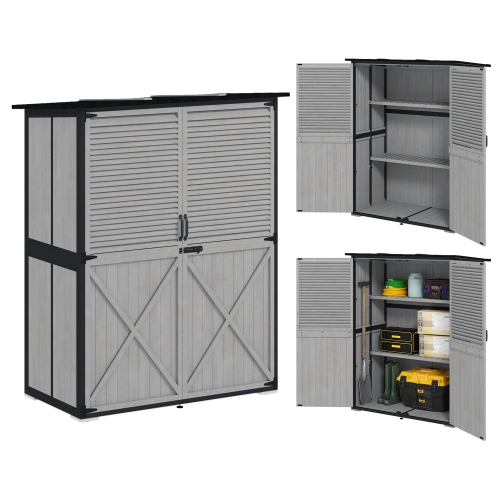
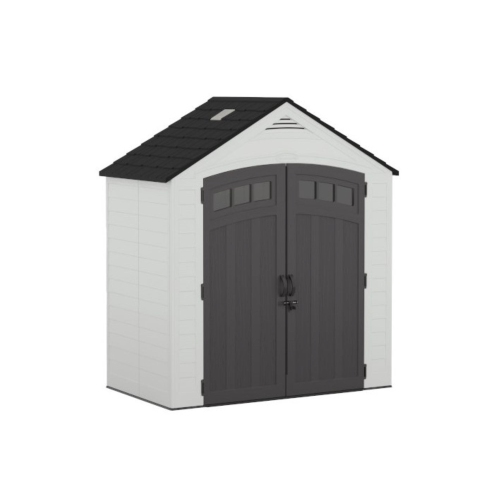
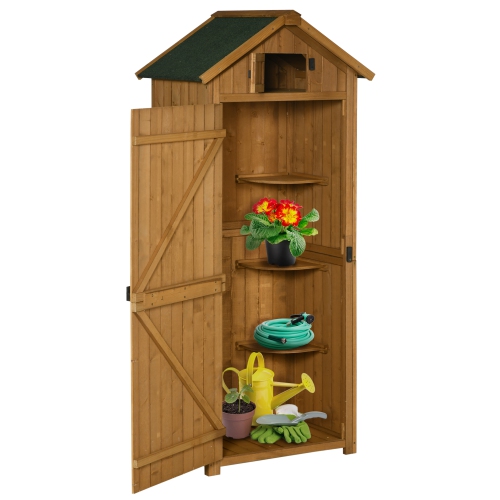
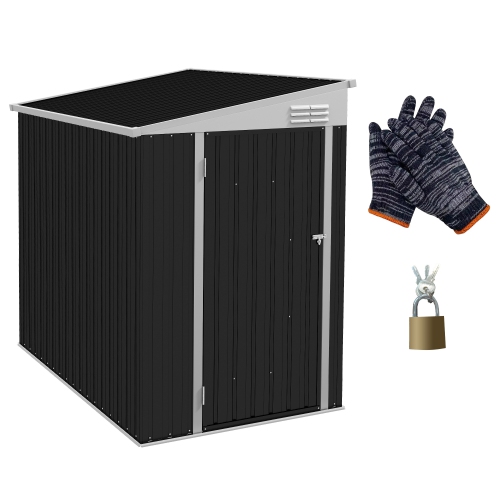
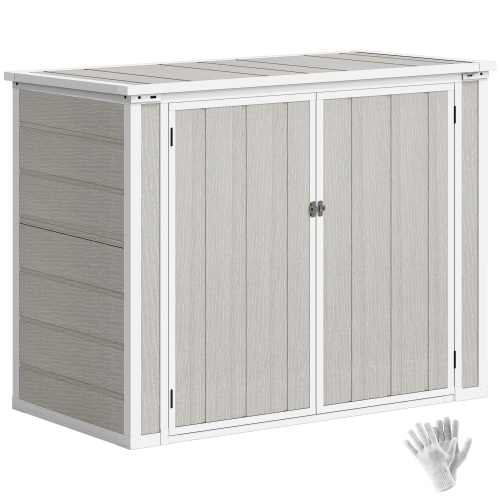
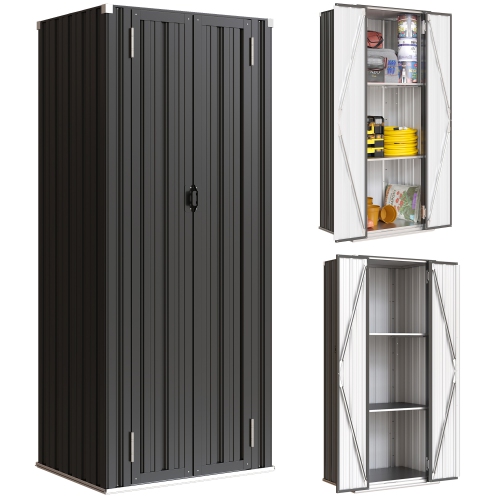
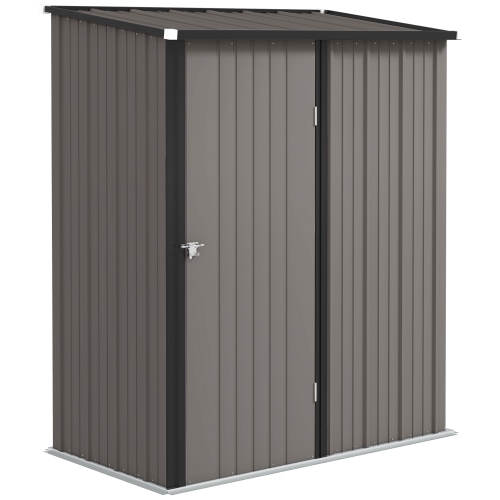
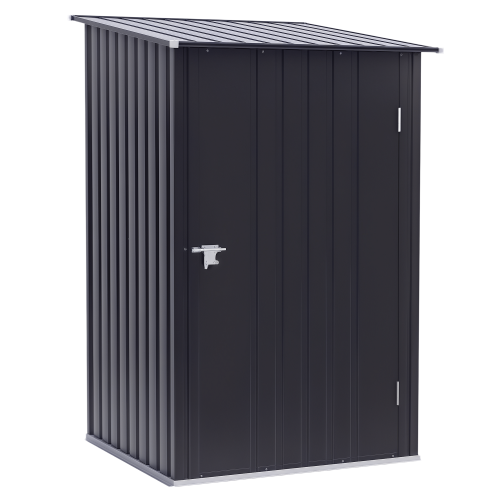
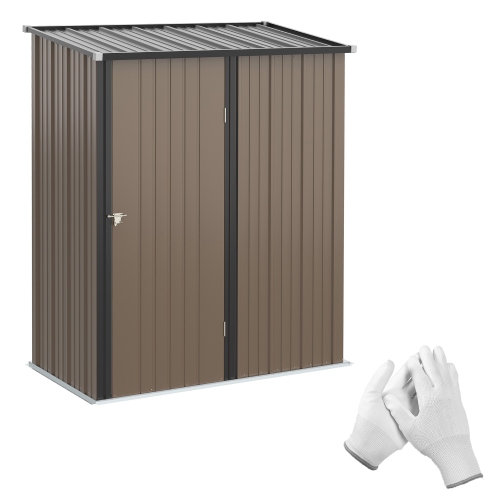
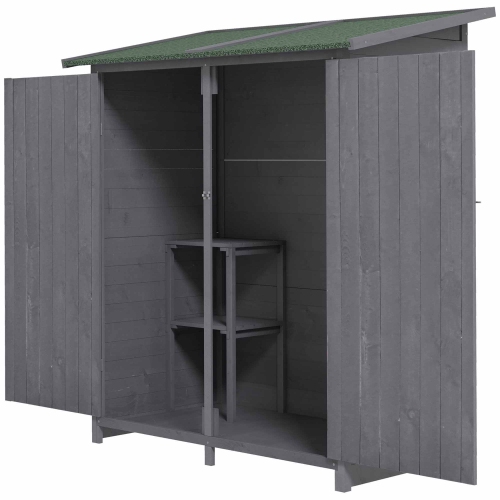
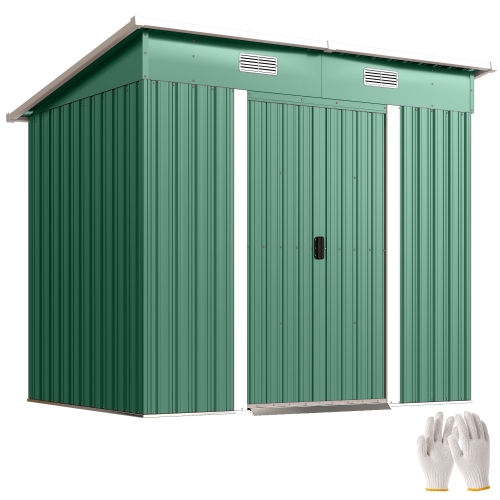
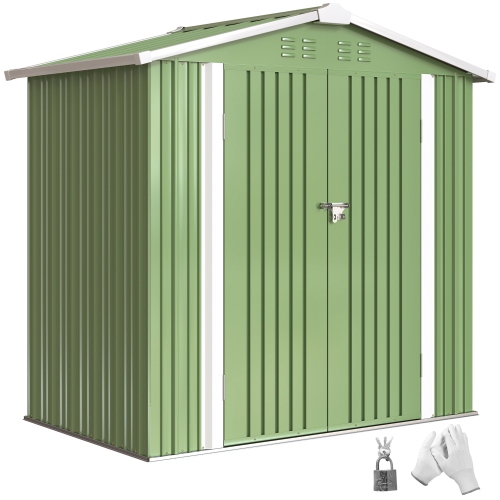
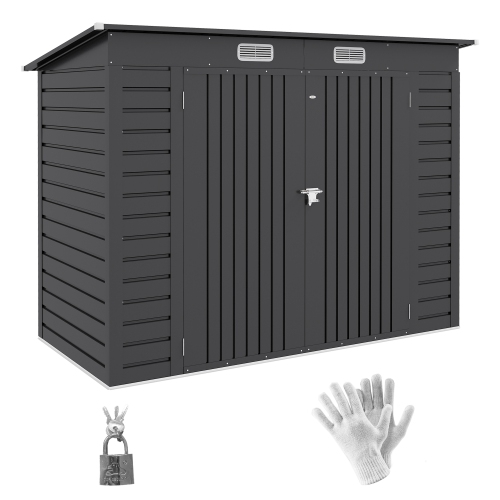
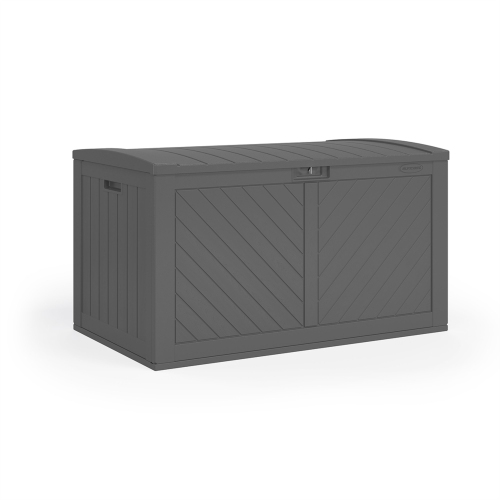
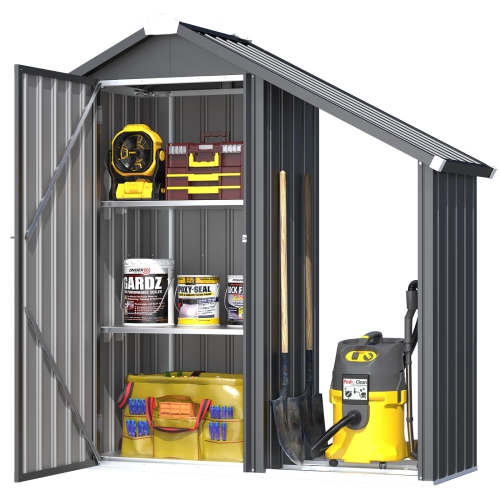
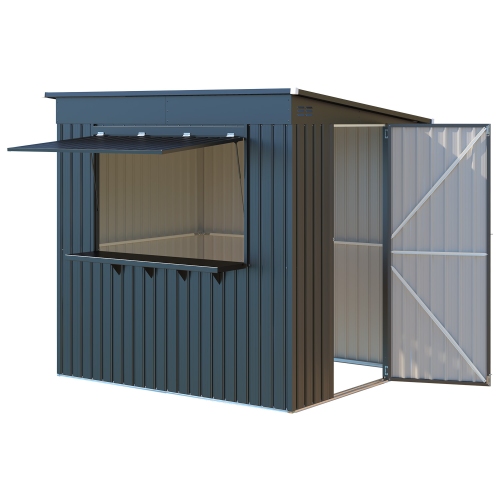
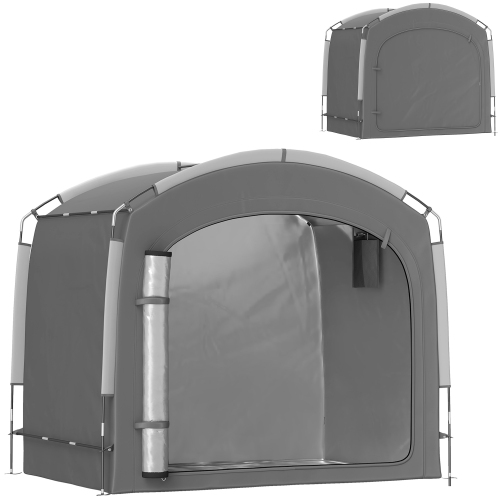
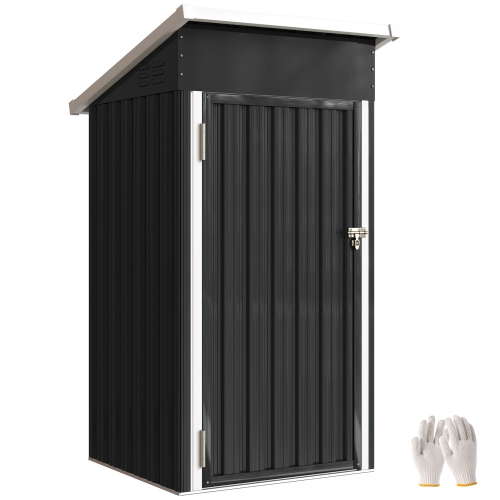
Enclosed gardening storage provides a different balance of access, capacity, and separation from surrounding belongings. Tall cabinets make use of vertical space, while lower storage boxes can suit compact equipment and accessories that do not require upright clearance. Garden equipment varies considerably in shape, so internal dimensions are more informative than exterior measurements alone. Fixed shelves may limit space for long handles, whereas adjustable or removable shelves allow a cabinet to accommodate both upright tools and smaller containers. A wide door opening makes bulky equipment easier to manoeuvre, and sufficient clearance in front allows doors to open without blocking the route through the space. Garden Tool Sheds offer a dedicated storage area where gardening equipment can be kept apart from household belongings, with layouts that may support shelving, wall hooks, and larger floor-standing tools. Materials influence weight, upkeep, and resistance to everyday wear. Powder-coated steel provides a rigid surface, although damaged coatings may need attention to help limit corrosion. Resin storage is generally easy to wipe clean and does not develop rust, but load limits and assembly requirements still matter. Wood offers a traditional appearance and may require periodic surface care according to the manufacturer’s directions. Across these materials, hinges, shelf supports, handles, and door alignment contribute to how a unit performs with repeated use. Ventilation allows air movement, but it does not replace drying tools before putting them away. Likewise, a raised interior floor or fitted base can help separate contents from the surface below without guaranteeing that the enclosure will stay dry in every setting. A level, suitably supported installation helps doors close properly and reduces strain on joints. Overall height, roof overhangs, door swing, and access for assembly can all affect fit, even when the stated footprint appears suitable. Lockable doors provide an additional barrier to access, particularly in shared spaces, though their suitability depends on the contents and the lock design.
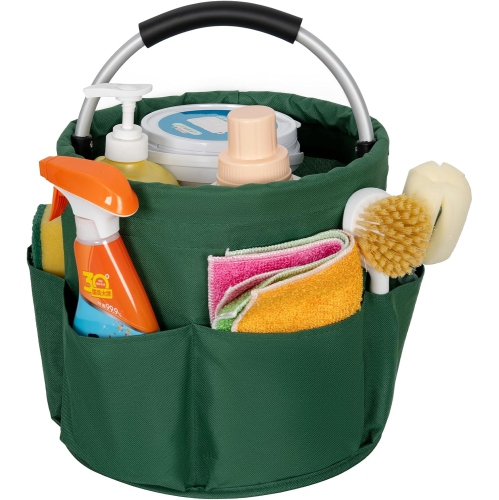
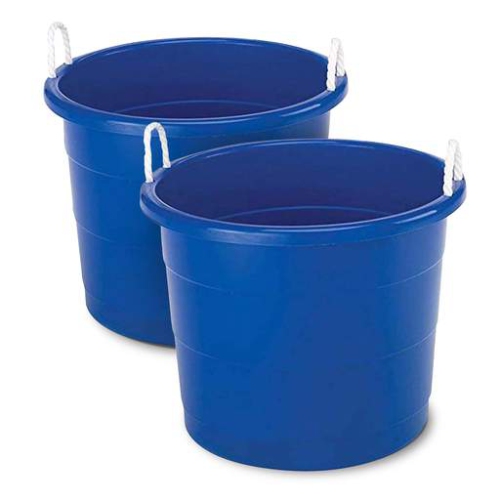
The details inside a gardening storage area often determine how convenient it feels in daily use. Shallow trays and divided compartments keep small accessories visible, while removable bins let related supplies travel together to a work area. A portable caddy can hold frequently used hand tools without requiring the whole collection to be moved, and comfortable handles matter when the contents become heavy. Larger equipment needs enough room to be lifted or rolled out without catching on shelves or neighbouring tools. Shelves intended for heavier loads are useful for dense contents, but their stated capacity should be considered alongside how that weight is distributed. Sharp edges benefit from suitable guards or dedicated holders, especially where reaching past one tool could bring a hand close to another blade. In households with children or pets, controlled access and secure placement are important considerations. Fertilizers and garden treatments require storage consistent with their original labels, separate from food and inaccessible to anyone who should not handle them. Battery-powered equipment also has its own storage requirements, including the manufacturer’s instructions for batteries and chargers; an enclosed cabinet should not automatically be treated as a charging space. Routine care is straightforward for many storage materials: removing loose soil, wiping accessible surfaces, and allowing cleaned equipment to dry helps prevent dirt and moisture from accumulating around supports and joints. Drainage openings and ventilation slots need to remain unobstructed, while loose fasteners, damaged hooks, or sticking hinges deserve attention before they affect access or stability. For someone tending a balcony garden, a compact cabinet or carry organizer may be sufficient; a larger household garden can call for separate areas for hand tools, long-handled equipment, and bulky accessories. Gardening storage can also make a practical gift for an enthusiastic grower when it matches the recipient’s space and existing tools. A modular layout leaves room for changing interests without requiring every tool to share the same shelf, and a clear place for frequently used equipment makes returning it after a task feel less cumbersome.
Top selling and popular products
-
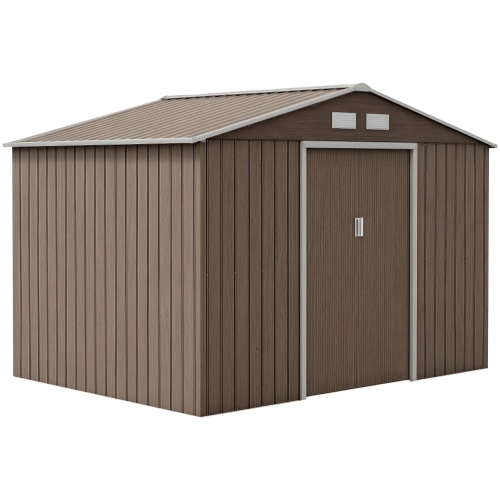 Your price for this item is $599.99
-
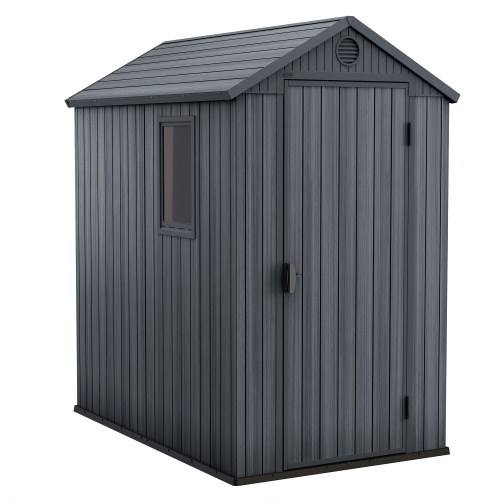 Your price for this item is $1418.99
-
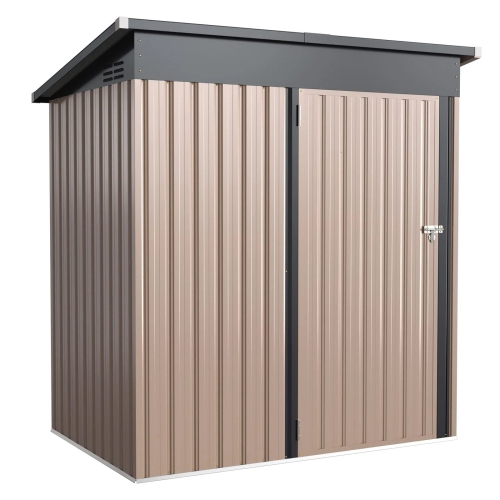 Your price for this item is $179.99
-
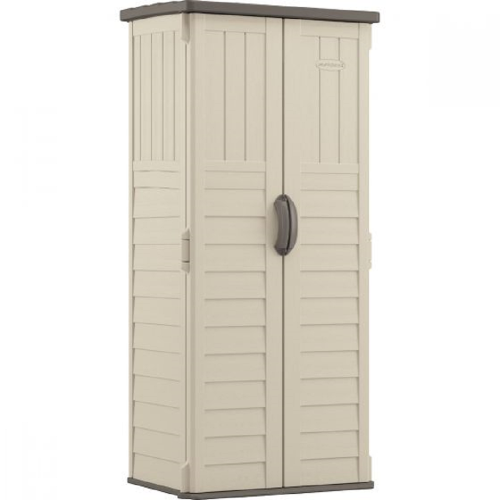 Your price for this item is $385.99
-
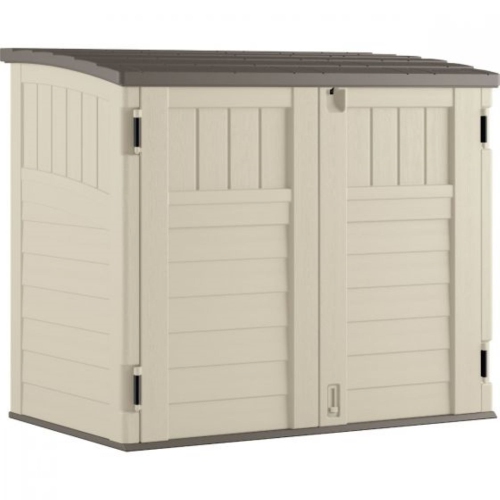 Your price for this item is $459.99
-
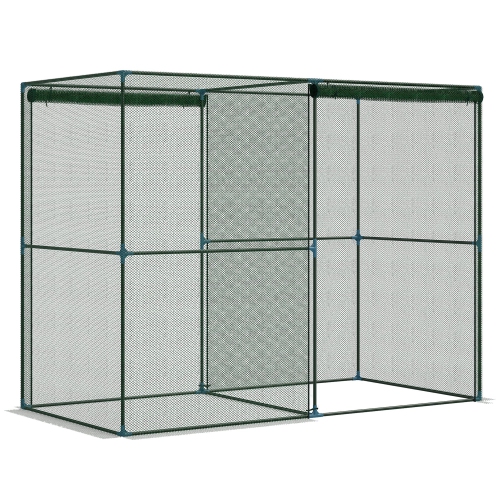 Your price for this item is $79.99
-
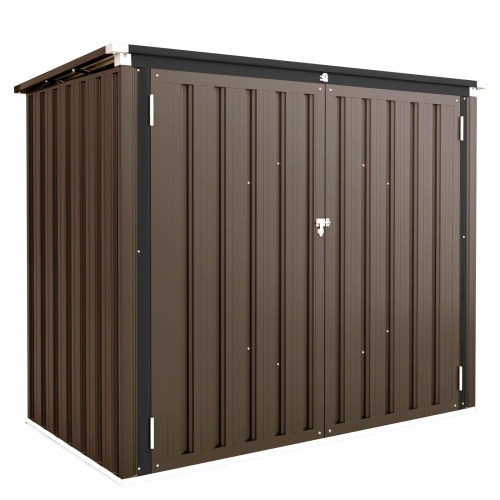 Your price for this item is $204.99
-
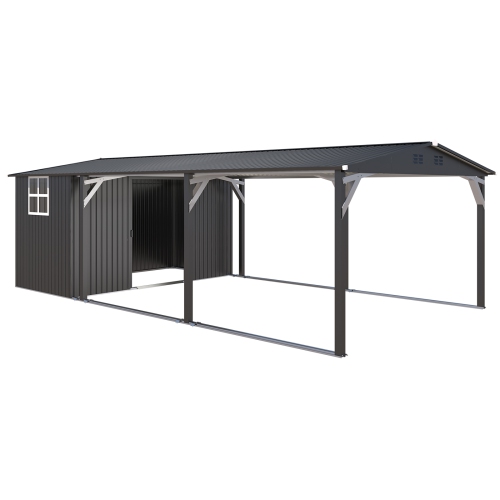 Your price for this item is $1199.99
Discover more categories related to Gardening Equipment Storage
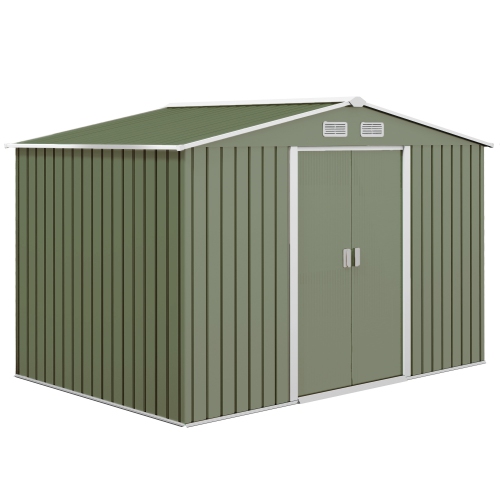
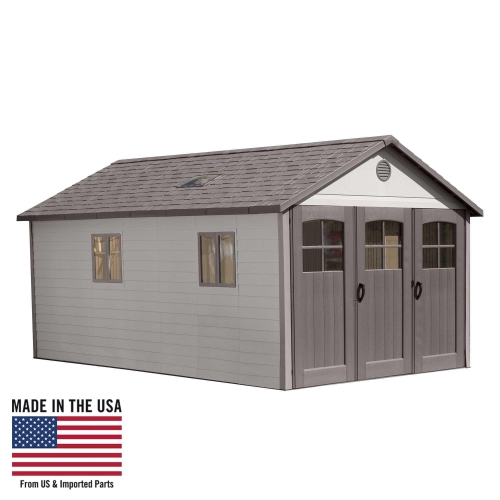
Top Collections:
Best Black Friday Deals This Year, Best Black Friday Deals On Electronics, Kindle Devices, Pokemon Centers, Best Black Friday Deals On Apple Products, Best Cameras for Sports Photography, Dyson Airwrap, Pokémon 30th Celebration Cards, Apple iPhone 17 Pro, Canon G7X Cameras
Some products may be subject to Environmental Handling Fees
(EHF) depending on your province.
Learn more about EHFs.