Glass Containers for Baking
Glass Containers for Baking offer a versatile solution for preparing, cooking, and serving your favorite recipes. Perfect for everything from casseroles to desserts, these containers are designed to handle the heat of the oven and transition seamlessly to your table. Whether you're an experienced baker or just starting out, Glass Containers for Baking provide the reliability and convenience you need in the kitchen. Explore a wide selection to find the ideal sizes and shapes for your culinary creations.
Sort

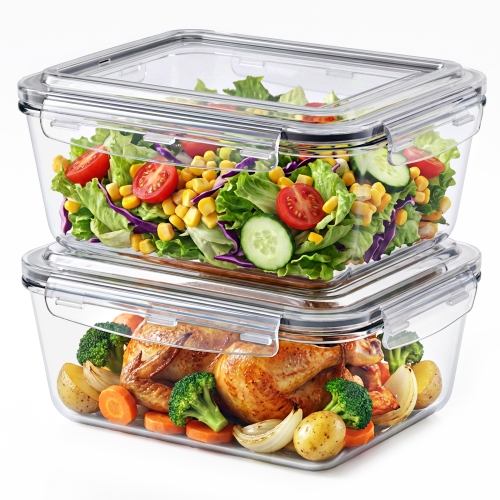
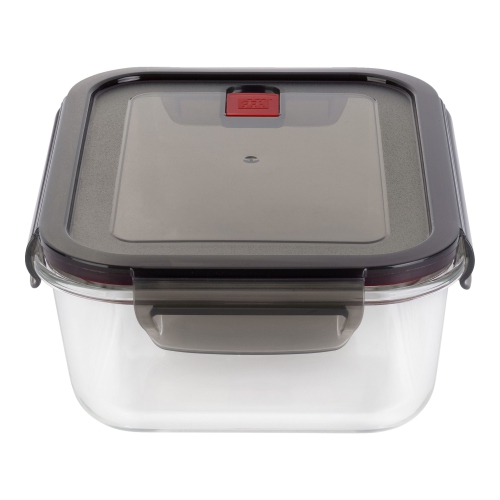
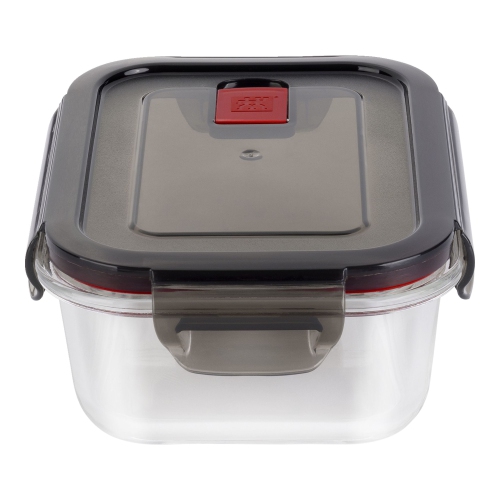


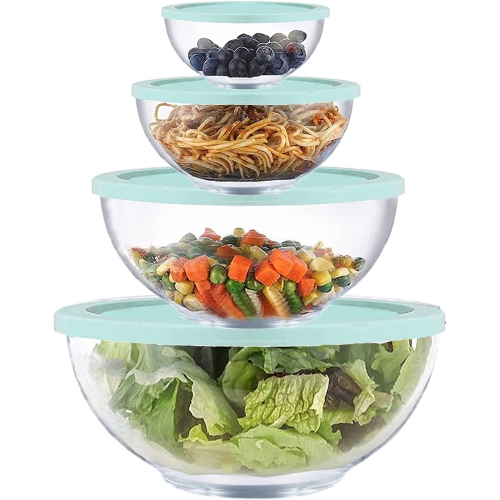
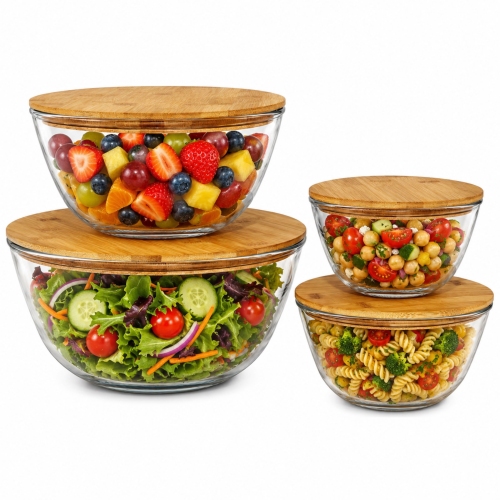
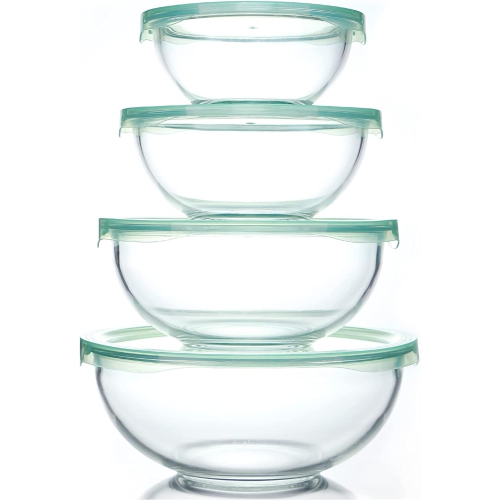
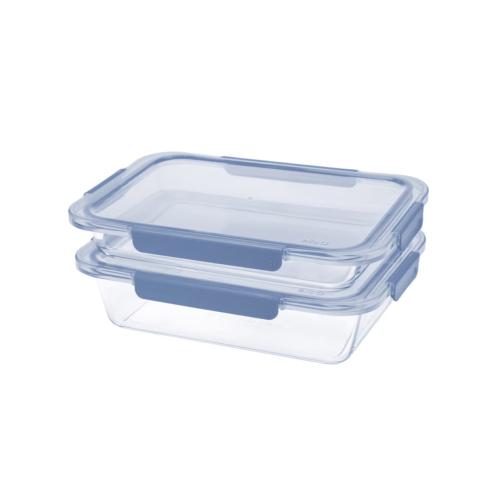
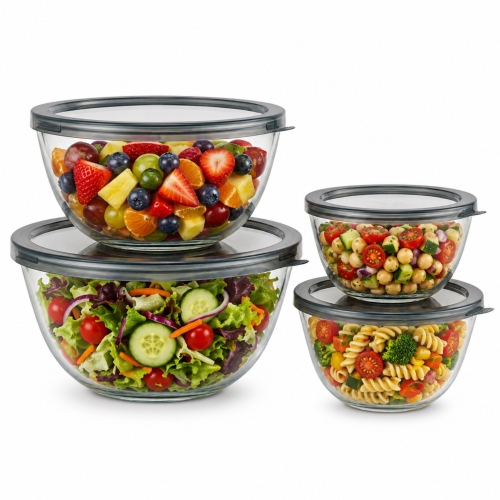
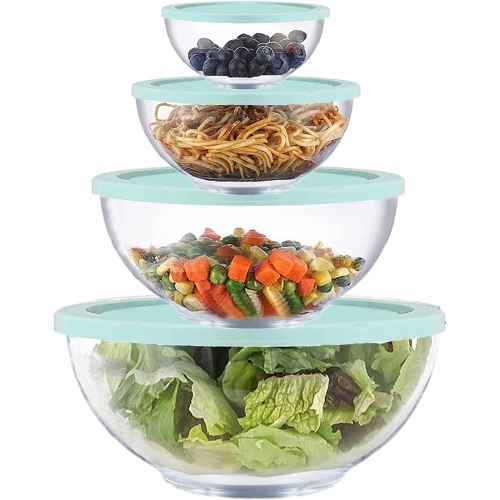


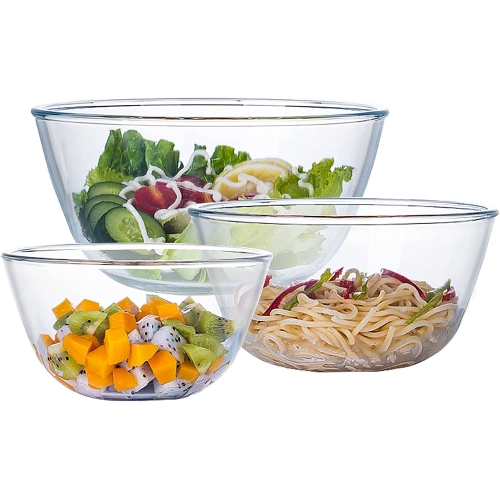
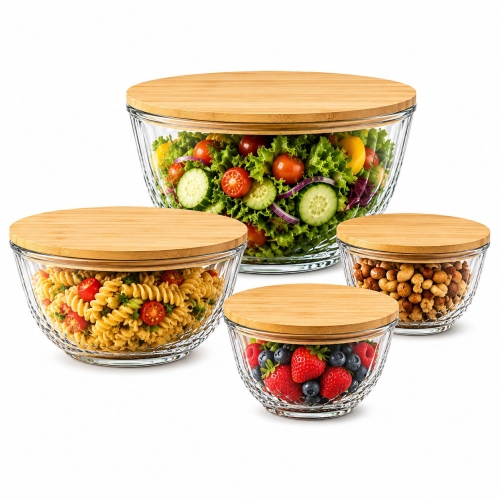
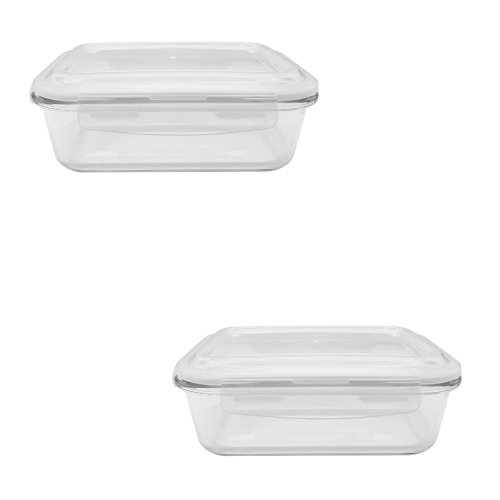
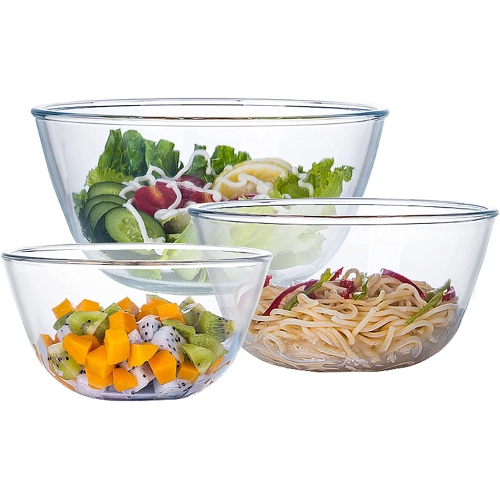

Oven-to-table versatility with a clear view of every layer
Oven-safe glass containers can bring baking, serving, food storage, and reheating together in a single dish, provided each use is supported by the manufacturer’s instructions. This makes glass containers for baking a practical choice for lasagna with bubbling edges, roasted vegetables, baked pasta, fruit crumbles, and other dishes that move from preparation to the table. Their transparent sides reveal layers, sauce levels, and browning around the edges, while the smooth surface suits both savoury meals and desserts. Glass is generally non-reactive with acidic ingredients such as tomatoes and citrus, and it does not readily retain food odours or stains. Its clear appearance also makes it easy to identify stored portions without opening every container. Heat retention is another useful characteristic: a glass baking dish can stay hot after leaving the oven, although that also means food may continue cooking during its resting time. Recipes written specifically for glass bakeware offer a useful starting point, especially for cakes, bars, and other baking where the texture at the edges matters. Not every glass food container belongs in an oven, however. Oven suitability must be stated for the container itself, and a microwave-safe label alone does not establish that it is suitable for baking. Some bakeware is made from tempered glass and some from borosilicate glass; the material name does not replace the stated limits for a particular dish. Broiler use, direct stovetop heat, and countertop cooking appliances require separate approval rather than an assumption based on oven compatibility. With the right construction and care, a glass baking container can serve several roles in an everyday kitchen without requiring food to be transferred between dishes at every stage. That versatility is useful for households preparing dinner ahead, home bakers sharing a dessert, and anyone who prefers serving a casserole in the dish it was baked in.
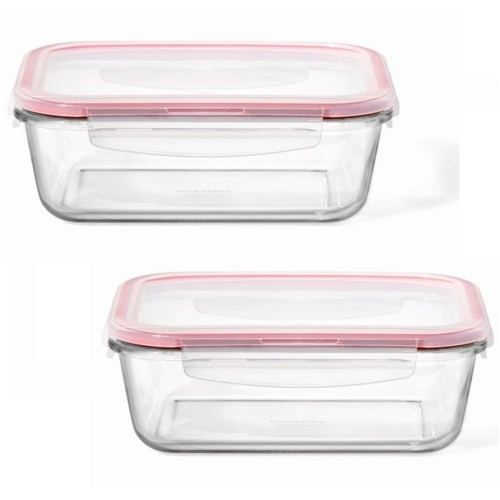
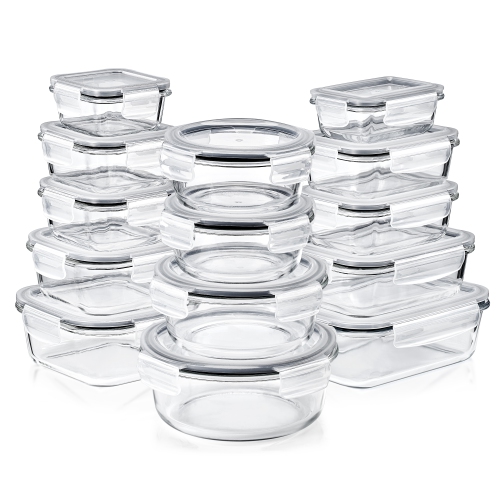
Shape, depth, and usable capacity influence how well a glass container fits a recipe. A broad, shallow rectangular dish gives vegetables room to spread out and creates more exposed surface for a browned topping, while a deeper container accommodates layered pasta or a generous filling beneath mashed potatoes. Square dishes suit smaller batches of baked desserts and side dishes, and individual portions can be useful when household members eat at different times. Round and oval shapes offer another option for puddings, gratins, and table presentation, although their capacity may differ from a rectangular dish with similar outside dimensions. For baking that depends on a specific pan size, the inside measurements and depth matter more than appearance alone. Changing the size of the dish changes the thickness of the food and can affect cooking time, moisture, and browning. Capacity markings are helpful for comparing containers, but the full stated volume is not necessarily the appropriate filling level for a recipe that rises or bubbles. Space above the food helps keep sauce and toppings contained. Exterior dimensions matter too: handles, wide rims, and fitted lids add to the space needed in an oven, refrigerator, cupboard, or carrying bag. Handles should allow a secure grip with oven mitts, particularly when a dish is heavy with food. A large casserole may suit shared meals, whereas several smaller containers offer flexibility for side dishes, portioned lunches, and different dietary preferences. Sets with varied sizes can cover those uses, while matching footprints may simplify cupboard organization. Lids deserve separate attention because they are often intended for storage rather than baking. Plastic lids and removable seals should stay out of the oven unless expressly approved for that use. A secure closure can help protect food in the refrigerator, but leakproof performance should be confirmed before packing a saucy meal for travel.
Everyday durability depends on handling as much as on the glass itself. Glass bakeware is not unbreakable, and sudden temperature changes can cause damage even when a container is intended for oven use. A hot dish belongs on a dry, heat-resistant trivet rather than a wet worktop or a cold sink, and cold liquid should not be added to hot glass. Moving a container directly from the freezer to a heated oven is suitable only when the manufacturer explicitly permits it. Chips, cracks, and significant scratches are reasons to stop using a dish for baking rather than treating the damage as merely cosmetic. For cleaning, a non-abrasive sponge and suitable dishwashing detergent help protect the surface; soaking baked-on residue after the dish has cooled can reduce the need for forceful scraping. Dishwasher compatibility should be checked for both the container and its lid, since their care requirements may differ. Removable seals benefit from thorough cleaning and drying, particularly around the grooves where food can collect. Between uses, nesting containers with a soft separator can help prevent hard contact between rims and bases, while keeping lids together makes matching them less frustrating. Storage features become especially useful when a baked meal leaves enough for another day. Shallow portions make it easier to cool and refrigerate cooked food promptly while following the container’s care directions, and transparent walls make contents easy to recognize. For a broader look at dishes intended for storing prepared meals, Glass Containers for Leftovers covers a closely related kitchen need. Oven-safe containers with compatible storage lids can be particularly useful for someone setting up a first kitchen, a family organizing meals ahead, or a keen home cook who regularly brings food to shared dinners. As a housewarming or wedding gift, a manageable size and straightforward care requirements often matter more than an elaborate assortment. The most useful choice fits the recipient’s cooking habits, storage space, and ability to lift a filled dish comfortably.
Top selling and popular products
-
 Your price for this item is $5.99
-
 Your price for this item is $9.99
-
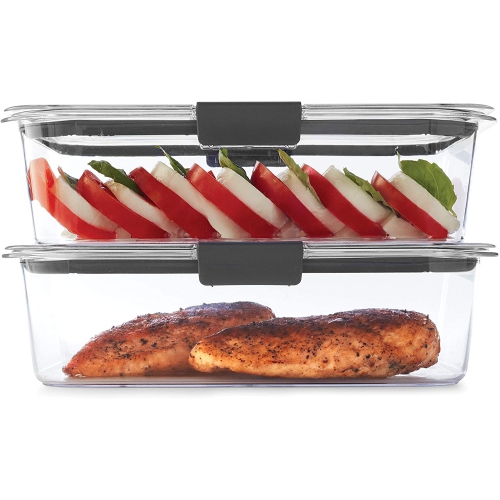 Your price for this item is $108.25
-
 Your price for this item is $7.99
-
 Your price for this item is $59.99
-
 Your price for this item is $59.99
-
 Your price for this item is $49.99
-
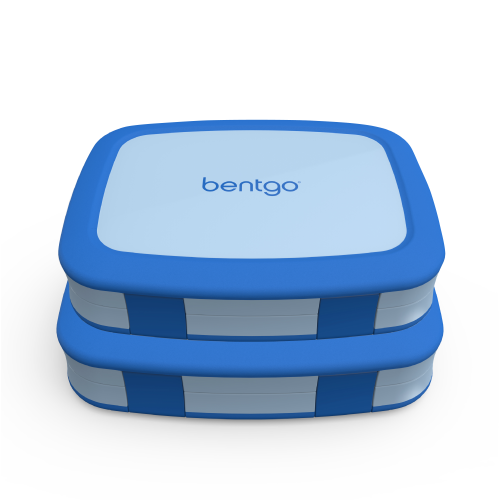 Your price for this item is $49.99
Discover more categories related to Glass Containers for Baking

Top Collections:
Pokemon Centers, Best Cameras for Sports Photography, Kindle Devices, Samsung Galaxy Phones, Canon G7X Cameras, Pokémon 30th Celebration Cards, Refurbished Apple Laptops, iPhone 15 Apple, Laptops for Students, Budget Smartphones
Some products may be subject to Environmental Handling Fees
(EHF) depending on your province.
Learn more about EHFs.