Glass Mugs for Hot Drinks
Glass Mugs for hot drinks add a touch of elegance and clarity to every sip, making your favorite beverages look as inviting as they taste. Whether you’re enjoying a morning coffee, soothing tea, or a rich hot chocolate, these mugs are designed to enhance your experience with style and versatility. Explore a range of options perfect for home, office, or gifting, and discover how Glass Mugs for hot drinks can elevate your daily routine.
Sort


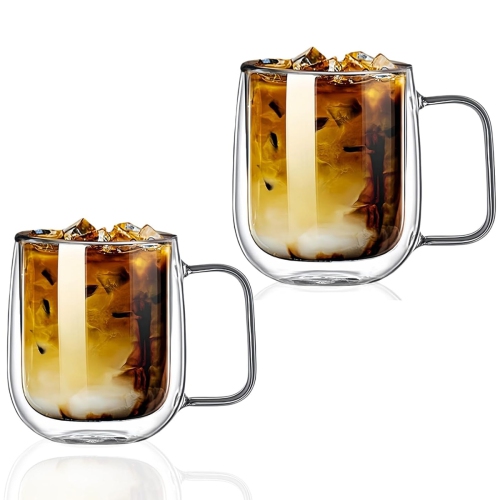
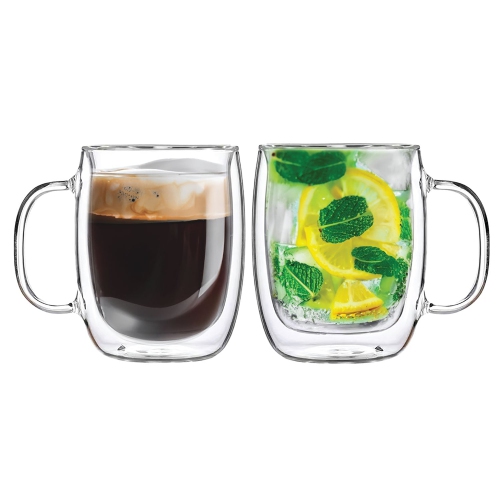
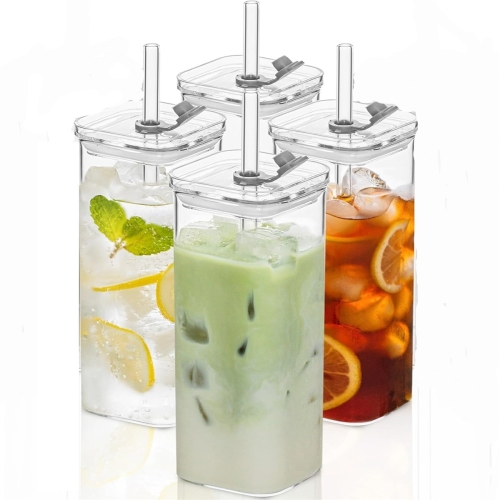
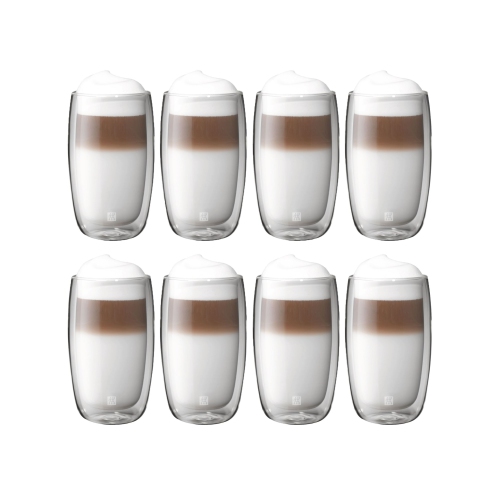
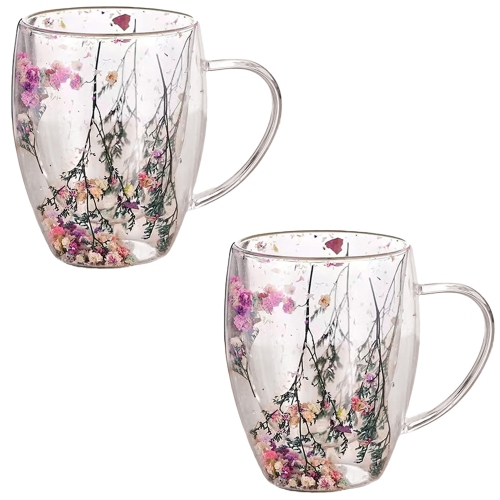
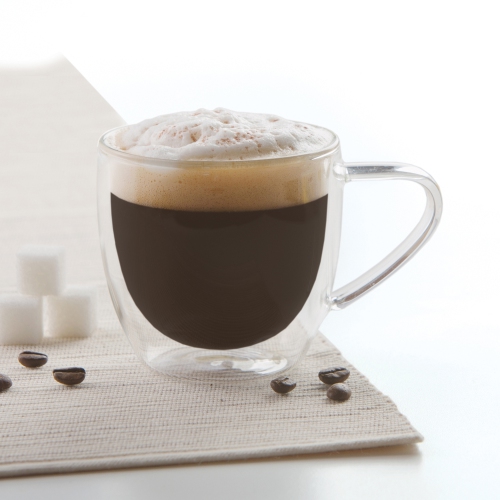
How double walls change the way glass mugs feel
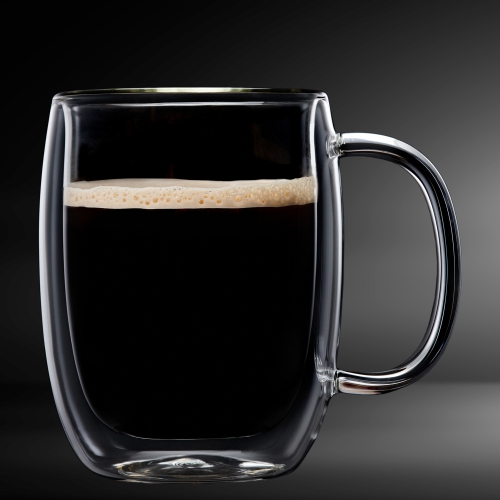
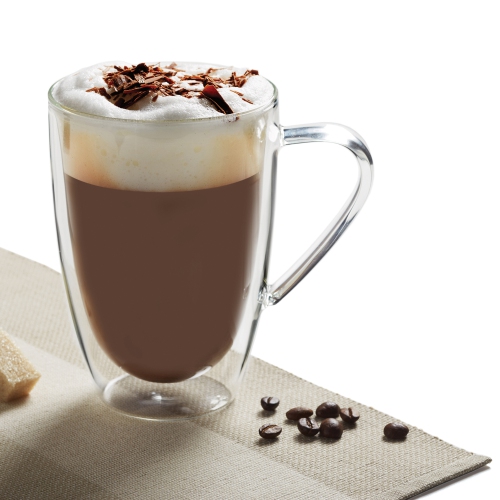
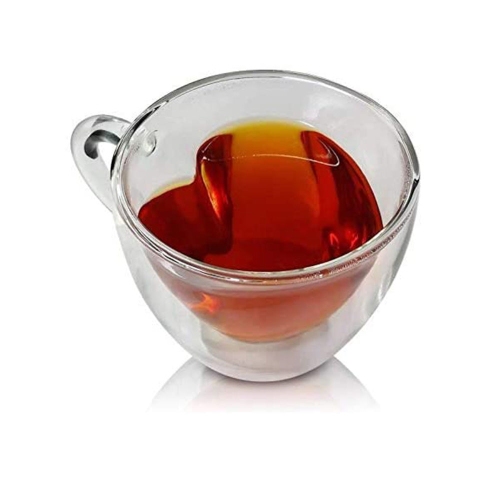
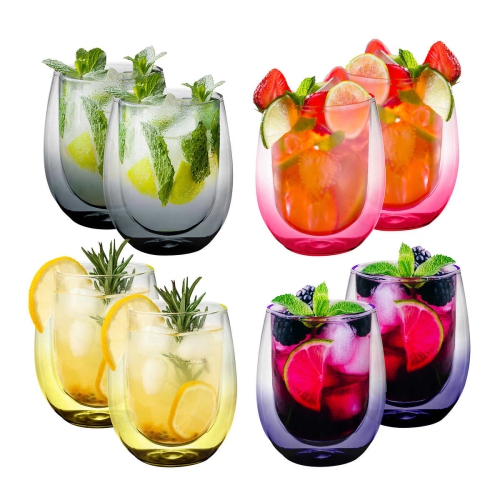
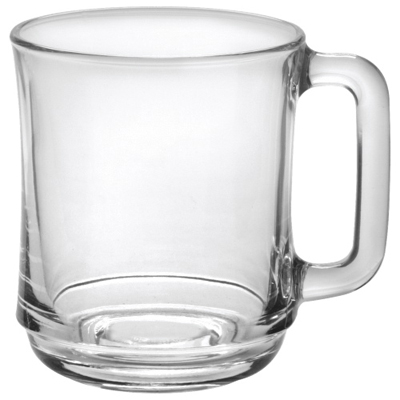
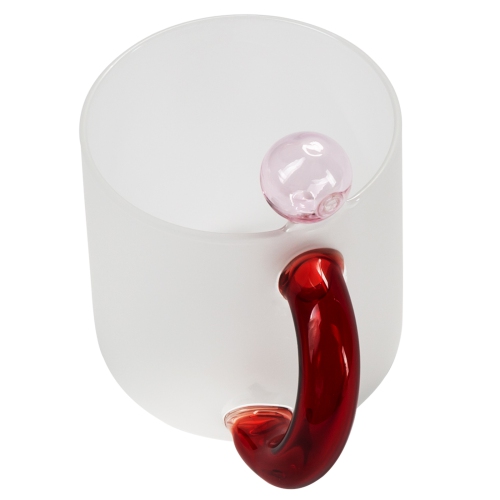
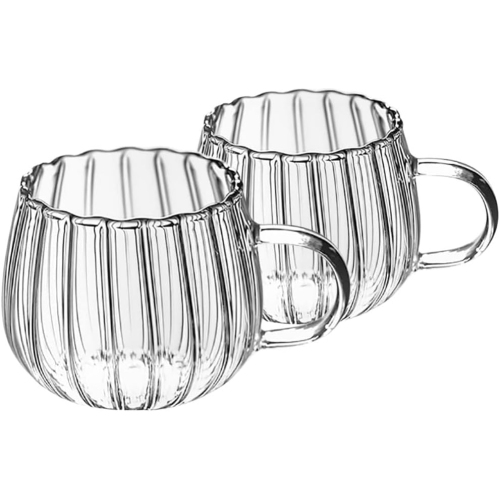
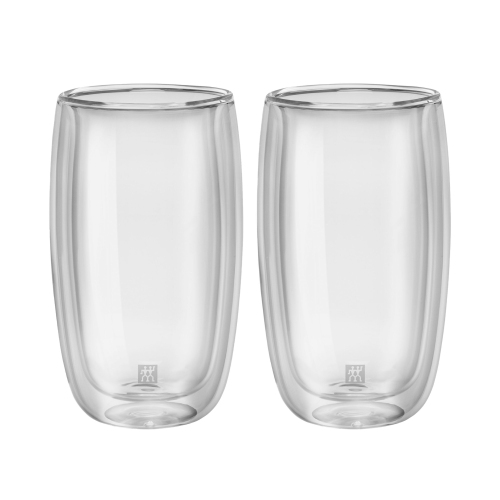
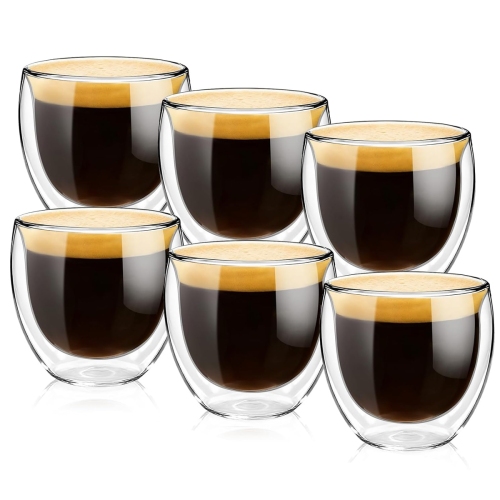
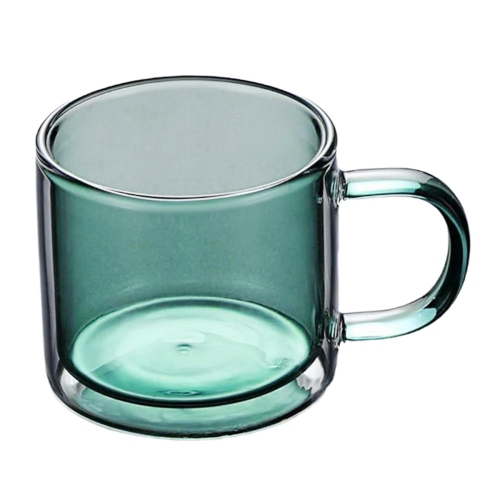
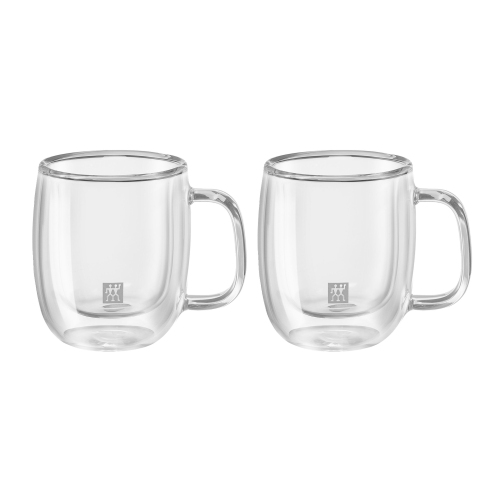
Glass mugs for hot drinks combine the visibility of clear glass with a handled shape suited to coffee, tea, hot chocolate, and other warm beverages. They come in single-wall and double-wall designs, commonly made from heat-resistant borosilicate glass or tempered glass. Borosilicate glass expands less with heat than ordinary soda-lime glass, helping it tolerate temperature changes, while tempering strengthens glass through a controlled treatment process. Neither material is unbreakable, and suitability for hot liquids depends on the finished mug’s stated use, not simply its appearance or thickness. Single-wall mugs have one layer of glass, giving them a straightforward profile and allowing heat to pass more readily through the sides. Double-wall mugs have an insulating space between two layers, which slows heat transfer and can help a drink stay hot longer while reducing how much warmth reaches the outside. The outer surface may still become warm, so a comfortable handle remains important. Clear walls reveal the amber colour of steeped tea, the crema on an espresso, or the layers of milk and coffee in a latte. That visibility is useful as well as attractive: it makes it easier to judge how much milk has been added or how much room remains beneath the rim. Some glass has a light tint or a textured surface, which changes the presentation without concealing the drink completely. A smooth rim can feel comfortable against the lips, while the balance between the bowl, handle, and base affects how naturally the mug lifts from a table. For everyday use, the best match is a mug explicitly intended for hot beverages, with a capacity and shape that suit the drink being served. A tall, narrow shape presents layered drinks neatly; a wider opening leaves more room for foam, a tea infuser, or stirring without tapping the sides.
Capacity matters most when it reflects an actual routine rather than the largest possible serving. A compact glass mug can suit a short coffee or a small serving of tea, while a capacity of about 250 to 350 mL often works well for a regular brewed drink. Larger mugs, around 400 to 500 mL, leave more room for milk, foam, or a generous serving of hot chocolate. Listed capacity may describe a mug filled close to the brim, so usable space will be lower when room is left for carrying and stirring. A person who adds plenty of milk may appreciate that extra space, whereas someone who drinks a small coffee slowly may prefer a smaller vessel rather than a large mug with only a shallow pour. Shape also affects fit beneath a coffee machine’s spout: check the mug’s full height against the clearance available, including any drip tray that stays in place during brewing. The handle should offer enough space for a comfortable grip without forcing fingers against the hot bowl. For anyone who finds a heavy mug awkward, consider its weight when filled, not just when empty. A broad, stable base is useful on a desk or breakfast table, and the base diameter should sit securely on any coaster or mug warmer being considered. Use with an electric mug warmer requires explicit compatibility; glass suitable for hot drinks is not automatically suitable for direct heating. At home, a clear mug can make a simple afternoon tea feel thoughtfully served, while at a shared work desk, an easy-to-grip handle and manageable size may matter more than a dramatic silhouette. Coffee drinkers can also explore Heat Resistant Glass Coffee Mugs when choosing drinkware around espresso, filter coffee, or milk-based favourites. Matching the mug to the brewer, serving size, and place where it will be used helps make it a practical part of the daily routine.
Care requirements deserve the same attention as appearance, especially when mugs will be used and washed frequently. Dishwasher-safe and microwave-safe are separate claims, and neither should be assumed from the words “glass” or “heat-resistant.” Check the care information for the finished mug, including its handle, surface finish, and any double-wall construction. Metallic detailing can rule out microwave use, and some insulated designs require handwashing or other precautions. For handwashing, use warm water, mild dish soap, and a soft sponge rather than abrasive pads that can scratch the surface. A bottle brush with a soft head may help reach the bottom of a tall mug, but forceful scrubbing and knocks against the sink can damage a thin rim. Avoid sudden temperature changes, such as pouring a hot drink into a mug just taken from a cold storage area or placing hot glass directly on a cold, wet surface. Heat resistance does not remove the risk of thermal shock. Before use, check for chips, cracks, or damage around the handle attachment, and stop using a damaged mug for hot liquids. With double-wall glass, moisture trapped between the layers can indicate a problem with the seal; follow the maker’s directions rather than trying to open or repair it. Store mugs with enough space to prevent rims from knocking together, and stack them only if their design allows it. For gifting, glass mugs suit coffee enthusiasts, tea drinkers, new homeowners, or someone setting up a home office. A coordinated pair can work well for a couple’s morning drinks, while a modest set suits a household that regularly serves guests. Consider the recipient’s habits: a roomy handle, dishwasher compatibility, and a familiar serving size may be more useful than an unusual shape. Well-chosen glass mugs balance a clear view of the drink with comfortable handling, appropriate heat resistance, and care requirements that fit everyday life.
Top selling and popular products
-
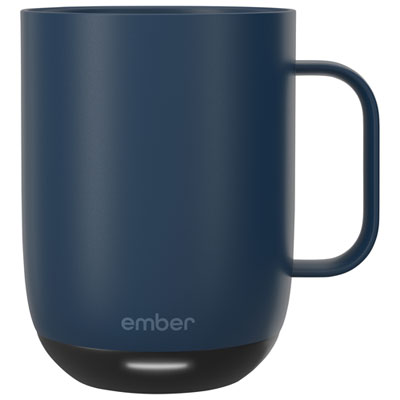 Your price for this item is $199.99
-
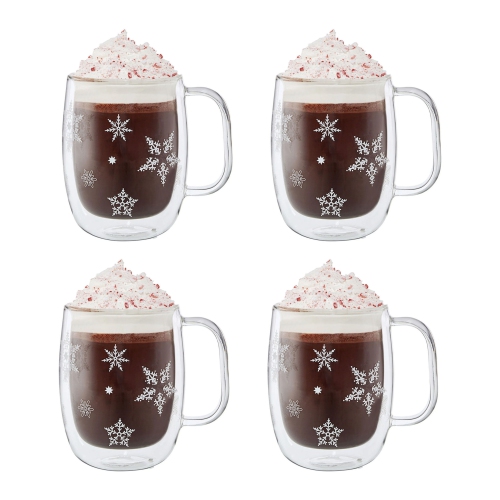 Your price for this item is $90.99
-
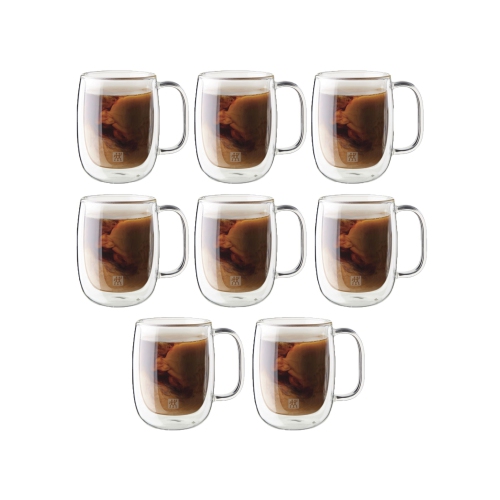 Your price for this item is $94.99
-
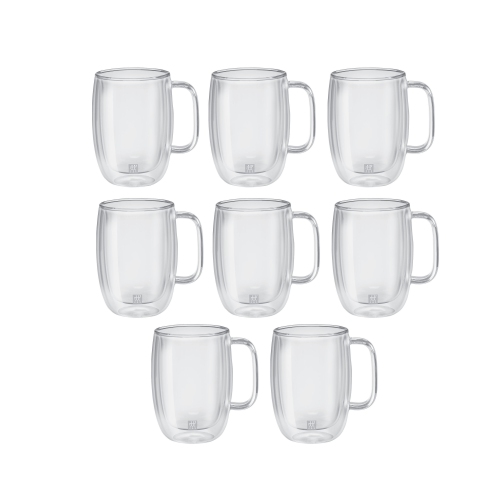 Your price for this item is $114.99
-
 Your price for this item is $114.99
-
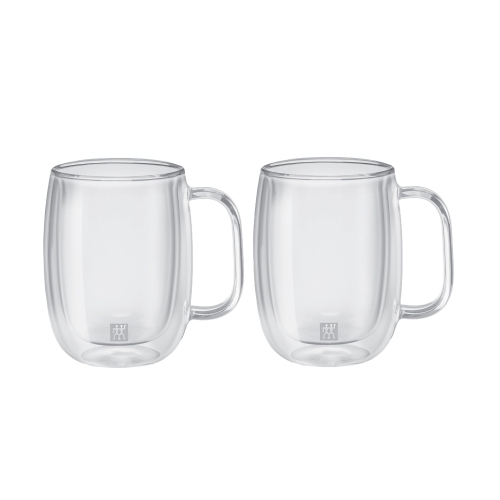 Your price for this item is $39.99
-
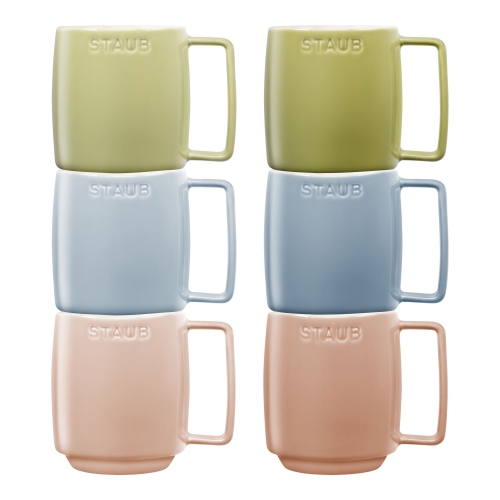 Your price for this item is $99.99
-
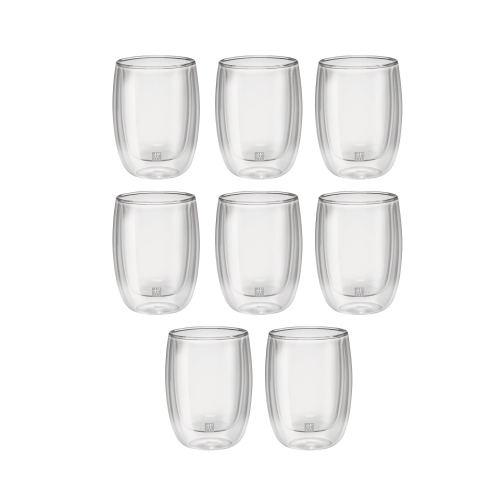 Your price for this item is $74.99
Discover more categories related to Glass Mugs for Hot Drinks
Top Collections:
Best Black Friday Deals This Year, Best Black Friday Deals On Electronics, Kindle Devices, Pokemon Centers, Best Black Friday Deals On Apple Products, Best Cameras for Sports Photography, Dyson Airwrap, Pokémon 30th Celebration Cards, Apple iPhone 17 Pro, Canon G7X Cameras
Some products may be subject to Environmental Handling Fees
(EHF) depending on your province.
Learn more about EHFs.