Deck Tiles
Transform your outdoor living space with these versatile and easy-to-install deck tiles. Whether you're looking to revamp your patio, balcony, or backyard, these interlocking tiles offer a quick solution to elevate the aesthetics and functionality of any outdoor area. With a range of materials and styles to choose from, deck tiles provide a durable and low-maintenance option for creating a stylish and inviting atmosphere for all your outdoor gatherings. Upgrade your space effortlessly with deck tiles today.
Sort
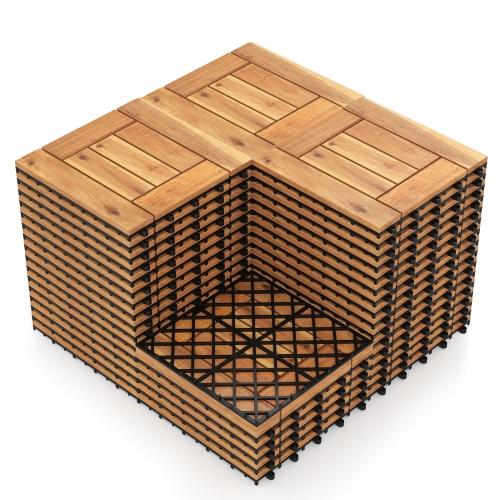
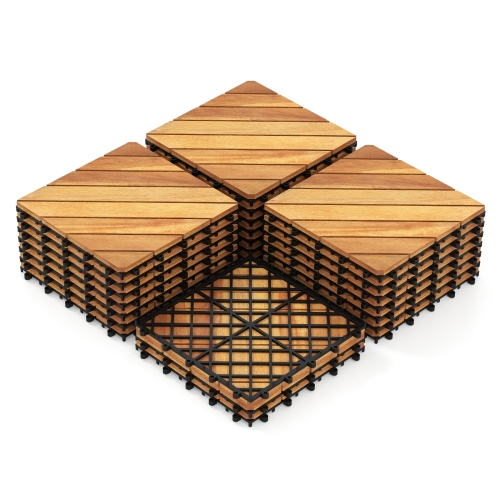
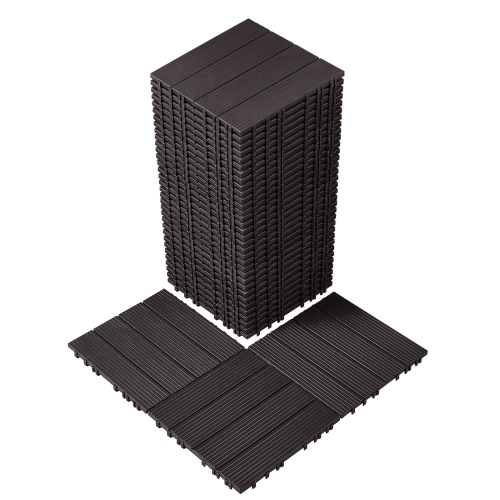
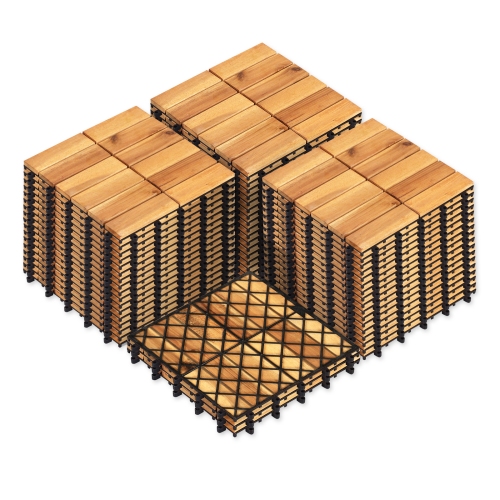
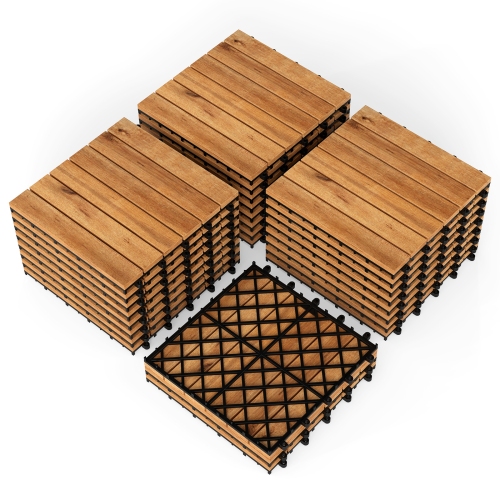
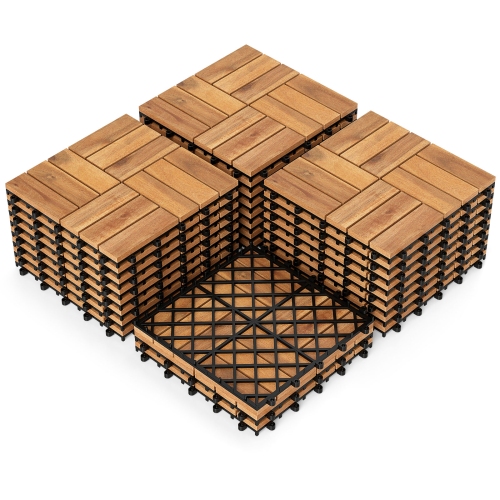
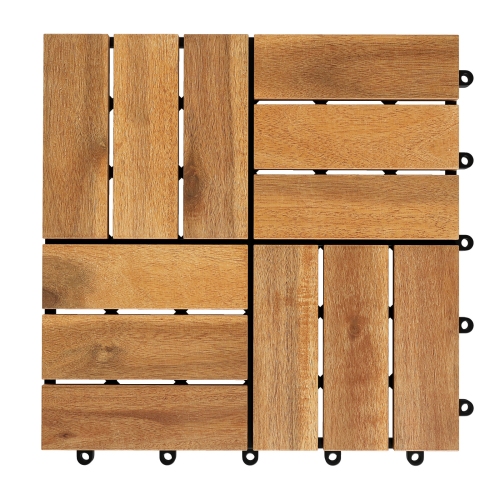
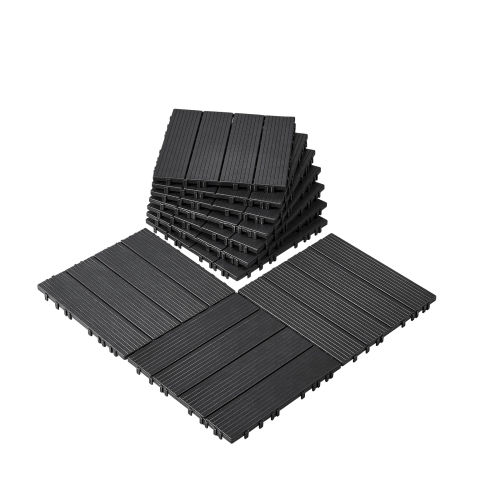
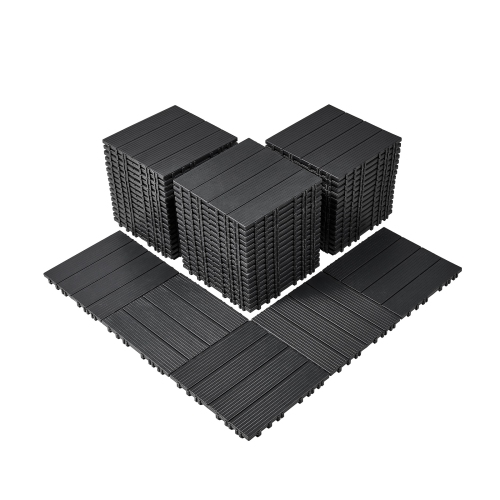
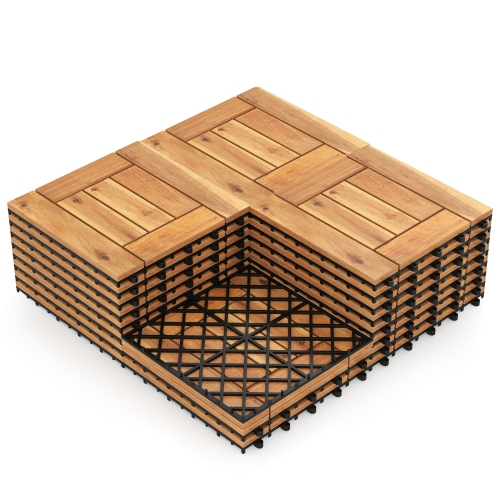
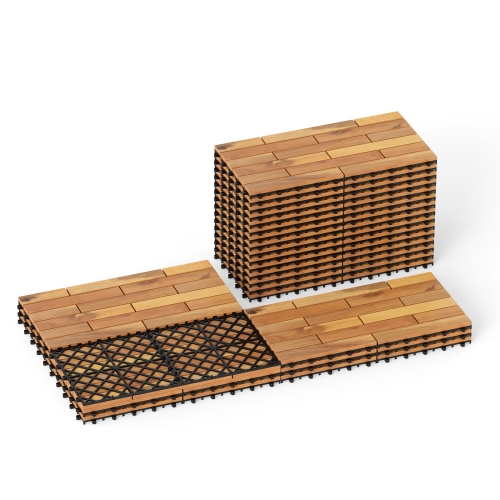
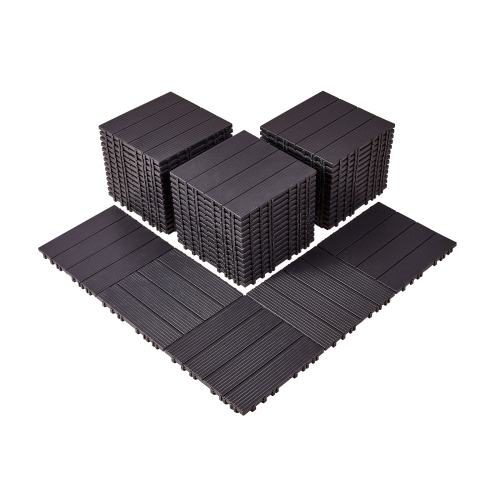
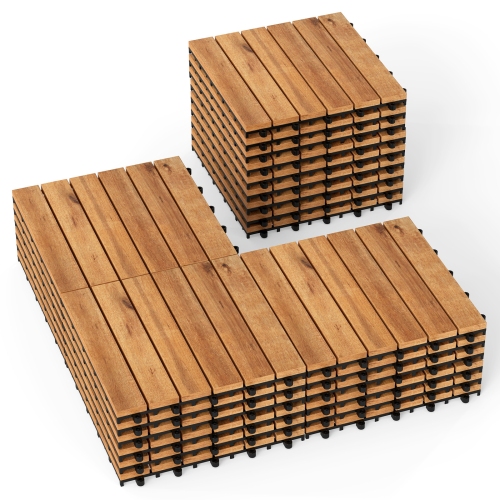
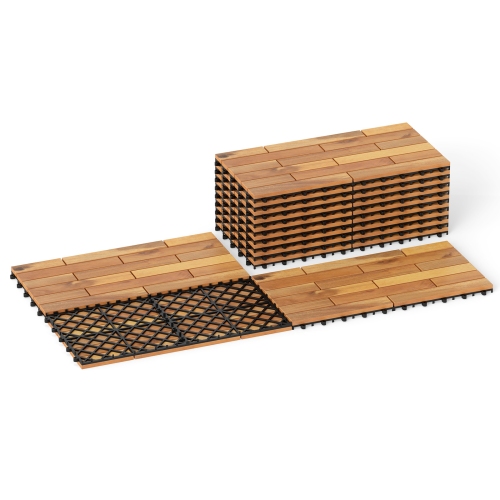
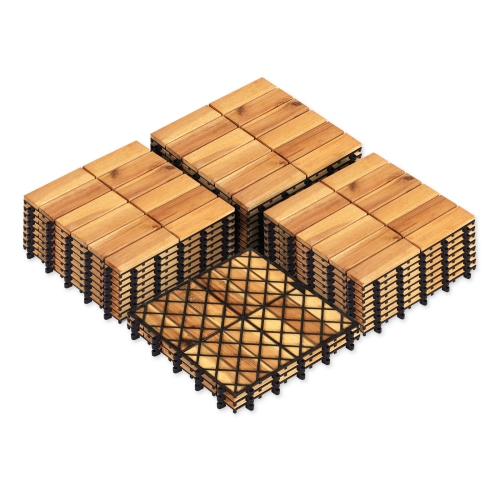
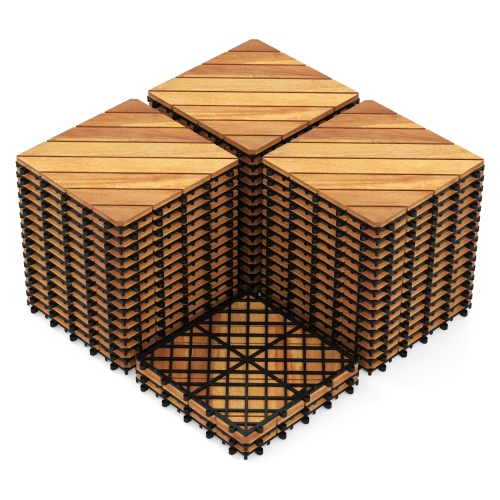
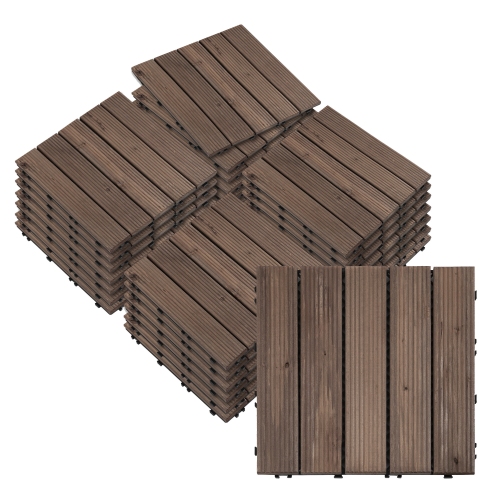
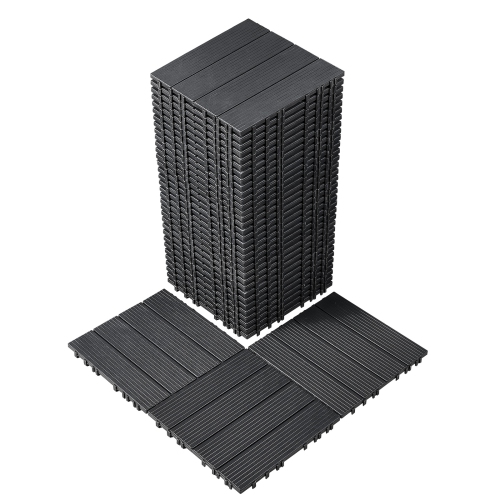

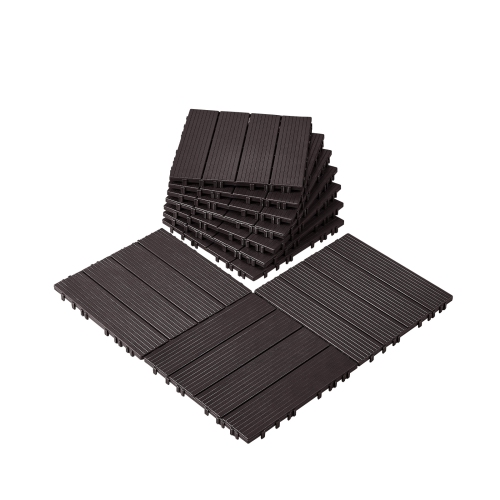
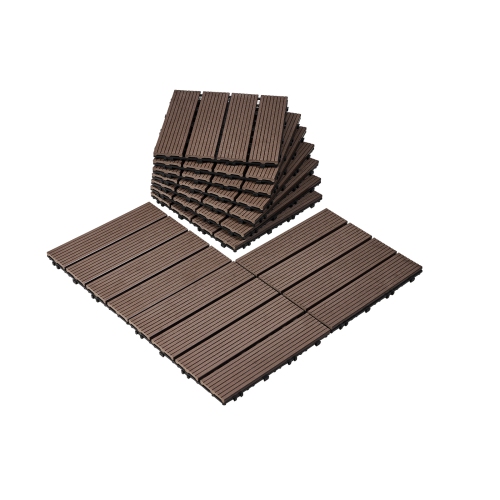
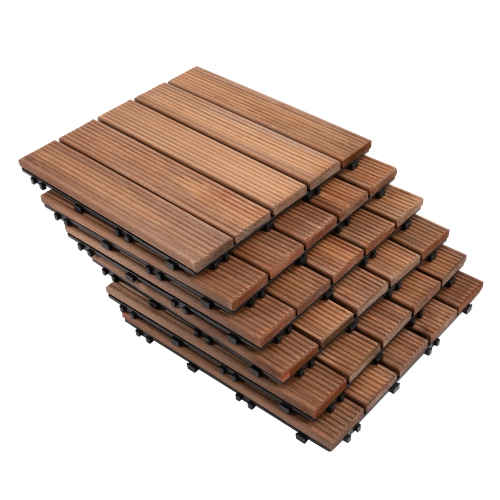

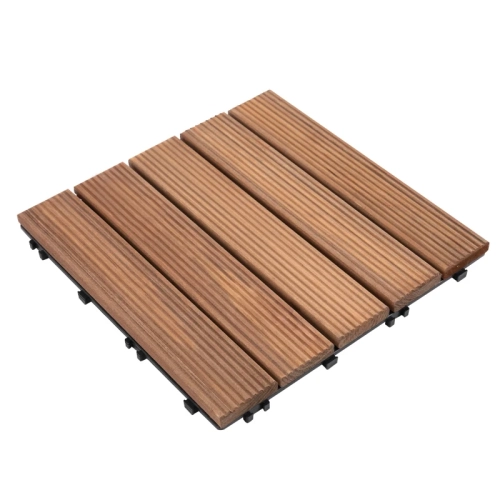

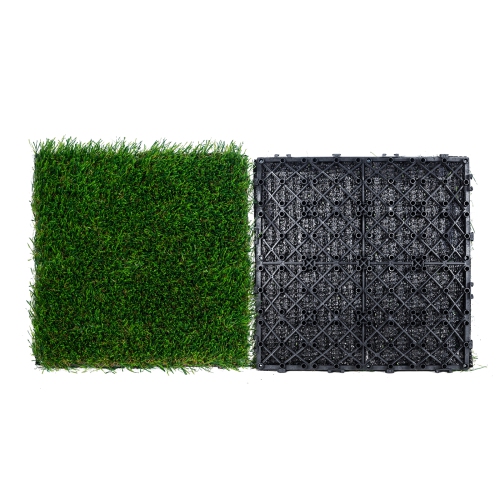
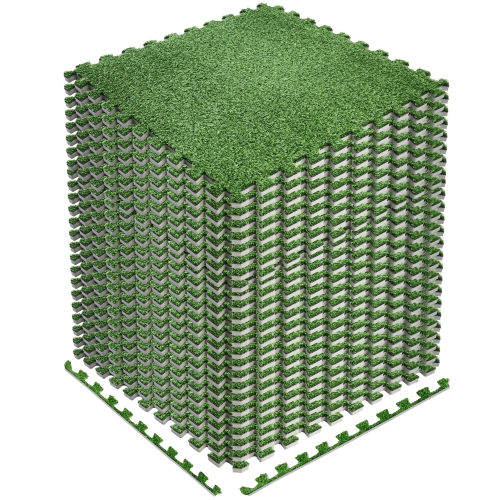
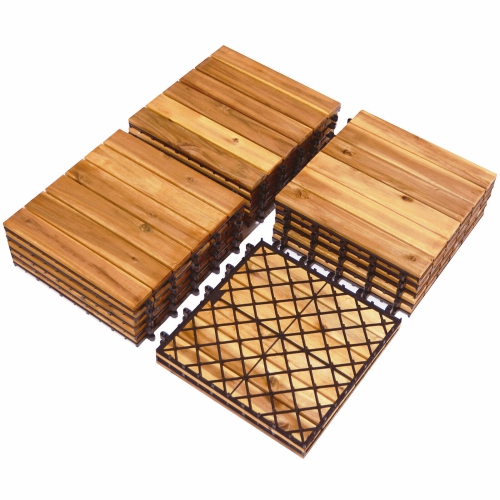
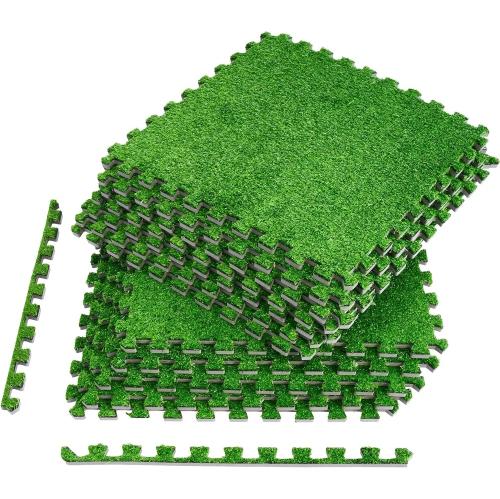
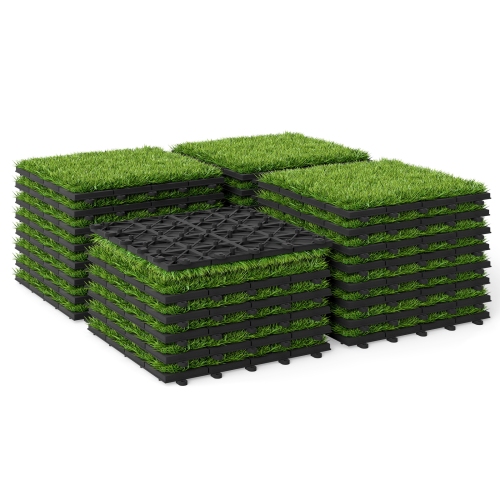
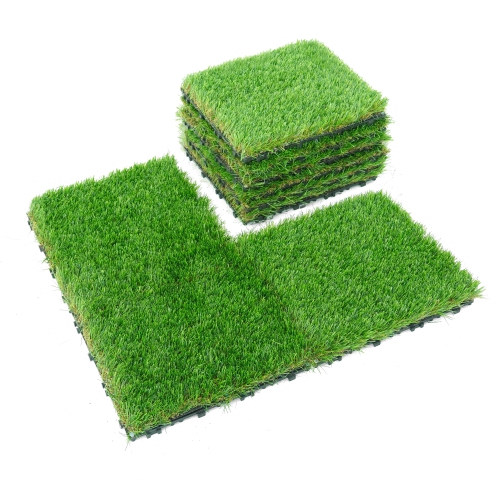

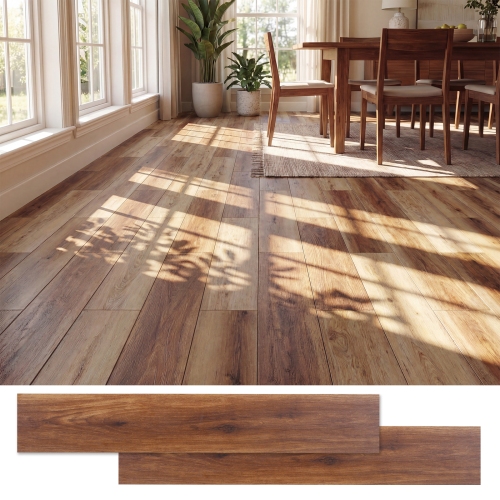
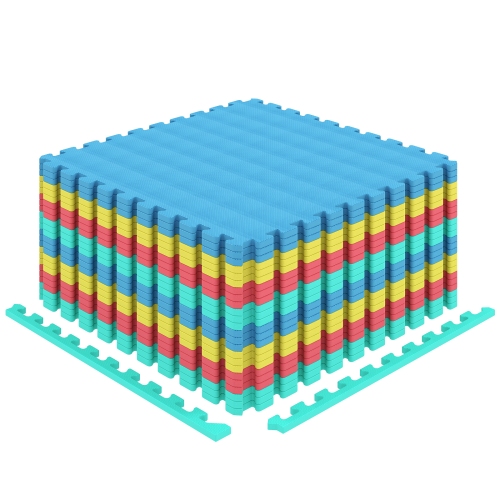
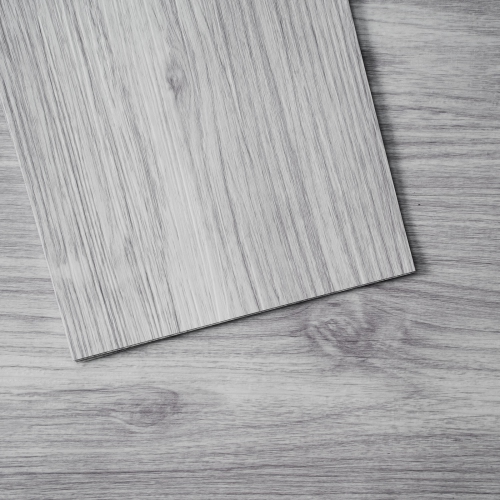
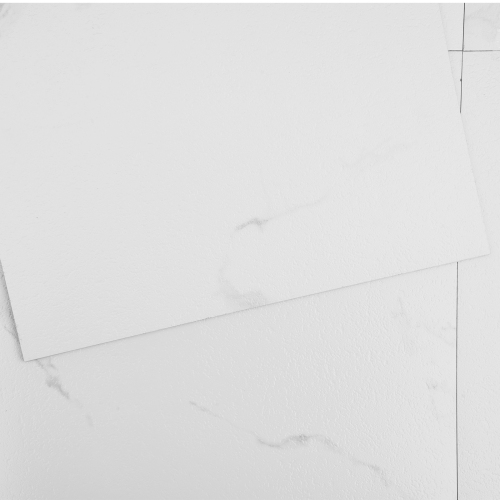
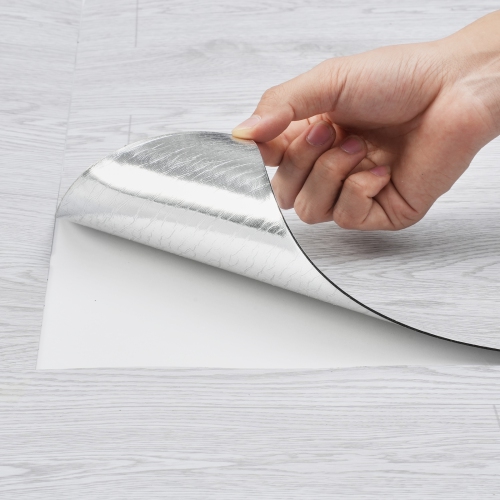
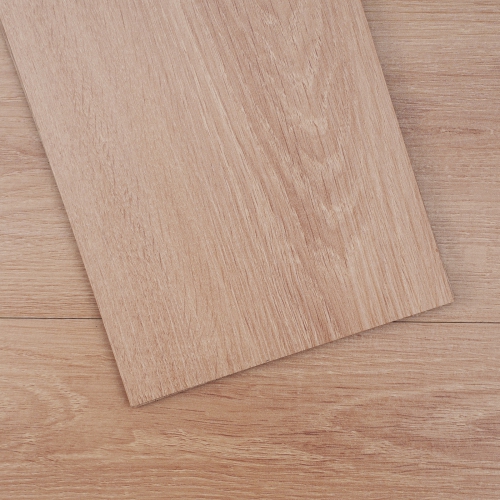
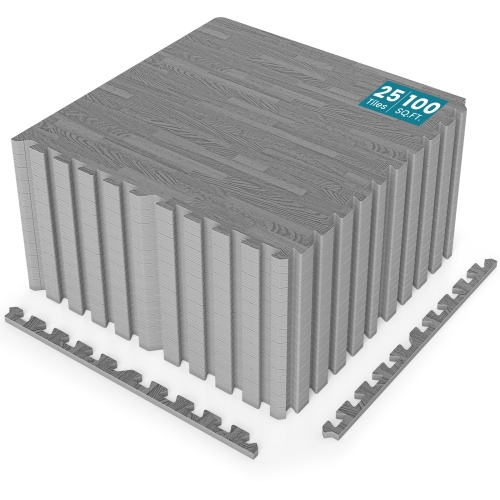
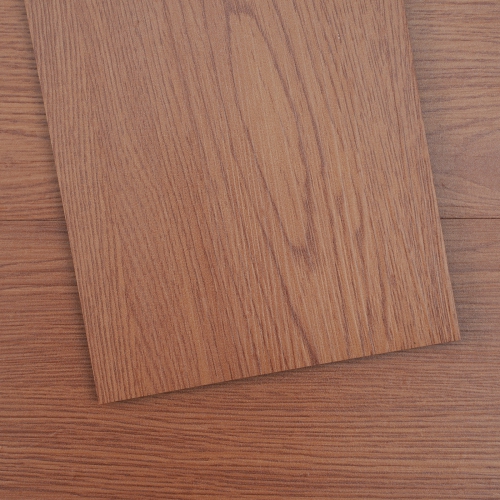
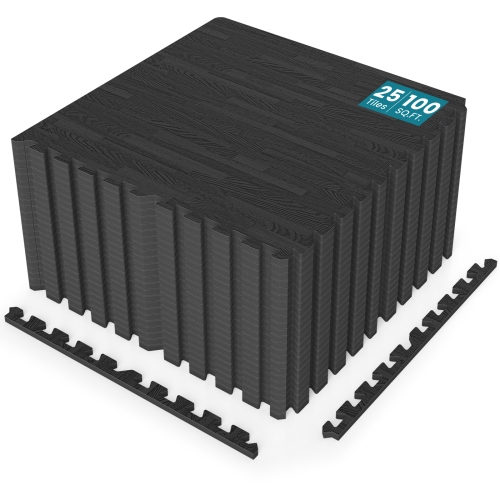

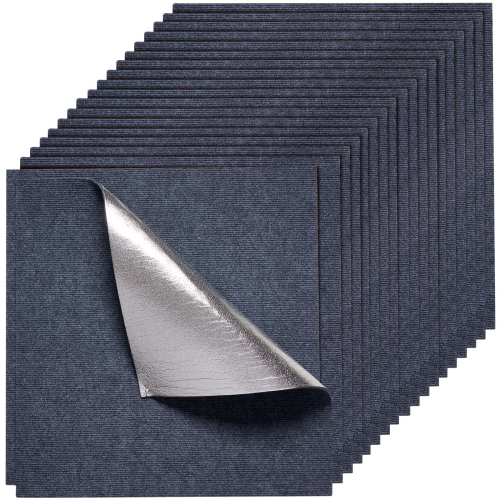
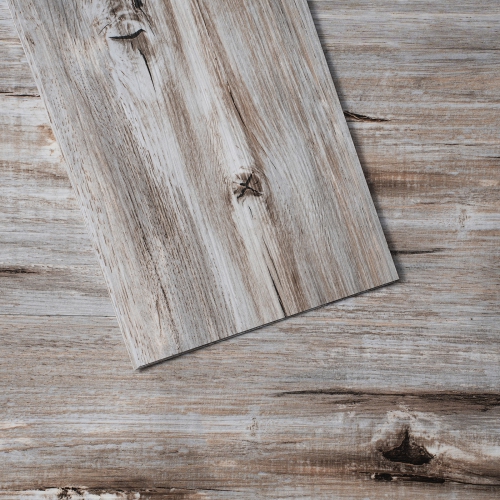
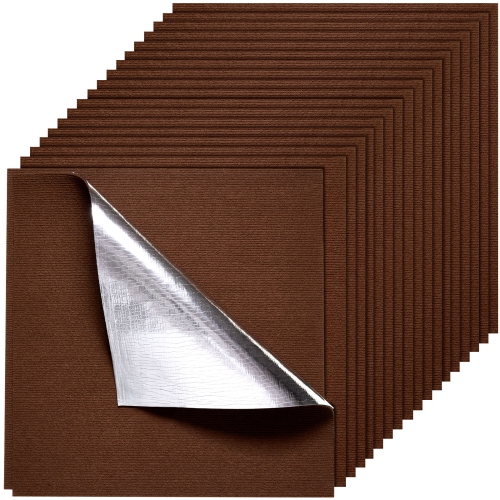
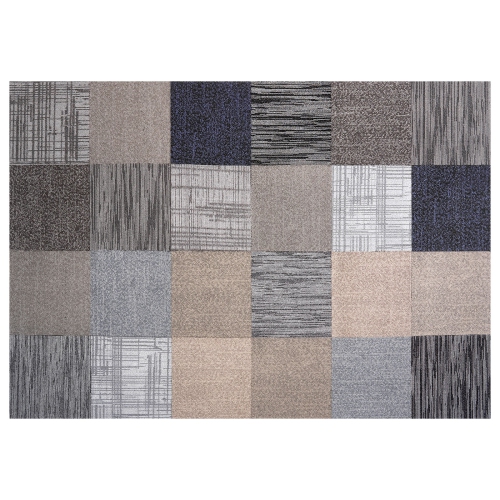
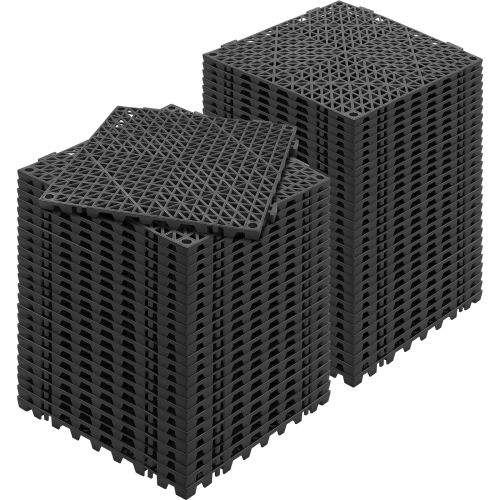
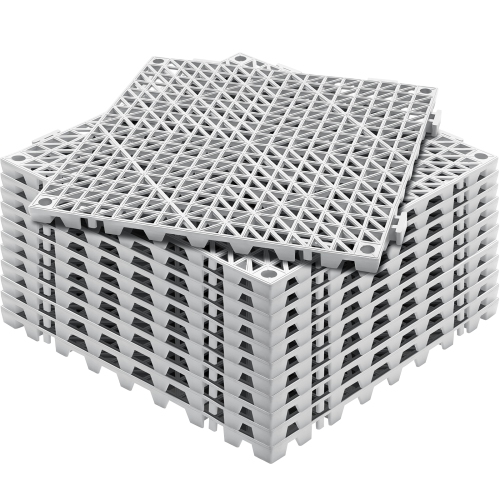
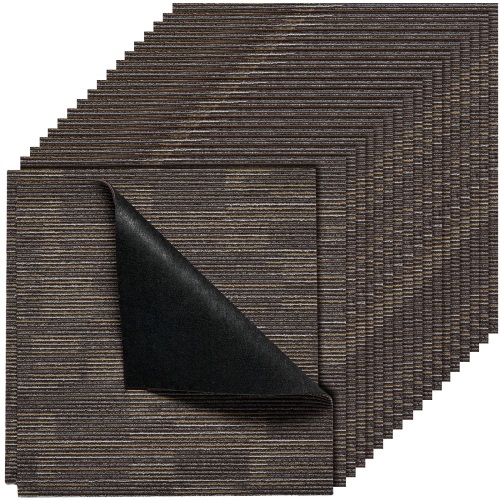
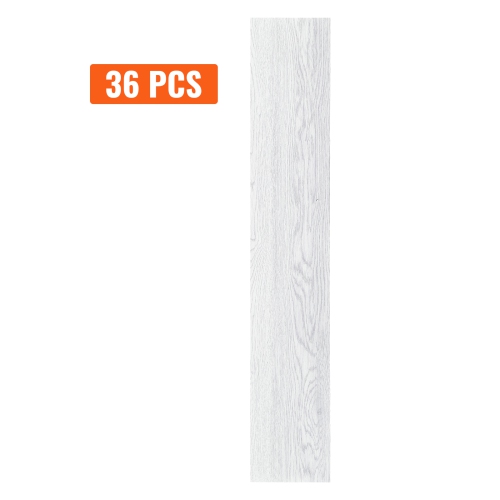
A finished outdoor floor without replacing the whole deck
Deck tiles are modular flooring pieces designed to cover suitable outdoor surfaces, including concrete patios, balconies, and structurally sound decks. Many use an interlocking base that connects neighbouring tiles into a continuous layout, creating a finished surface without the construction involved in replacing an entire deck. Their appeal is both practical and visual: a plain concrete sitting area can gain the warmth of a wood-look floor, while a compact balcony can feel more defined beneath a café table and two chairs. Unlike structural decking, deck tiles generally rely on the surface underneath for support. They do not replace joists, repair damaged boards, or make an uneven patio level. A firm, stable base is essential to keeping the tiles supported and their connections secure. On suitable surfaces, modular designs can make it possible to lift sections for cleaning or access, although removal methods vary with the connection system. This flexibility can suit renters who have permission to add a removable floor covering, condo residents refreshing a private balcony, and homeowners creating a more cohesive outdoor seating area. Tile size, colour, and surface pattern all influence the finished look. Narrow slats can echo traditional decking, wider boards can create a quieter visual rhythm, and alternating tile orientations can form a geometric pattern. A consistent layout often works well in a small space, where too many changes in direction may feel busy. Pale and medium tones can complement lighter furniture, while deeper shades provide contrast beside bright cushions or planters. The broader category of Outdoor Flooring Tiles offers context for matching a floor covering to its intended setting. With deck tiles, the aim is a surface that feels proportionate to the space, supports everyday use, and works with the furniture and finishes already in place.
Material choice affects how deck tiles look, feel, and need to be maintained. Natural wood tiles offer visible grain and variation between pieces, giving a balcony or patio a less uniform appearance. Hardwood and other exterior-rated wood options differ in density, finish, and care requirements, so the species and manufacturer’s recommendations matter more than appearance alone. Some wood surfaces need periodic oiling or another approved protective treatment to maintain their intended finish; others are designed to develop a changed appearance over time. Composite deck tiles typically combine wood fibres with plastic, although formulations vary, and can provide a wood-like surface without the same refinishing routine as natural wood. Plastic tiles may have slatted, perforated, or moulded surfaces, with different levels of rigidity and different textures underfoot. Stone-faced designs offer another aesthetic, but their weight and backing construction deserve attention, especially where a balcony has load restrictions. No material label tells the whole story. The thickness of the top surface, the strength of the connecting base, the quality of the finish, and the stated application all help determine whether a tile suits a particular space. Resistance to moisture, fading, staining, and surface wear should be assessed from the product specifications rather than assumed for an entire material category. A dining area needs a surface that can tolerate chair movement and occasional spills, while a frequently used doorway may place more demand on the connecting edges. Texture also matters: grooves can add definition and grip, but they may collect fine debris, and a textured finish is not a guarantee against slipping when wet. For households with children or pets, a smooth, intact surface without sharp edges or splinters is particularly important. Furniture feet should sit securely rather than catch between slats, and protective pads may help reduce marks where compatible with the tile material. These everyday details often have more influence on long-term satisfaction than colour alone.
Fit involves more than calculating the floor area. The dimensions of each tile determine how the layout meets walls, posts, railings, and doorways, while the total installed thickness affects clearance beneath a door. An opening that clears bare concrete may not clear a raised tile surface, especially where a threshold is already low. Straight edges can be finished with compatible border pieces or transition ramps when the tile system includes them, helping define the perimeter and reduce an abrupt change in height. Connections are not necessarily interchangeable between tile ranges, even when the pieces look similar or have the same nominal dimensions. Irregular corners and narrow strips also require consideration because some designs can be trimmed and others have restrictions related to their surface material or backing. The supporting surface should be clean, firm, and sufficiently level for the chosen system, with loose boards, broken concrete, and other defects addressed rather than hidden beneath tiles. Raised bases often allow water to move underneath, but they do not waterproof the area or replace proper drainage. Existing drains and drainage paths need to remain functional, and tiles should not interfere with a balcony’s protective membrane. Building rules, landlord approval, and any restrictions on covering an outdoor surface are relevant before a layout is settled. Once installed, care usually centres on removing debris, cleaning spills, and keeping the spaces beneath and between tiles clear. A soft brush and a cleaner approved for the material can help preserve the finish; abrasive tools, strong chemicals, and pressure washing may damage some surfaces or connections. Where tiles are designed to lift out, access underneath can make it easier to remove trapped dirt and inspect the base. Planters, storage boxes, and heavy furniture also need stable support and should remain within the limits of both the tile system and the structure below. Matching these practical requirements with the desired finish helps deck tiles serve as a considered addition to an outdoor space, whether the goal is a neat reading corner, a comfortable dining area, or a more inviting place to sit.
Top selling and popular products
-
 Your price for this item is $699.99
-
 Your price for this item is $339.99
-
 Your price for this item is $899
-
 Your price for this item is $269.99
-
 Your price for this item is $79.99
-
 Your price for this item is $103.99
-
 Your price for this item is $508.99
-
 Your price for this item is $604.99
Discover more categories related to Deck Tiles
Top Collections:
Best Black Friday Deals This Year, Best Black Friday Deals On Electronics, Kindle Devices, Dyson Airwrap, Best Cameras for Sports Photography, Best Black Friday Deals On Apple Products, PS5 Pro Consoles, Portable Snow Blowers, Canon G7X Cameras, Pokémon 30th Celebration Cards
Some products may be subject to Environmental Handling Fees
(EHF) depending on your province.
Learn more about EHFs.