Kawaii Gifts
Discover the enchanting world of Kawaii gifts, where cuteness meets creativity in the most delightful ways. Perfect for bringing a smile to any occasion, these adorable treasures capture the essence of Japanese pop culture with their playful designs and vibrant colors. Whether you're shopping for a friend, family member, or treating yourself, Kawaii gifts offer a whimsical charm that appeals to all ages. From cuddly plush toys to charming stationery and beyond, explore a variety of options that embody the joyful spirit of Kawaii. Embrace the fun and find the perfect gift that radiates happiness and warmth.
Sort
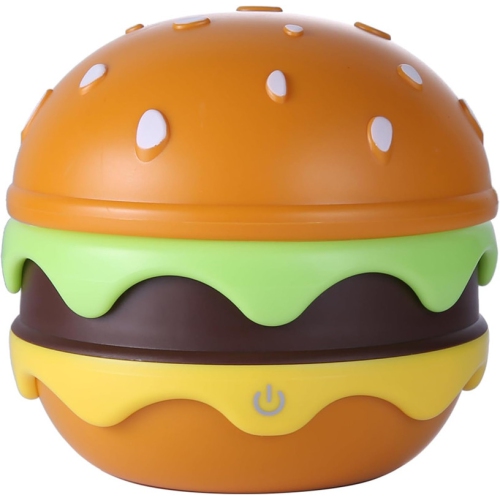
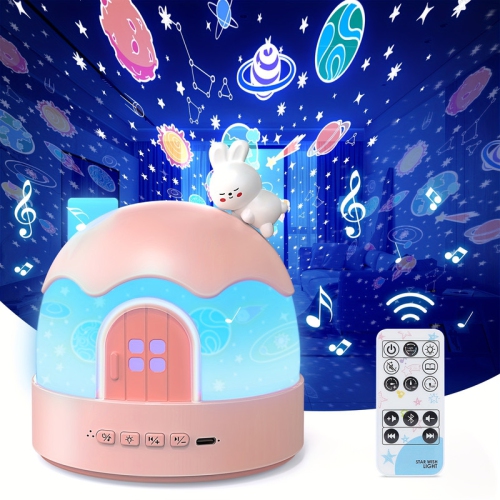
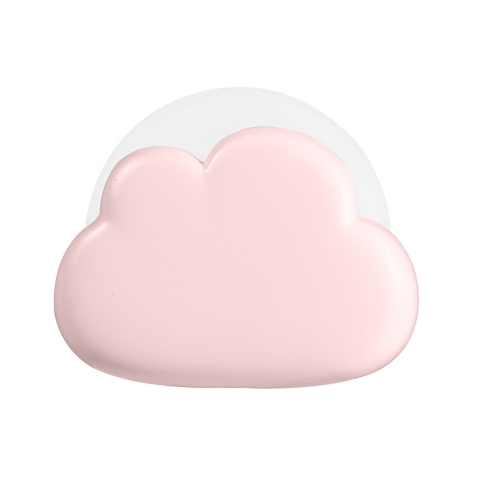
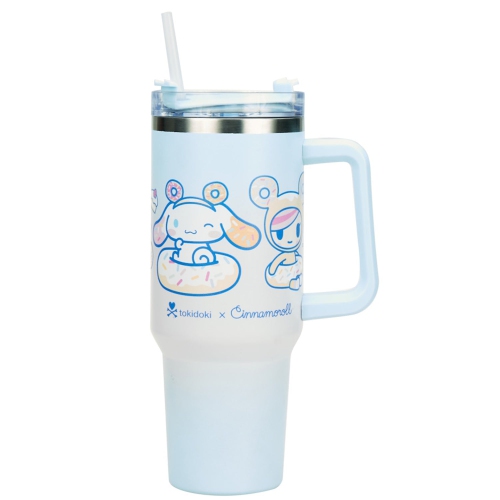
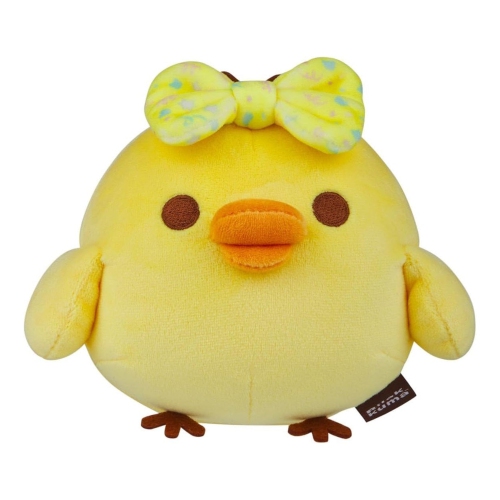
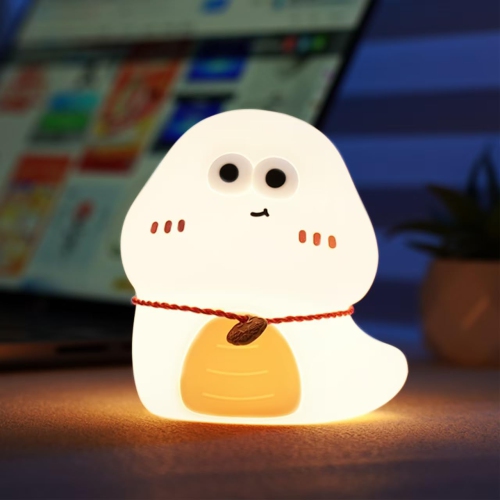
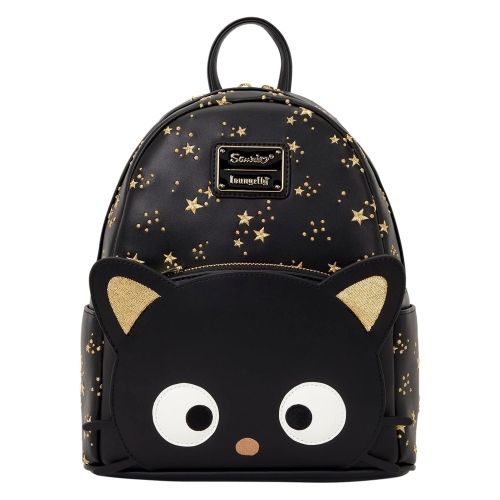
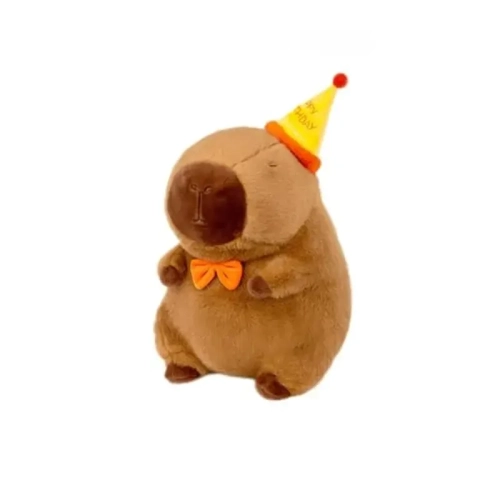

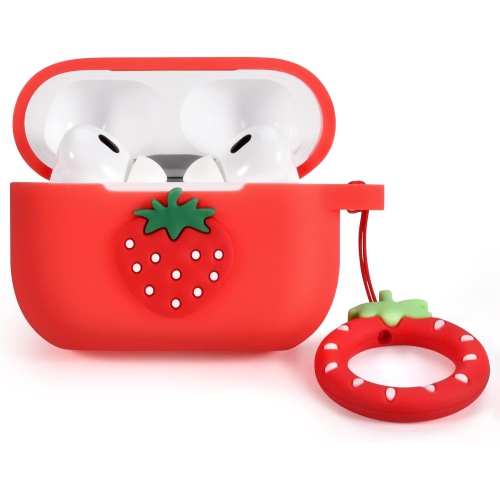
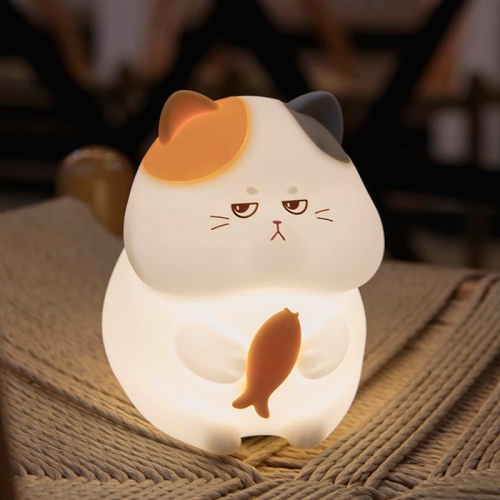
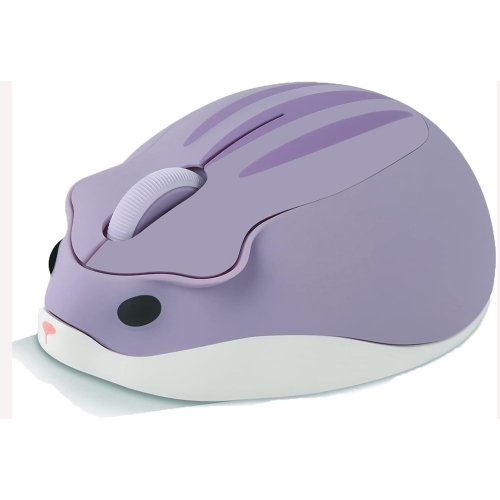

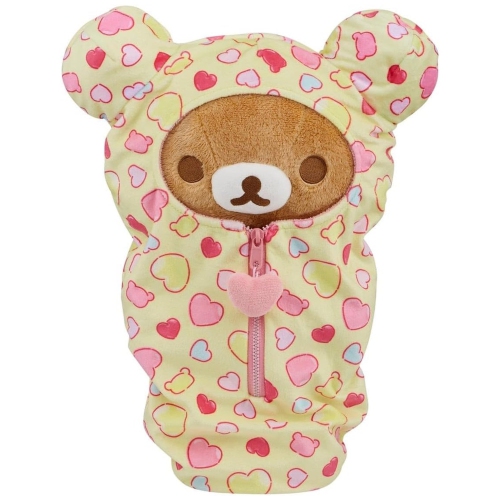

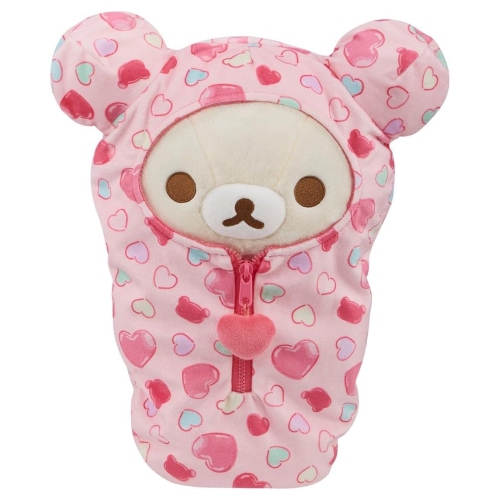
Playful details that make everyday presents feel personal
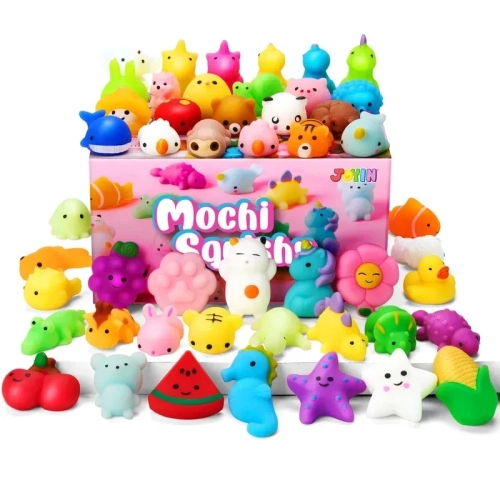
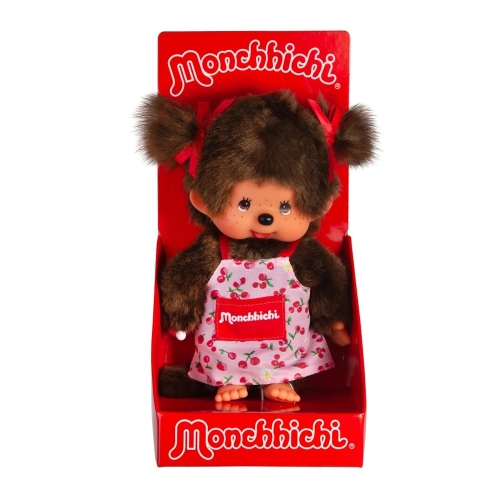
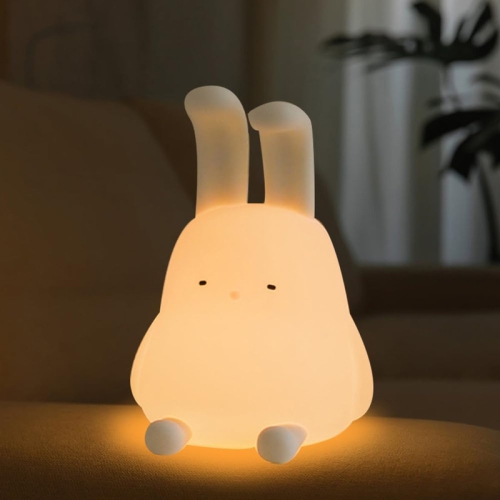
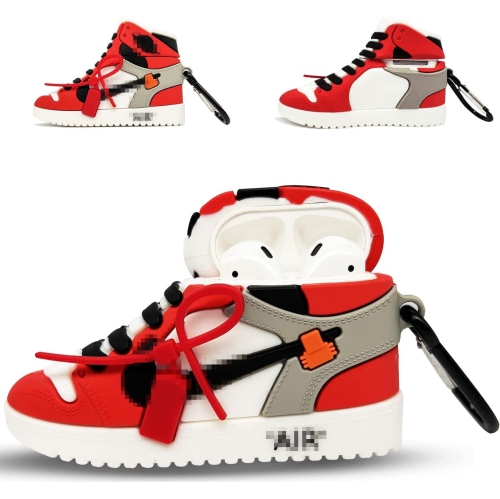
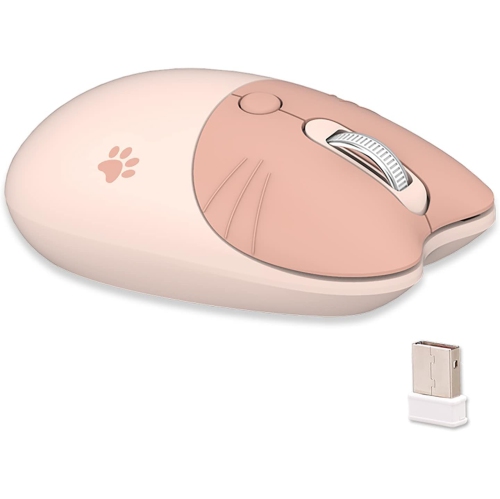
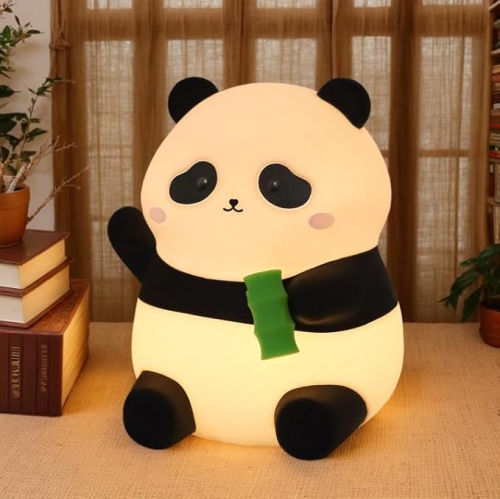
Kawaii gifts are cute, playful presents inspired by a Japanese aesthetic that celebrates charm through expressive faces, rounded shapes, gentle colours, and miniature details. Common categories include plush toys, stationery, collectible figures, bags, small accessories, and everyday essentials with character-inspired designs. The appeal is not limited to children: students, collectors, creative hobbyists, and adults who enjoy a cheerful workspace can all appreciate a little personality in an otherwise practical object. A smiling animal on a notebook cover or a tiny food-shaped charm can make a familiar routine feel more personal without taking up much space. Pastel pink, lavender, mint, and cream are familiar parts of the look, but kawaii designs can also feature bold colours, simple black-and-white illustrations, or mischievous expressions. Some recipients prefer soft, understated details, while others enjoy a coordinated collection built around a favourite character or motif. That variety makes kawaii gifts suitable for birthdays, graduations, thank-you gestures, and small celebrations between friends. The most meaningful connection often comes from a recognizable interest: cats, woodland animals, desserts, or a particular colour palette can make a gift feel thoughtfully chosen. Character-focused collections such as Hello Kitty Gifts offer another way to connect a present with someone’s established favourites. Beyond appearance, intended use gives each category a different role. Stationery can become part of a study routine, a plush companion can add softness to a reading corner, and a compact accessory can bring a playful detail to a backpack or key ring. For someone who prefers useful presents, an everyday object with a subtle illustrated detail may feel more natural than a display piece. For a dedicated collector, the expression, pose, and overall visual style may matter more than function. Kawaii gifting works across these preferences because the shared theme is a sense of delight rather than one particular type of product. A coordinated look can tie different categories together while still leaving room for the recipient’s own style.
Materials and construction shape how a kawaii gift feels, wears, and fits into daily life. Plush fabrics can range from short, velvety surfaces to longer fibres, with filling that feels either softly yielding or more structured. A compact plush shape may sit comfortably beside books, while a larger one needs enough room on a bed, chair, or shelf. Stitched facial features and printed details create different textures, and raised attachments may need gentler handling than a flat design. Fabric accessories also benefit from attention to seams, lining, zipper movement, and attachment points, especially when they will be carried frequently. A charm hanging from a bag experiences more movement and rubbing than an ornament kept on a shelf, so secure hardware and well-finished edges matter beyond their appearance. For wearable accessories, dimensions, strap adjustment, and weight affect comfort; a cute silhouette alone does not establish a suitable fit. Protective accessories need to match the intended device’s dimensions and openings rather than simply looking similar in size. Stationery has its own practical details, including paper thickness, binding, writing space, and whether a notebook opens comfortably on a desk. Someone who writes lengthy notes may appreciate a clear page layout, while a person who enjoys decorating journal pages may prefer room for illustrations and stickers. Rigid plastic, flexible silicone, coated fabrics, and ceramic each have different care needs, so cleaning should follow the manufacturer’s directions. Printed surfaces and applied decorations may not tolerate soaking or abrasive scrubbing, and a plush toy should only be machine washed when its care label permits it. Drinkware also needs to be suitable for its intended use, with dishwasher and microwave compatibility checked rather than assumed. For anything carried in a school bag or work tote, closures, portability, and ease of cleaning can be just as important as the design. These details help distinguish a gift suited to everyday handling from one better enjoyed as a carefully placed accent.
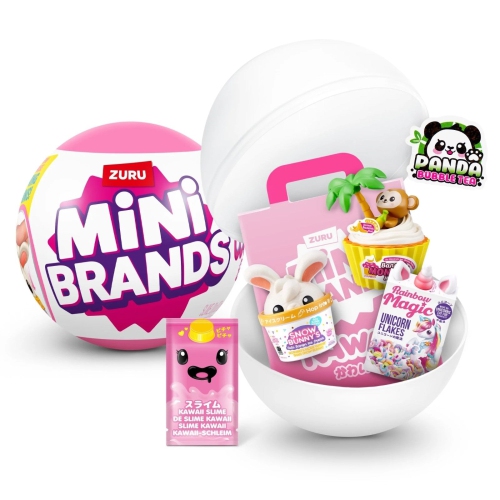
The recipient’s age, habits, and space help give kawaii gifts a lasting place in their routine. For a student, a cheerful pencil case or notebook can fit naturally into a study setup without requiring extra display space. A friend who travels lightly may prefer a small pouch or bag charm, while someone who enjoys arranging shelves may appreciate the visual detail of miniature collectibles. Shared spaces call for a little extra thought: a compact desk accessory can add personality without crowding a work surface, and quieter colours may blend more easily with an existing room. Blind-box collectibles add a surprise element because the exact design is concealed until opening, although the possible contents, age guidance, and chance of receiving duplicates are worth understanding. That format can suit someone who enjoys the reveal, whereas a recipient attached to one particular design may prefer a gift with visible contents. Collectibles and miniature accessories are not automatically suitable as toys for young children; small parts, detachable pieces, and packaging require attention to the stated age recommendations and warnings. Softness or a friendly face does not replace that guidance. Tactile stationery and squeezable accessories can also be enjoyable to handle, but their appeal is personal and should not be confused with a promised therapeutic benefit. Gifts for frequent use are often most successful when the design reflects an existing habit, such as journalling, sketching, organizing a backpack, or keeping a bedside reading area tidy. A recipient who loves coordinated details may enjoy matching colours across everyday belongings, while someone with a more restrained style may prefer a single small accent. Presentation can stay simple, allowing the character, texture, or shape to be the focus. A short message that connects the gift to an inside joke, a favourite animal, or a shared memory adds meaning without needing an elaborate arrangement. Whether the gift becomes a daily companion or part of a carefully arranged collection, its charm comes from combining an appealing design with a use or interest that genuinely suits the person receiving it.
Top selling and popular products
-
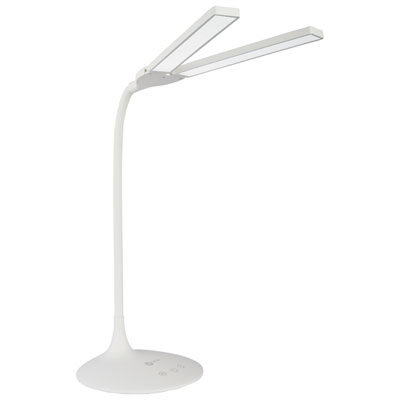 Your price for this item is $79.99
-
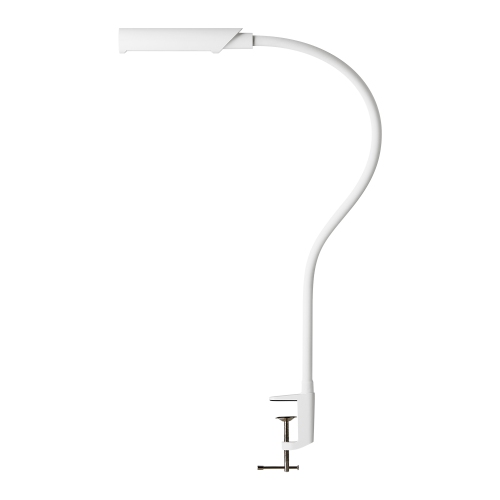 Your price for this item is $79
-
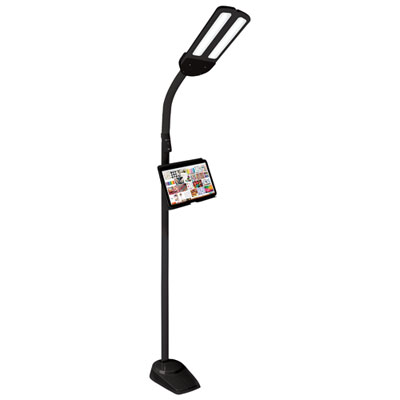 Your price for this item is $279.99
-
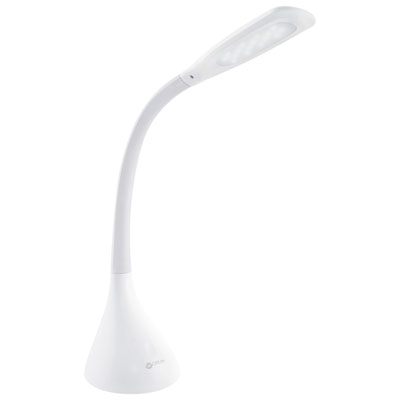 Your price for this item is $59.99
-
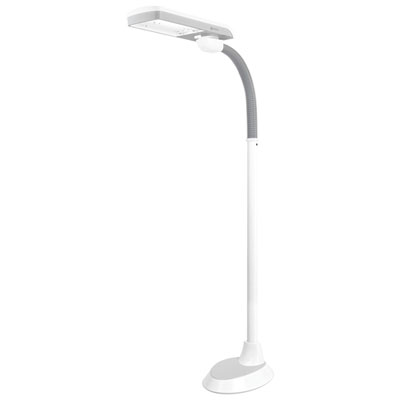 Your price for this item is $199.99
-
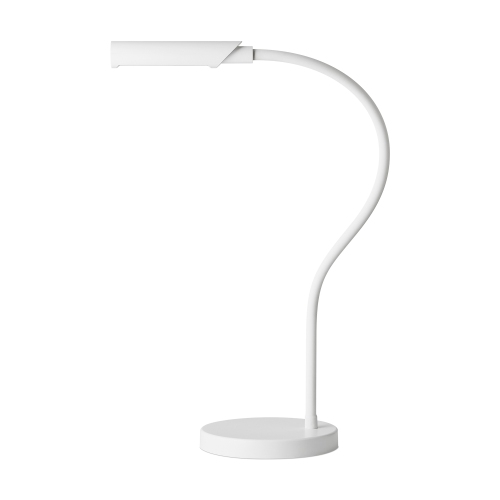 Your price for this item is $119
-
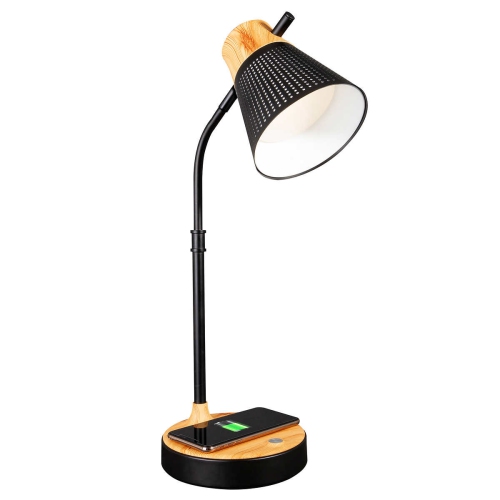 Your price for this item is $121.05
-
 Your price for this item is $185
Discover more categories related to Kawaii Gifts
Top Collections:
Best Black Friday Deals This Year, Best Black Friday Deals On Electronics, Kindle Devices, Dyson Airwrap, Best Cameras for Sports Photography, Best Black Friday Deals On Apple Products, PS5 Pro Consoles, Portable Snow Blowers, Canon G7X Cameras, Pokémon 30th Celebration Cards
Some products may be subject to Environmental Handling Fees
(EHF) depending on your province.
Learn more about EHFs.