Jet Sprays
Jet Spray solutions offer a convenient and efficient way to tackle cleaning tasks around your home, office, or outdoor spaces. Whether you're looking for powerful performance or versatile options, Jet Spray products are designed to make everyday chores easier. Discover a range of choices that help you maintain cleanliness and freshness with minimal effort. Find the ideal Jet Spray to match your needs and enjoy a more streamlined approach to cleaning.
Sort
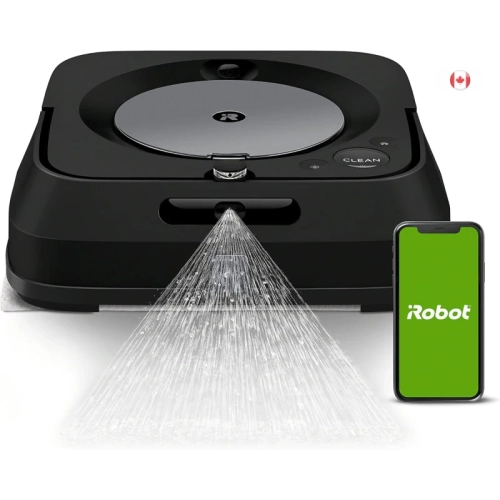
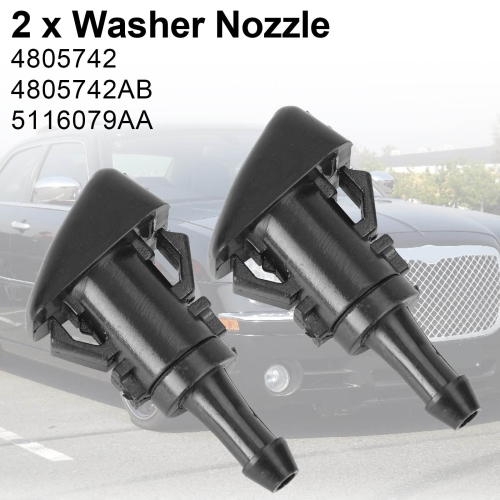
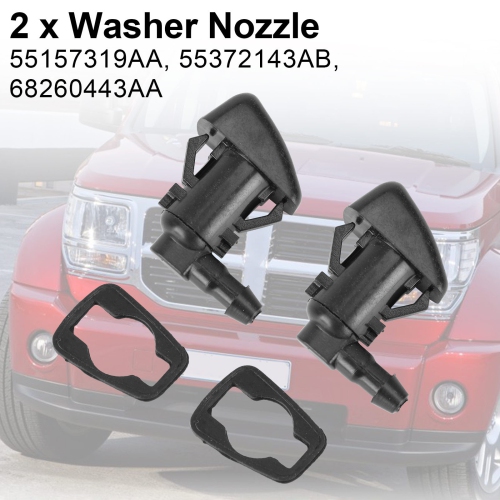

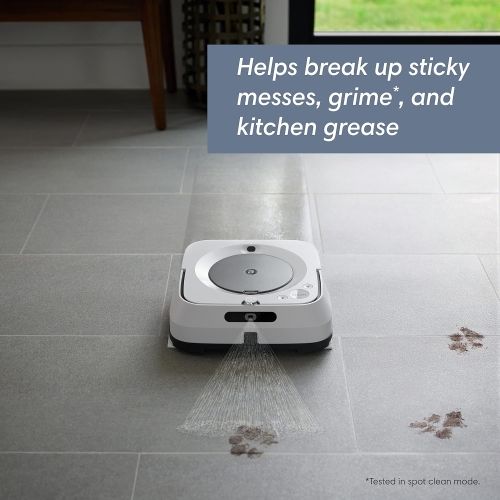
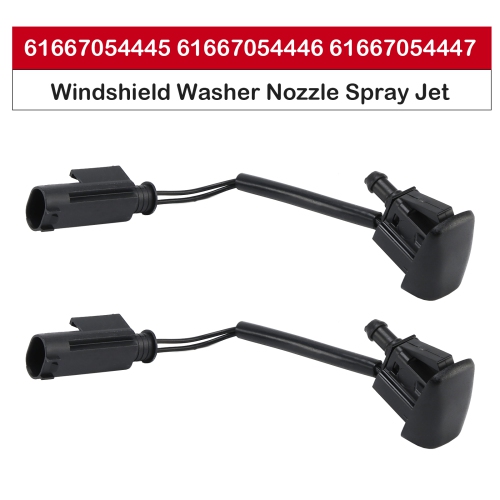

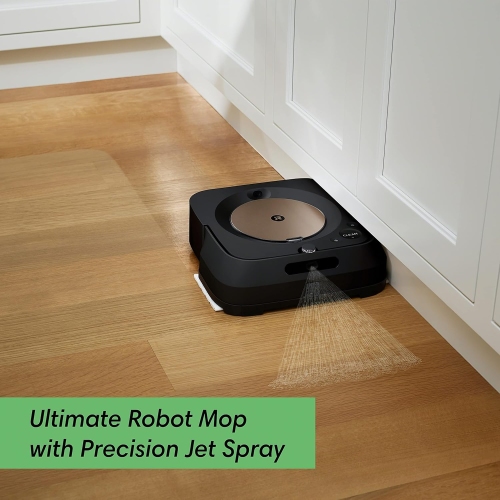
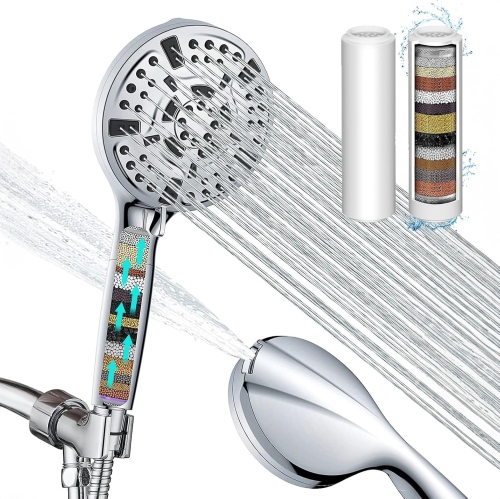
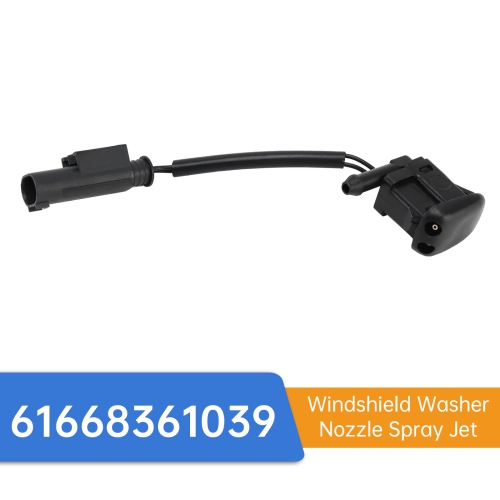
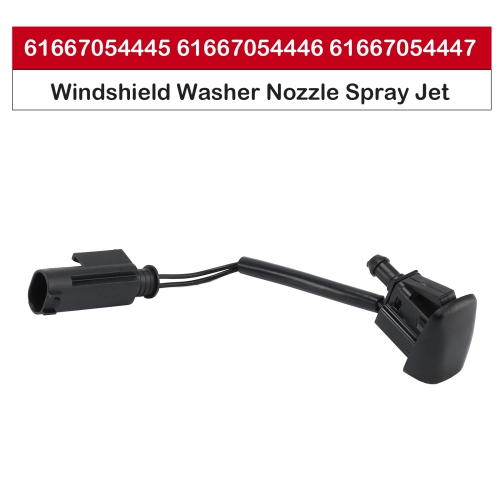
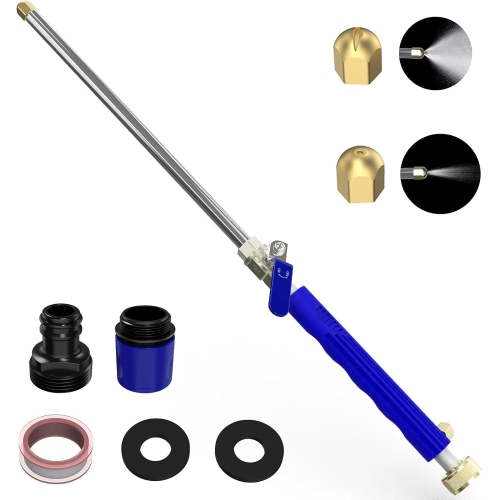
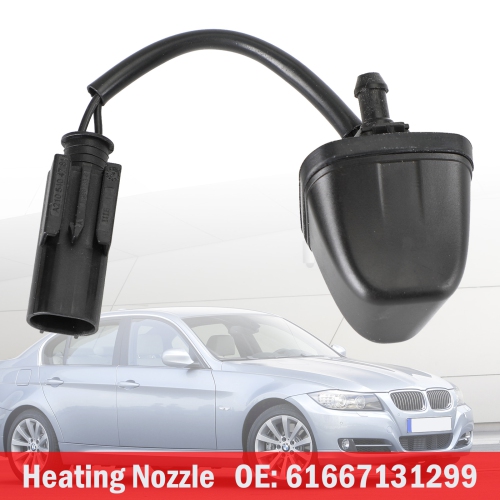
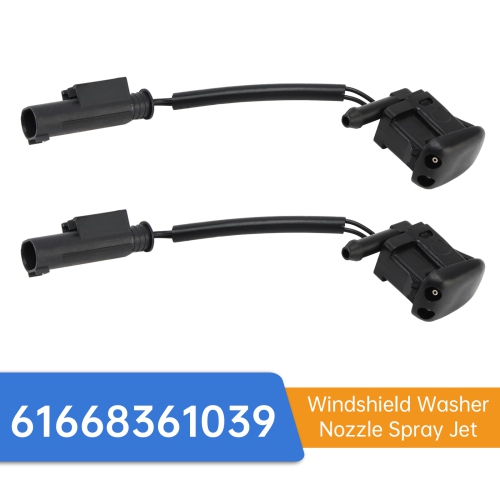

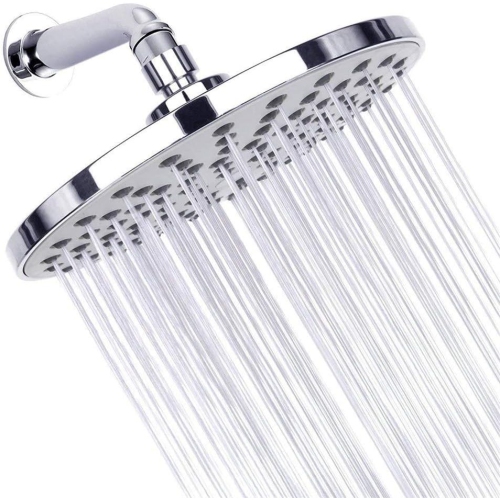
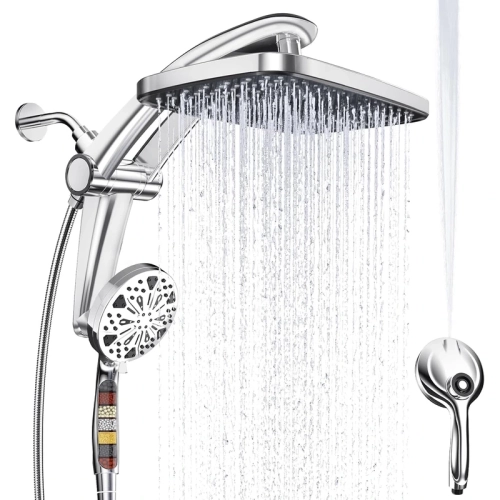
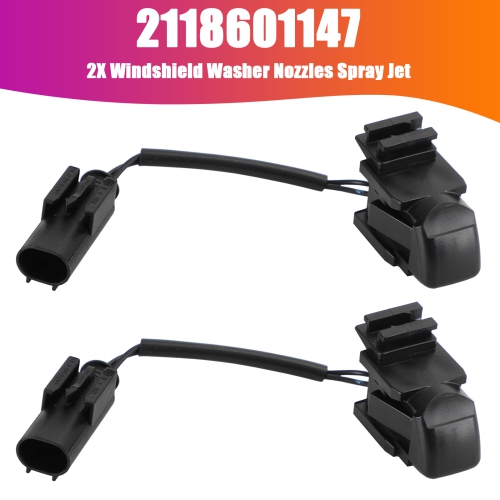
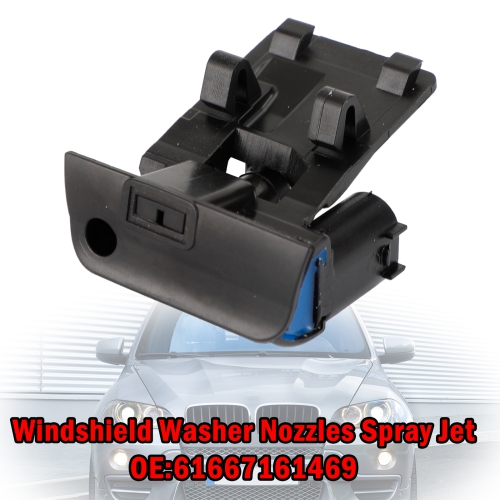
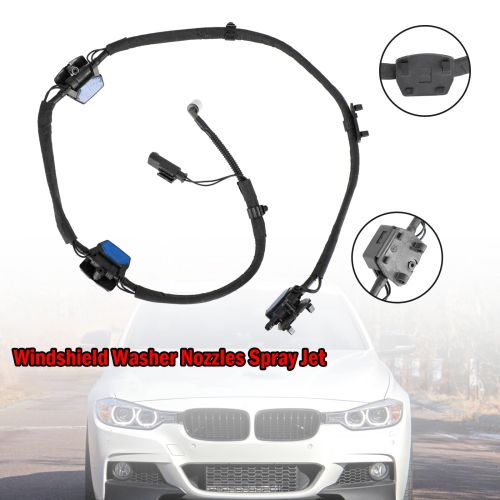
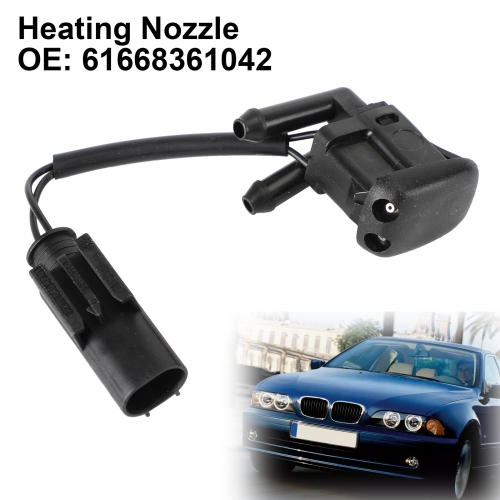
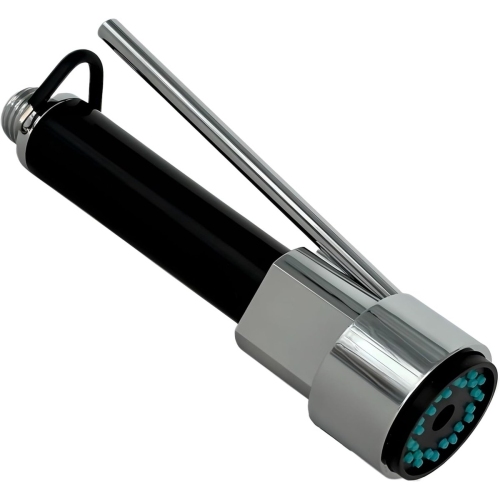
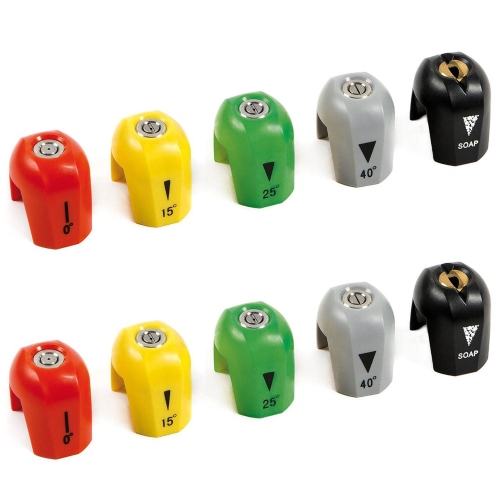
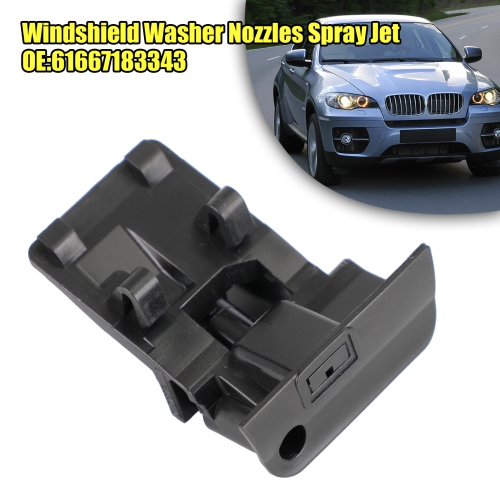
A focused stream for muddy tools and awkward corners
Jet sprays direct water through a nozzle to create a focused stream for rinsing, watering, and everyday cleaning. For household and outdoor utility use, the term commonly describes garden hose attachments, trigger-operated water sprayers, and jet-style accessories designed for compatible cleaning equipment. Their appeal is straightforward: a controlled stream can reach into awkward corners, loosen dirt, and make rinsing more precise than an open hose alone. A narrow jet can help dislodge soil from a garden tool or move loose debris across a hard surface, while a wider spray spreads water over a larger area. Adjustable designs may offer several patterns, allowing the same attachment to move between concentrated cleaning and gentler rinsing. These patterns are not interchangeable in practice. A strong, narrow stream that works on a sturdy shovel can be too forceful for delicate leaves, loose paint, or damaged grout. The useful distinction is between the shape of the spray and the pressure supplied by the water source. A standard hose nozzle concentrates and controls existing water flow; it does not turn a household hose into a pressure washer. Pressure-washer accessories operate as part of a different system and require the correct equipment, connections, and pressure ratings. Similarly, tools within the broader Spray Guns category may have different applications, so a familiar trigger shape does not establish suitability for water cleaning. For routine jobs such as rinsing muddy footwear, washing a wheelbarrow, or clearing dirt from an empty planter, the right jet spray balances reach, control, and a pattern suited to the surface. Flow also matters: a partially closed tap, kinked hose, or restrictive connector can limit performance before water reaches the nozzle. A longer-looking stream is not necessarily better cleaning performance, especially when accuracy and a controlled rinse are more useful than distance. The most practical choice matches the water supply and the task rather than relying on appearance alone.
Materials and construction influence how a jet spray feels in the hand and how well it stands up to repeated use. Brass and stainless steel components can offer strength and resistance to corrosion, although metal content alone does not establish the quality of the complete assembly. Aluminium can reduce weight, while moulded plastic bodies are often easier to hold through a longer watering or rinsing session. A combination of materials may place metal at threaded connections and use a lighter housing around the handle. Rubberized contact areas can improve grip when hands are wet, but a comfortable shape is just as important as surface texture. A broad trigger, rounded handle, and balanced nozzle can make the difference between an easy rinse and a tiring grip. For someone with reduced hand strength or limited dexterity, the force needed to operate the trigger deserves particular attention. Locking controls may reduce continuous squeezing, while a clearly marked flow adjustment makes it easier to change output without repeatedly changing hand position. Fit begins at the connection: hose threads, quick-connect fittings, and pressure-washer couplings need to match the receiving equipment. Similar-looking fittings are not always compatible, and an adapter does not make an attachment suitable for pressure beyond its stated rating. The hose itself also affects handling. A heavy or stiff hose can pull against the wrist, while a bulky connector may make a compact nozzle feel awkward. Sealing washers and O-rings are small components with a large effect on everyday use; when properly fitted and in good condition, they help prevent drips at the connection. Smooth adjustment, secure fittings, and accessible replacement seals can contribute more to dependable service than extra spray settings that rarely get used. For shared households, simple controls and a comfortable grip can make a sprayer easier for different people to use without repeated adjustments.
Intended use brings these details together. Gardeners may value a nozzle that shifts from a directed rinse for tools to a softer pattern for established plants, with enough control to avoid disturbing exposed soil. Someone caring for a vehicle may prefer an even spray for wetting and rinsing broad panels, while recognizing that water alone may not remove an oily film or firmly attached dirt. Painted surfaces, trim, seals, and damaged finishes need particular care around concentrated jets. For bicycles and other wheeled equipment, a controlled rinse is generally more appropriate than forcing water into bearings, seals, or electrical components. Around a workspace, a directed stream can help rinse a utility tub, clean a plastic storage container, or remove dirt from sturdy equipment that is suitable for washing. These are water-handling tools rather than substitutes for every cleaning method, and some surfaces need brushing, a suitable cleaning solution, or a gentler approach. Safe handling includes keeping concentrated sprays away from people and animals and keeping water clear of electrical outlets and equipment that is not designed to get wet. Care between uses is usually straightforward: turning off the supply, releasing trapped pressure as directed, and draining the attachment can make disconnection and storage easier. Grit around an adjustment ring or inside a connector can affect operation, so a clean connection and occasional inspection of seals are worthwhile. Mineral deposits may interfere with spray openings, with cleaning methods depending on the materials and the manufacturer’s directions. Strong chemicals, abrasive tools, and forced adjustments can damage finishes or internal parts. Storage that prevents crushing, unnecessary strain on fittings, and contact with sharp tools helps protect the attachment between jobs. As a practical gift for a gardener, homeowner, or someone who enjoys maintaining outdoor equipment, a jet spray is most useful when its connection and intended application are already known. Comfortable handling, reliable sealing, and an appropriate spray pattern are the details that make it a welcome addition to an established setup.
Top selling and popular products
-
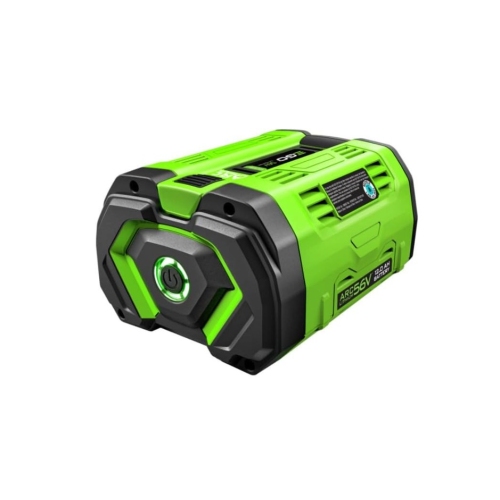 Your price for this item is $674.99
-
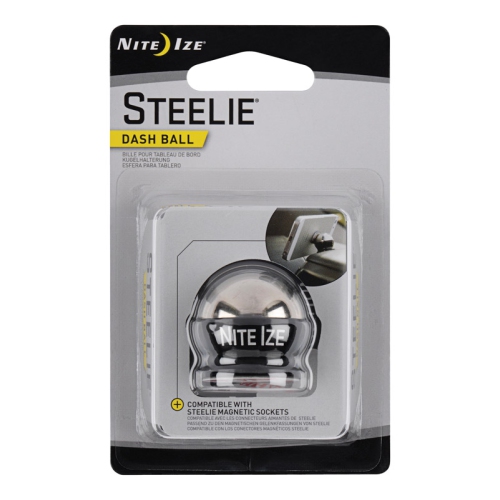 Your price for this item is $39.99
-
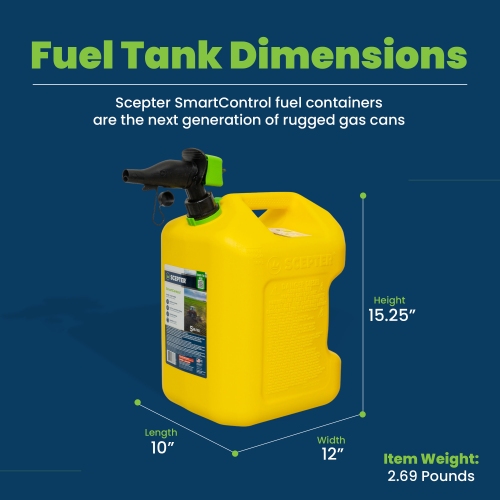 Your price for this item is $112.99
-
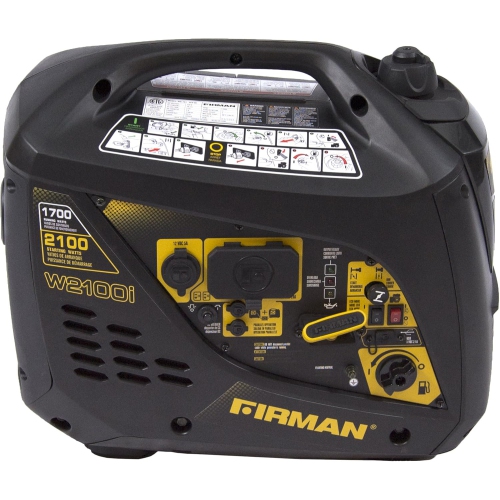 Your price for this item is $854.05
-
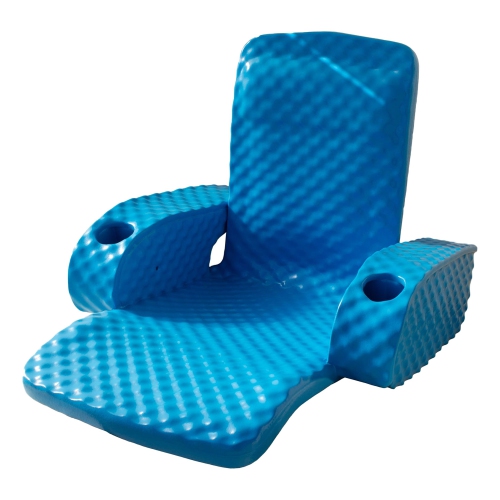 Your price for this item is $1282.99
-
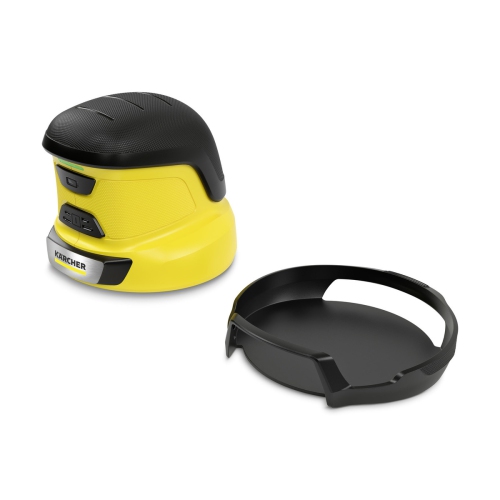 Your price for this item is $99.99
-
 Your price for this item is $258.99
-
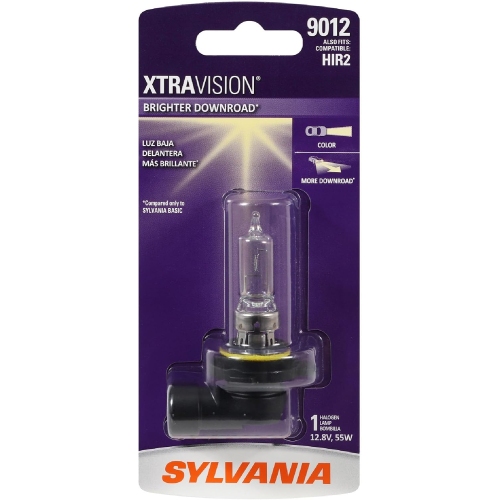 Your price for this item is $49.99
Discover more categories related to Jet Sprays

Top Collections:
Best Black Friday Deals This Year, Best Black Friday Deals On Electronics, Kindle Devices, Pokemon Centers, Best Black Friday Deals On Apple Products, Best Cameras for Sports Photography, Dyson Airwrap, Pokémon 30th Celebration Cards, Apple iPhone 17 Pro, Canon G7X Cameras
Some products may be subject to Environmental Handling Fees
(EHF) depending on your province.
Learn more about EHFs.