Kitchen Essentials for Newlyweds
Kitchen essentials for newlyweds help create a space where memorable meals and moments come together. Outfitting a new kitchen with the right tools sets the stage for easy meal prep, shared dinners, and weekend brunches. From cookware and bakeware to small appliances and utensils, finding the must-haves ensures every recipe is within reach. Explore top picks designed to bring convenience, style, and joy to your newly shared kitchen.
Sort


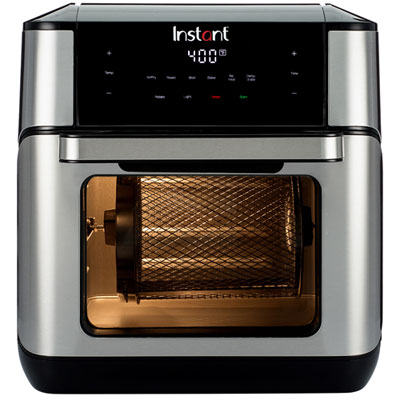
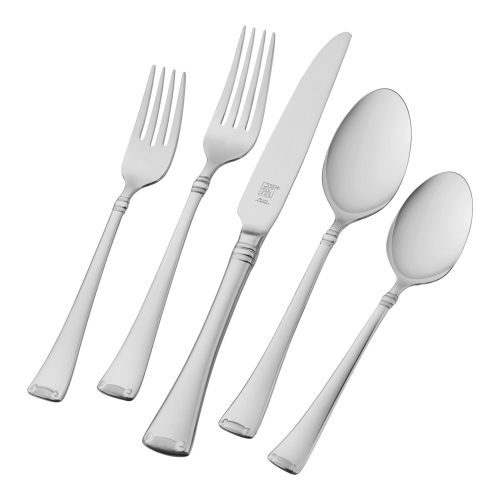
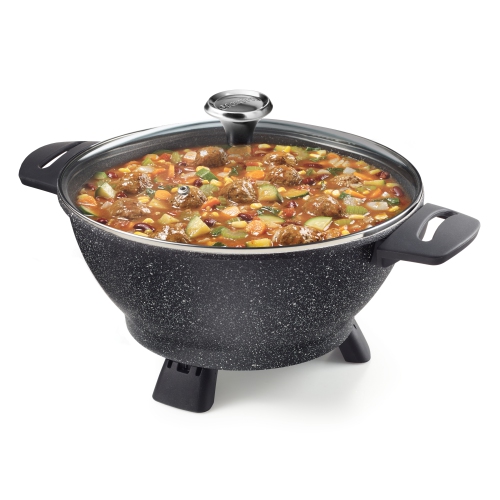
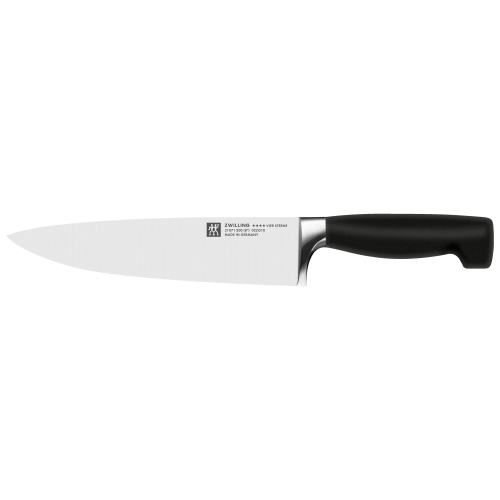
A shared kitchen that suits how you both cook
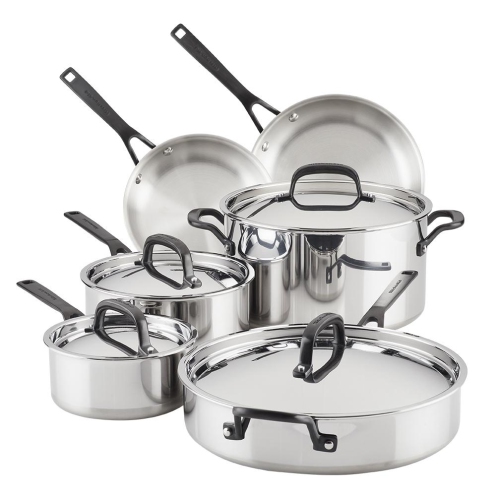
Kitchen essentials for newlyweds bring together durable cookware, dependable knives, everyday preparation tools, food storage, and appliances that suit a couple’s cooking habits. A well-equipped shared kitchen supports everything from a quick breakfast before work to a relaxed dinner with friends, without requiring a separate tool for every recipe. For couples establishing their first home together, versatility matters: cookware that handles several cooking methods and preparation tools that feel comfortable in either person’s hands can earn their place through regular use. Couples combining two households may have different priorities, such as replacing worn pieces, matching cookware to a new cooktop, or finding sizes that work better for meals for two. Cookware materials influence both performance and upkeep. Stainless steel is durable and useful for browning and simmering, while cast iron retains heat well but is heavier and needs care to maintain its seasoning. Non-stick surfaces can make delicate foods easier to release, although compatible utensils and gentle cleaning help protect the finish. For induction cooking, cookware needs a compatible magnetic base; oven use also depends on the heat limits of handles, lids, and coatings. A comfortable grip, balanced weight, and a lid that fits securely can matter as much as the material itself. Capacity deserves attention, too. Everyday portions should fit comfortably without crowding, while occasional batch cooking or entertaining may call for more room. A compact kitchen benefits from cookware that nests neatly, provided protective layers prevent surfaces from rubbing together. Care requirements are part of everyday suitability rather than an afterthought: dishwasher compatibility varies, and some materials need prompt drying or handwashing. Even durable cookware lasts better when it is allowed to cool before cleaning and stored without unnecessary scraping or impact. A sink filled after dinner is a practical reminder that the best kitchen setup works for both the cooking and the cleanup. Useful kitchen foundations balance cooking performance with the space, strength, and time available to the people using them.
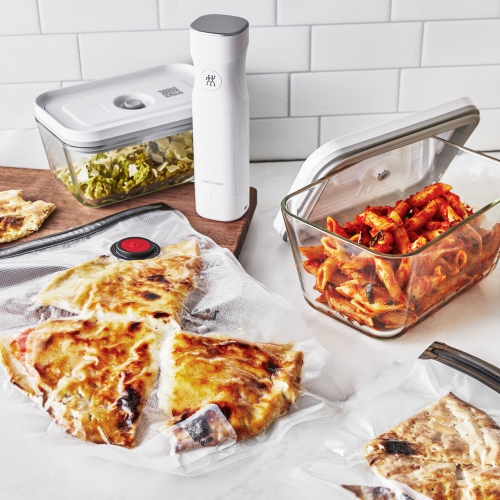
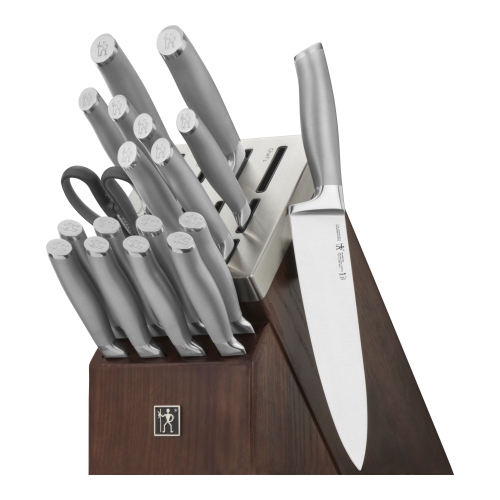
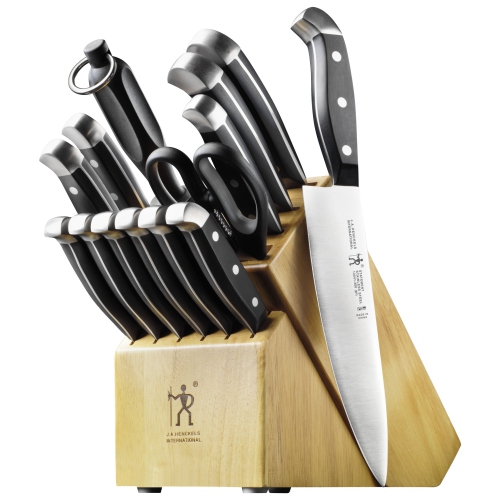
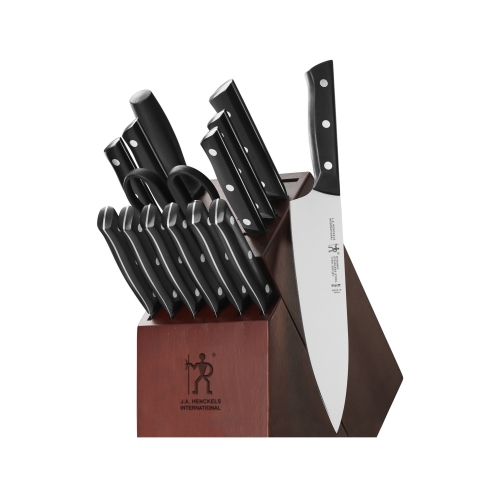
Preparation tools shape the rhythm of cooking together, especially when one person is chopping vegetables while the other measures ingredients or clears the counter. Knives with secure handles and a manageable weight support controlled cutting, and proper storage protects both their edges and anyone reaching into a drawer. Blade material affects resistance to staining and the care needed to keep an edge; even stainless steel benefits from washing and drying promptly rather than soaking. Cutting surfaces should be stable, sized for the available workspace, and maintained according to their material. Wood generally needs handwashing and thorough drying, while dishwasher suitability for other materials depends on the manufacturer’s directions. Separate preparation surfaces for raw meat and ready-to-eat ingredients can help reduce cross-contamination during a busy meal. Everyday tools are most useful when their shape suits the task and their construction stands up to repeated handling. Comfortable grips, smooth edges, and joints that are easy to clean are details that become noticeable after many dinners. Heat-resistant silicone can be gentle on coated cookware, while wood requires careful drying and stainless steel may not suit every cooking surface. Baking essentials add another layer of flexibility for couples who enjoy homemade treats, weekend projects, or preparing dishes to share. Consistent measurements, readable markings, and bakeware that fits the oven help make familiar recipes easier to repeat. Storage is equally important once the meal is finished. Well-fitting lids and containers sized for realistic portions make leftovers easier to organize, whether they are destined for tomorrow’s lunch or another dinner. Clear visibility can reduce the chance of a forgotten meal at the back of the fridge. Freezer, microwave, and dishwasher suitability should be confirmed for each material and component, particularly lids and seals. Thoughtful storage also extends to cupboards and drawers, where frequently used tools need accessible homes. A kitchen feels easier to share when both people can find what they need and put it away without rearranging an entire shelf.
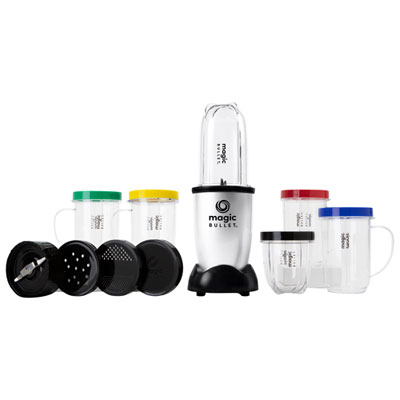
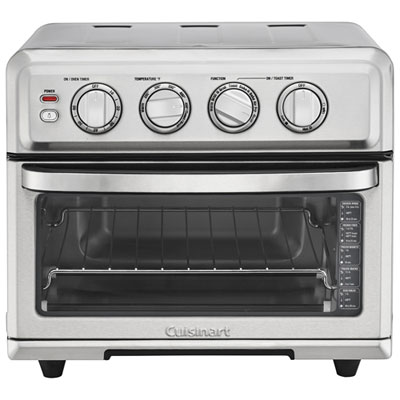
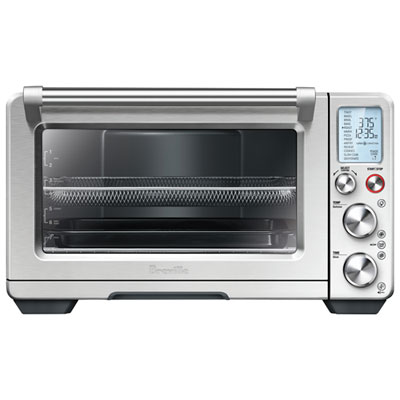
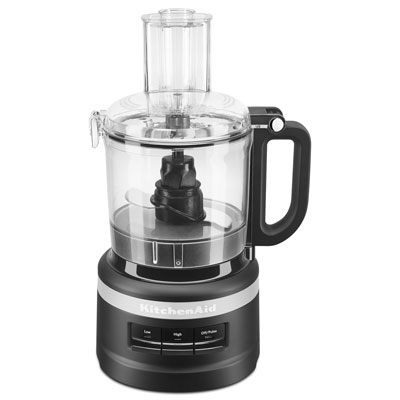
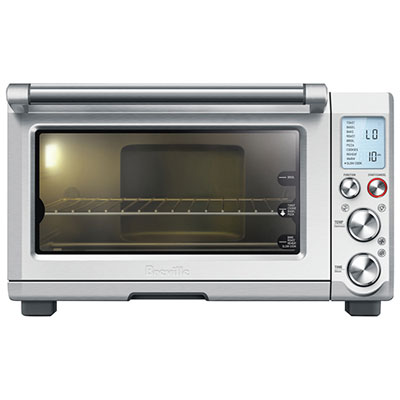
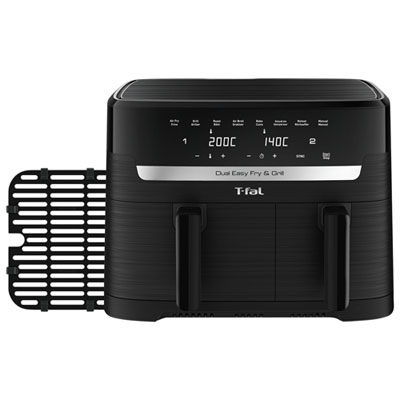
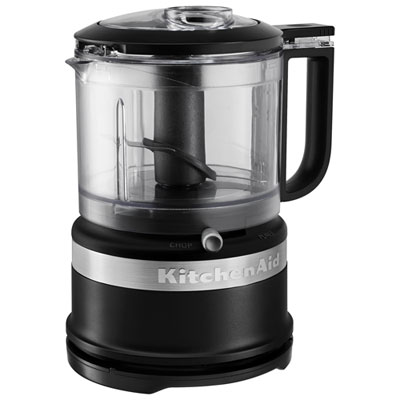
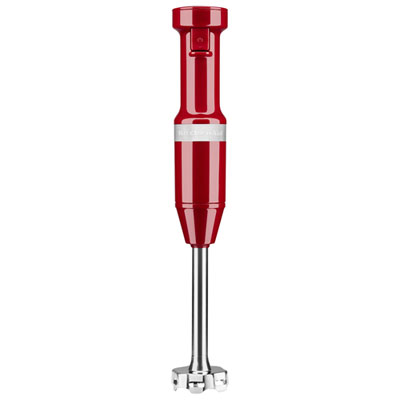
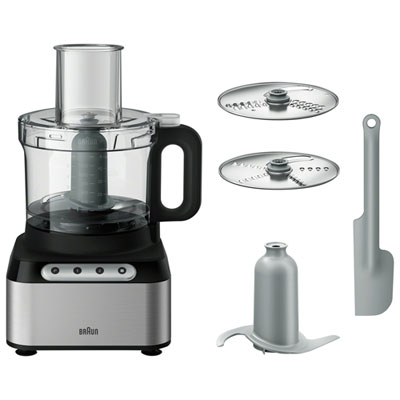
Small appliances add convenience when their functions match the meals and drinks a couple actually enjoys. Morning routines, preferred cooking methods, and the amount of hands-on preparation involved are more useful considerations than the number of settings alone. For some households, daily beverage preparation is central to the kitchen; for others, the priority is faster food preparation or an easier way to handle small portions. Capacity should reflect normal use as well as occasional guests, since a larger appliance can take up valuable space without offering much benefit for everyday meals. The fit involves more than the footprint on a counter. Overhead clearance, room to open lids or doors, access to suitable outlets, and the manufacturer’s ventilation requirements all affect where an appliance can be used safely. Removable components that are straightforward to wash can make a meaningful difference when time is limited. Controls that are easy to read and operate also help two people with different levels of kitchen experience use the same setup comfortably. For wedding gifts and registries, kitchen essentials are particularly meaningful when they reflect the couple’s routines rather than assumptions about how newlyweds should cook. A pair who regularly hosts family may value serving capacity, while apartment dwellers may appreciate compact dimensions and pieces that store together. Couples learning to cook can benefit from a foundation with straightforward care requirements; experienced home cooks may place more importance on material, balance, or precision. Coordinated finishes can create a pleasing look, but matching every surface is less important than comfortable handling and dependable function. Couples furnishing a first kitchen can also explore Kitchen Essentials for Beginners for related essentials. The most useful newlywed kitchen leaves room for individual preferences, shared routines, and the recipes that gradually become household favourites. From dividing preparation tasks to packing leftovers after a shared meal, practical essentials support the small, repeated moments that make a kitchen feel like part of a home.
Top selling and popular products
-
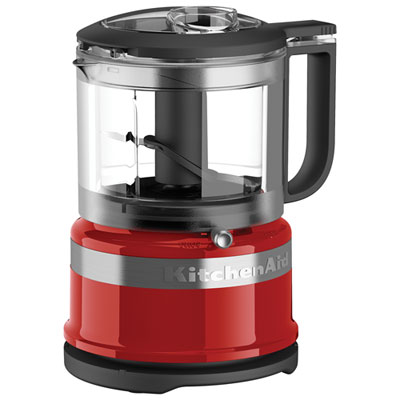 Your price for this item is $49.98
-
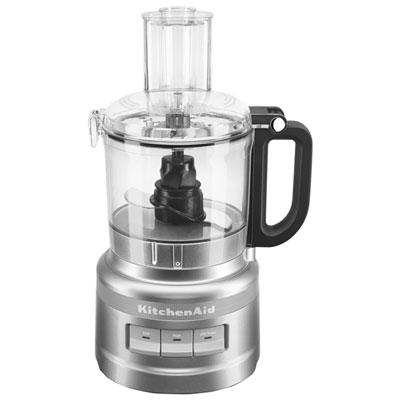 Your price for this item is $124.98
-
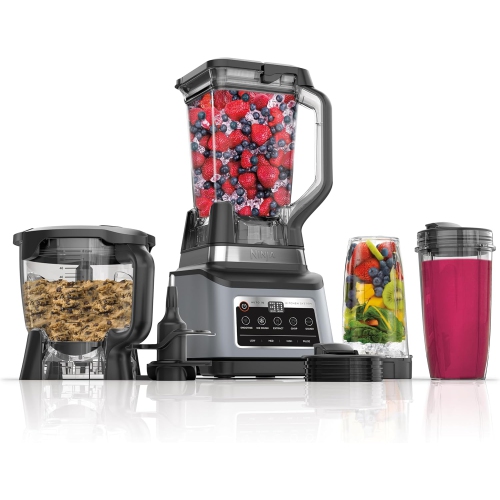 Your price for this item is $144.99
-
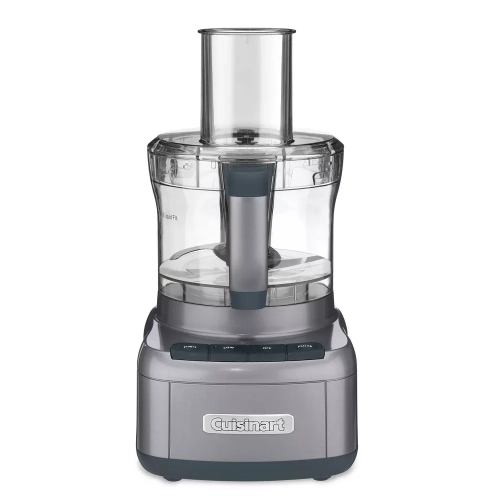 Your price for this item is $317.89
-
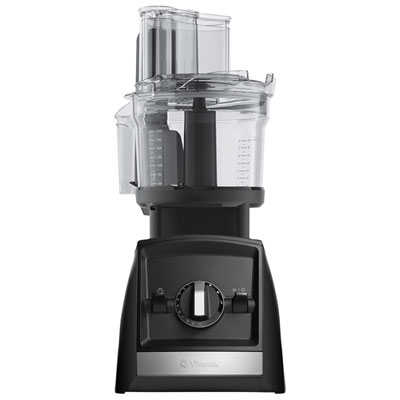 Your price for this item is $349.99
-
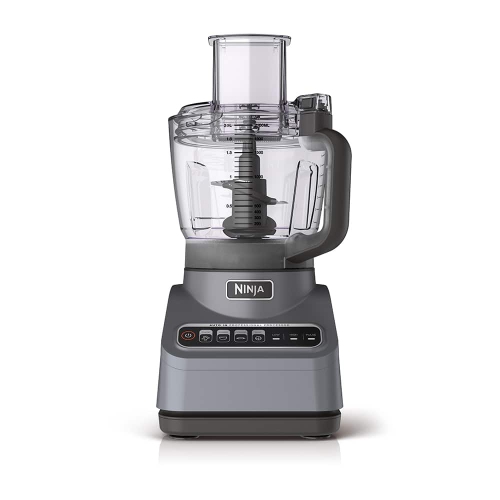 Your price for this item is $204.72
-
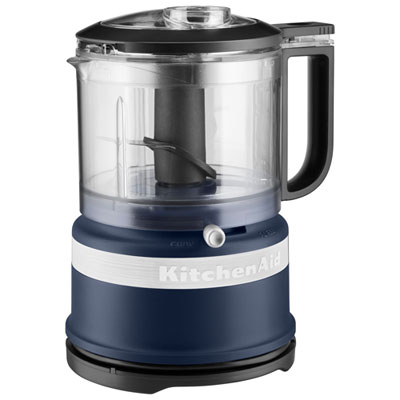 Your price for this item is $79.99
-
 Your price for this item is $79.16
Discover more categories related to Kitchen Essentials for Newlyweds

Top Collections:
Best Black Friday Deals This Year, Best Black Friday Deals On Electronics, Kindle Devices, Pokemon Centers, Best Black Friday Deals On Apple Products, Best Cameras for Sports Photography, Dyson Airwrap, Pokémon 30th Celebration Cards, Apple iPhone 17 Pro, Canon G7X Cameras
Some products may be subject to Environmental Handling Fees
(EHF) depending on your province.
Learn more about EHFs.