Lighting for Dorm Rooms
Lighting for dorm rooms transforms any college space into a comfortable and inviting place to study, relax, and connect with friends. Whether you’re looking to brighten up your desk area or add a cozy glow to your living space, the right lighting can make all the difference. Explore a wide selection of options designed to fit every style and need, helping you create the perfect atmosphere for both productivity and downtime. Find versatile solutions that are easy to set up and complement any dorm room décor, making it simple to personalize your space.
Sort
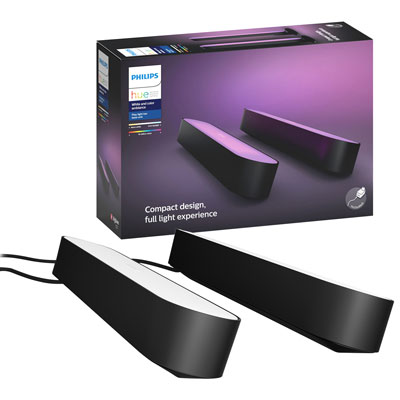
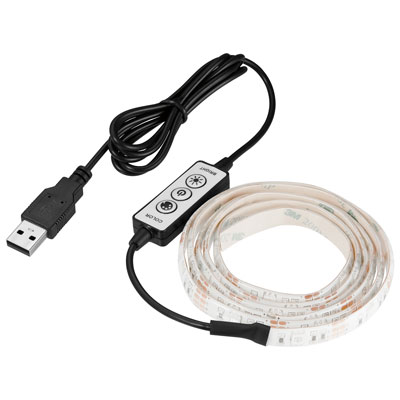
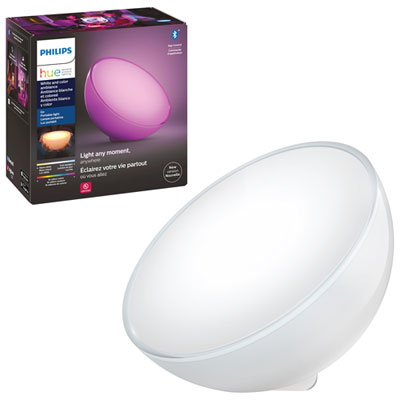
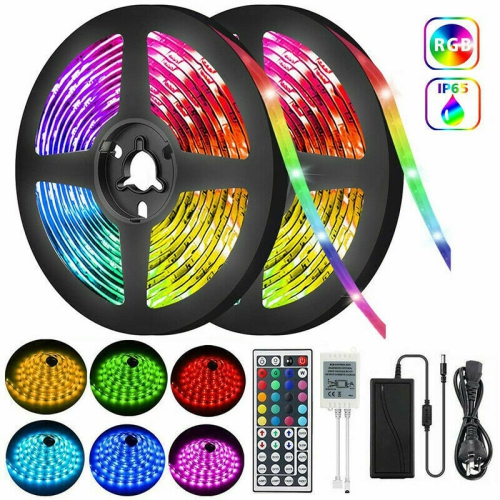
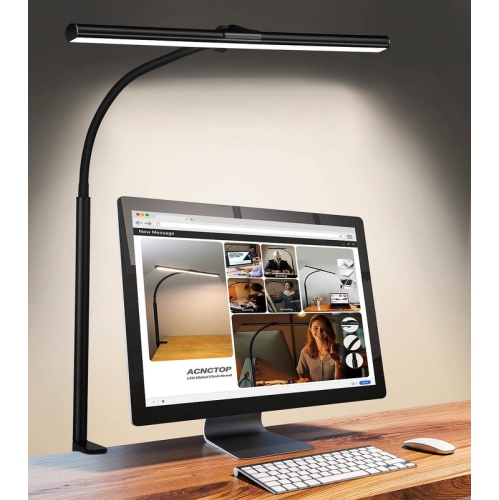
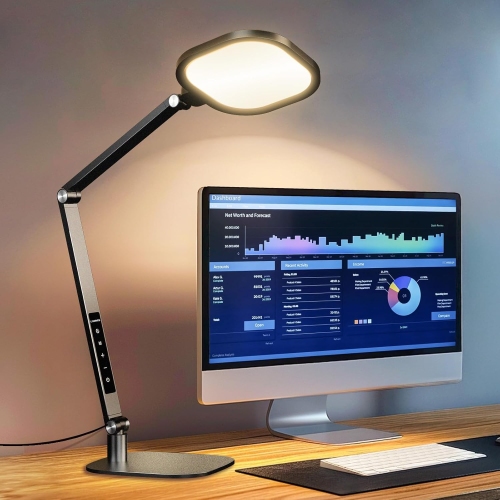
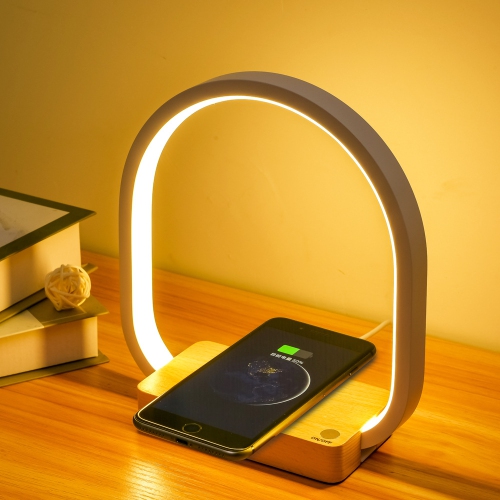
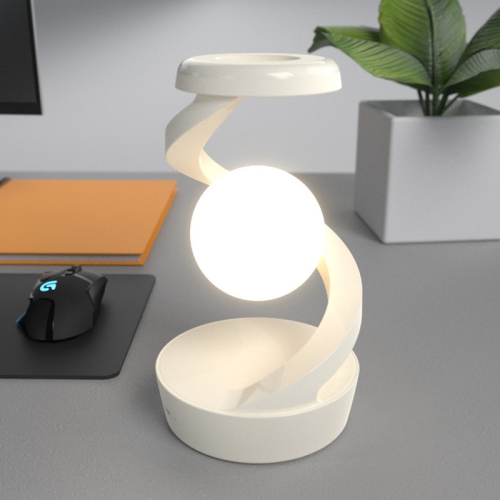
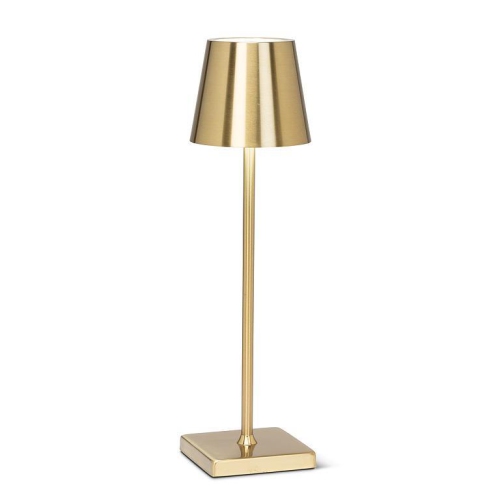
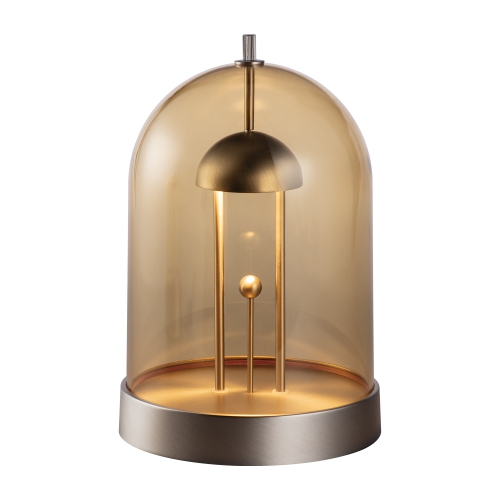


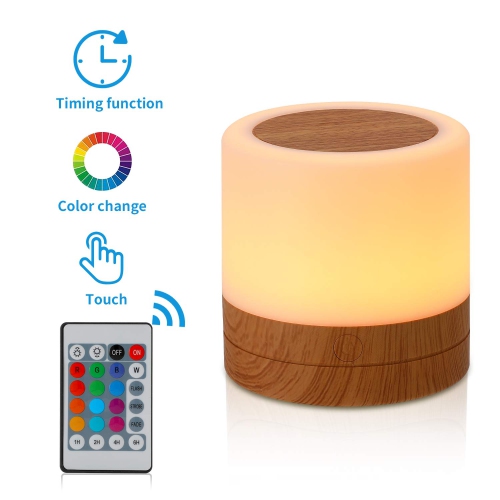
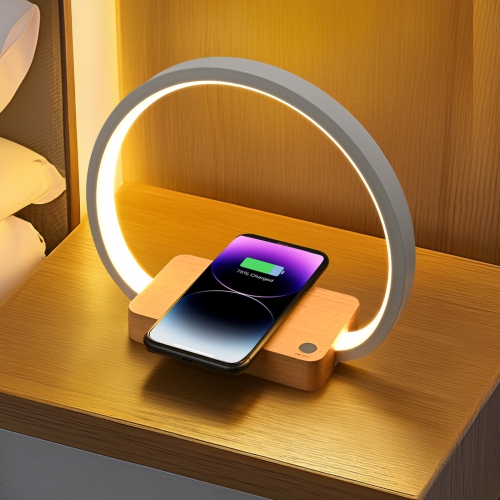
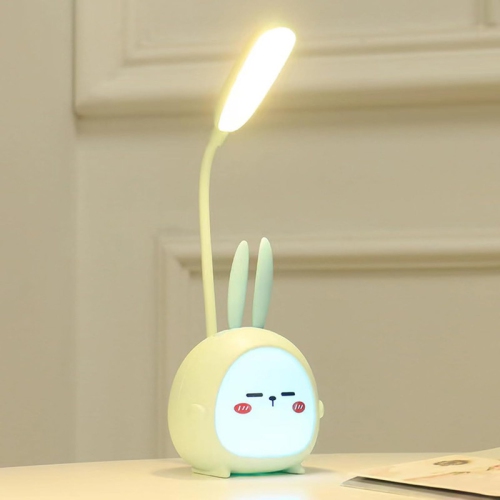
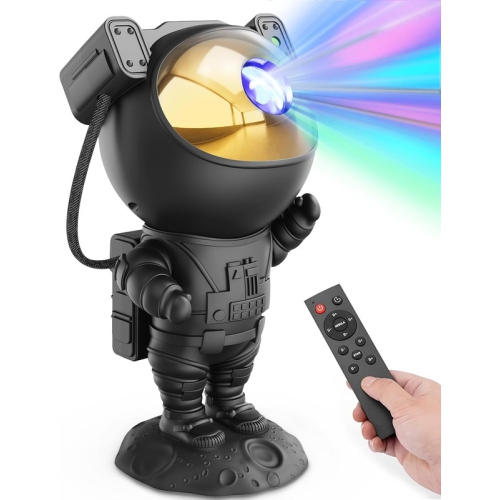
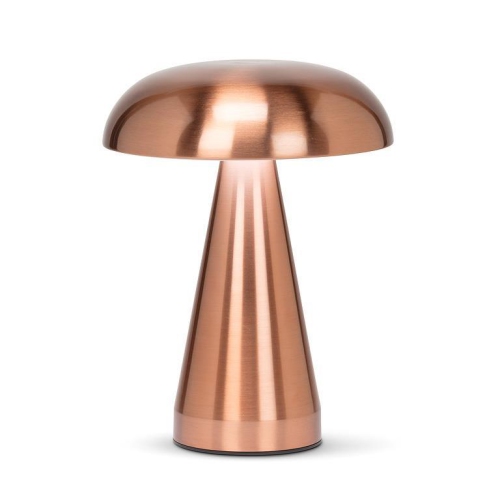
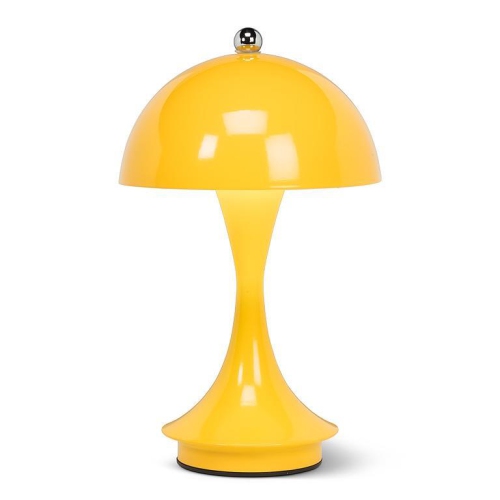
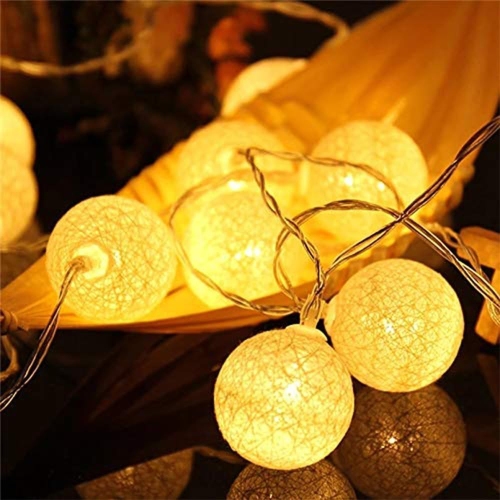
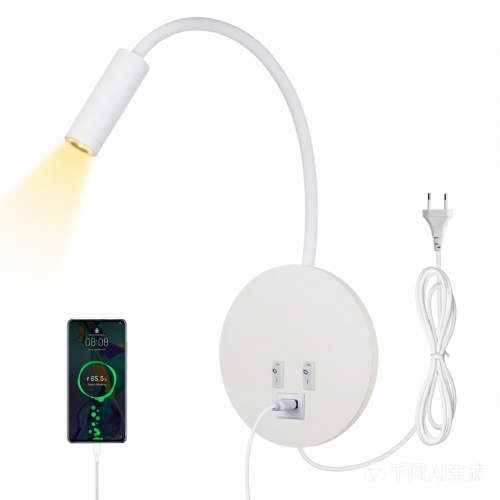
Layered light for studying and unwinding in small spaces
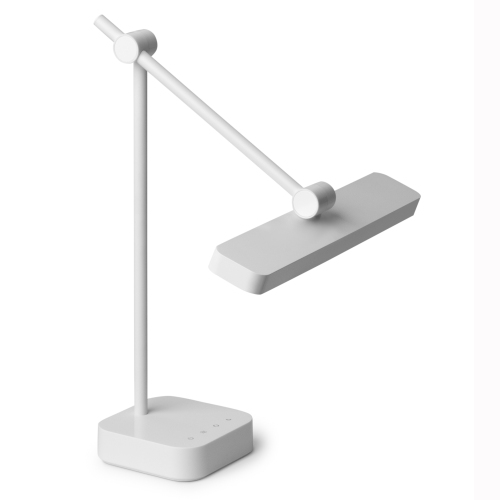
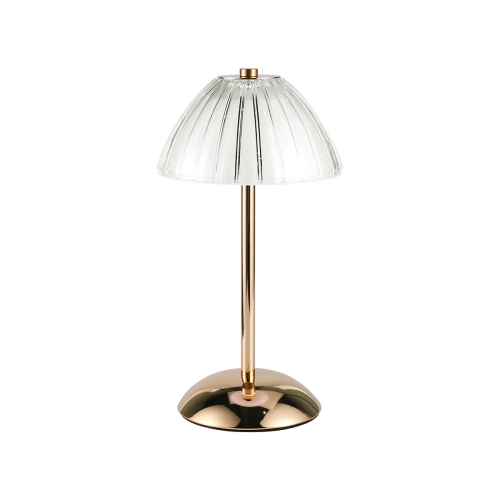
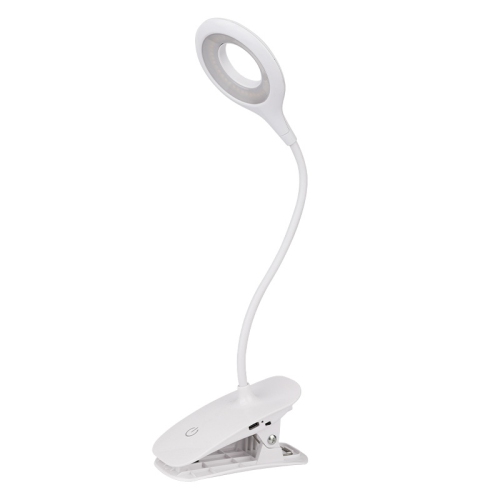
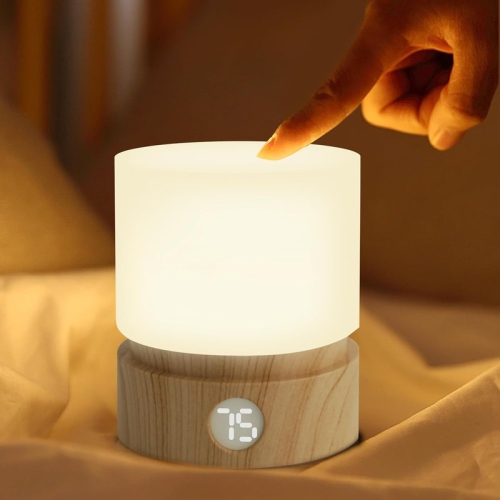
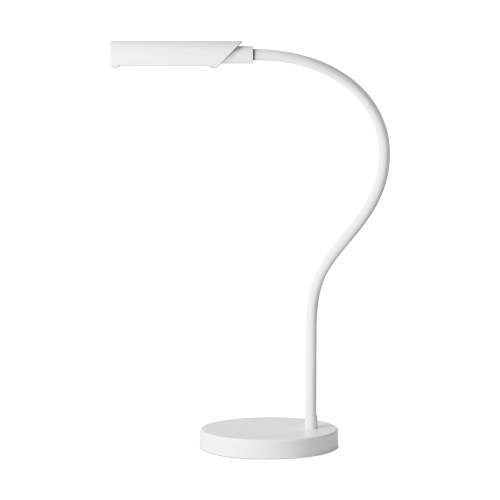
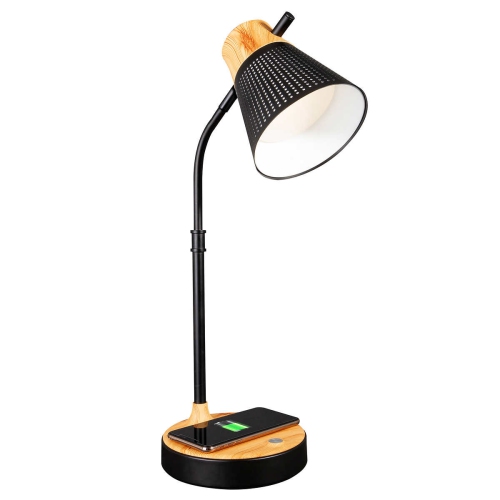
Lighting for dorm rooms brings together focused light for studying, a softer glow for downtime, and convenient illumination beside the bed. In a compact residence room, these roles often overlap: the same desk may hold a laptop during the day, textbooks in the evening, and a quick snack between classes. Desk lamps, clip-on reading lights, small table lamps, string lights, and LED strips each serve a different purpose without requiring permanent changes to the room. An adjustable desk lamp directs light onto notes and printed pages, while a shaded table lamp spreads a gentler glow across a bedside surface. Clip-on lamps can free up valuable desk space or place reading light within reach of a raised bed, provided the clamp fits the mounting surface securely. String lights and LED strips add background illumination around permitted wall displays, shelving, or the back of a desk, but generally work best alongside a dedicated reading or study light rather than replacing one. This layered approach is especially useful when a single ceiling fixture feels too bright for winding down yet leaves shadows over a work surface. Brightness, measured in lumens, and colour temperature, measured in kelvins, help distinguish how different lights will feel in use. Warm white light around 2700K to 3000K gives a room a softer appearance, while neutral white light around 3500K to 4000K can suit desk work and everyday activities. Higher lumen output means more light, although shade design, placement, and the direction of the beam also affect what reaches the page. Dimmable lighting allows the same corner to feel brighter during an assignment and more subdued afterwards. For roommates with different schedules, a narrow, adjustable beam can make late-night reading less disruptive than turning on the overhead fixture. A shade or covered light source also helps keep a bright bulb out of direct view from a nearby bed.
The right physical fit matters as much as the look of dorm room lighting. A compact base leaves room for a keyboard, an open notebook, and a water bottle, while a taller adjustable arm can reach over a monitor or spread light across a wider workspace. Clamp-mounted designs need a compatible edge thickness and enough clearance beneath the desk or shelf; rounded edges, fragile surfaces, and padded bed frames may not provide a secure grip. Freestanding lamps benefit from stable bases, particularly on narrow bedside tables that can get bumped when someone reaches for an alarm. Metal bodies can offer a sturdy feel, plastic housings are often lightweight, and fabric or frosted shades soften the appearance of the light source. Glass shades require more care during a move and may be less practical near the edge of a crowded surface. Hinges, flexible necks, switches, and charging ports are useful details to consider because they may be handled several times each day. A lamp that holds its position makes it easier to keep light on the page rather than repeatedly adjusting a drooping head. Power options also affect where lighting can go. Plug-in lamps suit fixed study spaces, USB-powered lights need a compatible power source, and rechargeable designs can move between a desk and bedside without a trailing cord during use. Battery life varies with brightness settings, so maximum runtime may not reflect use at full output. For replaceable-bulb fixtures, the specified bulb base, maximum wattage, and dimmer compatibility determine suitable replacements; integrated LED designs do not necessarily have a user-replaceable light source. Residence rules may restrict mounting methods or certain types of lighting, making permission and placement important before installation. Cords should stay clear of walking routes, doorways, and bedding, and electrical lighting should carry certification accepted in Canada. LED lighting can still produce heat, so ventilation and the manufacturer’s clearance instructions remain important even with a compact fixture.
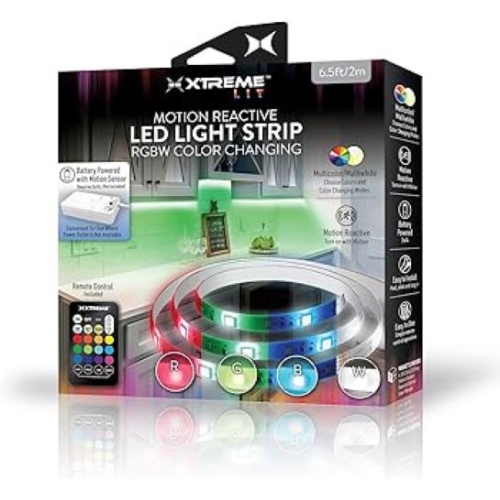
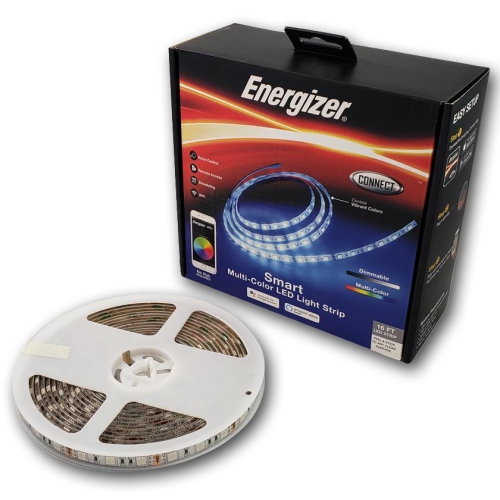
Personal style comes through in the shape, finish, and placement of lighting as much as in its colour. A simple matte lamp can sit quietly beside a busy pinboard, while a softly glowing shade adds warmth to plain residence furniture. String lights can trace a permitted display area, and colour-changing LED strips can create a subtle wash behind a desk rather than putting individual light points directly at eye level. Options within decorative lighting for dorm decor can complement practical task lighting and help a small room feel more personal. For a shared space, adjustable brightness and separate controls allow each person to manage their own corner without flooding the entire room with light. Touch controls may be convenient beside the bed, while an easy-to-find physical switch can be helpful when reaching in the dark. Smart lighting can add timers, dimming, or adjustable colours, although app requirements and residence Wi-Fi compatibility matter; some campus networks may not support setup or communication between devices. Physical controls remain useful when a phone is charging elsewhere or a network connection is unavailable. During the cooler months, when more reading and relaxing may happen indoors after dark, a soft background glow can make the transition from desk work to downtime feel less abrupt. Lighting also makes a practical gift for a student moving into residence, particularly when its dimensions, power needs, and mounting style suit the room. Portable designs are useful for students who expect to change rooms or bring their belongings home between terms. Routine care is usually straightforward: disconnect power, let the fixture cool, and follow the maker’s cleaning directions, using a soft, dry cloth where appropriate. Keeping dust off shades and light covers helps maintain a clear, even glow, while checking cords and fittings for damage supports continued safe use. For moves, protecting shades, securing adjustable arms, and packing cables without sharp bends can help lighting arrive ready for the next desk, bedside table, or reading corner.
The right physical fit matters as much as the look of dorm room lighting. A compact base leaves room for a keyboard, an open notebook, and a water bottle, while a taller adjustable arm can reach over a monitor or spread light across a wider workspace. Clamp-mounted designs need a compatible edge thickness and enough clearance beneath the desk or shelf; rounded edges, fragile surfaces, and padded bed frames may not provide a secure grip. Freestanding lamps benefit from stable bases, particularly on narrow bedside tables that can get bumped when someone reaches for an alarm. Metal bodies can offer a sturdy feel, plastic housings are often lightweight, and fabric or frosted shades soften the appearance of the light source. Glass shades require more care during a move and may be less practical near the edge of a crowded surface. Hinges, flexible necks, switches, and charging ports are useful details to consider because they may be handled several times each day. A lamp that holds its position makes it easier to keep light on the page rather than repeatedly adjusting a drooping head. Power options also affect where lighting can go. Plug-in lamps suit fixed study spaces, USB-powered lights need a compatible power source, and rechargeable designs can move between a desk and bedside without a trailing cord during use. Battery life varies with brightness settings, so maximum runtime may not reflect use at full output. For replaceable-bulb fixtures, the specified bulb base, maximum wattage, and dimmer compatibility determine suitable replacements; integrated LED designs do not necessarily have a user-replaceable light source. Residence rules may restrict mounting methods or certain types of lighting, making permission and placement important before installation. Cords should stay clear of walking routes, doorways, and bedding, and electrical lighting should carry certification accepted in Canada. LED lighting can still produce heat, so ventilation and the manufacturer’s clearance instructions remain important even with a compact fixture.
Personal style comes through in the shape, finish, and placement of lighting as much as in its colour. A simple matte lamp can sit quietly beside a busy pinboard, while a softly glowing shade adds warmth to plain residence furniture. String lights can trace a permitted display area, and colour-changing LED strips can create a subtle wash behind a desk rather than putting individual light points directly at eye level. Options within decorative lighting for dorm decor can complement practical task lighting and help a small room feel more personal. For a shared space, adjustable brightness and separate controls allow each person to manage their own corner without flooding the entire room with light. Touch controls may be convenient beside the bed, while an easy-to-find physical switch can be helpful when reaching in the dark. Smart lighting can add timers, dimming, or adjustable colours, although app requirements and residence Wi-Fi compatibility matter; some campus networks may not support setup or communication between devices. Physical controls remain useful when a phone is charging elsewhere or a network connection is unavailable. During the cooler months, when more reading and relaxing may happen indoors after dark, a soft background glow can make the transition from desk work to downtime feel less abrupt. Lighting also makes a practical gift for a student moving into residence, particularly when its dimensions, power needs, and mounting style suit the room. Portable designs are useful for students who expect to change rooms or bring their belongings home between terms. Routine care is usually straightforward: disconnect power, let the fixture cool, and follow the maker’s cleaning directions, using a soft, dry cloth where appropriate. Keeping dust off shades and light covers helps maintain a clear, even glow, while checking cords and fittings for damage supports continued safe use. For moves, protecting shades, securing adjustable arms, and packing cables without sharp bends can help lighting arrive ready for the next desk, bedside table, or reading corner.
Top selling and popular products
-
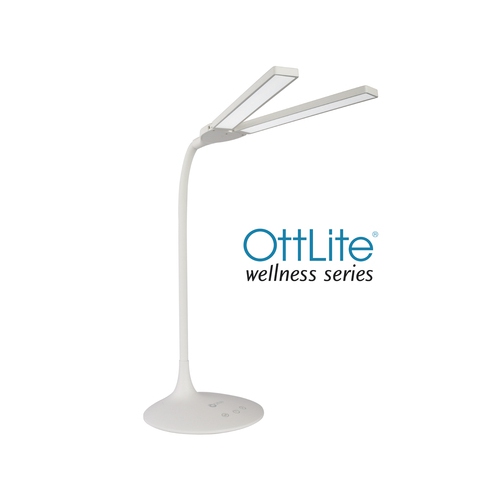 Your price for this item is $114.95
 -
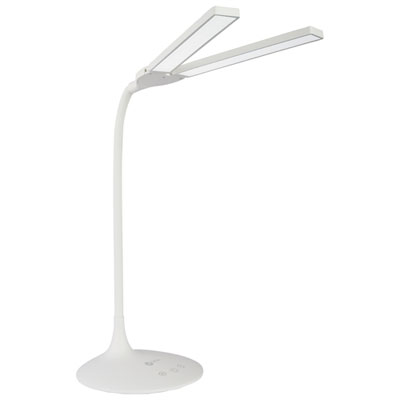 Your price for this item is $79.99
 -
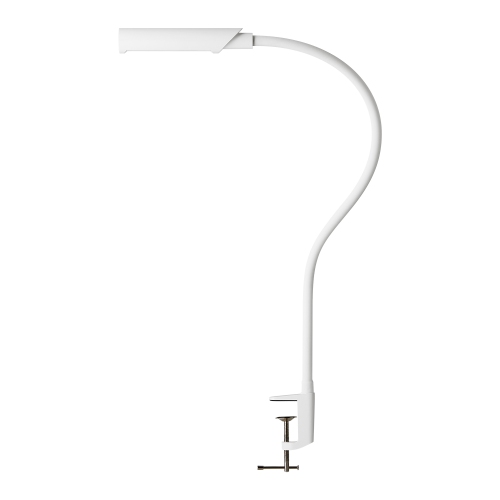 Your price for this item is $79
 -
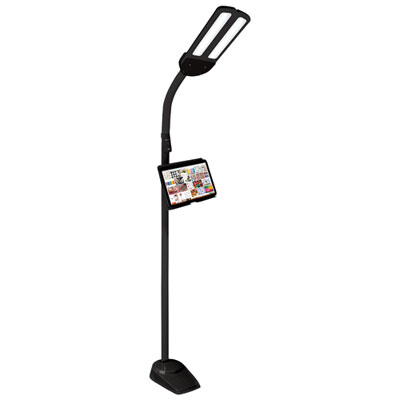 Your price for this item is $279.99
 -
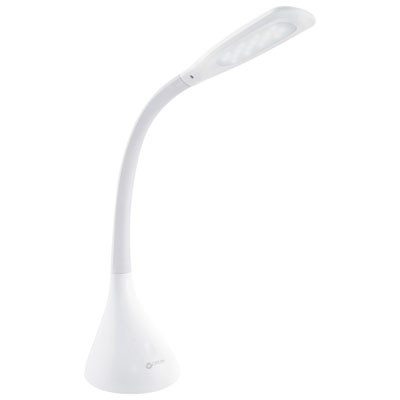 Your price for this item is $59.99
 -
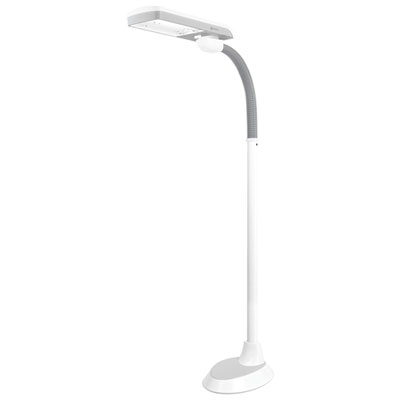 Your price for this item is $199.99
 -
 Your price for this item is $119
 -
 Your price for this item is $112.98
Discover more categories related to Lighting for Dorm Rooms
Top Collections:
Pokemon Centers, Kindle Devices, Best Budget Office Chairs, Apple iPhones 16, Best Laptops for Writers, iPhone 15 Apple, Canon G7X Cameras, Refurbished Apple Laptops, Alarm Clock, Motorola Razr Phones
Some products may be subject to Environmental Handling Fees
(EHF) depending on your province.
Learn more about EHFs.