Smart Lighting for Dorm Rooms
Smart lighting for dorm rooms brings convenience and style to any student living space. With a variety of options designed to fit compact areas, these lighting solutions help create the perfect atmosphere for studying, relaxing, or hanging out with friends. Discover smart lighting for dorm rooms that can easily adapt to your needs and enhance your everyday routine. Find choices that suit your space and personal preferences, making your dorm room feel more like home.
Sort
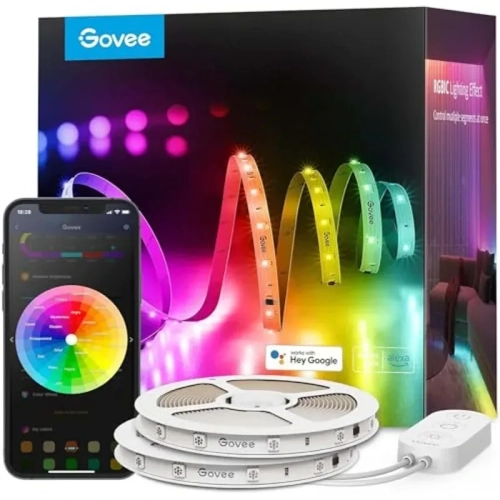

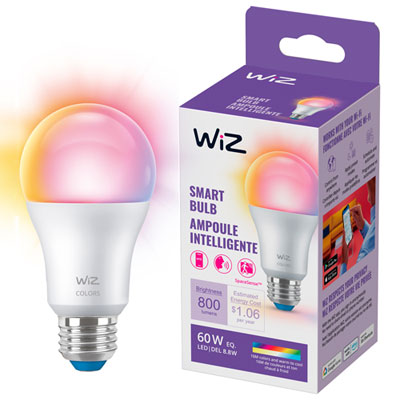

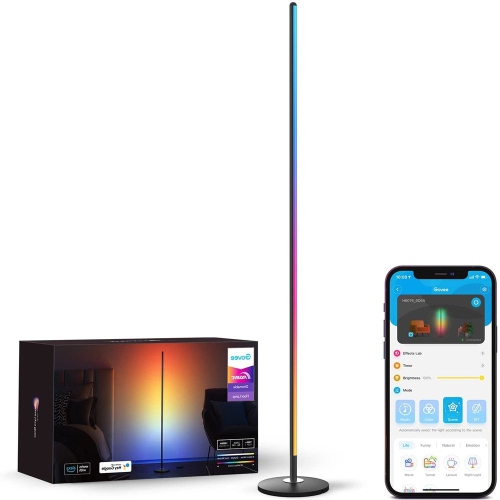
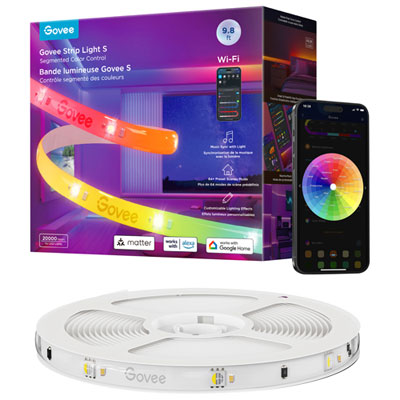
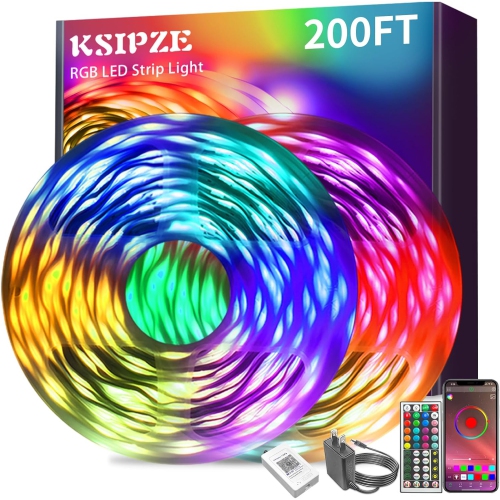
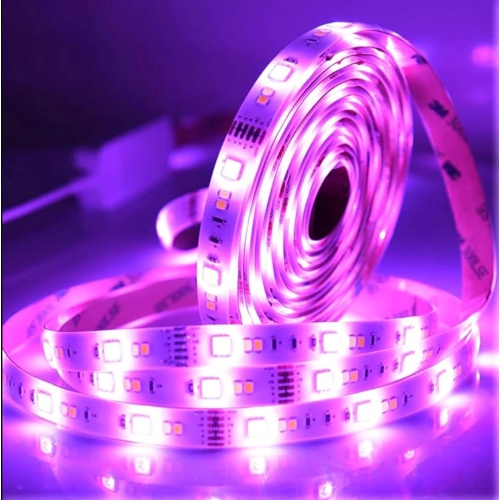

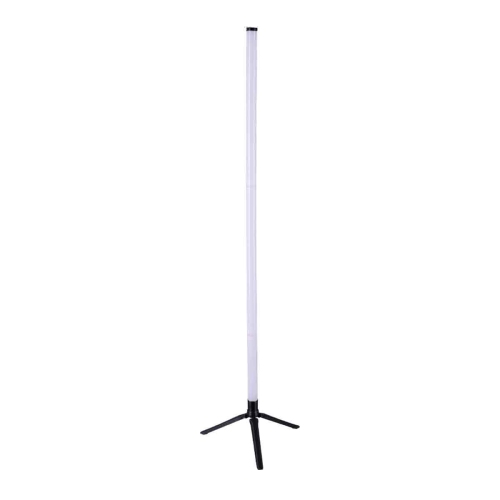
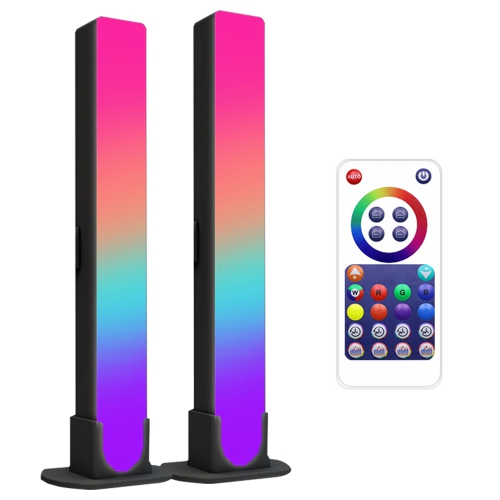
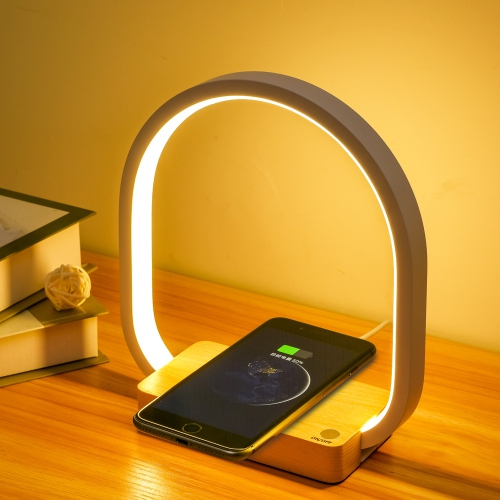
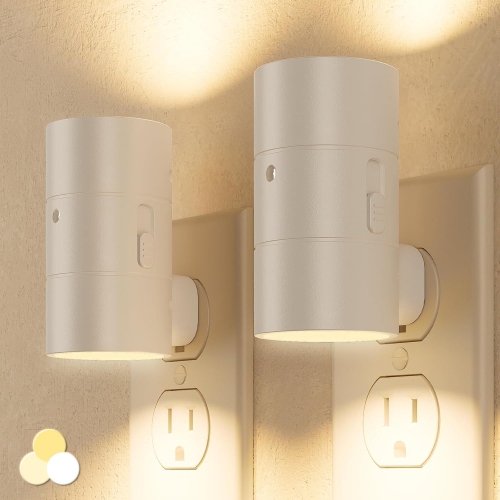
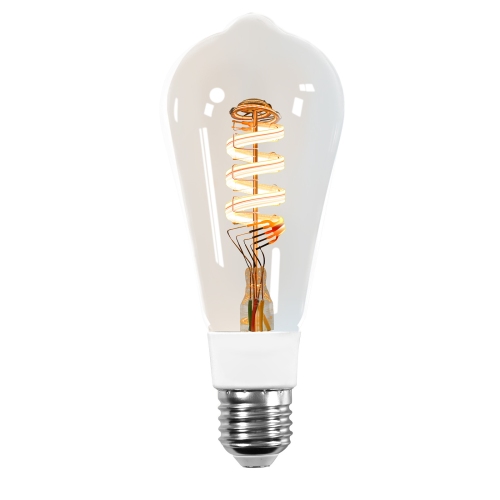
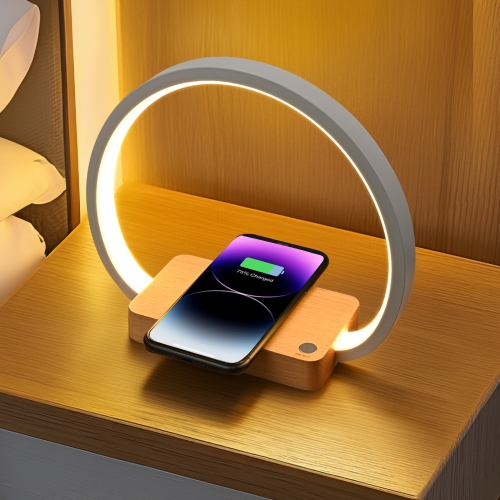
Lighting that adapts to study time and downtime
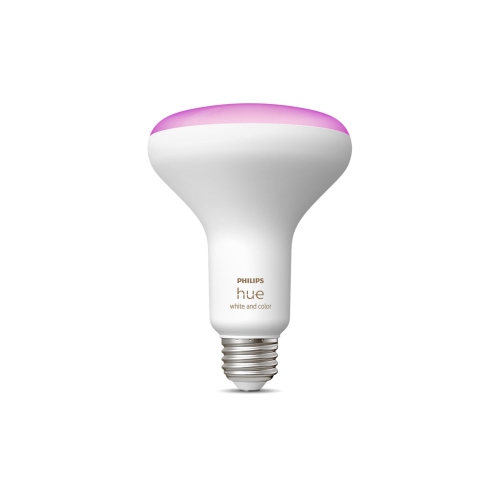
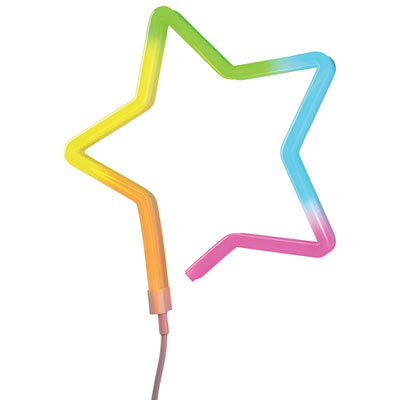
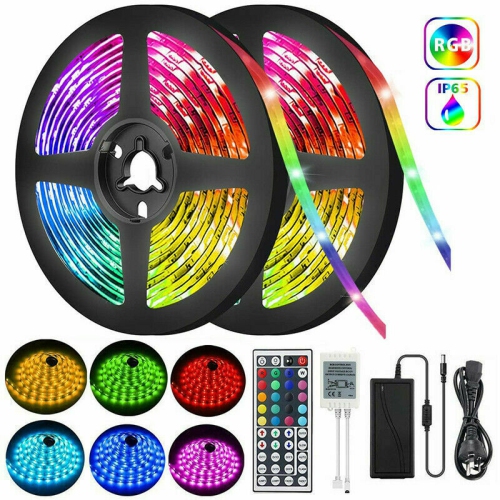
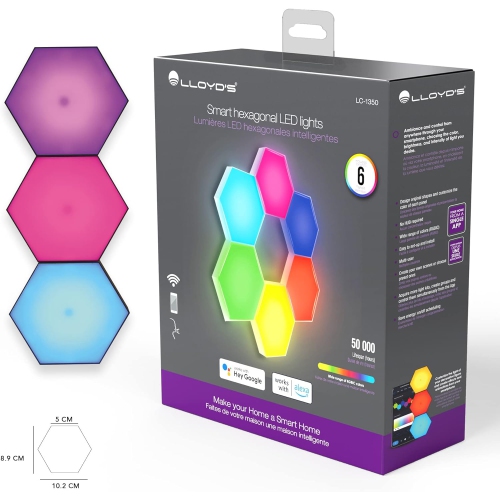
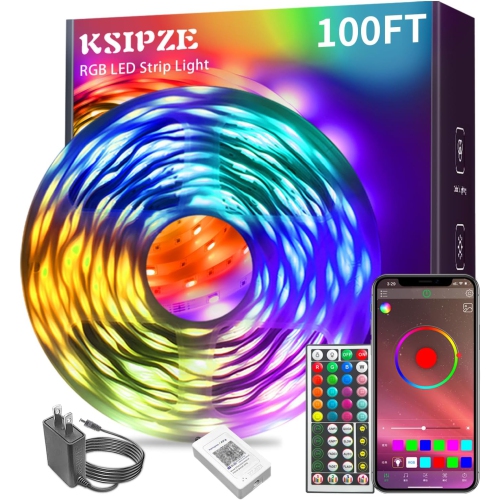
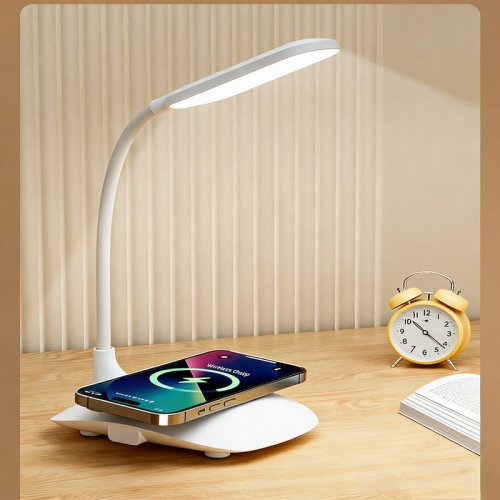
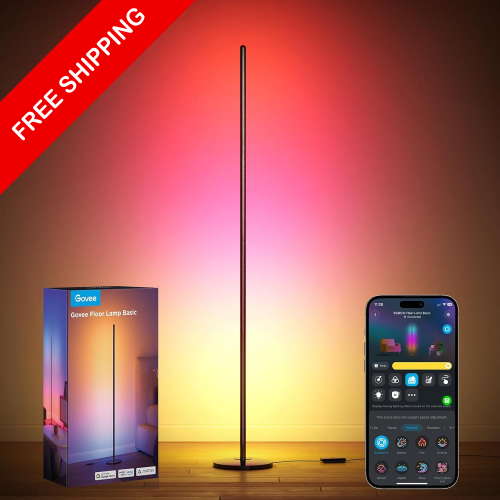
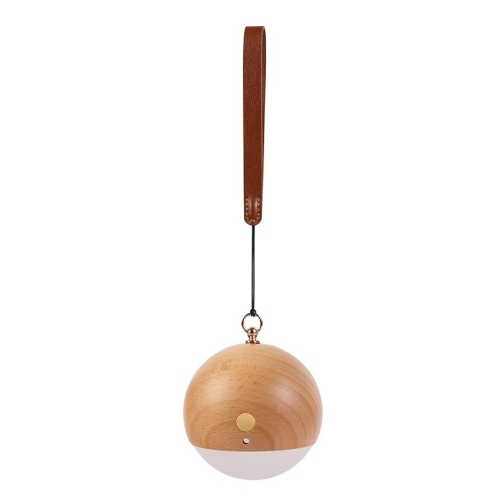
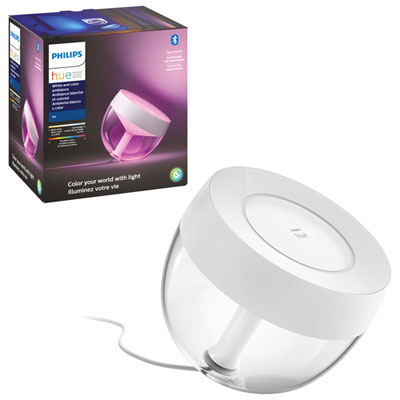
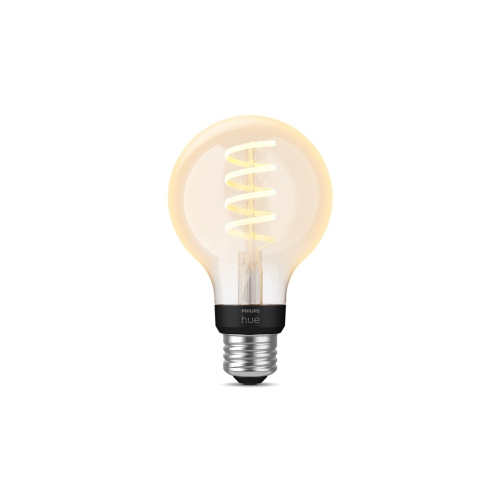
Smart lighting for dorm rooms combines adjustable illumination with controls such as apps, timers, and, on compatible systems, voice commands. It gives a compact room more flexibility: a focused pool of light across a desktop for reading, a softer glow beside the bed, or a wash of colour behind a shelf when friends stop by. Smart bulbs, light strips, and connected lamps serve different purposes, so the best fit depends on how the room is used and which fixtures are already in place. A bulb can add connected controls to a compatible lamp without taking up extra space, while a light strip can trace the underside of a shelf or the back edge of a desktop. A separate lamp offers more freedom to position light where it is needed, especially when overhead lighting feels too bright for winding down but too uneven for detailed work. Brightness, light distribution, and white-light settings matter as much as colour effects. Lumens describe light output, while colour temperature, measured in kelvins, describes whether white light looks warmer or cooler. Where adjustable white light is supported, warmer settings can create a relaxed atmosphere, while neutral or cooler settings may suit reading notes and sorting materials. Colour-changing light adds personality, but it does not necessarily replace a well-positioned task light for textbooks, drawing, or handwritten assignments. A shade or diffuser can soften the appearance of exposed LEDs, and indirect light aimed at a wall can feel gentler than a bright source at eye level. In a shared room, placement is especially important: a bedside light directed towards one person’s book is less intrusive than lighting up the whole room. Separate lighting zones also let roommates keep different routines, with one area bright enough for a study session and another kept low for quiet downtime. Adjustable lighting is most useful when it supports these everyday differences rather than simply adding more brightness.
Physical fit is a major consideration in a dorm room, where a narrow desktop, raised bed, and limited outlets can leave little room for extras. Compact bases, adjustable lamp arms, and low-profile strips can help preserve usable space, but dimensions and mounting requirements still need to suit the furniture. A lamp should sit securely without crowding a laptop or hanging over an edge, and an adjustable head should stay in position rather than slowly drooping towards a notebook. For smart bulbs, the socket type, bulb shape, and fixture limits need to match; enclosed fixtures and existing dimmer switches may also have specific compatibility requirements. Smart controls do not make every bulb suitable for every lamp. Materials influence both appearance and day-to-day handling. Metal housings can feel sturdy, plastic housings can be lighter to move, and fabric shades provide a different look and cleaning routine from smooth, wipeable surfaces. For light strips, the flexibility of the strip, the location of connectors, and the length of the power lead all affect placement. Some strips can be shortened only at marked points, while others are not designed to be cut. Adhesive mounting also deserves attention in a residence: textured walls, painted finishes, dust, and repeated repositioning can affect how well a strip stays attached. Removable mounting accessories are not a guarantee against marks, so residence rules and surface compatibility matter before anything is attached. Cables should remain clear of walkways, chair wheels, bedding, and moving furniture parts, with power supplies positioned as directed by the manufacturer. Indoor lighting should stay away from sinks and other damp areas unless it is specifically rated for that use. Care is generally straightforward: disconnect power before cleaning, remove dust with a soft cloth, and follow the stated cleaning directions for shades and housings. Accessible controls and secure connections are useful details for lighting that may be unplugged, packed, and set up again during a move.
Connectivity can make the difference between convenient dorm lighting and a setup that is frustrating to use. Some smart lights connect directly through Wi-Fi, some use Bluetooth for nearby control, and others require a compatible hub or bridge. Campus networks may use sign-in pages, device registration, or restrictions that prevent certain smart-home devices from connecting or communicating with a phone. Compatibility with the residence network is therefore just as important as compatibility with a preferred app or voice assistant. A light that supports local buttons or another suitable manual control can remain practical when a phone is charging across the room or a connection is interrupted, although offline functions vary. Shared living also brings practical questions about account access, microphone-enabled accessories, and who can change the lights. Separate device groups can keep a roommate’s bedside lamp from changing whenever the rest of the room does, while clear control permissions help avoid accidental interruptions. For students comparing these possibilities, Smart Lighting for Dorm brings the focus back to connected lighting suited to compact student spaces. Useful features are often the ones that fit ordinary habits: a saved setting for reading, a lower brightness level for watching a film, or a timer that switches off a forgotten lamp. Scheduled changes can reduce the need to adjust each light individually, but they should suit both roommates and remain easy to override when plans change. Where supported, checking what happens after a power interruption can also help prevent an unexpected burst of bright light. For a student moving into residence, smart lighting can be a thoughtful gift when the fixture requirements, network access, and room rules are known. Straightforward controls may suit someone who wants a dependable desk companion, while adjustable colours and grouped lighting may appeal to someone who enjoys personalizing a space. The most useful setup leaves room for books, keeps light out of a roommate’s eyes, and makes a small room comfortable for studying, relaxing, and spending time together.
Top selling and popular products
-
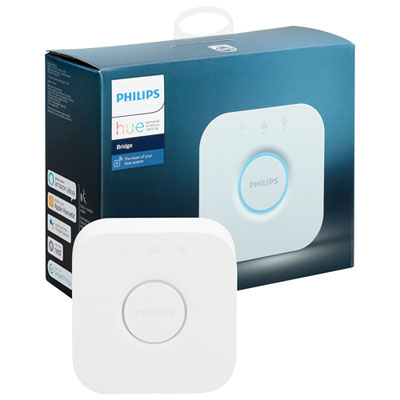 Your price for this item is $89.98
-
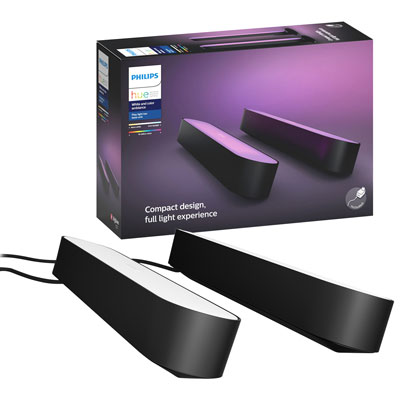 Your price for this item is $199.99
-
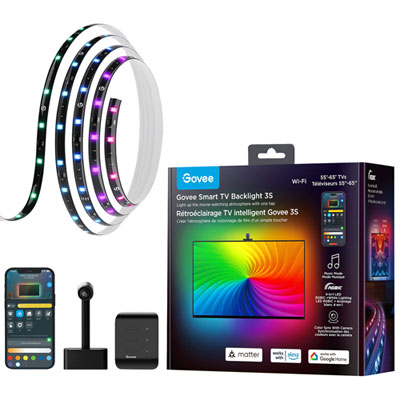 Your price for this item is $109.99
-
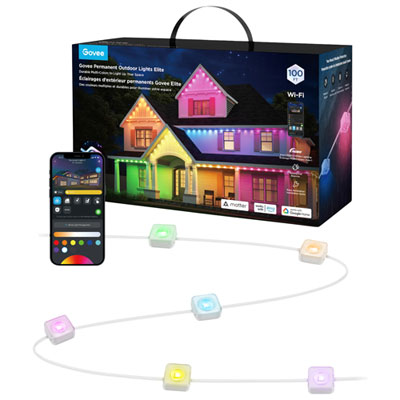 Your price for this item is $399.99
-
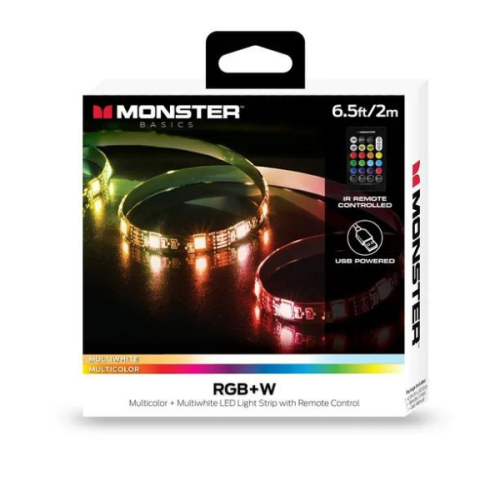 Your price for this item is $12.99
-
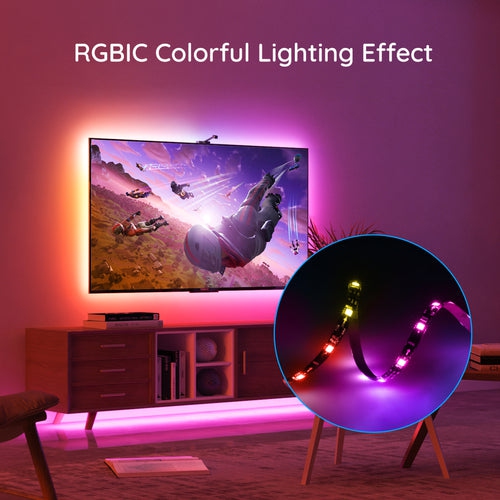 Your price for this item is $99.99
-
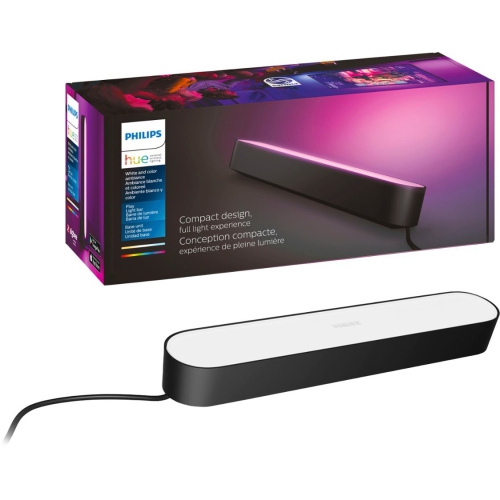 Your price for this item is $138.37
-
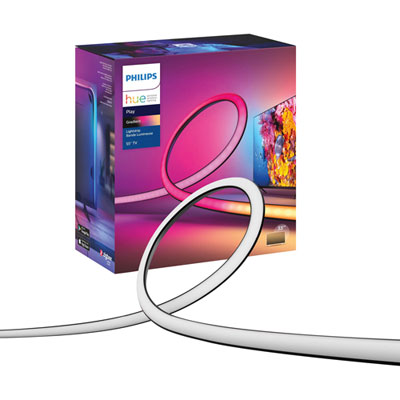 Your price for this item is $279.95
Discover more categories related to Smart Lighting for Dorm Rooms
Top Collections:
Best Black Friday Deals This Year, Best Black Friday Deals On Electronics, Kindle Devices, Pokemon Centers, Best Black Friday Deals On Apple Products, Best Cameras for Sports Photography, Dyson Airwrap, Pokémon 30th Celebration Cards, Apple iPhone 17 Pro, Canon G7X Cameras
Some products may be subject to Environmental Handling Fees
(EHF) depending on your province.
Learn more about EHFs.