Non Stick Griddles
Non-stick griddles are an essential kitchen tool for anyone who enjoys cooking. These flat, griddle-style pans are ideal for preparing breakfast foods such as pancakes, eggs, and bacon. Their non-stick surface allows you to cook without adding butter or oil, making them a healthier option. Here are some great options available.
Sort


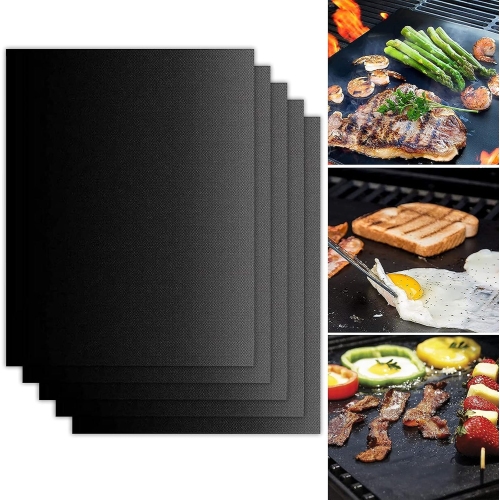
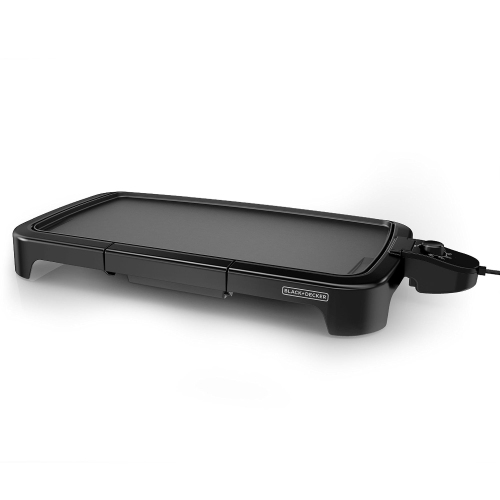


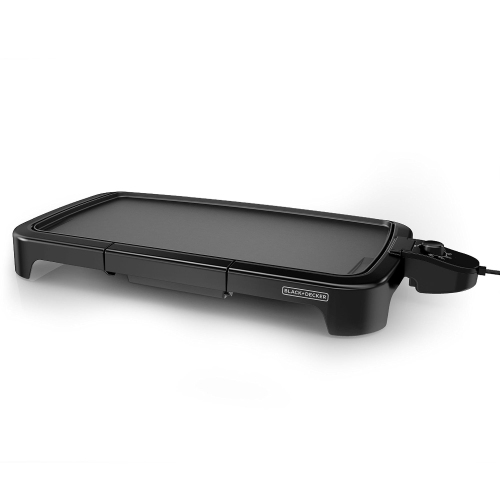


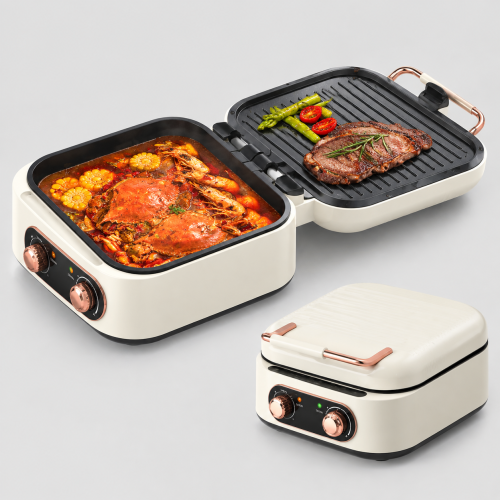
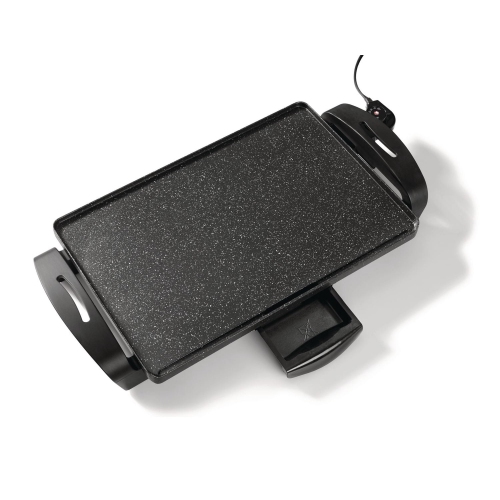
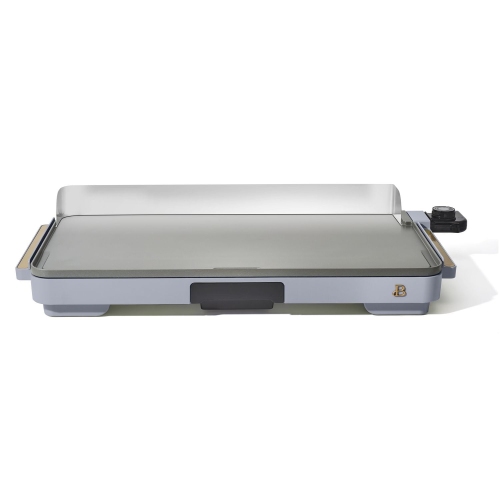
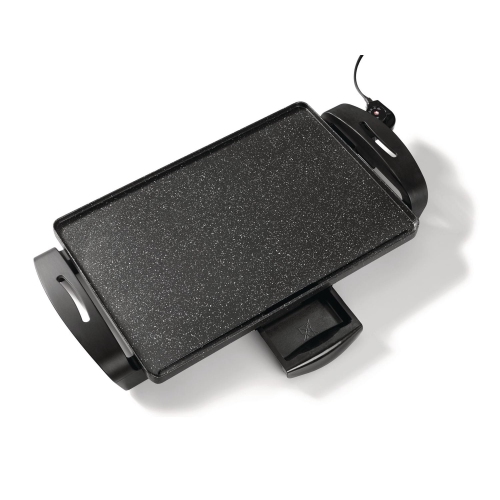
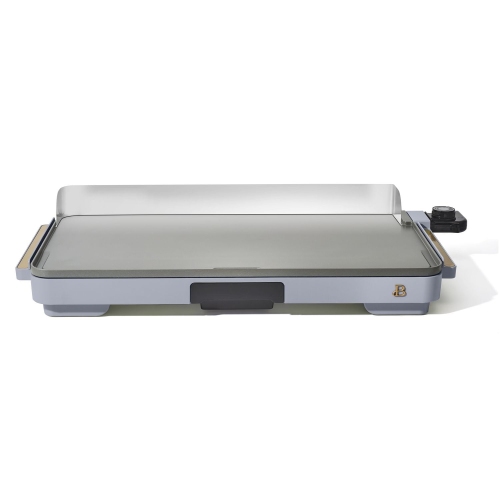
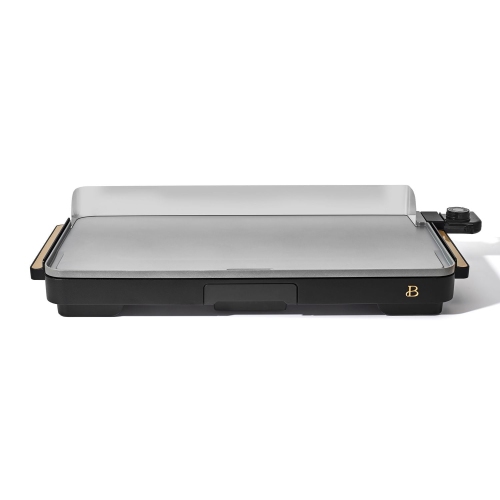
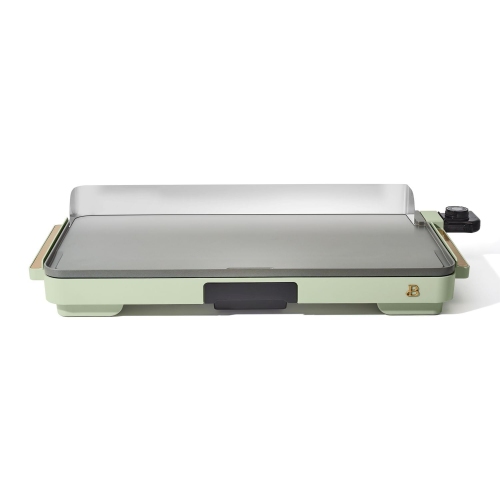
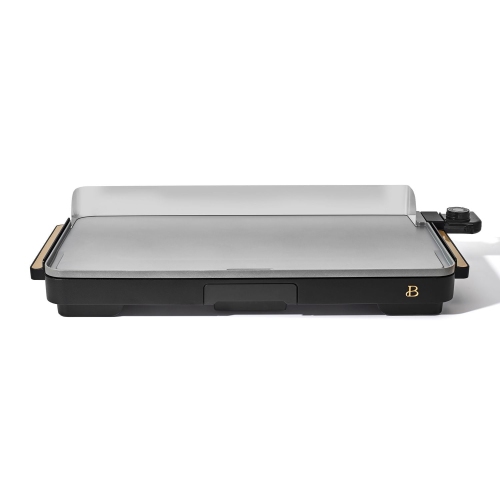
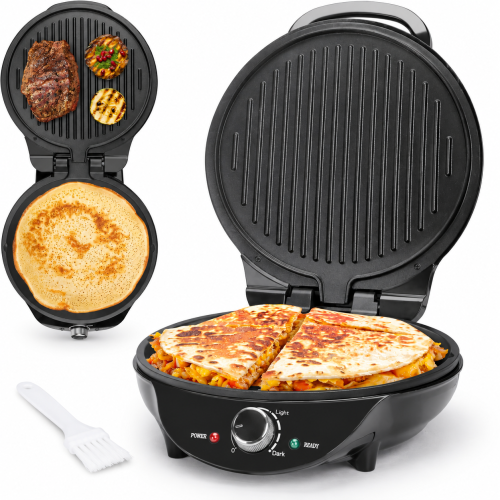
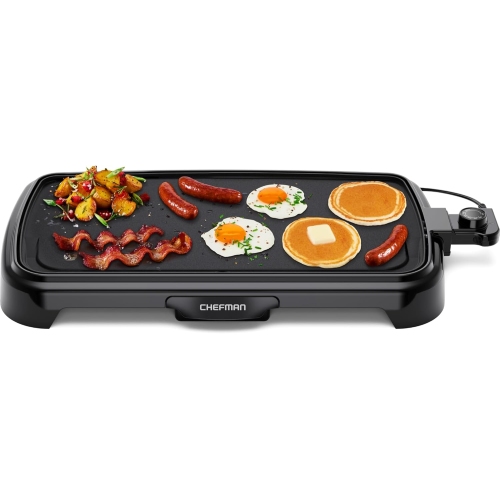


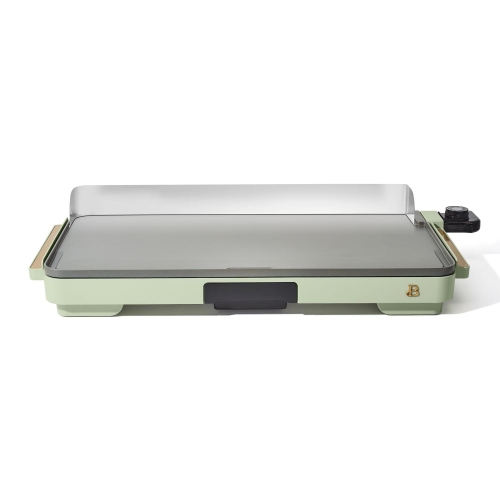


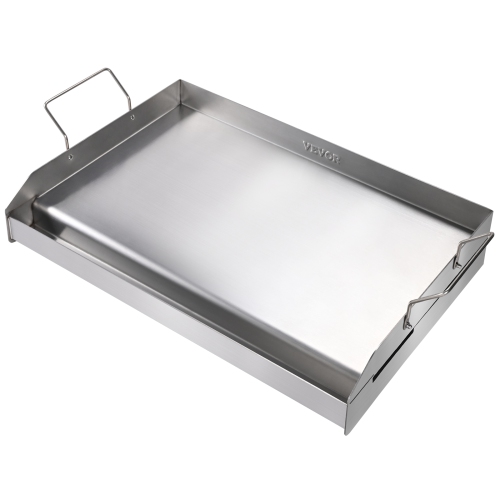

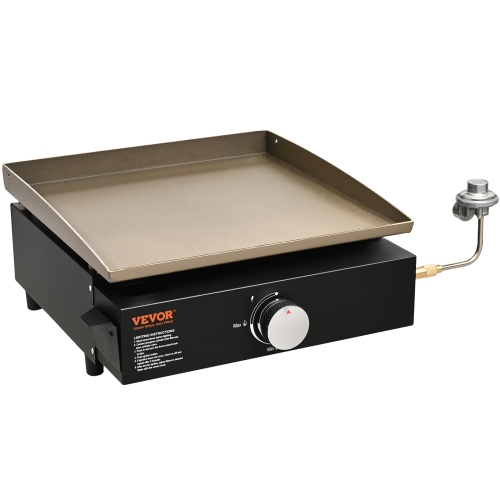

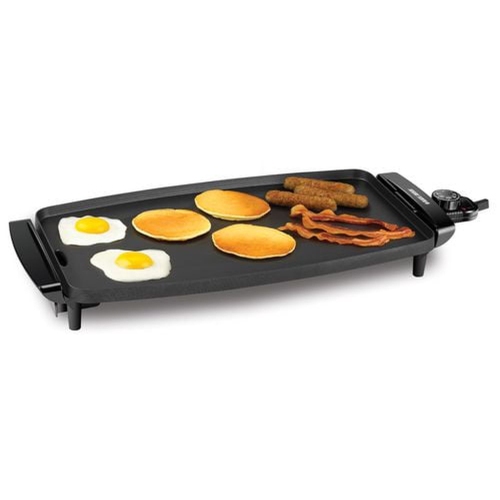
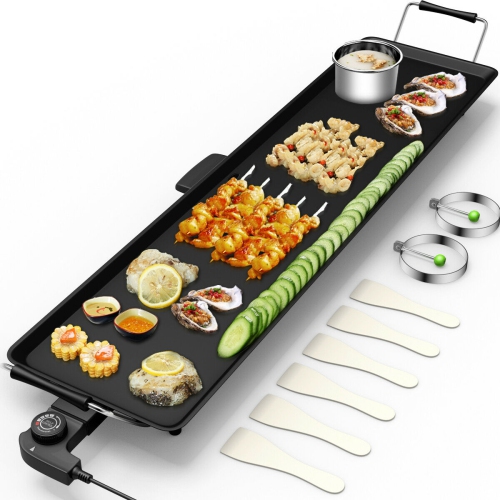

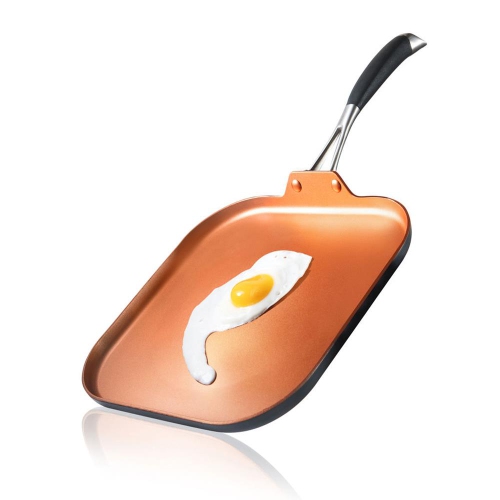
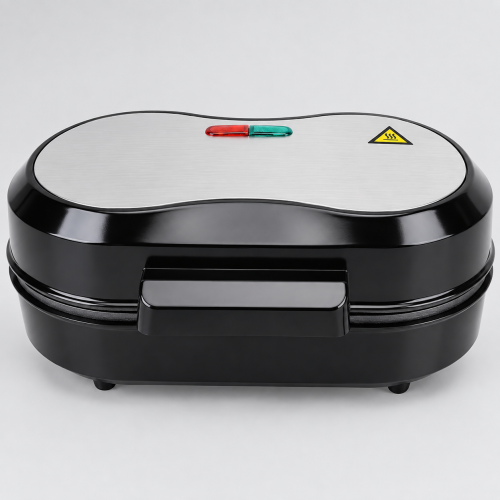

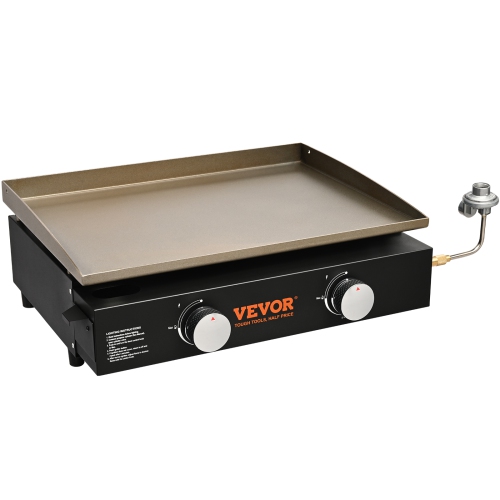


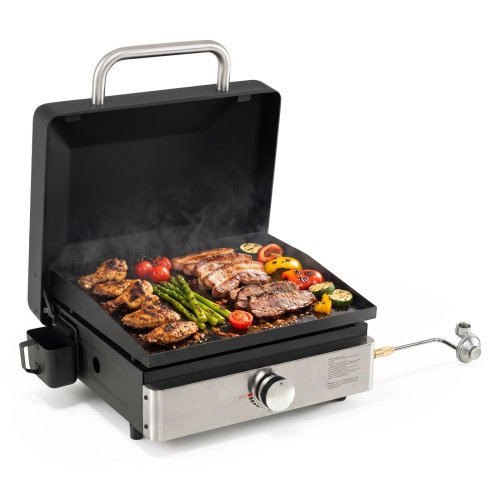
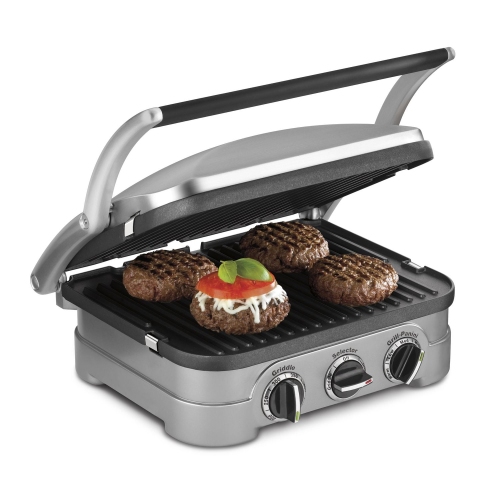

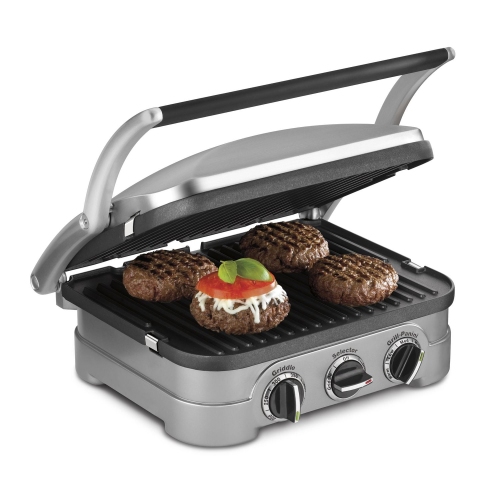

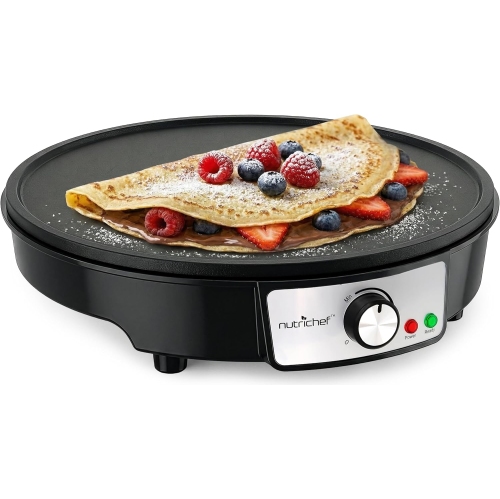

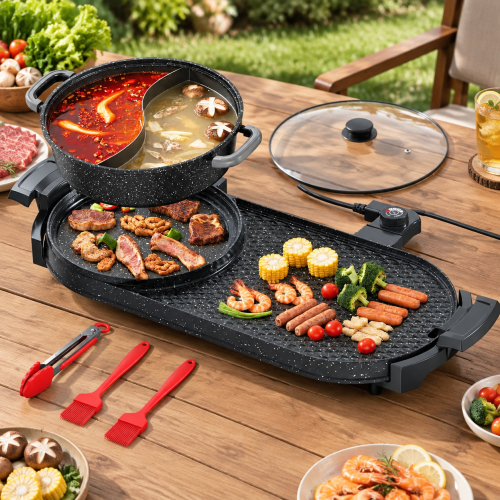
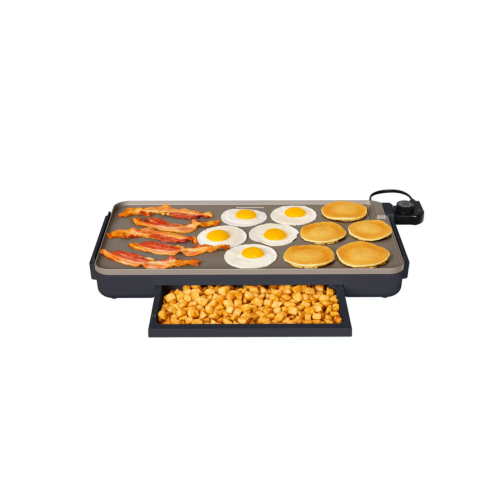

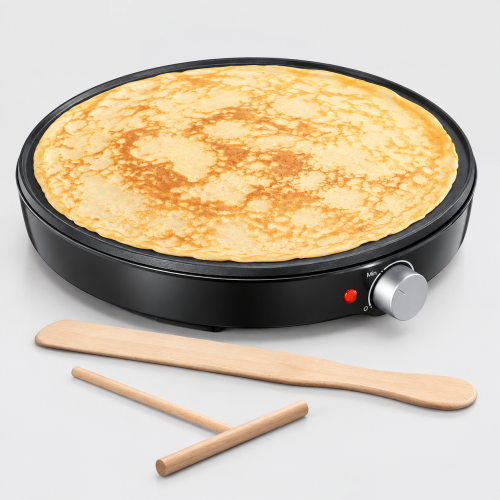
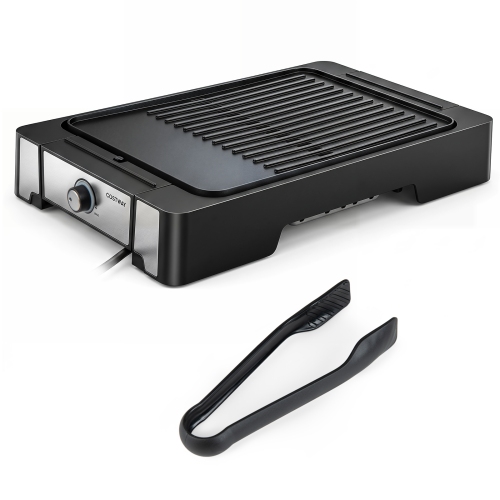
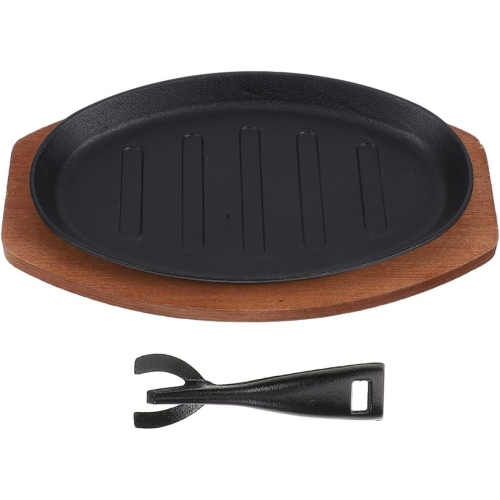
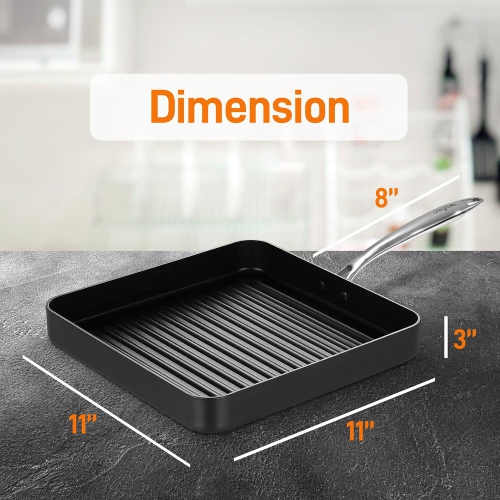


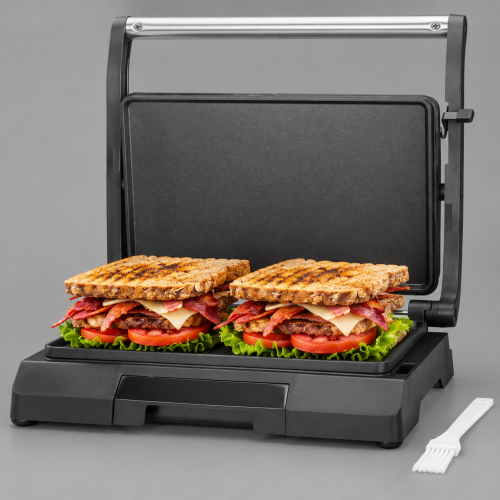
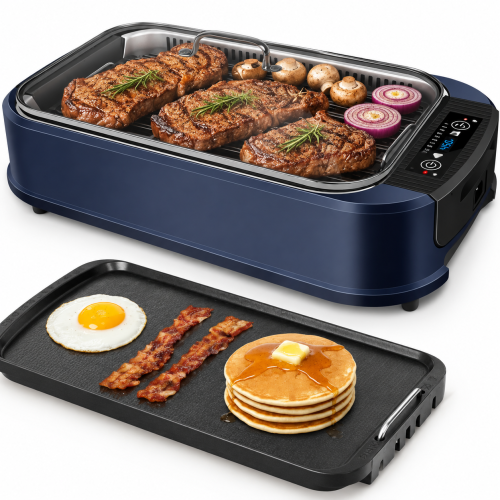
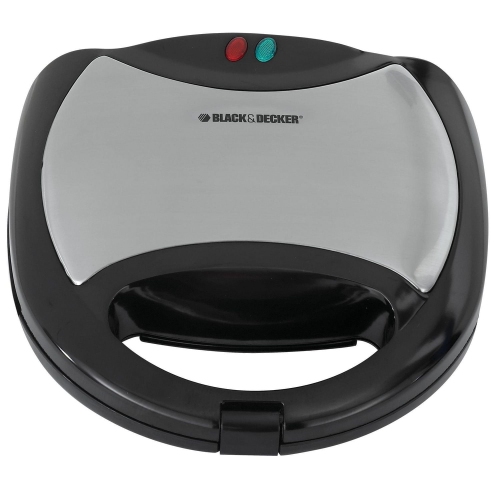

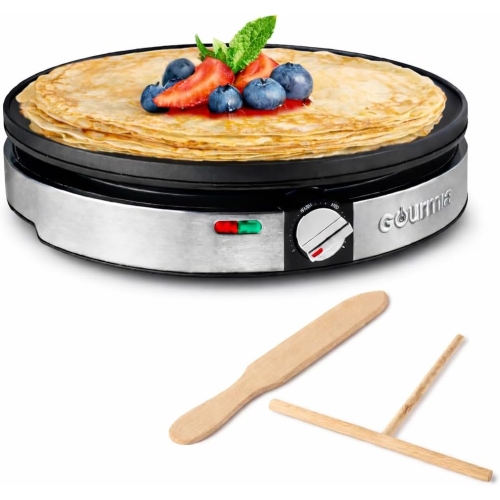
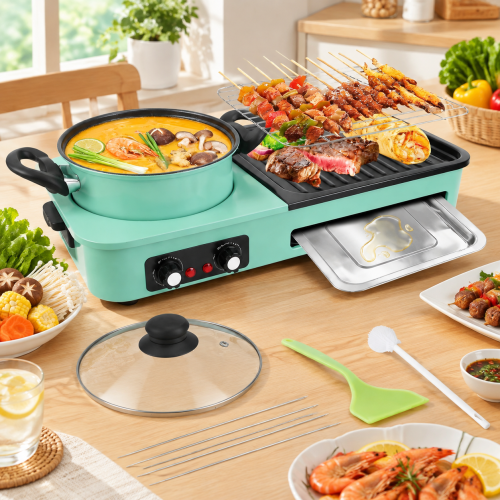
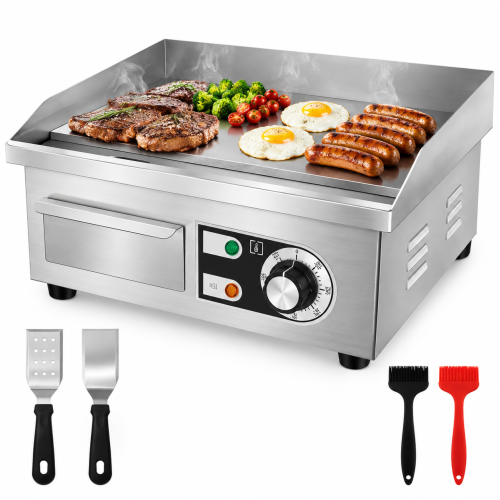

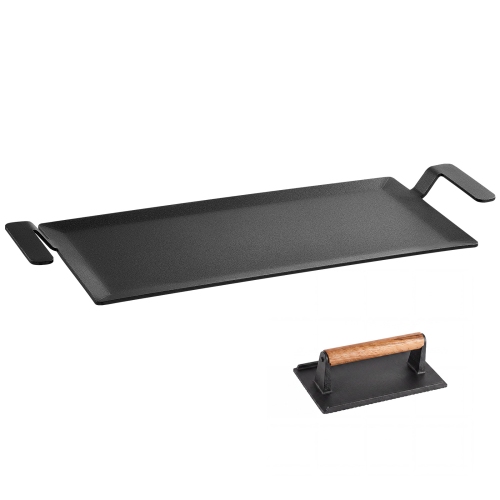
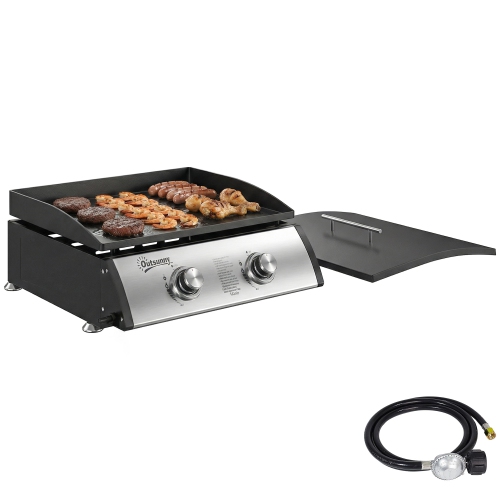
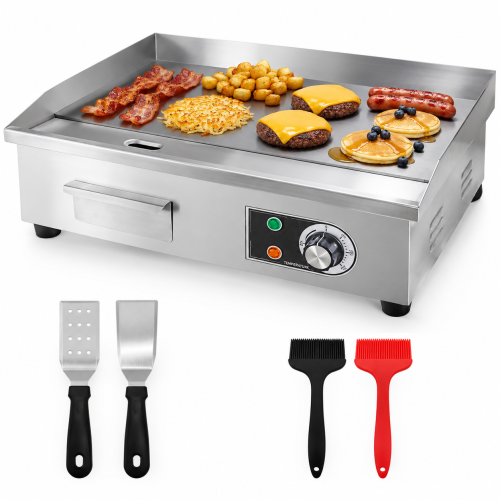

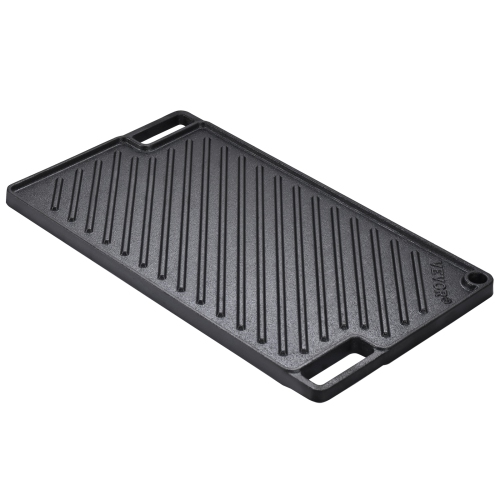

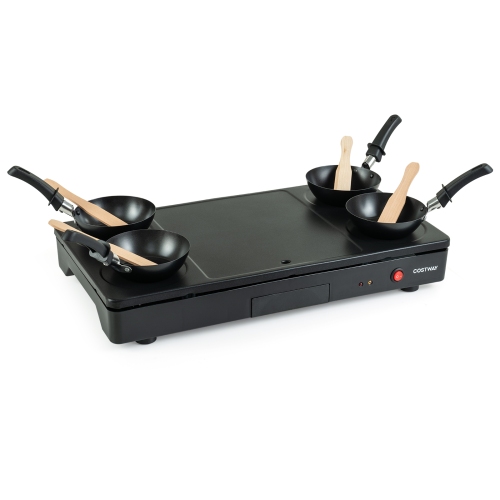
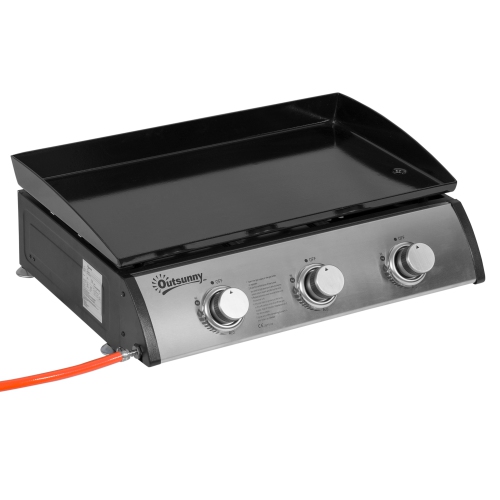

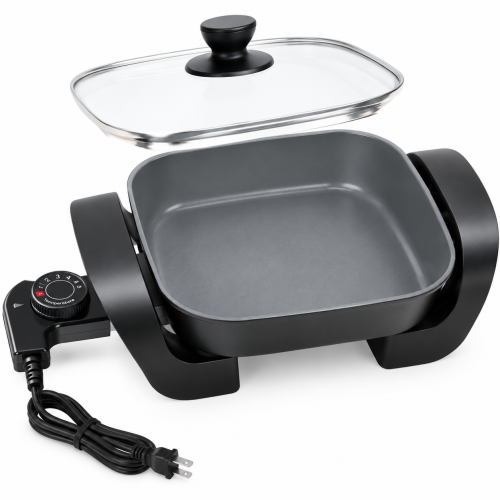


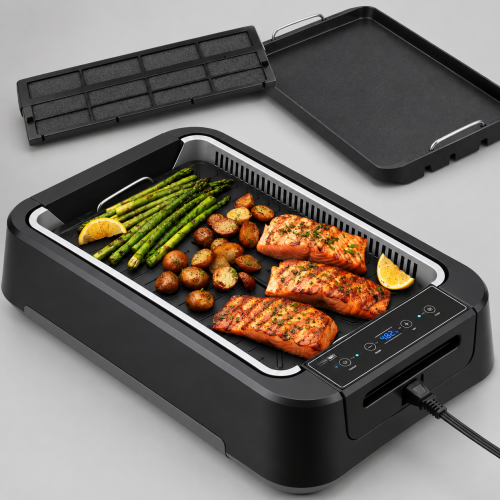
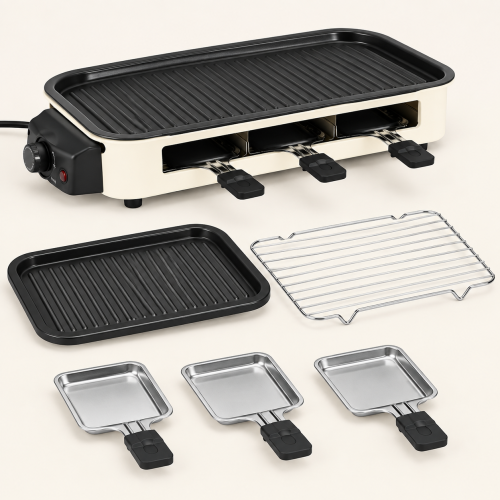

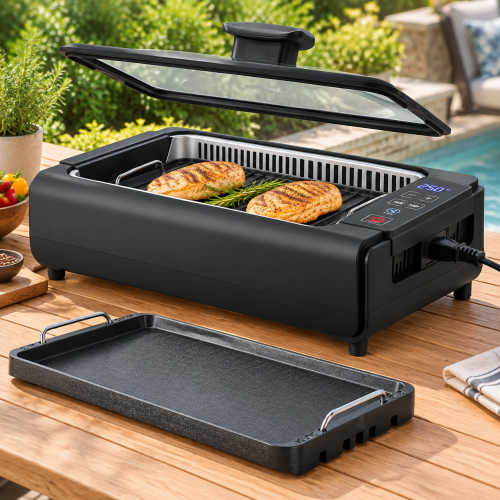
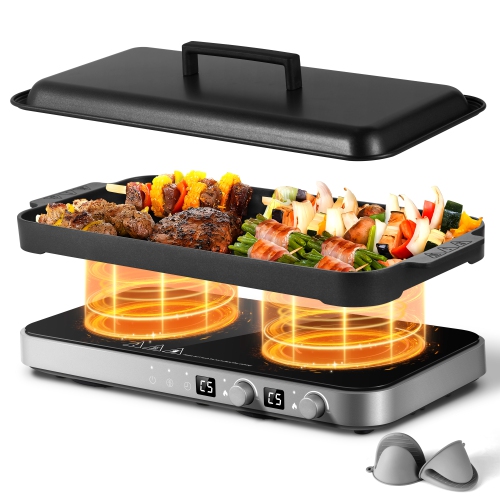
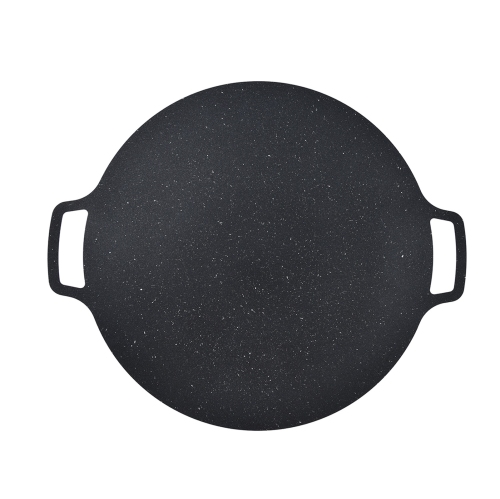
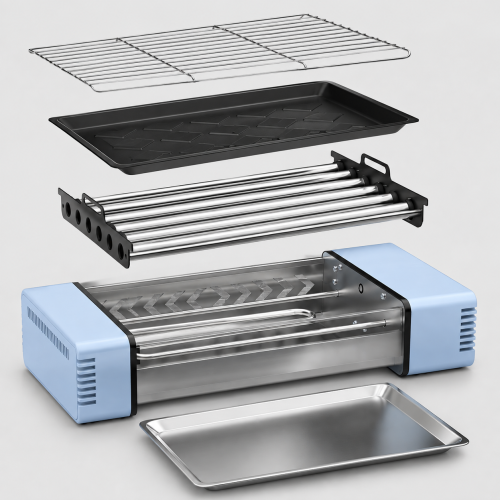


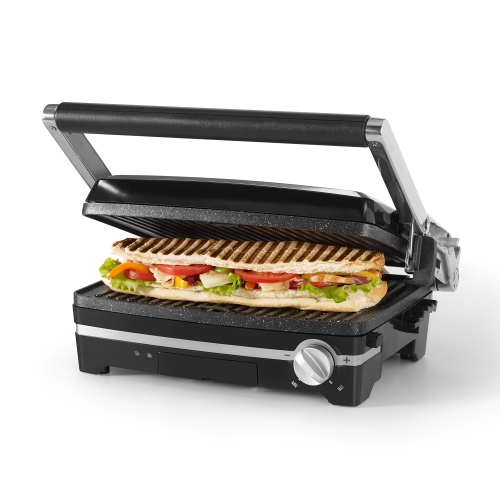
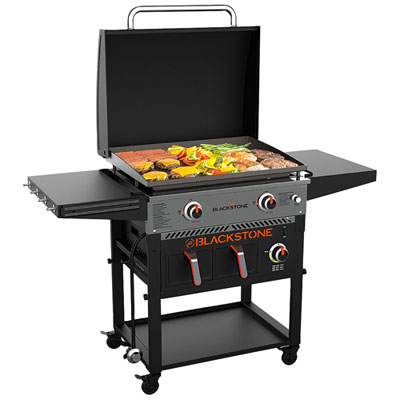
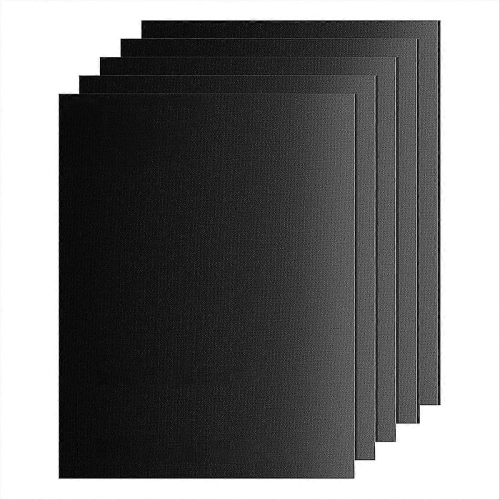
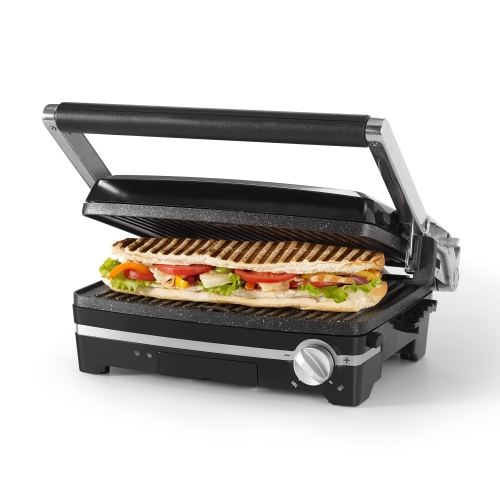
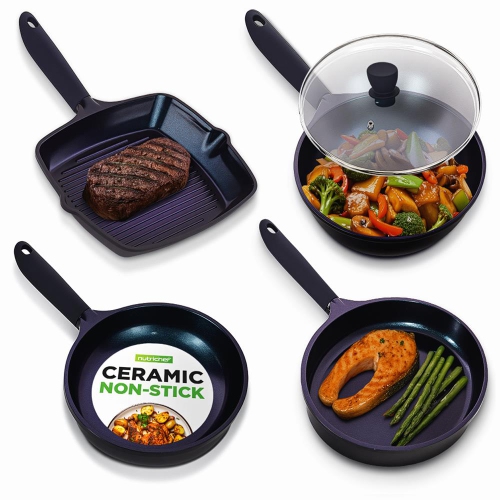
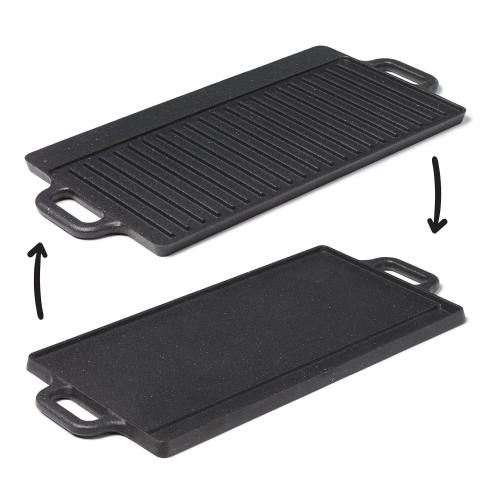

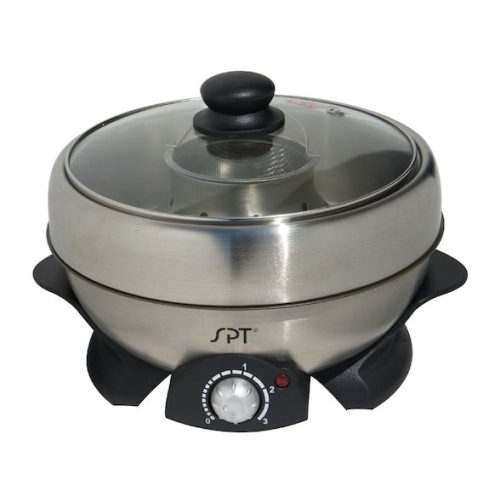


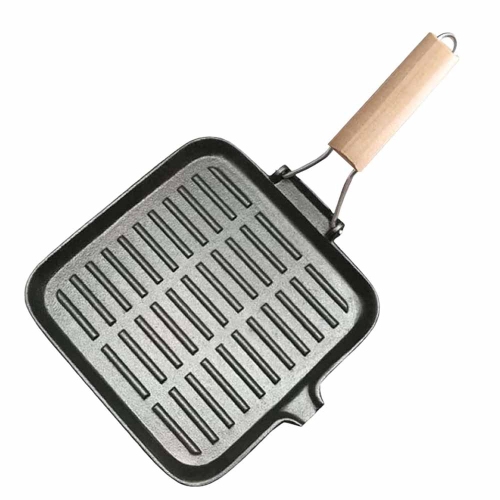


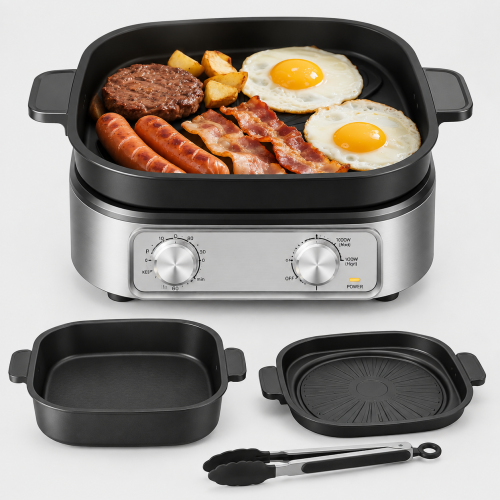


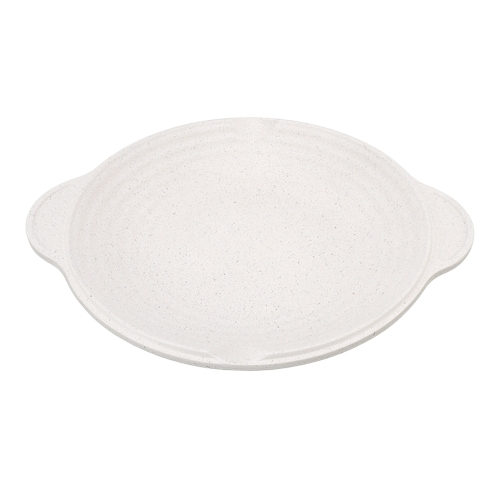


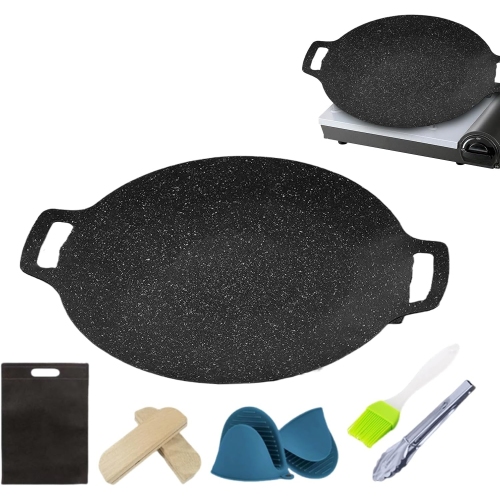
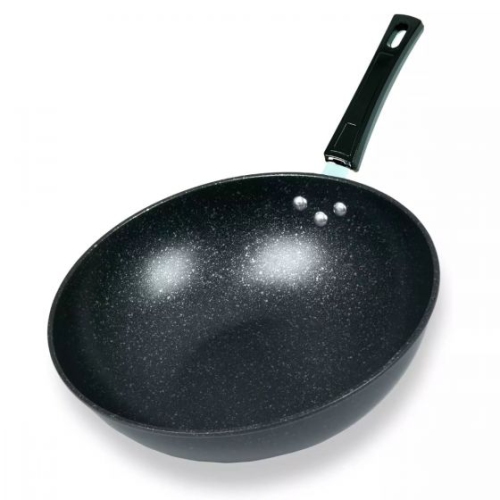

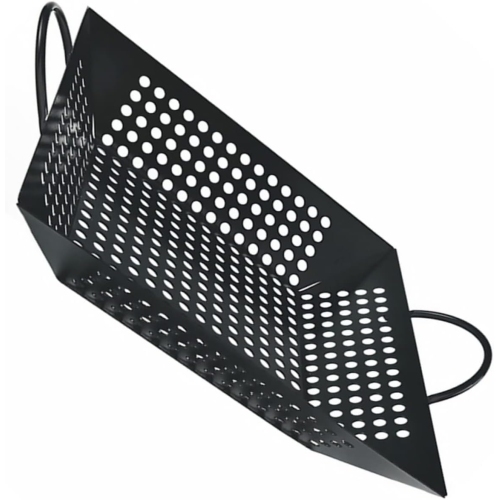
More room for pancakes and easier flipping
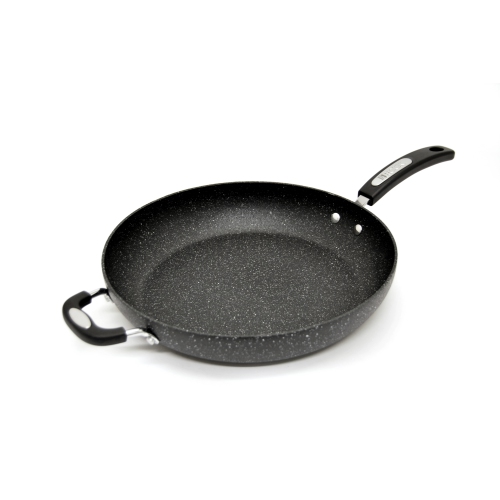
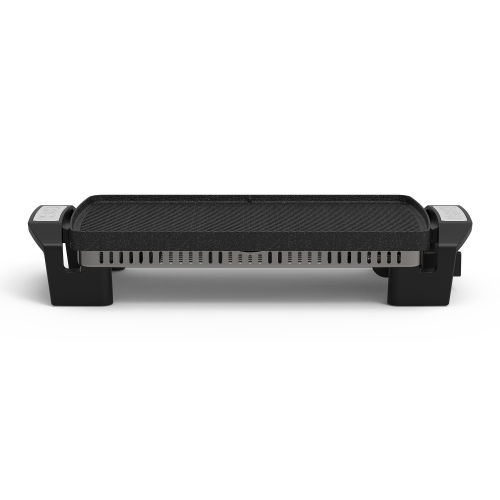
Non-stick griddles offer a broad, flat cooking surface for pancakes, eggs, French toast, toasted sandwiches, and other foods that benefit from direct contact with a heated pan. Their low sides make it easier to slide a spatula beneath a delicate crepe or turn several pancakes without working around a deep rim. Unlike a ribbed grill pan, a flat griddle keeps more of the food against the surface, helping create an evenly browned exterior when the heat and cooking time are well matched. A non-stick finish helps food release with less sticking, although a small amount of oil or butter may still improve browning and flavour. The right format depends largely on how much food needs to cook at once and where the griddle will be used. A compact, single-burner pan suits an egg sandwich or a few pieces of French toast, while a rectangular double-burner design gives families and frequent hosts more room for larger batches. Usable cooking space matters more than outside dimensions alone: wide handles, sloped edges, and grease channels can reduce the area available for food. A griddle should also leave enough room to turn and lift each portion rather than packing everything tightly together. Stovetop compatibility is another essential consideration. Some pans work with gas and conventional electric cooktops but not induction, which requires a compatible magnetic base. On a glass cooking surface, a smooth, flat underside helps the pan sit securely, and lifting rather than dragging it helps protect the cooktop. Double-burner griddles need suitable support across both cooking zones, and the centre may heat differently from the sections directly above the burners. Countertop electric griddles provide a separate cooking station with their own controls, making them useful when the stove is occupied or when breakfast involves several foods cooked in stages. Their suitability still depends on counter space, nearby electrical access, and the clearance specified for safe operation.
Construction influences how a non-stick griddle heats, handles, and stands up to regular use. Aluminum is common because it conducts heat readily and keeps larger pans relatively manageable. Hard-anodized aluminum has a hardened surface beneath the cooking finish, but its presence does not automatically make a pan induction-compatible or suitable for every heat source. Some constructions include a separate base layer designed to improve compatibility or distribute heat. A substantial, flat base can help moderate temperature changes, while a lighter pan may respond more quickly when the burner setting changes. Neither weight nor thickness alone guarantees even cooking; burner size, pan shape, and preheating all play a part. Non-stick coatings also differ. PTFE-based finishes and ceramic-based coatings are distinct options, and their care requirements, heat limits, and resistance to wear should be checked rather than assumed. A ceramic-coated griddle is not the same as uncoated ceramic cookware, just as seasoned cast iron is different from a pan with an applied non-stick coating. For everyday eggs and pancakes, a surface that releases food easily and cleans without prolonged scrubbing can be more useful than a high maximum heat rating. Low to medium heat is often appropriate for coated cookware, with the manufacturer's instructions taking priority. An empty griddle should not be left heating unattended, and a coating should never be exposed to a heat source it was not designed to withstand. Oven use requires separate confirmation for stovetop models, since the coating, handles, and other components can have different limits. For cooking setups centred on a barbecue, Grill Griddles offer a related format; a coated cooking surface still needs explicit approval for that use. Electric griddles bring their own practical details, including control placement, grease collection, cord length, and whether the cooking plate separates from the base for cleaning.
Daily care has a direct effect on how long a non-stick griddle remains pleasant to use. Silicone, wood, or other utensils approved for the coating help protect the surface when loosening an omelette or lifting a grilled cheese sandwich. Even where a finish is described as resistant to scratching, cutting food directly on it or scraping it with a sharp edge can shorten its useful life. After cooking, allowing the griddle to cool before washing reduces the risk of damage from a sudden temperature change. A soft sponge, mild dish soap, and attention to the edges and grease channels are generally more suitable than abrasive pads or harsh cleaners, subject to the care instructions. Dishwasher compatibility varies, and handwashing may still be preferred to preserve the finish. Cooking sprays can leave stubborn residue on some coatings, so any restrictions on their use are worth checking. For electric models, removable cooking plates and drip trays can simplify cleanup, but a detachable power control does not necessarily mean the entire appliance can be immersed. Electrical parts need to stay dry unless the instructions specifically state otherwise. Storage deserves similar attention: a pan protector or soft cloth between stacked pieces helps prevent another pan's base from rubbing against the coating. Large rectangular griddles also need cupboard space that accommodates their full width, including handles. For households making breakfast several times a week, easy handling and straightforward cleanup may matter more than extra cooking area that rarely gets used. Someone preparing meals for one or two may prefer a smaller surface that is easier to wash in a standard sink, while a family may appreciate room for several portions at once. Non-stick griddles can also make practical housewarming or wedding gifts when the recipient's cooktop, storage space, and cooking habits are known. A well-matched griddle earns its place through ordinary meals: pancakes that lift cleanly, sandwiches with evenly toasted bread, and enough room to turn food comfortably without juggling several pans.
Top selling and popular products
-
 Your price for this item is $49.99
-
 Your price for this item is $99.99
-
 Your price for this item is $199.38
-
 Your price for this item is $169.99
-
 Your price for this item is $44.98
-
 Your price for this item is $39.99
-
 Your price for this item is $79.99
-
 Your price for this item is $99.99
Discover more categories related to Non Stick Griddles


Top Collections:
Pokemon Centers, Best Cameras for Sports Photography, Kindle Devices, Samsung Galaxy Phones, Canon G7X Cameras, Pokémon 30th Celebration Cards, Refurbished Apple Laptops, iPhone 15 Apple, Laptops for Students, Budget Smartphones
Some products may be subject to Environmental Handling Fees
(EHF) depending on your province.
Learn more about EHFs.