Outdoor Kitchen Covers
Transform your backyard into a year-round culinary haven with the perfect outdoor kitchen covers. Designed to shield your valuable outdoor kitchen setups from the elements, these covers are essential for maintaining the longevity and appearance of your investment. Whether you're protecting grills, countertops, or entire kitchen units, choosing the right cover ensures that your outdoor space remains ready for any occasion. Explore a variety of durable and stylish options that cater to different sizes and configurations, allowing you to enjoy outdoor cooking without worry.
Sort


The right fit matters more than extra fabric
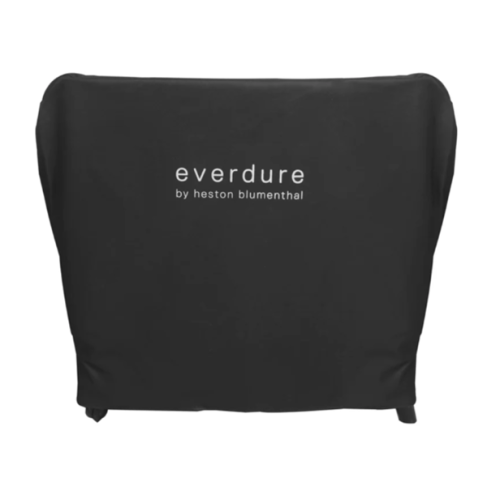
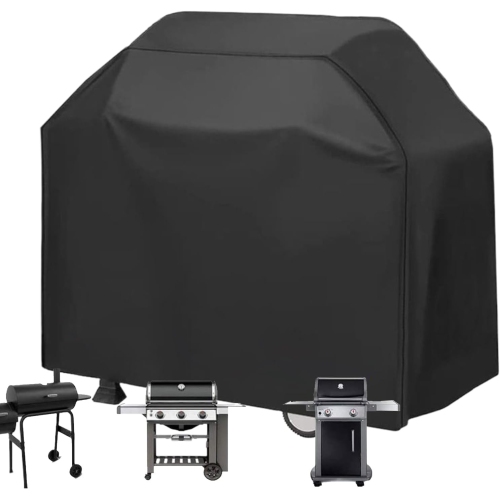
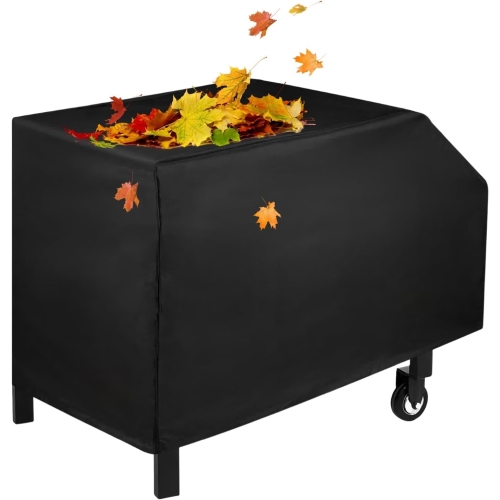
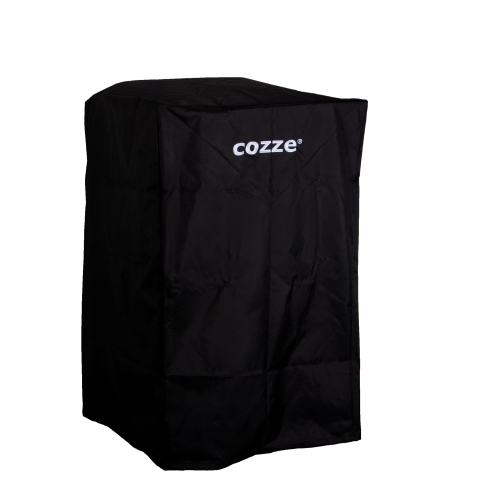
Outdoor kitchen covers protect outdoor cooking and preparation areas from rain, dust, fallen leaves, bird droppings, and other debris between uses. The main distinction is between ready-made covers sized for individual appliances and fitted covers shaped to protect an entire kitchen island or a larger section of cabinetry and countertop. An appliance cover suits a stand-alone barbecue or another cooking unit with a familiar rectangular profile, while an island cover accommodates a broader footprint and may account for raised counters, side shelves, or built-in equipment. A close match matters more than simply choosing the largest covering: excess fabric can collect water or catch the wind, while an overly tight cover can strain at corners and become difficult to remove. Width, depth, and height should reflect the full area being covered, including fixed handles, projecting ledges, and any shelves that remain extended. Product dimensions also need careful interpretation, since the dimensions of a cover and the maximum dimensions of the equipment it fits are not always identical. For an L-shaped kitchen or an island with several counter heights, a shaped cover or separate covers for distinct sections may sit more neatly than a single rectangular sheet. Separate coverings can also make everyday use easier when only one cooking area needs to be uncovered. A low-profile countertop cover serves a different purpose from a full-length cover that reaches over cabinet fronts, so the amount of coverage should match the surfaces that need protection. Whether the kitchen sits on a compact townhouse patio or beside a spacious backyard dining area, a well-proportioned cover helps keep the setup tidier between meals without becoming cumbersome to handle. Covers intended for inactive cooking equipment should only be fitted once the equipment is switched off and completely cool, with appliance instructions taking priority over any general storage advice.
Materials and construction influence how an outdoor kitchen cover handles exposure, repeated folding, and contact with the edges of an island. Woven polyester is a common choice because it can balance manageable weight with strength, while coated fabrics add a barrier against moisture. Vinyl and vinyl-backed materials can provide substantial water resistance, although flexibility, weight, and performance in low temperatures vary by construction. Fabric weight alone does not establish quality; the weave, backing, stitching, and reinforcement all contribute to how a cover wears. Reinforced corners are useful where fabric rests against countertop edges, and securely finished seams help withstand the tugging that comes with fitting a large cover over a wide island. Water-resistant and waterproof are not interchangeable descriptions. A water-resistant fabric may shed light rain without being intended for prolonged exposure to standing water, while a waterproof material still depends on seam construction and the overall cover design to limit leaks. Even a strong moisture barrier performs better when the cover sits in a way that lets water run off rather than gather in a hollow above a sink or between raised sections. Vents can help release trapped moisture and reduce billowing, but they do not eliminate condensation or make it suitable to cover wet equipment. Adjustable hems, buckles, and straps help hold the fabric close to the base, particularly on an exposed deck where a loose edge can lift in a gust. These fastenings should secure the cover without pulling it so tightly that seams remain under constant tension. Sun exposure also affects fabric over time, making resistance to fading and ultraviolet light worth considering for uncovered patios. Snow and ice introduce different demands: a flexible cover can be easier to handle, but it should not be treated as a load-bearing surface. Protection depends on the combination of suitable material, sensible fit, and regular attention rather than a single thickness rating or feature.
Everyday handling is another important part of choosing outdoor kitchen covers, especially when the cooking area is used frequently. A large, heavy cover may feel substantial, yet it can be awkward for one person to lift clear of a long countertop without dragging the fabric across the ground. Handles, clearly defined corners, and manageable sections can make the difference between a cover that is easy to replace after dinner and one that is routinely left folded on a chair. For a kitchen with a separate grill, Outdoor BBQ Covers offer a more focused category for matching the shape and dimensions of that cooking appliance, while broader island covers address counters and surrounding structures. Care is generally straightforward, but the fabric’s care instructions should determine the cleaning method. Loose leaves and grit are best removed before they are rubbed into the surface, and many covers can be cleaned with a soft brush or cloth, mild soap, and water. Strong cleaners, abrasive scrubbing, machine washing, and tumble drying may damage certain coatings or backings, so these methods should not be assumed suitable. Both the cover and the surfaces beneath it should be dry before the kitchen is covered again; enclosing a damp countertop can leave moisture trapped against the finish. Grease and food residue also belong off the cooking area before storage, since a protective cover is not a substitute for cleaning. When the kitchen is in use, a dry storage bag or sheltered storage space keeps the removed cover from collecting dirt or becoming a tripping hazard near the cooking area. Occasional checks around corners, seams, straps, and lower edges can reveal wear before a small split spreads. The most practical choice is a cover that suits the kitchen’s shape, the amount of exposure, and the household’s routine, providing useful protection without making a familiar outdoor space harder to enjoy.
Top selling and popular products
-
 Your price for this item is $149.99
-
 Your price for this item is $131.99
-
 Your price for this item is $129.99
-
 Your price for this item is $94.99
-
 Your price for this item is $89.99
-
 Your price for this item is $79.99
-
 Your price for this item is $14.99
-
 Your price for this item is $59.99
Discover more categories related to Outdoor Kitchen Covers

Top Collections:
Best Black Friday Deals This Year, Best Black Friday Deals On Electronics, Kindle Devices, Pokemon Centers, Best Black Friday Deals On Apple Products, Best Cameras for Sports Photography, Dyson Airwrap, Pokémon 30th Celebration Cards, Apple iPhone 17 Pro, Canon G7X Cameras
Some products may be subject to Environmental Handling Fees
(EHF) depending on your province.
Learn more about EHFs.