Paper Water Cups
Looking for eco-friendly and convenient options for serving beverages? Look no further than our selection of paper water cups. These cups are perfect for any occasion, whether you're hosting a party, setting up a refreshment station at the office, or simply enjoying a picnic in the park. Made from high-quality paper materials, these cups are not only durable but also environmentally conscious. With various sizes available, you can find the perfect cup to suit your needs. Say goodbye to plastic and embrace the sustainability of paper water cups.
Sort

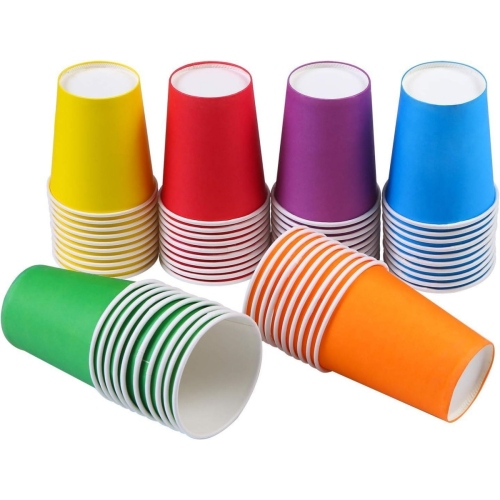

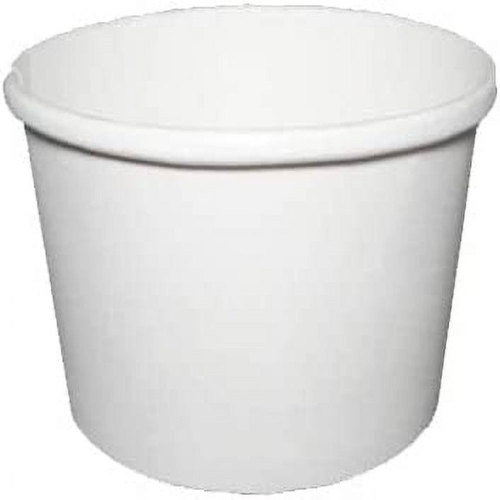
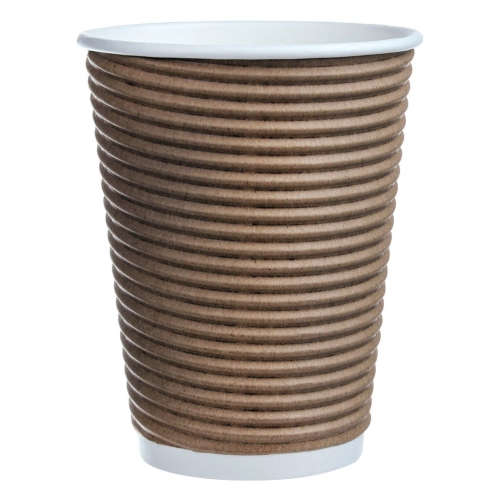
Why cup size and dispenser fit matter
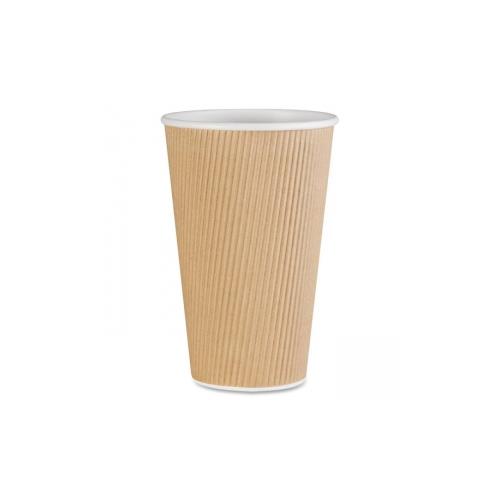
Paper water cups are lightweight, disposable drinking cups designed primarily for serving cold water at dispensers, in offices, and at events. They are generally made from paperboard with a moisture-resistant lining or coating that helps prevent water from soaking into the paper during use. Their stackable shape keeps a supply close at hand without taking up much counter space, whether beside a workplace water cooler, on a meeting-room refreshment table, or near a pitcher at a family gathering. Unlike a reusable tumbler, a paper water cup is intended for a brief serving occasion, making it useful where people need a fresh drinking vessel without access to dishwashing facilities. Size influences how that serving feels in practice. A small cup suits a quick drink in a waiting room or between activities, while a larger cup can hold more water for someone sitting through a presentation or enjoying a meal. Capacity is usually stated in millilitres, fluid ounces, or both; checking that measurement gives a clearer sense of the serving than a photograph alone. A cup’s stated capacity is not necessarily a comfortable fill level, since leaving space below the rim makes it easier to carry without spilling. Construction matters alongside size. A neatly formed rim offers a comfortable drinking edge, while sound side seams and a securely joined base help the cup hold its shape. Paper thickness and lining vary, so a cup that works well for a quick drink should not automatically be treated as a container for hours of storage or repeated refilling. Intended use is especially important: paper water cups should be suitable for drinking water, and suitability for hot drinks should never be assumed from appearance alone. Where other beverages are involved, the manufacturer’s stated uses provide the clearest indication of whether the cup is appropriate. These distinctions help separate a simple water-service cup from other paper drinkware that may look similar but have different handling requirements.
Fit becomes particularly important when paper water cups are paired with a dispenser. Cup capacity alone does not establish compatibility: rim diameter, overall height, shape, and the dispenser’s release mechanism can all affect whether cups load and dispense properly. A sleeve of cups that sits neatly on a shelf may not work in a wall-mounted holder designed for a particular profile. Matching the dispenser’s specified dimensions helps avoid cups getting stuck, dropping out together, or requiring people to handle several rims before taking one. Flat-bottom cups are useful when a drink needs to rest on a table, desk, or tray. Cone-shaped cups serve a different purpose and generally need a suitable holder or must remain in the hand; they are not interchangeable with cups that stand independently. Clearance beneath a water outlet also matters, especially where a drip tray leaves limited room for a taller cup. At a busy refill station, a cup that fits comfortably under the spout is easier to position without touching the outlet. Storage and handling have an equally practical effect on performance. Paper cups are best kept clean and dry, away from splashes, damp cupboards, and anything that could crush their rims or distort their sides. Leaving most of the supply in its protective packaging until needed helps keep the serving area orderly. At the point of use, an appropriate holder can protect unused cups from unnecessary handling while keeping them within easy reach. Cups should separate without excessive pulling or squeezing, which can weaken their shape before they are filled. Handling them by the outside rather than touching the drinking edge or interior supports a cleaner setup. Once filled, a cup is easiest to manage on a level surface with enough space around it to prevent accidental knocks. Any cup with a damaged seam, softened base, or visible leakage should be discarded rather than relied on for another serving.
The most useful paper water cups suit the pace and layout of the place where they will be used. In an office kitchenette, a compact stack beside the dispenser can support short breaks without crowding the space used for lunches and drink preparation. In a reception area, smaller servings may be enough for visitors who only need a few sips before an appointment. A training session or catered meeting can call for cups that stand securely beside notebooks and plates, while a community event may benefit from several clearly arranged water stations rather than one crowded serving point. For children’s activities, a manageable cup size and a modest fill level can make drinks easier to carry, although younger children may still need help. At home, paper water cups can be practical for gatherings where guests move between rooms or where the kitchen has limited space for used glasses. Plain cups keep the table setting understated, while colours and printed patterns can coordinate with napkins and other serving pieces. Where the outer surface is suitable, writing a guest’s name on a dry cup before filling can help distinguish drinks; markings should stay away from the rim and interior. Cups carried with food are easier to manage on a stable tray, and lids should only be added when their size and design are confirmed as compatible. The broader Paper Cups category includes drinkware for different serving needs, but water service remains a distinct use with its own priorities: a comfortable rim, dependable short-term liquid resistance, convenient dispensing, and a shape suited to the available space. Pack quantity also has a practical role, since the number of guests, duration of an activity, and frequency of drinking breaks influence how many cups a setting may need. Keeping unopened sleeves protected until needed makes replenishment simpler without exposing the whole supply. Across these settings, a well-matched paper water cup keeps the focus on an uncomplicated task: taking a fresh cup, pouring a comfortable serving, and having drinking water close at hand.
Top selling and popular products
-
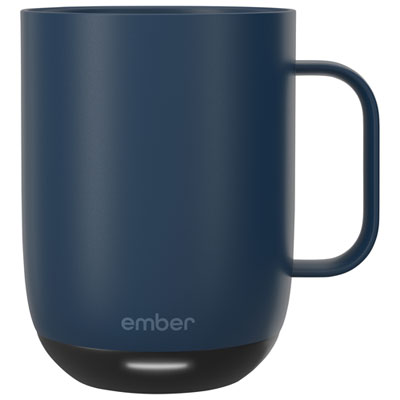 Your price for this item is $199.99
-
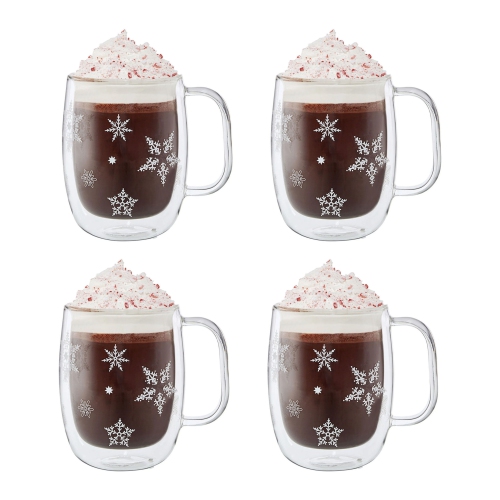 Your price for this item is $90.99
-
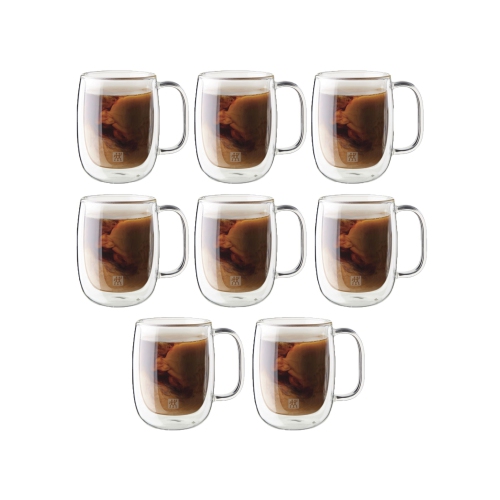 Your price for this item is $94.99
-
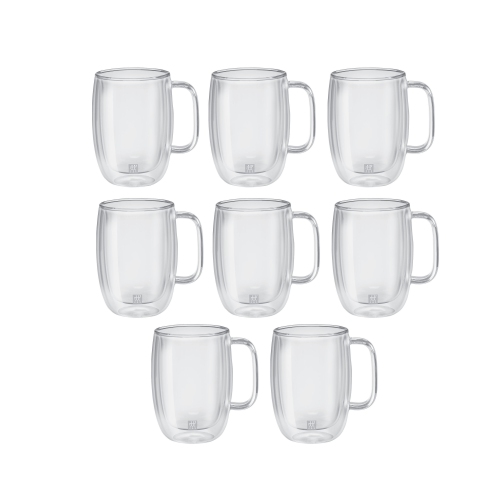 Your price for this item is $114.99
-
 Your price for this item is $114.99
-
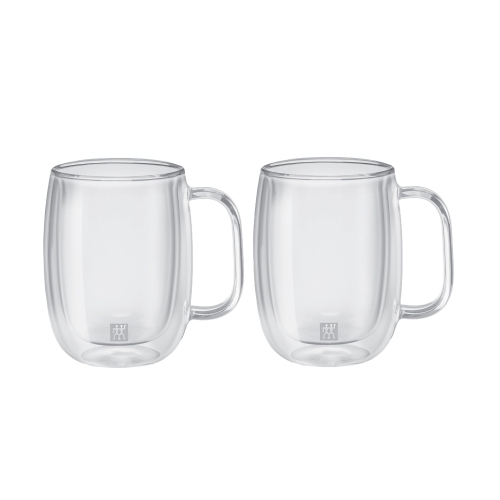 Your price for this item is $39.99
-
 Your price for this item is $99.99
-
 Your price for this item is $74.99
Discover more categories related to Paper Water Cups
Top Collections:
Best Black Friday Deals This Year, Best Black Friday Deals On Electronics, Kindle Devices, Pokemon Centers, Best Black Friday Deals On Apple Products, Best Cameras for Sports Photography, Dyson Airwrap, Pokémon 30th Celebration Cards, Apple iPhone 17 Pro, Canon G7X Cameras
Some products may be subject to Environmental Handling Fees
(EHF) depending on your province.
Learn more about EHFs.