Paring Knives for Fruit
Paring Knives for Fruit are essential tools for anyone who loves preparing fresh produce with precision and ease. Perfect for peeling, slicing, and shaping a variety of fruits, these versatile knives help you achieve clean cuts and professional-looking results in your kitchen. Whether you're creating a fruit salad or adding decorative touches to your favorite dishes, Paring Knives for Fruit offer the control and maneuverability needed for detailed tasks. Discover options designed to make fruit preparation simple and enjoyable.
Sort

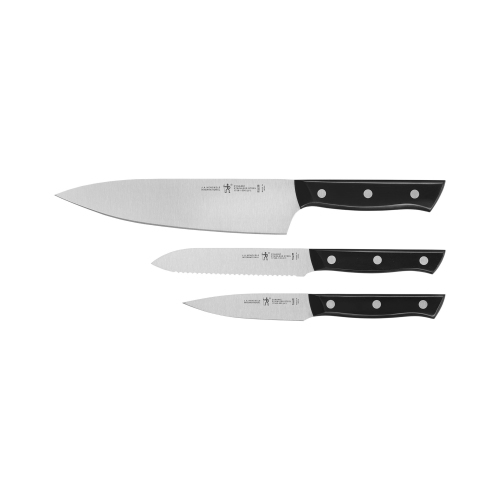
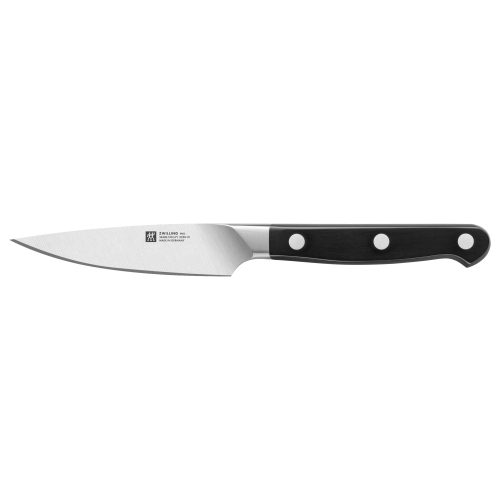
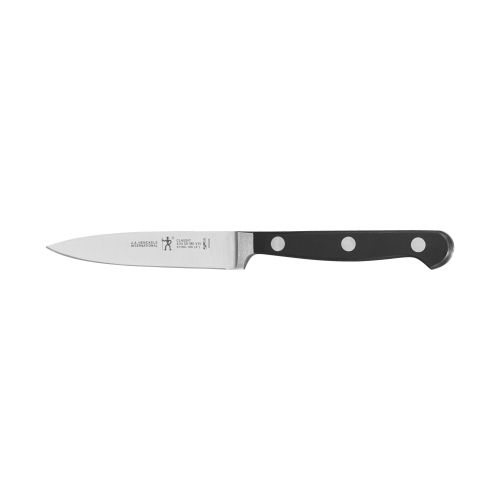
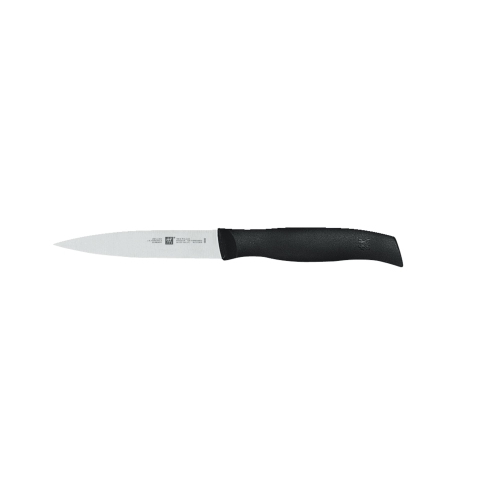
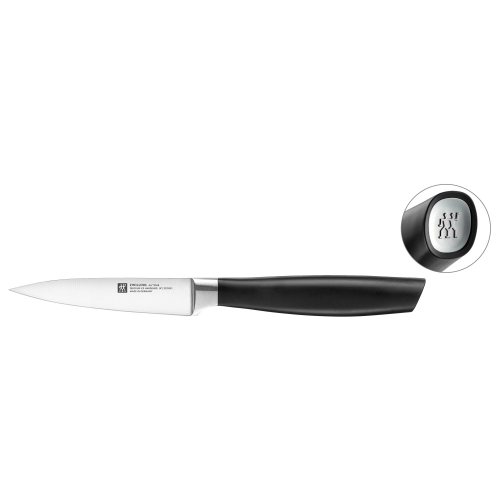
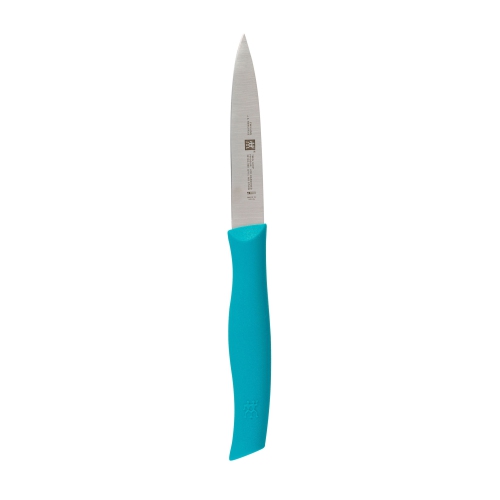
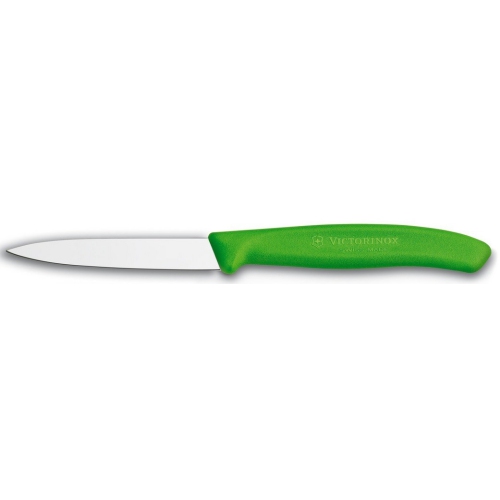
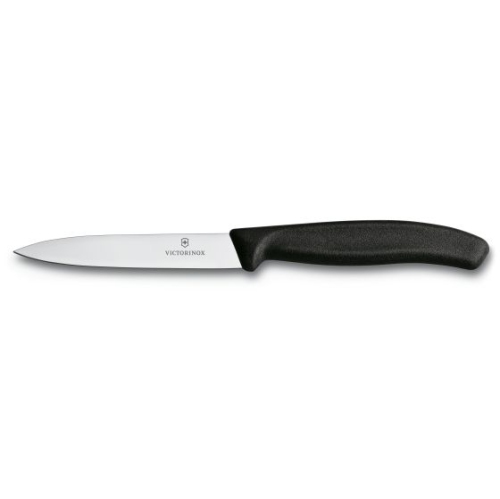
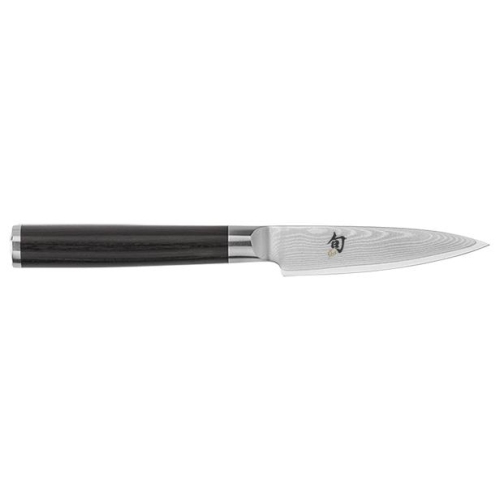
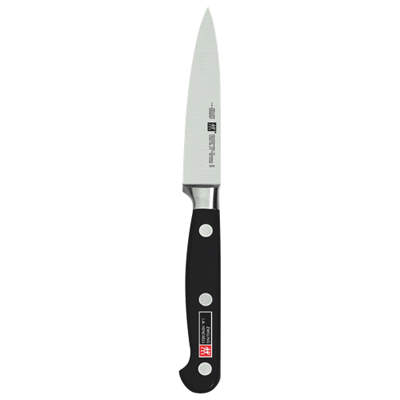
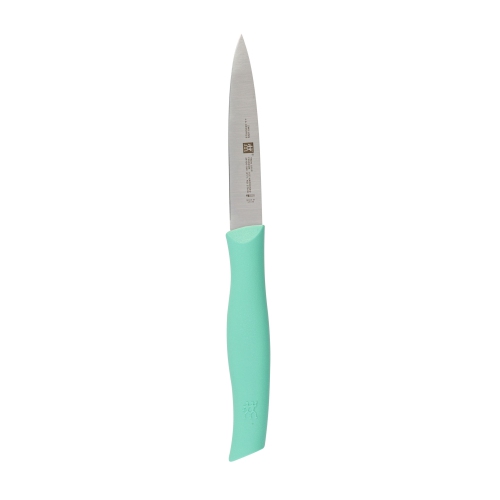
How blade shape and grip make fruit prep easier
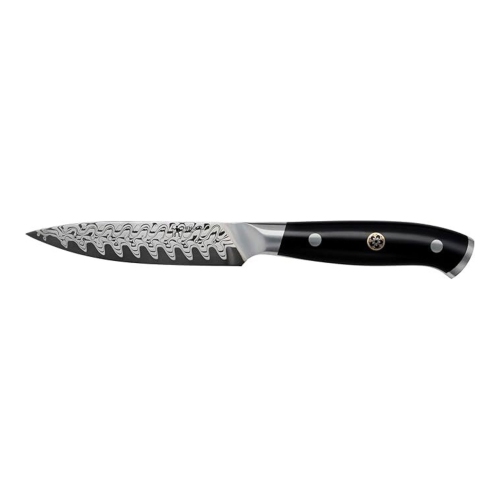
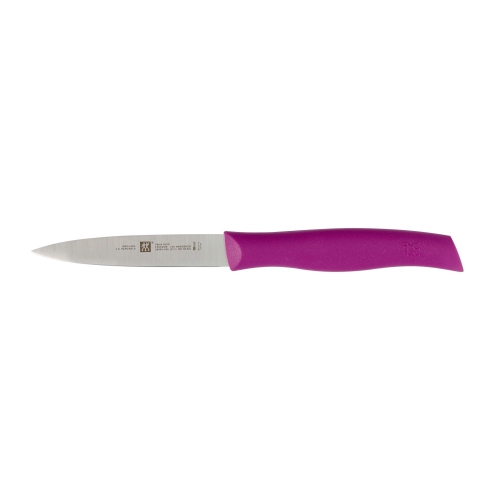
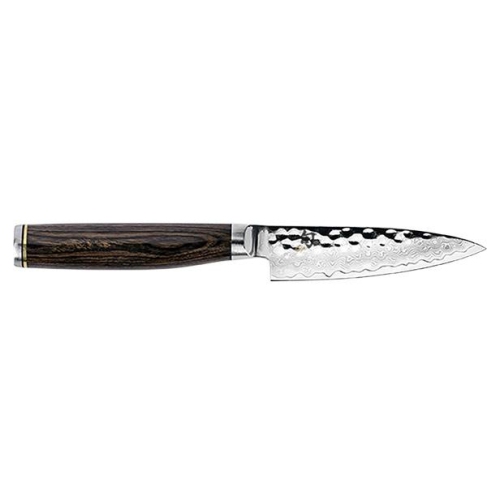
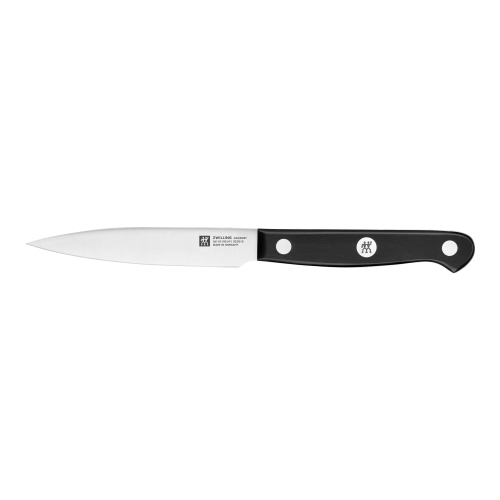
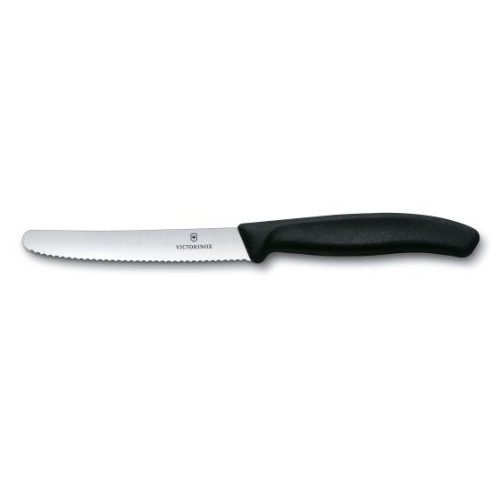
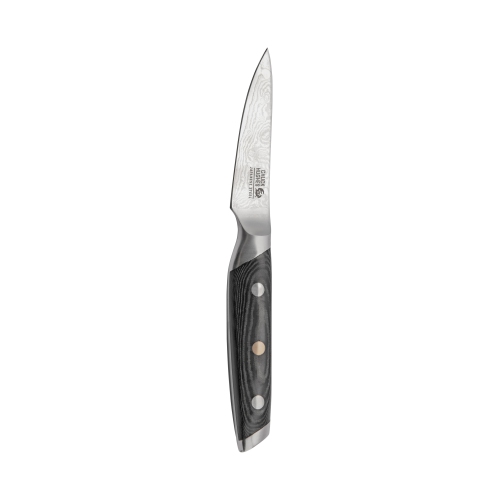
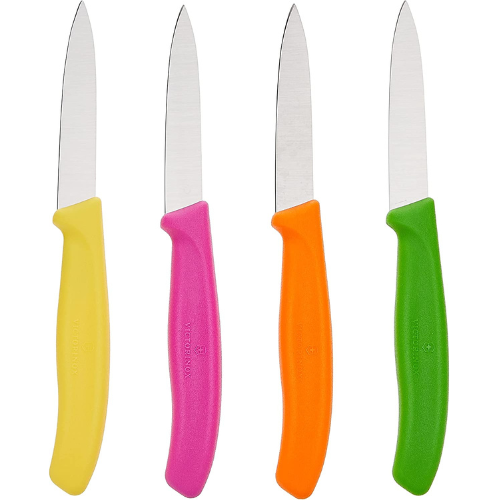
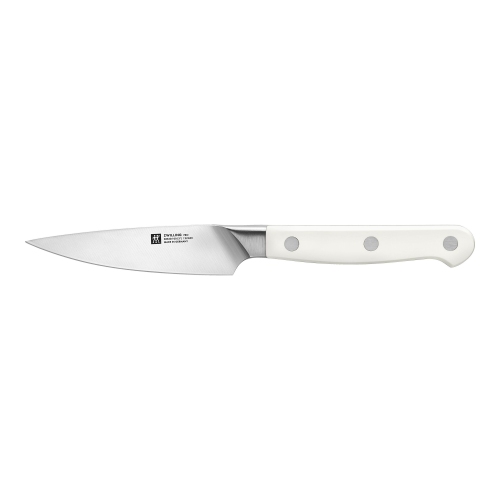
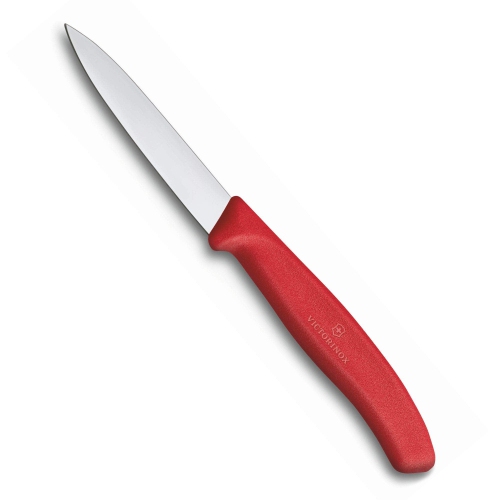
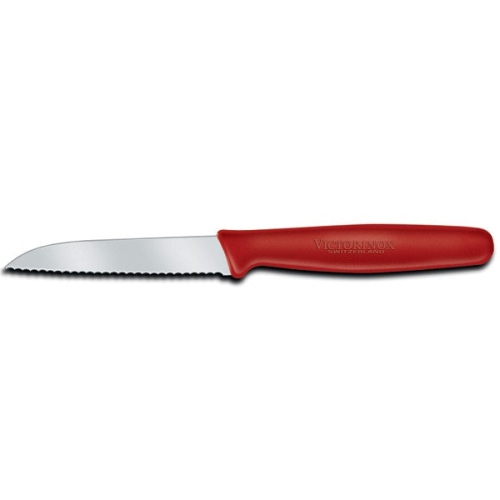
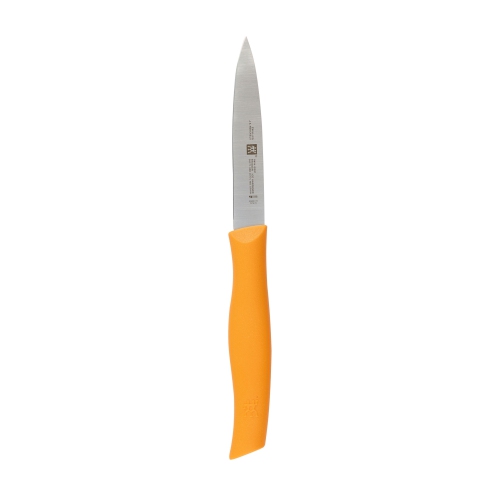
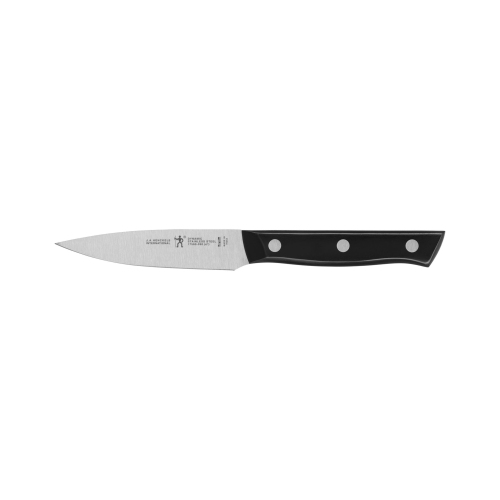
A paring knife for fruit has a short blade, typically 2.75 to 4 inches long, that makes it easier to see and control where the tip lands. That matters when the job is removing a strawberry hull without taking half the berry with it, trimming a bruise out of a pear, or lifting seeds from an apple quarter without carving away a thick wedge of flesh. A straight-edged paring knife is the most versatile shape for these jobs. Its smooth edge can shave thin strips of peel from an apple or leave clean edges on peach slices for a tart. A fine serrated edge offers more bite on fruit with firm or slippery skin and soft flesh underneath. On a ripe plum, for example, the small teeth can start the cut without the pressure that would squash the fruit. A bird’s beak paring knife, sometimes called a turning knife, has an inward-curving blade that follows rounded surfaces. That curve is useful for peeling small pears or trimming around a stem, but a straight blade is easier to use for even slices on a cutting board. Blade length affects the feel of the knife as much as the shape does. A blade near the shorter end of the range is handy for small berries and tight cuts, while one closer to 4 inches has enough reach to slice a peeled kiwi or divide a small pear. Citrus shows how a single fruit can call for different cuts: a larger kitchen knife has the reach to remove the peel and pith from a grapefruit, while a straight-edged paring knife can slip along the membranes to free individual segments. For larger fruit already halved and set flat on the board, the longer blades found among Slicing Knives can make more even portions with fewer strokes. The paring knife is still the better fit for the little cuts around seeds, stems and blemishes.
Blade material and handle fit shape how a fruit paring knife feels in everyday use. Stainless steel is common because it resists corrosion and is relatively easy to care for, a practical combination when a knife goes from cutting oranges to trimming apples. Carbon steel can also take a fine edge, but it needs prompt washing and thorough drying, particularly after contact with acidic juice. It can darken with use, which is normal for that material. Blade thickness matters as well: a thin blade can pass through delicate flesh with less resistance, while a little extra stiffness can help the blade feel steady when trimming a firm apple. Neither is a good substitute for a larger knife when the cut calls for more reach or force, such as splitting a whole melon. A paring knife should feel settled in the hand without needing a tight grip. A slim handle may suit smaller hands, while a fuller, rounded handle can give larger hands a more comfortable hold during a bowlful of berry prep. A smooth handle can feel very different once peach juice reaches the fingers, so a gently shaped handle or lightly textured finish is worth considering. Moulded synthetic handles are straightforward to wash, while wood has a different feel in the hand and benefits from being washed without soaking and dried promptly. Where the handle meets the blade, a smooth joint is easier to wipe clean after sticky jobs such as slicing nectarines. Weight is largely a matter of preference. A light knife can feel nimble for repeated trimming, but a heavier handle may feel steadier to someone accustomed to a larger kitchen knife. What matters is whether the knife remains comfortable and easy to control from the first piece of fruit to the last.
For someone who packs lunches, a straight-edged paring knife can cover the everyday work of removing cores, trimming away soft spots and slicing fruit into pieces that fit a container. A baker who lines a tart with thin pear slices may value a blade that releases each slice cleanly. Someone who assembles fruit platters more often might find a fine serrated edge especially useful for cutting through soft-skinned fruit neatly enough to leave the peel on. Two blade shapes can make sense when both get regular use, but one comfortable straight-edged knife is enough for many kitchens. That makes a paring knife a practical housewarming gift, particularly for a home cook setting up a kitchen or replacing a bulky knife used for small jobs. A blade guard can be a useful addition if drawer space is limited. Everyday care makes a difference to how long a paring knife stays pleasant to use. A wood or plastic cutting board is gentler on the edge than a glass board or a ceramic plate. A flat surface on the fruit also makes it steadier: an apple half set cut-side down is much less likely to roll while it’s being cut into wedges. After prep, handwashing with mild dish soap and drying the knife before putting it away can help protect both blade and handle. A guard that fits snugly or a slot in a knife block keeps the edge from knocking against utensils in a drawer. When a straight edge starts to need noticeably more pressure to cut through an apple peel, it may be ready for sharpening. Serrated blades need a sharpening method suited to their grooves rather than the same treatment as a straight blade. A well-kept edge and a comfortable handle make small tasks feel less fussy, whether it’s trimming a handful of strawberries for breakfast or preparing enough fruit to fill a serving platter.
Top selling and popular products
-
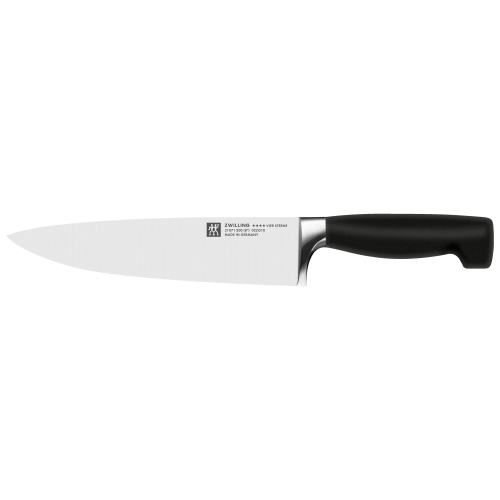 Your price for this item is $129.99
-
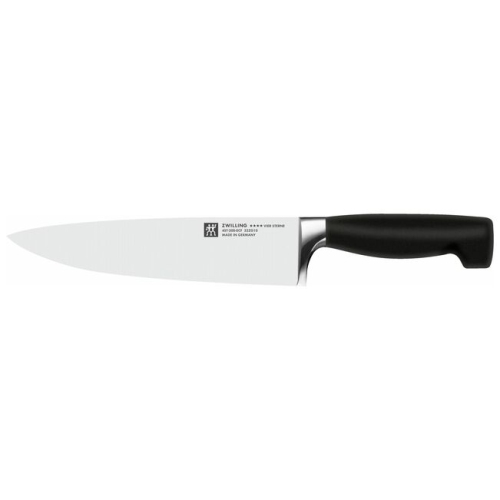 Your price for this item is $199.99
-
 Your price for this item is $139.99
-
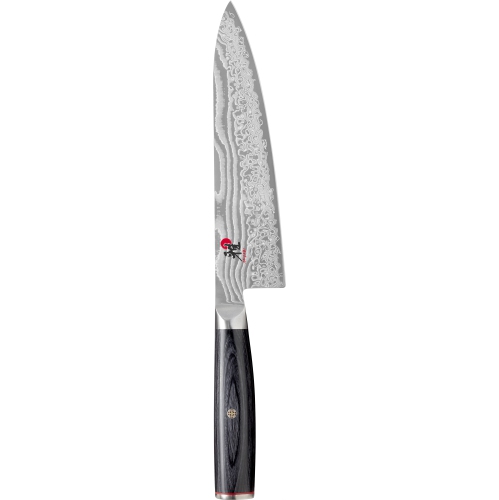 Your price for this item is $229.99
-
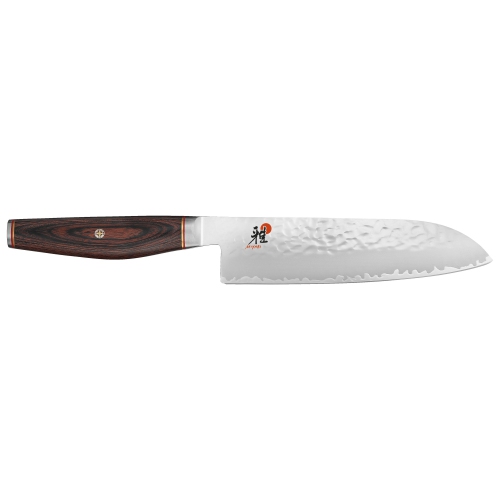 Your price for this item is $329.99
-
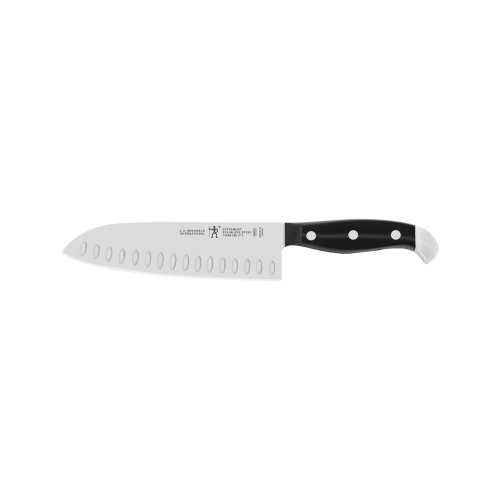 Your price for this item is $29.99
-
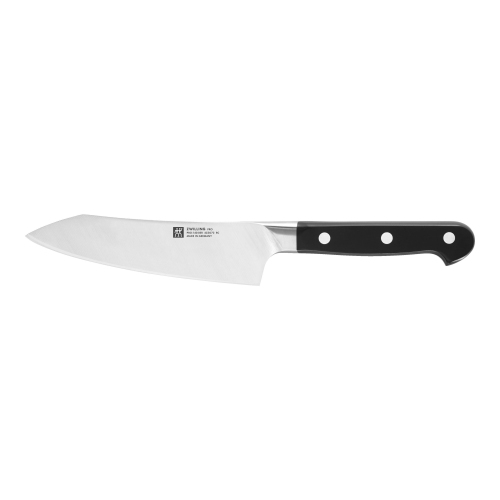 Your price for this item is $79.99
-
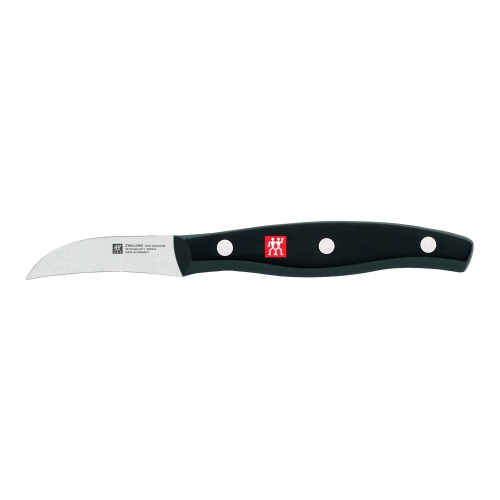 Your price for this item is $49.99
Discover more categories related to Paring Knives for Fruit
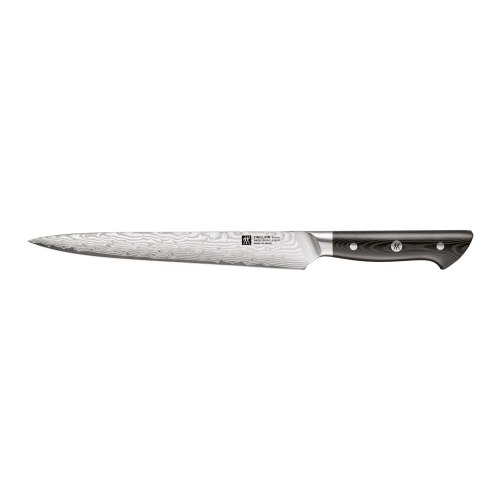
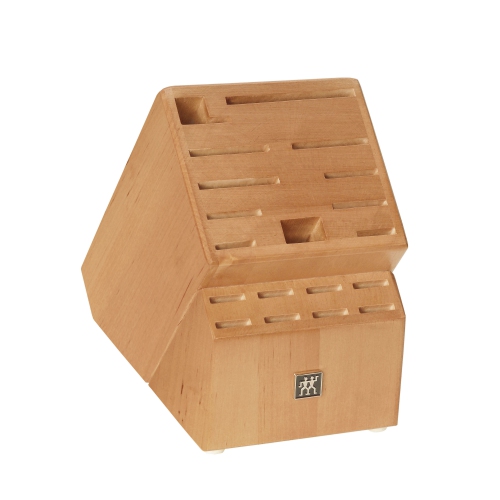
Top Collections:
Best Black Friday Deals This Year, Best Black Friday Deals On Electronics, Kindle Devices, Pokemon Centers, Best Black Friday Deals On Apple Products, Best Cameras for Sports Photography, Dyson Airwrap, Pokémon 30th Celebration Cards, Apple iPhone 17 Pro, Canon G7X Cameras
Some products may be subject to Environmental Handling Fees
(EHF) depending on your province.
Learn more about EHFs.