Pedestal Accent Tables
If you're looking to add a touch of elegance to your home, consider adding a pedestal accent table. These eye-catching pieces of furniture are perfect for almost any room in the house, from the living room to the bedroom. With their unique shape, pedestal accent tables are sure to draw attention and add a touch of sophistication to almost any room. Here are some of the great options available.
Sort
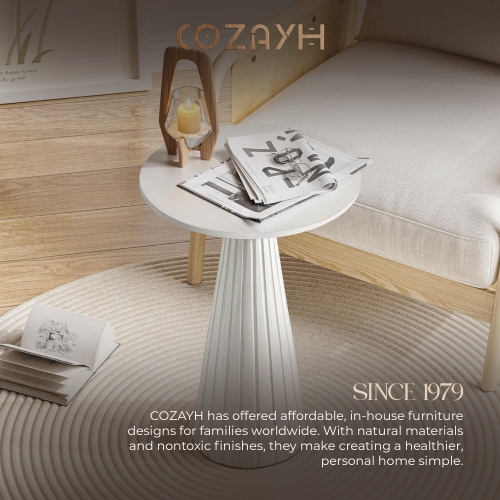
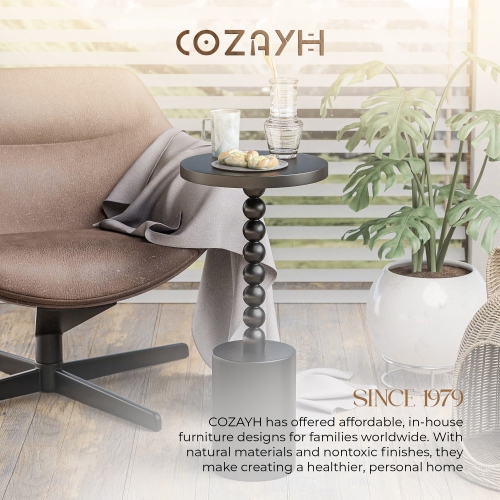
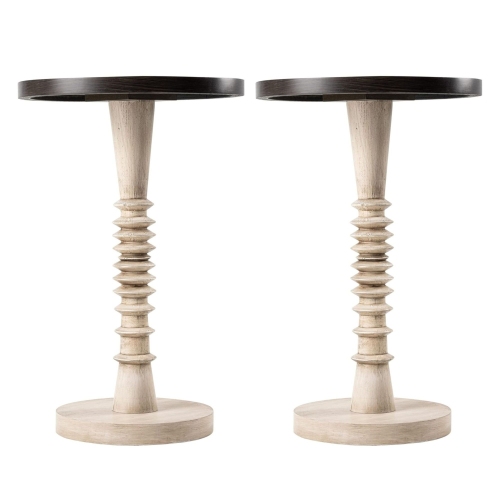
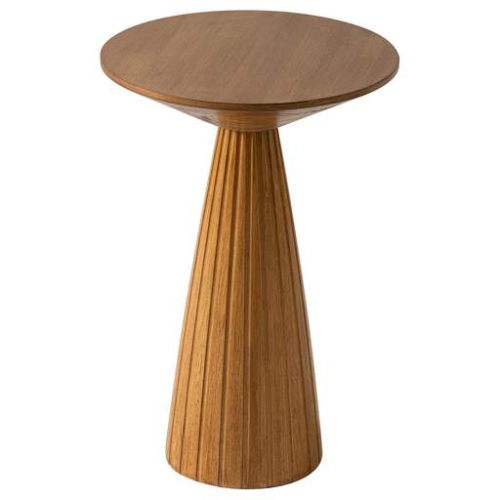
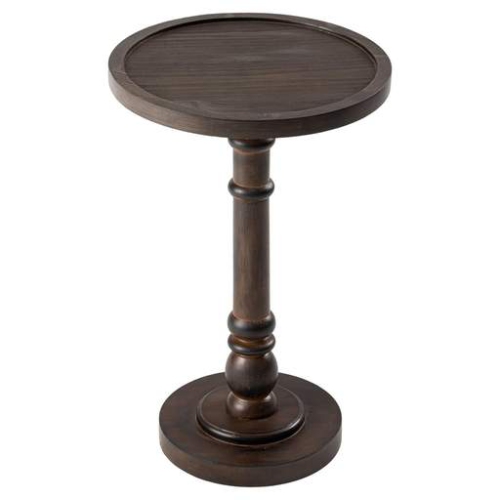
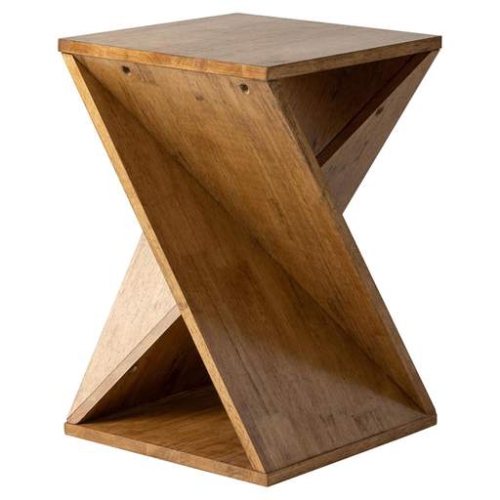
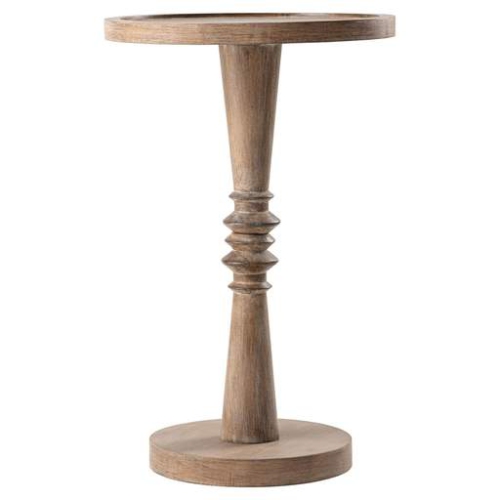
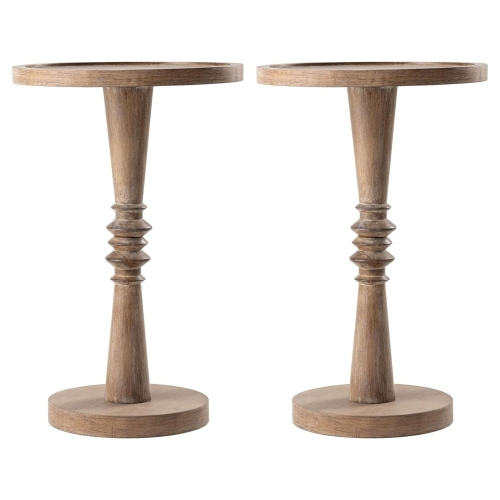
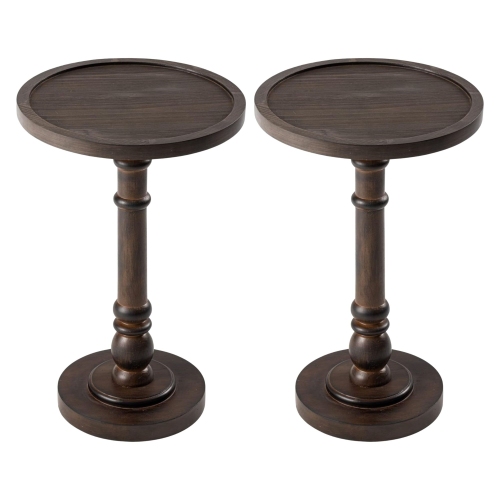
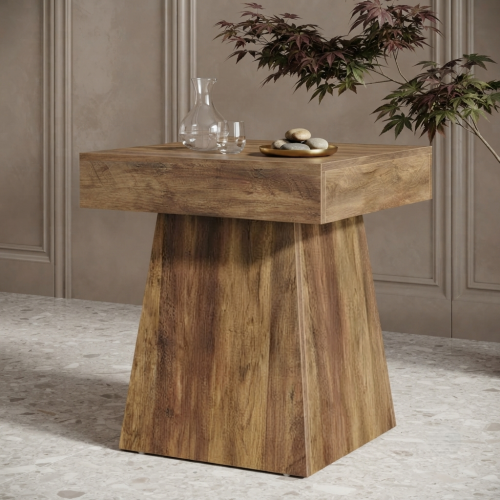
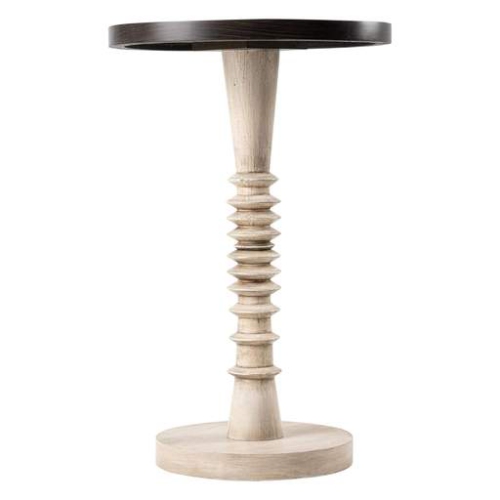
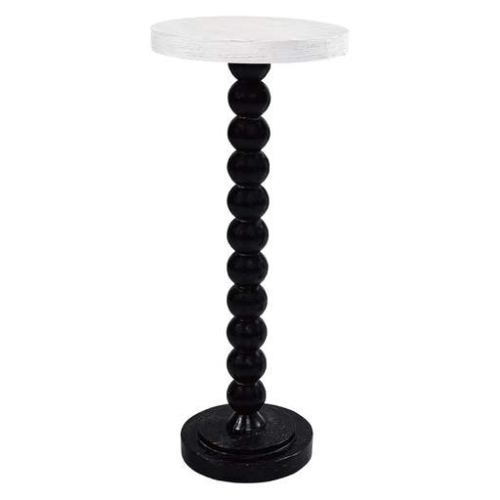
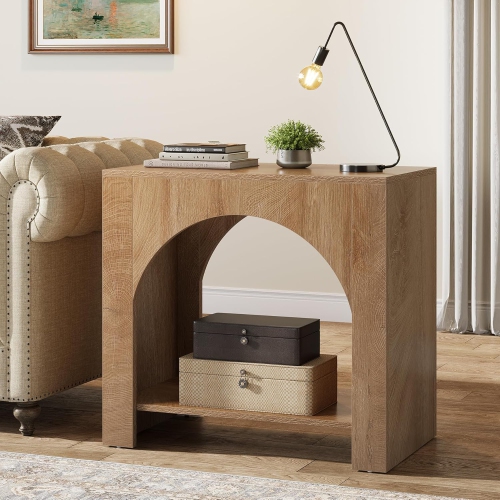
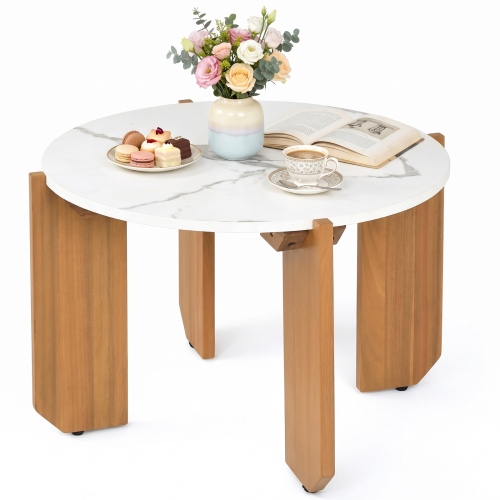

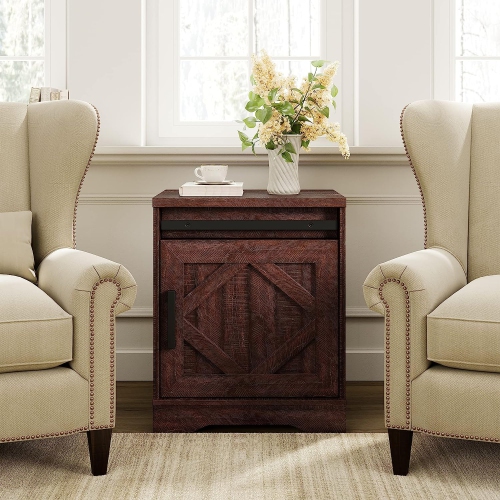

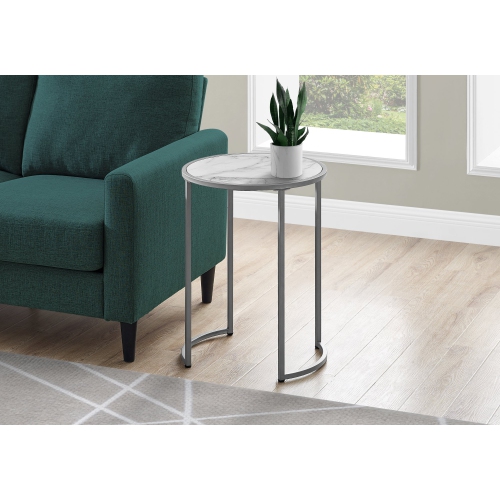
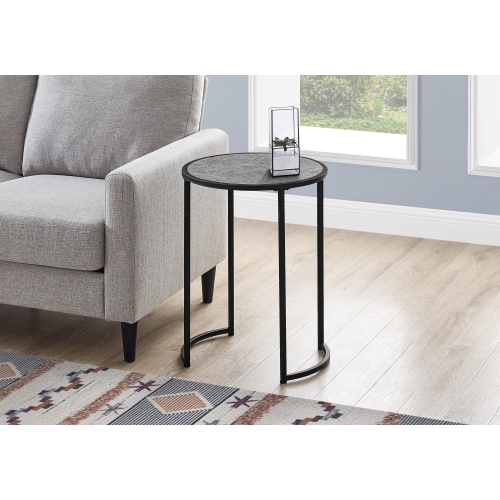
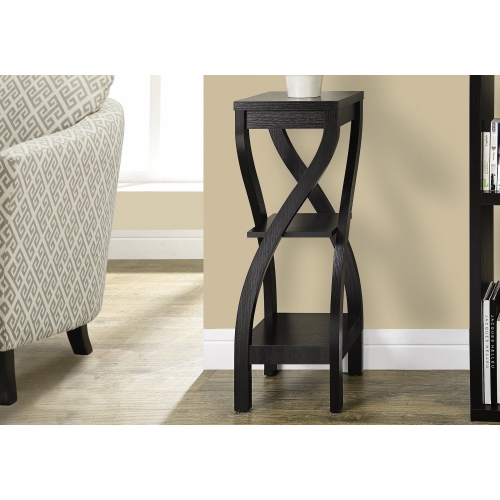
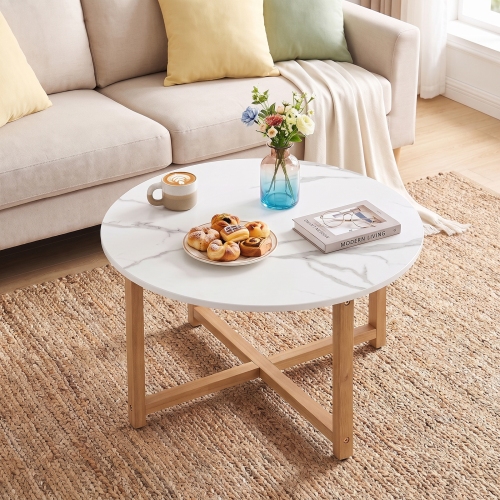
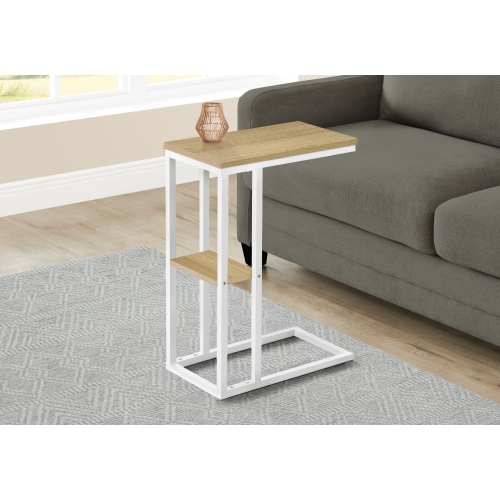

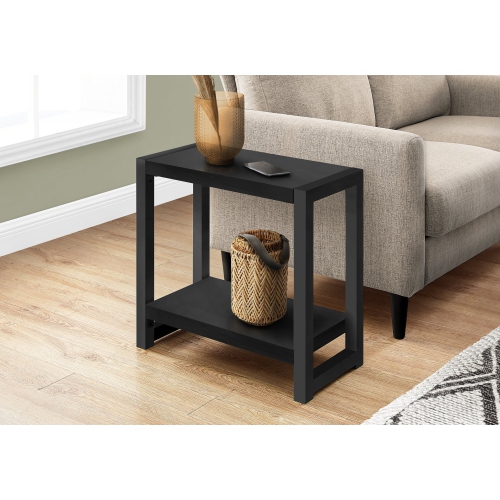
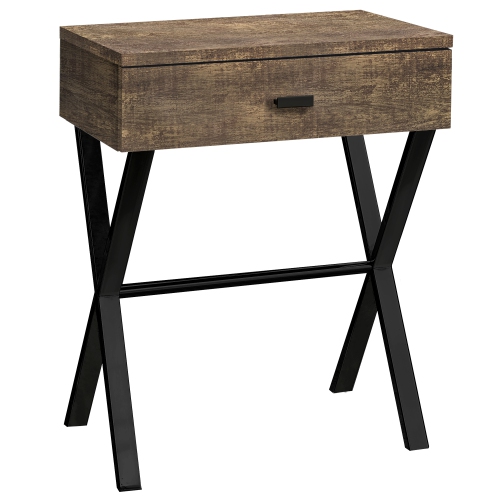
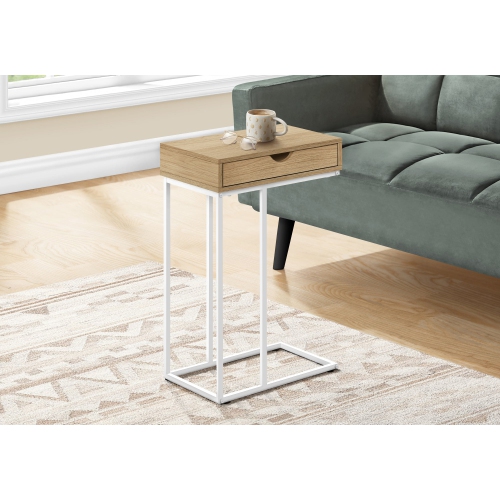
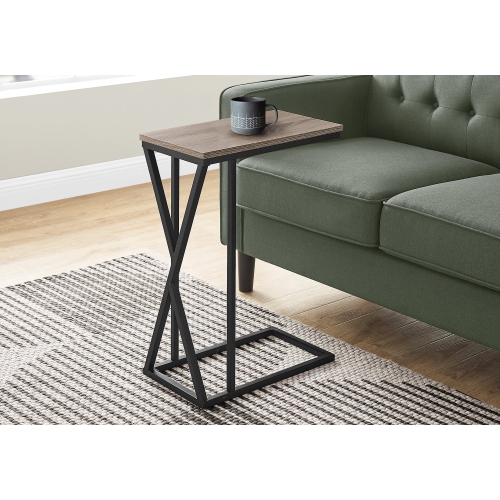
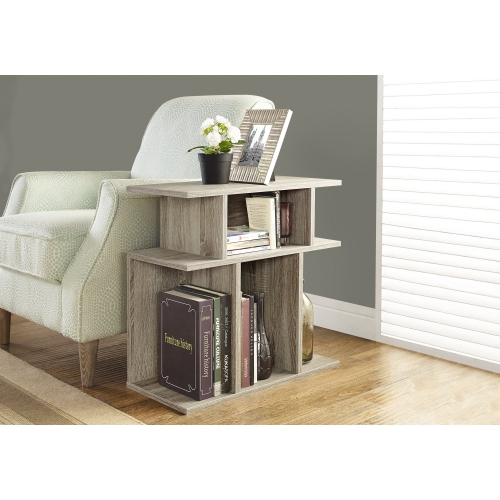
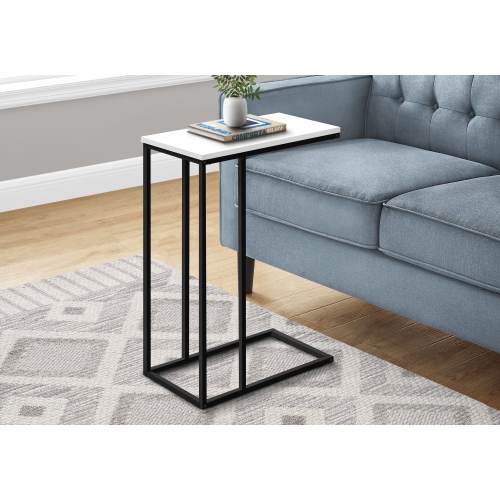
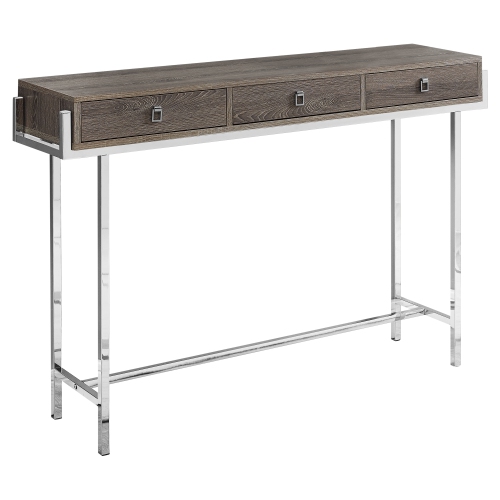
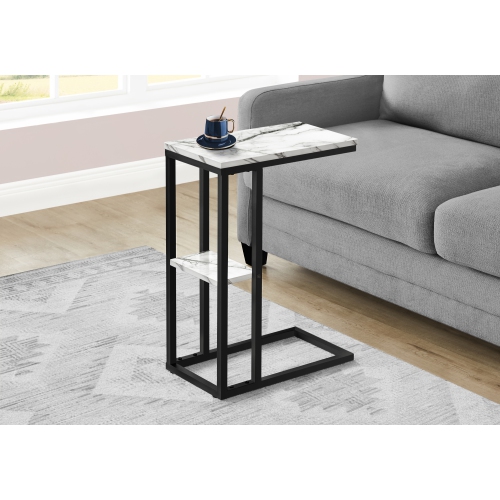
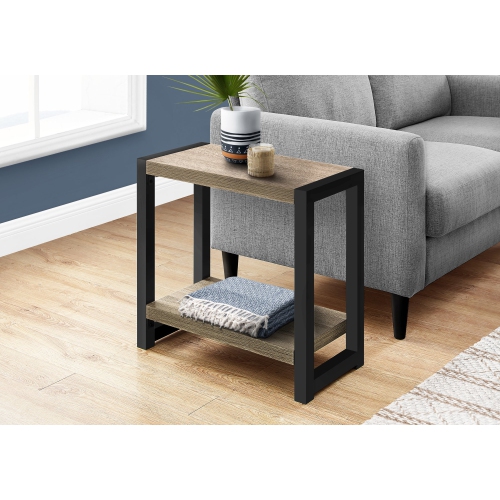


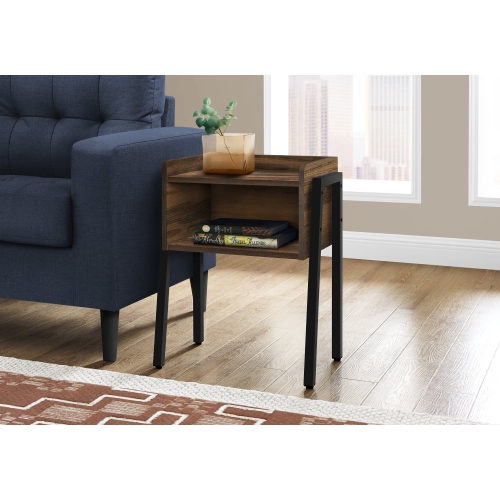
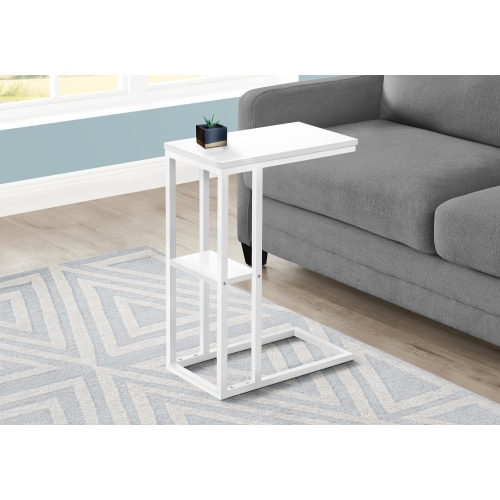
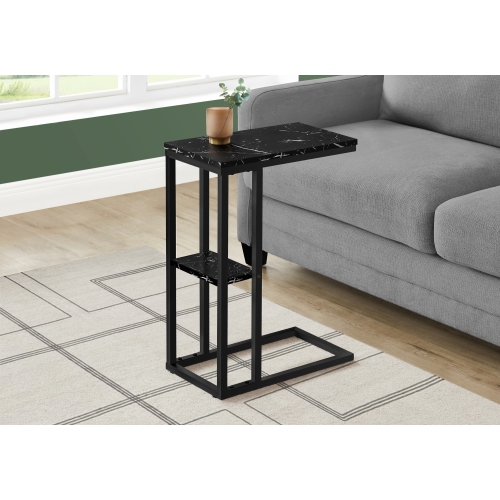
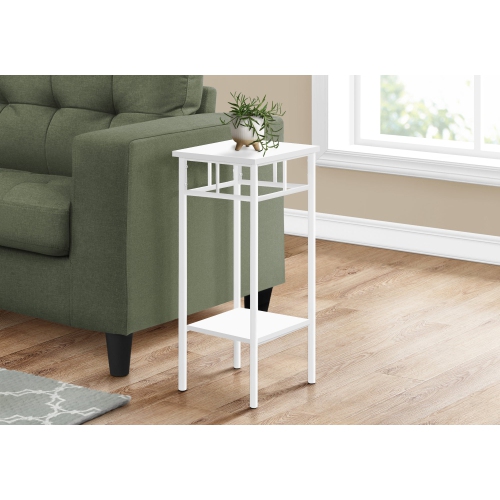
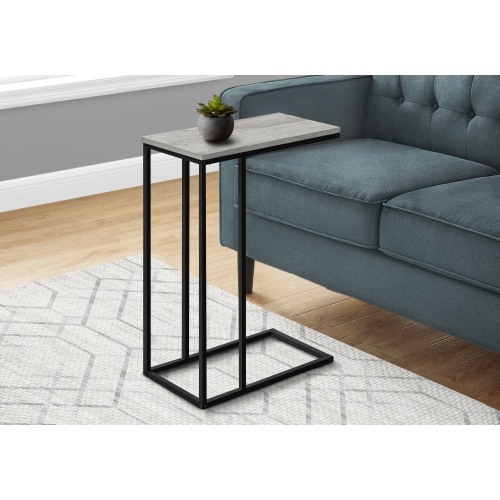
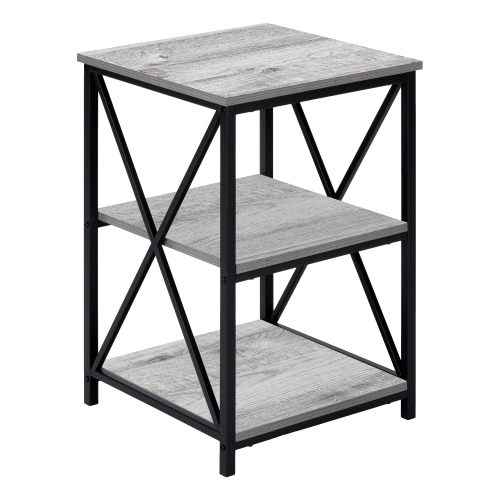

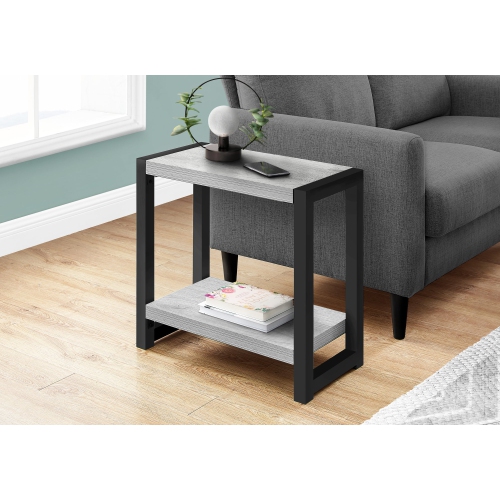
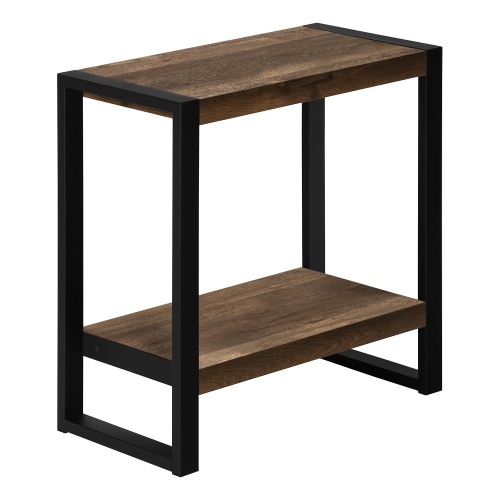
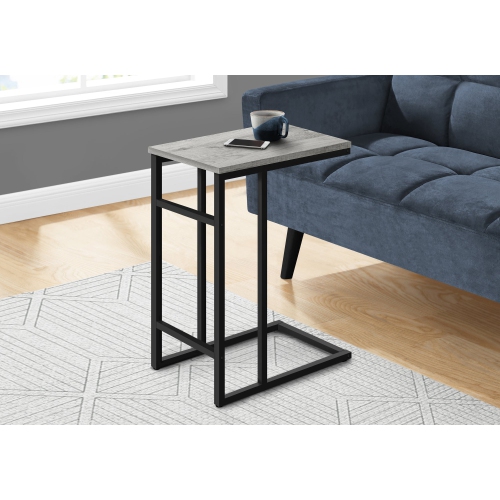
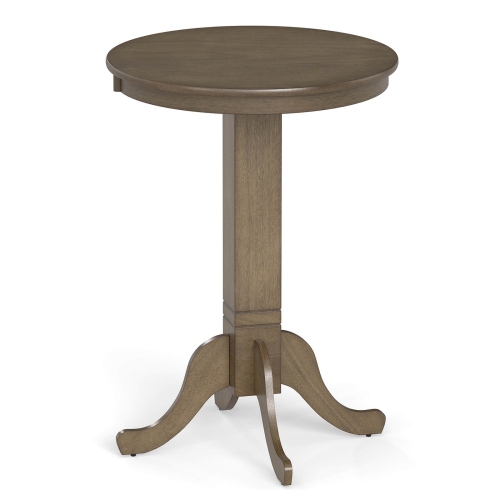

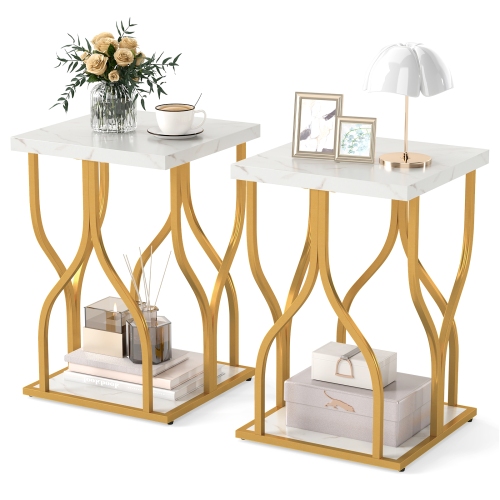
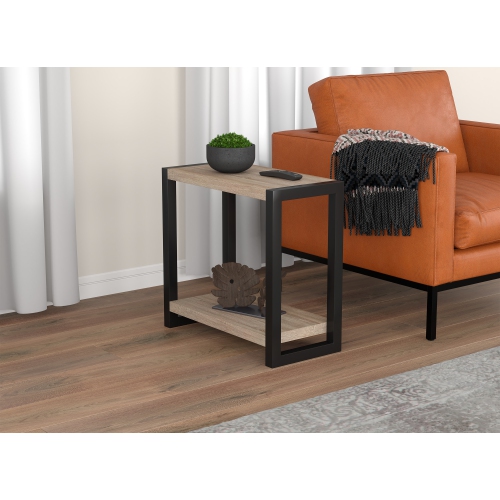
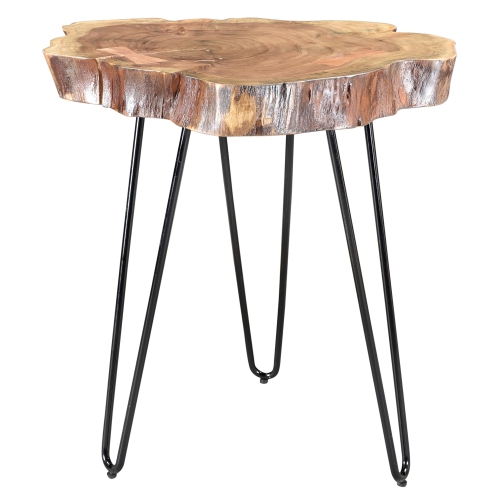
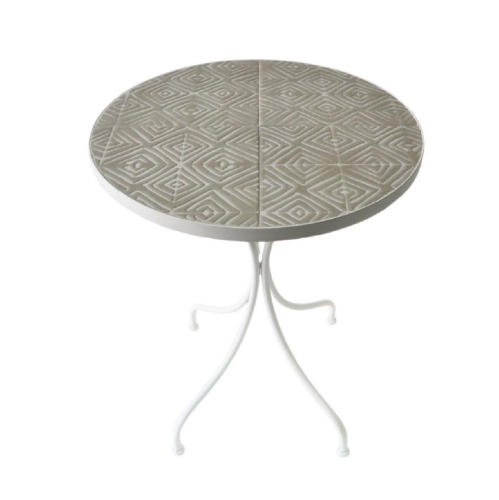
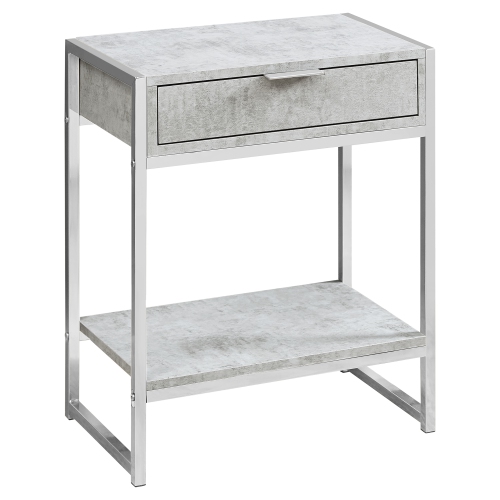
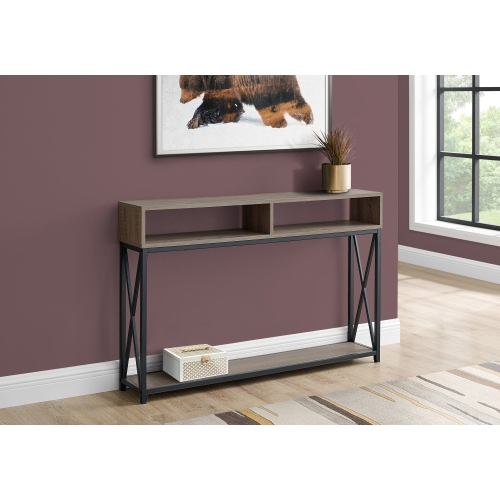
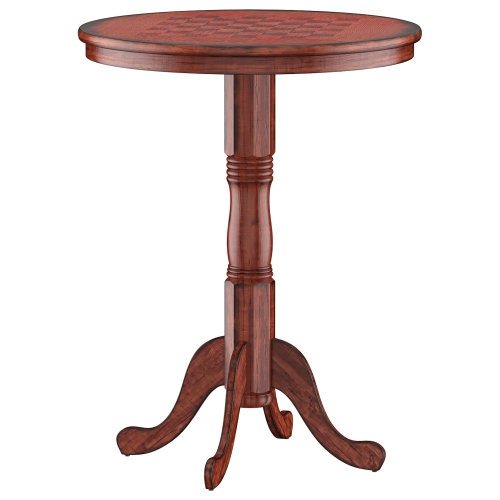
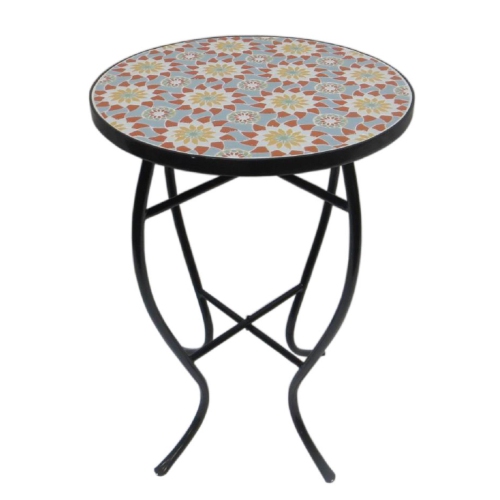
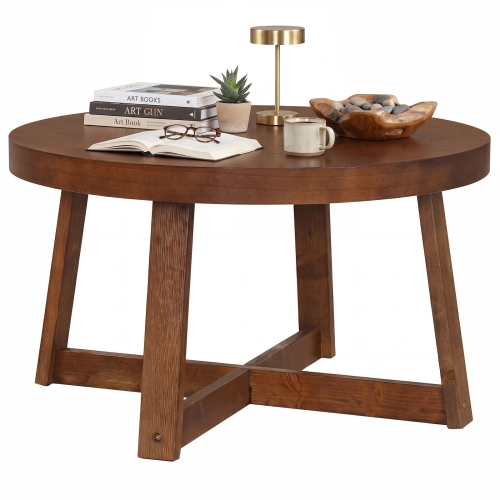
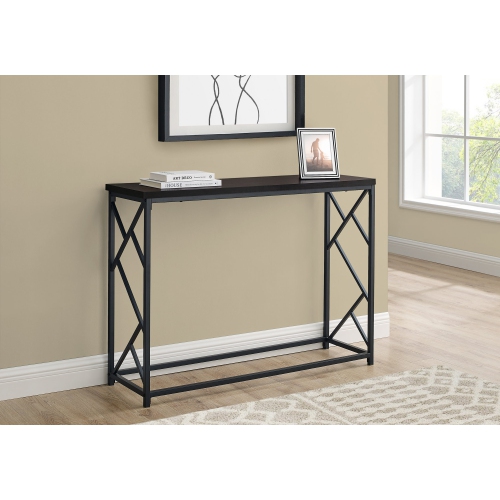
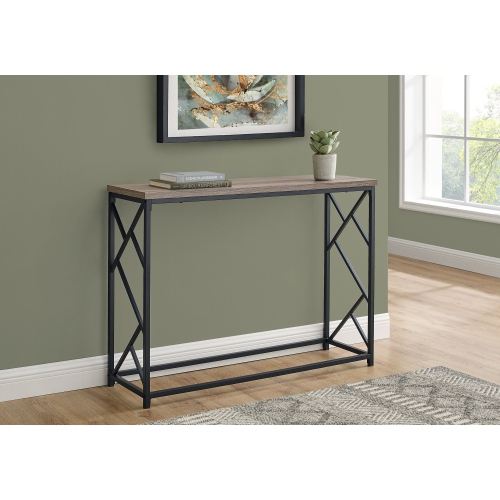
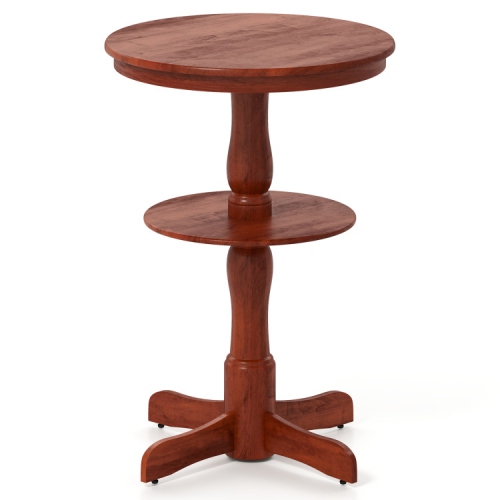

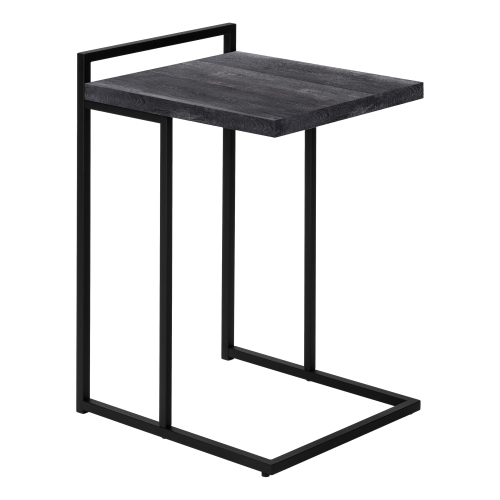


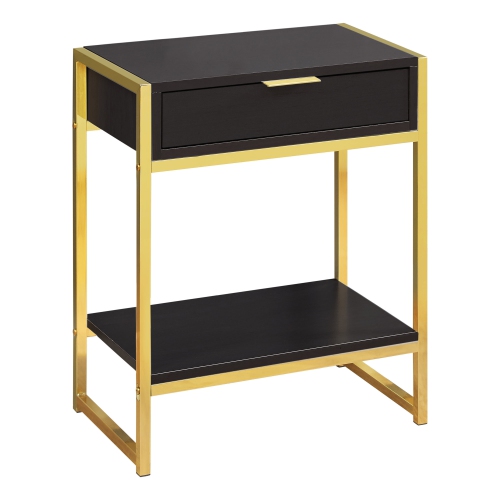
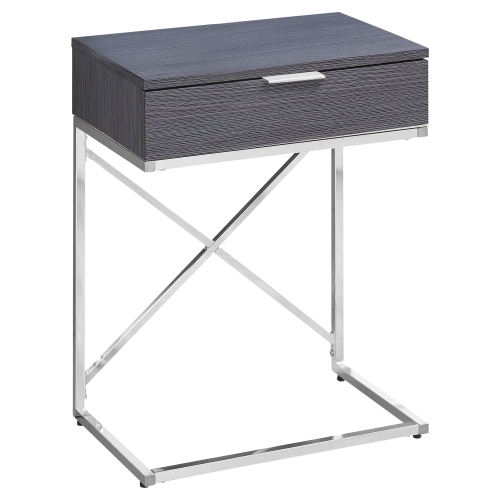
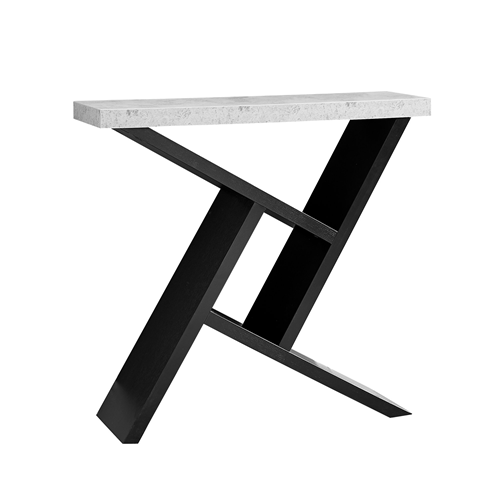
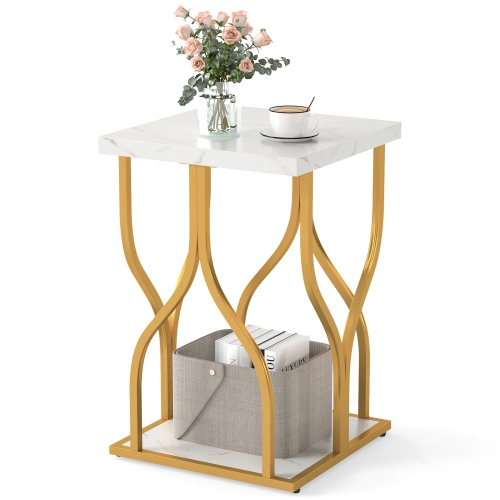
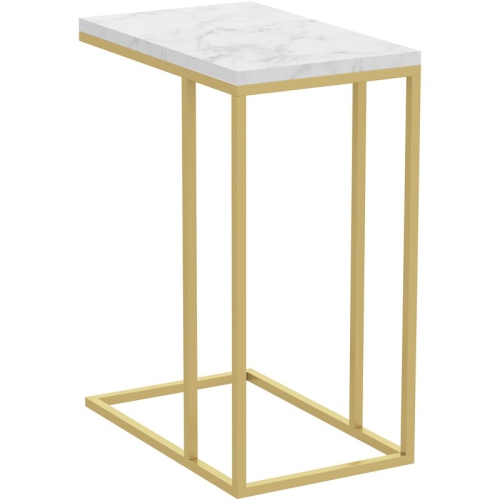
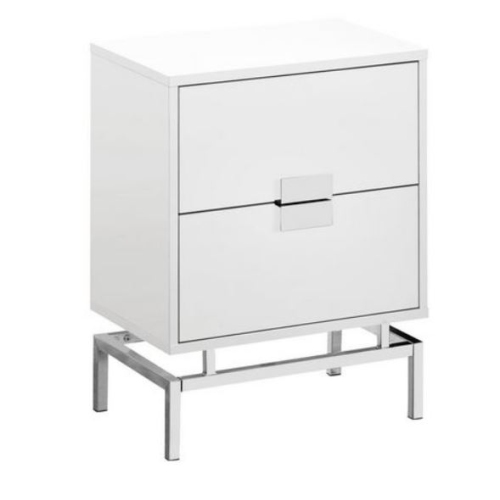

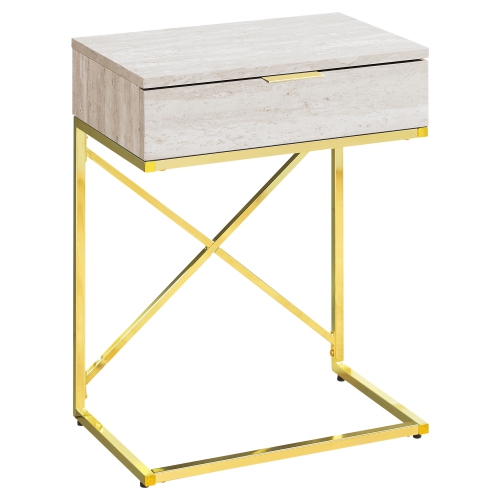

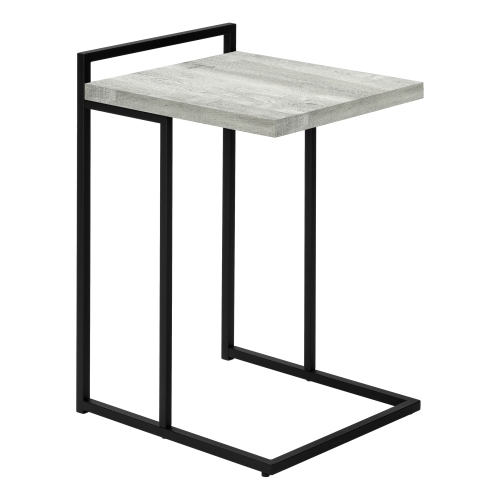


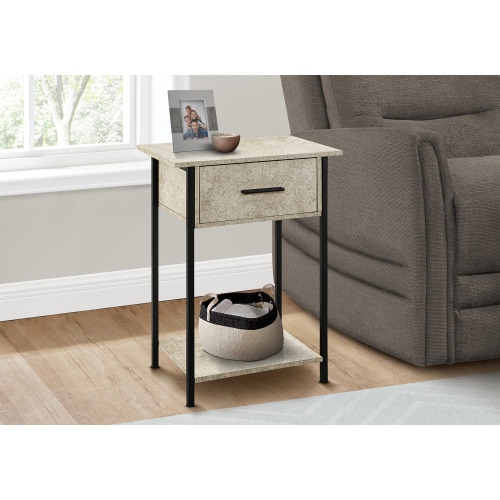
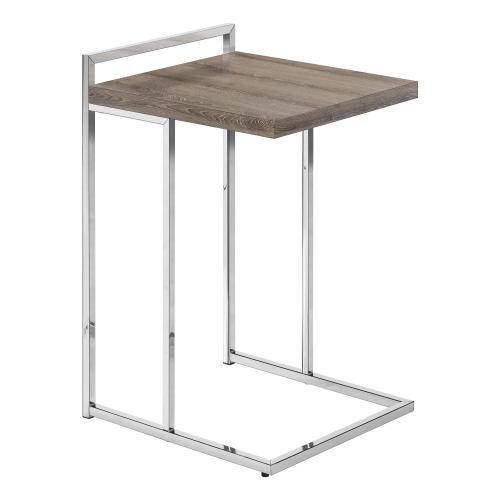
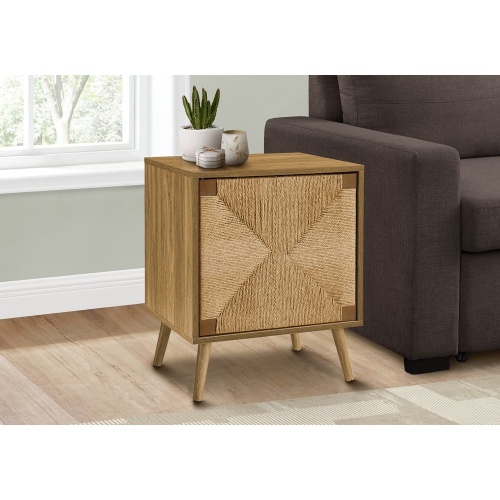

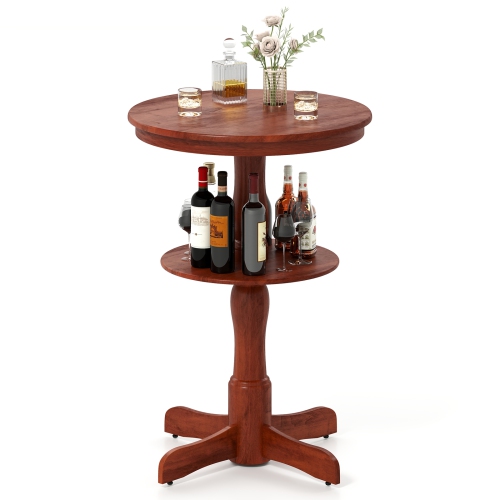
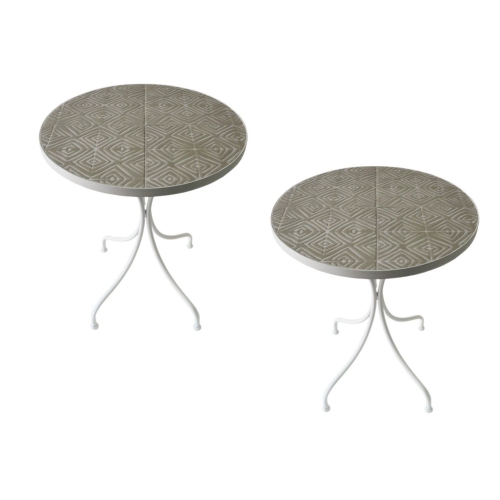
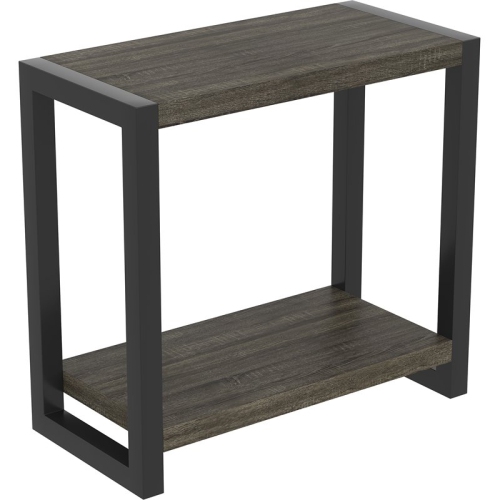
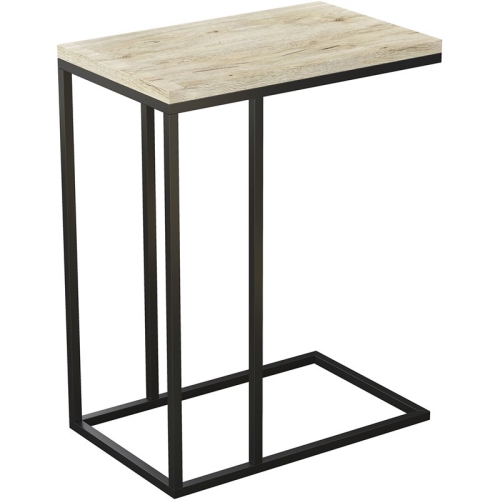
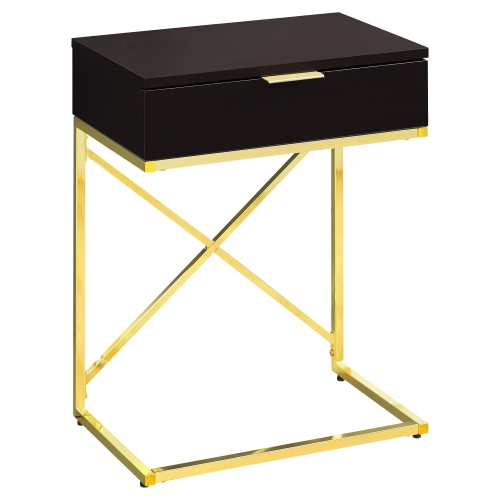
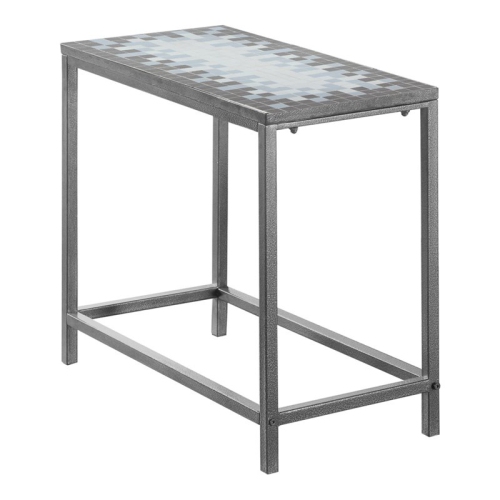
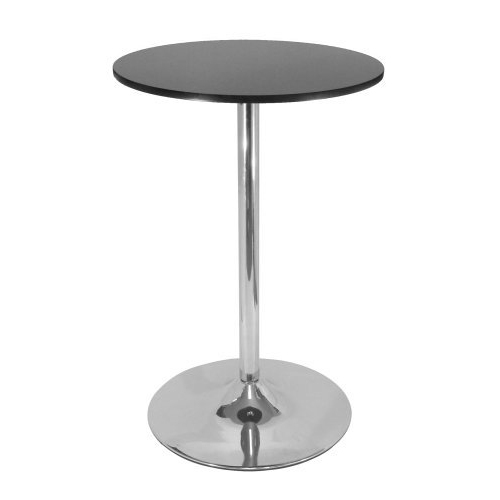

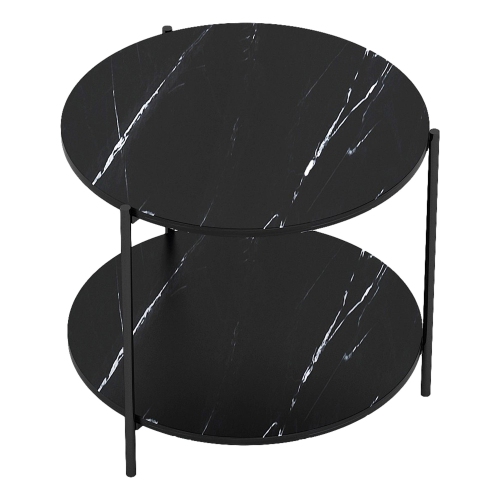


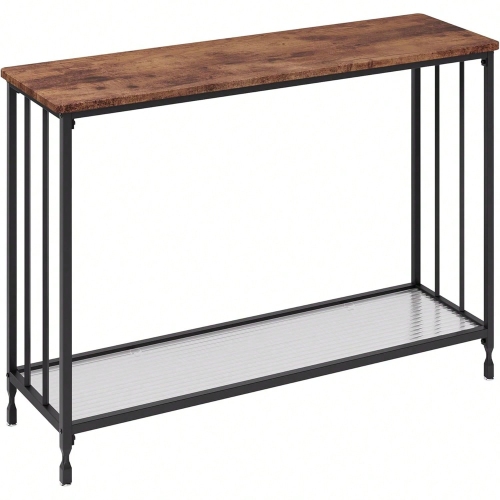
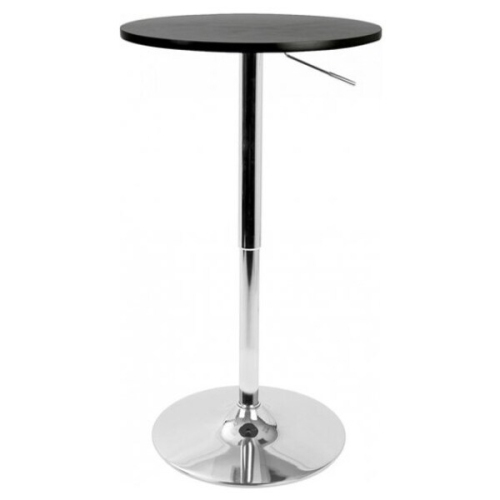
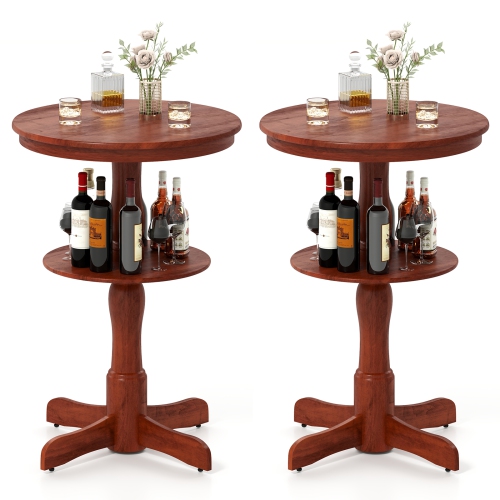
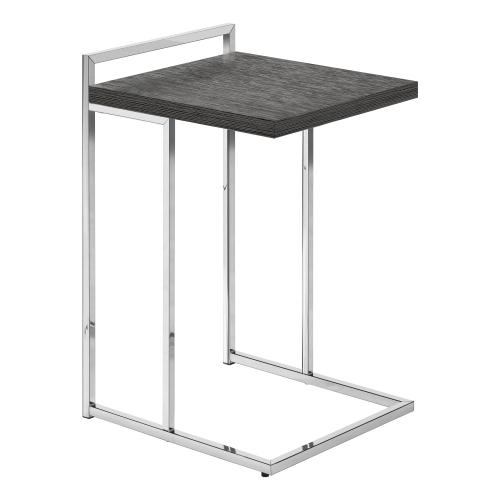
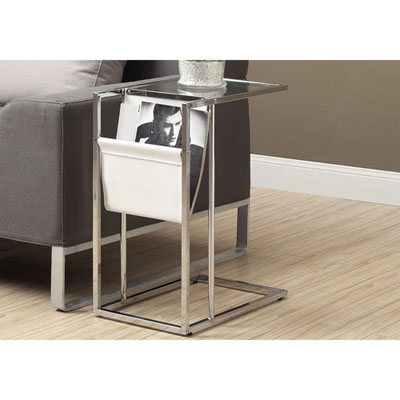
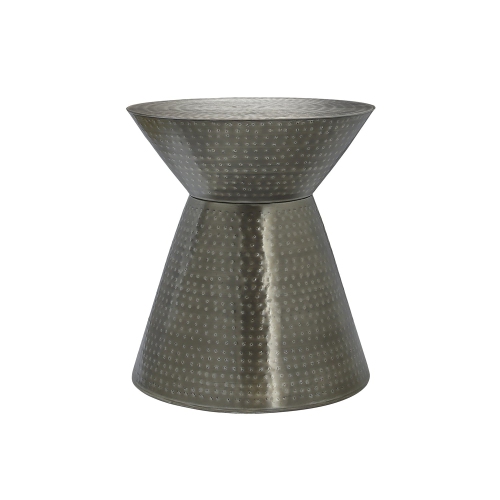
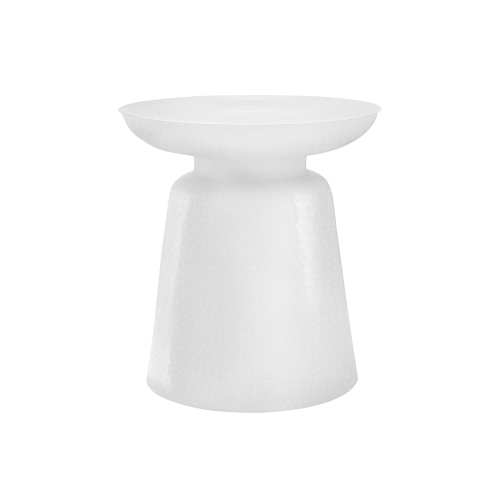
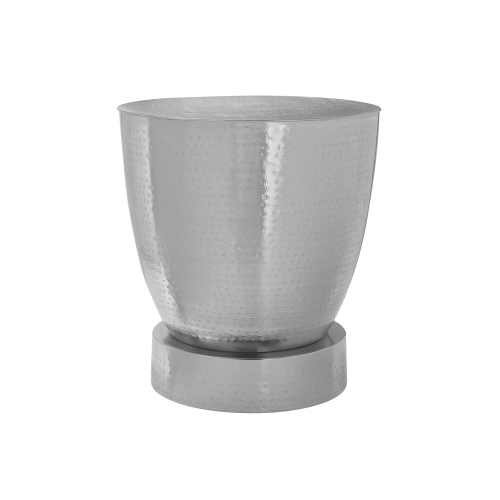
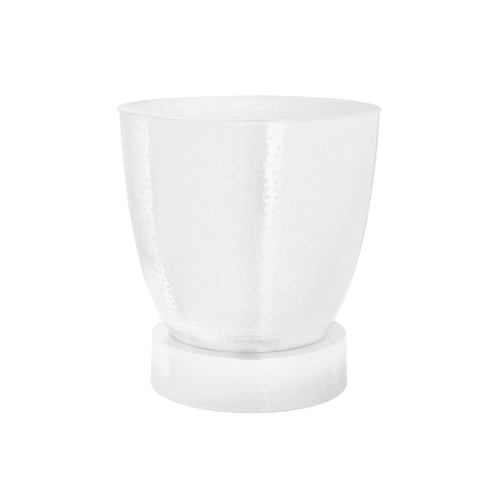

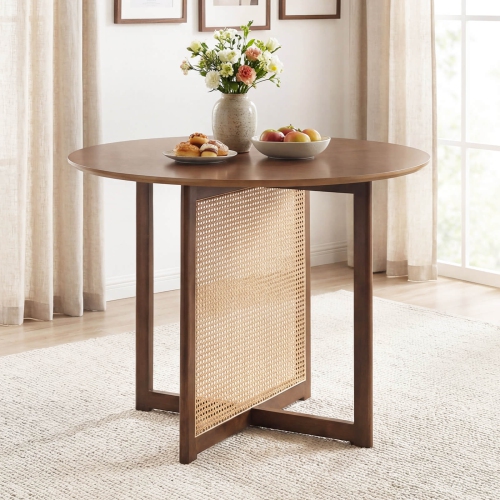
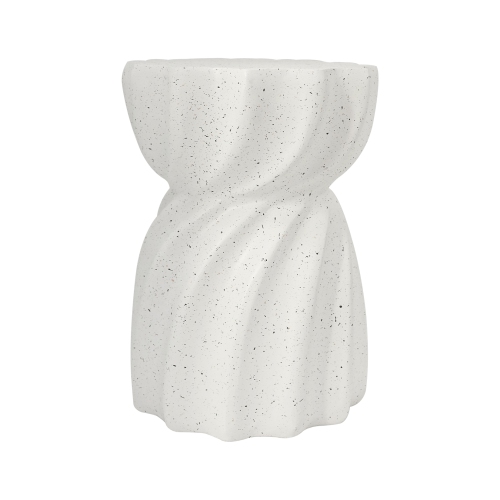
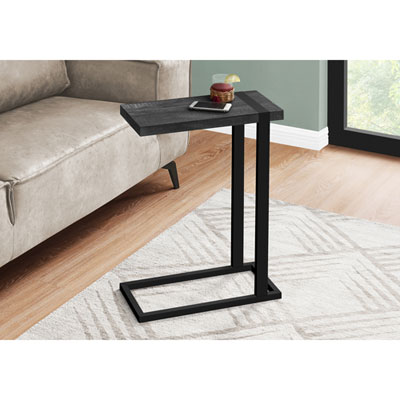
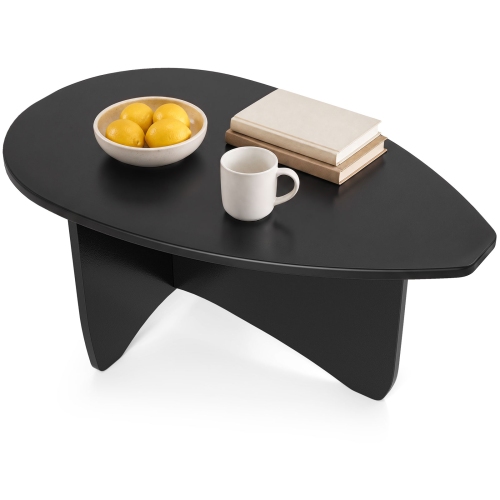

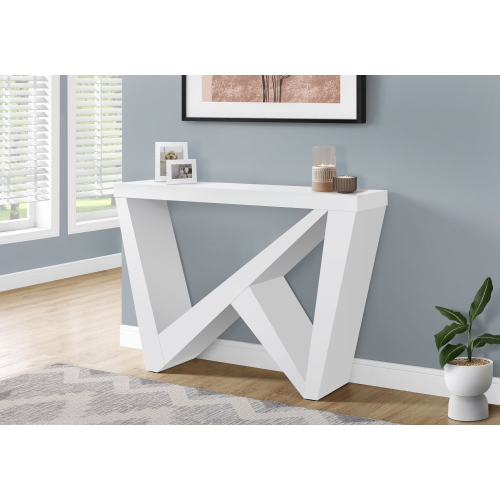
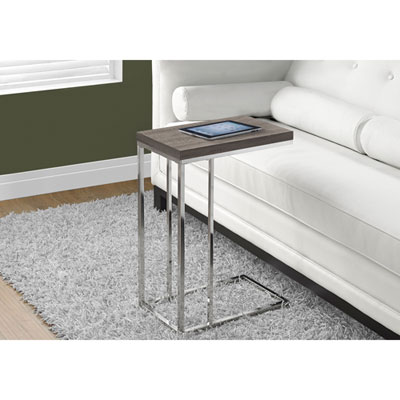
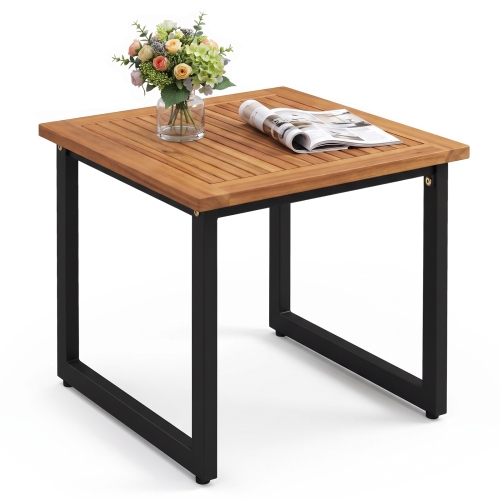
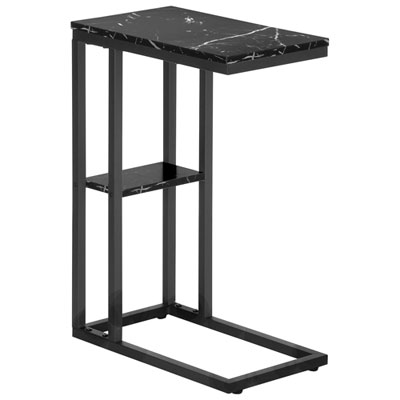
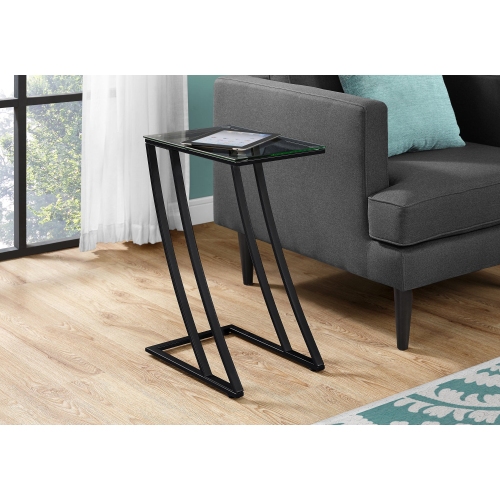
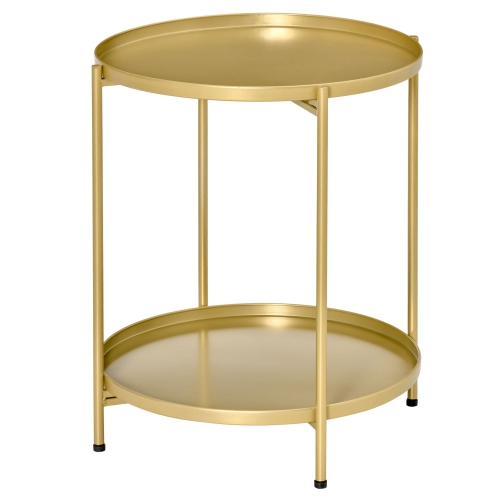
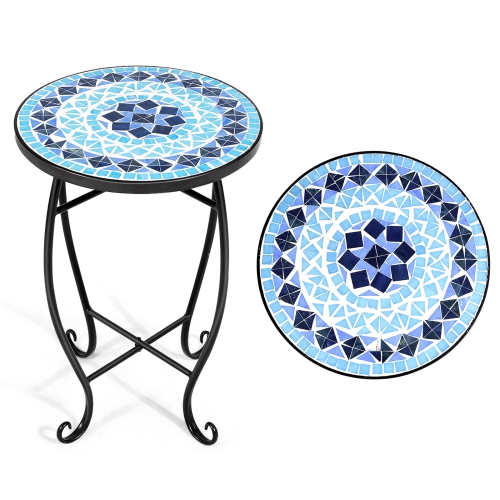

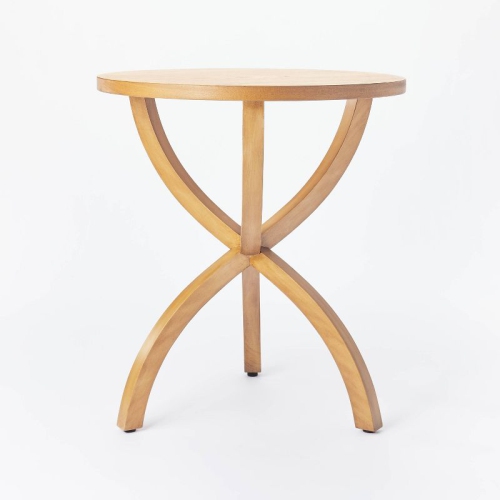
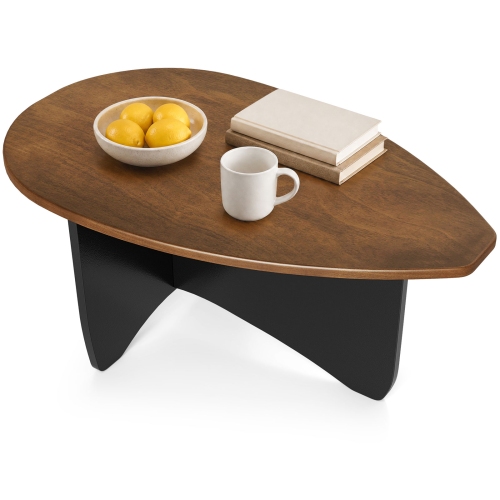
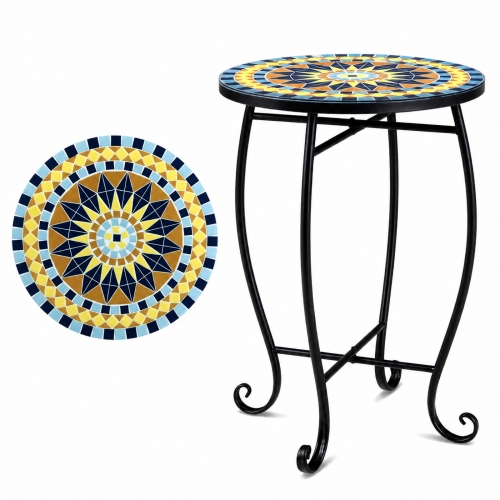
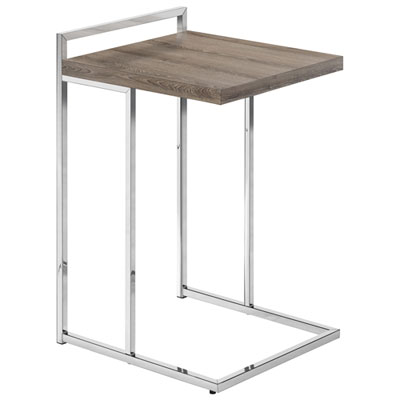
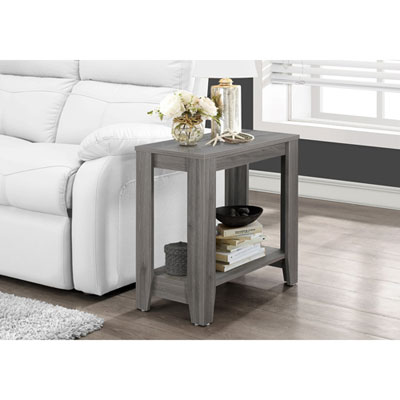
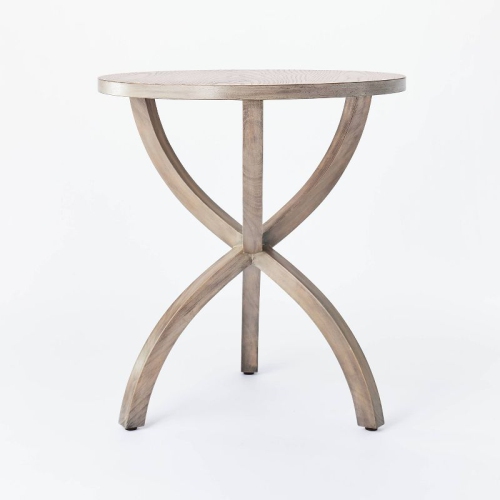
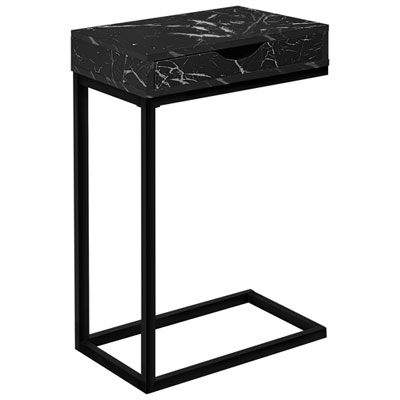
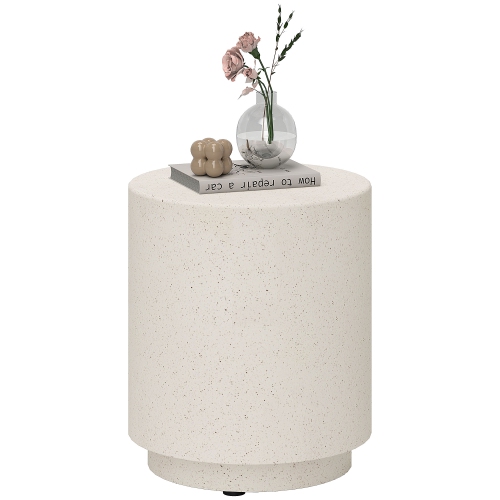
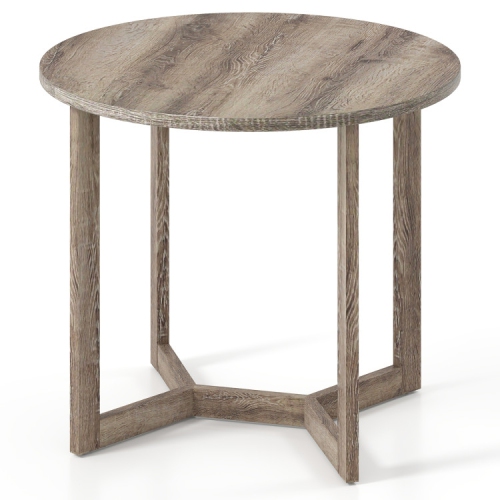
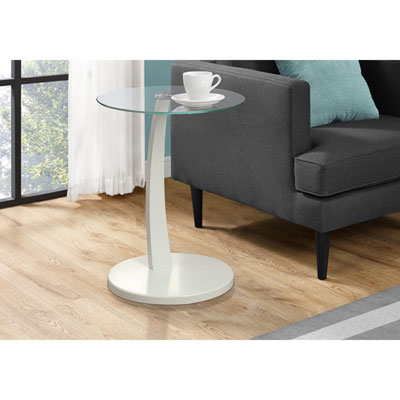

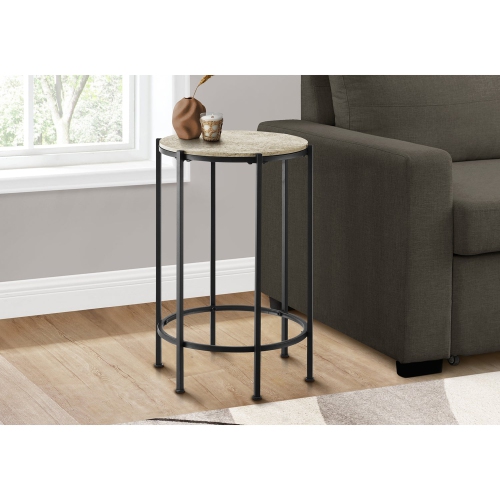
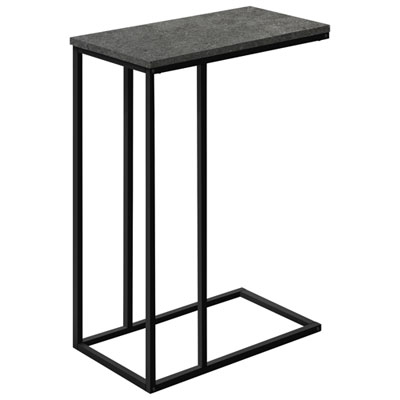
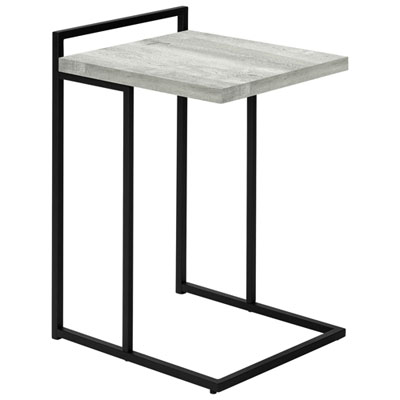
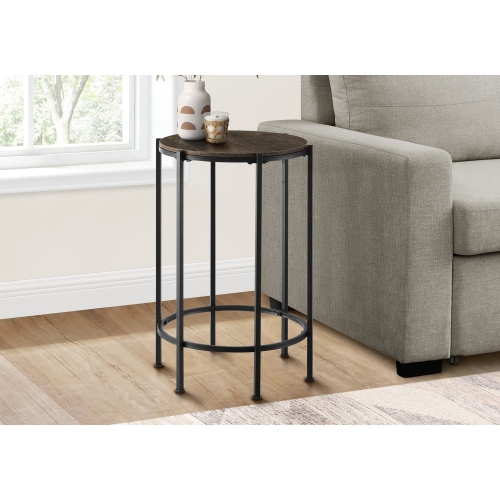
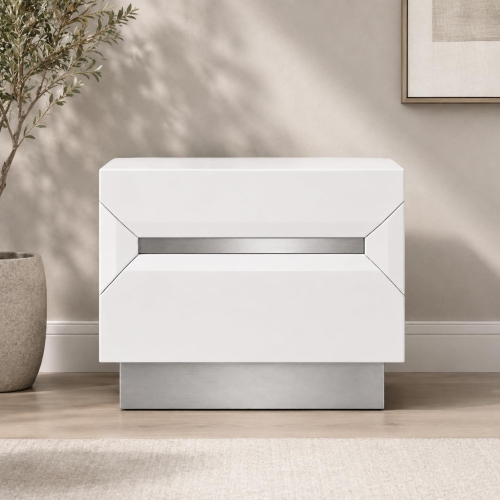
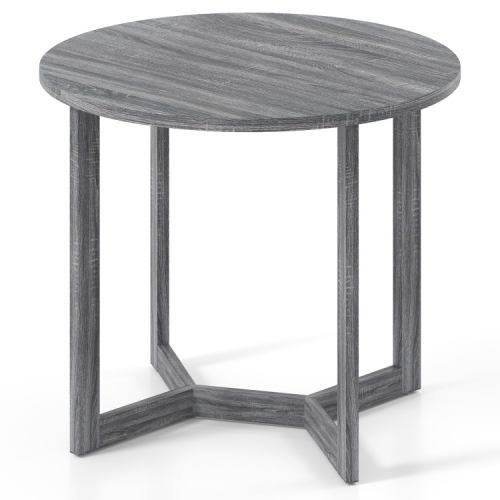
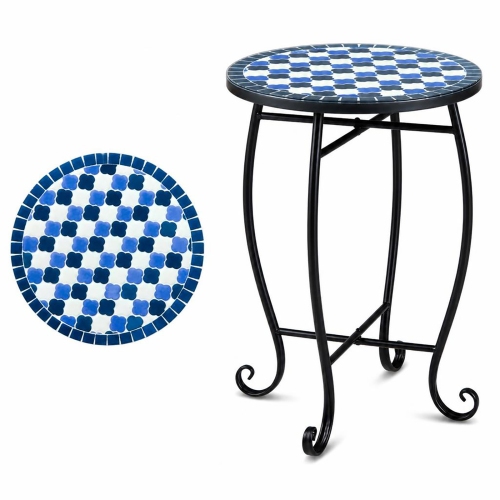
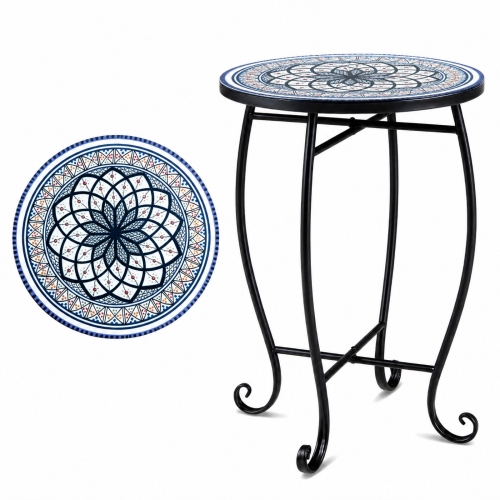

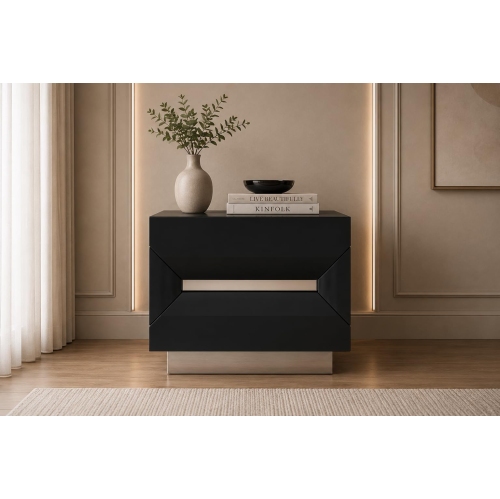
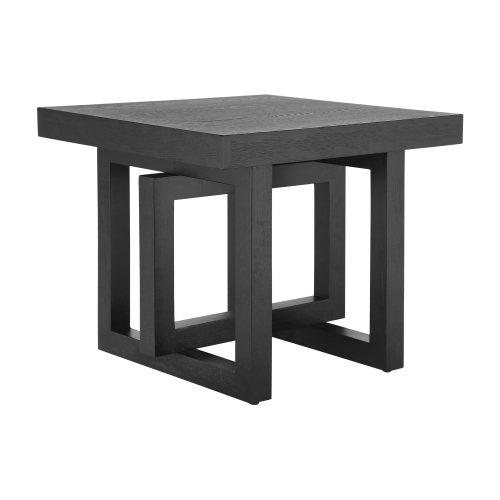
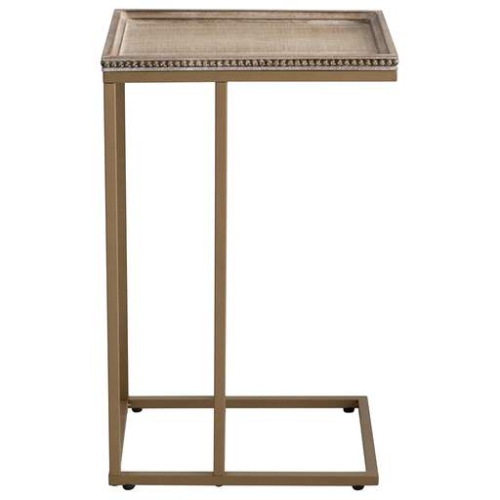
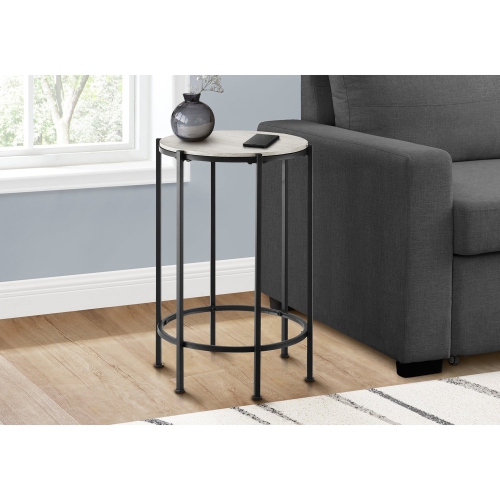
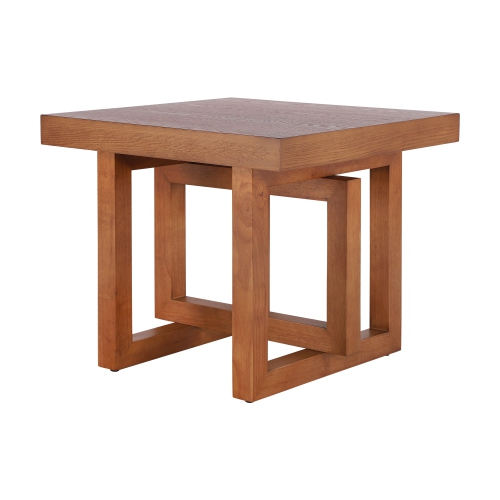
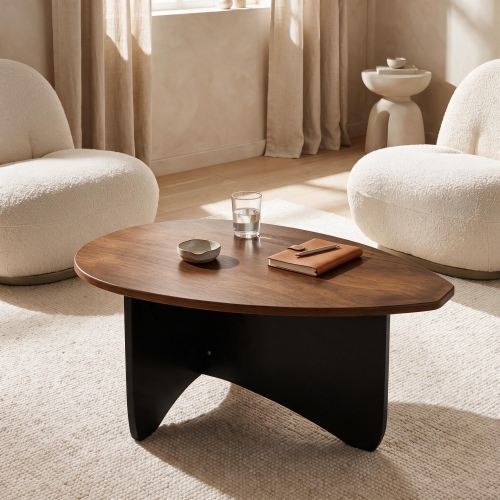
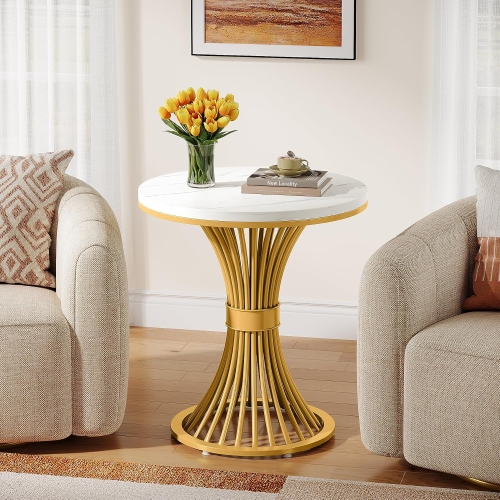

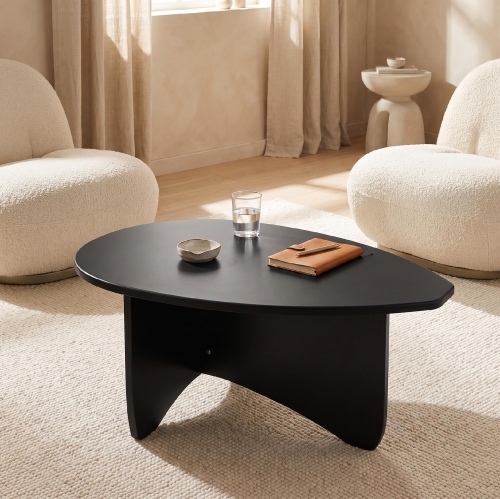
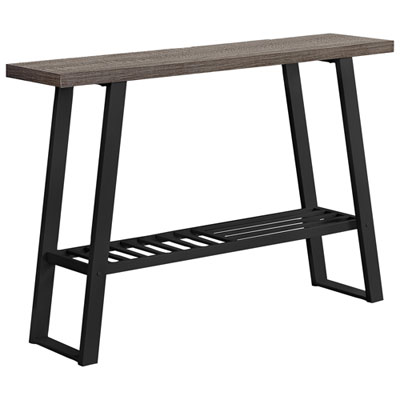
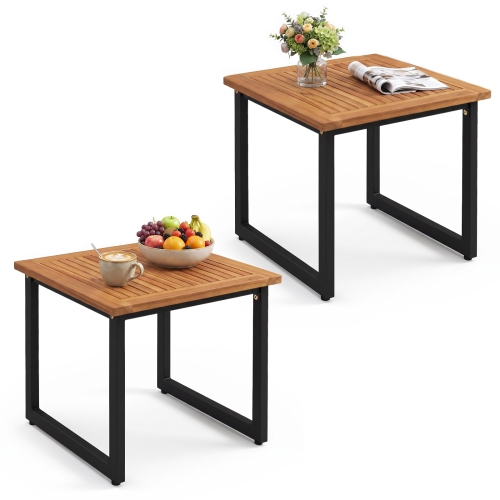

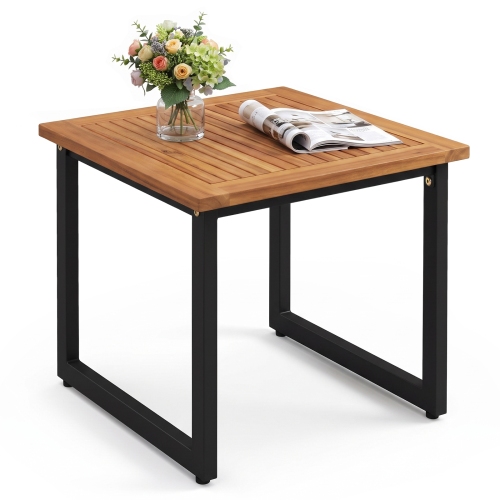
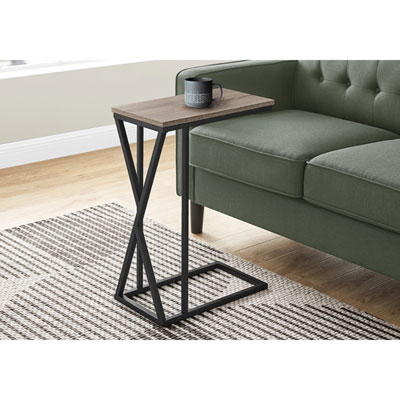
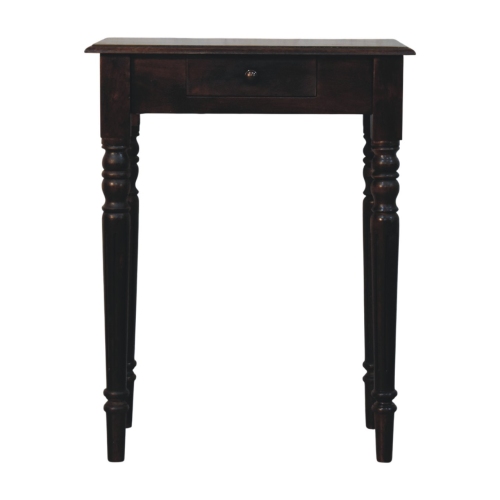
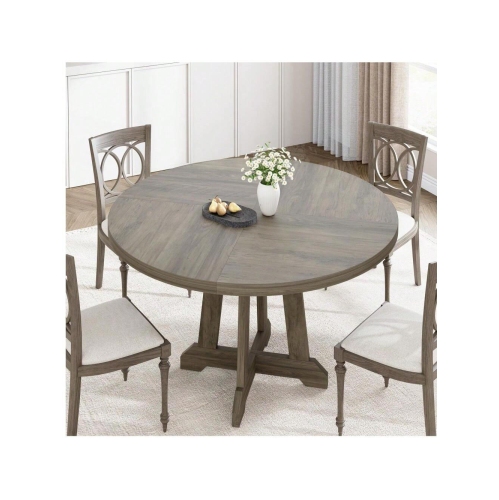
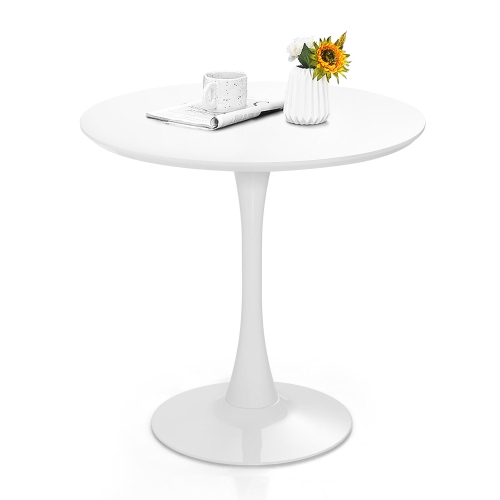
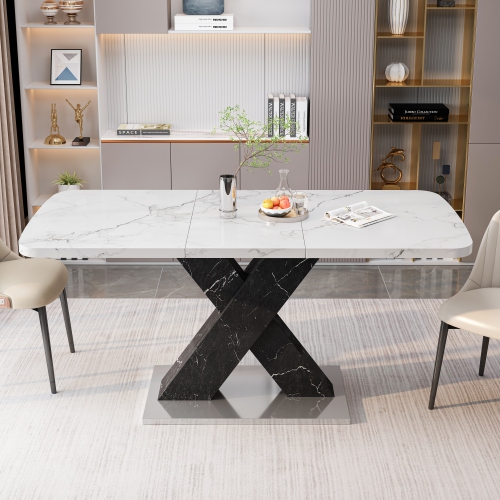
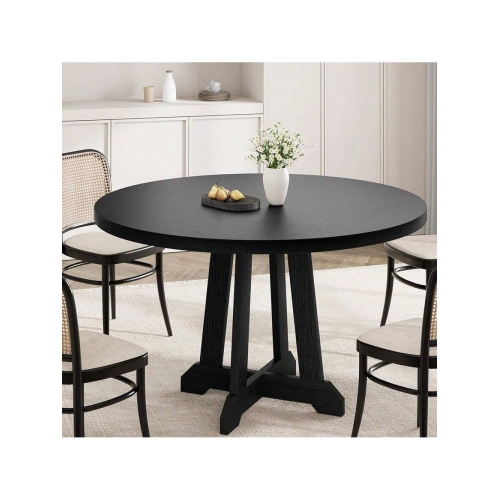
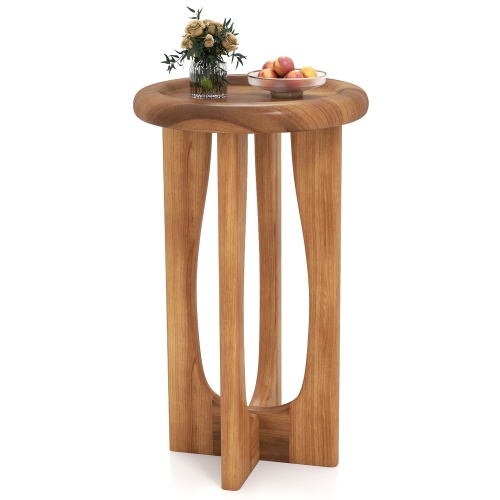
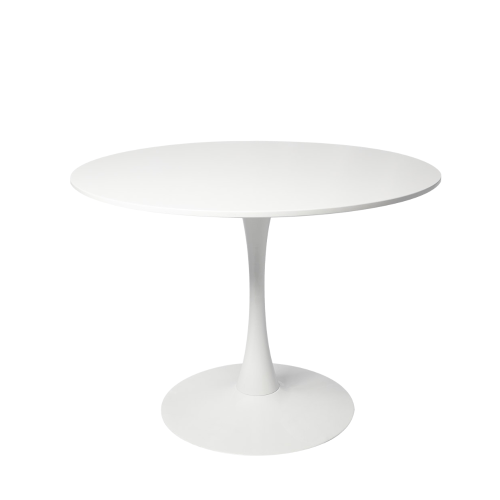
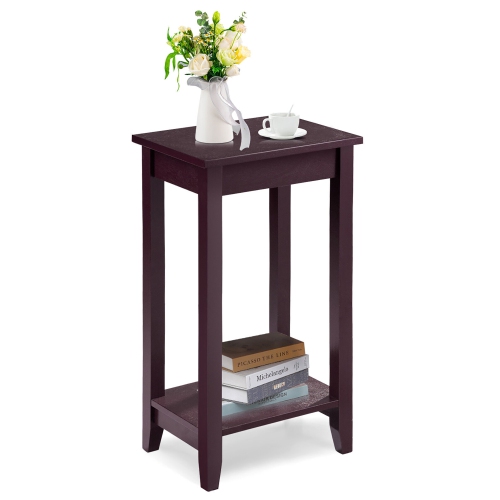
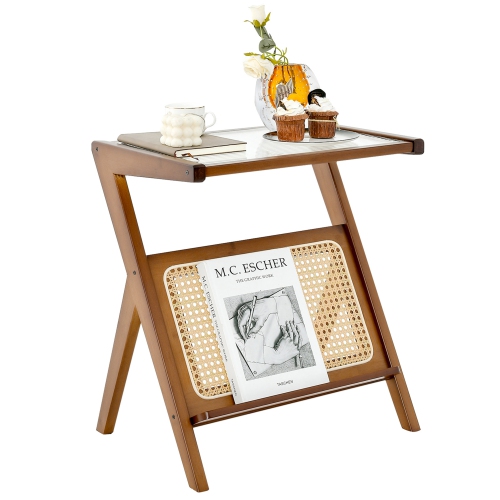
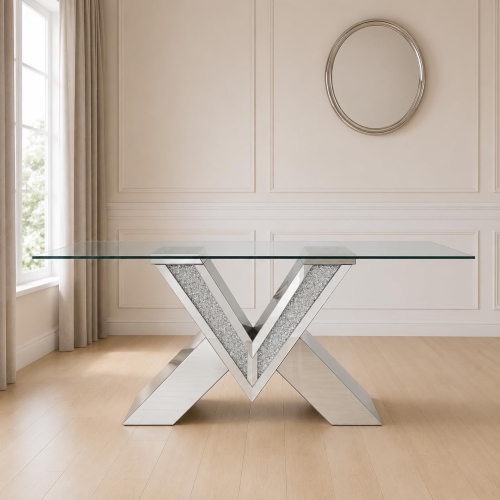

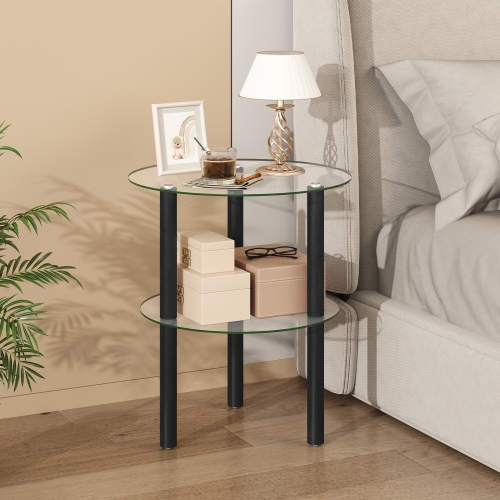
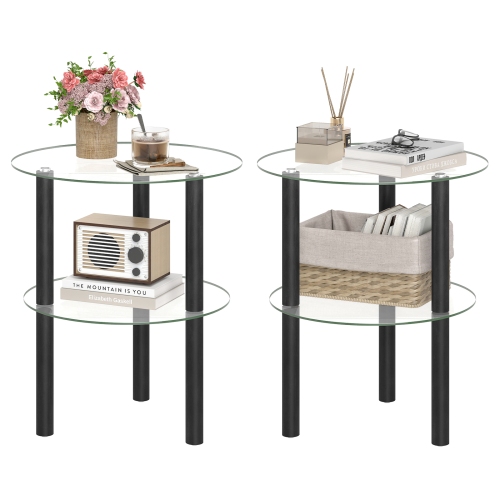
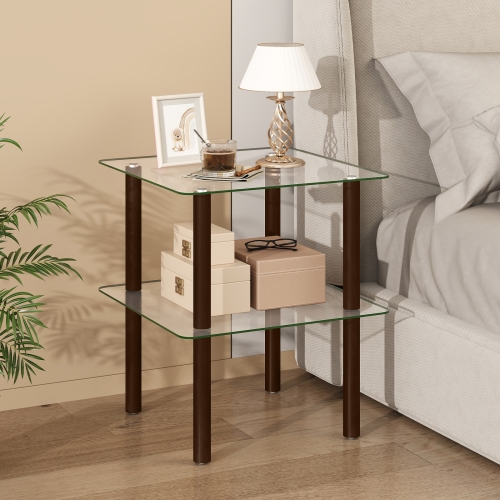
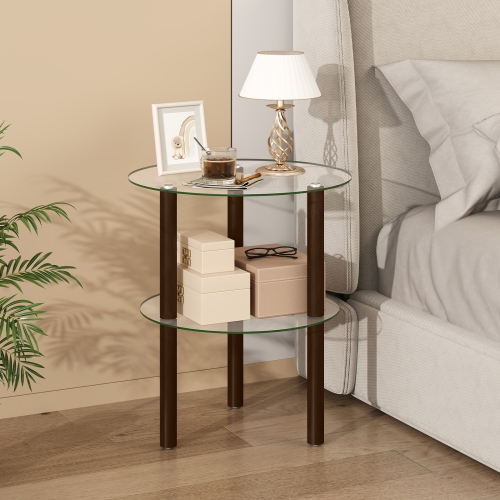
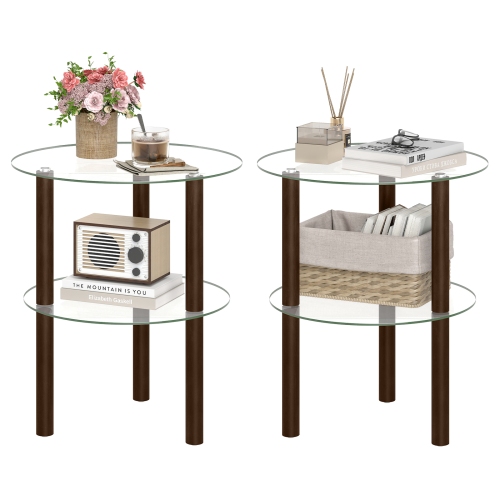
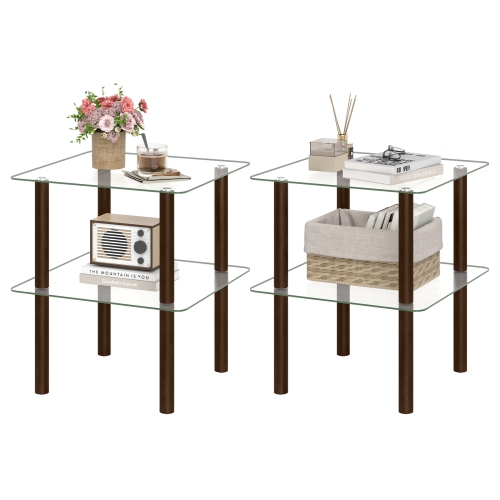
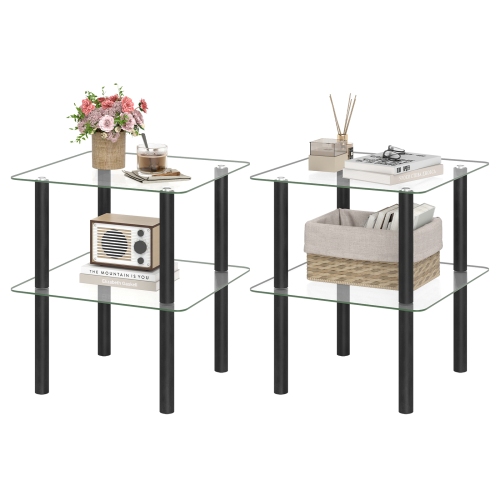
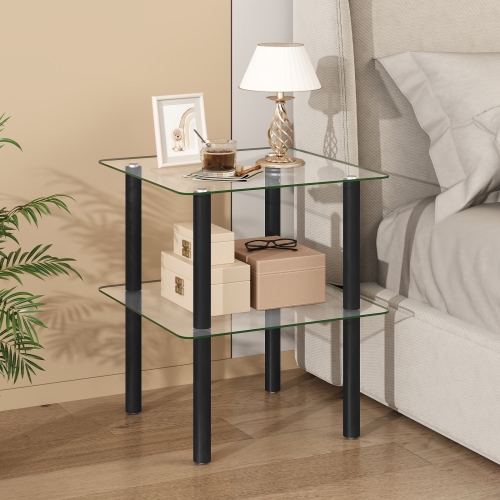
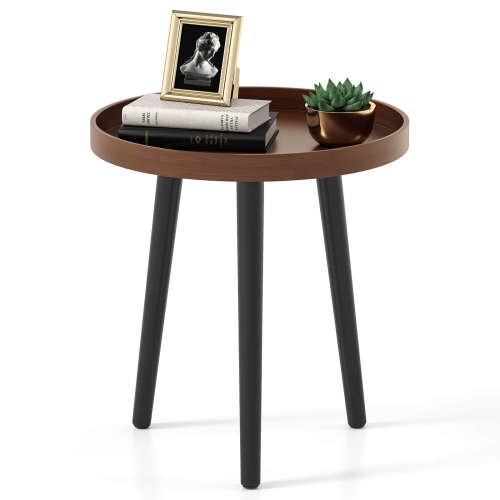
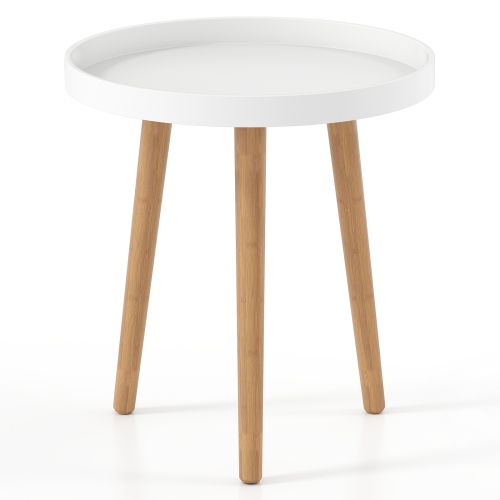
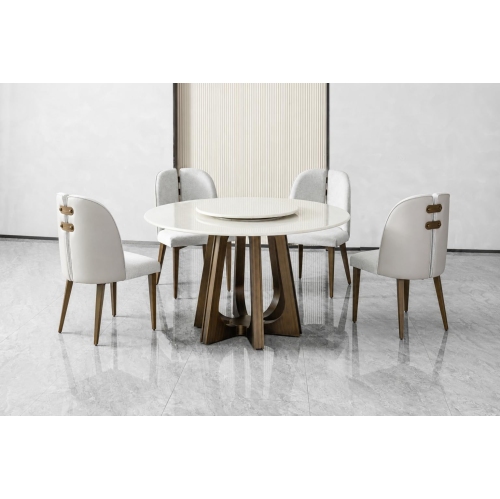
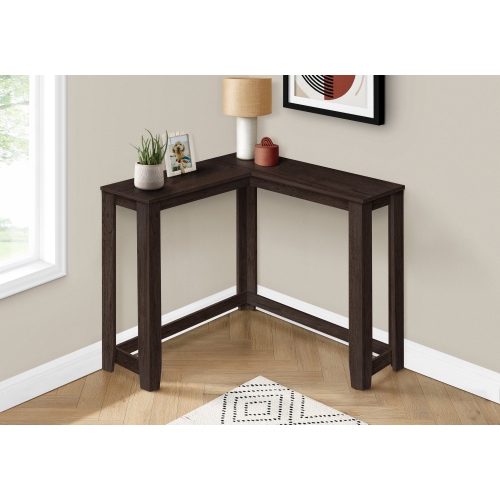
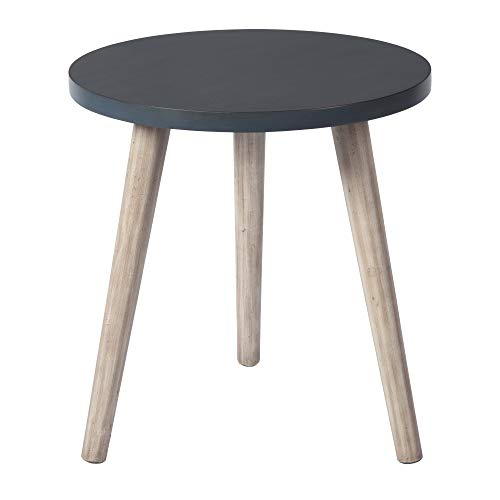
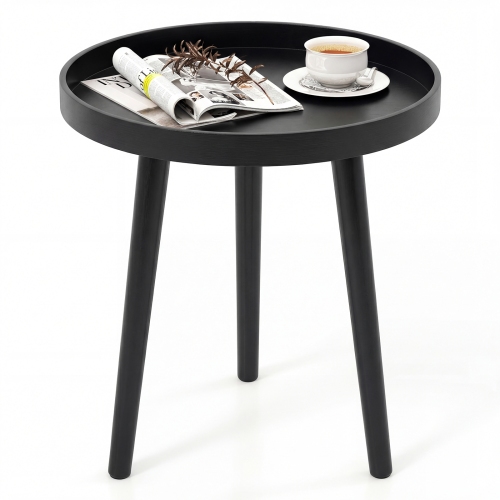
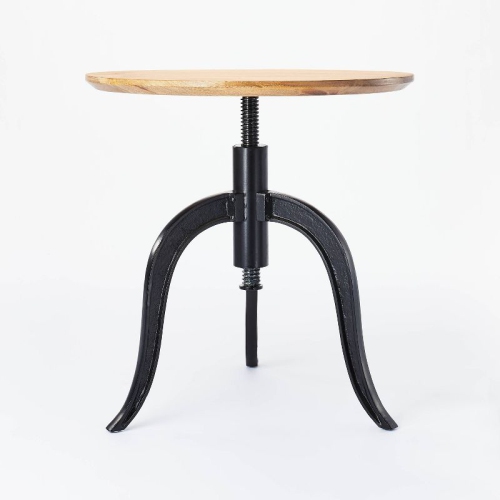

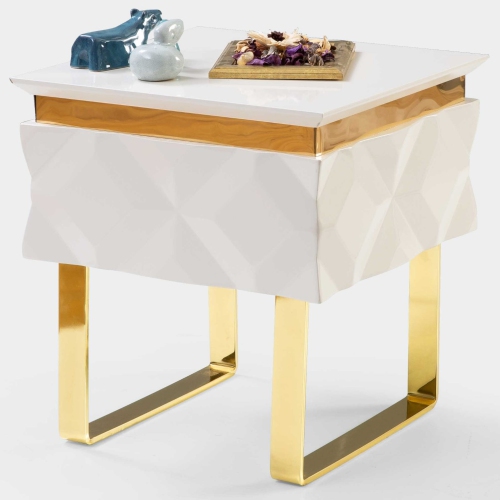
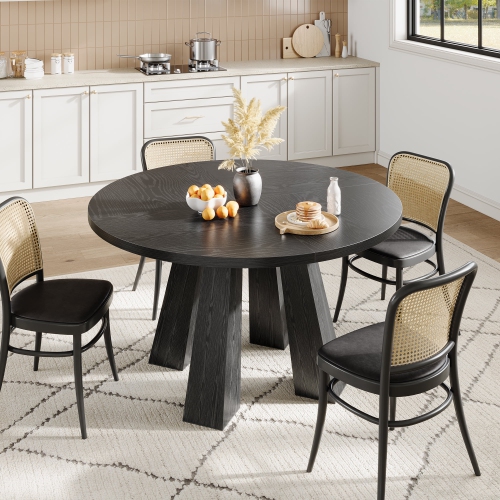
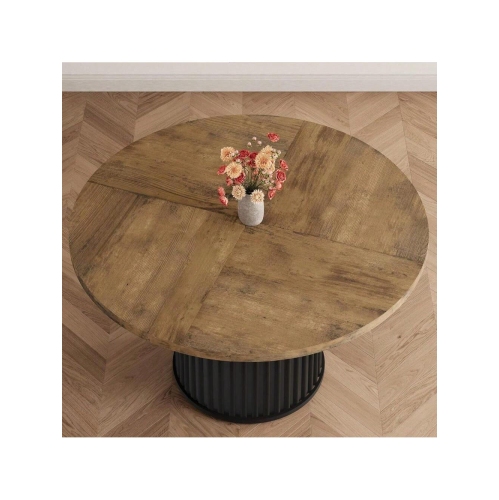
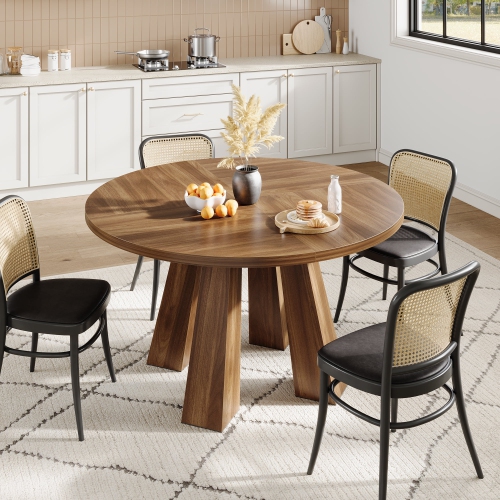
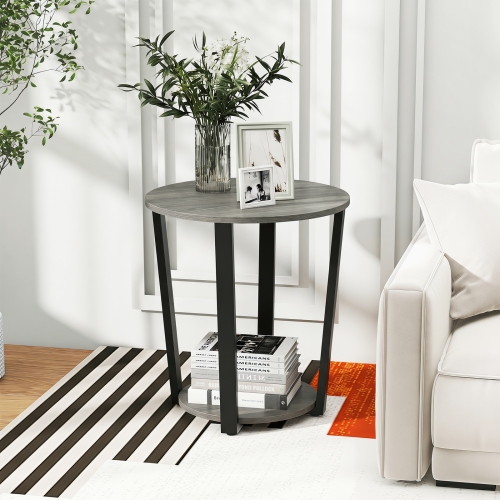
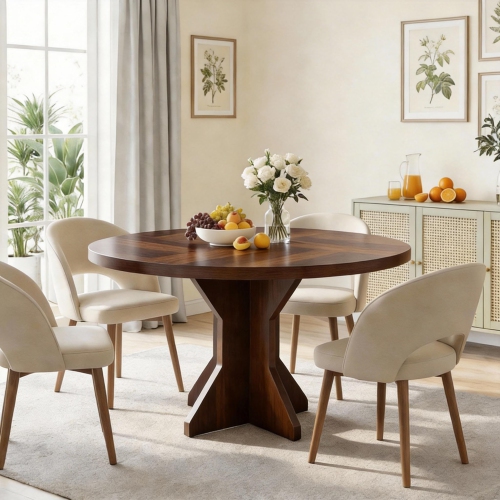
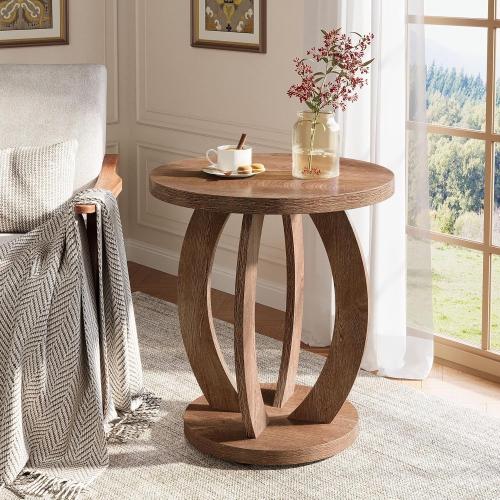
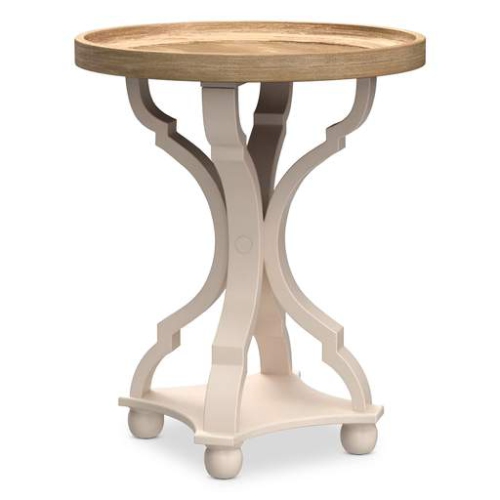
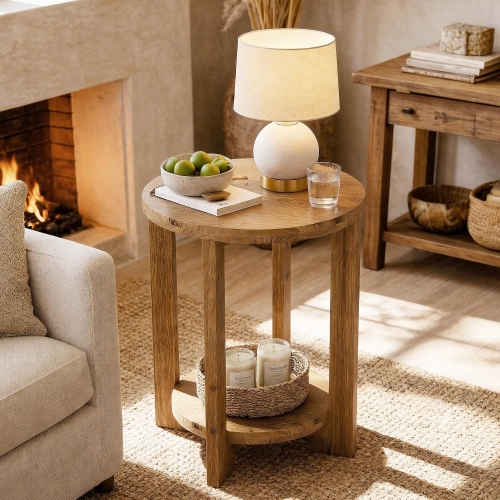
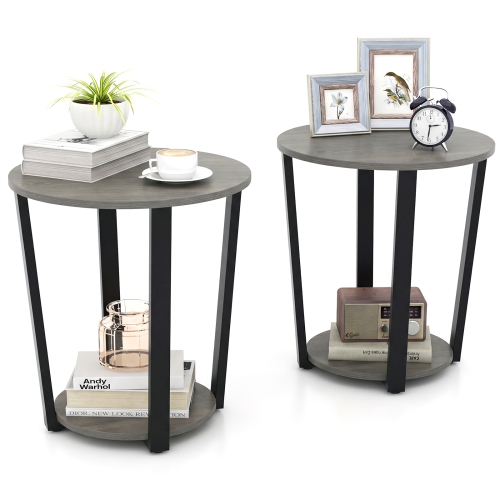
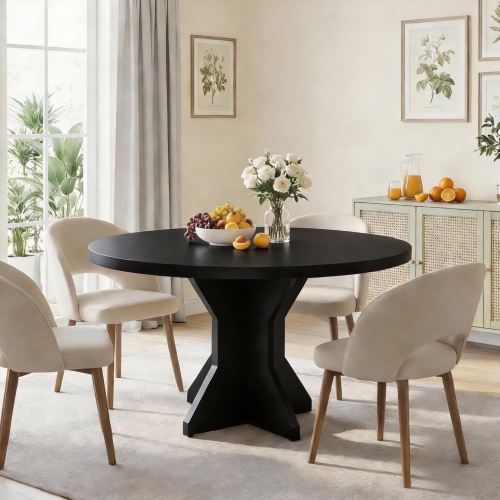
Sculptural bases meet practical surfaces for everyday living
Pedestal accent tables pair a useful surface with a distinctive base, bringing both function and visual interest to a living room, bedroom, or reading nook. Unlike a conventional four-legged table, a pedestal design supports its top on a central column, a shaped stem, or a substantial base. The result can feel light and open, as with a slender metal stem, or solid and sculptural, as with a broad wooden column. Round tops are common, but square, oval, and irregular shapes offer different ways to complement nearby furniture. The terms accent table, side table, and end table often overlap: “accent” emphasizes the table’s contribution to the room’s appearance, while “side” and “end” describe where it sits. Related Pedestal Side Tables serve many of the same purposes, from holding a cup beside an armchair to keeping a book within reach of a sofa. Fit depends on more than whether the tabletop slides into an empty corner. A surface close to the height of the neighbouring chair or sofa arm generally makes everyday essentials easier to reach, while a bedside placement needs to work with the height of the mattress. Tabletop dimensions matter, too. A small round top may suit a drink and a pair of glasses, whereas a lamp, book, and water glass need more usable space. The base deserves equal attention: a flared foot can extend beyond the column and take up more floor space than the silhouette first suggests. In a compact condo, a table beside a favourite chair can provide a convenient landing spot without the footprint of a larger coffee table. In a spacious sitting area, a more substantial pedestal can balance a deep sofa or fill the gap between two chairs. Rounded edges can soften a furniture arrangement, but comfortable walking clearance and an unobstructed path to drawers, doors, and seating remain important regardless of shape.
Materials give pedestal accent tables much of their character and influence how they perform in daily use. Solid wood brings visible grain and natural variation, with differences in tone and pattern making each surface distinctive. Oak, acacia, and rubberwood can all be used in accent furniture, although durability depends on construction, finish, and use rather than the wood name alone. A turned wooden stem suits traditional interiors, while a simple cylindrical base can feel contemporary even in a richly grained finish. Wood veneer provides a real-wood surface over a supporting core; laminate and other applied finishes can create a consistent colour or pattern. Edges, joints, and surface coatings all contribute to how these constructions handle everyday wear. Marble and other natural stone offer veining and a substantial feel, but many stone surfaces are porous or sensitive to acidic spills, so sealing requirements and care directions matter. Concrete can bring texture and visual weight, while resin and composite materials allow rounded forms, moulded details, and stone-like finishes. Appearance alone does not establish weight, strength, or suitability for a particular use. A hollow composite table and a solid stone table may look similar but feel very different when moved. Metal designs can create a slim profile, with painted, plated, or powder-coated finishes affecting both appearance and maintenance. Glass tops offer a clear surface that leaves the base visible; tempered glass, where specified, still needs protection from sharp impacts and damaged edges. Colour and texture help connect these materials to the rest of the room. A dark pedestal can stand out against pale upholstery, while a light finish can keep a small seating area visually open. Matching every wood tone is not essential: a shared undertone, repeated metal finish, or similar curved shape can make different furnishings feel related without looking like a matching set.
Everyday use helps determine which details will matter most over time. Beside a reading chair, a pedestal accent table may need room for a mug, a novel, and a small lamp without forcing a long reach. Near a sofa used for conversation, a compact surface can give guests somewhere to set a drink while leaving space between seats. In a bedroom, a pedestal table can offer an uncluttered alternative to a nightstand when drawer storage is not needed, though an open tabletop leaves charging cables and personal essentials visible. A wider top is useful for layered arrangements, but keeping the main load near the centre is especially important with a single-support design. Stability comes from the relationship between the top, column, base, and floor, not simply from how heavy the table feels. A level surface, secure connections, and adherence to the stated weight limit help support reliable use. Tables are not seats or steps, and homes with young children or active pets benefit from particular attention to tip resistance, edge shapes, and placement away from busy routes. A lamp’s cord also needs a clear path that does not cross a walkway or pull against the table. Care is usually straightforward when matched to the material: coasters help protect finishes from drink rings, and spills are best addressed promptly using the maker’s recommended method. A soft cloth and suitable cleaner are generally preferable to abrasive pads, while wood, stone, metal, and glass may each require different cleaning products. Protective pads beneath a base can help reduce floor scratches, provided they do not compromise stability. Assembly quality matters as well, especially where a stem attaches to the top or foot. For a housewarming gift, a pedestal accent table can be a thoughtful choice when the recipient’s space, preferred finishes, and practical needs are known. The most useful design is one that feels proportionate to its surroundings, holds the essentials comfortably, and remains easy to live with day after day.
Top selling and popular products
-
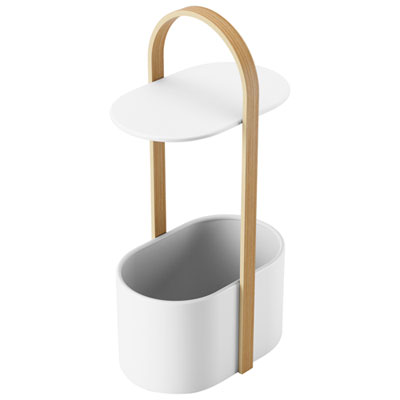 Your price for this item is $69.98
-
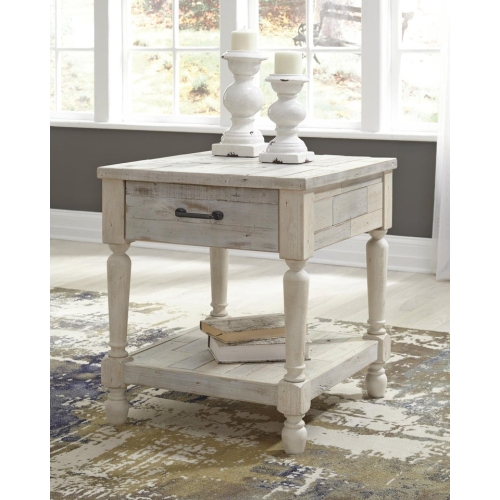 Your price for this item is $159
-
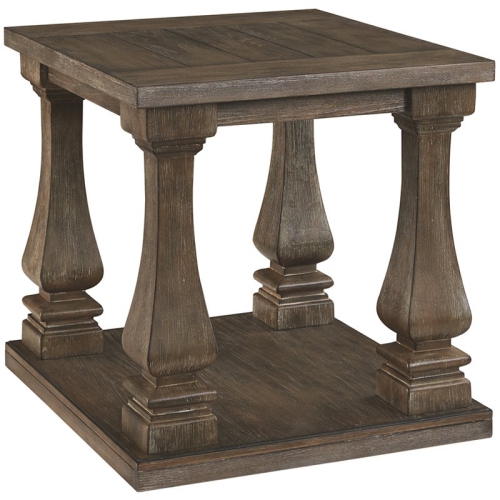 Your price for this item is $375
-
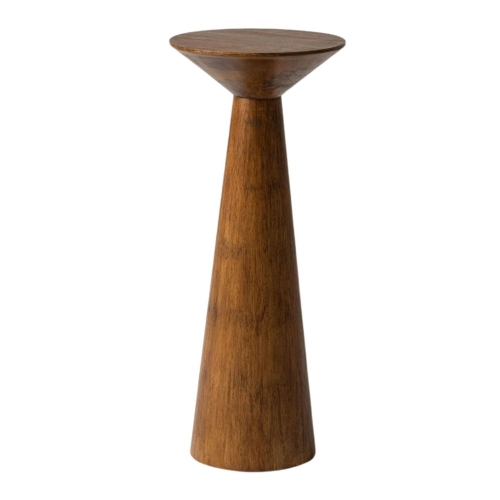 Your price for this item is $181.99
-
 Your price for this item is $199
-
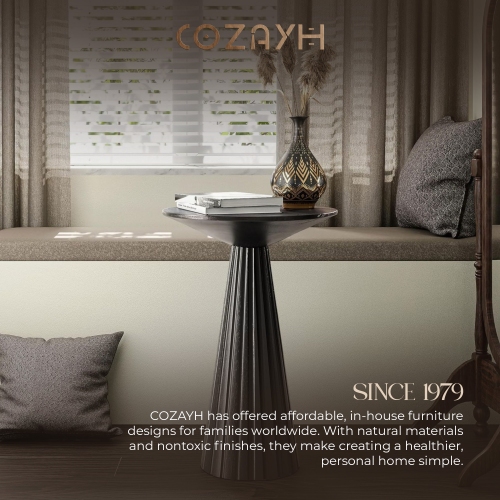 Your price for this item is $211.99
-
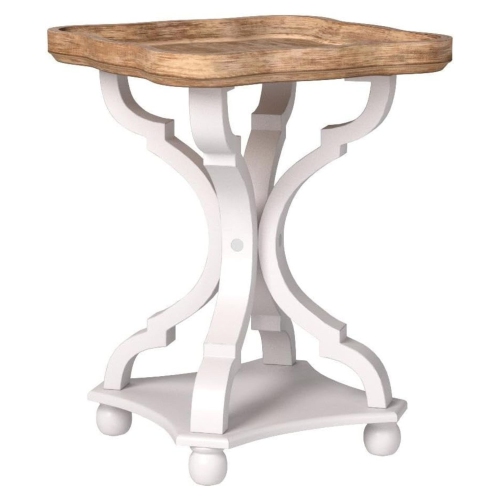 Your price for this item is $233.99
-
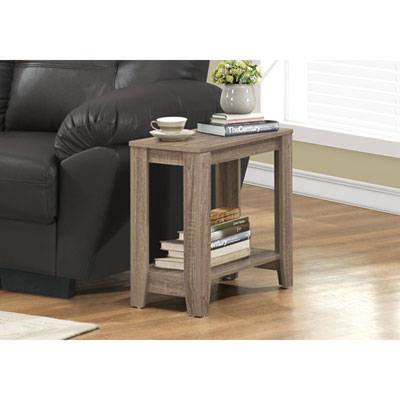 Your price for this item is $121.99
Discover more categories related to Pedestal Accent Tables
Top Collections:
Best Black Friday Deals This Year, Best Black Friday Deals On Electronics, Kindle Devices, Dyson Airwrap, Best Cameras for Sports Photography, Best Budget Office Chairs, Canon G7X Cameras, PS5 Pro Consoles, Best Black Friday Deals On Apple Products, XBOX One S Consoles
Some products may be subject to Environmental Handling Fees
(EHF) depending on your province.
Learn more about EHFs.