Printer Stands for Home Office
Printer Stand For Home Office solutions help keep your workspace organized and efficient. Whether you're looking to maximize space or create a tidy area for your printer and supplies, these stands are designed to fit seamlessly into any home office setup. Explore a variety of styles and sizes to find the perfect match for your needs, making it easy to maintain a clutter-free and productive workspace. With the right printer stand, you can enhance both the functionality and appearance of your home office.
Sort
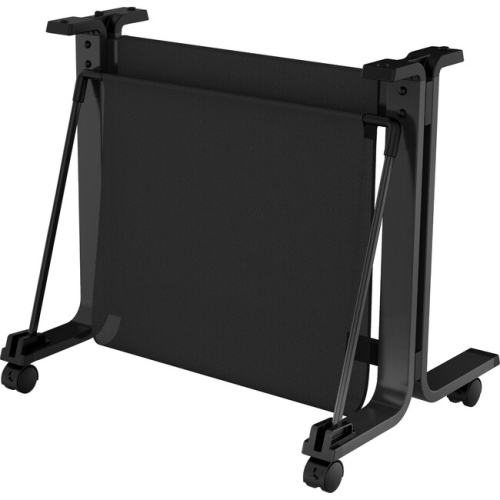

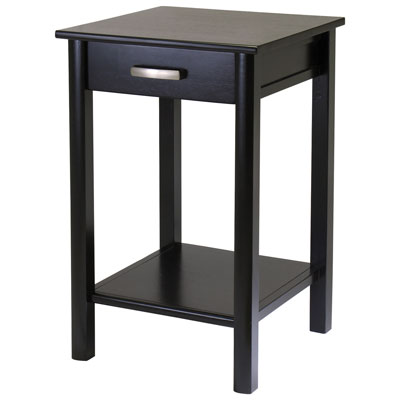

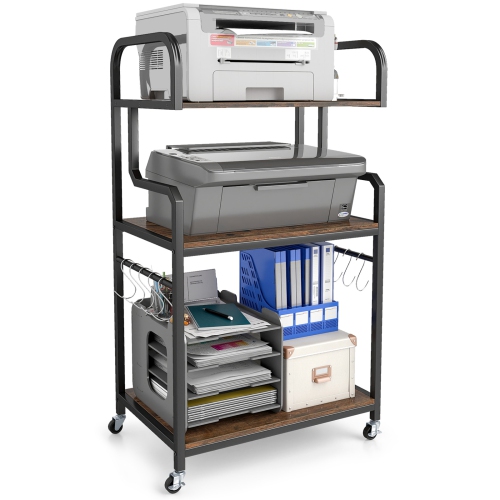
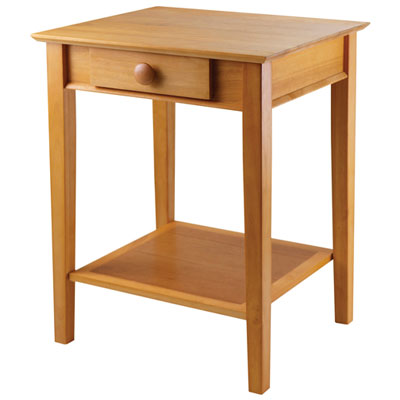


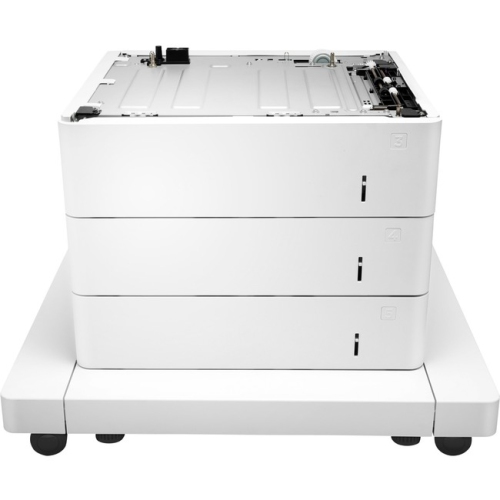
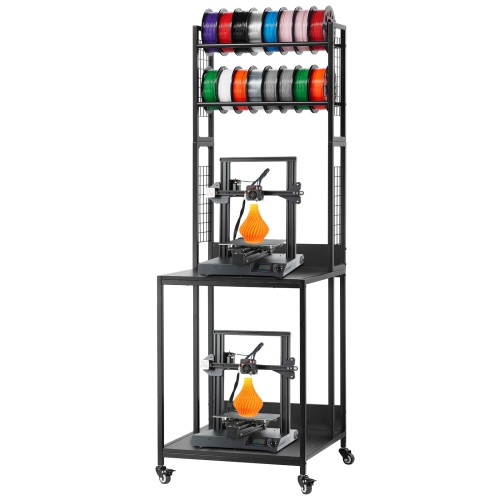
More desk space with printing essentials close at hand
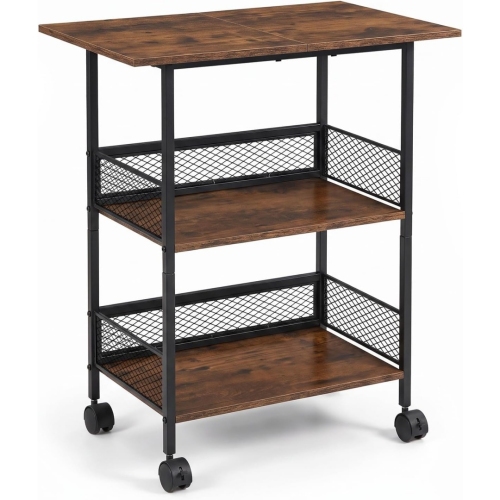
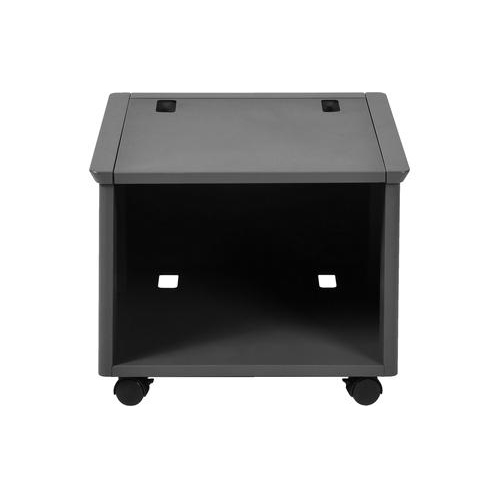
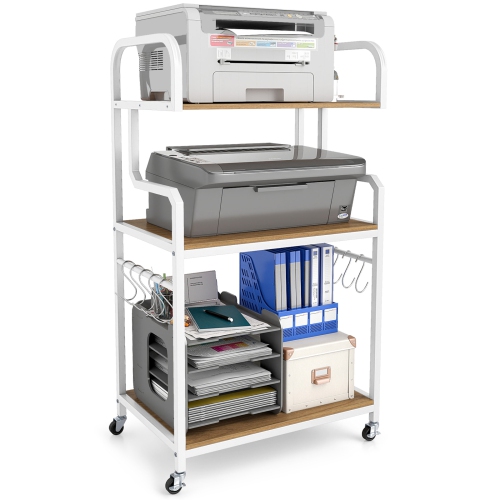
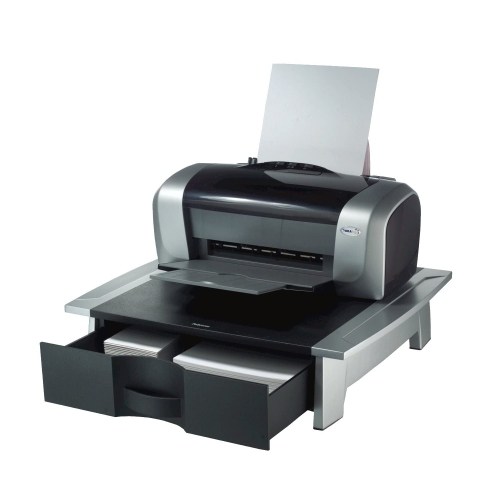
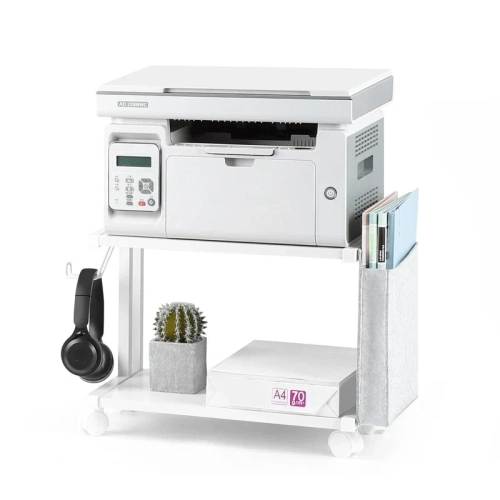
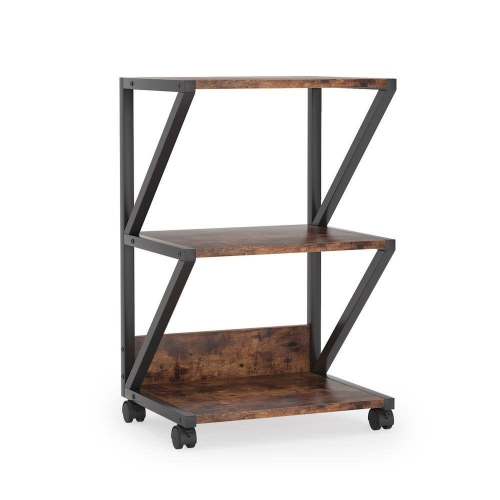
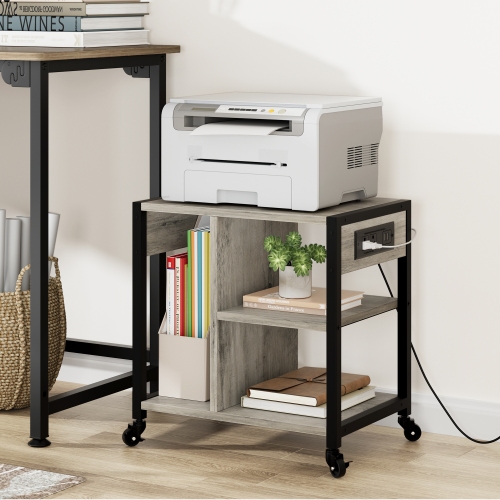
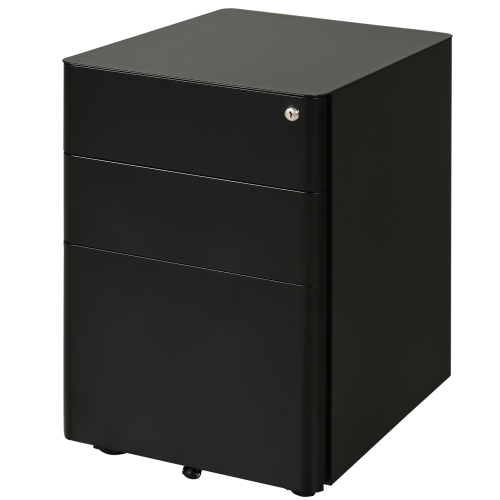
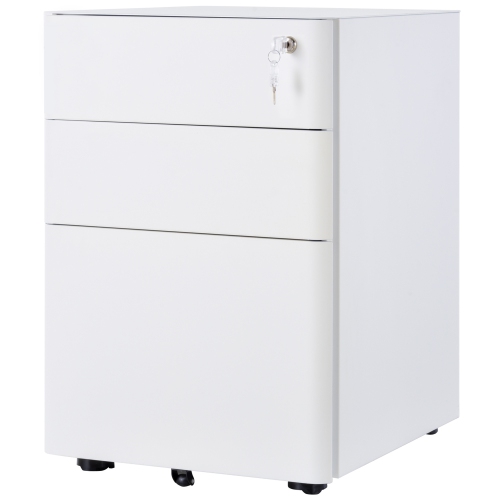
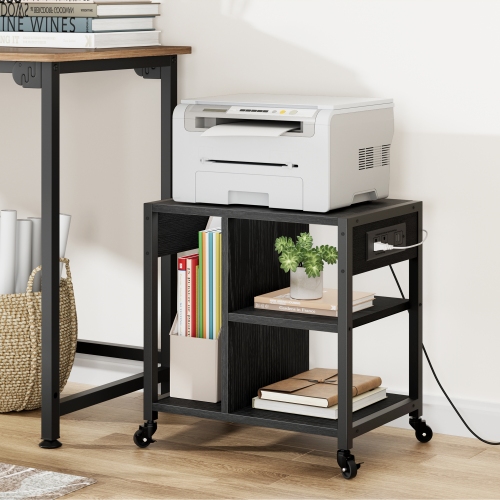
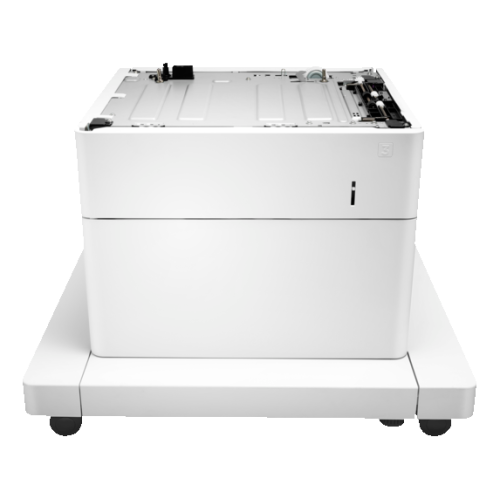
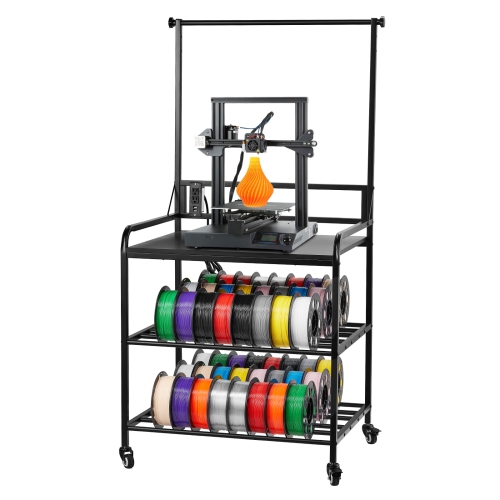
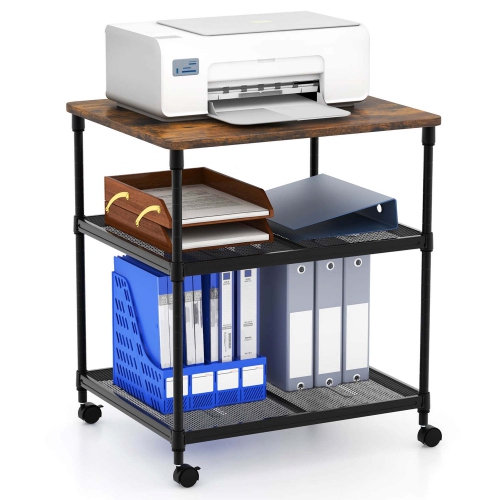
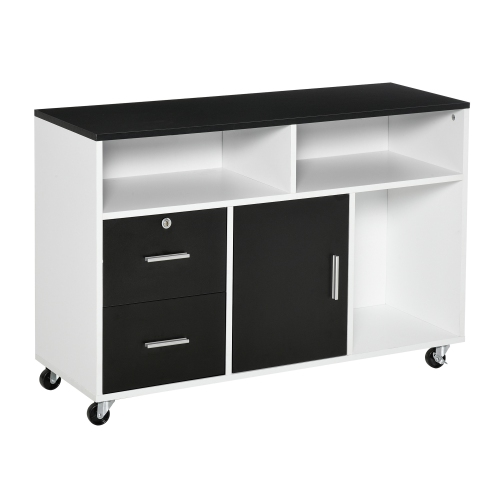
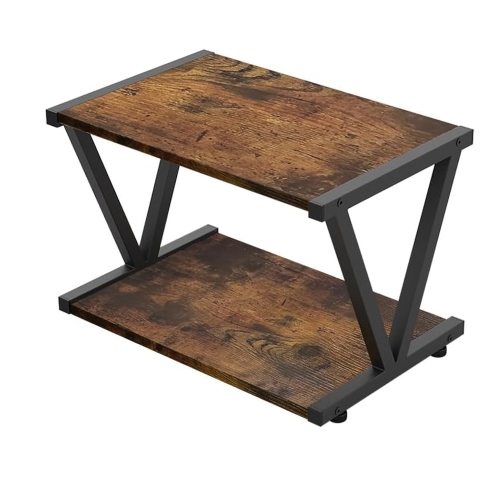
Printer stands for a home office give printers a dedicated surface while keeping paper, ink, toner, and everyday supplies close at hand. Moving a printer off the main desk can free up space for a monitor, a notebook, or a comfortable writing area without sending print jobs to another room. Common formats include compact under-desk stands, rolling printer carts, open shelving units, and cabinets with enclosed storage. Each suits a different kind of workspace: a low stand can tuck beneath a desk, a wheeled cart can move beside a shared worktable, and a taller cabinet can bring printing and document storage together along a wall. The right fit depends on more than the printer’s closed dimensions. Paper trays may extend at the front or rear, scanner lids need room to open, and access panels need clearance for replacing cartridges or removing a paper jam. A multifunction printer used for scanning books or copying signed forms benefits from an accessible top surface rather than a cramped shelf. Under-desk placement also needs to leave enough room for knees, chair movement, and cables, while a stand beside the desk should not block a drawer or narrow the route through the room. Height matters in daily use, especially when collecting several printed pages or loading paper frequently. A low platform may suit occasional printing, whereas a higher surface can make repeated scanning and copying less awkward. Open shelving keeps supplies visible, while drawers and doors help contain the visual clutter of spare cables, envelopes, and partly used paper packs. In a home office that doubles as a guest room or living area, those differences can matter as much as the stand’s overall size. For equipment to pair with a dedicated printing station, explore Best Home Office Printers, keeping both the machine’s footprint and its access requirements in mind when matching it with furniture.
Materials and construction affect how a printer stand handles weight, movement, and regular use. Metal frames can provide a rigid support structure with a relatively open appearance, while solid wood brings natural grain and variation to a room. Engineered wood panels with laminate or other finished surfaces offer a more uniform look and may be paired with metal legs or framing. The finish deserves attention as well as the underlying material: edges, shelf surfaces, and drawer fronts are the parts most likely to meet paper boxes, chair arms, or cleaning cloths. A smooth, wipeable top can make routine dust removal straightforward, but care should follow the furniture manufacturer’s directions. A soft cloth, prompt attention to spills, and avoiding excess moisture around panel edges help protect many common finishes. Printer stands also need enough strength for the equipment they support. A stated total weight capacity does not necessarily mean every shelf can carry that amount, so individual shelf limits matter when placing a heavier printer above stored supplies. The printer should sit fully supported on a level surface, with its feet resting securely rather than close to an unsupported edge. A stand that rocks during printing can be distracting, particularly beside a desk used for calls or detailed work. Adjustable feet can help level compatible designs on slightly uneven floors, while properly assembled frames and tightened hardware contribute to a steadier setup. Rolling printer stands add flexibility, but caster size, floor type, and thresholds affect how easily they move. Locking casters help hold a cart in place during use; they are not a substitute for a level floor or a suitably rated frame. Before moving a loaded cart, secure loose supplies and check that power and data cables will not pull tight. For taller stationary cabinets, follow any supplied anchoring instructions, especially in homes with children or pets. These construction details matter most when a stand holds a substantial machine, full paper packs, and accessories together.
Storage layouts work best when they reflect the printing tasks that happen throughout the week. Someone printing shipping labels and packing slips may value an open shelf for label sheets and envelopes, while a student or remote worker may prefer a drawer for stationery and a separate space for letter-size paper. Deeper shelves can accommodate larger supplies, but shelf spacing and usable interior dimensions determine whether those supplies fit without bending or overhanging. Adjustable shelves offer flexibility as storage needs change, and enclosed compartments can keep spare cartridges and paperwork out of sight. Paper stays easier to use when stored flat, dry, and away from spills; leaving it in its packaging until needed also helps keep loose sheets contained. Frequently used supplies belong within easy reach, with less-used accessories stored where they will not interfere with loading a tray or opening a cabinet door. A lockable drawer may be useful for limiting casual access to documents, although it should not be treated as secure storage unless it is designed and rated for that purpose. Cable openings and open backs can help route connections neatly, provided cords remain clear of moving drawers and wheels. Some printer stands incorporate power outlets or USB ports; those features need to suit the connected equipment and be used within their stated electrical limits. Ventilation is equally important, so printer vents should remain unobstructed and the manufacturer’s clearance requirements should take priority over a snug-looking arrangement. Visually, a restrained frame, a wood-look finish, or a neutral colour can help the stand sit comfortably beside existing office furniture without needing an exact match. Shared households may benefit from a clearly defined printing station where everyone knows where to find paper and collect finished pages. Whether used for school assignments, household records, creative projects, or business documents, a well-proportioned printer stand brings the machine and its supplies together while preserving the desk for the work happening on it.
Top selling and popular products
-
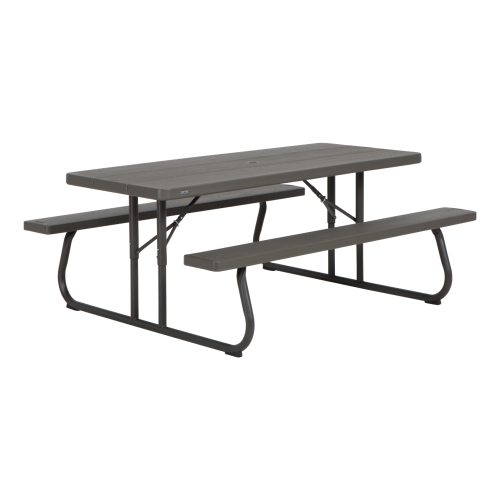 Your price for this item is $369.99
-
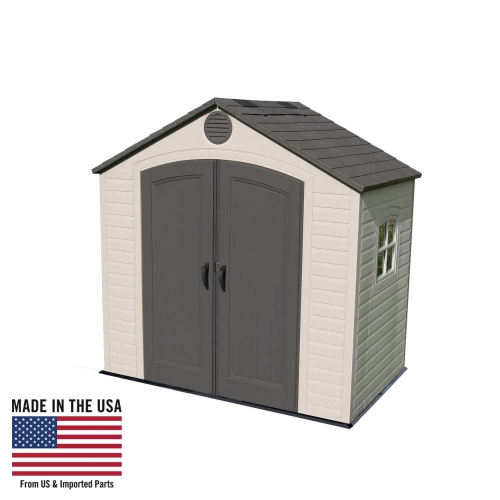 Your price for this item is $2249
-
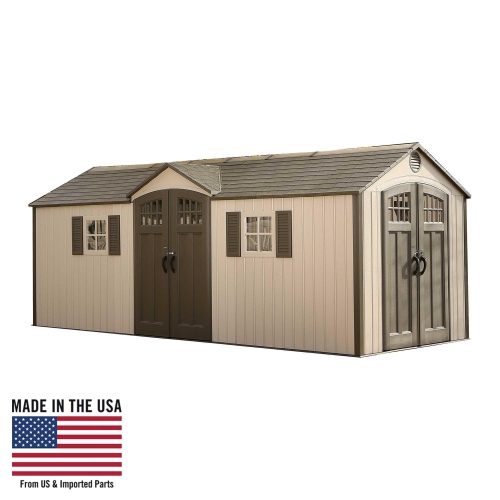 Your price for this item is $5999.99
-
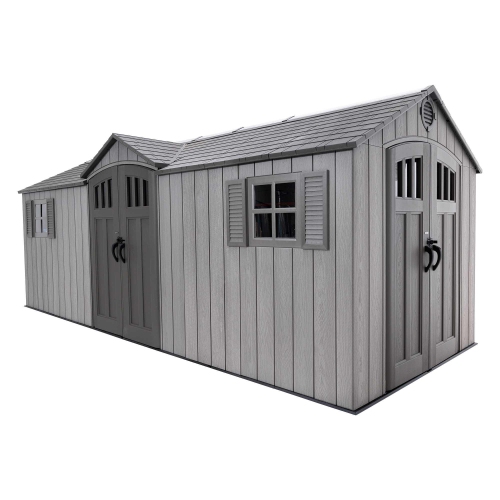 Your price for this item is $5999.99
-
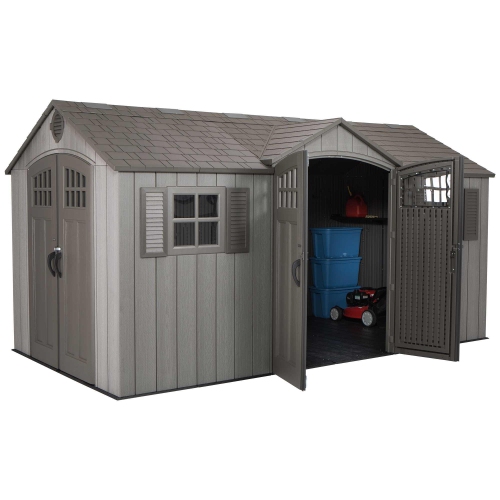 Your price for this item is $4499.99
-
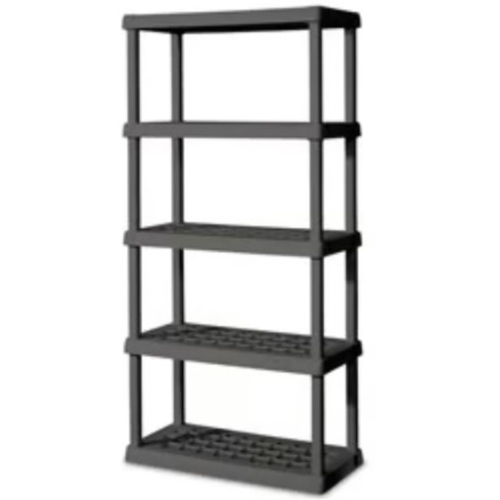 Your price for this item is $629.99
-
 Your price for this item is $369.99
-
 Your price for this item is $119.99
Discover more categories related to Printer Stands for Home Office
Top Collections:
Best Black Friday Deals This Year, Best Black Friday Deals On Electronics, Kindle Devices, Dyson Airwrap, Best Cameras for Sports Photography, Best Budget Office Chairs, Canon G7X Cameras, PS5 Pro Consoles, Best Black Friday Deals On Apple Products, XBOX One S Consoles
Some products may be subject to Environmental Handling Fees
(EHF) depending on your province.
Learn more about EHFs.