Propane Heaters for Camping
Stay warm and cozy on your next camping adventure with our selection of propane heaters. Designed specifically for outdoor use, these portable heaters provide a reliable source of heat to keep you comfortable during chilly nights under the stars. Whether you're camping in the mountains or by the lakeside, our propane heaters are perfect for heating up your tent, RV, or outdoor living space. With their compact and lightweight design, they are easy to transport and set up wherever you go. Explore our range of propane heaters and find the perfect one to enhance your camping experience. Also check out our selection of Portable Air Conditioners for even more great options!
Sort
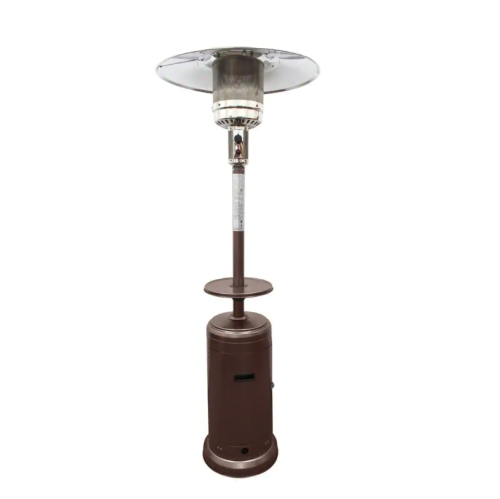
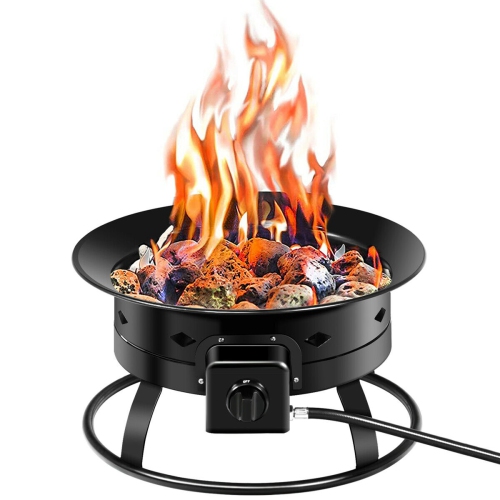
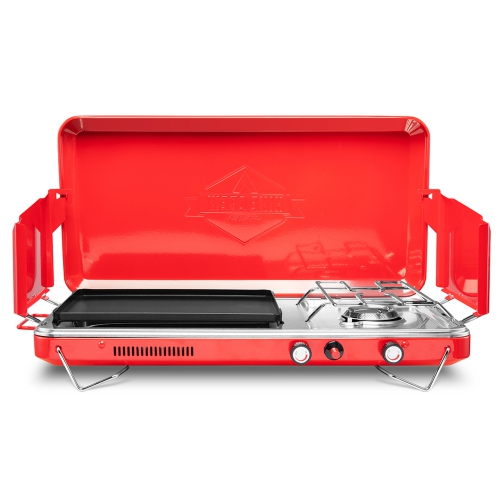
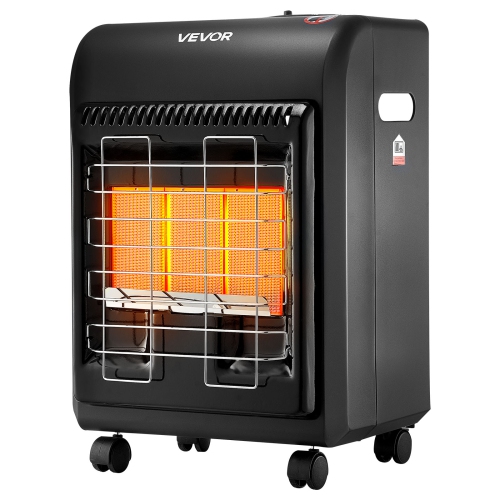

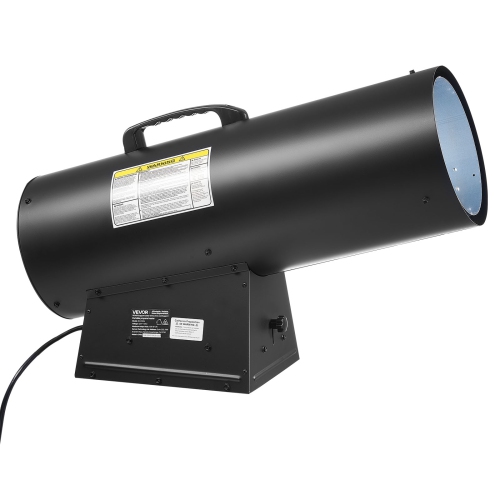
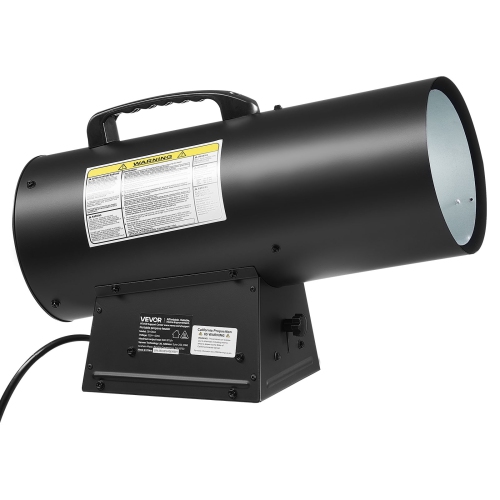
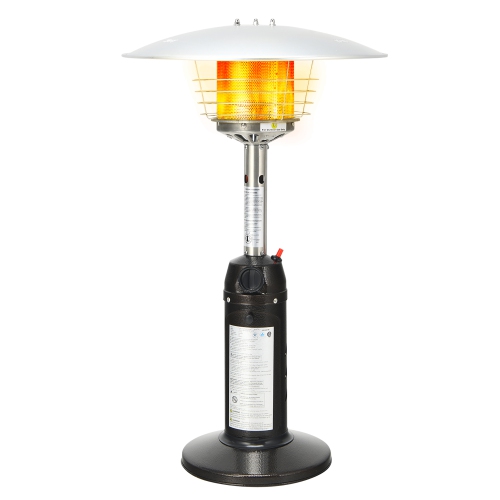
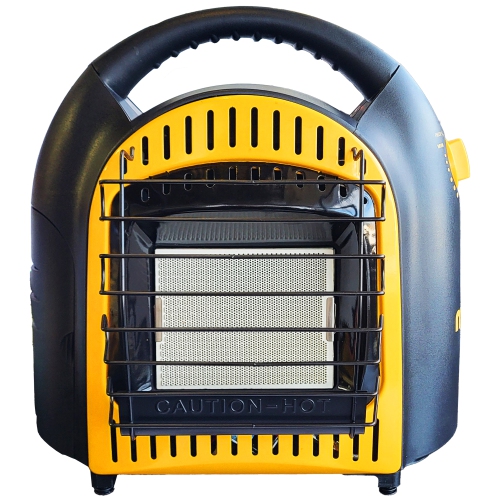
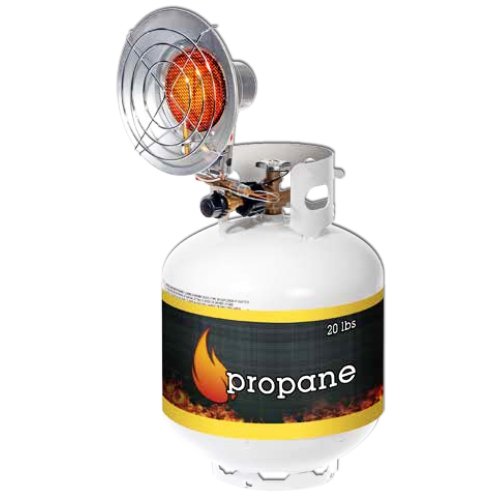
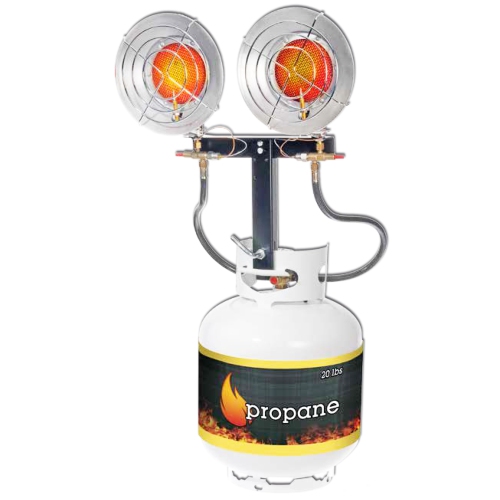
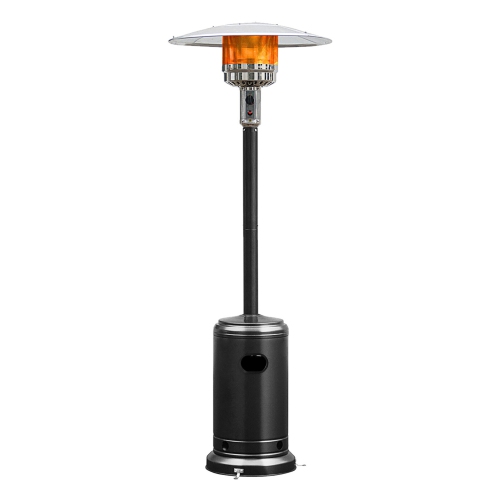
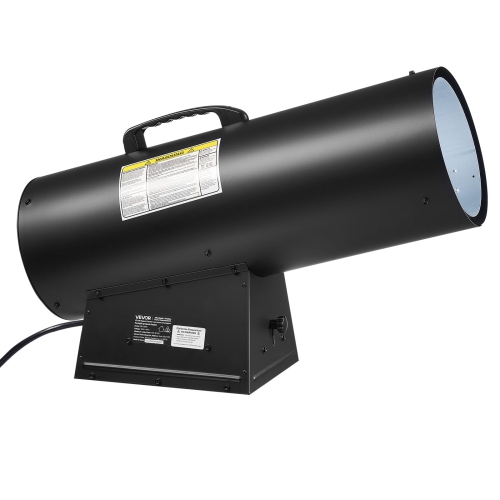
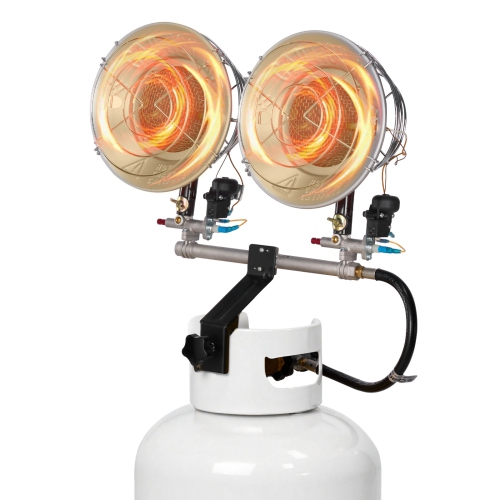
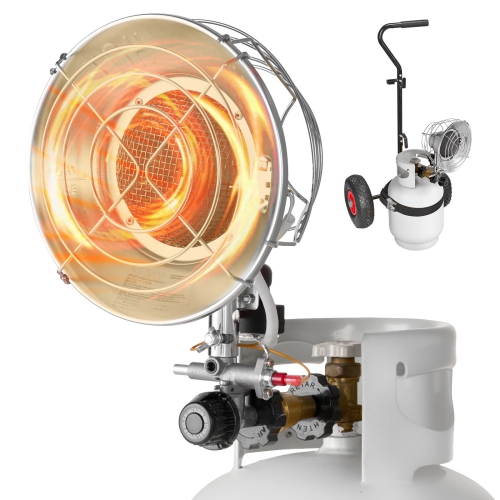
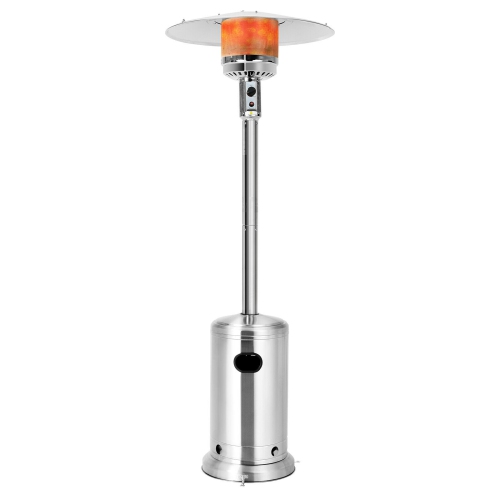

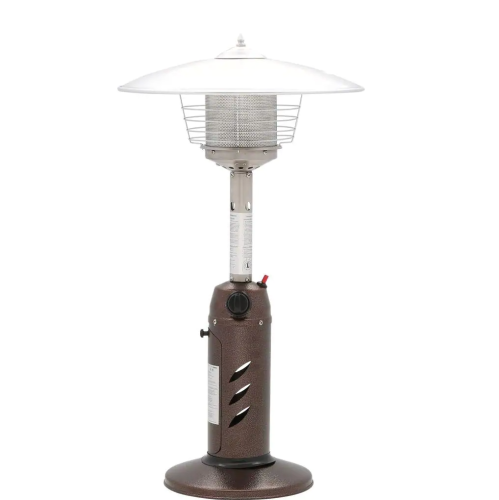
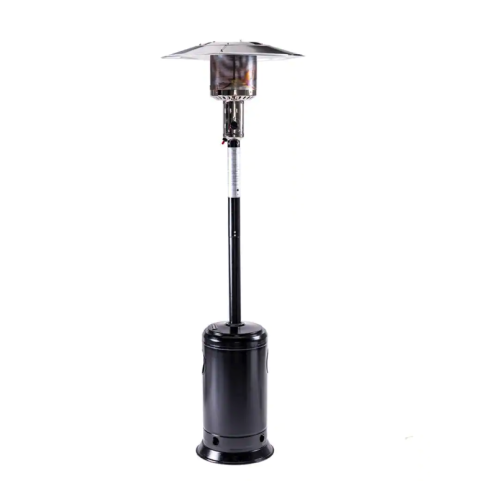
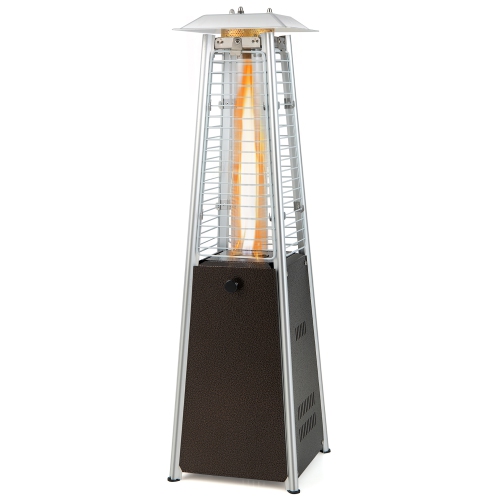
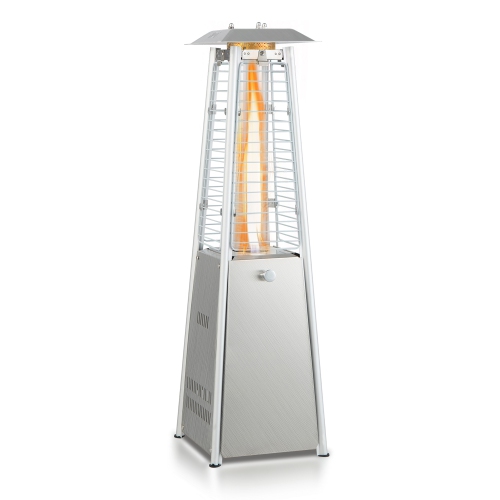
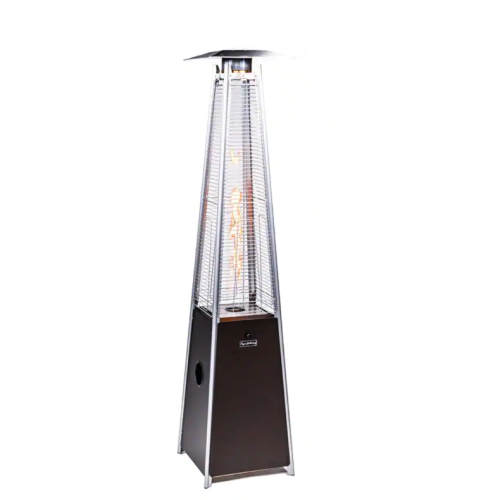
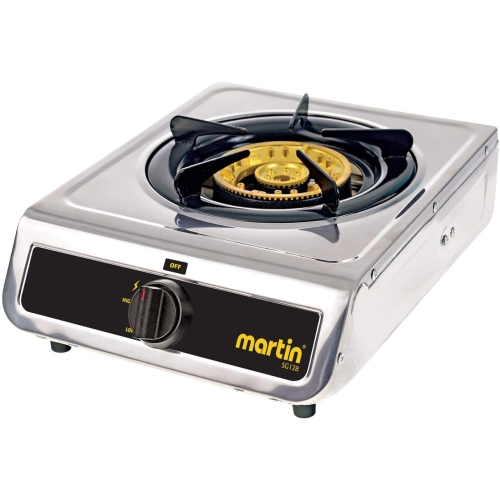
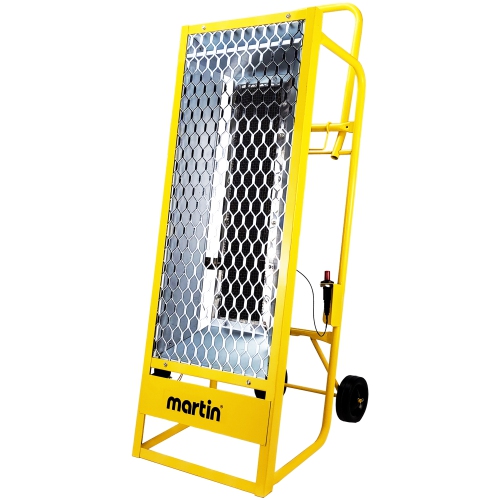
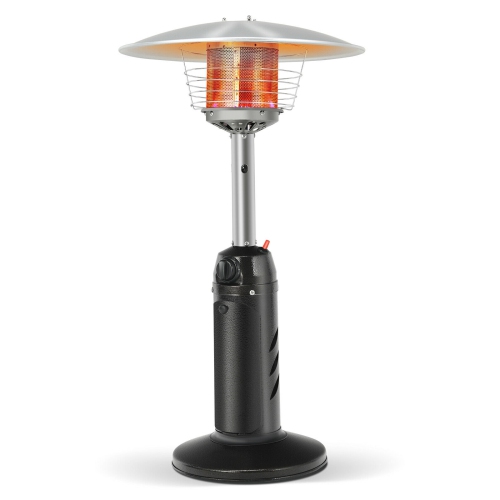
Portable warmth and essential safety for cooler campsite evenings
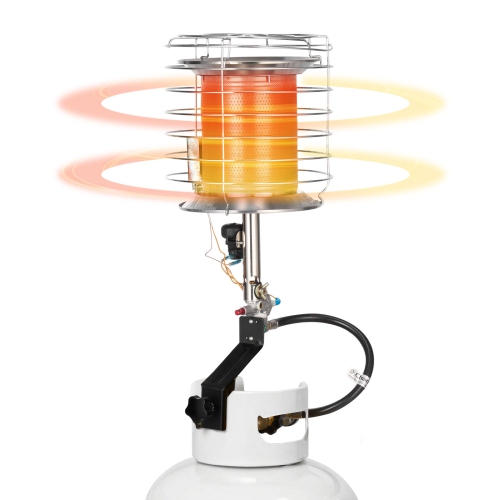
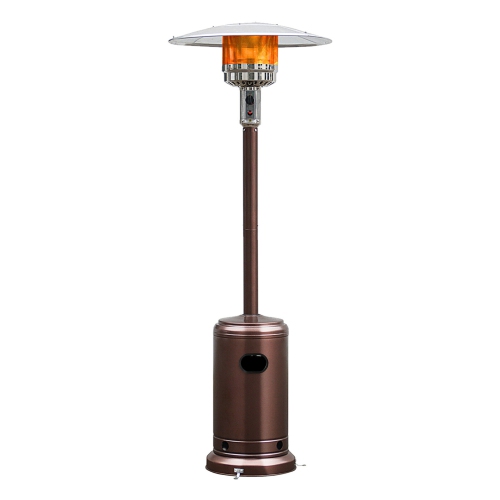
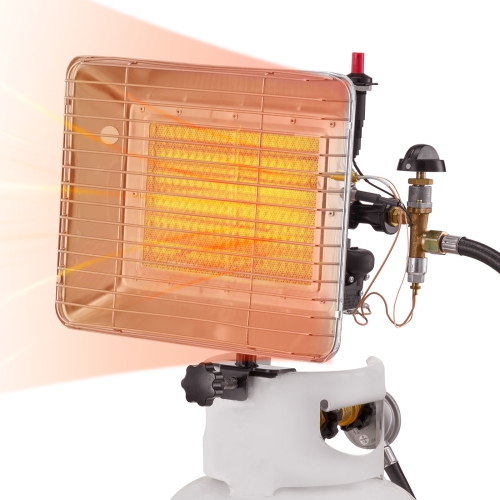
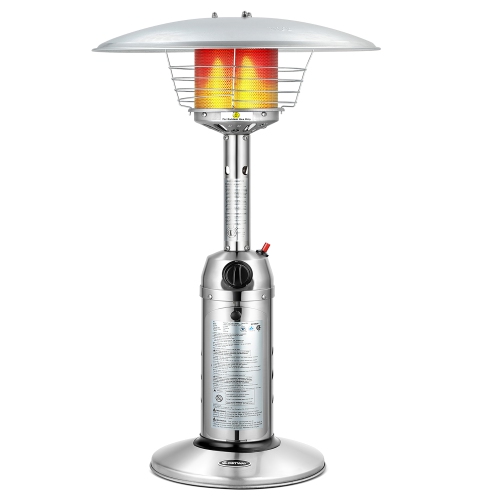
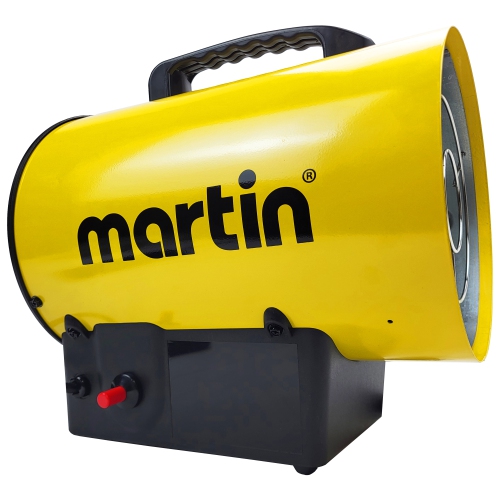
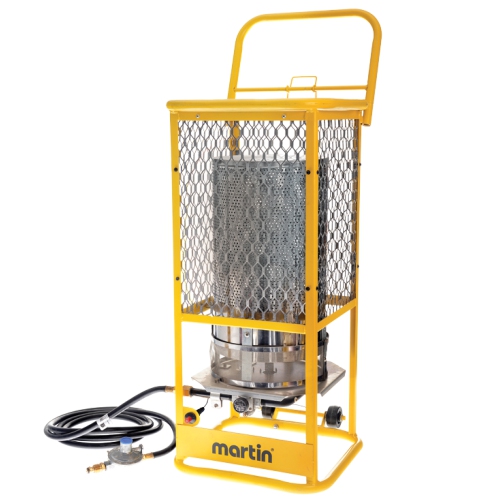
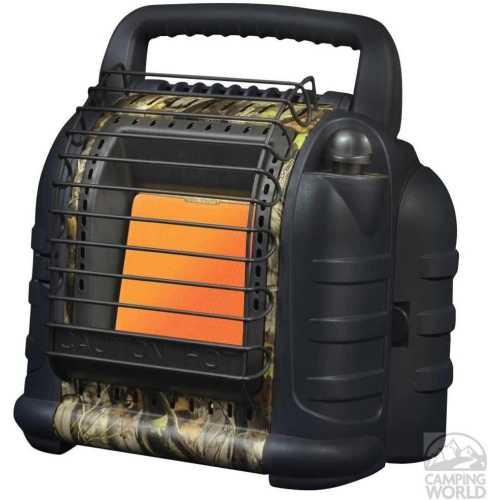
Propane heaters for camping provide practical, portable warmth when a campsite feels chilly, whether you are spending an evening under an awning, setting up at a seasonal site, warming a workshop-style shelter, or taking the edge off during cooler months. Unlike electric heaters, propane models do not need access to a wall outlet, making them useful for tent trailers, cabins, hunting camps, fishing trips, tailgating areas, and other off-grid settings where dependable heat is important. Many compact camping heaters run from a 1 lb disposable propane cylinder, while larger models can connect to a 20 lb propane tank with the appropriate hose and regulator. Output is commonly measured in BTUs, and a higher BTU rating generally means a heater can warm a larger area, although wind, shelter design, insulation, and outside temperature all affect performance. A lower-output heater may be well suited to a small personal space or sheltered seating area, while a higher-output model can provide more noticeable warmth across a larger gathering space. Adjustable heat settings are especially useful because they let you maintain comfortable warmth as the evening changes, conserve fuel when less heat is needed, and avoid the uncomfortable blast of running a heater at full power in a compact area. When comparing options, consider the heater’s recommended coverage, fuel type, run time, weight, carrying handle, ignition system, and controls. A compact design is convenient for packing into a vehicle or storing with camping equipment, while a broader base, sturdy feet, or a tip-over shutoff can add confidence on uneven ground. Some models have directional or tilting heads that help aim warmth toward chairs, tables, or a work area rather than heating open air. A built-in warming feature around the cylinder may also help maintain fuel performance in colder conditions. These details can make a noticeable difference at a damp campsite, where warming cold hands over a steady stream of heat can turn a long, uncomfortable evening into a more enjoyable one.
Safety should be part of choosing and using any propane heater for camping. Read the manufacturer’s instructions before connecting a cylinder, lighting the unit, or moving it, and confirm that the heater is approved for the setting where it will be used. Never operate a fuel-burning heater in a completely sealed tent, vehicle, trailer, or other enclosed shelter unless the manufacturer specifically identifies that model as suitable for that application and all ventilation requirements are followed. Fresh airflow is essential because propane combustion can reduce oxygen and produce carbon monoxide, an odourless and potentially dangerous gas. Keep a battery-operated carbon monoxide detector nearby when using a heater in an enclosed or semi-enclosed area, while remembering that a detector is an additional precaution rather than a replacement for ventilation. Place the heater on a stable, level, non-combustible surface, and maintain generous clearance from tent walls, tarps, sleeping bags, clothing, camping chairs, firewood, paper, and other flammable gear. Do not cover the heater, block its air intake or exhaust, or use it to dry clothing and equipment. Keep children and pets away from hot surfaces, and position the fuel cylinder and hose where they cannot be knocked over, pinched, or exposed to excessive heat. Inspect connections and hoses for damage before each use, follow the correct procedure for checking for leaks, and never use a heater that has been dropped, modified, or shows signs of malfunction. Turn the heater off, close the fuel supply as directed, and allow the unit to cool completely before packing it away or transporting it. It should never be left running while unattended or used while anyone is sleeping. When a larger fuel supply is preferred for longer stays, explore Propane Tank Heaters for additional options designed around propane tank connections.
The best propane heater for camping depends on the way you spend time outdoors and the space you need to warm. A solo camper who mainly wants warmth while preparing breakfast or sitting beside a picnic table may value a lightweight model, quick ignition, and straightforward controls. A family at a tent trailer or campsite may prefer longer run time, multiple heat settings, and enough output to warm a larger covered area without constant refuelling. For a fishing trip, jobsite-style camp, or hunting base, a durable carrying handle and stable placement can be more important than the smallest possible footprint. Before purchasing, estimate how often the heater will be used, how far you need to carry it, and whether your camping setup already uses disposable cylinders or a refillable tank. Check fuel consumption information and keep spare fuel stored and transported according to local rules and the cylinder manufacturer’s instructions; cold temperatures can affect pressure and make a small cylinder run less efficiently. It is also worth checking the noise level, lighting method, battery requirements, and availability of replacement hoses or accessories. Propane camping heaters can make thoughtful gifts for campers, cottage owners, anglers, road trippers, and anyone who enjoys gathering outdoors during the cooler months. They are particularly useful for someone upgrading a basic camp kit, preparing for shoulder-season trips, or creating a more comfortable covered seating area at a campsite. Pairing a heater with practical outdoor essentials such as a carrying case, approved fuel accessories, or a carbon monoxide detector can help make the gift more complete, but compatibility and safe use should always come first. With the right size, fuel connection, safety features, and placement, a propane heater can add welcome warmth to early-morning coffee, a cool afternoon at the lake, or a crisp evening around the campsite while keeping comfort and responsible operation at the centre of the experience.
Safety should be part of choosing and using any propane heater for camping. Read the manufacturer’s instructions before connecting a cylinder, lighting the unit, or moving it, and confirm that the heater is approved for the setting where it will be used. Never operate a fuel-burning heater in a completely sealed tent, vehicle, trailer, or other enclosed shelter unless the manufacturer specifically identifies that model as suitable for that application and all ventilation requirements are followed. Fresh airflow is essential because propane combustion can reduce oxygen and produce carbon monoxide, an odourless and potentially dangerous gas. Keep a battery-operated carbon monoxide detector nearby when using a heater in an enclosed or semi-enclosed area, while remembering that a detector is an additional precaution rather than a replacement for ventilation. Place the heater on a stable, level, non-combustible surface, and maintain generous clearance from tent walls, tarps, sleeping bags, clothing, camping chairs, firewood, paper, and other flammable gear. Do not cover the heater, block its air intake or exhaust, or use it to dry clothing and equipment. Keep children and pets away from hot surfaces, and position the fuel cylinder and hose where they cannot be knocked over, pinched, or exposed to excessive heat. Inspect connections and hoses for damage before each use, follow the correct procedure for checking for leaks, and never use a heater that has been dropped, modified, or shows signs of malfunction. Turn the heater off, close the fuel supply as directed, and allow the unit to cool completely before packing it away or transporting it. It should never be left running while unattended or used while anyone is sleeping. When a larger fuel supply is preferred for longer stays, explore Propane Tank Heaters for additional options designed around propane tank connections.
The best propane heater for camping depends on the way you spend time outdoors and the space you need to warm. A solo camper who mainly wants warmth while preparing breakfast or sitting beside a picnic table may value a lightweight model, quick ignition, and straightforward controls. A family at a tent trailer or campsite may prefer longer run time, multiple heat settings, and enough output to warm a larger covered area without constant refuelling. For a fishing trip, jobsite-style camp, or hunting base, a durable carrying handle and stable placement can be more important than the smallest possible footprint. Before purchasing, estimate how often the heater will be used, how far you need to carry it, and whether your camping setup already uses disposable cylinders or a refillable tank. Check fuel consumption information and keep spare fuel stored and transported according to local rules and the cylinder manufacturer’s instructions; cold temperatures can affect pressure and make a small cylinder run less efficiently. It is also worth checking the noise level, lighting method, battery requirements, and availability of replacement hoses or accessories. Propane camping heaters can make thoughtful gifts for campers, cottage owners, anglers, road trippers, and anyone who enjoys gathering outdoors during the cooler months. They are particularly useful for someone upgrading a basic camp kit, preparing for shoulder-season trips, or creating a more comfortable covered seating area at a campsite. Pairing a heater with practical outdoor essentials such as a carrying case, approved fuel accessories, or a carbon monoxide detector can help make the gift more complete, but compatibility and safe use should always come first. With the right size, fuel connection, safety features, and placement, a propane heater can add welcome warmth to early-morning coffee, a cool afternoon at the lake, or a crisp evening around the campsite while keeping comfort and responsible operation at the centre of the experience.
Top selling and popular products
-
 Your price for this item is $179.99
 -
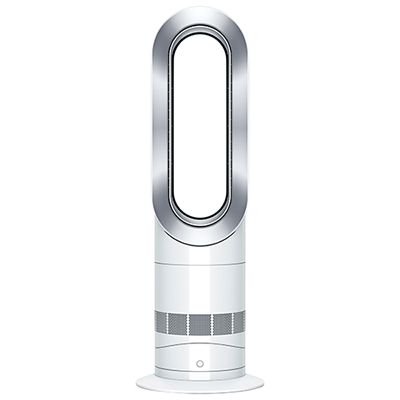 Your price for this item is $549.99
 -
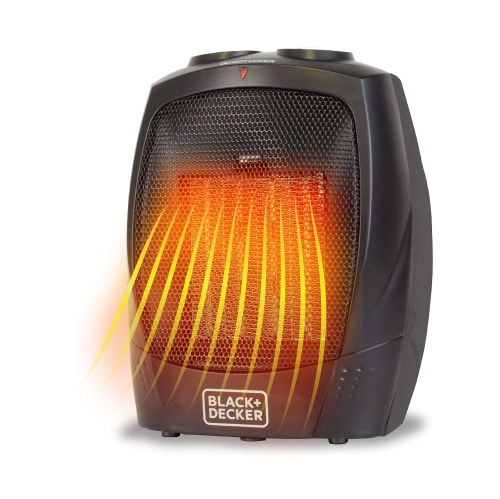 Your price for this item is $41.99
 -
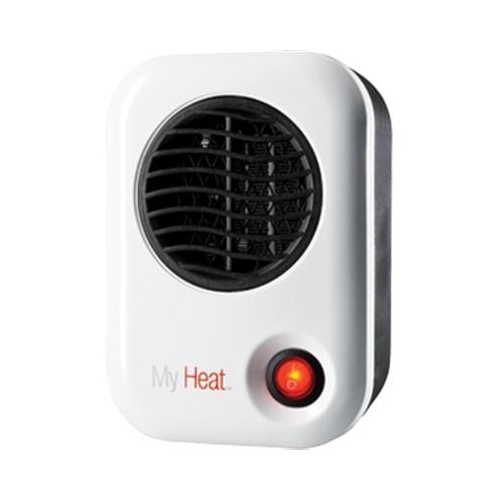 Your price for this item is $100.99
 -
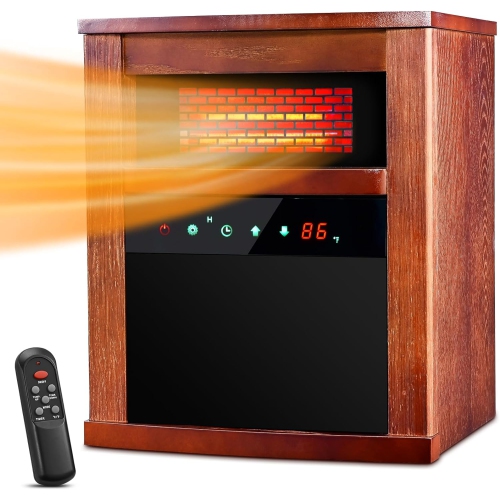 Your price for this item is $219.95
 -
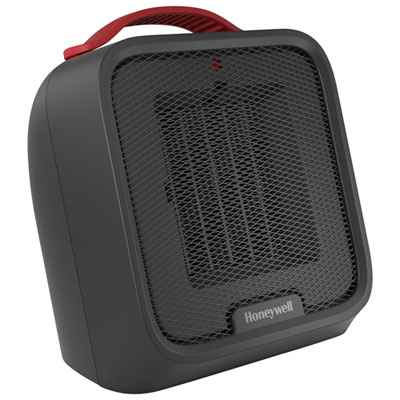 Your price for this item is $64.98
 -
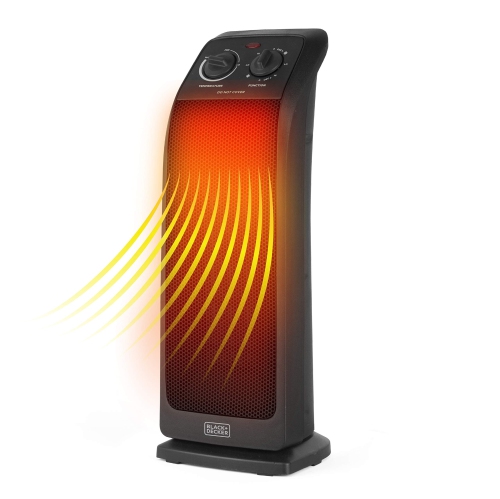 Your price for this item is $68.99
 -
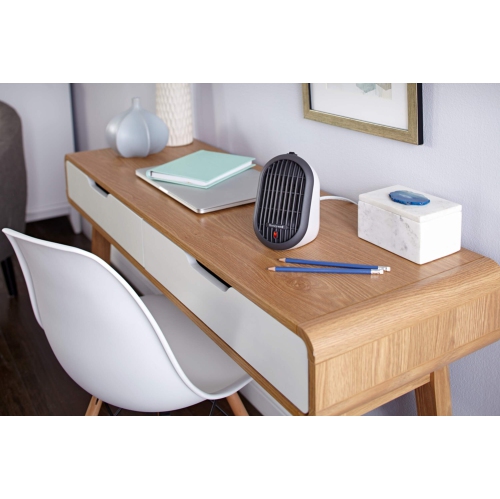 Your price for this item is $50
Discover more categories related to Propane Heaters for Camping
Top Collections:
Pokemon Centers, Kindle Devices, Best Budget Office Chairs, Apple iPhones 16, Best Laptops for Writers, iPhone 15 Apple, Canon G7X Cameras, Refurbished Apple Laptops, Alarm Clock, Motorola Razr Phones
Some products may be subject to Environmental Handling Fees
(EHF) depending on your province.
Learn more about EHFs.