Propane Tank Heaters
Propane Tank Heater options offer a reliable way to keep your propane tanks functioning efficiently, even in colder conditions. Whether you’re preparing for outdoor activities, managing construction projects, or ensuring your appliances run smoothly, these heaters are designed to help maintain consistent performance. Explore a variety of Propane Tank Heater solutions to find the right fit for your needs and keep your equipment operating at its best throughout the year.
Sort
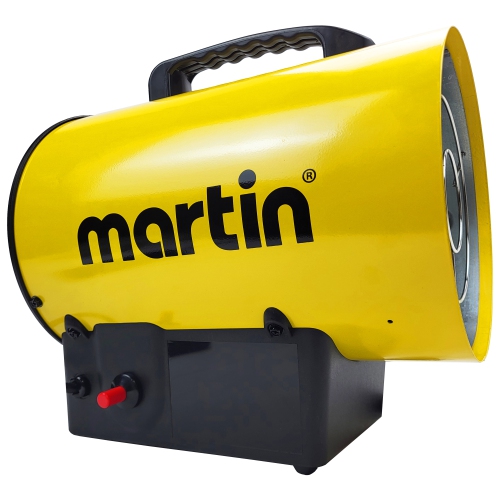

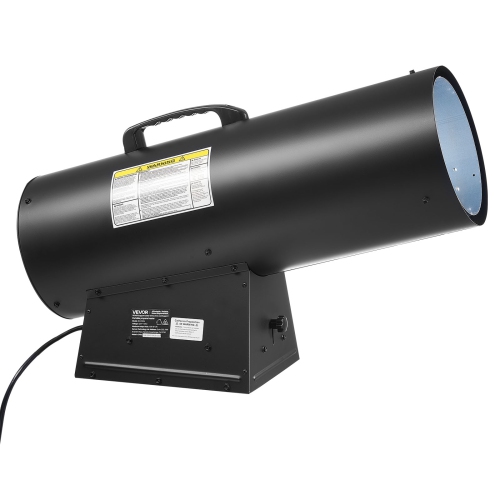
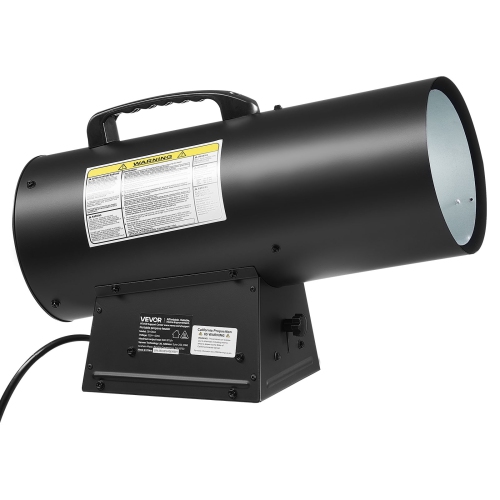
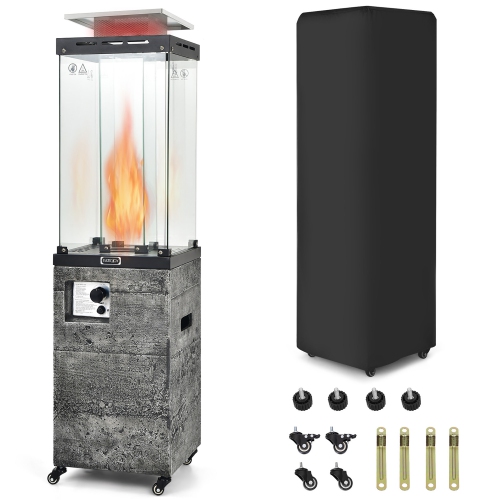
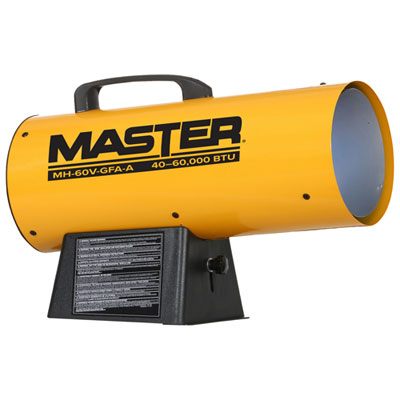
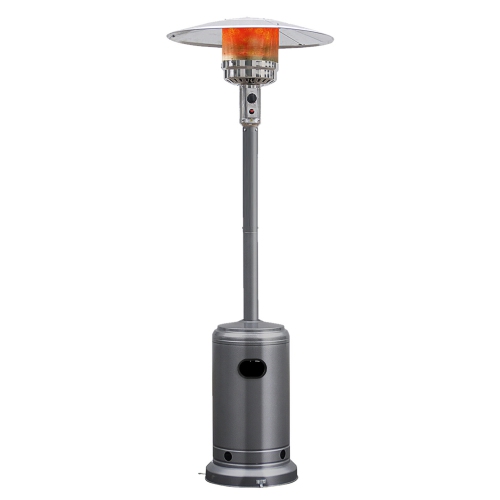
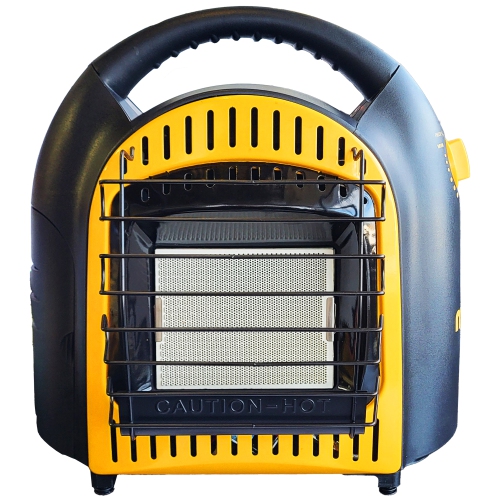
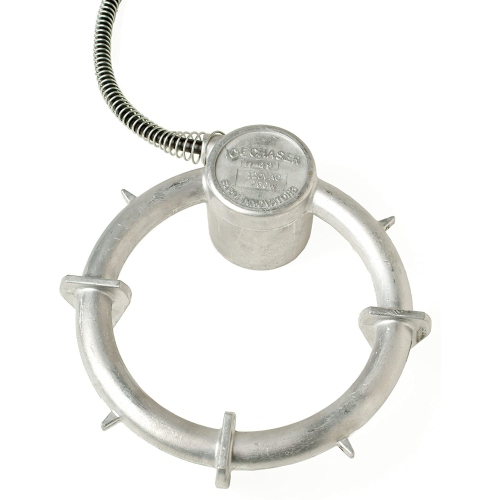
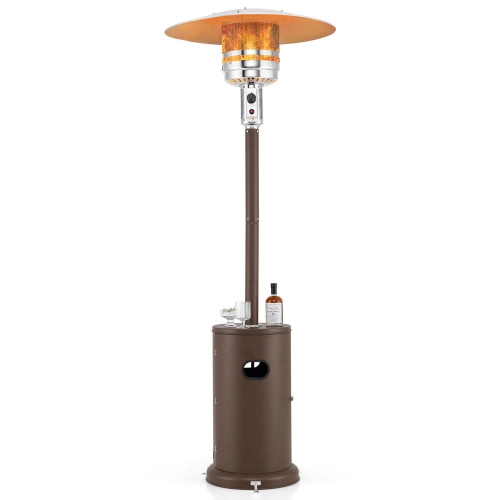
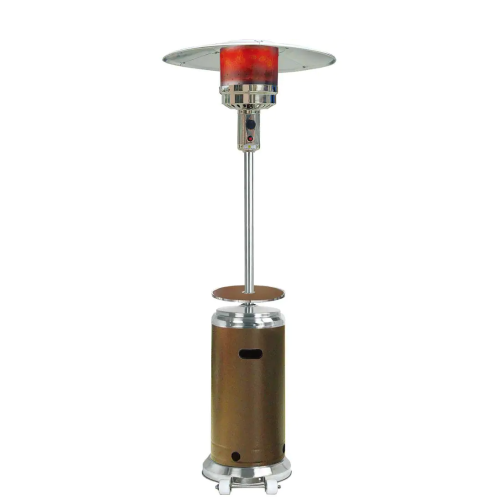
Radiant warmth and steadier fuel flow in cold weather
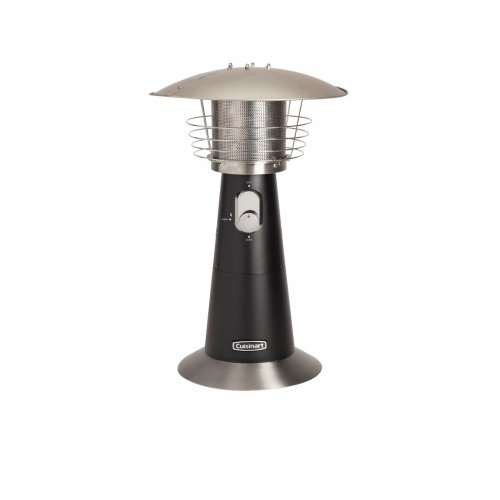
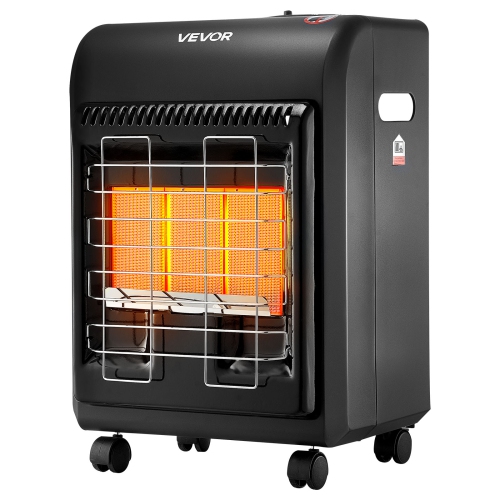
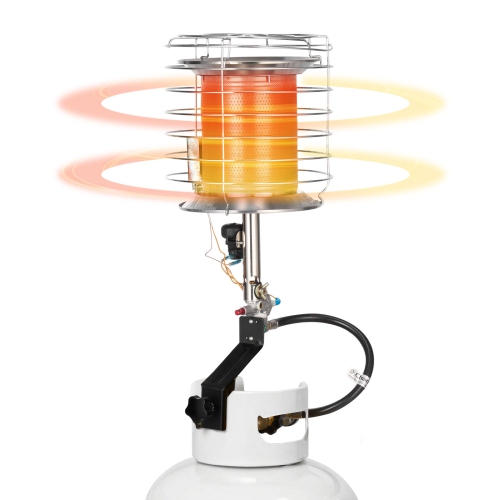
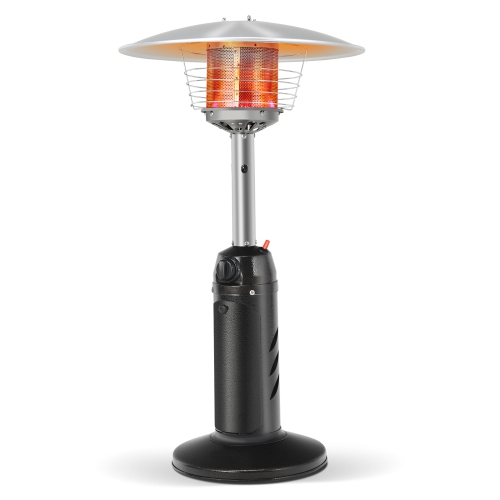
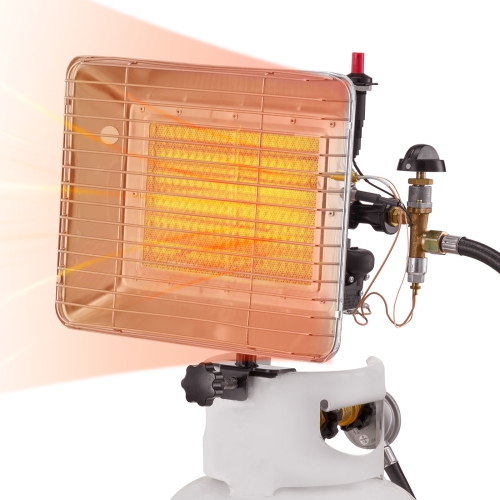
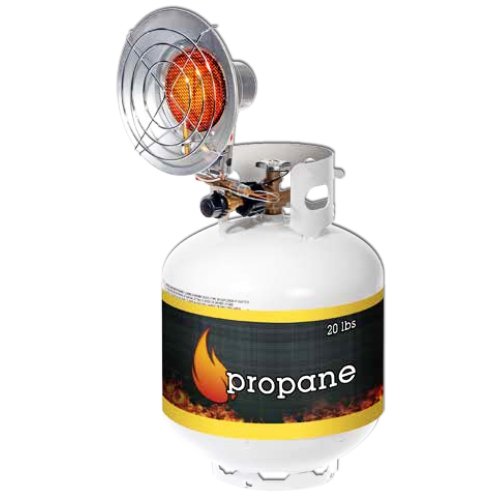
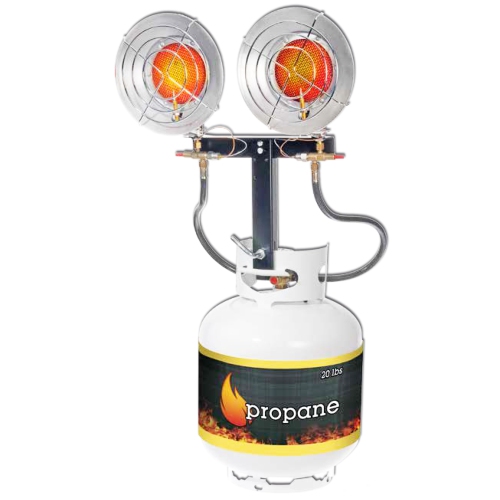
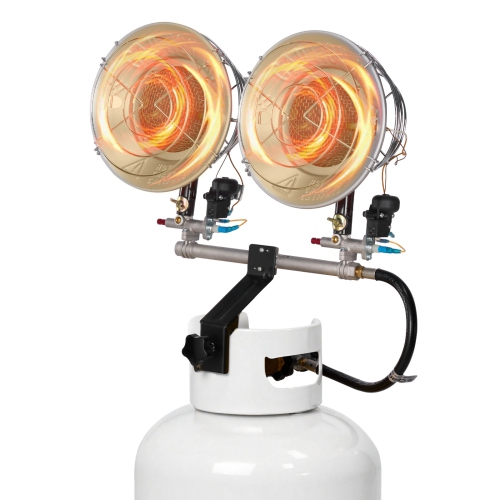
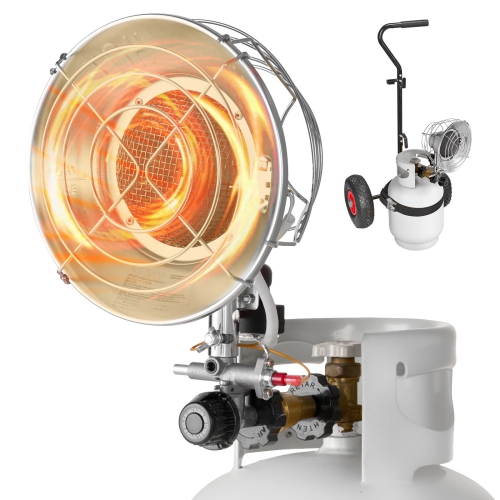
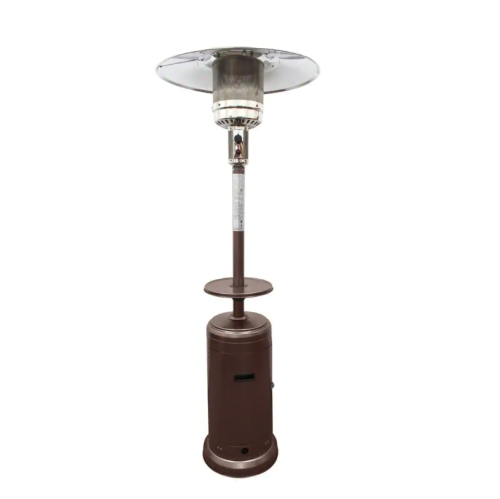
Propane tank heaters can refer to two useful types of equipment, and understanding the difference makes it easier to choose the right option for your space. A tank-top propane heater mounts directly to a compatible gas cylinder and uses radiant heat to warm people and nearby surfaces. These compact heaters are often used on patios, decks, campsites, outdoor work areas, hunting camps, and other open-air locations where a quick source of warmth is helpful. Because the burner sits above the tank, the design can be convenient to carry, set up, and store between uses. Many models are made to connect to a standard 20 lb propane tank, while smaller heaters may be designed for 1 lb cylinders or use an adapter for another approved fuel source. A tank-top heater can be a practical choice when you want warmth directed toward a chair, table, workbench, or small gathering area rather than heat throughout an enclosed room. Radiant heat feels much like standing near a sunny window: it warms the people and objects in its path, even when the surrounding air remains cool. Look for features such as adjustable heat output, a tilting head, wind resistance, a stable base, a safety shut-off, and a protective grille around the burner. For a broader selection of portable outdoor heating formats, explore Freestanding Propane Heaters. These heaters are intended for outdoor use unless the manufacturer specifically states otherwise. Never operate a fuel-burning heater in a home, tent, camper, garage, shed, enclosed porch, or other area without the ventilation and certification required by the instructions. Carbon monoxide can build up without warning, and opening a door or window does not automatically make an enclosed space safe. Keep the heater away from walls, railings, furniture, curtains, branches, and other combustible materials, and place it on a level, solid surface where it cannot be easily knocked over.
A second type of propane tank heater is an insulating electric blanket or wrap that fits around a cylinder. Rather than heating an area, this style helps maintain the tank’s temperature and gas pressure in cold conditions. Propane naturally vaporizes less effectively as temperatures drop, especially when a tank is nearly empty or demand is high. That pressure loss can affect burner performance, causing a flame to weaken, a heater to shut down, or an appliance to struggle to deliver consistent heat. A tank warmer may be useful for outdoor kitchens, construction sites, food-service equipment, temporary heating setups, workshops, and other applications where a propane cylinder must continue supplying fuel during cooler weather. Tank blankets are available for different cylinder sizes, so check the exact dimensions, valve position, wattage, and connection requirements before buying. A wrap made for a small 1 lb bottle will not fit a 20 lb cylinder, and a blanket intended for a 20 lb tank may not be suitable for a larger commercial tank. Insulation, thermostatic controls, adjustable heat settings, weather-resistant materials, and secure fastening can all be valuable features, but compatibility and safe installation should come first. Use only a heater approved for the specific tank and fuel arrangement, and follow the manufacturer’s instructions for placement around valves, regulators, hoses, and fittings. An electric tank warmer needs a suitable power source and should be protected from water in accordance with its rating. It should not be folded, covered with additional material, modified, or used on a damaged cylinder. The propane tank itself should remain upright, secured against tipping, and positioned where air can circulate freely. Inspect the cylinder, hose, regulator, power cord, and connections before each use; signs of cracking, corrosion, fraying, unusual odour, or frost around a fitting deserve immediate attention.
When comparing propane tank heaters, start by deciding whether your priority is personal warmth or dependable fuel pressure. A tank-top space heater is suited to someone sitting outdoors on a cool evening, tending a campsite, watching a sporting event, or working at an open-air station. A tank blanket is better suited to someone whose equipment already provides heat but needs help maintaining propane flow in cold weather. Consider the size and type of your cylinder, the expected temperature, the amount of space you want to warm, and how often the heater will be moved. A compact radiant model can be handy for camping or occasional patio use, while a heavier unit with a broader heat pattern may feel more comfortable around a larger seating area. For either style, convenient controls, a clear operating guide, automatic shut-off protection, and simple storage can make a noticeable difference. Someone who spends time at a cottage, runs an outdoor food station, works on building projects, or enjoys cold-weather recreation may appreciate a propane tank heater as a practical gift, particularly when paired with compatible fuel equipment and safe storage. Before giving one as a gift, confirm the recipient’s tank size, intended location, access to electricity, and familiarity with propane appliances. Keep spare cylinders stored outdoors in an approved, upright position away from ignition sources, and never leave a lit heater unattended. Allow equipment to cool completely before moving or storing it, disconnect fuel only as directed, and keep children and pets at a safe distance from hot surfaces. With the right match between heater type, tank, surroundings, and intended use, propane tank heaters can add useful warmth or help maintain steady performance during the cooler months, from the first crisp outdoor evenings through the start of winter.
A second type of propane tank heater is an insulating electric blanket or wrap that fits around a cylinder. Rather than heating an area, this style helps maintain the tank’s temperature and gas pressure in cold conditions. Propane naturally vaporizes less effectively as temperatures drop, especially when a tank is nearly empty or demand is high. That pressure loss can affect burner performance, causing a flame to weaken, a heater to shut down, or an appliance to struggle to deliver consistent heat. A tank warmer may be useful for outdoor kitchens, construction sites, food-service equipment, temporary heating setups, workshops, and other applications where a propane cylinder must continue supplying fuel during cooler weather. Tank blankets are available for different cylinder sizes, so check the exact dimensions, valve position, wattage, and connection requirements before buying. A wrap made for a small 1 lb bottle will not fit a 20 lb cylinder, and a blanket intended for a 20 lb tank may not be suitable for a larger commercial tank. Insulation, thermostatic controls, adjustable heat settings, weather-resistant materials, and secure fastening can all be valuable features, but compatibility and safe installation should come first. Use only a heater approved for the specific tank and fuel arrangement, and follow the manufacturer’s instructions for placement around valves, regulators, hoses, and fittings. An electric tank warmer needs a suitable power source and should be protected from water in accordance with its rating. It should not be folded, covered with additional material, modified, or used on a damaged cylinder. The propane tank itself should remain upright, secured against tipping, and positioned where air can circulate freely. Inspect the cylinder, hose, regulator, power cord, and connections before each use; signs of cracking, corrosion, fraying, unusual odour, or frost around a fitting deserve immediate attention.
When comparing propane tank heaters, start by deciding whether your priority is personal warmth or dependable fuel pressure. A tank-top space heater is suited to someone sitting outdoors on a cool evening, tending a campsite, watching a sporting event, or working at an open-air station. A tank blanket is better suited to someone whose equipment already provides heat but needs help maintaining propane flow in cold weather. Consider the size and type of your cylinder, the expected temperature, the amount of space you want to warm, and how often the heater will be moved. A compact radiant model can be handy for camping or occasional patio use, while a heavier unit with a broader heat pattern may feel more comfortable around a larger seating area. For either style, convenient controls, a clear operating guide, automatic shut-off protection, and simple storage can make a noticeable difference. Someone who spends time at a cottage, runs an outdoor food station, works on building projects, or enjoys cold-weather recreation may appreciate a propane tank heater as a practical gift, particularly when paired with compatible fuel equipment and safe storage. Before giving one as a gift, confirm the recipient’s tank size, intended location, access to electricity, and familiarity with propane appliances. Keep spare cylinders stored outdoors in an approved, upright position away from ignition sources, and never leave a lit heater unattended. Allow equipment to cool completely before moving or storing it, disconnect fuel only as directed, and keep children and pets at a safe distance from hot surfaces. With the right match between heater type, tank, surroundings, and intended use, propane tank heaters can add useful warmth or help maintain steady performance during the cooler months, from the first crisp outdoor evenings through the start of winter.
Top selling and popular products
-
 Your price for this item is $179.99
 -
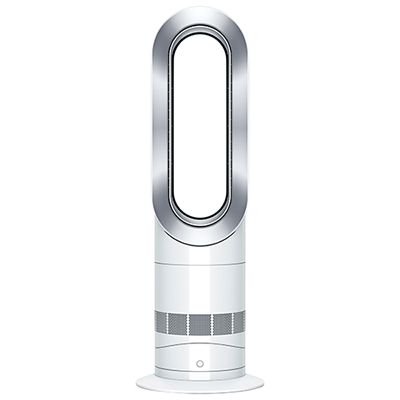 Your price for this item is $549.99
 -
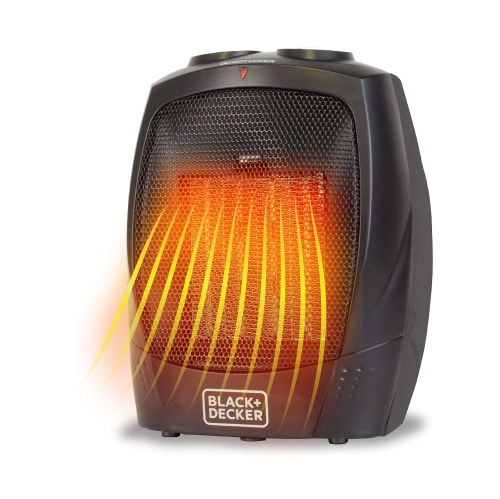 Your price for this item is $41.99
 -
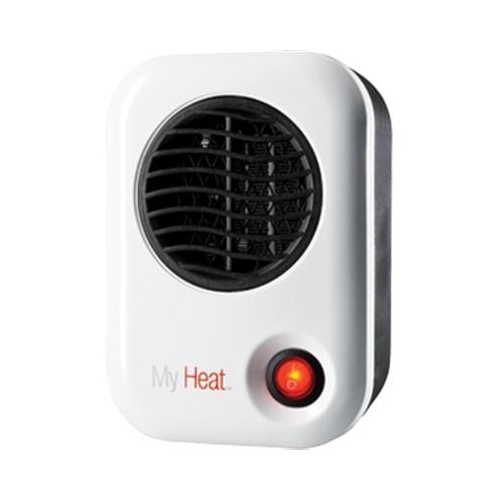 Your price for this item is $100.99
 -
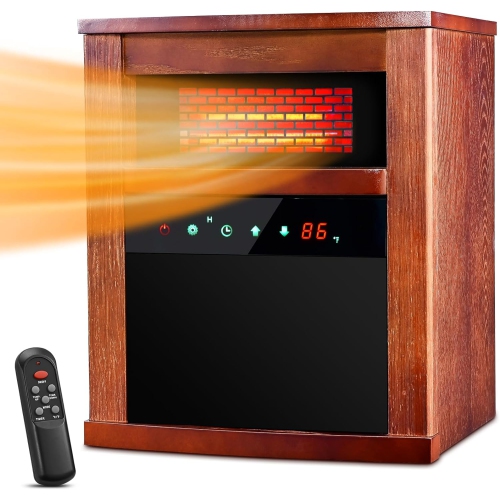 Your price for this item is $219.95
 -
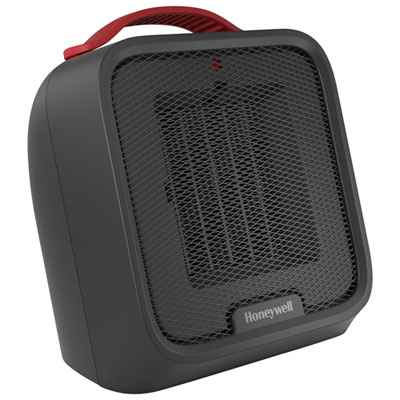 Your price for this item is $64.98
 -
 Your price for this item is $68.99
 -
 Your price for this item is $50
Discover more categories related to Propane Tank Heaters
Top Collections:
Pokemon Centers, Kindle Devices, Best Budget Office Chairs, Apple iPhones 16, Best Laptops for Writers, iPhone 15 Apple, Canon G7X Cameras, Refurbished Apple Laptops, Alarm Clock, Motorola Razr Phones
Some products may be subject to Environmental Handling Fees
(EHF) depending on your province.
Learn more about EHFs.