Propane Quick Connect
Propane Quick Connect solutions offer a convenient way to streamline your outdoor cooking, heating, and RV experiences. Designed for easy integration with various appliances and setups, these connectors help make fuel transitions smooth and hassle-free. Whether you’re preparing for a backyard barbecue or gearing up for your next camping adventure, Propane Quick Connect options provide the flexibility and compatibility you need to keep everything running efficiently. Explore a range of choices to find the right fit for your propane-powered equipment.
Sort

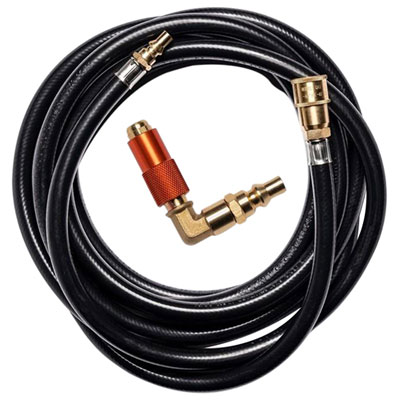
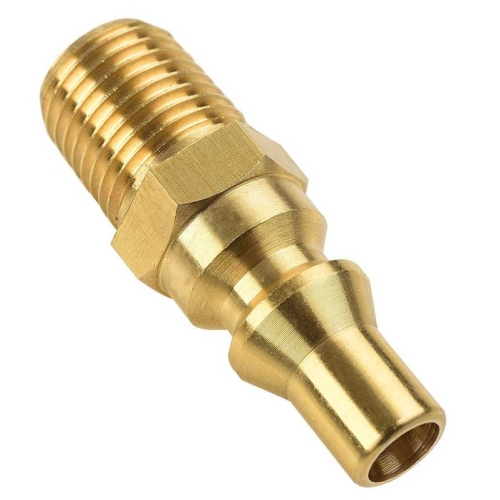

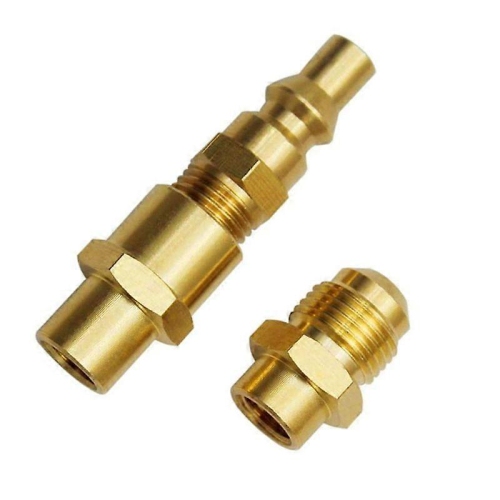
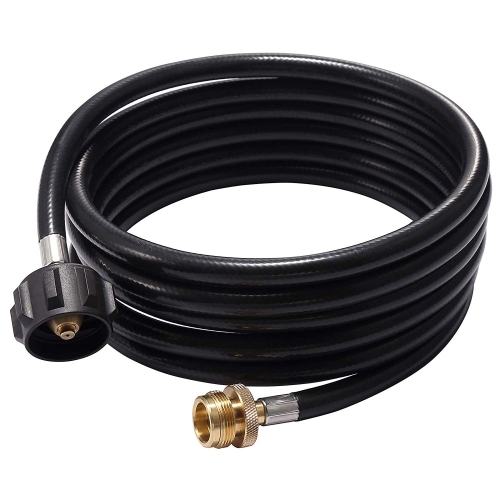

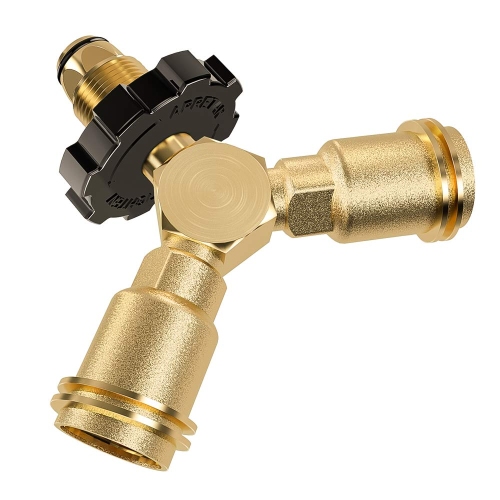


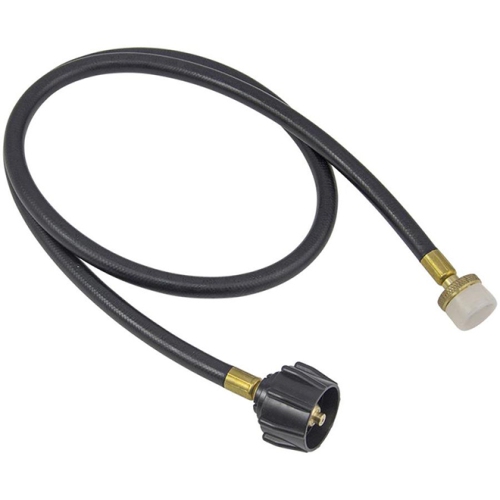
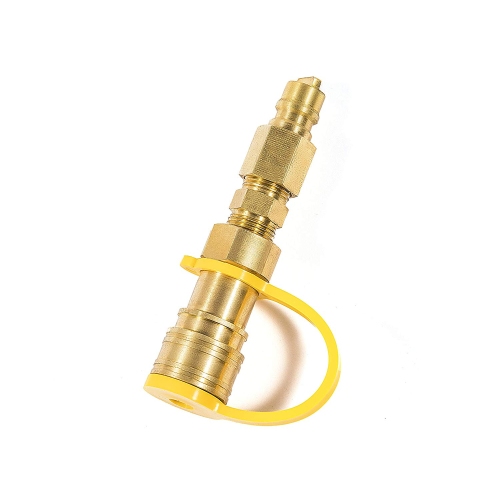
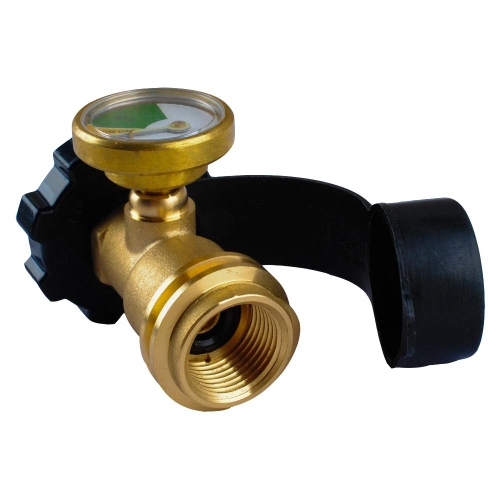
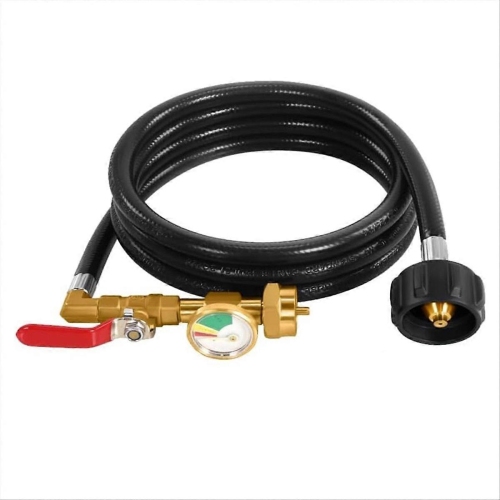
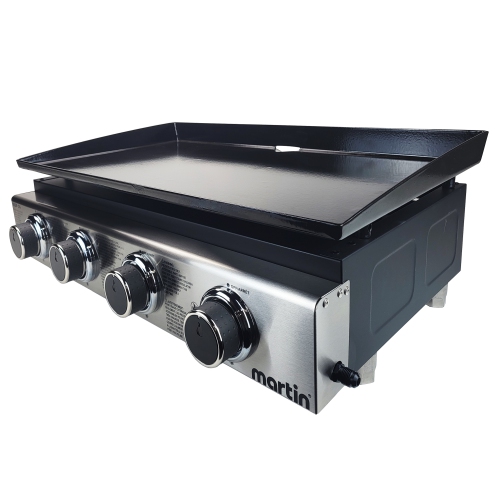
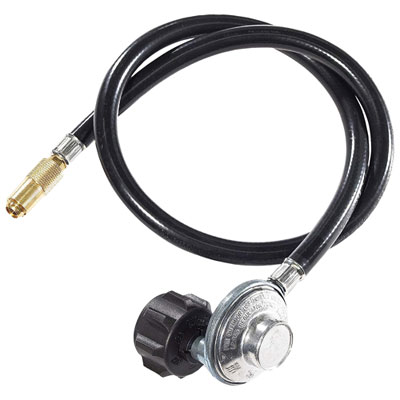
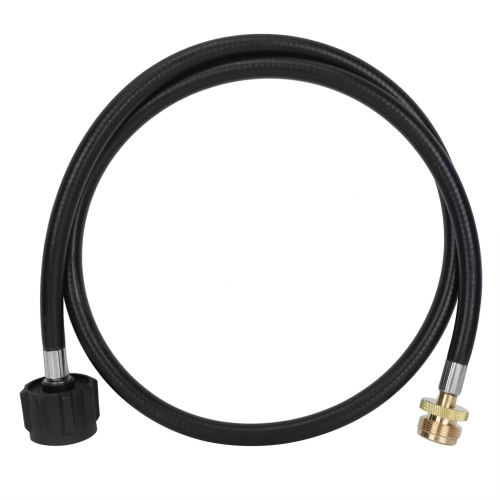

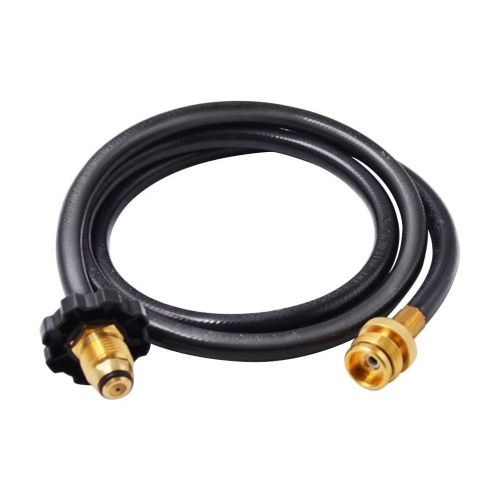
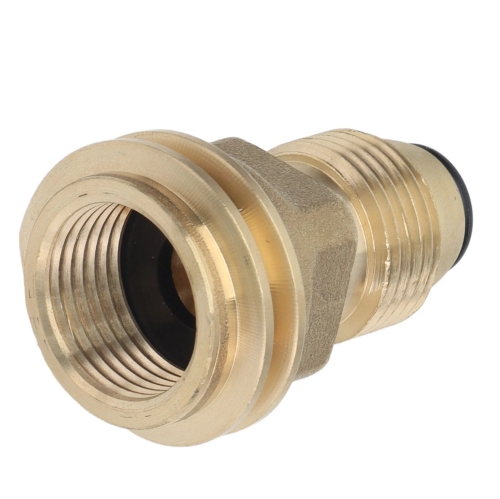
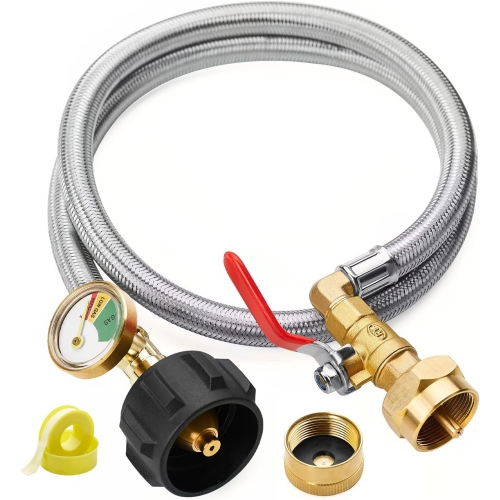

Low-pressure compatibility matters for safer propane connections
Propane quick connect fittings and hoses make it easier to connect compatible low-pressure propane appliances to an existing propane supply, particularly in recreational vehicles, campers, trailers, outdoor kitchens, and other mobile setups. A quick-connect port typically uses a push-to-connect fitting with a built-in shut-off feature, allowing an appliance to be attached or removed without repeatedly threading a hose onto the propane source. For many RV owners, this can simplify outdoor cooking by allowing a camp stove, griddle, fire bowl, or similar low-pressure appliance to draw propane from the onboard tank instead of requiring a separate small cylinder. It can also help keep an outdoor cooking area organized, reducing the number of tanks and loose connections around a campsite or patio. Before choosing a propane quick connect, identify the appliance you plan to use, the connection already installed on the vehicle or supply line, the hose length required, and whether the system is designed for low-pressure propane. RV quick-connect ports are generally located downstream from the main propane regulator and commonly supply propane at approximately 11 inches of water column. The appliance connected to that port must be compatible with the same low-pressure system. A fitting may look physically suitable while still being incorrect for the appliance, so matching the connection type, gas pressure, inlet size, and intended application is essential. These accessories can be useful for experienced campers who want a faster setup at the campsite, for families who cook outdoors during road trips, and for hosts who want a convenient way to connect approved propane appliances near a patio or gathering area. They can also make a practical gift for someone who spends the warmer part of the year travelling by RV or enjoying weekend camping, provided the recipient’s equipment and connection requirements are known.
Compatibility deserves particular attention because propane appliances are not all regulated in the same way. Many portable appliances designed for small disposable cylinders include their own regulator, while an RV quick-connect outlet has already passed through the RV’s main regulator. Connecting an appliance with a second built-in regulator to an existing low-pressure port can restrict gas flow, prevent the appliance from operating properly, or create an unsafe configuration. In some cases, the appliance may need a manufacturer-approved conversion kit or a different hose arrangement, and the original regulator should not be removed or modified unless the appliance instructions specifically allow it. Check the owner’s manuals for both the propane supply system and the appliance, and confirm that the quick-connect fitting is approved for the intended gas service. Pay attention to hose length as well: a longer hose can be convenient when positioning a cooking surface away from the vehicle, but excessive length or an unsuitable diameter may reduce performance, particularly when a larger appliance demands more gas. Look for clear information about the connector style, male or female ends, quick-disconnect compatibility, operating pressure, and whether the hose is intended for indoor or outdoor use. A quick connect is designed for approved low-pressure propane equipment, not for improvising connections between unrelated fittings. It should not be used to join appliances that require high-pressure propane, and it should never be forced, adapted, or combined with fittings that are not rated for propane. If a new port must be installed on an RV or hard line, professional installation is the safest choice, since the work may involve the vehicle’s propane piping, shut-off valves, regulator, and leak testing.
Safe handling is part of selecting and using any propane quick connect. Turn off the main propane supply before attaching or removing a hose, allow burners and hot surfaces to cool, and inspect the connector, seal, hose jacket, and threaded joints for damage before each use. Connectors should seat fully and lock according to the manufacturer’s instructions; never rely on a partially engaged fitting or a connection that feels loose. After installing a new hard-line fitting or changing a threaded joint, apply an approved leak-detection solution or soapy water to the connection and watch for growing bubbles while the propane system is pressurized. Never check for a propane leak with a flame. If a leak, propane odour, damaged hose, unusual flame, or poor appliance performance is noticed, shut off the supply, extinguish all ignition sources, ventilate the area when safe to do so, and have the system inspected before using it again. Keep hoses away from sharp edges, vehicle doors, hot exhaust components, open flames, and areas where they could be pinched or driven over. Store disconnected accessories clean, dry, and protected from extreme heat or physical damage. For buyers comparing related components, Propane Gas Regulators can provide additional context when the installation involves pressure control or replacement parts. With the correct low-pressure match, suitable hose reach, secure connections, and careful leak checks, propane quick connect accessories can make outdoor cooking and campsite entertaining more straightforward during road trips, backyard gatherings, and the cooler months when a dependable setup matters most.
Top selling and popular products
-
 Your price for this item is $29.98
-
 Your price for this item is $28.99
-
 Your price for this item is $36
-
 Your price for this item is $38.95
-
 Your price for this item is $40.95
-
 Your price for this item is $40.95
-
 Your price for this item is $89.99
-
 Your price for this item is $89.65
Discover more categories related to Propane Quick Connect

Top Collections:
Pokemon Centers, Best Cameras for Sports Photography, Kindle Devices, Samsung Galaxy Phones, Canon G7X Cameras, Pokémon 30th Celebration Cards, Refurbished Apple Laptops, iPhone 15 Apple, Laptops for Students, Budget Smartphones
Some products may be subject to Environmental Handling Fees
(EHF) depending on your province.
Learn more about EHFs.