Propane Regulator Hoses
Ensure a safe and efficient connection between your propane tank and appliances with our selection of propane regulator hoses. Designed to regulate the flow of gas from the tank to your grill, heater, or other propane-powered equipment, these hoses are essential for maintaining a steady and reliable fuel source. Whether you're replacing an old hose or upgrading to a more durable option, our range of regulator hoses offers a variety of lengths and fittings to suit your specific needs.
Sort
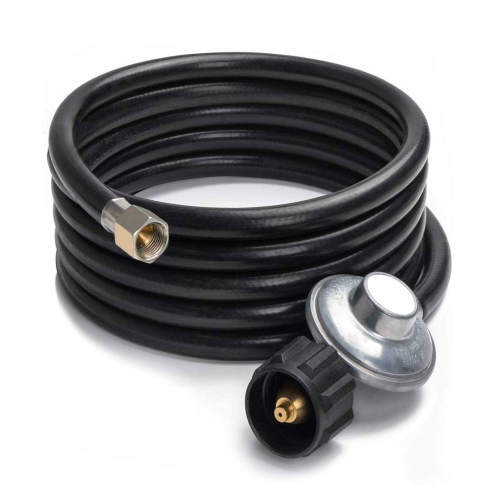
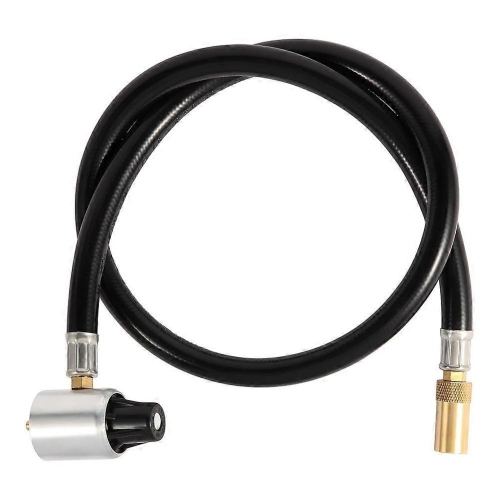
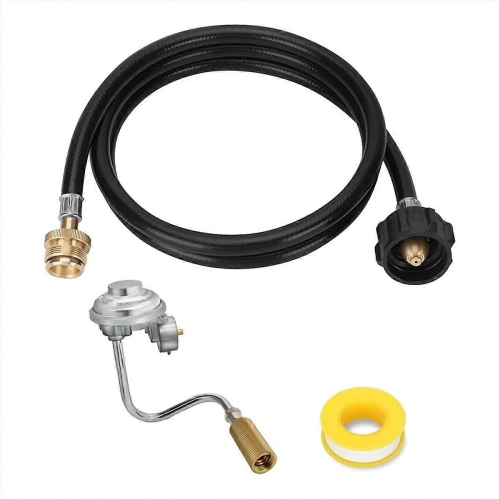
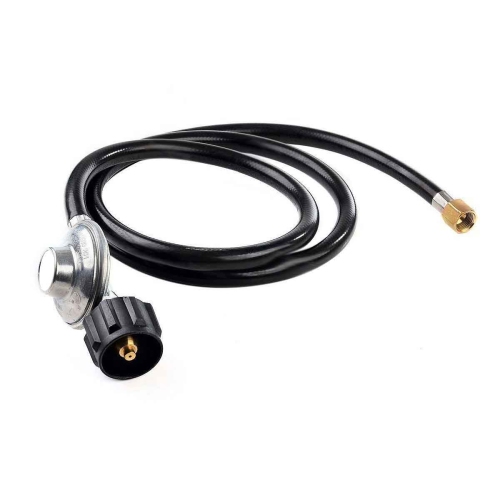


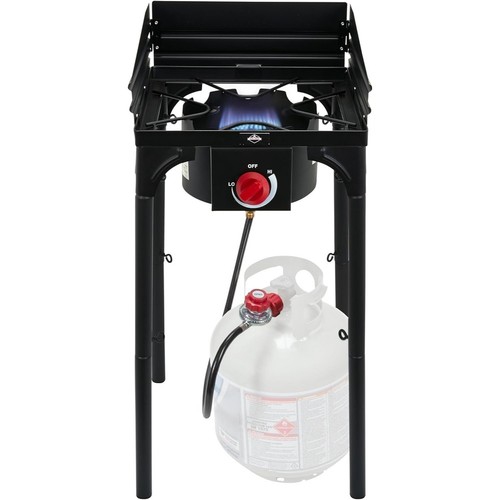
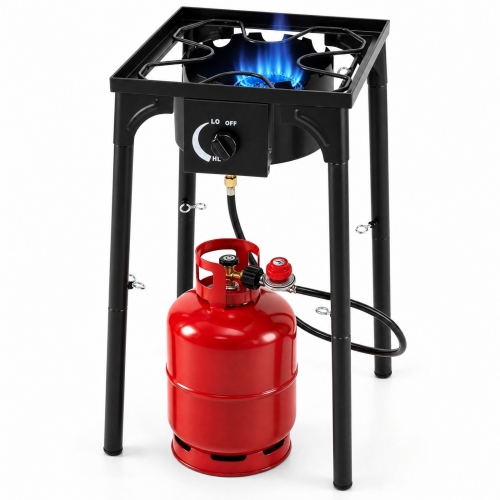
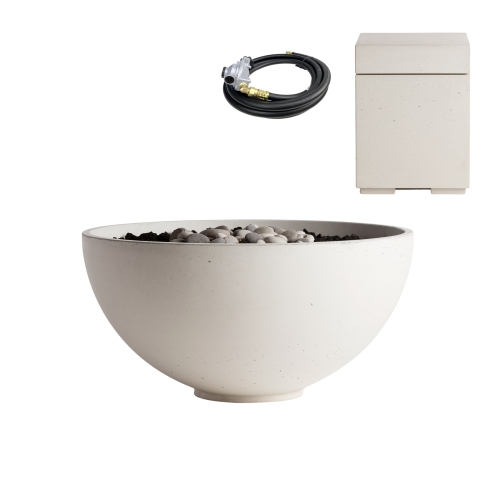
How to match fittings, pressure, length, and appliance needs
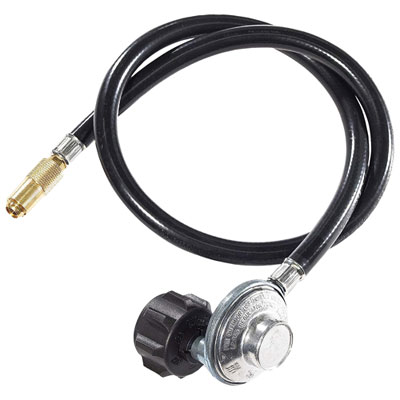
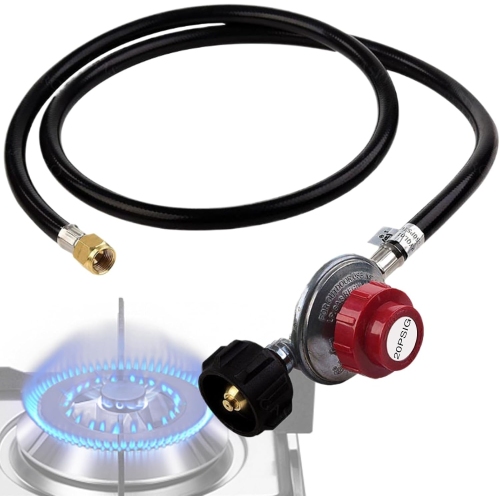
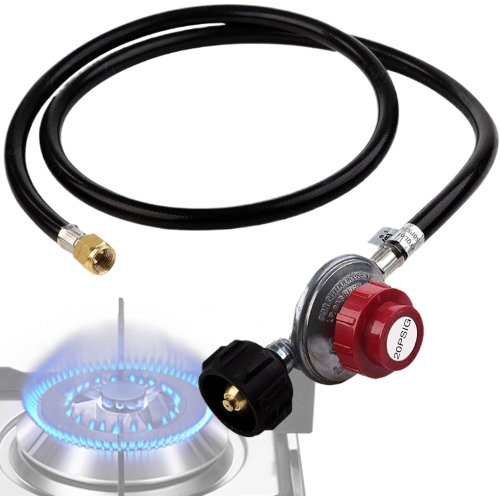
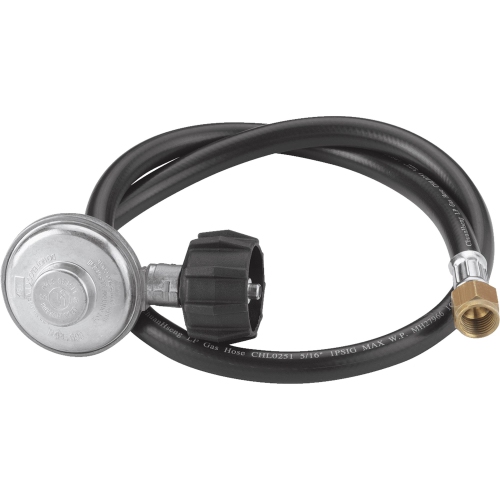
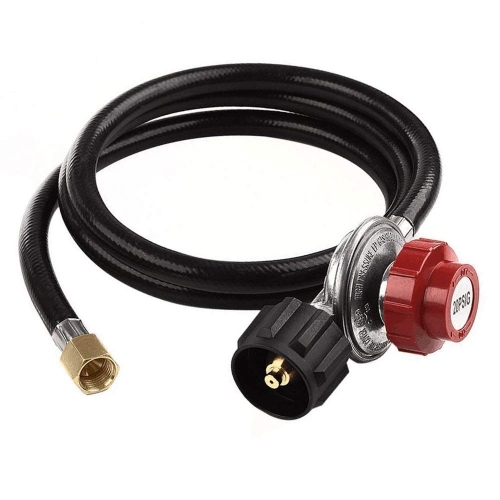
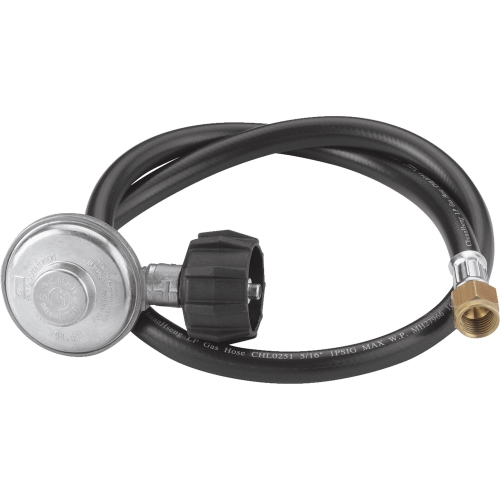
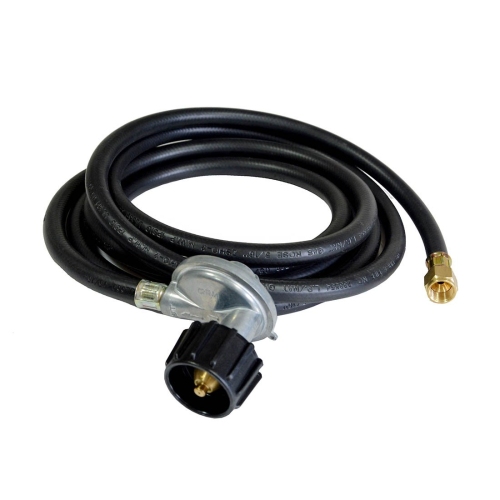
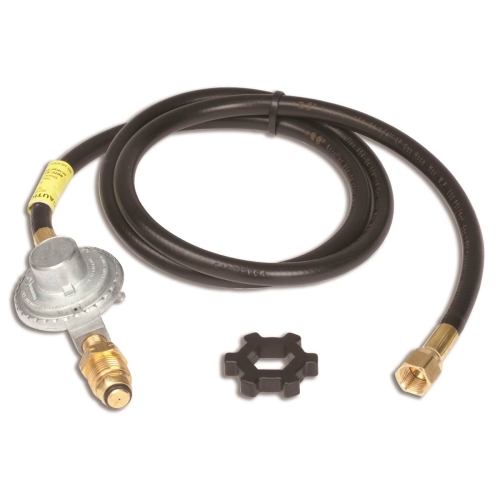
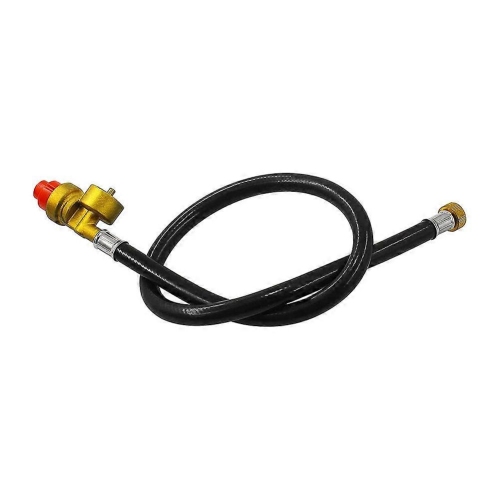
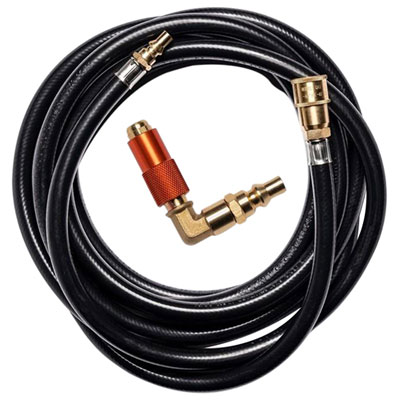
Propane regulator hoses provide the connection between a propane cylinder and an appliance while helping reduce the gas pressure to a level the appliance is designed to use. They are commonly used with outdoor grills, fire pits, patio heaters, camping stoves, turkey fryers, portable cookers, RV equipment, and other propane-powered appliances. A typical assembly includes a hose, a regulator, and a tank-side connector, although the exact configuration can vary by appliance and fuel system. When shopping for a replacement, begin by checking the appliance manual, the existing hose, and the connection at the propane cylinder. The appliance must be compatible with the regulator’s outlet pressure, connection style, and gas type. Many household outdoor appliances use a standard low-pressure setup with a hose in the range of approximately 21 to 24 inches, while camping equipment, larger burners, and some recreational vehicle applications may need a longer five-foot or 10-foot hose. Length should provide comfortable reach without leaving excess hose curled tightly beneath a hot appliance or stretched across a walkway. A longer line can be convenient around a campsite or outdoor cooking area, but it must still be properly rated for the appliance and installed according to the manufacturer’s instructions. Connection styles also matter: many propane cylinders use a QCC1 or Type 1 connector, while appliance-side fittings can differ considerably. Matching the fitting is just as important as matching the length, and an assembly that looks close may not be a safe or functional substitute. For additional components that help manage propane pressure, browse Propane Gas Regulators.
Before installation, turn off the propane cylinder valve and allow the appliance to cool completely. Inspect the replacement assembly for cracks, flattened sections, stiffness, damaged threads, or signs that the hose has been exposed to excessive heat. A braided stainless steel exterior can offer added protection against abrasion, kinks, and curious animals, but it does not make an assembly immune to damage or eliminate the need for regular inspection. Use only a pre-assembled hose and regulator that is certified and rated for the intended propane application; do not combine loose fittings or create a high-pressure hose arrangement from separate parts. Attach a QCC1 or Type 1 connector by hand, following the instructions supplied with the assembly. These fittings are designed for hand tightening, and using pliers or a wrench on a plastic or brass connector can damage the seal or fitting. Once everything is connected, open the cylinder valve slowly and apply an approved leak-detection solution, or a mild soapy-water solution, to each connection point. Bubbles that continue to grow indicate a leak. Close the cylinder valve immediately, disconnect the assembly once the system is safe, and replace or repair the leaking component according to the manufacturer’s instructions. Never check for a propane leak with a flame. A regulator hose should also be routed away from burners, hot surfaces, sharp edges, standing water, and areas where it could be pinched by a lid, wheel, storage box, or patio furniture. Keep the cylinder upright and use the appliance only in the well-ventilated outdoor setting specified by its instructions. If a connection does not fit easily, the hose becomes unusually warm, the flame changes unexpectedly, or the regulator makes an unfamiliar sound, shut off the gas and have the setup assessed before using it again.
Choosing the right propane regulator hose is especially helpful when preparing outdoor cooking equipment for the cooler months, setting up a sheltered patio area, or organizing camping and RV gear for future trips. A compact replacement can be a practical addition to a home maintenance kit, while a longer appliance hose may be useful for someone who enjoys outdoor cooking and needs more flexibility around a burner or portable stove. It can also make a thoughtful gift for a new RV owner, a camper, a backyard cook, or anyone assembling a propane-powered fire pit or patio heater, provided the recipient’s appliance and connector specifications are known. Braided options may suit busier outdoor areas where a hose is moved often, while a standard rubber hose can be appropriate when the appliance sits in a fixed position and the installation instructions call for that style. In every case, the regulator pressure, inlet and outlet fittings, hose length, certification, and appliance compatibility should take priority over appearance alone. Keep spare assemblies stored in a cool, dry place away from direct sunlight, chemicals, and sharp objects, and avoid folding them tightly for long periods. Periodic inspection is worthwhile before the first use after storage and whenever equipment is moved, particularly after exposure to heat, frost, rain, or heavy outdoor activity. With the correct fit and sensible care, a propane regulator hose can help keep a grill, heater, fire pit, or camping appliance supplied with gas as reliably as the season changes.
Top selling and popular products
-
 Your price for this item is $29.98
-
 Your price for this item is $28.99
-
 Your price for this item is $36
-
 Your price for this item is $38.95
-
 Your price for this item is $40.95
-
 Your price for this item is $40.95
-
 Your price for this item is $39.5
-
 Your price for this item is $39.5
Discover more categories related to Propane Regulator Hoses

Top Collections:
Pokemon Centers, Best Cameras for Sports Photography, Kindle Devices, Samsung Galaxy Phones, Canon G7X Cameras, Pokémon 30th Celebration Cards, Refurbished Apple Laptops, iPhone 15 Apple, Laptops for Students, Budget Smartphones
Some products may be subject to Environmental Handling Fees
(EHF) depending on your province.
Learn more about EHFs.