Propane Hose
Looking for a reliable and durable propane hose to ensure a safe and efficient connection between your propane tank and appliances? Look no further! Our selection of propane hoses is designed to meet your needs for outdoor cooking, heating, camping, and more. With various lengths and fittings available, you can find the perfect hose to fit your setup seamlessly. Stay prepared and enjoy uninterrupted propane flow with our high-quality hoses that prioritize safety and performance.
Sort
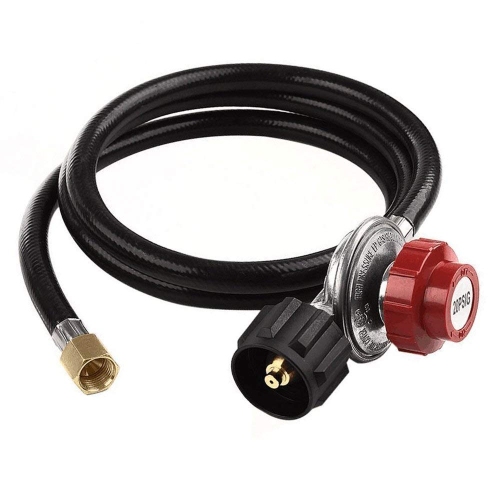
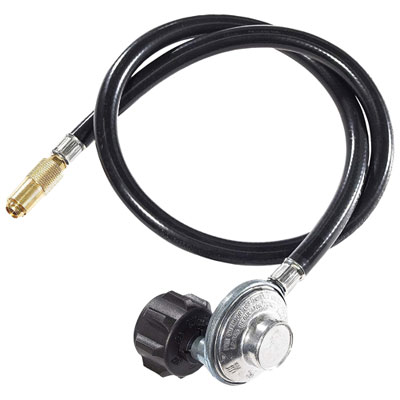
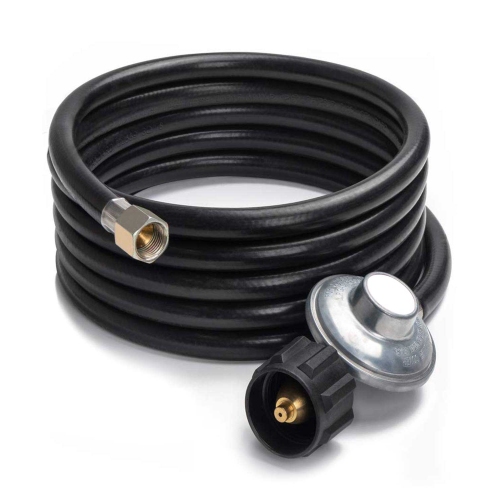
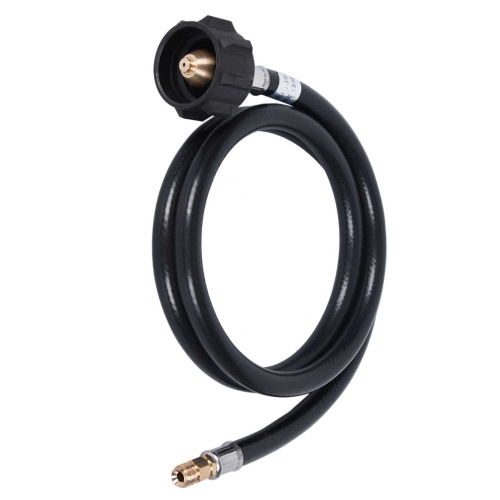
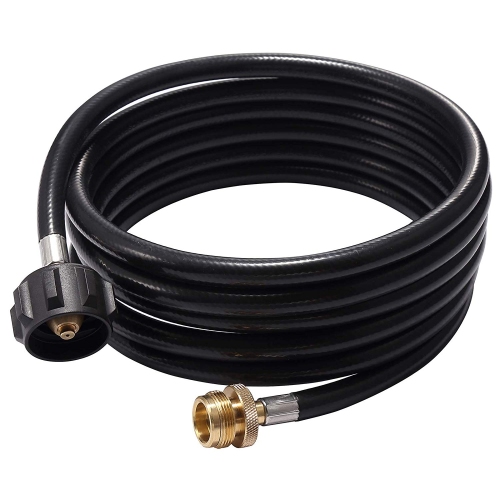
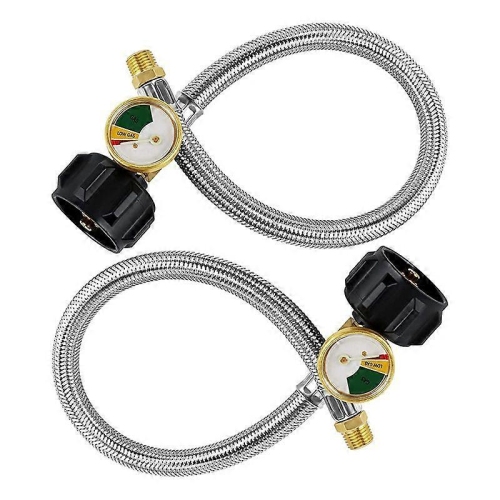
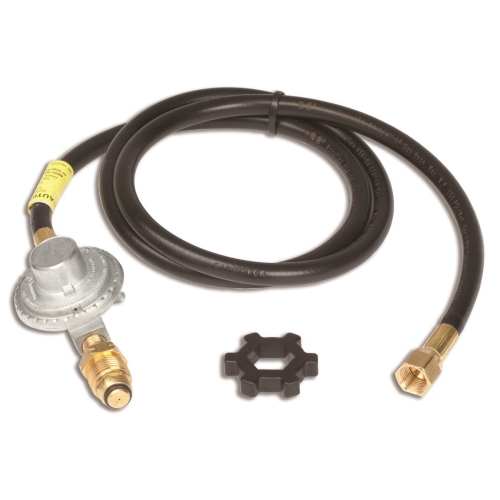
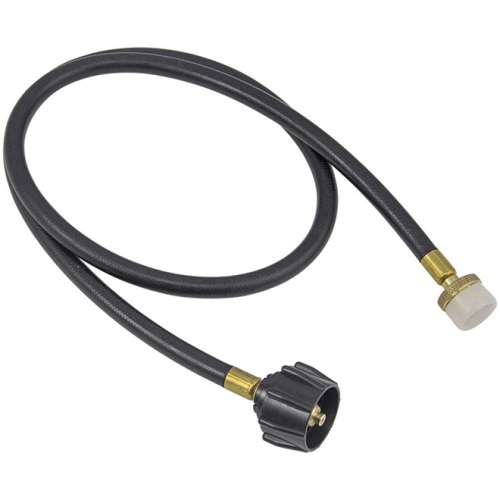
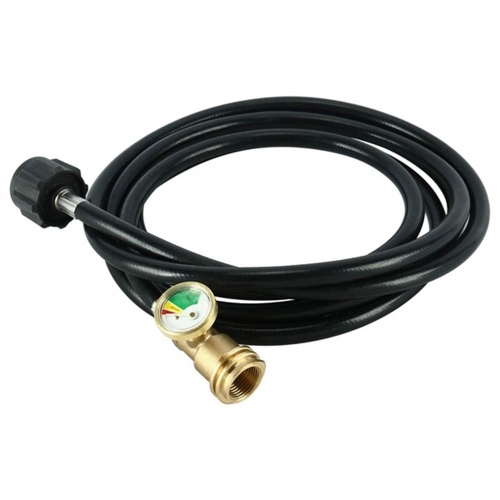
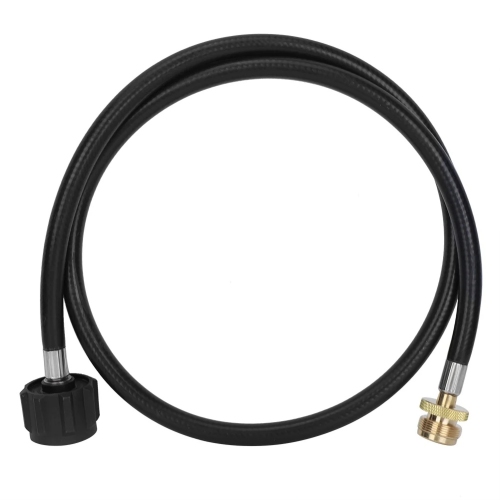
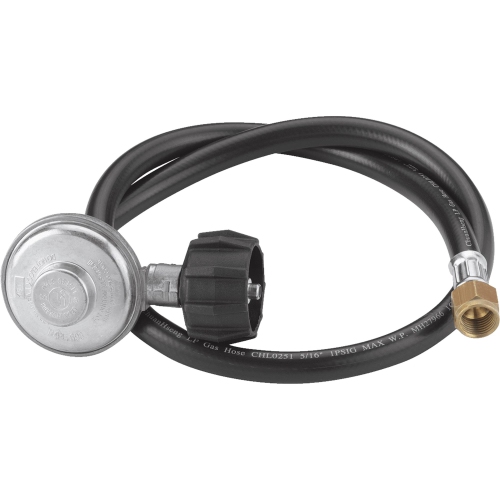
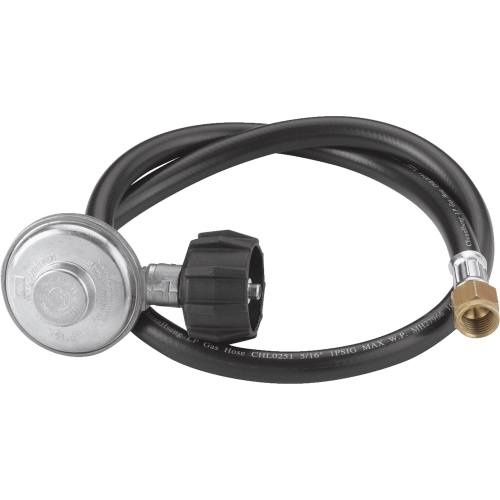
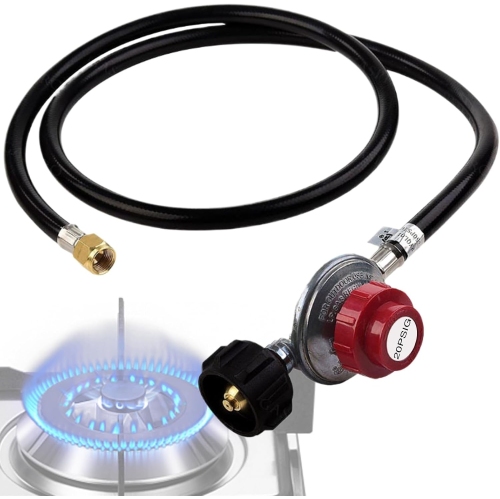
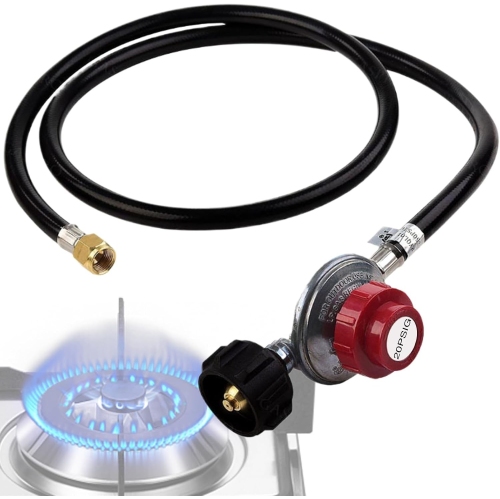
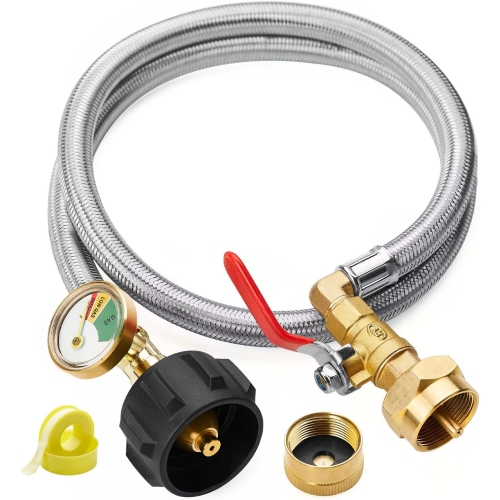
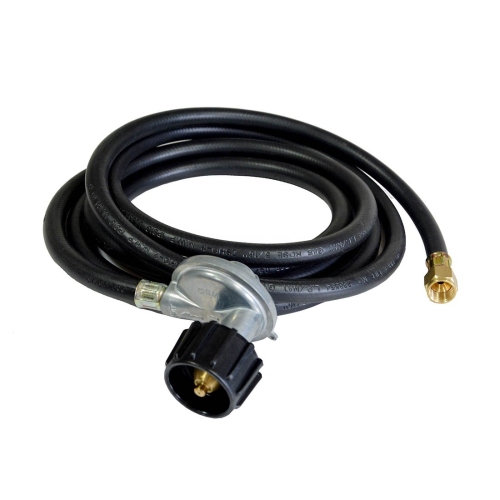
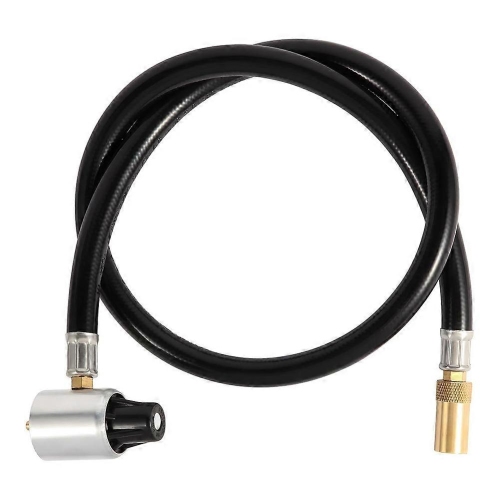
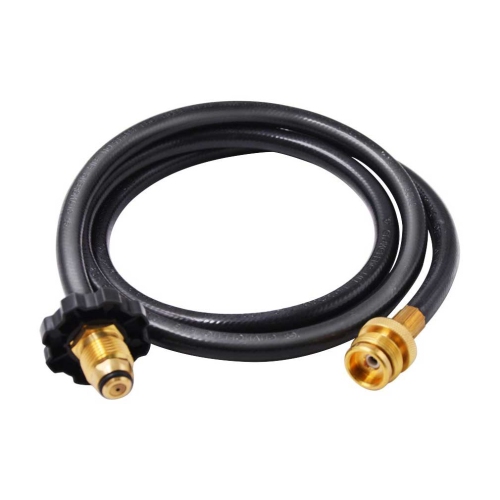
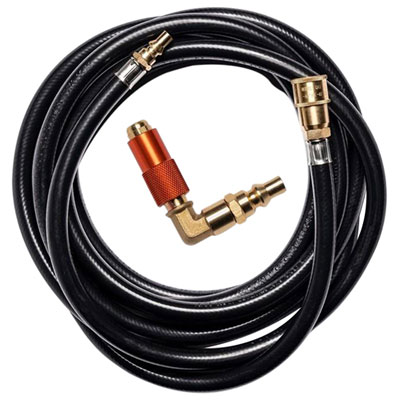
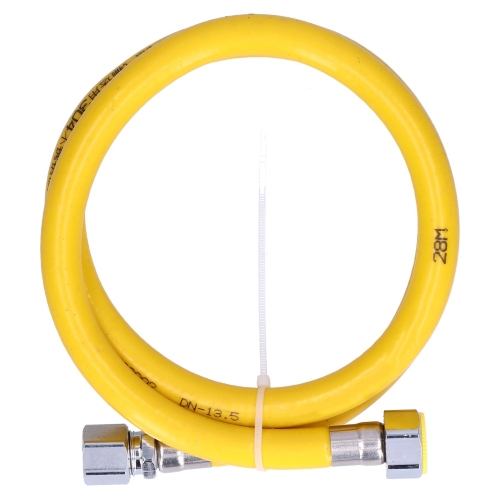
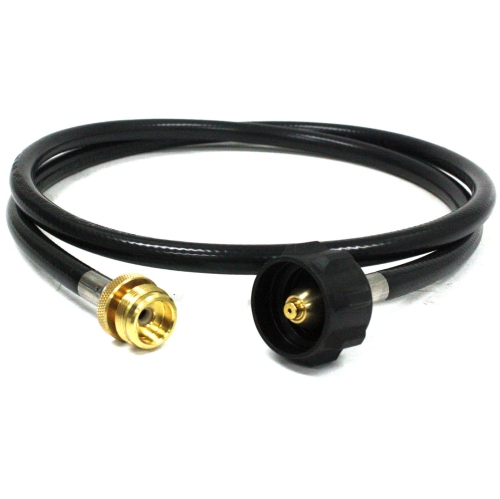
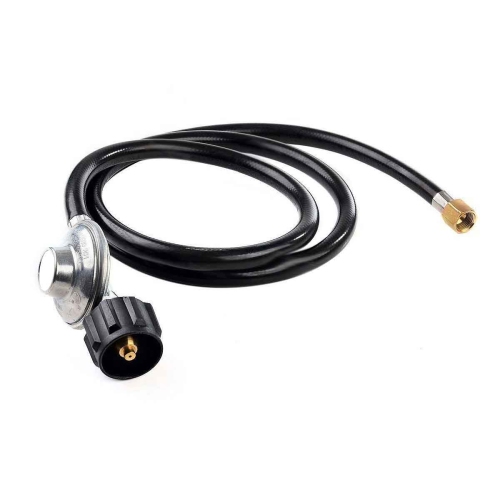
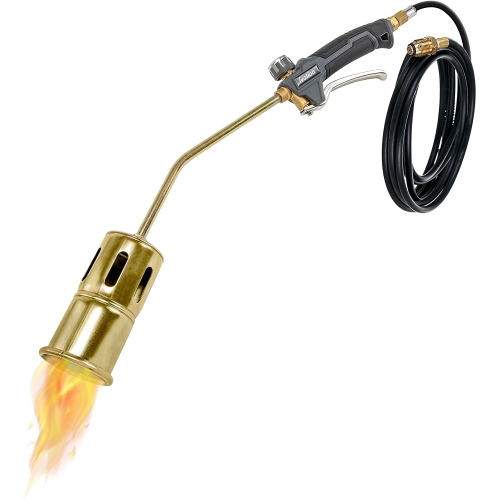
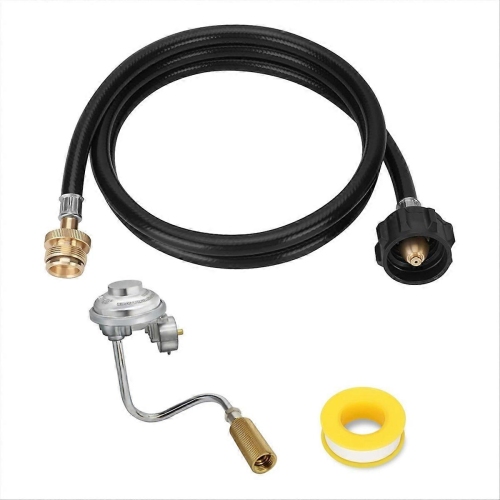

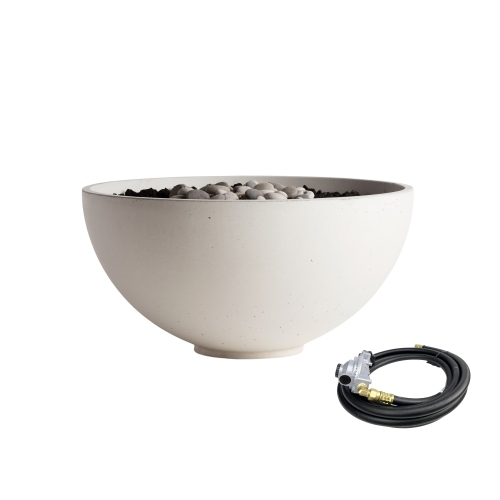
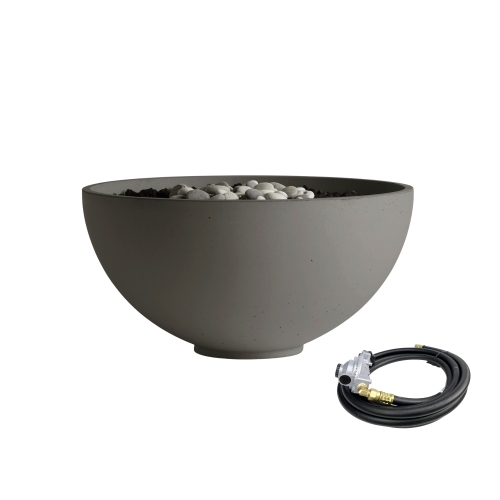
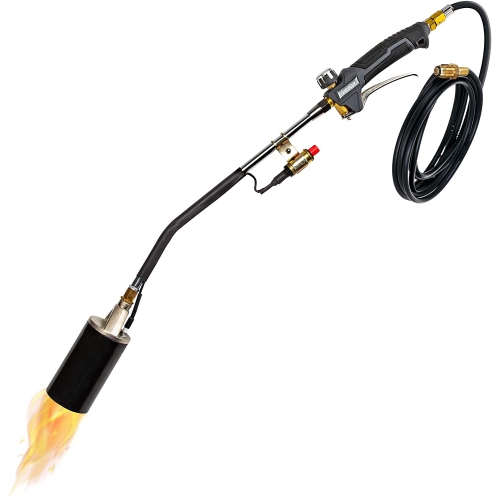
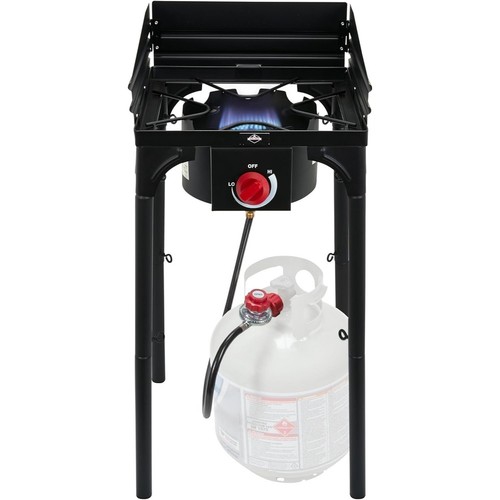
Guidance for matching propane hoses to appliances and fuel systems
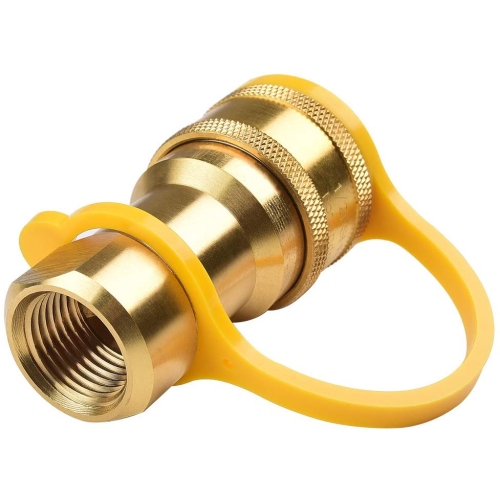
A propane hose provides the connection between a propane cylinder or larger supply line and an appliance that uses propane, such as a barbecue, patio heater, fire table, camping stove, griddle, lantern, or portable heater. Choosing the right hose helps support a dependable connection and consistent gas flow, whether you are setting up an outdoor cooking area, preparing a trailer for a trip, or replacing a worn hose on equipment that has been used for several seasons. Propane hoses come in different lengths, connection types, diameters, and configurations, so it is important to match the replacement to the appliance and fuel source rather than choosing based on appearance alone. Some hoses are designed as simple connectors, while others are sold as hose and regulator assemblies with a built-in pressure regulator that helps control the propane supplied to the appliance. A regulator assembly may be required for certain grills, heaters, and recreational equipment, while other appliances use a separate regulator or connect to an existing low-pressure system. Before ordering, check the appliance manual, the fitting style, the propane connection, and the required operating pressure. Measure the distance between the cylinder and appliance with enough room for a natural bend, but avoid choosing a hose so long that it loops across a walkway or rests against a hot surface. A hose that is too short can place strain on the fittings, while excessive length can create clutter and make inspection more difficult. Products with common connection styles can simplify replacement, but compatibility should always be confirmed with the appliance manufacturer’s specifications. For setups that use a push-to-connect fitting, a matching Propane Quick Connect component may help create a convenient connection when it is specifically supported by the equipment and supply system.
The hose material is another important consideration. Flexible rubber hoses are widely used for portable propane appliances because they are easy to position and generally simple to replace. They work well when stored carefully and protected from sharp edges, standing water, intense heat, and prolonged exposure to harsh weather. Stainless steel braided hoses offer an additional layer of protection around the inner hose and can be a practical choice for busy outdoor spaces, travel trailers, workshops, or homes where the hose may be exposed to abrasion, repeated movement, curious pets, or small animals. A braided exterior does not make a hose indestructible, and all propane hoses should still be routed thoughtfully and checked before use. Look for signs of cracking, blistering, cuts, flattened sections, stiffness, corrosion, damaged threads, or loose fittings. Pay close attention to the areas near each connection, where bending and pulling can place extra stress on the hose. Propane hoses should be replaced according to the appliance or hose manufacturer’s recommendations, and sooner if any damage or deterioration is visible; older rubber can lose flexibility even when the exterior appears mostly intact. When installing a replacement, turn off the propane supply and allow hot equipment to cool completely. Keep the hose away from burners, exhaust openings, fireboxes, sharp corners, and areas where it could be pinched beneath a lid or wheel. Once connected, apply a leak-detection solution or a mixture of soapy water to the fittings while the propane supply is opened according to the equipment instructions. Bubbles can indicate escaping gas, in which case the supply should be shut off and the connection inspected. Never use a flame to check for leaks, and do not operate the appliance until the connection has been properly corrected.
Propane hoses are useful for homeowners who cook outdoors, families who spend time at campsites, RV owners, tailgaters, cottage users, and anyone who relies on propane-powered equipment during the cooler months. A replacement hose can also be a thoughtful practical gift for someone who enjoys outdoor entertaining, weekend camping, backyard cooking, or maintaining a recreational vehicle. For a frequent griller, the right hose can make it easier to position a propane cylinder safely away from the cooking area while keeping the setup neat and accessible. For a camper, a compatible hose and regulator assembly can help refresh equipment before a road trip or simplify the process of replacing a part that has seen heavy use. People who use patio heaters or fire tables may appreciate a hose that provides an appropriate reach without crossing areas where guests walk, while owners of portable heaters may need a specific length and regulator combination for reliable operation. Storage matters as much as selection: disconnect the propane supply when equipment is not in use, follow the appliance instructions for removing the hose, and keep the hose in a dry location away from direct sunlight, chemicals, sharp tools, and rodents. During seasonal changes, inspect the full setup before the first use, especially if the equipment has been stored outdoors or in an unheated shed. A clear product description should identify the hose length, connection ends, pressure rating, regulator details where applicable, and intended appliance type. Comparing these specifications with the information on your equipment can help prevent incompatible purchases and make installation more straightforward. With the proper fit, careful routing, regular inspection, and safe leak testing, a propane hose can support cooking, heating, and outdoor gatherings throughout changing weather.
The hose material is another important consideration. Flexible rubber hoses are widely used for portable propane appliances because they are easy to position and generally simple to replace. They work well when stored carefully and protected from sharp edges, standing water, intense heat, and prolonged exposure to harsh weather. Stainless steel braided hoses offer an additional layer of protection around the inner hose and can be a practical choice for busy outdoor spaces, travel trailers, workshops, or homes where the hose may be exposed to abrasion, repeated movement, curious pets, or small animals. A braided exterior does not make a hose indestructible, and all propane hoses should still be routed thoughtfully and checked before use. Look for signs of cracking, blistering, cuts, flattened sections, stiffness, corrosion, damaged threads, or loose fittings. Pay close attention to the areas near each connection, where bending and pulling can place extra stress on the hose. Propane hoses should be replaced according to the appliance or hose manufacturer’s recommendations, and sooner if any damage or deterioration is visible; older rubber can lose flexibility even when the exterior appears mostly intact. When installing a replacement, turn off the propane supply and allow hot equipment to cool completely. Keep the hose away from burners, exhaust openings, fireboxes, sharp corners, and areas where it could be pinched beneath a lid or wheel. Once connected, apply a leak-detection solution or a mixture of soapy water to the fittings while the propane supply is opened according to the equipment instructions. Bubbles can indicate escaping gas, in which case the supply should be shut off and the connection inspected. Never use a flame to check for leaks, and do not operate the appliance until the connection has been properly corrected.
Propane hoses are useful for homeowners who cook outdoors, families who spend time at campsites, RV owners, tailgaters, cottage users, and anyone who relies on propane-powered equipment during the cooler months. A replacement hose can also be a thoughtful practical gift for someone who enjoys outdoor entertaining, weekend camping, backyard cooking, or maintaining a recreational vehicle. For a frequent griller, the right hose can make it easier to position a propane cylinder safely away from the cooking area while keeping the setup neat and accessible. For a camper, a compatible hose and regulator assembly can help refresh equipment before a road trip or simplify the process of replacing a part that has seen heavy use. People who use patio heaters or fire tables may appreciate a hose that provides an appropriate reach without crossing areas where guests walk, while owners of portable heaters may need a specific length and regulator combination for reliable operation. Storage matters as much as selection: disconnect the propane supply when equipment is not in use, follow the appliance instructions for removing the hose, and keep the hose in a dry location away from direct sunlight, chemicals, sharp tools, and rodents. During seasonal changes, inspect the full setup before the first use, especially if the equipment has been stored outdoors or in an unheated shed. A clear product description should identify the hose length, connection ends, pressure rating, regulator details where applicable, and intended appliance type. Comparing these specifications with the information on your equipment can help prevent incompatible purchases and make installation more straightforward. With the proper fit, careful routing, regular inspection, and safe leak testing, a propane hose can support cooking, heating, and outdoor gatherings throughout changing weather.
Top selling and popular products
-
 Your price for this item is $29.98
 -
 Your price for this item is $28.99
 -
 Your price for this item is $36
 -
 Your price for this item is $38.95
 -
 Your price for this item is $40.95
 -
 Your price for this item is $40.95
 -
 Your price for this item is $89.99
 -
 Your price for this item is $89.65
Discover more categories related to Propane Hose
Top Collections:
Pokemon Centers, Best Cameras for Sports Photography, Kindle Devices, Samsung Galaxy Phones, Canon G7X Cameras, Pokémon 30th Celebration Cards, Refurbished Apple Laptops, iPhone 15 Apple, Laptops for Students, Budget Smartphones
Some products may be subject to Environmental Handling Fees
(EHF) depending on your province.
Learn more about EHFs.