Propane Tank Covers
Protect your propane tank in style with our selection of propane tank covers. Designed to keep your tank safe from the elements while adding a touch of flair to your outdoor space, these covers are both functional and fashionable. Whether you prefer a sleek, modern look or something more rustic and charming, we have options to suit every taste. Say goodbye to plain, boring propane tanks and elevate the look of your patio or backyard with one of our stylish covers.
Sort




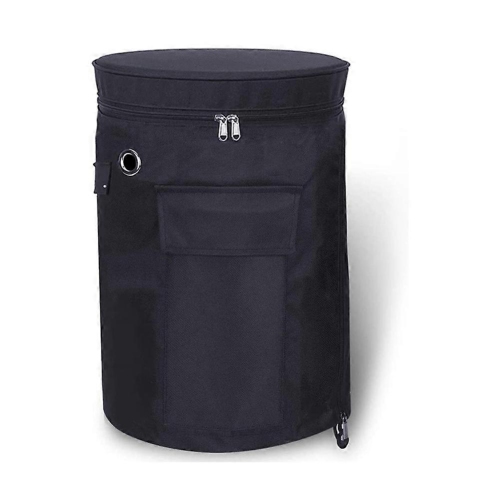


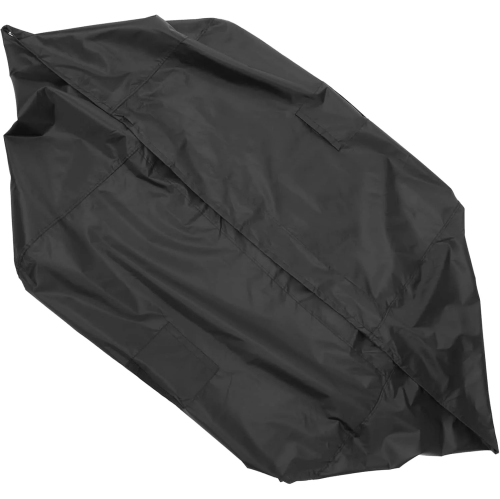


Protection and fit for barbecue, patio, and RV cylinders
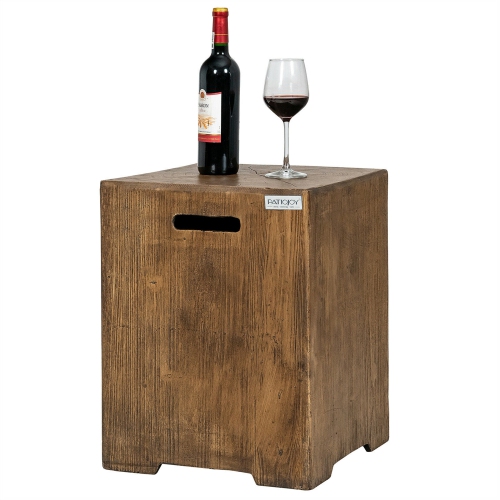
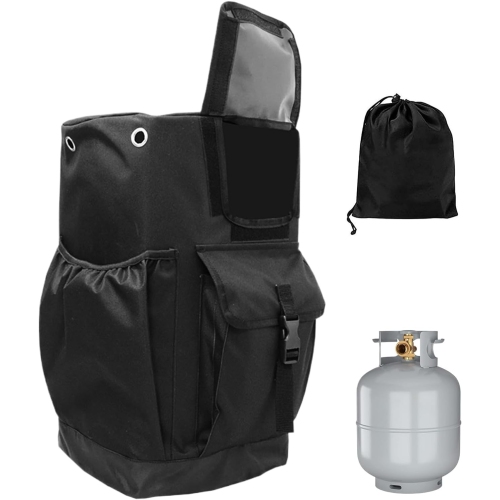
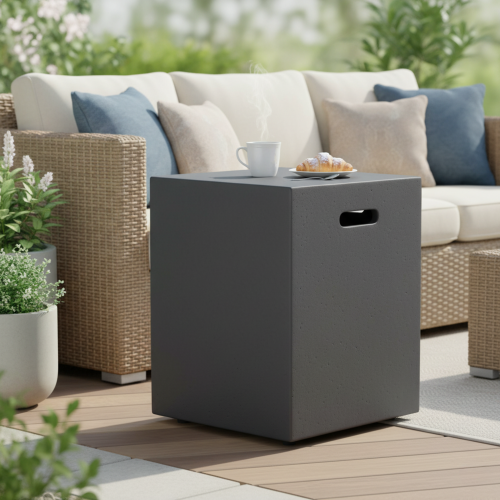
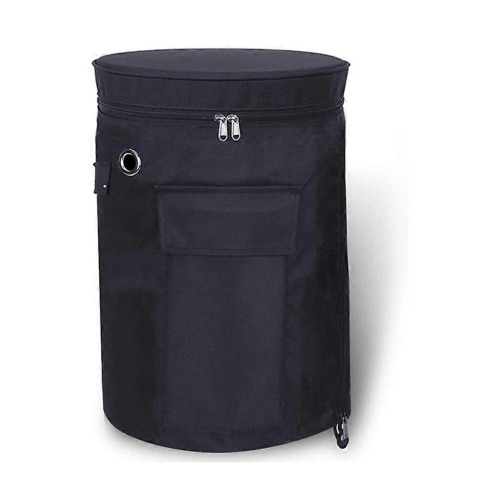
Propane tank covers offer a practical way to keep cylinders looking tidy and better protected while they are stored beside a barbecue, fire table, patio heater, or recreational vehicle. A cover can help reduce exposure to rain, snow, dirt, fallen leaves, road spray, and strong sunlight, which may otherwise leave the outside of a tank looking weathered over time. They are available in several styles to suit different setups. Fabric sleeves are light, easy to remove, and convenient for standard barbecue cylinders that stay in one place for most of the season. Many use a drawstring, elastic edge, or fastening strap to help keep the cover in position when a breeze moves through the yard. Hard-shell covers offer a more structured fit and can be useful for RV owners or anyone transporting propane cylinders, as they may provide added protection from dust, gravel, and incidental knocks. Decorative enclosures are designed for patios where appearance matters as much as storage. Some are styled like stone, concrete, or other outdoor furniture and can conceal a tank while providing a sturdy surface for a lantern, serving tray, or small planter. For shoppers comparing propane tank covers, the first step is to identify the cylinder size, number of tanks, and location where the cover will be used. A cover intended for a single standard barbecue tank may not fit a dual-cylinder RV setup, while an enclosure designed for a stationary fire table may be too bulky for travel. Measure the tank and check the listed dimensions, allowing enough room for the valve, hose connection, and any protective collar. It is also worth considering how often the tank will need to be accessed. A sleeve with a simple opening can be convenient for routine checks, while a hinged or panel-style design may be preferable when valves need to be reached without removing the entire cover.
Safety and airflow should guide every purchase. A propane cylinder should never be placed inside a tightly sealed container or covered in a way that blocks the pressure relief valve, regulator, hose connection, or required ventilation openings. Propane is heavier than air, so a leak can collect in low or enclosed areas; a cover should therefore be designed for propane storage and should allow appropriate airflow around the cylinder. Look for ventilation grommets, open or loose-fitting bottoms, vented panels, or other features specified by the manufacturer. Do not modify a cover by taping over vents, cutting openings in the wrong locations, or fastening it so tightly that air cannot circulate. The cover should protect the cylinder without pressing against the valve or placing strain on the hose. Before fitting it, inspect the tank, regulator, and connections for visible damage, corrosion, or signs of a leak, and follow the instructions supplied with the cylinder and appliance. Keep the tank upright on a stable, level surface, away from ignition sources and areas where water can pool. A cover is not a substitute for safe storage, regular inspection, or proper handling, and it should be removed whenever the cylinder is being filled, exchanged, connected, or serviced. For RV use, choose a purpose-built cover that can withstand movement and road spray, then confirm that it stays secure during travel without interfering with mounting hardware or access panels. For a patio or grill, select a material that dries quickly and is easy to wipe clean. During the cooler months, a well-fitted cover can keep leaves, frost, and accumulated moisture off the cylinder between uses, but the tank should still be checked before the appliance is lit. If condensation forms beneath a fabric cover, remove it and allow both the cover and cylinder to dry thoroughly.
The right style also depends on how the patio or travel area is used. Someone who rolls a grill between the garage and deck may appreciate a light sleeve that can be removed in seconds, while a household that leaves a fire table assembled may prefer a heavier decorative enclosure that blends with surrounding furniture. Campers and RV travellers often value a hard cover that protects cylinders from dust and debris while the vehicle is on the road, provided it is compatible with the specific mounting arrangement. These covers can also make thoughtful gifts for new homeowners, frequent hosts, campers, or anyone setting up a first barbecue area, especially when the recipient has already chosen an appliance but has not yet arranged a neat place for the propane cylinder. A neutral fabric cover is easy to pair with different patio styles, while a furniture-style enclosure may suit someone who enjoys a more finished look around a seating area. Shoppers planning a coordinated outdoor setup may also want to explore Fire Pits With Hidden Propane Tank, where the cylinder is incorporated into the design of the appliance. When selecting a propane tank cover, consider the fabric or shell construction, fastening method, ventilation, access points, water resistance, cleaning requirements, and warranty details. A cover that fits securely, leaves safety components unobstructed, and matches the way the cylinder is stored will be easier to use throughout changing seasons. With the right dimensions and a suitable ventilation design, it can help keep the propane area orderly, shield the cylinder from everyday exposure, and complement the rest of the patio, barbecue station, or RV setup.
Top selling and popular products
-
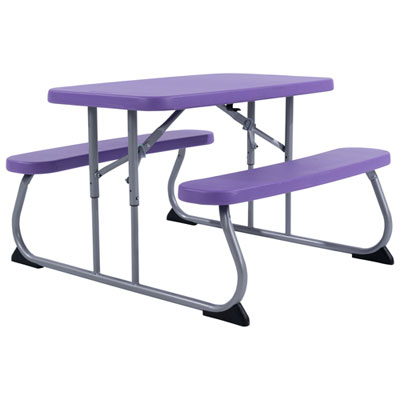 Your price for this item is $123.98
-
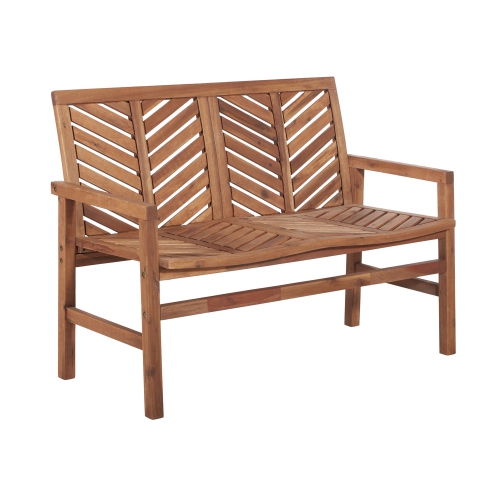 Your price for this item is $481.58
-
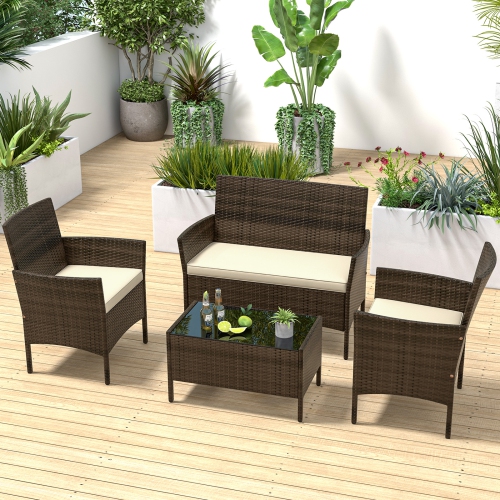 Your price for this item is $246.99
-
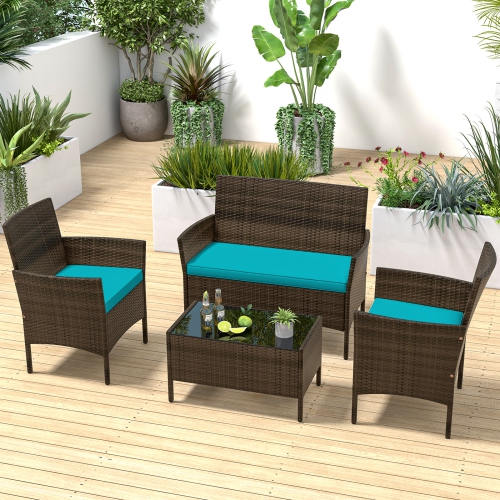 Your price for this item is $236.99
-
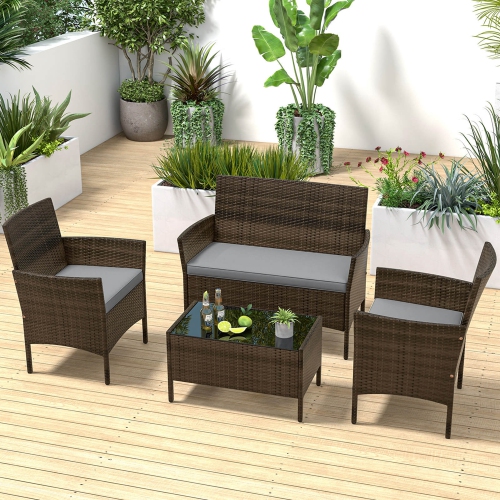 Your price for this item is $236.99
-
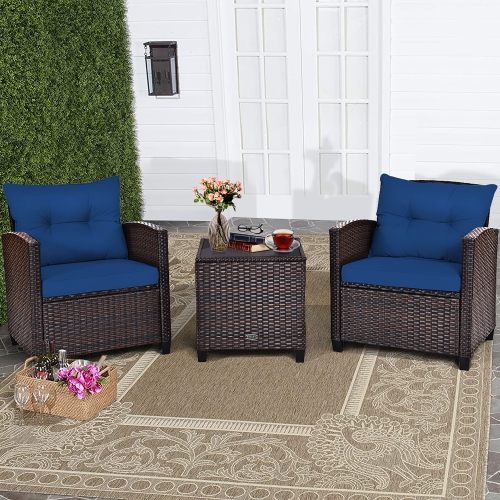 Your price for this item is $229.99
-
 Your price for this item is $899.99
-
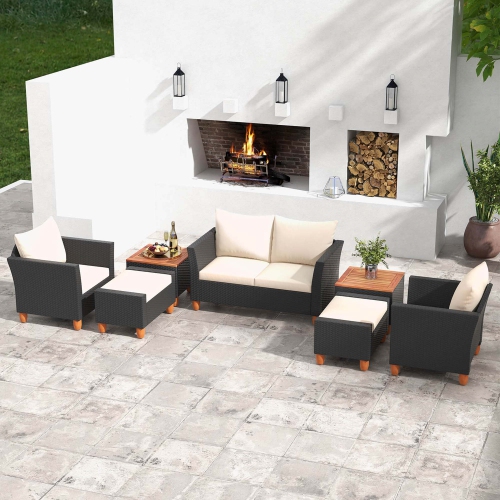 Your price for this item is $599.99
Discover more categories related to Propane Tank Covers

Top Collections:
Pokemon Centers, Best Cameras for Sports Photography, Kindle Devices, Samsung Galaxy Phones, Canon G7X Cameras, Pokémon 30th Celebration Cards, Refurbished Apple Laptops, iPhone 15 Apple, Laptops for Students, Budget Smartphones
Some products may be subject to Environmental Handling Fees
(EHF) depending on your province.
Learn more about EHFs.