Single Size Memory Foam Mattresses
Discover the comfort and support you need for a restful night with a single-size memory foam mattress. Perfect for smaller bedrooms, guest rooms, or dorm spaces, these mattresses offer a great solution for anyone seeking a cozy sleep surface without taking up too much room. Explore a range of options to find the right fit for your personal preferences and sleeping style. With a single-size memory foam mattress, you can enjoy quality rest and maximize your space with ease.
Sort

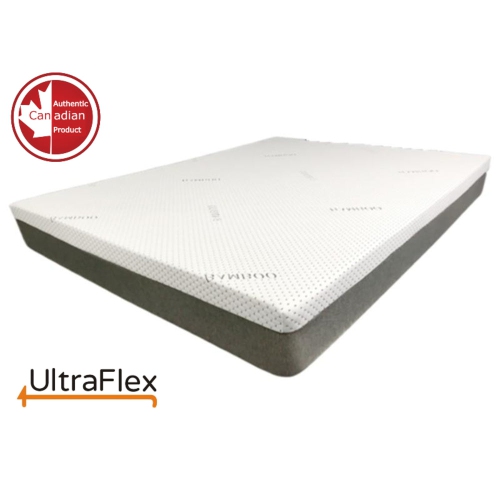
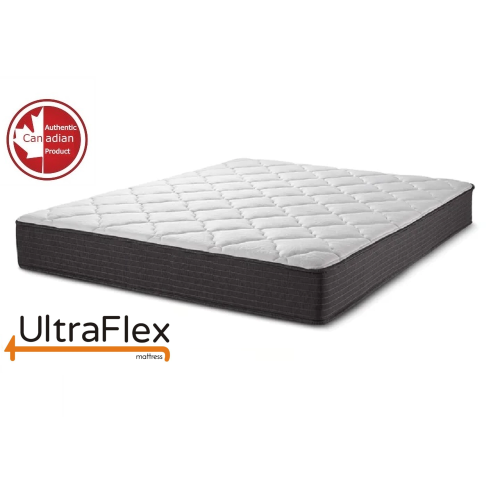

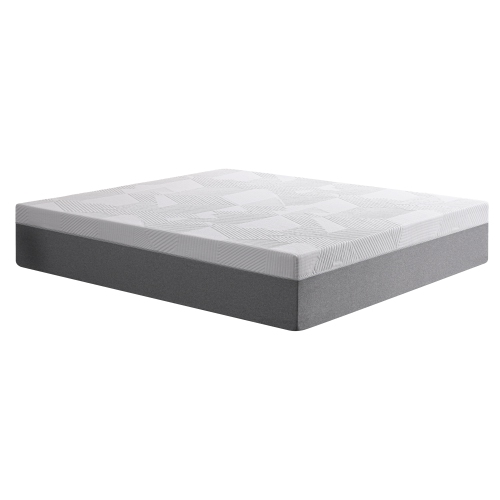
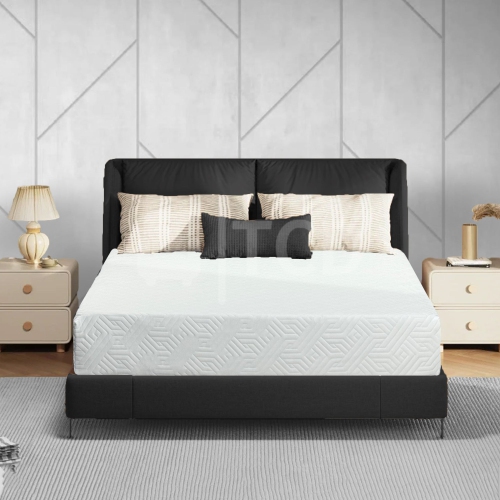
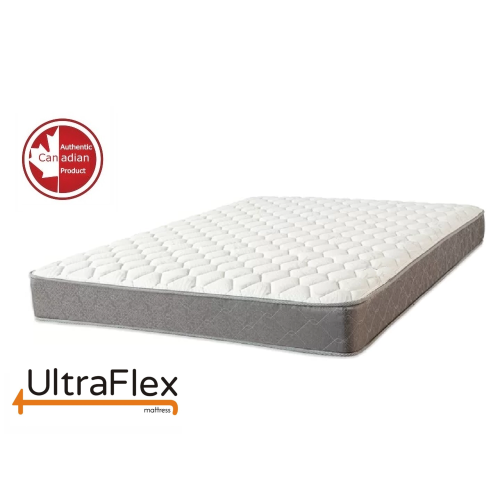
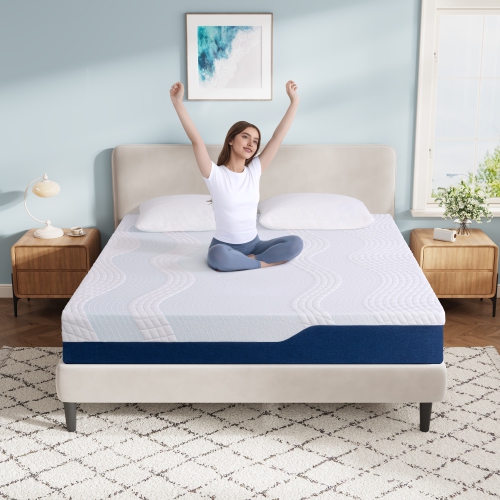
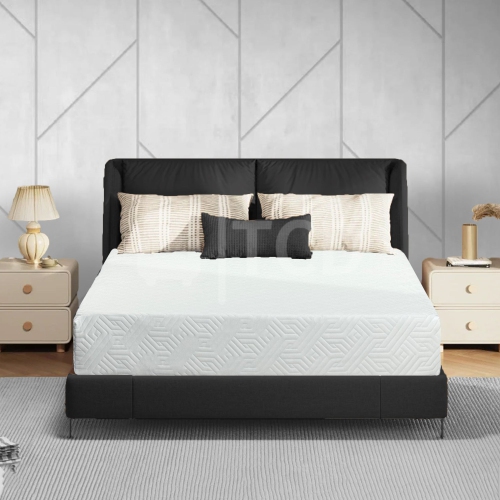
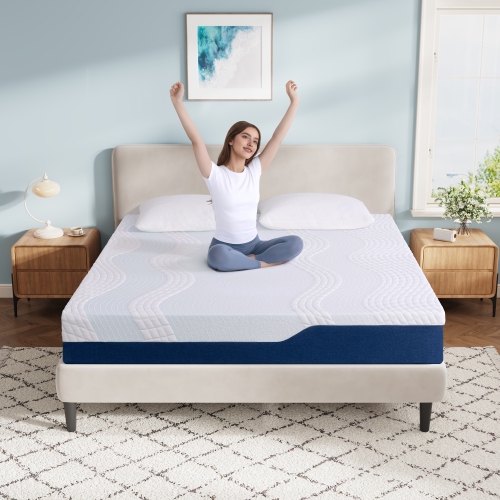
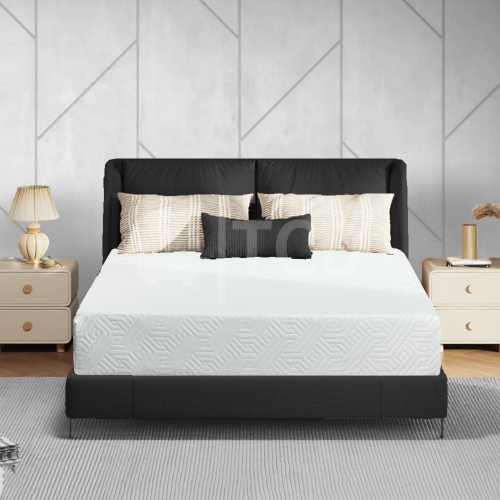
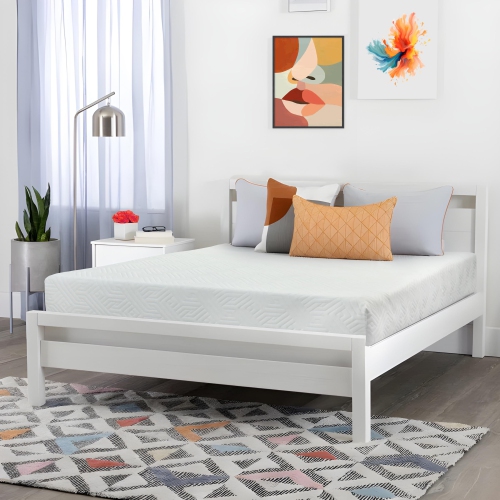
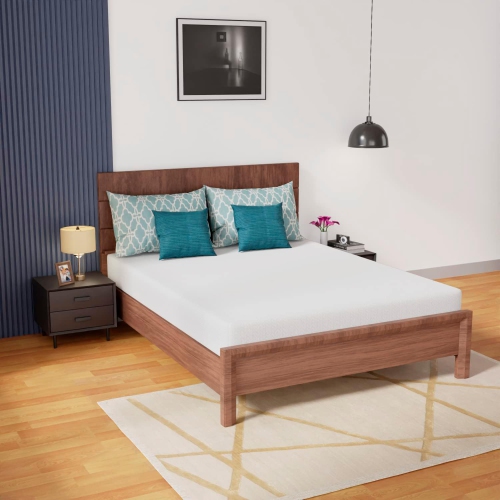
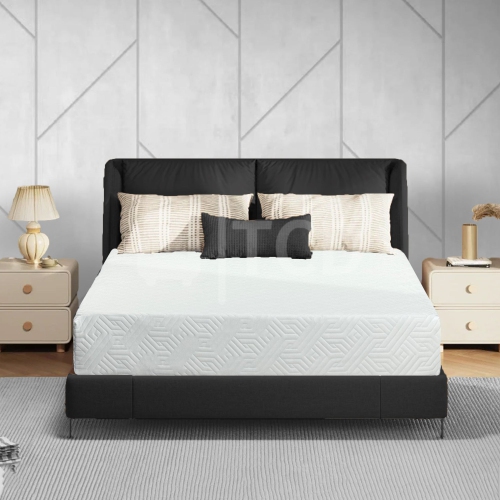
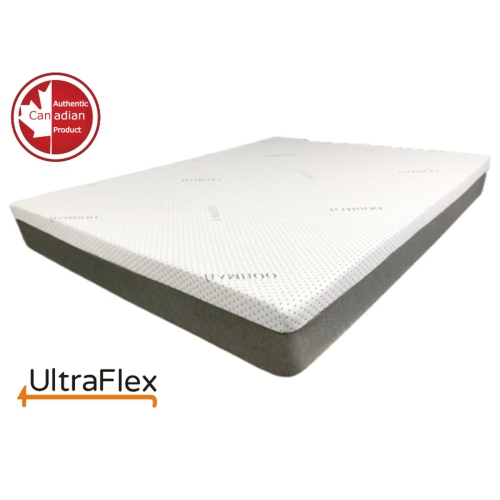
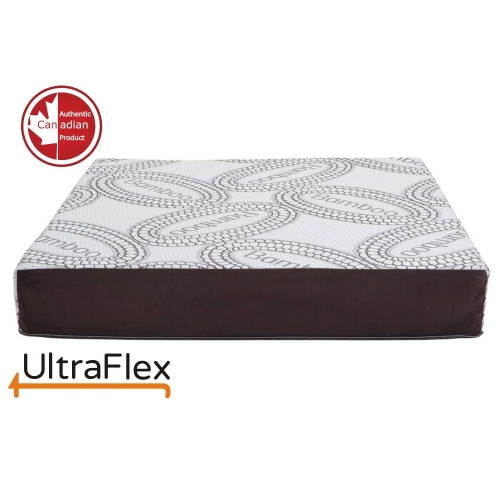
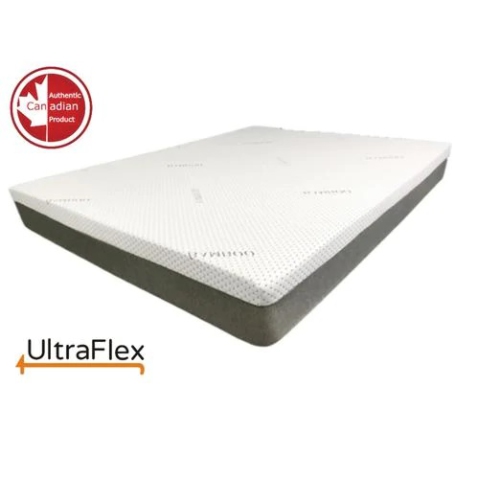

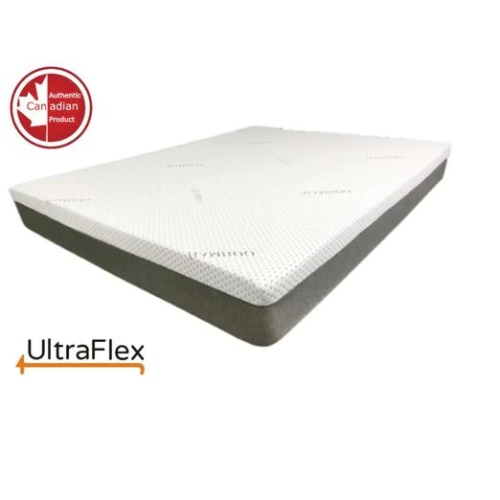
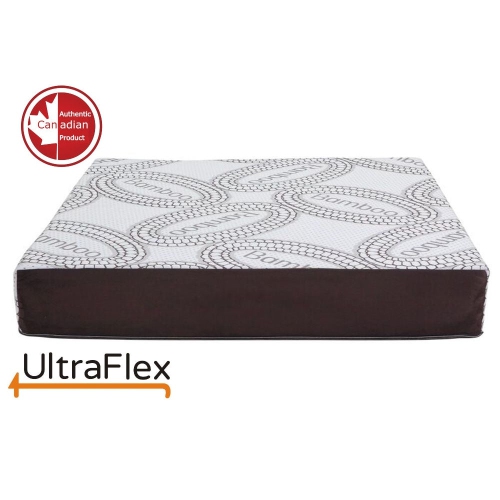
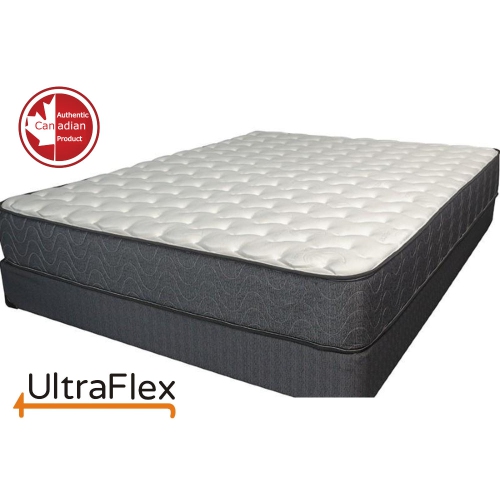
A compact footprint with comfort shaped around you
Single-size memory foam mattresses, also called twin memory foam mattresses, typically measure 38 inches wide by 75 inches long. Their compact footprint makes them a practical choice for children’s bedrooms, guest rooms, bunk beds and smaller living spaces where a larger bed would leave little room for everyday activities. Dimensions can vary slightly, so the measurements listed for both the mattress and bed frame matter more than the size name alone. A standard single mattress is different from a twin XL, which is typically 80 inches long and offers additional legroom for taller sleepers. For a child moving into a first full-length bed, a single provides sleeping space without taking over the bedroom, leaving room for a desk, toy storage or a clear path to the door. Teenagers and adults can also use this size comfortably when its length and width suit their height and sleeping habits. Someone who sleeps curled on their side may have different space needs from someone who stretches out or changes position frequently. In a guest room that doubles as a home office, a single mattress on a suitable daybed or trundle can make the room more useful without requiring a permanent larger bed. Memory foam adds a close-contouring feel to this compact format: it gradually moulds around the sleeper rather than responding with the immediate bounce associated with many spring mattresses. Most memory foam mattresses combine a cushioning comfort layer with a firmer support core, rather than using memory foam throughout their entire depth. That layered construction allows the surface to cushion areas such as shoulders and hips while the base helps maintain the mattress’s shape. The result varies with the materials and design, so two single-size mattresses with identical outer dimensions can feel noticeably different once someone lies down.
Comfort depends on more than a soft or firm label. The thickness of the memory foam layer, the resistance of the underlying foam and the sleeper’s body weight all influence how deeply the body settles into the surface. Side sleepers often appreciate cushioning around the shoulders and hips, while back and stomach sleepers may prefer a feel that limits excessive sinking through the middle of the body. These are useful starting points rather than fixed rules; personal comfort and a well-supported sleeping position remain the priorities. A mattress that feels firm to a lighter child can feel softer to a heavier adult, making intended use especially important when choosing between options. Memory foam also tends to respond more slowly than springier materials, which can create a cradled sensation. Sleepers who turn frequently or sit on the edge to get dressed may prefer a more responsive feel or stronger edge support. Mattress height deserves similar attention. A deeper mattress is not automatically more supportive, and a thinner mattress is not necessarily suited to every bunk or trundle. Bunk beds have maximum mattress-height requirements that help preserve the protective height of the guardrails, while trundles need enough clearance to slide beneath the main bed. The frame manufacturer’s specifications should determine the suitable dimensions and thickness. For platform beds and slatted bases, the mattress manufacturer may specify slat spacing or require a particular type of foundation. Foam needs even support beneath it; widely spaced slats or a sagging base can affect both comfort and durability. Construction details can also include open-cell foam, gel-infused layers or breathable covers intended to encourage airflow. These features do not all perform alike, and the bedding placed above the mattress affects the overall feel as well. Foam density is another useful specification when supplied, but it describes the material’s mass rather than directly indicating firmness. Long-term performance depends on the complete construction, suitable support and how the mattress is used.
Everyday care helps a single-size memory foam mattress retain a clean, comfortable sleeping surface. A well-fitting mattress protector provides a barrier against spills and everyday marks, which is particularly useful in children’s rooms or on a guest bed used by different visitors. Fitted sheets should match both the mattress dimensions and its depth so the corners stay secure without pulling tightly across the surface. Care instructions vary: a zippered cover is not necessarily machine washable, and some covers should not be removed at all. Spot cleaning with the recommended method, using as little moisture as possible and allowing the surface to dry fully before replacing bedding can help avoid damage to the foam. Many layered memory foam mattresses are designed with a designated sleeping surface and should be rotated head to foot when instructed, rather than flipped over. Routine checks of the frame, slats and centre supports can identify movement or gaps before they affect the bed’s support. For a mattress delivered compressed and rolled, unpacking instructions explain how to position it and how long to allow for expansion before judging its final shape and feel. Good ventilation during unpacking can also help disperse the odour sometimes associated with new foam. A single mattress is easier to accommodate than a larger size, but moving it still requires care because flexible foam can bend awkwardly; the manufacturer’s handling and storage directions remain important. When furnishing a room for someone else, the sleeper’s preferences should guide the choice. A mattress can be a useful contribution to a teenager’s bedroom refresh, a student’s move or a family member’s guest space, provided the bed size and comfort expectations are agreed upon beforehand. A single is generally intended for one sleeper; for a shared bed or a room with substantially more floor space, King Size Memory Foam Mattresses offer a wider alternative. Matching the mattress to the person, the frame and the room helps create a bed that feels comfortable and fits naturally into daily life.
Top selling and popular products
-
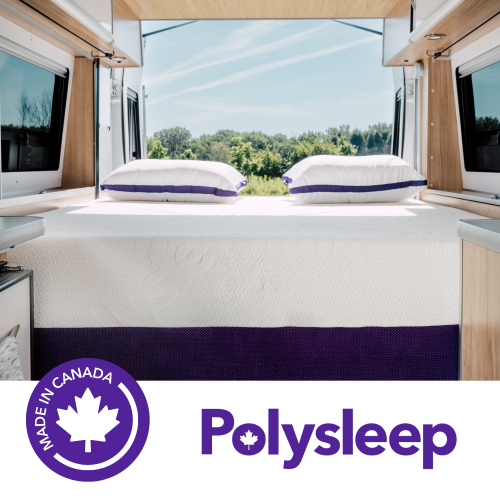 Your price for this item is $1199
-
 Your price for this item is $644
-
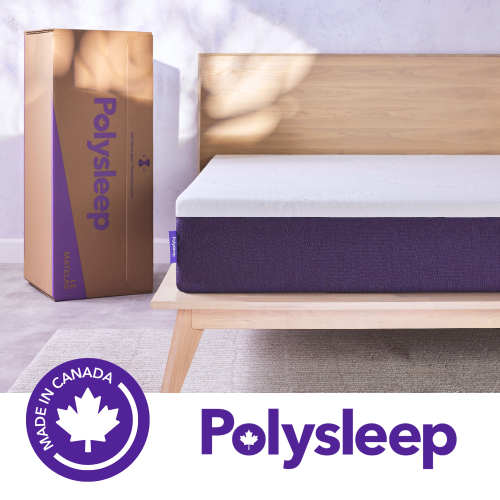 Your price for this item is $696.5
-
 Your price for this item is $591.5
-
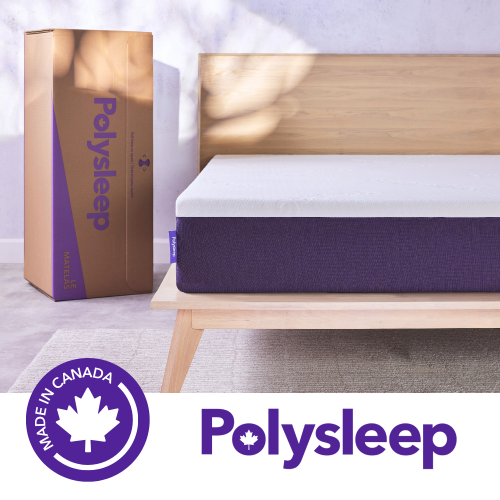 Your price for this item is $906.5
-
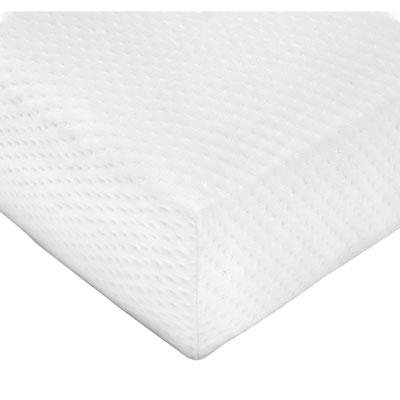 Your price for this item is $159.99
-
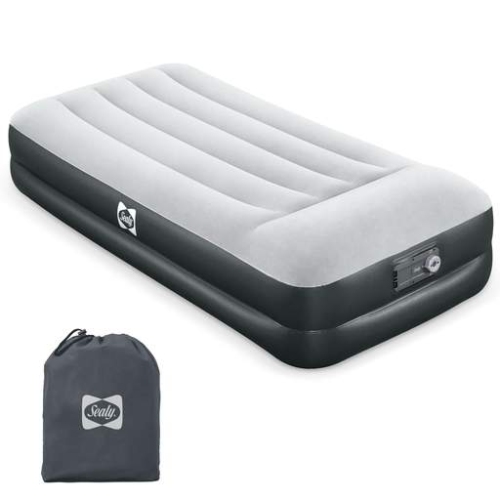 Your price for this item is $133.99
-
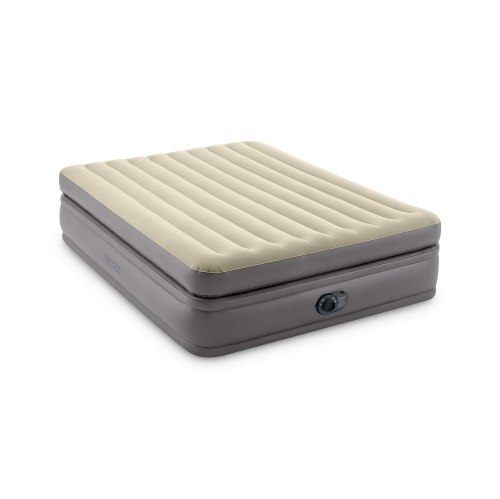 Your price for this item is $239.99
Discover more categories related to Single Size Memory Foam Mattresses
Top Collections:
Best Black Friday Deals This Year, Best Black Friday Deals On Electronics, Kindle Devices, Best Black Friday Deals On Apple Products, Best Budget Office Chairs, Best Cameras for Sports Photography, Dyson Airwrap, Canon G7X Cameras, Best Laptops for Writers, Samsung Galaxy Phones
Some products may be subject to Environmental Handling Fees
(EHF) depending on your province.
Learn more about EHFs.