Soap Dispensers for Showers
Upgrade your shower experience with our selection of convenient and stylish soap dispensers designed specifically for showers. Say goodbye to messy soap bars and fumbling with bottles – these easy-to-use dispensers are the perfect solution for keeping your shower organized and clutter-free. Whether you prefer sleek modern designs or classic styles, we have a variety of options to suit your taste and enhance the functionality of your bathroom space. Explore our collection and find the perfect soap dispenser to elevate your daily routine.
Sort


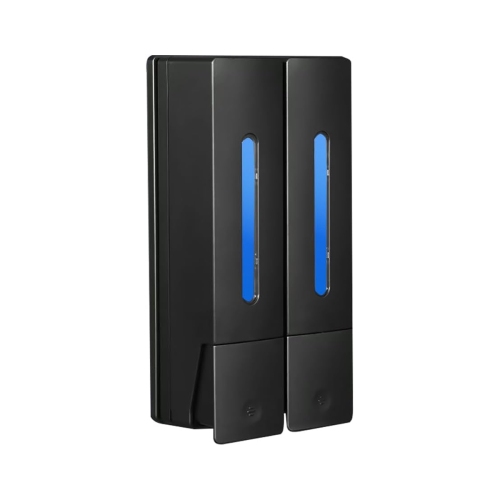
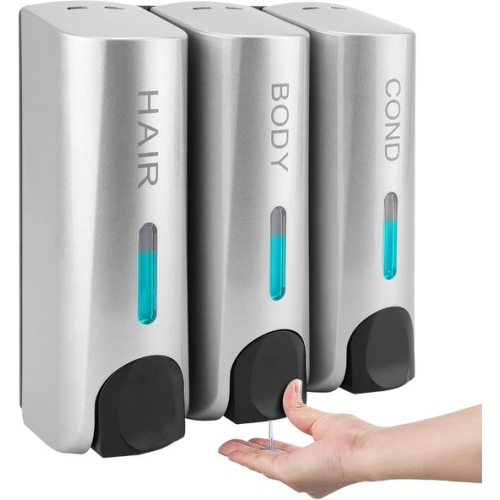
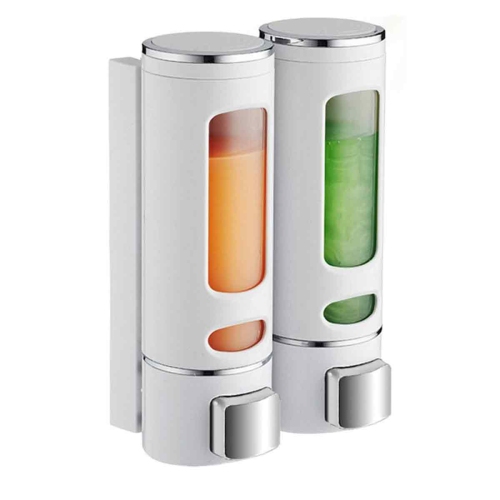
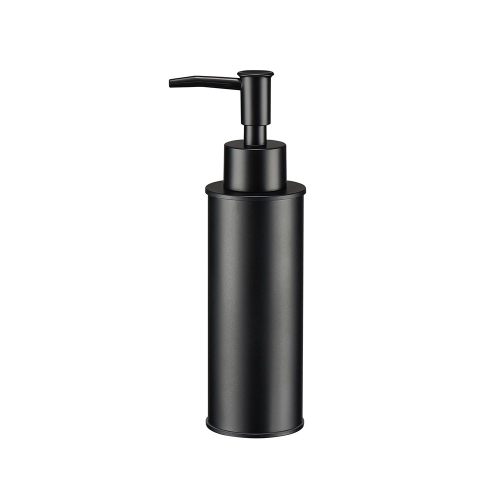

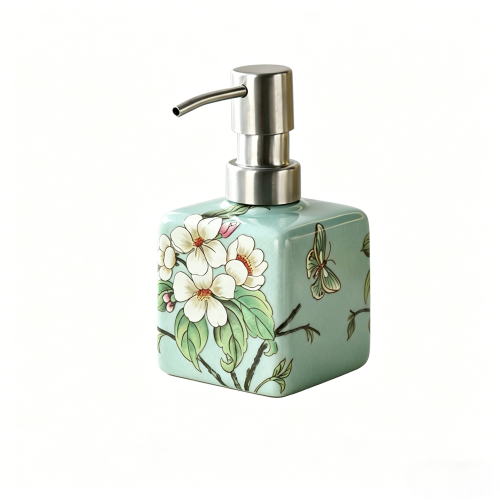


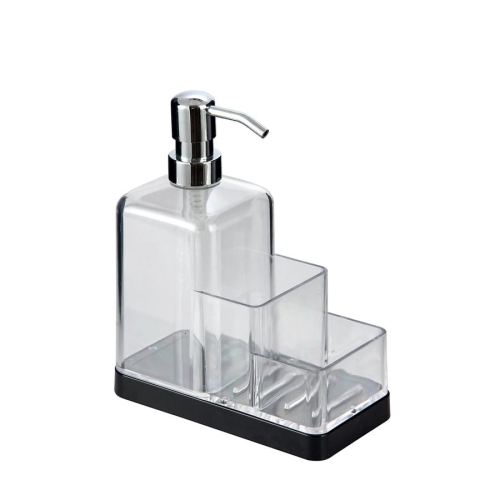

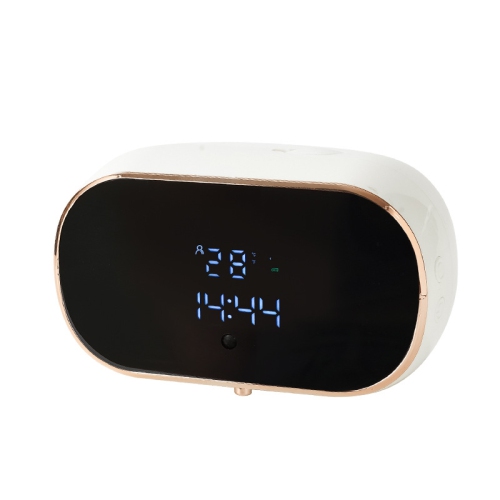

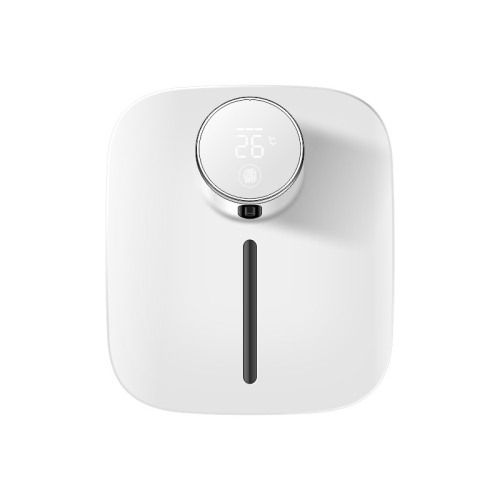
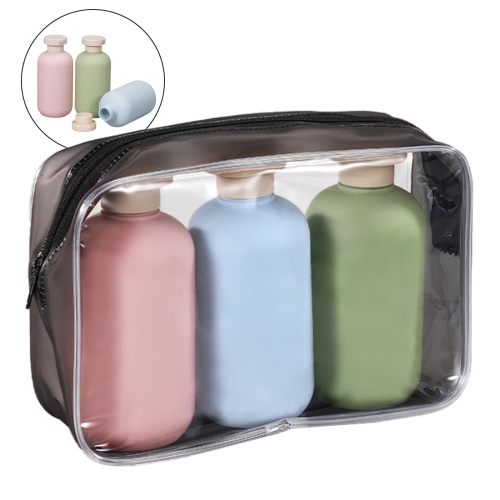
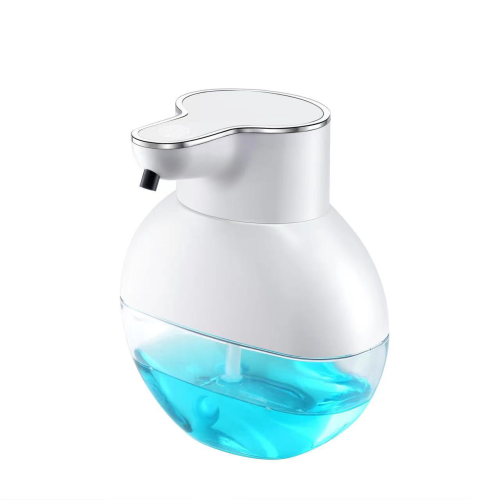


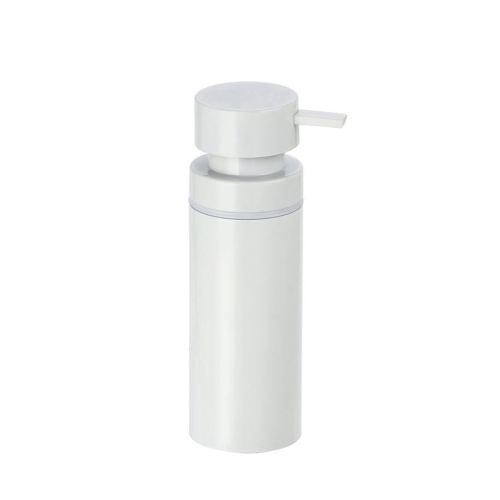

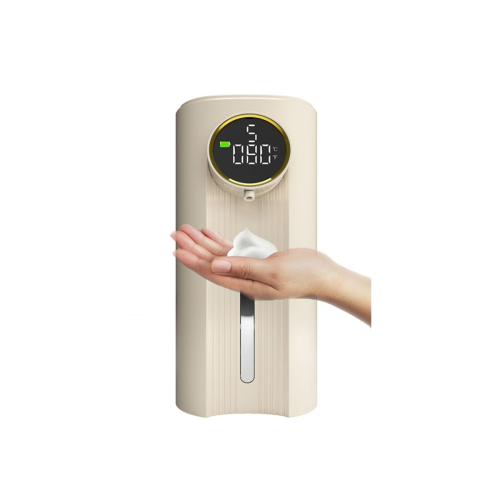

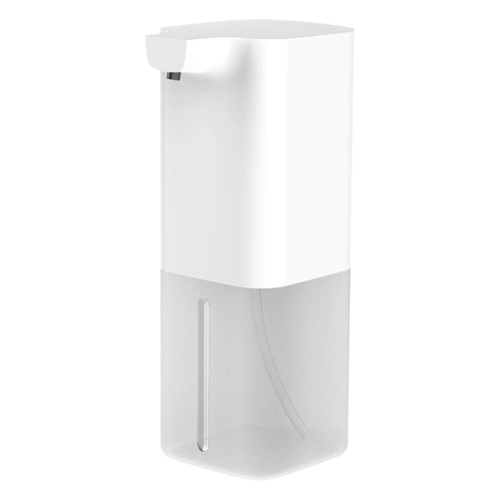

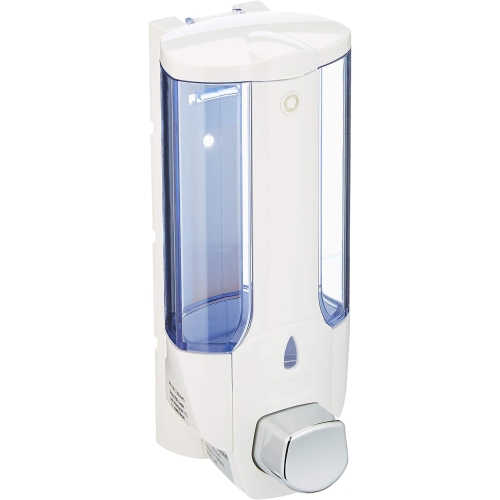

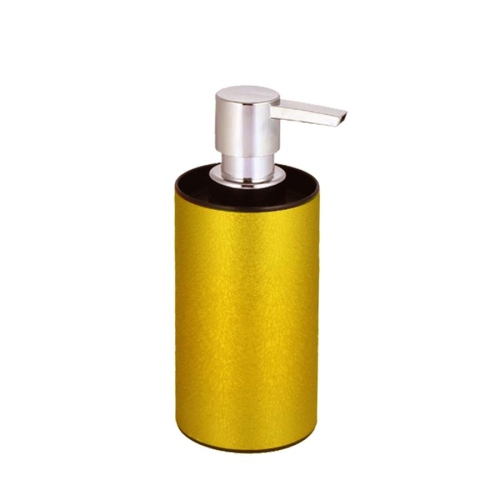

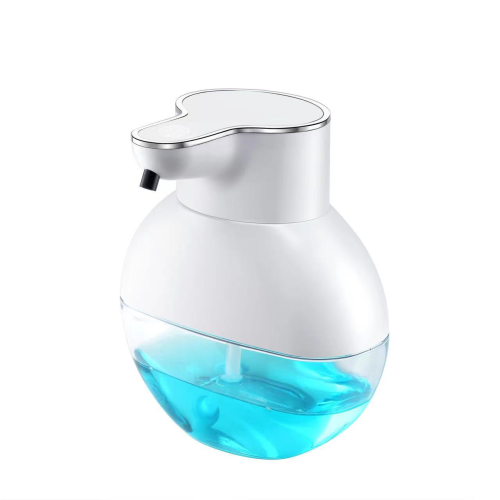
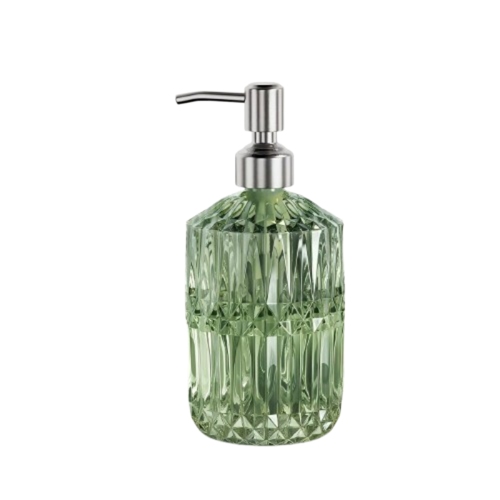
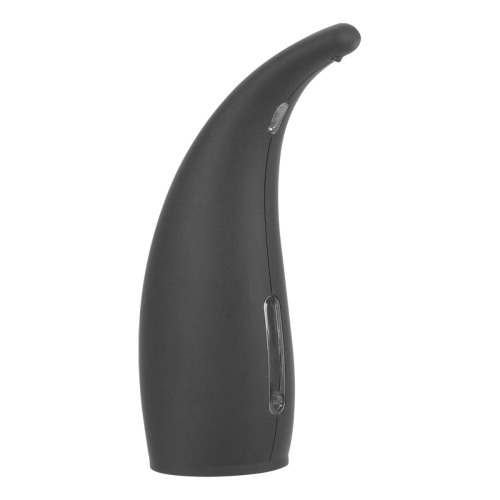
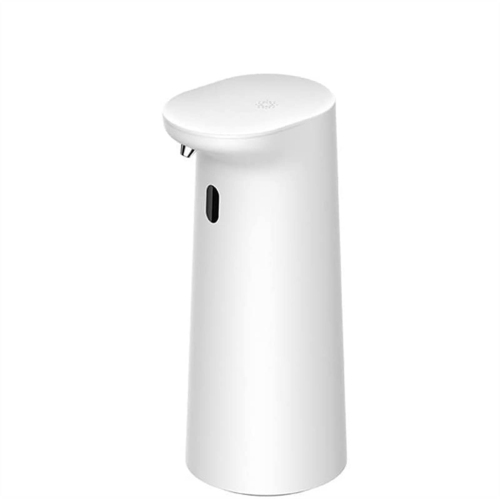

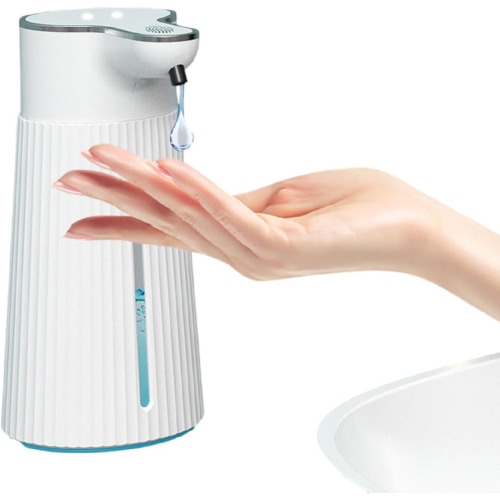
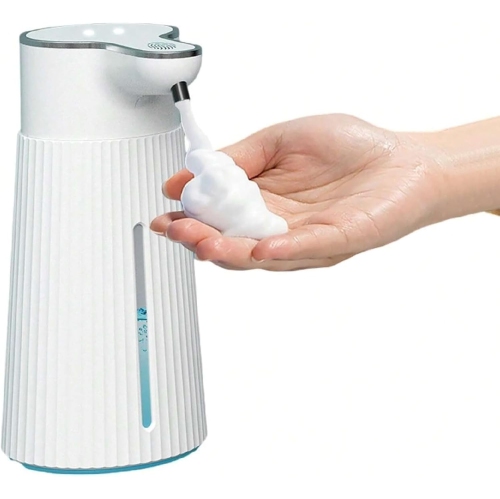

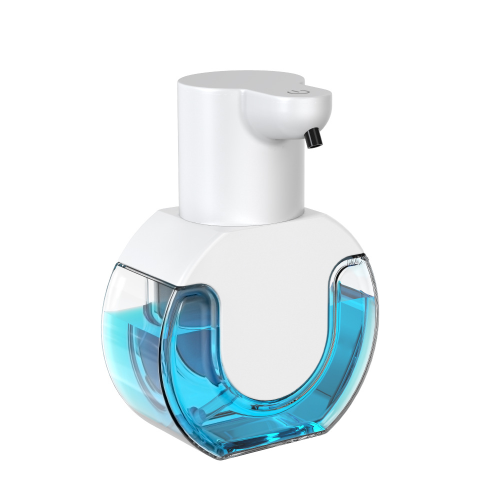
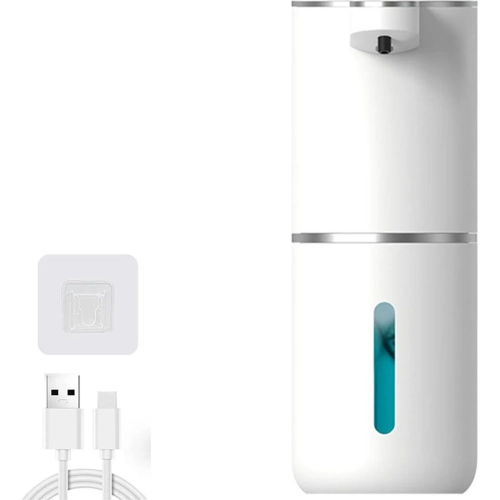
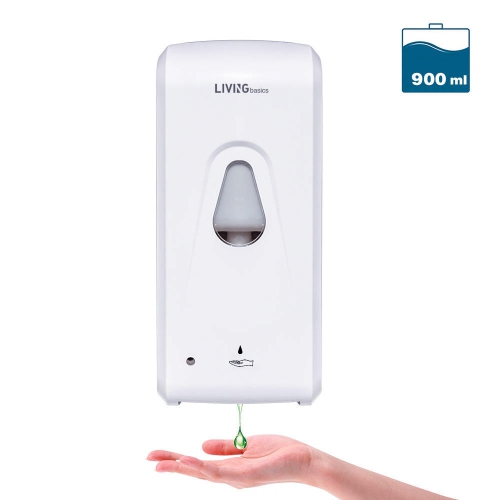

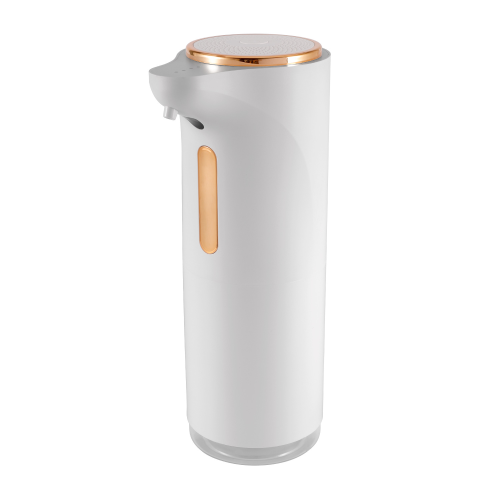

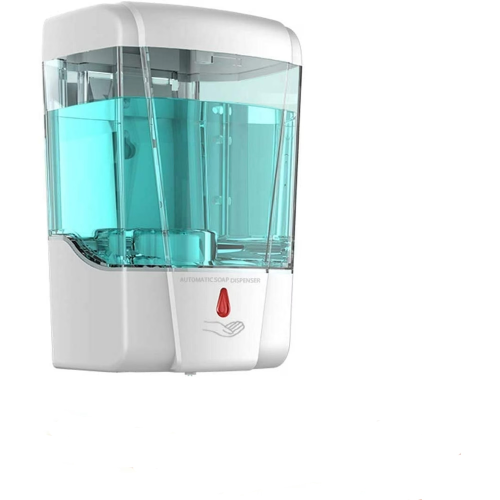
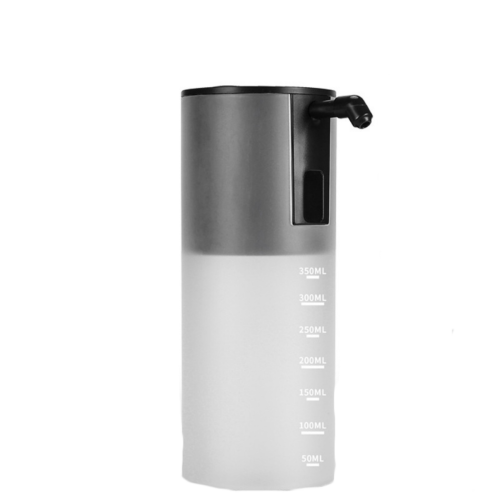


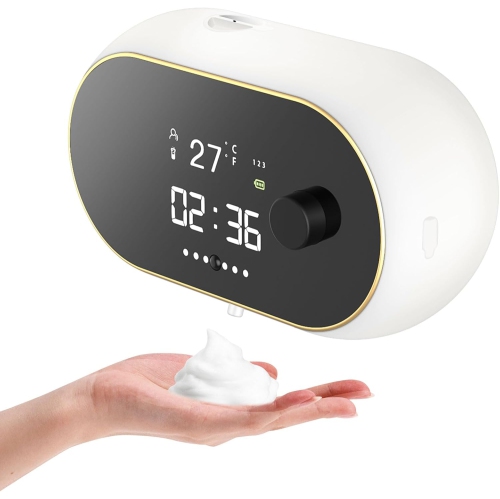

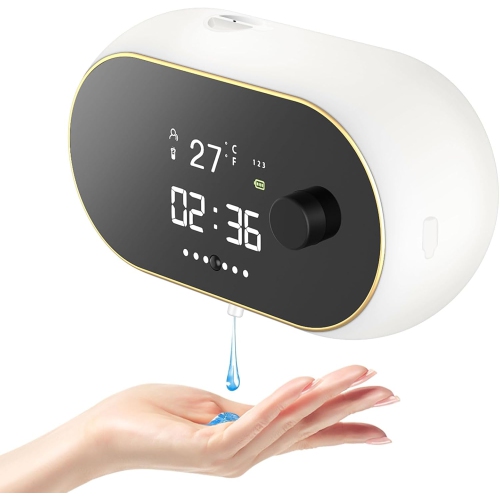

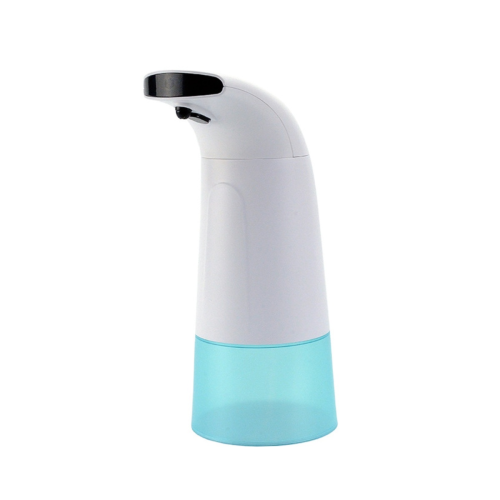
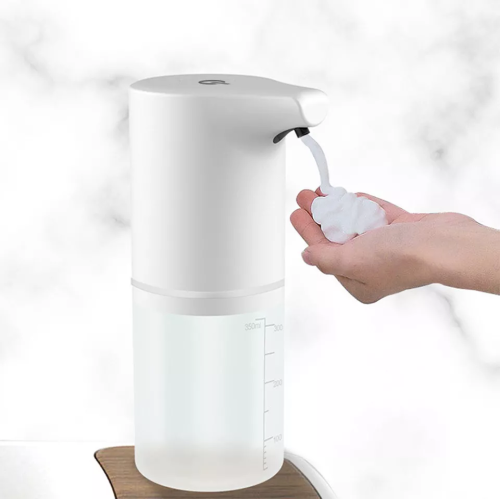

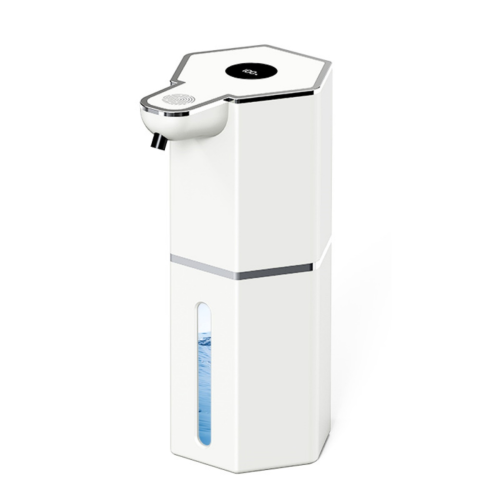
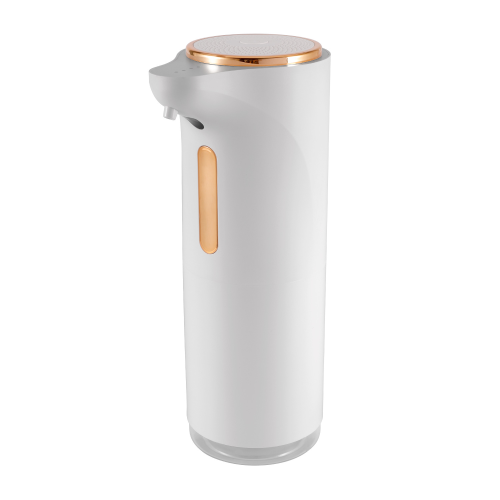
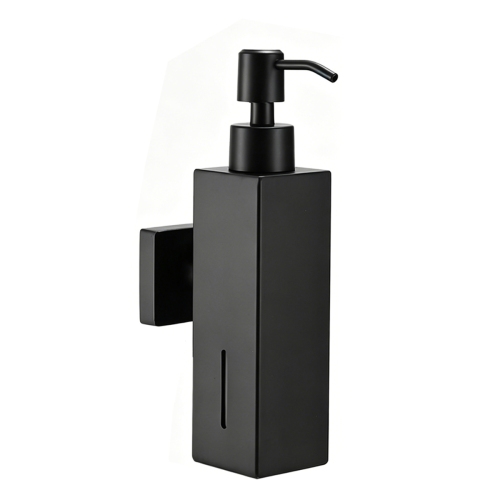
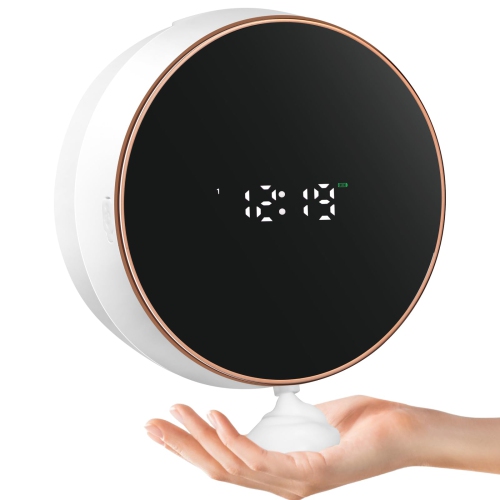
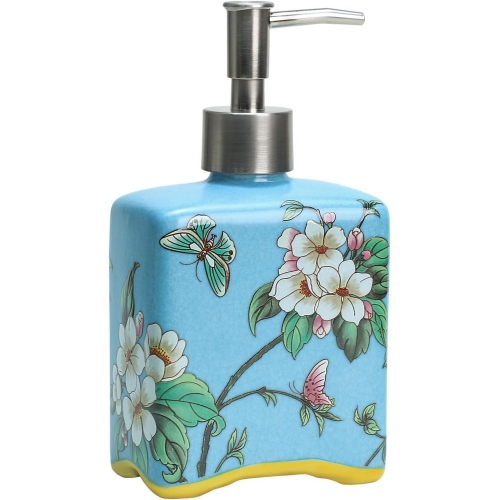
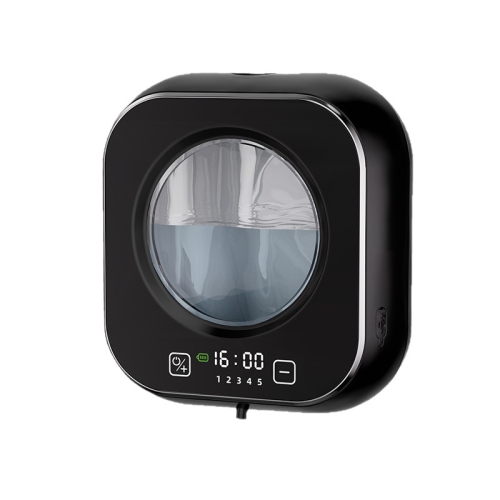

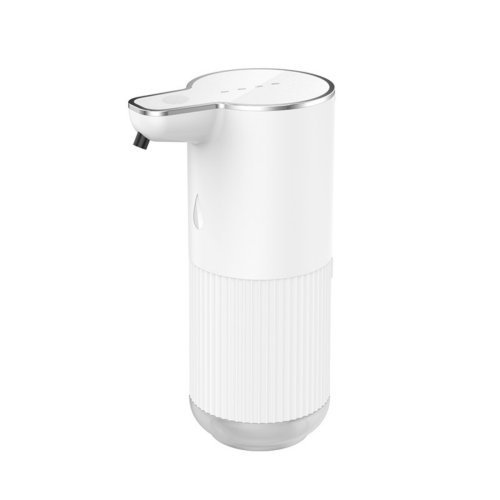


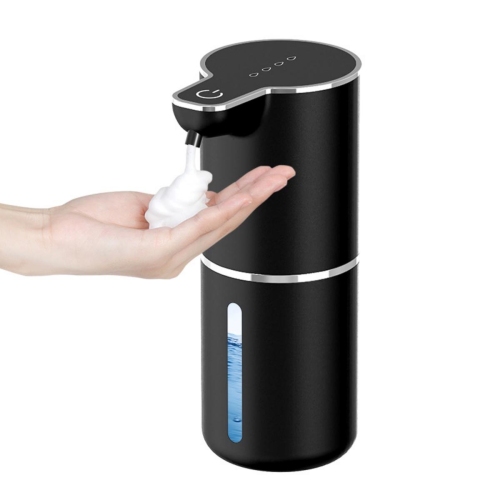

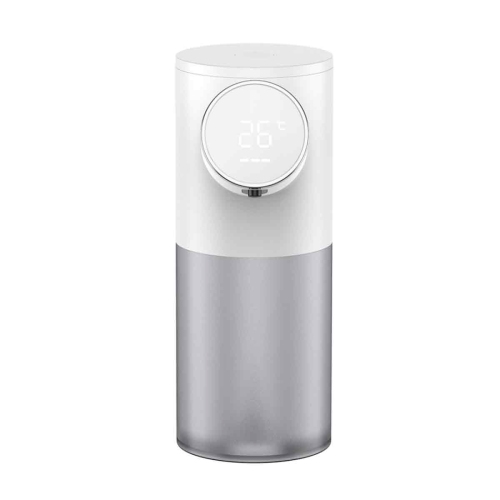
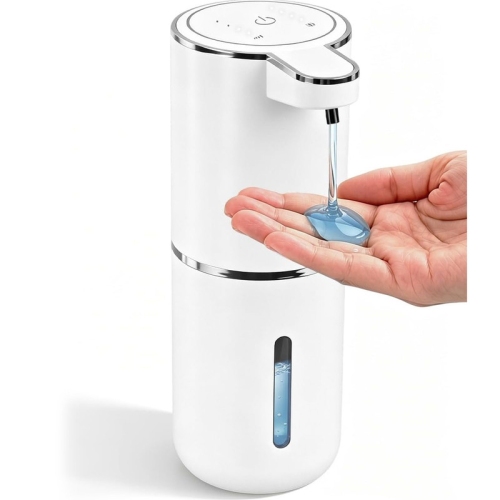
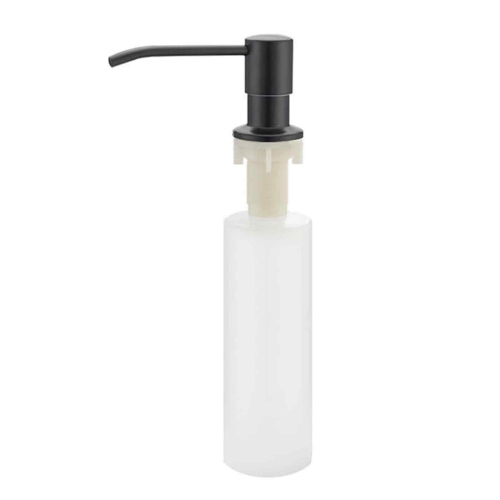
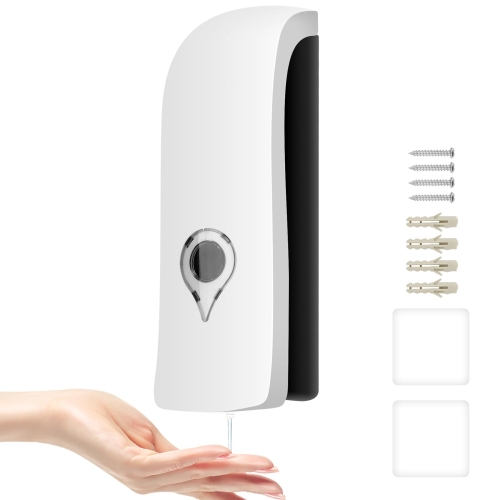

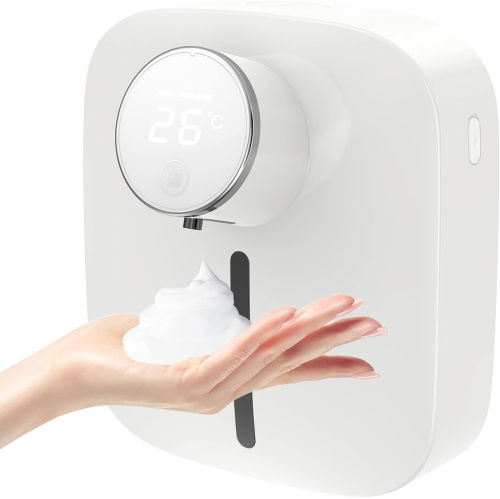
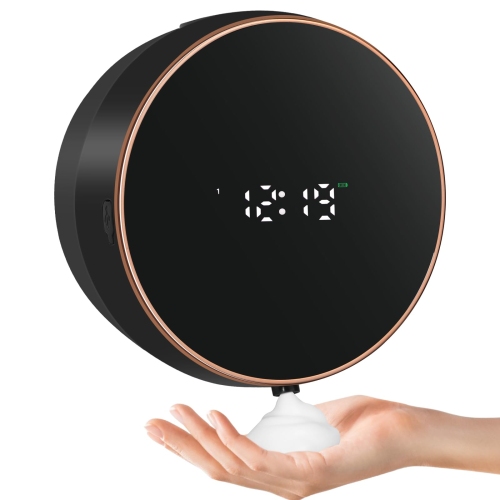
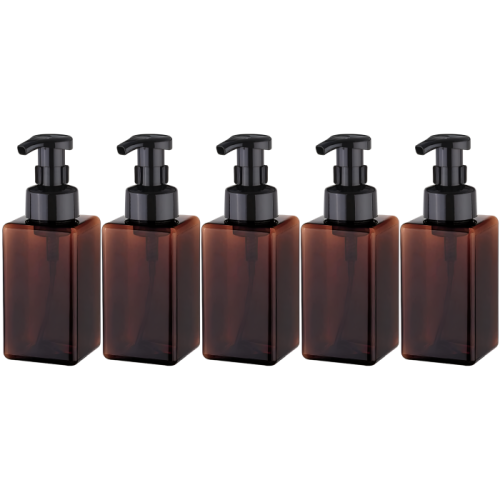
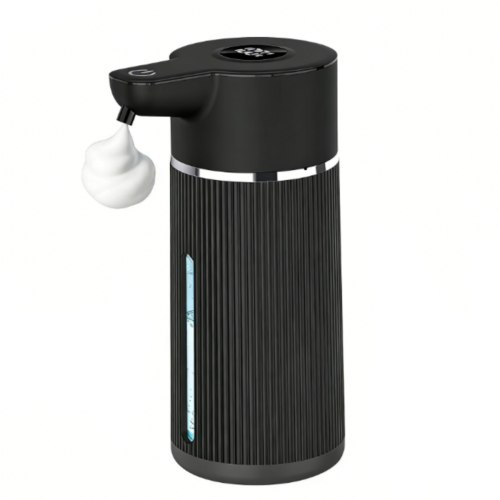
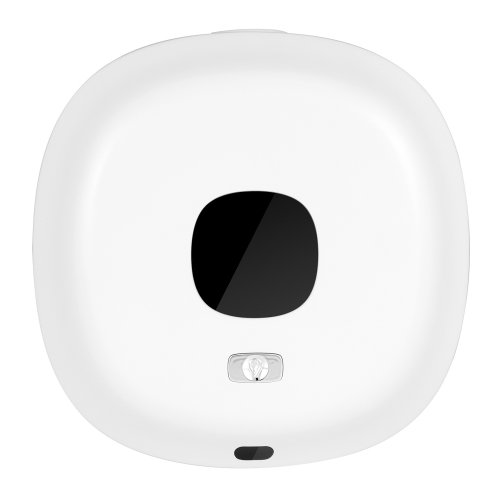
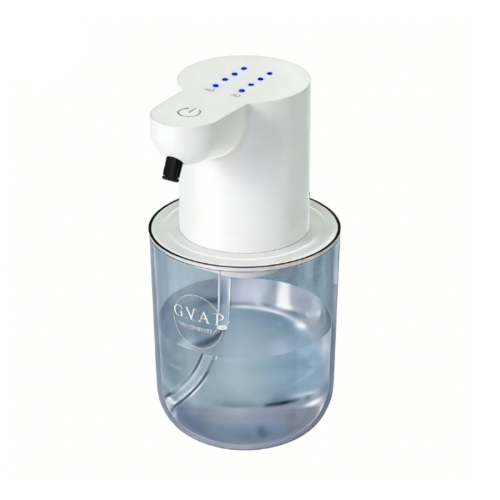
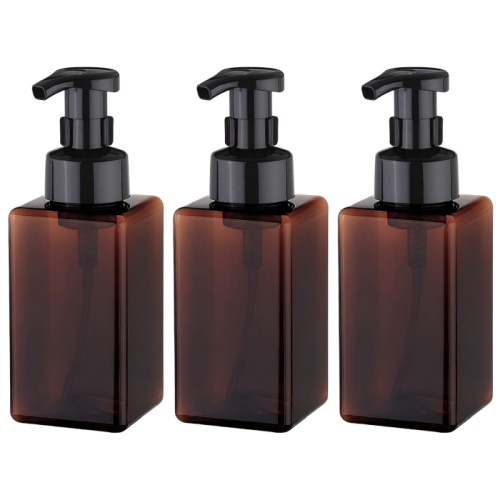
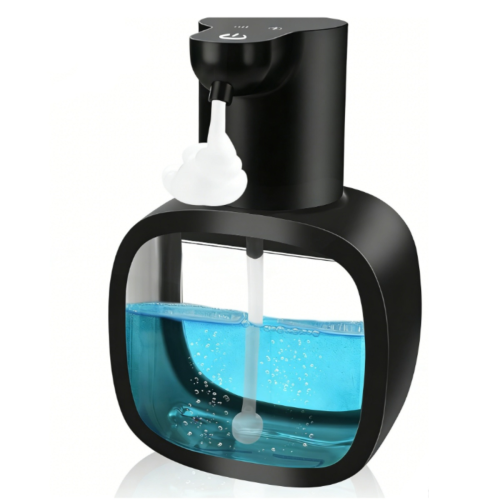
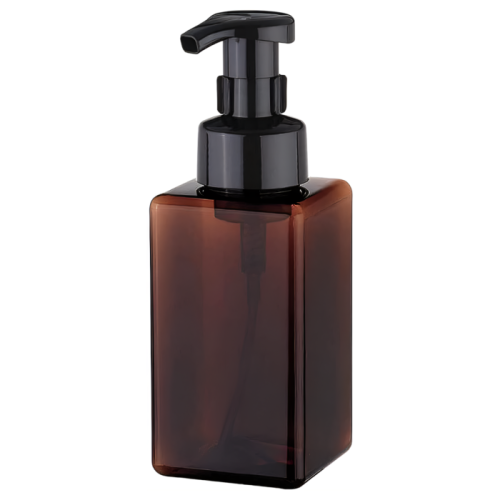
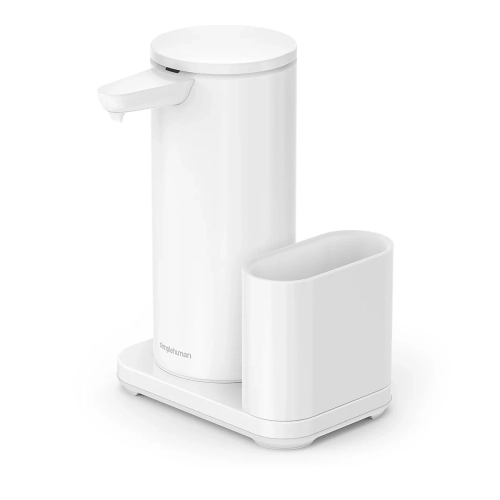

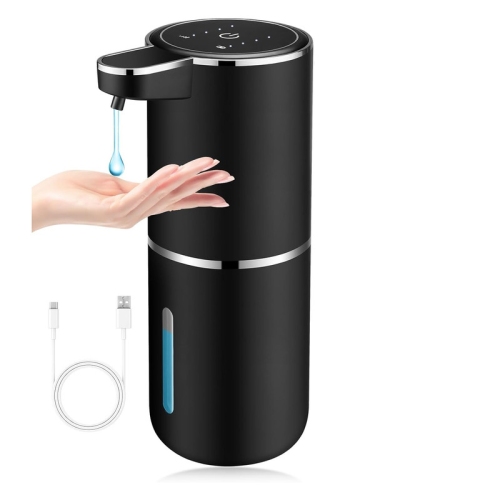
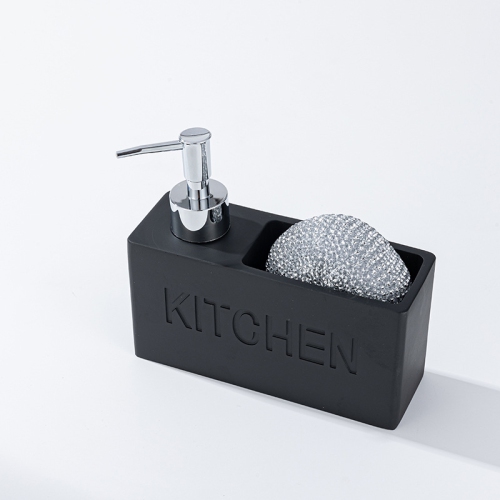
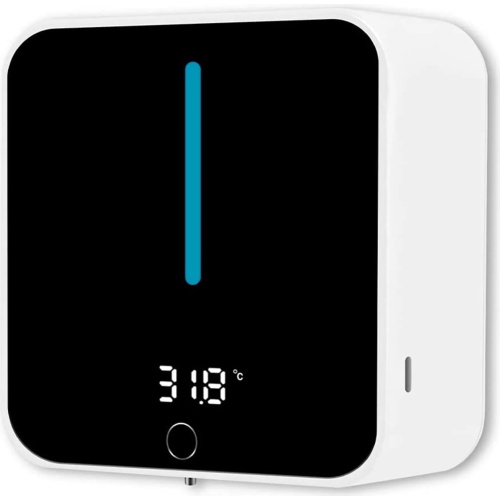
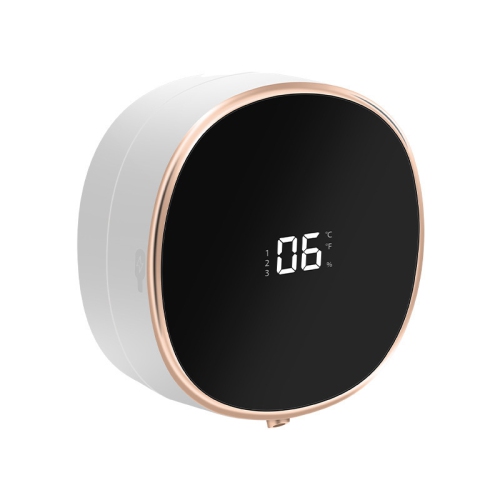

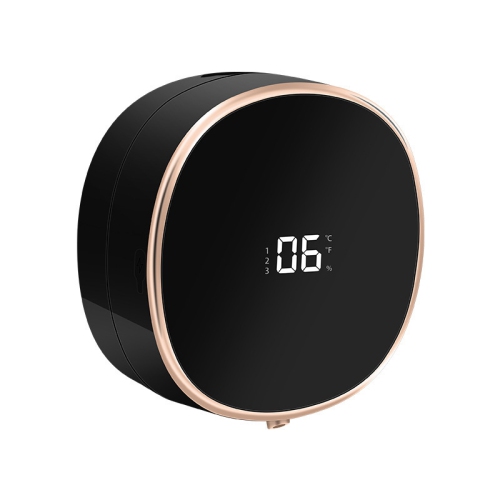
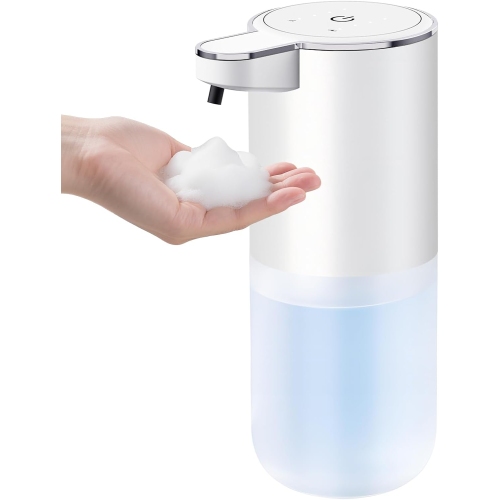
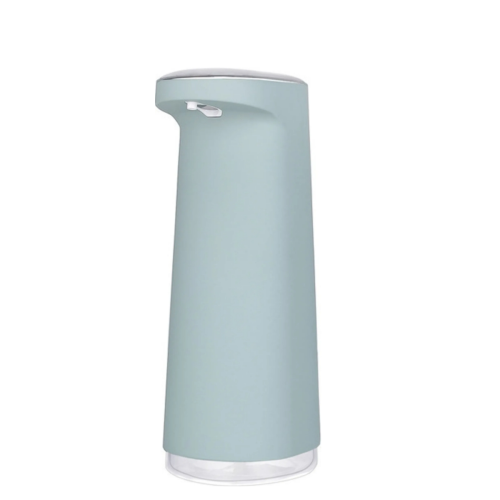
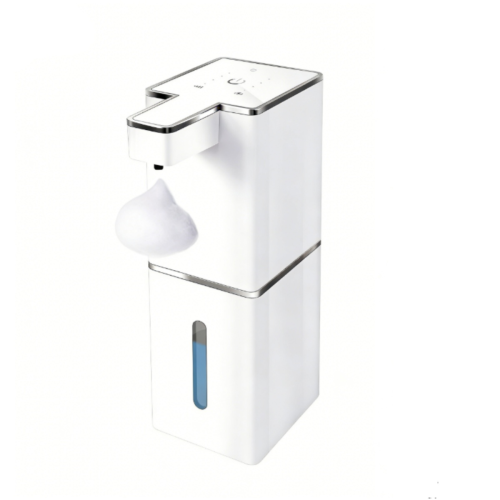
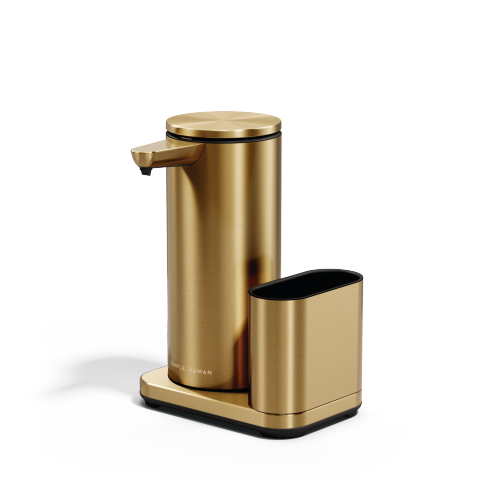

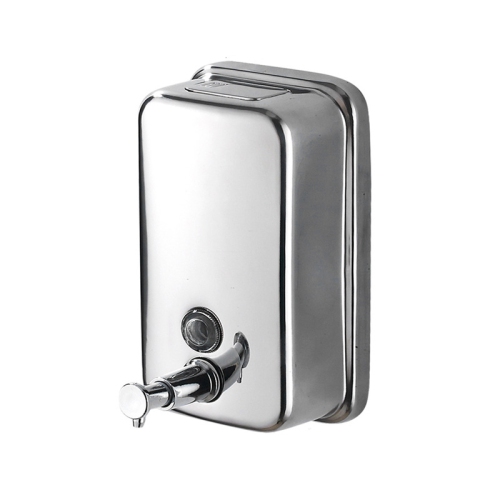
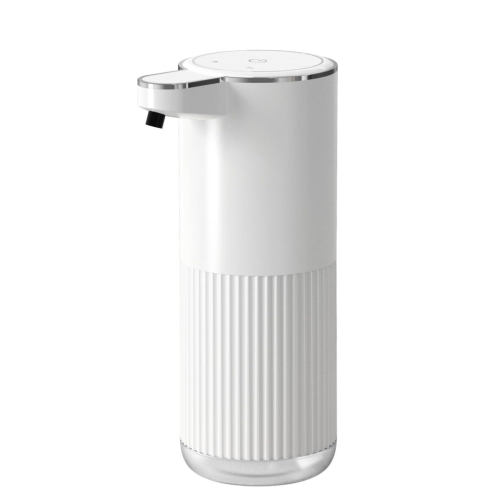
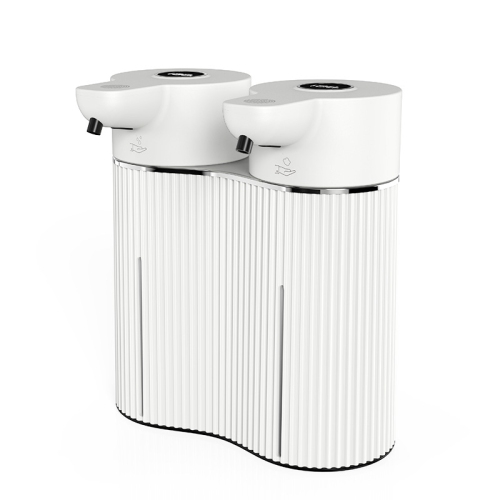
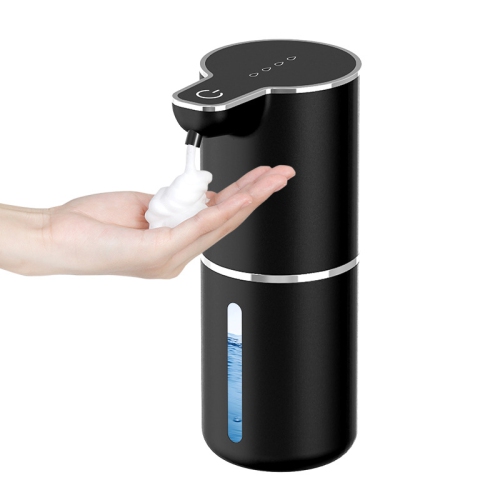
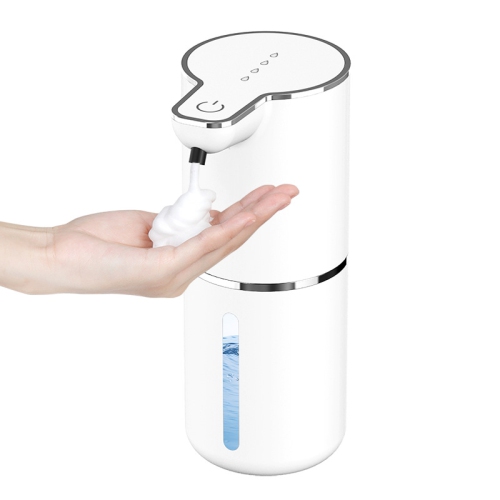
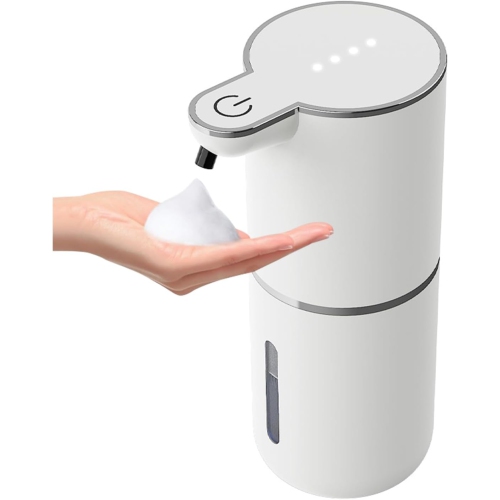
Less bottle clutter and easier access to shower essentials
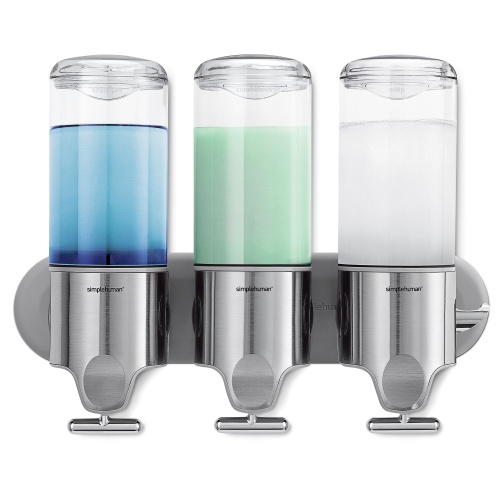
Soap dispensers for showers keep body wash, shampoo, and conditioner within easy reach while helping a shower feel less crowded. Instead of balancing several bottles along a narrow tub edge, these dispensers hold everyday cleansing liquids in refillable containers with pumps, buttons, or levers. Single-chamber designs suit a favourite body wash or a simple shower routine, while double-chamber designs separate two liquids, such as shampoo and conditioner. Triple-chamber dispensers provide a dedicated space for each step of a typical hair and body care routine. Larger configurations can accommodate different formulas in a shared bathroom, though the most useful layout depends on what actually gets used each day. A compact single dispenser may be enough in a guest shower, while a family bathroom may benefit from clearly labelled chambers that make it easy to tell similar-looking liquids apart. Wall-mounted shower dispensers free up ledge and shelf space, whereas freestanding styles sit on a suitable shower shelf or caddy and can be moved without changing the wall. Some designs attach to a compatible shower organiser, keeping toiletries together in one accessible area. Clear reservoirs make it easy to see when contents are running low; opaque containers offer a more uniform appearance, with viewing windows on some designs providing a quick level check. Waterproof labels are especially helpful when several people share the same shower or when shampoo and conditioner have similar colours. For bathrooms with matching accessories beyond the shower enclosure, Liquid Soap Dispensers offer another way to carry a coordinated look through the space. The appeal is practical as much as visual: a dispenser positioned at a comfortable height can put body wash within reach without the need to pick up a slippery bottle, open a cap, and find somewhere to set it down again. That small change can make a busy morning routine feel more orderly, particularly in a compact shower where every ledge already has a purpose.
Materials, mounting methods, and dimensions all affect how well a shower soap dispenser fits into a bathroom. Plastic reservoirs are lightweight and avoid adding much weight to a shelf or wall bracket, while stainless steel housings can provide a sturdy feel and coordinate with metal fixtures. Rust resistance depends on the material, finish, and construction, so suitability for repeated exposure to moisture matters more than appearance alone. Glass and ceramic containers can look attractive on a bathroom counter, but their weight and potential to break deserve careful consideration inside a shower, especially where they could fall onto tile. Smooth surfaces and simple shapes are generally easier to wipe down than designs with deep grooves or intricate trim. A dispenser’s total size also matters beyond its liquid capacity: there needs to be room above it to lift a lid or remove a reservoir, and enough space below the outlet for a hand, washcloth, or shower pouf. In a narrow enclosure, a shallow profile can help keep the dispenser out of the way of elbows and shoulders. Wall-mounted designs may use screws, adhesive brackets, or suction fittings, and each method has different surface requirements and weight limits. Adhesive mounts commonly require a clean, dry, compatible surface and a specified setting time before the dispenser is filled or used. Suction fittings generally need a smooth, non-porous surface; textured tile and grout lines can interfere with their grip. Screw-mounted brackets provide a fixed attachment, but installation must account for the wall construction and waterproofing behind the shower surface. For rental bathrooms, a removable mounting method may be practical where permitted, although removal and surface compatibility still need attention. Placement slightly away from the showerhead’s direct spray can limit constant wetting and make the pump more comfortable to use. In a shared household, mounting height should reflect the people using the shower, whether that means an adult reaching from a standing position or someone accessing toiletries from a shower seat. A dispenser is an accessory, not a support handle, and should never be relied on for balance.
Daily performance comes down to the dispensing mechanism, the liquid inside, and how easily the container can be refilled and cleaned. A broad push button or lever may be easier to operate with wet hands than a small pump head, but the pressure required varies by design. One-handed operation can be useful when the other hand is holding a washcloth, and a stable bracket helps prevent the container from shifting during use. Compatibility with the intended formula is important: a pump that handles a flowing shower gel may struggle with a very thick conditioner, while products containing exfoliating particles can clog mechanisms not designed for them. Foaming dispensers require an appropriate foaming formula, and ordinary liquid soap should not be assumed to work in the same way. Diluting toiletries simply to make them pass through a pump can affect their performance and preservation, so the formula and dispenser directions should take priority. Automatic dispensers also need an explicit suitability rating for shower use; a touch-free unit intended for a dry countertop is not necessarily suitable inside a wet enclosure. Capacity is best matched to usage rather than chosen on size alone. A larger chamber can reduce refill frequency in a frequently used family shower, while a smaller reservoir may be more manageable for a guest bathroom or a person who switches formulas regularly. Wide refill openings and removable containers make topping up less awkward, particularly when pouring from a larger bottle. For ongoing care, accessible parts allow soap residue to be removed from outlets and lids, and chambers should be cleaned as directed before changing formulas. Harsh cleaners and abrasive pads can damage some finishes, while dried residue around a nozzle can affect the direction or consistency of the flow. Replaceable pumps, secure lids, and brackets that remain firm during normal use are worthwhile durability features. With the right fit, shower soap dispensers can serve households streamlining a crowded tub area, people setting up a new bathroom, or anyone who prefers neatly arranged toiletries to a row of mismatched bottles. They can also make a thoughtful housewarming gift when the recipient’s bathroom layout and mounting preferences are known.
Top selling and popular products
-
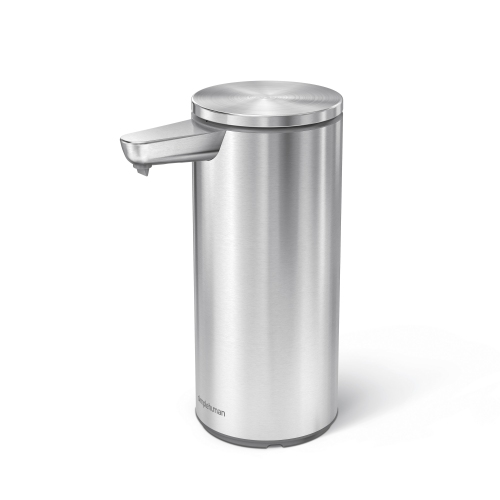 Your price for this item is $90
-
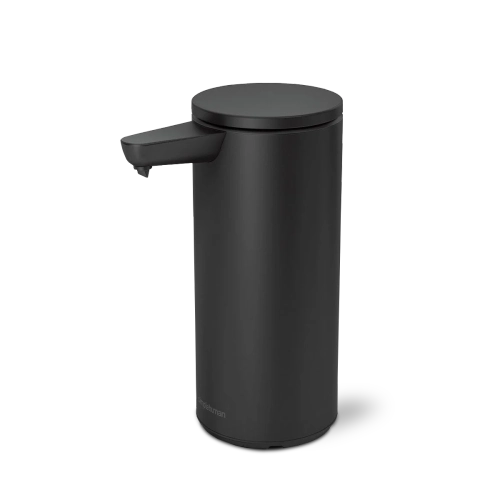 Your price for this item is $100
-
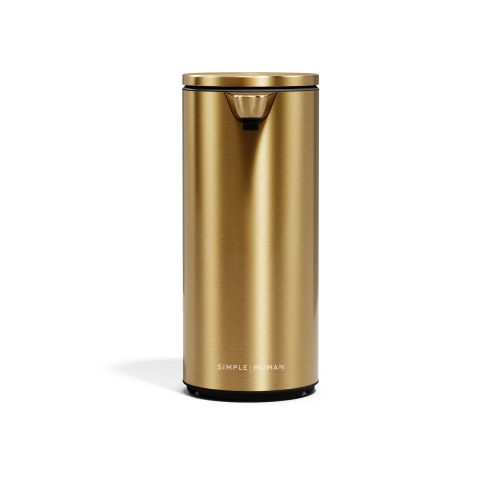 Your price for this item is $100
-
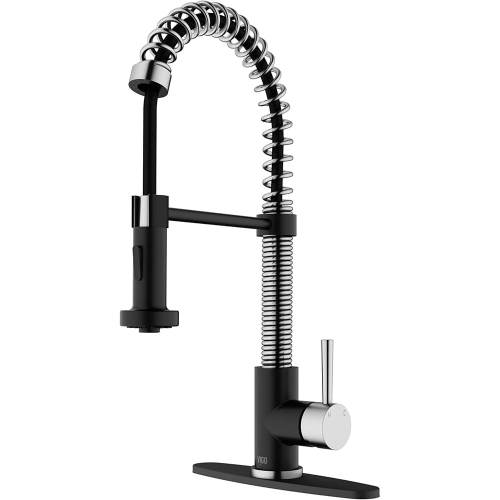 Your price for this item is $426.55
-
 Your price for this item is $300
-
 Your price for this item is $120
-
 Your price for this item is $160
-
 Your price for this item is $180
Discover more categories related to Soap Dispensers for Showers
Top Collections:
Pokemon Centers, Best Black Friday Deals This Year, Best Black Friday Deals On Electronics, Kindle Devices, Best Budget Office Chairs, Best Black Friday Deals On Apple Products, Best Cameras for Sports Photography, Pokémon 30th Celebration Cards, Dyson Airwrap, Canon G7X Cameras
Some products may be subject to Environmental Handling Fees
(EHF) depending on your province.
Learn more about EHFs.