Solutions for Noisy Neighbors
Solutions For Noisy Neighbors make it easy to create a peaceful and comfortable environment in your home. Whether you’re dealing with loud footsteps, music, or everyday commotion from next door, the right selection of products can help minimize distractions and enhance your daily routine. Explore a variety of options designed to help you enjoy quiet moments, focus on work or study, and get the restful sleep you deserve. Find everything you need to turn your space into a calm retreat with Solutions For Noisy Neighbors.
Sort
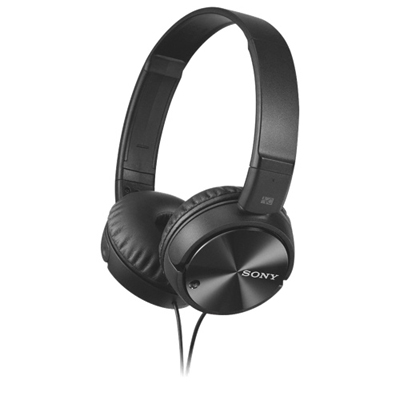
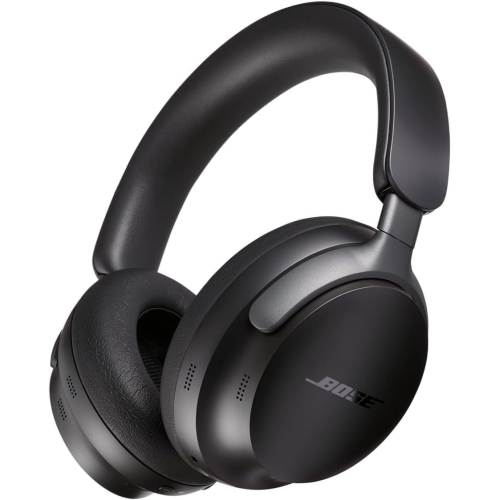

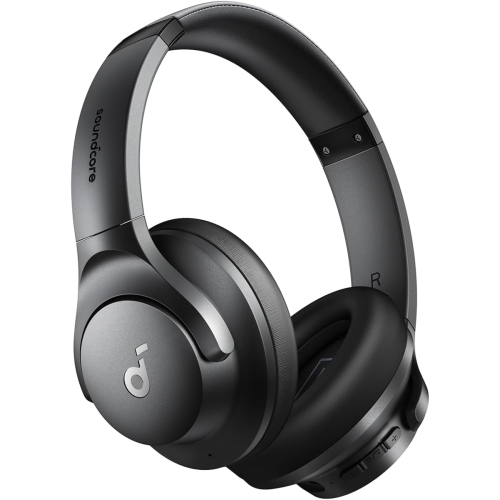

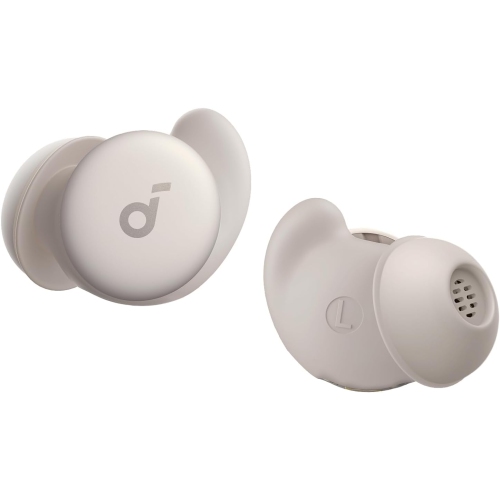
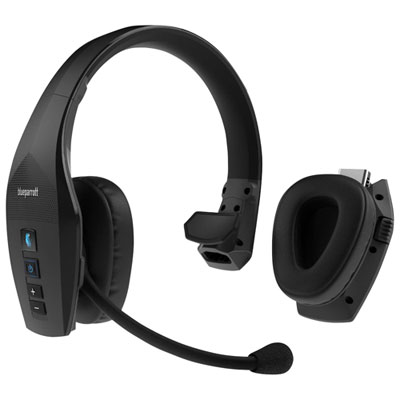
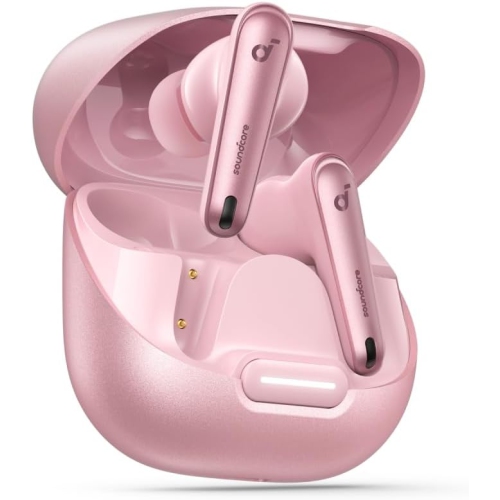

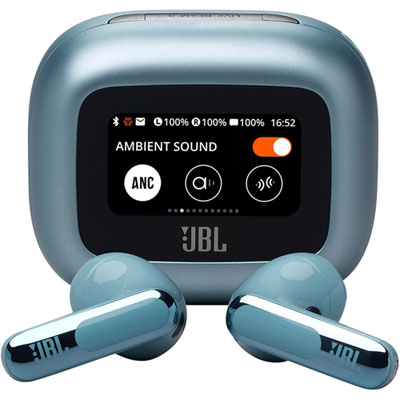
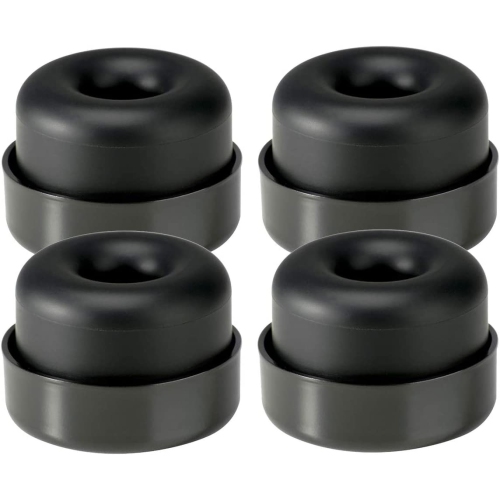


Practical ways to reduce, mask, and manage unwanted sound
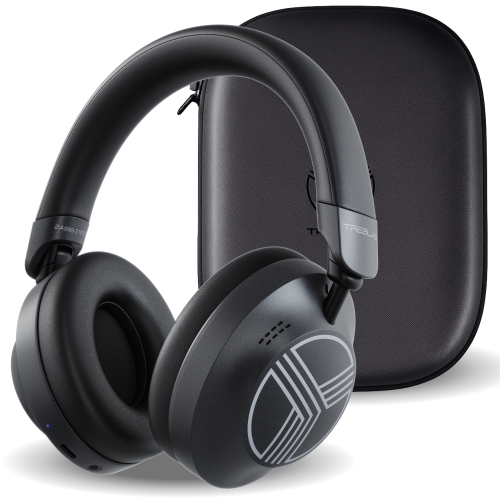
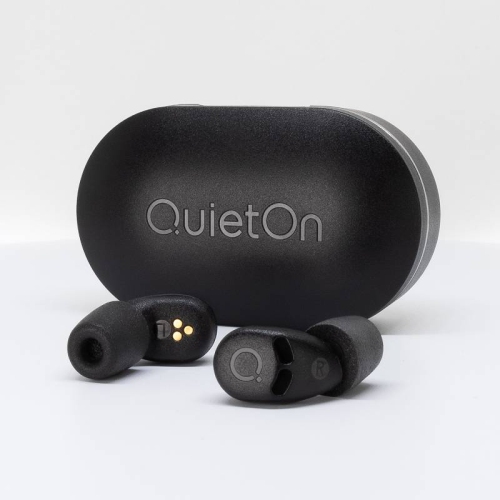
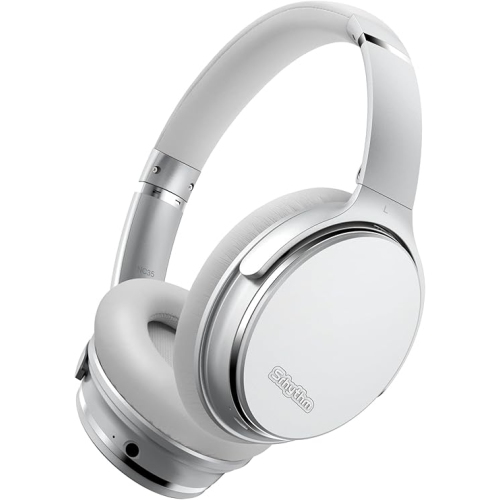
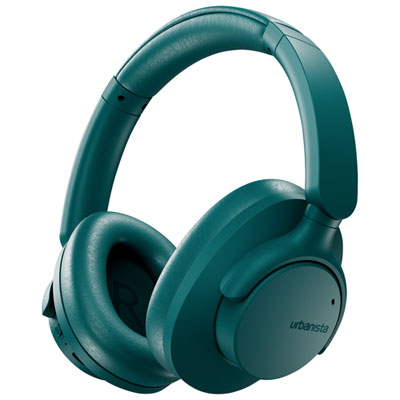
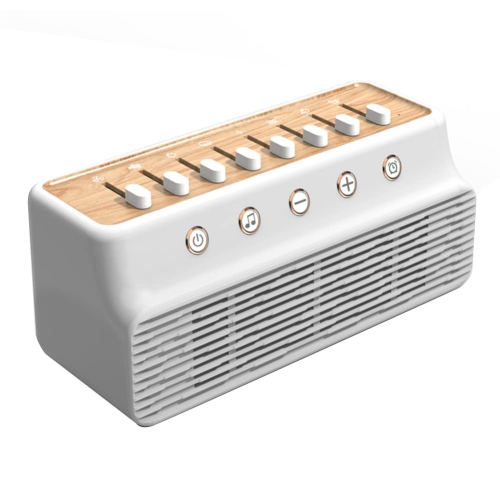
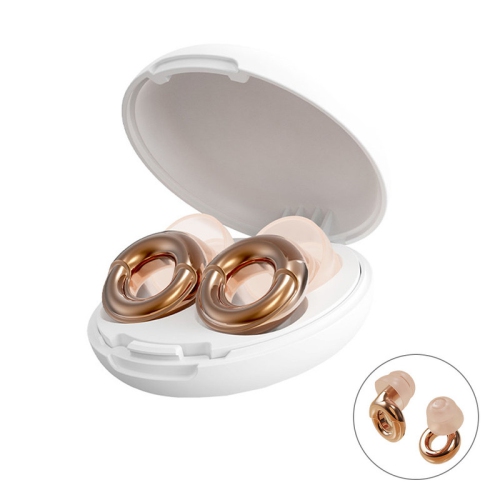
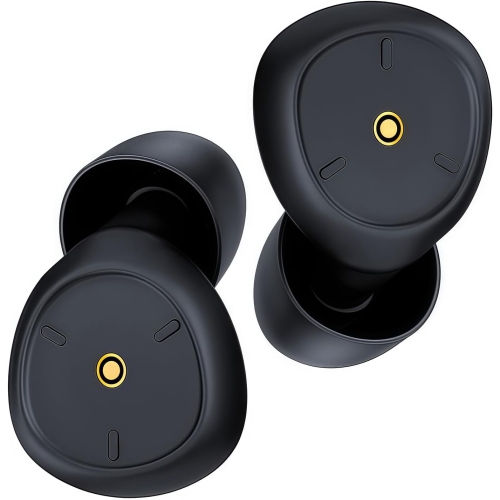
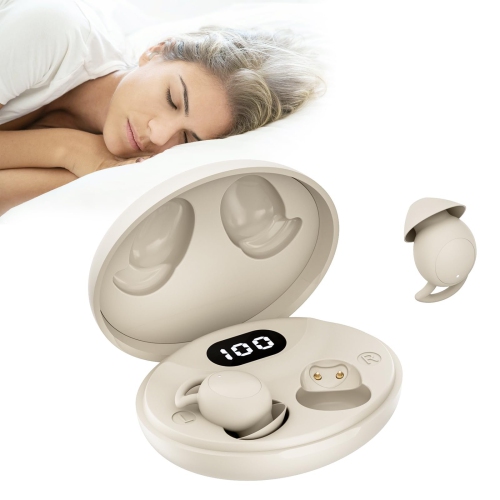
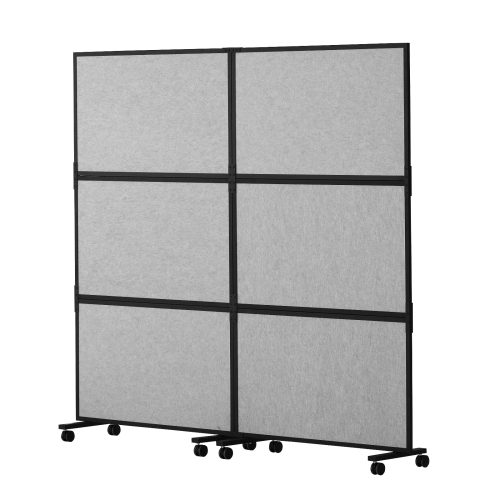
Living close to other people can make everyday sounds feel much louder than they would in a detached home. Voices through a shared wall, music from the next apartment, footsteps overhead, doors closing in the hallway, and traffic outside can interrupt sleep, work, study, or quiet time. Solutions for noisy neighbors can help make your space feel calmer by reducing, masking, or managing unwanted sound. The right approach depends on the type of noise, where it enters your home, and whether you rent or own. Airborne sounds such as conversation, television, and music often travel through walls, doors, windows, and small gaps, while impact sounds such as footsteps, dropped objects, and furniture movement can create vibrations through floors and ceilings. A white noise machine can provide a steady layer of neutral sound that helps soften sudden changes in volume, making it useful beside a bed, at a home office, or in a nursery. A fan or air purifier may also provide consistent background noise while serving another practical purpose in the room. For a more personal option, noise-cancelling headphones or comfortable over-ear headphones can help create a quieter listening environment during work, reading, gaming, travel, or relaxation. Look for simple controls, a comfortable fit, and battery life that suits your routine, especially if you plan to wear them for several hours at a time. A compact sound machine or portable audio device can be especially handy for people who move between rooms, share a home with roommates, or spend part of the year in temporary accommodations. These products can also make thoughtful gifts for new renters, students, shift workers, parents, or anyone settling into a busy apartment building.
Before choosing a solution, pay attention to when the disturbance happens and what it sounds like. A brief record of dates, times, and the type of noise can help reveal patterns, such as late-night music, early-morning activity, or repeated impact noise from above. If it feels safe and appropriate, a polite conversation may resolve the issue, since neighbours may not realize how clearly sound carries through the building. Renters can also review their lease or building rules for quiet hours and contact a landlord or property manager when disturbances continue. Products can complement those steps by improving the acoustics inside your own space. Placing a full bookcase, wardrobe, or other substantial furniture against a shared wall may help add mass and break up some reflected sound, while keeping a small gap can make the arrangement easier to maintain. Thick area rugs, underlay, upholstered furniture, cushions, and fabric wall hangings can reduce echoes and the hard, hollow quality that makes a room feel noisy. Sound-dampening curtains can be useful over windows or doors, particularly when outside traffic and hallway sounds are part of the problem. When shopping, consider the room’s size, the available floor and wall space, installation requirements, and whether you need a temporary solution that can move with you. People furnishing compact homes may find ideas in Solutions for Studio Apartments, where space-conscious choices can help keep a small living area comfortable without overcrowding it. For bedrooms, prioritize quiet operation, dimmable displays, automatic shutoff settings, and controls that are easy to reach without fully waking up.
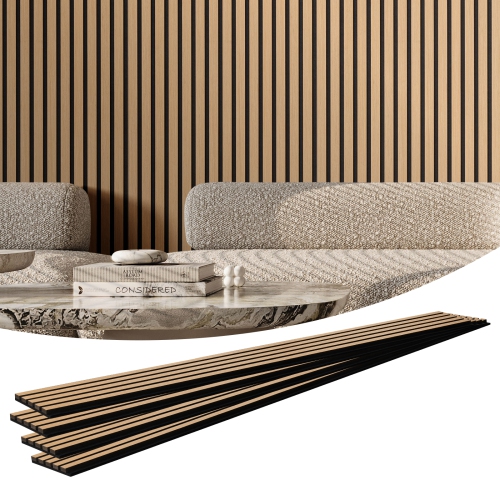
More involved soundproofing work can be considered by homeowners or renters with permission to make changes. Isolation clips, resilient channels, additional drywall, dense sound barriers, and acoustic sealant are often used as part of a broader wall or ceiling assembly, but their effectiveness depends on correct installation and on sealing the weak points where sound travels. Electrical outlets, vents, doors, baseboards, and window frames can all allow noise to pass around an otherwise solid surface. A door sweep, weatherstripping, or a properly fitted draft stopper may help reduce sound and light gaps around an entry door, while carefully installed acoustic materials can improve a shared wall or ceiling when a renovation is practical. It is important to distinguish between sound absorption and sound blocking: soft furnishings and acoustic panels mainly reduce reflections inside a room, while blocking sound usually requires added mass, better seals, or a separated structure. No single item can eliminate every kind of neighbour noise, especially low-frequency bass and impact vibration, so combining approaches is often more effective than relying on one purchase. A consistent background sound source may help with sleep, headphones can provide privacy during focused tasks, and rugs, curtains, furniture, and sealed gaps can improve the room’s overall acoustic comfort. As the weather turns cooler and windows stay closed for longer periods, indoor sounds may become more noticeable, making a comfortable and adaptable setup worthwhile through the changing seasons. Choose products that fit your home, routine, and building rules, and use them alongside respectful communication and the appropriate property-management process when noise remains disruptive.
Before choosing a solution, pay attention to when the disturbance happens and what it sounds like. A brief record of dates, times, and the type of noise can help reveal patterns, such as late-night music, early-morning activity, or repeated impact noise from above. If it feels safe and appropriate, a polite conversation may resolve the issue, since neighbours may not realize how clearly sound carries through the building. Renters can also review their lease or building rules for quiet hours and contact a landlord or property manager when disturbances continue. Products can complement those steps by improving the acoustics inside your own space. Placing a full bookcase, wardrobe, or other substantial furniture against a shared wall may help add mass and break up some reflected sound, while keeping a small gap can make the arrangement easier to maintain. Thick area rugs, underlay, upholstered furniture, cushions, and fabric wall hangings can reduce echoes and the hard, hollow quality that makes a room feel noisy. Sound-dampening curtains can be useful over windows or doors, particularly when outside traffic and hallway sounds are part of the problem. When shopping, consider the room’s size, the available floor and wall space, installation requirements, and whether you need a temporary solution that can move with you. People furnishing compact homes may find ideas in Solutions for Studio Apartments, where space-conscious choices can help keep a small living area comfortable without overcrowding it. For bedrooms, prioritize quiet operation, dimmable displays, automatic shutoff settings, and controls that are easy to reach without fully waking up.
More involved soundproofing work can be considered by homeowners or renters with permission to make changes. Isolation clips, resilient channels, additional drywall, dense sound barriers, and acoustic sealant are often used as part of a broader wall or ceiling assembly, but their effectiveness depends on correct installation and on sealing the weak points where sound travels. Electrical outlets, vents, doors, baseboards, and window frames can all allow noise to pass around an otherwise solid surface. A door sweep, weatherstripping, or a properly fitted draft stopper may help reduce sound and light gaps around an entry door, while carefully installed acoustic materials can improve a shared wall or ceiling when a renovation is practical. It is important to distinguish between sound absorption and sound blocking: soft furnishings and acoustic panels mainly reduce reflections inside a room, while blocking sound usually requires added mass, better seals, or a separated structure. No single item can eliminate every kind of neighbour noise, especially low-frequency bass and impact vibration, so combining approaches is often more effective than relying on one purchase. A consistent background sound source may help with sleep, headphones can provide privacy during focused tasks, and rugs, curtains, furniture, and sealed gaps can improve the room’s overall acoustic comfort. As the weather turns cooler and windows stay closed for longer periods, indoor sounds may become more noticeable, making a comfortable and adaptable setup worthwhile through the changing seasons. Choose products that fit your home, routine, and building rules, and use them alongside respectful communication and the appropriate property-management process when noise remains disruptive.
Top selling and popular products
-
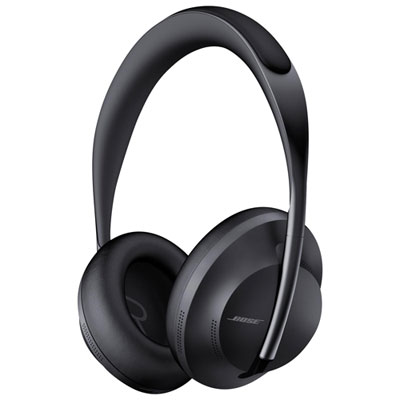 Your price for this item is $479.97
 -
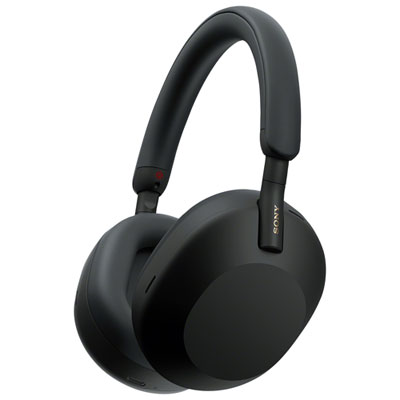 Your price for this item is $348
 -
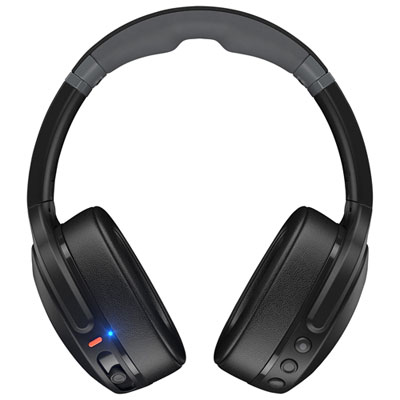 Your price for this item is $199.99
 -
 Your price for this item is $229.99
 -
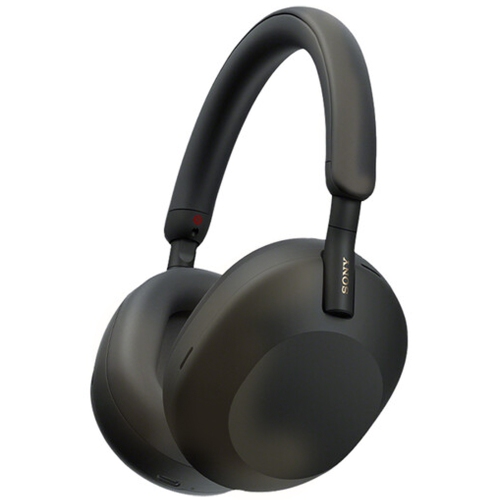 Your price for this item is $438
 -
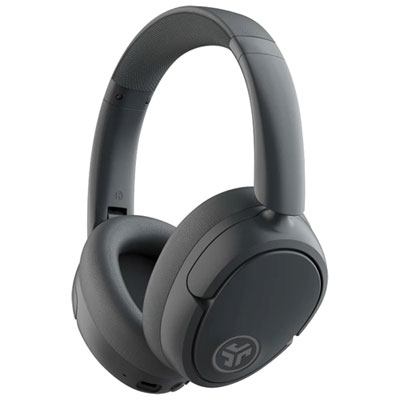 Your price for this item is $79.99
 -
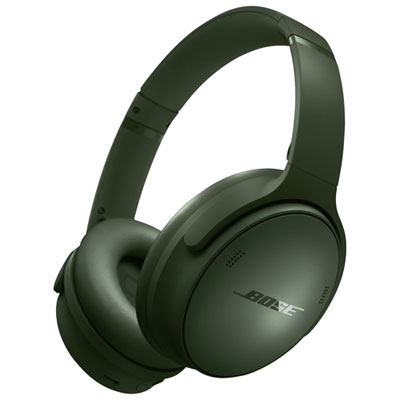 Your price for this item is $479.99
 -
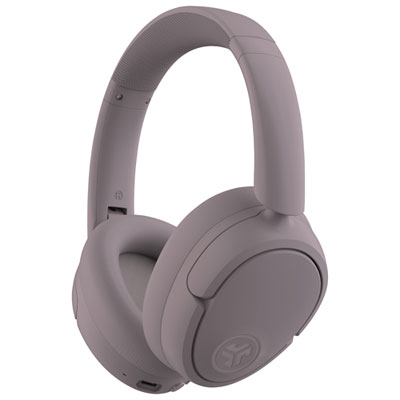 Your price for this item is $79.99
Discover more categories related to Solutions for Noisy Neighbors
Top Collections:
Pokemon Centers, Kindle Devices, Best Budget Office Chairs, Apple iPhones 16, Canon G7X Cameras, iPhone 15 Apple, Alarm Clock, Refurbished Apple Laptops, Flip Phones, Best Laptops for Writers
Some products may be subject to Environmental Handling Fees
(EHF) depending on your province.
Learn more about EHFs.