Transparent Glass Coffee Tables
Add a touch of modern elegance to your living space with our transparent glass coffee tables. Whether you're entertaining guests or simply enjoying a quiet evening at home, these coffee tables are sure to enhance your living room aesthetic and elevate your overall interior design. Check out these great options for you.
Sort

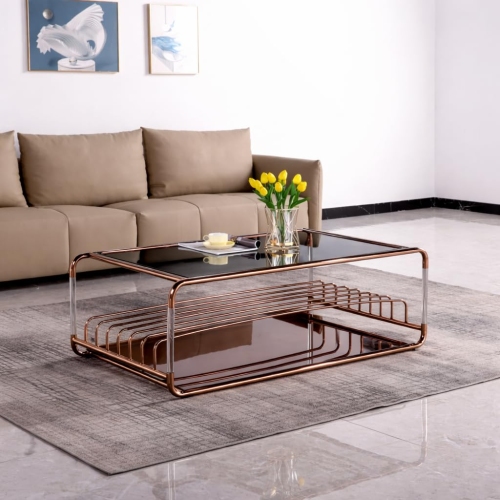
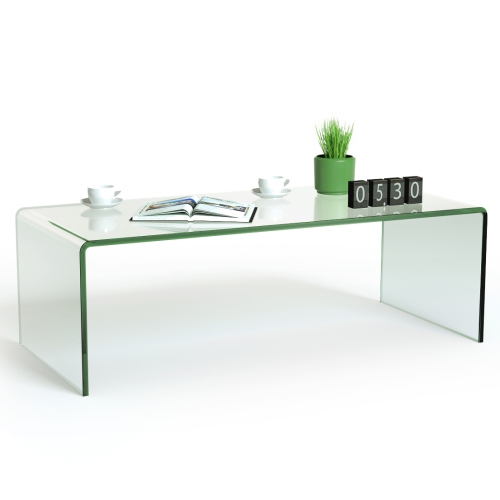
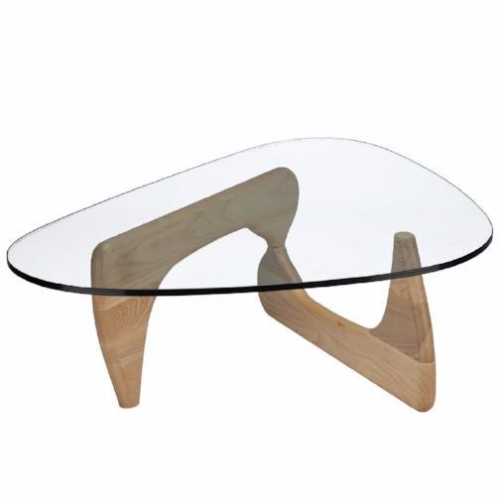
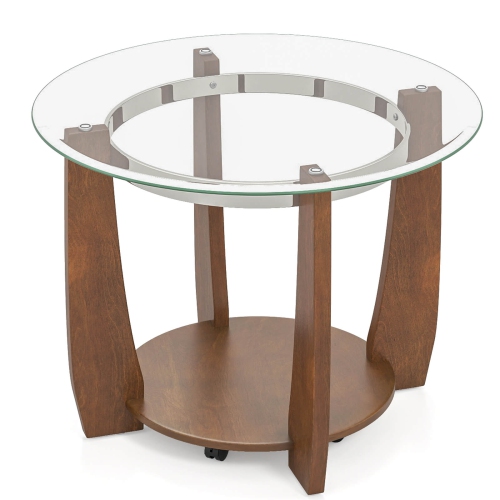
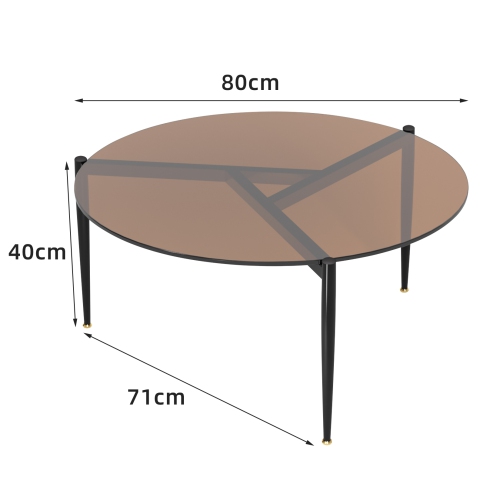
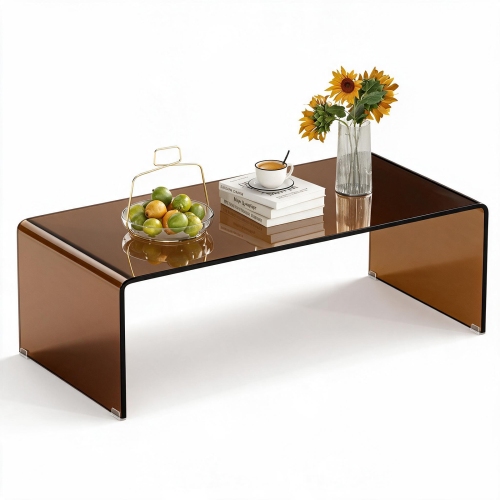
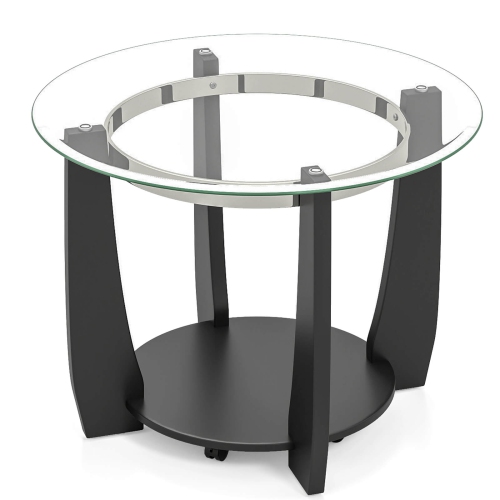
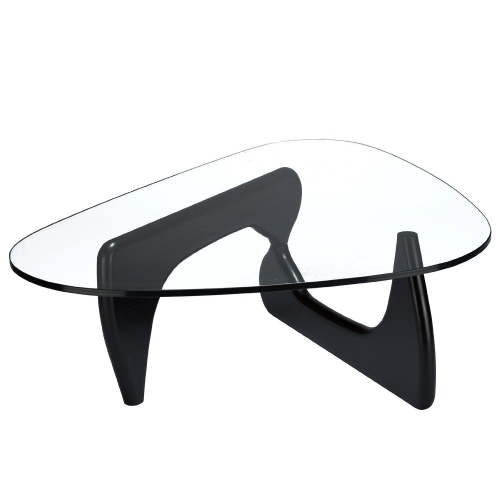
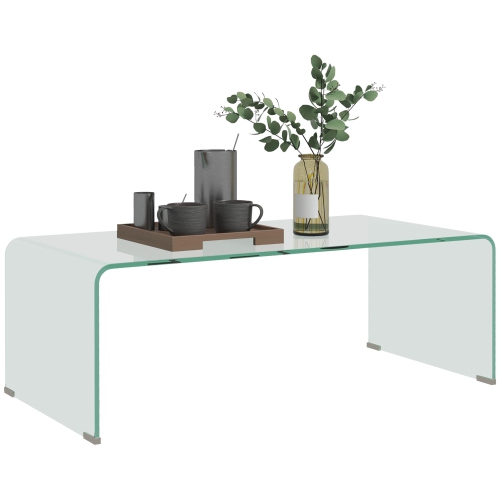
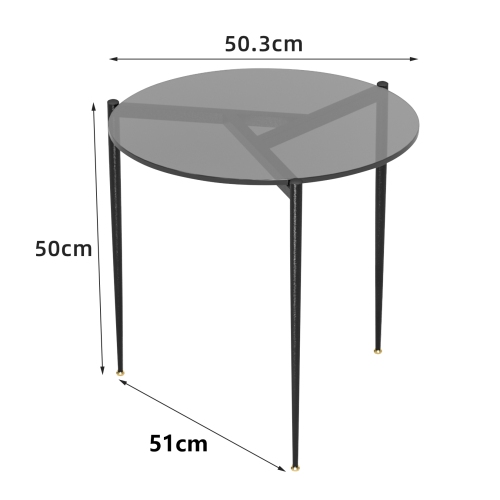
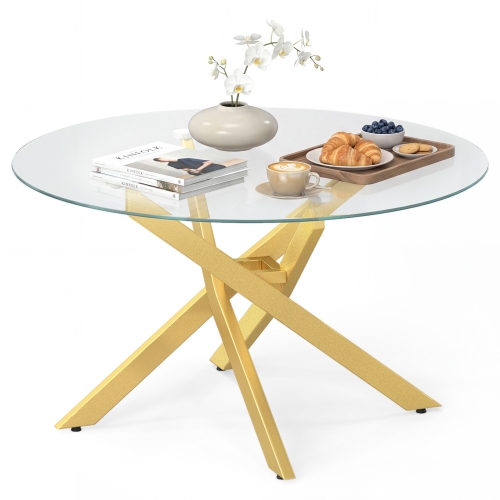
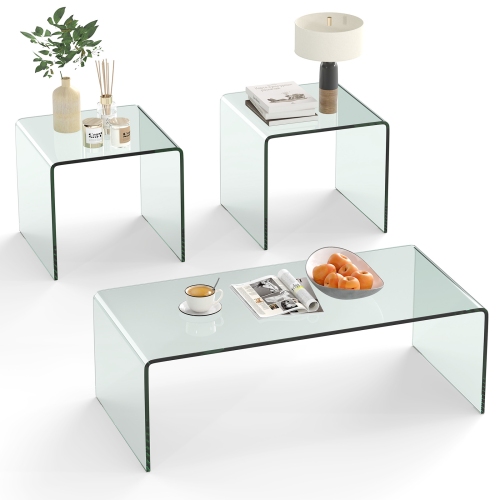
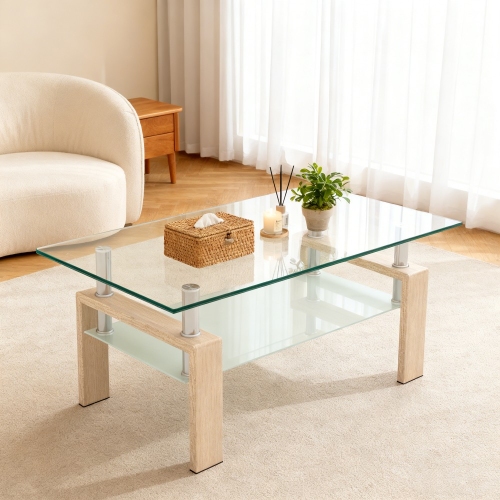
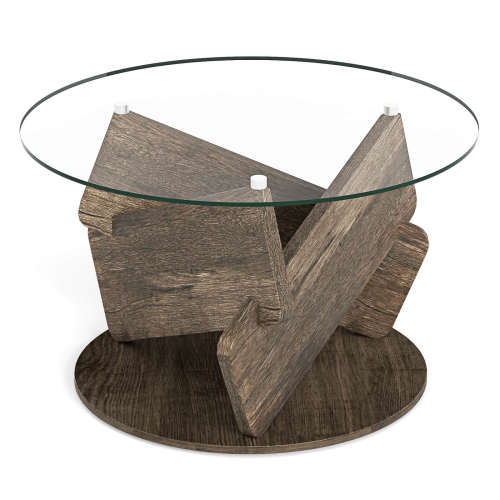
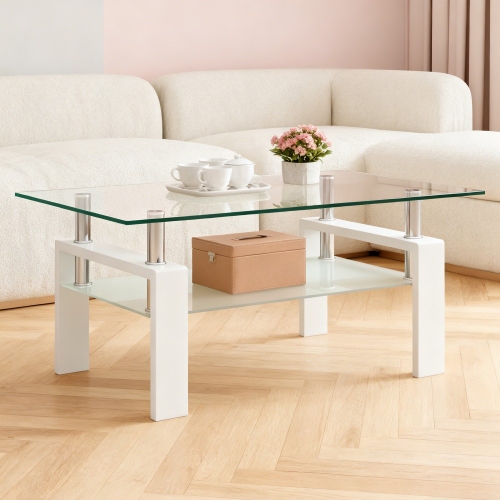
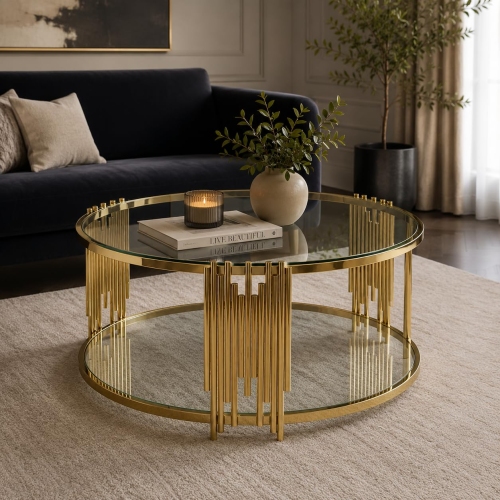
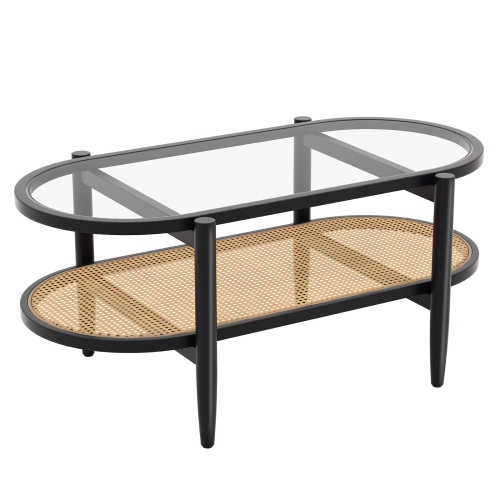
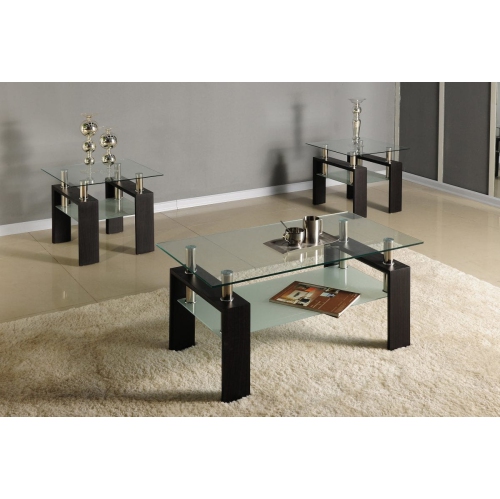
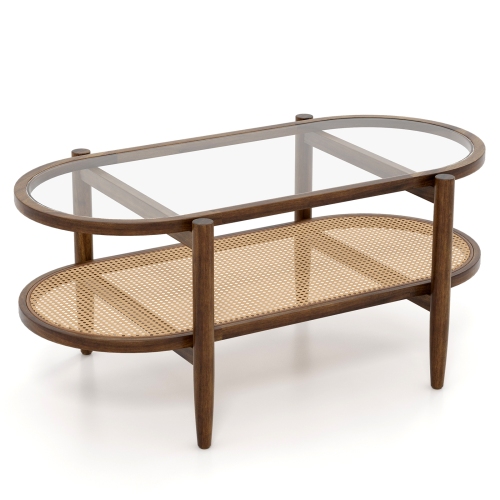
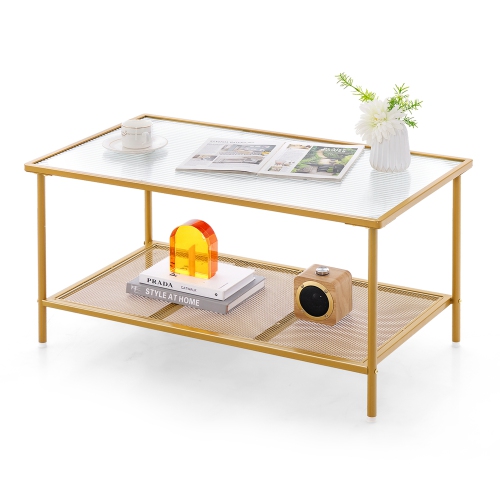
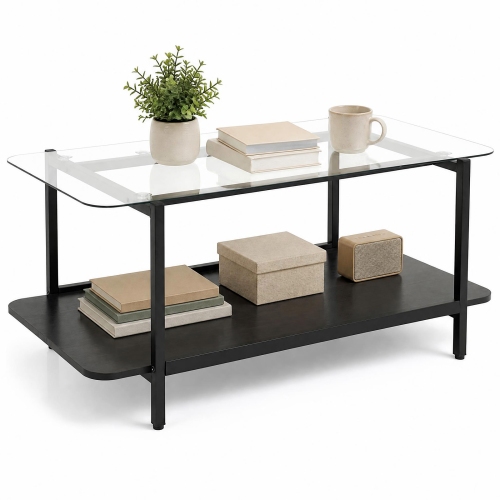
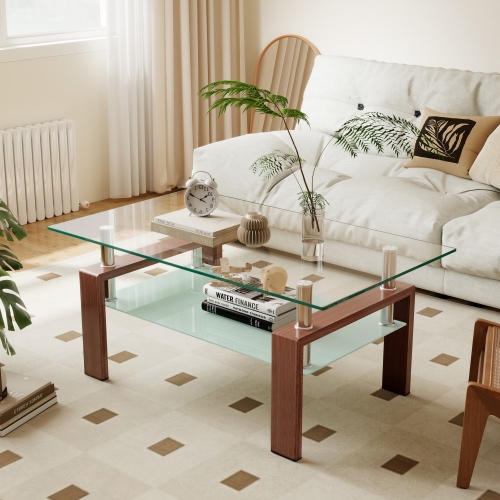
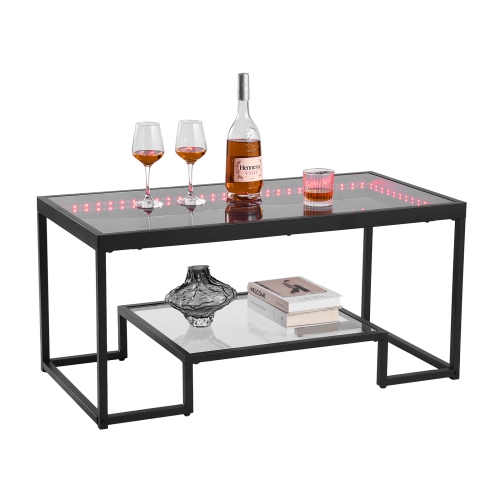
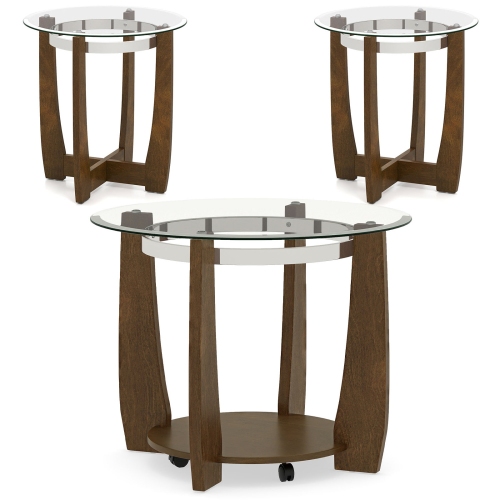
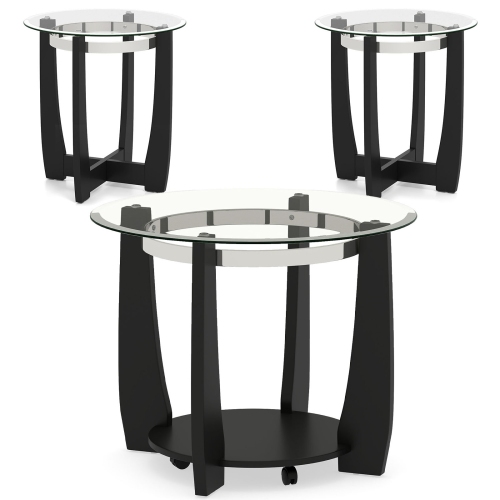
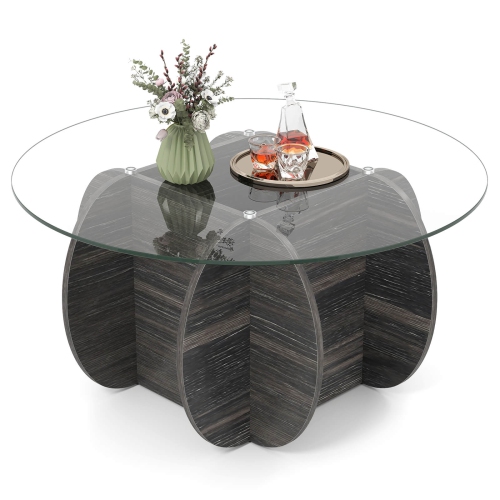
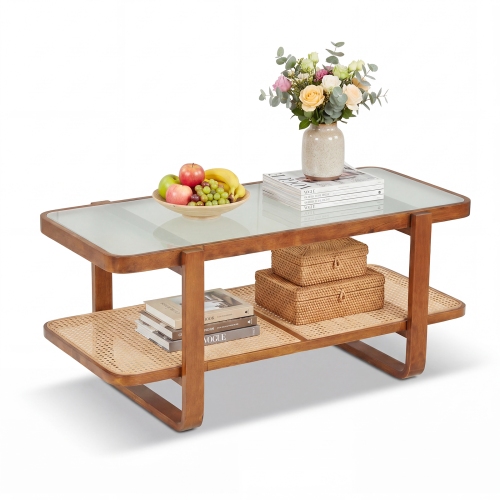
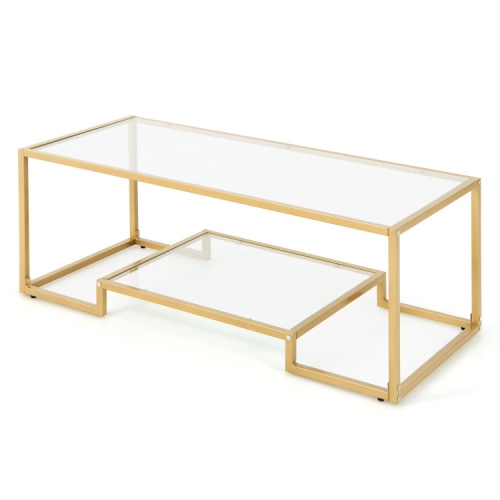
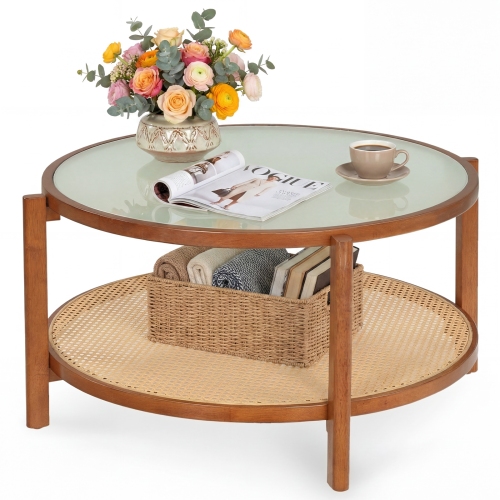
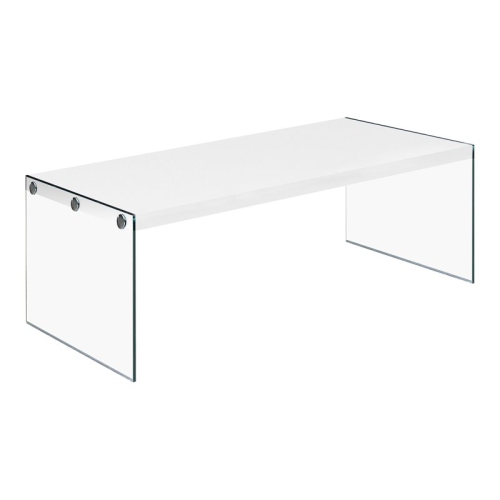
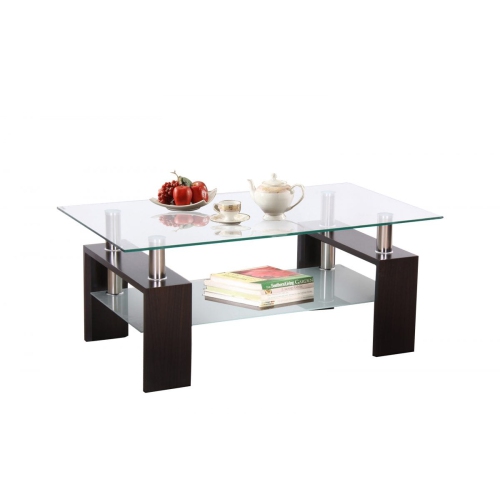
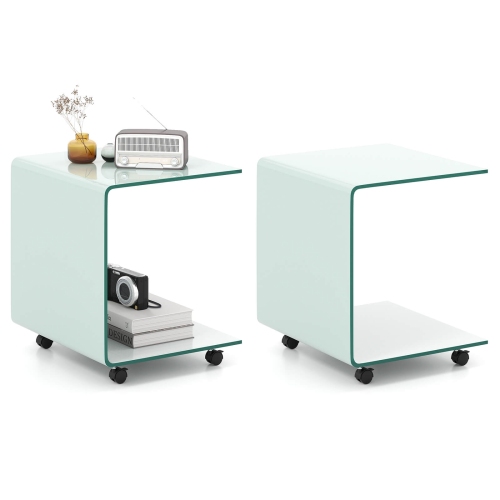



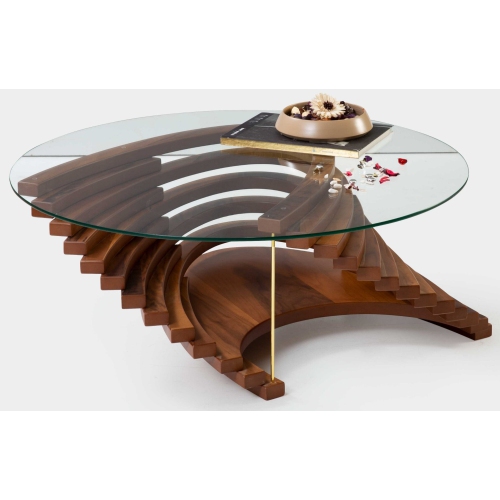
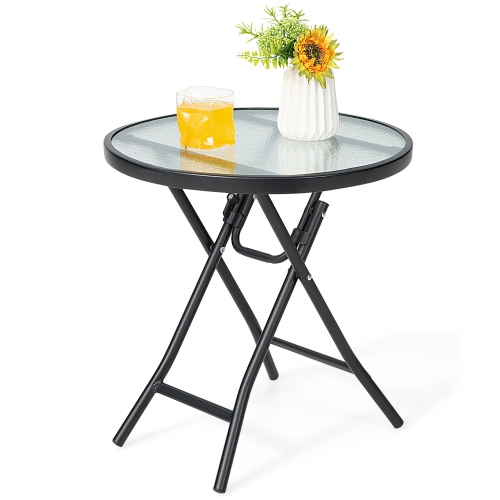
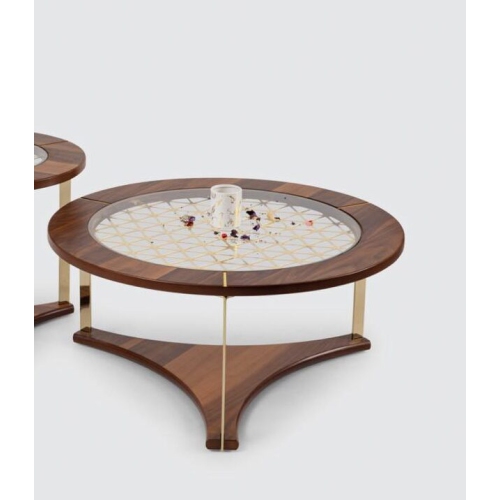
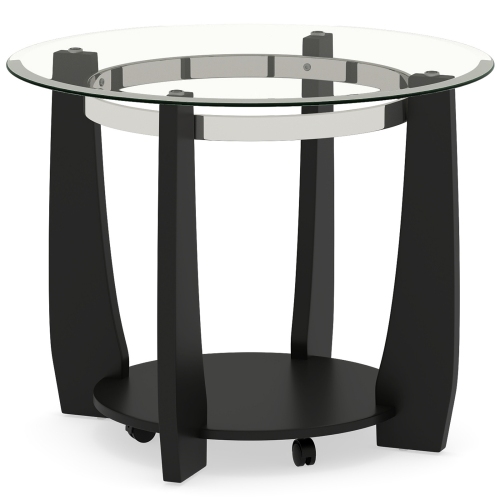
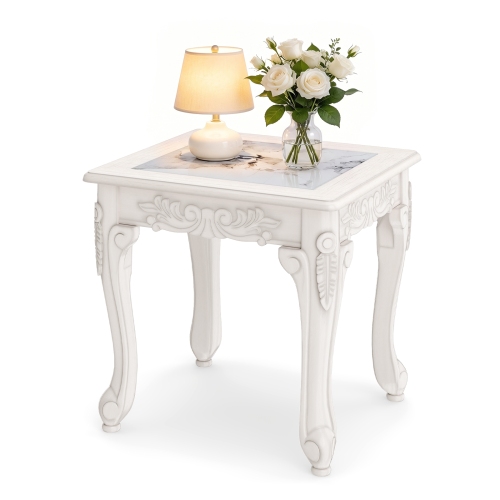
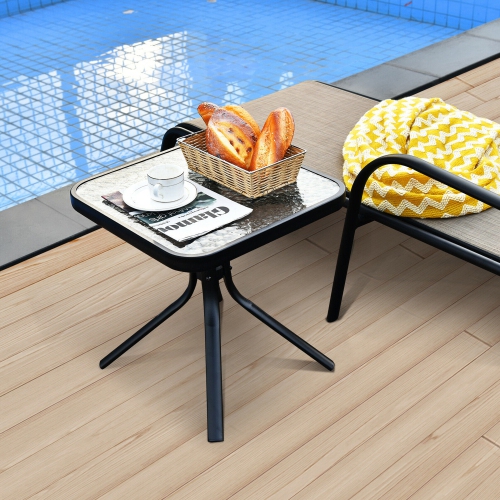
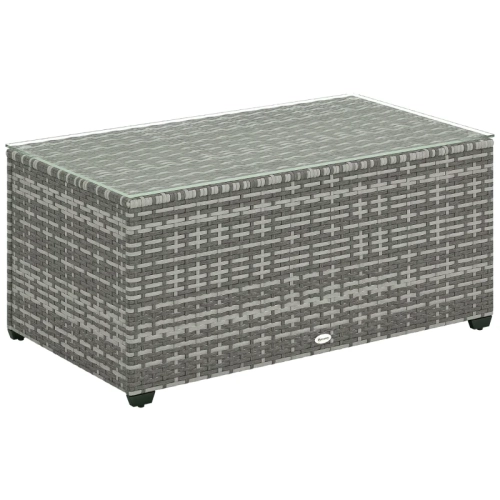
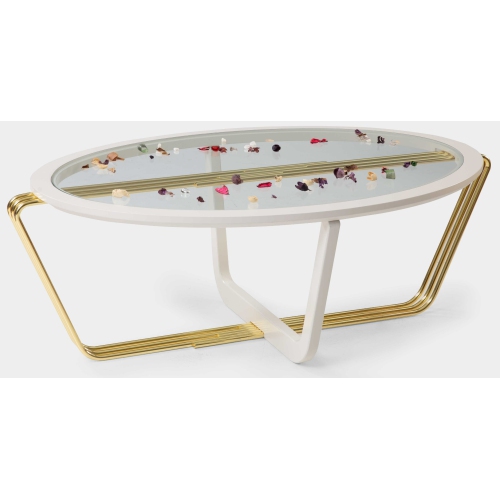

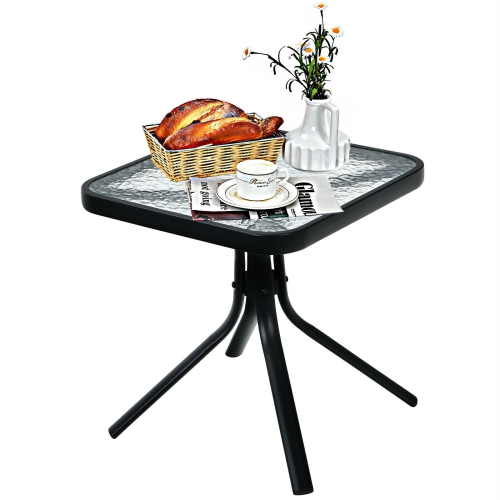
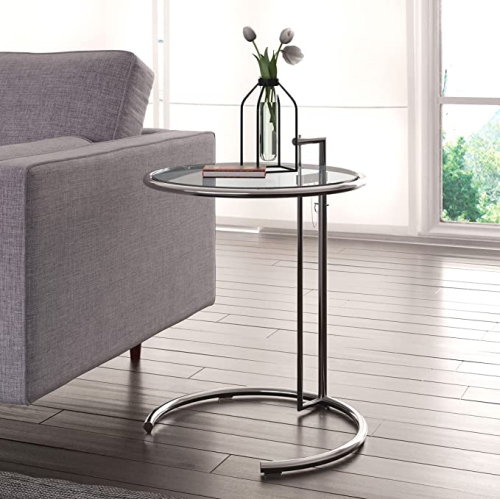
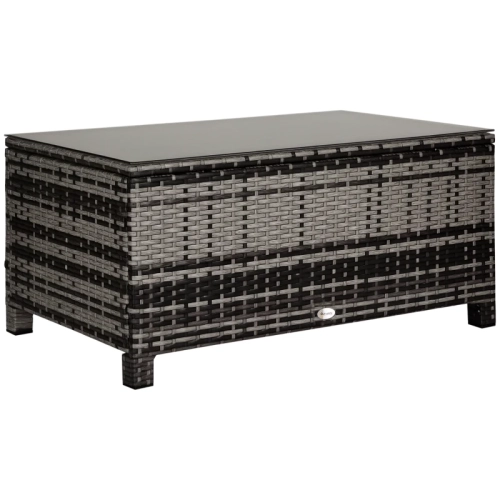
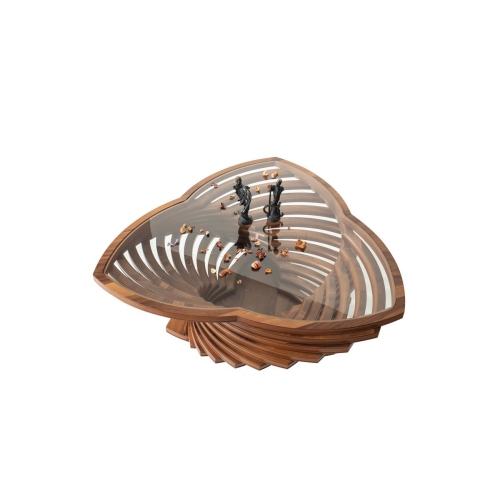

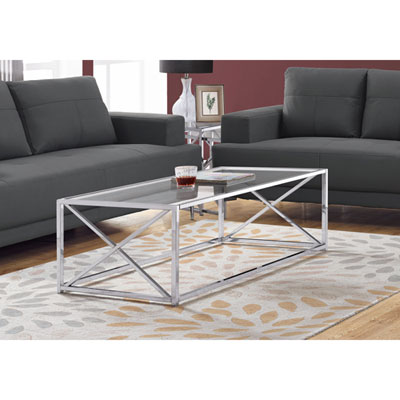
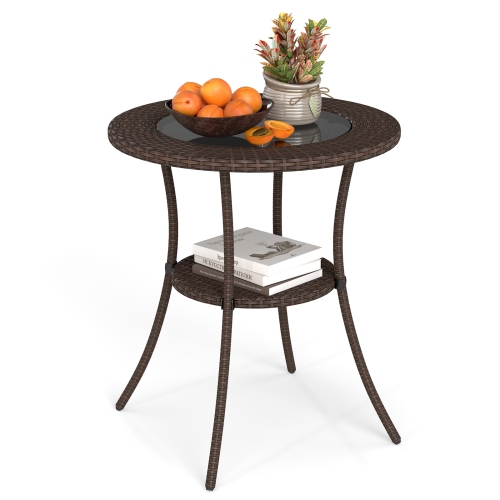

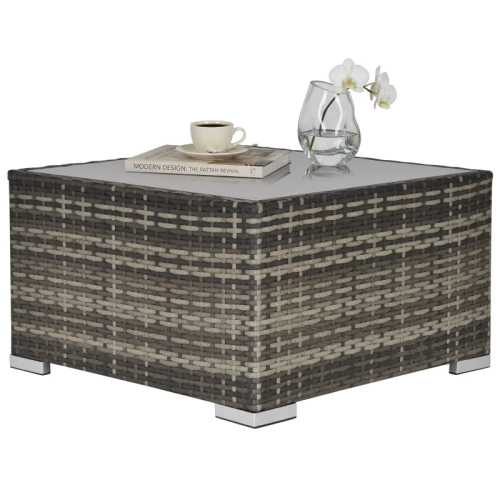
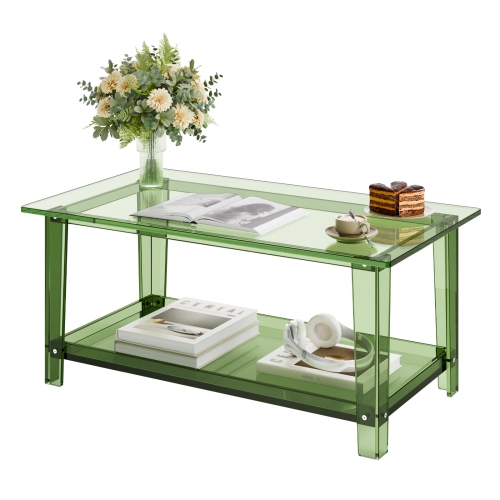
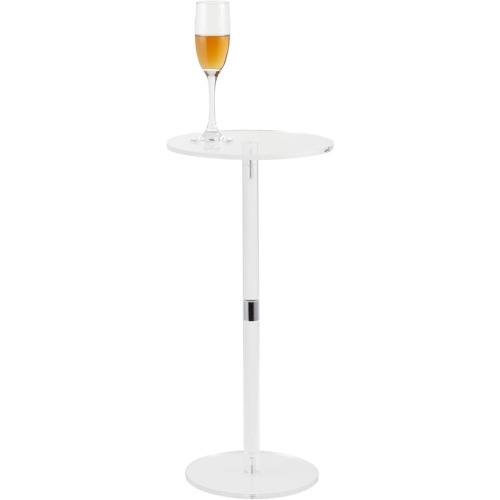
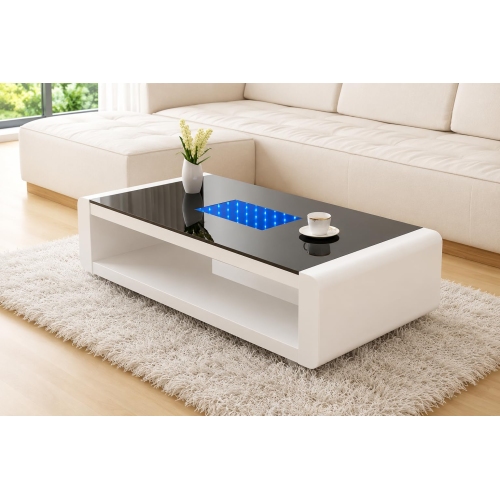
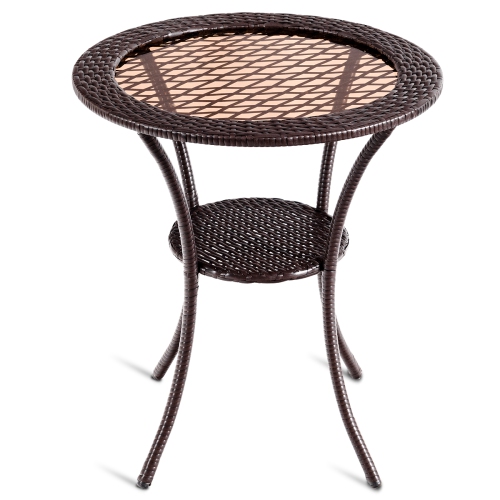

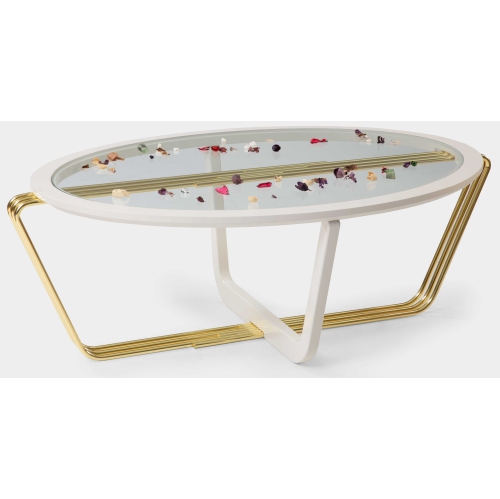
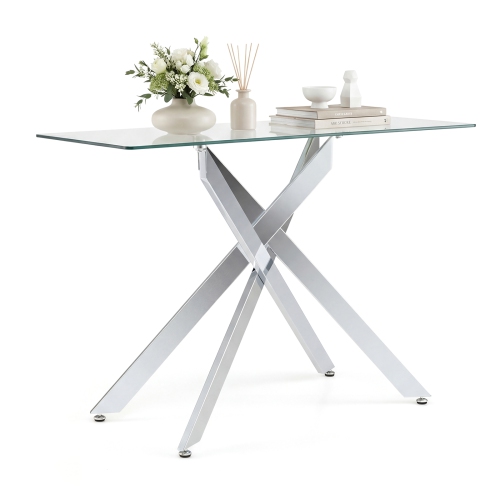
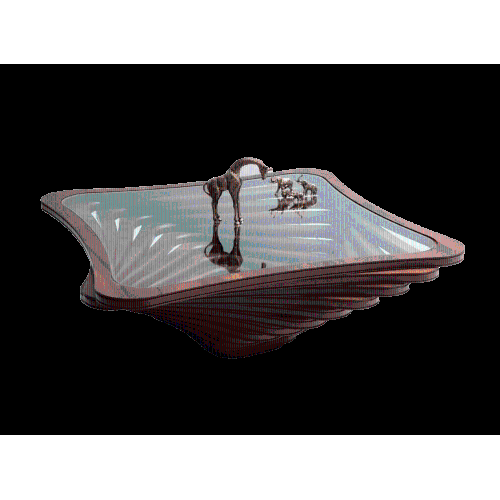
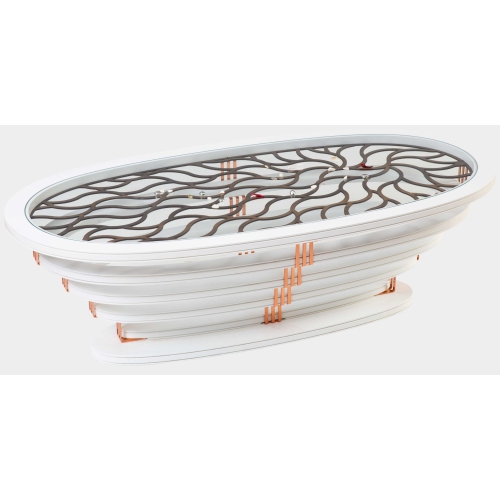
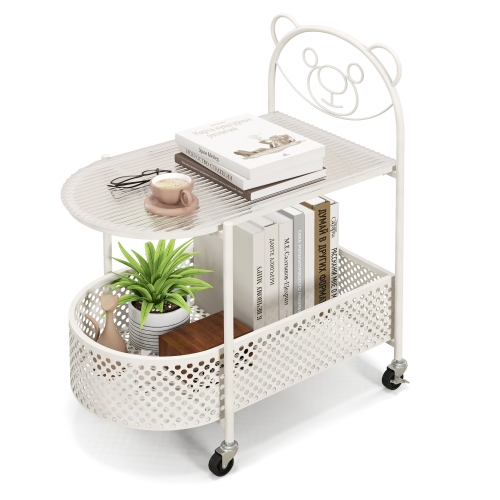

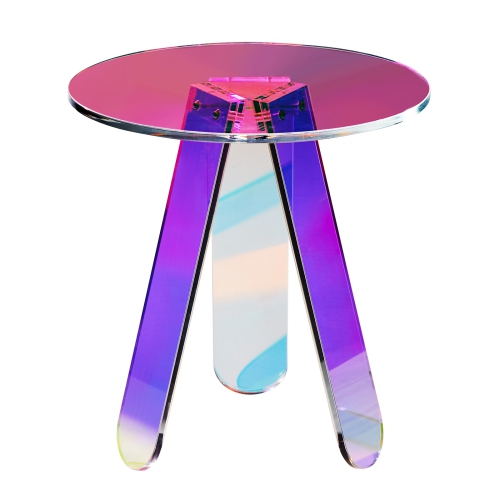
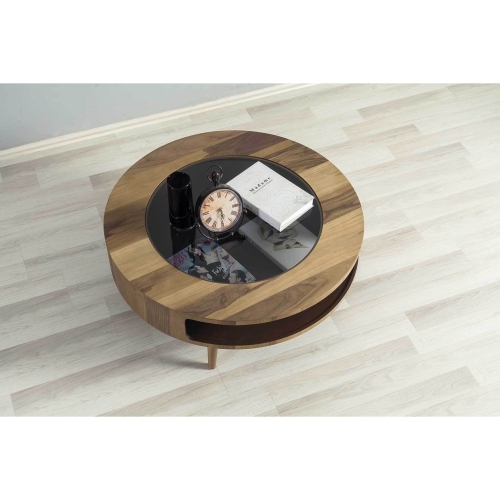
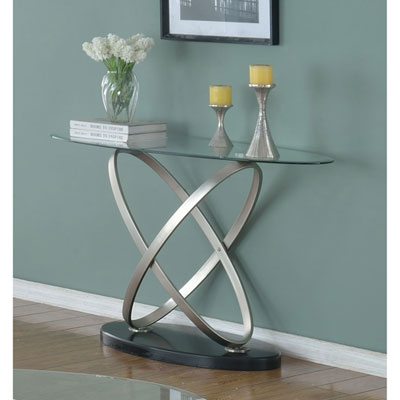
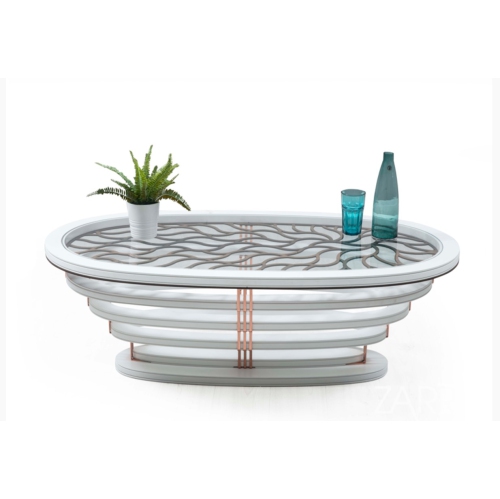

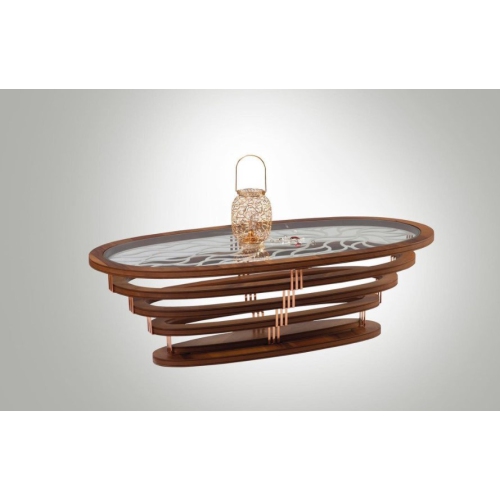
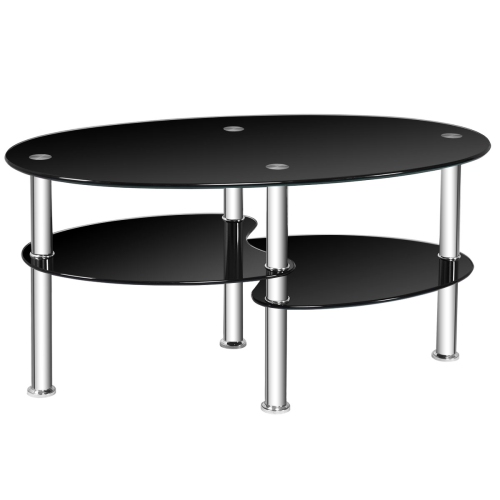
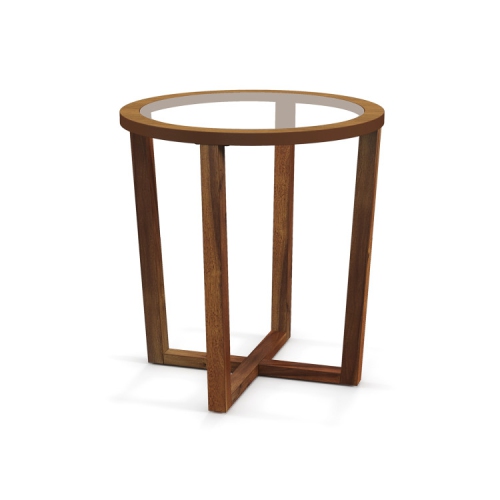
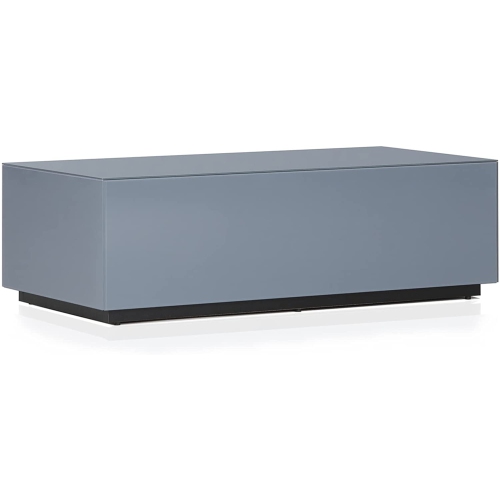
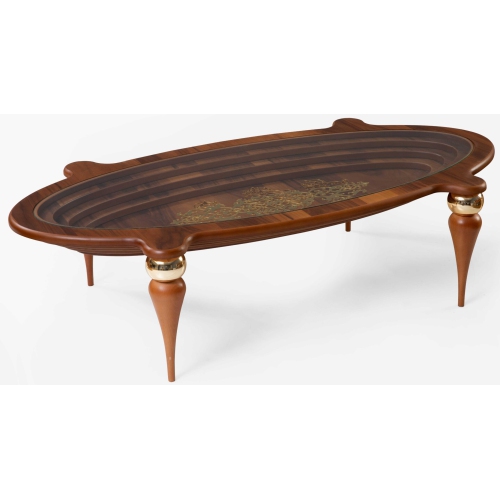
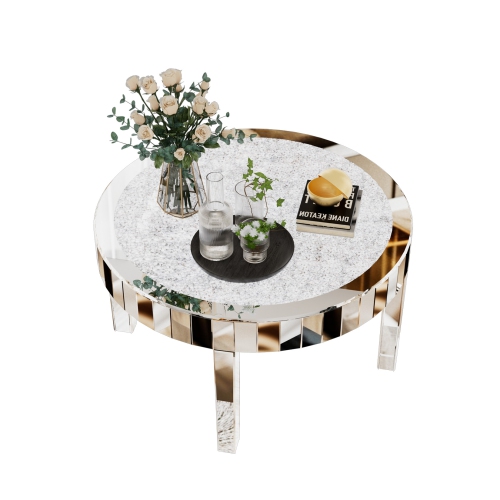
A practical surface that leaves your room in view
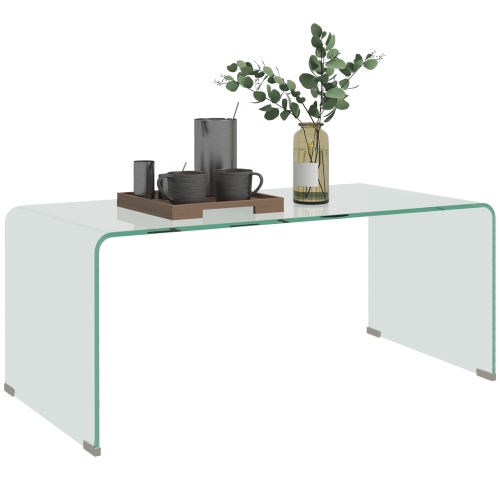
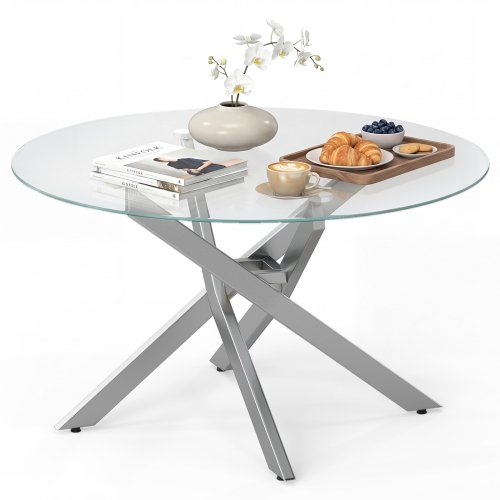
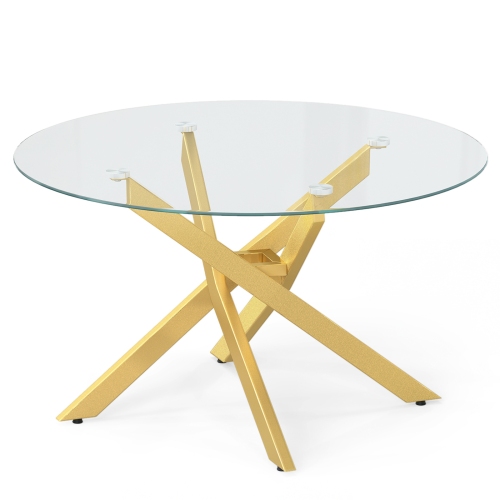
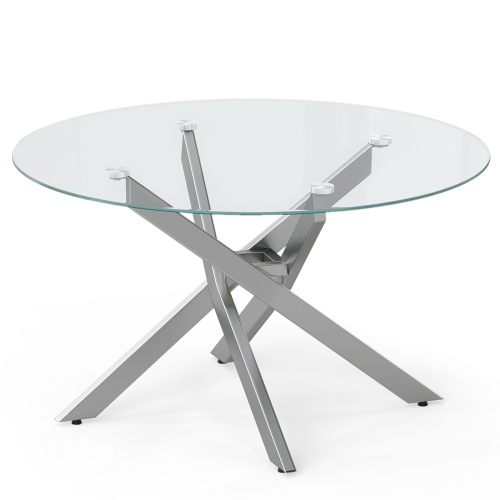
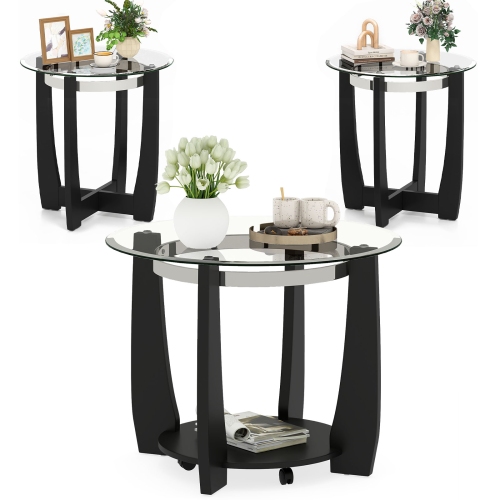
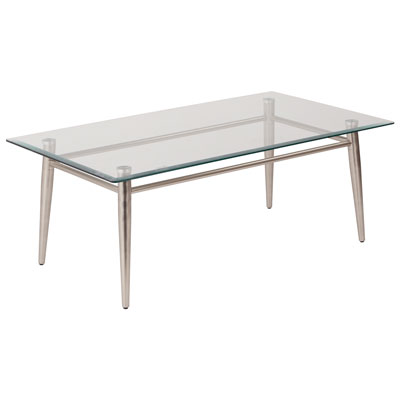
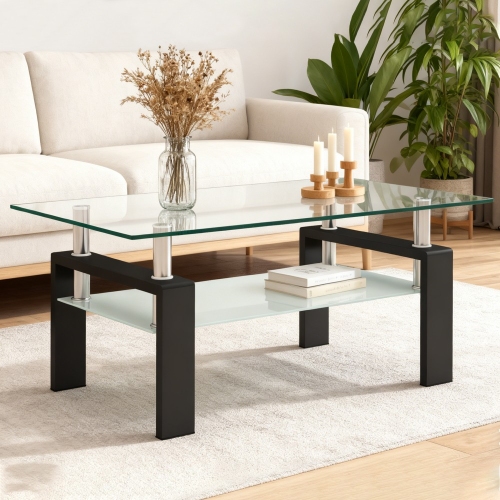
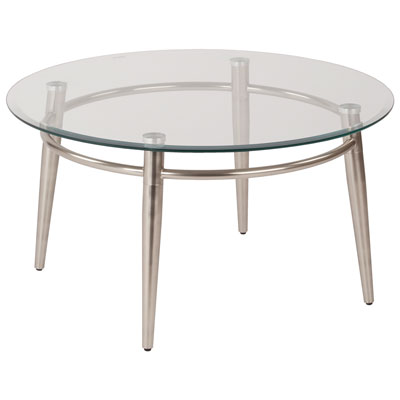
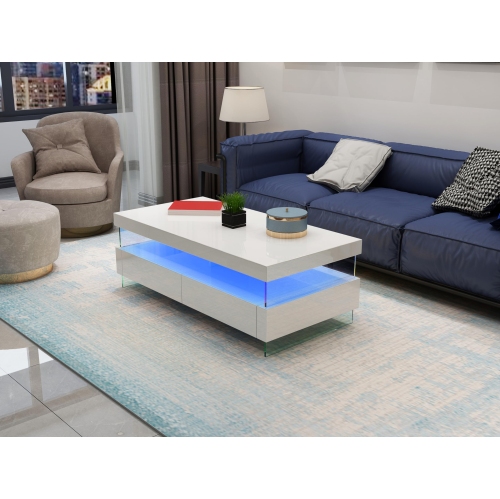
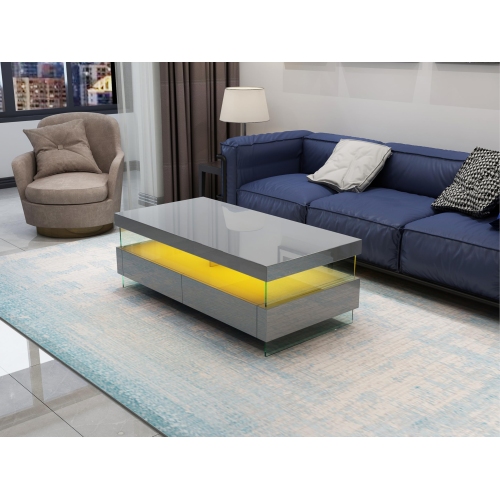
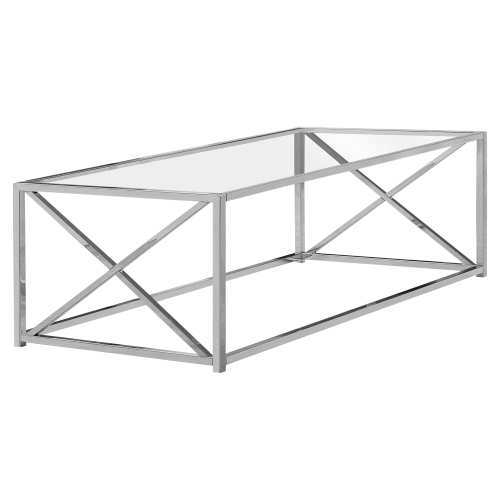
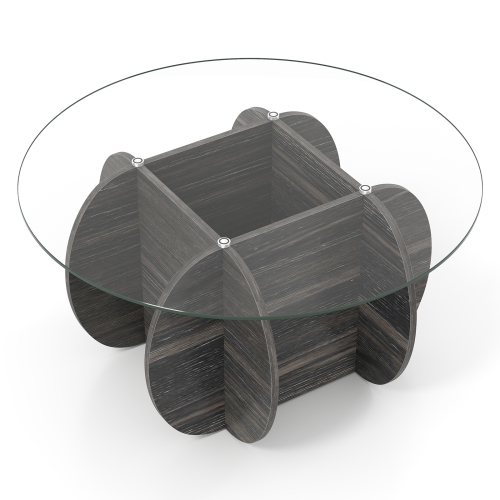
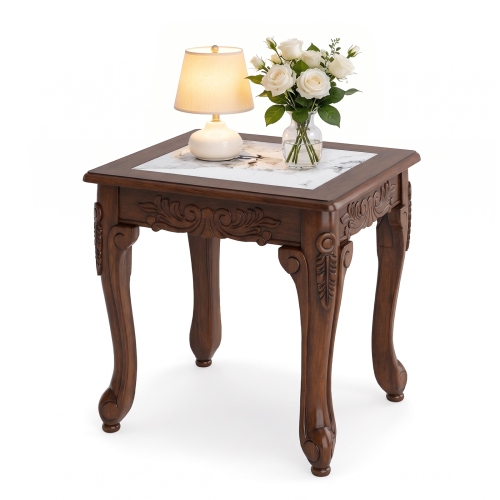
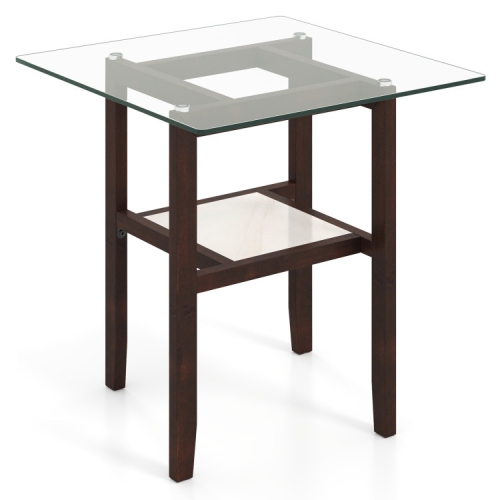
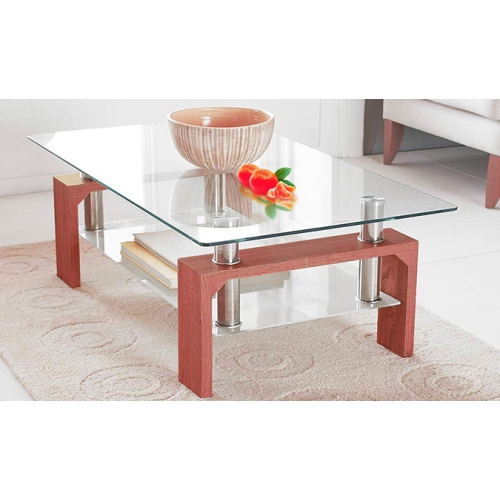
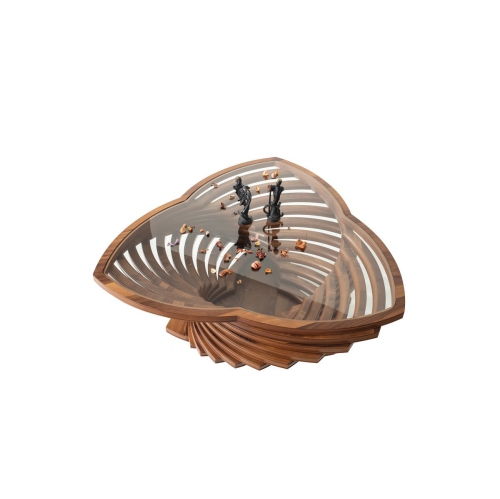
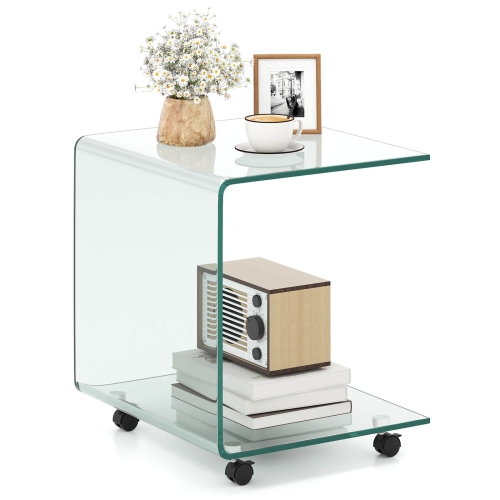
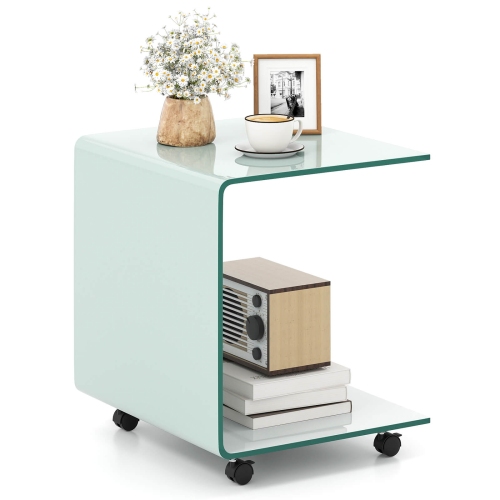
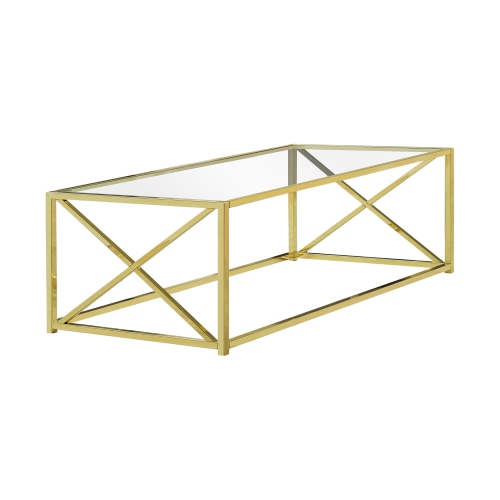
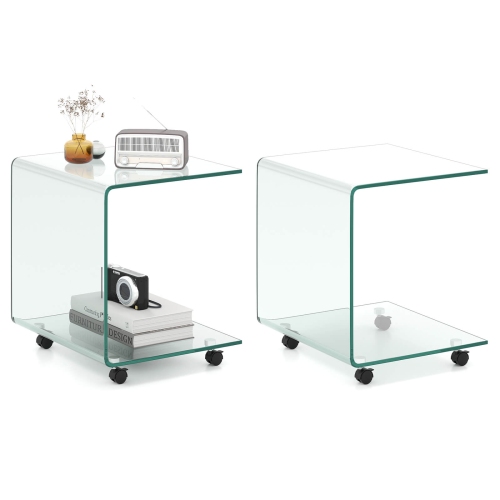
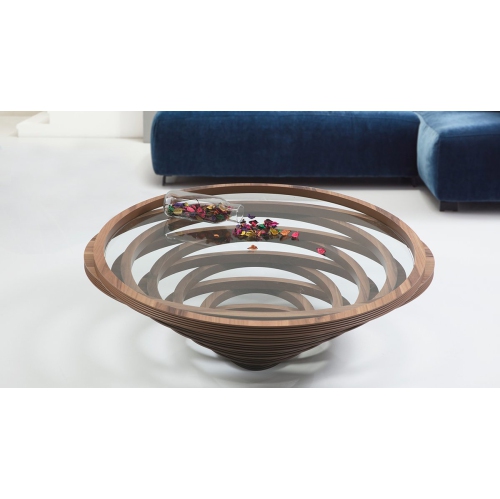
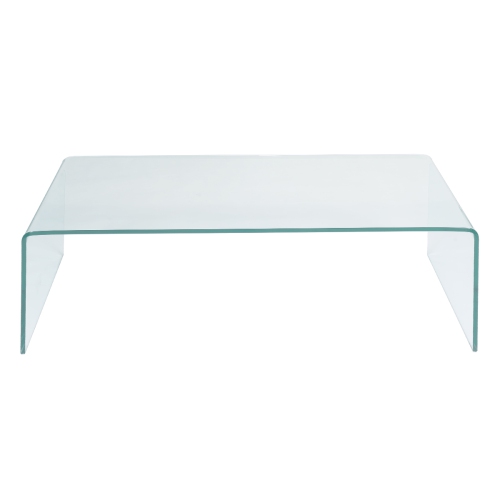
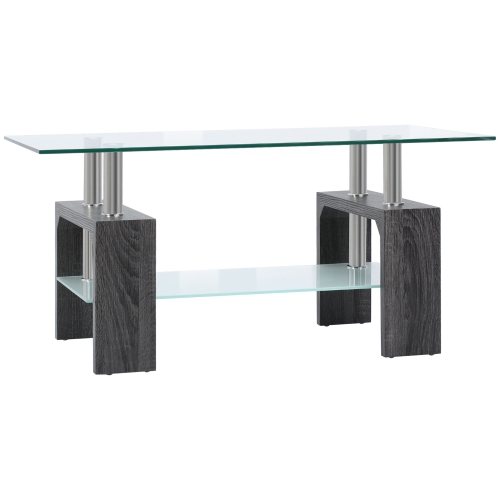
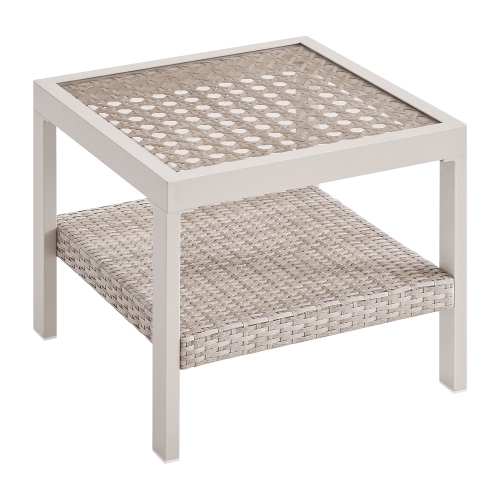
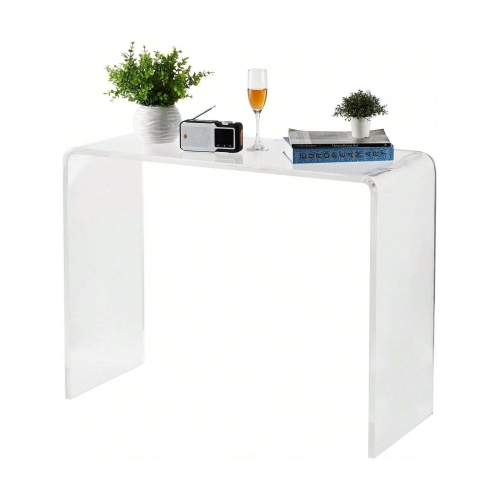
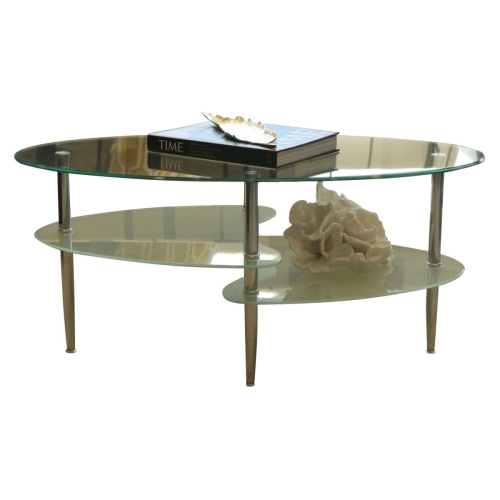
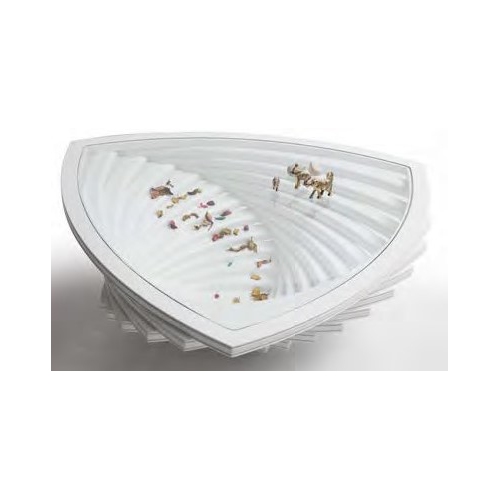
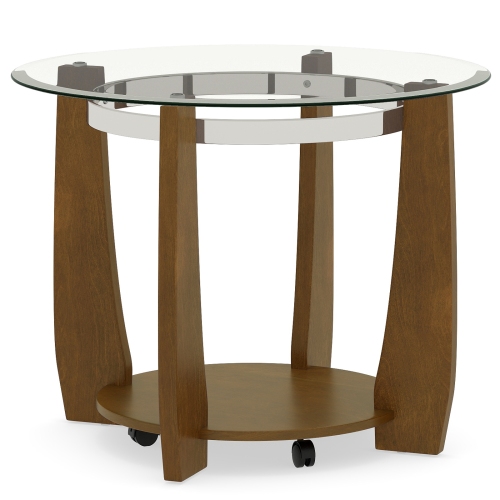
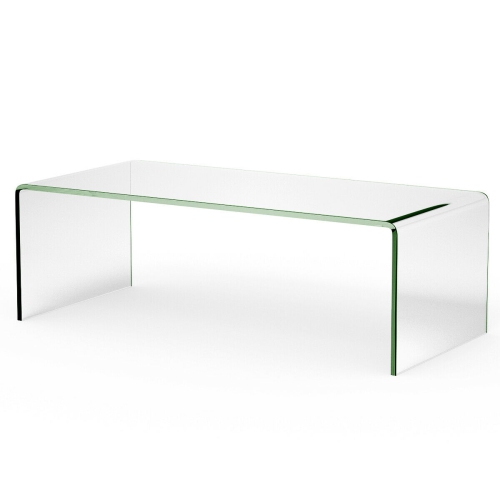
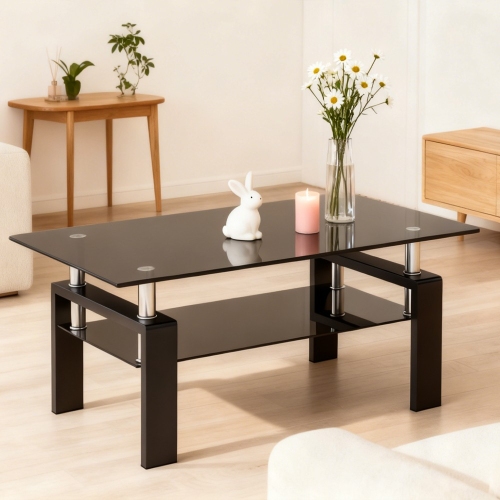
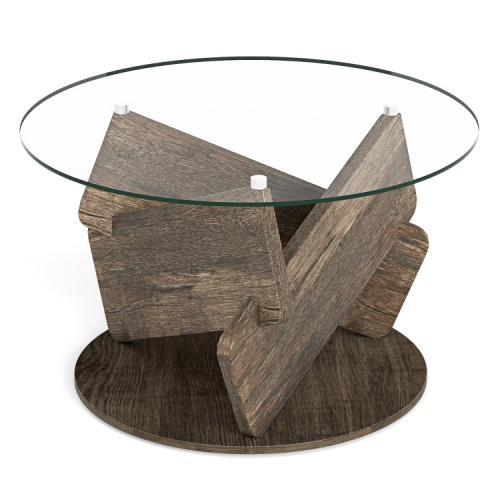
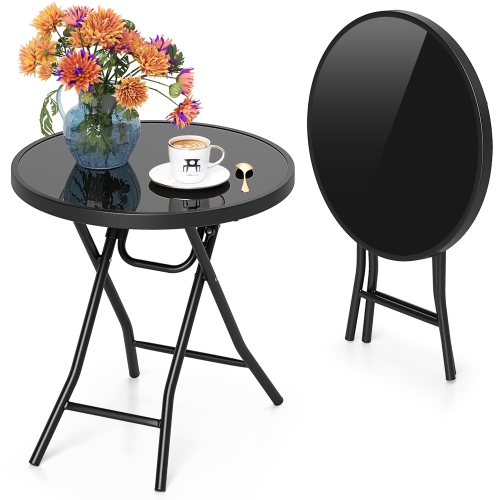
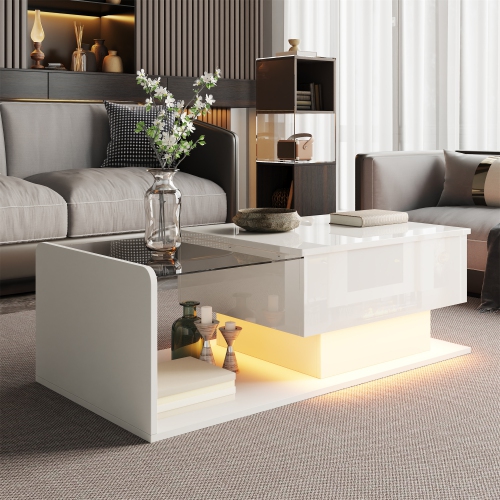
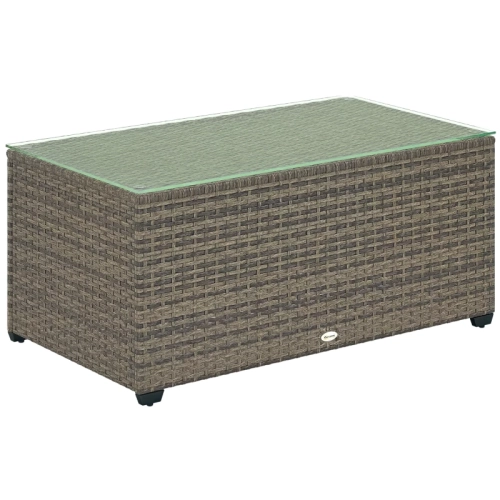
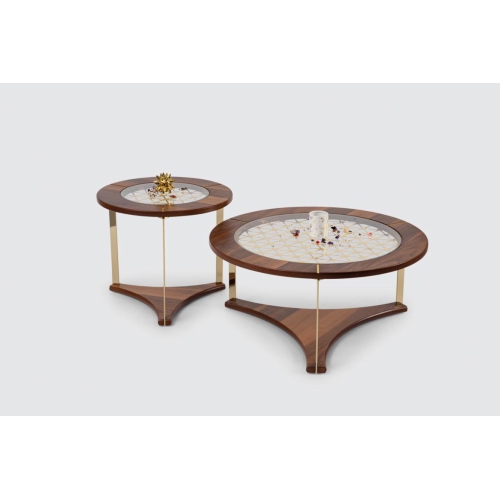
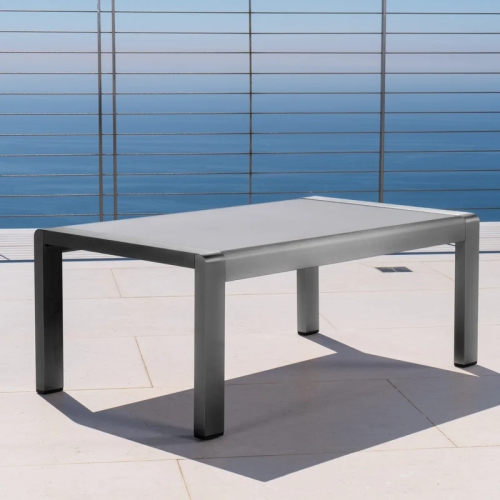
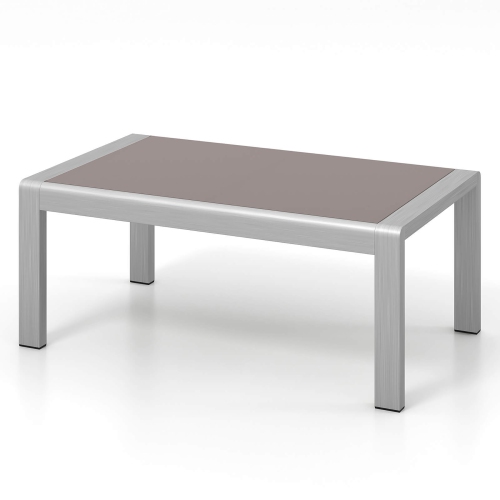
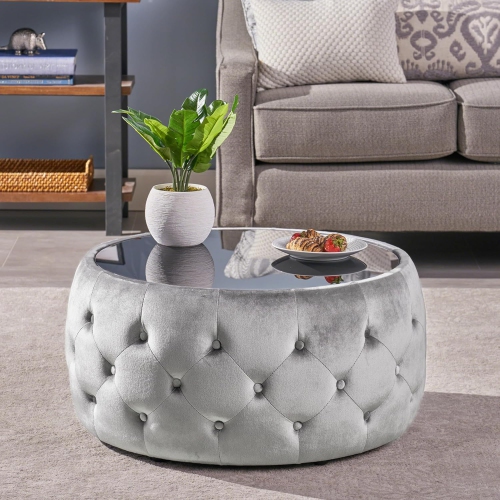
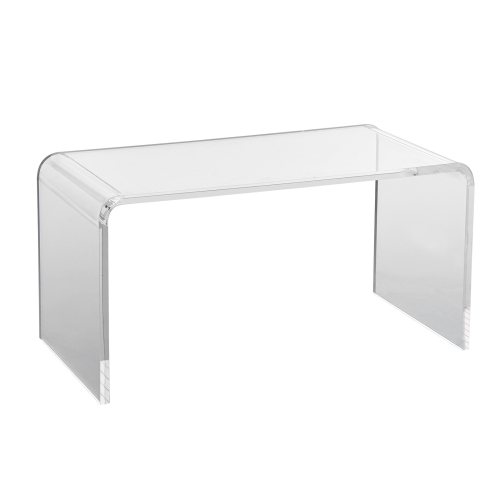
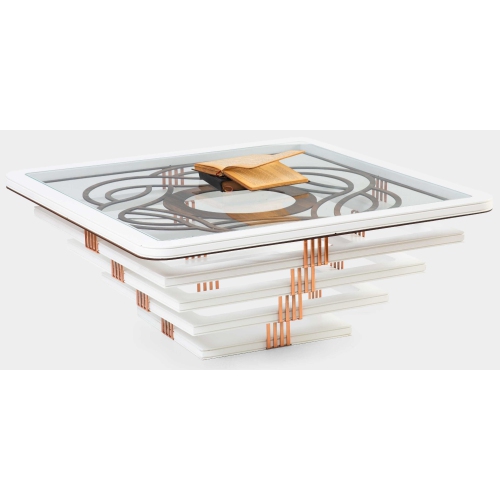
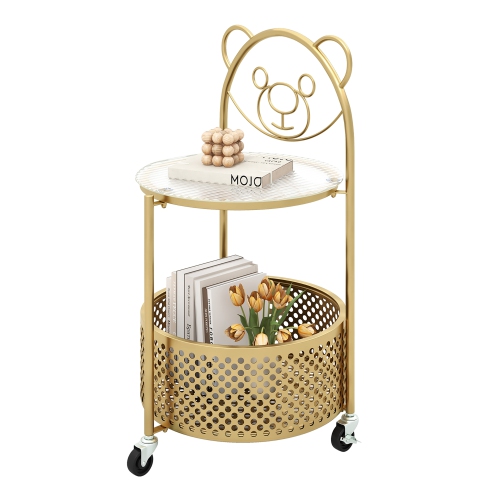
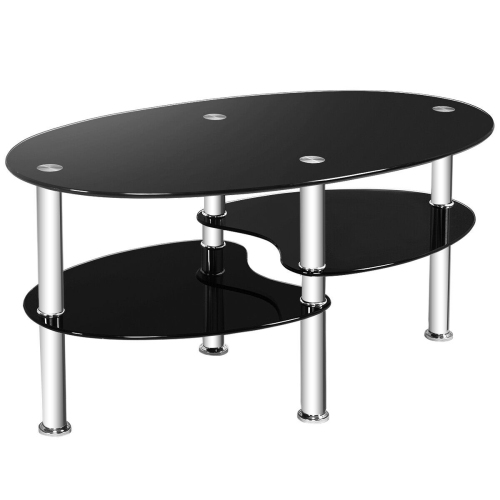
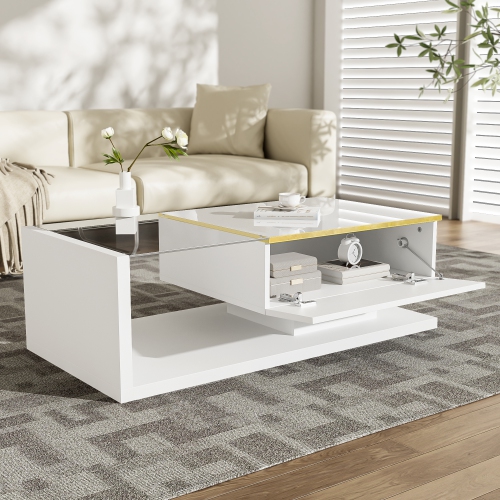
Transparent glass coffee tables bring a useful surface to a seating area without the visual weight of a solid tabletop. Because the top lets light pass through and keeps the floor or rug visible, it can help a compact living room feel more open, although it does not change the amount of floor space the furniture occupies. That see-through quality also makes clear glass a versatile partner for different furnishings: a patterned rug remains part of the room, a sculptural base becomes a focal point, and the colours of nearby upholstery can stand out. The overall effect depends as much on the frame as on the glass. Slender metal legs create a light, understated outline, while a substantial wood base adds warmth and a stronger furniture presence. Chrome and polished steel reflect surrounding light; black metal provides a sharper contrast against pale flooring or a neutral sofa. All-glass designs, including curved waterfall shapes, keep the silhouette especially simple, though their weight and handling requirements still deserve attention. Clear glass can also have a slight green tint, most noticeable along thicker edges, so transparency does not always mean a completely colourless appearance. Rectangular tops suit many longer sofas and provide room to spread out drinks, reading material, and a serving tray. Round tops soften an arrangement of angular furniture, while oval tops offer an elongated surface without projecting corners. Square tables can work well within generous seating arrangements, provided there is enough space to move around them. These differences make transparent glass coffee tables suitable for more than a strictly modern room. Paired with textured upholstery, wood furniture, or a richly coloured rug, a clear top can balance heavier materials rather than compete with them. For someone furnishing a condo, refreshing a family sitting room, or arranging a conversation area, the appeal lies in having a practical central surface that leaves more of the room in view.
Fit matters just as much as appearance, particularly because a transparent tabletop can seem less substantial than it actually is. Measuring the full footprint, including legs or supports that extend beyond the glass, helps establish whether a table belongs comfortably between the seats. A common starting point is a tabletop around the height of the sofa seat or slightly lower, with a length roughly two-thirds that of the sofa; these are proportions to consider rather than fixed rules. Leaving about 14 to 18 inches between the table and seating often provides a workable balance between legroom and easy reach, while main walking routes may need considerably more clearance. A chaise, reclining footrest, or sofa bed changes the usable space, so its extended position matters too. In a narrow room, an oval table may ease movement past the seating area, but rounded edges do not remove the need for adequate clearance. Households with young children, active pets, or anyone who has difficulty seeing clear edges may find a visible frame helpful and may prefer a different material if collisions are a concern. Construction is another important distinction. Tempered glass is heat-treated for greater strength than ordinary annealed glass and generally breaks into small granular pieces rather than long, sharp shards, but it is not unbreakable and broken pieces can still cause injury. Thickness alone does not establish how much a table can hold: the glass type, span, base design, attachment points, and stated load limit all contribute. A firmly supported top and a stable, level base are essential whether the table holds a few mugs or a heavier stack of books. Lower shelves can keep remotes and magazines within reach, though objects remain visible through a clear surface and may add visual clutter. For arrangements that make stored objects part of the design, glass display coffee tables connect a transparent top with space to present books, keepsakes, or a carefully arranged collection beneath it. The distinction is useful: a clear top provides visibility, while a display-focused design also considers what sits below.
Everyday use helps determine which details will matter long after a room is arranged. A glass coffee table works well as a landing place for a cup of tea, a puzzle, or a tray of snacks during a film, but it should not be treated as a seat, step, or exercise platform. Concentrated pressure and impacts, especially at exposed edges, can damage glass even when the surface looks thick. Coasters and suitable trivets help limit marks and protect against direct contact with hot drinkware or serving dishes; very hot cookware does not belong directly on the top. Felt pads beneath decorative objects can reduce scraping, and lifting a ceramic bowl or planter is gentler than sliding it across the surface. Glass is easy to wipe, but it is not scratchproof, and fingerprints, dust, and dried droplets tend to show clearly in reflected light. A soft, clean microfibre cloth and a cleaner approved for the finish usually suit routine care. Removing loose grit before wiping helps avoid dragging abrasive particles across the top, while cleaning the underside as needed keeps a transparent surface looking clear from a seated position. Cleaner should stay away from joints, adhesives, and surrounding wood or metal unless the care instructions permit contact. Abrasive pads and powders can damage the finish, and chips, cracks, or loosened fittings call for attention rather than being hidden beneath a tray. Moving the table also takes care: lift it rather than dragging it, follow the assembly instructions, and avoid using the glass top as a lifting point unless the design specifically allows it. Styling can remain simple. One low tray can gather frequently used objects without obscuring the entire surface, while a small stack of books adds colour without blocking conversation across the room. The most comfortable arrangement leaves enough clear space for actual use. With the right proportions, sound support, and thoughtful placement, a transparent glass coffee table can serve as an everyday gathering point while keeping the surrounding furniture, flooring, and personal details visible.
Top selling and popular products
-
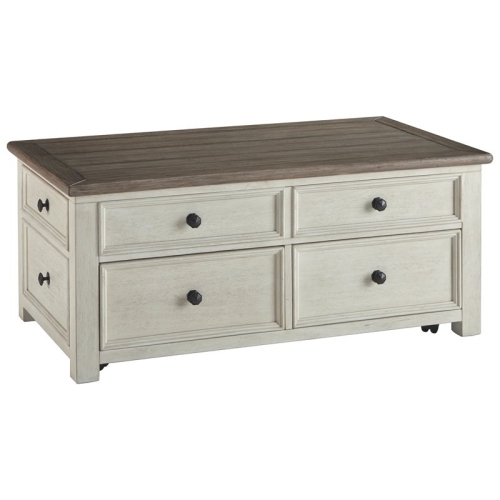 Your price for this item is $949
-
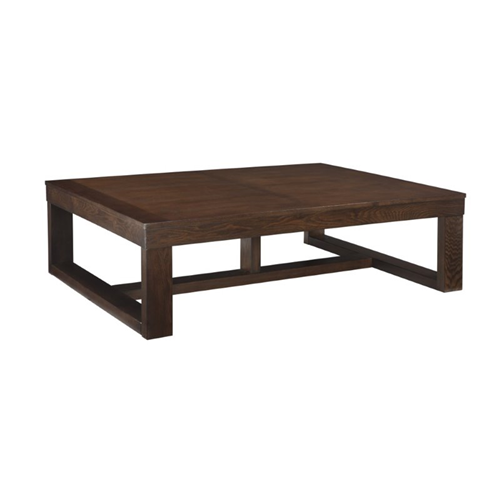 Your price for this item is $449
-
 Your price for this item is $649
-
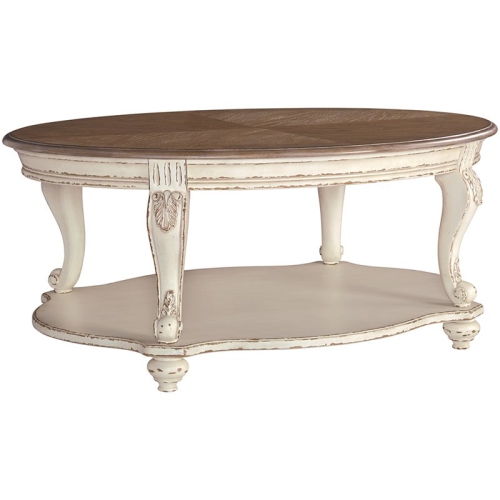 Your price for this item is $599
-
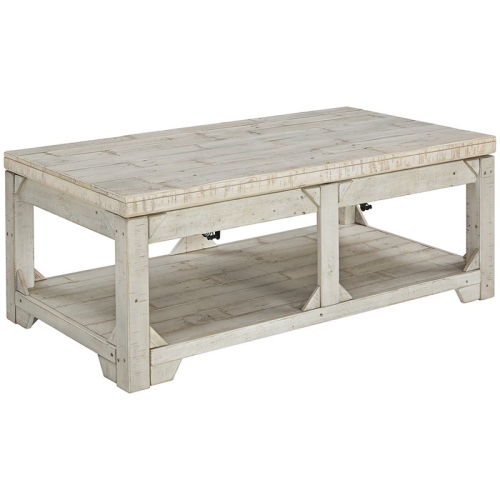 Your price for this item is $549
-
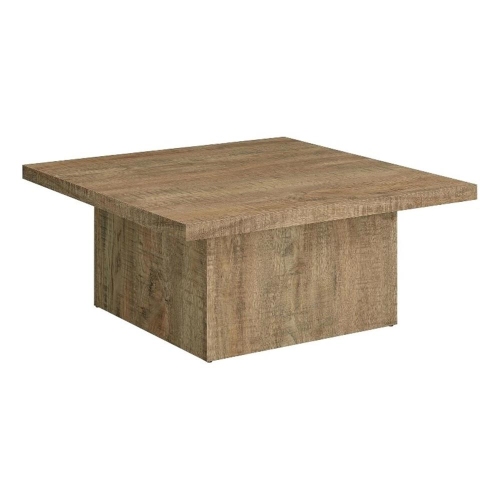 Your price for this item is $349.93
-
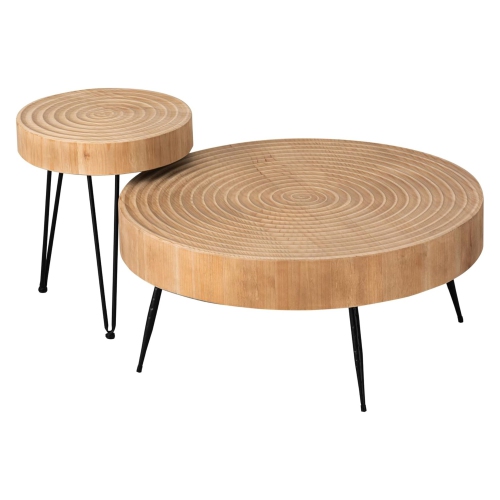 Your price for this item is $524.99
-
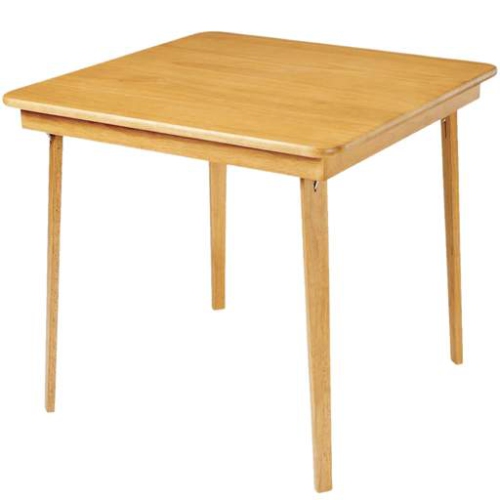 Your price for this item is $233.72
Discover more categories related to Transparent Glass Coffee Tables
Top Collections:
Best Black Friday Deals This Year, Best Black Friday Deals On Electronics, Kindle Devices, Dyson Airwrap, Best Cameras for Sports Photography, Best Black Friday Deals On Apple Products, PS5 Pro Consoles, Portable Snow Blowers, Canon G7X Cameras, Pokémon 30th Celebration Cards
Some products may be subject to Environmental Handling Fees
(EHF) depending on your province.
Learn more about EHFs.